Community Service

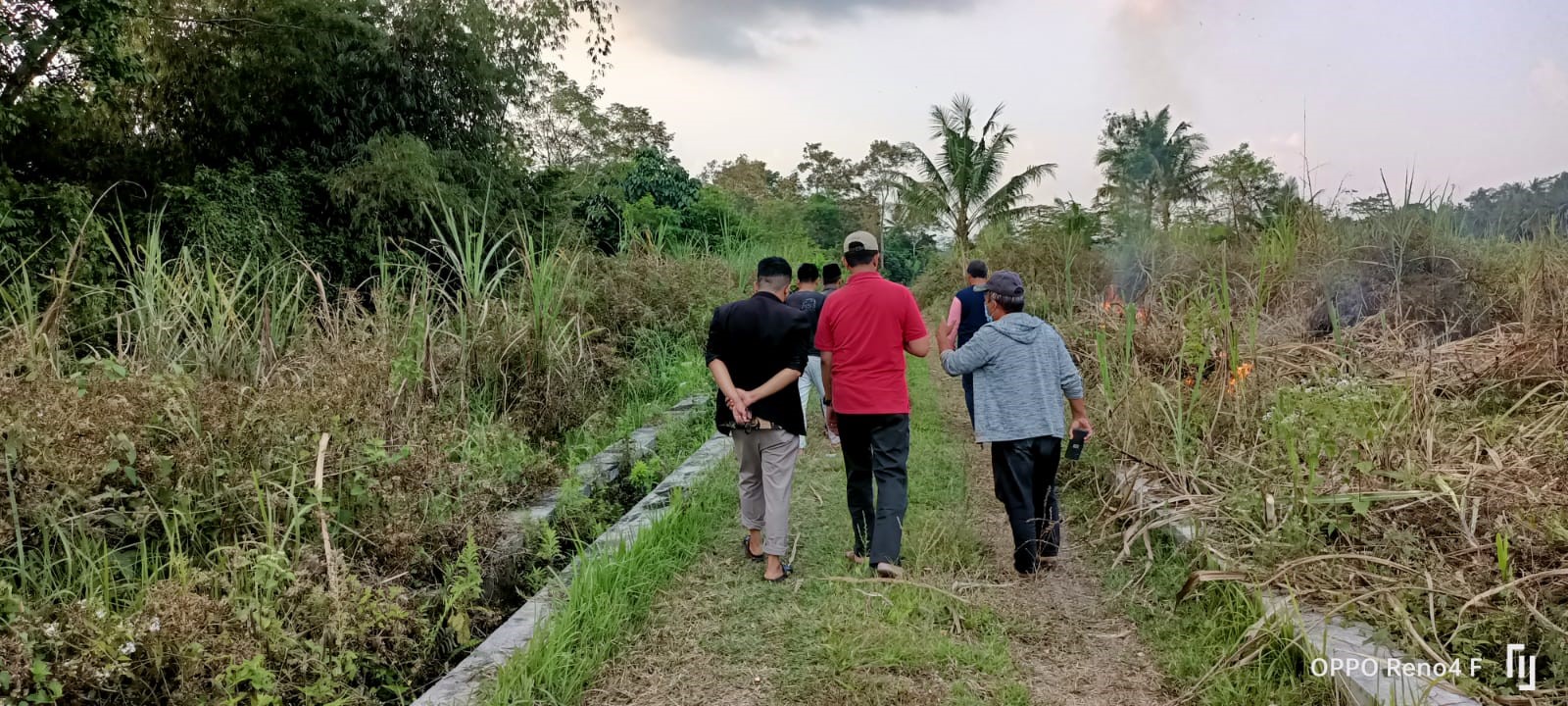
On Saturday, June 3, 2023, the PCM MBKM-2023 team that includes students of Faculty Biology UGM, namely Rahmi Qurrota Aeni, Nala Azkiya, Lena Mardiana, Nurrisma Ika Lestari, and Kanya Nabila Febrirani with supervisor Mrs. Dwi Umi Siswanti, S. Si., M.Sc. has carried out the implementation of Independent Learning Campus Merdeka (MBKM) activities in the Klayar Tourism Village. This program was carried out to improve the economy of the Klayar Farmer Group in Kedungpoh Village, Nglipar Gunung Kidul, together with Mr. Didik Purnomo as the MBKM partner. This activity continues last year’s community service program on organic chrysanthemum cultivation. However, this year, we use shallots as plants to be cultivated.
This activity began with consolidation with Mr. Didik Purnomo to prepare for needs in organic shallot cultivation. After that, the Pkm MBKM-2023 student planted and trained for planting shallots. During the shallot planting training activities, students were guided by Mr. Didik and the Klayar Farmers Group to grow in the fields and the greenhouse. Students are taught how to plant shallots starting from preparing the seeds to how to produce them. This activity will continue with other programs, such as outreach to the Klayar Farmers Group regarding shallot processing to increase the community’s economic value.
MBKM-PkM activities was started by distributing questionnaires on Saturday and Sunday of 20 and 21 May 2023 to the residents of Dusun Pajangan using the door-to-door method. The aim of the questionnaire was to find out the community’s understanding of degenerative diseases, the condition of vacant lands in Dusun Pajangan, as well as the potential of medicinal and vegetable plants to prevent degenerative diseases. Through distributing this questionnaire, 40 respondents were found with an age range of 15-69 years. Among them, 33 respondents had never heard of degenerative diseases. Based on these results, we found out that most residents of Pajangan think that an unhealthy lifestyle and stress are the main triggers of degenerative diseases. Then, based on the several examples of degenerative diseases mentioned, people are more familiar with high blood pressure (hypertension) and diabetes mellitus, while 7 of them did not know the examples of degenerative diseases. Furthermore, through distributing this questionnaire, it was revealed that there were several vacant lands in Dusun Pajangan, most of which had not been used optimally other than for gardening and for waste disposal. In addition, we also obtained data that 29 out of 40 respondents already knew about medicinal and vegetable plants, plant samples, and some of their uses. Most people in Dusun Pajangan also use medicinal plants as herbal medicine.
Then, to further increase public understanding of degenerative diseases, our team has also conducted socialization or outreach programs about degenerative diseases and the potential of several plants as preventative alternative treatment on June 4, 2023 at 10.00-12.00 WIB. This program aims to increase the understanding of the Dusun Pajangan community about degenerative disease, the factors that affect degenerative diseases, as well as the potential of some plants to prevent these diseases. The socialization which was attended by 17 residents of Dusun Pajangan received positive responses. Besides that, our team also made an inventory of several medicinal and vegetable plants in Dusun Pajangan which aimed to find out what medicinal plants are often used by the community. Based on the results of the inventory, there are several medicinal and functional plants that are widely grown by the people in Dusun Pajangan, including ginger, galangal, betel, aloe vera, Indian mulberry, papaya, banana, guava, butterfly pea, pandan leaves, taro leaves, and many more.
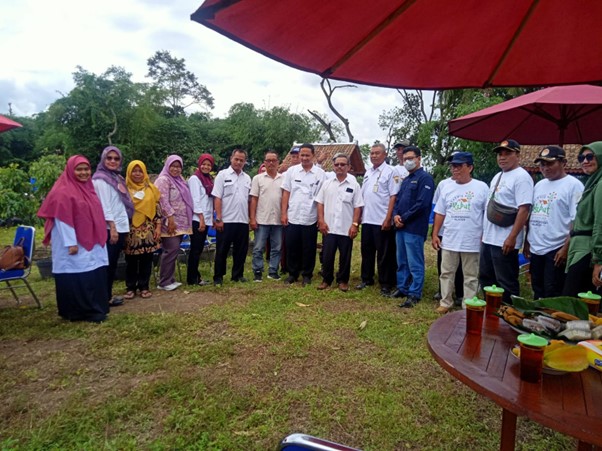
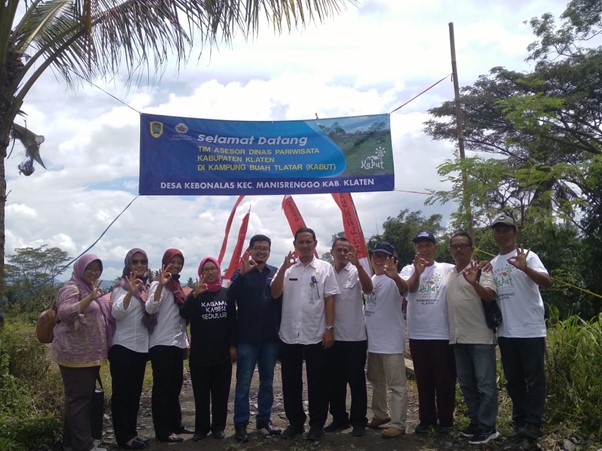
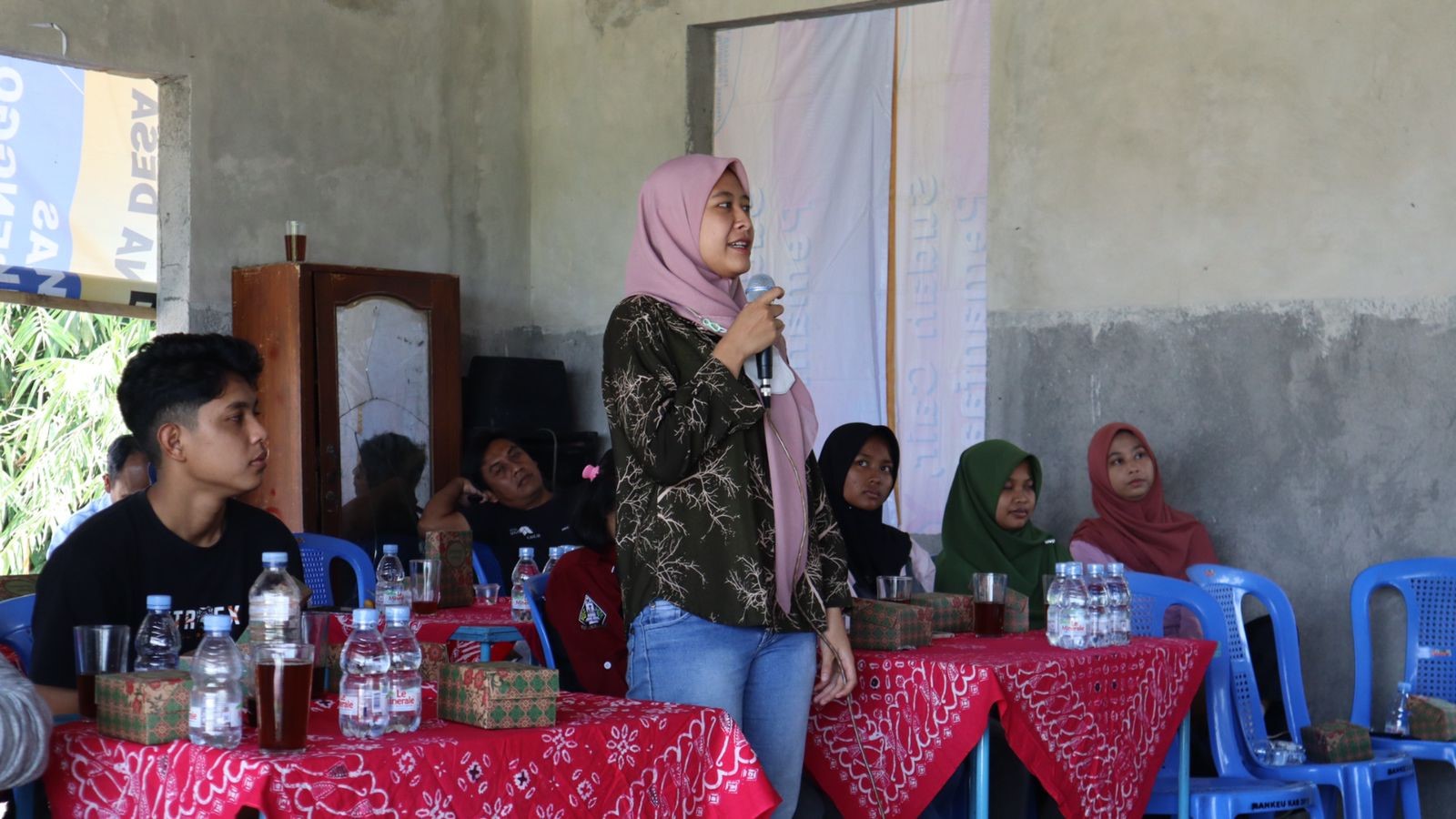
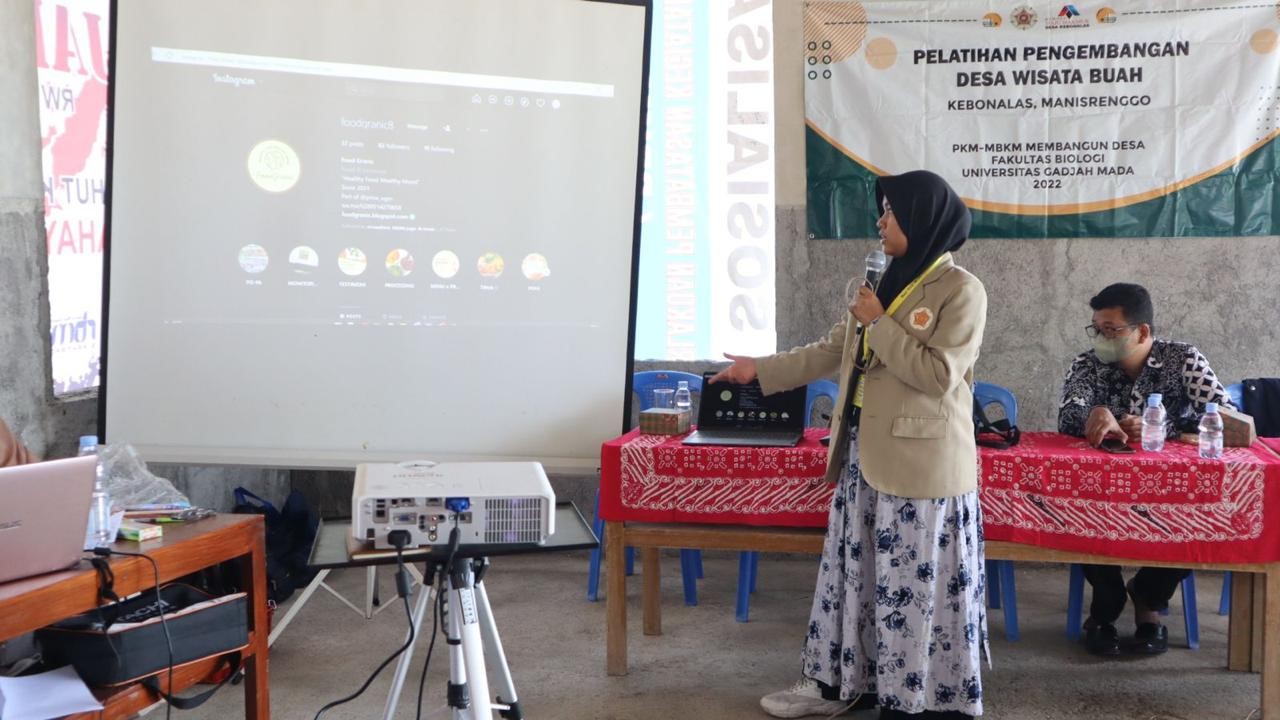
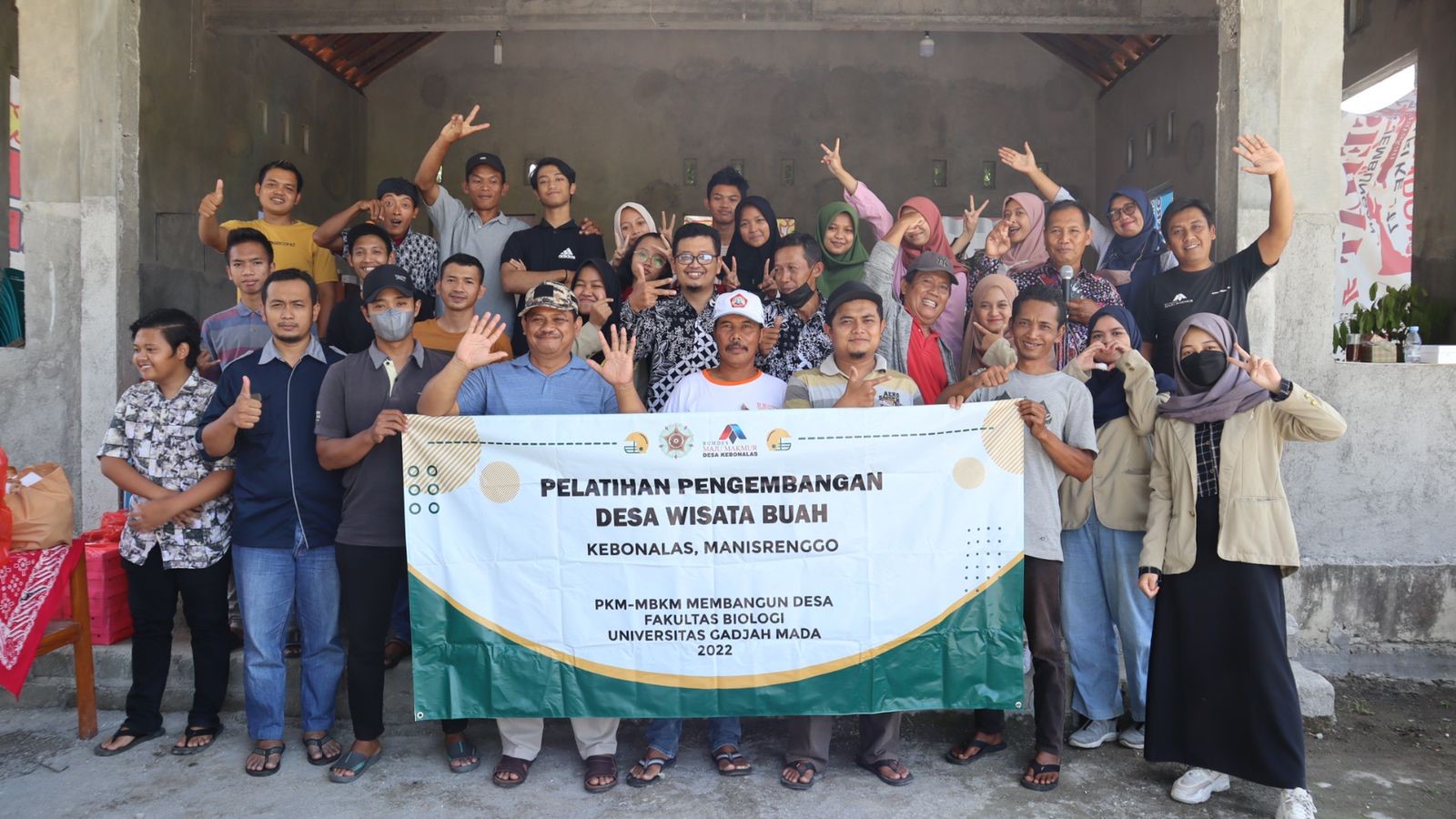
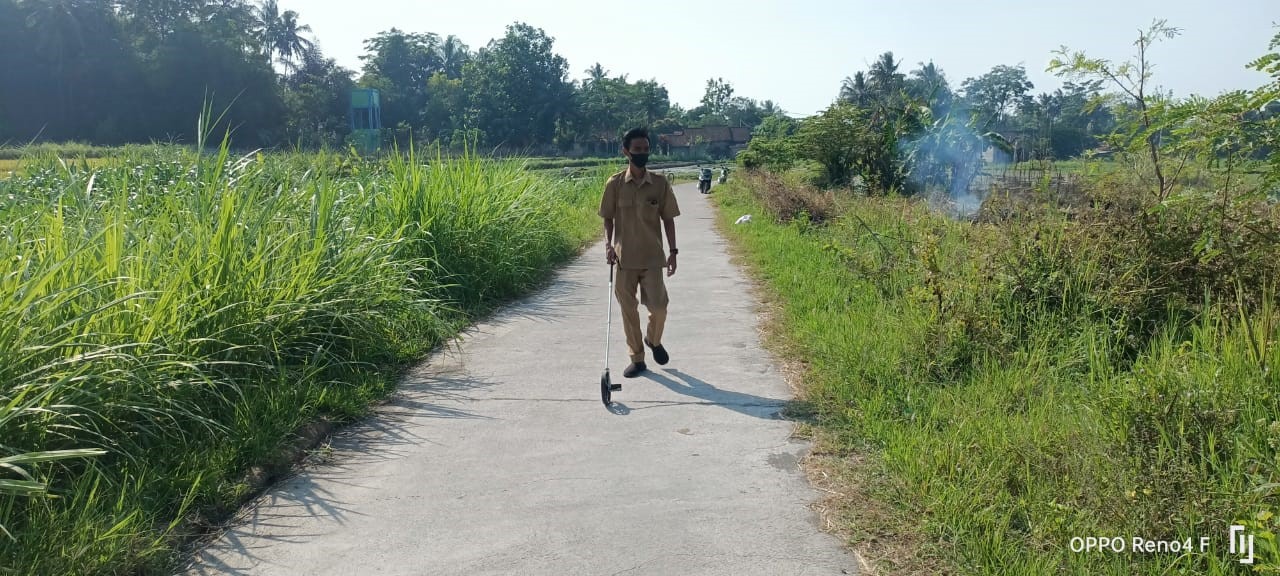
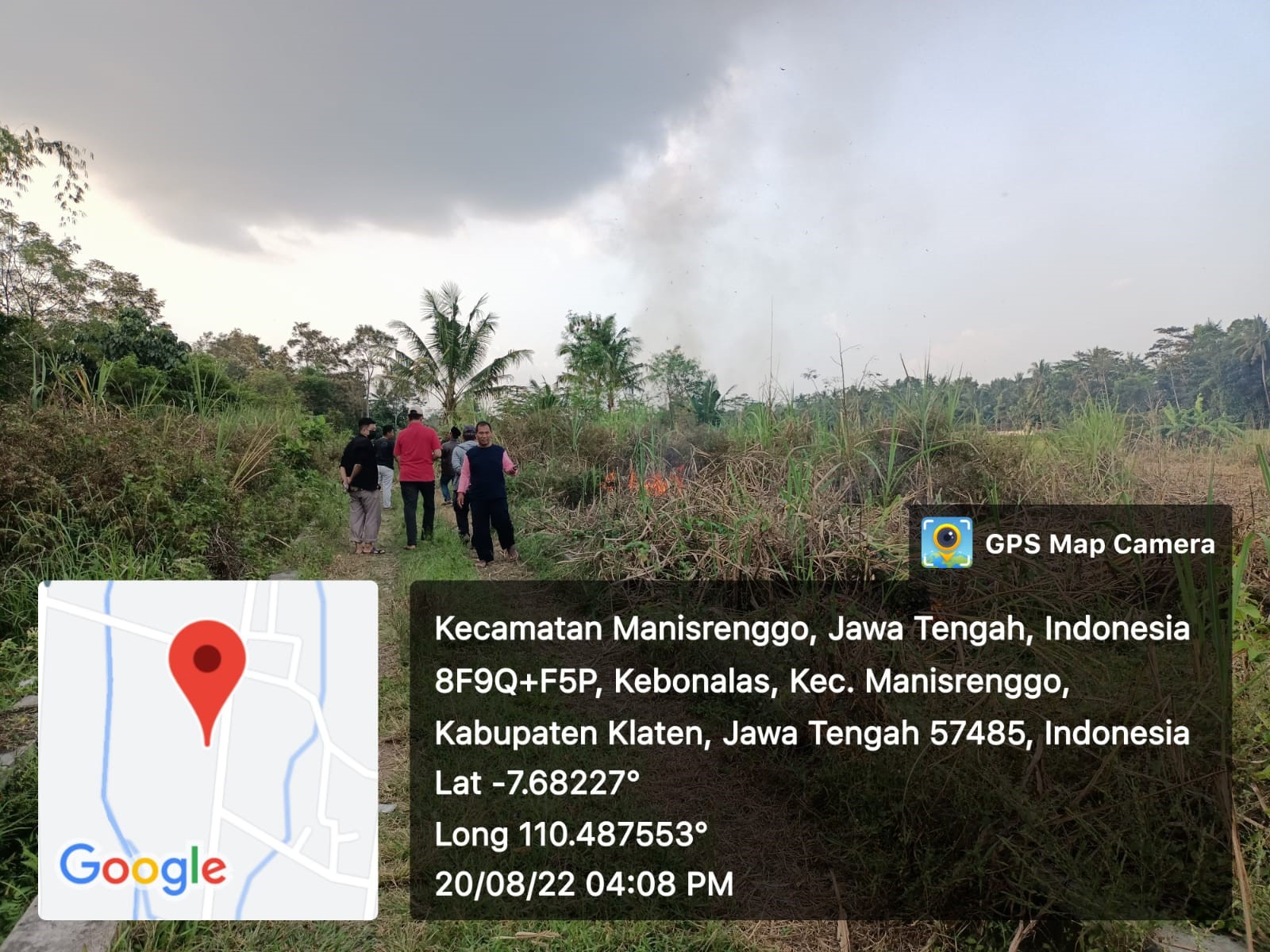
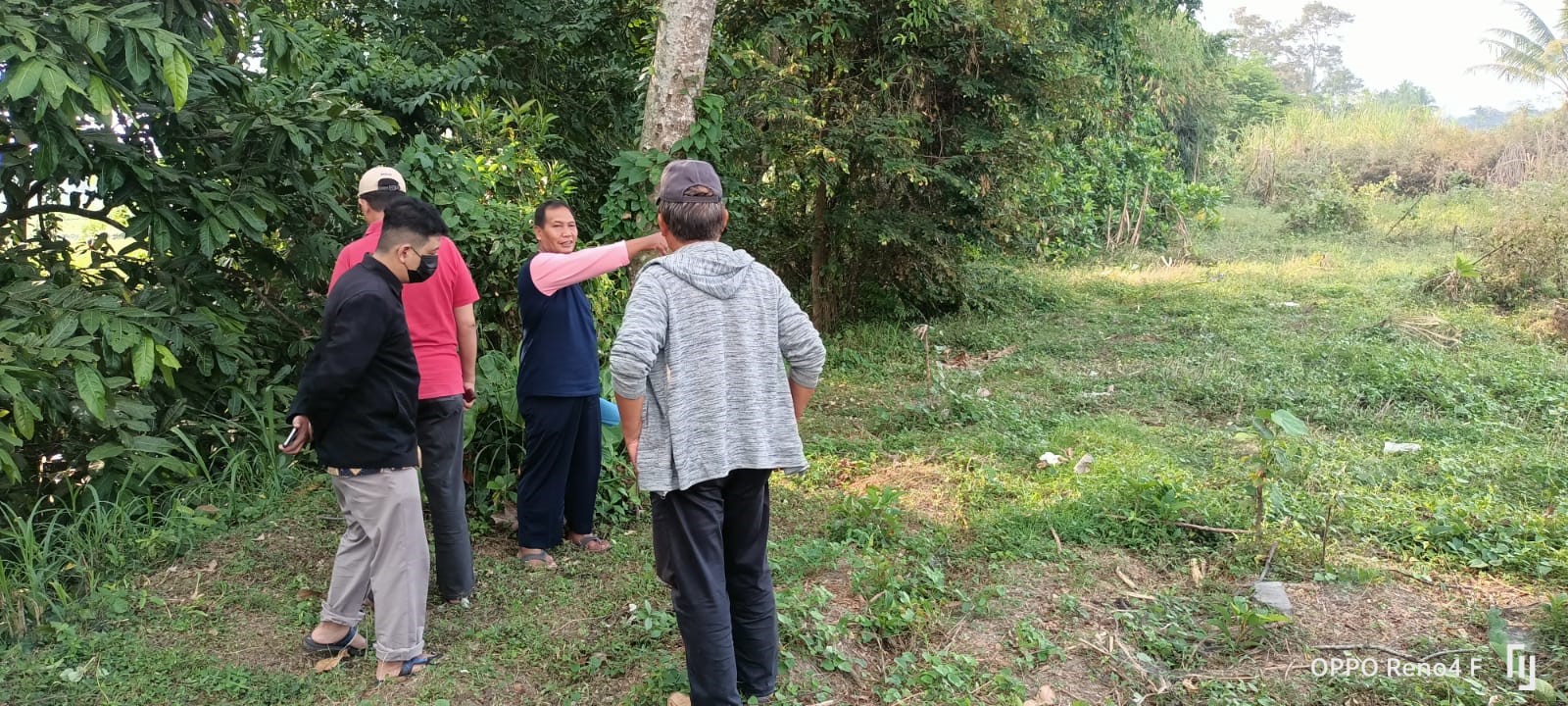
Community Service Program at the Faculty of Biology UGM with coordinator Sukirno, S.Sc., M.Sc., Ph.D. has been started since 2020 through the MBKM Community Service Program to Build Villages. After preparation and initiation since 2020, in 2021 the program will progress gradually with a strong commitment from all village officials spearheaded by Mr. Supriyanto, S.Pd. (Kebonalas Village Head), Mr. Suwadi, S.Pd. (Village Secretary), Mr. Robani, S.TP. (Chairman of the BPD) and members, Mr. Sunardi as the head of the sub-village, Mrs. Mulati and Mr. Junarko as the Maju Makmur BUMDES with assistance from the MBKM Membangun Desa, Faculty of Biology UGM proposed Kebonalas as a Fruit Plant-based Tourism Village to the Klaten District Government. The submission will be carried out in November 2022, and then undergo an assessment in the field on January 11, 2023 by the Youth Culture and Sports and Tourism Office.
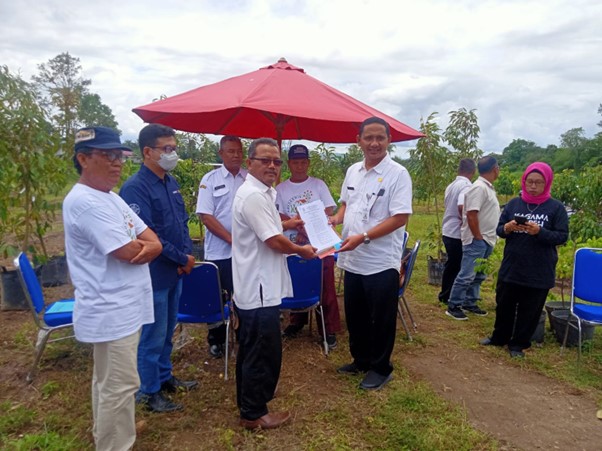
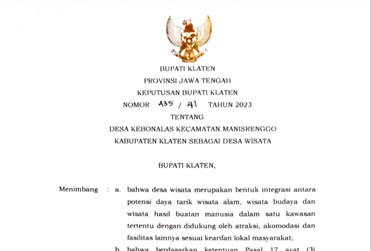
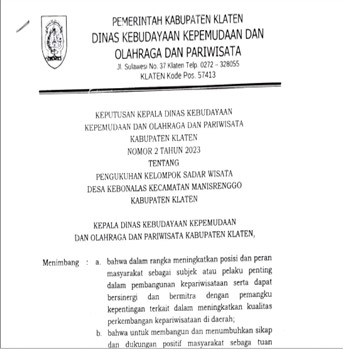
After carrying out the Assessment, on February 10, 2023, Alhamdulillah, Kebonalas Village received a Village Decree from the Regent for the KABUT KEBONALAS Tourism Destination vehicle with the SK number 435/41 of 2023 dated February 10, 2023 and the Tourism Awareness Group Decree of the Youth Culture and Sports and Tourism Office with Number 2 Year 2023. With this success, it is hoped that this program can run according to plan and the goal of a tourist village can soon be realized to become a source of income and empowerment for the people of Kebonalas Village that is synergistic and sustainable.
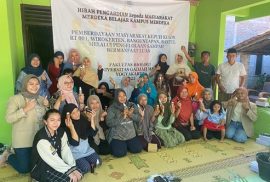
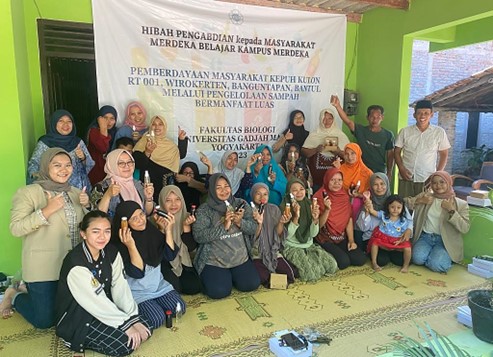
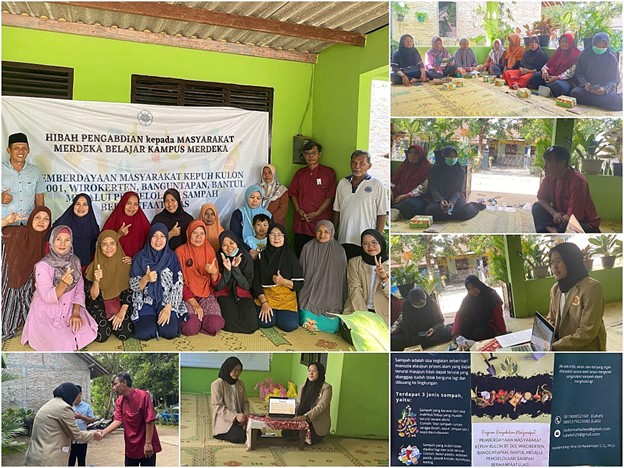
In order to introduce waste management techniques, the team of Pengabdian Kepada Masyarakat – Merdeka Belajar Kampus Merdeka (PkM MBKM) Faculty of Biology 2023 chaired by Rina Sri Kasiamdari, S.Si., Ph.D. and involved two students namely Galuh Kirana Mahadewi and Laila Uswatun Chasanah have carried out activities related to organic waste management in Dusun Kepuh Kulon RT 001, Wirokerten, Banguntapan, Bantul. This activity is planned to take place in 2 semesters, starting with a socialization event which have been held on Sunday 14 May 2023 from 09.00 to 10.30 WIB at the house of the neighborhood head of RT 001, Mr. Zamzuri. This socialization activity was attended by 15 participants of RT 001 and the head of Hamlet. In her greetings, Ms. Rina said that the MBKM PkM activity was the second year of the MBKM PkM Program at RT 001 Kepuh Kulon. The Waste Management theme is a program that is expected to be applied by people in their homes or in their environment. Head of the hamlet, Mr. Sunartana conveyed the importance of household-scale waste management. This is because a lot of garbage has accumulated in various places due to garbage dumps that can no longer accommodate waste. In this socialization activity, it was explained the meaning of waste, types of waste, examples, as well as how to process waste into more useful items.
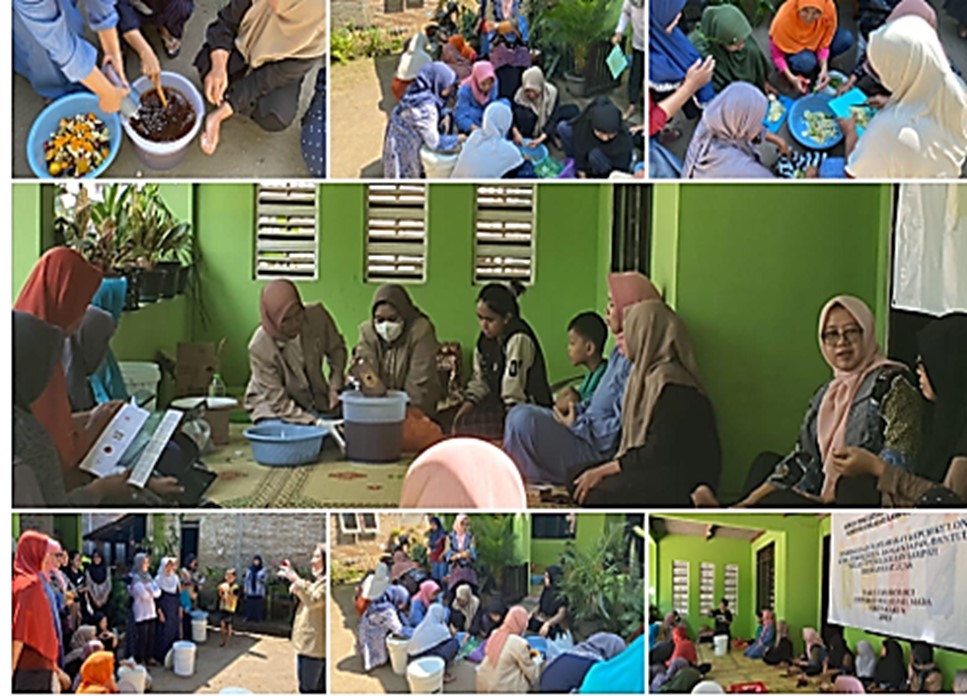
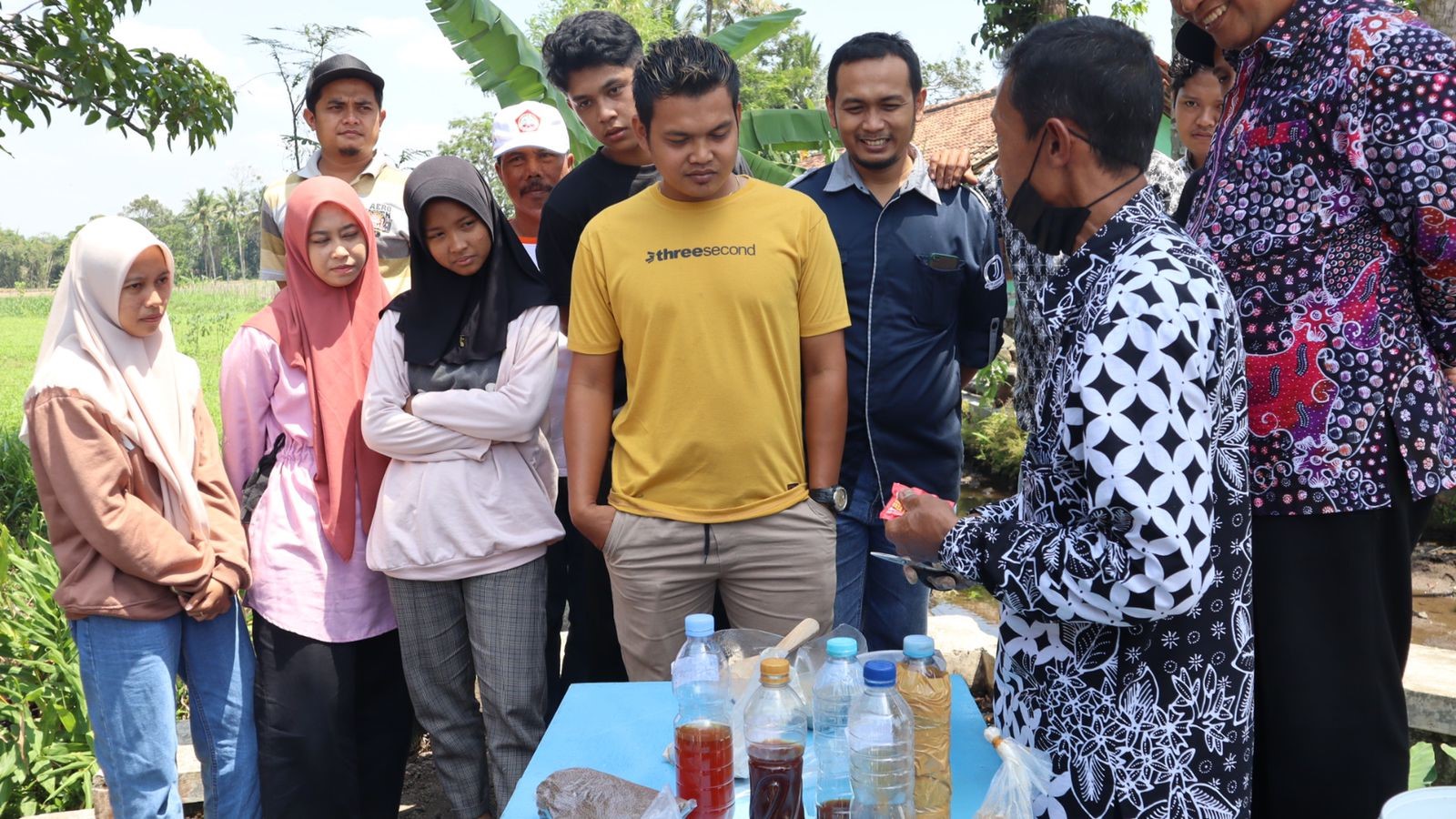
After the socialization activities were carried out, then practical activities were carried out in managing household organic waste into compost and eco enzymes. This activity was held on Sunday, 21 May 2023 from 09.30 to 11.00 WIB at the house of the neighborhood head of RT 001, Mr. Zamzuri. This activity was attended by 23 participants consisting of women from Kepuh Kulon RT 001. Before doing the practice, Galuh and Laila demonstrated how to make compost and eco enzymes from household waste. In this activity, Rania Naura Anindhita, a student at the UGM Faculty of Biology, introduced her product to the participants who attended. Eco Lindi is a liquid that neutralizes the smell of garbage, the smell of garbage sprayed by Eco Lindi will disappear within 10 minutes. During the practice of making compost and eco enzymes, the community was divided into four groups, one group consisting of 5 to 6 people and each group carried out independent practices. The waste used comes from household waste collected a few days before. At the end of the activity, the MBKM PkM team distributed EM4, molasses, and Eco Lindi to the participants that attend, so they could re-practice making the compost and eco enzyme at their homes. Eco Lindi that is distributed can be sprayed to remove the smell of household waste, chicken coops, or cattle houses. This PkM MBKM activity will be continued from July to November with the utilization of household waste into more useful materials.
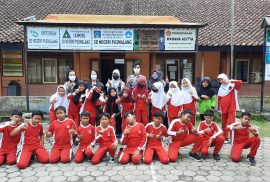
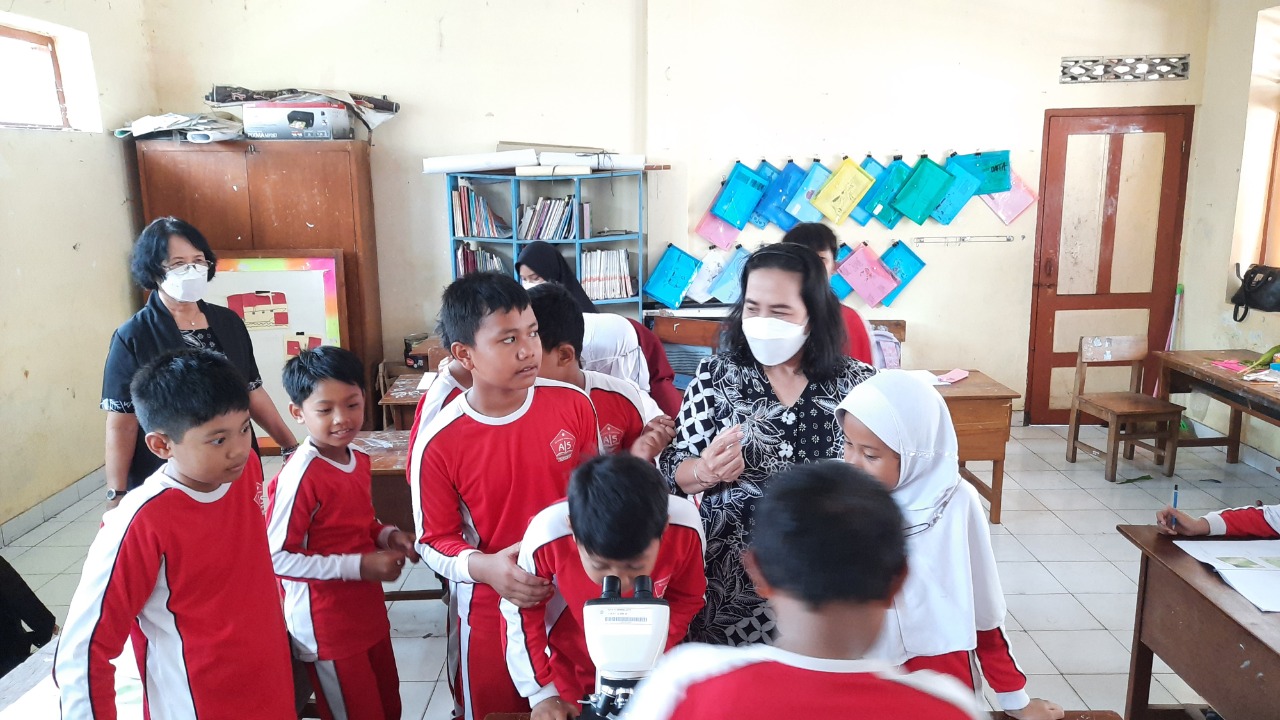
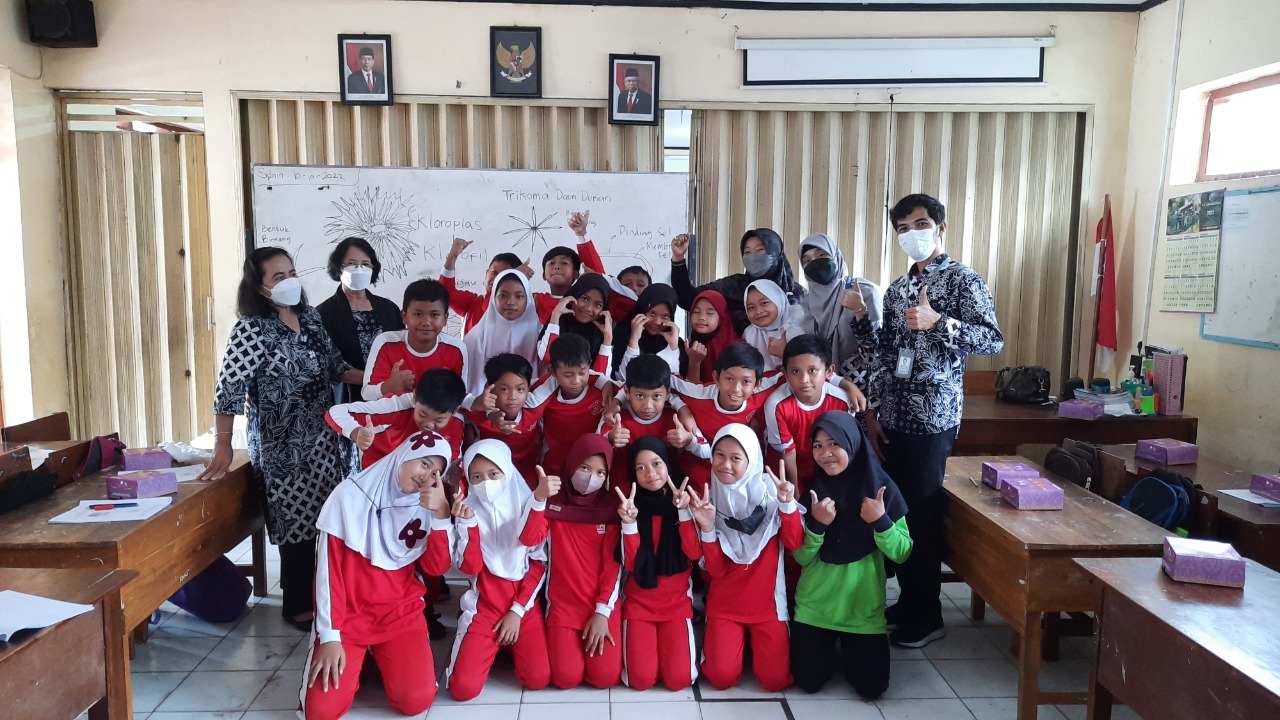
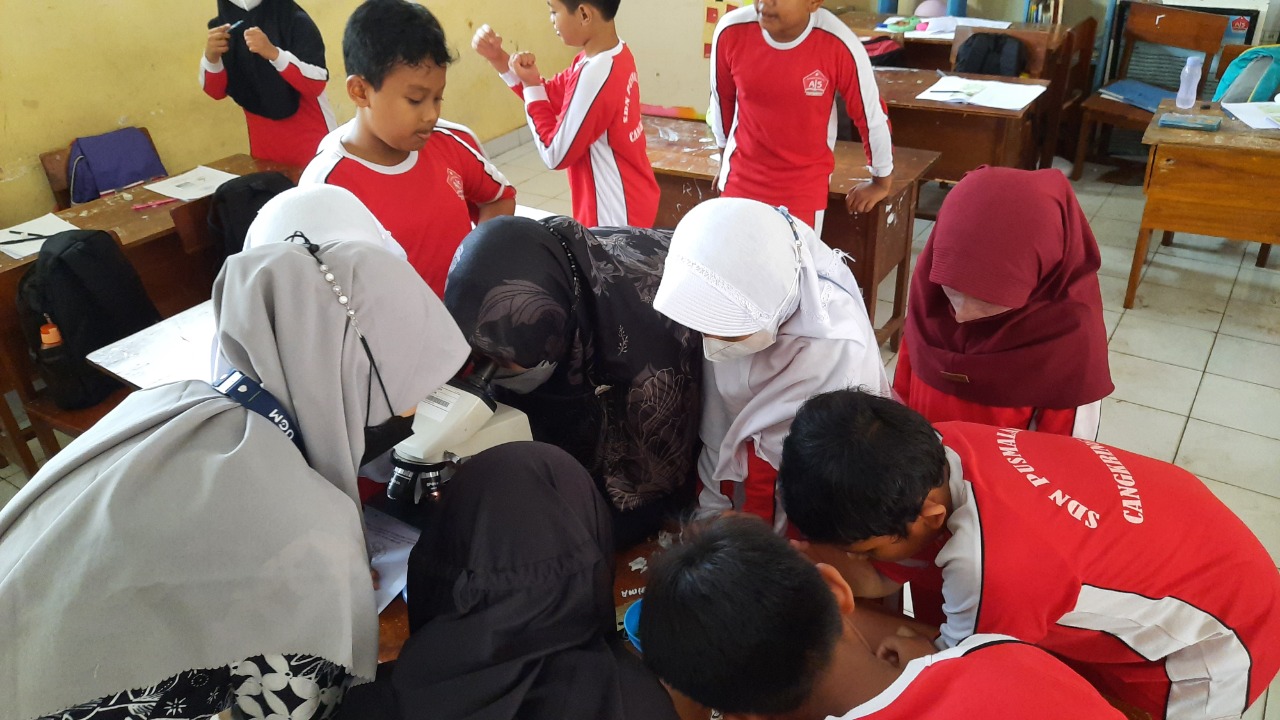
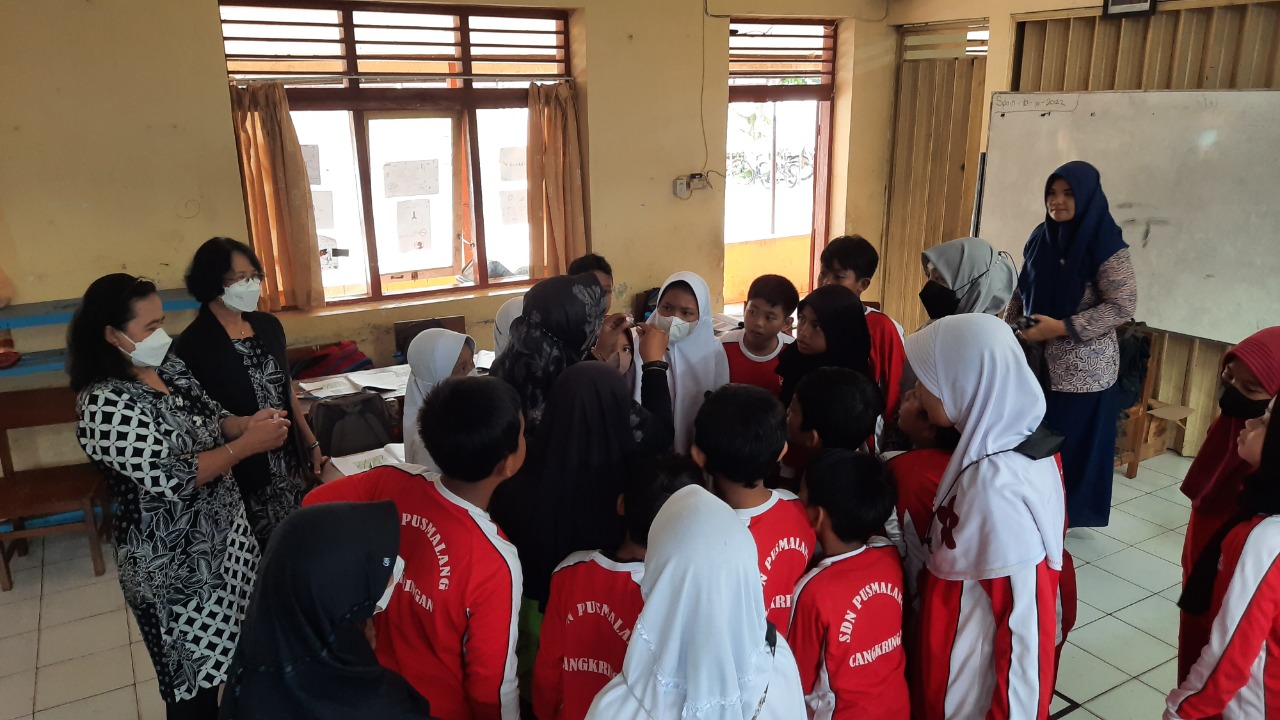
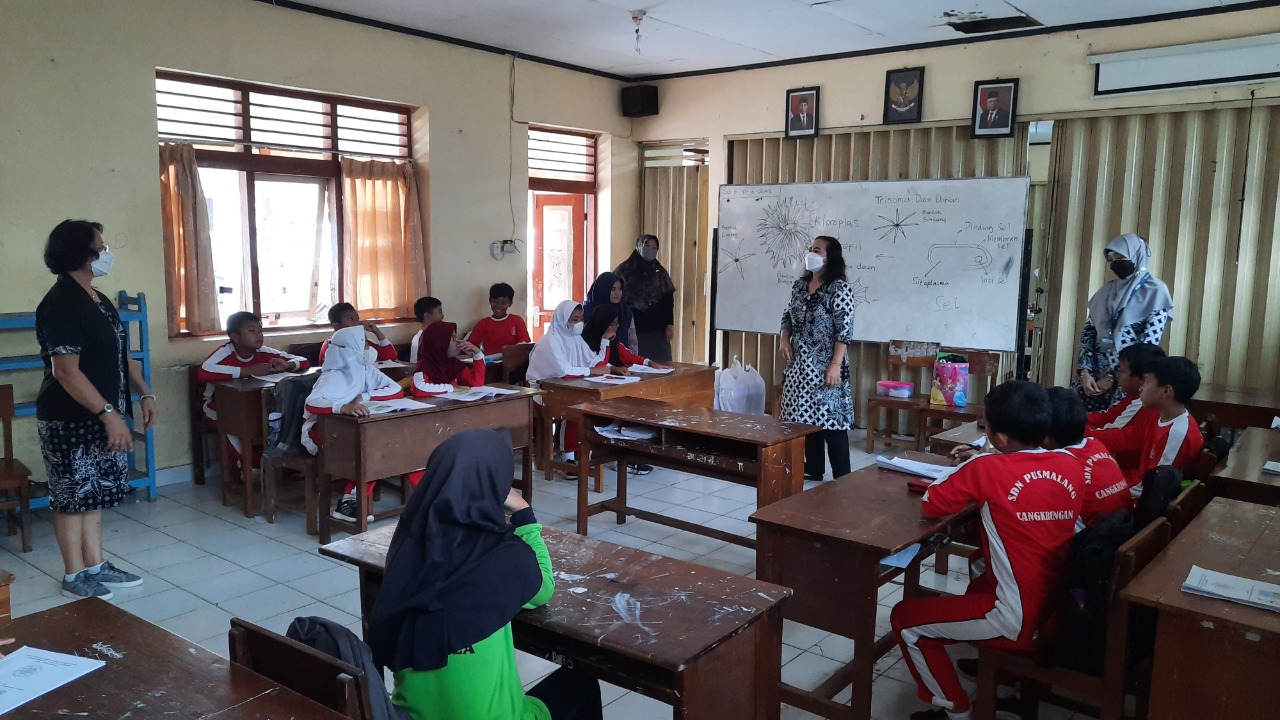
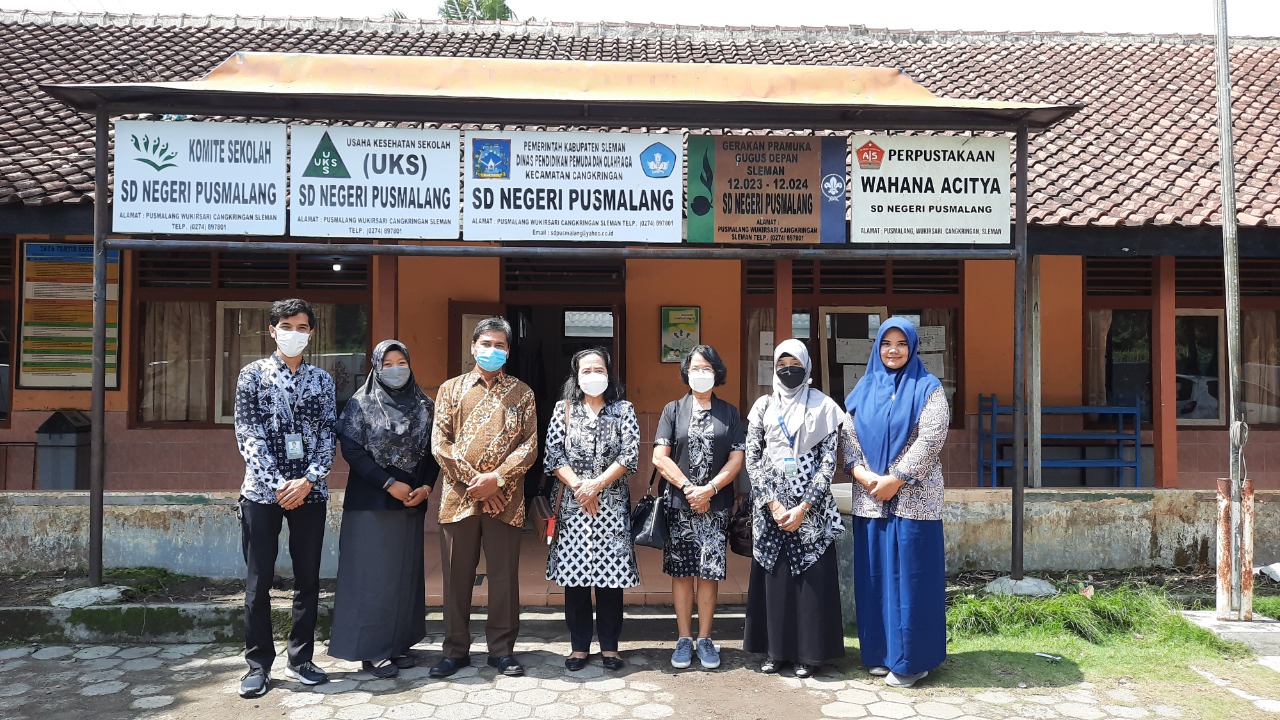
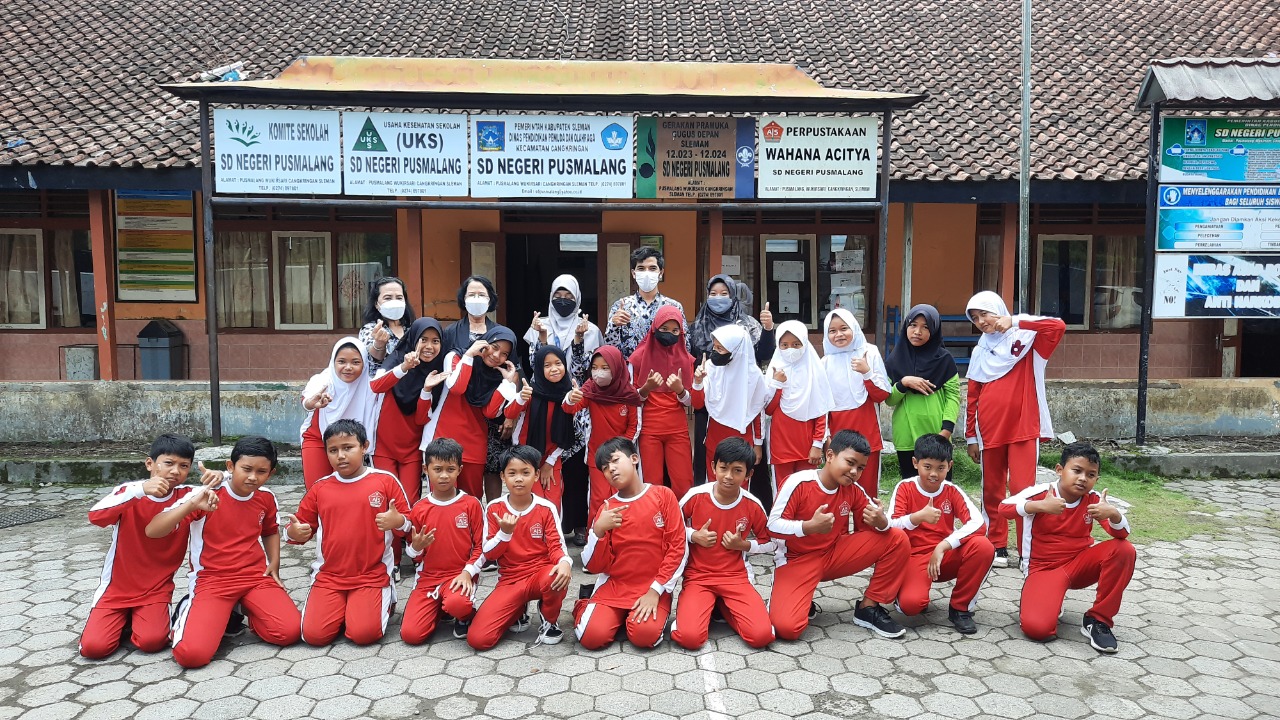
The Laboratory of Plant Structure and Development of the Faculty of Biology UGM has carried out community service activities in the form of socializing the introduction of microscopes and plant anatomical structures, especially the derivatives of the epidermis of stomata and trichomes at Pusmalang Elementary State School, Wukirsari, Cangkringan, Kab. Sleman, D.I. Yogyakarta. This activity was carried out on October 10, 2022 with 21 grade 5 students. This community service activity from this lab is different from the previous year, when previous schools visited the laboratory but this year the laboratory staff made direct visits to schools.
The community service activity team was directly led by the head of the laboratory, Dr. Maryani, M.Sc. with lecturers in the lab which are Dra. Siti Susanti, S.U., Utaminingsih, S.Sc., M.Sc., Novita Yustinadiar, S.Sc., M.Sc., and Dr. Wiko Arif Wibowo, S.Si. The preparation of tools and materials was carried out by laboratory assistants which are Prapti and Via Erti Asdiantika, A.Md. The lab service team was welcomed by Tri Harsono, S.Pd. as the principal of Pusmalang Elementary State School and Utami Saraswati, S.Pd. as the homeroom teacher for Class 5. In his remarks, Tri Harsono, S.Pd. expressed his gratitude for the visit and service activities carried out and hoped that on the next occasion Pusmalang State Elementary School students could visit the Faculty of Biology UGM.
The service activity began with the opening and remarks from the principal of Pusmalang Elementary State School, followed by remarks and introduction from Dr. Maryani, M.Sc. and continued with a brief lecture by Novita Yustinadiar, S.Si., M.Sc. The socialization and introduction of the microscope along with the structure of the epidermis derivatives received high enthusiasm from the students. The enthusiasm and joy of students participating in these activities can be seen from the curiosity of students when they see and observe structures that so far cannot be seen with the naked eye. students are given the opportunity to look directly at the microscope regarding the structure of stomata on corn leaves (Zea mays L.), trichomes on durian leaves (Durio zibethinus L.), the cell structure of the inner layer of shallot bulbs (Allium cepa fa ascalonicum) and the flow of cytoplasm from leaves Hydrilla verticillata. All of these samples are commonly found in everyday life and are well known to students, however through a microscope it is hoped that students can see the other side of structures that so far have never been imagined and observed directly. At the end of the session, students were also taught and asked to prepare their own samples to be viewed directly under a microscope.
Dr. Maryani, M.Sc. as the coordinator of this service team at the close of the socialization and introduction activities invited students to study even more actively in pursuit of dreams and aspirations. Students are also asked to continue to have curiosity in order to be enthusiastic in studying. This activity was closed with a group photo of Pusmalang Elementary School students.
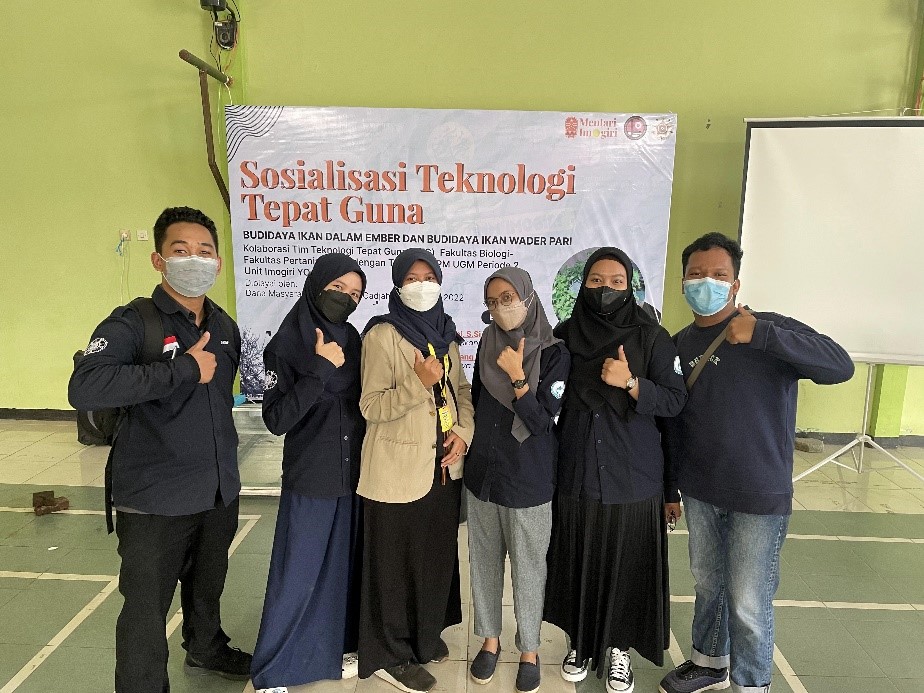
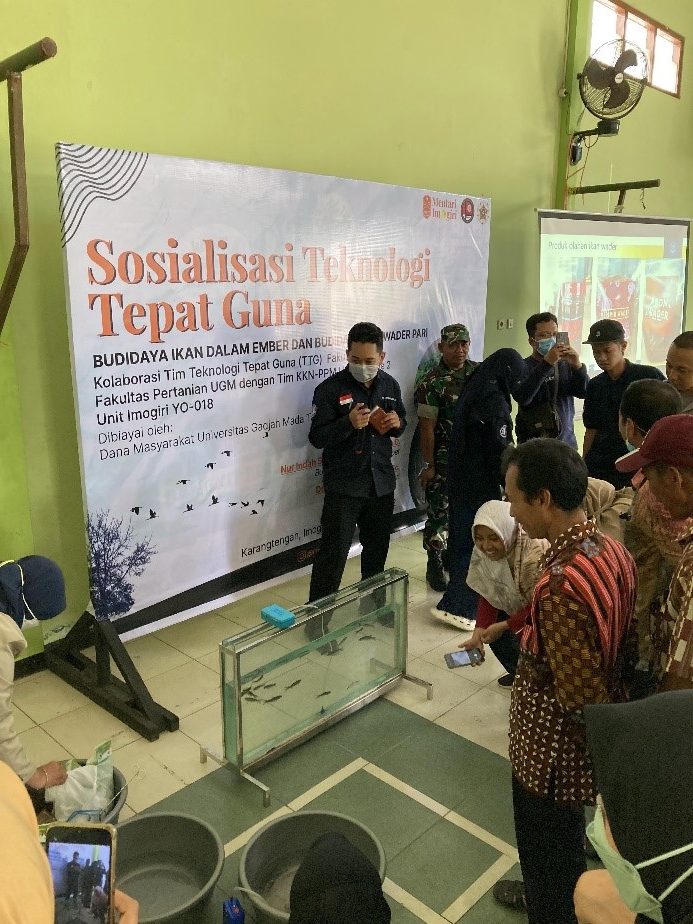
The Gama Wader Team from the Faculty of Biology conducted a Community Service Program socialization in the Imogiri district, Bantul Regency. This activity was held on Friday 29 July 2022. In this activity, the Gama Wader Team socialized about wader fish cultivation to the local community. The Gama Wader Team departed from the Faculty of Biology at 1.00 p.m and arrived at the location at 2.09 p.m.
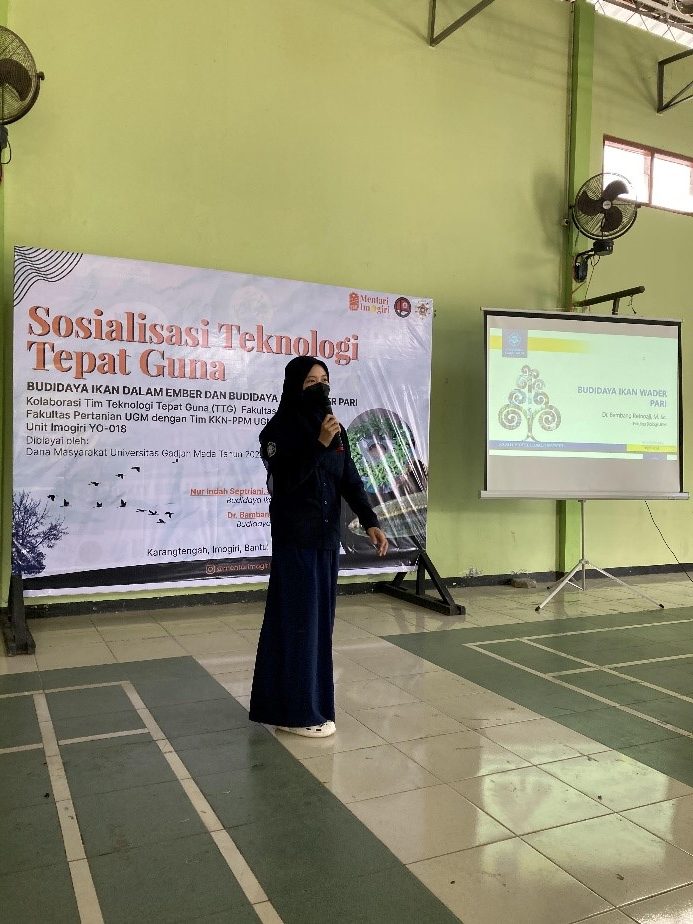
The first activity took place at 02.15 p.m. which is the opening by the 2022 Community Service Program committee team. The committee team explained about Gama Wader and continued with a brief explanation about wader fish. At 02.16 p.m. the Gama Wader team introduced themselves and delivered material about wader ray fish farming to the public.
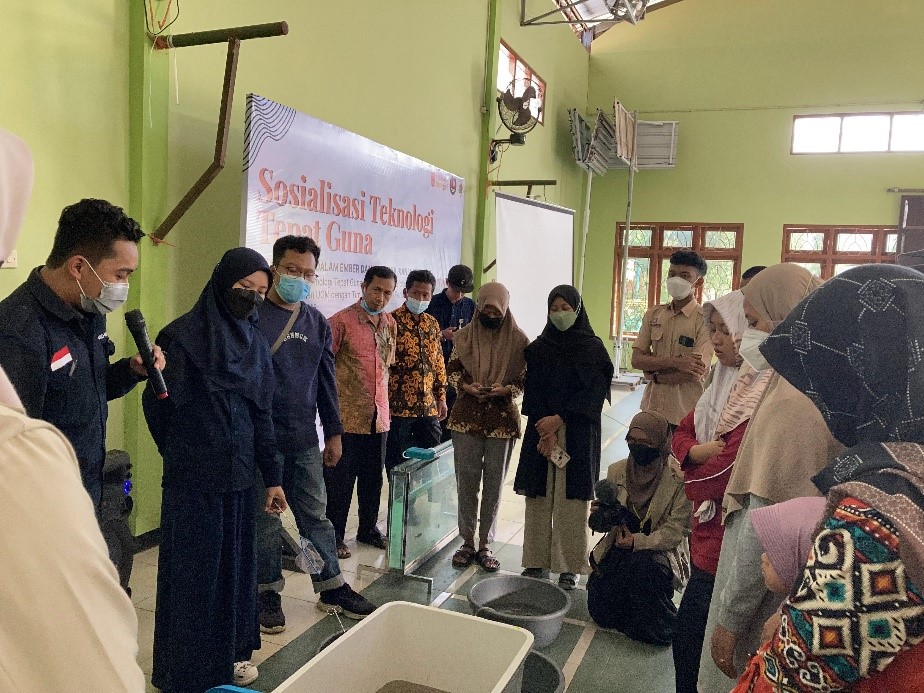
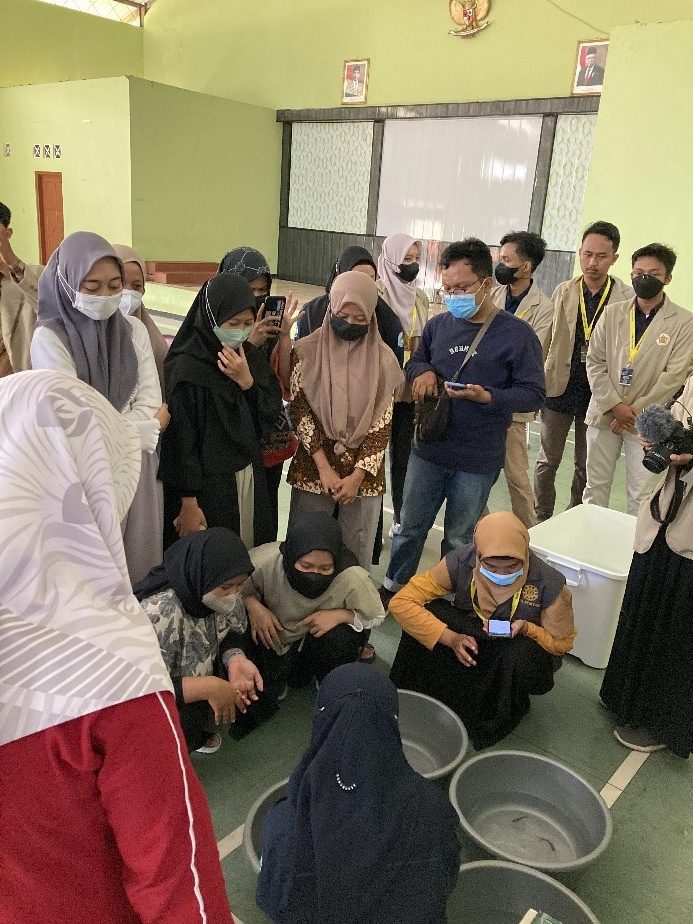
The second activity took place at 02.32 p.m. the team demonstrated the spawning of wader ray fish farming to the community and explained the procedure in detail and some important matters when carrying out weather ray fish cultivation. The community response to this activity was quite enthusiastic, some people tried to select fish based on the sex by gently massaging the abdomen.
At 02.52 p.m. the third activity was held which was a question and answer session. One of the people asked about the action or treatments given to the broodstock after spawning and how many times spawning was carried out. The questions that have been asked by the community are then answered by the team where the spawning activity is carried out once every 2 weeks and for the after treatment, the broodstock must be separated immediately hence the broodstock does not eat the eggs.
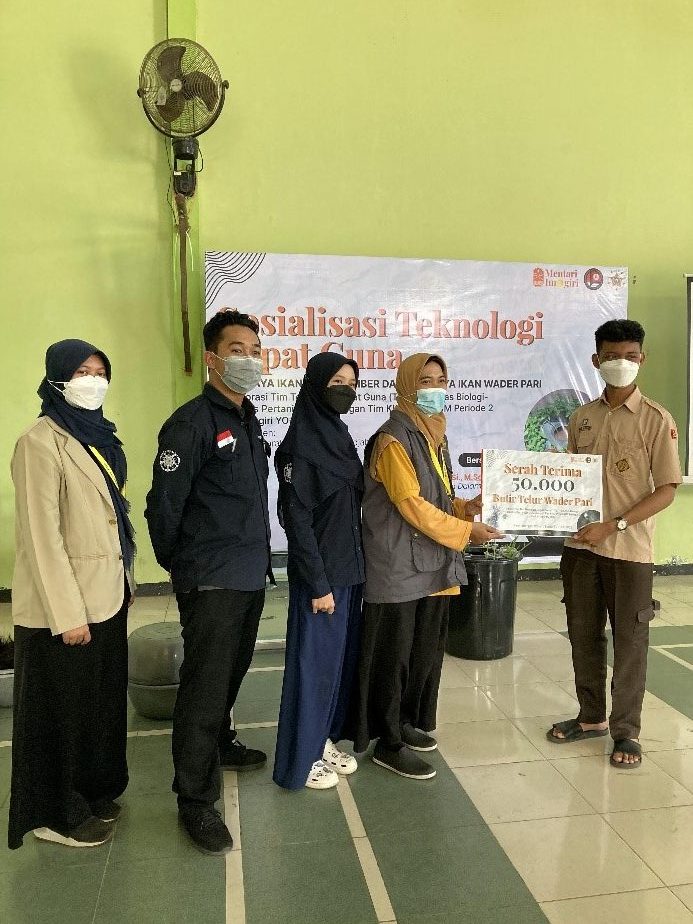
At 02.54 p.m. the fourth activity was carried out which was handing over a set of the cultivation tools to the community by the Community Service Program committee followed by a group photo session. At 02.58 p.m the moderator from the program closed the event.
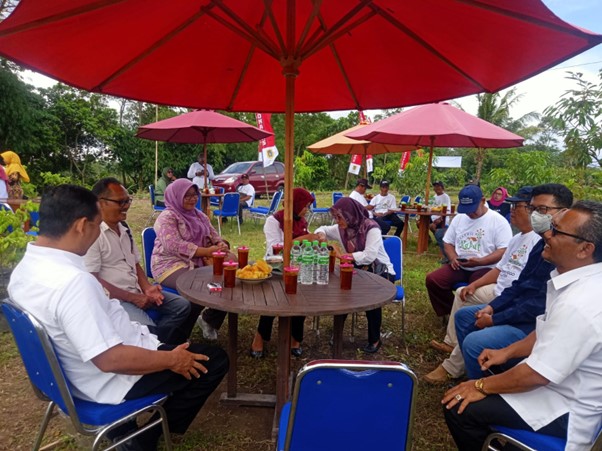
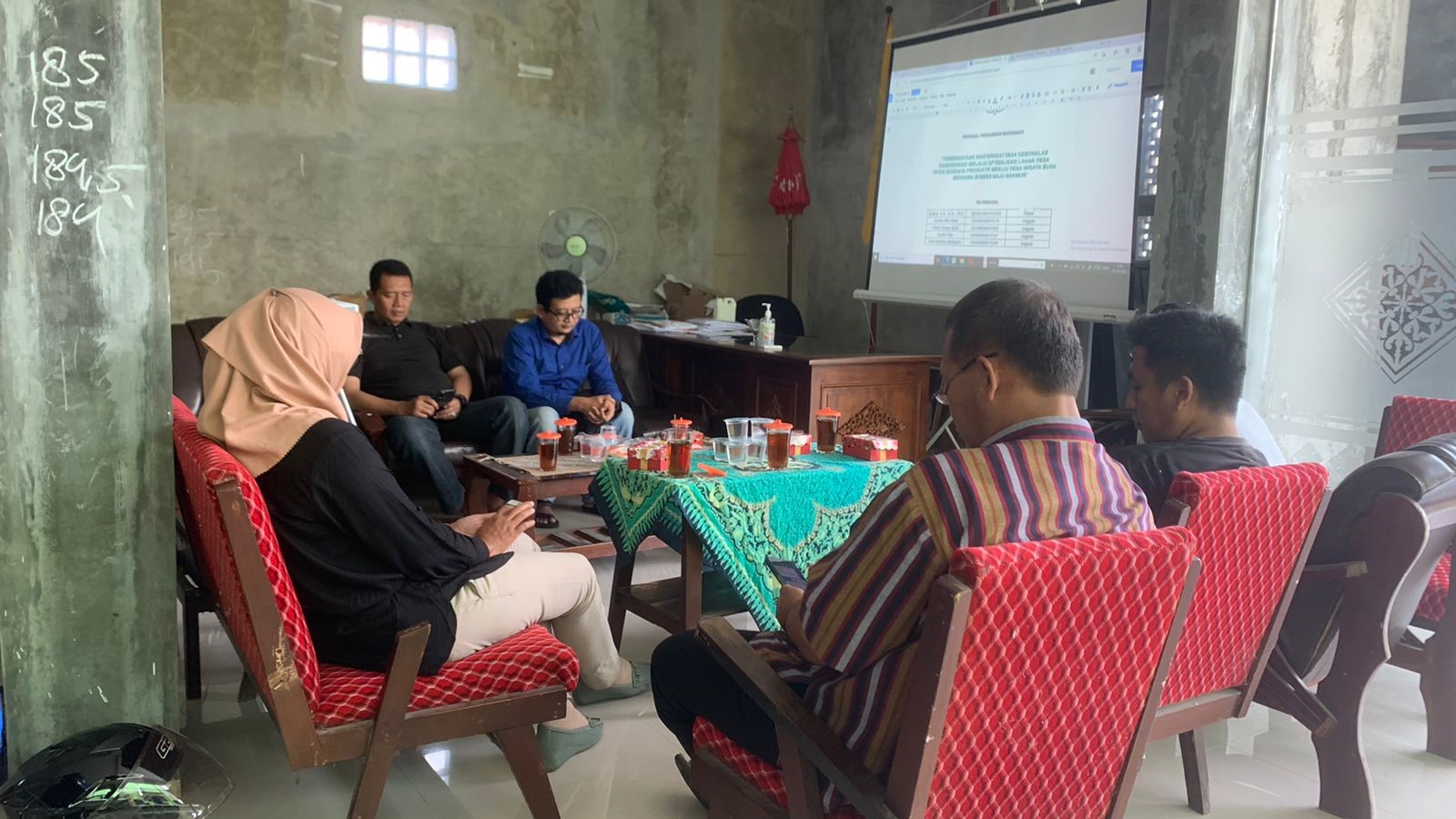
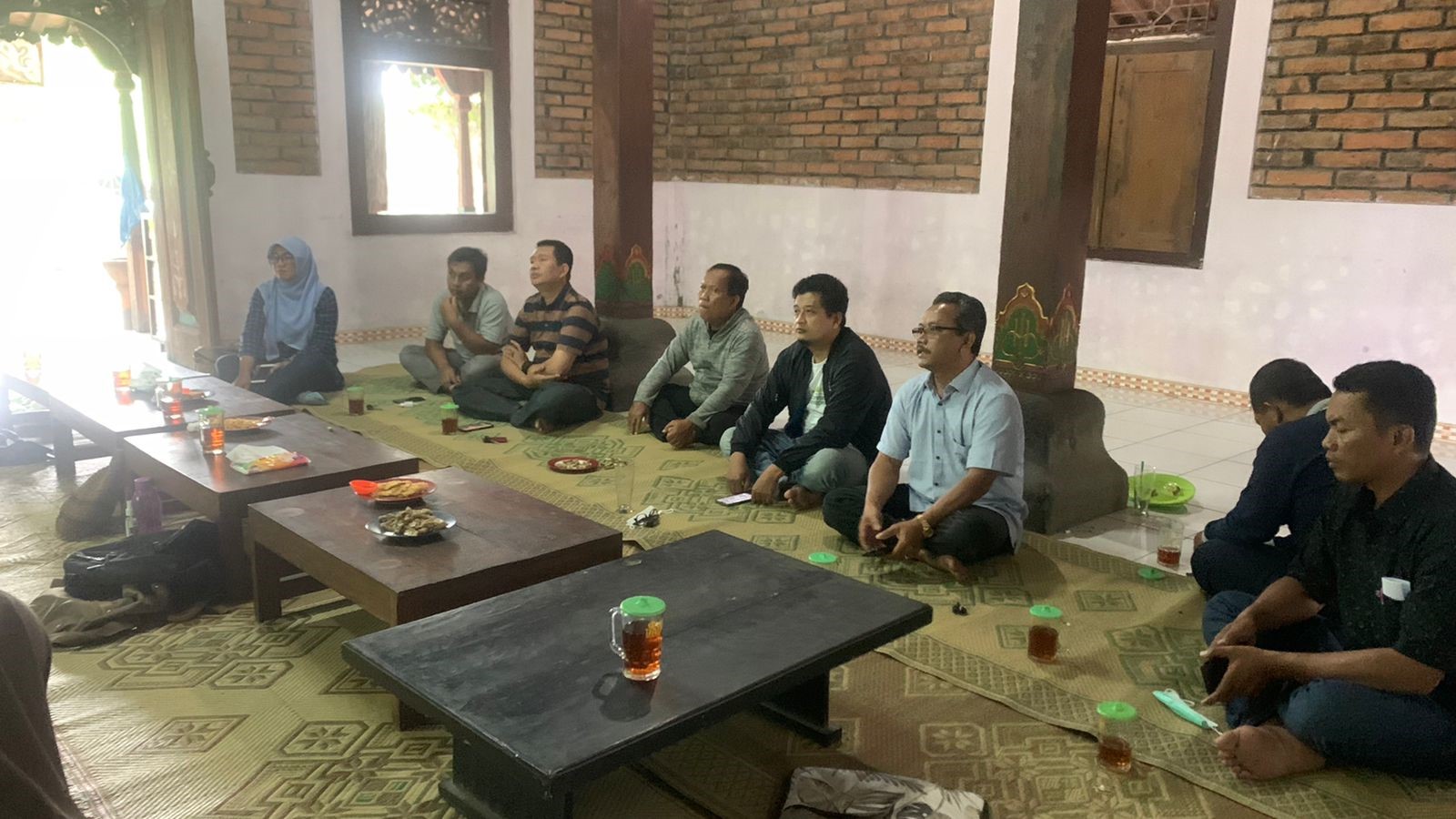
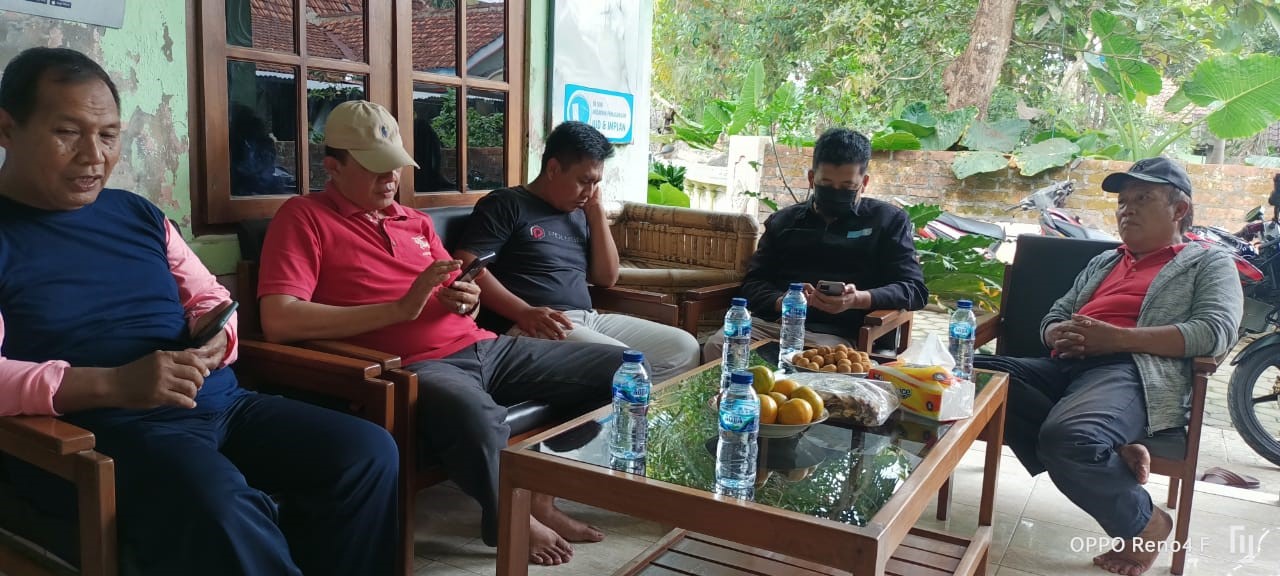
The PkM-MBKM team of the Faculty of Biology, UGM, chaired by Mr. Sukirno, S.Si., M.Sc., Ph.D. with four student members, namely Amelia Rifki Alifiah, Fatika Soraya, Tiara Rachma Jatiningtyas, and Qonita Fillah, held a FGD (Focus Group Discussion) with the Kebonalas Village which was held on 22 and 29 October 2022. This event is one of a series of MBKM programs in to develop Fruit Garden Tourism Village in Kebonalas. This activity took place in Kebonalas Village with ± 15 participants. The FGD was attended by Mr. Supriyanto, S.Pd. (Village Head), Mr. Suwadi, S.Pd. (Village Secretary), Mr. Sunardi (Village Treasurer), Mrs. Sri Mulati (Director of BUMDES), Mr. Junarko (BUMDES Treasurer), Mr. Kuncoro (Secretary of BUMDES), Mr. Muh. Robani, S.T.P. (Chairman of the Village Consultative Body), Mr. Yousuf Sulaiman, S.IP. (Fruit Practitioner), and the four MBKM students.
The first FGD on October 22, 2022 was held at the Kebonalas Village Office from 10.00 to d. 13.00 WIB. In the first FGD, the discussion focused on making tourism names and preparing RAB for funding. In addition, it also discussed what elements should be added to the tour later in order to create a unique fruit garden tour to attract the attention of visitors. At the end of the discussion, it was agreed that the name of the tour to be used is “KABUT (Kampoeng Buah Tlatar) Kebonalas”. This name is a temporary name that needs to be studied further and fixed later. Making a name is the basis for making a fruit garden tourism logo which will be discussed with Mr. Junarko as the BUMDES administrator. In addition to the names, at the end of the discussion, a rough draft of the RAB has been obtained which will be continued in the second FGD. At this event, Mr. Suwadi submitted a proposal to add plants to be planted in fruit garden tours, such as durian and grapefruit.
Continuing the previous discussion activities, the next FGD was held on October 29, 2022 in order to fix the RAB for the Kebonalas Fruit Tourism Village development program. The RAB compiled is a compilation of funds issued by the village, expenditures for activities that have been carried out, and budget plans for subsequent activities. The RAB is planned to be submitted to various agencies so that in the process of developing the Tourism Village there will be collaboration between village treasury donations, funds from the Faculty of Biology UGM, and support from sponsors.
With this FGD, it is hoped that the tourism village development plan can continue with maturity. Kebonalas Tourism Village is a project for the community and from the people of Kebonalas Village Klaten so that contributions from the whole community have a role in the development of this Tourism Village. In addition, this FGD activity is a step forward for the realization of a Tourism Village. We do not forget to say many thanks to all levels of the Village Management, BUMDES Maju Makmur, BPD, Karang Taruna Kebonalas Village, and all parties who have been involved and supported the continuity of this event.