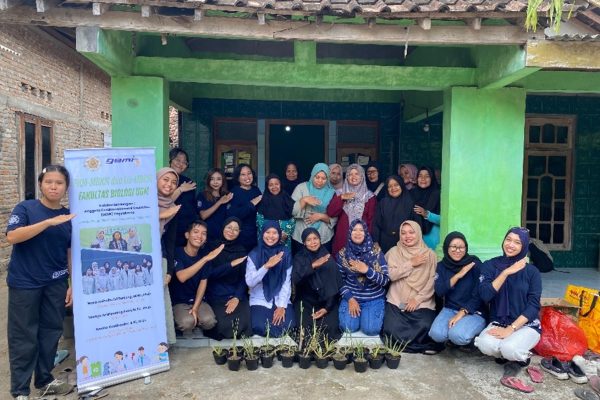
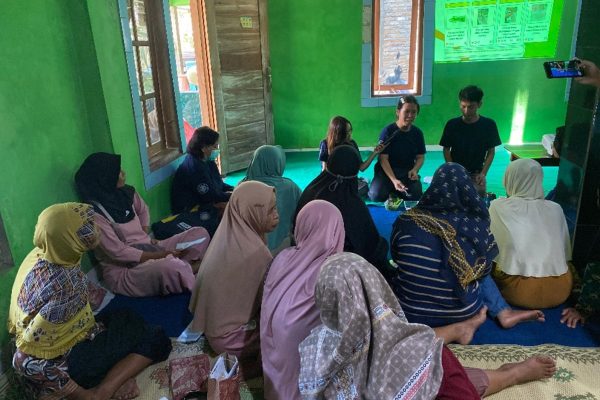
Sleman, 24 November 2025 — The Faculty of Biology at Universitas Gadjah Mada (UGM) continued its community engagement efforts through the Desa Mitra (Partner Village) Program in Wukirsari Village, Cangkringan Subdistrict, Sleman Regency. In this session, the faculty team introduced Medicinal Family Plants (TOGA) to fifth-grade students of SDN Pusmalang, aiming to enhance their basic understanding of the health benefits of local plant biodiversity.
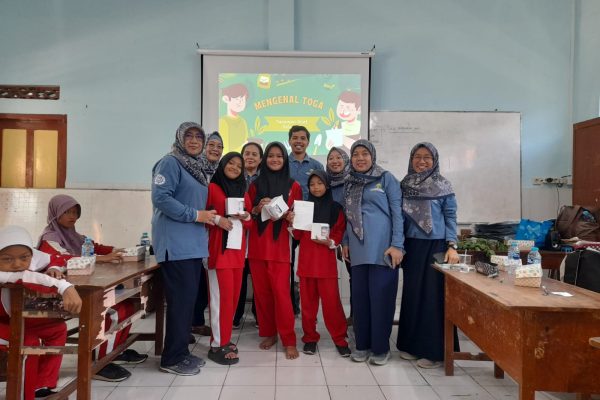
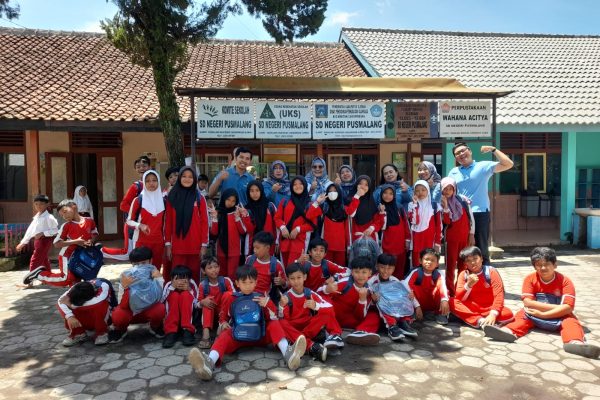
This activity is part of the Wukirsari Desa Mitra Program coordinated by Prof. Rina Sri Kasiamdari, S.Si., PhD. Faculty members who attended the event included Prof. Dr Diah Rachmawati, S.Si., M.Si.; Prof. Dra. Tuty Arisuryanti, M.Sc., PhD.; Dr. Aprilia Sufi Subiastuti, S.Si.; Dr. Wiko Arif Wibowo, S.Si.; Dr. Maryani, M.Sc.; Dr. Siti Nurbaiti, S.Si. along with doctoral student representative Sidiq Permana Putra, S.Si., M.Sc.
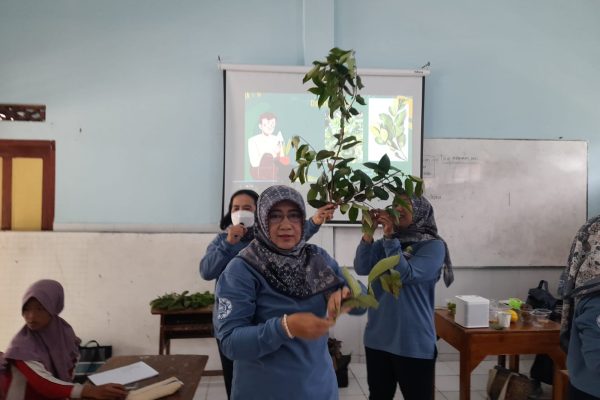
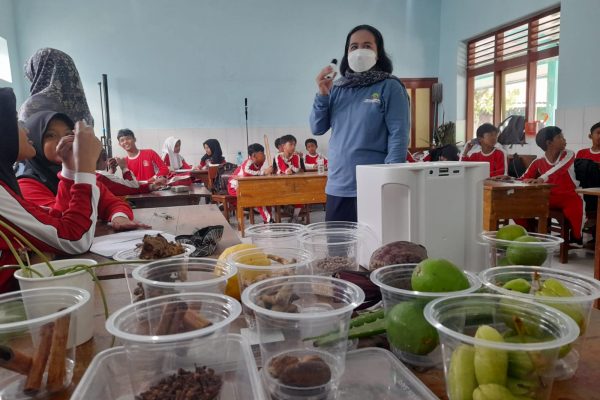
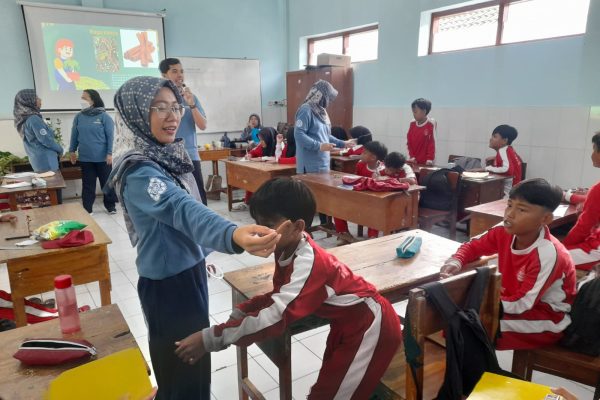
Held on Monday, 24 November 2025, the session was attended by more than 26 students. The teaching team consisted of Dr. Maryani, M.Sc.; Dr. Siti Nurbaiti, S.Si.; and Dr. Wiko Arif Wibowo, S.Si. During the program, the lecturers introduced various common medicinal plants, including ginger, turmeric, temulawak, kencur, lemongrass, beluntas, betel leaf, and other herbs typically found in households.
Through interactive presentations, students learned to identify the characteristics of medicinal plants, understand their health benefits, and explore simple ways to use them in daily life. The session also included direct observation of plant samples and a question–and–answer segment to reinforce their understanding.
According to Dr. Maryani, M.Sc., early exposure to medicinal plants is crucial for fostering young people’s awareness of health and Indonesia’s rich biodiversity. “Children need to reconnect with the useful plants that grow around them. Science literacy begins with simple, familiar things in their daily environment,” she explained.
As the final part of the session, the teaching team conducted a simple assessment to evaluate the students’ understanding of Family Medicinal Plants (TOGA). In this activity, students were asked to identify the names of various plants arranged on the front table. A total of 26 questions were given during the assessment. The results showed that most students were able to answer correctly, with the class achieving an average score of 60 out of 100, indicating a moderate but encouraging level of comprehension. This evaluation also demonstrated that the interactive learning method effectively supported the students’ science literacy and helped them retain essential concepts.
The activity received enthusiastic participation from the students, who enjoyed the hands-on learning experience. Teachers at SDN Pusmalang also welcomed the program, stating that it enriched students’ scientific understanding through practical and engaging activities.
This community empowerment initiative aligns with UGM’s commitment to supporting SDG 3 (Good Health and Well-being) by promoting health education rooted in local wisdom, and SDG 4 (Quality Education) by enhancing the quality of science learning at the primary school level. Moreover, the program strengthens collaborations between the academic community and local society as part of the Faculty of Biology’s ongoing scientific responsibility.
The Faculty of Biology hopes that this educational activity will inspire students to appreciate Indonesia’s biodiversity and recognise the importance of sustainably utilising local natural resources.