Tegalrejo, 11 December 2025
Community Service
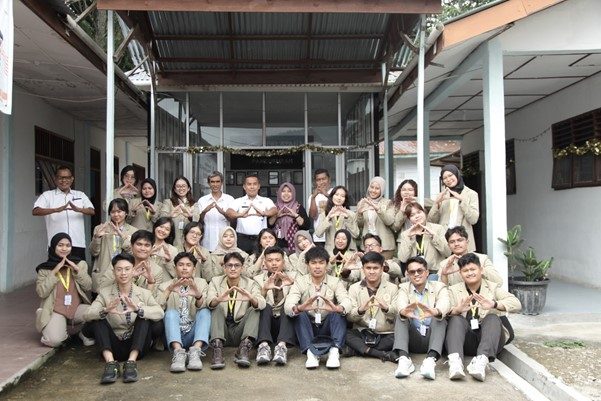
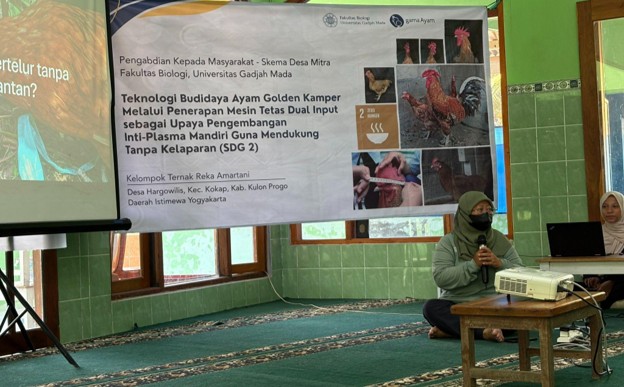
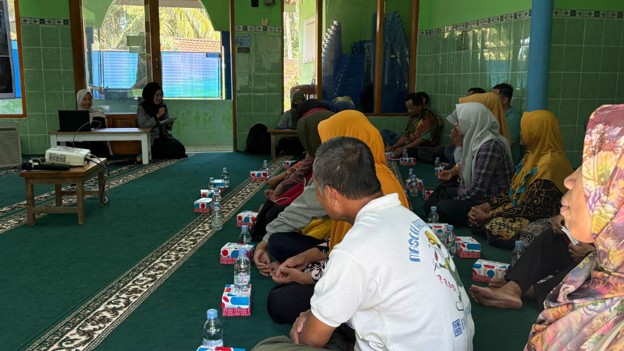
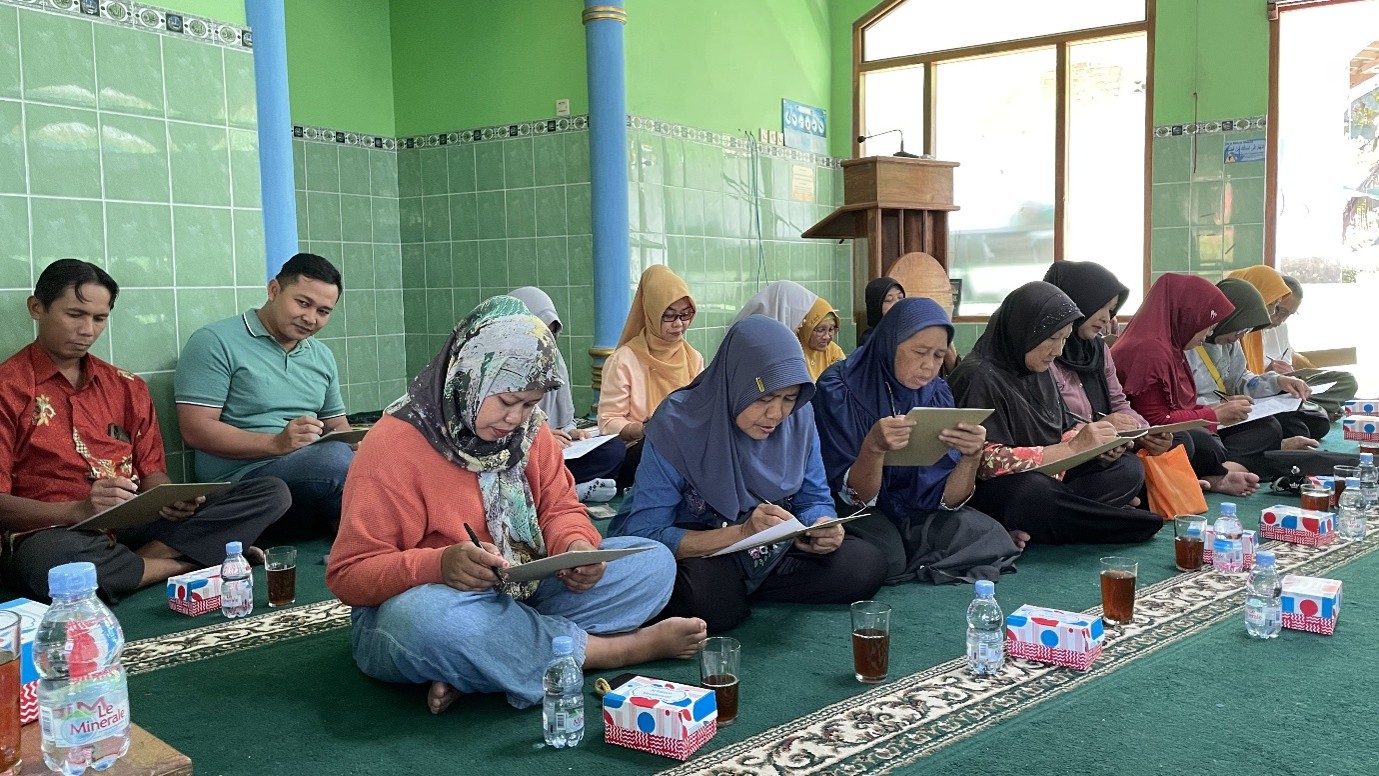
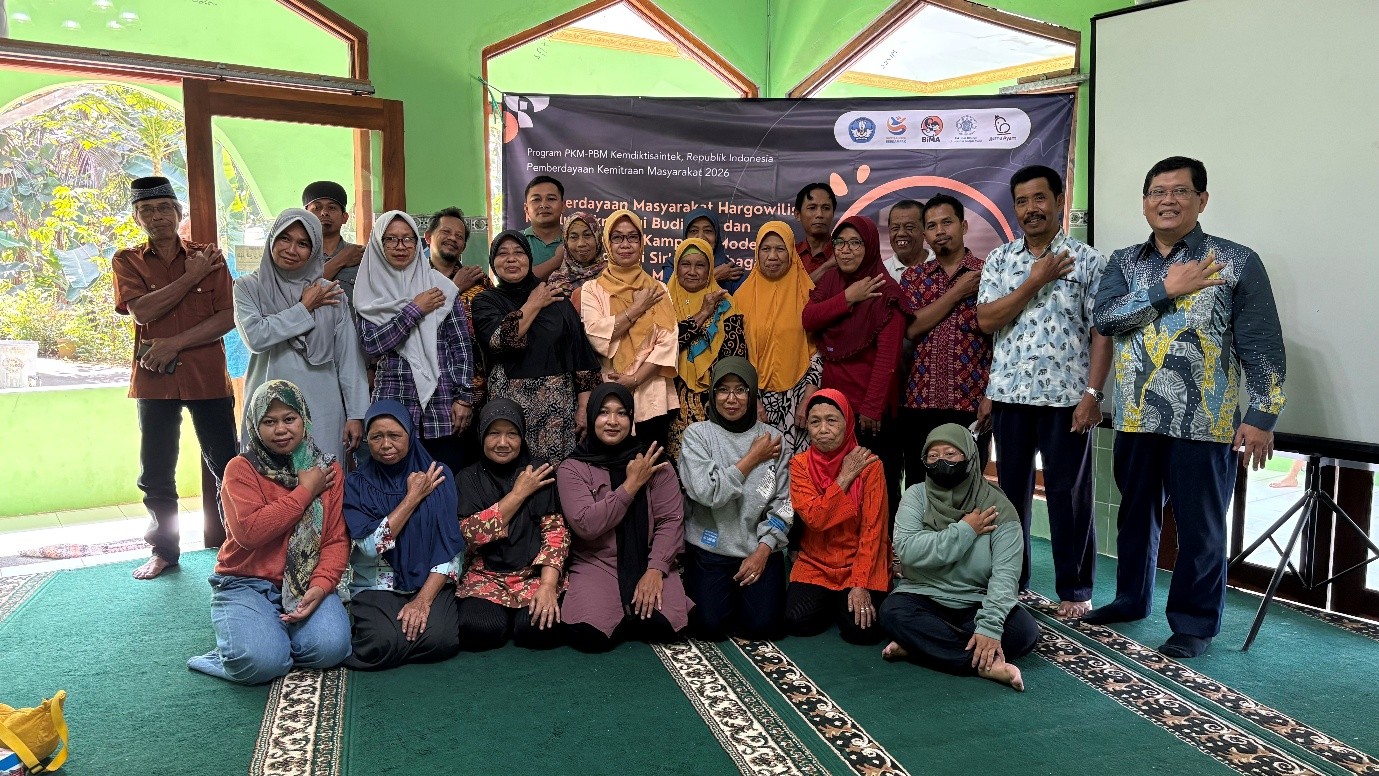
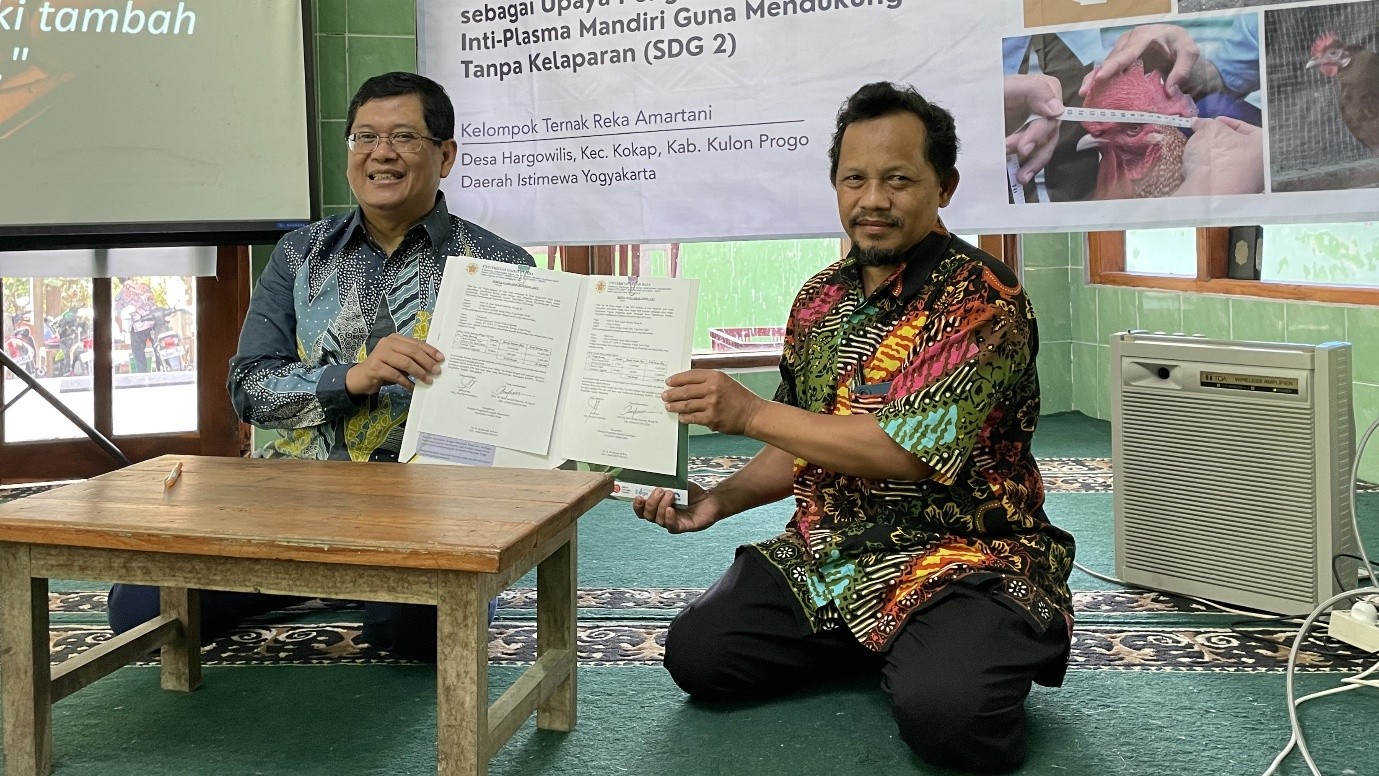
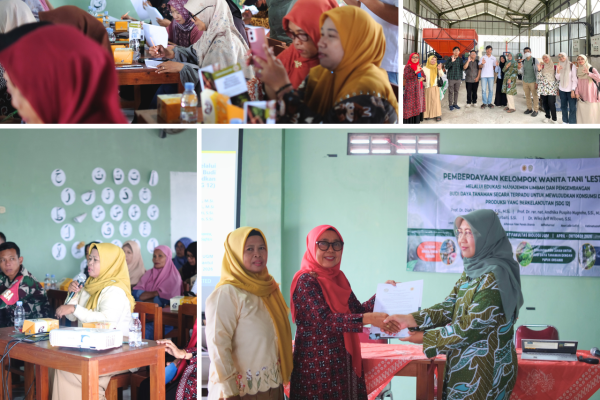
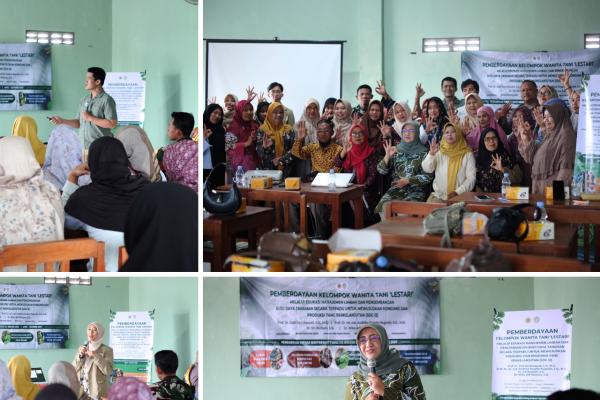
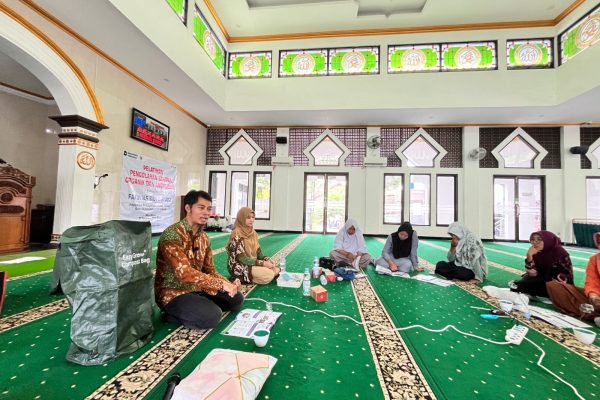
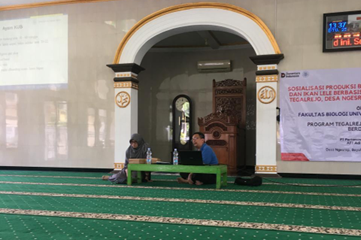
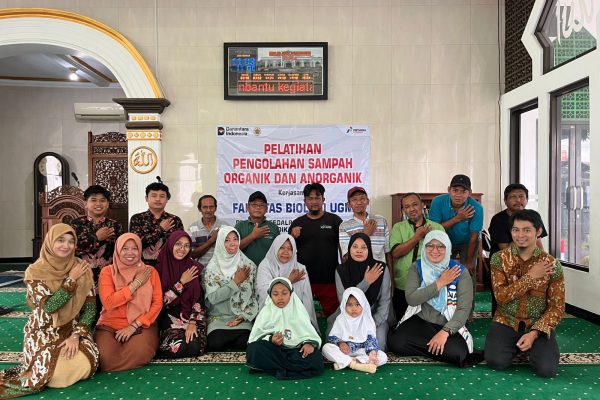
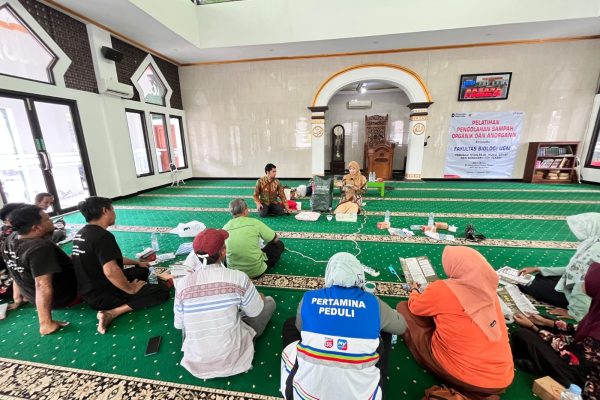
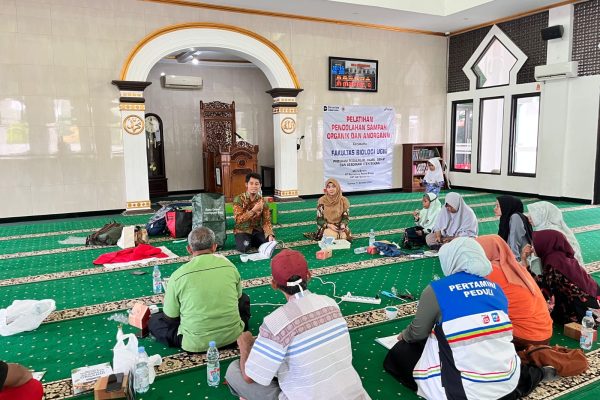
A community service program titled “Community-Based Production of Superior Local Chicken and Catfish Seedlings” was held on November 29, 2025, at the Baiturrahim Masjid in Tegalrejo Hamlet, Ngesrep Village, Boyolali Regency. The event was officially opened by Ms. Siti Fatonah, a representative of PT. Pertamina Patra Niaga. This program, which has been running for approximately four months, is a collaboration between the Faculty of Biology, Universitas Gadjah Mada (UGM) and PT. Pertamina Patra Niaga, emphasizing community empowerment in the livestock and aquaculture sectors. The activity supports several Sustainable Development Goals (SDGs), namely SDG 2 (Zero Hunger), SDG 8 (Decent Work and Economic Growth), SDG 12 (Responsible Consumption and Production), and SDG 17 (Partnerships for the Goals) through knowledge transfer, mentoring, and multi-sector collaboration.
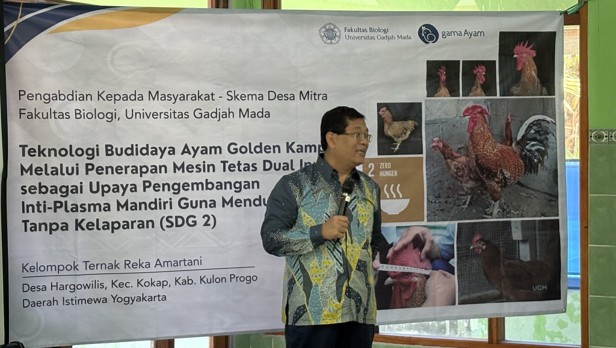
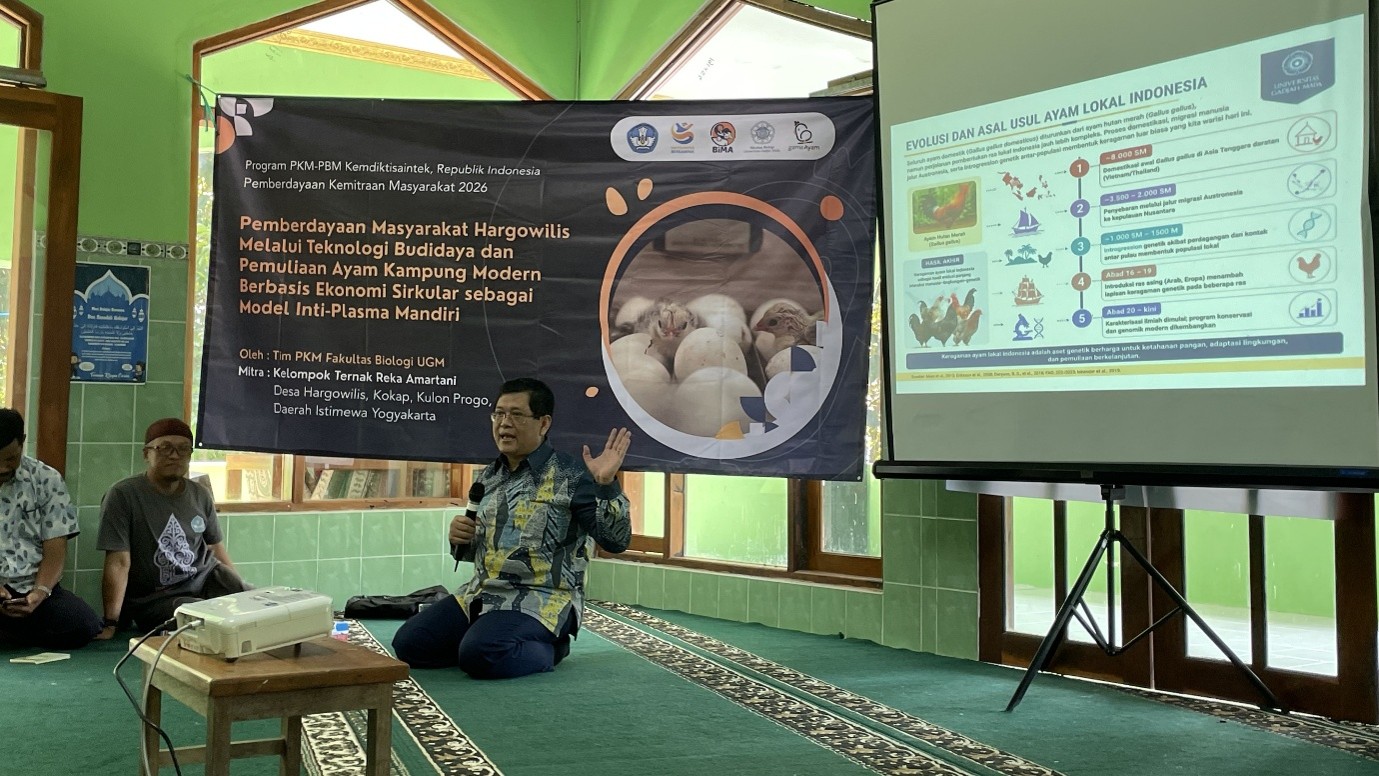
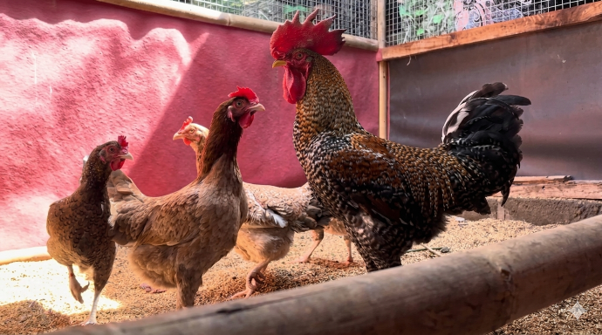
During the event, Dr. med.vet.drh. Hendry Saragih, M.P. delivered a presentation on proper management practices for free-range chicken husbandry. He highlighted the importance of maintaining chicken health through effective feed management, sanitation, disease prevention, and proper coop construction. Participants also received guidance on selecting superior local chicken breeds to enhance productivity and strengthen the sustainability of community-based livestock enterprises. The program was facilitated by Dr. Ardaning Nuriliani, S.Si., M.Kes. In addition, Ms. Nur Indah Septriani, S.Si., M.Sc., Ph.D. distributed educational leaflets on proper catfish farming techniques, including pond preparation, selecting high-quality catfish fry, water quality management, and efficient maintenance practices—knowledge crucial for promoting responsible aquaculture in line with SDG 12.
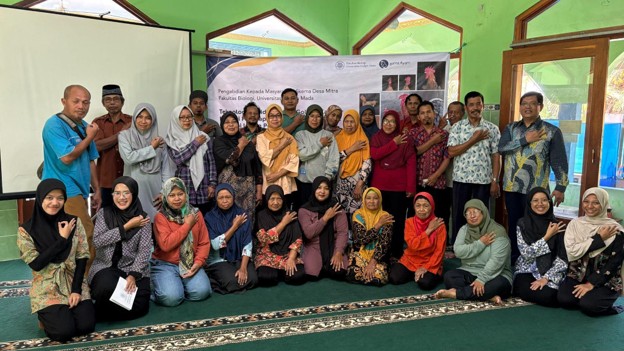
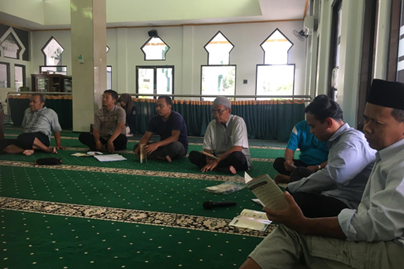
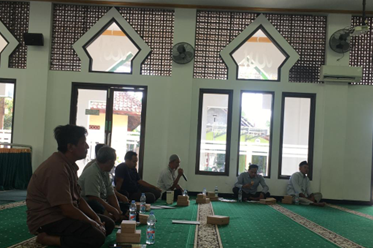
The activity was attended by eight residents representing the Tegalrejo Hamlet farmer group, who participated enthusiastically and actively discussed challenges and strategies related to effective chicken and fish farming. To conclude the event, participants and speakers conducted a field visit to the model chicken coop and catfish ponds constructed by the local community. Through this program, it is expected that residents will be able to implement productive and sustainable farming practices while strengthening local partnerships as a tangible contribution to SDG 17, ultimately supporting improved economic welfare and village-level food security.
Contributors: Ardaning Nuriliani, Hendry Saragih, Nur Indah Septriani
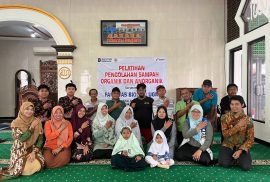
The production of natural TOGA soap from lemongrass by the Pengabdian kepada Masyarakat – Merdeka Belajar Kampus Merdeka (PkM-MBKM) team Faculty of Biology UGM 2025, chaired by Prof. Rina Sri Kasiamdari, S.Si., Ph.D. in the second phase of the PkM-MBKM program in Kepuh Kulon RT 001, Wirokerten, Banguntapan, Bantul through the production of soap using TOGA (Family Medicinal Plants) as raw material. This activity is a continuation of the PkM-MBKM program that was previously implemented from February to June 2025. The team involved five students, namely Swastikhansa Parahita Sulistyaningrum, Afrina Syah Putri, Isna Kuminingrum, Asitya Fitri Miadi, and Amyra Asa Nurhanifa, with the aim of increasing public awareness about the use of TOGA plants through the innovation of TOGA-based soap, especially lemongrass, which is easily available, as an effort to support skin health and can be used by various groups, including children. This event marked the fifth and final activity of the PkM-MBKM program in RT 001 Kepuh Kulon. It was held on Sunday, November 2, 2025, from 9:00 a.m. to 12:00 p.m. at the residence of the RT Head, Mr. Zamzuri. The event was enthusiastically attended and carried out by 20 society and Mr. Sunartono, the Head of Kepuh Kulon Hamlet, who opened the event by emphasizing the importance of utilizing TOGA for family health and encouraging residents’ independence in continuing the program of making natural soap from easily available TOGA. Prof. Rina also highlighted the benefits of the innovative soap made from lemongrass and olive oil, which is safe for children and healthy for the skin, while stressing the importance of community solidarity in enhancing creativity and the local economy.
The community service activities included socialization on making lemongrass soap and practicing making natural soap from lemongrass, as well as socialization on digital marketing. The socialization on making lemongrass soap was carried out by providing information on what medicinal plants are, their uses, their contents and benefits when used as ingredients for natural soap (lemongrass), the tools and materials needed, and how to make the soap. The digital marketing socialization was carried out by providing information about the objectives of digital marketing, creating an account on one of the online selling platforms, how to sell online, and tips on how to make products known to the wider community. After the workshop, there will be a quiz for residents and door prizes will be given out. At the end of the activity, participating village partners will be given souvenirs as a token of appreciation for their participation.
The PkM-MBKM team provided a set of soap-making tools that are expected to be used for practice and as souvenirs as a form of appreciation or proof of participation for village partners. The 2025 PkM-MBKM program is expected to provide information on processing TOGA into products that are beneficial to health and can improve the community’s economy. This activity supports SDG 3: Good Health and Well-being, SDG 6 Clean Water and Sanitation, SDG 8 Decent Work and Economic Growth, and SDG 12 Responsible Consumption and Production.
Yogyakarta, November 2025 —
Ganies Riza Aristya, S.Si., M.Sc., Ph.D., lecturer at the Faculty of Biology, Universitas Gadjah Mada (UGM), has once again received international recognition by being awarded the RCE Awards 2025 from the United Nations University – Institute for the Advanced Study of Sustainability (UNU-IAS), Tokyo, Japan.
The award was presented to RCE Yogyakarta for the project entitled “Integrated Holistic Education System as a Strategy to Improve Educational Quality in Marginalized Villages through Transpolitan Community Services”, led by Ganies Riza Aristya. The project builds upon the Transpolitan Community Services model, which integrates universities, local communities, and regional governments to develop inclusive and contextual education systems. This model strengthens the synergy between formal, non-formal, and community-based education to empower rural communities. The project was recognized as an Acknowledged Flagship Project at the Global RCE Awards 2025.
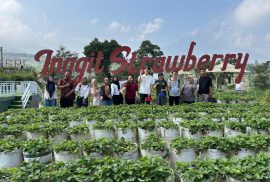
The RCE (Regional Centre of Expertise on Education for Sustainable Development) initiative, under the coordination of UNU-IAS, promotes education for sustainable development worldwide. This award acknowledges outstanding contributions to advancing inclusive education, cross-sector collaboration, and community empowerment toward sustainable development.
This achievement follows Ganies’s previous success in receiving the Outstanding Flagship Project RCE Awards 2023, which highlighted an integrated education system based on agrotourism potential. “This award demonstrates that the synergy between education, community empowerment, and environmental conservation can bring real transformation toward sustainability,” said Ganies. Through this recognition, the Faculty of Biology UGM continues to strengthen its commitment to advancing research-based education and community engagement for environmental sustainability and social welfare.
UGM-Indonesia’s 2025 project advances low-cost biomanufacturing of a DENV-2 Domain IIIsubunit vaccine in Nicotiana tabacum (tobacco). The team’s approach leverages salt-inducibleTYDV Rep/RepA expression systems to drive efficient protein production in plants. This effort isan avenue that could make dengue vaccination more accessible across resource-limited settings.The team’s project focuses on an everyday problem with big impact: making dengue protectionmore affordable and easier to produce. In simple terms, the students are exploring how commonplants can act like tiny factories. If successful, this approach could help lower costs and makeaccess to protection more equitable.
ny families every year,and solutions that are practical, safe, and scalable can strengthen public health. The UGMstudents showed how young innovators from Indonesia can contribute ideas that make a realdifference on the global stage.
by the PkM-MBKM Team of the Faculty of Biology UGM