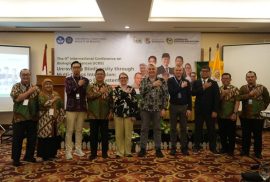
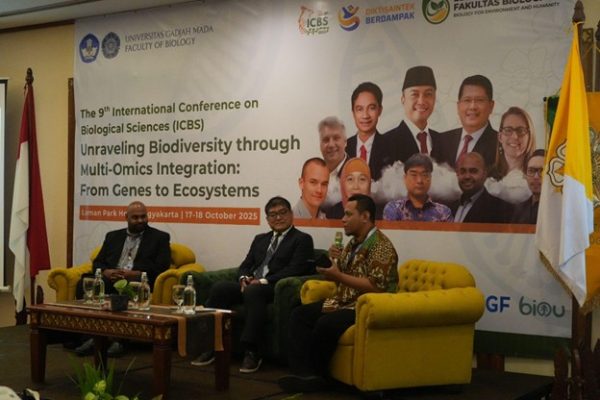
News Release
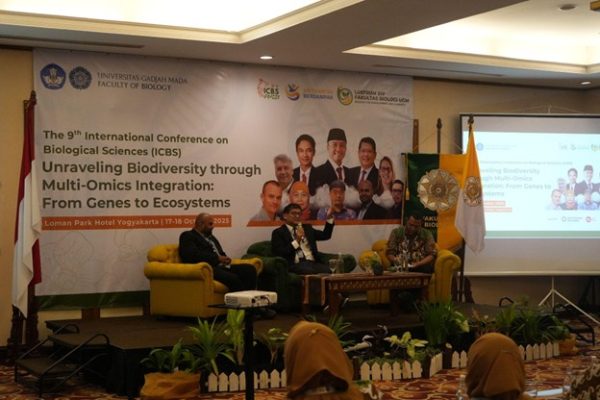
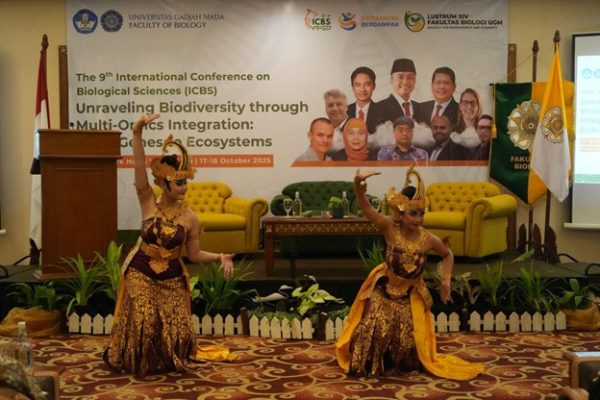
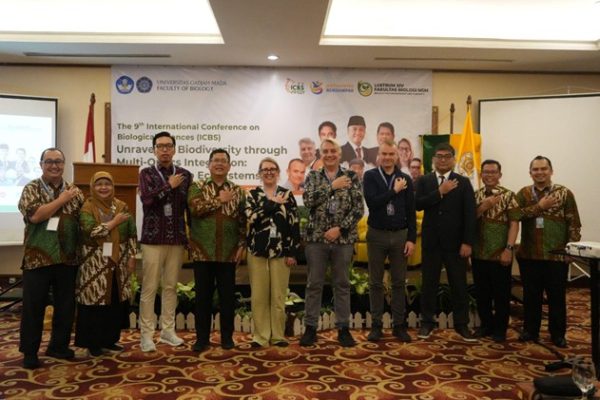
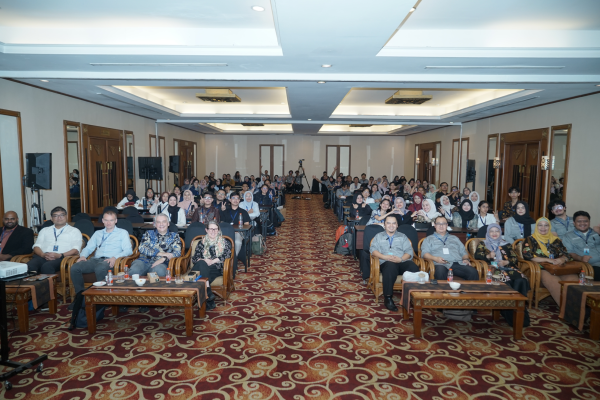
This year’s conference features two distinguished keynote speakers:
- Dr. Thomas Sicheritz Ponten, Center for Evolutionary Hologenomics, The Globe Institute – Faculty of Health and Medical Sciences, University of Copenhagen, Denmark; and
- Thorunn Helgason, Chair in Ecology, School of Biological Sciences, University of Edinburgh, Scotland.
In addition, ICBS 2025 presents invited speakers from leading institutions across the world, including:
- Prof. Dr. Bent Petersen, Center for Evolutionary Hologenomics, The Globe Institute – University of Copenhagen, Denmark;
- Dra. Tuty Arisuryanti, M.Sc., Ph.D., Department of Tropical Biology, Faculty of Biology, Universitas Gadjah Mada;
- Chiharu Nakashima, Ph.D., Graduate School of Bioresources, Mie University, Japan;
- Madya Ts. Dr. Muhammad Abdul Latiff Bin Abu Bakar, Faculty of Applied Sciences and Technology, Universiti Tun Hussein Onn Malaysia; and
- Riza Arief Putranto, D.E.A., Indonesian Oil Palm Research Institute (IOPRI), RPN Holding PTPN III.
Beyond its scientific objectives, ICBS 2025 also contributes to the advancement of the United Nations Sustainable Development Goals (SDGs), particularly:
SDG 13: Climate Action – promoting research on adaptation and mitigation to climate change,
SDG 14: Life Below Water and SDG 15: Life on Land – supporting biodiversity conservation and sustainable management of terrestrial and aquatic ecosystems,
SDG 3: Good Health and Well-being – advancing biotechnological and genomic research that benefits human and environmental health, and
SDG 17: Partnerships for the Goals – fostering global scientific collaboration among Universitas Gadjah Mada, the Consortium of Indonesian Biologists (KOBI), and Universiti Tun Hussein Onn Malaysia.
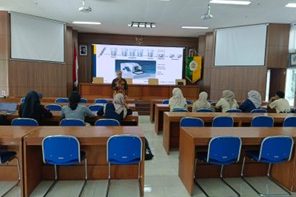
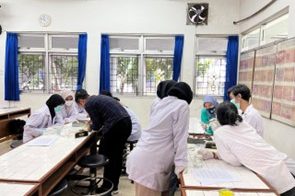
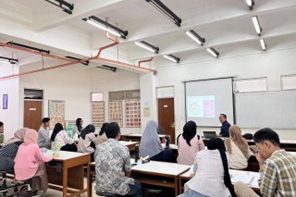
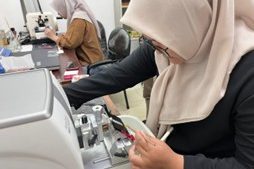
The Faculty of Biology, Universitas Gadjah Mada, once again conducted the Animal Microtechnique Training Using the Paraffin Method specifically designed for students, held on October 14–16, 2025, at the Animal Developmental Structure Laboratory (SPH). This training marked Batch II of 2025 and was attended by 14 participants, consisting of seven undergraduate students from the Faculty of Biology UGM, five undergraduate applied students from the D4 Medical Laboratory Technology Program, Universitas ‘Aisyiyah (Unisa) Yogyakarta, and two doctoral students from the Faculty of Biology UGM. The training aimed to provide both theoretical understanding and practical skills in preparing animal histological specimens using the paraffin embedding method, which serves as a crucial foundation in anatomical, physiological, biomedical, and biotechnological studies. This activity aligns with SDG 4: Quality Education, by enhancing the quality of competency-based laboratory training and learning.
The training began with an opening remark by Dr. Ardaning Nuriliani, S.Si., M.Kes., Head of the Animal Developmental Structure Laboratory, who emphasized the importance of regenerating scientists in the field of animal microtechnique and histology. She pointed out that interest in fundamental sciences concerning the microscopic structure of animals and humans has been declining, even though this field plays a vital role in supporting the advancement of other disciplines such as biomedicine, forensics, biodiversity, agriculture, and animal husbandry. Therefore, the SPH Laboratory remains committed to increasing both the quantity and quality of experts in this discipline through structured training and research programs. This effort supports SDG 9: Industry, Innovation, and Infrastructure, particularly in strengthening research and technological capacity for biological sciences advancement.
The second opening address was delivered by Prof. Dr. Bambang Retnoaji, S.Si., M.Sc., Vice Dean for Academic and Student Affairs, Faculty of Biology UGM, who officially inaugurated the event. In his remarks, Prof. Bambang highlighted the importance of such training in equipping students to understand how academics and researchers validate their scientific work. According to him, microtechnique skills are essential for ensuring the accuracy, reproducibility, and reliability of scientific data, which are critical for the development of applied biological sciences. This initiative also contributes to SDG 8: Decent Work and Economic Growth, as it helps prepare competent professionals and researchers in biological and health laboratories who are ready to compete in both academic and industrial sectors.
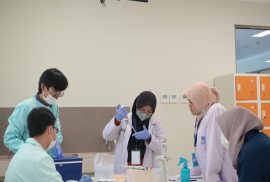
Over the course of three days, participants received a combination of theoretical sessions and intensive hands-on practice covering various steps, including euthanasia, necropsy, tissue fixation, dehydration, paraffin infiltration, microtome sectioning, staining, and microscopic analysis of the prepared specimens. Participants were also encouraged to discuss common challenges encountered during histological specimen preparation and collaboratively seek solutions with the instructors. The training featured speakers from the SPH Laboratory, including Prof. Dr. Bambang Retnoaji, S.Si., M.Sc.; Susilo Hadi, S.Si., M.Si., Ph.D.; Dr. med. vet. drh. Hendry Saragih, M.P.; Zuliyati Rohmah, S.Si., M.Si., Ph.D.Eng.; Dr. Ardaning Nuriliani, S.Si., M.Kes.; Dr. Luthfi Nurhidayat, S.Si., M.Sc.; and Nur Indah Septriani, S.Si., M.Sc., Ph.D., as well as laboratory technicians Sefi Nur Anggaeni, S.Si. and Suwardi A., with Siti Aeniah, S.Pd. (Master’s student) serving as assistant instructor. The event was held in an interactive and enthusiastic atmosphere, strengthening collaboration across educational levels and contributing to SDG 17: Partnerships for the Goals, through synergy among lecturers, students, and laboratory staff in advancing scientific capacity. The skills gained from this training are expected to be applied by participants in their future academic and professional careers, serving as a valuable foundation for the advancement of biological and health research.
Contributors: Ardaning Nuriliani and Sefi Nur Anggaeni
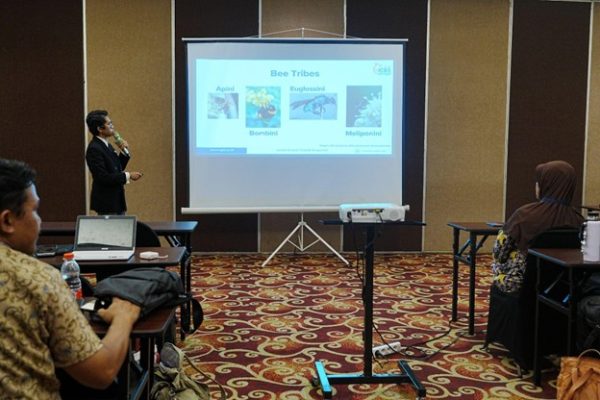
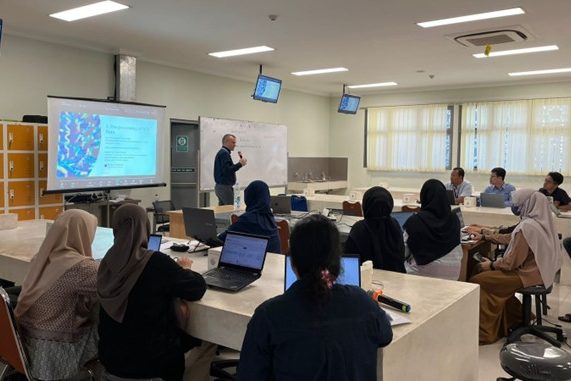
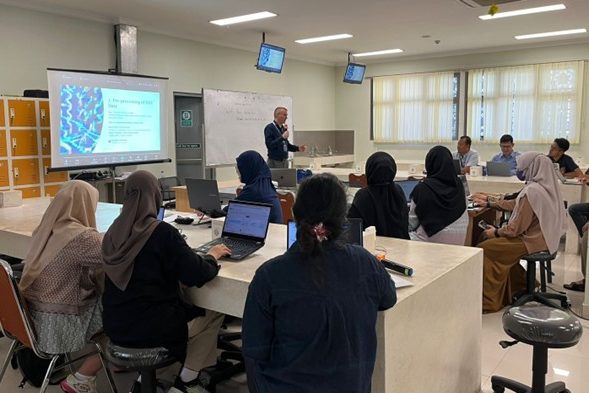
A key highlight of the session was the introduction to KBase (the Department of Energy Systems Biology Knowledgebase) a collaborative online platform for efficiently analyzing and integrating genomic data.
Through live demonstrations, participants learned how to process sequencing data, perform gene annotation, and explore functional relationships among microorganisms using the latest bioinformatics tools and databases.
#ICBS2025 #FakultyOfBiologyUGM #BioinformaticsWorkshop #UniversityofCopenhagen #MetagenomeAnalysis #PhageMining #KBase #SDG4 #SDG9 #SDG14 #SDG15 #SDG17 #GlobalCollaboration #GenomicInnovation #SustainableScience
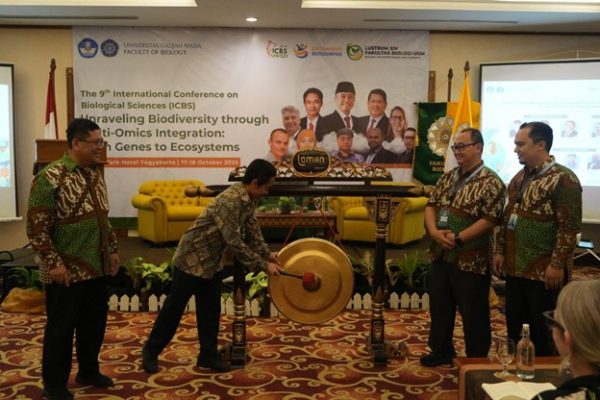
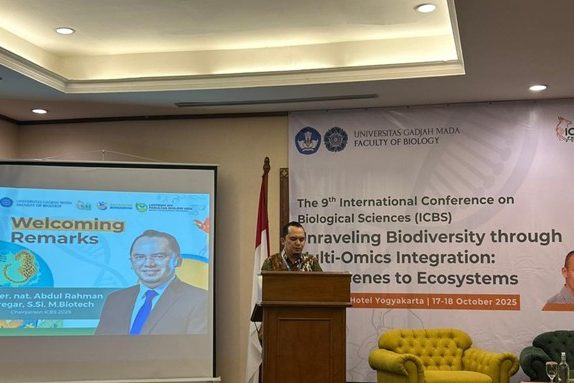
The opening continued with a welcoming address from Dr. Eko Agus Suyono, Vice Dean for Research, Community Service, Cooperation, and Alumni, who emphasized the importance of mastering modern genomic technologies to advance molecular biology research in Indonesia.
#ICBS2025 #FakultasBiologiUGM #OxfordNanopore #IntegratedGenomeFactory #BioinformaticsWorkshop #Metagenomics #GenomicInnovation #SDG3 #SDG4 #SDG9 #SDG14 #SDG15 #SDG17 #SustainableScience #ResearchForSustainability
Contributors: Ardaning Nuriliani, Hendry Saragih, and R. Rohmad Gunawan Hardono.
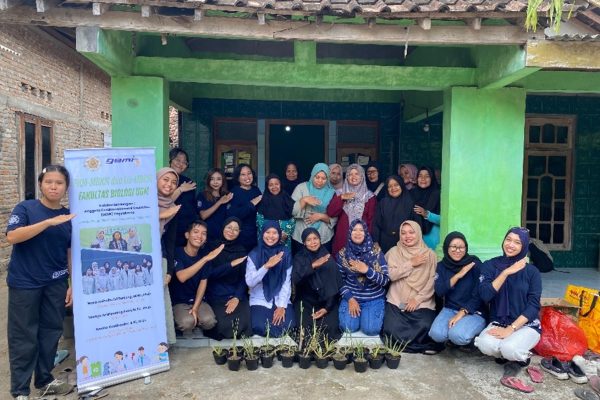
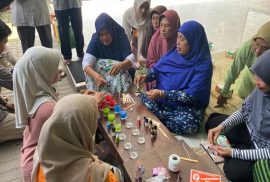
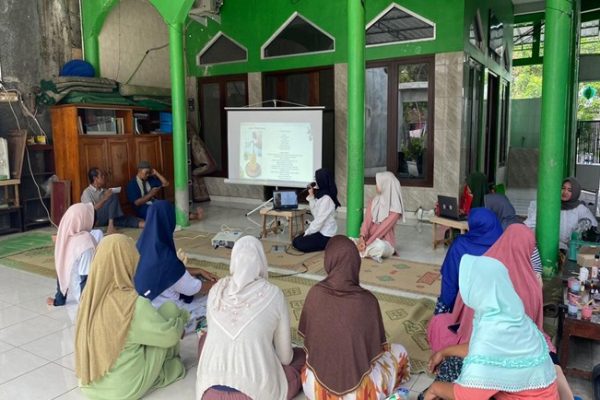
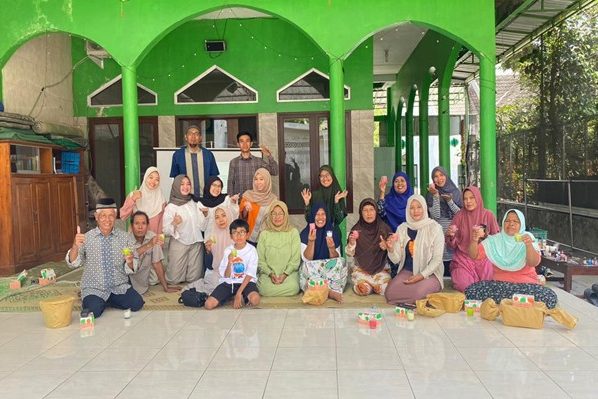
The 2025 Community Service – Merdeka Belajar Kampus Merdeka (PkM-MBKM) Team of the Faculty of Biology, Universitas Gadjah Mada (UGM), successfully conducted an educational program in Pajangan Hamlet, Wedomartani, Ngemplak, Sleman, under the title “Health Innovation through the Making of Aromatherapy Candles and Sharing Healthy Herbal Drink Recipes.” This program aimed to enhance community knowledge and skills in utilizing herbal ingredients for health and well-being—aligned with Sustainable Development Goals (SDGs) No. 3: Good Health and Well-Being and No. 12: Responsible Consumption and Production. The team consisted of five active Biology students from the class of 2022, supervised by Dr. Ardaning Nuriliani, S.Si., M.Kes and partner Mr. Gunardi, S.Si.
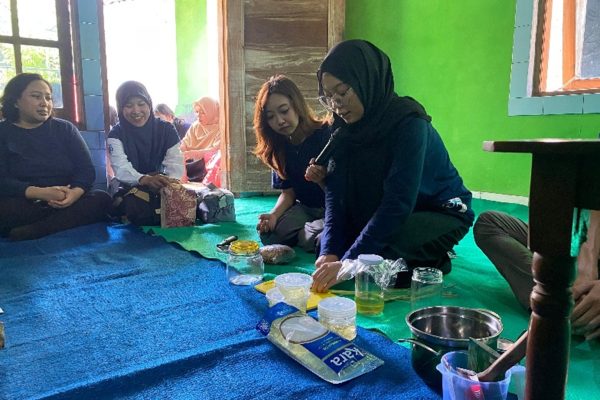
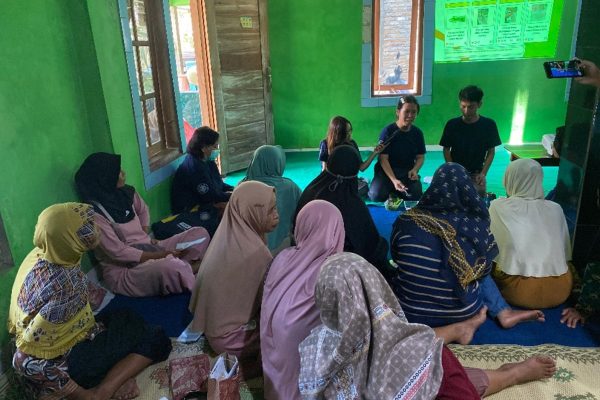
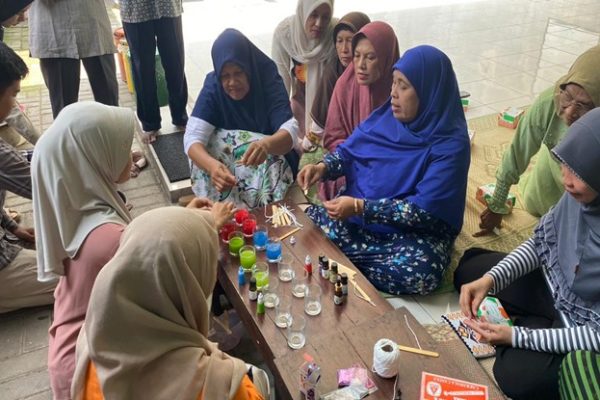
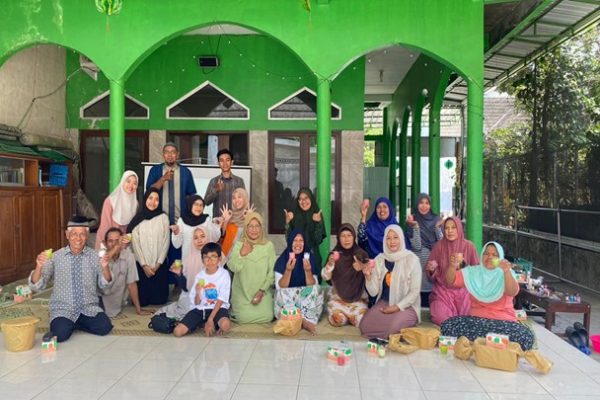
The event took place on Saturday, October 11, 2025, at Masjid Jami’ Darussalam, Pajangan Hamlet. The session began with educational talks delivered by Ghefira Nur Fatimah and Nimas Ayu Pramesthi, focusing on two main topics: techniques for making aromatherapy candles and healthy herbal drink recipes. During the hands-on session, participants practiced making aromatherapy candles using natural essential oils such as lavender, lemon, peppermint, and lemongrass. The participants enthusiastically created candles of their own preferences. Beyond serving as air fresheners, aromatherapy candles also help promote relaxation, enhance focus, improve sleep quality, and support meditation and emotional balance. In addition, participants were introduced to various easy-to-make herbal drink recipes designed for home preparation. Each recipe was selected based on its health benefits, such as boosting immunity, aiding detoxification, and maintaining metabolic balance. Thus, participants gained not only theoretical understanding but also practical skills that can be directly applied in daily life. Each participant brought home their own handmade aromatherapy candle as a symbol of the new knowledge and skills they had gained—supporting SDG No. 4: Quality Education.
This program is expected to bring direct benefits to the residents of Pajangan Hamlet while serving as an inspiration for sustainable collaboration between academia and local communities. Through such partnerships, the Faculty of Biology UGM reaffirms its commitment to promoting SDG No. 17: Partnerships for the Goals. With a spirit of sustainability and innovation, the PkM-MBKM Team of the Faculty of Biology UGM demonstrates how scientific knowledge can be applied in real life to improve community well-being.
Contributors: Ardaning Nuriliani, Chelsy Ammara Septiani, Meinawa Amaliah, Nimas Ayu Pramesthi, Syifa Aneira, and Muhammad Fathin Setya Daffa.
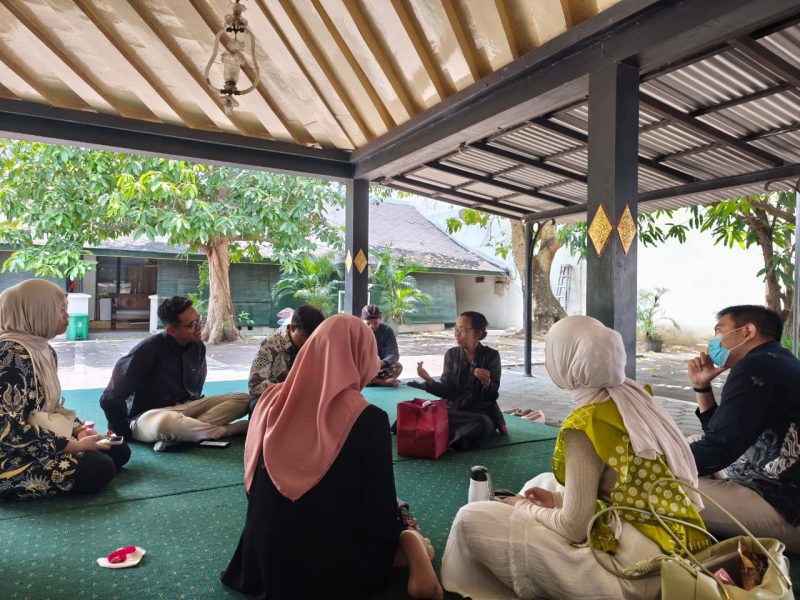
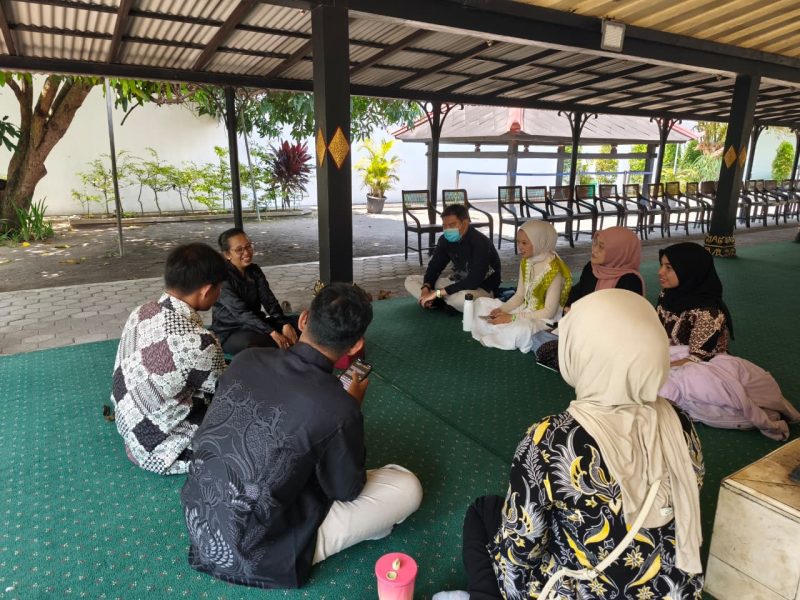
Banyan Tree (Beringin): A Symbol of Sacredness and Life Sustenance
Jambu Dersana: A Symbol of Serenity and Inner Peace
Gayam Tree: Strength and Balance
Sawo Kecik: Patience and Virtue
Kepel: A Symbol of Purity, Grace, and the Soul of a Warrior
- Polo Kesimpar: fruits growing along the ground, such as watermelon, melon, and cantaloupe.
- Polo Pendem: underground crops like yam, cassava, potato, taro, and peanut.
- Polo Gantung: fruits growing above ground, hanging from trees such as mango, guava, pomelo, and grape.