SDG 13 : Organize Climate Action
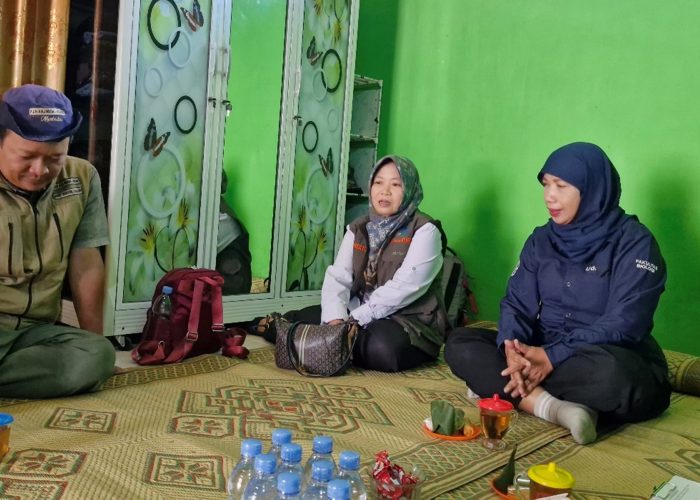
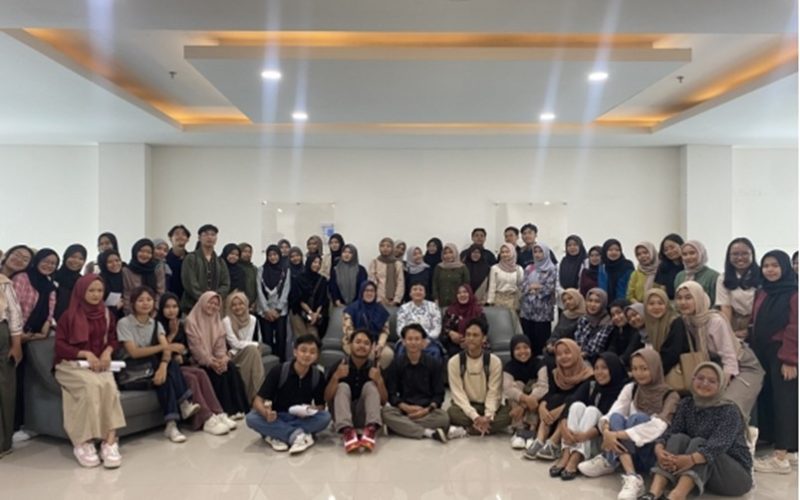
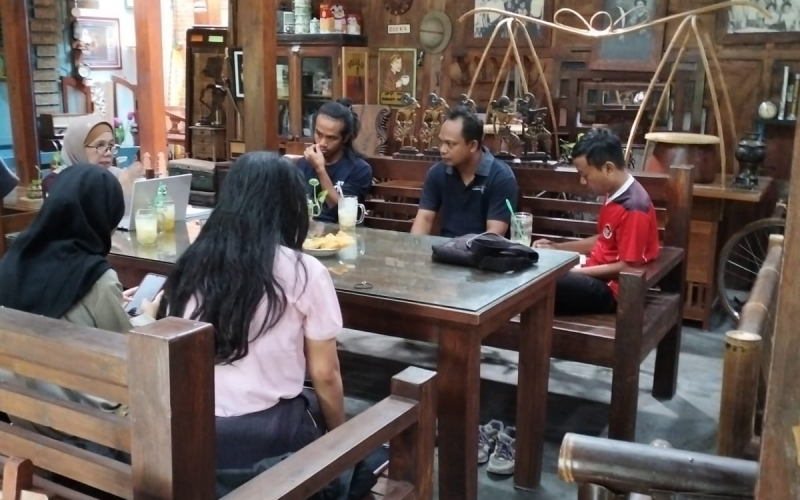
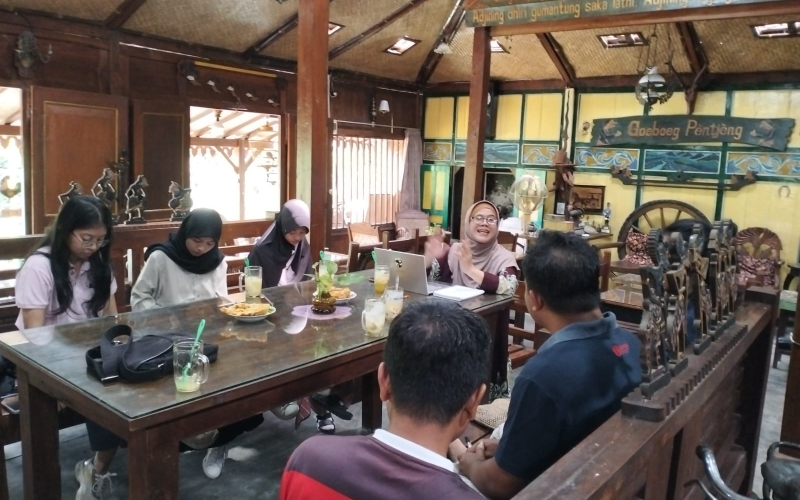
YOGYAKARTA, INDONESIA — February 19, 2024 — A team of lecturers led by a lecturer from the Faculty of Biology at Universitas Gadjah Mada (UGM) held an engaging Focus Group Discussion (FGD) with millennial farmers from Kalurahan Karangmojo, Kapanewon Karangmojo, Gunungkidul Regency. This event is part of the Faculty of Biology’s initiative to encourage dialogue and collaboration between the academic world and field practitioners to enhance sustainable agriculture.
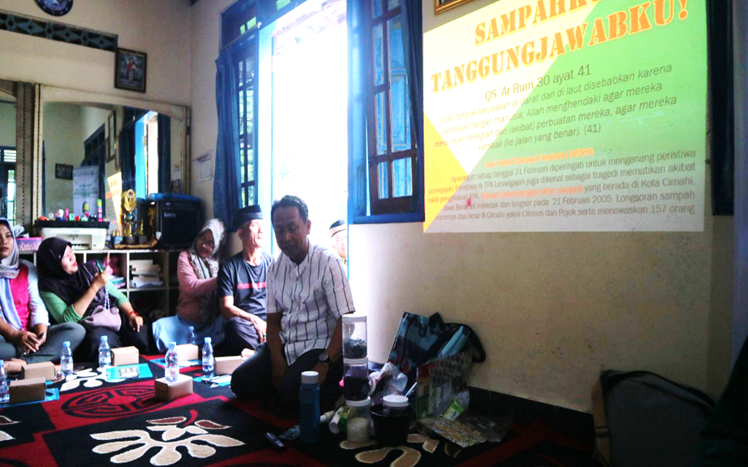
The FGD was held on February 18, 2024, in the meeting room of the Agricultural Extension Center of Kapanewon Karangmojo. The participating millennial farmers represented various backgrounds and experiences in agriculture, ranging from organic farmers to advanced technology farmers. They shared ideas, experiences, and challenges they face in running agricultural businesses in the modern era. The team of lecturers facilitating this FGD was an interdisciplinary inter-faculty team, including members from the Faculty of Biology (Zuliyati Rohmah, S.Si., M.Si., Ph.D. Eng., and Ludmilla Fitri Untari, S.Si., M.Si.), the Faculty of Mathematics and Natural Sciences (Umi Mahnuna Hanung, S.Si., M.Si.), and the Faculty of Pharmacy (Dr. Cintya Nurul Apsari, S.T.P., M.Si.).
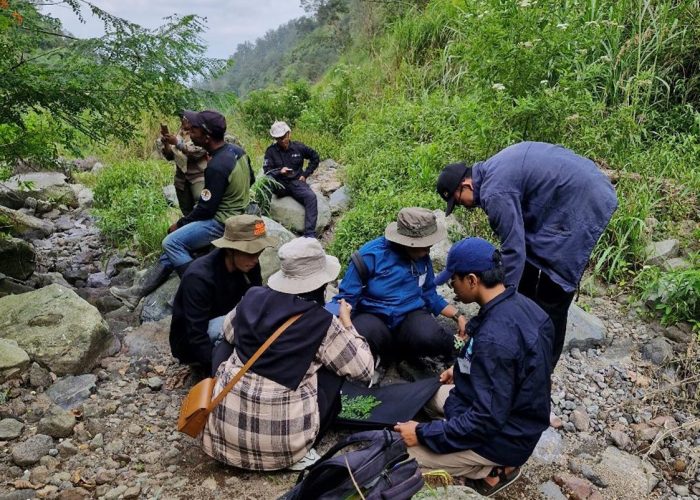
The discussions held during the FGD and field visits covered various topics, including the use of technology in agriculture, organic farming practices, natural resource management, and marketing strategies for agricultural products. The results of these discussions will form the basis for developing more relevant and responsive educational, research, and community service programs tailored to the needs of millennial farmers.
The Faculty of Biology UGM hopes that this FGD will be the beginning of a sustainable partnership between the university
and millennial farmers, bringing tangible positive impacts to the advancement of the agricultural sector in Indonesia. This activity is closely related to several Sustainable Development Goals (SDGs) adopted by the United Nations. The dialogue and collaboration between the Faculty of Biology UGM and millennial farmers can increase farmers’ productivity and income (SDG 1: No Poverty) and support sustainable agriculture that enhances food security and nutrition (SDG 2: Zero Hunger). This initiative also develops more relevant educational programs for millennial farmers (SDG 4: Quality Education), supports economic growth and job creation in the agricultural sector (SDG 8: Decent Work and Economic Growth), and encourages innovation and modernization of agricultural practices (SDG 9: Industry, Innovation, and Infrastructure). The focus on organic farming practices and natural resource management supports sustainable production and consumption (SDG 12: Responsible Consumption and Production), and the sustainable agriculture discussed in the FGD contributes to climate change mitigation (SDG 13: Climate Action). Furthermore, the collaboration between the Faculty of Biology UGM and millennial farmers is a concrete example of partnerships that support the achievement of sustainable development goals (SDG 17: Partnerships for the Goals).
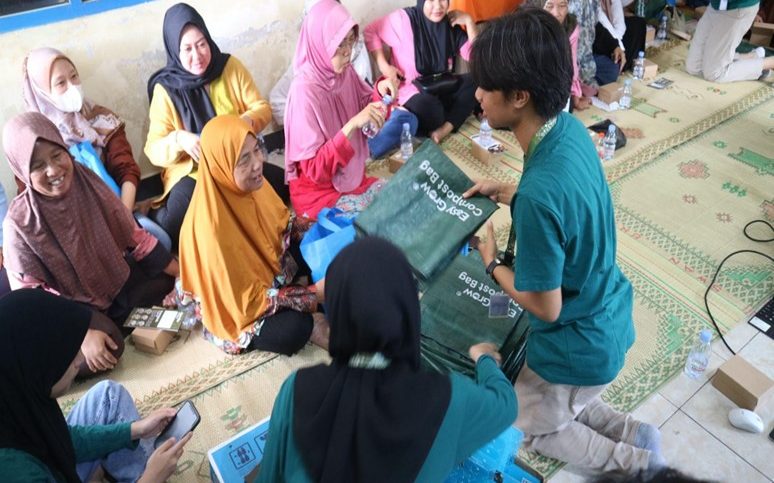
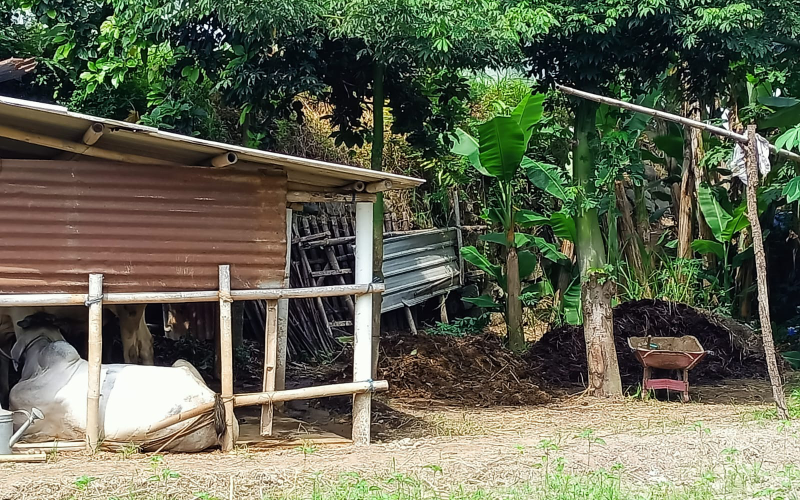
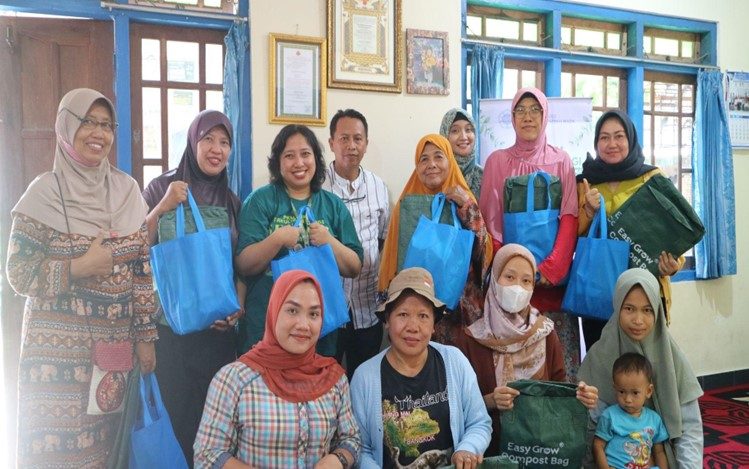
On 12-15 July 2022, Lecturer at the Faculty of Biology UGM Akbar Reza, M.Sc and Puji Lestari, S. Hut, M.Sc lecturers at the Department of Biology and Veterinary Technology at the UGM Vocational School carried out research and community service activities in Kotabaru, South Kalimantan, particularly Hilir Muara Village and Gedambaan Village. The activity which is a cross-sectoral collaboration between the Social Development Studies Center (SODEC) UGM, Faculty of Biology UGM, PT. Mubadala Energy, Kotabaru Polytechnic and the local government have been implementing this since 2020. Activities in Hilir Muara Village focus on empowering coastal communities with main assistance to Pokdarlis (Environmental Awareness Group), UMKM (Hilir Muara Cinta Bumi), and Waste Bank. Some of the programs initiated include greenhouses establishment for plants with economic value and native of Kalimantan, optimizing composters, including initiating collaboration with BUMDES and assisting BPOM’s licensing process for UMKM. These programs were initiated out of concern for the sustainability of coastal ecosystems which actually provide high ecosystem services, especially in the face of the climate crisis. Furthermore, the waste problem is also a problem for coastal areas which, apart from reducing aesthetics, also has the potential to cause long-term health problems.
Activities continued in Gedambaan Village which focused on studying coastal biodiversity. On this occasion, Akbar Reza, M.Sc with an expertise on ecology and conservation, and Puji Lestari, S.Hut, M.Sc with an expertise on Forestry were responsible for justifying techniques and locations for planting mangroves, determining permanent plots (PUP), and monitoring methods as an initiation for long-term monitoring. In its implementation, this activity was intensely assisted by Fitra Nofra, S.Si and Gema Starliantri, S.Hut as the Biodiversity Officer of PT. Mubadala Energy, in collaboration with the Kotabaru Polytechnic and the Gedambaan Village Government as the main actors. On the same occasion, planning was also carried out for a program for planting typical Kalimantan plants in collaboration with the Pulau Laut Sebuku in the Environmental Services Block in the Bukit Mamake area. Furthermore, in the long term these programs are expected to have economic value that can support the lives of local communities.
In general, these research activities and empowerment programs simultaneously support national programs such as PROKLIM Village, climate change adaptation, and local community-based blue carbon ecosystem preservation. It is hoped that the programs implemented will actually be able to help coastal communities as vulnerable to climate change. In addition, the programs are expected to be able to bring about change, both from an environmental and economic perspective