Arsip:
SDG 15 : Advance Life On Land
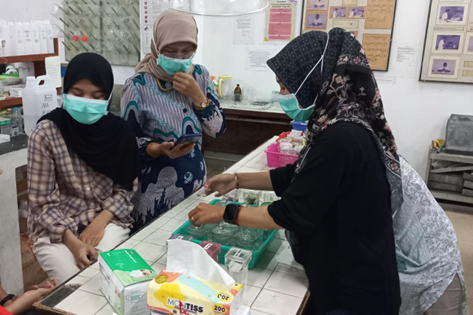
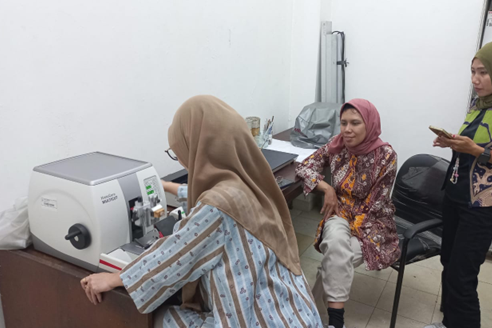
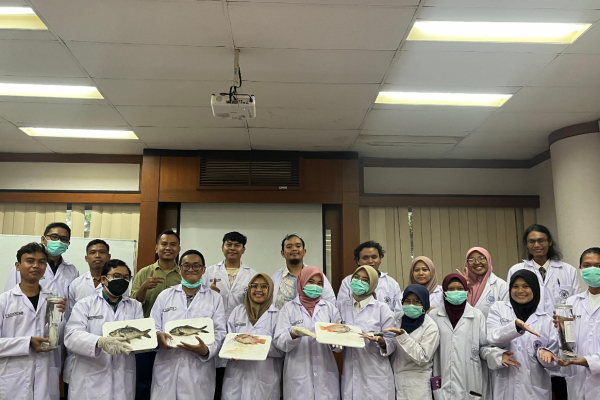
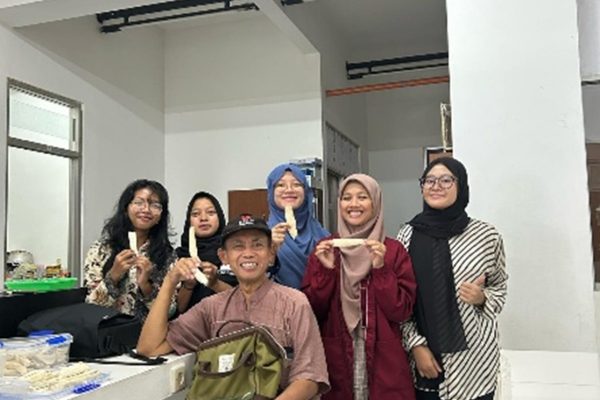
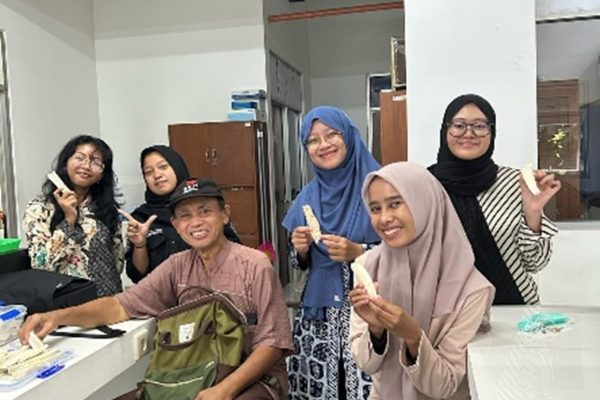
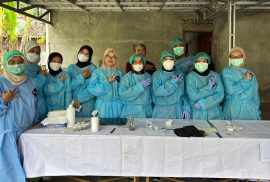
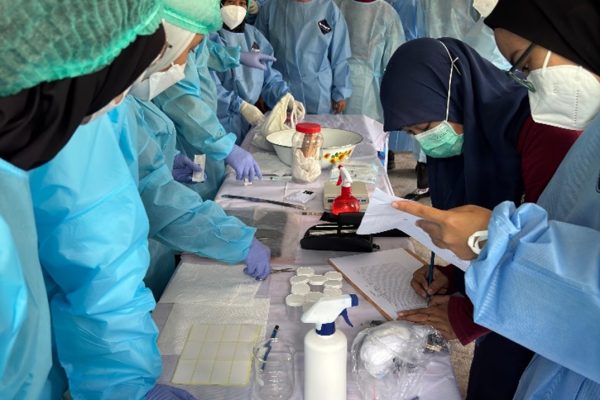
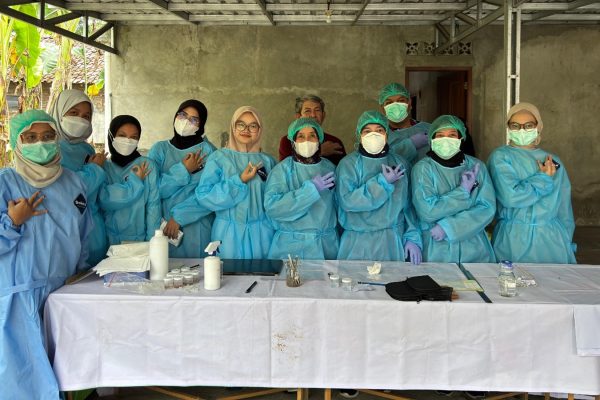
The Faculty of Biology, Universitas Gadjah Mada, through the Animal Developmental Structure Laboratory (SPH), successfully held its first batch of animal microtechnique training on April 22–24, 2025. The training was attended by five participants, comprising three doctoral students and two undergraduate students from the Faculty of Biology, UGM.
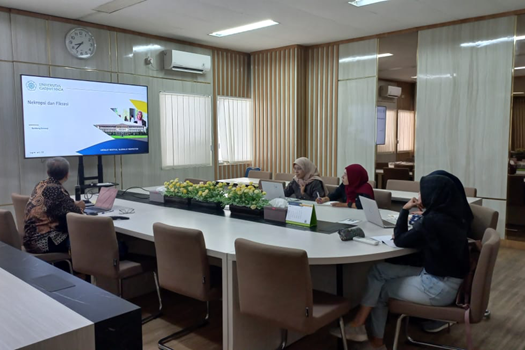
Head of the SPH Laboratory, Dr. Ardaning Nuriliani, S.Si., M.Kes., emphasized the importance of this training as a platform to strengthen laboratory skills and foster cross-level academic knowledge sharing.
“This training represents a concrete contribution from the Faculty of Biology, UGM, in equipping students with applicable and relevant microtechnique skills for biological research. Insyaa Allah, we plan to organize this training in 2 to 3 batches each year,” said Dr. Ardaning.
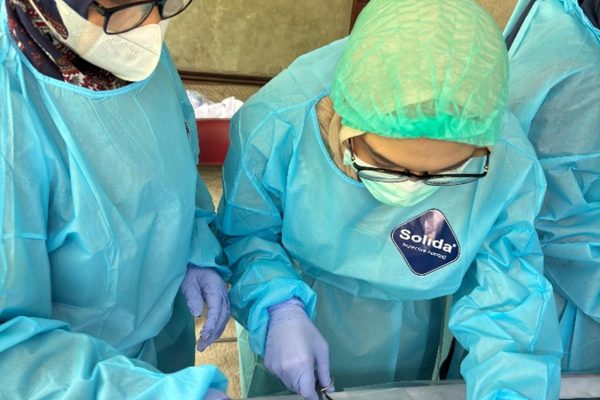
The training included both theoretical sessions and hands-on practicals, focusing on the preparation of histological slides using the paraffin method—one of the fundamental techniques in microtechnique. Participants were guided by a teaching team consisting of seven lecturers and two laboratory technicians from the SPH Laboratory. All participants demonstrated strong enthusiasm, actively engaged in discussions, and showed great interest in each session.
Beyond serving as a competency-enhancing activity, this training also contributes to achieving Sustainable Development Goal (SDG) No. 4 on quality education. Through this initiative, the Faculty of Biology UGM hopes to continuously support the advancement of education quality, particularly in mastering specific technical skills in the field of biology.
Moreover, this microtechnique training is expected to become an inspiring example for other educational institutions in developing practice- and research-based learning, in pursuit of producing excellent and globally competitive graduates.
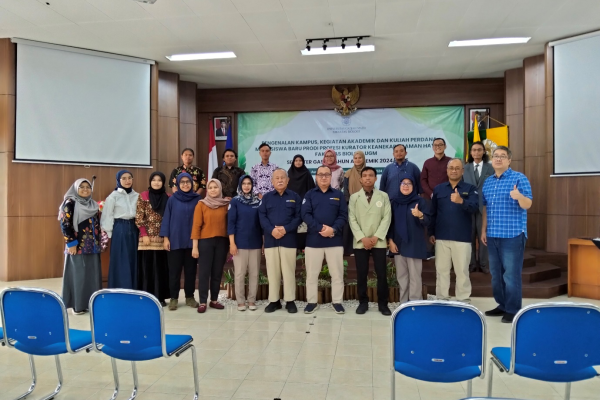
Yogyakarta, 21 April 2025, The Faculty of Biology, Universitas Gadjah Mada (UGM), is pleased to announce that the Professional Study Program of Biodiversity Curator (Program Studi Profesi Kurator Keanekaragaman Hayati, PKKH) has been officially granted Accreditation status by the National Accreditation Board for Higher Education (BAN-PT) with BAN-PT Decree’s No. 6161/SK/BAN-PT/Ak.P/PP/III/2025 and last for 5 years. This achievement marks a significant milestone in the development of PKKH, which stands as the first professional program of Biodiversity Curator in Asia and the second globally to focus specifically on the education and preparation of highly competent and professional Biodiversity Curators.
The conferment of this accreditation represents formal recognition of PKKH’s dedication and preparedness in delivering high-quality professional education. It also reflects the program’s commitment to its vision of developing Biodiversity Curators who embody the principles of Pancasila and demonstrate excellence, self-assurance, professionalism, cultural rootedness, creativity, innovation, and a strong capacity for collaboration in national and international.
Through an adaptive and integrated curriculum aligned with the evolving demands of the professional landscape, as well as strategic collaborations with partner institutions nationaly and internationally, PKKH continues to enhance the quality of its academic implementation. The program places a strong emphasis on integrity, competence, and leadership in the conservation and management of biodiversity.
This accomplishment reinforces PKKH’s optimism in advancing as a reference professional program in biodiversity curation, while also promoting the spirit of Pancasila and the cultural values of Indonesia on the global stage. Moreover, this achievement aligns with UGM’s commitment to supporting the United Nations Sustainable Development Goals (SDGs), particularly Goal 4 on Quality Education. By ensuring the delivery of high-standard professional education in biodiversity curation, PKKH contributes to the development of inclusive, equitable, and high-quality learning opportunities. Furthermore, through its focus on biodiversity conservation and sustainable resource management, the program also supports SDGs No 14 on Life Bellow Water and SDGs No 15 on Life on Land, reinforcing the protection, restoration, and sustainable use of marine and terrestrial ecosystems.
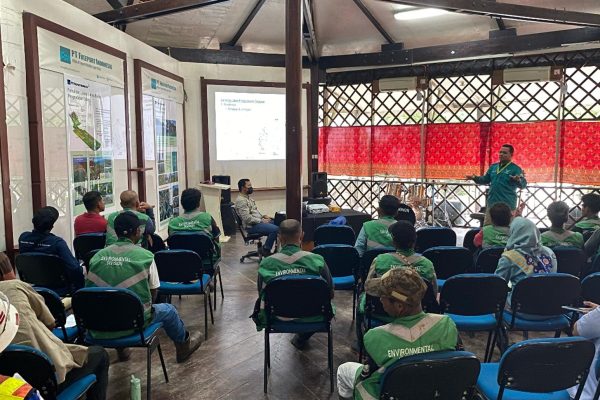
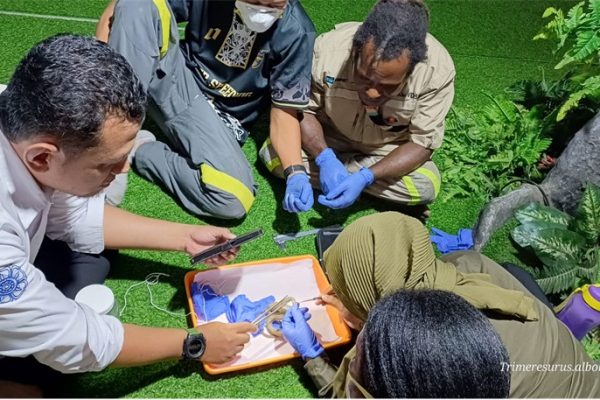
Dr. Rury Eprilurahman, S.Si., M.Sc., lecturer and researcher from the Animal Systematics Laboratory, Faculty of Biology, Universitas Gadjah Mada, conducted a training program on Wildlife Identification Techniques for staff members of the Biodiversity Section, Environmental Division of PT Freeport Indonesia from March 17 to 22, 2025.
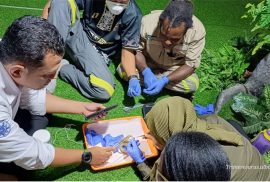
Staff from the Biodiversity Unit attended the training, which aimed to strengthen their capacity to identify four major terrestrial vertebrate taxa: amphibians, Reptiles, Birds (Aves), and Mammals. The program combined in-class theoretical sessions with hands-on field practices conducted in PT Freeport Indonesia’s operational area.
In addition to taxonomy and morphological identification, the participants were introduced to wildlife sampling techniques, scientific photography, and specimen preservation methods, including wet preservation and basic taxidermy. The training was delivered interactively, with participants showing great enthusiasm during both practical sessions and scientific discussions.
The training reflects the Faculty of Biology UGM’s commitment to biodiversity conservation, particularly in Papua, which is recognized as one of Indonesia’s most biologically rich regions.
This training aimed to equip biodiversity staff with the skills to accurately identify and document wildlife within the working area, which will support evidence-based conservation efforts.
This activity also aligns with Universitas Gadjah Mada’s broader mission to support the achievement of the Sustainable Development Goals (SDGs), particularly SDG 15 (Life on Land), which focuses on protecting, restoring, and sustainably managing terrestrial ecosystems, and SDG 4 (Quality Education) by enhancing human resource capacity in the life sciences.
The training program serves as a collaborative engagement model between academia and industry, advancing sustainable, science-based environmental management.
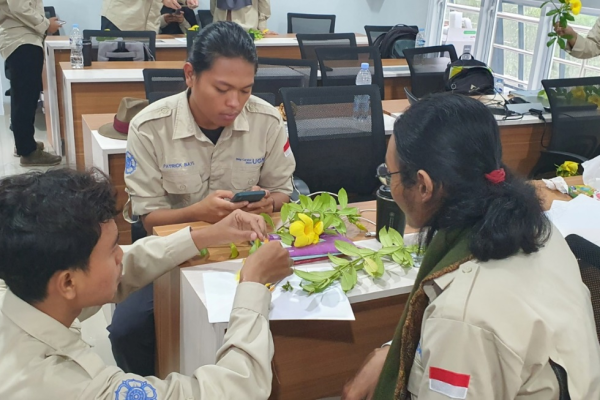
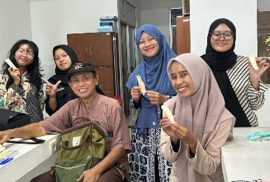
Yogyakarta, March 20, 2025 – The Entomology Laboratory of the Faculty of Biology, Universitas Gadjah Mada (UGM), conducted a training session on the Identification and Rearing of Wood and Bamboo Pest Insects. The training was attended by students, Entomology Laboratory lecturers (Drs. Hari Purwanto, M.P., Ph.D., Dr. Eng. Atikah Fitria Muharromah, S.Si., M.Eng., Aryo Seto Pandu W., S.Si., M.Sc.), and laboratory staff (Rio Tri Rahmawati, S.Si.) as part of the implementation of the KDM and Lit-MBKM Research Grant 2025.
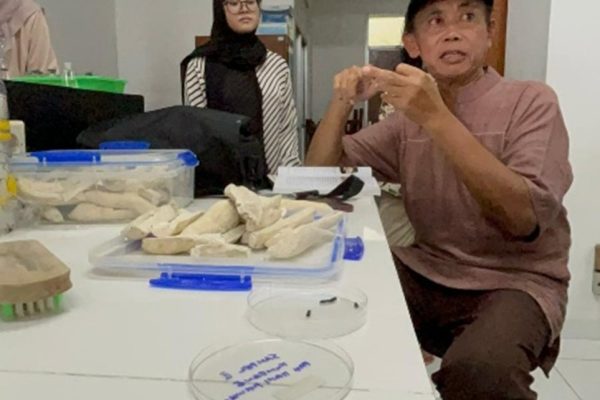
This event featured Drs. Agus Ismanto, a researcher in wood and bamboo pests from the National Research and Innovation Agency (BRIN), as the main speaker. The session was officially opened by the Head of the Entomology Laboratory and continued with a presentation by Drs. Agus Ismanto. He delivered an in-depth training on rearing techniques and the identification of pest insects that commonly attack wood and bamboo, two crucial commodities in Indonesia’s handicraft industry.
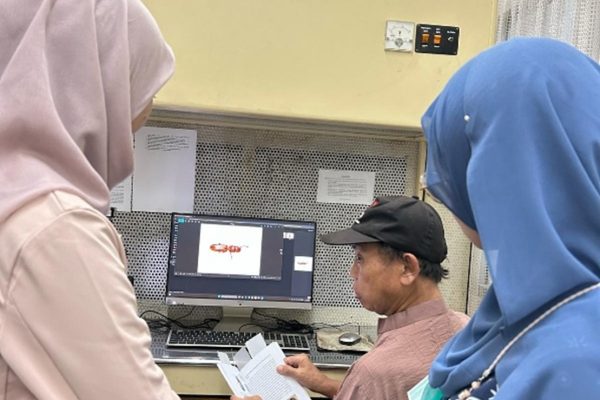
According to Drs. Agus Ismanto, identifying pest insects is a crucial first step in effective pest management. During the training, participants learned various identification techniques using microscopes and other tools such as loops. They were also trained to recognize the physical characteristics of different pest species commonly found in wood and bamboo, including Dynoderus sp., Lyctus sp., and Mynthea sp.. Additionally, the session covered various solutions to combat pest infestations that could degrade the quality of wood and bamboo. These solutions included environmentally friendly methods such as soaking and boiling the wood or bamboo in water.
This training also aimed to strengthen collaboration between academics, researchers, and students in an effort to enhance understanding of the importance of protecting wood and bamboo from pest infestations, which could impact both economic and ecological sectors.
The event is expected to bring significant benefits to all participants while expanding knowledge about the role of insects as pests and the importance of entomological research in improving the quality of wood and bamboo craft commodities in Indonesia.
This training not only provided academic benefits but also contributed to achieving several Sustainable Development Goals (SDGs), including: SDG 4: Quality Education, SDG 9: Industry, Innovation, and Infrastructure, SDG 12: Responsible Consumption and Production, and SDG 15: Life on Land.
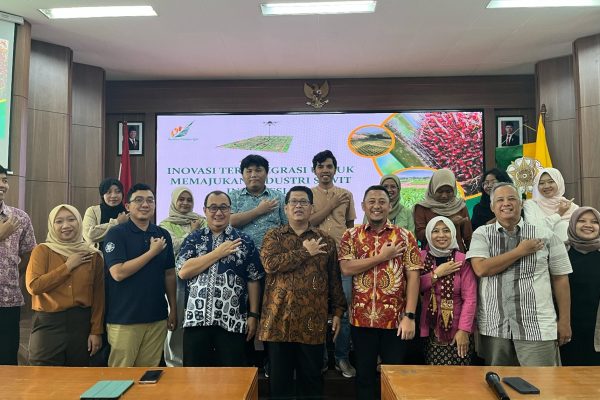
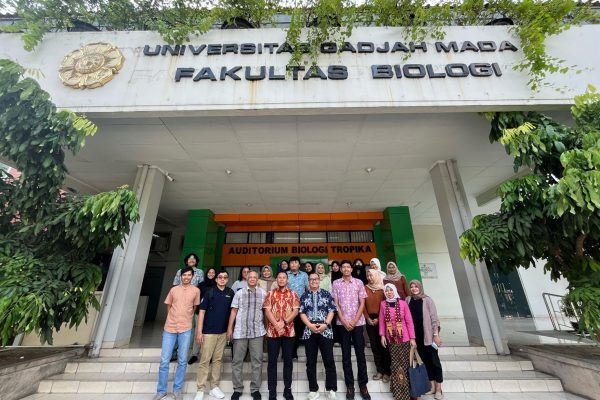
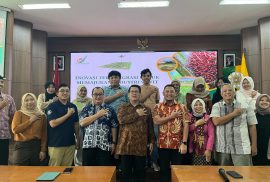
Yogyakarta, 20 February 2025 , PT Bumitama Gunajaya Agro (BGA) continues to demonstrate its commitment to advancing innovation within Indonesia’s palm oil sector through the implementation of its 2025 Open Innovation Program. The program was formally introduced during a socialization event held at the Tropical Biology Auditorium, Faculty of Biology, Universitas Gadjah Mada (UGM), and was attended by faculty members and students.
This activity also marked the continuation of collaboration between PT BGA and the Faculty of Biology UGM in the previous year. In his opening address, Dean of the Faculty of Biology, Prof. Dr. Budi Setiadi Daryono, M.Agr.Sc., underscored the strategic importance of partnerships between academia and industry in enhancing the relevance and quality of research and innovation. He expressed appreciation for the opportunity to strengthen this partnership, noting that he was a recipient of the BGA Innovation Grant in the previous cycle.
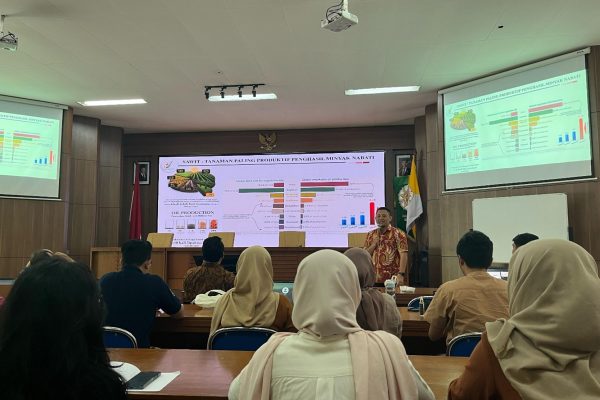
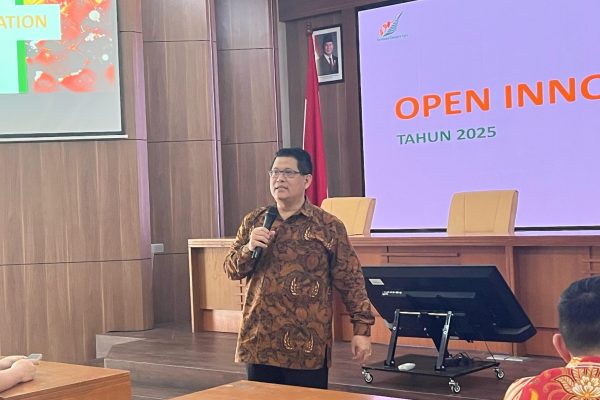
Dr. Ade Agung Laksono, Head of the Bumitama Academy Department at PT BGA, delivered the keynote presentation titled “Integrated Innovation for Advancing the Indonesian Palm Oil Industry.” In his presentation, Dr. Ade reaffirmed BGA’s dedication to facilitating broader participation by Indonesian researchers in addressing practical challenges within the national palm oil industry.
“BGA operates primarily in upstream plantation management. Through this research grant initiative, we seek to explore the potential of Indonesian researchers in delivering applied solutions to key issues in the palm oil sector,” Dr. Ade stated.
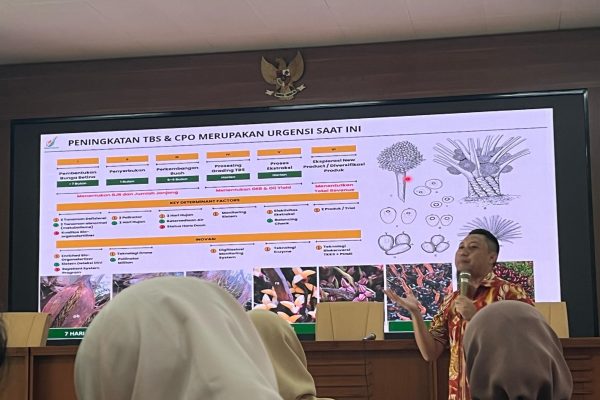
Among the critical challenges highlighted were the decline in production capacity due to pest outbreaks and inefficiencies in the processing of crude palm oil into refined products. To address these issues, BGA is offering researchers access to plantation land, thereby providing an opportunity to apply their research’s findings.
In addition to faculty researchers, the 2025 Open Innovation Program is also open to university students across Indonesia. This initiative is expected to further promote research-based innovation originating from academic institutions such as the Faculty of Biology UGM, contributing meaningfully to the development of the national palm oil industry. Furthermore, it aligns with key objectives of the Sustainable Development Goals (SDGs), particularly SDGs No. 4 on Quality Education and SDGs No.17 on Partnerships for the Goals.
Through this initiative, PT BGA aspires to strengthen the integration between higher education institutions and industry, while fostering impactful and solution-oriented research in the fields of agriculture and plantation science in Indonesia.
Yogyakarta, February 20, 2025 – PT Bumitama Gunajaya Agro (BGA) continues to strengthen its commitment to driving innovation in Indonesia’s palm oil industry through its Open Innovation program. The socialization of this program was held at the Tropical Biology Auditorium of the Faculty of Biology, Universitas Gadjah Mada (UGM), Yogyakarta, and was attended by both faculty members and students from the Faculty of Biology UGM. This event also marked the continuation of the collaboration between BGA and the Faculty of Biology UGM, which began last year.
In his opening remarks, Prof. Dr. Budi Setiadi Daryono, M.Agr.Sc., Dean of the Faculty of Biology UGM, emphasized the importance of cooperation between academic and industry to enhance the quality of research and innovation. He expressed great appreciation for the opportunity to continue this collaboration, especially since the Dean himself was one of the recipients of BGA’s innovation grant last year.
During the event, Dr. Ade Agung Laksono, Bumitama Academy Department Head at PT BGA, served as the keynote speaker. Under the theme “Integrated Innovation to Advance the Indonesian Palm Oil Industry,” Dr. Ade shared BGA’s commitment to opening opportunities for Indonesian researchers to directly contribute to the development and sustainability of the national palm oil industry. “BGA focuses on the upstream management of palm oil plantations, and through the research grant we offer, we aim to explore the potential of Indonesian researchers in providing practical solutions to the various challenges in the palm oil sector,” said Dr. Ade.
In his presentation, Dr. Ade also highlighted some of the main challenges facing the Indonesian palm oil industry this year, including reduced production capacity due to pest attacks and suboptimal processing of crude palm oil into edible oils. To address these issues, BGA is offering researchers the opportunity to apply their findings directly in the field, utilizing the land provided by BGA.
This year, the BGA research grant program not only invites faculty members but also opens up participation to students from universities across Indonesia. Through this initiative, it is hoped that the research innovations emerging from the Faculty of Biology UGM can further contribute to the advancement of the palm oil industry in Indonesia, while supporting the achievement of the Sustainable Development Goals (SDGs), particularly for inclusive education (SDG 4) and collaborative innovation (SDG 17). This initiative is expected to strengthen the synergy between education and industry, opening opportunities for more applicable research that can have a direct impact on the agricultural and palm oil plantation sectors in Indonesia.
Bantul, Indonesia – February 19, 2025 – In a proactive public health initiative, students from the Faculty of Biology, Universitas Gadjah Mada (UGM) collaborated with the Bantul District Health Office and the Yogyakarta Public Health Laboratory Center (BBLABKESMAS) to conduct rodent surveillance in Beran Hamlet, Canden Village, Jetis Subdistrict, Bantul Regency. This joint effort was initiated following confirmed human cases of leptospirosis and hantavirus in the area, with the infections suspected to have also affected other family and community members.
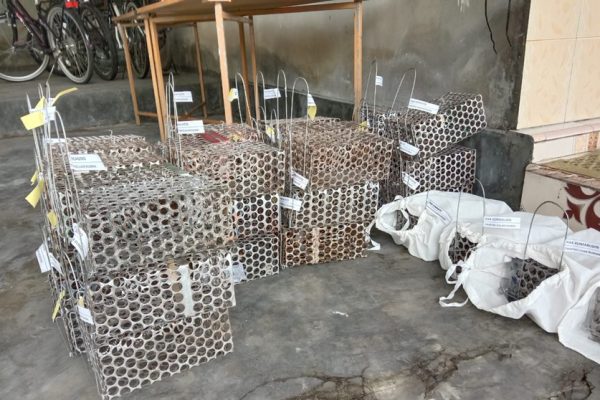
The surveillance began on Tuesday, February 18, with the placement of 50 single-live rat traps. As a result, nine traps captured rats (Rattus spp.) and two traps captured Asian house shrews (Suncus murinus), both considered potential reservoirs of disease.
The student research team comprised Dita Dwi Putri, Zahwa Khoirun Nisa, Dhiyaa Sekar Hanum, Shaila Revita Zahra, and Trissa Amalia Putri and Rizky Nur Endah Sari. Their participation is part of the Merdeka Belajar Kampus Merdeka (MBKM) Research Program, supervised by Dr. Dra. Rr. Upiek Ngesti Wibawaning Astuti, B.Sc., DAP&E, M.Biomed.
Moving forward, molecular analysis will be conducted on the captured specimens to detect the presence of Leptospira bacteria and hantavirus, providing crucial data to inform future public health responses. This initiative reinforces the Faculty of Biology UGM’s dedication to community welfare and aligns with Sustainable Development Goals (SDGs), including SDGs No 3: Good Health and Well-being, SDGs No 4: Quality Education, SDGs No 15: Life on Land, and SDGs No 17: Partnerships for the Goals.
The Faculty of Biology, Universitas Gadjah Mada (UGM), in collaboration with Western Sydney University (WSU), successfully conducted the International Summer Course (ISC) program in Setulang Village and the Tane Olen Community Forest, Malinau Regency, North Kalimantan. This program followed a series of academic and cultural exchanges held earlier in Yogyakarta and Tarakan.
On Sunday, January 26, 2025, ISC participants arrived in Malinau and continued their journey to Setulang Village. The UGM delegation included two faculty members ; Dr. Rury Eprilurahman and Mukhlish Jamal Musa Holle, M.Env.Sc, D.Phil. and six students. The WSU delegation, consisting of two staff members, Dr. John Hunt and Louise Graham, and 16 students.
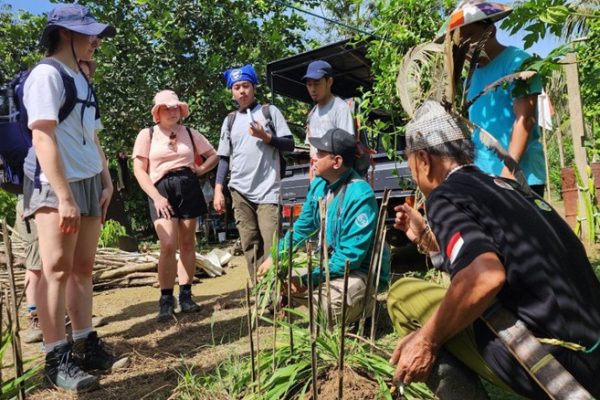
The program commenced with a warm welcome from the Setulang community, featuring traditional dance performances and remarks from the Village Head, Mr. Saleh Wang. Field activities began the following day with observations of rice fields and home gardens owned by local residents, including an introduction to farming system and the diversity of plant species cultivated in the Mr. Philius’s home garden, a village elder.
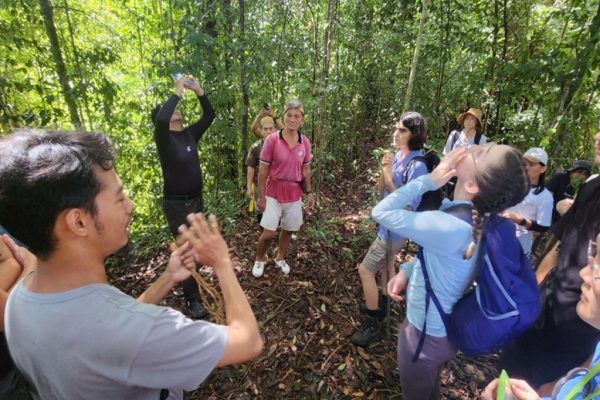
On January 28, the program moved to the Tane Olen Community Forest, a lowland dipterocarp forest known for its rich biodiversity. Participants traveled by pickup and continued on foot along river trails to two basecamps: Lepo Kalung and Waterfall Basecamp. From January 28 to February 5, daily activities included birdwatching, jungle trekking, herpetofauna observation (herping), and thematic discussions with local guides and researchers.
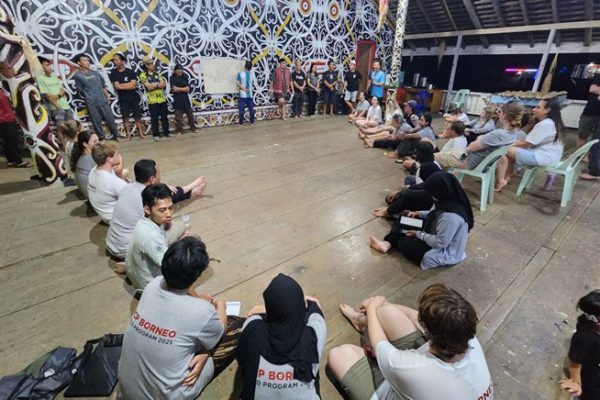
Dr. Rury Eprilurahman led herpetofauna identification sessions and delivered a herpetology sharing session on January 29. On January 30, local guides introduced participants to useful plant species during a trek through riparian and hilly zones. That evening, an ethnobotany discussion was held between ISC participants and the local community.
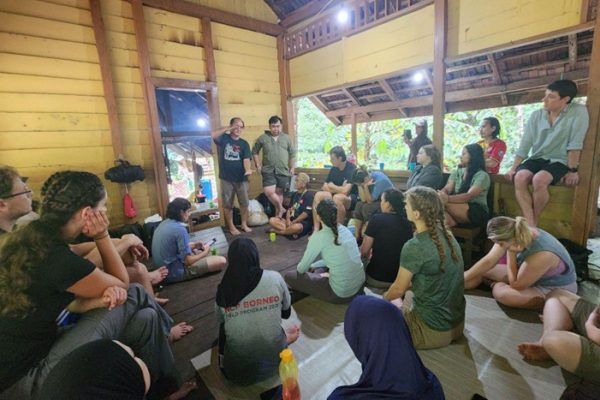
A key highlight took place on February 1 with a dialogue involving village elder Mr. Philius, Village Head Mr. Saleh Wang, and forest management representatives Andrew and Ran. The discussion focused on the history of Setulang, community conservation efforts, and sustainable forest management practices in Tane Olen.
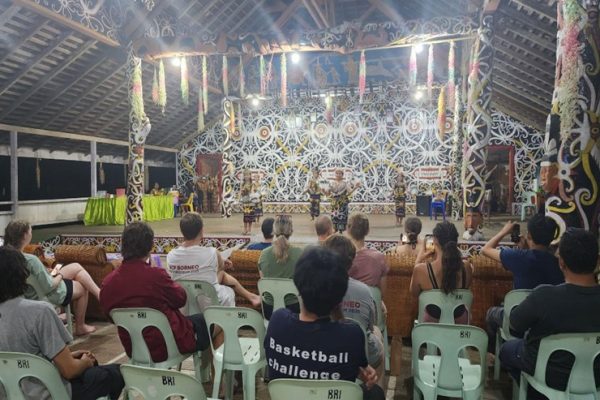
The ISC program concluded on February 5 with a closing ceremony in Setulang Village. The event was attended by the Subdistrict Head of South Malinau Hilir, village officials, and community leaders, and featured traditional dance performances by residents of all ages.
This international collaboration not only enhanced cross-cultural academic exchange but also embodied the principles of Sustainable Development Goals (SDGs) 11 (Sustainable Cities and Communities), 14 (Life Below Water), and 15 (Life on Land).
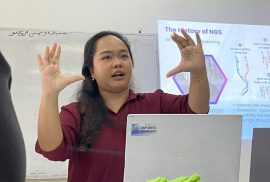
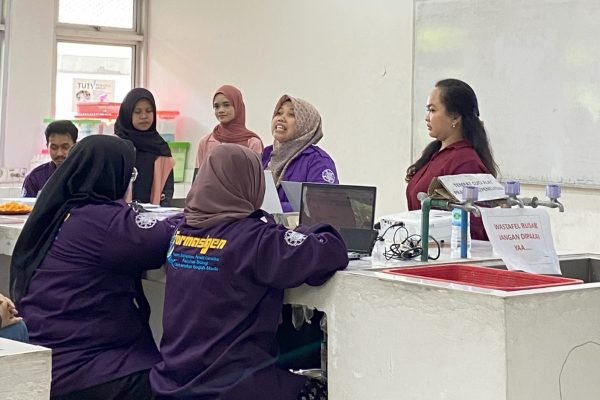
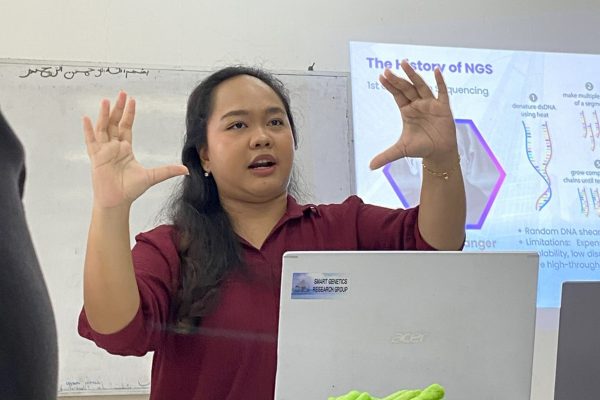
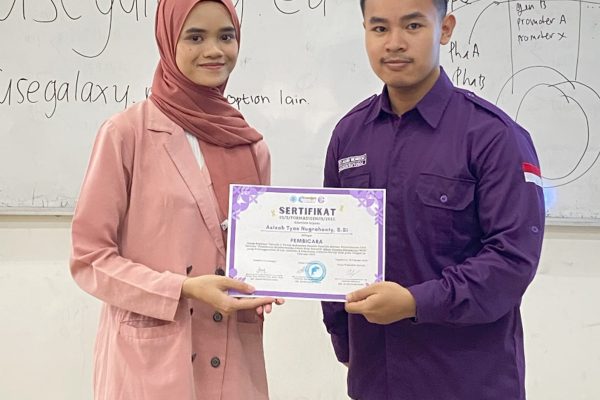
On Friday, 14th of February 2025 at 1-1.30 PM, Gentalk 1 is held in the Laboratory of Genetics and Breeding, Faculty of Biology UGM. This program is targeted for all Formasigen members and Biology UGM students in general. Mrs. Ganies Riza Aristya, S.Si., M.Sc., Ph.D., as Formasigen’s supervisor lecturer, also attended this program. Gentalk is an active discussion and sharing session between alumni or senior student and Formasigen’s member about the undergraduate thesis they are working on. In the first Gentalk of this year, there are 3 speakers, which are Azizah Tyas Nugrahanty, S.Si., Lucia Arum Sekar Meysari, S.Si., and Tiara Putria Judith. Azizah Tyas Nugrahanty, S.Si and Lucia Arum Sekar Meysari, S.Si. are master students in the Faculty of Biology UGM batch 2023, while Tiara Putria Judith is a master student in the Faculty of Biology UGM batch 2024, all under the supervision of Mrs. Ganies Riza Aristya, S.Si., M.Sc., Ph.D. for their undergraduate thesis.
This program started with an opening from the Master of Ceremony, Andreas Wibisono, as a part of the Scientific Division of HomeoGenesis Cabinet, followed by an opening speech by Mrs. Ganies Riza Aristya, S.Si., M.Sc., Ph.D. as the supervisor lecturer of Formasigen. In the speech, Mrs. Ganies express her hope for this program to be held more consistently and better so that this program can be a vessel for knowledge sharing and discussion for all Faculty of Biology’s students. The next activity is a presentation from all three speakers about “ Bioinformatics approach in genomic research : Whole Genome Sequencing (WGS)” . This presentation contains the history of NGS (Next Generation Sequencing) which is a development from the previously known method, Sanger Sequencing. Unlike Sanger sequencing, NGS can detect the whole genome in a shorter time with high-throughput results. One of the applications for NGS is its usage for WGS (Whole Genome Sequencing). This presentation also introduced a website called usegalaxy as a free online platform for genome sequencing analysis. All participants are given a tutorial to access the website and follow instruction to analyse a sequence. After that, is the Q&A session followed by closing from the master of ceremony. With the success of the first Gentalk of this year, we hoped that this could be a good start to be a vessel for an interesting and beneficial discussion. We also hope that this program can give a better understanding about all the researches done by all the lecturers and their students in the Laboratory of Genetics and Breeding, Faculty of Biologi UGM. [Author: Formasigen]
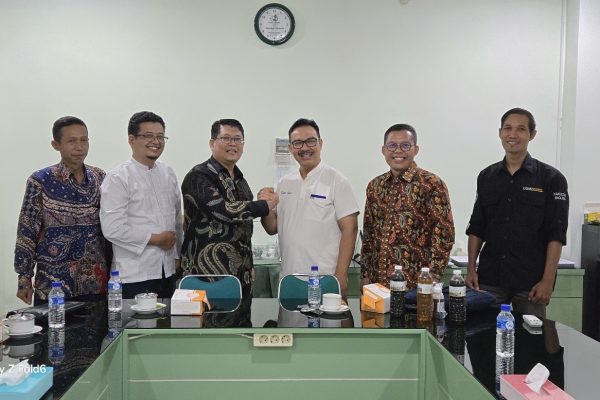
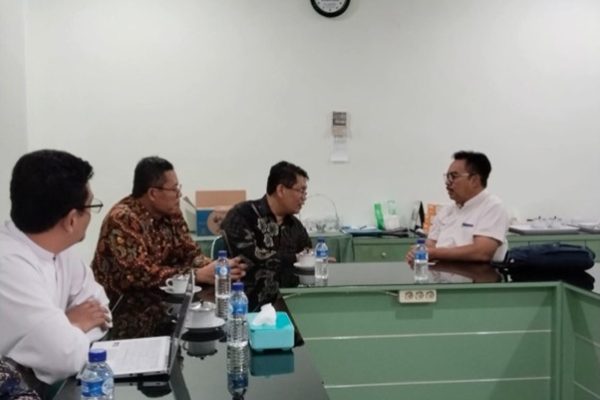
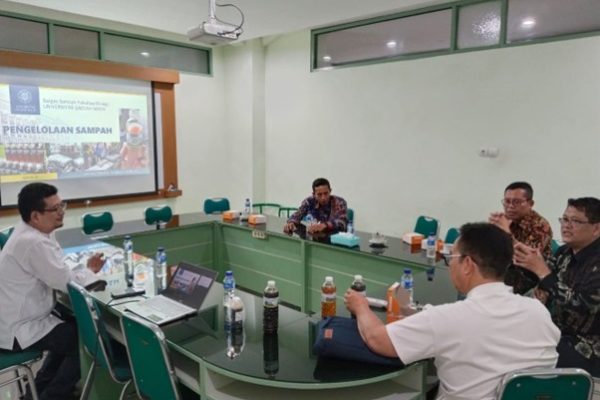
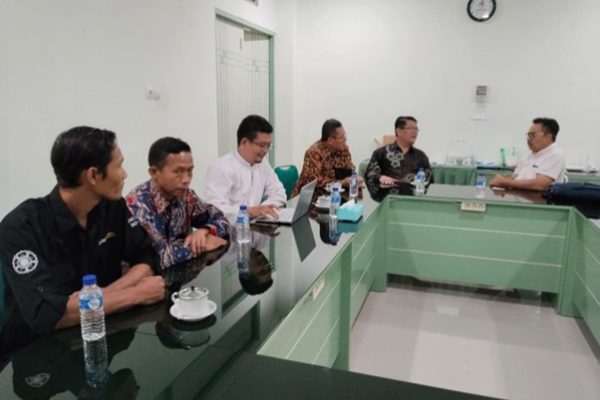
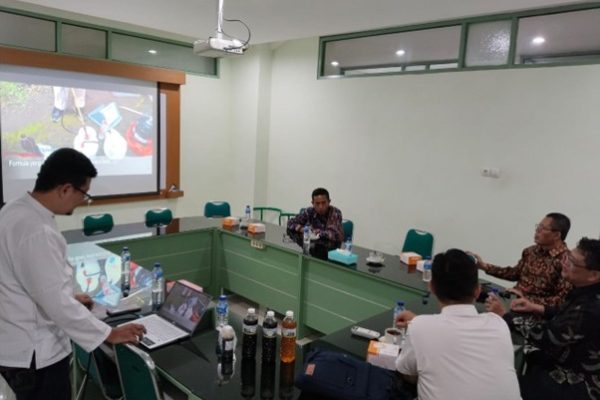
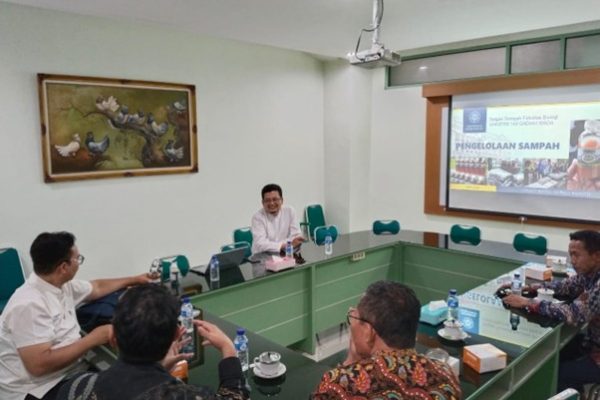
On January 31, 2025, a delegation from the Waste Management Task Force of the Faculty of Biology at Gadjah Mada University (UGM) met with the newly elected Mayor of Yogyakarta, Dr. Hasto Wardoyo, Sp.OG (K), to discuss potential collaborations for waste management in the city. The meeting took place in Meeting Room IV F at Sadewa Hospital, where both parties expressed their commitment to addressing the pressing waste management issues facing Yogyakarta.
The delegation from UGM included prominent figures such as Prof. Dr. Budi Setiadi Daryono, the Dean of the Faculty, Dr. Slamet Widiyanto, M.Sc., the Vice Dean for Finance and Human Resource, Sukirno, S.Si., M.Sc., Ph.D., the Head of the Task Force, and other members including Mr. Suharjita and Mr. Heru. The meeting aimed to explore collaborative efforts to enhance environmental sustainability and improve agricultural productivity through effective waste management strategies.
Mayor Hasto highlighted the alarming statistic that Yogyakarta generates approximately 300 tons of waste daily, necessitating serious management from upstream to downstream. He emphasized the importance of implementing clean technologies and innovative solutions to tackle this issue, which directly impacts food security and the overall health of the local ecosystem.
During the discussion, the Mayor introduced his vision for the “One Village One Sister University” and “One Village One Sister Company” programs. These initiatives aim to empower local communities by fostering partnerships with educational institutions and businesses to create sustainable waste management practices. The collaboration with UGM’s Faculty of Biology is expected to play a crucial role in this endeavor.
The UGM delegation proposed the application of various technological products, including probiotic solutions and organic fertilizers like BIOFERTI, which have been developed to address the challenges posed by organic waste. These products not only help in waste reduction but also enhance soil health and agricultural productivity, contributing to food security in the region.
The meeting also focused on the importance of ecosystem protection and the need for a comprehensive approach to waste management that considers environmental impacts. The UGM team emphasized the significance of educating the community about waste segregation and the benefits of using clean technologies in daily practices.
Both parties agreed on the necessity of conducting further research and pilot projects to assess the effectiveness of the proposed solutions. The collaboration aims to create a model for sustainable waste management that can be replicated in other cities facing similar challenges.
As the meeting concluded, Mayor Hasto expressed his gratitude for the UGM delegation’s commitment to environmental issues and their willingness to collaborate. He reiterated that effective waste management is not just a municipal responsibility but a collective effort that requires the involvement of all stakeholders, including academia, government, and the community.
The partnership between UGM’s Faculty of Biology and the Yogyakarta city government marks a significant step towards achieving the Sustainable Development Goals (SDGs), particularly in areas related to environmental sustainability, food security, and community empowerment. The collaboration is expected to yield innovative solutions that will benefit both the city and its residents in the long run.