Arsip:
SDG 15 : Advance Life On Land
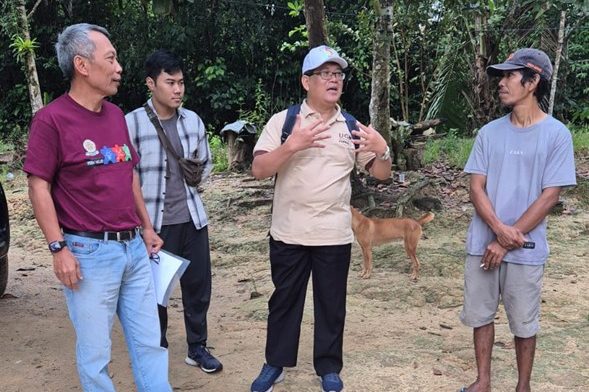
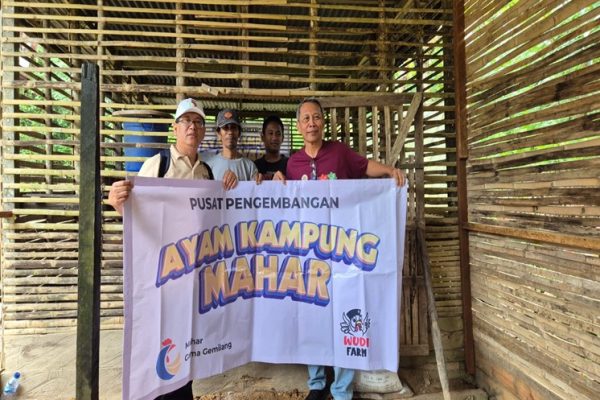
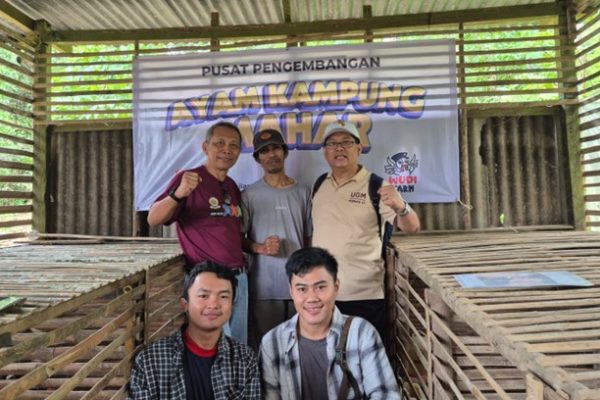
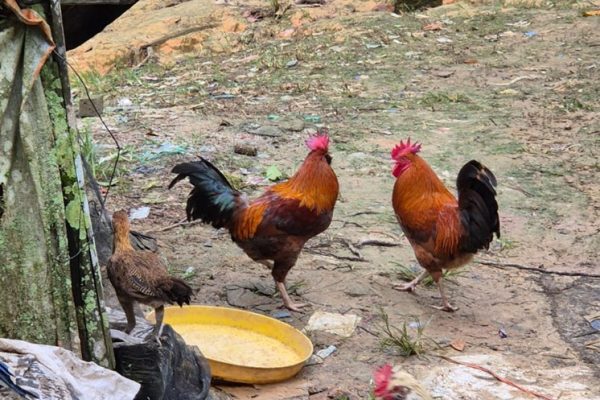
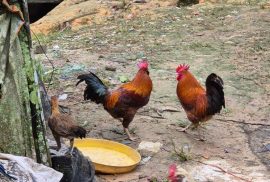
The Faculty of Biology, Universitas Gadjah Mada (UGM), through its flagship Gama Ayam research program, has launched a collaborative initiative to promote egg self-sufficiency in Indonesia. In partnership with KAGAMA East Kalimantan and local poultry farmers, the team is cultivating the MAHAR village chicken in Balikpapan, one of the buffer zones of the future capital city, IKN Nusantara.
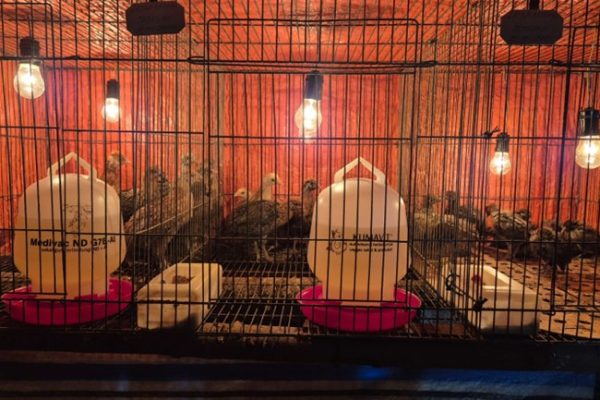
This initiative is a direct application of UGM’s research innovation. The MAHAR chicken strain originally developed at UGM’s Sawitsari Research Station has been the subject of continued research and refinement under the leadership of Prof. Dr. Budi Setiadi Daryono, M.Agr.Sc., Head of the Gama Ayam Research Team. The cultivation activities include egg collection, hatching, brooding, selection, and breeding to develop a robust and productive indigenous laying chicken strain.
Drs. Lalu Fauzul Idhi, representing KAGAMA East Kalimantan, has played a key role in facilitating regional collaboration. Local farmers, including Mr. Sultan and his team, have already shown promising results, successfully raising the MAHAR chickens to the hundreds in a short period.
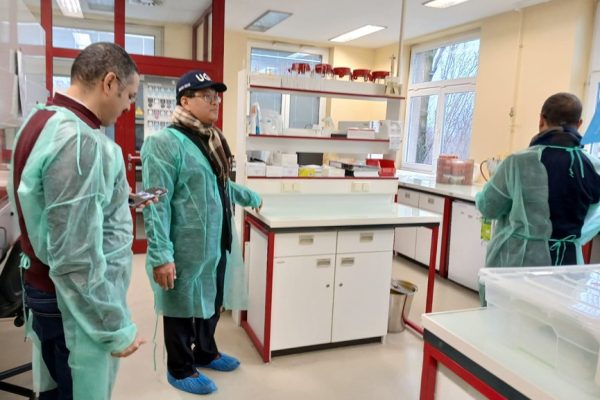
To assess progress, the Gama Ayam team visited the Balikpapan site on February 12, 2025, represented by Prananda Imammuddin Dzaki, Yusuf Febrianta, and Prof. Budi. The visit focused on genetic monitoring, performance evaluation, and knowledge sharing related to hatching success and reproductive development.
This program support Sustainable Development Goals (SDGs), especially SDGs No.8 on Decent Work and Economic Growth, by promoting village-based poultry farming; SDGs No.11 on Sustainable Cities and Communities, through local food production initiatives;and SDGs No 17 on Partnerships for the Goals, via committed collaboration between academia, alumni, and the farming community.
The MAHAR chicken is projected to become Indonesia’s leading egg-laying village chicken strain, contributing significantly to Indonesia’s food resilience and rural economic empowerment.
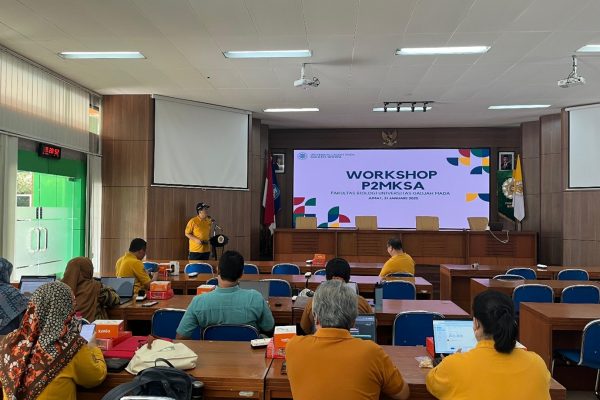
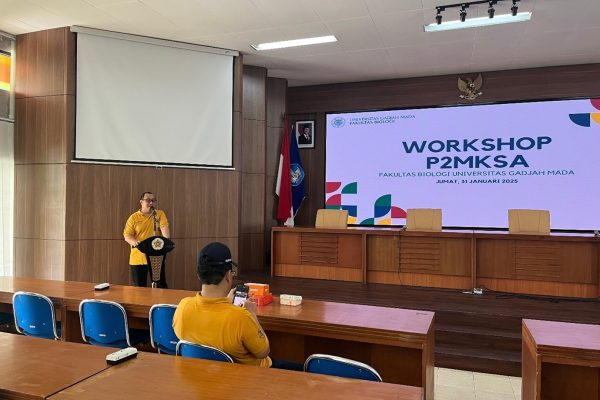
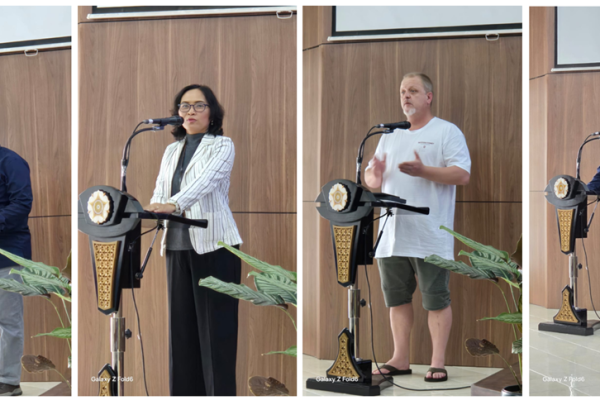
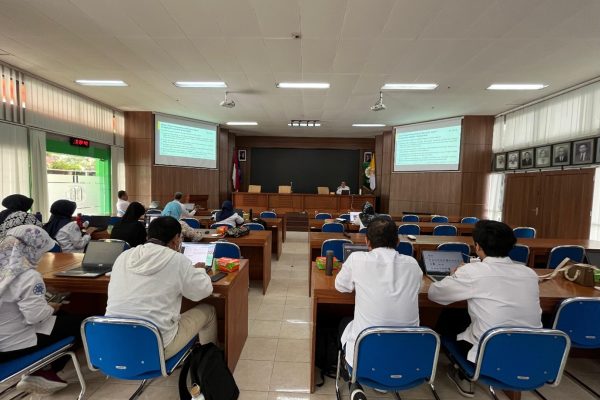
Yogyakarta, January 31, 2025 – The Faculty of Biology, Universitas Gadjah Mada (UGM), held the Research, Community Service, Collaboration, and Alumni Workshop (Workshop P2MKSA) on Friday, January 31, 2025. The event took place at the Auditorium Biologi Tropika from 9:00 AM to 3:00 PM WIB and was attended by all lecturers of the Faculty of Biology UGM.
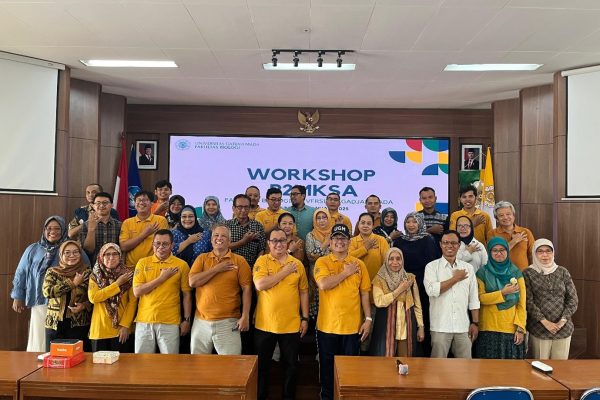
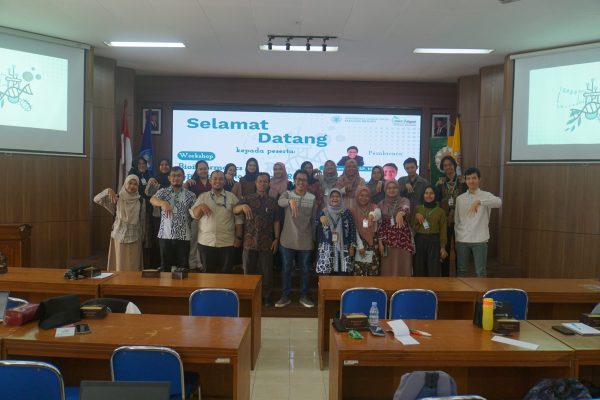
The workshop was officially opened by Dr. Eko Agus Suyono, M.App.Sc., Vice Dean for Research, Community Service, Collaboration, and Alumni Affairs, along with Prof. Dr. Budi Setiadi Daryono, M.Agr.Sc., Dean of the Faculty of Biology UGM. After the opening ceremony, a group photo session was held to document the event.
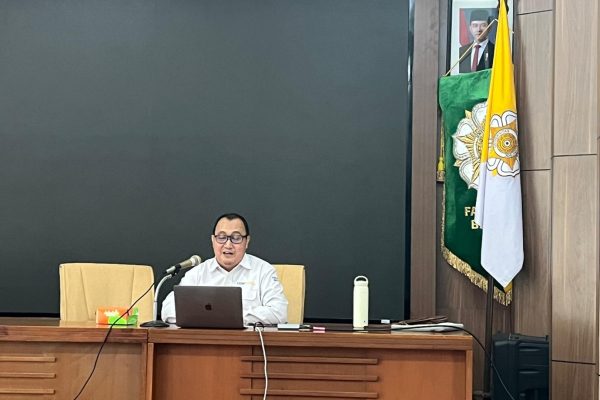
In his opening remarks, Dr. Eko Agus Suyono, M.App.Sc., stated that the workshop aims to gather input from lecturers regarding the 2024–2028 Master Plan for Research and Community Service at the Faculty of Biology UGM. This plan will later be submitted to the Faculty Senate for approval. Additionally, in the afternoon session, the P2MKSA team would provide an overview of various research and community service grants offered by the faculty.
“I highly appreciate the role of young lecturers in drafting this Master Plan and other programs. They are the next generation who will lead the Faculty of Biology toward greater progress and innovation,” he added.
Meanwhile, Prof. Dr. Budi Setiadi Daryono, M.Agr.Sc., emphasized that the Master Plan for Research and Community Service is crucial for supporting the faculty’s accreditation process, both for LAMSAMA and other accreditations.
“This Master Plan will be a strategic document that not only guides the faculty’s research and community service but also plays an important role in the accreditation process. With proper planning and the support of all lecturers, we can continuously improve the academic quality and contribution of the Faculty of Biology UGM, both nationally and internationally,” said Prof. Budi.
Discussion on the Master Plan for Research and Community Service
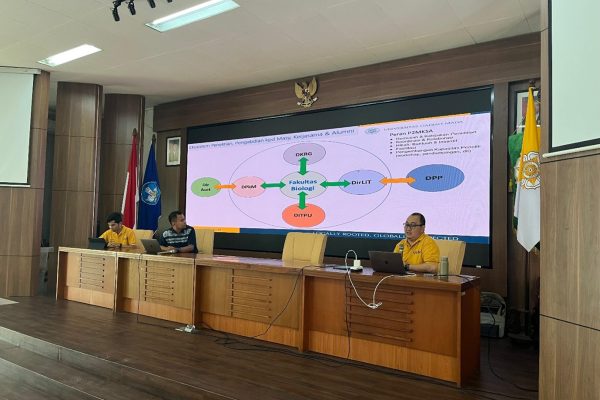
During the first session, participants received a presentation on the Master Plan for Research and Community Service delivered by Dr. Eko Agus Suyono, M.App.Sc., Dr. Fajar Sofyantoro, S.Si., M.Sc., Dr. Dwi Sendi Priyono, S.Si., M.Si., and Dr. Wiko Arif Wibowo, S.Si. This session provided insights into the research and community service direction to be developed by the Faculty of Biology UGM, highlighting innovations and strategies for implementing research outcomes in society.
Socialization of Research and Community Service Grants
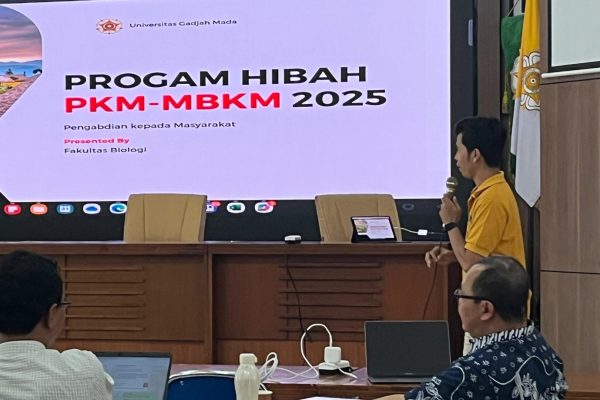
After the break for prayer and lunch, the agenda continued with the Socialization of Research and Community Service Grants, led by Dr. Wiko Arif Wibowo, S.Si., and Dr. Aprilia Sufi Subiastuti, S.Si. The session covered various research and community service grant opportunities available for lecturers at the Faculty of Biology UGM.
The workshop concluded at 3:00 PM with a closing session by the Master of Ceremony. It is hoped that through this activity, all lecturers at the Faculty of Biology UGM will be more actively involved in impactful research and community service, as well as strengthen collaborative networks with various stakeholders.
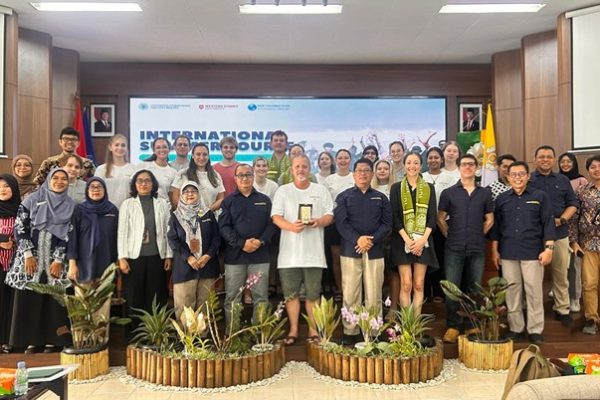
Yogyakarta, 22 January 2025 – Faculty of Biology, Universitas Gadjah Mada (UGM) together with Western Sydney University (WSU) officially opened the International Summer Course (ISC) at the Tropical Biology Auditorium, Faculty of Biology UGM. This activity took place in two locations, at UGM, Yogyakarta on 21-23 January 2025 and continued in Tarakan, Kalimantan on 24 January – 8 February 2025.
The ISC opening event was attended by 16 WSU students, 6 UGM students, 3 WSU staff-lecturers, and UGM lecturers. The opening begins with a report from Dr. Eko Agus Suyono, Vice Dean for Research, Community Service, Collaboration and Alumni Affairs, Faculty of Biology UGM, who also acts as Chair of the International Summer Course Organizer. He revealed that this activity was a follow-up to the collaboration between UGM and WSU that had been established over the last few years.
In his speech, Prof. John Charles Hunt, WSU lecturer, hopes that this activity can continue and expand collaboration in the research and academic fields in the future. In line with that, Prof. Dr. Puji Astuti, Director of Partnerships and Global Relations at UGM, expressed her appreciation for this collaboration, and stated that this ISC is the second in January 2025 after collaboration with Monash University and the UGM Vocational School. Prof. Puji also appreciated the focus of the summer course which raised the issue of biodiversity and environmental sustainability as well as UGM’s role in supporting conservation in Kalimantan and Papua.
Dean of the Faculty of Biology UGM, Prof. Dr. Budi Setiadi Daryono also gave a speech and opened the event. He said that Yogyakarta is a special place with its rich culture and nature, and hopes that ISC participants can take advantage of the opportunity to explore various aspects during activities in Yogyakarta. Prof. Budi also emphasized that this ISC is the first in 2025, before the implementation of the regular ISC in July-August.
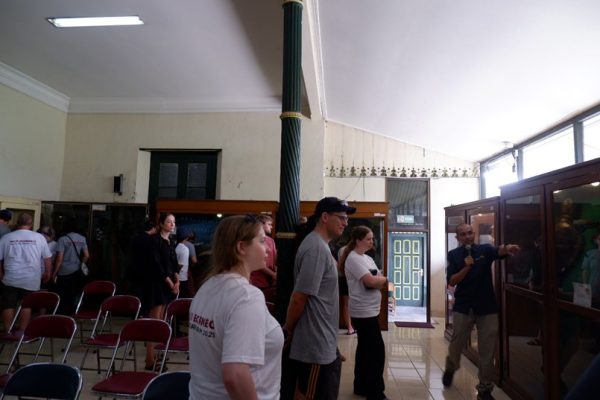
The event continued with a visit to the Biology Museum, Faculty of Biology UGM, guided by Donan Satria, M.Sc., Lecturer in Animal Systematics, Faculty of Biology. The participants were very enthusiastic in listening to explanations about the history, role and various collections in this museum.
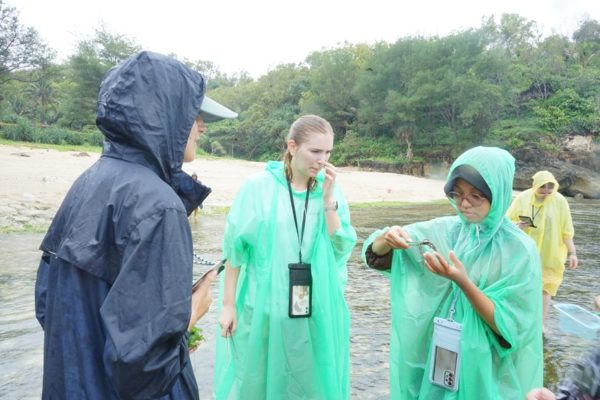
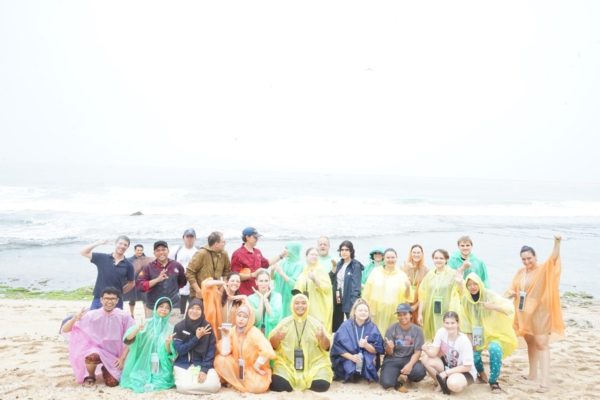
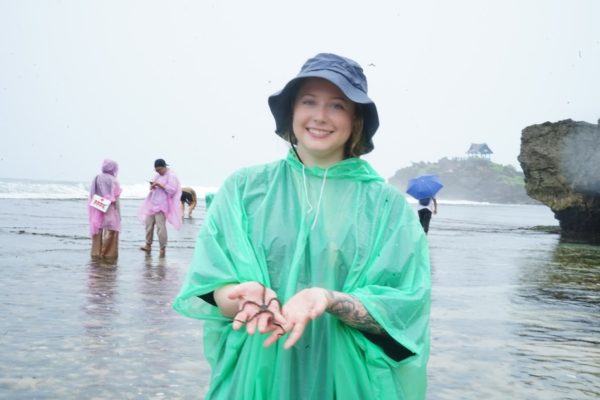
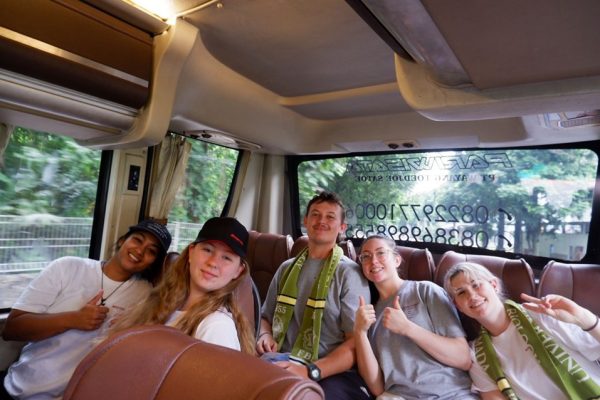
Next, the participants carried out field activities at the Marine Research Station, Faculty of Biology, Porok Beach, Gunung Kidul. This activity includes intertidal sampling and observing biodiversity on the beach. The exploration was guided by Dr. Rury Eprilurahman who focuses on animals and Dr.Eng. Thoriq Teja Samudra regarding Macroalgae. Martin Holland, International Summer Course Coordinator from WSU, said that this field trip was a warm-up before the main summer course agenda in Tarakan, Kalimantan.
Through this ISC, it is hoped that collaboration between WSU and the Faculty of Biology UGM can become closer, opening up opportunities for further collaboration in the academic and research fields, as well as contributing to achieving Sustainable Development goals (SDGs). This activity is in line with SDG 14 (Life Below Water), SDG 15 (Life on Land), and SDG 17 (Partnerships for the Goals), which focus on biodiversity conservation, environmental sustainability, and international cooperation.
With this spirit of collaboration, it is hoped that similar activities can continue and strengthen relations between UGM and WSU, as well as support conservation and nature preservation efforts in Indonesia and globally.
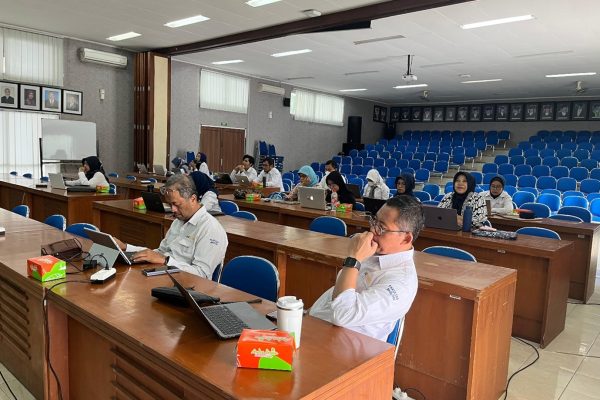
Monday, January 23, 2025 – The Faculty of Biology, Universitas Gadjah Mada (UGM), held a workshop titled “Master Plan for Research and Community Service of the Faculty of Biology 2024-2028”. The event took place from 9:00 AM to 11:00 AM WIB at the Auditorium Biologi Tropika, Faculty of Biology UGM.
The workshop was led by Dr. Eko Agus Suyono, M.App.Sc., Vice Dean for Research, Community Service, Collaboration, and Alumni. In his opening remarks, Dr. Eko emphasized the importance of the Faculty of Biology’s continuous contribution on the global stage.
“Communication and collaboration are the keys to becoming part of the global community. We must also keep up with the dynamic changes in the world,” he said.
The event was attended by the Dean, Vice Deans, all Heads of Laboratories, and the team of lecturers responsible for drafting the Master Plan for Research and the Master Plan for Community Service at the Faculty of Biology UGM. The workshop covered the fundamentals of master plan development, including the roadmap, development principles, implementation objectives and targets, strategic programs, and performance goals set for 2024–2028.
The Dean of the Faculty of Biology UGM, Prof. Dr. Budi Setiadi Daryono, M.Agr.Sc., also delivered his directives. He highlighted the importance of focusing on performance targets and optimizing available resources.”We must concentrate on achieving our targets and ensure the optimal management of our resources,” Prof. Budi emphasized.
The workshop aimed to develop a strategic plan for the Faculty of Biology UGM for the next five years, aligning with the university’s vision and mission. With this master plan, the Faculty of Biology is expected to enhance its contribution to research and community service, both nationally and internationally.
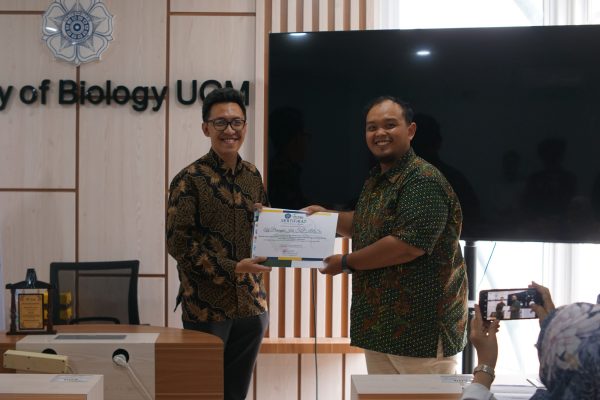
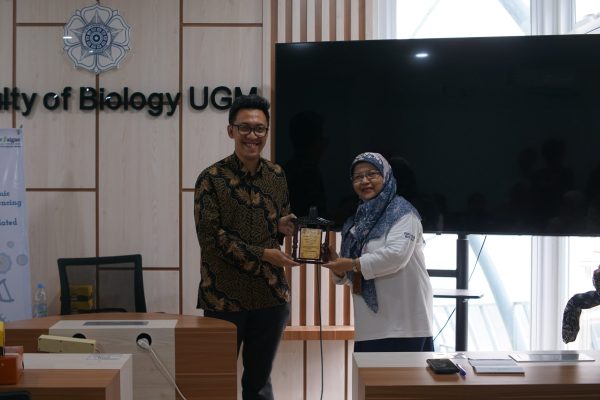
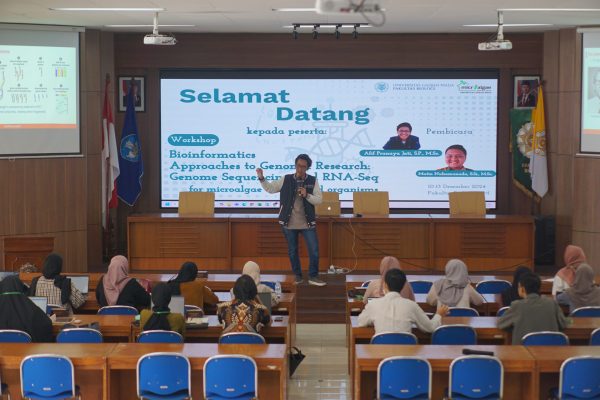
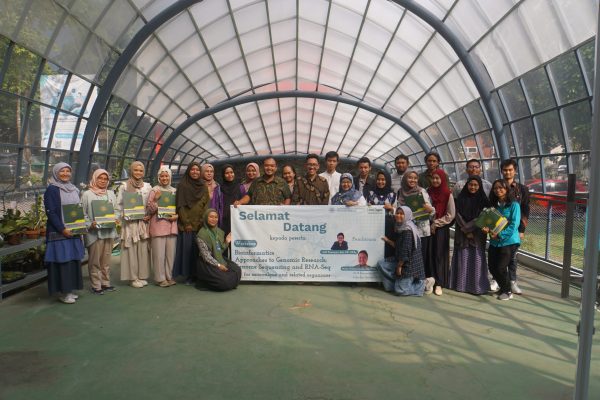
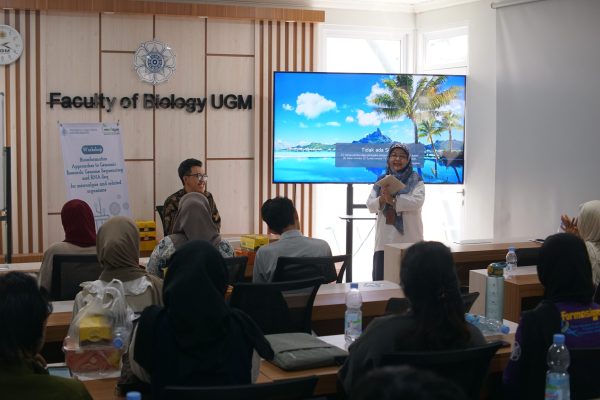
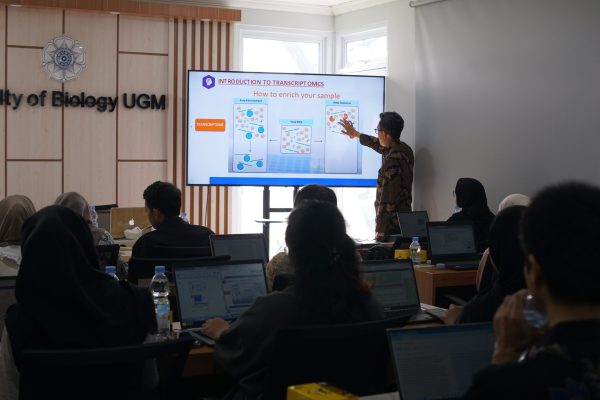
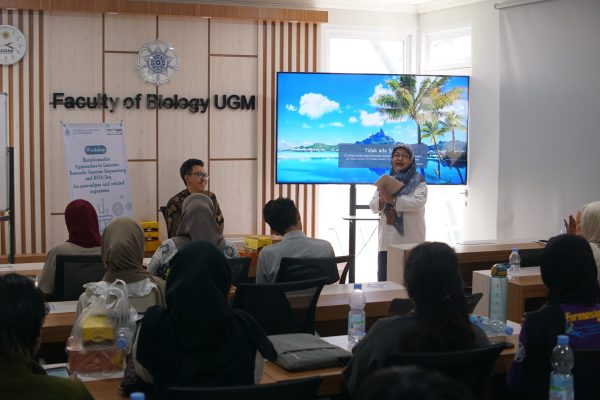
The Microalgae Study Group, the Biotechnology Laboratory, Faculty of Biology, Universitas Gadjah Mada (UGM), successfully conducted a Bioinformatics Workshop titled “Bioinformatics Approaches to Genomic Research: RNA-Seq and Genome Sequencing”. The workshop was held from December 10 to December 13, 2024, and was attended by 17 participants, including lecturers, students, and professionals.
The workshop’s featured Afif Pranaya Jati, S.P., M.Sc., a Ph.D. candidate in the Department of Microbiology, Monash University, Australia as main speaker. The event aimed to provide participants with a comprehensive understanding of bioinformatics techniques for analyzing genomic and transcriptomic data. Participants were introduced to advanced methodologies for RNA-Seq data analysis, genome sequencing, gene mining, and hands-on application of bioinformatics software tools.
The workshop was officially opened on Friday, December 10, 2024, by the Head of the Tropical Biology Department, Abdul Razaq Chasani, S.Si., M.Si., Ph.D., at the Tropical Biology Auditorium, Faculty of Biology, UGM. The first day focused on theoretical aspects, including sampling techniques and sequencing quality control (QC), delivered by the primary speaker. Additional sessions included an online lecture by Matin Nuhamuda, S.Si., M.Sc., Ph.D., a lecturer from the Biotechnology Laboratory, Faculty of Biology, UGM, on the topic “Genome Mining—From Data to Insight.”
On the second day, participants explored the basics of sequencing and its application to metagenomics. The third day covered an introduction to whole-genome sequencing (WGS) and the interpretation of resulting data. On the final day, participants focused on RNA sequencing and data interpretation. Practical sessions utilized data from the NCBI database and real-time data interpretation by participants. Analyses were performed using the Galaxy EU platform, a web-based bioinformatics data analysis tool from Europe that is freely accessible.
The workshop concluded with remarks from Prof. Endang Semiarti and Dr. Eng. Thoriq Teja Samudra. Prof. Endang highlighted the workshop’s critical role in enhancing bioinformatics analytical skills, which are increasingly in demand. She expressed hopes for similar activities to be conducted in the future.
This workshop aimed to expand participants’ knowledge of genomic research across diverse fields such as health, agriculture, and biotechnology. The event aligned with Sustainable Development Goal (SDG) 4 on Quality Education by fostering excellence in human resource development through education. It also served as an approach to studying the biodiversity of life forms, contributing to SDG 14 (Life Below Water) and SDG 15 (Life on Land).
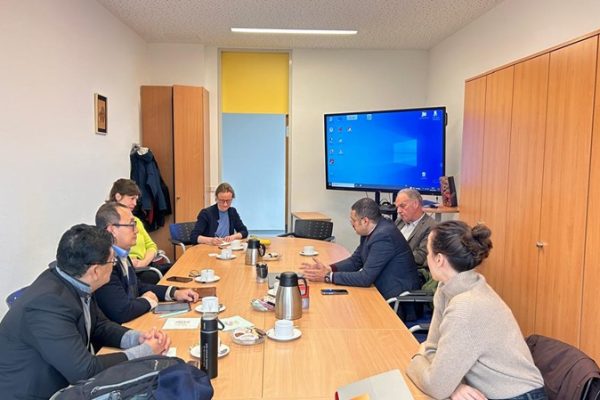
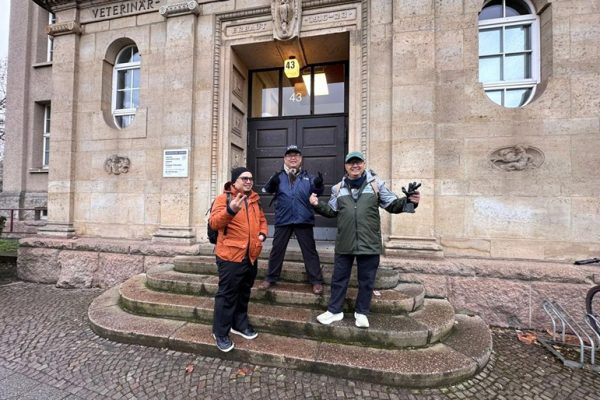
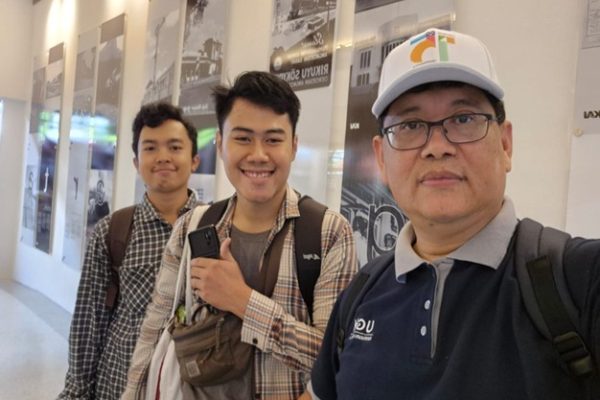
Leipzig, 10 December 2024 – The UGM Faculty of Biology team consisting of Prof. Dr. Budi Setiadi Daryono, M.Agr.Sc. as Dean, Dr. Eko Agus Suyono, M.App.Sc. as Vice Dean for Research, Community Service, Collaboration and Alumni Affairs, and Dr.rer.nat. Abdul Rahman Siregar, M. Biotech. carried out a visit to Leipzig University, Germany last Tuesday (10/12). The visit was an effort to strengthen the recognition and collaboration of the Faculty of Biology UGM with various of the world’s best universities.
Leipzig University is one of the oldest universities in the world and the second oldest in Germany. Founded in 1409, this university has successfully produced tens of thousands of alumni spread throughout the world. The Faculty of Biology UGM has collaborated, especially in research, with the Institute for Animal Hygiene and Public Veterinary, Leipzig University. Collaboration with Prof. Uwe Truyen and Dr. Ahmed Abd El Wahed’s research activities and visiting professor at the Faculty of Biology have been implemented since 2023. This collaboration emphasizes the One Health approach which involves the integration of human, animal and environmental health to answer global challenges such as zoonotic diseases and antimicrobial resistance.
The visit was welcomed by Prof. Uwe Truyen and Dr. Ahmed Abd El Wahed and colleagues from Leipzig University. The results of the discussion focused on double degree, international exposure and post-doctoral opportunities. Leipzig opens up double degree opportunities with various faculties for doctoral level, as well as joint research and publications. Another collaboration is international exposure through the International Workshop on One Health Leipzig University in August 2025 and at Badr University, Egypt in November 2025 which is open to undergraduate to doctoral students.
The visit was a step by the Faculty of Biology to improve the quality of education by collaborating with partners at the international level, especially Leipzig University, Germany. This collaboration is also a commitment of the Faculty of Biology UGM to support sustainable development and in accordance with sustainable development targets (SDGs), namely inclusive quality education (SDGs 4) and increased recognition of global partnerships (SDGs 17).
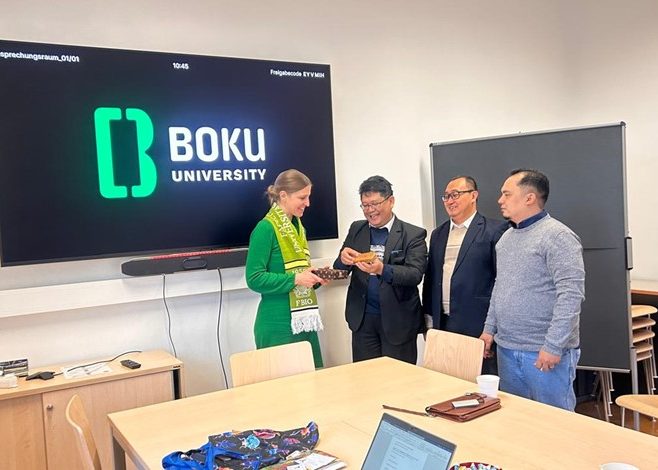
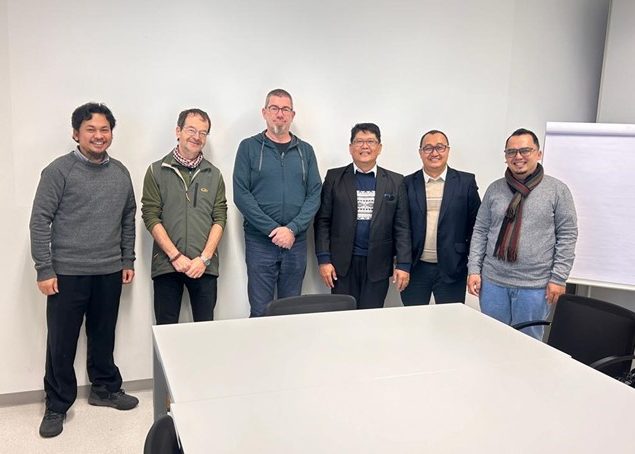
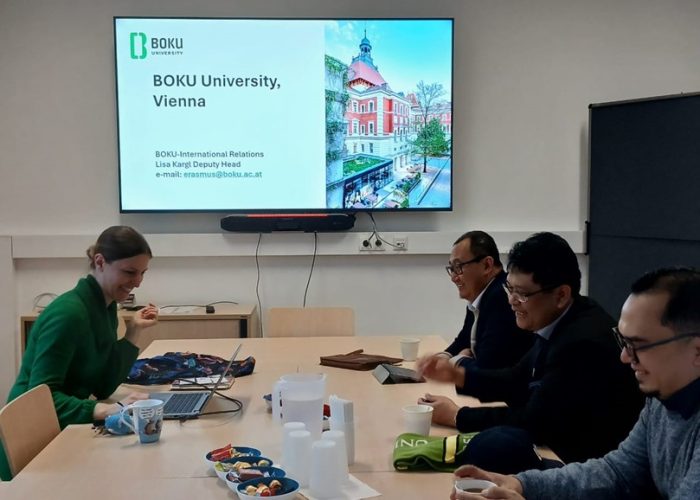
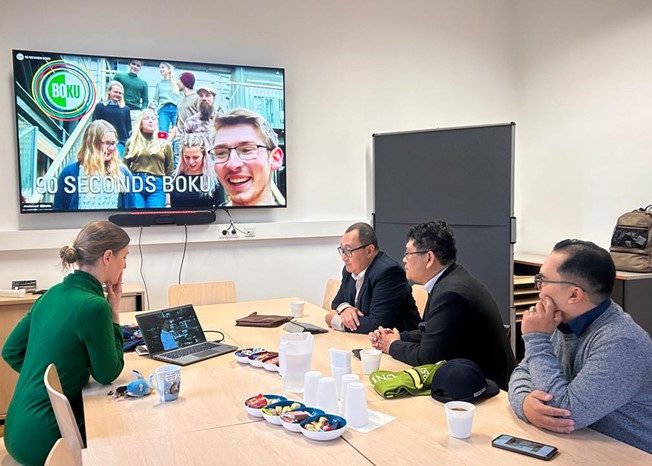
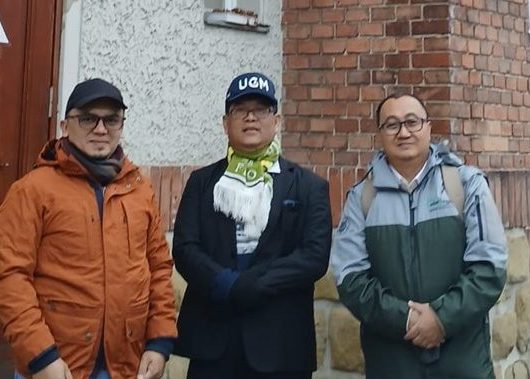
Vienna, 9 December 2024 – UGM’s Faculty of Biology continues to expand its network in the international arena in order to increase recognition and collaboration with various world institutions, one of which is Boku University, The University of Natural Resources and Life Sciences, Vienna. Boku University is one of the best universities in Austria and Europe, especially in the fields of agriculture and forestry, ranking 26th in the QS World University Ranking By Subject in 2024.
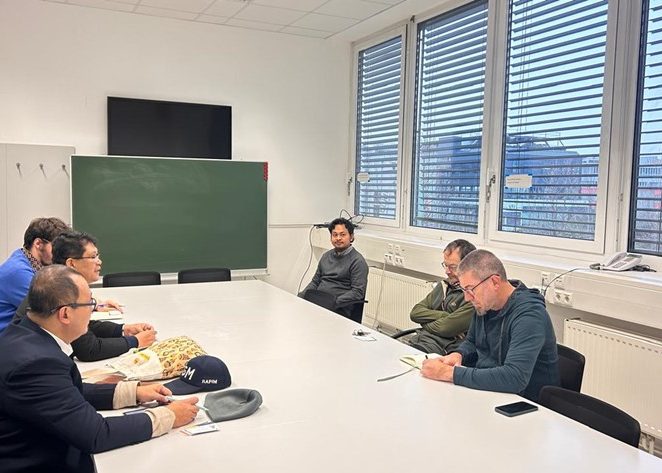
Universitas Gadjah Mada, especially the Faculty of Biology, has collaborated with a double degree doctorate and joint supervision with Boku University since 2023 for one of its teaching staff, Arief Muammar. As a follow-up to this collaboration, the Biology Faculty Team consisting of Prof. Dr. Budi Setiadi Daryono, M.Agr.Sc. as Dean, Dr. Eko Agus Suyono, M.App.Sc. as Vice Dean for Research, Community Service, Collaboration and Alumni Affairs, and Dr.rer.nat. Abdul Rahman Siregar, M. Biotech. carried out a visit to Boku University last Monday (9/12).
The visit was welcomed by colleagues from the Institute of Food Technology, Boku University including Prof. Dietmar Haltrich, Prof. Dr. Clemens Karl Peterbauer, and Dr. Philipp Fuhrmann and Arief Muammar, M.Sc and from International Relations, Boku University, Lisa Kargl, Dipl.-Ing. Mag. The discussion discussed dual degree collaboration for master’s and doctoral programs, joint research collaboration, joint supervision, and joint publication. Apart from that, post-doctoral collaboration for 4 to 9 months for young staff was also initiated which is expected to support research collaboration with various partners in the world. Collaboration for participation in the 2025 International Summer Course and International Conference (ICBS) of the Faculty of Biology which is held every year was also discussed, especially the participation of students from Boku and teaching staff who could contribute as resource persons.
The visit was a step by the Faculty of Biology to improve the quality of education by collaborating with partners at the international level, especially Boku University, Austria. This collaboration is also a commitment of the Faculty of Biology UGM to support sustainable development and in accordance with sustainable development targets (SDGs), namely inclusive quality education (SDGs 4) and increased recognition of global partnerships (SDGs 17).
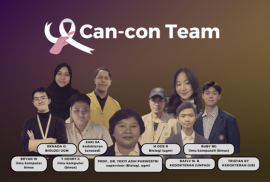
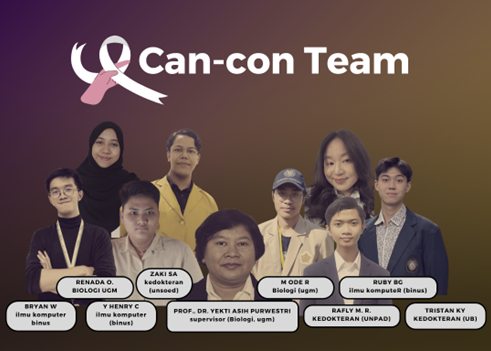
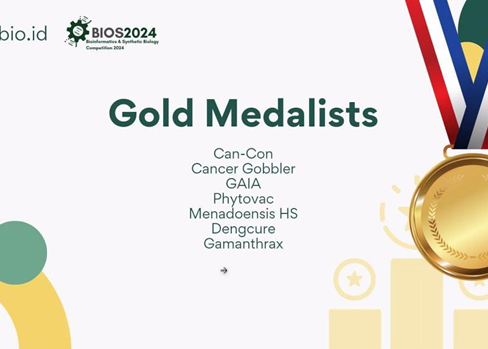
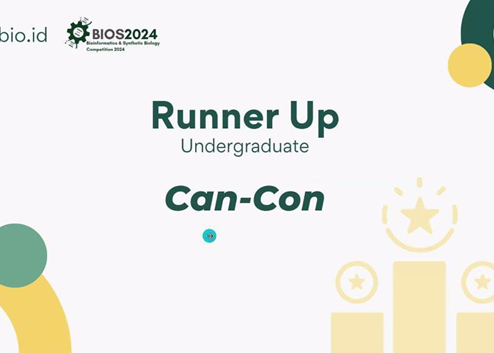
In the 2024 Bioinformatics and Synthetic Biology (BIOS) competition organized by Synbio.id from August to December 2024, UGM Biology students once again achieved remarkable success, securing a gold medal and the position of Undergraduate Runner-Up. The two students, Muhammad Ode Rahmadhani (Class of 2021) and Renada Oktavia (Class of 2021), were part of Team Can-Con, which collaborated with students from various universities: Rafly Mochamad Rivaldo from the Faculty of Medicine, Universitas Padjadjaran; Tristan Kenneth Yudhistira from the Faculty of Medicine, Universitas Brawijaya; Zaki Sidqi Aaliyya from the Faculty of Medicine, Universitas Jenderal Soedirman; and Yonathan Henry Christianto, Bryan Wu, and Ruby Belinda Gunadi from the Faculty of Computer Science, Universitas Bina Nusantara. The team, led by Muhammad Ode Rahmadhani and guided by Prof. Dr. Yekti Asih Purwestri, M.Si., explored the compound phloroglucinol’s anticancer potential against non-small cell lung cancer (NSCLC) using an in-silico metabolomics approach.
This research addressed the pressing need to discover new anticancer compounds due to the increasing prevalence of multidrug resistance and the significant side effects associated with current cancer therapies. Notably, the potential of phloroglucinol as an anticancer agent against NSCLC remains unexplored. The study aimed to unravel the pharmacological network and interactions between phloroglucinol and proteins associated with NSCLC progression. This focus is crucial as NSCLC remains one of the leading causes of cancer-related deaths in Indonesia.
The research, conducted throughout the competition, lasted from August to late November 2024. On December 1, 2024, during Synbiotechfest 2024, which also served as the Awarding Ceremony, Team Can-Con was announced as the gold medal winner and Undergraduate Runner-Up.
This outstanding achievement was made possible through the multidisciplinary collaboration of researchers from diverse academic backgrounds, which united diverse perspectives and approaches to develop a comprehensive study.
Author: M. Ode Rahmadhani
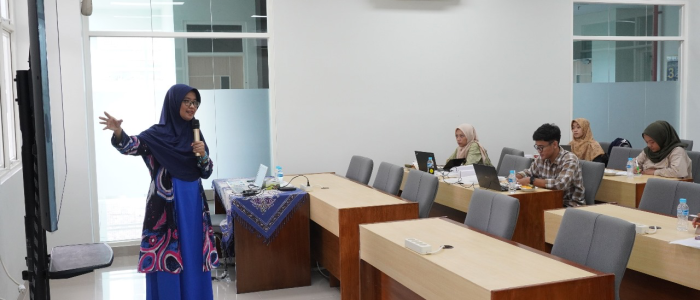
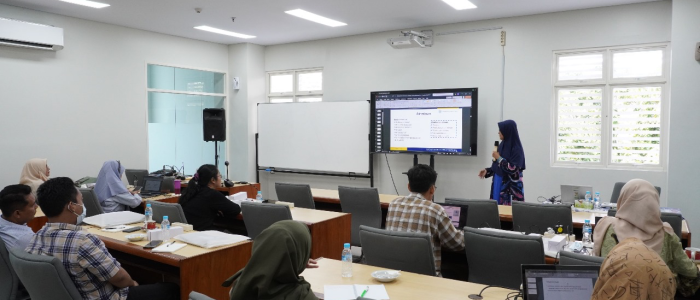
On November 26, 2024, Dr. Ardaning Nuriliani, S.Si., M.Kes., a lecturer at the Faculty of Biology, Universitas Gadjah Mada (UGM) had the opportunity to become one of the speakers in the training entitled From Basic to Advanced: Preclinical Animal Models for Human Disease organized by the Integrated Research and Testing Laboratory, UGM. The event, which was held hybrid, was attended by 8 offline participants and 12 online participants from various institutions such as from Surabaya, Riau, Purwokerto, and Yogyakarta. In this training, Dr. Ardaning provided one of the materials from the entire series of training, about Laboratory Animals (Rodents: Rats and Mice): Handling, Housing, Treatment. Dr. Ardaning explained in detail about the correct and proper ways to handle, care for, and treat laboratory animals, especially rats and mice, in order to meet ethical standards and ensure valid and reliable research results. This is very important to ensure animal welfare and the credibility of the data produced in the research.
The training aims to provide insight and practical skills regarding the use of pra-clinical animal models in human disease research, as well as an in-depth understanding of the welfare of the animals used. Therefore, in this training, participants in addition to receiving various materials related to the ethics of using laboratory animals; handling-housing-treatment of animal models; and animal models of Alzheimer’s, Parkinson’s, lung cancer, and hypertension, they also have the opportunity to practice directly related to the materials provided. With this training, it is hoped that the lecturers, researchers, and laboratory technicians involved can apply new knowledge and skills in their research so as to support SDGs programs no. 3 (healthy and prosperous life) and 4 (quality education). This activity is also an important step in improving the quality of animal-based research in Indonesia, as well as encouraging the development of more effective pra-clinical models to study human diseases.
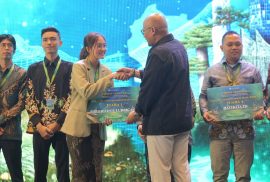
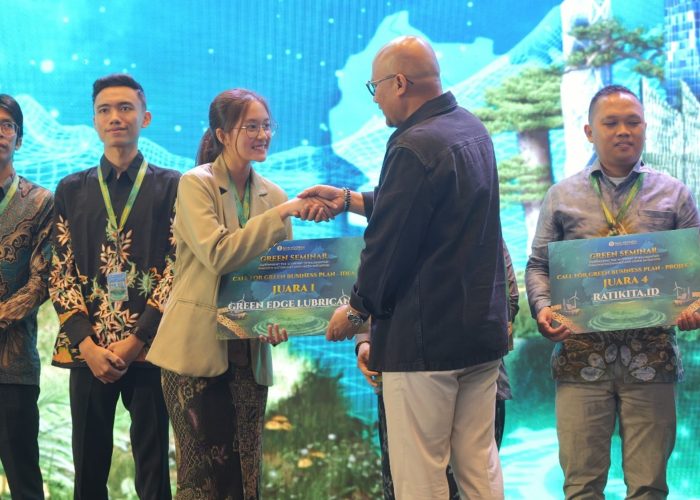
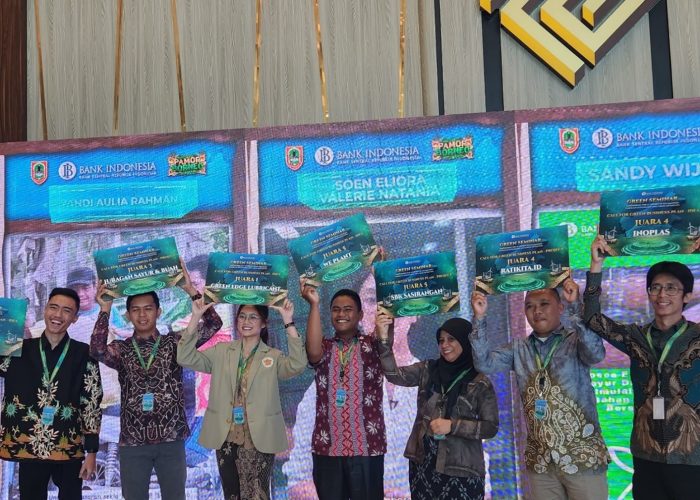
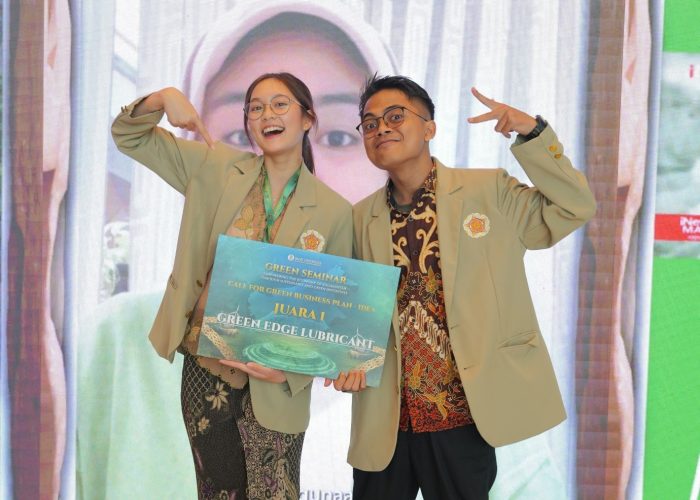
Banjarmasin, November 27, 2024 – The Green Edge Lubricants team claimed first place in the Call for Business Idea category at the Greenovation 2024 organized by Bank Indonesia of South Kalimantan. The event drew over 400 participants, including innovative startups, industry experts, and academics. Green Edge Lubricants captured the judges’ attention with their groundbreaking eco-friendly lubricant derived from palm oil, outshining intense competition.
The team comprised Soen Eliora Valerie Natania (Biology), Dania Husna Huwaida (Chemical Engineering), and Khabib Abdul Aziz (Chemical Engineering). Soen Eliora focused on the product’s sustainability, emphasizing environmental compatibility, biodegradability of raw materials, and potential impacts on wastewater. Dania Husna Huwaida led the lubricant formulation, optimizing material composition for optimum performance. Meanwhile, Khabib Abdul Aziz designed an efficient production system, tailoring industrial-scale processes to ensure the product’s readiness for real-world implementation.
This innovative lubricant is tailored for cold rolling steel and metal stamping processes, which traditionally rely on expensive and environmentally harmful mineral oil-based lubricants. By incorporating biodegradable materials like oleic acid and synthetic esters, the lubricant reduces water consumption during cleaning processes by over 50%. Additionally, it offers superior lubricity, extending the tool’s lifespan while minimizing the environmental impact of wastewater.
“Biology is often perceived as unrelated to the industrial sector, but we aim to demonstrate its pivotal role in sustainability. My responsibility was to ensure that this product is not only efficient but also environmentally friendly, aligning with circular economy principles,” explained Soen Eliora.
Dania Husna Huwaida added, “Creating this lubricant faces unique challenges. It needed to meet high-performance standards while remaining cost-effective and easy to manufacture. Palm oil is the ideal raw material to achieve these goals.”
“Our focus was to design an adaptive, efficient production system to ensure the product’s readiness for industrial-scale application, meeting the demands of Indonesia’s market,” said Khabib Abdul Aziz.
The Greenovation 2024 participants have to present their innovative ideas and defend their concepts before a panel of industry experts, academics, and Bank Indonesia representatives. Teams were required to demonstrate both the economic and environmental impact of their products, tackling detailed technical questions.
“Every team presented great ideas, making the competition extremely fierce. We worked hard to highlight the technical strengths and sustainability of our innovation,” said Khabib.
With this victory, Green Edge Lubricants opens the door to further product development and potential collaborations with industry partners. Their lubricant is expected to drive a significant impact on Indonesia’s metal industry while contributing to a greener and more sustainable future.
The Greenovation 2024 competition underscored the importance of cross-disciplinary collaboration in developing impactful solutions. Green Edge Lubricants has proven that sustainability is not just a necessity but also an opportunity to build a more efficient, environmentally friendly future for industry.
Author: Soen Eliora Valerie Natania
Translate »