• UGM
  • Simaster Portal
  • IT Center
  • Webmail
  • KOBI
  • English
    • Bahasa Indonesia
Universitas Gadjah Mada Universitas Gadjah Mada
Faculty of Biology
  • ABOUT US
    • History
    • Organization
    • Vision and Mission
    • Lectures and Staff
      • Lecturers
      • Adjunct Professor
      • Supporting Staff
    • Facility
      • Laboratories
      • Research
      • Library
      • Museum
      • Mental Health Consultation
      • Disability
  • EDUCATION
    • Undergraduate Program
      • Graduates Learning Outcome
      • Academic Callendar
      • Course
    • IUP
    • Profession Program
      • What is the Professional Study Program in Biodiversity Curator (PKKH)?
      • Admission for New Students of the Biodiversity Curator Profession Program Study
      • Information and FAQ Study Program of Biodiversity Curator Profession
    • Master Program
      • Master Program in Biology Description
      • Curriculum Structure Master Program
    • Doctoral Program
      • Vision, Mission, Objectives, Targets, Competencies, and Learning Outcomes
      • Admission Requirement for Program Doctor in Biological Sciences
      • Admission: What Documents to be prepared?
      • Curriculum
    • Regulations
    • Accreditation & Quality Assurance
  • RESEARCH
    • Journal of Tropical Biodiversity and Biotechnology
    • Berkala Ilmiah Biology
    • Research
    • Publication
  • Community Service
    • Waste Management
  • STUDENTS & ALUMNAE
    • Student Organizations
    • Prospective Career Opportunities
    • SUMMER COURSE
    • Alumnae
  • Home
  • SDG 17 : Build Partnerships for the Goals
  • SDG 17 : Build Partnerships for the Goals
  • page. 23
Arsip:

SDG 17 : Build Partnerships for the Goals

The Faculty of Biology UGM Initiates the Community Service Activity with the Wedomartani Tourism Awareness Group in Utilizing Animal Waste as Organic Fertilizer

Community ServiceHeadlineNews ReleaseWaste Management Tuesday, 7 May 2024

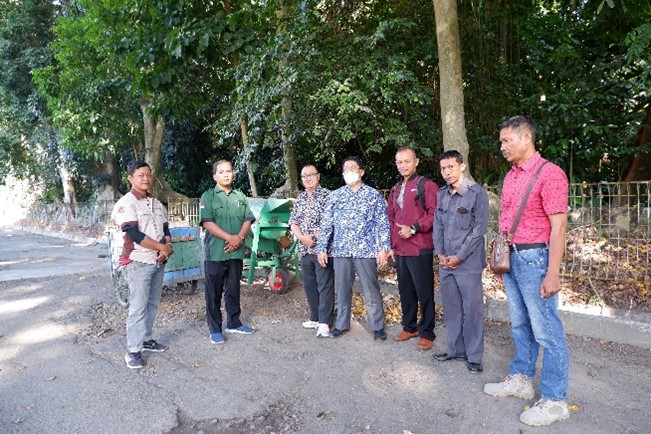
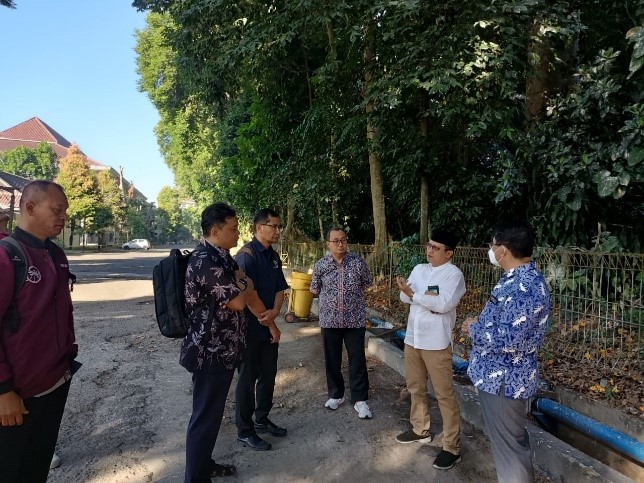
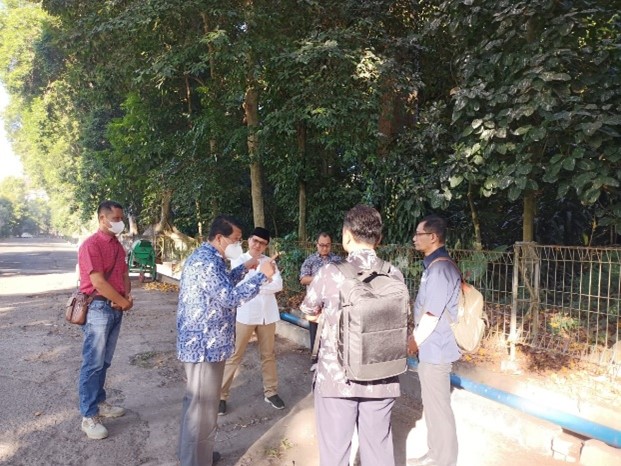
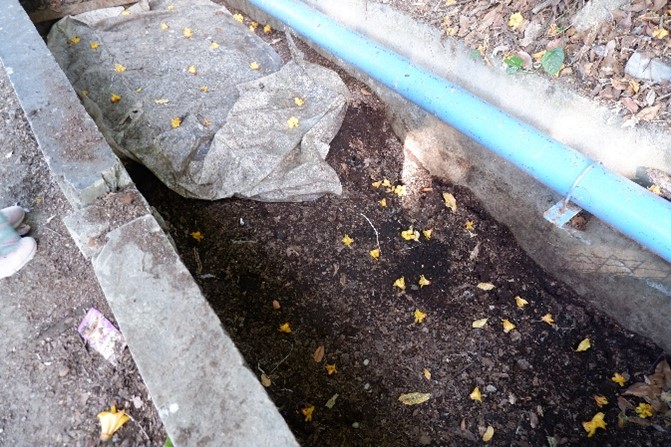
the Gebang Hamlet, Jetis, Wedomartani, Ngemplak, Sleman, is the inadequate management of animal waste (kohe) from cattle and goats. Faculty of Biology UGM through the Community Service – Independent Learning Independent Campus (PkM-MBKM) 2024 activity, led by Prof. Rarastoeti Pratiwi, with members Angela Puspa Larasati, Hanifa Nazaila F, and Nindya Dayita Hapsari held the meeting with the Wedomartani Tourism Awareness Group (Pokdarwis) team, represented by Joni Martono, Rujito, and Gatot Satriya, at Warung Goeboeg Pentjeng, Gebang. The meeting was to initiate the implementation of activities in managing and utilizing animal waste to produce organic fertilizer. Prior to the meeting, a discussion was held to align the perceptions between the head of Pokdarwis Wedomartani, Langgoso Aswin Poetra, and the head of the PkM MBKM team, especially regarding the implementation of activities. This activity supports the Sustainable Development Goals (SDGs), especially goals 13 and 17, Land Ecosystems and Partnerships to Achieve Goals.
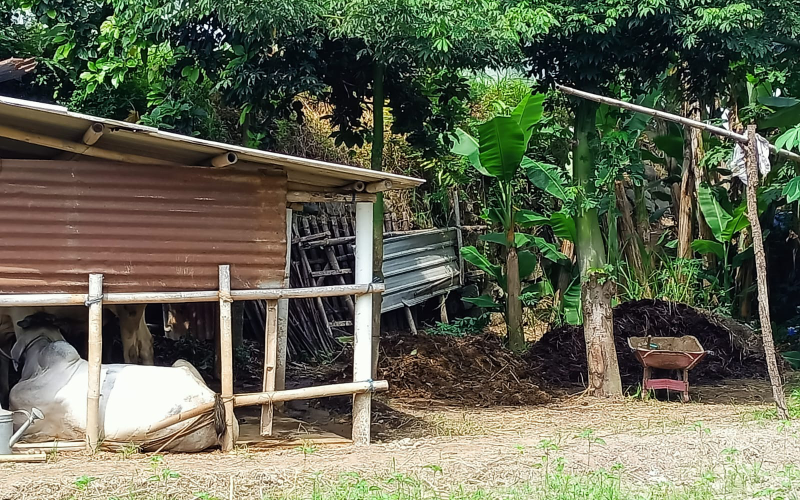
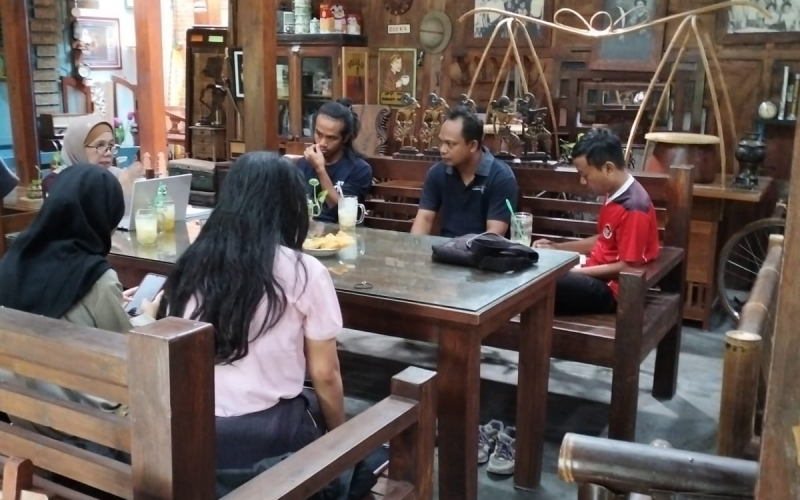
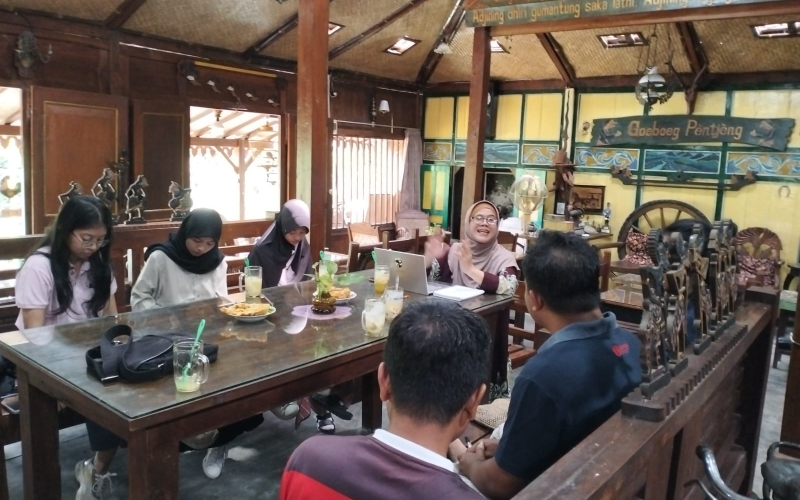
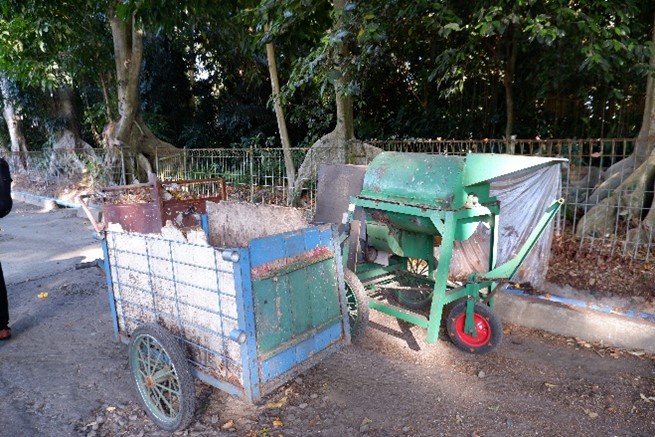
The dominant livestock in the Gebang Hamlet are cattle and goats. Currently, animal waste is only collected near the pens, left to dry, and not optimally utilized. Additionally, there is an abundance of bamboo plants in the Gebang hamlet, which produce bamboo leaf litter. Bamboo leaf litter also serves as a medium for the growth of Trichoderma fungus, which has benefits as a biological fertilizer and biofungicide. The meeting discussed strategies for processing and producing organic fertilizer that can be utilized by farmers. It was agreed to process kohe, consisting of cattle and goat waste, along with bamboo leaf litter. This activity will begin with the production of prototype fertilizer products consisting of 6 variants. These prototype variants will be tested on chili plant seedlings to observe their growth. Subsequently, the selected variant of kohe fertilizer products, based on the best growth test results on chili plants, will be produced on a larger scale. To optimize the production of fertilizer on a larger scale, appropriate technology is needed using simple machinery equipment. The nutrient content and potential of these kohe fertilizer variants in supporting chili plant growth will also be tested.

To support the success of these activities, the head of the PkM MBKM team stated, “These activities will run smoothly if there is synergy between the PkM MBKM team and the team from Pokdarwis Wedomartani. To facilitate the activities, it can start by scheduling the implementation time at each stage, by writing down the activities in detail. Additionally, joint commitment is needed to achieve the goal of producing organic fertilizer from kohe waste in the Gebang Hamlet.” In the discussion, many suggestions and ideas were presented by Pokdarwis team members, which were well received by the MBKM students, including efforts to find references to support these ideas. The initiation meeting for these activities proceeded smoothly and optimistically.
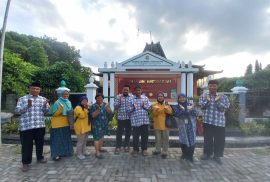
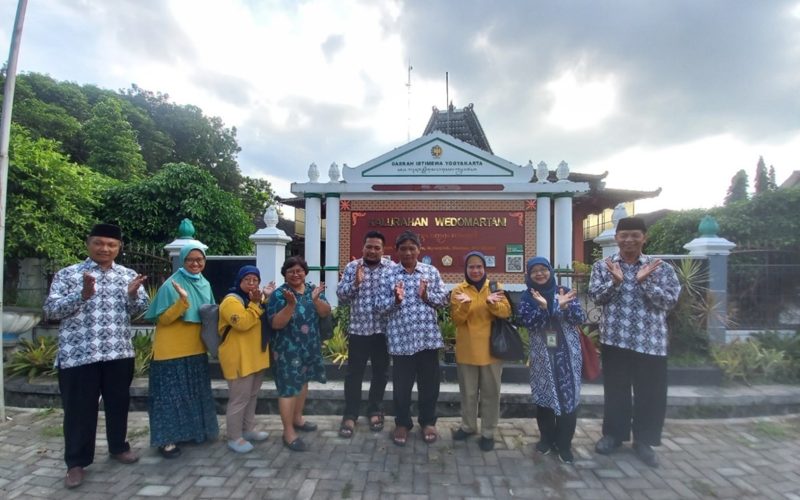
Audience Activity of Community Service by Faculty of Biology Lecturers of Universitas Gadjah Mada in Wedomartani Village, Ngemplak Sub-District, Sleman

Community Service Monday, 6 May 2024

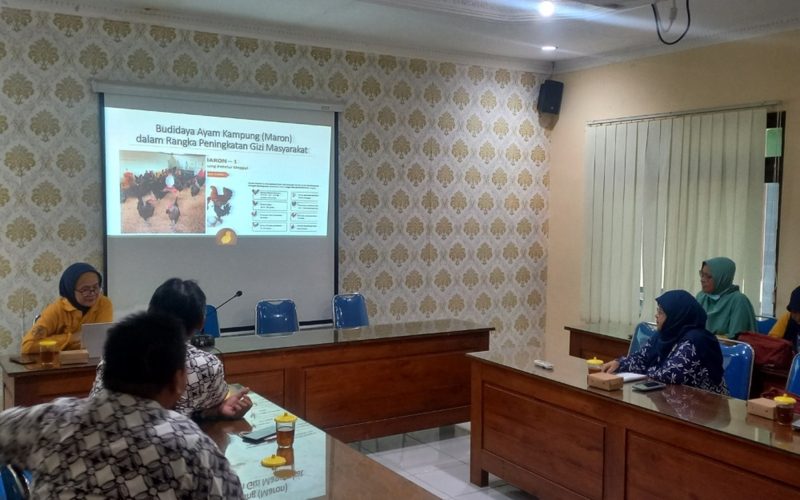
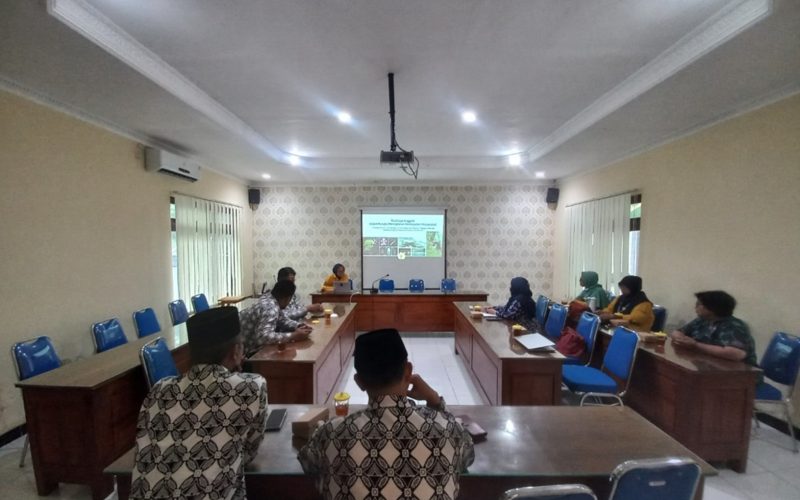
Friday, May 3, 2024, In order to follow up on the partnership collaboration with Wedomartani Village, the Faculty of Biology UGM Lecturer Team conducted Community Service activities (PkM) in Partner Villages with the theme: “Community Service based on Regional Potential and Human Resources in Wedomartani, Ngemplak, Sleman”. The Faculty of Biology UGM Lecturer Team, led by Prof. Rarastoeti Pratiwi, consisted of Prof. Endang Semiarti, Dr. Yekti Asih Purwestri, Zuliyati Rohmah, Ph.D.Eng., and Dr. Ardaning Nuriliani, assisted by Moses Atmajadwiputra Polela, S.Si, began with a visit to Wedomartani Village. The Lecturer Team was received directly by the Head of Wedomartani Village, H. Teguh Budianto, accompanied by the Village Secretary, Rohmad Gunawan Hardono, S.Pd., Head of Jetis Hamlet, Wagiman, S.H., M.IP., and Head of Malangrejo Hamlet, Sarbini.


The meeting started with introductions and presentations of the Community Service activity plan for the Partner Village that will be carried out from May to October 2024. The potential of the Wedomartani Village area is significant, including agricultural land, livestock, the presence of wildlife, remnants of temple sites, reservoirs, and the community culture that is sustainable. Human Resources (HR) in the Wedomartani, as a suburban area, has a population with fairly good levels of education and skills, but still needs to be improved and synergized for the management of natural resources in the area. This activity supports the 2030 agenda for Sustainable Development Goals (SDGs), particularly goal 17, which is Partnership to Achieve Goals.

There are seven activities planned for this event, namely Utilization of Used Cooking Oil for Aromatherapy based on Lemongrass Extract, which will be carried out by Prof. Laurentius Hartanto Nugroho, Dr. Tri Rini Nuringtyas, and Dr. Yekti Asih Purwestri, in partnership with the Lestari Women Farmer Group of Malangrejo. The Activity of Indigenous Chicken Farming for Community Nutrition Improvement, which will be carried out by Dr. Ardaning Nuriliani and Dr. med.vet. Hendry T.S.S.G. Saragih in partnership with the Pajangan hamlet community. The Utilization of Appropriate Technology for Animal Manure Processing into Organic Fertilizer, which will be carried out by Prof. Rarastoeti Pratiwi and Tyas Ikhsan Hikmawan, Ph.D., in partnership with the Wedomartani Tourism Awareness Group. The Cultivation of Vanda tricolor Orchids, Mount Merapi Native Orchids as the Icon of Sleman Orchids to Support EduTourism, which will be carried out by Prof. Endang Semiarti in partnership with the PKK of Jetis and Malangrejo hamlets. Activities for Prevention and Treatment of Wounds Caused by Venomous Animals, Conservation Efforts for the Environment and Wildlife, and Training in Media and Content Creation for Youth Empowerment, which will be carried out by Zuliyati Rohmah, Ph.D.Eng. and Susilohadi, Ph.D., in partnership with the Wildlife and Environmental Enthusiast Groups, as well as the Youth Organization in Wedomartani.

After the presentation regarding the plans for each Community Service activity by the Faculty of Biology Lecturers, the event continued with remarks from the Head of Wedomartani Village, H. Teguh, who expressed his hopes regarding the Partnership Agreement between the Faculty of Biology UGM and Wedomartani Village, within a period of 5 years, from 2022 to 2027. H. Teguh expressed: “As representatives of the community in Wedomartani Village, we express our gratitude to the Faculty of Biology UGM, and hope that all activities planned meticulously by the lecturers, and communicated with several sub-villages, can proceed smoothly. The community can benefit from these activities, so that this partnership collaboration can yield results and continue in the future, especially in enhancing the economy and welfare of the Wedomartani community.” The meeting at Wedomartani Village proceeded smoothly with camaraderie, and concluded with a group photo.

The Faculty of Biology Organizes Genetics, Breeding, and Molecular Analysis Training for Researchers from PT Bumitama Gunajaya Agro

News Release Sunday, 5 May 2024

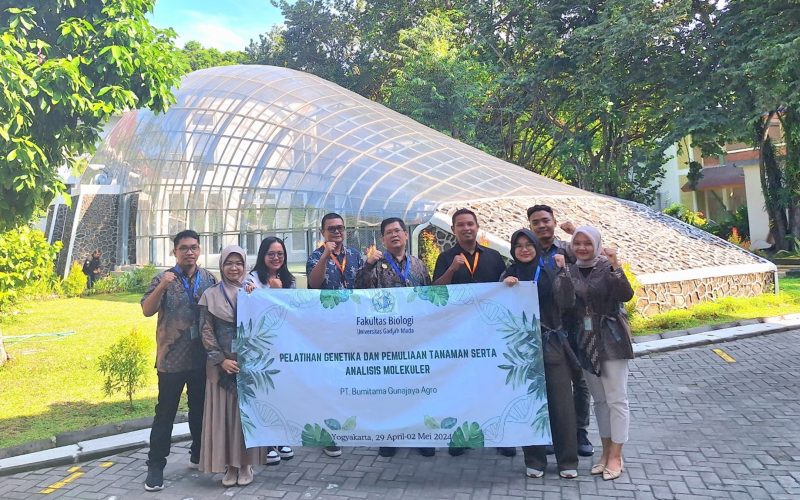
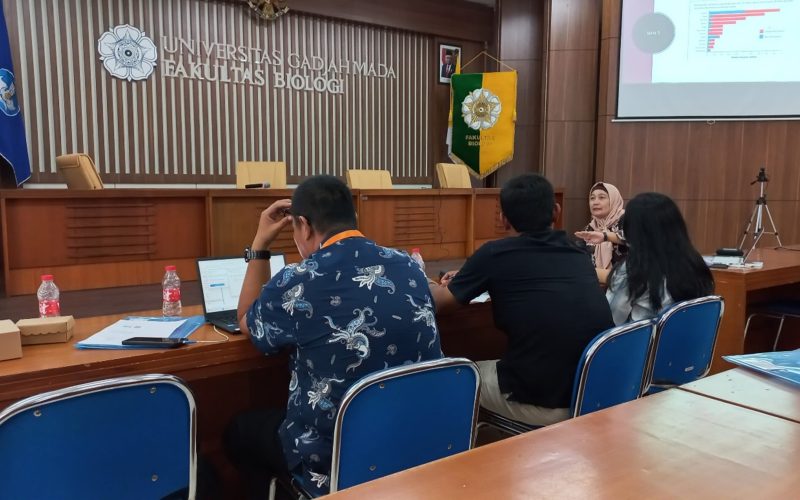
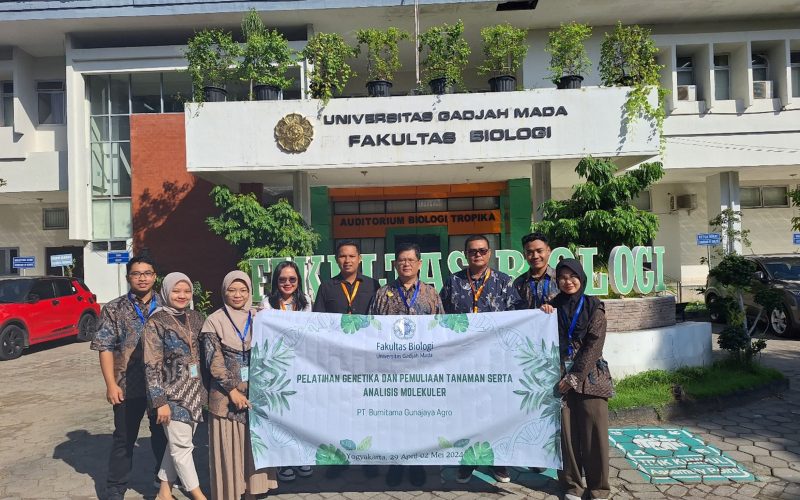
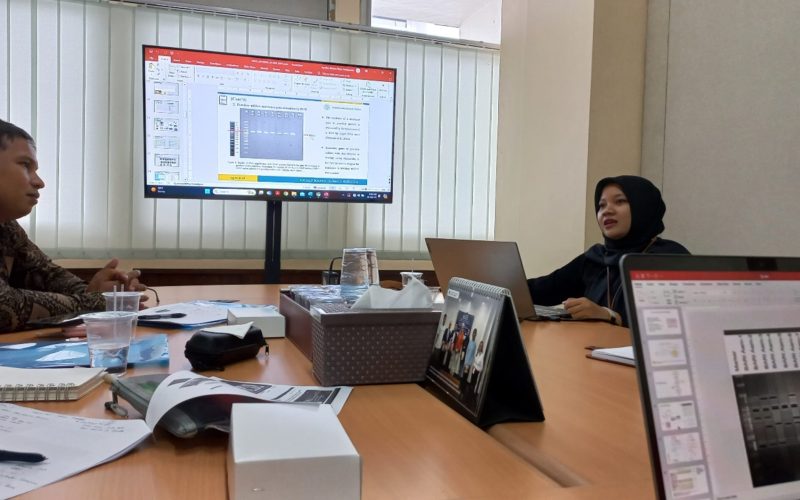
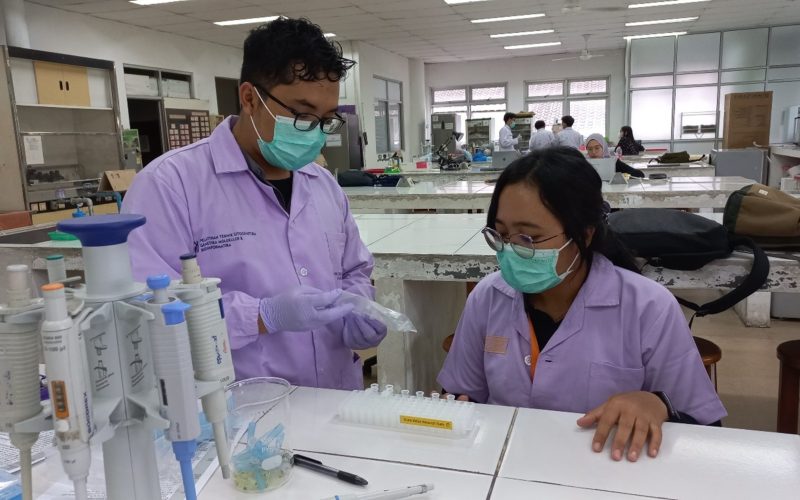
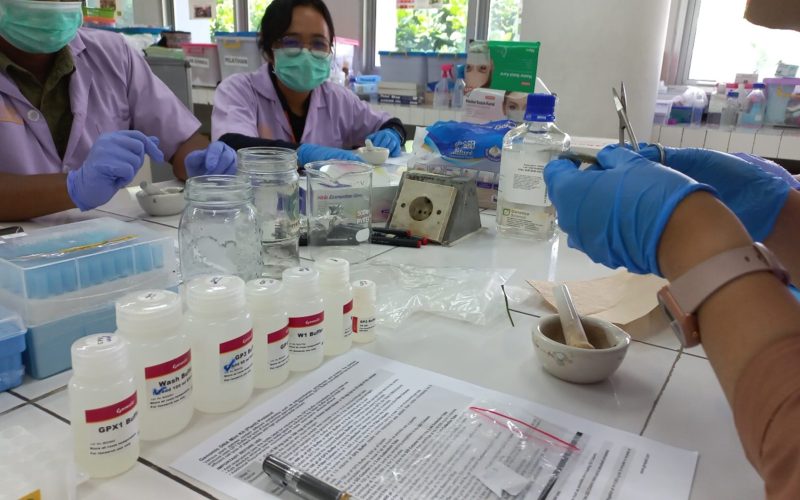
Yogyakarta, 2 May 2024 – The Laboratory of Genetic and breeding Faculty of Biology conducted training on Genetics and Breeding as well as Molecular Analysis for researchers from PT Bumitama Gunajaya Agro. Held from April 29 to May 2, 2024, at the Genetics and Breeding Laboratory, Faculty of Biology, UGM, the training comprised sessions on Plant Breeding and Molecular Data Analysis. Speakers included Prof. Dr. Budi Setiadi Daryono, M. Agr. Sc., Dra. Tuty Arisuryanti, M.Sc., Ph.D., Adib Fakhruddin Yusuf, S.Si., M.Sc., and Dian Sartika, S.Si., M.Sc., all from the Faculty of Biology, UGM. The training took place at the Auditorium and Laboratory of the Faculty of Biology, UGM, with field visits to the Sawitsari Research Station and the field garden at Dusun Mutihan, Prambanan, Sleman.


In his opening remarks, Prof. Dr. Budi Setiadi Daryono, M. Agr. Sc., the Dean of the Faculty of Biology, UGM, encouraged participants to actively engage in the training and hoped that the knowledge gained would benefit their work at the company. He also urged them to consider further study opportunities, such as professional programs at the Biodiversity Curator Professional Program (PKKH), Master’s programs in Biology, and Doctoral programs in The Faculty of Biology UGM.

On the first day, Prof. Dr. Budi Setiadi Daryono, M. Agr. Sc., delivered the first session on Plant Breeding Introduction, followed by Dra. Tuty Arisuryanti, M.Sc., Ph.D., presenting on molecular data analysis. The second day featured sessions by Adib Fakhruddin Yusuf, S.Si., M.Sc., and Dian Sartika, S.Si., M.Sc., on Research Methods and Genetic Diversity Analysis. Additionally, participants visited the Gama Melon Greenhouse in Mutihan, Madurejo, Prambanan, Sleman, Yogyakarta, for practical pollination exercises.

On the final day, training resumed at the Faculty of Biology, UGM, with sessions on Cross-Pollination Plant Selection Methods and the Utilization of Molecular Markers for Plant Selection, led by Prof. Dr. Budi Setiadi Daryono, M. Agr. Sc. The training concluded with an overview of the procedures for Plant Breeding Results Registration and Plant Variety Protection (PVP), as well as Plant Seed Circulation Permits.

All participants from PT Bumitama Gunajaya Agro received certificates marking the completion of the Genetics and Plant Breeding Training, along with Molecular Analysis. The training aimed to provide insights into plant breeding and molecular analysis for the participants. [Committee]

The Faculty of Biology UGM Establishes Collaboration with LAZNAS Yatim Mandiri, Bumi Sembada Waste Bank, and Jaringan Satwa Indonesia Foundation

CooperationHeadlineWaste Management Thursday, 14 March 2024

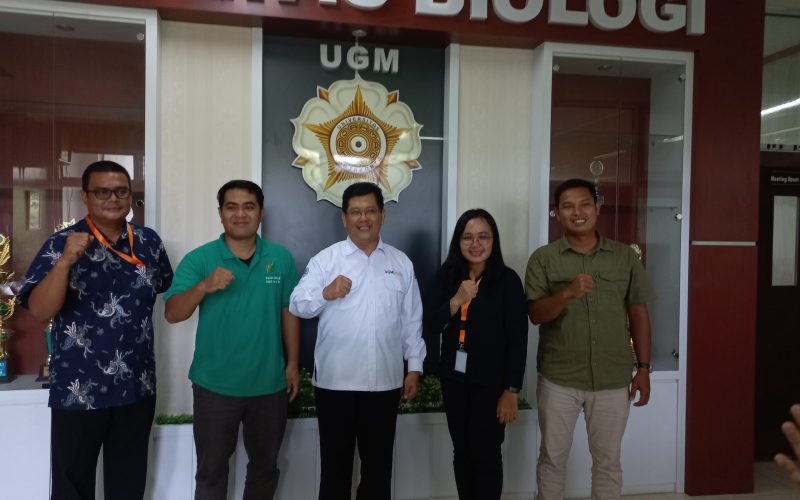
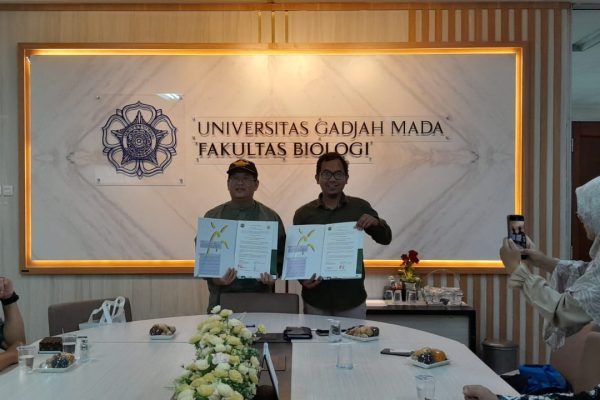
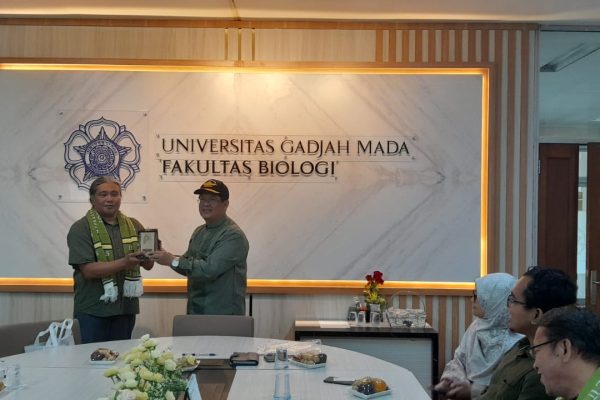
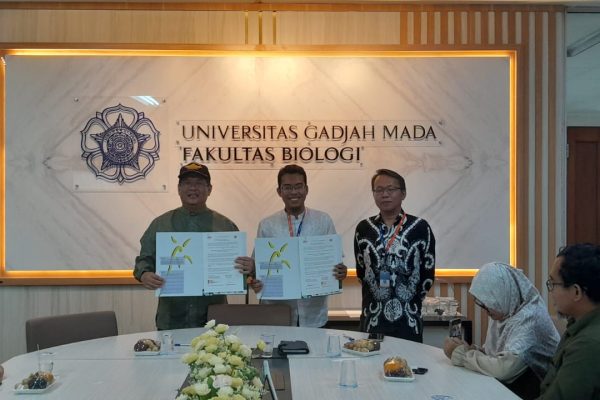
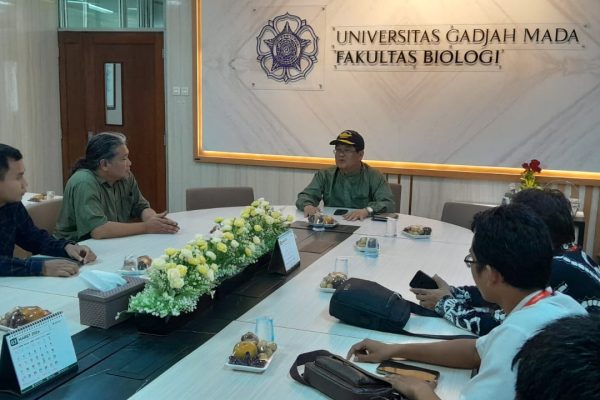
Yogyakarta, March 8, 2023 – The Faculty of Biology received a visit from three MBKM (Independent Learning – Independent Campus) partners. The event took place in the KPTU Meeting Room of the Faculty of Biology, UGM, welcomed by Prof.Dr. Budi Setiadi Daryono, M.Agr.Sc., the Dean of the Faculty of Biology. Also in attendance were representatives from LAZNAS Yatim Mandiri, the Jaringan Satwa Indonesia Foundation, and Bumi Sembada Waste Bank, as well as biology faculty members involved in the collaboration, including Wahyu Aristyaning Putri, S.Si., M.Sc., Ph.D., from the Biotechnology Laboratory; Novita Yustinadiar, S.Si., M.Si., from the Plant Development Structure Laboratory; and Dr. Dwi Sendi Priyono, S.Si., M.Si., from the Animal Systematics Laboratory.


Yatim Mandiri is a National Zakat Amil Institution owned by the Indonesian community, dedicated to uplifting the social dignity of orphans through ZISWAF funds (Zakat, Infaq, Shadaqah, Wakaf), as well as another lawful and legitimate fund, from individuals, groups, companies/institutions. Yatim Mandiri has established 46 service offices in 14 provinces in Indonesia. With its various self-reliance programs, Yatim Mandiri hopes to improve and spread its benefits widely. The Jaringan Satwa Indonesia Foundation is the Jakarta Animal Aid Network, known as JAAN, founded in February 2008 by Femke den Haas, Karin Franken, and Natalie Stewart as a platform for the community to report cases of animal abuse or to obtain information about animal welfare in Indonesia. Meanwhile, Bumi Sembada Waste Bank was founded in 2023 in Sukoharjo Padukuhan Besi Village, Sleman. There are 75 types of waste that the community can sell to the waste bank, with the expectation that the community will be more enthusiastic about sorting waste to improve the economy and help address the waste issues.

The purpose of the visit was to establish cooperation with the Faculty of Biology through the MBKM scheme, with three agreements for each partner. Professor Budi welcomed the initiation and expected that this cooperation would benefit all parties involved.

With the establishment of cooperation with these three partners, UGM’s Faculty of Biology hopes that the knowledge of biology can be beneficial to the wider community and also contribute to sustainable development goals (SDGs), particularly in the development of inclusive education (SDG 4) and sustainable cities and communities (SDG 11), through continuous collaboration and partnership building to achieve the goals (SDG 17).

The Faculty of Biology UGM Team Initiates an Innovative Dialogue with Millennial Farmers in Kalurahan Karangmojo, Gunung Kidul

Community ServiceHeadlineNews Release Tuesday, 20 February 2024

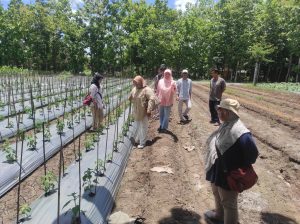
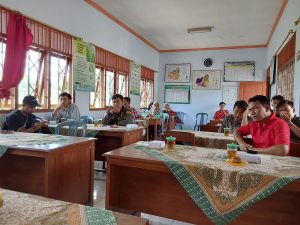
YOGYAKARTA, INDONESIA — February 19, 2024 — A team of lecturers led by a lecturer from the Faculty of Biology at Universitas Gadjah Mada (UGM) held an engaging Focus Group Discussion (FGD) with millennial farmers from Kalurahan Karangmojo, Kapanewon Karangmojo, Gunungkidul Regency. This event is part of the Faculty of Biology’s initiative to encourage dialogue and collaboration between the academic world and field practitioners to enhance sustainable agriculture.

The FGD was held on February 18, 2024, in the meeting room of the Agricultural Extension Center of Kapanewon Karangmojo. The participating millennial farmers represented various backgrounds and experiences in agriculture, ranging from organic farmers to advanced technology farmers. They shared ideas, experiences, and challenges they face in running agricultural businesses in the modern era. The team of lecturers facilitating this FGD was an interdisciplinary inter-faculty team, including members from the Faculty of Biology (Zuliyati Rohmah, S.Si., M.Si., Ph.D. Eng., and Ludmilla Fitri Untari, S.Si., M.Si.), the Faculty of Mathematics and Natural Sciences (Umi Mahnuna Hanung, S.Si., M.Si.), and the Faculty of Pharmacy (Dr. Cintya Nurul Apsari, S.T.P., M.Si.).

The discussions held during the FGD and field visits covered various topics, including the use of technology in agriculture, organic farming practices, natural resource management, and marketing strategies for agricultural products. The results of these discussions will form the basis for developing more relevant and responsive educational, research, and community service programs tailored to the needs of millennial farmers.
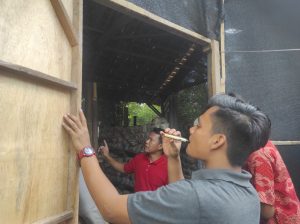
The Faculty of Biology UGM hopes that this FGD will be the beginning of a sustainable partnership between the university and millennial farmers, bringing tangible positive impacts to the advancement of the agricultural sector in Indonesia. This activity is closely related to several Sustainable Development Goals (SDGs) adopted by the United Nations. The dialogue and collaboration between the Faculty of Biology UGM and millennial farmers can increase farmers’ productivity and income (SDG 1: No Poverty) and support sustainable agriculture that enhances food security and nutrition (SDG 2: Zero Hunger). This initiative also develops more relevant educational programs for millennial farmers (SDG 4: Quality Education), supports economic growth and job creation in the agricultural sector (SDG 8: Decent Work and Economic Growth), and encourages innovation and modernization of agricultural practices (SDG 9: Industry, Innovation, and Infrastructure). The focus on organic farming practices and natural resource management supports sustainable production and consumption (SDG 12: Responsible Consumption and Production), and the sustainable agriculture discussed in the FGD contributes to climate change mitigation (SDG 13: Climate Action). Furthermore, the collaboration between the Faculty of Biology UGM and millennial farmers is a concrete example of partnerships that support the achievement of sustainable development goals (SDG 17: Partnerships for the Goals).
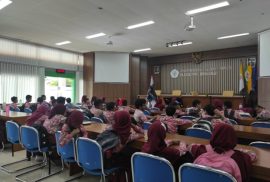
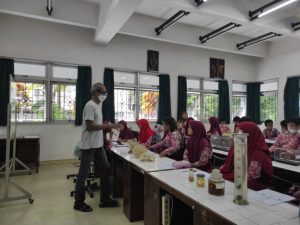
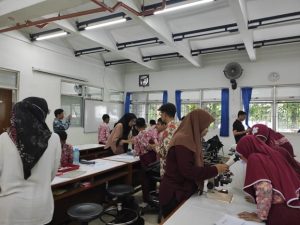
Introducing Research from an Early Age: Animal Structure and Development Laboratory of the Faculty of Biology UGM Welcomes a Visit from Grade IV Students of SD Negeri Deresan

HeadlineNews Release Tuesday, 20 February 2024

On Thursday, February 15, 2024, Class IV from SD Negeri Deresan Yogyakarta had a special opportunity to

explore the world of science through an inspiring visit to the Animal Structure and Development Laboratory of the Faculty of Biology at UGM. This visit aimed to provide a deeper understanding of the scientifi

c concepts they learn in class and to inspire their interest in science. A total of 58 fourth-grade students from SDN Deresan, accompanied by 2 homeroom teachers and 4 accompanying teachers, were welcomed at the Faculty of Biology UGM by the Faculty’s Guest Reception Team and greeted by the Head of the Animal Structure and Development Laboratory, Dr. Ardaning Nuruliani, M. Kes. The children were then divided according to their classes and invited to the Histology & Embryology Section and the Animal Anatomy Section of the Animal Structure and Development Laboratory. All the lecturers of the Animal Structure and Development Laboratory, along with Master’s and Bachelor’s students conducting research there, also welcomed the students.

In the Histology & Embryology Section, students were introduced to microscopes and how to use them. They also observed the diffusion process and colorful microscopic preparations. Meanwhile, in the Animal Anatomy Section, students observed skeletal preparations, internal organs, and several anatomical specimens. The children showed remarkable enthusiasm and deep curiosity while learning in the laboratory. The visit also included a question-and-answer session, where the children were given the opportunity to ask questions about interesting science topics to the Master’s and Bachelor’s students conducting research in the laboratory. Intelligent and creative questions flowed, reflecting the growing interest in science among the young generation.
According to Mr. Paino, A. Ma (IVA Class Teacher) and Mr. Danang Nor Wicaksana, S.Pd. (IVB Class Teacher), this visit is part of the school’s efforts to provide diverse and in-depth learning experiences for their students. The students ended their visit with bright smiles on their faces and a deep sense of inspiration. “I want to be a scientist one day!” ; “I want to study here” and “I want to go to UGM” exclaimed the fourth graders with sparkling eyes. Such hopes may seem distant, but with visits like this, those possibilities feel much closer.

This activity of welcoming elementary school students is part of the Faculty of Biology’s commitment to supporting Sustainable Development Goals (SDGs) goal no. 4 Quality Education, goal no. 5 Gender Equality, and goal no. 17 Partnership for the Goals. Additionally, this initiative aligns with SDG goal no. 9 Industry, Innovation, and Infrastructure by fostering early interest in science and technology, and goal no. 10 Reduced Inequalities by providing equal learning opportunities regardless of background.

The Organic Waste Management Task Force from the Faculty of Biology Provided Training for Employees of PT PLN UP3 Yogyakarta.

HeadlineNews Release Monday, 12 February 2024

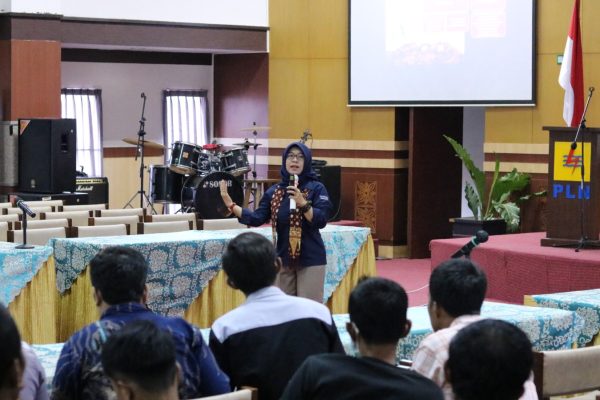
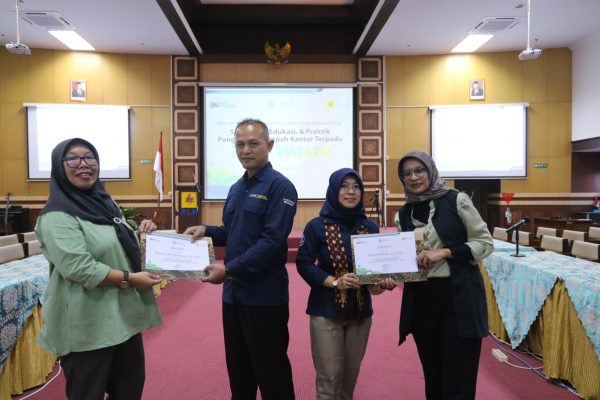
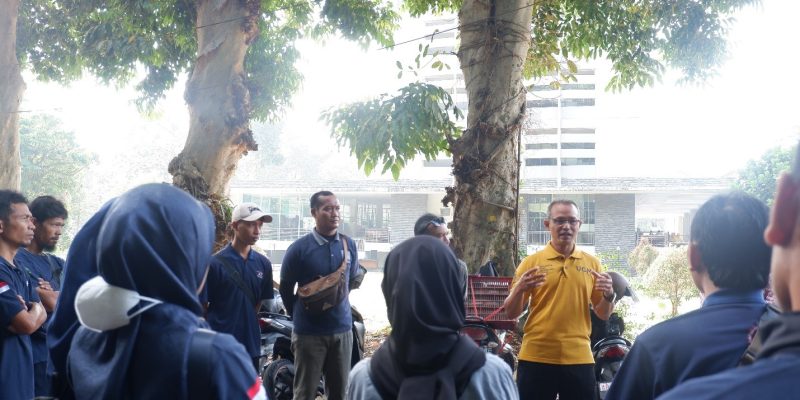
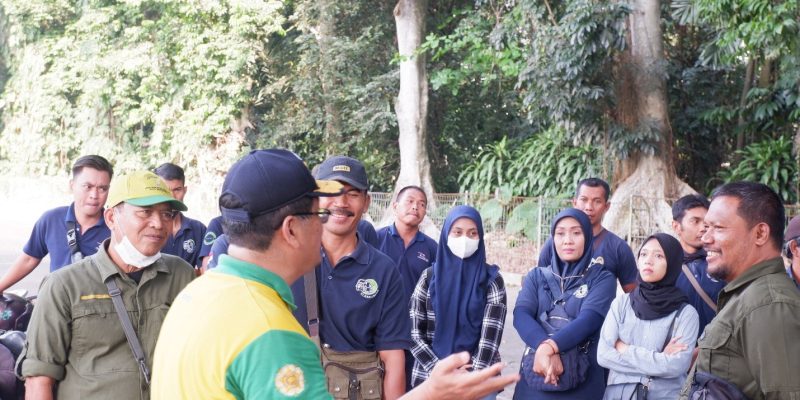
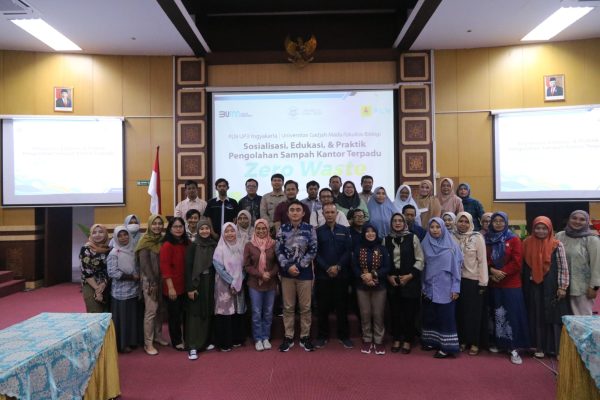
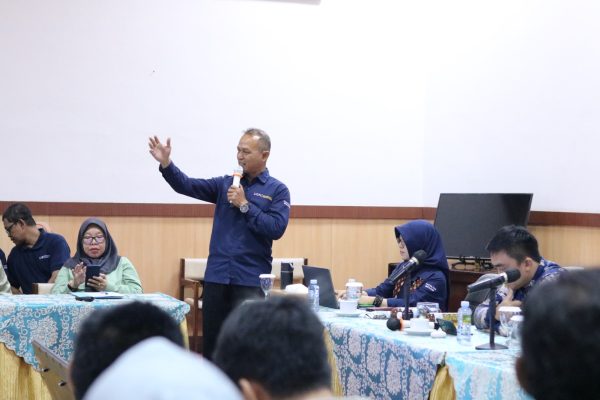
On Wednesday, 7 February 2024, the Organic Waste Management Task Force from the Faculty of Biology provided a training session titled “Socialization, Education, and Practice of Integrated Office Waste Management – Zero Waste” for PT PLN UP3 Yogyakarta, held at the Malioboro Room on the fifth floor of the PT PLN UP3 Yogyakarta building. The task force was represented by Soenarwan Hery Poerwanto, S.Si., M.Kes., Dwi Umi Siswanti, S.Si., M.Sc., Suharjita, and Danang Sudarmadi, who were received by PT PLN UP3 Yogyakarta Manager, Adi Dwi Laksono, along with the management team, regional coordinator representatives, and the PT PLN UP3 Yogyakarta Women’s Organization. “PT PLN UP3 Yogyakarta was expected to independently manage office and household waste as a form of participation in the effort towards Yogyakarta’s freedom from waste emergencies,” expressed Adi in his opening remarks. During the implementation, Adi also hoped that PT PLN UP3 Yogyakarta and the Faculty of Biology UGM could establish a Memorandum of Understanding (MoU) or Cooperation Agreement (PKS) so that waste management could be carried out sustainably.


The training began with a presentation by Soenarwan Hery Poerwanto, S.Si., M.Kes., titled “Waste Management.” He explained that all waste could be utilized through reduction, reuse, and recycling, including residual waste which is currently managed by a residual waste management company in Klaten. He also presented the history of the establishment of the Faculty of Biology’s Organic Waste Management Task Force and several schemes for organic waste management that have been implemented in the faculty.

The second session, titled “Independent Waste Management as an Effort to Achieve Zero Waste Household,” was delivered by Dwi Umi Siswanti, S.Si., M.Sc. She explained the role of liquid organic fertilizer or LOF in plant growth and productivity, as well as its role in the growing medium. “The utilization of LOF for plants not only increases growth and productivity but also reduces production costs and serves as one of the efforts to manage organic waste in the environment,” said Dwi. The training continued with a practical session on waste processing, converting leaf litter into compost plus, which was compost with the addition of Bioferti 2023, one of the products of the Faculty of Biology’s Organic Waste Management Task Force. The compost-making practice was guided by Suharjita and Danang.

This training activity was a realization of Sustainable Development Goals number 3, which is Good Health and Well-being, and number 17, which is Partnerships for the Goals. “Hopefully, this training will be the starting step for PT PLN UP3 Yogyakarta to become a pioneer and pilot project for institutions capable of independently managing waste, thus becoming a role model for state-owned enterprises and other institutions in Yogyakarta,” concluded Adi, closing the training event.

Faculty of Biology’s Commitment to Process Market Waste with the Trade and Industry Agency, Yogyakarta

CooperationHeadlineWaste Management Friday, 25 August 2023

Yogyakarta, 25 August 2023 – The Organic Waste Management Training was again held by the Faculty of Biology. On this occasion, 50 participants consisted of groups from the Market Sector Department, Trade and Industry Agency (Disperindag), Special Region of Yogyakarta (DIY) as well as the Faculty of Pharmacy and Academic Hospital of Universitas Gadjah Mada. Disperindag’s participation in this training is related to waste management in 29 markets in DIY after the temporary closure of the Piyungan Final Disposal Site (TPA) months ago. At least 9 tons of waste are generated every day from the entire market which has not been managed properly.

“There needs to be an effort downstream with education and upstream by sorting and selecting the waste that is disposed of,” said the Dean of the Faculty of Biology, Prof. Dr. Budi Setiadi Daryono, M.Agr.Sc., in his speech to the training participants, Friday (25/8). Prof. Budi also said that if people at the household level were disciplined in sorting waste based on its category (organic-inorganic) it would be enough to reduce waste problems.

The Faculty of Biology has held Organic Waste Management Training activities which are attended by at least 25 Hospitals, 17 Islamic Boarding Schools, and 30 Waste Management Communities in DIY. On this occasion, as many as 40 participants from the Trade and Industry Agency, especially the Market Sector Department, attended training in the framework of solving waste problems in DIY markets, especially market organic waste in the form of fruit and vegetable waste. The training took place guided by Soenarwan Hery Poerwanto, S.Si., M.Kes. and Suharjita.

Susilo, Operational Service Manager for the DIY Disperindag People’s Market who also attended the training said that there were at least 29 markets involved and planned to work with the Faculty of Biology in waste management. He stated that the waste collected in each market usually does not only come from traders but also from the surrounding community with the largest amount of waste found in Giwangan Market and Beringharjo Market. Efforts that can be made by the Market Management since the closing of the TPA include limiting the amount of waste that the community disposes of at the market. Susilo also revealed the lack of public education regarding waste sorting and processing.

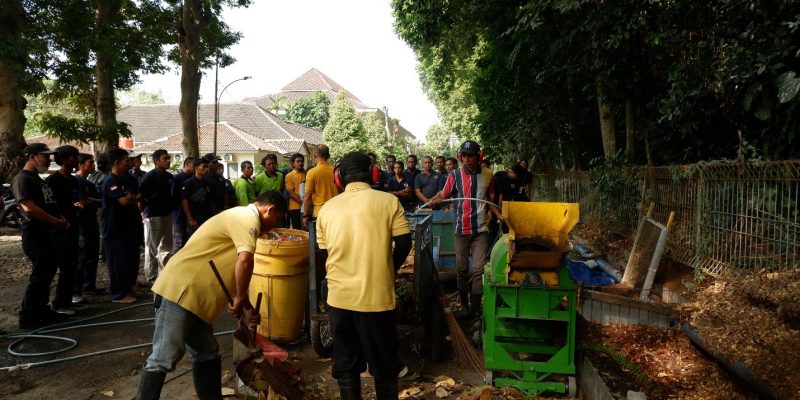
Faculty of Biology is committed to solving organic waste problems in DIY. In managing waste from DIY markets, Faculty of Biology can collect at least 3 tons of waste every day from these markets and process it. With the waste management technology applied at the Faculty of Biology including vermicomposting and Black Soldier Fly, Eco Enzyme, Bioferlilizer, Eco Lindi and others, the waste degradation process can last at least one week.

The commitment of the Faculty of Biology in waste management which also targets the people and communities in DIY emphasizes their commitment as an environmentally friendly campus and supporting Sustainable Development Goals (SDGs). Support for the SDGs includes increasing a healthier life (SDGs 3), having an impact on the availability of clean water in the environment (SDGs 6), and contributing to tackling climate change due to the impact of greenhouse gas emissions from organic waste piles (SDGs 13).

Visitation and Benchmarking of Faculty of Science and Technology Universitas Terbuka to the Faculty of Biology for Establishing an Integrated Laboratory

News ReleaseWaste Management Wednesday, 9 August 2023

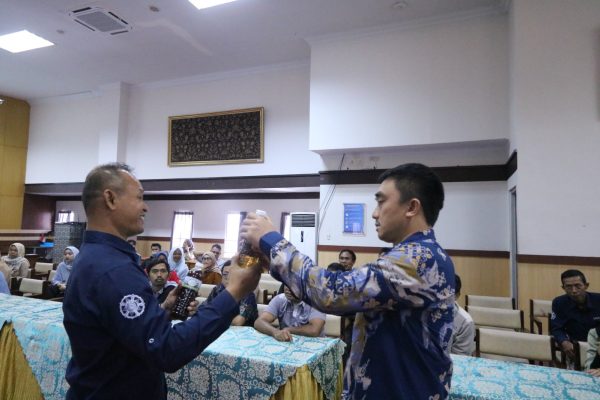
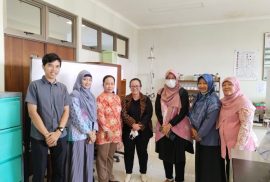
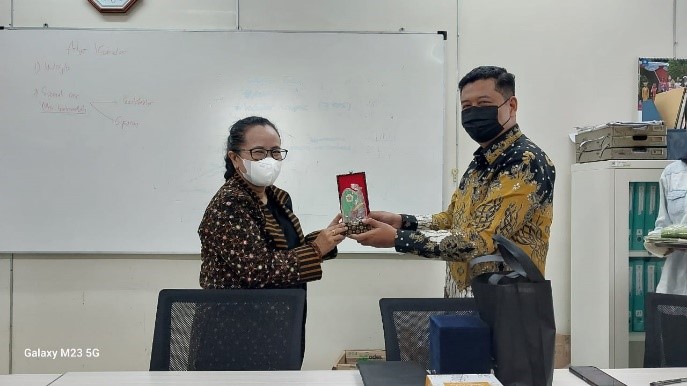
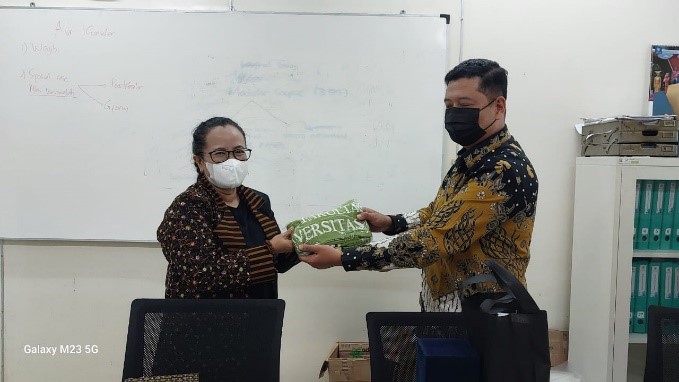
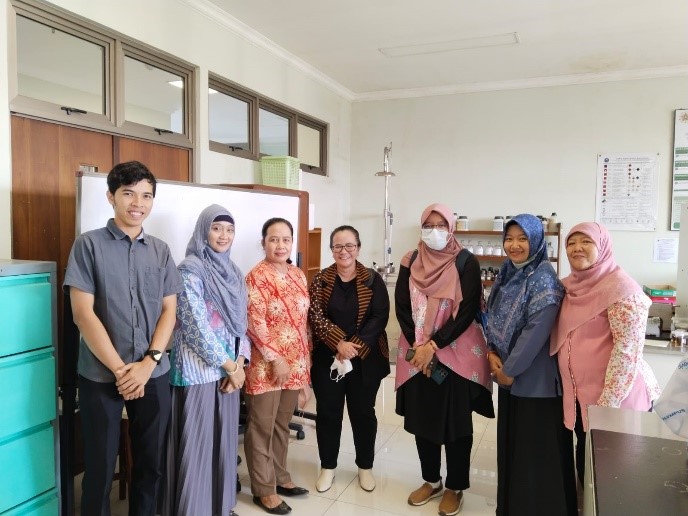
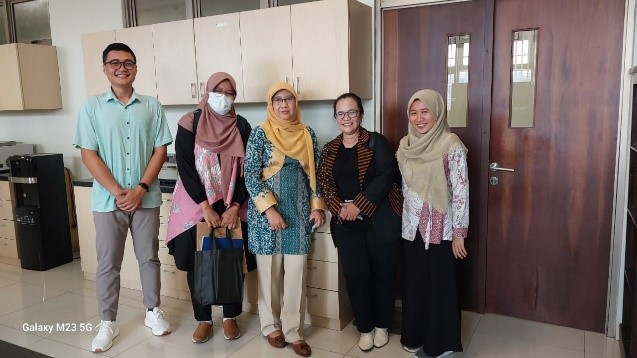
Tuesday, 8 August 2023, Faculty of Biology UGM received a visit from the Faculty of Science and Technology Universitas Terbuka (UT). The visit was received in the Senate Room of the Faculty of Biology and was attended by Dr. Elizabeth Novi Kusumaningrum, S.Si., M.Sc. as Head of Biology Study Program, Faculty of Science and Technology UT and Heny Kurniawati, S.ST., M.Kes. as a Lecturer in the Faculty of Science and Technology UT. From the Faculty of Biology attended by Sukirno, S.Si., M.Sc., Ph.D. as the Head of the Faculty of Biology’s Undergraduate Study Program.

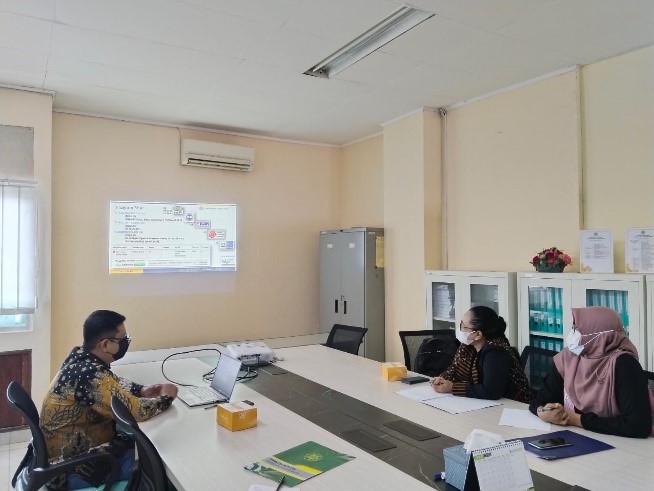
The visit was aimed as a benchmarking for establishing a Laboratory Center at the Faculty of Science and Technology, Universitas Terbuka. Sukirno, S.Sc., M.Sc., Ph.D as the Head of the Faculty of Biology Undergraduate Study Program welcomed the visit and supported further collaborations. He also explained the profile, history, facilities, and focus of teaching education at the Faculty of Biology UGM. He conveyed collaboration and cooperation that could be initiated in the future with Universitas Terbuka.

Slide 1
Slide 5
Slide 2
Slide 3
Slide 4

Dr. Elizabeth conveyed the profile of the Open University, especially the Faculty of Science and Technology, especially the Biology Study Program, while also conveying her wish for a comparative study regarding plans to establish a Laboratory Center at Universitas Terbuka. Dr. Elizabeth expressed her hope for the potential for collaboration with the Faculty of Biology UGM.

The visit was followed by a tour around the facilities and laboratories at the Faculty of Biology including the Laboratory of Plant Development Structure, Plant Systematics, Plant Physiology, Biological Gardens also visiting organic waste management activities at the Faculty of Biology. During the tour, the delegations received presentation on the facilities and activities that took place in the Laboratory at Faculty of Biology and other supporting facilities for teaching and learning activities.

The meeting is a great opportunity to collaborate with the Faculty of Science and Technology at Universitas Terbuka with the Faculty of Biology UGM and especially in planning to develop an integrated laboratory at Universitas Terbuka.

Faculty of Biology initiated the Establishment of the Center for Organic Waste Management UGM

News ReleaseWaste Management Friday, 28 July 2023

Faculty of Biology, Universitas Gadjah Mada, responded to the waste emergency situation in Yogyakarta following the closure of the Piyungan Final Disposal Site (TPA), which has been the main landfill for final disposal in the Yogyakarta Province (DIY) area. Based on a circular letter from the Regional Secretariat of the DIY Government, the Piyungan Regional TPA will no longer receive waste services as of July 23, 2023 to September 5, 2023 due to the fact that the amount of waste is full and exceeds capacity. Universitas Gadjah Mada through the Faculty of Biology and the Faculty of Dentistry responded by following up on waste management at UGM internally where the coordination of organic waste management is carried out by the Faculty of Biology while the coordination of inorganic waste management is carried out by the Faculty of Dentistry.

Slide 1
Slide 2
Slide 3
Slide 4
Slide 5

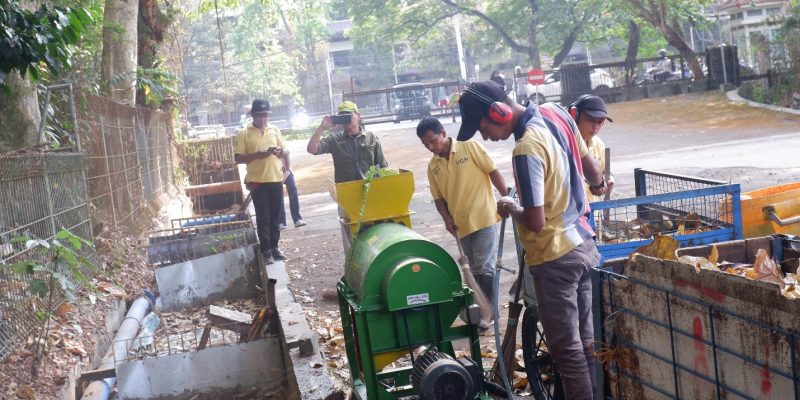
As of Thursday, 27 July 2023, Dean of the Faculty of Biology UGM, Prof. Dr. Budi Setiadi Daryono, M.Agr.Sc., has coordinated with the Chancellor of Universitas Gadjah Mada, Prof. dr. Ova Emilia, M.Med.Ed., Sp.OG(K)., Ph.D., and Director of DPKM (Directorate of Community Service) Universitas Gadjah Mada, Dr. dr. Rustamaji, M. Kes. It has been agreed that the Faculty of Biology will manage internal organic waste from Universitas Gadjah Mada in the form of leaf and twig litter. The collection of organic waste will be coordinated at each unit point in all UGM areas to be enumerated first and then sent and managed by the Faculty of Biology to become organic compost. Meanwhile, organic waste in the form of food scraps, fruit and vegetables will be managed by the UGM Argotechnology Innovation Center (PIAT).

The management of leaf litter and twigs in the Faculty of Biology has been going on for a long time in the Biology Garden Area, Faculty of Biology. The chopped organic waste will be processed into compost and then supplied to consumers in collaboration with PT. Pagilaran. The establishment of the Waste Management Center as a response to the closure of the Piyungan TPA will then be coordinated with Soenarwan Heri Purwanto, S.Si., M.Kes. and the waste management team from the Faculty of Biology.

This waste management initiative is a form of commitment from the Faculty of Biology UGM to contribute to the sustainability environment, especially in UGM’s internal environment. It is hoped that this management program will be useful in the long-term settlement of internal waste at UGM in particular and in the Special Region of Yogyakarta (DIY) in general.

1…21222324

Accreditation

Recent Posts

  • Unveiling the Chloroplast Genome of ‘Mencir’ Strawberry to Support Breeding of Superior Indonesian Strawberries
  • Training on Organic and Inorganic Waste Processing in Tegalrejo: A Collaboration between the Faculty of Biology UGM and Pertamina Patra Niaga AFT Adi Sumarmo under the TEH SEKAR Program
  • Faculty of Biology UGM Strengthens International Collaboration with University of Brunei Darussalam, Supported by the Indonesian Embassy in Brunei Darussalam
  • Preserving Indonesia’s Spice Heritage: INUCoST Team of the Faculty of Biology UGM Holds Herbarium-Making Workshop with Leiden Experts and Industry Practitioners
  • From Village to Village: Optimizing Superior Local Chicken and Catfish Seedlings in Tegalrejo Hamlet, Ngresep Village, Boyolali Regency
Universitas Gadjah Mada

UNIVERSITAS GADJAH MADA

FACULTY OF BIOLOGY
Teknika Selatan Street, Sekip Utara,
Yogyakarta 55281
biologi-ugm@ugm.ac.id
Phone/Fax: +62 (274) 580839

About us

  • History
  • Organization
  • Vision and Mission
  • Staff

Student Affairs

  • Student Service
  • Student Organization
  • Submission for Practical Field Work
  • Permission Field Research
  • Permission Thesis/Disertation

academic

  • Academic Regulations
  • Academic Anonncement

Accreditation

  • Image 1
  • Image 2
  • Image 3

© 2024 FACULTY OF BIOLOGY UNIVERSITAS GADJAH MADA

KEBIJAKAN PRIVASI/PRIVACY POLICY

[EN] We use cookies to help our viewer get the best experience on our website. -- [ID] Kami menggunakan cookie untuk membantu pengunjung kami mendapatkan pengalaman terbaik di situs web kami.I Agree / Saya Setuju