• UGM
  • Simaster Portal
  • IT Center
  • Webmail
  • KOBI
  • English
    • Bahasa Indonesia
Universitas Gadjah Mada Universitas Gadjah Mada
Faculty of Biology
  • ABOUT US
    • History
    • Organization
    • Vision and Mission
    • Lectures and Staff
      • Lecturers
      • Adjunct Professor
      • Supporting Staff
    • Facility
      • Laboratories
      • Research
      • Library
      • Museum
      • Mental Health Consultation
      • Disability
  • EDUCATION
    • Undergraduate Program
      • Graduates Learning Outcome
      • Academic Callendar
      • Course
    • IUP
    • Profession Program
      • What is the Professional Study Program in Biodiversity Curator (PKKH)?
      • Admission for New Students of the Biodiversity Curator Profession Program Study
      • Information and FAQ Study Program of Biodiversity Curator Profession
    • Master Program
      • Master Program in Biology Description
      • Curriculum Structure Master Program
    • Doctoral Program
      • Vision, Mission, Objectives, Targets, Competencies, and Learning Outcomes
      • Admission Requirement for Program Doctor in Biological Sciences
      • Admission: What Documents to be prepared?
      • Curriculum
    • Regulations
    • Accreditation & Quality Assurance
  • RESEARCH
    • Journal of Tropical Biodiversity and Biotechnology
    • Berkala Ilmiah Biology
    • Research
    • Publication
  • Community Service
    • Waste Management
  • STUDENTS & ALUMNAE
    • Student Organizations
    • Prospective Career Opportunities
    • SUMMER COURSE
    • Alumnae
  • Home
  • SDG 2 : Erase Hunger
  • SDG 2 : Erase Hunger
  • page. 2
Arsip:

SDG 2 : Erase Hunger

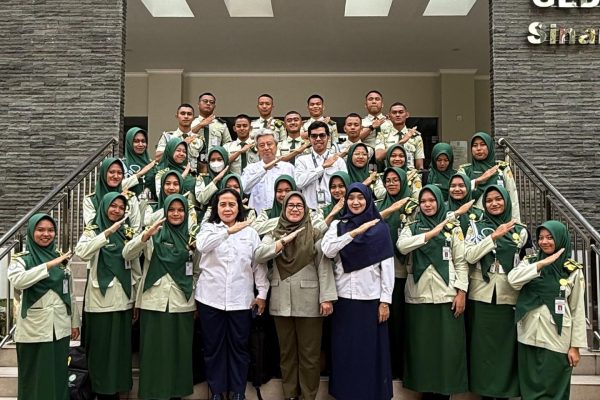
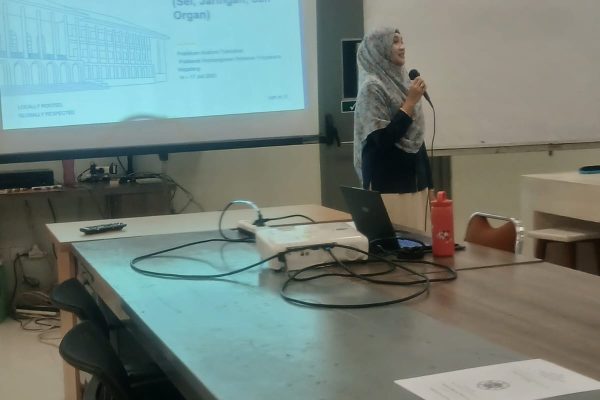
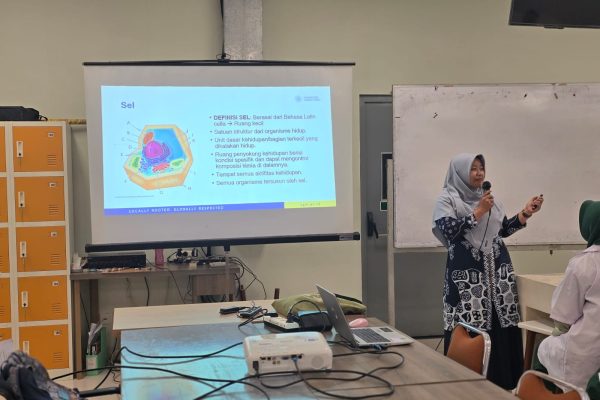
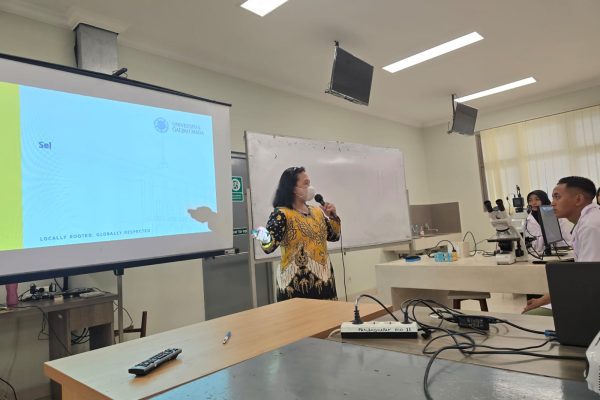
Plant Anatomy Training for Students of Politeknik Pembangunan Pertanian (Polbangtan) Yogyakarta-Magelang at the Faculty of Biology, Universitas Gadjah Mada

News Release Friday, 18 July 2025

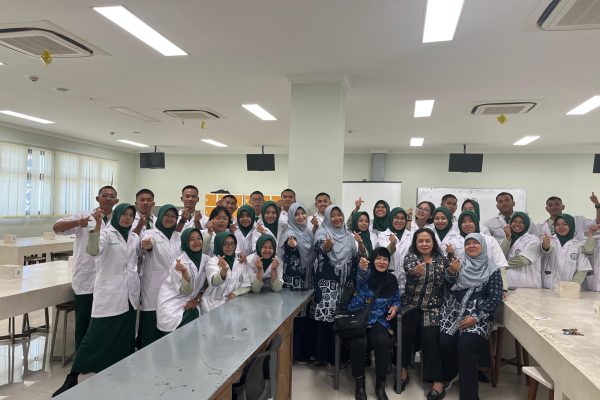
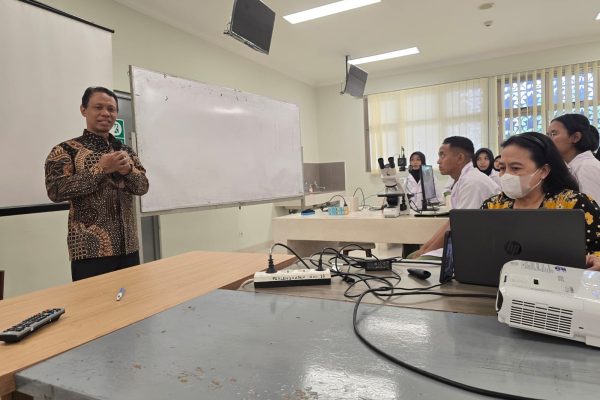
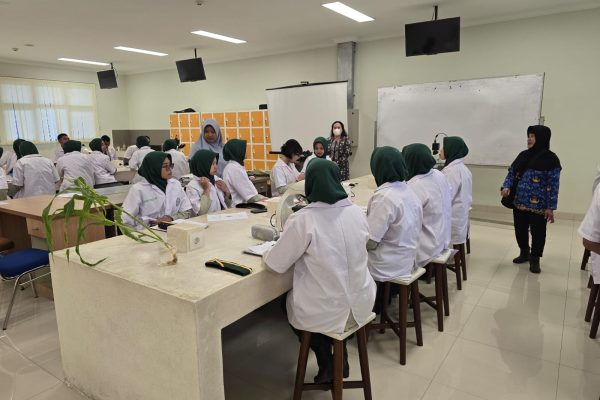
The Faculty of Biology, Universitas Gadjah Mada, through the Laboratory of Plant Structure and Development, organized a Plant Anatomy Training for students from the Politeknik Pembangunan Pertanian (Polbangtan) Yogyakarta-Magelang. This activity was held over four days, from Monday to Thursday, July 14–17, 2025, from 08:00 to 11:00 WIB each day. A total of 120 students participated in the training, with 30 students attending per day to maintain optimal interaction and quality of practical sessions.

The training activity was welcomed and officially opened by the Head of the Department of Tropical Biology, Faculty of Biology UGM, Mr. Abdul Razaq Chasani, S.Si., M.Si., Ph.D., and the Head of the Laboratory of Plant Structure and Development, Mrs. Dr. Dra. Maryani, M.Sc. From Polbangtan, the students were accompanied by supervising lecturers, Mrs. Asih Farmia, SP., M.Agr.Sc., and Mrs. Sevi Melati, SP., M.Sc. In their remarks, the academic leaders emphasized the importance of mastering plant anatomy as a fundamental basis for understanding various physiological processes critical to sustainable agricultural development. The event also served as a tangible example of academic synergy and partnership between higher education institutions in supporting the improvement of learning quality.
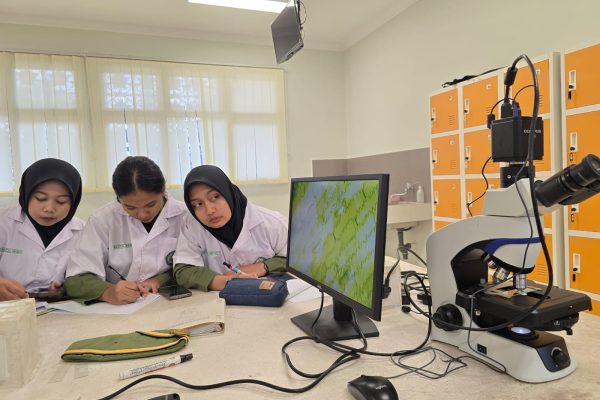
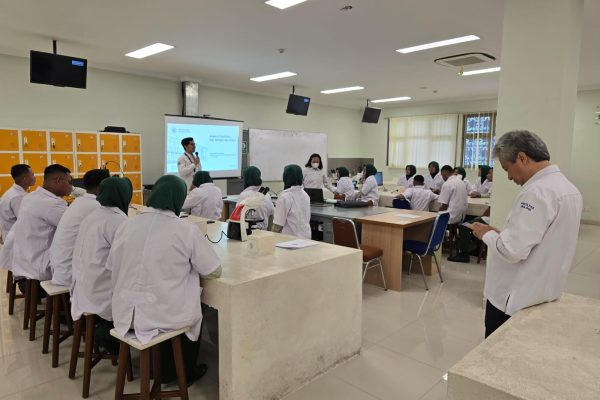
This training aims to support the ongoing Plant Physiology course at Polbangtan by emphasizing practical understanding of cell and tissue structures, particularly vascular bundles and tissues related to photosynthesis in plant organs. Students gain hands-on experience in plant anatomy laboratory practices, including the preparation and observation of anatomical slides of leaf epidermis, transverse sections of leaves, stems, and roots of Zea mays L., as well as the epidermis and transverse sections of the bulb of Allium cepa. The activities are guided by lecturers from the Laboratory of Plant Structure and Development, namely Prof. L. Hartanto Nugroho, M.Agr., Dr. Dra. Maryani, M.Sc., Dr. Utaminingsih, S.Si., M.Sc., Dr. Wiko Arif Wibowo, S.Si., and Novita Yustinadiar, S.Si., M.Si.  The preparation of equipment and materials was fully supported by laboratory technicians, Mrs. Prapti and Mrs. Via Erti Asdiantika, A.Md., ensuring the implementation of the activities.

Throughout the training, the students showed great enthusiasm and actively participated in discussions, asking and answering questions posed by the practicum assistants. This interactive learning environment created an enjoyable educational experience and deepened the student’s understanding of fundamental plant anatomy concepts essential in the field of agriculture.

This training activity represents a concrete form of community service conducted by the Faculty of Biology UGM and supports the achievement of the Sustainable Development Goals (SDGs). Through this program, the Faculty contributes to SDG 4 by providing quality education through hands-on learning that enhances student competencies. Moreover, the collaboration between institutions promotes SDG 17 on partnerships for the goals. The focus on fundamental plant sciences as a foundation for agriculture also aligns with SDG 2, which targets ending hunger through improved agricultural capacity. Furthermore, in-depth understanding of plant structure and function supports efforts to preserve biodiversity and manage terrestrial ecosystems sustainably, in line with SDG 15.

Through this activity, it is expected that students will gain a stronger grasp of the vital roles of plant structures in physiological processes that support sustainable agriculture, and be able to apply their knowledge in modern agricultural practices in the future.
Development of Superior Local Chicken Breeds through the Wedomartani Village Partnership Program

Community ServiceNews Release Friday, 18 July 2025

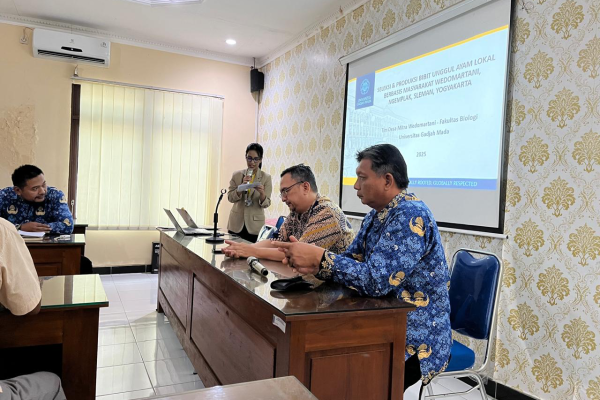
The Wedomartani Village Partnership Team from the Faculty of Biology, Universitas Gadjah Mada (UGM), held an socialization on Thursday, July 17, 2025, in Kalurahan Wedomartani, Ngemplak, Sleman Regency, Yogyakarta, focusing on the development of superior local chicken breeds. This activity was a follow-up initiative from the collaboration between the Faculty of Biology, UGM, and Kalurahan Wedomartani, supported by the KKN-PPM UGM Period 2 of 2025, Unit YO019 (SDG No. 17 – Partnerships for the Goals).


The socialization opened with remarks from Dr. Ardaning Nuriliani, S.Si., M.Kes., representing the Wedomartani Village Partnership Team, Faculty of Biology, UGM. On this occasion, as a speaker Dr. med. vet. Hendry Saragih, M.P., delivered a presentation titled “Selection and Production of Superior Local Chickens Based on Community Empowerment in Wedomartani, Ngemplak, Sleman.” The socialization emphasized the importance of developing superior local chicken breeds by paying attention to various key aspects such as feed quality, animal health, cage management, and maintenance practices.

During the session, the speaker provided updated and relevant information on the proper techniques for local chicken farming, beginning with the selection of high-quality breeding stock. The event, held at Kalurahan Wedomartani, was attended by the Head of Wedomartani Village (Mr. H. Teguh Budiyanto), the Village Secretary (Mr. R. Rohmad Gunawan Hardono, S.Pd.), the Director of Bumkal Wedomartani (Mr. H. Iskandar, S.E., M.E.), representative from Faculty of Biology, UGM (Prof. Dra. Rarastoeti Pratiwi, M.Sc., Ph.D.) and representatives from farmer groups across several hamlets in Wedomartani. Participants showed strong enthusiasm for the program and actively engaged in discussions and raised questions, especially regarding chicken maintenance practices.

The speaker highlighted that raising chickens offers two key benefits. First, it helps reduce household waste through the use of organic waste as chicken feed. Second, the eggs produced can improve household nutrition and help address stunting—supporting SDGs No. 2 (Zero Hunger), No. 3 (Good Health and Well Being), and No. 12 (Responsible Consumption and Production). However, to fully achieve these benefits, the chickens must be kept healthy. The speaker emphasized three main factors for raising healthy local chickens: the use of varied feed sources such as maggots and kitchen waste, proper cage management, and an appropriate vaccination program.

This outreach activity is expected to serve as an initial step toward empowering the community to independently cultivate local chicken breeds. With the knowledge gained, residents can begin applying more effective breeding and production techniques in their environment. Going forward, similar programs should continue to be implemented sustainably in order to expand their impact. It is hoped that this initiative will contribute to improving community welfare while also supporting local food security. (Contributors: Lintang Gitacahyani and Ardaning Nuriliani)

GAMA AYAM Distributes Incubators and Breeding Chickens to Support KWT Srikandi Mrican

CooperationNews Release Monday, 2 June 2025

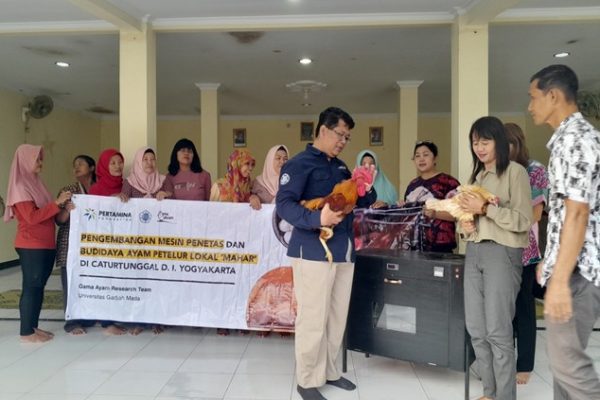
Yogyakarta, Indonesia – February 19, 2025 – As part of its continued commitment to community empowerment, the GAMA AYAM team has provided an egg incubator and breeding chickens to the Srikandi Women Farmers Group (KWT Srikandi Mrican). This initiative, under the Pertamina Foundation’s PF Sains Implementation Program, aims to accelerate the development of sustainable local chicken farming.


The distribution ceremony was held at the KWT Srikandi Mrican demonstration plot and coincided with the group’s monthly meeting. The symbolic handover was carried out by Prof. Dr. Budi Setiadi Daryono, M.Agr.Sc., on behalf of the GAMA AYAM team, and received by Ms. Nur Handayani, Chair of KWT Srikandi Mrican. Also in attendance were Mr. Heru, a representative of MAHAR chicken breeders from Condong Catur, along with GAMA AYAM team members Dian Sartika, S.Si., M.Sc. and Yusuf Febrianta.

This program is expected to significantly boost chicken farming efforts at the KWT demonstration site. The introduction of incubator technology is a step forward in improving hatch rates and increasing the availability of day-old chicks (DOCs), enhancing the group’s capacity to achieve egg self-sufficiency. This initiative aligns with the Sustainable Development Goals (SDGs), including SDGs No.9: Industry, Innovation, and Infrastructure, through the introduction of scalable agricultural technology; SDGs No.11: Sustainable Cities and Communities, by empowering urban women farmers in productive agriculture; and SDGs No 17: Partnerships for the Goals, by fostering collaboration between GAMA AYAM and KWT Srikandi Mrican. By supporting these SDGs, the partnership contributes to a broader mission of building resilient, self-sufficient communities and a more sustainable world.

Designing of the MBKM Village Development Program: Optimization of Tlatar Fruit Garden as a Fruit Center and Tourism Village

Community Service Wednesday, 28 May 2025

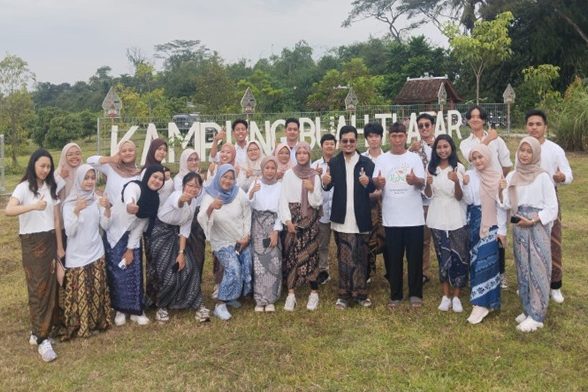
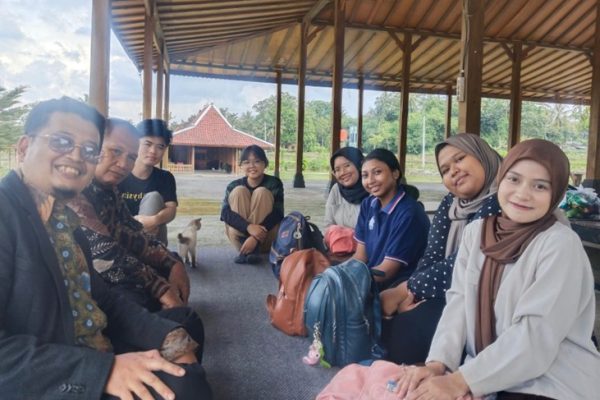
On April 13, 2025, students of the Independent Learning Independent Campus (MBKM) Village Development program again demonstrated real contributions in developing the potential of tourism villages through the design of sustainable agriculture-based programs and empowerment of local resources in the tourist destination village of Kabut Kebonalas Manisrenggo Klaten. This discussion activity was carried out by Nurhayati, together with her team, namely Tiara Syifa Wididevani, Putri Ramadhanti, and Mirmastu Lintu Nirmala Wasti, under the guidance of Mr. Sukirno, S.Si., M.Sc., Ph.D. This discussion was carried out directly with Mr. Drs. Suwadi as the the secretary of Kebonalas and also as the Head of POKDARWIS Kabut Kebonalas, as a form of initial collaboration in the implementation of the integrative program between MBKM and KKN PPM UGM for the period June 20–August 2025. This activity also involved Mr. Yousuf Sulaiman, S.IP as a practitioner. The main focus of the program is the management and optimization of the Tlatar Fruit Garden through an educational approach, sustainable agriculture, and innovation based on local biodiversity.


The scope of the program includes greenhouse management as a center for education and production of horticultural plants, especially eggplant and melon plants. In addition, this activity will also provide education related to fertilization techniques and care for starfruit and longan plants. The MBKM program also encourages the use of local plants as alternative food sources, such as cincau leaves and moringa leaves which have the potential to become processed products with high economic value.

This discussion is the first step in preparing for the implementation of KKN with the theme “Optimizing the Potential of Tourism Villages in Manisrenggo through the Integration of Health, Agriculture, and Digitalization in the Development of Local Potential Based on Biodiversity to Support Sustainable Development Goals.” The theme was raised in line with the MBKM program which is oriented towards sustainable agriculture and supports the SDGs for dealing with hunger, SDGs for poverty, SDGs for health, and SDGs for terrestrial ecosystem conservation. Through this program, it is hoped that Kebon Alas Village can become an example of developing an integrated agricultural and health-based tourism village, while also encouraging food independence and improving community welfare through empowering local potential.

MBKM Songgo Manisrenggo Team Conducts Moringa and Black Grass Jelly Planting Activities in Kabut Kebonalas Tourism Village

Community Service Saturday, 24 May 2025

On May 12, 2025, students from the Merdeka Belajar Kampus Merdeka program demonstrated their commitment to developing the potential of tourism villages through activities focused on environmental conservation and local food empowerment. This initiative was led by Nurhayati and her team, Mirmastu Lintu Nirmala Wasti, Tiara Syifa Wididevani, and Putri Ramadhanti, with support from Eben Ariesto Purnama Jati and Mazaya Tijani Ulayya, under the supervision of Sukirno, S.Si., M.Sc., Ph.D..


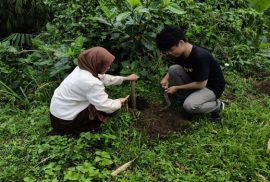
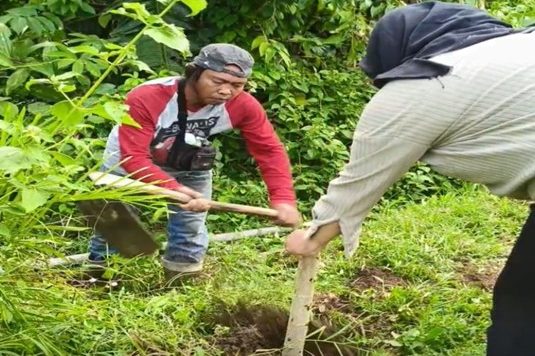
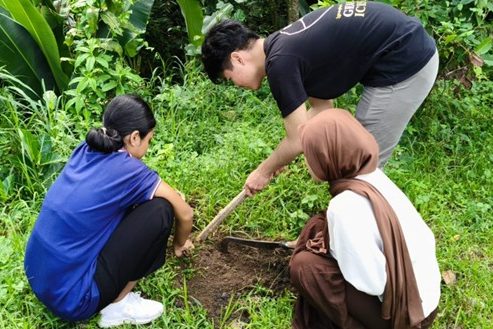
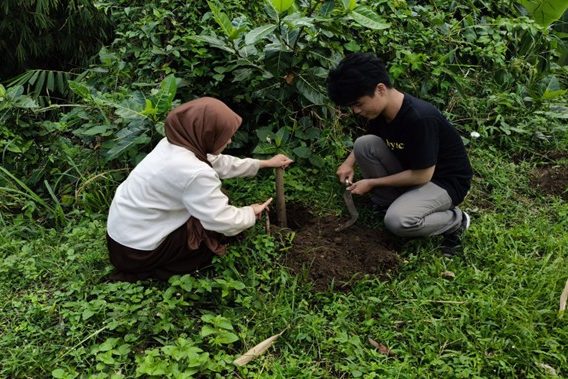
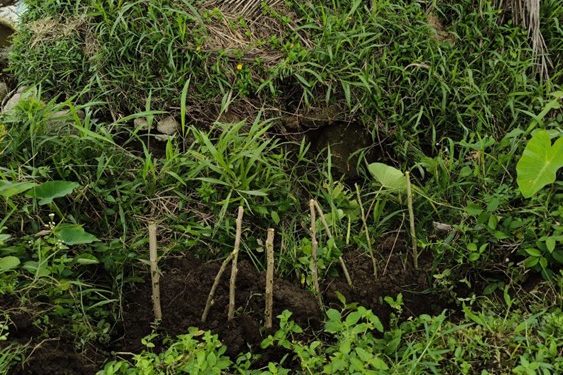
The primary activity involved planting moringa along the riverbanks. This strategic location was chosen to prevent erosion, reinforce the area’s natural boundaries, and create a living fence. Furthermore, the highly nutritious moringa leaves, particularly their protein content, can be processed into vegetables and used as a complementary food source to combat stunting.

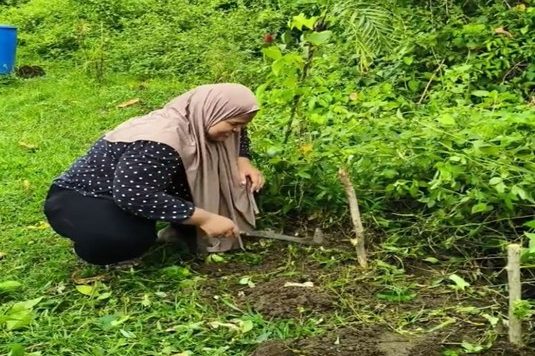
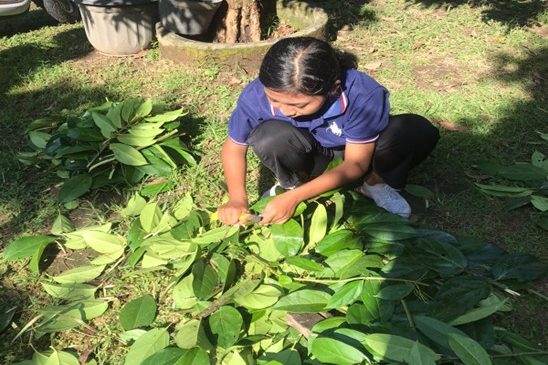
In addition, the student team planted black grass jelly seedlings in the Tlatar fruit garden area. The mature grass jelly leaves will serve as raw materials for refreshing and healthy traditional grass jelly drinks, with the aim of bolstering agro-tourism and local culinary offerings in the Kabut Kebonalas area.

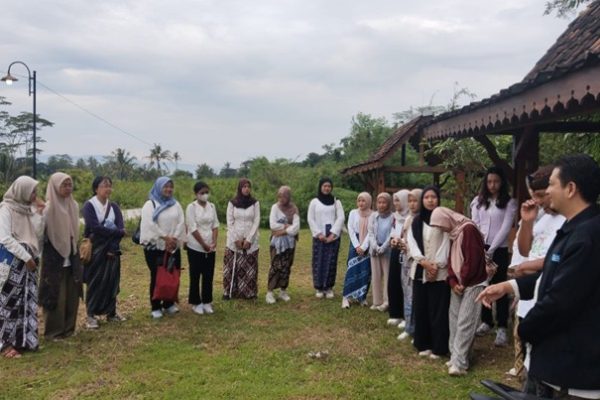
This planting initiative garnered considerable support and enthusiasm from local residents, who actively participated in the planting process. This collaboration between students, supervising lecturers, and the village community exemplifies a synergistic approach to building a sustainable, healthy, and self-reliant tourism village.

Through this program, it is envisioned that the Kabut Kebonalas Tourism Village will continue to thrive by prioritizing local values, environmental sustainability, and community food security, thereby contributing to the achievement of the SDGs related to hunger management, poverty reduction, health, and terrestrial ecosystem conservation.

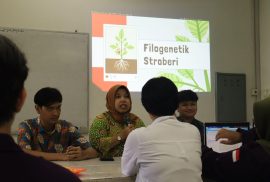
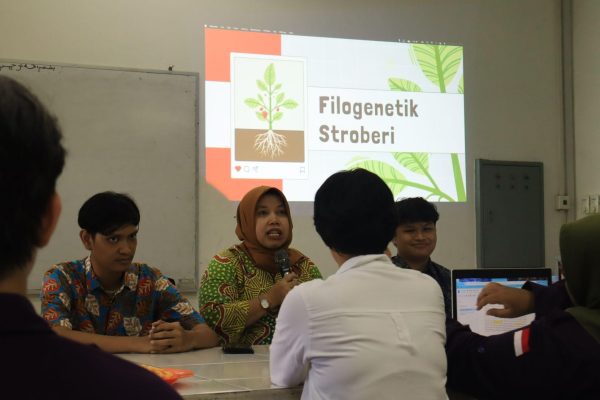
Highlighting the Phylogenetics of Strawberries, Formasigen Hosts Gentalk 2

Student Activities Wednesday, 12 March 2025

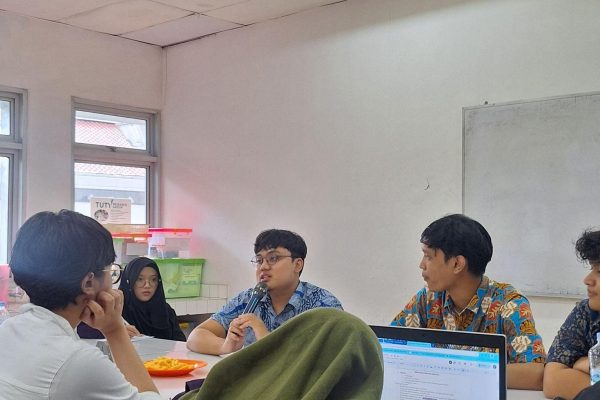
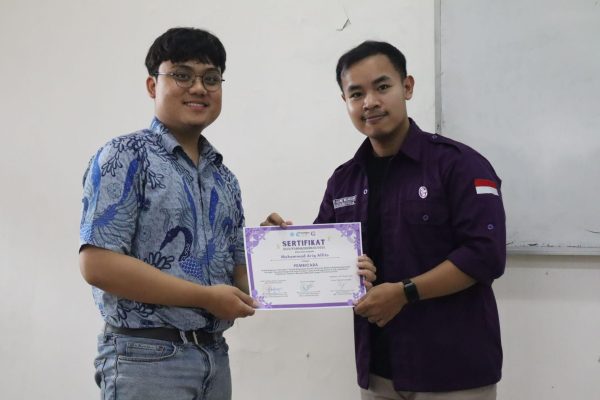
On Friday, 28th of February 2025 at 1-1.30 PM, Gentalk 2 was held in the Laboratory of Genetics and Breeding, Faculty of Biology UGM. This program is targeted for all Formasigen members and Biology UGM students in general. Mrs. Ganies Riza Aristya, S.Si., M.Sc., Ph.D., as Formasigen’s supervisor lecturer, also attended this program. Gentalk is an active discussion and sharing session between alumni or senior student and Formasigen’s member about the undergraduate thesis they are working on. In the second Gentalk of this year, there are 3 speakers, which are Muhammad Ariq Alfito, Muhammad Sena Budiman, Muhammad Fatih. All of them are Faculty of Biology UGM students batch 2021 under the supervision of Mrs. Ganies Riza Aristya, S.Si., M.Sc., Ph.D. for their undergraduate thesis.


This program started with an opening from the Master of Ceremony, Aliyah Syahidah, as a part of the Public Relation of HomeoGenesis Cabinet, followed by an opening speech by Mrs. Ganies Riza Aristya, S.Si., M.Sc., Ph.D. as the supervisor lecturer of Formasigen. In the speech, Mrs. Ganies expressed her hope for this program to be held more consistently and better so that this program can be a vessel for knowledge sharing and discussion for all Faculty of Biology’s students. The next activity is a presentation from all three speakers about “ Phylogenetics of Strawberry”. This presentation contains the history and uniqueness of strawberries that have gone through several evolution processes before being the usual fruit that we eat. Presenters also give insight about the importance of learning about phylogenetics and all the important components of the phylogenetic tree. Another thing being shared is all the steps to produce a good visualisation and interpretation of a phylogenetic tree. After that, is the Q&A session followed by closing from the master of ceremony. With the success of the second Gentalk of this year, we hoped that this could be a good start to be a vessel for an interesting and beneficial discussion. We also hope that this program can give a better understanding about all the research done by all the lecturers and their students in the Laboratory of Genetics and Breeding, Faculty of Biologi UGM. This research also hoped to help actualized the second Sustainable Development Goals (SDGs) that is no hunger.

[Author: Formasigen]

‘GAMA AYAM’ Team Empowers Local Women Farmers through Chicken Farming Technology with Support from Pertamina Foundation

Community ServiceNews Release Wednesday, 19 February 2025

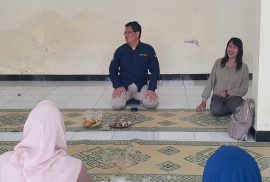
Yogyakarta, Indonesia – November 30, 2024 – In support of national food security initiatives, the ‘GAMA AYAM’ team held a community empowerment program in collaboration with the Srikandi Women Farmers Group (KWT Srikandi) from Mrican, focusing on the application of incubation and farming technology for local laying hens, known as “Mahar.” The event took place in Sawit Sari, Caturtunggal, Yogyakarta, and was supported by the Pertamina Foundation.


This community outreach aimed to introduce sustainable agribusiness practices, share practical knowledge on egg incubation technology, and provide training in local poultry farm management. The “Mahar” chicken breed was chosen for its environmental adaptability, high productivity, and economic potential for small and medium-sized enterprises.

The program was met with great enthusiasm from members of KWT Srikandi, who actively participated in discussions and learning sessions. The event was moderated by Dian Sartika and Prananda Imammuddin Dzaki, with the keynote presentation delivered by Prof. Dr. Budi Setiadi Daryono, M.Agr.Sc., who shared his expertise on local chicken research and the “Mahar” farming system.

An interactive Q&A session followed, marked by high engagement from the participants. The second session featured Mr. Wangdi Wusono, who introduced the design and operation of egg incubators, further deepening participants’ understanding of poultry technology.

The event continued with an energetic break session filled with ice-breaking activities and door prize giveaways, creating a warm and inclusive atmosphere. Participants then visited the GAMA AYAM demonstration coop, where they observed the “Mahar” chickens and gained firsthand experience of the farming environment.

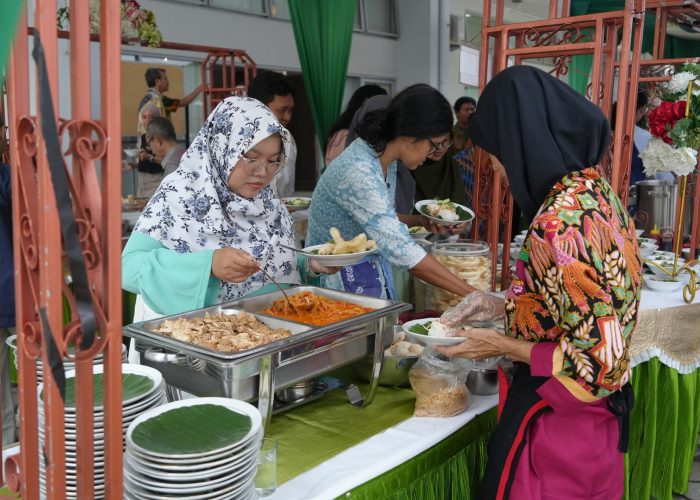
The program concluded with a group photo session and a communal lunch, fostering a sense of unity and shared purpose among participants.
This initiative contributes to the achievement of the United Nations Sustainable Development Goals (SDGs), specifically Goal 8: Decent Work and Economic Growth and Goal 12: Responsible Consumption and Production.

All Heads of Laboratories at UGM Faculty of Biology Discuss the Master Plan for Research and Community Service

News Release Thursday, 23 January 2025

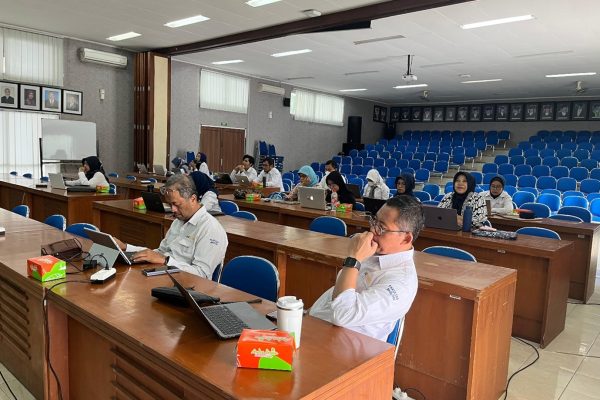
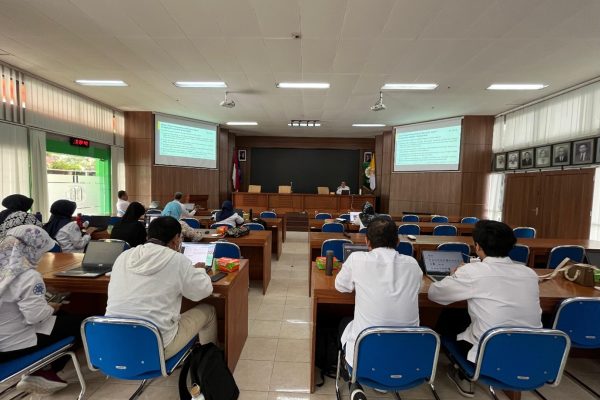
Monday, January 23, 2025 – The Faculty of Biology, Universitas Gadjah Mada (UGM), held a workshop titled “Master Plan for Research and Community Service of the Faculty of Biology 2024-2028”. The event took place from 9:00 AM to 11:00 AM WIB at the Auditorium Biologi Tropika, Faculty of Biology UGM.


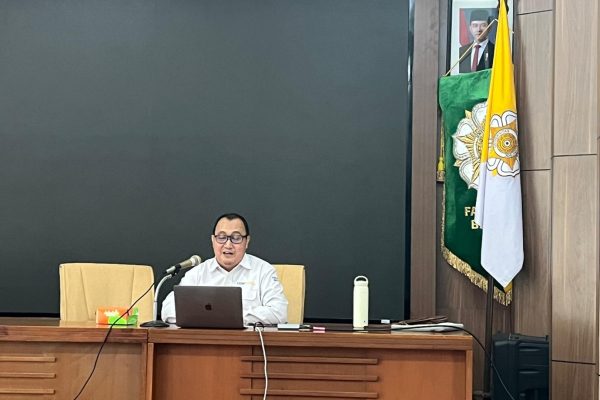
The workshop was led by Dr. Eko Agus Suyono, M.App.Sc., Vice Dean for Research, Community Service, Collaboration, and Alumni. In his opening remarks, Dr. Eko emphasized the importance of the Faculty of Biology’s continuous contribution on the global stage.
“Communication and collaboration are the keys to becoming part of the global community. We must also keep up with the dynamic changes in the world,” he said.

The event was attended by the Dean, Vice Deans, all Heads of Laboratories, and the team of lecturers responsible for drafting the Master Plan for Research and the Master Plan for Community Service at the Faculty of Biology UGM. The workshop covered the fundamentals of master plan development, including the roadmap, development principles, implementation objectives and targets, strategic programs, and performance goals set for 2024–2028.

The Dean of the Faculty of Biology UGM, Prof. Dr. Budi Setiadi Daryono, M.Agr.Sc., also delivered his directives. He highlighted the importance of focusing on performance targets and optimizing available resources.”We must concentrate on achieving our targets and ensure the optimal management of our resources,” Prof. Budi emphasized.

The workshop aimed to develop a strategic plan for the Faculty of Biology UGM for the next five years, aligning with the university’s vision and mission. With this master plan, the Faculty of Biology is expected to enhance its contribution to research and community service, both nationally and internationally.

Celebrating 41 Years of Dedication: Retirement Seminar for Prof. Dr. Suwarno Hadisusanto

Tak Berkategori Monday, 18 November 2024

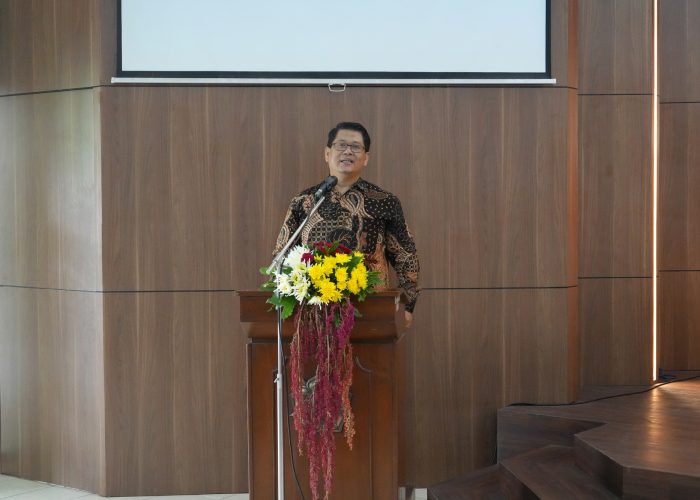
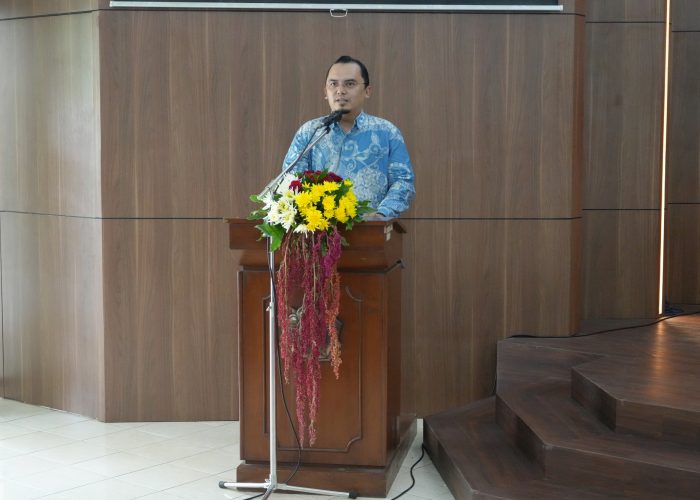
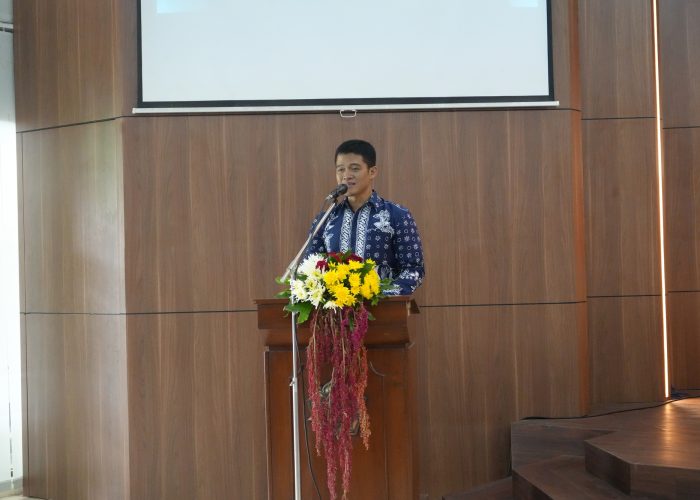
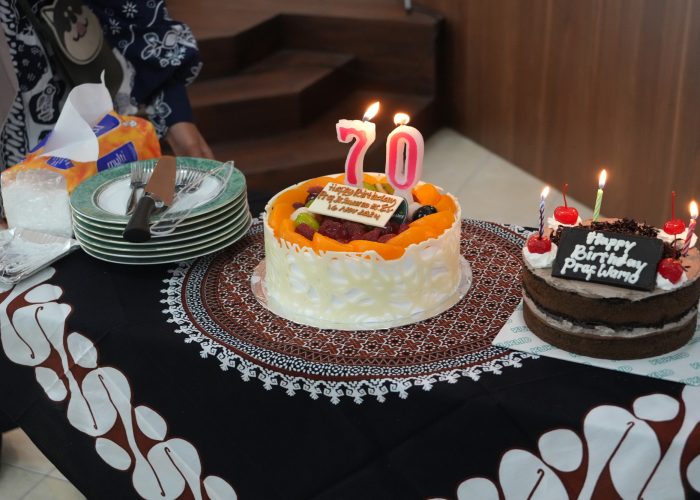
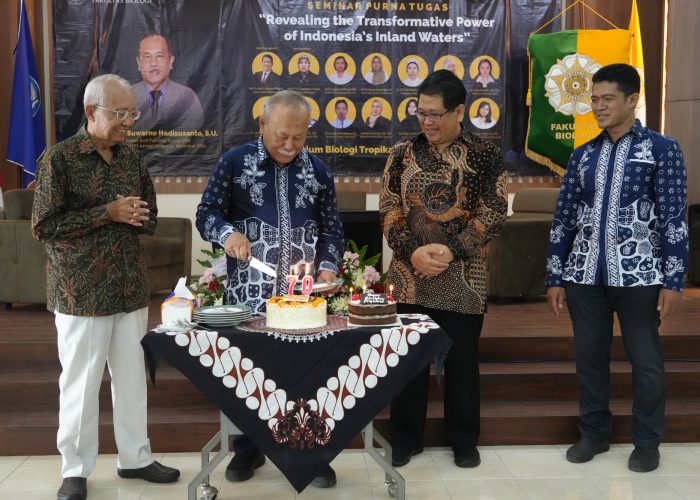
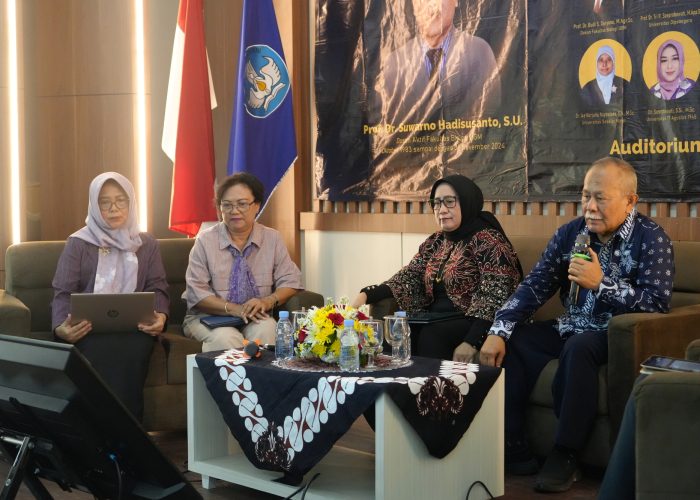
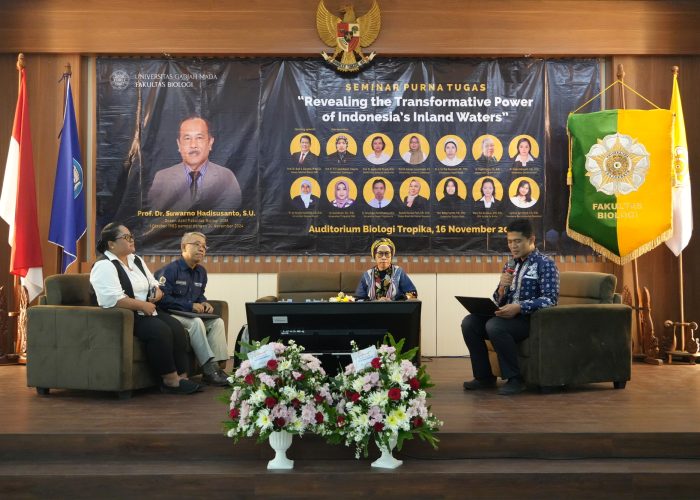
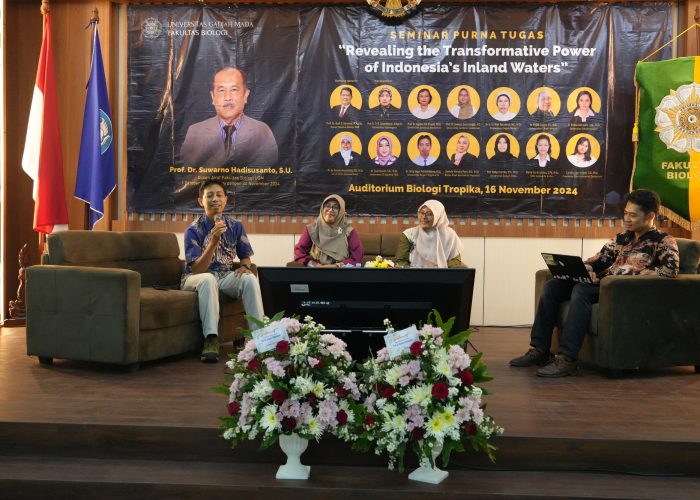
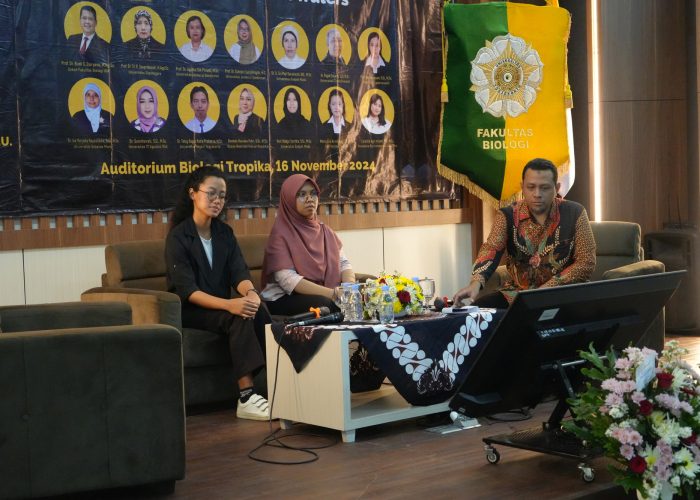
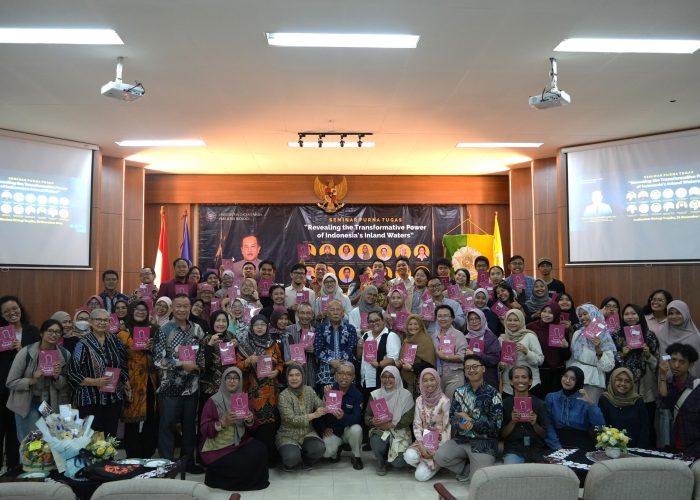
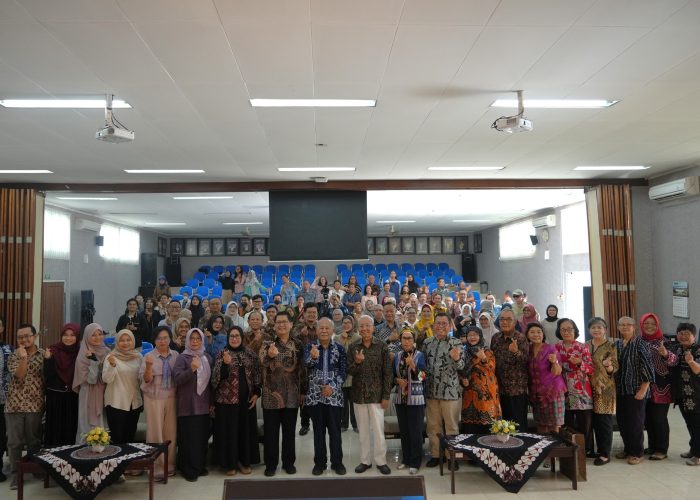
Yogyakarta, November 16, 2024 – The Faculty of Biology, Universitas Gadjah Mada (UGM), hosted a Retirement Seminar titled “Revealing the Transformative Power of Indonesia’s Inland Waters” at the Faculty of Biology  Auditorium. This event marked the retirement of Prof. Dr. Suwarno Hadisusanto, S.U., after 41 years of dedicated service as a lecturer. The seminar also coincided with Prof. Suwarno’s 70th birthday, making it a truly special occasion.


The seminar featured 13 distinguished speakers, all former students of Prof. Suwarno, representing various universities and research institutions. More than 170 participants from diverse backgrounds attended the event.

The opening remarks were delivered by the Chair of the Organizing Committee, Prof. Dr. rer. nat. Andhika Puspito Nugroho, S.Si., M.Si., who expressed deep gratitude for Prof. Suwarno’s dedication. “Prof. Suwarno has given us so much. We extend our heartfelt thanks and profound appreciation for his remarkable contributions,” he said.

The Dean of the Faculty of Biology, Prof. Dr. Budi S. Daryono, M.Agr.Sc., officially opened the event, stating, “The essence of this event is to honor Prof. Suwarno and convey our deepest gratitude, particularly from the Faculty of Biology UGM, for his dedication, commitment, and passion for his alma mater and the advancement of science.”

Following the remarks, attendees participated in a group photo session and were introduced to the new Biodiversity Curator Program—an innovative initiative supporting biodiversity conservation in Indonesia.

The seminar was divided into four sessions, each highlighting various aspects of Indonesia’s inland water potential and management challenges:

Session 1

Moderator: Siti Nurleily Marliana, Ph.D.

  1. Prof. Dr. Suwarno Hadisusanto, S.U. – The Variations and Multifunctions of Inland Waters
  2. Prof. Dr. Tri Retnaningsih Soeprobowati, M.App.Sc. (Universitas Diponegoro) – Paleolimnology for Sustainable Lake Management
  3. Prof. Dr. Agatha Sih Piranti, M.Sc. (Universitas Jenderal Soedirma) – Cultural Eutrophication of Lakes/Reservoirs and Mitigation Efforts
  4. Prof. Dr. Suhestri Suryaningsih, M.Si. (Universitas Jenderal Soedirman) – The Role of Watersheds in Supporting River and Lake/Reservoir Fish Populations

Session 2

Moderator: Prof. Dr. rer. nat. Andhika Puspito Nugroho, S.Si., M.Si.

  1. Dr. Ir. Sri Puji Saraswati, DIC., M.Sc. (UGM) – Eco-Hydrology of Aquatic Communities Amid Infrastructure Development
  2. Dr. Puguh Sujarta, S.Si., M.Si. (Universitas Cenderawasih) – Shallow Marine Conservation Culture
  3. Dr. Ervina Indrayani, S.Si., M.Si. (Universitas Cenderawasih) – Lake Sentani: Uniqueness and Richness of Its Biological Resources

Session 3

Moderator: Mukhlish Jamal Musa Holle, S.Si., M.Env.Sc., D.Phil.

  1. Dr. Ike Nurjuwita Nayasilana, S.Si., M.Si. (Universitas Sebelas Mare) – Water Conservation and Wildlife
  2. Dr. Susintowati, S.Si., M.Si. (Universitas 17 August 1945) – Serious Threats to Coastal Communities
  3. Dr. Tatag Bagus Putra Prakarsa, S.Si., M.Sc. (Universitas Negeri Yogyakarta) – Underground Waters: Supporting Life for Cave-Dwelling Bats

Session 4

Moderator: Dr. Rury Eprilurahman, M.Sc.

  1. Dwinda Mariska Putri, S.Si., M.Sc. (National Research and Innovation Agency) – Vertical Distribution of Zooplankton in Lake Laut Tawar
  2. Heni Wahyu Sartika, S.Si., M.Sc. (UGM) – Belik River as a Flowing Water Management Model During the COVID-19 Pandemic
  3. Maria Eva Kristiyani, S.Si., M.Sc. (De Britto College High School) – Coastal Waters for Aquaculture
  4. Carolina A. Inlandia, S.Si., M.Sc. (Environmental Consultant) – Water Pollution Potential and Management of Tambakboyo Reservoir, Sleman
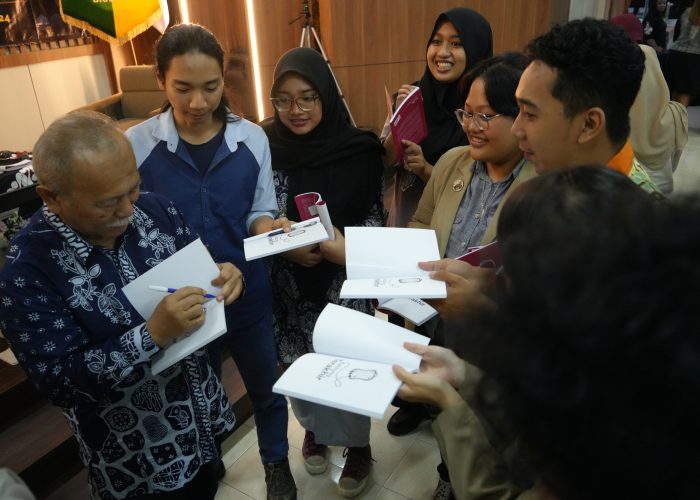
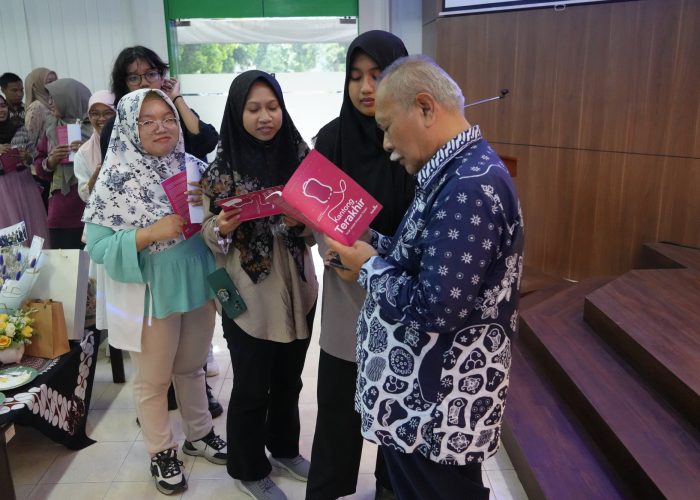
To conclude the event, Prof. Suwarno generously distributed 70 copies of his book, “Kantong Terakhir Anak Adalah Amanah Tuhan” to participants.

The attendees extended their prayers and best wishes to Prof. Dr. Suwarno Hadisusanto, S.U., for his extraordinary dedication over the past 41 years. They wished him health, happiness, and blessings in his retirement. His legacy of knowledge and inspiration is expected to drive progress for future generations.

Thank you, Prof. Suwarno, for being a role model for us all.

Wukirsari Partner Village Program: Utilization of Compost and Liquid Organic Fertilizer for Plants and the Benefits of Medicinal Plants #4

Cooperation Monday, 4 November 2024

In the midst of heavy rain on Friday 1 November 2024, the Community Service team of Wukirsari Village carried out the final agenda of a series of activities for the Partner Village Program, Faculty of Biologi UGM 2024. This event focused on the utilization of compost and liquid fertilizer for medicinal plants (TOGA). This meeting served as an application of the outcomes from the earlier meeting of the Wukirsari Partner Village Program, specifically related to composting and the production of liquid organic fertilizer. The event was opened by Prof. Rina Sri Kasiamdari, S.Si., Ph.D., followed by a presentation by Dr. Wiko Arif Wibowo, S.Si.


“Medicinal plants (TOGA) are household remedies that have long been utilized by the community, particularly for cooking purposes,” stated Dr. Wiko at the beginning of his presentation to the 31 members of the Wukirsari PKK who attended. Various herbal roots (such as turmeric, ginger, and aromatic ginger), lemongrass, and bay leaves are examples of TOGA plants that offer numerous health benefits. Recipes can be adjusted according to the desired use by adding other ingredients like lime juice, lemon, and honey—for example, a mixture of lime, ginger, and honey to treat cough and cold; turmeric for fever or diarrhea; and lemongrass with honey for gallstones. TOGA plants can be consumed by drinking the juice directly or by boiling them first.

In rural areas, where there may still be plenty of open land, TOGA plants can be grown directly in the ground rather than in pots or polybags. “Compost can be added to the planting medium in equal proportions. In contrast, liquid organic fertilizer should first be diluted with water to avoid high concentration, for instance, with a 1:10 ratio,” explained Dr. Wiko.

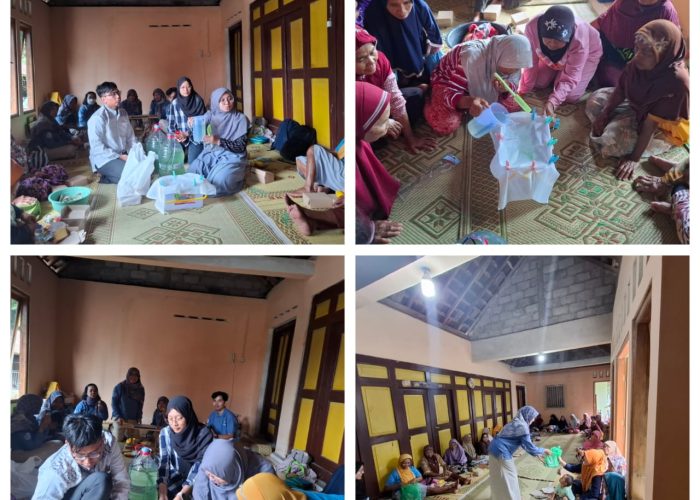
After the presentation on the topic of TOGA, the activity continued with an explanation of the Spirulina microalgae harvesting process, which had been cultivated in a previous session. Assisted by four students—Tia Erfianti, Renata Adaranyssa Egistha Putri, Seisha Salsabila Rosandi, and Abdurrahman Muhammad Fikri Rasdi—the harvesting process was demonstrated, including filtering, drying, grinding (into powder), and packaging. Together, the members of PKK Wukirsari filtered Spirulina from several gallons of culture. The filtered product was then dried, either by sun-drying or using an oven, to obtain dried sheets. These sheets can be consumed directly or ground into powder using a blender. The amount of product obtained depends greatly on the concentration or quantity of microalgae in the culture; the more intense the green-blue color, the greater the yield. Each session of the day included discussions and Q&A with participants. A quiz session with door prizes for correct answers made the atmosphere even more lively and exciting.
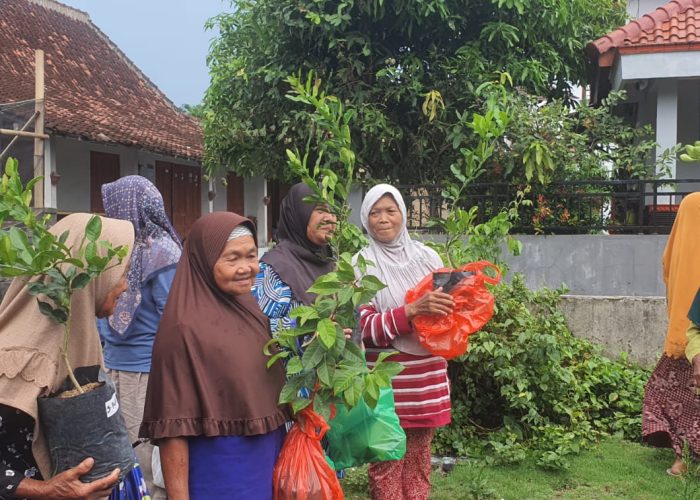
In today’s meeting, the Wukirsari Partner Village Program faculty team, represented by Prof. Dr. Diah Rachmawati, S.Si., M.Si., Dr. Maryani, M.Sc., Utaminingsih, S.Si., M.Sc., Novita Yustinadiar, S.Si., M.Si., and Dr. Siti Nurbaiti, presented various TOGA plants. Different of plants, including betel, lemongrass, bay leaves, turmeric, pandan, binahong, and various citrus varieties (such as lemon, lime, sour lime, and kaffir lime), totaling 10 types and 68 plants, was given to the members of PKK Wukirsari who attended.

At the closing session, led by Dr. Maryani, M.Sc., the faculty team and the Wukirsari PKK members exchanged thanks for the opportunity to collaborate throughout the Partner Village Program. Today’s event aims to enhance community knowledge and contribute to broader benefits, supporting Indonesia’s Sustainable Development Goals (SDGs), specifically SDG 2 – Zero Hunger, SDG 3 – Good Health and Well-being, SDG 12 – Responsible Consumption and Production, and SDG 15 – Life on Land.
1234…6

Accreditation

Recent Posts

  • Sakura Science Program 2026: Strengthening Molecular Biology Skills through Intensive Laboratory Training at Yamagata University
  • BIOENTRI 2026: Open House dan Pengenalan Topik Riset Fakultas Biologi UGM Sparks Strong Academic Interest
  • Sakura Science Program 2026: 18 Members of UGM Faculty of Biology Participate in Academic Program at Yamagata University, Japan
  • An Educational Field Trip on Histology and Animal Anatomy for SMPIT Muhammadiyah An Najah Klaten Students at the Faculty of Biology, UGM
  • Faculty of Biology UGM Strengthens International Collaboration through Strategic Visit to Bard University, Egypt
Universitas Gadjah Mada

UNIVERSITAS GADJAH MADA

FACULTY OF BIOLOGY
Teknika Selatan Street, Sekip Utara,
Yogyakarta 55281
biologi-ugm@ugm.ac.id
Phone/Fax: +62 (274) 580839

About us

  • History
  • Organization
  • Vision and Mission
  • Staff

Student Affairs

  • Student Service
  • Student Organization
  • Submission for Practical Field Work
  • Permission Field Research
  • Permission Thesis/Disertation

academic

  • Academic Regulations
  • Academic Anonncement

Accreditation

  • Image 1
  • Image 2
  • Image 3

© 2024 FACULTY OF BIOLOGY UNIVERSITAS GADJAH MADA

KEBIJAKAN PRIVASI/PRIVACY POLICY

[EN] We use cookies to help our viewer get the best experience on our website. -- [ID] Kami menggunakan cookie untuk membantu pengunjung kami mendapatkan pengalaman terbaik di situs web kami.I Agree / Saya Setuju