• UGM
  • Simaster Portal
  • IT Center
  • Webmail
  • KOBI
  • English
    • Bahasa Indonesia
Universitas Gadjah Mada Universitas Gadjah Mada
Faculty of Biology
  • ABOUT US
    • History
    • Organization
    • Vision and Mission
    • Lectures and Staff
      • Lecturers
      • Adjunct Professor
      • Supporting Staff
    • Facility
      • Laboratories
      • Research
      • Library
      • Museum
      • Mental Health Consultation
      • Disability
  • EDUCATION
    • Undergraduate Program
      • Graduates Learning Outcome
      • Academic Callendar
      • Course
    • IUP
    • Profession Program
      • What is the Professional Study Program in Biodiversity Curator (PKKH)?
      • Admission for New Students of the Biodiversity Curator Profession Program Study
      • Information and FAQ Study Program of Biodiversity Curator Profession
    • Master Program
      • Master Program in Biology Description
      • Curriculum Structure Master Program
    • Doctoral Program
      • Vision, Mission, Objectives, Targets, Competencies, and Learning Outcomes
      • Admission Requirement for Program Doctor in Biological Sciences
      • Admission: What Documents to be prepared?
      • Curriculum
    • Regulations
    • Accreditation & Quality Assurance
  • RESEARCH
    • Journal of Tropical Biodiversity and Biotechnology
    • Berkala Ilmiah Biology
    • Research
    • Publication
  • Community Service
    • Waste Management
  • STUDENTS & ALUMNAE
    • Student Organizations
    • Prospective Career Opportunities
    • SUMMER COURSE
    • Alumnae
  • Home
  • SDG 2 : Erase Hunger
  • SDG 2 : Erase Hunger
  • page. 5
Arsip:

SDG 2 : Erase Hunger

Practitioners Lecture On Growth Regulating Substances at The Faculty of Agriculture, Universitas Tidar Magelang

Community Service Friday, 7 June 2024

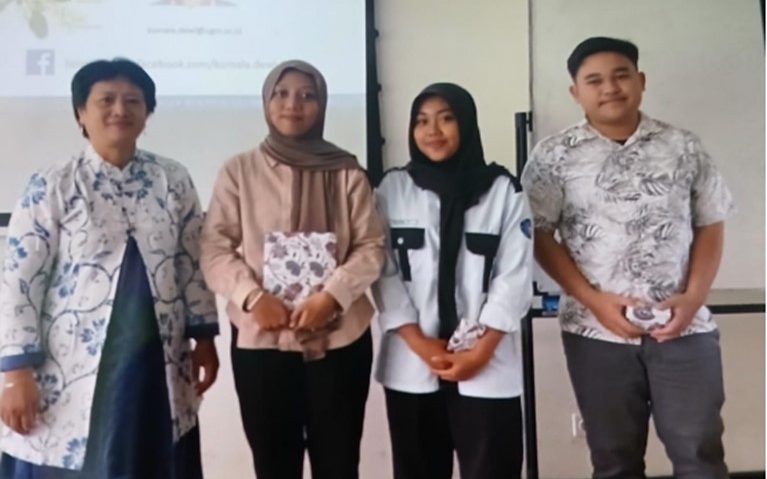
One of the lecturers from the Faculty of Biology, Universitas Gadjah Mada, Prof. Dr. Kumala Dewi MSc.St has given a guest lecture at the practitioner activity for the Growth Regulatory Substances course, at the Faculty of Agriculture, Universitas Tidar, Magelang, on Friday 19 April 2024. The general lecture topic is “The Role of Phytohormones in Regulating Plant Growth, Development and Adaptation to Global Climate Change”. In this lecture, Dr. Tri Suwarni Wahyudiningsih, S.Si.,

M.Si. as Vice Dean for General Affairs and Finance, Faculty of Agriculture, Tidar University and instructor of the Growth Regulatory Substances course. Apart from that, there were also members of the team teaching for the Growth Regulatory Substances course, Muzayyanah Rahmiyah S.P., M.Sc. There are 50 students who attend lectures directly in class and 100 other students attend lectures via the links provided online.


Explained by Prof. Dr, Kumala Dewi MSc.St as a resource person about various plant hormones, the function of each hormone and the mechanism of action of hormones in the process of growth, development and resistance of plants to various stresses, both biotic and abiotic. Regarding efforts to mitigate global climate change which results in impacts on agriculture such as increasing the intensity of sunlight, reducing the availability of ground water, the emergence of pests and plant diseases which can disrupt the growth, development and yield of food crops, it is stated that by understanding the work of hormones, efforts can be made for plants that can tolerate various stresses. For example, rice plants that accumulate cytokines can produce more grain due to changes in panicle architecture and an increase in the ability of the grain (in this case the grain) to obtain photosynthetic. In addition, tobacco plants that are able to produce more cytokines are more drought tolerant because they delay leaf senescence.

Students who took part in the lecture were quite enthusiastic in asking several questions during the presentation of the material. Apart from that, there were several quiz questions given to students and students who answered correctly received prizes/mementos from the presenters. At the end of the lecture, one of the student representatives also expressed his thanks for receiving the lecture material on phytohormones and growth regulators. Thanks were also conveyed by Dr. Tri Suwarni Wahyudiningsih, S.Si., M.Si. regarding the lecture material that has been presented. Apart from that, through this lecture it is hoped that students will gain a more detailed understanding of plant hormones and the methods that can be applied to modify plant growth and development. It is hoped that this knowledge about phytohormones and growth regulators can be applied in an effort to obtain plants that are tolerant to various stresses due to global climate change. The presentation of lecture material on phytohormones and growth regulators also supports two of the 17 SDGs (Sustainable Development Goals), namely Zero hunger (Goal 2) and Climate Action (Goal 13). The lecture session ended with a group photo between the speakers, namely Prof, Dr. Kumala Dewi MSc.St., lecturer in the Growth Regulatory Substances course at the Faculty of Agriculture, Tidar University, namely Dr. Tri Suwarni Wahyudiningsih, S.Si., M.Si. and Muzayyanah Rahmiyah S.P., M.Sc. as well as all students who take this course.

PkM-MBKM MICROALGA TEAM Faculty of Biology Carried Out Socialization and Introduction of Spirulina to the Community of Sitimulyo Village, Piyungan, Bantul, D.I. Yogyakarta

Community Service Thursday, 6 June 2024

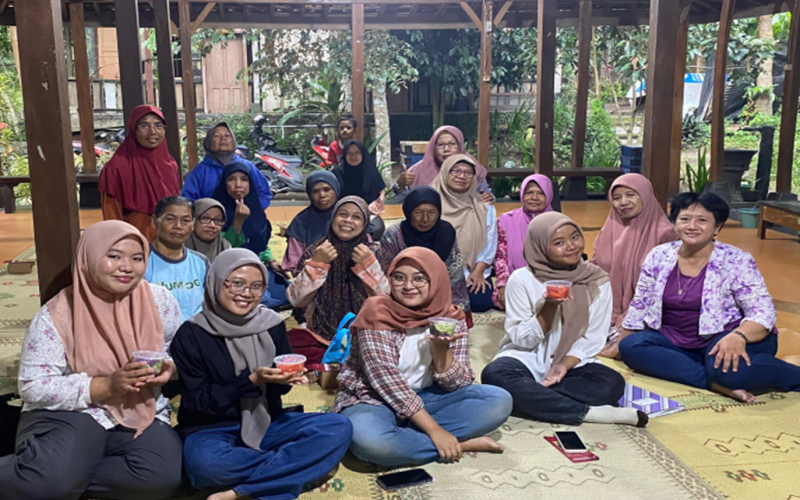
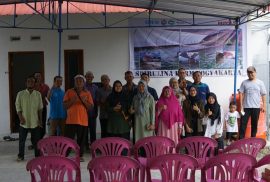
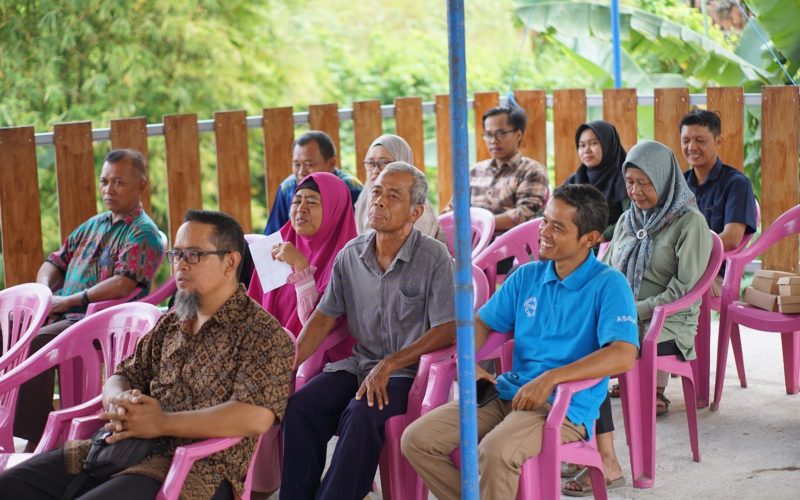
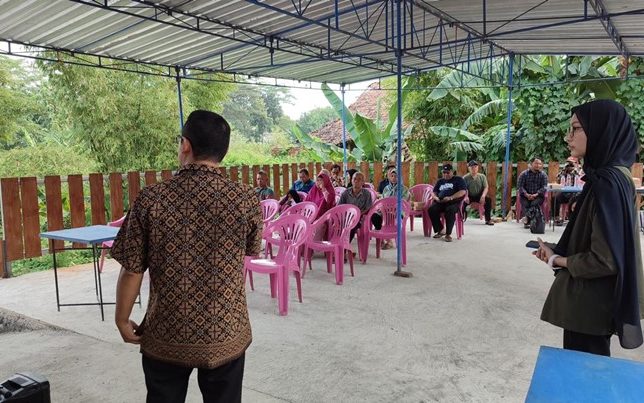
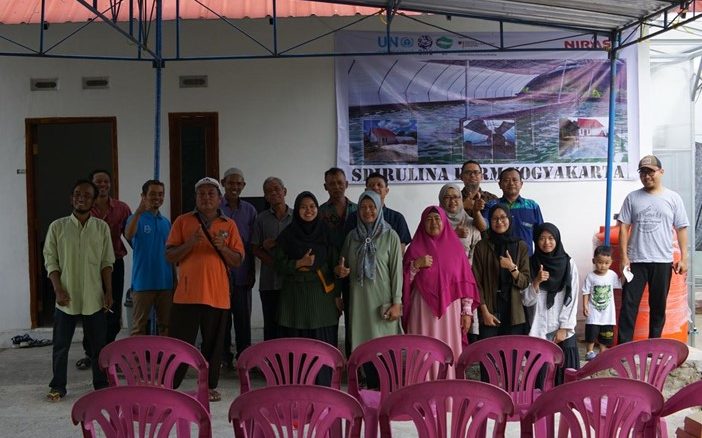
MBKM Community Service Team (PkM-MBKM) of Class 2024 Faculty of Biology, supervised by Dr. Eko Agus Suyono, M.App.Sc. with the title “Development of a Biorefinery based on Spirulina Microalgae in Sitimulyo Village, Piyungan District, Bantul” has carried out a series of PkM-MBKM activities in the Sitimulyo Village Community. The team consisting of four students; Seisha Salsabila Rosandi, Muhammad Farrel Zharif Zidane, Finka Aulia, and Salma Rohmaniah, has held a “Workshop on Introduction to Spirulina Cultivation and Production Tools”. This workshop is in collaboration with YAPEKA, a non-profit organization working in the field of conservation, nature conservation education and community empowerment. The PkM MBKM program supports SDG 3 Healthy and Prosperous Life and SDG 17 Partnership to Achieve Goals.


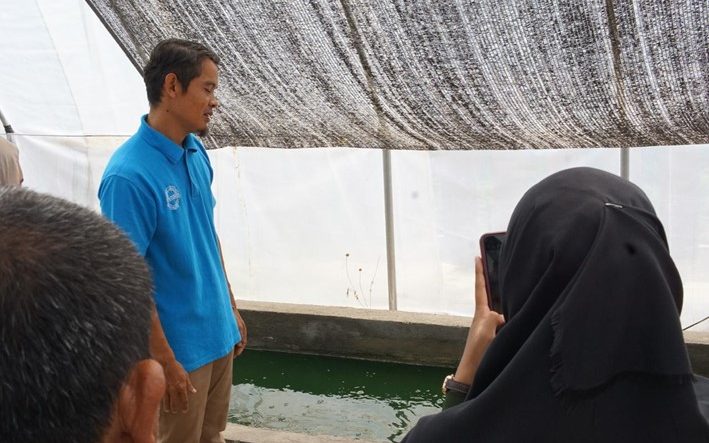
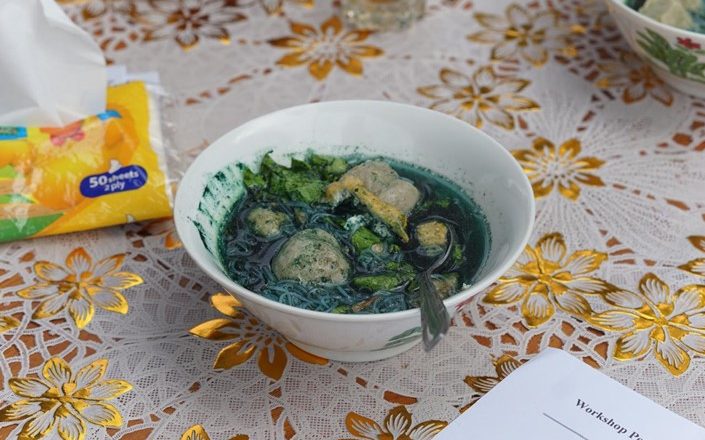
This activity aims to introduce Spirulina to the people of Sitimulyo Village. This activity was attended by village officials and Sitimulyo villagers. The series of activities consisted of socialization about Spirulina and its benefits, a Spirulina Farm tour, and trying Spirulina products directly. Socialization was also explained about the MBKM program that will be carried out in the future.

In the process of implementing the activities, the community was enthusiastic about taking part in the entire series, shown by active participation in conveying questions and opinions. In the future, the public can also learn about Spirulina cultivation on a household scale. It is hoped that the enthusiasm of residents in getting to know Spirulina can be a boost for the sustainability of this program. The hope is that people’s familiarity with Spirulina can make people more interested in cultivating and consuming Spirulina to improve the economic development and public health qualities.

Biology Students Win Bronze Medal and Favorite Poster at National FAPERTA FAIR 5 with Futuristic Innovation for Disease Detection in Rice Plants (Oryza sativa L.)

AchivementsNews Release Wednesday, 5 June 2024

The issue of pathogens in rice plants is a focus of agricultural empowerment efforts in Indonesia. These pathogens cause disease outbreaks that lead to a decrease in rice productivity. To address this obstacle, some farmers tend to rely on pesticides without noticing the condition of the rice plants. As a result, their efforts were ineffective and posed a threat to environmental health due to chemical pollution from excessive pesticides.


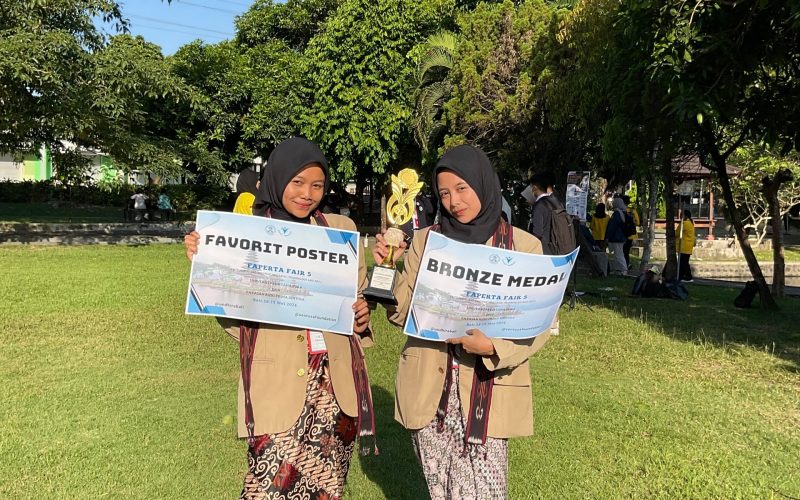
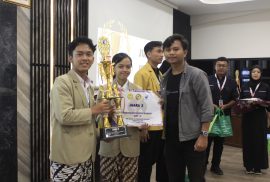
Addressing this issue, Adzkiya Aqmaliza Rahmattillah and Sheva Rimma Dhanty, biology students from the class of 2021, innovated a smartphone-integrated smart scanning application based on Artificial Intelligence called ORYSMART. This application can detect diseases in rice plants and provide treatment recommendations, under the guidance of Dr. Wiko Arif Wibowo, S.Si. ORYSMART was introduced at the FAPERTA FAIR (Futuristic and Prestige Research, Technology, and Art) 5 competition at Dhyana Pura University, Denpasar, Bali, on May 18-19, 2024. In its fifth batch, FAPERTA FAIR carried the theme “The Role of Young Innovators in Facing Global Competition to Welcome Golden Indonesia 2045.” At the event, Adzkiya and Sheva, with ORYSMART, won the Bronze Medal and the Favorite Poster Award in the Technology subtheme as a futuristic innovative solution that can help address diseases in rice plants. With its scanning and recognition capabilities, ORYSMART can detect the type, symptoms, causes, and handling solutions for rice plant diseases. The application offers advanced analysis that combines human and artificial intelligence, providing more accurate disease analysis and effective handling solutions. ORYSMART also facilitates access to consultations with experienced and reliable plant protection experts.

This application aimed to empower rice farmers in Indonesia to manage their fields better and more effectively. Therefore, ORYSMART is designed to be practical and easy to use, especially for users who are not yet familiar with the technology. This innovation is expected to be a significant step in agricultural empowerment in Indonesia, supporting national food security towards Golden Indonesia 2045. This innovation and idea also contribute to achieving SDG 2 (zero hunger) by improving rice productivity, the staple food for most Indonesians. [Author: Sheva Rimma Dhanty]

The Marine Study Group (KSK) Successfully Raises Donations for Al Khusna Orphanage in Gunung Kidul in Celebration of Oceans Day 2024

News ReleaseStudent Activities Tuesday, 4 June 2024

Oceans Day is an annual event organized by the Marine Study Group (KSK) Faculty of Biology UGM to commemorate World Oceans Day. This year, KSK Biogama had the opportunity to collaborate with Mr. Parvez Alam. Additionally, KSK Biogama invited children from the Al-Khusna Orphanage to join in a beach clean-up, learn about marine life, and recycle trash they collected. During the Oceans Day events, the UGM Marine Study Group held an open donation drive for the Al-Khusna Orphanage. A total of Rp2,015,116.00 was collected.


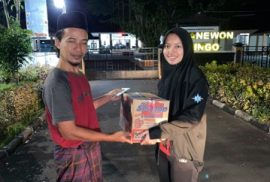
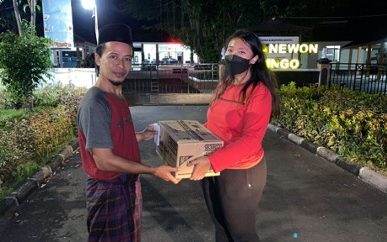
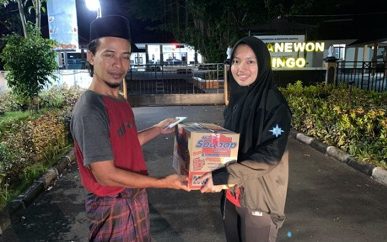
We are deeply grateful to everyone who participated and supported this cause. On May 18, 2024, following the Oceans Day event at Slili Beach, Gunungkidul, the donations were delivered to the Al-Khusna Orphanage in Gunung Kidul in the form of cash and basic necessities. We believe that this assistance will be very meaningful for the children at the orphanage and will help them in their daily lives. Every contribution, no matter how small, can make a significant difference in the lives of others. [Author: KSK]

The First Visit of the MBKM Research Team from the Faculty of Biology UGM to PT. Raja Pilar Agrotama (Rajaseed) for the Opening of Research Internships.

News Release Tuesday, 4 June 2024

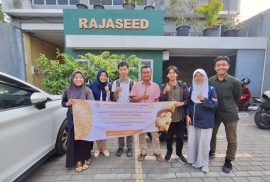
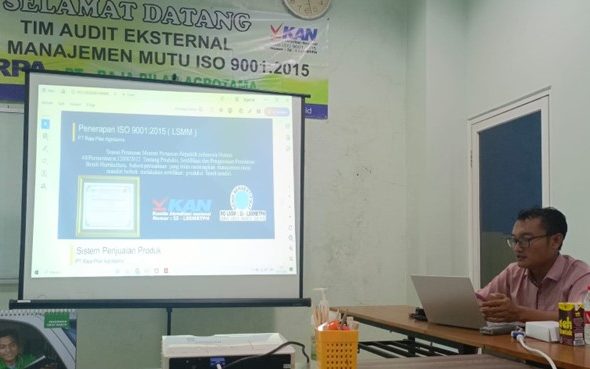
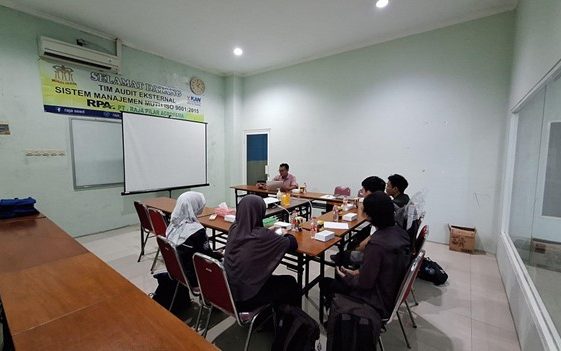
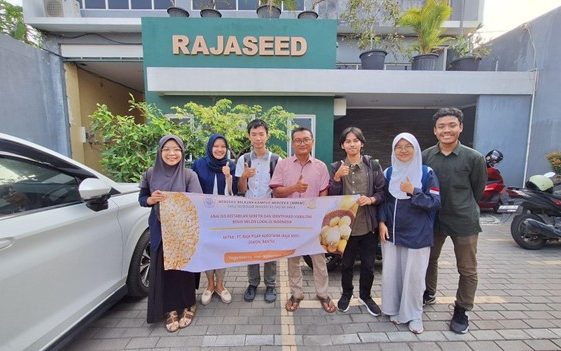
[MBKM] – Yogyakarta, May 29, 2024 – The Independent Learning Independent Campus (MBKM) Research Team Faculty of Biology 2024, led by Prof. Dr. Budi Setiadi Daryono, M.Agr. Sc., titled “Genetic Stability Analysis and Viability Identification of Indonesian Local Melon Seeds,”visited PT. Raja Pilar Agrotama, also known as Rajaseed. The visit was attended by Maximus Jonathan Salim, Rafferty Reyhan, Laksita Chesarina, Haris Dwi Nugroho, and Ihsanti Tsania Fajriati, along with their supervisor, Dian Sartika, M.Sc. The visit aimed to provide the MBKM research team insights into seed production procedures and quality control (QC) at PT. Raja Pilar Agrotama.


The session began with introductions and a welcome from Mr. Warsito Nurtiyasno, Head of Research and Development and representative of PT. Raja Pilar Agrotama. He explained the company profile of PT. Raja Pilar Agrotama. Next, he provided fundamental education on seed production and QC. He emphasized the importance of partnerships between seed producers and farmers to ensure sustainable production. Mr. Warsito explained that viable seeds must undergo a series of processes, such as extraction, cleaning, moisture reduction, sorting, and storage. He highlighted key quality parameters such as seed moisture content, purity percentage, and germination capacity. A lively question and answer session covered seed identification methods and optimal environmental conditions for seed storage. The session concluded with documentation.

This visit is expected to equip the MBKM Research Team with valuable knowledge and enhance collaboration with PT. Raja Pilar Agrotama. Moreover, the MBKM Research activities contribute to achieving IKU 2 (Off-Campus MBKM) for the Faculty of Biology UGM and support the Sustainable Development Goals (SDGs), including goals such as No Poverty, Zero Hunger, Quality Education, Industry, Innovation, and Infrastructure, and Partnership for the Goals.

The Community Service – Partner Village Team at Lumbung Mataraman, Kedungpoh Gunungkidul Holds Program Plotting

Community Service Friday, 31 May 2024

[PkM – Partner Village] On Thursday, 23 May 2024, The PkM – Partner Village Team for Lumbung Mataraman, Kedungpoh Gunungkidul, visited Lumbung Mataraman. The visit was welcomed by the village head of Kedungpoh (Dwiyono) and Director of Lumbung Mataraman (Didik Purnomo) along with their team. The PkM – Partner Village team consists of Drs. Hari Purwanto, MP., Ph.D.; Soenarwan Hery Poerwanto, S.Si., M.Kes.; Ludmilla Fitri Untari, S.Si., M.Si.; Dwi Umi Siswanti, S.Si., M.Sc., and Dr. Bambang Retnoaji, M.Sc. who was represented by his students.


The event began with a presentation on each member’s program plans. Drs. Hari Purwanto started with plans for beekeeping and training on klanceng bees cultivation; Soenarwan Hery Poerwanto, S.Si., M.Kes presented plans for vermicompost and enhanced animal feed with the addition of POC-2023; Dwi Umi Siswanti, S.Si., M.Sc. planned training on production biofertilizers and their application to handle anthracnose in chili plants; Ludmilla Fitri Untari, S.Si., M.Si. outlined plans to plant rare plants in Lumbung Mataraman and document the ethnobotany data of the Kedungpoh community; and Dr. Bambang Retnoaji, M.Sc. would provide training on wader fish cultivation.

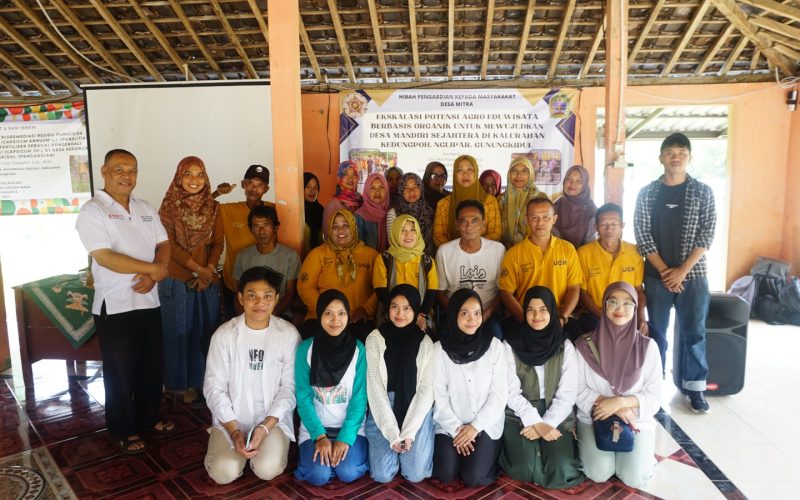
The partners consist of ten Kedungpoh Women Farmers Group and the managers of Lumbung Mataraman. The partners were enthusiastic about the programs presented by the PkM – Partner Village Team Faculty of Biology UGM for Lumbung Mataraman. “We have been eagerly awaiting programs from the Faculty of Biology,” said the Kedungpoh village head on behalf of the farmer partners. Didik Purnomo, as Director of Lumbung Mataraman, responded optimistically, believing that the program would further legitimize Lumbung Mataraman as a notable Edu-Agrotourism destination in Gunungkidul. Kedungpoh has been bustling with many study visits from various farming groups from Central and East Java. In April, one of Kedungpoh’s agricultural activists, Tri Wahyuni, was awarded the 2024 Women’s Agriculture Initiator by the Gunungkidul Regent. “Hopefully, with the program from the Faculty of Biology UGM, we will progress further and have a wider impact,” said Didik.

Next, the program proposers meet and discuss the agenda with their respective program PIC. This discussion resulted in an agreement on the timeline and the preparation of the necessary infrastructure. The event concluded with snacks (godhokan) and a group photo. This activity embodies SDGs number 1 (No Poverty), 2 (Zero Hunger), 5 (Gender Equality), 10 (Reduced Inequalities), and 17 (Partnerships for the Goals). (TIM-LM)

PkM MBKM Faculty of Biology UGM 2024: Empowering the Community of Kepuh Kulon RT 001, Wirokerten, Banguntapan, Bantul Through Utilizing Limited Land with Hydroponic Technology for Food Independence (Phase I)

Community Service Friday, 31 May 2024

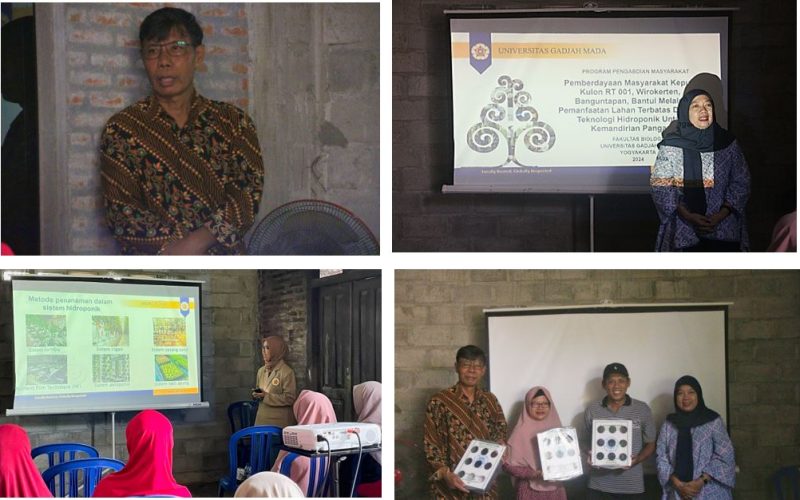
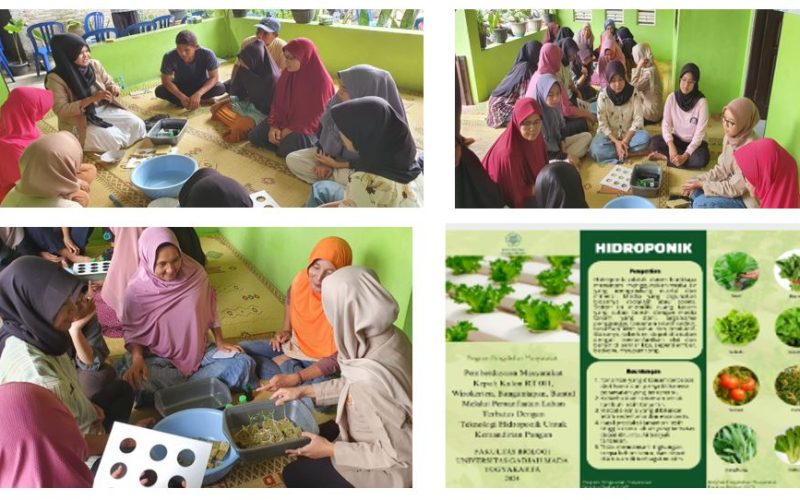
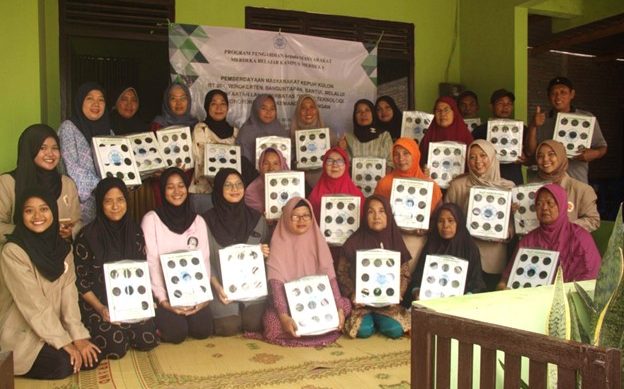
The Community Service Team – Independent Learning Independent Campus (PkM-MBKM) of the Faculty of Biology UGM for the year 2024, chaired by Rina Sri Kasiamdari, Ph.D., has successfully conducted a series of Community Service activities at Kepuh Kulon RT 001, Wirokerten, Banguntapan, Bantul. The MBKM PKM program supports SDG 1 No Poverty, SDG 2 No Hunger, SDG 8 Decent Work and Economic Growth, SDG 11 Sustainable Cities and Communities, and SDG 12 Responsible Consumption and Production. The team, consisting of four students, namely Nurindah Musarofah, Hasna Nabila Kusumastuti, Cindy Adisty Rudi Ananda Putri, and Amalia Rizky Fauzi, focused on the theme of simple hydroponic cultivation technology to enhance community food independence. This program is designed to span two semesters. On the even semester, PkM-MBKM activities were conducted on Sunday, May 5, 2024, from 09:00 to 12:00 WIB at the residence of Mr. Zamzuri, the Head of RT 001 Kepuh Kulon. The activities included socialization and practical demonstrations of simple hydroponic cultivation utilizing a wick system. The event was warmly received by 22 residents of RT 001 Kepuh Kulon, as well as Mr. Sunartana, the Head of the Kepuh Kulon Hamlet. In his address, Mr. Sunartana expressed his hope that this program would evolve into a sustainable initiative to address local challenges, urging community members to support its continuity. Mrs. Rina emphasized that the program aims to bolster community food independence by maximizing limited land resources through hydroponic cultivation and encouraged residents to adopt hydroponic practices at their homes.

Socialization activities included providing information on the concept and benefits of hydroponics, suitable plant species for hydroponic cultivation, various hydroponic techniques, types of fertilizers and equipment, and procedures for implementing wick system hydroponics. The wick system was chosen for its simplicity, minimal requirement of tools and materials, and low maintenance costs. During the practical session, residents were divided into four groups of 6-8 individuals, each accompanied by a student mentor to facilitate independent practice. Participants engaged in activities such as seed selection, planting in rockwool, preparation of nutrient solutions, and transplanting seedlings. It is hoped that the residents’ enthusiasm and newly acquired skills will contribute to the sustainability of the program. Additionally, the PkM-MBKM team distributed sets of hydroponic tools to enable residents to continue practicing hydroponic cultivation at home. The PkM-MBKM program will be continued in the odd semester Academic Year 2024/2025 in September with activities to process hydroponic harvests into products that can be used for community food independence.


#SDG 1 No Poverty, #SDG 2 No Hunger, #SDG 8 Decent Work and Economic Growth, #SDG 11 Sustainable Cities and Communities, #SDG 12 Responsible Consumption and Production

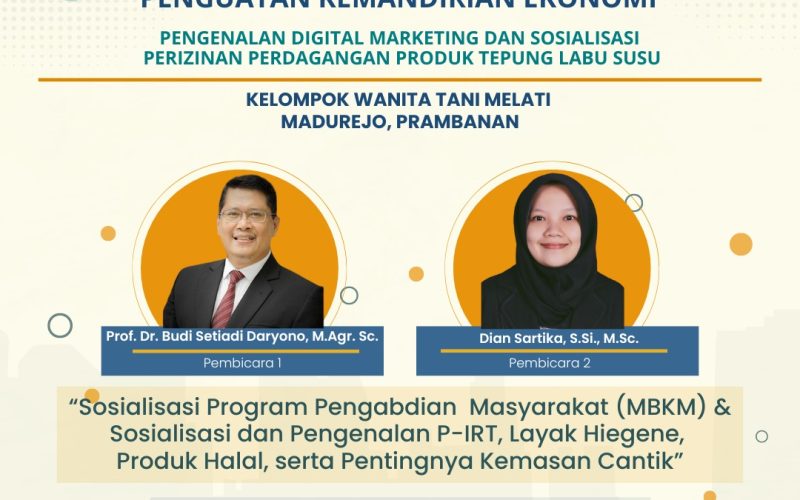
[PkM-MBKM]: Program Socialization & Introduction to PIRT, Hygiene Standards, Halal Products, and the Importance of Attractive Packaging

Community Service Monday, 27 May 2024

Yogyakarta, May 26, 2024 – The Community Service Team of the Independent Learning – Independent Campus (PkM MBKM) Faculty of Biology 2024, has implemented the first program in a series of PkM-MBKM activities at the Melati Women’s Farming Group in Madurejo Village.


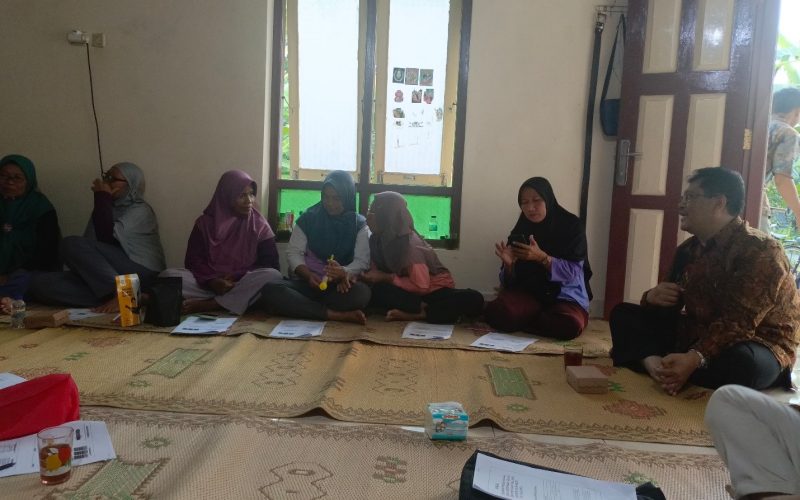
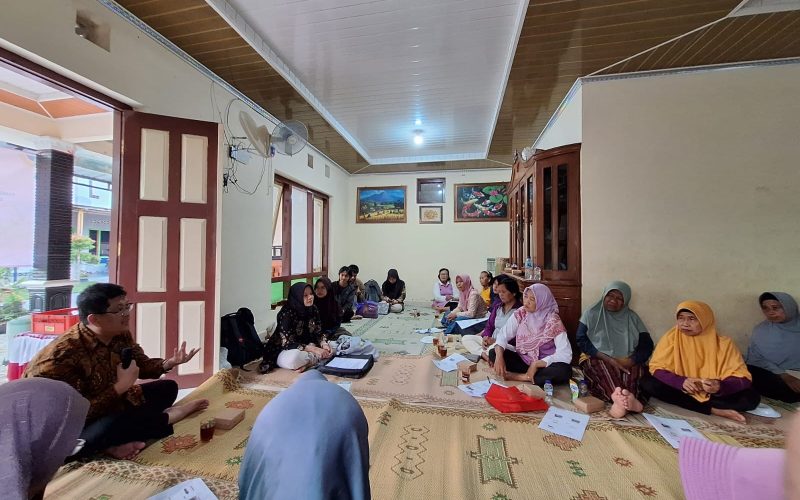
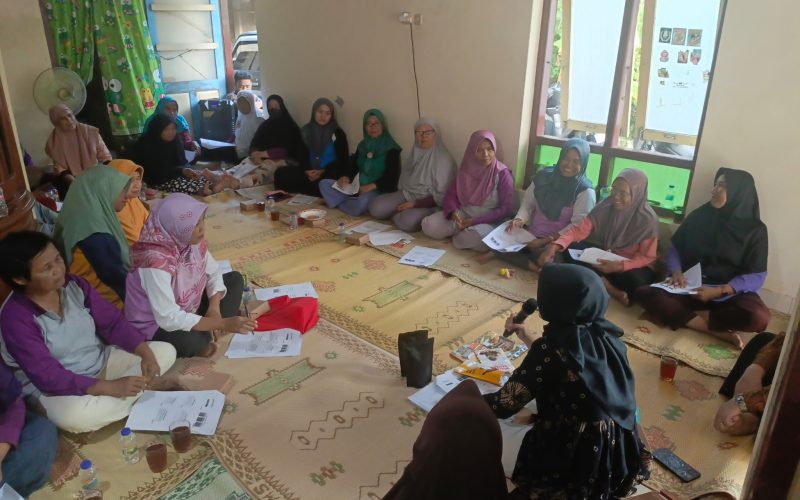
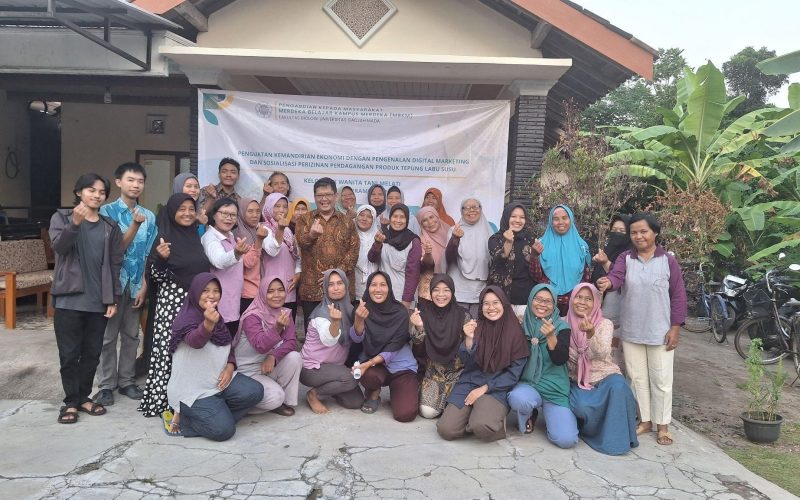
The program was led by Prof. Dr. Budi Setiadi Daryono, M.Agr. Sc., with the title “Strengthening Economic Independence by Introducing Digital Marketing and Socializing Trade Licensing for Pumpkin Flour Products of the Melati Women’s Farming Group (KWT) in Madurejo, Prambanan,” which included five students from the Faculty of Biology, namely Haris Dwi Nugroho, Laksita Chesarina, and Ihsanti Dwi Nugroho. This first program focused on Socialization of the program activities and Introduction to PIRT, Hygiene Standards, Halal Products, and the Importance of Attractive Packaging. The program took place on Sunday, May 26, 2024, from 3:30 PM to 5:30 PM at the house of Mrs. Romli, a member of the Melati Women’s Farming Group in Madurejo Village, Prambanan, Sleman, DI Yogyakarta. The event began with games and door prizes to boost participants’ happiness and enable them to focus on socialization. Next, participants completed a pretest.

The first presentation was given by Dian Sartika, S.Si., M.Sc. She explained the importance of strategies for creating products on a micro-enterprise scale, including utilizing resources through processes of processing, production, packaging, and good product marketing. This presentation also covered the significance of PIRT (Home Industry Products), hygiene standards, halal products, and the differences in regulations and processes involved. She hopes that the difficulties faced by the community can be resolved through this program. This opportunity is expected to promote self-sustaining economic growth within the community for the future.

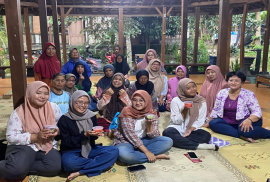
The second presentation was given by Prof. Budi Setiadi Daryono, M.Agr. Sc. He expressed his happiness and appreciation for the enthusiasm of the KWT Melati towards this community service program. He explained that this program is a continuation of a previous program related to the development of pumpkin cultivation, from planting to harvesting, processing the harvested pumpkins into flour, and pre-marketing. This is done to ensure that the products produced are of good quality in terms of aesthetics, safety, and durability, with the hope that these products can be introduced to the community starting with small-scale marketing at Jasmine Corner in the Faculty of Biology UGM. Prof. Budi emphasized that the process is not instant and may not always go as planned, but the persistence and determination of KWT Melati will lead to economic independence. The event concluded with a group photo.

This program is also expected to contribute to achieving the Sustainable Development Goals (SDGs) specially point 1 (no poverty), point 2 (zero hunger), point 4 (gender equality), point 8 (decent work and economic growth), point 10 (reduced inequalities), and point 12 (responsible consumption and production). Additionally, this activity contributes to achieving IKU 2 (MBKM off-campus) and IKU 3 (lecturers off-campus) for the Faculty of Biology UGM.

It is hoped that this socialization will provide insight to KWT Melati members through discussions, enhance cooperation, and contribute to sustainable economic development that benefits everyone.

Highlighting on High Salinity in Unproductive Coastal Areas, Biology Students Win Gold Medal, 2nd Place in Poster, and 2nd Place Overall at Universitas Jenderal Soedirman

Achivements Wednesday, 15 May 2024

Genoveva Ristining Tyas and Ridho Nur Alam, undergraduate students from the Faculty of Biology, Universitas Gadjah Mada, class of 2022, succeeded in achieving Gold Medal, 2nd Place in Poster, and 2nd Place Overall in an National Essay Competition held by Universitas Jenderal Soedirman under the guidance of Prof. Dr. Endang Semiarti, M.S., M.Sc. Their essay, submitted with the subtheme “Agriculture,” titled “Innovation of Biofertilizer with Halotolerant Bacteria and Eco Enzyme for Bioremediation of Unproductive Coastal Areas”.The innovation of biofertilizer with halotolerant bacteria combined with eco enzymes derived from the utilization of organic household waste and bagasse presents a sustainable solution in managing household organic waste and industrial waste.


By integrating biofertilizer, utilizing coastal land for shallot cultivation, and optimizing eco enzyme products, innovative, sustainable, productive, and environmentally friendly agriculture can be realized. This innovation plays a significant role in optimizing land productivity and increasing shallot commodity yields in Indonesia. It can impact the fulfillment of shallot consumption for the Indonesian population and potentially increase the national per capita income. This aligns with the Sustainable Development Goals (SDGs) in No Poverty (SDGs 1), Zero Hunger (SDGs 2),Good Health and Well-being (SDGs 3) Affordable and Clean Energy (SDGs 7), and Responsible Consumption and Production (SDGs 12), thereby supporting Indonesia’s vision for Golden Indonesia 2045. [Author: Genoveva Ristining Tyas]

The Faculty of Biology UGM Team Initiates an Innovative Dialogue with Millennial Farmers in Kalurahan Karangmojo, Gunung Kidul

Community ServiceHeadlineNews Release Tuesday, 20 February 2024

YOGYAKARTA, INDONESIA — February 19, 2024 — A team of lecturers led by a lecturer from the Faculty of Biology at Universitas Gadjah Mada (UGM) held an engaging Focus Group Discussion (FGD) with millennial farmers from Kalurahan Karangmojo, Kapanewon Karangmojo, Gunungkidul Regency. This event is part of the Faculty of Biology’s initiative to encourage dialogue and collaboration between the academic world and field practitioners to enhance sustainable agriculture.

The FGD was held on February 18, 2024, in the meeting room of the Agricultural Extension Center of Kapanewon Karangmojo. The participating millennial farmers represented various backgrounds and experiences in agriculture, ranging from organic farmers to advanced technology farmers. They shared ideas, experiences, and challenges they face in running agricultural businesses in the modern era. The team of lecturers facilitating this FGD was an interdisciplinary inter-faculty team, including members from the Faculty of Biology (Zuliyati Rohmah, S.Si., M.Si., Ph.D. Eng., and Ludmilla Fitri Untari, S.Si., M.Si.), the Faculty of Mathematics and Natural Sciences (Umi Mahnuna Hanung, S.Si., M.Si.), and the Faculty of Pharmacy (Dr. Cintya Nurul Apsari, S.T.P., M.Si.).

The discussions held during the FGD and field visits covered various topics, including the use of technology in agriculture, organic farming practices, natural resource management, and marketing strategies for agricultural products. The results of these discussions will form the basis for developing more relevant and responsive educational, research, and community service programs tailored to the needs of millennial farmers.

The Faculty of Biology UGM hopes that this FGD will be the beginning of a sustainable partnership between the university and millennial farmers, bringing tangible positive impacts to the advancement of the agricultural sector in Indonesia. This activity is closely related to several Sustainable Development Goals (SDGs) adopted by the United Nations. The dialogue and collaboration between the Faculty of Biology UGM and millennial farmers can increase farmers’ productivity and income (SDG 1: No Poverty) and support sustainable agriculture that enhances food security and nutrition (SDG 2: Zero Hunger). This initiative also develops more relevant educational programs for millennial farmers (SDG 4: Quality Education), supports economic growth and job creation in the agricultural sector (SDG 8: Decent Work and Economic Growth), and encourages innovation and modernization of agricultural practices (SDG 9: Industry, Innovation, and Infrastructure). The focus on organic farming practices and natural resource management supports sustainable production and consumption (SDG 12: Responsible Consumption and Production), and the sustainable agriculture discussed in the FGD contributes to climate change mitigation (SDG 13: Climate Action). Furthermore, the collaboration between the Faculty of Biology UGM and millennial farmers is a concrete example of partnerships that support the achievement of sustainable development goals (SDG 17: Partnerships for the Goals).

1…3456

Accreditation

Recent Posts

  • Preserving Indonesia’s Spice Heritage: INUCoST Team of the Faculty of Biology UGM Holds Herbarium-Making Workshop with Leiden Experts and Industry Practitioners
  • From Village to Village: Optimizing Superior Local Chicken and Catfish Seedlings in Tegalrejo Hamlet, Ngresep Village, Boyolali Regency
  • Faculty of Biology UGM and Australian National University Extend Double Degree Collaboration and Explore New Strategic Partnership Opportunities
  • Faculty of Biology UGM Introduces Medicinal Plants to Strengthen Science Literacy Among SDN Pusmalang Students
  • Synergy Between the Faculty of Biology UGM, KOBI, YIBI, and WWF in Strengthening National Biodiversity Research
Universitas Gadjah Mada

UNIVERSITAS GADJAH MADA

FACULTY OF BIOLOGY
Teknika Selatan Street, Sekip Utara,
Yogyakarta 55281
biologi-ugm@ugm.ac.id
Phone/Fax: +62 (274) 580839

About us

  • History
  • Organization
  • Vision and Mission
  • Staff

Student Affairs

  • Student Service
  • Student Organization
  • Submission for Practical Field Work
  • Permission Field Research
  • Permission Thesis/Disertation

academic

  • Academic Regulations
  • Academic Anonncement

Accreditation

  • Image 1
  • Image 2
  • Image 3

© 2024 FACULTY OF BIOLOGY UNIVERSITAS GADJAH MADA

KEBIJAKAN PRIVASI/PRIVACY POLICY

[EN] We use cookies to help our viewer get the best experience on our website. -- [ID] Kami menggunakan cookie untuk membantu pengunjung kami mendapatkan pengalaman terbaik di situs web kami.I Agree / Saya Setuju