• UGM
  • Simaster Portal
  • IT Center
  • Webmail
  • KOBI
  • English
    • Bahasa Indonesia
Universitas Gadjah Mada Universitas Gadjah Mada
Faculty of Biology
  • ABOUT US
    • History
    • Organization
    • Vision and Mission
    • Lectures and Staff
      • Lecturers
      • Adjunct Professor
      • Supporting Staff
    • Facility
      • Laboratories
      • Research
      • Library
      • Museum
      • Mental Health Consultation
      • Disability
  • EDUCATION
    • Undergraduate Program
      • Graduates Learning Outcome
      • Academic Callendar
      • Course
    • IUP
    • Profession Program
      • What is the Professional Study Program in Biodiversity Curator (PKKH)?
      • Admission for New Students of the Biodiversity Curator Profession Program Study
      • Information and FAQ Study Program of Biodiversity Curator Profession
    • Master Program
      • Master Program in Biology Description
      • Curriculum Structure Master Program
    • Doctoral Program
      • Vision, Mission, Objectives, Targets, Competencies, and Learning Outcomes
      • Admission Requirement for Program Doctor in Biological Sciences
      • Admission: What Documents to be prepared?
      • Curriculum
    • Regulations
    • Accreditation & Quality Assurance
  • RESEARCH
    • Journal of Tropical Biodiversity and Biotechnology
    • Berkala Ilmiah Biology
    • Research
    • Publication
  • Community Service
    • Waste Management
  • STUDENTS & ALUMNAE
    • Student Organizations
    • Prospective Career Opportunities
    • SUMMER COURSE
    • Alumnae
  • Home
  • SDG 3 : Establish Good Health and Well-Being
  • SDG 3 : Establish Good Health and Well-Being
  • page. 2
Arsip:

SDG 3 : Establish Good Health and Well-Being

PkM MBKM, Faculty of Biology UGM 2025: Empowering the Kepuh Kulon Community, RT 001, Wirokerten, Banguntapan, Bantul Through Socialization and Training on TOGA for Family Health Phase Two (II): Making Natural TOGA Soap from Lemongrass

Community Service Tuesday, 18 November 2025

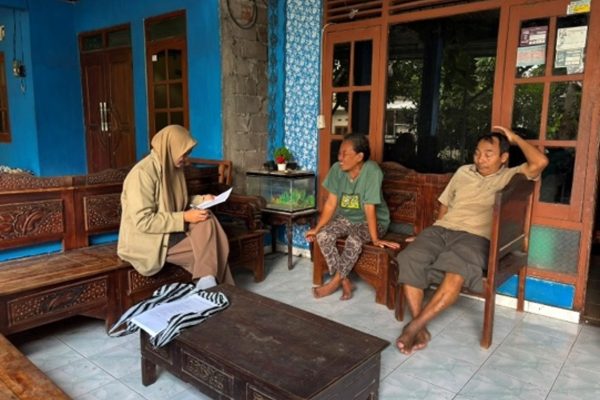
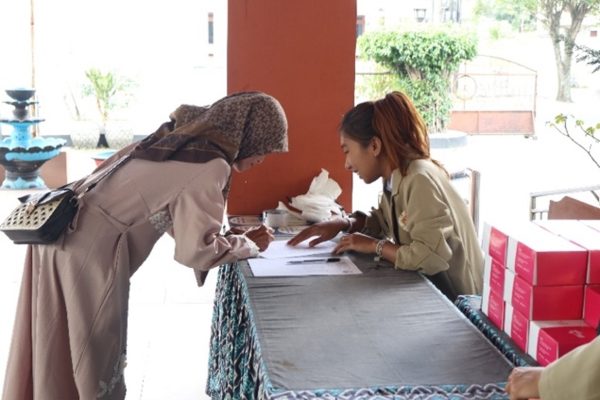
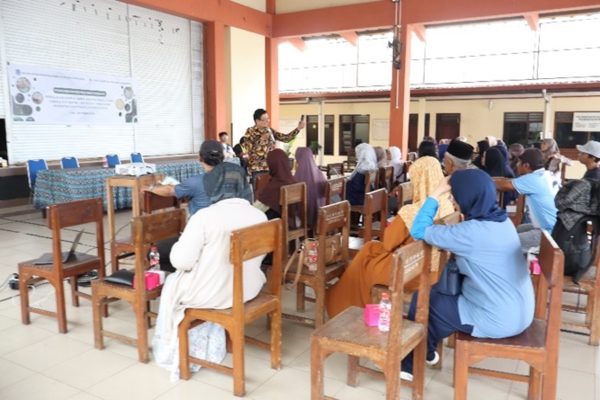
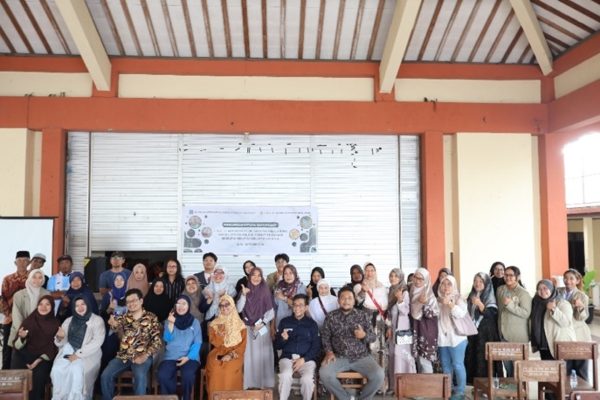
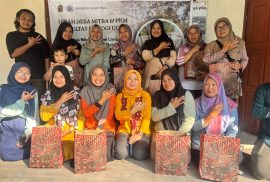
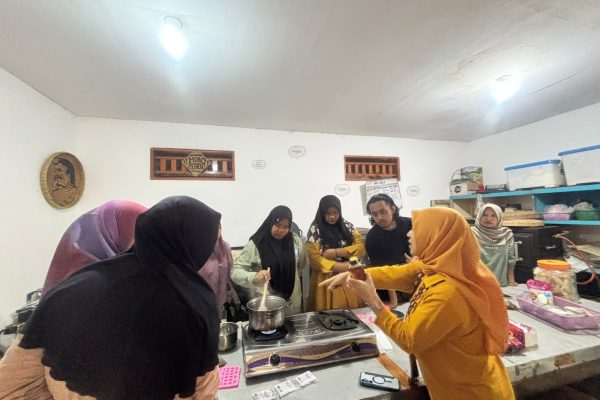
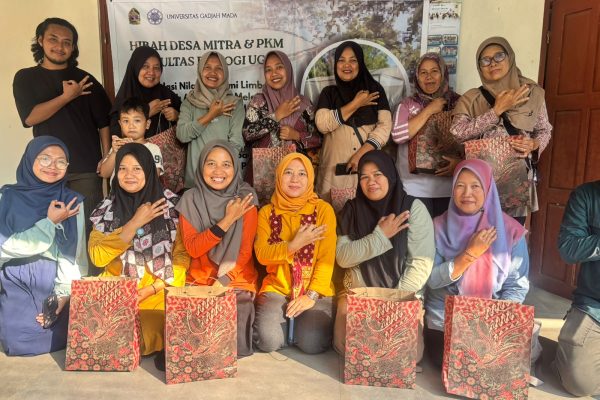
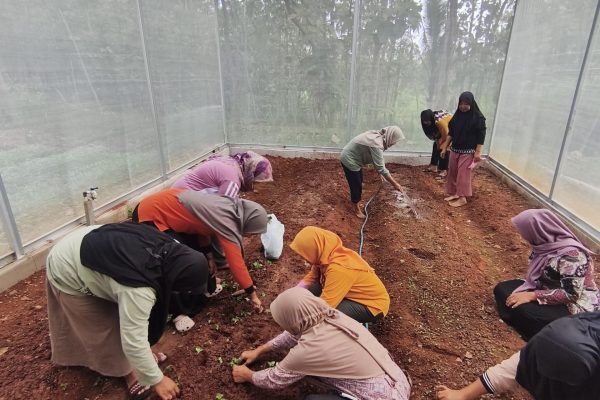
The production of natural TOGA soap from lemongrass by the Pengabdian kepada Masyarakat – Merdeka Belajar Kampus Merdeka (PkM-MBKM) team Faculty of Biology UGM 2025, chaired by Prof. Rina Sri Kasiamdari, S.Si., Ph.D. in the second phase of the PkM-MBKM program in Kepuh Kulon RT 001, Wirokerten, Banguntapan, Bantul through the production of soap using TOGA (Family Medicinal Plants) as raw material. This activity is a continuation of the PkM-MBKM program that was previously implemented from February to June 2025. The team involved five students, namely Swastikhansa Parahita Sulistyaningrum, Afrina Syah Putri, Isna Kuminingrum, Asitya Fitri Miadi, and Amyra Asa Nurhanifa, with the aim of increasing public awareness about the use of TOGA plants through the innovation of TOGA-based soap, especially lemongrass, which is easily available, as an effort to support skin health and can be used by various groups, including children. This event marked the fifth and final activity of the PkM-MBKM program in RT 001 Kepuh Kulon. It was held on Sunday, November 2, 2025, from 9:00 a.m. to 12:00 p.m. at the residence of the RT Head, Mr. Zamzuri. The event was enthusiastically attended and carried out by 20 society and Mr. Sunartono, the Head of Kepuh Kulon Hamlet, who opened the event by emphasizing the importance of utilizing TOGA for family health and encouraging residents’ independence in continuing the program of making natural soap from easily available TOGA. Prof. Rina also highlighted the benefits of the innovative soap made from lemongrass and olive oil, which is safe for children and healthy for the skin, while stressing the importance of community solidarity in enhancing creativity and the local economy.

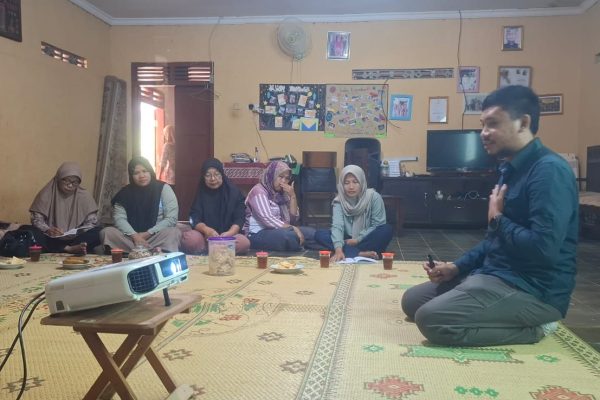
The community service activities included socialization on making lemongrass soap and practicing making natural soap from lemongrass, as well as socialization on digital marketing. The socialization on making lemongrass soap was carried out by providing information on what medicinal plants are, their uses, their contents and benefits when used as ingredients for natural soap (lemongrass), the tools and materials needed, and how to make the soap. The digital marketing socialization was carried out by providing information about the objectives of digital marketing, creating an account on one of the online selling platforms, how to sell online, and tips on how to make products known to the wider community. After the workshop, there will be a quiz for residents and door prizes will be given out. At the end of the activity, participating village partners will be given souvenirs as a token of appreciation for their participation.

The PkM-MBKM team provided a set of soap-making tools that are expected to be used for practice and as souvenirs as a form of appreciation or proof of participation for village partners. The 2025 PkM-MBKM program is expected to provide information on processing TOGA into products that are beneficial to health and can improve the community’s economy. This activity supports SDG 3: Good Health and Well-being, SDG 6 Clean Water and Sanitation, SDG 8 Decent Work and Economic Growth, and SDG 12 Responsible Consumption and Production.

Profile of International Genetically Engineered Machine (iGEM) UGM 2025 Team: Winners ofthe International Synthetic Biology Competition in Paris, France

AchivementsNews Release Friday, 7 November 2025

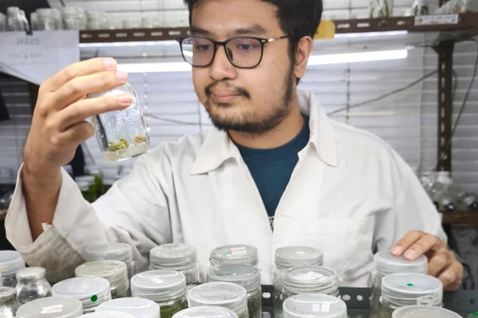
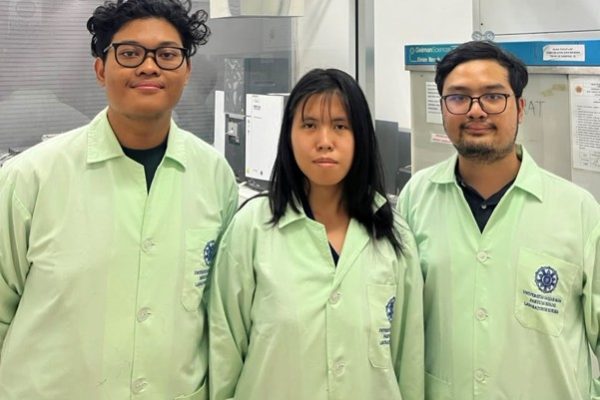
Yogyakarta, Indonesia — The International Genetically Engineered Machine (iGEM) UGM 2025Team represents Universitas Gadjah Mada in the annual international synthetic biologycompetition held in Paris, France. The UGM iGEM Team was first established in 2021 and hascontinued to grow ever since. In 2025, the team is were supported by Anandita Amalia (Biology),Salma Rohmaniah (Biology), Erwinda Dwi Chofifah (Biology), Tsaqifa Zuhayra Emery Bagus(Biology), Nauval Rajwaa Raysendria (Biology), Geraldine Yara Amritarashmi (Biology), TanRendy (Biology), Shainna Nur Sharfina (Biology), and Pamastadewi Pryankha Hijrianto(Biology) in collaboration with 11 other people from faculty of Medicine, Faculty of Pharmacy,Faculty of Biology, Faculty of Mathematics and Natural Science, and Faculty of Agriculture.


Despite their impressive gold medal win at the iGEM Grand Jamboree 2025, the team’s journeyhas been long and full of milestones since 2024. That year, the UGM iGEM Team participated inthe Bioinformatics and Synthetic Biology Competition (BIOS) 2024, organized by synbio.id.They entered two sub-teams — Team Phytovac and Team Gamanthrax — both of whichachieved remarkable success. Team Phytovac won Best Presentation, Best Website, and theGrand Prize Winner, while Team Gamanthrax earned the Best Poster award. Both teams proudlybrought home gold medals, reflecting their dedication, teamwork, and perseverance.

Not stopping at the national level, the UGM iGEM Team also competed in the Global OpenGenetic Engineering Competition (GOGEC) 2025, an international synthetic biologycompetition. At GOGEC, the team won several distinctions, including Runner-Up for BestWritten Communication and Best Project Value, and took home the title of Best ComputationalProject.

Their molecular farming research to produce a Dengue vaccine was thoroughly documented andtransformed into a science dissemination video, earning the team a digital learning contentdevelopment grant in 2025. The proposed video, titled “Tobacco, the Heritage of theArchipelago: From Cultural Rituals to Dengue Vaccine Innovation”, was led by apt. SetyowatiTriastuti Utami, Ph.D. from the Faculty of Pharmacy, Universitas Gadjah Mada.

With all the achievements they’ve accomplished, the UGM iGEM 2025 Team stands as a symbolof passion and creativity in advancing synthetic biology. The team hopes that their innovationscan be applied widely and inclusively across Indonesia, creating a meaningful impact andcontributing to the advancement of science and prosperity of Indonesia.

Universitas Gadjah Mada Team Wins Gold Medal at iGEM 2025 Grand Jamboree

Community ServiceNews Release Friday, 7 November 2025

Yogyakarta, Indonesia — The UGM-Indonesia iGEM 2025 team announced it has won a GoldMedal in the Biomanufacturing Village at iGEM Grand Jamboree held at the Paris ConventionCentre (Porte de Versailles), France.
UGM-Indonesia’s 2025 project advances low-cost biomanufacturing of a DENV-2 Domain IIIsubunit vaccine in Nicotiana tabacum (tobacco). The team’s approach leverages salt-inducibleTYDV Rep/RepA expression systems to drive efficient protein production in plants. This effort isan avenue that could make dengue vaccination more accessible across resource-limited settings.The team’s project focuses on an everyday problem with big impact: making dengue protectionmore affordable and easier to produce. In simple terms, the students are exploring how commonplants can act like tiny factories. If successful, this approach could help lower costs and makeaccess to protection more equitable.


This achievement matters for Indonesia and beyond. Dengue affects ma

ny families every year,and solutions that are practical, safe, and scalable can strengthen public health. The UGMstudents showed how young innovators from Indonesia can contribute ideas that make a realdifference on the global stage.

The project nickname SALTY, or Salt Activated with TYDV, were supported by AnanditaAmalia (Biology), Salma Rohmaniah (Biology), Erwinda Dwi Chofifah (Biology), TsaqifaZuhayra Emery Bagus (Biology), Nauval Rajwaa Raysendria (Biology), Geraldine YaraAmritarashmi (Biology), Tan Rendy (Biology), Shainna Nur Sharfina (Biology), andPamastadewi Pryankha Hijrianto (Biology) in collaboration with 11 other people from faculty ofMedicine, Faculty of Pharmacy, Faculty of Biology, Faculty of Mathematics and Natural Science,and also Faculty of Agriculture.

This project was supported by 15 advisors, coordinated by Dr. Yekti Asih Purwestri, M.Si.(Biology), assisted by Widhi Dyah Sawitri, S.Si., M.Agr., Ph.D. (Agriculture), M. SaifurRohman, M.Eng., Ph.D. (Agriculture), apt. Setyowati Triastuti Utami, Ph.D. (Pharmacy), DewiKartikawati Paramita, S.Si., M.Si., Ph.D. (Medicine), Prof. dr. Tri Baskoro Tunggul Satoto,M.Sc., Ph.D. (Medicine), Dr.rer.nat. Abdul R. Siregar, S.Si., M.Biotech (Biology), IndraLesmana, S.Si., M.Sc. (Biology), Afif Pranaya Jati, S.P., M.Sc. (Biotechnology), Aries BagusSasongko, S.Si., M.Biotech. (Biology), Imam Bagus N., S.Si., M.Sc. (Agrotechnology), OliviaPangaribuan, S.Agr (Master Student in Agriculture), Nayaka Bagus W. A. H., S. Ked. (Alumni ofFaculty of Medicine), apt. I Made Rhamandana Putra, S. Farm (Alumni of Faculty of Pharmacy),and Adhityo W., M.Sc., Ph.D. (GSI).

The fund of this project was supported by Universitas Gadjah Mada, Panin Bank, YSDS,Rentokil, CropLife Indonesia, Forsains Edutech Indonesia, SnapGene, GSI Academy, IGF, PT.Indolab Utama, Merck, and ScienceWerke.

UGM Faculty of Biology Launches MBKM Program to Raise Awareness and Independence in Inorganic Waste Management

Community Service Saturday, 1 November 2025

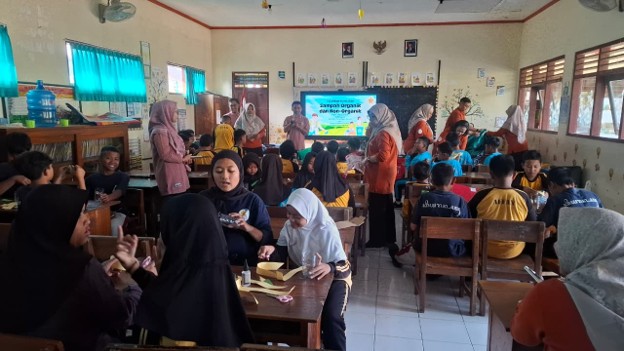
Yogyakarta, October 23, 2025 – The Faculty of Biology at Gadjah Mada University (UGM) held a community service program as part of the Merdeka Belajar Kampus Merdeka (MBKM) initiative with the theme “Inorganic Waste Management.” This initiative aims to enhance public understanding of the negative impacts of inorganic waste and the importance of independent and sustainable waste management to support SDGs 11 (Sustainable Cities), 12 (Responsible Consumption and Production), and 13 (Climate Action).


The Piyungan Landfill, which was permanently closed on May 1, 2024, due to exceeding its capacity, is one example of the waste management issues in Yogyakarta and its surrounding areas. Before its closure, this landfill received around 742 tons of waste per day, far exceeding its ideal capacity of only 650 tons per day. As a result, waste piled up in depots and on roads, creating environmental and public health problems.

In facing this waste emergency, the community is expected to play an active role in waste management at the household and neighborhood levels. The PkM-MBKM team from the Faculty of Biology, consisting of Anissah Qurrotu Aini, Alma Puska Falasyifa, and Hafifah Nur Ainiyah, guided by Mrs. Novita Yustinadiar, S.Si., M.Si., provided education and practical skills to the community in waste management, so that they can reduce their dependence on landfills and manage waste independently.

This community service program was attended by women members of the GEMI Cooperative in Grojokan Hamlet, Witokerto, Bangungapan, Bantul. The activity began with an educational session on the types of inorganic waste, mistakes in managing inorganic waste, and its impact on health and the environment. One of the topics discussed was microplastics, small particles that originate from plastic waste and can pollute the environment and enter the food chain.
The community also participated in practical training on making sofa cushions from plastic waste and flower decorations from used plastic bottles. This activity aimed to show that inorganic waste can be recycled into useful and potentially economically valuable products, while educating the community about the principles of Reduce, Reuse, Recycle (3R).

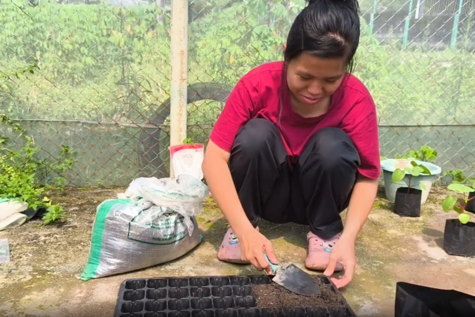
As part of efforts to improve air quality, participants also received plants that absorb air pollution. These plants are expected to help reduce the negative impact of air pollution, including that caused by the improper burning of waste.

Through this program, the Faculty of Biology at UGM hopes to encourage changes in community behavior in waste management, thereby creating a cleaner, healthier, and more sustainable environment.

Environmental Acoustics and Sound System Arrangement Techniques for Worship House in Sardonoharjo, Ngaglik, Sleman by the PkM-MBKM Team of the Faculty of Biology, UGM.

Community Service Wednesday, 29 October 2025

by the PkM-MBKM Team of the Faculty of Biology UGM

Development based on human ego satisfaction, through the exploitation of natural resources, often results in widespread environmental degradation. Development not only transforms natural landscapes into artificial areas such as residential, agricultural, and industrial areas, but also alters the quality of water, soil, and air. Likewise airspace, besides being a source of life for humans, it is serves also as a space for anthropogenic and non-anthropogenic acoustic communication. Currently, airspace is filled with artificial sounds, resulting in various forms of noise and silence has even become a rare commodity. This program is based on issues related to environmental acoustics.


In 2025, the Community Service Team-Independent Learning Independent Campus (PkM-MBKM) Faculty of Biology UGM led by Susilo Hadi and assisted by three students consisting of Qodriyah Nur Kharisma, Aisyah Eka Nurjanah and Rifda Qonita, implemented a program on Acoustic Ecology and sound system arrangement of worship places, mainly in mosque and mushola. In some places, especially in urban areas, the disharmony of volume of speaker sound from mosques can cause social conflict. The locus of this activity was carried out in Sardonoharjo, Ngaglik, Sleman. This program consists of two main activities, namely an environmental acoustic survey and socialization on proper sound system arrangement in accordance with ethical criteria from the government and acoustic aesthetics related to loudspeakers in mosques and mushola.

Environmental acoustic data collection was conducted in August 2025 consisting of acoustic recording and measuring sound intensity (decibel meter) between ambient environmental acoustics, as a control, and volume of loudspeakers  during the call to prayer (adzan) and other activities within mosques and mushola. In summary, the data obtained showed a striking difference between the ambient environmental acoustics as a control, around 40 dB, compared to the average intensity of the call to prayer in mosques and mushola in the study area of ​​80 dB. However, based on government criteria the sound intensity is still within the limits tolerated by the rules ( Surat Edaran of the Ministry of Religious Affairs: SE 05/2022).

Meanwhile, the socialization activity for sound system settings for places of worship was held on Sunday, October 19, 2025, at mushola  in Manongsari Kring Rejosari,  Sardonoharjo. A number of representatives from mosque and mushola aministrators (Ta’mir) were invited. The activity, attended by 20 participants. Start with a socialization on environmental acoustics conducted by a team from the Faculty of Biology and the second part related to sound system setting techniques presented specifically by Mr. Riyana, as an audio engineering practitioner. This activity was interesting because the all participants gave feedback each other and shared experiences related to the use of sound systems in every place of worship. In general, this socialization activity is important as a space to align perceptions about government regulations regarding the use of loudspeakers and share knowledge related to the correct and aesthetic audio arrangement in places of worship.

The entire PkM-MBKM program is carried out over two semesters, namely the Even Semester of the 2024/2025 Academic Year and the Odd Semester of the 2025/2026 Academic Year. This program is also carried out in order to support the Sustainable Development Goals (SDGs), especially SDG number 3 Healthy and Prosperous Lives; 11 Sustainable Cities and Settlements; and SDG 15 Terrestrial Ecosystems.

The 9th International Conference on Biological Science (ICBS) 2025: Unraveling Biodiversity through Multi-Omics Integration from Genes to Ecosystems

News Release Monday, 20 October 2025

Yogyakarta, October 17–18, 2025 — The Faculty of Biology, Universitas Gadjah Mada, proudly hosts The 9th International Conference on Biological Science (ICBS) 2025 on October 17–18, 2025, at Main Ballroom Loman Park Hotel, Yogyakarta. This prestigious international conference brings together more than 200 participants from various national and international institutions, including academics, researchers, students, and professionals in the field of biological sciences.


The conference was officially opened by Prof. Dr. Danang Sri Hadmoko, S.Si., M.Sc., Vice-Rector for Research, Business Development, and Cooperation, Universitas Gadjah Mada, and Prof. Dr. Budi Setiadi Daryono, M.Agr.Sc., Dean of the Faculty of Biology, Universitas Gadjah Mada.

In his welcoming remarks, Dr. rer. nat. Abdul Rahman Siregar, S.Si., M.Biotech, as the Chair of ICBS 2025, explained that this year’s theme, “Unraveling Biodiversity through Multi-Omics Integration: From Genes to Ecosystems,” reflects the spirit of bridging molecular and ecological sciences to uncover the complexity of life on Earth. Through the integration of various omics approaches—such as genomics, transcriptomics, proteomics, and metabolomics—scientists aim to gain deeper insights into the vital roles of biodiversity in maintaining ecosystem resilience and supporting human well-being.

Dr. Abdul also expressed his appreciation to all partners and participants for their support in the organization of this event. He emphasized the importance of interdisciplinary and international scientific collaboration in addressing global challenges in the field of biology, including climate change, environmental degradation, and food security.

ICBS 2025 serves as a scientific platform for sharing research findings and discussing the latest developments in biotechnology, genomics, ecology, conservation, and the application of multi-omics approaches to understanding biodiversity across different levels of biological organization.

This year’s conference features two distinguished keynote speakers:

  • Dr. Thomas Sicheritz Ponten, Center for Evolutionary Hologenomics, The Globe Institute – Faculty of Health and Medical Sciences, University of Copenhagen, Denmark; and
  • Thorunn Helgason, Chair in Ecology, School of Biological Sciences, University of Edinburgh, Scotland.

In addition, ICBS 2025 presents invited speakers from leading institutions across the world, including:

  • Prof. Dr. Bent Petersen, Center for Evolutionary Hologenomics, The Globe Institute – University of Copenhagen, Denmark;
  • Dra. Tuty Arisuryanti, M.Sc., Ph.D., Department of Tropical Biology, Faculty of Biology, Universitas Gadjah Mada;
  • Chiharu Nakashima, Ph.D., Graduate School of Bioresources, Mie University, Japan;
  • Madya Ts. Dr. Muhammad Abdul Latiff Bin Abu Bakar, Faculty of Applied Sciences and Technology, Universiti Tun Hussein Onn Malaysia; and
  • Riza Arief Putranto, D.E.A., Indonesian Oil Palm Research Institute (IOPRI), RPN Holding PTPN III.

The conference is structured into three main sessions: Keynote Session, Plenary Session, and Parallel Session. Through these sessions, the 80 presenters share their research findings and engage in scientific discussions addressing the challenges and opportunities of applying multi-omics approaches to biodiversity conservation and ecosystem management.

Beyond its scientific objectives, ICBS 2025 also contributes to the advancement of the United Nations Sustainable Development Goals (SDGs), particularly:

SDG 13: Climate Action – promoting research on adaptation and mitigation to climate change,

SDG 14: Life Below Water and SDG 15: Life on Land – supporting biodiversity conservation and sustainable management of terrestrial and aquatic ecosystems,

SDG 3: Good Health and Well-being – advancing biotechnological and genomic research that benefits human and environmental health, and

SDG 17: Partnerships for the Goals – fostering global scientific collaboration among Universitas Gadjah Mada, the Consortium of Indonesian Biologists (KOBI), and Universiti Tun Hussein Onn Malaysia.

ICBS 2025 is expected to strengthen interdisciplinary and international collaboration in addressing global challenges such as climate change, ecosystem degradation, and biodiversity loss. With the spirit of innovation and cooperation, this conference reaffirms the Faculty of Biology, Universitas Gadjah Mada’s commitment to advancing tropical biology research and supporting sustainability initiatives in alignment with the university’s role as a Sustainability University.

Bioinformatics Workshop ICBS 2025: Exploring Metagenome Analysis and Phage Mining with an Expert from the University of Copenhagen

News Release Thursday, 16 October 2025

Yogyakarta, October 16, 2025 — The series of Pre-Conference Workshops of the 9th International Conference on Biological Sciences (ICBS) 2025 continued with the Bioinformatics Workshop under the theme “Metagenome Analysis and Phage Mining.”


The workshop took place at the Teaching Laboratory, 2nd floor of the Sinar Mas Building, Faculty of Biology, Universitas Gadjah Mada (UGM), from 08.00 to 15.30 WIB. The event was opened by Lucia Arum Sekar as the master of ceremonies, followed by the main session delivered by Assoc. Prof. Dr. Bent Petersen from the Center for Evolutionary Hologenomics, University of Copenhagen.

In his presentation, Dr. Bent Petersen introduced various bioinformatics approaches used to interpret metagenomic data, including the identification of phages (bacteria-infecting viruses) and their applications in health, environmental studies, and biotechnology.
A key highlight of the session was the introduction to KBase (the Department of Energy Systems Biology Knowledgebase) a collaborative online platform for efficiently analyzing and integrating genomic data.
Through live demonstrations, participants learned how to process sequencing data, perform gene annotation, and explore functional relationships among microorganisms using the latest bioinformatics tools and databases.

“The ability to understand and interpret genomic data is fundamental in modern biological research. This workshop helps prepare young Indonesian researchers to contribute at the global level,” said Dr. Bent Petersen.

The workshop was attended by participants from diverse academic and research backgrounds who showed great enthusiasm in learning about metagenome analysis and phage mining as innovative approaches to understanding microbial ecology. Through a combination of theoretical and practical sessions, this activity not only strengthened participants’ competencies in bioinformatics but also fostered interdisciplinary and international research collaboration.

In accordance with the Sustainable Development Goals (SDGs), this workshop contributes to SDG 4 (Quality Education) by enhancing academic capacity and digital literacy in bioinformatics; SDG 9 (Industry, Innovation, and Infrastructure) through the application of data analysis technologies and collaborative platforms such as KBase; and SDG 17 (Partnerships for the Goals) by strengthening cooperation between the Faculty of Biology UGM and the University of Copenhagen. Moreover, the utilization of metagenomic insights in environmental research also supports SDG 14 (Life Below Water) and SDG 15 (Life on Land), promoting the balance and sustainability of microbial biodiversity.

Through this event, the Faculty of Biology UGM reaffirms its commitment to advancing bioinformatics research and expanding international academic collaboration to foster sustainable scientific innovation.

#ICBS2025 #FakultyOfBiologyUGM #BioinformaticsWorkshop #UniversityofCopenhagen #MetagenomeAnalysis #PhageMining #KBase #SDG4 #SDG9 #SDG14 #SDG15 #SDG17 #GlobalCollaboration #GenomicInnovation #SustainableScience

Faculty of Biology UGM Hosts Oxford Nanopore Technology Workshop as the Opening Event of ICBS 2025

News Release Thursday, 16 October 2025

Yogyakarta, 15 October 2025 — The Faculty of Biology, Universitas Gadjah Mada (UGM), held the first day of the Pre-Conference Workshop as part of the 9th International Conference on Biological Sciences (ICBS) 2025. The workshop carried the theme “Hands-on Library Preparation for Metagenome Long-Read Sequencing using Oxford Nanopore Technology.”


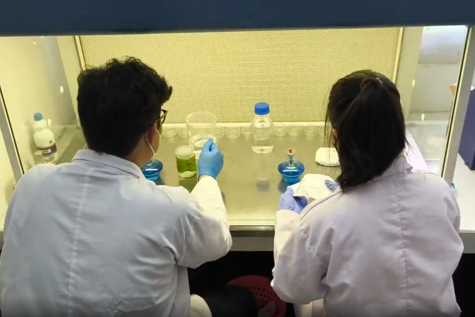
Held at the Teaching Laboratory, 2nd Floor of the Sinar Mas Building, Faculty of Biology UGM, the workshop was organized in collaboration with Integrated Genome Factory (IGF) and Oxford Nanopore Technologies (ONT) as key partners. This program provided participants with a direct hands-on experience in library preparation for metagenomic analysis using the latest long-read sequencing technology.

The workshop, which took place from 08.00 to 17.00 WIB, was attended by at least 25 participants from various academic and research institutions who were enthusiastic about deepening their knowledge in biotechnology and genomics. Through a practical, hands-on approach, participants were guided through each critical stage, from DNA extraction and quantification to sample preparation for sequencing.

The event began with an opening remark by Mr. Aditya Aryandi S., S.Si., M.Sc., representing Integrated Genome Factory (IGF), who expressed appreciation for the strategic collaboration between IGF and the Faculty of Biology UGM in introducing advanced sequencing technologies to Indonesia’s academic community.
The opening continued with a welcoming address from Dr. Eko Agus Suyono, Vice Dean for Research, Community Service, Cooperation, and Alumni, who emphasized the importance of mastering modern genomic technologies to advance molecular biology research in Indonesia.

“Oxford Nanopore Technology opens vast opportunities for microbial biodiversity and bioprospecting research in Indonesia. We hope participants not only understand the concepts but are also able to apply them directly in the laboratory,” stated Dr. Eko.

In addition to the laboratory practice session, the workshop also featured an introduction to Oxford Nanopore Technologies, highlighting the principles and advantages of real-time sequencing and its potential applications in genomic, metagenomic, and molecular diagnostic research.

In accordance with the Sustainable Development Goals (SDGs), this workshop contributes to several global objectives. It supports SDG 3 (Good Health and Well-Being) by promoting the use of genomic technologies in health and biotechnology research, and SDG 4 (Quality Education) by enhancing the capacity of students and young researchers. It also aligns with SDG 9 (Industry, Innovation, and Infrastructure) through the application of advanced sequencing technologies that strengthen scientific innovation. Furthermore, the metagenomic approaches introduced in this program contribute to SDG 14 (Life Below Water) and SDG 15 (Life on Land) by encouraging the exploration and conservation of microbial biodiversity. By fostering collaboration among academia, industry, and global research partners such as Oxford Nanopore Technologies, this event also reflects SDG 17 (Partnerships for the Goals), emphasizing the importance of international cooperation for sustainable scientific advancement.

As the opening event of the 9th ICBS, this workshop marks an important step in strengthening the capacity of young scientists and fostering genomic research collaboration in Indonesia. The Faculty of Biology UGM remains committed to advancing innovation and the application of cutting-edge technologies in the fields of genomics and bioinformatics.

#ICBS2025 #FakultasBiologiUGM #OxfordNanopore #IntegratedGenomeFactory #BioinformaticsWorkshop #Metagenomics #GenomicInnovation #SDG3 #SDG4 #SDG9 #SDG14 #SDG15 #SDG17 #SustainableScience #ResearchForSustainability

Monitoring the Development of KUB Local Superior Chicken Breeds in Wedomartani, Ngemplak, Sleman, Yogyakarta

Community ServiceNews Release Thursday, 16 October 2025

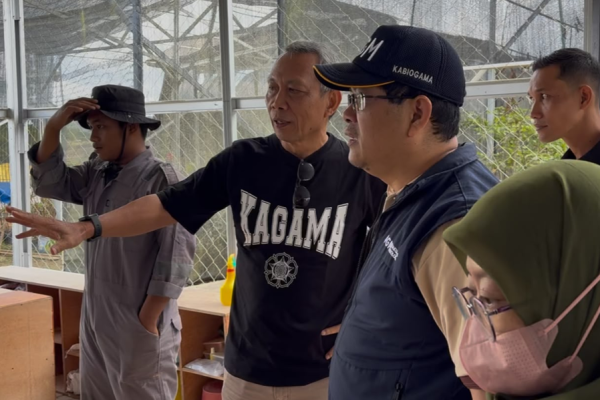
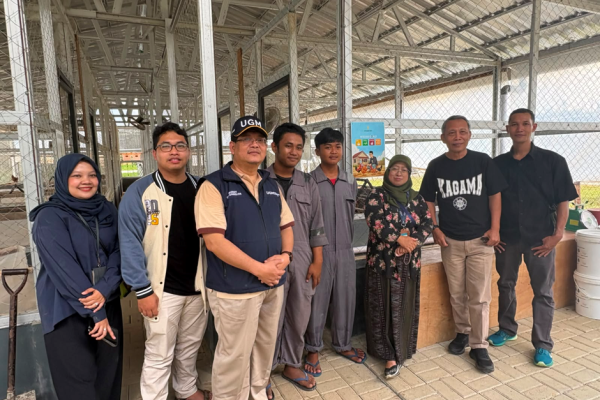
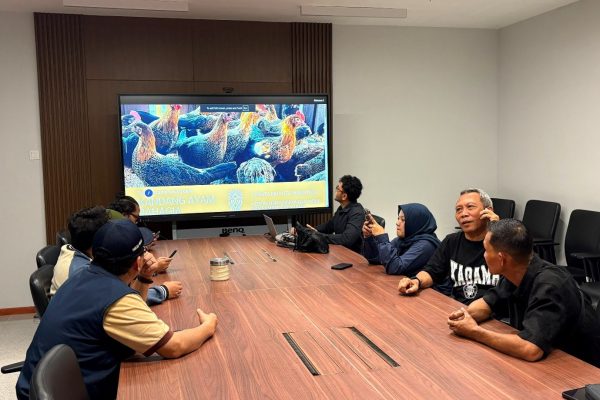
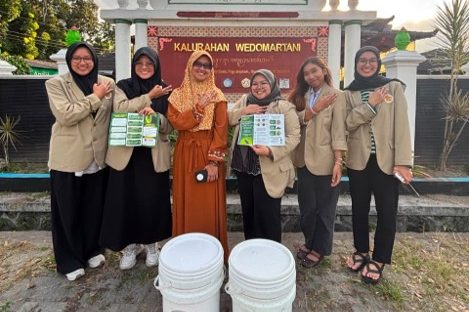
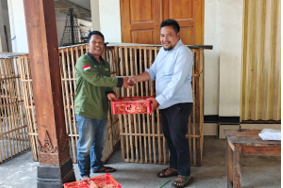
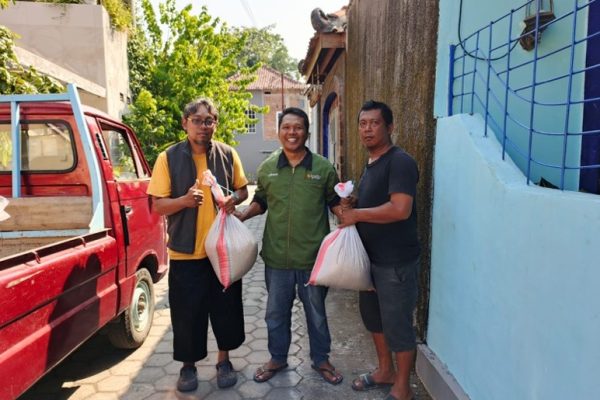
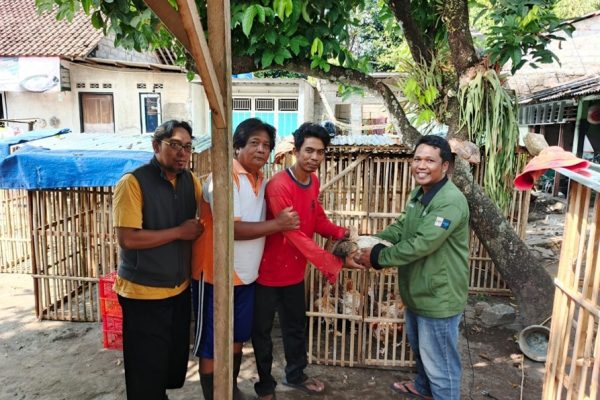
As a follow-up to the outreach activity entitled “Selection and Production of Superior Local Chicken Breeds Based on the Wedomartani Community, Ngemplak, Sleman” held on July 28, 2025, the Community Partner Team of the Faculty of Biology, Universitas Gadjah Mada, represented by Dr. med. vet. Hendry Saragih, M.P. and Dr. Ardaning Nuriliani, S.Si., M.Kes., in collaboration with the Government of Wedomartani Village, conducted a monitoring activity on the development of the superior local chicken breed KUB (Kampung Unggul Balitbangtan). In the previous activity, a total of 48 KUB chickens were distributed to 16 representatives of farmer groups from several hamlets in Wedomartani, with each group receiving one male and two female chickens. This initiative represents a tangible implementation of SDG 17 (Partnerships for the Goals) through cross-institutional collaboration aimed at strengthening community capacity based on scientific knowledge and appropriate technology.
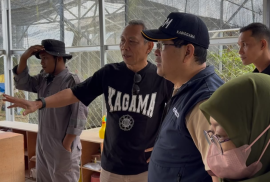
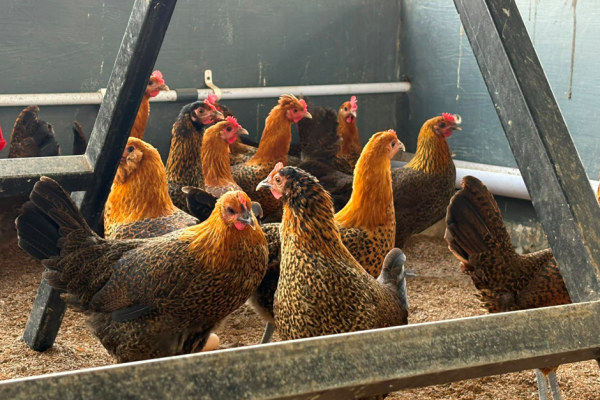
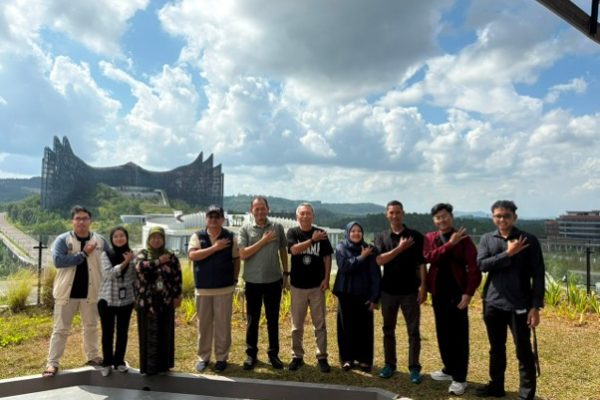
The monitoring was conducted to assess the growth, health, and performance of the KUB chickens, which are now approximately five months old. Field observations showed that all distributed chickens are healthy, well-nourished, and highly adaptable to their rearing environment. The monitoring process was carried out participatively, involving representatives of farmer groups, the community partner team, and Mr. R. Rohmad Gunawan Hardono, S.Pd., the Carik (Village Secretary) of Wedomartani. Mr. Rohmad actively supervised and provided guidance to the beneficiaries. This effort supports the achievement of SDG 2 (Zero Hunger) by ensuring the availability of sustainable and high-quality animal protein sources at the household level.
In addition to ensuring the success of the breeding program, this activity also serves as a continuous educational platform for the community in aspects such as feed management, biosecurity, and maintenance of superior local chicken breeds. By enhancing farmers’ skills and understanding, the program is expected to improve productivity and the sustainability of small-scale poultry enterprises in Wedomartani. Through its participatory and educational approach, this initiative contributes to SDG 8 (Decent Work and Economic Growth) by creating new economic opportunities and increasing rural household income through independent and competitive poultry farming.
The development program of KUB chickens also has a significant social and public health impact. With the availability of affordable and nutritious animal protein sources, this initiative is expected to help improve family nutrition and support healthy and prosperous living, aligning with SDG 3 (Good Health and Well-being). In the coming months, the chickens are expected to enter the egg-laying and breeding phase, producing offspring that can be further developed as new superior local breeds to strengthen local food security. Overall, this activity serves as a model of community empowerment that integrates scientific knowledge, local wisdom, and the principles of sustainable development at the grassroots level.

Contributors: Ardaning Nuriliani, Hendry Saragih, and R. Rohmad Gunawan Hardono.

Training on Making Natural Hair Oil and Hand Gel by the PkM-MBKM Team of the Faculty of Biology UGM in Segoroyoso, Pleret, Bantul

Community ServiceNews Release Wednesday, 15 October 2025

The 2025 Community Service – Merdeka Belajar Kampus Merdeka (PkM-MBKM) Team from the Faculty of Biology UGM, led by Woro Anindito Sri Tunjung, S.Si., M.Sc., Ph.D., held an event themed “Training on Making Natural Hair Oil and Hand Gel for the Community” in RT 1 (Dahromo Indah group) and RT 3 (Cempaka group), Segoroyoso, Pleret, Bantul, Yogyakarta. This activity was presented by a student team consisting of Lusiyana Prihatini, Zahra Karimah Nuha, Kholish Naufal Pamungkas, and Elisabeth Kurniawati, with support from the technical team. The interactive event was attended by 15 members of the GEMI partner forum (Women’s Economic Movement) and two GEMI administrators, who actively supported this community empowerment activity.


The event took place on Monday, October 13, 2025, from 10:30 AM to 12:30 PM, at the home of Mrs. Zanimah (RT 1). The session began with socialization about the contents and benefits of lemongrass and aloe vera as natural body care ingredients. Participants learned that lemongrass contains essential oils that can reduce dandruff and itching, cool the scalp, and provide a naturally fresh aroma to their hair. Meanwhile, aloe vera is rich in gel containing vitamins, minerals, and bioactive compounds that moisturize and nourish the skin and hair.

The next session was a hands-on practice of making natural hair oil and hand gel. Three demonstrations were conducted: (1) making hair oil from Aloe vera mixed with olive oil, (2) making hand gel from Aloe vera and lime juice mixed with alcohol as a natural antiseptic, and (3) making hair oil from lemongrass and cloves, heated together with oil, then adding vitamin E, which functions as an antioxidant to extend product shelf life.

The activity was highly interactive, with a Q&A session covering ingredient variations, additional benefits, and product shelf-life. The most active participant received a door prize, which boosted the spirit of the event. As a form of program sustainability, each participant also received aloe vera and lemongrass seedlings to plant at home, so they could immediately put the training material into practice at home.

The PkM-MBKM program is part of the Faculty of Biology UGM’s commitment to supporting the Sustainable Development Goals (SDGs), specifically SDG 3 (Good Health and Well-Being), SDG 12 (Responsible Consumption and Production), and SDG 15 (Life on Land). The activity is designed to run for two semesters, namely the Even Semester of the 2024/2025 Academic Year and the Odd Semester of the 2025/2026 Academic Year, as a continuous effort to educate the community on the independent and sustainable use of natural ingredients.
 

1234…24

Accreditation

Recent Posts

  • Faculty of Biology Researchers Collaborate in eDNA Workshop for Pathogen Detection in Wildlife Trade
  • UGM–ANU Double Degree Program: Pathways to Global Academic Excellence
  • Faculty of Biology UGM Engages Doctoral Students in Academic Progress Monitoring
  • UGM–UTS Strengthen Academic and Research Collaboration through “Study & Research in Australia” Sharing Session
  • Tunghai University Lecturers Share Butterfly Genetics Research in Guest Lecture at UGM Faculty of Biology
Universitas Gadjah Mada

UNIVERSITAS GADJAH MADA

FACULTY OF BIOLOGY
Teknika Selatan Street, Sekip Utara,
Yogyakarta 55281
biologi-ugm@ugm.ac.id
Phone/Fax: +62 (274) 580839

About us

  • History
  • Organization
  • Vision and Mission
  • Staff

Student Affairs

  • Student Service
  • Student Organization
  • Submission for Practical Field Work
  • Permission Field Research
  • Permission Thesis/Disertation

academic

  • Academic Regulations
  • Academic Anonncement

Accreditation

  • Image 1
  • Image 2
  • Image 3

© 2024 FACULTY OF BIOLOGY UNIVERSITAS GADJAH MADA

KEBIJAKAN PRIVASI/PRIVACY POLICY

[EN] We use cookies to help our viewer get the best experience on our website. -- [ID] Kami menggunakan cookie untuk membantu pengunjung kami mendapatkan pengalaman terbaik di situs web kami.I Agree / Saya Setuju