Arsip:
SDG 4 : Provide Quality Education
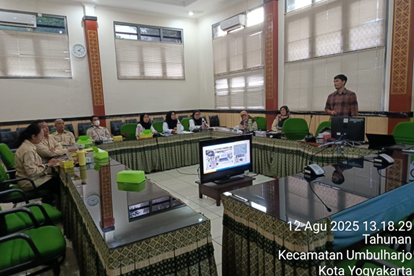
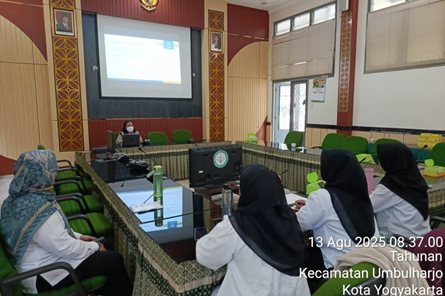
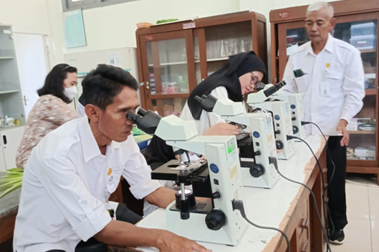
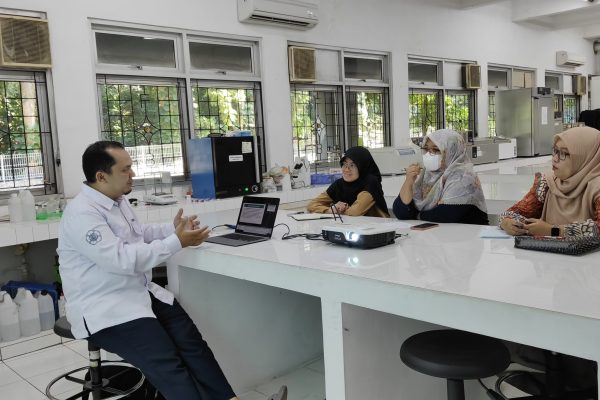
The Politeknik Pembangunan Pertanian (Polbangtan) Yogyakarta Magelang held an In-House Training (IHT) for Educational Laboratory Technicians (PLP) on August 12–13, 2025. The event, held at Polbangtan Yoma, Jl. Kusumanegara No. 2, Tahunan, Umbulharjo, Yogyakarta, was officially opened by Sevi Melati, SP., M.Sc., a Young Expert PLP representing Polbangtan Yogyakarta Magelang, and attended by nine PLPs. On this occasion, Sevi Melati emphasized that this training is a strategic step to strengthen PLP competencies, ensure laboratory management is conducted in accordance with standards, and guarantee safety and service quality in laboratories to support Quality Education (SDG No. 4).
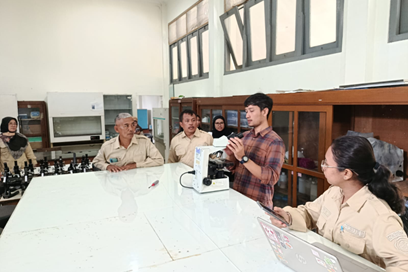
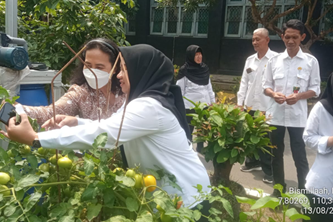
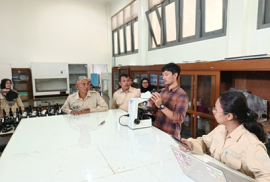
The speakers from the Faculty of Biology, Universitas Gadjah Mada delivered the materials in a comprehensive and practical manner. On the first day, Dr. Ardaning Nuriliani, S.Si., M.Kes. presented Standard Operating Procedures (SOP) for Laboratory Equipment Usage and Occupational Health and Safety (OHS) in the Laboratory. Meanwhile, Eka Mega Sampurna, A.Md. conducted a session on Laboratory Equipment Maintenance and Calibration, accompanied by Practical Equipment Usage Simulation to strengthen participants’ understanding through hands-on learning. These topics directly and indirectly contribute to ensuring Good Health and Well-Being (SDG No. 3). On the second day, Dr. Maryani, M.Sc. delivered a session on Laboratory Management, including Inventory Equipment Recording and Reporting. She also guided participants in the Preparation of Plant Tissue Samples, including roots, stems, and leaves. All sessions were designed to be interactive, combining theory, discussion, and practice, enabling participants to master technical skills while also understanding managerial aspects of laboratory work to support Quality Education (SDG No. 4).
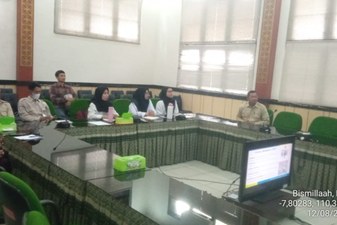
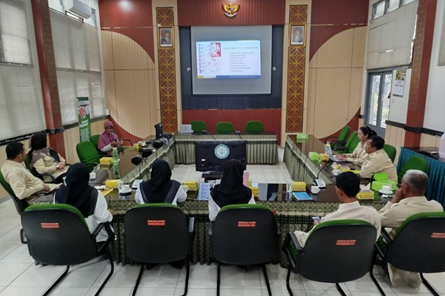
The implementation of this IHT demonstrates Polbangtan Yoma’s commitment to supporting the capacity building of PLPs so they can manage laboratories effectively, safely, and efficiently in line with the goal of providing Quality Education (SDG No. 4). The skills gained by participants are expected to not only support practicum and research activities but also strengthen the role of laboratories as centers of learning and innovation in agriculture, which is closely related to Responsible Consumption and Production (SDG No. 12) and Life on Land (SDG No. 15). The IHT program was concluded by Asih Farmia, SP., M.Agr.Sc., who expressed the hope that this training would bring great benefits to the PLPs. Furthermore, the participation of the Faculty of Biology, UGM in supporting this activity is expected to initiate collaboration between Polbangtan Yoma, to be formalized in a Memorandum of Understanding, thereby accelerating the achievement of Partnerships for the Goals (SDG No. 17). (Contributors: Ardaning Nuriliani, Maryani, Eka Mega Sampurna).
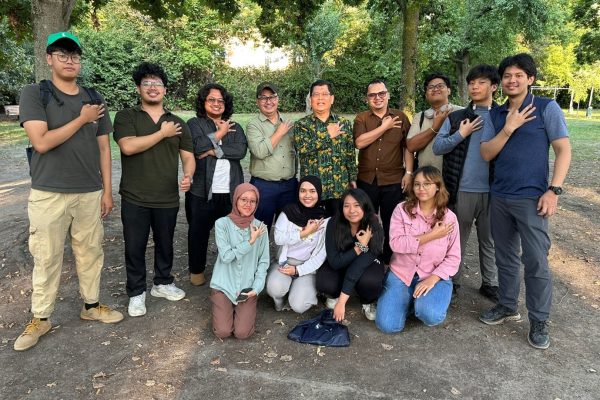
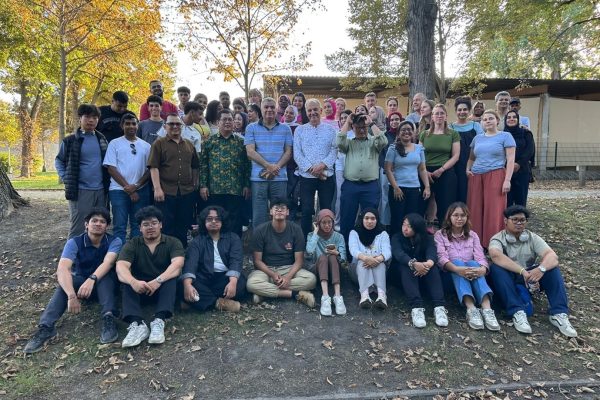
Leipzig, 10–22 August 2025 – The Faculty of Biology, Universitas Gadjah Mada (UGM), together with Leipzig University, Germany, and Badr University, Egypt, organized the International Summer Course Program on One Health, bringing together students and lecturers from multiple countries. This program is a collaboration between UGM’s Faculty of Biology, the Institute of Animal Hygiene and Veterinary Public Health at Leipzig University, and Badr University.
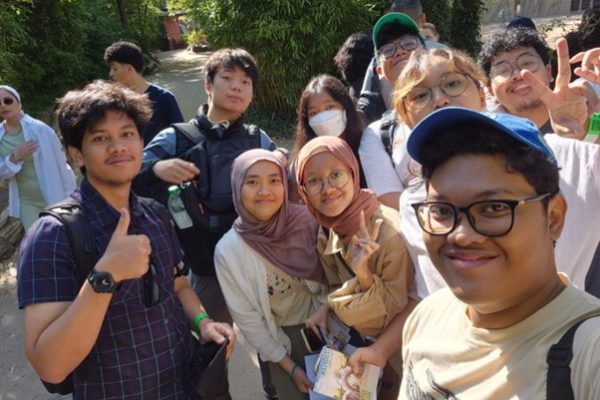
The two-week program was attended by 10 undergraduate students from both the International Undergraduate Program (IUP) and Regular Program of the Faculty of Biology UGM, along with 22 students from Badr University and Leipzig University, as well as academic teams from all three institutions. Dr.rer.nat. Abdul Rahman Siregar, M.Biotech., also accompanied UGM students throughout the course activities.
During the barbecue session, the Dean of the Faculty of Biology UGM, Prof. Dr. Budi Setiadi Daryono, and the Vice Dean for Research, Community Service, Collaboration, and Alumni Affairs, Dr. Eko Agus Suyono, joined the event alongside Prof. Adel from Badr University, Dr. Ahmed Abd El Wahed, and Prof. Uwe Truyen from the Institute of Animal Hygiene and Veterinary Public Health at Leipzig University.
The International Summer Course on One Health aims to enhance interdisciplinary understanding of the interconnectedness of human, animal, and environmental health, while fostering collaborative research and global knowledge exchange. The program supports the achievement of SDG 3 (Good Health and Well-Being), SDG 4 (Quality Education), and SDG 17 (Partnerships for the Goals).
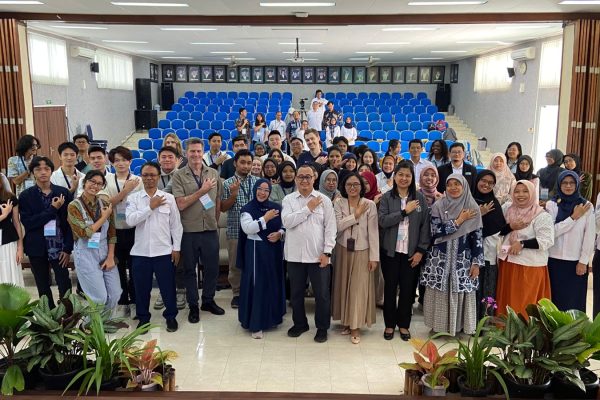
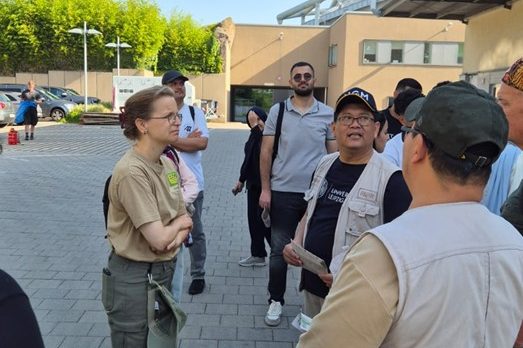
Leipzig, 13 August 2025 – The Dean of the Faculty of Biology, Universitas Gadjah Mada (UGM), Prof. Dr. Budi Setiadi Daryono, together with the Vice Dean for Research, Community Service, Collaboration, and Alumni Affairs, Dr. Eko Agus Suyono, and Dr.rer.nat. Abdul Rahman Siregar, M.Biotech, paid an official visit to Leipzig University, Germany.
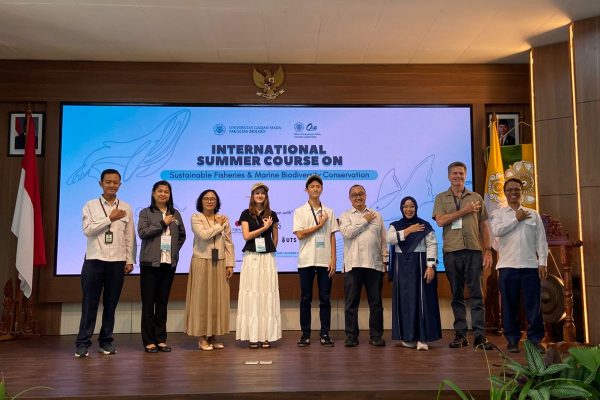
During a meeting with the Faculty of Life Science, Leipzig University, both institutions discussed the initiation of a Double Degree program at the doctoral level, linking UGM’s Faculty of Biology with Leipzig University’s Faculty of Life Science. The meeting was attended by Prof. Ahmed Abd El Wahed and Prof. Uwe Truyen from the Institute of Animal Hygiene and Veterinary Public Health, Professor Dr. Marc Schönwiesner as Dean of the Faculty of Life Science, and representatives from Leipzig University’s Office of International Affairs.
This program is expected to serve as a strategic step to expand international academic networks, enhance the quality of education and research, and strengthen UGM’s role in advancing integrated knowledge in education and biodiversity-related research. The initiative is also aligned with the achievement of SDG 4 (Quality Education) and SDG 17 (Partnerships for the Goals).
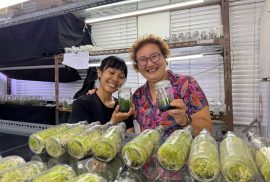
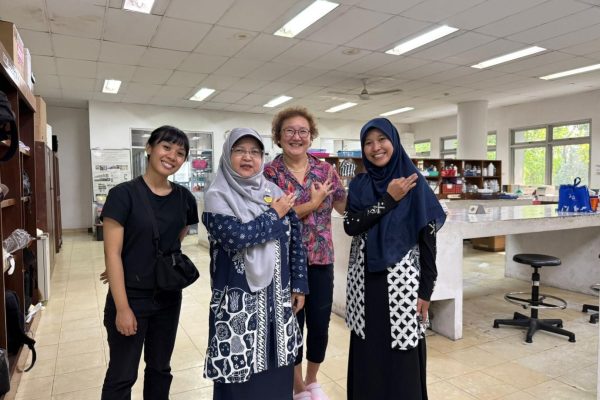
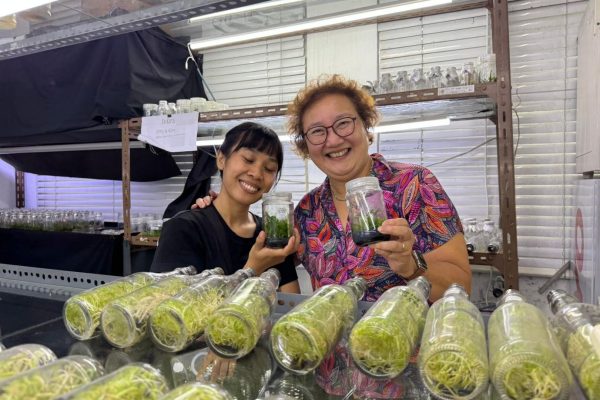
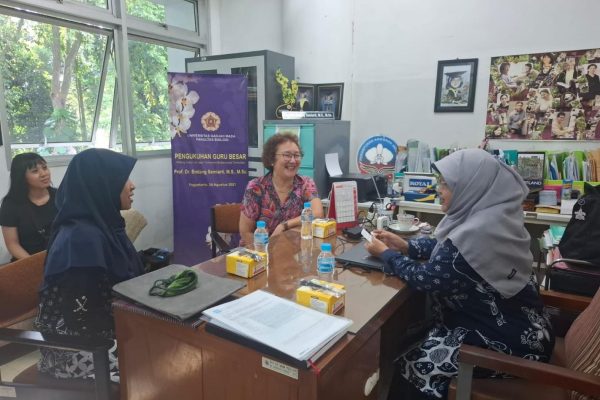
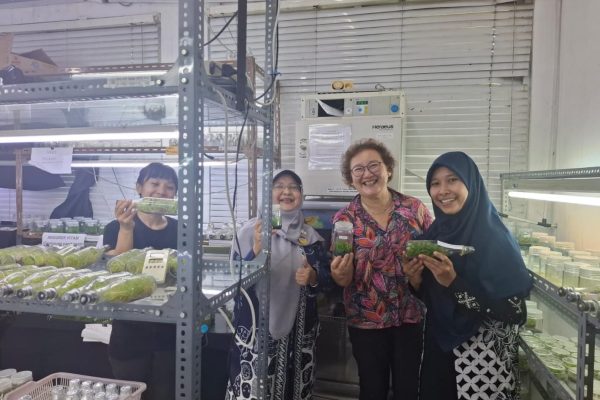
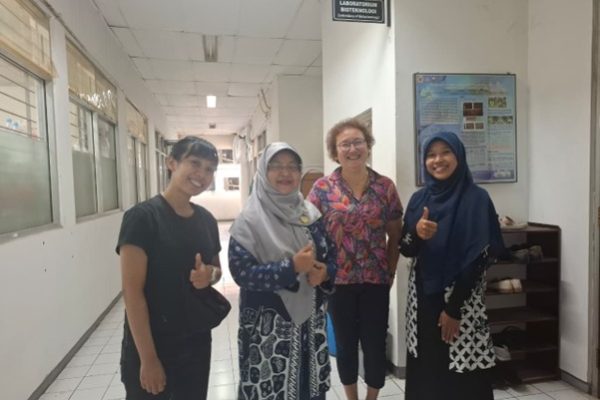
Yogyakarta, 12 August 2025 – The Biotechnology Laboratory of the Faculty of Biology, Universitas Gadjah Mada (UGM) welcomed Dr. Mei-Lei Tan, a biotechnology expert specializing in plant cell culture, who is also the Managing Director and owner of Crea Nova Consultancy, the Netherlands. She was accompanied by Yogyakarta-based artist, Ipeh Nur. Their visit was warmly received by Dr. Wahyu Aristyaning Putri, Head of the Biotechnology Laboratory, and Prof. Dr. Endang Semiarti, M.Sc., M.Sc., a distinguished researcher in plant biotechnology and cell culture.
The visit, which took place on Tuesday afternoon (12/8), aimed to explore potential collaboration in developing hybrid clove varieties brought by Ipeh from Ternate as part of conservation efforts. The Biotechnology Laboratory expressed strong support for this collaborative initiative. During the discussion, Prof. Endang shared insights into various hybrids developed through protoplast fusion methods and CRISPR-Cas9 technology, particularly for the conservation of Indonesia’s native orchids.
Dr. Mei expressed her enthusiasm for the discussion, emphasizing the importance of conserving biological resources and transferring knowledge to future generations to ensure the sustainability of preservation efforts.
Through this meeting, it is expected that research collaboration can be established to develop biotechnological innovations that not only safeguard valuable plants such as cloves and orchids but also contribute to the achievement of the Sustainable Development Goals—specifically SDG 4 (Quality Education) through youth capacity building in science, SDG 12 (Responsible Consumption and Production) through sustainable management of biological resources, and SDG 15 (Life on Land) through the protection and restoration of terrestrial biodiversity.

When Ruvarashe Rambwawasvika—known to friends as “Ruru”—arrived in Yogyakarta at the end of October last year, she carried with her not only a suitcase but also a wealth of experience and a clear vision for the future. The 26-year-old master’s student from Zimbabwe is now charting her academic path at Universitas Gadjah Mada (UGM), supported by the prestigious Kemitraan Negara Berkembang (KNB) scholarship.
A Strong Scientific Foundation
Ruru earned her Bachelor’s degree in Biological Sciences from the University of Zimbabwe, later serving as a Biosafety Officer at the National Biotechnology Authority of Zimbabwe for nearly two years. This role deepened her commitment to safeguarding public health and reinforced her desire to specialize further.
The KNB scholarship offered her both tuition and living support, along with a mandatory period of Indonesian language and cultural immersion. Before beginning her master’s program, she participated in orientation sessions organized by the Faculty of Cultural Sciences, which paired her with Indonesian speakers to help navigate daily life—from shopping to understanding everyday terms.
Choosing UGM
Ruru’s decision to study at UGM was shaped by both research and recommendation. “I considered other Indonesian universities through friends and social media,” she recalls, “but UGM’s strong biology department stood out.” Encouragement from peers about Indonesia’s peaceful atmosphere and supportive academic environment helped seal her decision.
Adapting to a New Environment
Moving from a country with four distinct seasons to Indonesia’s warm, tropical climate required some adjustment, but Ruru has embraced the change. She praises the kindness of the local community and the willingness of people to help.
Language posed its own challenges—lectures are largely in Bahasa Indonesia—but her professors have been flexible, allowing her to complete assignments and exams in English. The gradual pace of language instruction has also eased the transition.
Daily Life and Culinary Discoveries
Food has been both a comfort and an adventure. Back home, maize-based fufu (sadza) is a staple, and while sourcing white maize in Yogyakarta is expensive and infrequent, she occasionally receives supplies through contacts in Malang. She enjoys cooking with her Malawian roommate but also appreciates campus lunches and Indonesian dishes like nasi goreng. While the sweeter flavor profile was unfamiliar at first, she has grown fond of it over time.
Passion for Parasitology
Ruru’s academic interests lie in parasitology with a biomedical focus. Her undergraduate research examined the prevalence of Babesia canis and Ehrlichia canis, two canine blood parasites. She has observed that, compared to the focus on viruses, bacteria, and fungi, parasitology—especially related to blood and waterborne parasites—remains underexplored.
Over the next two years, she aims to sharpen her skills in biochemistry and molecular laboratory methods, using Indonesia’s biodiversity as a comparative research context with Zimbabwe. She appreciates UGM’s access to parasitology experts, sequencing facilities, and visiting professors from countries like Japan, China, or European countries, which could open pathways for her eventual PhD.
Wellbeing and Community
Like many international students, Ruru faced moments of homesickness, but strong community support and a steady daily routine helped her settle in. Her best memories so far are of inclusivity and the consistent support she has received from both peers and faculty.
Looking Ahead
After completing her master’s degree, Ruru plans to return to Zimbabwe to work as a researcher and lecturer—ideally at her alma mater. She hopes to contribute to her department’s growth, advance environmental management practices, and collaborate with organizations like the Environmental Management Agency of Zimbabwe.
Her journey is a testament to the power of academic exchange, cultural adaptability, and a clear sense of purpose. As she navigates the laboratories and lecture halls of UGM, Ruru is not only building her own future but also paving the way for stronger scientific collaboration between Zimbabwe and Indonesia.>
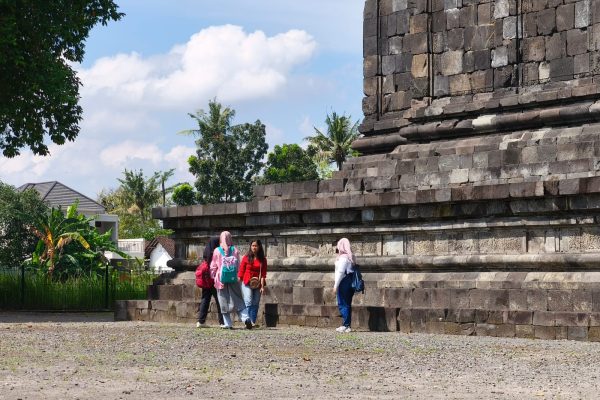
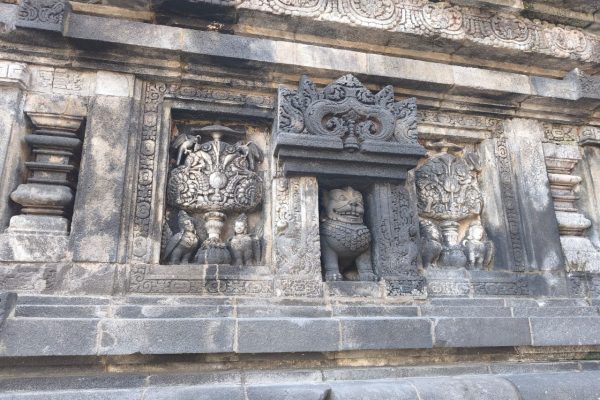
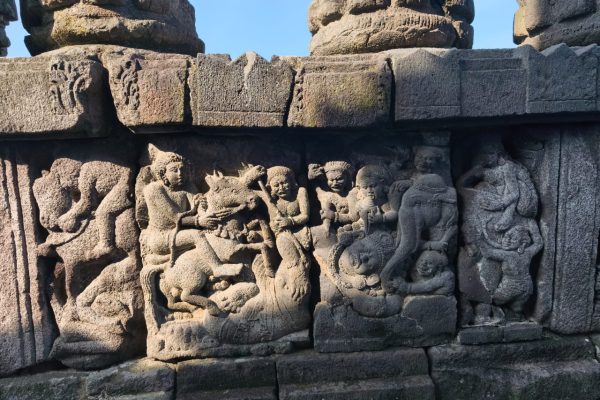
SLEMAN, YOGYAKARTA – JULY 29, 2025 – In an innovative learning initiative, a group of students (Awanda Nurvi Adifa (22/497410/BI/11018), Nisrina Nibros Hasibuan (22/498667/BI/11048), and Safina Suci Samara (22/498711/BI/11049)) from the UGM Faculty of Biology has conducted a field study at the Prambanan Temple complex. The activity, part of the Research scheme of the Merdeka Belajar Kampus Merdeka (MBKM) program, focuses on identifying and analyzing the diverse fauna carved on the reliefs of the 9th-century temple.
The visit aims to reconstruct a picture of past biodiversity as depicted on the temple reliefs. Using the bio-iconography method, the students are meticulously documenting, identifying, and analyzing every animal relief found, from mammals and birds to reptiles and insects. The collected data will then be used to build a historical database of the fauna from that period.
This research activity not only has high academic value but also directly supports the achievement of the Sustainable Development Goals (SDGs).
Specifically, this initiative is highly relevant to SDG 15: Life on Land. By understanding the types of animals that once lived and were recorded in this cultural heritage, the students can provide historical comparative data. This data is crucial for understanding biodiversity changes over centuries, measuring the rate of species loss, and can ultimately form the basis for formulating more effective wildlife conservation strategies today.
Furthermore, this program is also a tangible implementation of SDG 4: Quality Education. The MBKM learning model, which takes students directly to the research object, provides a deep, contextual learning experience that goes beyond the classroom walls.
Zuliyati Rohmah, S.Si., M.Si., Ph.D. Eng., the supervising field lecturer, stated that Prambanan Temple is a priceless natural history laboratory. “The reliefs on the temple are not merely artistic decorations, but a visual archive of past ecosystems. Through the eyes of a biologist, these reliefs tell a story about the richness of fauna in their time. This is a bridge between biology, archaeology, and history that provides students with a holistic understanding,” she said.
One of the participating students, Awanda, expressed her enthusiasm. “This experience has opened our eyes to the fact that conservation is not just about the future, but also about learning from the past. Seeing the detailed carvings of langurs, deer, and various
birds on the stone made us wonder, are they all still around us today? This motivates us to be more concerned about wildlife preservation,” she said.
The results of this research are expected to be published in a scientific journal and become an important reference for researchers, archaeologists, and conservation activists in understanding the ancient Javanese ecological landscape.
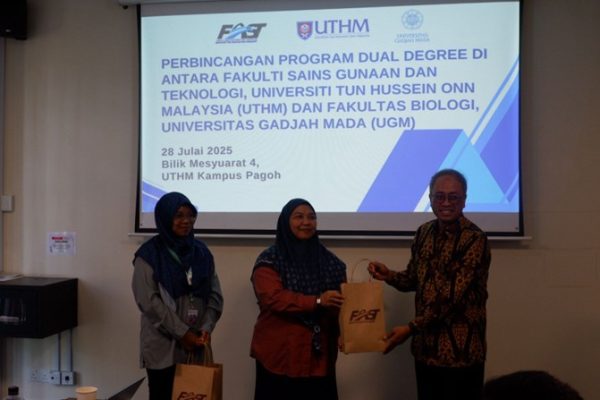
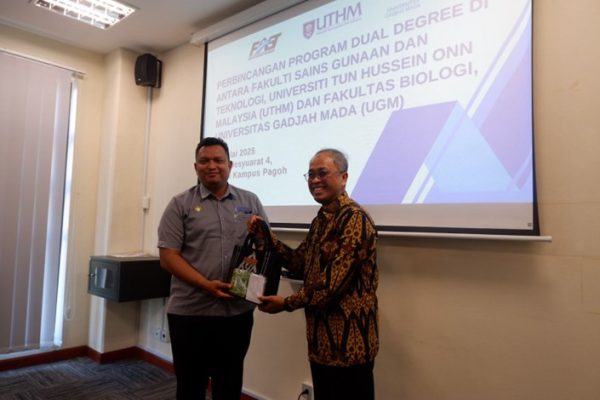
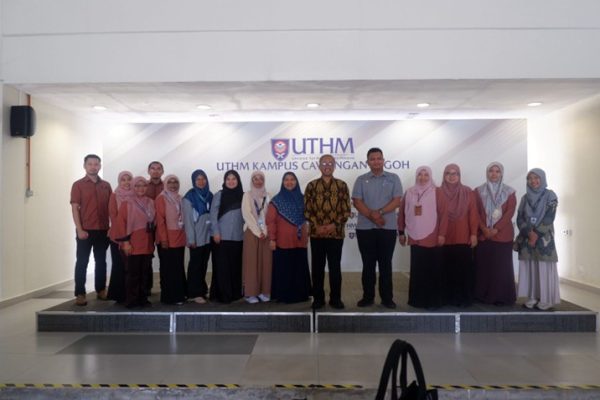
Pagoh, Malaysia – The Faculty of Biology, Universitas Gadjah Mada (UGM), conducted an official visit to Universiti Tun Hussein Onn Malaysia (UTHM) to discuss the implementation of a Dual Degree program at the undergraduate level (Bachelor of Science) between the Faculty of Applied Sciences and Technology (FAST), UTHM and the Faculty of Biology UGM. The visit took place from July 24 to 28, 2025, at Pagoh Branch Campus, UTHM, Malaysia.
The UGM delegation was led by Prof. Dr. Bambang Retnoaji, S.Si., M.Sc., Vice Dean for Academic and Student Affairs, and accompanied by two staff members from the Office of Research, Community Service, Collaboration, and Alumni (P2MKSA), Anysah Nur Fauziyah, S.Si., and Annisa Mawarni, S.Si.
An intensive three-day curriculum matching session was held from Thursday to Saturday, July 24–26, 2025. This process was crucial to ensure compatibility in course structures, credit loads, and learning outcomes, which are essential for the effective and equitable implementation of the dual degree program.
In addition to curriculum alignment, the discussions also involved drafting the content of the Memorandum of Agreement (MoA), which will serve as the legal foundation for the collaboration. Finalizing the MoA marks a strategic step toward establishing a strong administrative and operational framework for the dual degree program. With agreement reached on both the curriculum and the MoA content, both institutions are optimistic that the program can commence in the upcoming academic semester.
The visit concluded with an official meeting on Monday, July 28, 2025, between the UGM delegation and the leadership and academic staff of FAST-UTHM. The meeting was attended by: Assoc. Prof. Ts. ChM. Dr. Hatijah binti Basri, Dean of FAST, Assoc. Prof. Ts. Dr. Muhammad Abdul Latiff bin Abu Bakar, Deputy Dean for Research, Development, and Publication, Dr. Aqilah Binti Awg Abdul Rahman, Head of Natural Resources Program, Dr. Arney Binti Sapaat, Head of SUNR Centre, Dr. Nur Hafizah Binti Malik, Head of BWD Program, Assoc. Prof. Ts. Dr. Norazlin Binti Abdullah, Head of Department of Technology & Natural Resources, Ts. Dr. Siti Fatimah Binti Sabran, Ts. Gs. Dr. Kamarul Rahim Bin Kamarudin, Dr. Yap Jing Wei, Ts. Dr. Salasiah Binti Mohamad, Dr. Munira Binti Zainal Abidin, Assoc. Prof. ChM. Dr. Norhayati Binti Muhammad, Dr. Nor Atiqah Binti Norazlimi, Dr. Furzani Binti Pa’ee.
The Faculty of Biology UGM and FAST-UTHM have maintained a strong partnership since 2018, collaborating annually through various international activities such as student mobility programs, the International Conference on Biological Sciences (ICBS), the International Conference on Biodiversity (ICB), and the International Summer Course.
FAST-UTHM expressed strong enthusiasm for this collaboration, highlighting the shared academic vision and focus on life sciences as well as the mutual commitment to strengthening internationally recognized education.
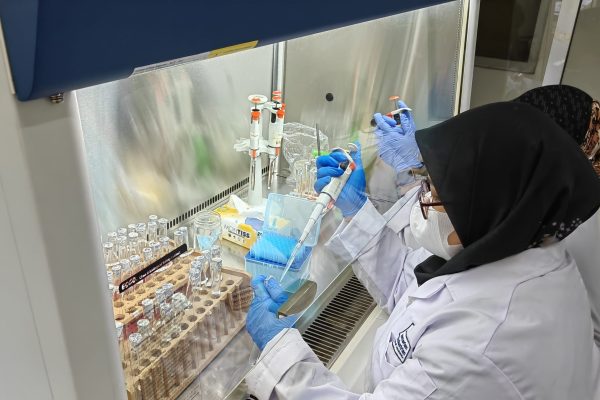
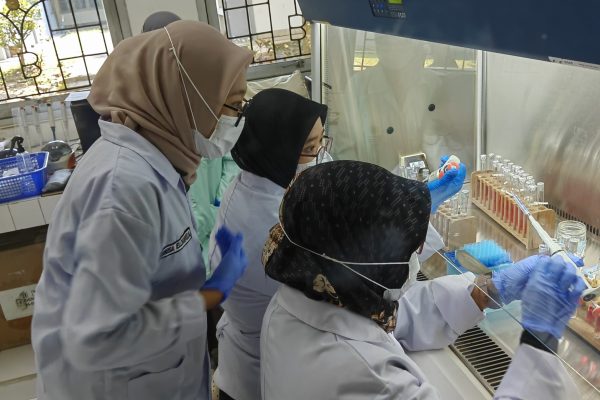
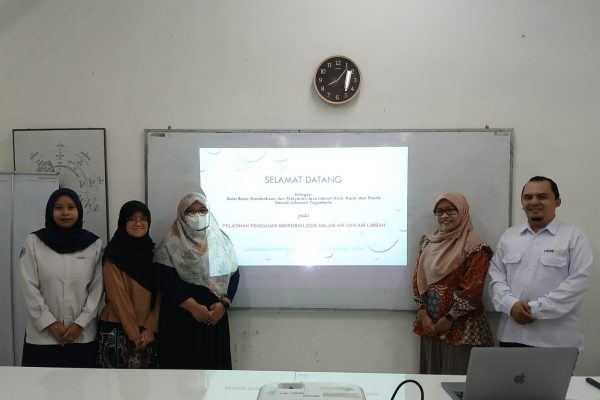
Yogyakarta, July 24, 2025 – The Faculty of Biology, Universitas Gadjah Mada (UGM), proudly hosted a training program entitled “Microbiological Testing of Water and Wastewater” held from July 21–24, 2025 at the Microbiology Laboratory, Faculty of Biology UGM. This activity was organized in collaboration with the Center for Standardization and Industrial Services of Leather, Rubber, and Plastics (BBSPJIKKP), Yogyakarta.
The training was attended by technical staff and laboratory analysts from BBSPJIKKP, aiming to enhance their capacity in microbiological testing for clean water and industrial wastewater in accordance with environmental quality and public health standards. The training materials covered sampling methods, culturing techniques of microbial indicators, coliform, such as Escherichia coli, and interpretation of results based on national and international regulations.
Dr.rer.nat. Abdul Rahman Siregar, S.Si., M.Biotech., as Head of Microbiology Laboratory, Faculty of Biology UGM, warmly welcomed this activity as part of the university’s commitment to academic contribution and community service in strengthening human resource capacity within the industrial sector. “We hope this training will have a real impact on improving water testing quality in Indonesia, and become the first step toward sustainable collaboration between academia and industry,” he stated.
This training also supports the Sustainable Development Goals (SDGs), specifically SDG 3: Good Health and Well-being, through the strengthening of microbiological testing as part of environmental health surveillance; SDG 6: Clean Water and Sanitation, by improving the quality of testing for both industrial and domestic wastewater; SDG 17: Partnerships for the Goals, through institutional collaboration to build capacity and share knowledge.
This initiative is a clear demonstration that synergy between higher education institutions and government agencies can drive innovation, quality improvement, and sustainability in environmental management in Indonesia.
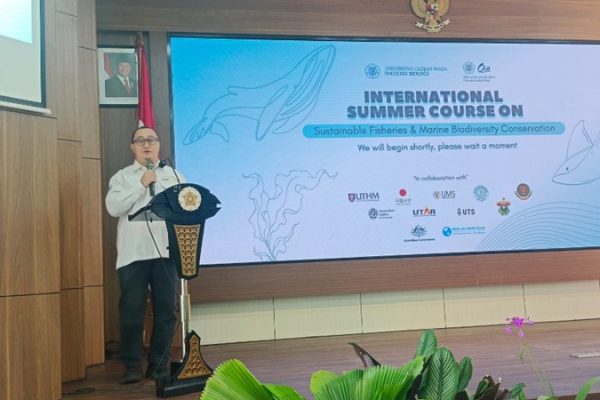
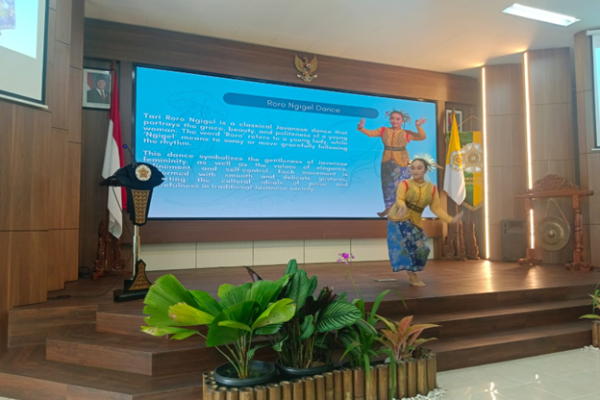
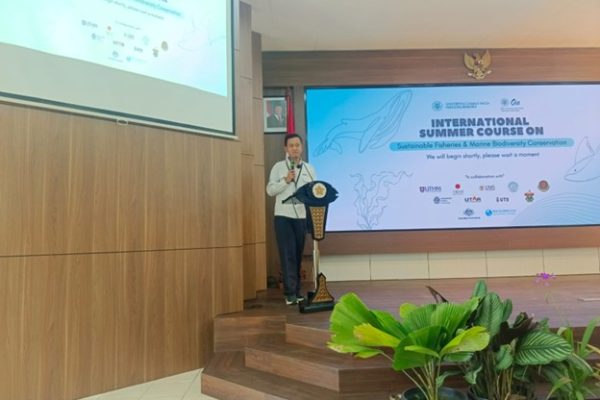
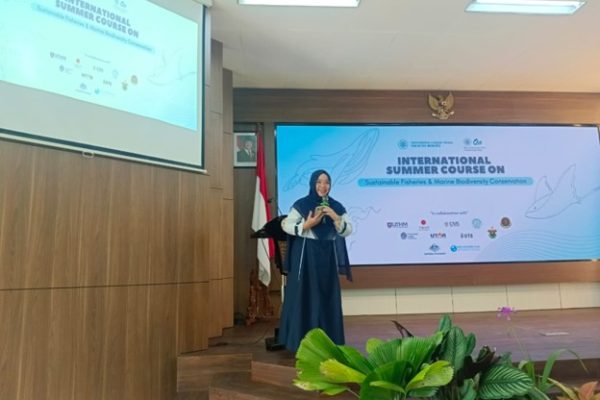
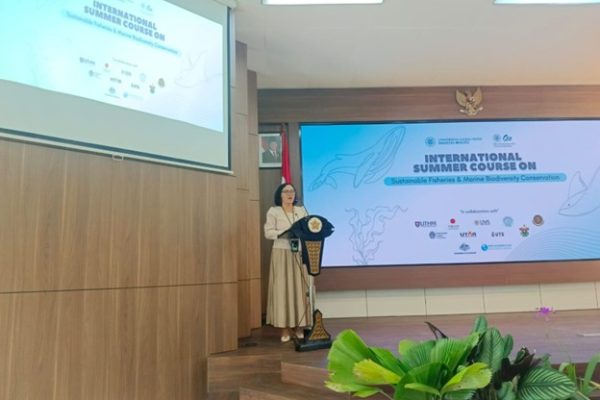
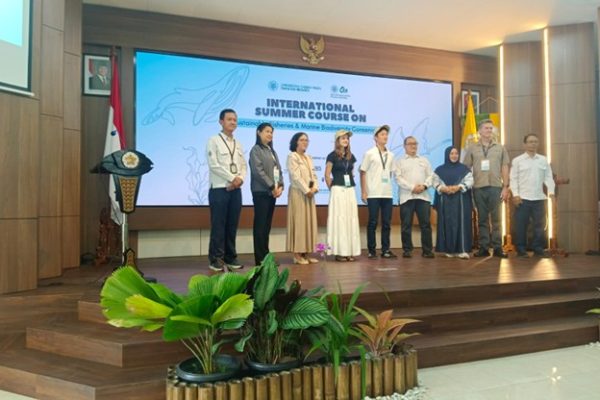
Yogyakarta, July 21, 2025 – The Faculty of Biology Universitas Gadjah Mada (UGM) officially launched the 2025 International Summer Course (ISC) under the theme “Sustainable Fisheries and Marine Biodiversity Conservation.” This annual event is part of the series for the 14th Lustrum of the Faculty of Biology. This year, the ISC is held in collaboration with the University of Technology Sydney (UTS) through funding from the New Colombo Plan, the Indonesian Language and Culture Learning Service (INCULS) of the Faculty of Cultural Sciences UGM, and UGM’s Directorate of Community Service.
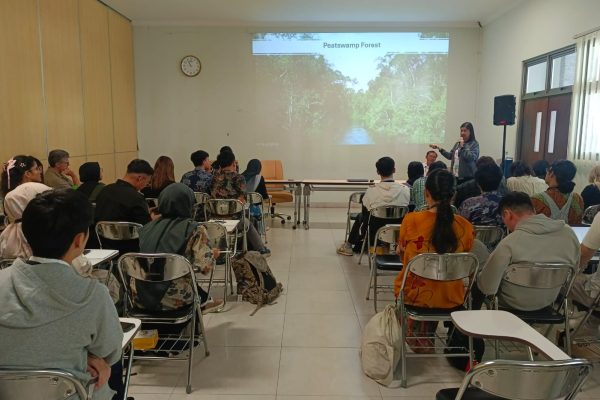
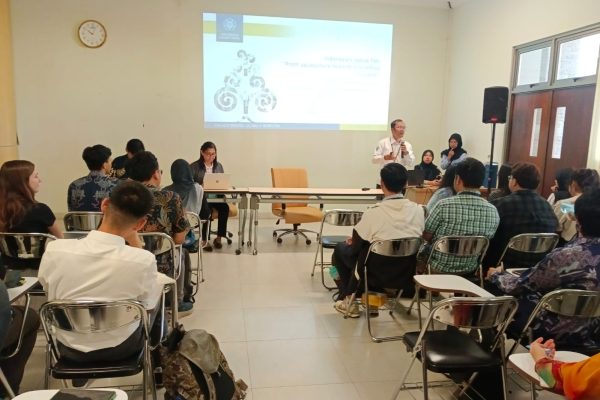
Following the Indonesian Language and Culture Program held on July 1–11, 2025, and the Community Service Program (KKN) in Margoagung Village, Seyegan District, Sleman Regency on July 14–18, 2025 in collaboration with UTS, the regular ISC officially opened on Monday morning (July 21) at the Tropical Biology Auditorium, Faculty of Biology UGM. The ISC is attended by 34 participants from 6 countries and 10 universities, including the University of Technology Sydney (Australia), Chiba University (Japan), Universiti Tunku Abdul Rahman (Malaysia), Universiti Tun Hussein Onn (Malaysia), Kasetsart University (Thailand), University of the Philippines Los Baños, UGM, UIN Walisongo, Universitas Negeri Surabaya (UNESA), and Universitas Kristen Satya Wacana (UKSW).
In his opening remarks, Dr. Eko Agus Suyono, M.App.Sc., expressed his gratitude to all participants and partner universities for their involvement. As Vice Dean for Research, Community Service, Collaboration, and Alumni Affairs, he hoped the course would become a valuable experience for participants to contribute on a global scale.
Prof. Ir. Nanung Agus Fitriyanto, S.Pt., M.Sc., Ph.D., IPM, Head of the KKN Sub-directorate under the Directorate of Community Service at UGM, highlighted that this program creates opportunities for interdisciplinary study, allowing participants to approach issues from various perspectives.
Dr. Wulan Tri Astuti, S.S., M.A., Program Coordinator of INCULS, Faculty of Cultural Sciences UGM, expressed special thanks to the participants from the University of Technology Sydney for taking part in the Indonesian language learning program. “We hope the knowledge you have gained will be useful and applicable whenever needed,” she said.
Meanwhile, Prof. Dr. Puji Astuti, S.Si., M.Sc., Apt., Director of the UGM Directorate of Partnerships and Global Relations, emphasized that the program serves as an immersion opportunity that connects universities with local communities. She underlined the importance of biodiversity conservation in Indonesia, which still faces serious challenges such as overfishing, illegal fishing, and plastic pollution.
Through this program, the Faculty of Biology UGM reaffirms its commitment to nurturing a young generation that is environmentally conscious and actively contributes to global conservation efforts. This initiative also supports the achievement of the Sustainable Development Goals (SDGs), particularly SDG 14 (Life Below Water) by aiming to protect marine ecosystems and promote sustainable fishing practices. Additionally, it contributes to SDG 4 (Quality Education) by providing access to quality international education through collaborative learning across nations, and SDG 17 (Partnerships for the Goals) by fostering meaningful international cooperation.
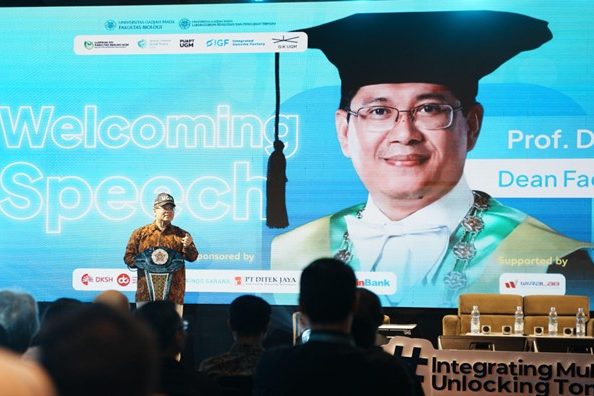
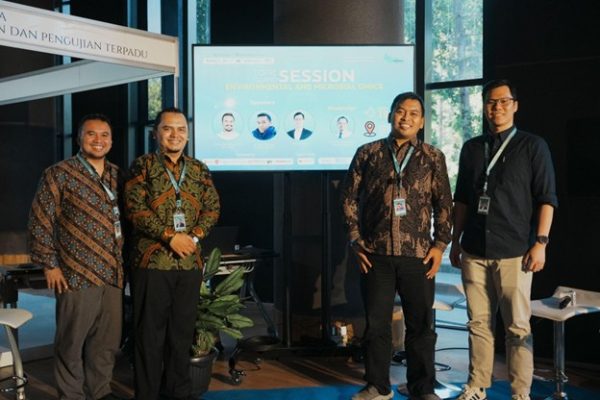
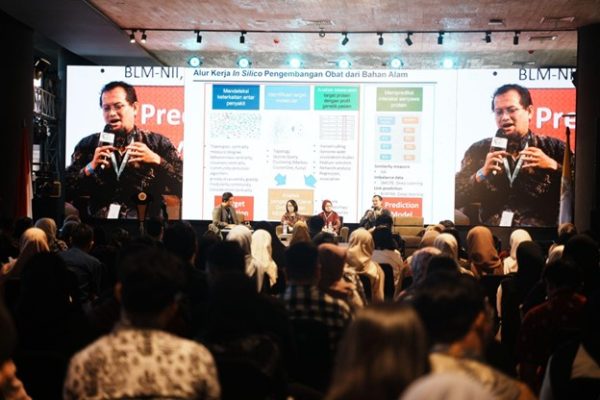
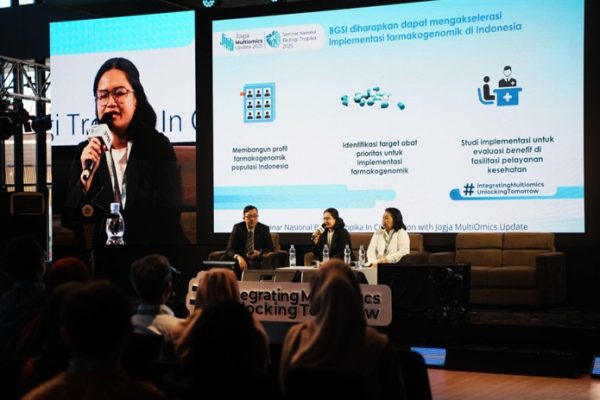
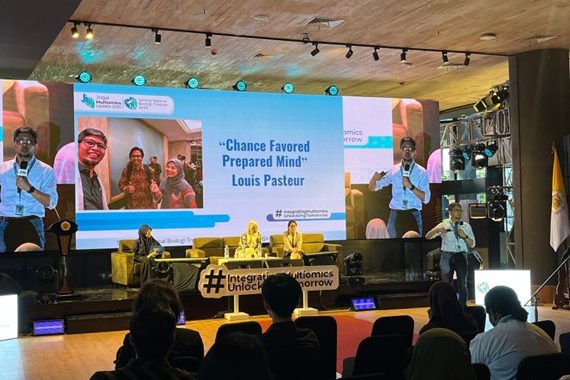
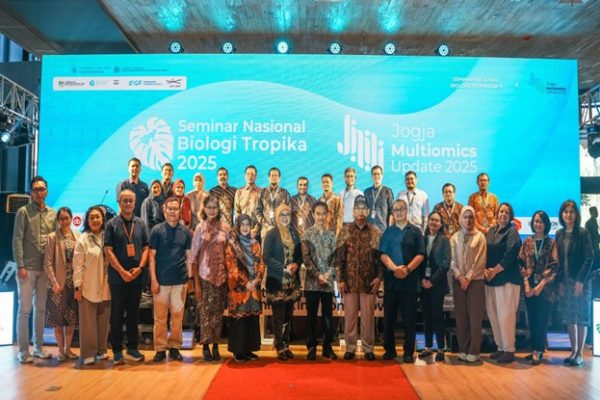
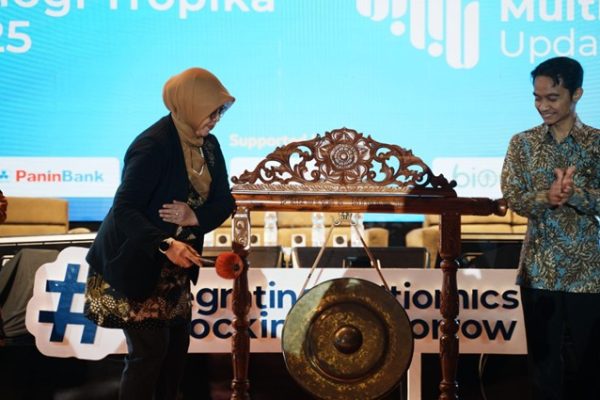
On Saturday, July 19, 2025, the Faculty of Biology at Universitas Gadjah Mada successfully held the 9th Seminar Nasional Biologi Tropika (SNBT), which this year was integrated with the Jogja MultiOmics Update (JMU), an initiative by the Integrated Genome Factory (IGF). Taking place at Gelanggang Inovasi dan Kreativitas (GIK) UGM, the seminar carried the theme: “Genomic Innovation for Health and Environmental Sustainability”.
This event became a strategic event to strengthen research collaboration across institutions and sectors, along with the rapid development of multi-omics technology and the urgency of its utilization in the tropical context.
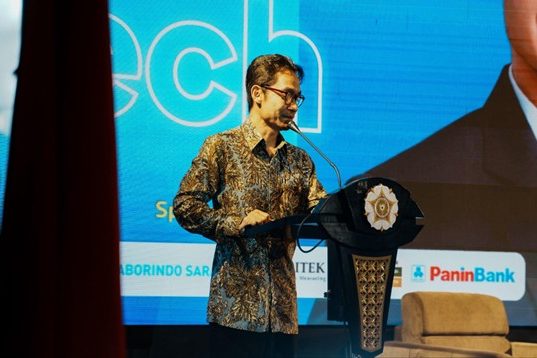
In his speech, Dean of Faculty of Biology UGM, Prof. Dr. Budi Setiadi Daryono, M.Agr.Sc., emphasized that as a megabiodiversity country, Indonesia has a great responsibility in the development of genomic technology. “We hope this seminar can create strategic synergy, research network formation, as well as policies and curricula that support the advancement of Indonesian tropical science,” he said.
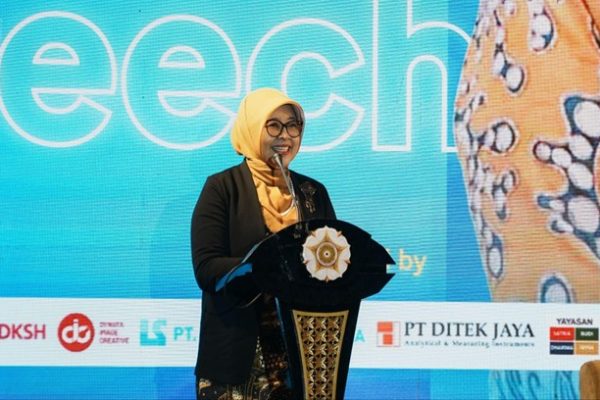
Dr. Danang Sri Hadmoko, M.Sc., UGM Vice Rector for Research, Business Development, and Cooperation, said that science-based transformation requires integrative and multidisciplinary approaches. “Genomics is the entrance to answer health, environment, and bioindustry issues scientifically and collaboratively. This forum is a realization of UGM’s spirit to develop solutions from local roots with global standards,” he said.
Director of Kemendikbudristek Resources, Prof. Dr. Ir. Sri Suning Kusumawardani, S.T., M.T., highlighted the importance of human resource capacity building in genomics and bioinformatics. “We must be the main actors, not just users of technology. Academic and industrial collaboration such as with the Integrated Genome Factory (IGF) is the right step towards sustainable innovation,” she emphasized.
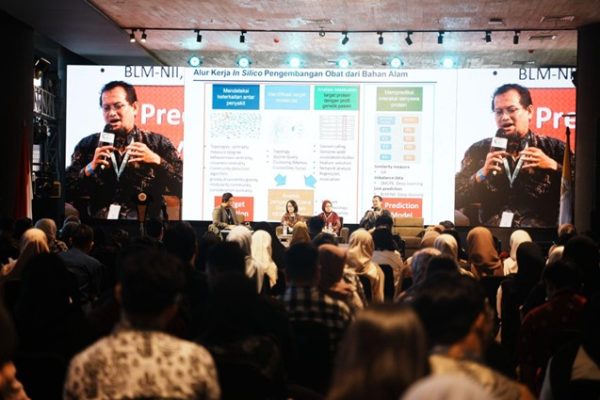
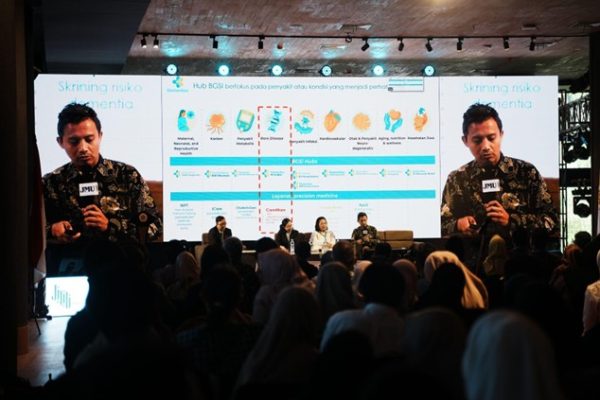
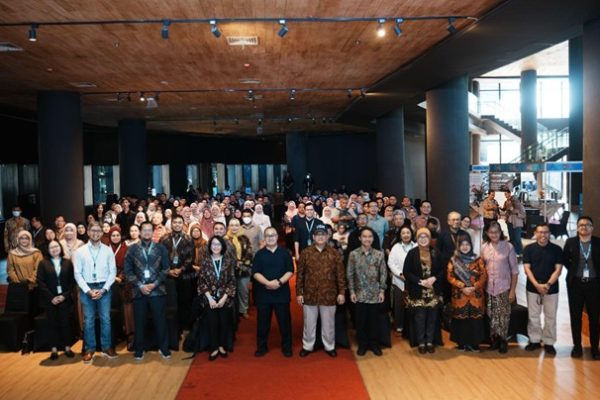
SNBTxJMU 2025 presented 15 national speakers in Lightning Talk and Topic Island sessions, and was attended by more than 200 participants from various backgrounds of students, lecturers, researchers, practitioners, and students from various institutions in Indonesia.
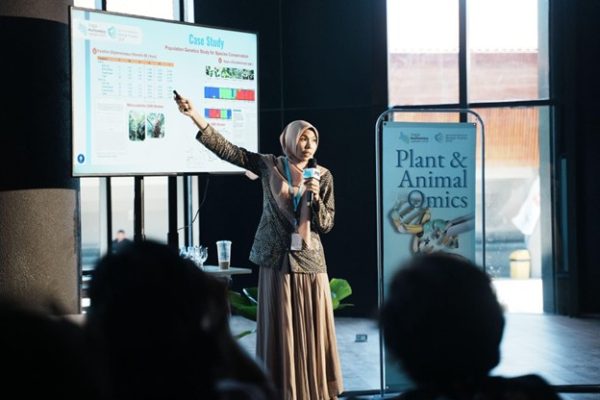
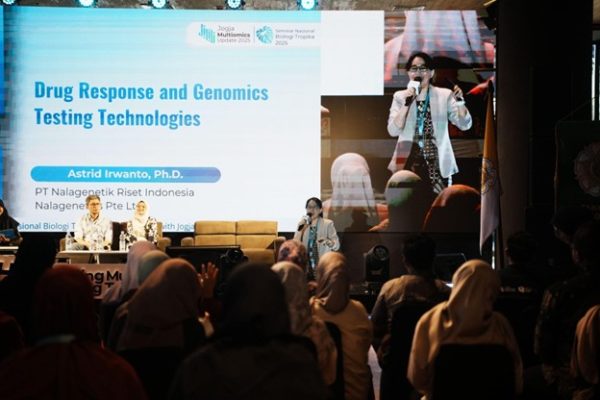
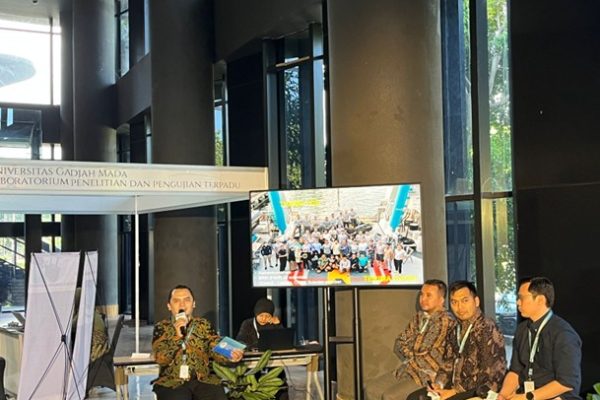
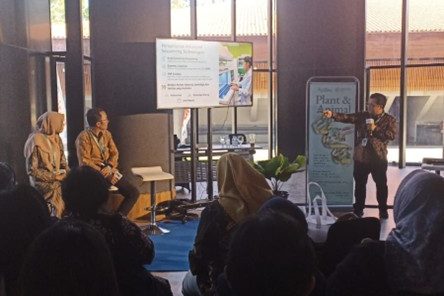
The speakers came from various institutions, including: BB Biomedicine and Health Genomics (BGSi) of the Indonesian Ministry of Health, Faculty of Medicine UGM, SITH ITB, BRIN, IPB University, to biotechnology companies such as Nalagenetics and Nusantics. The three main topics discussed in the parallel sessions were Clinical Omics, Plant & Animal Omics, and Environmental & Microbial Omics.
The event also featured a showcase of UGM’s multi-omics technology platform and industry partners, as well as introducing NGS services from IGF. Also supported by PacBio-DKSH Scientific Indonesia, Oxford Nanopore Technology- CV Dynata Creative Image, Shimadzu – PT Ditek Jaya, Sciex-Cytiva PT Laborindo Sarana, Panin Bank and Yayasan Satriabudi Dharma Setia (YSDS), as well as media partners such as Biou.id, Synbio.id, INBIO, Genbinesia, and Block71 Indonesia.
Institutions present included national and international universities such as UI, ITB, IPB, UIN, Khon Kaen University, as well as leading biotechnology institutions and companies in Indonesia such as PT Genetika Science Indonesia, PT Moosa Genetika Farmindo, PT Etana Biotechnologies Indonesia, PT Bio Farma (Persero), PT Widya Genomic Nusantara, and PT Widya Teknologi Hayati, PT Saraswanti Indonesia Genetech, PT. PathGen Diagnostik Teknologi, and also representative from Indonesian Genomic Association.
SNBTxJMU 2025 activities support the achievement of SDGs, especially SDGs 3 (healthy life) through Clinical Omics innovation, SDGs 4 (quality education) through strengthening academic capacity and curriculum, SDGs 9 (industry and innovation) through collaboration with the biotechnology sector, as well as SDGs 13 and SDGs 15 through Environmental & Microbial Omics sessions that focus on biodiversity conservation and environmental monitoring.
SNBTxJMU 2025 is expected to be an important supporting system in building a sustainable Indonesian genomics and also multiomics research and innovation ecosystem that has a real impact on society and the tropical environment.
Before the closing of the event, the best presenters were announced from the SNBT presenter participants, namely Kinasih Prayuni, M.Si. from Universitas YARSI, and Imam Bagus Nugroho, S.Si., M.Sc. from Faculty of Agricultural Technology UGM. In addition, the best pitching winner from the SNBTxJMU pre-event held by IGF was also announced, namely Assyfa Atha from IGEM UGM and Alim El Hakim from The Master of Medical Science program UGM. In order to enliven the event, appreciation was also given to participants who had participated in uploading stories through the Instagram platform.
The activity was closed by Dr. Eko Agus Suyono, S.Si., M.App.Sc., who also expressed his appreciation for the enthusiasm of the participants and the collaborative spirit that was built during the event. He also invited all participants to return to participate in the upcoming SNBTxJMU in 2026.
#GenomicInnovation #SDGsIndonesia #TropicalScience #UGMForTheNation #Bioinformatics #GenomicsForSustainability #UGMGlobalImpact #ScienceForLife #SDGs3 #SDGs4 #SDGs9 #SDGs13