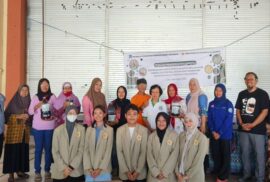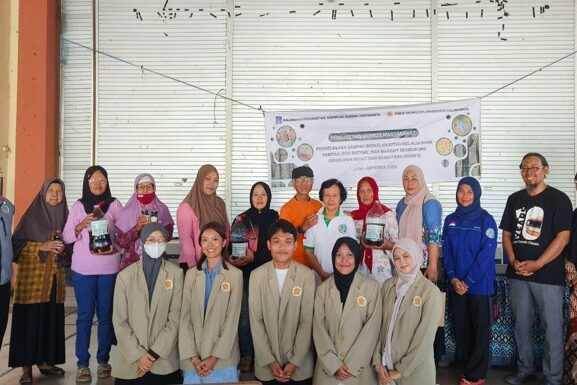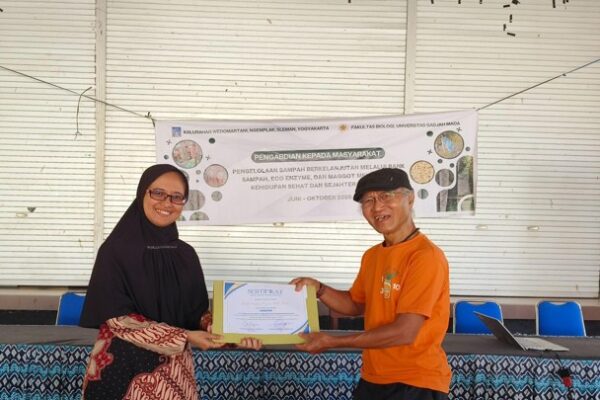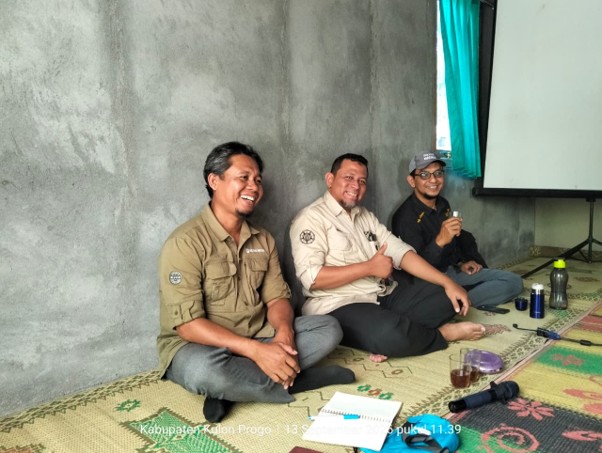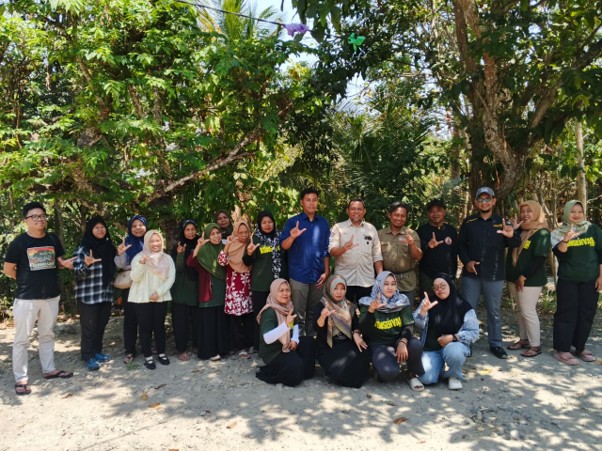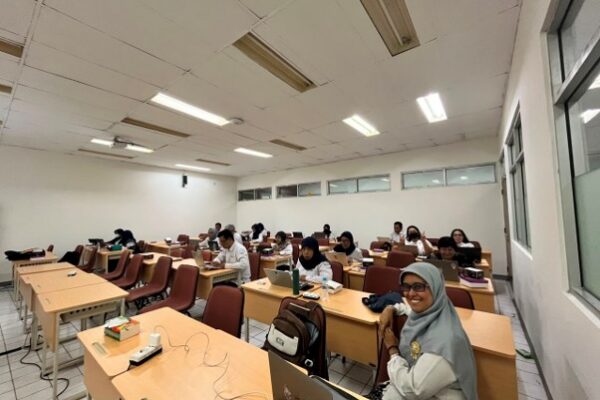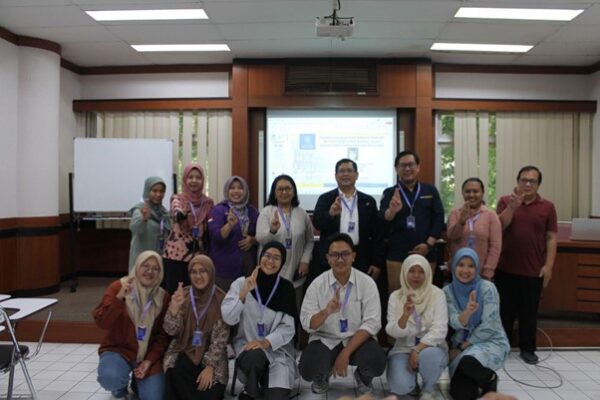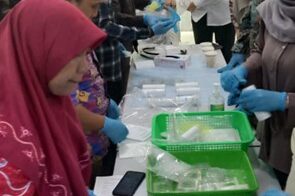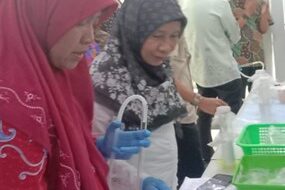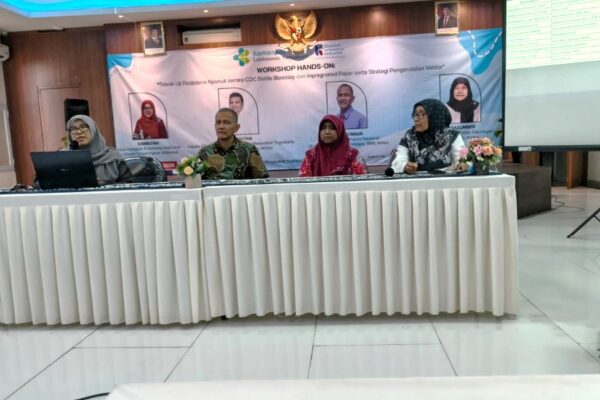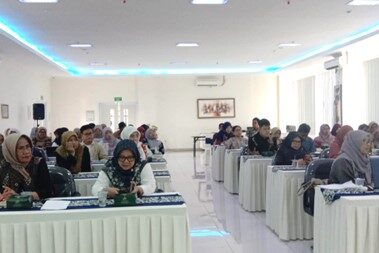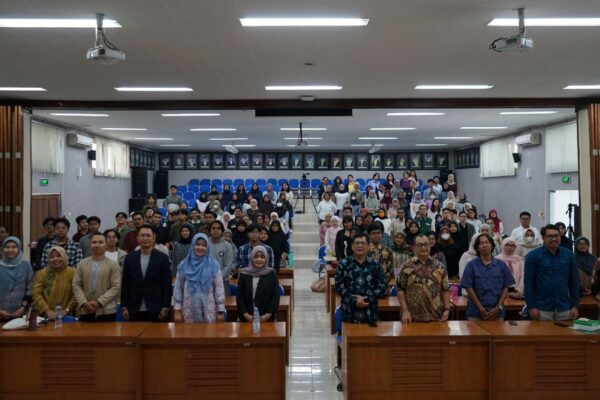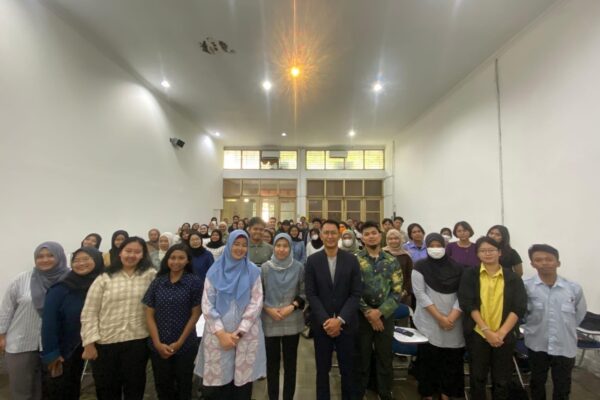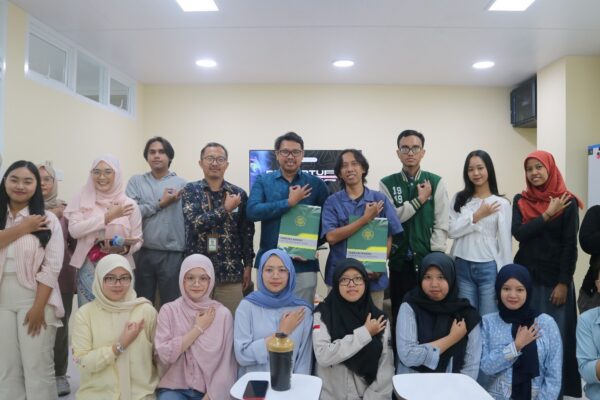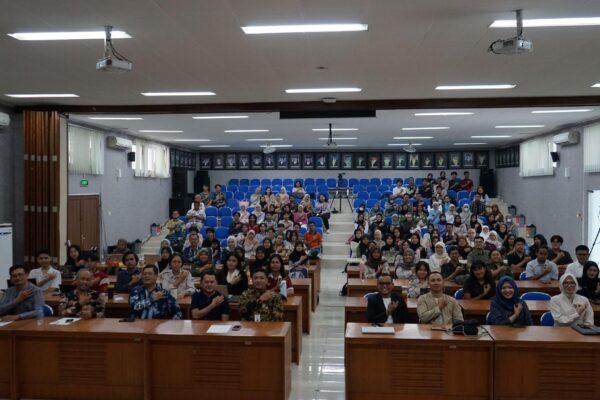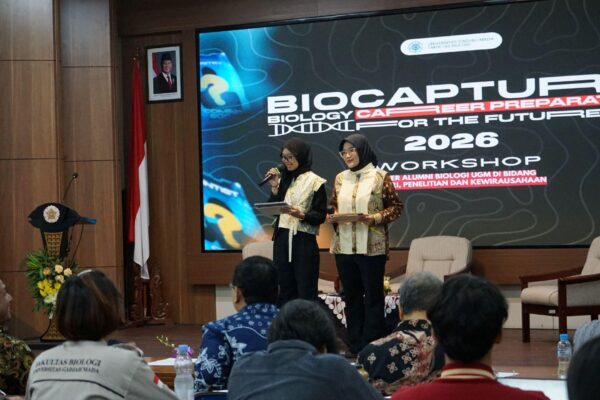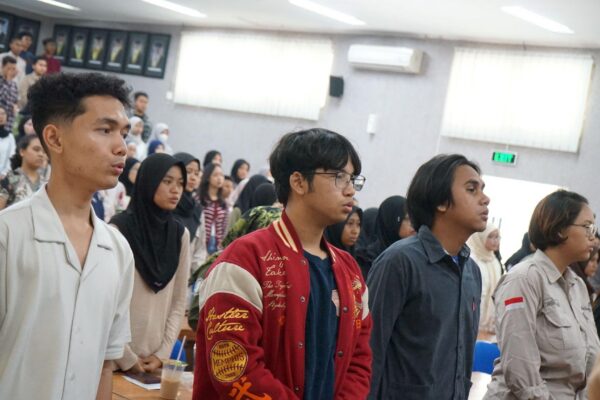
Proper inorganic waste management can be an effective strategy to reduce waste generation while repurposing materials that retain functional value. The Waste Management Community Service (PkM) Team in collaboration with the Wedomartani Partner Village, the Faculty of Biology, Universitas Gadjah Mada (UGM), provided education on inorganic waste management and introduced the waste bank system to the community. This initiative was realized through the “Extension and Training on Waste Bank Initiation, Institutional Structure, and Waste Bank Management Teams in Wedomartani Village,” held on Saturday, September 12, 2026, at the Wedomartani Village Hall, Ngemplak, Sleman, Special Region of Yogyakarta. The program, supervised by Dr. Ardaning Nuriliani, S.Si., M.Kes., was attended by community representatives from five hamlets: Pokoh, Wonosari, Saren, Pucanganom, and Tegalrejo.
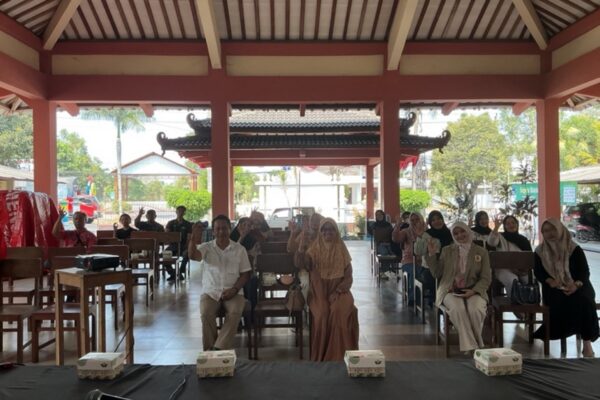
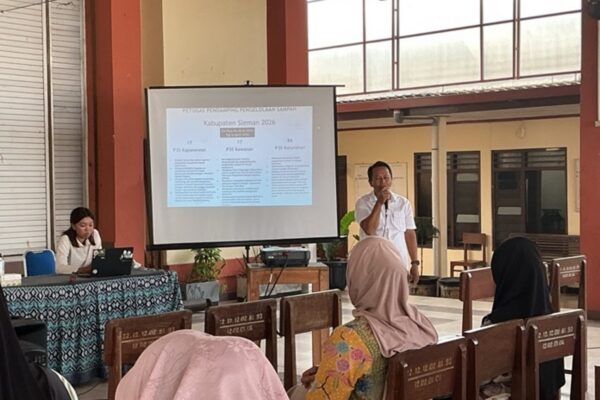
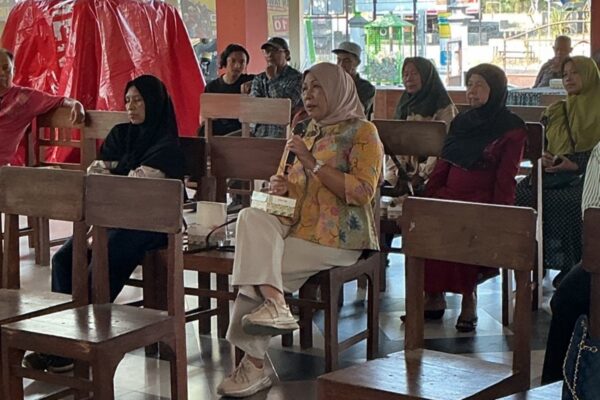
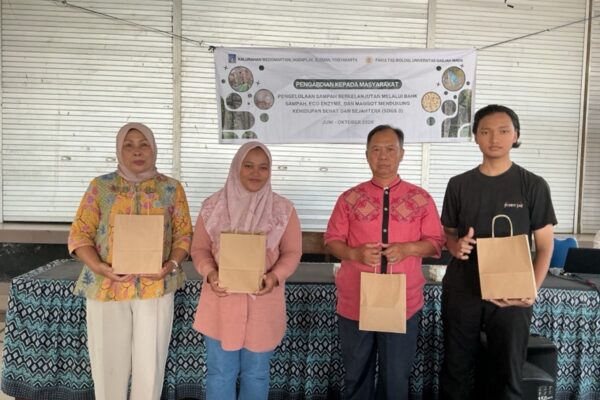
The introduction of the waste bank serves as an effort to encourage the community to begin sorting waste at its source. During this socialisation, the community received an overview of the initial stages of establishing a waste bank, its institutional structure, and the division of roles within the management team. This understanding is expected to equip the community to prepare a waste management system tailored to the specific conditions and needs of Wedomartani Village. The educational materials provided also align with SDG 4 (Quality Education), particularly by imparting actionable knowledge for community-level waste management.
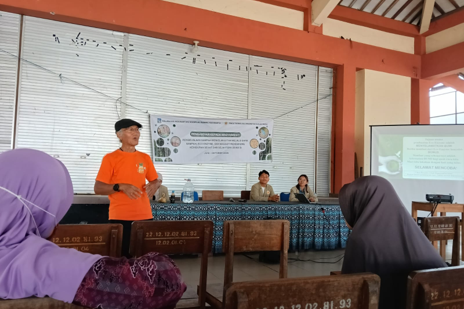
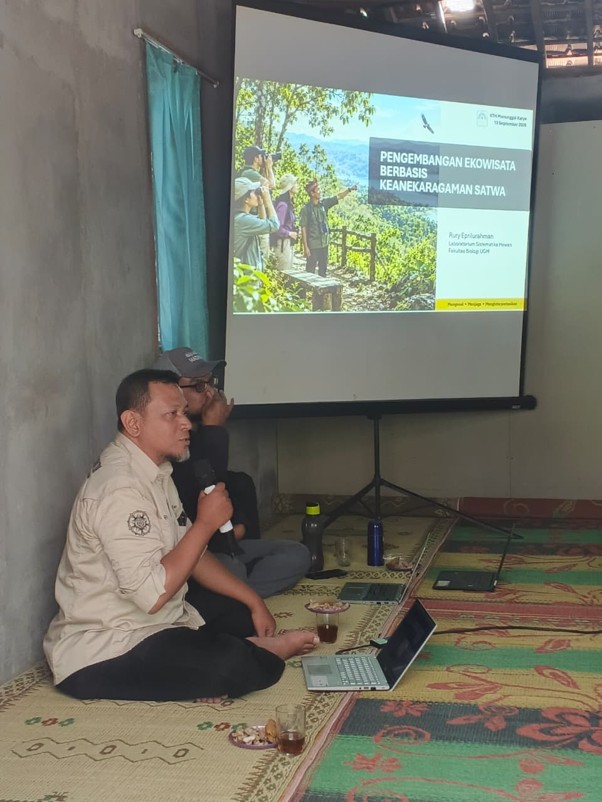
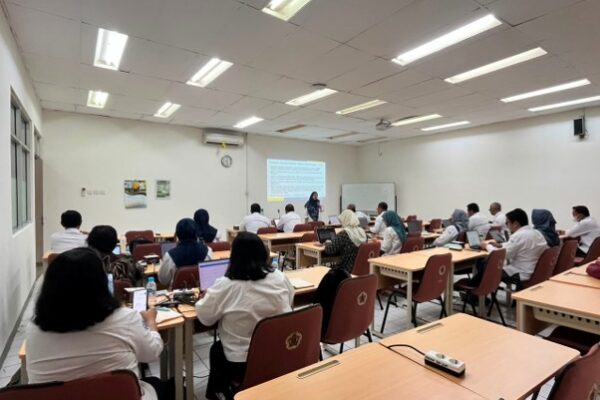
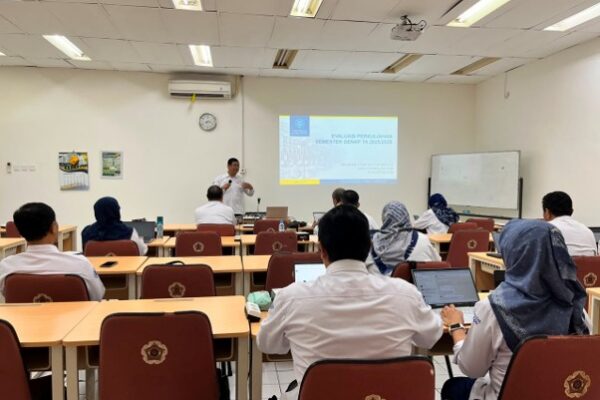
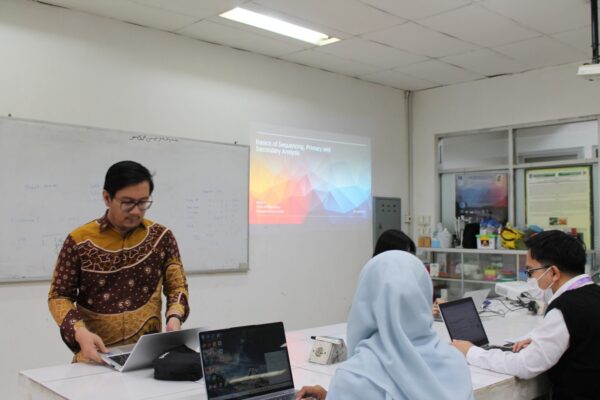
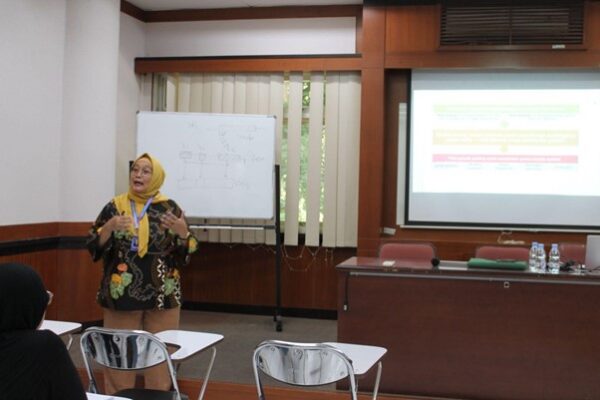
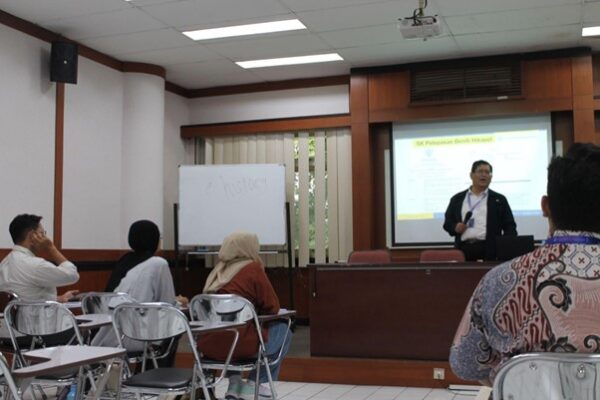
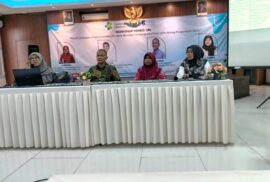
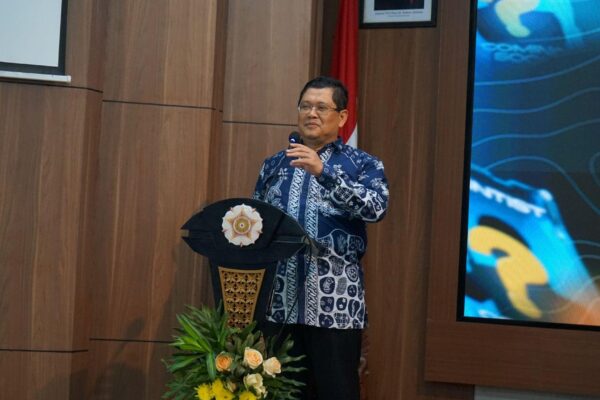
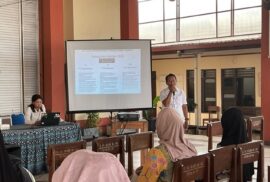
The event commenced with an opening and welcoming address by Dr. Ardaning Nuriliani, S.Si., M.Kes. Subsequently, participants attended a presentation delivered by Mr. Farid Fakhrudin, S.S., B.Sc. The presentation covered an introduction to waste banks, the initiation process, institutional structuring, task allocation for the management team, and inorganic waste management through material-specific sorting.
A key focal point of the presentation was the importance of sorting to enhance the value of inorganic waste. Mixed waste is significantly more difficult to process and generally commands a lower market value. Mr. Farid illustrated this with a straightforward example involving plastic bottles. Bottles that have been separated from their labels and caps and subsequently categorized by material type are easier to distribute and possess a higher market value compared to unsorted materials. This sorting process represents a simple yet vital step that the community can undertake before the waste is collected via the waste bank system. This method supports SDG 12 (Responsible Consumption and Production) by promoting the utilization of reusable materials, while simultaneously creating economic opportunities from waste, thereby contributing to SDG 8 (Decent Work and Economic Growth).
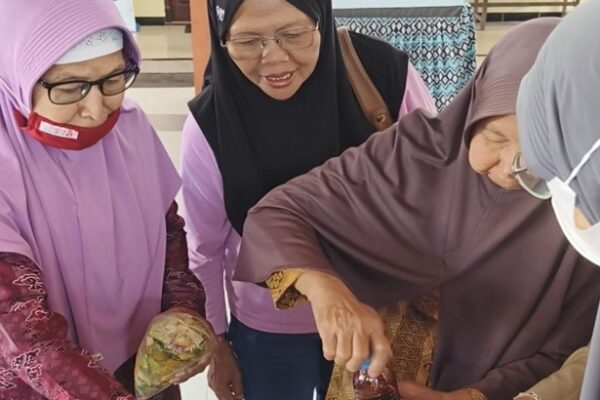
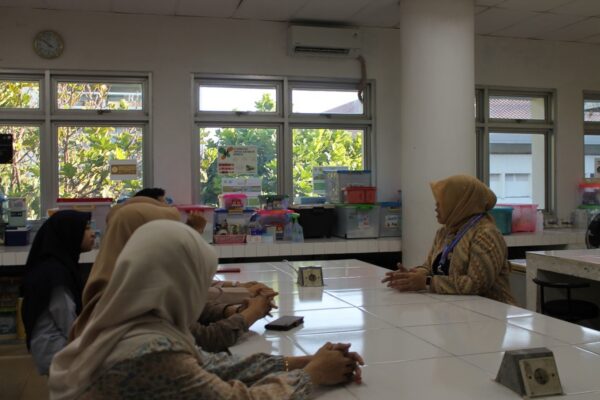
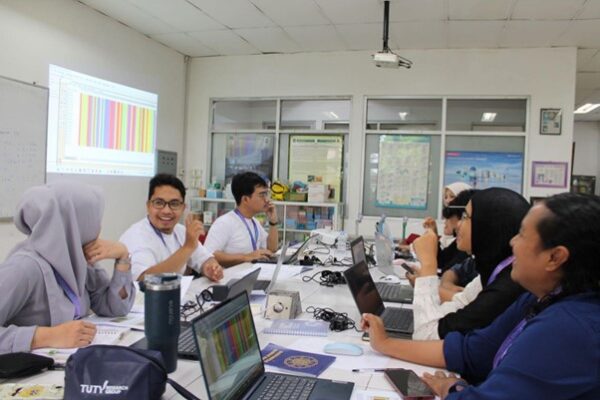
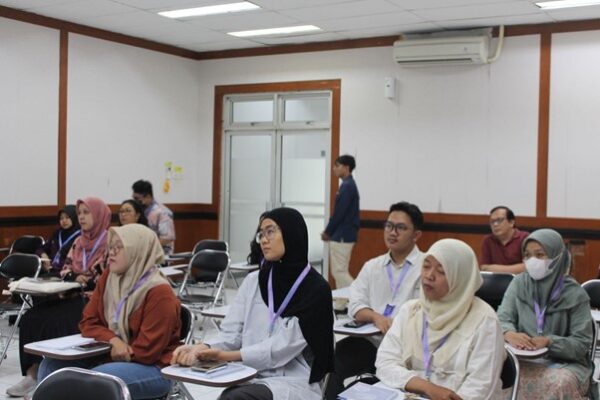
The discussion regarding the economic value of waste received a highly positive response from the participants. The community actively engaged in the presentation and participated in the discussion sessions, raising questions regarding the sorting and management of inorganic waste. The dialogue also expanded upon how waste, traditionally considered useless, can be better managed to provide environmental benefits while generating economic value.
In addition to delivering the presentation, the PkM Team distributed informative leaflets about waste banks to the participants. This information serves as reference material for the community to review the concepts, formation stages, and management protocols of a waste bank following the event. The provision of these leaflets is intended to assist the community in preparing for subsequent steps should they decide to implement a waste bank system in their respective neighborhoods.
This extension program represents an initial step by the UGM Faculty of Biology Waste Management PkM Team in supporting the Wedomartani community to establish a more structured inorganic waste management system. Through organized sorting and collection, waste that retains value can be repurposed rather than ending up directly as refuse. Ultimately, the implementation of a waste bank is expected to foster waste-sorting habits while unlocking the economic potential of community-managed waste. This direct community involvement in waste management actively supports SDG 11 (Sustainable Cities and Communities). Concurrently, the collaboration between the UGM Faculty of Biology PkM Team and the Wedomartani community exemplifies SDG 17 (Partnerships for the Goals).
Contributors: The 2026 Waste Management Community Service (PkM) Team in collaboration with the Wedomartani Partner Village, chaired by Dr. Ardaning Nuriliani, S.Si., M.Kes.