Kulon Progo, June 16, 2026 – The Community Service (PkM) Team from the Faculty of Biology, Universitas Gadjah Mada (UGM), led by Prof. Dr. Budi Setiadi Daryono, M.Agr.Sc., has launched a community empowerment program entitled “Empowering the Hargowilis Community through Modern Kampung Chicken Farming and Breeding Technologies Based on a Circular Economy as a Self-Sufficient Core–Plasma Model.” Funded by the 2026 BIMA Grant under the Community Partnership Empowerment Scheme (PKM – Program Kemitraan Masyarakat) of the Ministry of Higher Education, Science, and Technology (Kemdiktisaintek), the program is being implemented in collaboration with the Reka Amartani Livestock Group in Hargowilis Village, Kokap District, Kulon Progo Regency, Special Region of Yogyakarta.
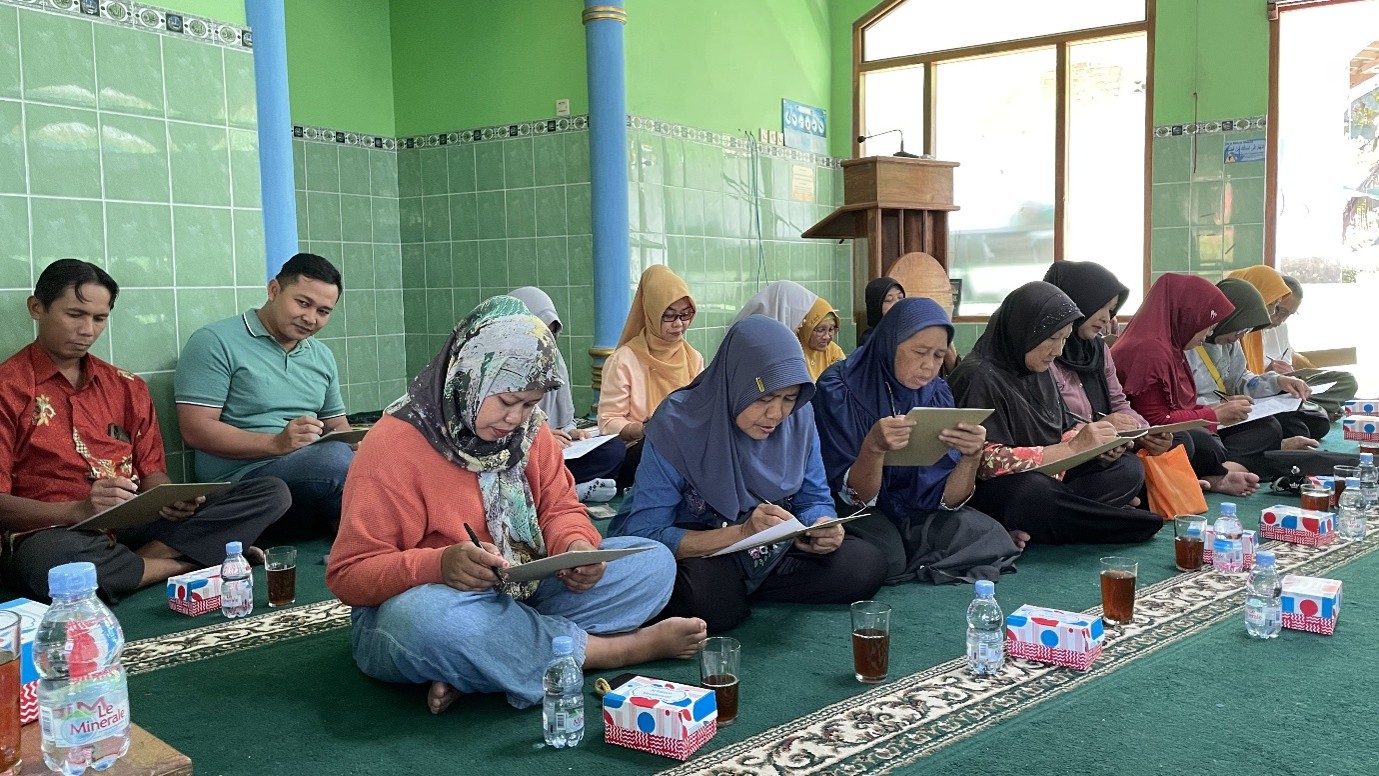
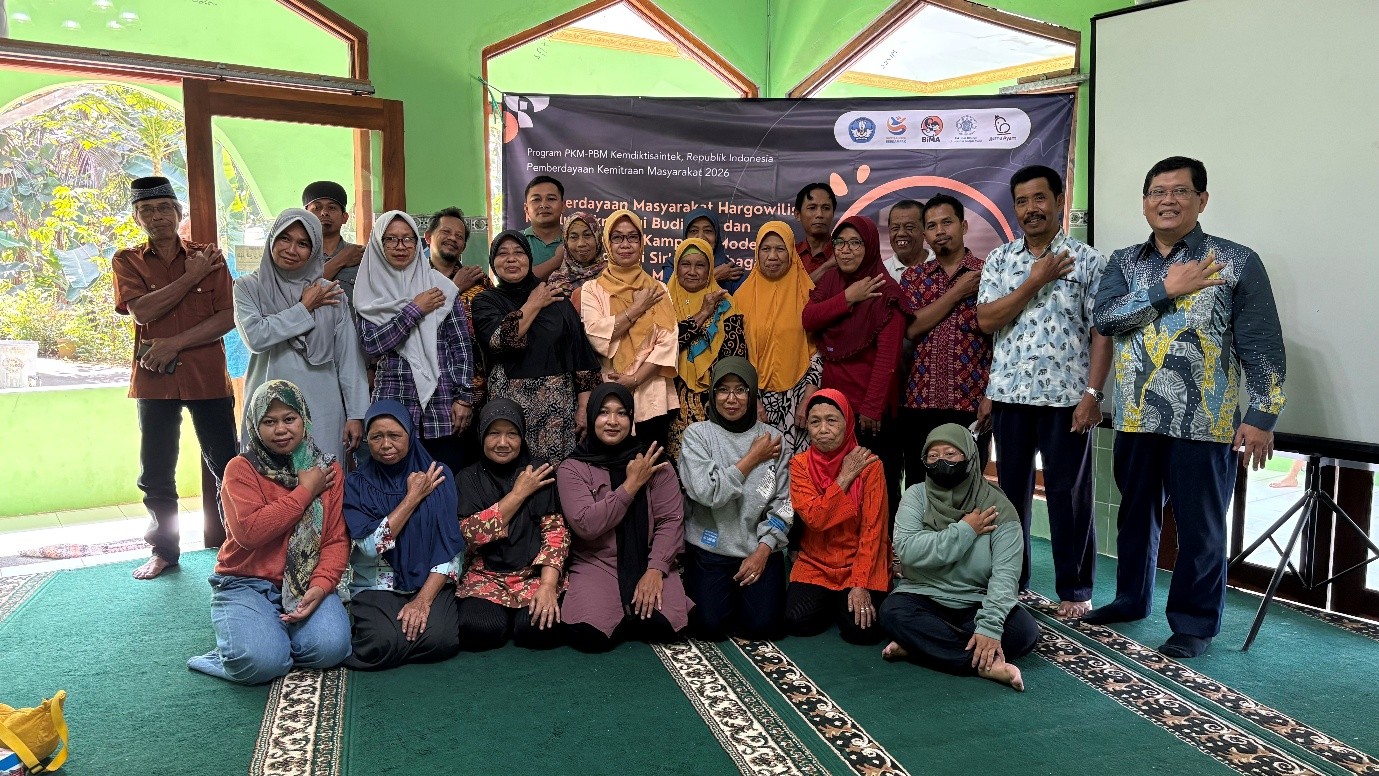

The program focuses on strengthening modern kampung chicken farming and breeding through the application of incubation technology and the utilization of local chicken genetic resources. Through this initiative, the Reka Amartani Livestock Group is expected to strengthen its farming capacity and develop a more productive and sustainable poultry farming system.
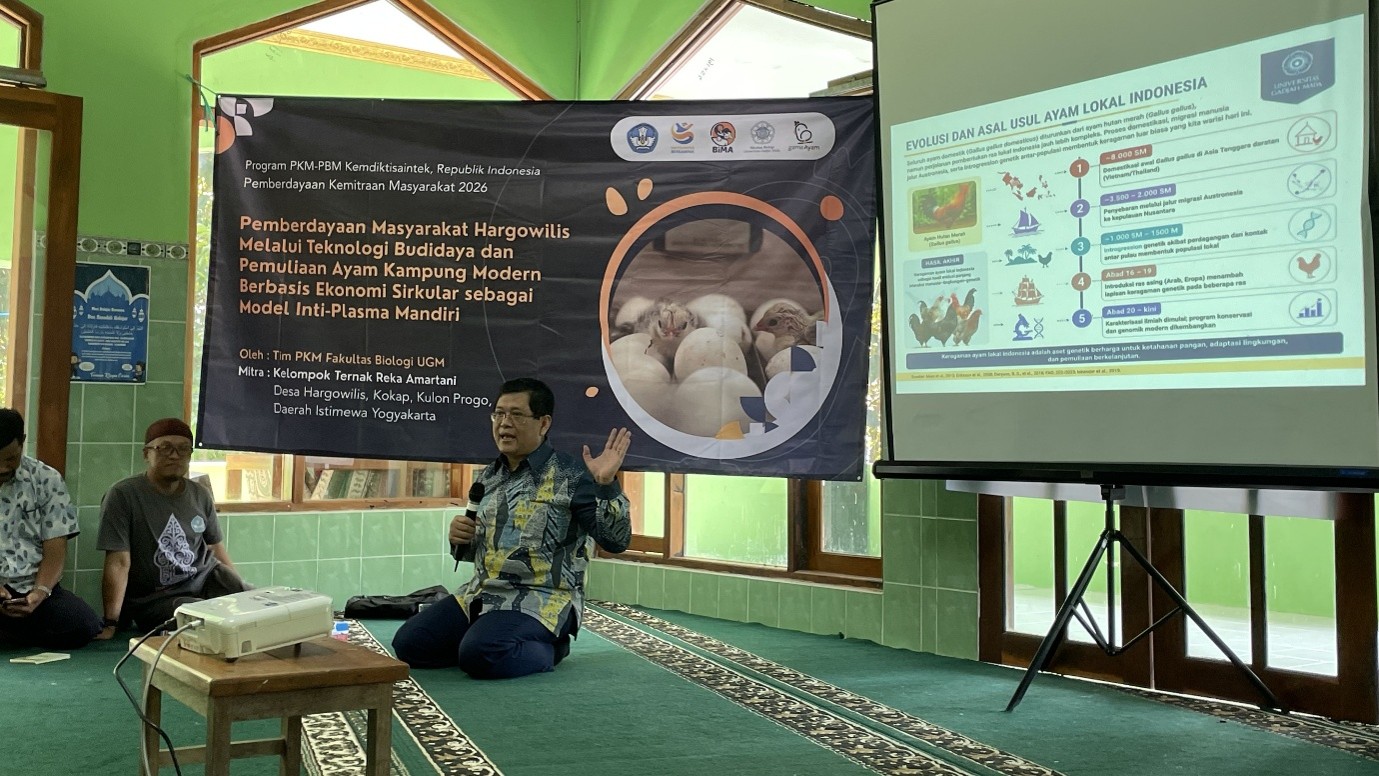
The event commenced with remarks from Prof. Dr. Budi Setiadi Daryono, M.Agr.Sc., who highlighted the importance of conserving and developing Indonesia’s local chicken genetic resources as a strategic asset for national food security. Support for the program was also expressed by the Head of Hargowilis Village, Mr. Warsidi, S.T., the Head of the Hamlet, Mr. Haryono, S.T., and the Chair of the Reka Amartani Livestock Group, Mr. Sukaryono. They welcomed the initiative and expressed their hope that the mentoring activities would contribute to the development of kampung chicken farming in Hargowilis.
During the main session, Prof. Budi delivered a presentation entitled “Genetic Diversity and the Potential of Indonesian Local Chickens for Self-Reliance and Animal-Based Food Security.” He highlighted the domestication history of chickens from the red junglefowl (Gallus gallus) and emphasized Indonesia’s rich local chicken genetic resources as valuable assets for breeding programs. Participants were also introduced to innovations developed by the Gama Ayam Team of the UGM Faculty of Biology, including the Golden Kamper chicken, as well as plans to implement a hybridization-based breeding program with the Reka Amartani Livestock Group to support the development of productive and locally adapted chicken lines.
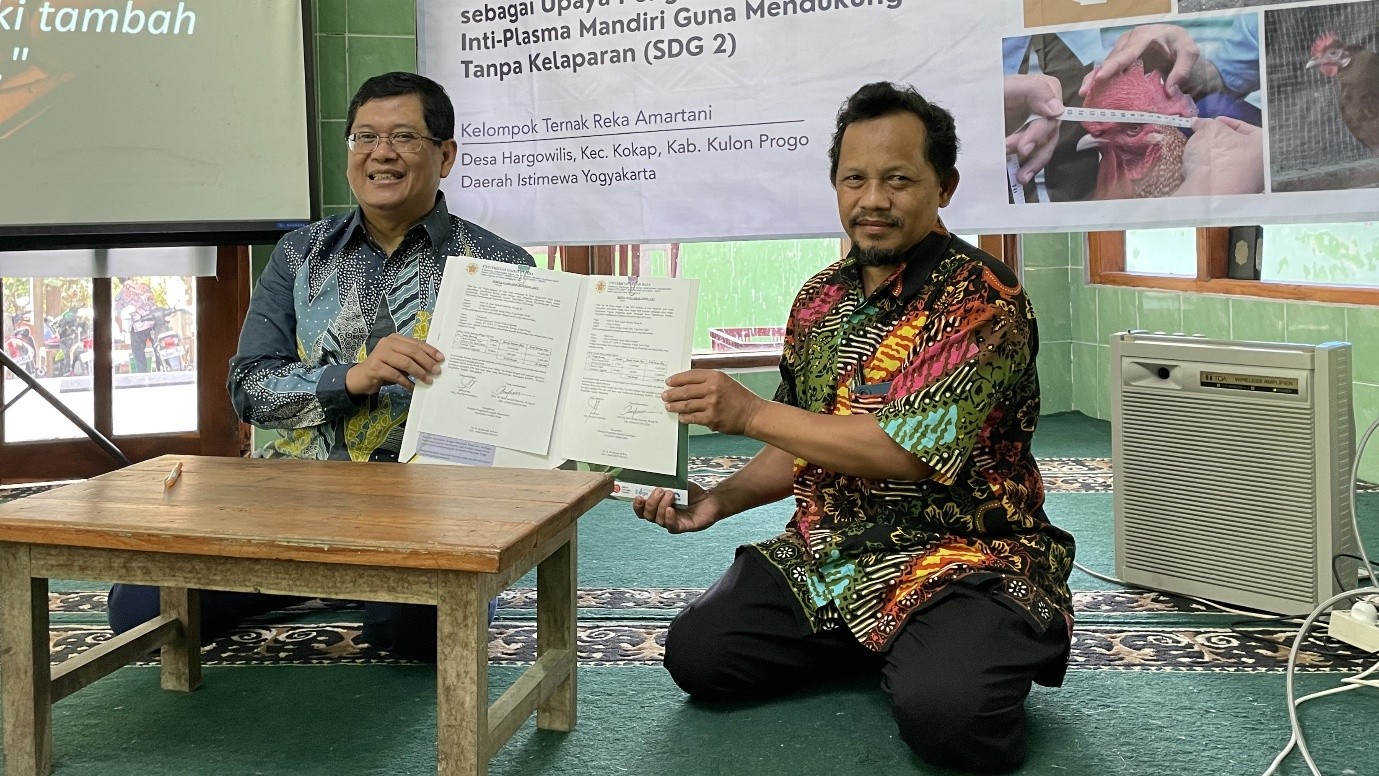
The program also included the signing of a handover document for an egg incubator provided to the Reka Amartani Livestock Group. The incubator is expected to support chick production and facilitate breeding activities that will be carried out during the next stages of the program.
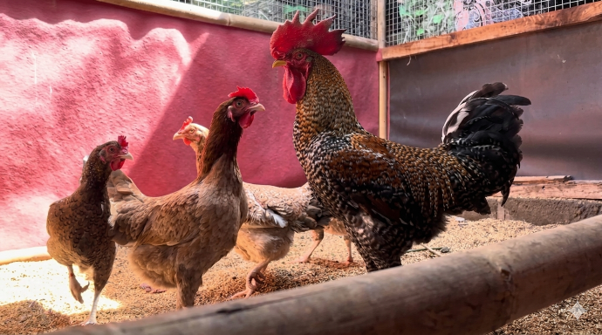
Following the presentation session, the PkM team and community partners visited the group’s poultry facilities and chicken coops. The visit provided an opportunity to observe current farming practices, identify development opportunities, and discuss mentoring needs that will guide the next phases of the program.
Through this program, the Faculty of Biology UGM aims to strengthen collaboration between academia and local communities to support the sustainable development of modern kampung chicken farming and breeding based on local genetic resources. The initiative is also expected to contribute to the achievement of the Sustainable Development Goals (SDGs), particularly SDG 1 (No Poverty), SDG 2 (Zero Hunger), SDG 8 (Decent Work and Economic Growth), and SDG 12 (Responsible Consumption and Production).