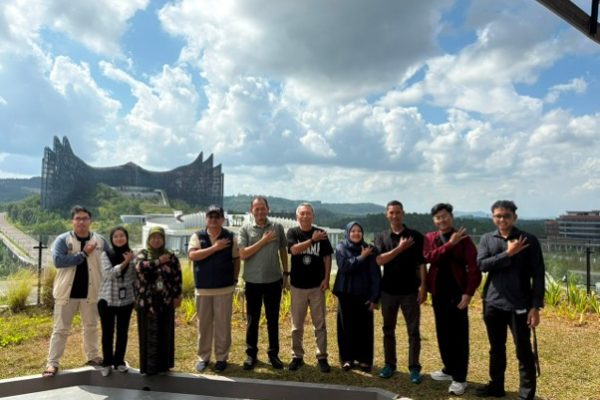
Penajam Paser Utara, East Kalimantan, 30 July 2026 – A research team from the Faculty of Biology, Universitas Gadjah Mada (UGM), conducted a field survey and strategic discussion with the Nusantara Capital Authority (OIKN) to support the development of MAHAR Chickens as an innovative superior local poultry breed aimed at strengthening animal-protein food self-sufficiency in the Nusantara Capital Region. This activity forms part of the implementation of the 2026 PRIMESTEP Innovation Development Grant, which focuses on strengthening the downstream application of research outcomes, increasing superior chicken populations, and establishing a national breeding and egg-production ecosystem.
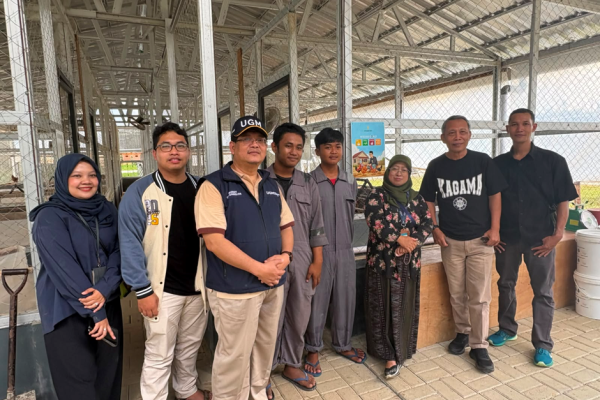
The UGM Faculty of Biology team comprised Zuliyati Rohmah, S.Si., M.Si., Ph.D.Eng., Head of the 2026 PRIMESTEP Innovation Development Grant, and Prof. Dr. Budi Setiadi Daryono, M.Agr.Sc., inventor of Gama Ayam and Dean of the UGM Faculty of Biology. The activity was also attended by Drs. Fauzhul Idhi, Director of CV Mitra Pesona Sejahtera, a strategic partner in the development of MAHAR Chickens. The company collaborates with the Nusantara Capital Authority in field-level technical management and the expansion of the MAHAR Chicken population in East Kalimantan. Representing the Nusantara Capital Authority were Dr. P. Setia Lenggono, S.Sos., M.Si., Director of Food Security; Listian Nova; and staff members of the Directorate of Food Security.
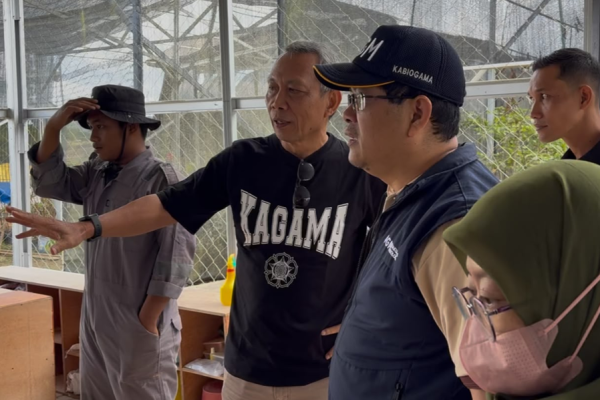
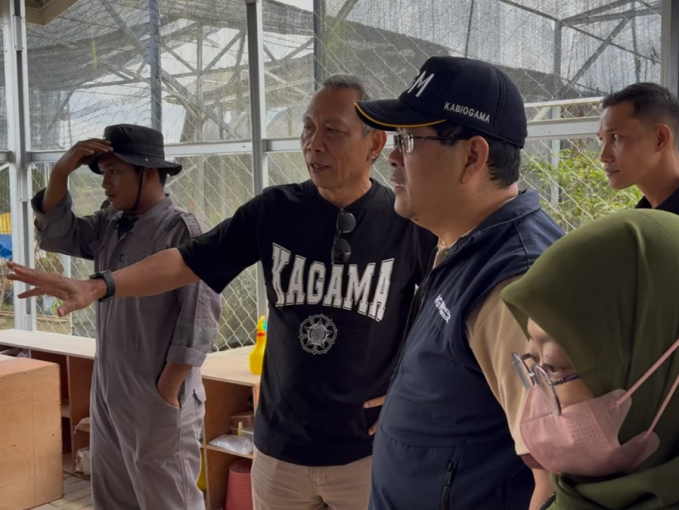
The activity began with a field visit to the MAHAR Chicken final-stock facility, which serves as a centre for developing a population of superior laying hens in the Nusantara Capital Region. During the visit, the team assessed housing conditions, husbandry management, population performance, production systems, and readiness for larger-scale development as part of the roadmap for strengthening animal-protein food security in Nusantara.
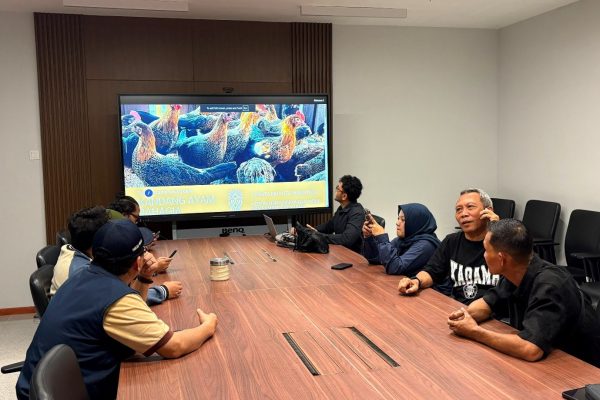
The programme continued with a Focus Group Discussion (FGD) at the Nusantara Capital Authority office. The discussion opened with a presentation by Listian Nova on the progress of the MAHAR Bahagia Chicken Programme, including programme achievements, population growth, and plans to develop MAHAR Chickens as a strategic commodity for supporting the supply of animal-protein food in the Nusantara Capital Region.
The UGM Faculty of Biology team provided recommendations based on research findings and its experience in developing superior chicken lines. The discussion covered the evaluation of egg-production performance, strategies to increase productivity through the provision of healthy feed made from locally sourced ingredients, the strengthening of breeding systems, and the development of partnership models involving universities, government institutions, and the business sector. This collaboration is expected to accelerate the establishment of an independent and sustainable laying-hen production ecosystem in the Nusantara Capital Region.
One of the primary shared objectives is to build national laying-hen production capacity that can sustainably meet the demand for eggs. In the long term, this effort is expected to reduce dependence on supplies from outside the region by strengthening local production through innovation and partnerships. In this context, MAHAR Chickens are considered a promising superior line developed through university research that can support animal-protein food security in Nusantara.
Through the synergy among the UGM Faculty of Biology, the Nusantara Capital Authority, and CV Mitra Pesona Sejahtera, the development of MAHAR Chickens is expected not only to increase the population of superior poultry but also to serve as a collaborative model integrating research, innovation, technology downstreaming, and partner empowerment in support of a resilient and sustainable food system.
This activity also contributes to the achievement of several Sustainable Development Goals (SDGs), namely SDG 2 (Zero Hunger) and SDG 3 (Good Health and Well-Being) through strengthened animal-protein food production; SDG 12 (Responsible Consumption and Production) through the development of efficient and sustainable poultry-production systems; and SDG 17 (Partnerships for the Goals) through collaboration among universities, government institutions, and industry partners in building national food self-sufficiency.
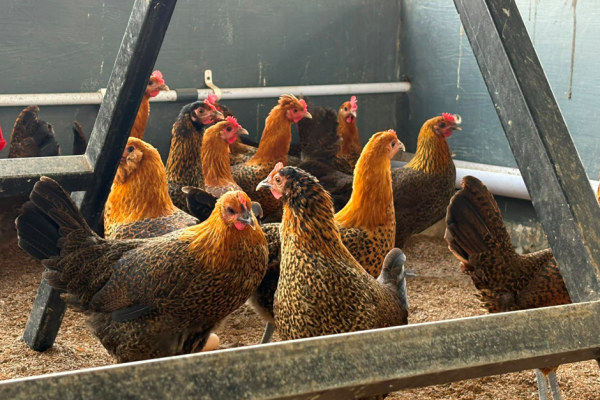 Ayam MAHAR di Kandang Pengembangan Ayam MAHAR IKN