• UGM
  • Simaster Portal
  • IT Center
  • Webmail
  • KOBI
  • English
    • Bahasa Indonesia
Universitas Gadjah Mada Universitas Gadjah Mada
Faculty of Biology
  • ABOUT US
    • History
    • Organization
    • Vision and Mission
    • Lectures and Staff
      • Lecturers
      • Adjunct Professor
      • Supporting Staff
    • Facility
      • Laboratories
      • Research
      • Library
      • Museum
      • Mental Health Consultation
      • Disability
  • EDUCATION
    • Undergraduate Program
      • Graduates Learning Outcome
      • Academic Callendar
      • Course
    • IUP
    • Profession Program
      • What is the Professional Study Program in Biodiversity Curator (PKKH)?
      • Admission for New Students of the Biodiversity Curator Profession Program Study
      • Information and FAQ Study Program of Biodiversity Curator Profession
    • Master Program
      • Master Program in Biology Description
      • Curriculum Structure Master Program
    • Doctoral Program
      • Vision, Mission, Objectives, Targets, Competencies, and Learning Outcomes
      • Admission Requirement for Program Doctor in Biological Sciences
      • Admission: What Documents to be prepared?
      • Curriculum
    • Regulations
    • Accreditation & Quality Assurance
  • RESEARCH
    • Journal of Tropical Biodiversity and Biotechnology
    • Berkala Ilmiah Biology
    • Research
    • Publication
  • Community Service
    • Waste Management
  • STUDENTS & ALUMNAE
    • Student Organizations
    • Prospective Career Opportunities
    • SUMMER COURSE
    • Alumnae
  • Home
  • Post by
  • page. 4
Post by :

ichsan.risalba

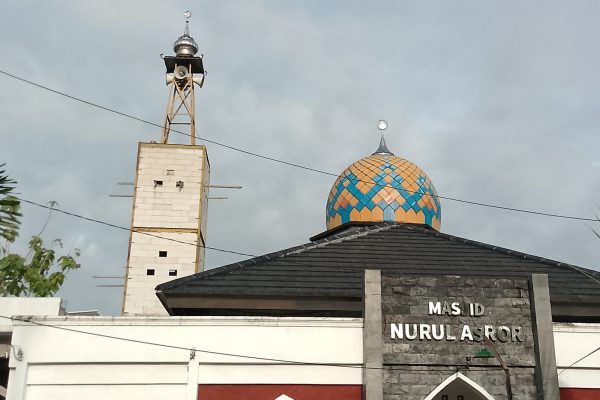
Environmental Acoustics and Sound System Arrangement Techniques for Worship House in Sardonoharjo, Ngaglik, Sleman by the PkM-MBKM Team of the Faculty of Biology, UGM.

Community Service Wednesday, 29 October 2025

by the PkM-MBKM Team of the Faculty of Biology UGM

Development based on human ego satisfaction, through the exploitation of natural resources, often results in widespread environmental degradation. Development not only transforms natural landscapes into artificial areas such as residential, agricultural, and industrial areas, but also alters the quality of water, soil, and air. Likewise airspace, besides being a source of life for humans, it is serves also as a space for anthropogenic and non-anthropogenic acoustic communication. Currently, airspace is filled with artificial sounds, resulting in various forms of noise and silence has even become a rare commodity. This program is based on issues related to environmental acoustics.
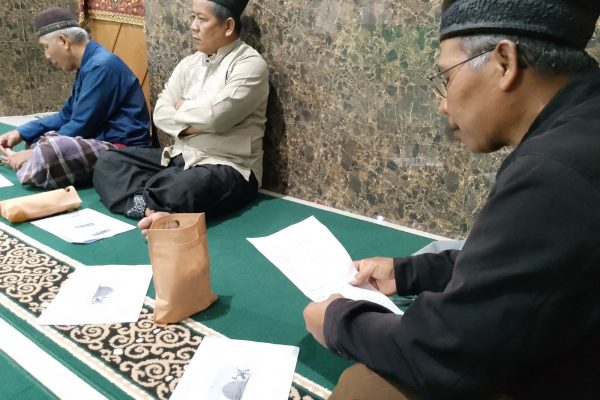
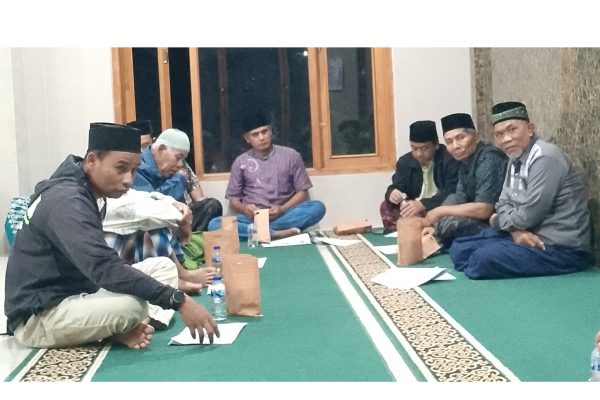

In 2025, the Community Service Team-Independent Learning Independent Campus (PkM-MBKM) Faculty of Biology UGM led by Susilo Hadi and assisted by three students consisting of Qodriyah Nur Kharisma, Aisyah Eka Nurjanah and Rifda Qonita, implemented a program on Acoustic Ecology and sound system arrangement of worship places, mainly in mosque and mushola. In some places, especially in urban areas, the disharmony of volume of speaker sound from mosques can cause social conflict. The locus of this activity was carried out in Sardonoharjo, Ngaglik, Sleman. This program consists of two main activities, namely an environmental acoustic survey and socialization on proper sound system arrangement in accordance with ethical criteria from the government and acoustic aesthetics related to loudspeakers in mosques and mushola.

Environmental acoustic data collection was conducted in August 2025 consisting of acoustic recording and measuring sound intensity (decibel meter) between ambient environmental acoustics, as a control, and volume of loudspeakers  during the call to prayer (adzan) and other activities within mosques and mushola. In summary, the data obtained showed a striking difference between the ambient environmental acoustics as a control, around 40 dB, compared to the average intensity of the call to prayer in mosques and mushola in the study area of ​​80 dB. However, based on government criteria the sound intensity is still within the limits tolerated by the rules ( Surat Edaran of the Ministry of Religious Affairs: SE 05/2022).

Meanwhile, the socialization activity for sound system settings for places of worship was held on Sunday, October 19, 2025, at mushola  in Manongsari Kring Rejosari,  Sardonoharjo. A number of representatives from mosque and mushola aministrators (Ta’mir) were invited. The activity, attended by 20 participants. Start with a socialization on environmental acoustics conducted by a team from the Faculty of Biology and the second part related to sound system setting techniques presented specifically by Mr. Riyana, as an audio engineering practitioner. This activity was interesting because the all participants gave feedback each other and shared experiences related to the use of sound systems in every place of worship. In general, this socialization activity is important as a space to align perceptions about government regulations regarding the use of loudspeakers and share knowledge related to the correct and aesthetic audio arrangement in places of worship.

The entire PkM-MBKM program is carried out over two semesters, namely the Even Semester of the 2024/2025 Academic Year and the Odd Semester of the 2025/2026 Academic Year. This program is also carried out in order to support the Sustainable Development Goals (SDGs), especially SDG number 3 Healthy and Prosperous Lives; 11 Sustainable Cities and Settlements; and SDG 15 Terrestrial Ecosystems.

Faculty of Biology UGM Holds Workshop “Investing in the Future: Cultivating Excellence in Science and Biology Learning”

CooperationNews Release Friday, 24 October 2025

Yogyakarta, October 23, 2025 — The Faculty of Biology, Universitas Gadjah Mada (UGM), held a workshop titled “Investing in the Future: Cultivating Excellence in Science and Biology Learning” at the Tropical Biology Auditorium. The event was attended by 130 principals and teachers from 78 senior high schools across 19 provinces in Indonesia, highlighting the Faculty’s commitment to strengthening the synergy between higher education institutions and secondary schools in nurturing future generations of excellence in biology.


The workshop was officially opened by Prof. Dr. Budi Setiadi Daryono, M.Agr.Sc., Dean of the Faculty of Biology UGM, who emphasized the crucial role of biology in addressing global challenges and advancing scientific research. He stated that the Faculty of Biology UGM remains committed to expanding international collaborations, particularly through the International Graduate Program which has established partnerships with leading universities around the world, including several in Taiwan.

As part of the event, a Memorandum of Understanding (MoU) was signed between the Faculty of Biology UGM and 78 partner schools. This agreement marks a strategic step in fostering collaboration that supports teacher development and facilitates students’ pathways to higher education in science and biology.

The workshop continued with an interactive talk show featuring speakers from Indonesia and abroad, focusing on strengthening biology and science education in the era of global transformation and technological advancement.

The first speaker, Prof. Chen Yuh Wen, Director of the Liberal Education Center and D Infinity College, Da-Yeh University, Taiwan, delivered a presentation on the importance of science and biology education in tackling global challenges such as climate change, food security, biotechnology, and the artificial intelligence revolution. Joining virtually via Zoom, Prof. Chen also engaged in discussions with participating teachers about adapting teaching strategies to keep pace with rapid technological developments.

The second speaker, Ganies Riza Aristya, Ph.D., lecturer and researcher at the Genetics and Plant Breeding Laboratory, Faculty of Biology UGM, shared her academic journey during her studies at Tunghai University, Taiwan. She highlighted the supportive academic environment in Taiwan that encourages student creativity and research, as well as its relevance to advancing biological research in Indonesia.

Following her presentation, Arief Misbahul, MBM, Chairman of the Taiwan Center Indonesia, discussed the opportunities for higher education in Taiwan and the collaboration between Universitas Gadjah Mada and Da-Yeh University through the International Undergraduate Program (IUP) in Industrial Biology at the Faculty of Biology UGM. This program offers Indonesian students access to double-degree pathways, as well as internship and employment opportunities in Taiwan’s growing industrial sectors.

Dr. Eko Agus Suyono, Vice Dean for Research, Community Service, Collaboration, and Alumni Affairs, emphasized that this workshop serves as a platform to strengthen collaboration between the Faculty of Biology UGM, the Taiwan Center, Da-Yeh University, and Indonesian high schools. The goal is to enhance human resource quality and increase both the number of students and the employability of alumni from the Faculty’s Industrial Biology IUP.

To conclude the program, participants visited the Integrated Genome Factory (IGF) — one of the leading genomic laboratories at the Faculty of Biology UGM — which provides state-of-the-art genomic and molecular research facilities. The visit offered firsthand experience of how cutting-edge research contributes to innovation in biotechnology.

This workshop demonstrates the Faculty of Biology UGM’s commitment to supporting the achievement of the Sustainable Development Goals (SDGs), particularly SDG 4 (Quality Education), SDG 9 (Industry, Innovation, and Infrastructure), and SDG 17 (Partnerships for the Goals). Through this initiative, the Faculty continues to invest in inclusive, collaborative, and globally competitive science education for a sustainable future.

Building Bridges in Science: Professor from Mie University Visits Faculty of Biology UGM during ICBS 2025

Community ServiceNews Release Wednesday, 22 October 2025

Yogyakarta, October 18, 2025 — The Faculty of Biology, Universitas Gadjah Mada (UGM), welcomed a visit from Prof. Chiharu Nakashima, Ph.D., a distinguished scholar in plant pathology and fungal taxonomy from the Laboratory of Plant Pathology, Graduate School of Bioresources, Mie University, Japan.


The visit took place in a warm and informal atmosphere amid the series of events at The 9th International Conference on Biological Sciences (ICBS) 2025, organized by the Faculty of Biology UGM. Prof. Nakashima’s visit aimed to gain deeper insight into the academic environment of Universitas Gadjah Mada, particularly the Faculty of Biology, which is well known for its strong commitment to advancing tropical biodiversity and biotechnology research.

During the visit, Prof. Nakashima was received by the Dean of the Faculty of Biology, Prof. Dr. Budi Setiadi Daryono, M.Agr.Sc., the Head of the Faculty Administration Office, Amin Susiantmojo, S.Pt., M.Sc., as well as several doctoral students. The meeting featured an engaging discussion on recent developments in plant pathology research, especially related to systematics, molecular phylogeny, and diagnostics of plant pathogenic fungi.

In addition to sharing his research experiences, Prof. Nakashima explored potential collaborations between the Faculty of Biology UGM and Mie University, such as joint supervision for doctoral students and student exchange programs. Both parties agreed that international collaboration plays a crucial role in strengthening research and education in biology, particularly in addressing global challenges in plant health and environmental sustainability.
Prof. Nakashima also visited the Next Generation Sequencing – Integrated Genome Factory (IGF) of the Faculty of Biology UGM, accompanied by Dr. Wiko Arif Wibowo, S.Si. The facility is equipped with Oxford Nanopore Technology and PacBio platforms, supporting advanced genomic research within the Faculty. The visit continued to the Biodiversity Research and Development Station in Sawitsari, where Prof. Nakashima observed field research activities and the rich biological collections that represent one of the Faculty’s key strengths.
This visit also aligns with the Sustainable Development Goals (SDGs), particularly Goal 4 (Quality Education) through educational collaboration and international academic exchange, and Goal 17 (Partnerships for the Goals) through strengthened international cooperation between the Faculty of Biology UGM and Mie University. In the future, this collaboration is expected to also contribute to Goal 1 (No Poverty) through biodiversity-based research that supports community welfare, and Goal 2 (Zero Hunger) by advancing plant pathology research to enhance sustainable food security.
Prof. Nakashima’s visit marks an important milestone in strengthening academic relations between the Faculty of Biology UGM and Mie University, while expanding international networks that foster research and education in tropical biology.

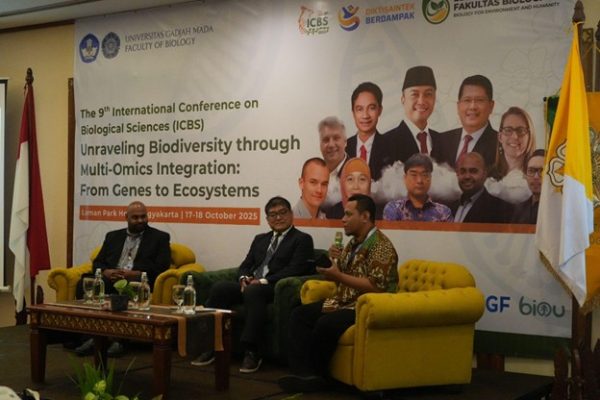
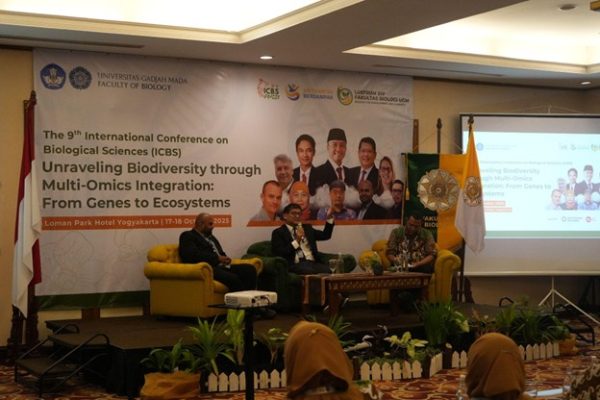
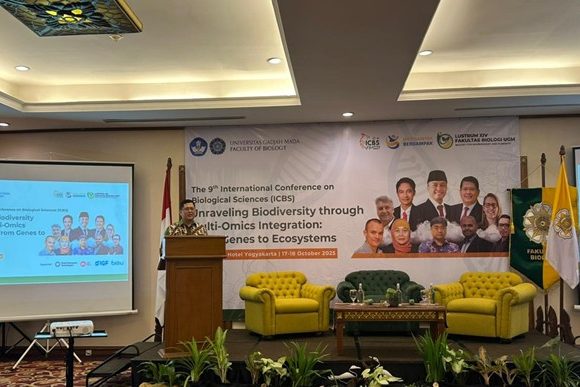
The 9th International Conference on Biological Science (ICBS) 2025: Unraveling Biodiversity through Multi-Omics Integration from Genes to Ecosystems

News Release Monday, 20 October 2025

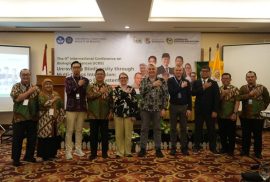
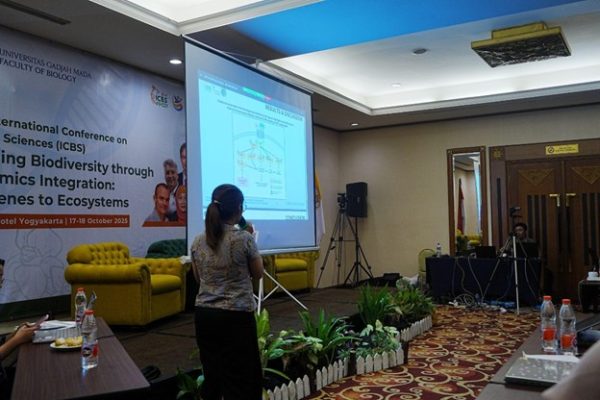
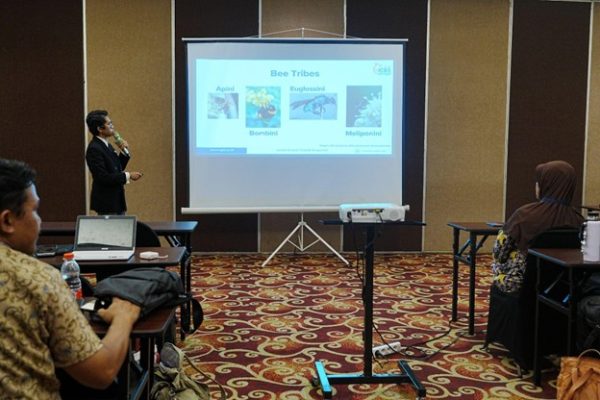
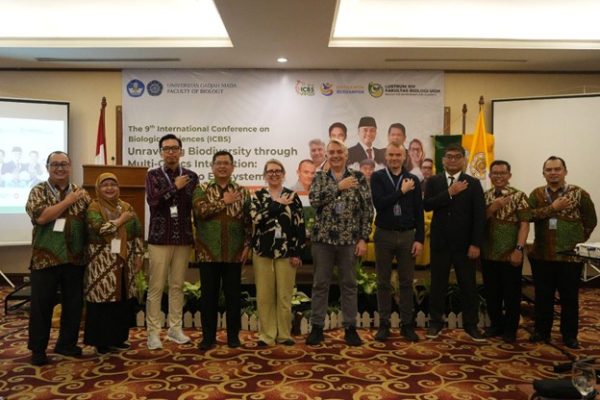
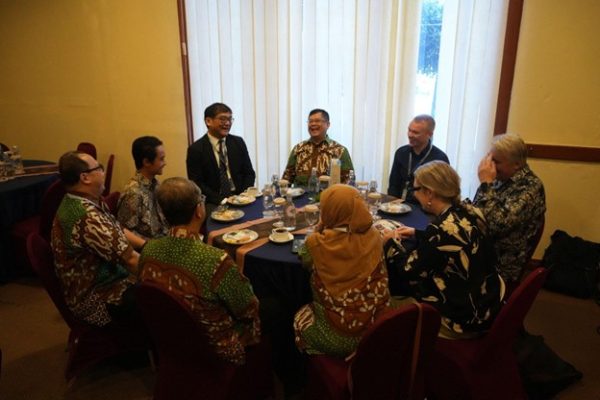
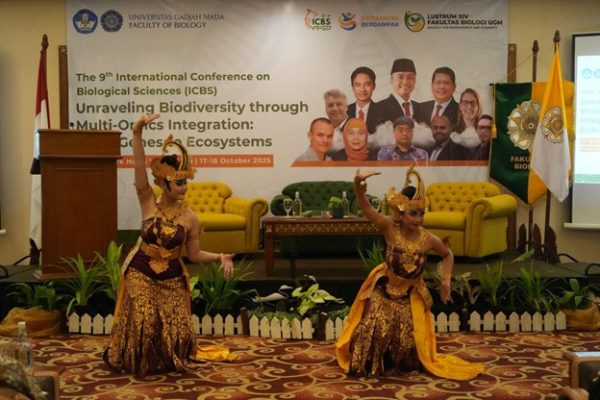
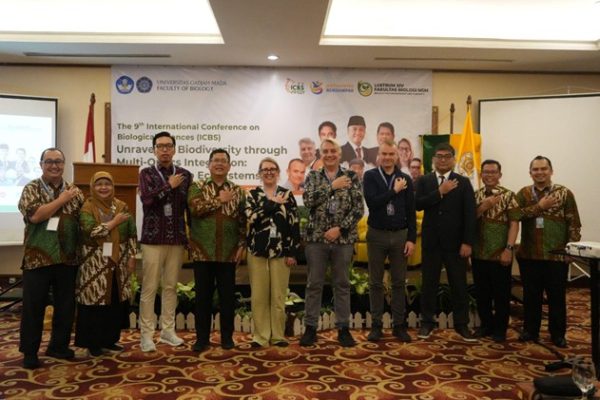
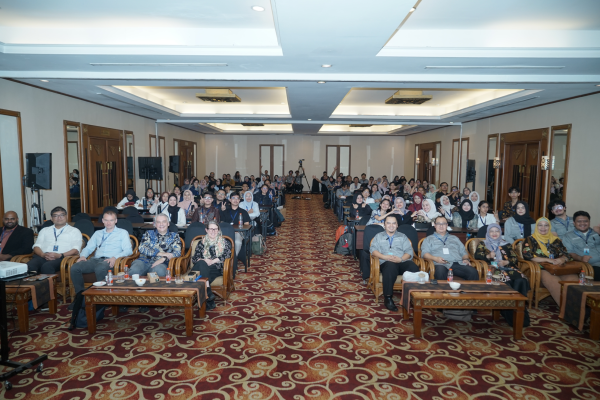
Yogyakarta, October 17–18, 2025 — The Faculty of Biology, Universitas Gadjah Mada, proudly hosts The 9th International Conference on Biological Science (ICBS) 2025 on October 17–18, 2025, at Main Ballroom Loman Park Hotel, Yogyakarta. This prestigious international conference brings together more than 200 participants from various national and international institutions, including academics, researchers, students, and professionals in the field of biological sciences.


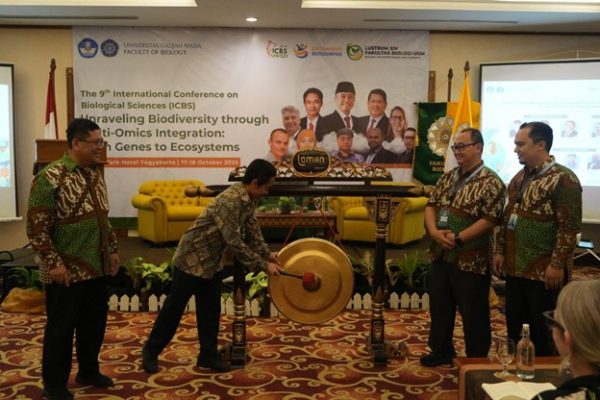
The conference was officially opened by Prof. Dr. Danang Sri Hadmoko, S.Si., M.Sc., Vice-Rector for Research, Business Development, and Cooperation, Universitas Gadjah Mada, and Prof. Dr. Budi Setiadi Daryono, M.Agr.Sc., Dean of the Faculty of Biology, Universitas Gadjah Mada.

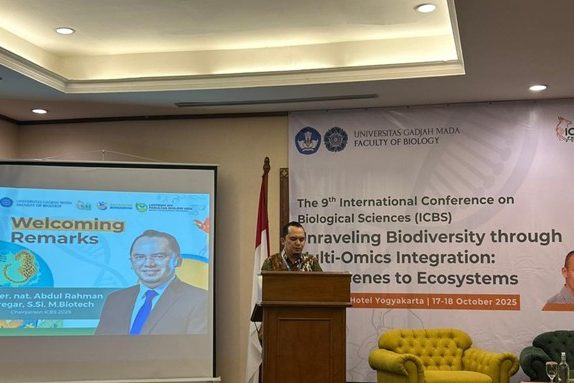
In his welcoming remarks, Dr. rer. nat. Abdul Rahman Siregar, S.Si., M.Biotech, as the Chair of ICBS 2025, explained that this year’s theme, “Unraveling Biodiversity through Multi-Omics Integration: From Genes to Ecosystems,” reflects the spirit of bridging molecular and ecological sciences to uncover the complexity of life on Earth. Through the integration of various omics approaches—such as genomics, transcriptomics, proteomics, and metabolomics—scientists aim to gain deeper insights into the vital roles of biodiversity in maintaining ecosystem resilience and supporting human well-being.

Dr. Abdul also expressed his appreciation to all partners and participants for their support in the organization of this event. He emphasized the importance of interdisciplinary and international scientific collaboration in addressing global challenges in the field of biology, including climate change, environmental degradation, and food security.

ICBS 2025 serves as a scientific platform for sharing research findings and discussing the latest developments in biotechnology, genomics, ecology, conservation, and the application of multi-omics approaches to understanding biodiversity across different levels of biological organization.

This year’s conference features two distinguished keynote speakers:

  • Dr. Thomas Sicheritz Ponten, Center for Evolutionary Hologenomics, The Globe Institute – Faculty of Health and Medical Sciences, University of Copenhagen, Denmark; and
  • Thorunn Helgason, Chair in Ecology, School of Biological Sciences, University of Edinburgh, Scotland.

In addition, ICBS 2025 presents invited speakers from leading institutions across the world, including:

  • Prof. Dr. Bent Petersen, Center for Evolutionary Hologenomics, The Globe Institute – University of Copenhagen, Denmark;
  • Dra. Tuty Arisuryanti, M.Sc., Ph.D., Department of Tropical Biology, Faculty of Biology, Universitas Gadjah Mada;
  • Chiharu Nakashima, Ph.D., Graduate School of Bioresources, Mie University, Japan;
  • Madya Ts. Dr. Muhammad Abdul Latiff Bin Abu Bakar, Faculty of Applied Sciences and Technology, Universiti Tun Hussein Onn Malaysia; and
  • Riza Arief Putranto, D.E.A., Indonesian Oil Palm Research Institute (IOPRI), RPN Holding PTPN III.

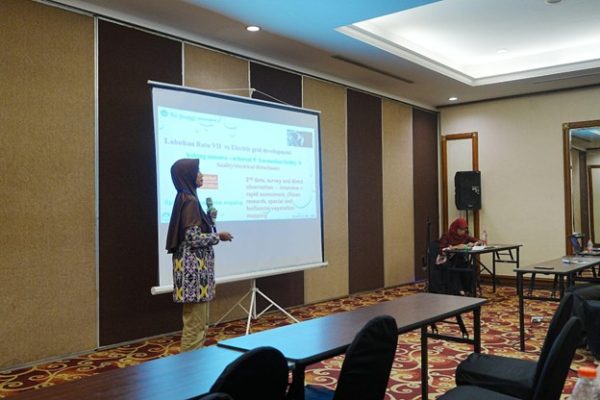
The conference is structured into three main sessions: Keynote Session, Plenary Session, and Parallel Session. Through these sessions, the 80 presenters share their research findings and engage in scientific discussions addressing the challenges and opportunities of applying multi-omics approaches to biodiversity conservation and ecosystem management.

Beyond its scientific objectives, ICBS 2025 also contributes to the advancement of the United Nations Sustainable Development Goals (SDGs), particularly:

SDG 13: Climate Action – promoting research on adaptation and mitigation to climate change,

SDG 14: Life Below Water and SDG 15: Life on Land – supporting biodiversity conservation and sustainable management of terrestrial and aquatic ecosystems,

SDG 3: Good Health and Well-being – advancing biotechnological and genomic research that benefits human and environmental health, and

SDG 17: Partnerships for the Goals – fostering global scientific collaboration among Universitas Gadjah Mada, the Consortium of Indonesian Biologists (KOBI), and Universiti Tun Hussein Onn Malaysia.

ICBS 2025 is expected to strengthen interdisciplinary and international collaboration in addressing global challenges such as climate change, ecosystem degradation, and biodiversity loss. With the spirit of innovation and cooperation, this conference reaffirms the Faculty of Biology, Universitas Gadjah Mada’s commitment to advancing tropical biology research and supporting sustainability initiatives in alignment with the university’s role as a Sustainability University.

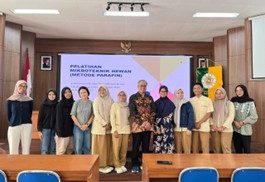
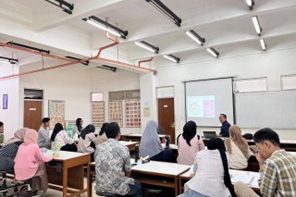
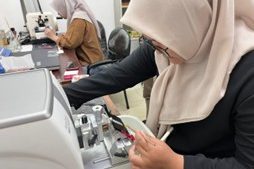
Animal Microtechnique Training Using the Paraffin Method (Batch II, 2025) Faculty of Biology, Universitas Gadjah Mada

News Release Friday, 17 October 2025

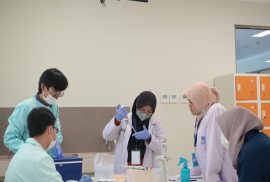
The Faculty of Biology, Universitas Gadjah Mada, once again conducted the Animal Microtechnique Training Using the Paraffin Method specifically designed for students, held on October 14–16, 2025, at the Animal Developmental Structure Laboratory (SPH). This training marked Batch II of 2025 and was attended by 14 participants, consisting of seven undergraduate students from the Faculty of Biology UGM, five undergraduate applied students from the D4 Medical Laboratory Technology Program, Universitas ‘Aisyiyah (Unisa) Yogyakarta, and two doctoral students from the Faculty of Biology UGM. The training aimed to provide both theoretical understanding and practical skills in preparing animal histological specimens using the paraffin embedding method, which serves as a crucial foundation in anatomical, physiological, biomedical, and biotechnological studies. This activity aligns with SDG 4: Quality Education, by enhancing the quality of competency-based laboratory training and learning.

The training began with an opening remark by Dr. Ardaning Nuriliani, S.Si., M.Kes., Head of the Animal Developmental Structure Laboratory, who emphasized the importance of regenerating scientists in the field of animal microtechnique and histology. She pointed out that interest in fundamental sciences concerning the microscopic structure of animals and humans has been declining, even though this field plays a vital role in supporting the advancement of other disciplines such as biomedicine, forensics, biodiversity, agriculture, and animal husbandry. Therefore, the SPH Laboratory remains committed to increasing both the quantity and quality of experts in this discipline through structured training and research programs. This effort supports SDG 9: Industry, Innovation, and Infrastructure, particularly in strengthening research and technological capacity for biological sciences advancement.

The second opening address was delivered by Prof. Dr. Bambang Retnoaji, S.Si., M.Sc., Vice Dean for Academic and Student Affairs, Faculty of Biology UGM, who officially inaugurated the event. In his remarks, Prof. Bambang highlighted the importance of such training in equipping students to understand how academics and researchers validate their scientific work. According to him, microtechnique skills are essential for ensuring the accuracy, reproducibility, and reliability of scientific data, which are critical for the development of applied biological sciences. This initiative also contributes to SDG 8: Decent Work and Economic Growth, as it helps prepare competent professionals and researchers in biological and health laboratories who are ready to compete in both academic and industrial sectors.

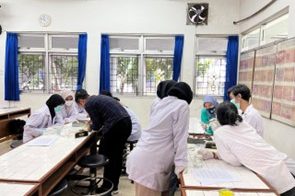
Over the course of three days, participants received a combination of theoretical sessions and intensive hands-on practice covering various steps, including euthanasia, necropsy, tissue fixation, dehydration, paraffin infiltration, microtome sectioning, staining, and microscopic analysis of the prepared specimens. Participants were also encouraged to discuss common challenges encountered during histological specimen preparation and collaboratively seek solutions with the instructors. The training featured speakers from the SPH Laboratory, including Prof. Dr. Bambang Retnoaji, S.Si., M.Sc.; Susilo Hadi, S.Si., M.Si., Ph.D.; Dr. med. vet. drh. Hendry Saragih, M.P.; Zuliyati Rohmah, S.Si., M.Si., Ph.D.Eng.; Dr. Ardaning Nuriliani, S.Si., M.Kes.; Dr. Luthfi Nurhidayat, S.Si., M.Sc.; and Nur Indah Septriani, S.Si., M.Sc., Ph.D., as well as laboratory technicians Sefi Nur Anggaeni, S.Si. and Suwardi A., with Siti Aeniah, S.Pd. (Master’s student) serving as assistant instructor. The event was held in an interactive and enthusiastic atmosphere, strengthening collaboration across educational levels and contributing to SDG 17: Partnerships for the Goals, through synergy among lecturers, students, and laboratory staff in advancing scientific capacity. The skills gained from this training are expected to be applied by participants in their future academic and professional careers, serving as a valuable foundation for the advancement of biological and health research.

Contributors: Ardaning Nuriliani and Sefi Nur Anggaeni

Bioinformatics Workshop ICBS 2025: Exploring Metagenome Analysis and Phage Mining with an Expert from the University of Copenhagen

News Release Thursday, 16 October 2025

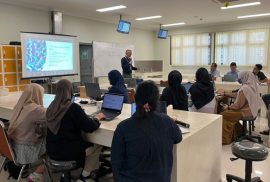
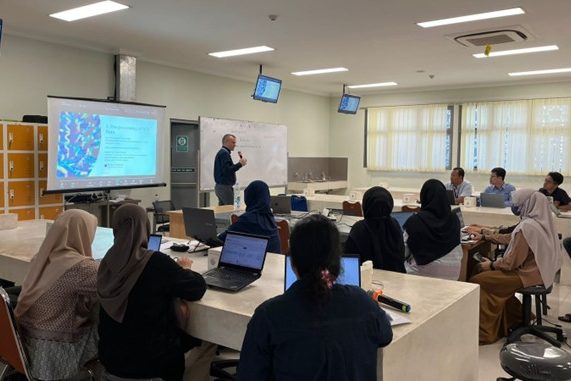
Yogyakarta, October 16, 2025 — The series of Pre-Conference Workshops of the 9th International Conference on Biological Sciences (ICBS) 2025 continued with the Bioinformatics Workshop under the theme “Metagenome Analysis and Phage Mining.”


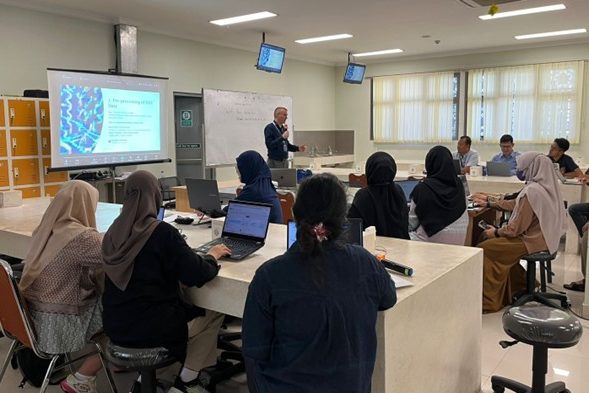
The workshop took place at the Teaching Laboratory, 2nd floor of the Sinar Mas Building, Faculty of Biology, Universitas Gadjah Mada (UGM), from 08.00 to 15.30 WIB. The event was opened by Lucia Arum Sekar as the master of ceremonies, followed by the main session delivered by Assoc. Prof. Dr. Bent Petersen from the Center for Evolutionary Hologenomics, University of Copenhagen.

In his presentation, Dr. Bent Petersen introduced various bioinformatics approaches used to interpret metagenomic data, including the identification of phages (bacteria-infecting viruses) and their applications in health, environmental studies, and biotechnology.
A key highlight of the session was the introduction to KBase (the Department of Energy Systems Biology Knowledgebase) a collaborative online platform for efficiently analyzing and integrating genomic data.
Through live demonstrations, participants learned how to process sequencing data, perform gene annotation, and explore functional relationships among microorganisms using the latest bioinformatics tools and databases.

“The ability to understand and interpret genomic data is fundamental in modern biological research. This workshop helps prepare young Indonesian researchers to contribute at the global level,” said Dr. Bent Petersen.

The workshop was attended by participants from diverse academic and research backgrounds who showed great enthusiasm in learning about metagenome analysis and phage mining as innovative approaches to understanding microbial ecology. Through a combination of theoretical and practical sessions, this activity not only strengthened participants’ competencies in bioinformatics but also fostered interdisciplinary and international research collaboration.

In accordance with the Sustainable Development Goals (SDGs), this workshop contributes to SDG 4 (Quality Education) by enhancing academic capacity and digital literacy in bioinformatics; SDG 9 (Industry, Innovation, and Infrastructure) through the application of data analysis technologies and collaborative platforms such as KBase; and SDG 17 (Partnerships for the Goals) by strengthening cooperation between the Faculty of Biology UGM and the University of Copenhagen. Moreover, the utilization of metagenomic insights in environmental research also supports SDG 14 (Life Below Water) and SDG 15 (Life on Land), promoting the balance and sustainability of microbial biodiversity.

Through this event, the Faculty of Biology UGM reaffirms its commitment to advancing bioinformatics research and expanding international academic collaboration to foster sustainable scientific innovation.

#ICBS2025 #FakultyOfBiologyUGM #BioinformaticsWorkshop #UniversityofCopenhagen #MetagenomeAnalysis #PhageMining #KBase #SDG4 #SDG9 #SDG14 #SDG15 #SDG17 #GlobalCollaboration #GenomicInnovation #SustainableScience

Faculty of Biology UGM Hosts Oxford Nanopore Technology Workshop as the Opening Event of ICBS 2025

News Release Thursday, 16 October 2025

Yogyakarta, 15 October 2025 — The Faculty of Biology, Universitas Gadjah Mada (UGM), held the first day of the Pre-Conference Workshop as part of the 9th International Conference on Biological Sciences (ICBS) 2025. The workshop carried the theme “Hands-on Library Preparation for Metagenome Long-Read Sequencing using Oxford Nanopore Technology.”


Held at the Teaching Laboratory, 2nd Floor of the Sinar Mas Building, Faculty of Biology UGM, the workshop was organized in collaboration with Integrated Genome Factory (IGF) and Oxford Nanopore Technologies (ONT) as key partners. This program provided participants with a direct hands-on experience in library preparation for metagenomic analysis using the latest long-read sequencing technology.

The workshop, which took place from 08.00 to 17.00 WIB, was attended by at least 25 participants from various academic and research institutions who were enthusiastic about deepening their knowledge in biotechnology and genomics. Through a practical, hands-on approach, participants were guided through each critical stage, from DNA extraction and quantification to sample preparation for sequencing.

The event began with an opening remark by Mr. Aditya Aryandi S., S.Si., M.Sc., representing Integrated Genome Factory (IGF), who expressed appreciation for the strategic collaboration between IGF and the Faculty of Biology UGM in introducing advanced sequencing technologies to Indonesia’s academic community.
The opening continued with a welcoming address from Dr. Eko Agus Suyono, Vice Dean for Research, Community Service, Cooperation, and Alumni, who emphasized the importance of mastering modern genomic technologies to advance molecular biology research in Indonesia.

“Oxford Nanopore Technology opens vast opportunities for microbial biodiversity and bioprospecting research in Indonesia. We hope participants not only understand the concepts but are also able to apply them directly in the laboratory,” stated Dr. Eko.

In addition to the laboratory practice session, the workshop also featured an introduction to Oxford Nanopore Technologies, highlighting the principles and advantages of real-time sequencing and its potential applications in genomic, metagenomic, and molecular diagnostic research.

In accordance with the Sustainable Development Goals (SDGs), this workshop contributes to several global objectives. It supports SDG 3 (Good Health and Well-Being) by promoting the use of genomic technologies in health and biotechnology research, and SDG 4 (Quality Education) by enhancing the capacity of students and young researchers. It also aligns with SDG 9 (Industry, Innovation, and Infrastructure) through the application of advanced sequencing technologies that strengthen scientific innovation. Furthermore, the metagenomic approaches introduced in this program contribute to SDG 14 (Life Below Water) and SDG 15 (Life on Land) by encouraging the exploration and conservation of microbial biodiversity. By fostering collaboration among academia, industry, and global research partners such as Oxford Nanopore Technologies, this event also reflects SDG 17 (Partnerships for the Goals), emphasizing the importance of international cooperation for sustainable scientific advancement.

As the opening event of the 9th ICBS, this workshop marks an important step in strengthening the capacity of young scientists and fostering genomic research collaboration in Indonesia. The Faculty of Biology UGM remains committed to advancing innovation and the application of cutting-edge technologies in the fields of genomics and bioinformatics.

#ICBS2025 #FakultasBiologiUGM #OxfordNanopore #IntegratedGenomeFactory #BioinformaticsWorkshop #Metagenomics #GenomicInnovation #SDG3 #SDG4 #SDG9 #SDG14 #SDG15 #SDG17 #SustainableScience #ResearchForSustainability

Monitoring the Development of KUB Local Superior Chicken Breeds in Wedomartani, Ngemplak, Sleman, Yogyakarta

Community ServiceNews Release Thursday, 16 October 2025

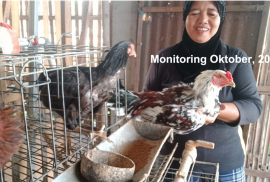
As a follow-up to the outreach activity entitled “Selection and Production of Superior Local Chicken Breeds Based on the Wedomartani Community, Ngemplak, Sleman” held on July 28, 2025, the Community Partner Team of the Faculty of Biology, Universitas Gadjah Mada, represented by Dr. med. vet. Hendry Saragih, M.P. and Dr. Ardaning Nuriliani, S.Si., M.Kes., in collaboration with the Government of Wedomartani Village, conducted a monitoring activity on the development of the superior local chicken breed KUB (Kampung Unggul Balitbangtan). In the previous activity, a total of 48 KUB chickens were distributed to 16 representatives of farmer groups from several hamlets in Wedomartani, with each group receiving one male and two female chickens. This initiative represents a tangible implementation of SDG 17 (Partnerships for the Goals) through cross-institutional collaboration aimed at strengthening community capacity based on scientific knowledge and appropriate technology.
The monitoring was conducted to assess the growth, health, and performance of the KUB chickens, which are now approximately five months old. Field observations showed that all distributed chickens are healthy, well-nourished, and highly adaptable to their rearing environment. The monitoring process was carried out participatively, involving representatives of farmer groups, the community partner team, and Mr. R. Rohmad Gunawan Hardono, S.Pd., the Carik (Village Secretary) of Wedomartani. Mr. Rohmad actively supervised and provided guidance to the beneficiaries. This effort supports the achievement of SDG 2 (Zero Hunger) by ensuring the availability of sustainable and high-quality animal protein sources at the household level.
In addition to ensuring the success of the breeding program, this activity also serves as a continuous educational platform for the community in aspects such as feed management, biosecurity, and maintenance of superior local chicken breeds. By enhancing farmers’ skills and understanding, the program is expected to improve productivity and the sustainability of small-scale poultry enterprises in Wedomartani. Through its participatory and educational approach, this initiative contributes to SDG 8 (Decent Work and Economic Growth) by creating new economic opportunities and increasing rural household income through independent and competitive poultry farming.
The development program of KUB chickens also has a significant social and public health impact. With the availability of affordable and nutritious animal protein sources, this initiative is expected to help improve family nutrition and support healthy and prosperous living, aligning with SDG 3 (Good Health and Well-being). In the coming months, the chickens are expected to enter the egg-laying and breeding phase, producing offspring that can be further developed as new superior local breeds to strengthen local food security. Overall, this activity serves as a model of community empowerment that integrates scientific knowledge, local wisdom, and the principles of sustainable development at the grassroots level.

Contributors: Ardaning Nuriliani, Hendry Saragih, and R. Rohmad Gunawan Hardono.

Training on Making Natural Hair Oil and Hand Gel by the PkM-MBKM Team of the Faculty of Biology UGM in Segoroyoso, Pleret, Bantul

Community ServiceNews Release Wednesday, 15 October 2025

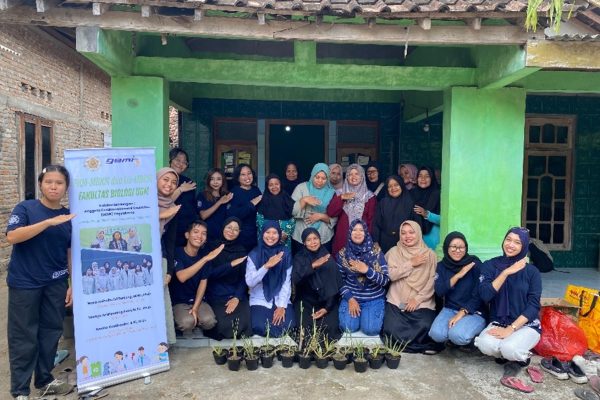
The 2025 Community Service – Merdeka Belajar Kampus Merdeka (PkM-MBKM) Team from the Faculty of Biology UGM, led by Woro Anindito Sri Tunjung, S.Si., M.Sc., Ph.D., held an event themed “Training on Making Natural Hair Oil and Hand Gel for the Community” in RT 1 (Dahromo Indah group) and RT 3 (Cempaka group), Segoroyoso, Pleret, Bantul, Yogyakarta. This activity was presented by a student team consisting of Lusiyana Prihatini, Zahra Karimah Nuha, Kholish Naufal Pamungkas, and Elisabeth Kurniawati, with support from the technical team. The interactive event was attended by 15 members of the GEMI partner forum (Women’s Economic Movement) and two GEMI administrators, who actively supported this community empowerment activity.


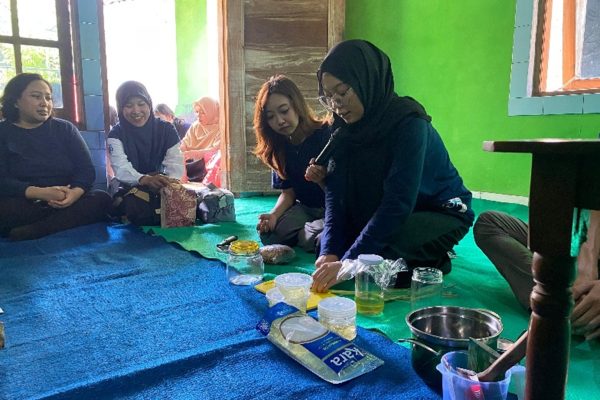
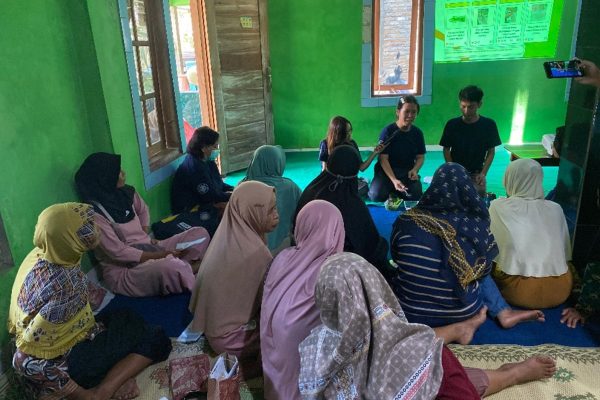
The event took place on Monday, October 13, 2025, from 10:30 AM to 12:30 PM, at the home of Mrs. Zanimah (RT 1). The session began with socialization about the contents and benefits of lemongrass and aloe vera as natural body care ingredients. Participants learned that lemongrass contains essential oils that can reduce dandruff and itching, cool the scalp, and provide a naturally fresh aroma to their hair. Meanwhile, aloe vera is rich in gel containing vitamins, minerals, and bioactive compounds that moisturize and nourish the skin and hair.

The next session was a hands-on practice of making natural hair oil and hand gel. Three demonstrations were conducted: (1) making hair oil from Aloe vera mixed with olive oil, (2) making hand gel from Aloe vera and lime juice mixed with alcohol as a natural antiseptic, and (3) making hair oil from lemongrass and cloves, heated together with oil, then adding vitamin E, which functions as an antioxidant to extend product shelf life.

The activity was highly interactive, with a Q&A session covering ingredient variations, additional benefits, and product shelf-life. The most active participant received a door prize, which boosted the spirit of the event. As a form of program sustainability, each participant also received aloe vera and lemongrass seedlings to plant at home, so they could immediately put the training material into practice at home.

The PkM-MBKM program is part of the Faculty of Biology UGM’s commitment to supporting the Sustainable Development Goals (SDGs), specifically SDG 3 (Good Health and Well-Being), SDG 12 (Responsible Consumption and Production), and SDG 15 (Life on Land). The activity is designed to run for two semesters, namely the Even Semester of the 2024/2025 Academic Year and the Odd Semester of the 2025/2026 Academic Year, as a continuous effort to educate the community on the independent and sustainable use of natural ingredients.


Ph.D. STUDENT FROM BIOLOGY UGM CONDUCTED JOINT RESEARCH AT NATURALIS BIODIVERSITY CENTER & HORTUS BOTANICUS LEIDEN NETHERLAND

Student Activities Tuesday, 14 October 2025

The Faculty of Biology, Gadjah Mada University (UGM), has a long-standing partnership with Leiden University, including a joint research program. Dany Lesmana Hakim, a doctoral student in Biology at UGM, had the opportunity to undertake this program at the Naturalis Biodiversity Center and Hortus botanicus Leiden, Netherlands, from October 7th – 19th, 2025. During his visit to Leiden, Dany conducted research related to his dissertation.


During his visit to the Naturalis Biodiversity Center Leiden, Dany observed all herbarium specimens of Myristica fragrans Houtt. originating from Asia including: Thailand, Malaysia, Indonesia, and Papua New Guinea. The herbarium specimens of Nutmeg are located in the 4th floor Collection Lab or known as CoLa4. On the first day, the Collection manager of Botanie (Susana Arias Guerrero) provided an introduction to the storage location of the plant herbarium specimens and also safety instructions in the laboratory. Several parts of the nutmeg plant were observed including: leaves, fruit, and seeds and a comparison of the unique morphology of nutmeg plants from various regions of origin of the collection was carried out. This source of information obtained will later be used as supporting data in the dissertation research.

In addition to visiting the Naturalis Biodiversity Center, Dany visited the Hortus botanicus Leiden which is the oldest botanical garden in the Netherlands and Western Europe built in 1590. This botanical garden has an area of ​​​​up to 4 hectares. This first visit, Dany met with Prof. Dr. rer.nat. Paul Kessler as his dissertation Co-supervisor lecturer at the Hortus Grand Café located inside the Hortus botanicus Leiden. In addition to discussing his dissertation research, Dany and Prof. Dr. rer.nat. Paul Kessler also toured the Hortus botanicus. Prof. Dr. rer.nat. Paul Kessler explained the history and also the plant collections in the Hortus botanicus Leiden. The initiation of the establishment of the Hortus botanicus Leiden after the establishment of Leiden Universiteit by building a herbal garden for teaching media for medical students located behind the academic building of the Rapenburg campus.

The collection of plants in the Hortus is very complete originating from all over the world including Indonesia which are grown both in the greenhouse and outside the greenhouse. The plants in the greenhouse generally contain tropical plants that cannot survive in the Dutch environment. Examples of these plants include: Jade flower (Strongylodon macrobotrys), tulip tree (Liriodendron tulipifera), giant water lily (Victoria amazonica), lotus flower (Nelumbo nucifera ‘Pekinensis Rubra’), Japanese terbas tree (Zelkova serrata), pitcher plant (Nepenthes sp.), giant corpse flower (Amorphophallus titanum), various orchids (over 4000 species, one of which is Grammatophyllum speciosum), Fagus sylvatica tree, Wollemi pine (Wollemia nobilis), Thunbergia mysorensis, Ginkgo biloba, banana cultivar ‘Siam Ruby’, Myristica fragrans Houtt. from Indonesia, Aristolochia arborea, sweet starfruit (Averrhoa carambola) which originates from Java to Maluku, Spanish moss (Tillandsia usneoides), Monstera sp., Hibiscus sp., pineapple (Ananas comosus (L.) Merr. ‘Victoria’), Acalypha hispida, Citrus sp., Pseudocydonia sinensis, Aster tataricus, Helonias thibetica, Clerodendrum bungei Steud., Rostrinucula dependens, Gaultheria borneensis, and Gaultheria procumbens.

This joint research program supports the Sustainable Development Goals (SDGs): zero hunger (SDG 2), quality education (SDG 4), life on land (SDG 15), and partnerships for the goals (SDG 17). The joint research program is funded by the UGM Directorate of Global Cooperation 2025 and the INUCoST 2025 research fund.
123456…69

Accreditation

Recent Posts

  • Tunghai University Lecturers Share Butterfly Genetics Research in Guest Lecture at UGM Faculty of Biology
  • Faculty of Biology UGM Strengthens Quality Education through Academic and Student Affairs Workshop
  • Faculty of Biology UGM Explores Collaboration Opportunities with the Indonesian Quarantine Agency
  • Keeping Research on Track, UGM Biology PhD Candidates Present their Research Progress
  • Learning, Understanding, Real: Alex Wood’s Eye-Opening Exchange at UGM Biology
Universitas Gadjah Mada

UNIVERSITAS GADJAH MADA

FACULTY OF BIOLOGY
Teknika Selatan Street, Sekip Utara,
Yogyakarta 55281
biologi-ugm@ugm.ac.id
Phone/Fax: +62 (274) 580839

About us

  • History
  • Organization
  • Vision and Mission
  • Staff

Student Affairs

  • Student Service
  • Student Organization
  • Submission for Practical Field Work
  • Permission Field Research
  • Permission Thesis/Disertation

academic

  • Academic Regulations
  • Academic Anonncement

Accreditation

  • Image 1
  • Image 2
  • Image 3

© 2024 FACULTY OF BIOLOGY UNIVERSITAS GADJAH MADA

KEBIJAKAN PRIVASI/PRIVACY POLICY

[EN] We use cookies to help our viewer get the best experience on our website. -- [ID] Kami menggunakan cookie untuk membantu pengunjung kami mendapatkan pengalaman terbaik di situs web kami.I Agree / Saya Setuju