


On Thursday, September 28, 2023, the Graduate Student Family (Keluarga Mahasiswa Pascasarjana – KMP) of the Faculty of Biology UGM organized the Circle II Discussion Session 1. The activity revolved around the theme “Boost Your Writing Skill,” with the aim of enhancing the writing abilities of graduate students to produce high-quality manuscripts eligible for publication in reputable journals. The event took place in Room 2 on the 1st Floor of the Sinar Mas Building at the Faculty of Biology, UGM, and was attended by 63 participants, consisting of undergraduate, master’s, and doctoral students from the Faculty of Biology, UGM.

The first day’s activities commenced at 07:45 AM WIB, guided by Faradilla, S.Si. as the MC, and began with a collective prayer to bestow blessings and extensive benefits upon the event, continued with the singing of the Indonesian National Anthem, “Indonesia Raya,” the Gadjah Mada Hymn, and the Biology UGM March. Following this, the Circle II Discussion was officially opened with a welcome speech by Dr.rer.nat. Andhika Puspito Nugroho, S.Si., M.Si., representing Prof. Dr. Budi Setiadi Daryono, M.Agr.Sc., the Dean of the Faculty of Biology, UGM, who was unable to attend. During his address, he expressed his appreciation for the Circle II Discussion event as a valuable activity that supports research publication.Dr. Andika emphasized that writing is a complex task, as it requires guidance and direction. In the graduate program, students must take the initiative to write independently. He also emphasized the importance of publishing research data in scientific journals, rather than solely considering it as a final assignment. Furthermore, he encouraged students to participate in various seminars and conferences to add to their Certificate of Academic Achievement (SKPI) issued by the faculty.
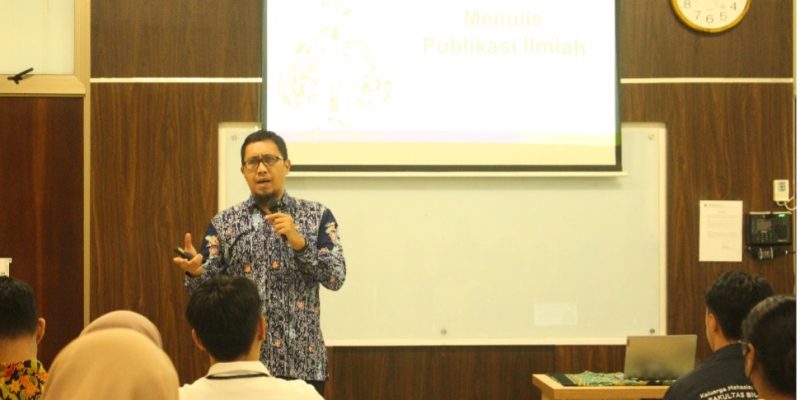
The event continued with a presentation by Dr. Miftahul Ilmi, S.Si., M.Si., on “Writing Effectively.” He emphasized that good writing should have a logical structure and flow that is easy to read. He stated that there is no magic formula for a manuscript to be accepted by reputable journals, but there are four essential criteria: an interesting and relevant theme in the field of study, well-designed research that addresses the hypothesis, valid and significant data, and clear publication writing. He also stressed the important principles of being concise, clear, and logical in writing, while cautioning against common mistakes like using convoluted and ambiguous sentences.The second part of the presentation covered the crucial steps in writing a scientific article. The speaker emphasized that authors must be aware of their target audience and the focus of the article. This includes defining the research problem, research objectives, and research conclusions. The steps in writing a manuscript start with the framework, methodology, results, discussion, introduction, title, and abstract. Additionally, meeting deadlines and seeking revisions from mentors or colleagues were highlighted.
The team took the subtheme Food and Agriculture Processing Technology, with their work titled “Organic Capsule Fertilizer Made from Household Organic Waste as a Manifestation of Circular Economy and Environmental Conservation.” Their scientific work was motivated by the escalating issue of waste accumulation in Indonesia, a country that generates approximately 21.2 tons of waste per year, predominantly consisting of household waste such as food waste, dry leaves, wood, tree branches, and food industry waste. Among the household waste types employed by Ghefira and her team was the mangrove crab shell waste (Scylla serrata). The mangrove crab’s body is primarily composed of its shell, accounting for about 80% of its weight, with the remaining 20% being edible flesh. They selected the mangrove crab shell due to its biocompatible, biodegradable, low toxicity, easy synthesis, and safe application properties.
In their innovation, Ghefira and team implemented two technologies: vermicomposting and microwave technology. This combination transformed organic waste into an innovative product: water-soluble organic capsule fertilizer. The organic fertilizer was crafted from household organic waste, while the water-soluble capsule shell was created from mangrove crab shells. The vermicomposting technology was utilized in the production of organic fertilizer involving the use of earthworms, specifically Eisenia foetida and Eisenia Eugeniae, in composting organic matter. The end result of vermicomposting technology is vermicompost, a mixture of worm castings and compost.
The microwave technology was used in producing water-soluble capsule shells using mangrove crab shell material. Chitin compounds found in mangrove crab shells can be transformed into chitosan for capsule shell production. The chitosan from mangrove crab shells has a large molecular weight, necessitating the application of microwave technology to produce chitosan with high deacetylation degree and low molecular weight, ensuring high solubility in water. The process for making chitosan capsule shells involves several sequential steps, including sample preparation, chitin isolation (deproteinization, demineralization, and decolorization processes), chitosan synthesis (repeated deacetylation using microwave), production of Glucosamine Hydrochloride (GLcN HCl) (via hydrolysis and centrifugation processes), and finally, capsule shell formation using modified capsule molds.
Through these two technologies, they produced water-soluble organic capsule fertilizer with numerous advantages. The use of fertilizers that previously required mixing various components may now be simplified through the capsule form, making application on plants more convenient. Individuals need not worry about measuring fertilizer quantities, as the organic capsule fertilizer already contains all necessary elements for plants in a complete and precise manner. Additionally, the capsule form facilitates storage due to its relatively small size, saving storage space. The water solubility of the organic capsule fertilizer is relatively fast, preventing residual waste during use. Therefore, the organic capsule fertilizer implements a circular economy system and is anticipated to contribute to environmental conservation.


After a short break, the discussion continued with topics on “Citation” and “Publication Ethics” by the guest speaker. They explained the importance of citations in providing context to research, presenting ideas, and acknowledging sources of information. Various sources, such as articles, proceedings, thesis books, newspapers, print media, online sources, and personal communication, can be used for citations. The speakers also discussed the significance of key articles at the beginning of the research and updating the list of references during the research process. They pointed out citation practices that need to be scrutinized, including spurious citations, biased citations, self-citing, and excluding contradictory results citations. Additionally, they highlighted publication ethics related to authorship, data falsification, plagiarism, and predatory journals.
The final session provided tips on “Submission Strategies” for articles, such as selecting a potential journal and adhering to the format specified by the target journal. Each presentation by the speakers was followed by enthusiastic questions from the audience. Questions covered topics like valid methodology selection, avoiding citation loops, authorship determination, and tips for writing cover letters to journal editors.
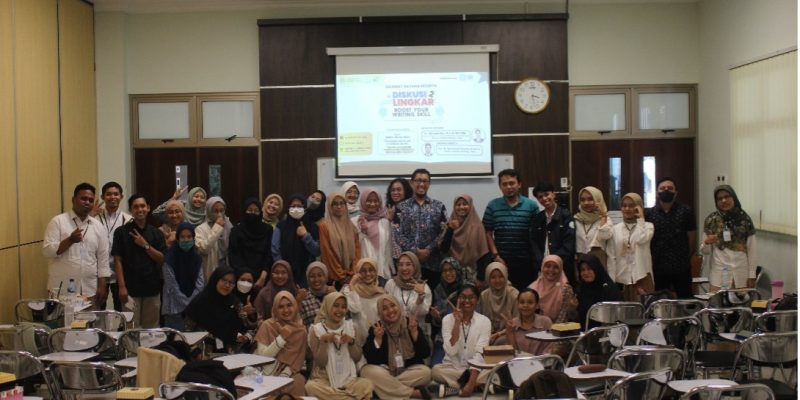
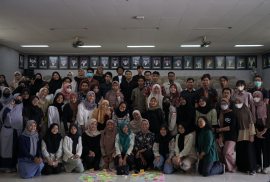
The activities of the first day concluded at 03:30 PM WIB with the presentation of mementos by the KMP Faculty of Biology, UGM. Finally, the event concluded with a group photo of the speakers, participants, and organizers. The Circle Discussion event is expected to become a regularly held activity to meet the needs of graduate students in Biology at UGM in terms of writing, research, and publishing scientific articles.
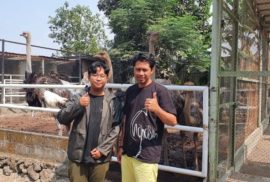
In early March 2023, the Merdeka Belajar Kampus Merdeka (MBKM) – 2023 Research Team from the Faculty of Biology at UGM, led by Dr. Bambang Retnoaji, M.Sc., along with a student named Andi Muhammad Naufal Khaeri, conducted observations on the embryonic development of eggs and the feeding of Ostriches at Mahasvin Farm, Yogyakarta. The purpose of this activity was to understand the process of breeding exotic birds, particularly Ostriches, in Yogyakarta, which is located at Mahasvin Farm.
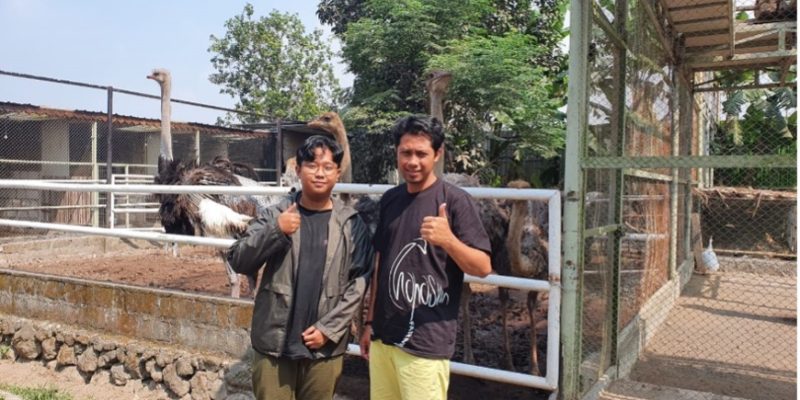

The Mahasvin Farm exotic bird breeding group is currently making efforts to hatch exotic bird eggs, including Ostriches. These efforts aim to achieve several objectives, including the conservation of exotic animals, the development of exotic wildlife tourism for the community, and, most importantly, the enhancement of educational facilities and media for wildlife development and conservation. The potential for this endeavor is significant, and they have already succeeded in hatching various types of exotic birds. However, there are currently some challenges in maintaining the embryonic development of these exotic birds.
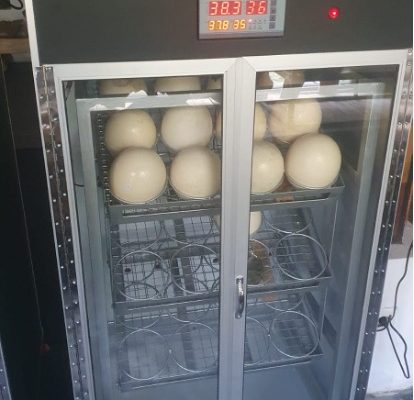
Based on the results of discussions and observations with partners, obstacles in the Ostrich hatching process were identified, such as the imperfections in the incubator machine and the inability of the current feed to fully meet the nutritional needs. The incubator machine currently in use is unable to reach the optimal humidity levels for the development of Ostrich embryos during the incubation process. The ideal incubation temperature for Ostrich hatching is around 36°C-38°C with a relative humidity between 20% and 30% (Brassó, et al. 2020). The incubator machine lacks an egg rotation system, so egg rotation needs to be done manually by opening the incubator door, which leads to fluctuations in humidity levels affecting embryo development, resulting in suboptimal outcomes.Therefore, in May, discussions were initiated to create a new incubator with an automatic egg rotation system that can maintain stable humidity levels within the incubator, allowing for optimal Ostrich embryo development until hatching. Additionally, efforts have been made to formulate a proper feed composition to ensure the successful breeding of Ostriches at Mahasvin Farm.
Currently, the new incubator machine has been successfully manufactured and is in the final checking phase to confirm if crucial indicators during incubation, namely temperature and humidity levels, are within the desired range. Following this verification, the research will proceed to the Ostrich egg incubation process to observe the stages of Ostrich embryo development. [Author: Andi Muhammad Naufal Khaeri]
In an effort to combat the trade of state-protected animals that threatens the sustainability of wildlife, Lecturer from the Faculty of Biology at Gadjah Mada University (UGM) have provided assistance to law enforcement agencies in the Java Bali Nusa Tenggara region in unveiling cases of crime using forensic DNA techniques.
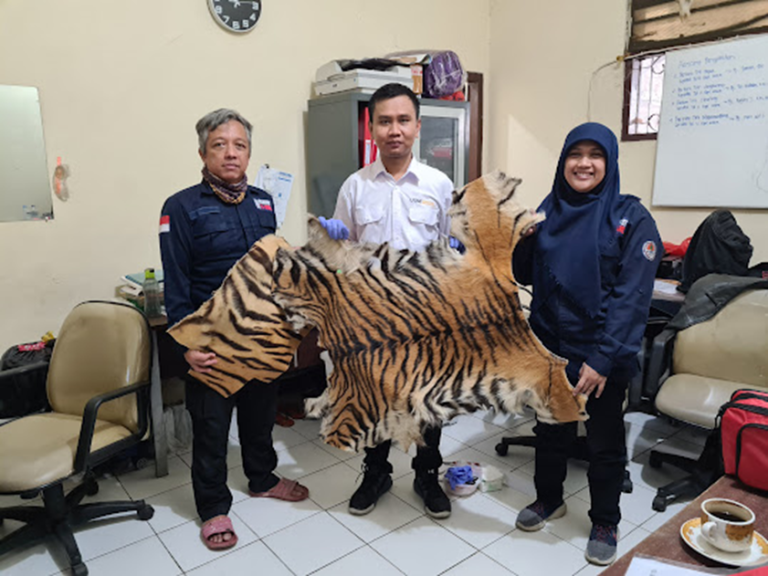
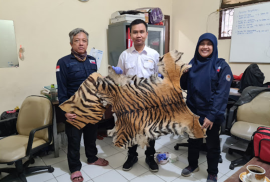
On Monday, September 19, 2023, a joint team consisting of law enforcement officers and faculty members from the Faculty of Biology at UGM worked together to identify evidence related to illegal trade. This case has garnered attention because the evidence obtained is highly diverse, ranging from oil, animal skins, bones, wallets, to traditional Indonesian hats (peci), all suspected to be from protected animals such as tigers, leopards, clouded leopards, and elephants. Dr. Dwi Sendi Priyono, a lecturer from the Faculty of Biology UGM, coordinated the collection of DNA samples from the evidence found during the law enforcement operation. Forensic DNA techniques were then used to analyze these samples and determine the species of the evidence.
This case serves as a prime example of successful collaboration between the academic institution and law enforcement in efforts to protect endangered wildlife. Improved law enforcement and a deep scientific understanding of forensic DNA identification are expected to help reduce the illegal tiger trade in the future. The research team and law enforcement agencies are committed to continuing their cooperation in safeguarding tigers and other endangered wildlife species from the damaging effects of illegal trade. In this regard, Gadjah Mada University (UGM) supports these efforts and will continue to contribute to environmental conservation and wildlife preservation in Indonesia.
On Tuesday, September 12, 2023, the Swanting Team visited the Animal Village one of the villages under the care of the Faculty of Biology at UGM, located in RT 06 RW 16 of Kedung Banteng Hamlet, Sumberagung Village, Moyudan District, Sleman Regency, Special Region of Yogyakarta 55563. The purpose of this visit was to coordinate the implementation of the Community Service Program in the Independent Learning-Kampus Merdeka (PkM-MBKM) Scheme for 2023 Phase II. The Swanting Team was led by Laksmindra Fitria, S.Si., M.Si., and comprised six undergraduate students from the Faculty of Biology UGM, Class of 2020, namely: Nindi Putri Dwi Wardani, Lisna Nur Aini, Fathur Syahrian Ramadhani, Adiva Aphrodita, Diva Nurmalia Sentono, and Rendritio Bahar.
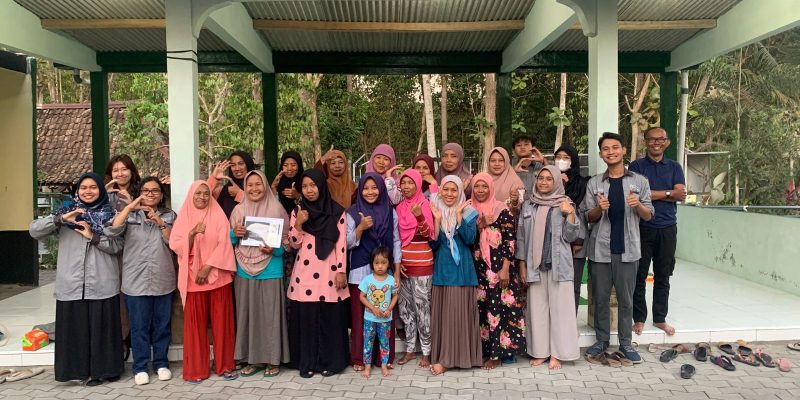
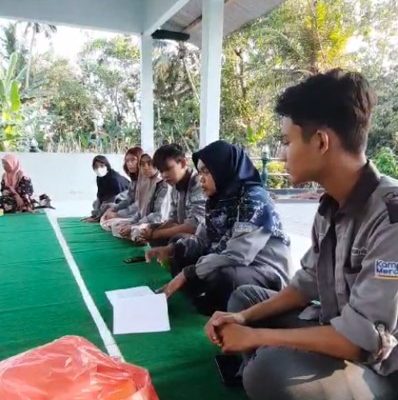
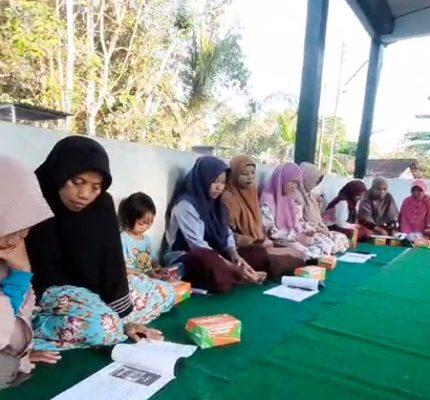
In Phase I (Even Semester of the Academic Year 2022/2023), the Swanting Team had conducted three activities: Eco-enzyme and Microgreens Counseling, Socialization of the Family Aware of Nutrition Program (Kadarzi), and Data Collection on the Health Level of Toddlers and Children. These activities were undertaken to anticipate the occurrence of stunting and wasting in the Animal Village, while also supporting the Indonesian government’s program to accelerate the reduction of stunting and wasting in toddlers and children, which is a priority in the National Medium-Term Development Plan (RPJMN) for 2022-2024.
In Phase II (Odd Semester of the Academic Year 2023/2024), the Swanting Team plans to continue its activities by working with the residents of the Animal Village to cultivate plants and small livestock as a means of meeting the family’s nutritional needs. The selected plants include leafy vegetables (spinach, water spinach, and pakcoi) as well as fruits (longan and starfruit). Meanwhile, the chosen types of livestock are catfish and quail.
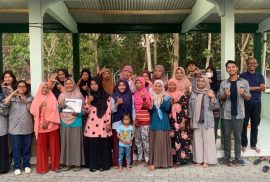
During this occasion, the Swanting Team engaged in discussions with fifteen residents of the Animal Village, consisting of the Chairwoman of the Women’s Farmer Group (KWT), the Head of RT 06 Kedung Banteng, representatives from the Animal Village Management, and representatives from Dasawisma. The proposed activities by the Swanting Team were met with enthusiasm, and agreements were reached on the dates for the implementation of these three activities, as follows: (1) Training on cultivating vegetables and fruits on Saturday, September 23, 2023, (2) Training on catfish farming in buckets and aquaponics (budikdamber) on Saturday, October 7, 2023, and (3) Training on quail farming on Saturday, October 21, 2023.
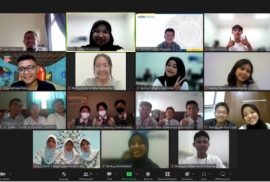
On Saturday, September 23, 2023, the Final and Grand Final rounds of the Biology Brainiac Competition were held by the BIOSPHERE#6 Committee via Zoom Meeting, with a total of 12 teams participating. In the final round, each team took turns answering 5 questions orally via Zoom Meeting breakout rooms. Each question represented one of the five different subfields of Biology. The competition was divided into 2 sessions, each lasting approximately 60 minutes, with an allocated thinking and answering time of 10 minutes per question. The final round commenced at 07:30 AM – 11:30 AM WIB. Following the completion of the Final Round, the Grand Final Round took place from 01:30 PM – 05:30 PM WIB, featuring 5 teams that qualified from the Final Round. The Grand Final participants consisted of teams from SMAK Penabur Gading Serpong, MAS Unggulan Amanatul Ummah, SMAN 1 Blitar, SMAN 2 Tangerang Selatan, and SMAN 1 DEPOK.

During the Grand Final Round, participants were required to present a PowerPoint presentation containing material from a journal cited by the participant and approved by the committee. This was followed by a question and answer session with the examiners (lecturers from the Faculty of Biology at UGM). The Grand Final Round of the Biology Brainiac Competition BIOSPHERE#6 concluded with a closing session and the announcement of the results.
The Grand Final Round marks the culmination of the BIOSPHERE#6 Biology Brainiac Competition. The hope behind organizing the Biology Brainiac Competition is to provide a path for all students in Indonesia to learn to strive towards their dreams and aspirations in higher education, while continuously optimizing their potential through active participation and achievement.
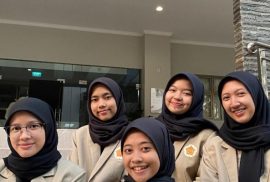
A team of Biology students at Gadjah Mada University (S1) made another achievement at the national level by winning first place in the National Essay Competition, led by Ghefira Nur Fatimah along with Jauza Hanifah Azzahra, Meinawa Amaliah, Fadilla Nur Hidayat, and Nimas Ayu Pramesthi. This national-level essay competition was organized by Brawijaya University from June 1st to September 13th, 2023, with the theme “Collaborative Nation-Building through Applied Technology Innovation towards Self-Reliant Indonesia,” . This event encompassed various stages, including the submission of works, assessment, finalist announcement, video presentation submission, video presentation assessment, and winner announcement.

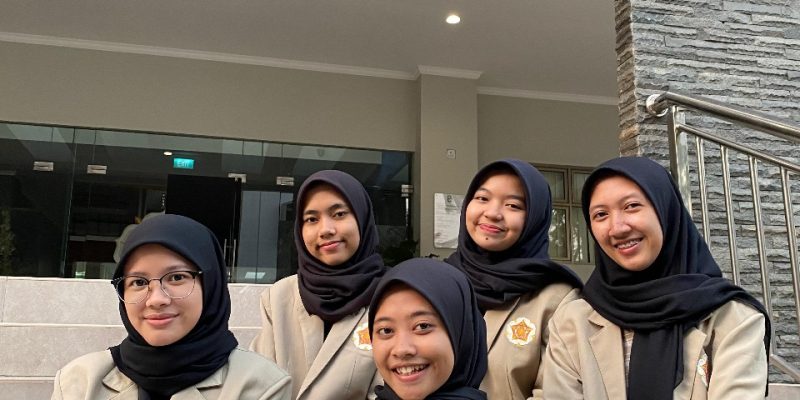
The team took the subtheme Food and Agriculture Processing Technology, with their work titled “Organic Capsule Fertilizer Made from Household Organic Waste as a Manifestation of Circular Economy and Environmental Conservation.” Their scientific work was motivated by the escalating issue of waste accumulation in Indonesia, a country that generates approximately 21.2 tons of waste per year, predominantly consisting of household waste such as food waste, dry leaves, wood, tree branches, and food industry waste. Among the household waste types employed by Ghefira and her team was the mangrove crab shell waste (Scylla serrata). The mangrove crab’s body is primarily composed of its shell, accounting for about 80% of its weight, with the remaining 20% being edible flesh. They selected the mangrove crab shell due to its biocompatible, biodegradable, low toxicity, easy synthesis, and safe application properties.
In their innovation, Ghefira and team implemented two technologies: vermicomposting and microwave technology. This combination transformed organic waste into an innovative product: water-soluble organic capsule fertilizer. The organic fertilizer was crafted from household organic waste, while the water-soluble capsule shell was created from mangrove crab shells. The vermicomposting technology was utilized in the production of organic fertilizer involving the use of earthworms, specifically Eisenia foetida and Eisenia Eugeniae, in composting organic matter. The end result of vermicomposting technology is vermicompost, a mixture of worm castings and compost.
The microwave technology was used in producing water-soluble capsule shells using mangrove crab shell material. Chitin compounds found in mangrove crab shells can be transformed into chitosan for capsule shell production. The chitosan from mangrove crab shells has a large molecular weight, necessitating the application of microwave technology to produce chitosan with high deacetylation degree and low molecular weight, ensuring high solubility in water. The process for making chitosan capsule shells involves several sequential steps, including sample preparation, chitin isolation (deproteinization, demineralization, and decolorization processes), chitosan synthesis (repeated deacetylation using microwave), production of Glucosamine Hydrochloride (GLcN HCl) (via hydrolysis and centrifugation processes), and finally, capsule shell formation using modified capsule molds.
Through these two technologies, they produced water-soluble organic capsule fertilizer with numerous advantages. The use of fertilizers that previously required mixing various components may now be simplified through the capsule form, making application on plants more convenient. Individuals need not worry about measuring fertilizer quantities, as the organic capsule fertilizer already contains all necessary elements for plants in a complete and precise manner. Additionally, the capsule form facilitates storage due to its relatively small size, saving storage space. The water solubility of the organic capsule fertilizer is relatively fast, preventing residual waste during use. Therefore, the organic capsule fertilizer implements a circular economy system and is anticipated to contribute to environmental conservation.
In pursuit of establishing a continuously excellent and forefront quality assurance system, the Faculty of Biology at Universitas Gadjah Mada consistently and systematically enhances its reputation in all fields. One notable achievement is the renewed attainment of the Excellent Accreditation from the Independent Accreditation Agency for Natural Sciences and Formal Sciences (LAMSAMA) in 2023.
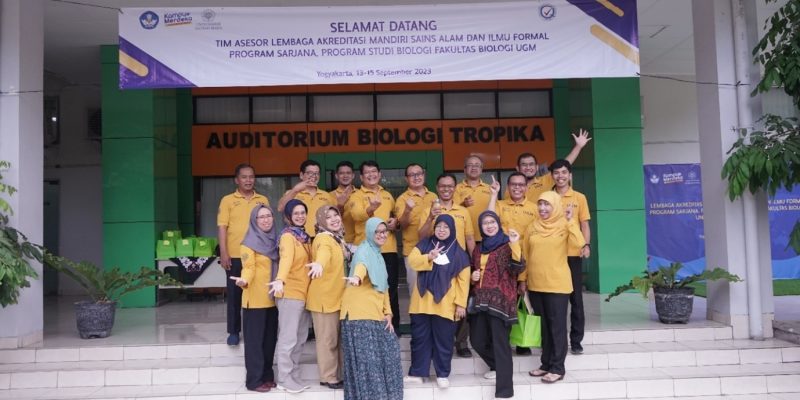
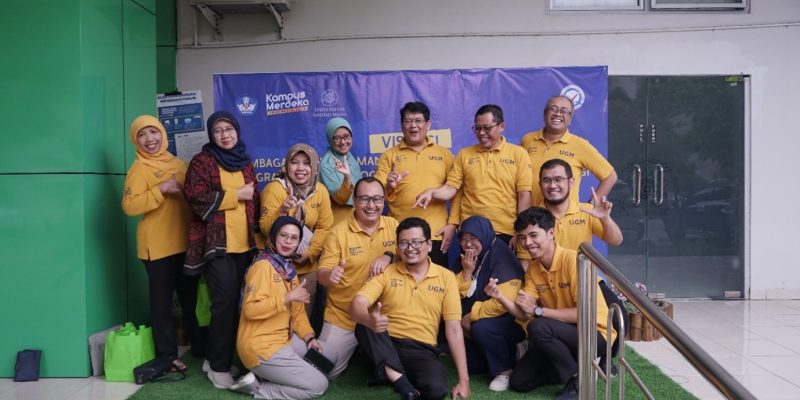
Based on the Decision Letter No. 100/SK/LAMSAMA/Akred/S/IX/2023 dated September 21, 2023, the Bachelor’s Program in Biology at the Faculty of Biology has been accredited as EXCELLENT. The efforts expended to attain this accreditation were indeed formidable, with every component within the Faculty of Biology playing an integral role and synergizing to ensure its success. This accreditation is valid for a period of five years, from September 21, 2023, to September 21, 2028. It is hoped that this accreditation will serve as a driving force for even greater performance, ultimately leading to an even more exceptional accreditation in the future.
Planetary health focuses on the health of human civilization and health of the natural systems on which it depends. Focusing on environmental sustainability and conservation, the Alam Sehat Lestari Foundation (ASRI) integrates health services with the preservation of forests with high conservation value to create healthy, prosperous communities and sustainable nature. ASRI is a foundation, a non-profit/non-profit organization that operates in the field of planetary health in Kalimantan.
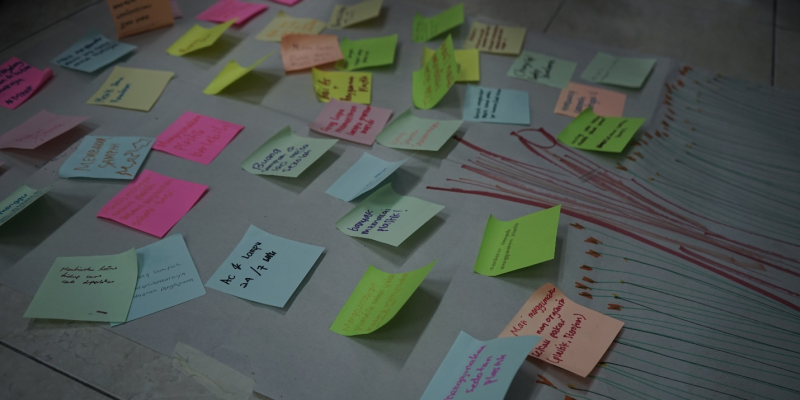
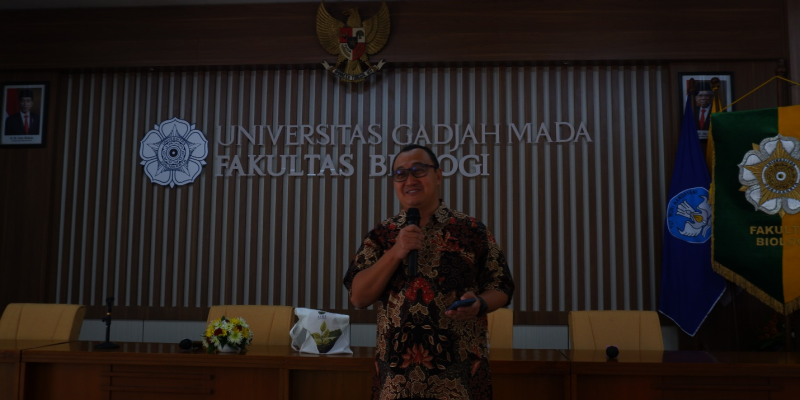
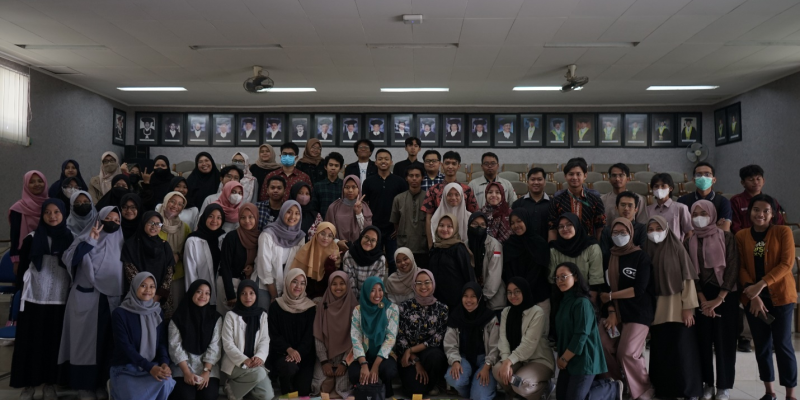


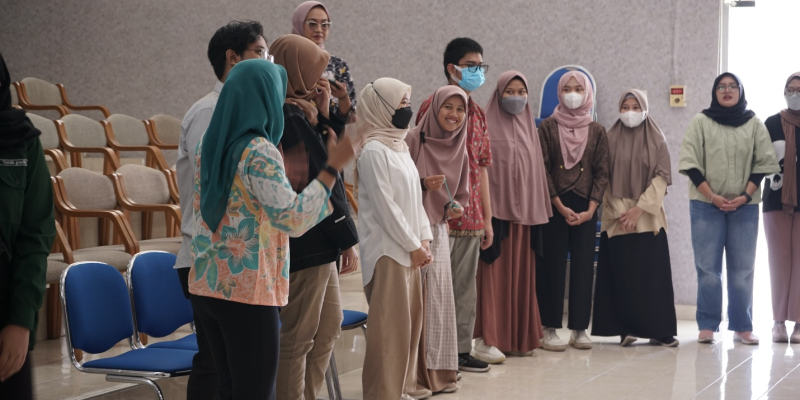
Aiming at sharing experiences and nature conservation movements, ASRI in collaboration with the Faculty of Biology UGM held a public lecture entitled “Planetary Health Lecture: The Harmony of Human and Nature” on 21 and 22 September 2023 at the Tropical Biology Auditorium with guest speaker Etty Rahmawati, Planetary Health Education Manager from the Alam Sehat Lestari Foundation. The public lecture was attended by more than 60 students from Faculty Biology and outside Faculty Biology UGM. The activity, which lasted for 2 days, was in line with support for the Sustainable Development Goals (SDGs) to support the inclusive education of the younger generation (SDG 4) in increasing awareness of environmental preservation and conservation in ecosystems, especially terrestrial ecosystems (SDG 15).
Dr. Eko Agus Suyono, M.App.Sc. as Vice Dean for Research, Community Service, Collaboration and Alumni Affairs of the Faculty of Biology, was also present at the public lecture and gave an opening remarks as well as opening the public lecture. Dr. Eko welcomed the the public lecture as a form of implementation of collaboration between the Faculty of Biology UGM and the Alam Sehat Lestari Foundation in line with the implementation of the Sustainable Development Goals in realizing a great partnership (SDG 17). Dr. Eko also conveyed regarding the MSIBC Biology UGM Building which has been completed and will be used as a Biodiversity Research Center and is expected to also contribute to the world of conservation in Indonesia.
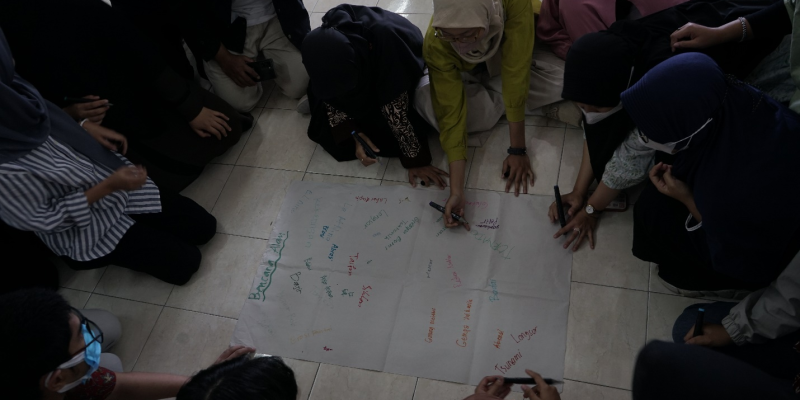
The public lecture took place not only by listening to material or asking questions and answers, but also informative games guided by Mrs. Etty to increase participants’ awareness of the importance of planetary health and what contribution can be made to this. In the first game, participants are guided to say one word and respond with a word or sentence that is the result of that sentence. In the game, participants are directed to be aware of human contribution to natural damage and so on.
In the presentation session, Mrs. Etty explained further about planetary health. The background to the importance of human awareness of planetary health is based on increasing poverty rates, increasing CO2 emissions, ocean acidification, energy and water consumption, increasing use of pesticides and decreasing the number of rainforests on earth. This is in line with the 13th SDG point to support sustainability to handle world climate change. ASRI as a non-profit organization also focuses on integrating health services according to the needs of local communities with forest conservation through programs including reforestation, nurseries, chainsaw exchange, sustainable agriculture, goats for widows, ASRI Teens, ASRI Kids, counseling, training and public lectures. targeting various groups from local communities to pupils and students as the next generation. One of the programs that is interesting and in line with the SDGs is health services with a payment system based on agricultural products which can be deposited into non-cash payments through bartering for handicraft products, livestock dung, and so on. This certainly supports improving community welfare (SDG 3), and through increasing more decent community jobs and economic growth (SDG 8).
Participants were very enthusiastic about the public lecture that took place and actively participated in the question and answer session as well as the public lecture discussion session. It is hoped that this public lecture can increase awareness regarding environmental preservation and conservation as well as open wider opportunities for the academic community, especially students at the Faculty of Biology UGM, to contribute to environmental conservation.
On Saturday, September 16, 2023, at 09:00 AM local time (WIB), the Terrarium Class event was held. This activity was organized to prepare members of the Garden Architecture Study Group (KSAT) to serve as speakers for the Student Segment of the Nget-Ngetan Exhibition Workshop Program, scheduled for next October. The Terrarium Class involved sampling and hands-on practice in creating terrariums, conducted in person around Taman Biologi Street, with participants from various levels within KSAT, ranging from seedling to sapling.
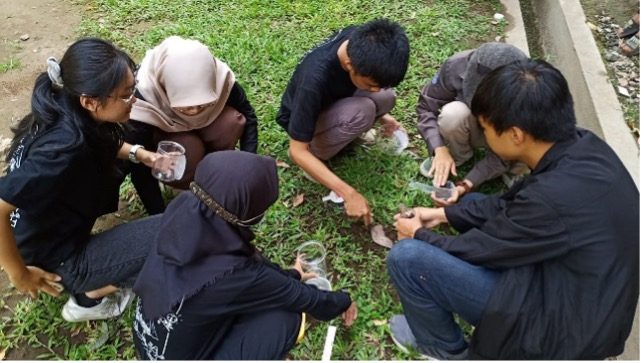


The purpose of the Terrarium Class was to enhance the skills of internal KSAT members, particularly in the realm of creativity. The event commenced with an opening address and prayer by the Master of Ceremonies, Tsaabita Ronaa Atsiila H., at the BioGeo Cafeteria on the second floor. This was followed by a brief presentation from Evan Yunizar, S.Si., on the process of creating terrariums, before proceeding to the Biological Forest for sampling. The actual terrarium-making took place around Taman Biologi Street.Upon completion of the terrariums, the Terrarium Class concluded with a discussion session, a closing prayer, and documentation.
The Terrarium Class event proceeded smoothly and concluded on schedule. With the successful execution of this event by KSAT Biologi UGM, it is anticipated that KSAT members will be able to further develop their creative abilities and be well-prepared to serve as speakers for the terrarium-making session in the Student Segment of the Nget-Ngetan Exhibition Workshop Program scheduled for the upcoming October. Furthermore, it is hoped that KSAT will continue to establish strong roots and firmly contribute to society, academia, and the surrounding environment, embodying the motto “Berakar Kokoh Menembus Peradaban” (Rooted Strongly Penetrating Civilization).
Yogyakarta, 19 September 2023 – Faculty of Biology UGM held the 2023 Senate Open Conference at the Tropical Biology Auditorium with the title “Synergy in Innovation to Create Superior and Achievement Biology”. The Senate Open Conference was also part of celebrations for the 68th Anniversary of the Faculty of Biology UGM. The Conference was attended by the entire academic community of the Faculty of Biology including senate, dean, lecturers, staffs and student representatives, as well as invited guests, alumni, partners and Dharma Wanita Faculty of Biology UGM.
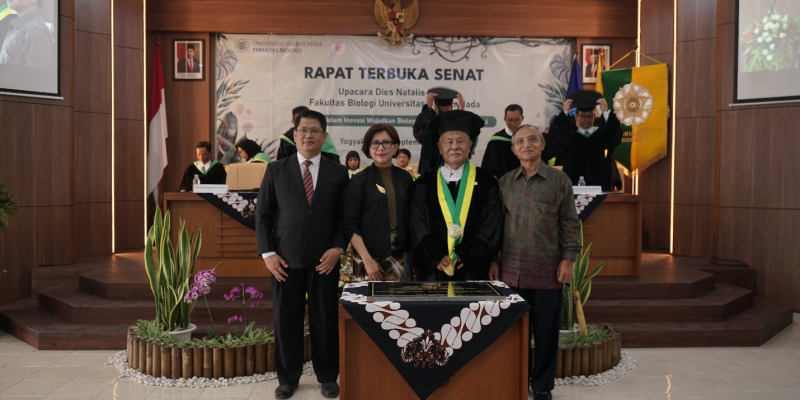
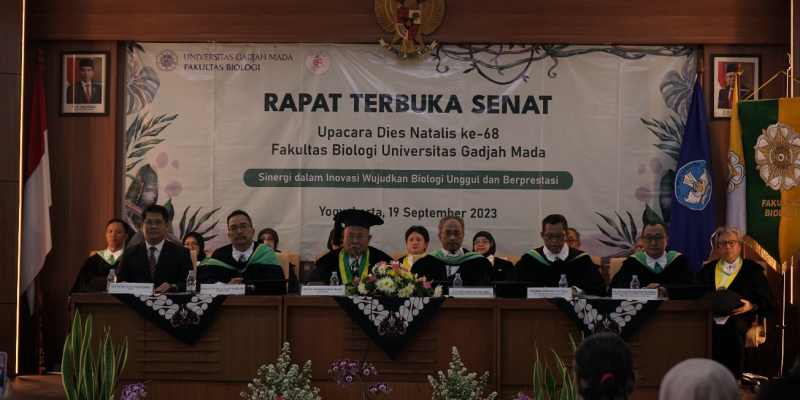
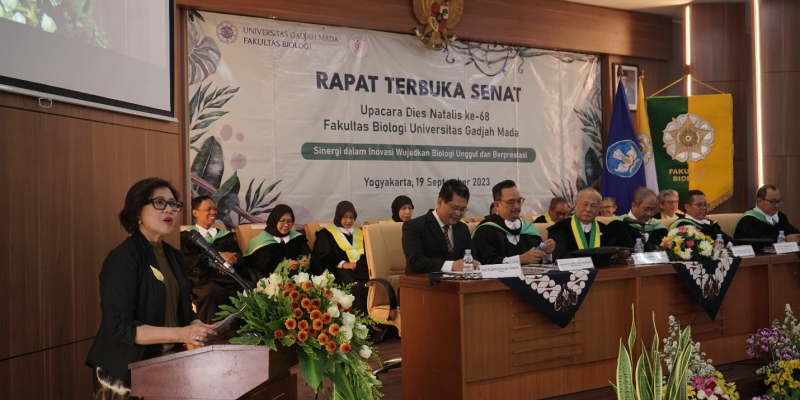
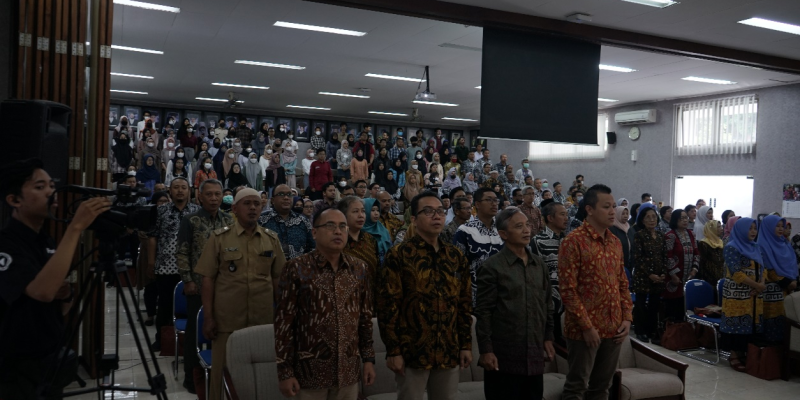
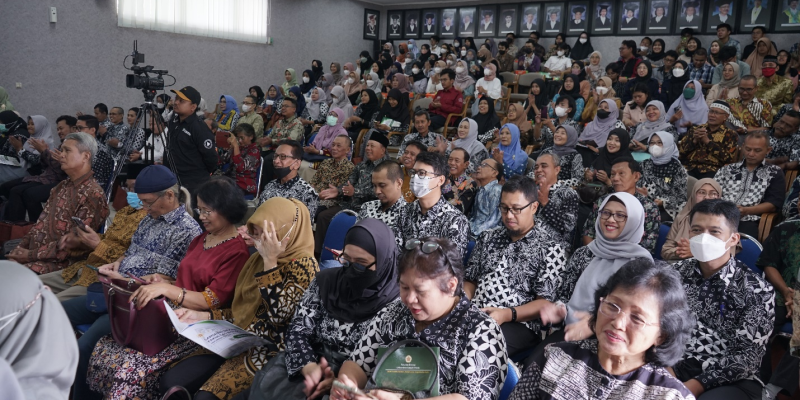
Prof. Dr. Suwarno Hadisusanto, S.U. as Chair of the Faculty of Biology UGM Senate opened the Senate Conference and continued with singing the national anthem “Indonesia Raya”, followed by “Hymne Gadjah Mada”, and “Biology March” as well as a joint prayer led by Tyas Ikhsan Hikmawan, Ph.D.
Prof. Dr. Ova Emilia, M.Med. Ed., Sp.OG (K), Ph.D., Chancellor of Universitas Gadjah Mada also attended the Senate Open Conference and delivered her opening remarks. “There is great potential for support from biological sciences to support various sectors such as health, agriculture, food and other advanced products. “The presence of technology that disrupts life also influences and encourages various innovations, including new biotechnology and biomolecular studies,” said Prof. Ova in her speech (20/9). The UGM Chancellor also said that the phenomenon of future technological development requires us to be open in scientific development so that collaboration across scientific disciplines is necessary for innovation leaps in the future.
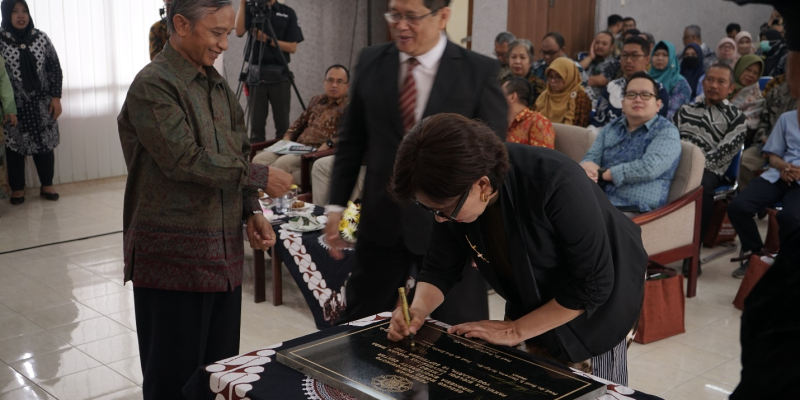
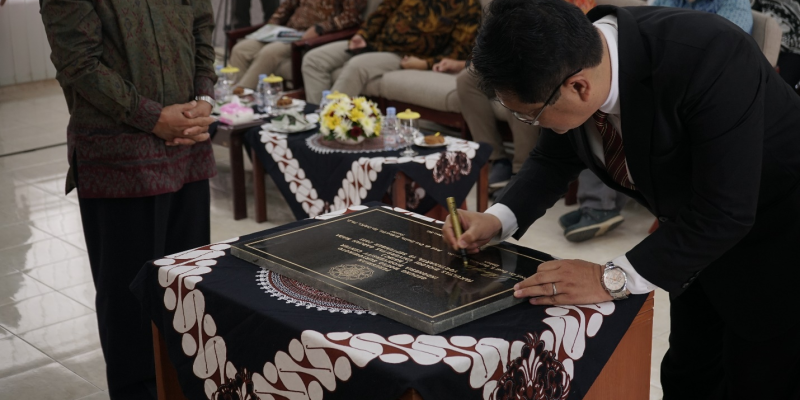
The signing of the inscription for the inauguration of the MSIBC (Moeso Suryowinoto Indonesia Biodiversity Center) Building was then carried out. The signing was carried out by the Chancellor of UGM, Prof. Dr. Ova Emilia, M.Med. Ed., Sp.OG (K), Ph.D. and Dean of the Faculty of Biology, Prof. Dr. Budi Setiadi Daryono, M.Agr.Sc., accompanied by Prof. Chairil Anwar from the Board of Trustees UGM and Prof. Dr. Suwarno Hadisusanto, S.U. as Chair of the Senate Faculty of Biology UGM.
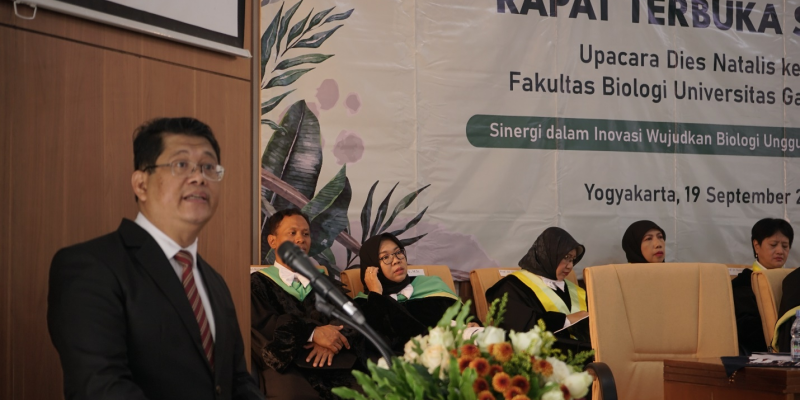
Prof. Dr. Budi Setiadi Daryono, M.Agr.Sc. as Dean of the Faculty of Biology then delivered his remarks as well as the Annual Report of the Faculty of Biology UGM. He explained that the Faculty of Biology has demonstrated its position on the international stage, demonstrated by obtaining ASIIN accreditation since 2018 and successfully maintaining its position at 501-550 in the world for Biological Science, as well as the best in Indonesia based on the QS World Ranking. The Faculty of Biology has also carried out visitations for ASIIN reaccreditation for Bachelor’s degrees and ASIIN accreditation for Master’s programs, and is being prepared for ASIIN accreditation of Doctoral programs in 2024. In 2023, the Biology Faculty has graduated 3 students from the International Undergraduate Program which has been accepting students since 2019.
“Biology as a branch of science continues to develop following the stages of the industrial revolution. One of the instruments is metaverse which relies on more complex system applications such as AI, virtual reality, augmented reality,” Prof. Budi added in his speech (20/9). He also highlighted the multi-dimensional crisis due to climate change and global political dynamics. The development of biology towards the metaverse will be a great opportunity in overcoming this problem. This is also in line with support for the achievements of the Sustainable Development Program (SDGs), especially in improving the quality of inclusive education (SDG 4), handling climate change (SDG 13), preserving ecosystems on land and water (SDG 14 and SDG 15).
In his annual report, the Dean of the Biology Faculty also highlighted international exposure which was greatly increased during this period as an effort for the Biology Faculty to become internationally known and improve student experience. This is demonstrated by exposure in the form of student exchange activities and double degrees for undergraduate, postgraduate and doctoral programs.
Improving the quality of education in accordance with SDG 4 is also demonstrated by the plan to open the Bachelor to Masters Fast Track Program and the Life Curator Professional Study Program (PKKH). Prof. Budi also conveyed student achievements including 50 national level achievements and 4 international level achievements in this period, as well as the Faculty of Biology which has the first Biotechnology Competency Test Center (TUK) in Indonesia in collaboration with LSPS and BNSP. Also presented were financial reports, improvements in infrastructure and facilities to support the tri dharma of higher education including the MSIBC Building which was launched on the same day as the Senate Open Conference, an organic waste management program which was participated in by various groups as an effort to create an environmentally friendly campus and support the implementation of SDGs, especially in improving the quality of healthy life (SDG 3).
Next, we presented the achievements of research studies, international publication achievements of Faculty of Biology lecturers, and the development of journals published by the faculty, including the Journal of Tropical Biotechnology and Biodiversity (JTBB) which is indexed by Scopus Q4 and the Berkala Ilmiah Biologi which already has an ISSN. Data on increasing community service and cooperation at both international and national levels, visiting professors and alumni activities were also presented. Prof. Budi also conveyed the implementation of the 7th National Tropical Biology Seminar and the 6th International Summer Course on Tropical Biodiversity and Sustainable Development which were attended by hundreds of participants from various institutions and countries.
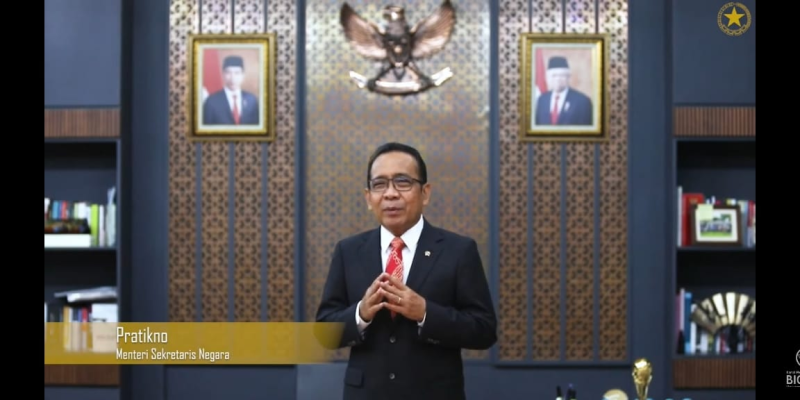
The next scientific speech was delivered by Prof. Dr. Pratikno, M.Soc.Sc., Minister of State Secretary of the Republic of Indonesia and Chair of the Board of Trustees Universitas Gadjah Mada. “Biology studies have great potential. Indonesia is rich in natural resources, vast areas, extraordinary biological riches” Prof. Pratikno started his scientific speech (20/9). Prof. Pratikno highlighted future challenges in the form of a food crisis and increasing food needs in line with the increase in population, especially in third world countries with population growth above one percent. Increasing food production capacity needs to be done to avoid hunger in the future, but this is faced with the challenges of decreasing the amount of agricultural land, climate change, long droughts, rising sea levels which can cause crop failure. He conveyed that the role of biology is very vital in the use of technology to overcome these challenges. The use of alternative energy, namely bio-energy such as bio avtur and bio diesel, is considered to be able to support a green economy to reduce emissions and environmentally friendly sustainable development.
Prof. Pratikno then said that the contribution of biology to human health stems from the closeness of the study of biology to medicine at the time of its founding. The development of health science towards precision medicine, which aims to increase the accuracy of diagnosis for each individual, places biological science as central along with medical science. Initiation of the development of biomedical science as an initial embryo involving various scientific disciplines within it and continuing to develop towards leading technology including involving the use of AI, VR and management of Big Data in the form of a bio-repository.
“Biology has a central role in developing research and knowledge in various fields, food, energy and biomedicine,” said Prof. Pratikno when ending his scientific speech. He stated that biology is a science that continues to develop and can become a vital science in Indonesia’s progress.
The Senate Open Conference ended with a closing remarks by the Senate Chair of the Faculty of Biology, Prof. Dr. Suwarno Hadisusanto, S.U. It is hoped that the Open Conference as part of the celebration of the 68th Anniversary of the Faculty of Biology can trigger the enthusiasm of the academic community so that the Faculty of Biology can continue to develop and provide benefits to the nation and state.
Translate »