• UGM
  • Simaster Portal
  • IT Center
  • Webmail
  • KOBI
  • English
    • Bahasa Indonesia
Universitas Gadjah Mada Universitas Gadjah Mada
Faculty of Biology
  • ABOUT US
    • History
    • Organization
    • Vision and Mission
    • Lectures and Staff
      • Lecturers
      • Adjunct Professor
      • Supporting Staff
    • Facility
      • Laboratories
      • Research
      • Library
      • Museum
      • Mental Health Consultation
      • Disability
  • EDUCATION
    • Undergraduate Program
      • Graduates Learning Outcome
      • Academic Callendar
      • Course
    • IUP
    • Profession Program
      • What is the Professional Study Program in Biodiversity Curator (PKKH)?
      • Admission for New Students of the Biodiversity Curator Profession Program Study
      • Information and FAQ Study Program of Biodiversity Curator Profession
    • Master Program
      • Master Program in Biology Description
      • Curriculum Structure Master Program
    • Doctoral Program
      • Vision, Mission, Objectives, Targets, Competencies, and Learning Outcomes
      • Admission Requirement for Program Doctor in Biological Sciences
      • Admission: What Documents to be prepared?
      • Curriculum
    • Regulations
    • Accreditation & Quality Assurance
  • RESEARCH
    • Journal of Tropical Biodiversity and Biotechnology
    • Berkala Ilmiah Biology
    • Research
    • Publication
  • Community Service
    • Waste Management
  • STUDENTS & ALUMNAE
    • Student Organizations
    • Prospective Career Opportunities
    • SUMMER COURSE
    • Alumnae
  • Home
  • Community Service
  • page. 3
Arsip:

Community Service

PkM MBKM, Faculty of Biology UGM 2025: Empowering the Kepuh Kulon Community, RT 001, Wirokerten, Banguntapan, Bantul Through the First Phase of Socialization and Training on Family Medicinal Plants (TOGA): Production of Onion Sticks Enriched with Four TOGA Variants

Community Service Monday, 14 July 2025

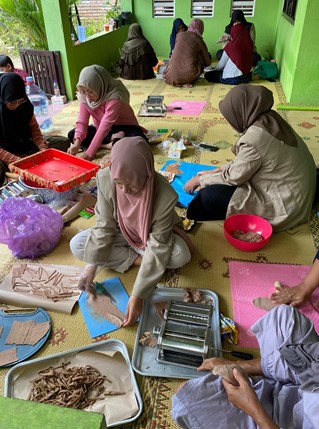
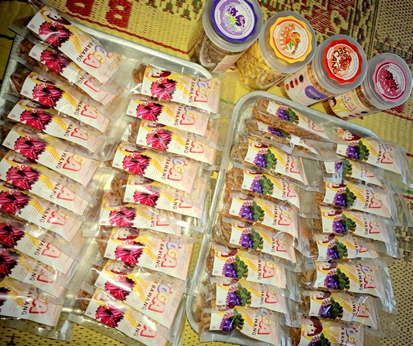
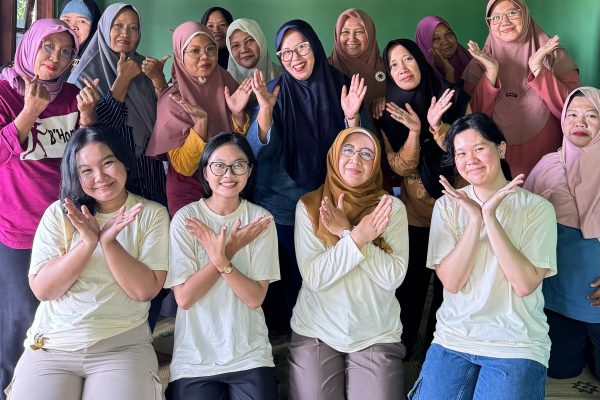
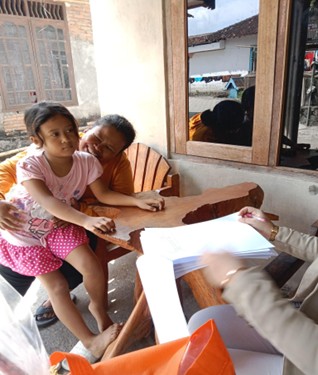
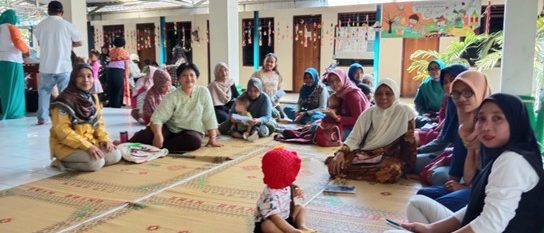
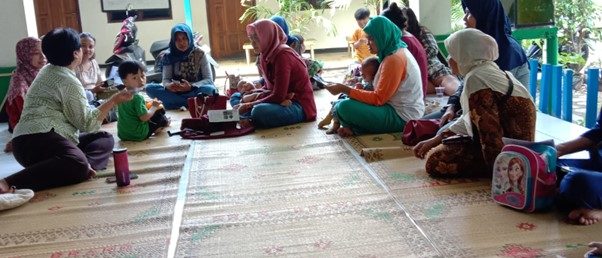
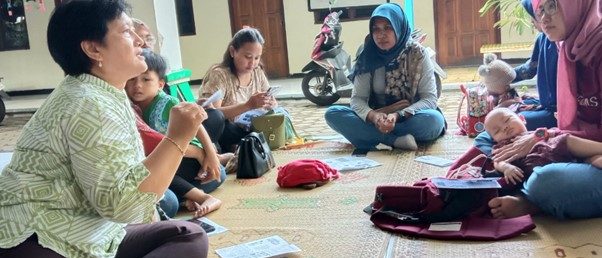
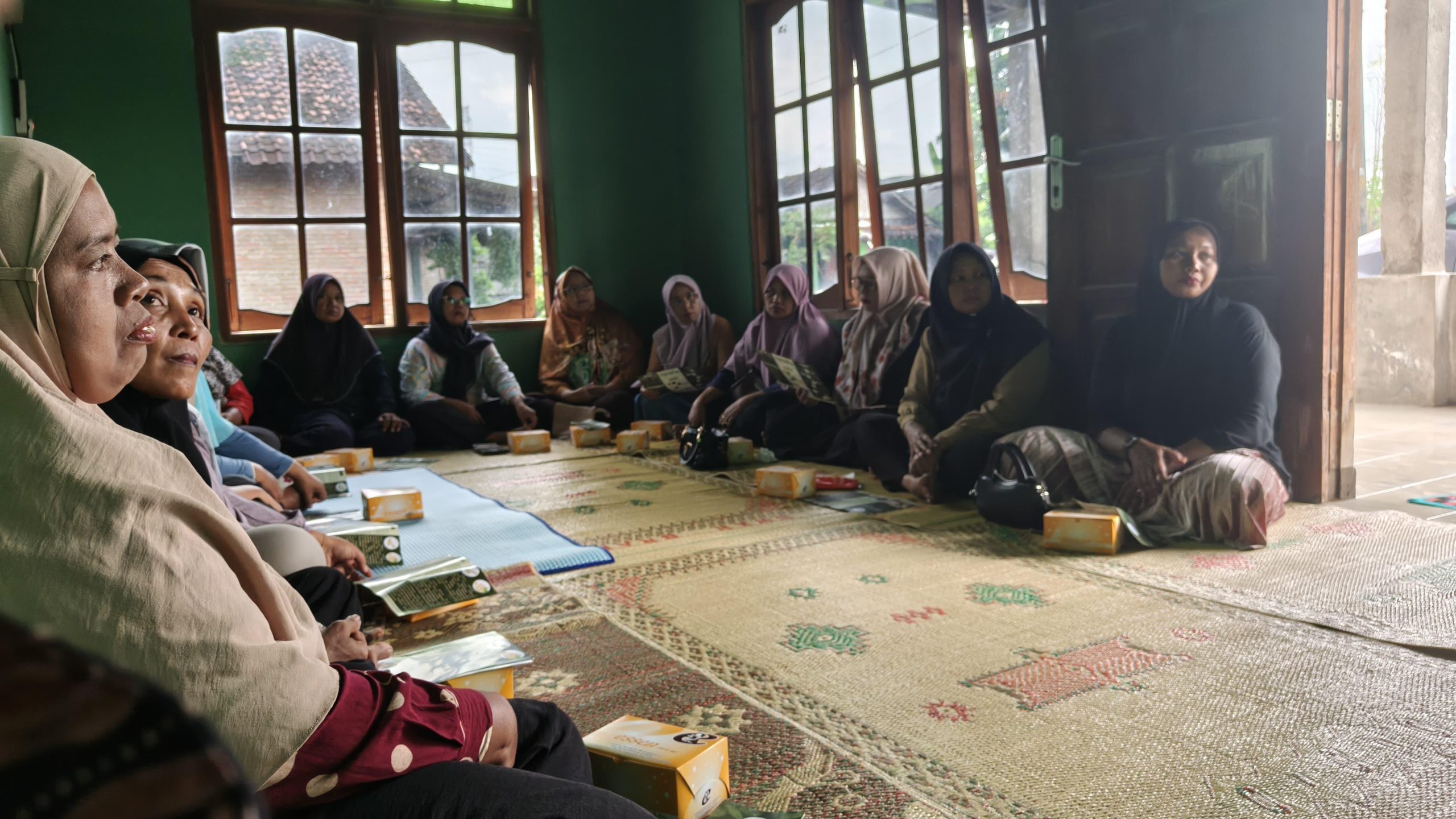
Team Pengabdian kepada Masyarakat (PkM) – Merdeka Belajar Kampus Merdeka (MBKM) initiative of the Faculty of Biology, Universitas Gadjah Mada (UGM), led by Prof. Rina Sri Kasiamdari, S.Si., Ph.D., has successfully implemented the first phase of its activities in Kepuh Kulon RT 001, Wirokerten, Banguntapan, Bantul. This phase focused on the production of onion-based snack sticks enriched with four variants of Tanaman Obat Keluarga (TOGA – Family Medicinal Plants). The program engaged five undergraduate students Swastikhansa Parahita Sulistyaningrum, Afrina Syah Putri, Isna Kuminingrum, Asitya Fitri Miadi, and Amyra Asa Nurhanifa with the primary aim of raising community awareness about the health benefits of TOGA plants through interactive learning. Additionally, the initiative introduced an innovative approach to utilizing TOGA in developing value-added food products, particularly onion sticks infused with TOGA extracts, which are not only beneficial for health but also palatable to a broad demographic, especially children. This event marked the fifth consecutive year of PkM-MBKM implementation in RT 001 Kepuh Kulon. The current semester’s activities were conducted on Sunday, May 18, 2025, from 09:30 to 15:00 WIB at the residence of the RT head, Mr. Zamzuri. The event garnered enthusiastic participation from local residents, including 14 women and Mr. Sunartono, the village head (Kepala Dukuh) of Kepuh Kulon. In his opening remarks, Mr. Sunartono emphasized the practical uses of TOGA as part of daily health practices. He shared his personal experience consuming TOGA-based herbal drinks, noting significant health improvements, and encouraged the community to continue leveraging TOGA plants through the program. He also urged local residents to sustain the initiative independently, promoting a spirit of productivity and creativity within the community. Prof. Rina highlighted the importance of TOGA utilization in improving public health and fostering local innovation. She emphasized the potential of incorporating butterfly pea (Clitoria ternatea), roselle (Hibiscus sabdariffa), sappanwood (Caesalpinia sappan), and turmeric (Curcuma longa) into food products such as onion sticks, especially given children’s general aversion to medicine. She also underscored the crucial role of community solidarity in the program’s success and its potential contribution to the local economy by promoting TOGA-based healthy snacks as a new entrepreneurial opportunity.
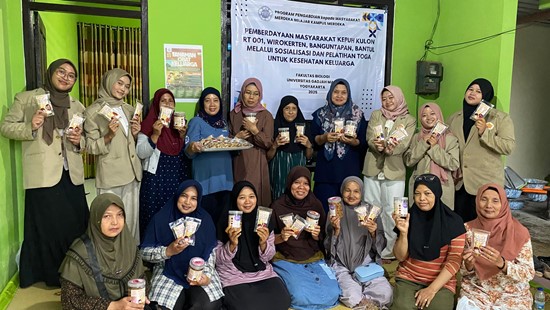
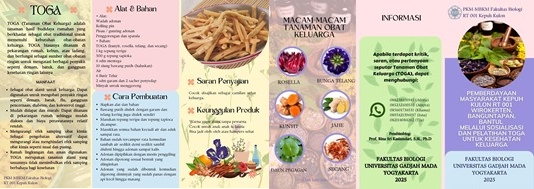
The main activities included a knowledge dissemination session followed by a hands-on workshop on producing TOGA-enriched onion sticks. Participants were introduced to TOGA concepts, health benefits, the nutritional properties of selected TOGA plants, and the step-by-step methodology for snack preparation. The community members were divided into four groups, each focusing on one TOGA variant (butterfly pea, turmeric, roselle, and sappanwood). Each group prepared dough following a standard recipe until it reached the desired consistency. The dough was then flattened using a rolling machine, cut into uniform strips, deep-fried, and packaged in labeled plastic pouches and jars to improve product appeal. To further engage participants, a quiz session was held at the end of the activity, with door prizes awarded to active attendees.

The enthusiasm and skill displayed by the residents during the workshop are expected to drive the program’s sustainability. Additionally, the PkM-MBKM team provided a complete set of equipment and a pressing tool to enable continued production by the community. The next phase of the program is scheduled for the first semester of the 2025/2026 academic year (September), focusing on further processing of TOGA into additional value-added products to enhance community welfare. This community service program aims to expand knowledge and practical skills in processing TOGA into beneficial health products, thereby contributing to improved public health and local economic resilience. The initiative aligns with several Sustainable Development Goals (SDGs): SDG 2: Zero Hunger; SDG 3: Good Health and Well-being; SDG 8: Decent Work and Economic Growth and SDG 12: Responsible Consumption and Production.

Tagline:
SDG 2: Zero Hunger

SDG 3: Good Health and Well-being

SDG 8: Decent Work and Economic Growth

SDG 12: Responsible Consumption and Production
Training and Assistance for ‘Amanda’ Women Farmers Group in Cultivating Yard Plants

Community Service Monday, 23 June 2025

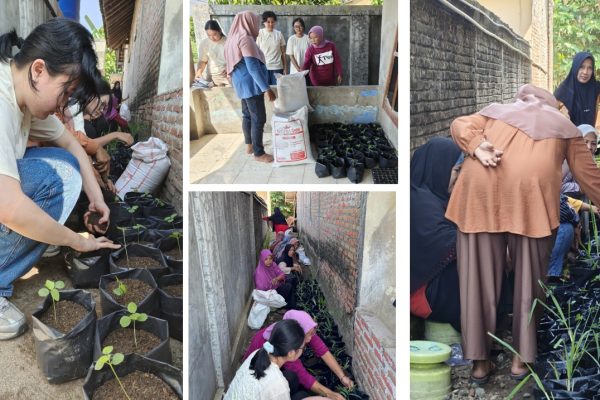
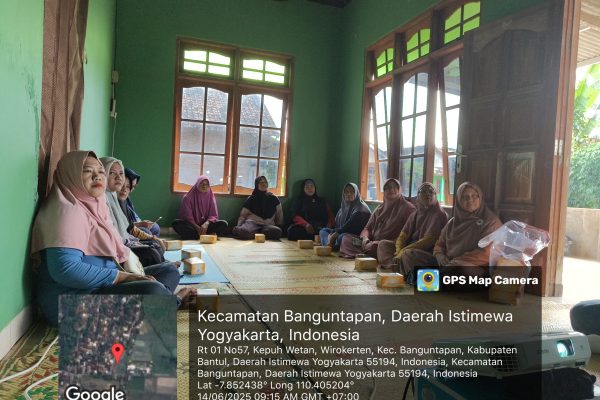
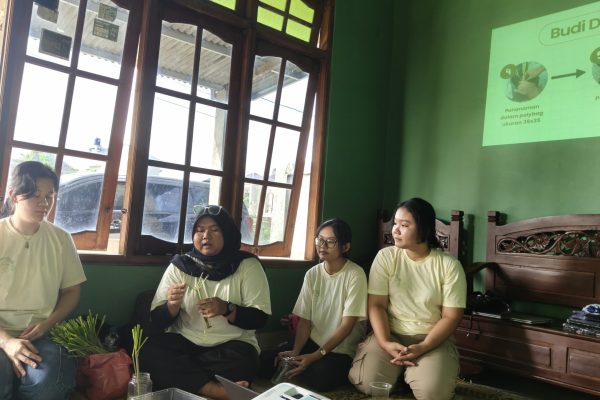
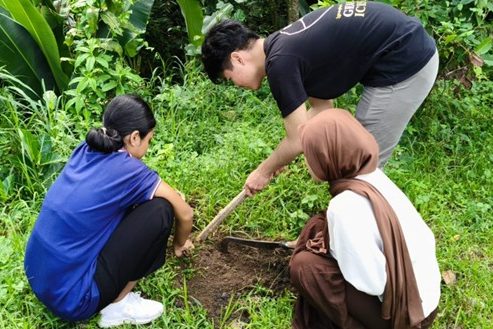
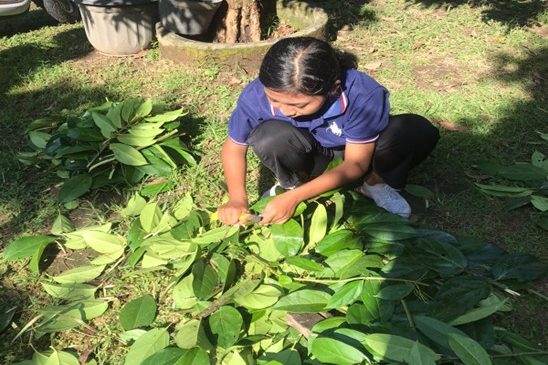
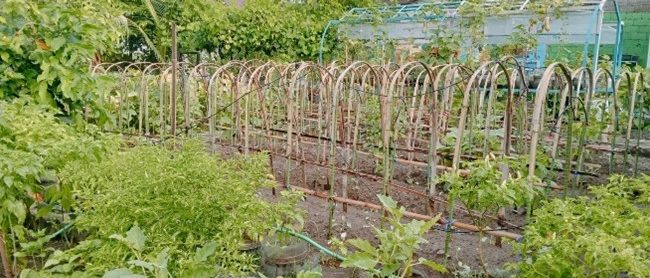
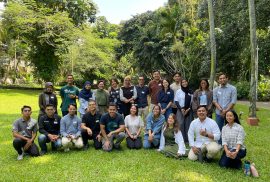
Front yard utilization for the cultivation of functional plants with market value could contribute to improve entrepreneurial independence.  In a series of 2025 PKM-MBKM activities with the Amanda Women Farmers Group as partners, training and mentoring of outdoor plants cultivation were carried out on Saturday, June 14, 2025 at Padukuhan Kepuh Wetan, Wirokerten Village, Kapanewon Banguntapan, Bantul Regency, Yogyakarta Special Region. The UGM PKM-MBKM team led by Prof. Dr. Diah Rachmawati, S.Si., M.Si. accompanied by students from the Faculty of Biology UGM class of 2022: Jovanka, Khansa Fauziah Rachman, Samantha Sonya Putri, and Dhea Amelia, delivered the materials and practices on how to germinate, transplant, and nurture rosella (Hibiscus sabdariffa L.), butterfly pea (Clitoria ternatea L.), ginger (Zingiber officinale Roscoe), and lemongrass (Cymbopogon citratus (DC.) Stapf).


Rosella, butterfly pea, ginger, and lemongrass are grown in several stages. In rosella and butterfly pea, good seeds are selected by soaking them in water and taking the sinking seeds. Seeds that sink are put into in a seedling tray with planting media and watered daily.  After the seeds germinate for approximately 1-2 weeks and the main stem is strong enough, the plants are transferred to a 25×25 poly bag containing planting media. Watering is done every day and fertilizing every 2 weeks with NPK fertilizer dissolved in water. The process of ginger cultivation is carried out by selecting ginger rhizomes that have good quality and cleaning them from the remaining soil. Gingers are put into a container containing wet cloth covered with another wet cloth. This process is carried out until the shoots appear on rhizome (approximately 2 weeks) and continued with the planting process in a 35×35 polybag containing planting media. As for lemongrass, the initial process carried out is pruning the upper leaves and soaking lemongrass in water until they grow roots. This process lasts approximately 1 week and is followed by planting lemongrass in a 35×35 polybag with planting media. Lemongrass and ginger were watered daily and fertilized once a week with NPK dissolved in water.

The activity received a very positive response from the members of the Amanda Women Farmers Group who enthusiastically followed the entire series of events, from the material delivery to hands-on practice. This enthusiasm can be seen from the many questions asked during the discussion session, as well as the liveliness of the participants when trying to perform germination and transplanting techniques independently. In addition, this activity also became a space for interaction that strengthened the relationship between the implementation team and partner communities, creating a collaborative and mutually supportive atmosphere (SDG 17). Through a participatory and applicable approach, it is hoped that this activity will not only provide new knowledge and skills, but also be able to build community independence in utilizing front yard productively by cultivating plants with high market value to improve family food security and community welfare in a sustainable manner (SDG 8).

Education and Action: MBKM Community Service Team 2025 of Biology, UGM Introduces the Benefits of Herbal Plants in Pajangan Hamlet, Wedomartani, Ngemplak, Sleman, Yogyakarta

Community ServiceNews Release Friday, 30 May 2025

The Community Service Team – Merdeka Belajar Kampus Merdeka (PkM-MBKM) from the Faculty of Biology, Universitas Gadjah Mada (UGM) 2025, supervised by Dr. Ardaning Nuriliani, S.Si., M.Kes., has successfully conducted a series of educational activities in Pajangan Hamlet, Wedomartani, Sleman. Under the theme “Improving Family Health through Cultivation and Processing of Herbal Plants”, the program aims to raise awareness and promote the use of herbal plants within the local community—supporting the achievement of Sustainable Development Goal (SDG) 3: Good Health and Well-being. The initiative involved five active undergraduate students of the Faculty of Biology, UGM grade 2022.


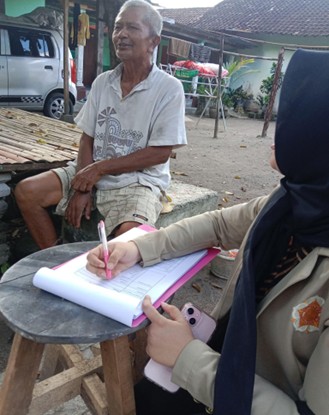
The activities began with the distribution of questionnaires and direct interviews with 50 residents to assess their perceptions and habits regarding herbal plant usage. The results revealed that most residents are familiar with and regularly use herbal plants in their daily lives. This provided a strong foundation for the team to continue with further educational outreach, particularly on the types and benefits of herbal plants—supporting SDG 4: Quality Education at the hamlet level. The enthusiasm of the community confirmed that this grassroots approach is effective in unlocking local potential for health improvement.

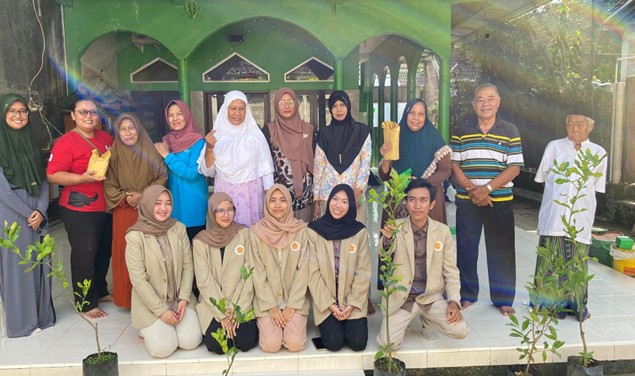
The next phase of the program included an educational seminar and herbal plant distribution, held at Masjid Jami’ Darussalam on Sunday, May 24, 2025. The session was presented by Chelsy Ammara Septiani and Nimas Ayu Pramesthi, covering the introduction to herbal plants, their benefits, and their role in preventing degenerative diseases. A lively and interactive Q&A session followed, with participants showing interest in innovative uses of herbal plants such as modern herbal beverages and aromatherapy candles. This response reflects a growing community awareness of responsible consumption and production, in line with SDG 12.

The event concluded with the distribution of herbal plants—including pandan, cat’s whiskers/Java tea, bilimbi, and bay leaf—to encourage continued cultivation and conservation of these plants within the community, thus contributing to SDG 15: Life on Land. The program will continue in the Odd Semester of the 2025/2026 academic year, focusing on both physical and mental health. It is hoped that the PkM-MBKM program will continue to bring tangible benefits to the residents of Pajangan Hamlet and serve as a model of collaborative service between academia and society through partnerships to achieve the goals (SDG 17).

Authors:
Ardaning Nuriliani, Chelsy Ammara Septiani, Syifa Aneira, Meinawa Amaliah, Nimas Ayu Pramesthi, Muhammad Fathin Setya Daffa

Collaboration between PKM-MBKM Faculty of Biology UGM and the Women’s Economic Movement (GEMI): Training on Making Compost Fertilizer with the Berkeley Method in a Compost Bag

Community Service Wednesday, 28 May 2025

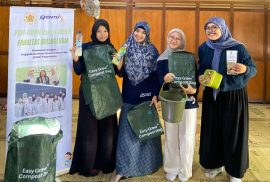
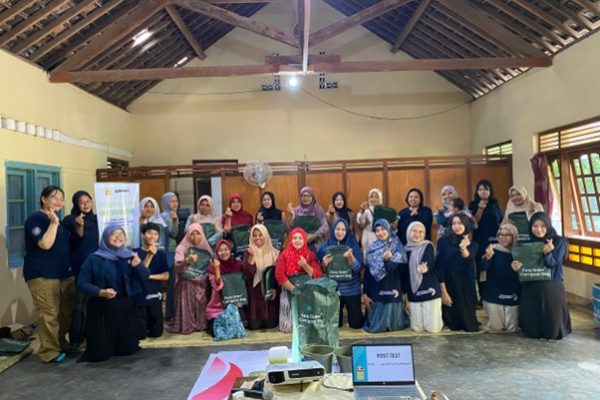
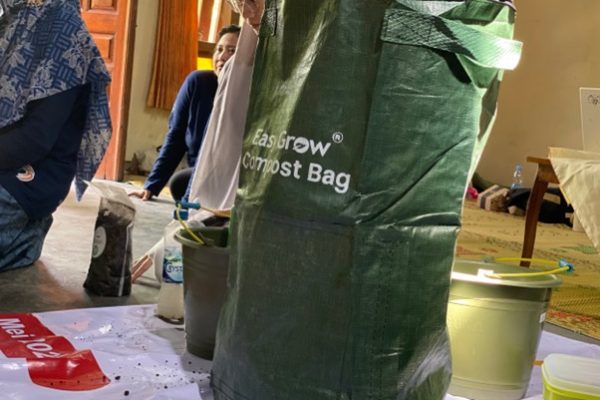
The Community Service Team – Independent Campus Learning Program (PKM-MBKM) of Faculty of Biology UGM 2025 led by three lecturers, namely Novita Yustinadiar, M.Si, Woro Anindito Sri Tunjung, Ph.D., and Wahyu Aristyaning Putri, Ph.D., together with 11 students have carried out the third activity in a series of PkM-MBKM programs in partnership with the GEMI Sharia Cooperative (Gerakan Ekonomi Kaum Ibu). The third activity was carried out in Panggungharjo Village, Sewon District, Bantul Regency, Yogyakarta Special Region. This team involved three students, namely Anisah Qurrotu’Ainii (Chairperson), Hafifah Nur Ainiyah (Secretary), Alma Puska Falasyifa (Treasurer) and the help of 8 other students with a theme entitled “Application of Zero Waste System in an Effort to Realize a Clean, Healthy and Green Environment in Members of the Economic Movement of the Mothers (GEMI) Yogyakarta”. This PkM-MBKM program supports the achievement of Sustainable Development Goals (SDGs), especially SDGS 3 (Good health and well-being), 12 (Responsible consumption and production), 15 (Maintaining Land Ecosystems). This program is planned to take place for two semesters with a total of 6x direct counseling to GEMI partners.


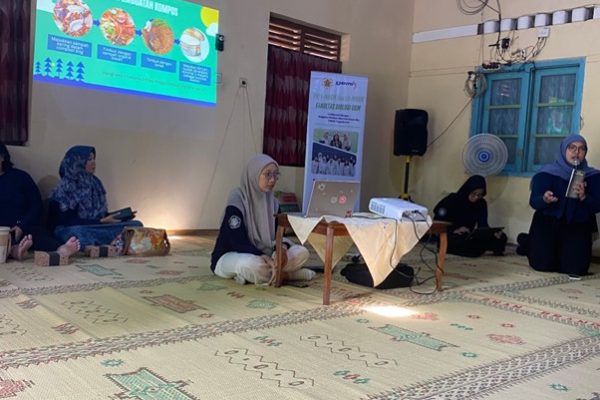
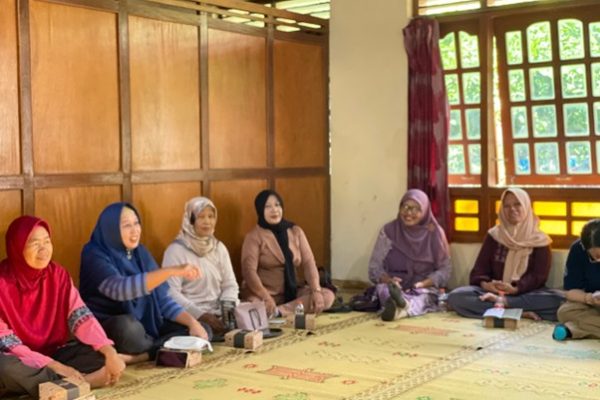
Socialization and practice activities were carried out on Saturday, May 24, 2025, at 09.00–12.00 WIB at the home of one of the GEMI members. This activity was attended by GEMI members and waste bank members. Before the practice, there was a pre-test to map the participants’ understanding before participating in the material presentation, followed by a material presentation related to organic waste and exposure related to compost fertilizer with the Berkeley method in a compost bag, then continued with demonstrative practices by a team of students and accompanying lecturers related to making compost bags.

The event continued with a question and answer session and quizzes related to the material that had been delivered. The women participants seemed very enthusiastic about asking and also answering the questions asked. There was a two-way discussion between the organizers and the participants who participated in the activity. As a form of appreciation, active participants were given gifts in the form of tumblers and bags as a form of circular economy and zero waste to reduce the use of plastic bags and bottles. The event was then closed and continued with a joint documentation session.

Designing of the MBKM Village Development Program: Optimization of Tlatar Fruit Garden as a Fruit Center and Tourism Village

Community Service Wednesday, 28 May 2025

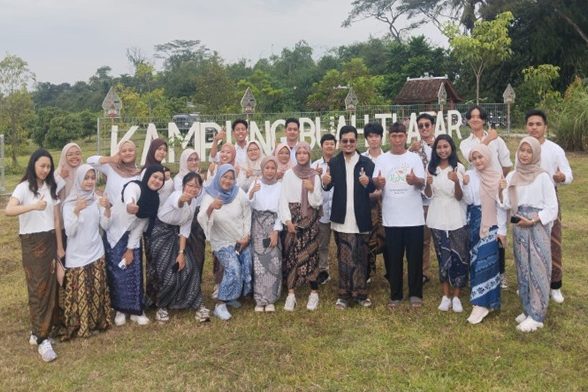
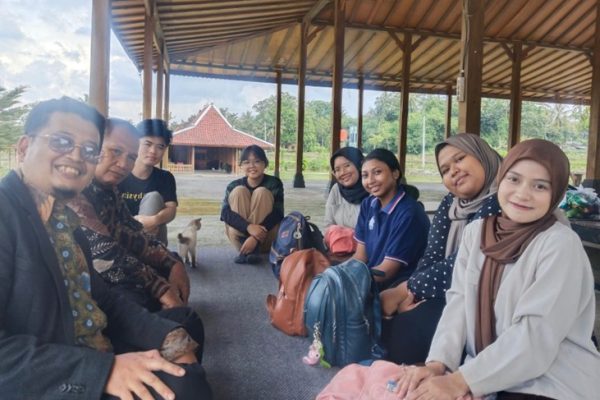
On April 13, 2025, students of the Independent Learning Independent Campus (MBKM) Village Development program again demonstrated real contributions in developing the potential of tourism villages through the design of sustainable agriculture-based programs and empowerment of local resources in the tourist destination village of Kabut Kebonalas Manisrenggo Klaten. This discussion activity was carried out by Nurhayati, together with her team, namely Tiara Syifa Wididevani, Putri Ramadhanti, and Mirmastu Lintu Nirmala Wasti, under the guidance of Mr. Sukirno, S.Si., M.Sc., Ph.D. This discussion was carried out directly with Mr. Drs. Suwadi as the the secretary of Kebonalas and also as the Head of POKDARWIS Kabut Kebonalas, as a form of initial collaboration in the implementation of the integrative program between MBKM and KKN PPM UGM for the period June 20–August 2025. This activity also involved Mr. Yousuf Sulaiman, S.IP as a practitioner. The main focus of the program is the management and optimization of the Tlatar Fruit Garden through an educational approach, sustainable agriculture, and innovation based on local biodiversity.


The scope of the program includes greenhouse management as a center for education and production of horticultural plants, especially eggplant and melon plants. In addition, this activity will also provide education related to fertilization techniques and care for starfruit and longan plants. The MBKM program also encourages the use of local plants as alternative food sources, such as cincau leaves and moringa leaves which have the potential to become processed products with high economic value.

This discussion is the first step in preparing for the implementation of KKN with the theme “Optimizing the Potential of Tourism Villages in Manisrenggo through the Integration of Health, Agriculture, and Digitalization in the Development of Local Potential Based on Biodiversity to Support Sustainable Development Goals.” The theme was raised in line with the MBKM program which is oriented towards sustainable agriculture and supports the SDGs for dealing with hunger, SDGs for poverty, SDGs for health, and SDGs for terrestrial ecosystem conservation. Through this program, it is hoped that Kebon Alas Village can become an example of developing an integrated agricultural and health-based tourism village, while also encouraging food independence and improving community welfare through empowering local potential.

MBKM Songgo Manisrenggo Team Conducts Moringa and Black Grass Jelly Planting Activities in Kabut Kebonalas Tourism Village

Community Service Saturday, 24 May 2025

On May 12, 2025, students from the Merdeka Belajar Kampus Merdeka program demonstrated their commitment to developing the potential of tourism villages through activities focused on environmental conservation and local food empowerment. This initiative was led by Nurhayati and her team, Mirmastu Lintu Nirmala Wasti, Tiara Syifa Wididevani, and Putri Ramadhanti, with support from Eben Ariesto Purnama Jati and Mazaya Tijani Ulayya, under the supervision of Sukirno, S.Si., M.Sc., Ph.D..


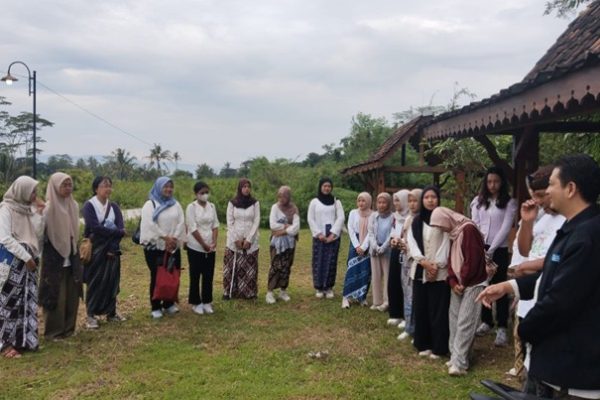
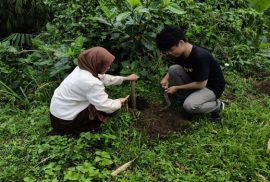
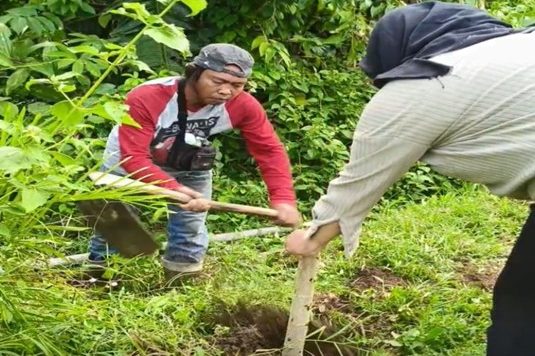
The primary activity involved planting moringa along the riverbanks. This strategic location was chosen to prevent erosion, reinforce the area’s natural boundaries, and create a living fence. Furthermore, the highly nutritious moringa leaves, particularly their protein content, can be processed into vegetables and used as a complementary food source to combat stunting.

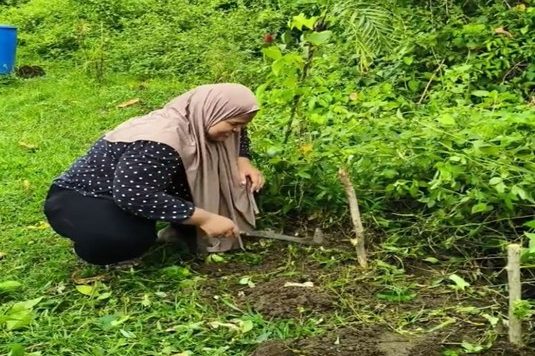
In addition, the student team planted black grass jelly seedlings in the Tlatar fruit garden area. The mature grass jelly leaves will serve as raw materials for refreshing and healthy traditional grass jelly drinks, with the aim of bolstering agro-tourism and local culinary offerings in the Kabut Kebonalas area.

This planting initiative garnered considerable support and enthusiasm from local residents, who actively participated in the planting process. This collaboration between students, supervising lecturers, and the village community exemplifies a synergistic approach to building a sustainable, healthy, and self-reliant tourism village.

Through this program, it is envisioned that the Kabut Kebonalas Tourism Village will continue to thrive by prioritizing local values, environmental sustainability, and community food security, thereby contributing to the achievement of the SDGs related to hunger management, poverty reduction, health, and terrestrial ecosystem conservation.

Optimizing Women Farmers Group’s Role in Outdoor Plants Cultivation and Utilization as Marketable Products

Community ServiceNews Release Monday, 19 May 2025

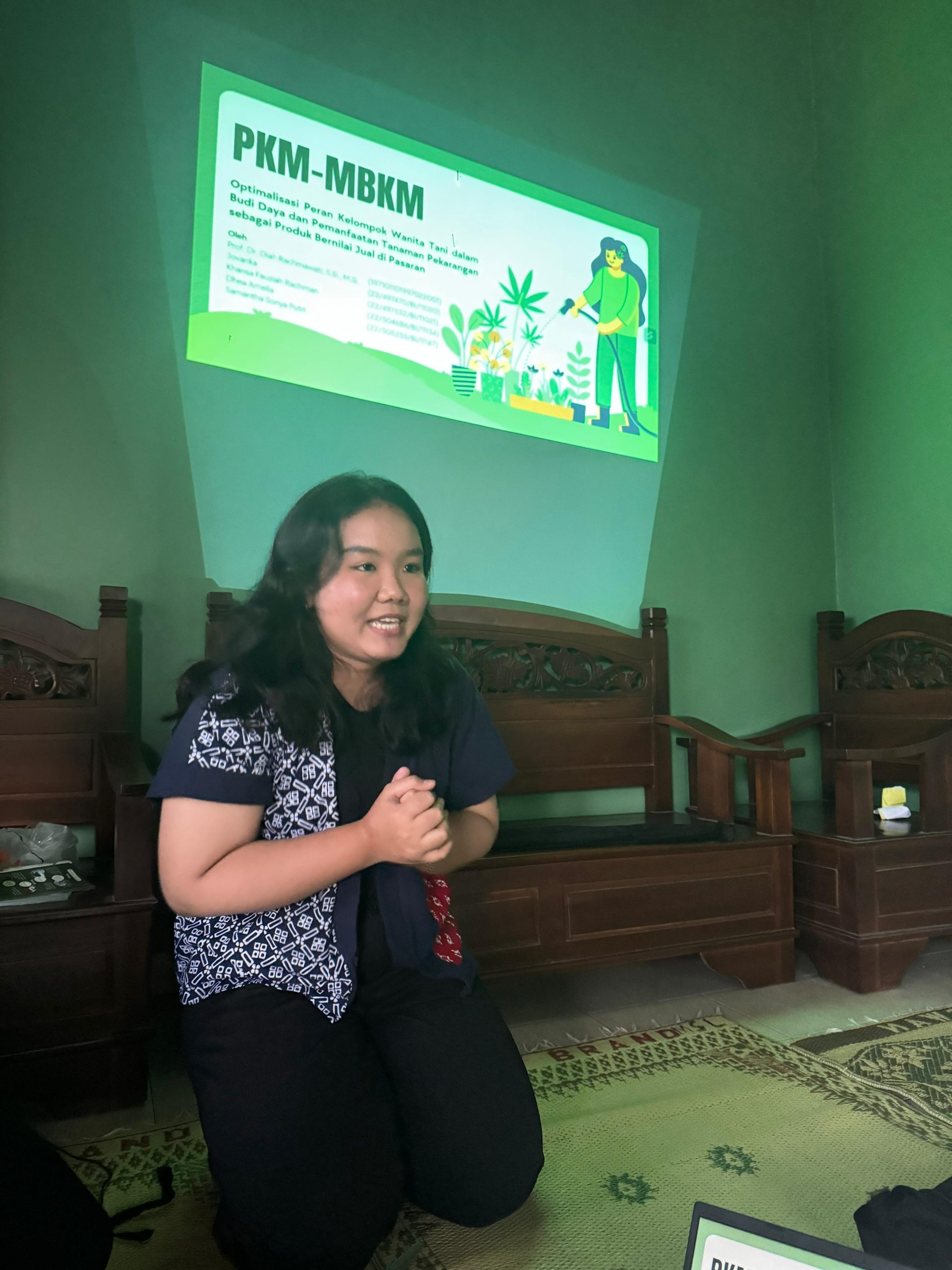
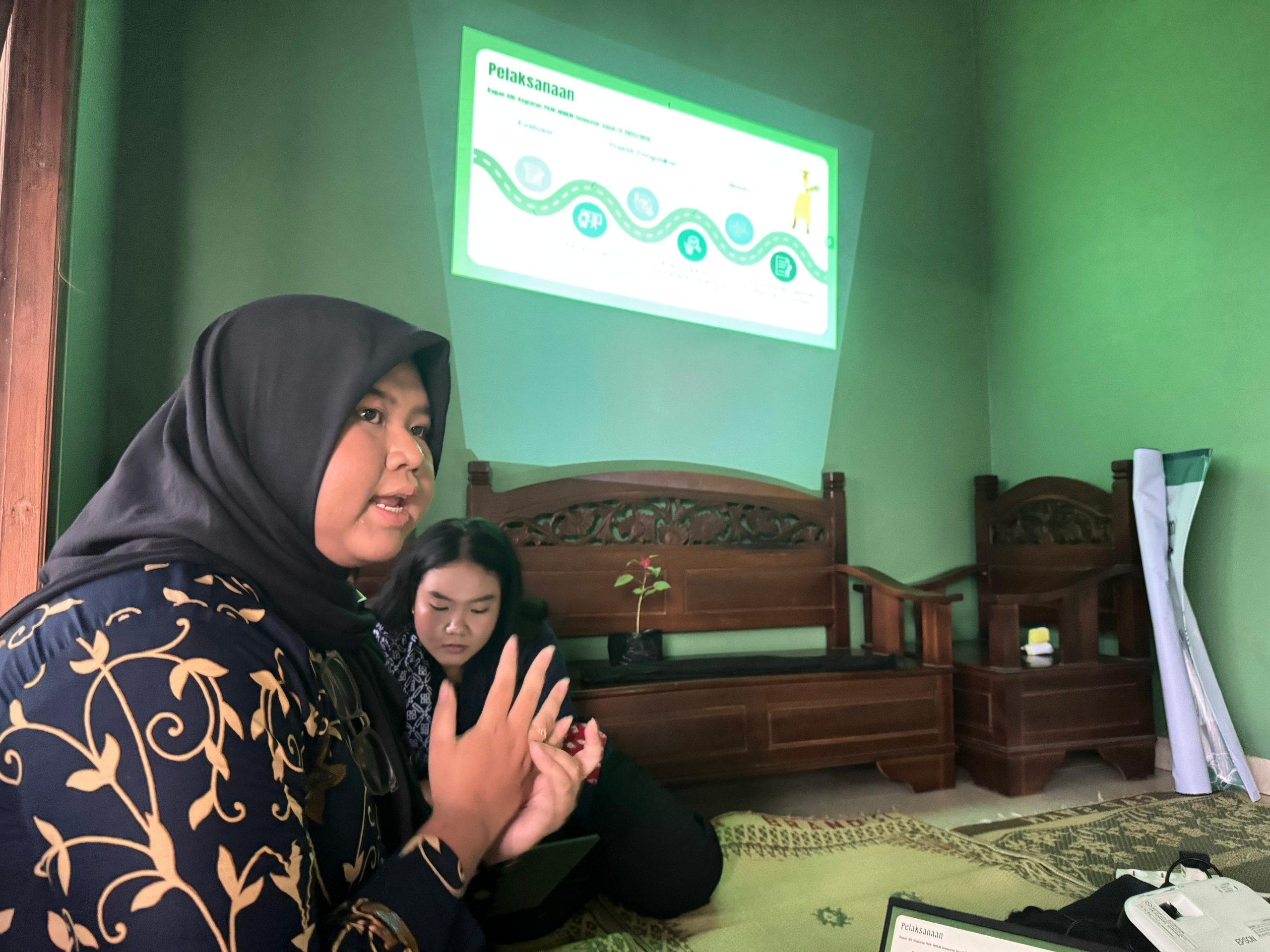
As an attempt to improve and support women farmers group’s entrepreneurial independence in outdoor plants cultivation and utilization, a PKM-MBKM socialization has been conducted in partnership with Amanda Women Farmers Group, located at Padukuhan Kepuh Wetan, Kalurahan Wirokerten, Kapanewon Banguntapan, Kabupaten Bantul, Daerah Istimewa Yogyakarta on Thursday, May 8, 2025. The activity began with an introduction of the PKM-MBKM UGM Team, led by Prof. Diah Rachmawati, S.Si., M.Si., accompanied by students from the Faculty of Biology of Universitas Gadjah Mada class of 2022: Jovanka, Samantha Sonya Putri, Dhea Amelia, and Khansa Fauziah Rachman. During the socialization, a presentation was given regarding outdoor plants, focusing on the bioactive compounds and benefits of garden plants such as rosella, butterfly pea, lemongrass, and ginger.


These plants can be utilized to produce various products including tea, natural dyes, dried noodles, and soap. In addition, a brief explanation on how to cultivate the four plants was provided, allowing participants to apply and further develop the cultivation methods in the next session. This socialization of outdoor plants innovation to marketable products aimed to encourage product innovation, enhance the utilization of local natural resources, and strengthen the entrepreneurial independence of the Amanda Women Farmers Group. The participants were highly interested and partook in the discussion. They proposed to add outdoor plants such as aromatic ginger and suggested product innovations, namely herbal brews, natural rice dyes, and colored soaps. In the next activity, the benefits of the compounds contained in each outdoor plant will be explained. These activities support the Sustainable Development Goals (SDGs), specifically Goal 3—ensuring healthy lives and promoting well-being—by utilizing outdoor plants that can be transformed into value-added products with health benefits. They also align with Goal 17— strengthening partnerships —through the sustainable collaboration between the PKM-MBKM Team from the Faculty of Biology, Universitas Gadjah Mada, and their community partner, Amanda Women Farmers Group.

‘GAMA AYAM’ Team Empowers Local Women Farmers through Chicken Farming Technology with Support from Pertamina Foundation

Community ServiceNews Release Wednesday, 19 February 2025

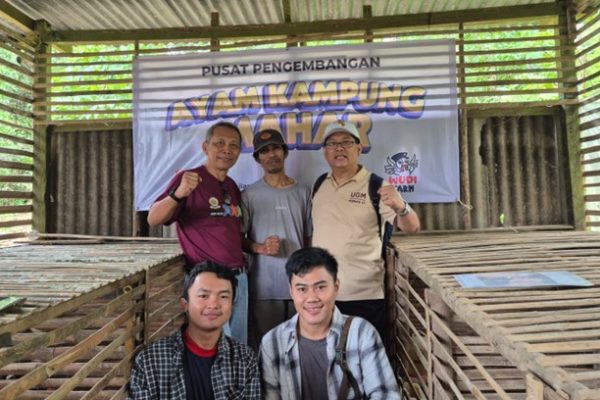
Yogyakarta, Indonesia – November 30, 2024 – In support of national food security initiatives, the ‘GAMA AYAM’ team held a community empowerment program in collaboration with the Srikandi Women Farmers Group (KWT Srikandi) from Mrican, focusing on the application of incubation and farming technology for local laying hens, known as “Mahar.” The event took place in Sawit Sari, Caturtunggal, Yogyakarta, and was supported by the Pertamina Foundation.


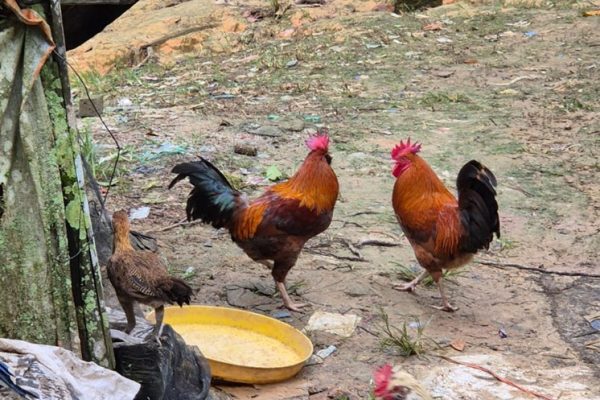
This community outreach aimed to introduce sustainable agribusiness practices, share practical knowledge on egg incubation technology, and provide training in local poultry farm management. The “Mahar” chicken breed was chosen for its environmental adaptability, high productivity, and economic potential for small and medium-sized enterprises.

The program was met with great enthusiasm from members of KWT Srikandi, who actively participated in discussions and learning sessions. The event was moderated by Dian Sartika and Prananda Imammuddin Dzaki, with the keynote presentation delivered by Prof. Dr. Budi Setiadi Daryono, M.Agr.Sc., who shared his expertise on local chicken research and the “Mahar” farming system.

An interactive Q&A session followed, marked by high engagement from the participants. The second session featured Mr. Wangdi Wusono, who introduced the design and operation of egg incubators, further deepening participants’ understanding of poultry technology.

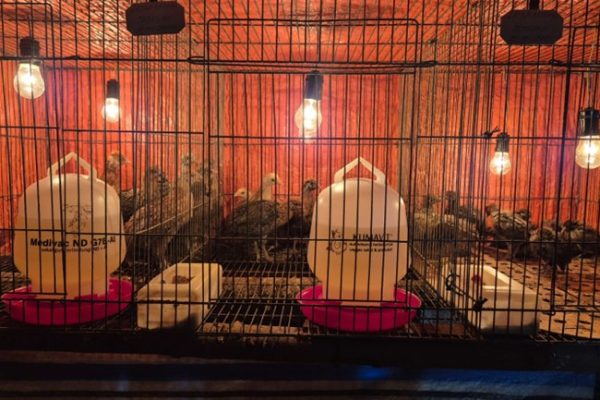
The event continued with an energetic break session filled with ice-breaking activities and door prize giveaways, creating a warm and inclusive atmosphere. Participants then visited the GAMA AYAM demonstration coop, where they observed the “Mahar” chickens and gained firsthand experience of the farming environment.

The program concluded with a group photo session and a communal lunch, fostering a sense of unity and shared purpose among participants.
This initiative contributes to the achievement of the United Nations Sustainable Development Goals (SDGs), specifically Goal 8: Decent Work and Economic Growth and Goal 12: Responsible Consumption and Production.

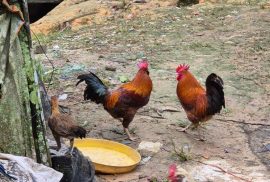
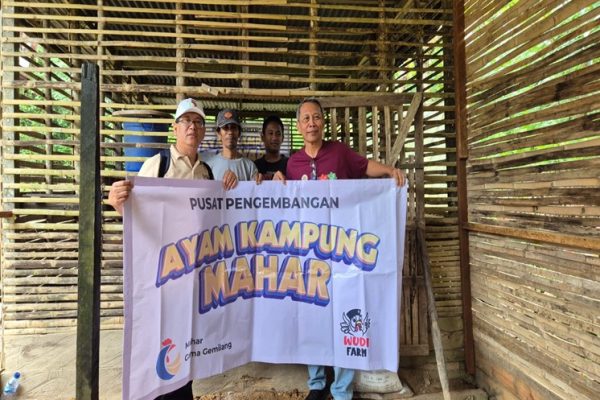
The Faculty of Biology, Universitas Gadjah Mada (UGM), through its flagship Gama Ayam research program, has launched a collaborative initiative to promote egg self-sufficiency in Indonesia. In partnership with KAGAMA East Kalimantan and local poultry farmers, the team is cultivating the MAHAR village chicken in Balikpapan, one of the buffer zones of the future capital city, IKN Nusantara. This initiative is a direct application of UGM’s research innovation. The MAHAR chicken strain originally developed at UGM’s Sawitsari Research Station has been the subject of continued research and refinement under the leadership of Prof. Dr. Budi Setiadi Daryono, M.Agr.Sc., Head of the Gama Ayam Research Team. The cultivation activities include egg collection, hatching, brooding, selection, and breeding to develop a robust and productive indigenous laying chicken strain. Drs. Lalu Fauzul Idhi, representing KAGAMA East Kalimantan, has played a key role in facilitating regional collaboration. Local farmers, including Mr. Sultan and his team, have already shown promising results, successfully raising the MAHAR chickens to the hundreds in a short period. To assess progress, the Gama Ayam team visited the Balikpapan site on February 12, 2025, represented by Prananda Imammuddin Dzaki, Yusuf Febrianta, and Prof. Budi. The visit focused on genetic monitoring, performance evaluation, and knowledge sharing related to hatching success and reproductive development. This program support Sustainable Development Goals (SDGs), especially SDGs No.8 on Decent Work and Economic Growth, by promoting village-based poultry farming; SDGs No.11 on Sustainable Cities and Communities, through local food production initiatives;and SDGs No 17 on Partnerships for the Goals, via committed collaboration between academia, alumni, and the farming community. The MAHAR chicken is projected to become Indonesia’s leading egg-laying village chicken strain, contributing significantly to Indonesia’s food resilience and rural economic empowerment.

Community ServiceNews Release Sunday, 2 February 2025

The Faculty of Biology, Universitas Gadjah Mada (UGM), through its flagship Gama Ayam research program, has launched a collaborative initiative to promote egg self-sufficiency in Indonesia. In partnership with KAGAMA East Kalimantan and local poultry farmers, the team is cultivating the MAHAR village chicken in Balikpapan, one of the buffer zones of the future capital city, IKN Nusantara.


This initiative is a direct application of UGM’s research innovation. The MAHAR chicken strain originally developed at UGM’s Sawitsari Research Station has been the subject of continued research and refinement under the leadership of Prof. Dr. Budi Setiadi Daryono, M.Agr.Sc., Head of the Gama Ayam Research Team. The cultivation activities include egg collection, hatching, brooding, selection, and breeding to develop a robust and productive indigenous laying chicken strain.

Drs. Lalu Fauzul Idhi, representing KAGAMA East Kalimantan, has played a key role in facilitating regional collaboration. Local farmers, including Mr. Sultan and his team, have already shown promising results, successfully raising the MAHAR chickens to the hundreds in a short period.

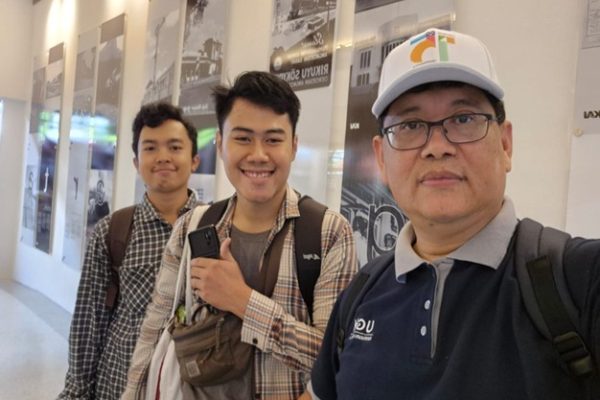
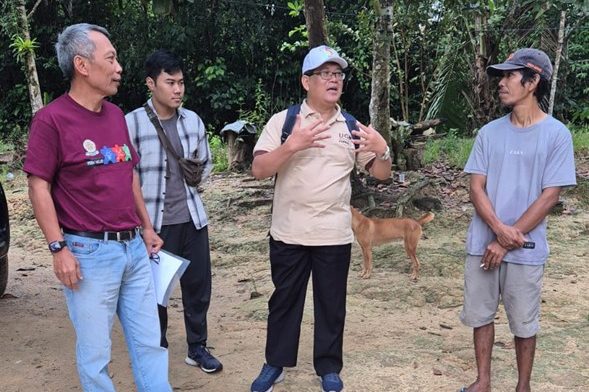
To assess progress, the Gama Ayam team visited the Balikpapan site on February 12, 2025, represented by Prananda Imammuddin Dzaki, Yusuf Febrianta, and Prof. Budi. The visit focused on genetic monitoring, performance evaluation, and knowledge sharing related to hatching success and reproductive development.

This program support Sustainable Development Goals (SDGs), especially SDGs No.8 on Decent Work and Economic Growth, by promoting village-based poultry farming; SDGs No.11 on Sustainable Cities and Communities, through local food production initiatives;and SDGs No 17 on Partnerships for the Goals, via committed collaboration between academia, alumni, and the farming community.

The MAHAR chicken is projected to become Indonesia’s leading egg-laying village chicken strain, contributing significantly to Indonesia’s food resilience and rural economic empowerment.

Training on Health Beverage Production from Garden and Community Service Activity Evaluation in Mrican, Caturtunggal Village, Depok, Sleman
Community Service Tuesday, 26 November 2024

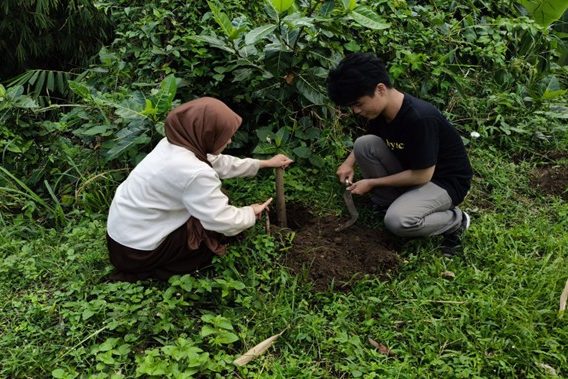
On Saturday, October 26, 2024, a community service activity titled “Training on Health Beverage Production from Garden and Community Service Evaluation” was held at the Mrican Village Meeting Hall. The event was attended by members of the Srikandi Women Farmers Group, led by Mrs. Nur Handayani. The training and educational sessions were delivered by Dr. Dra. Rr. Upiek Ngesti W.A., DAP&E, M.Biomed., accompanied by Prof. Dr. Niken Satuti Nur Handayani, M.Sc., and Nur Indah Septriani, M.Sc., Ph.D.
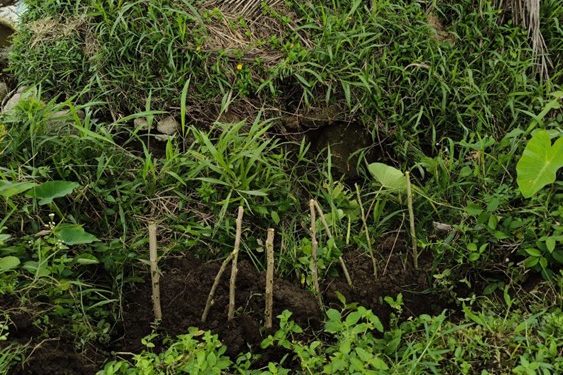
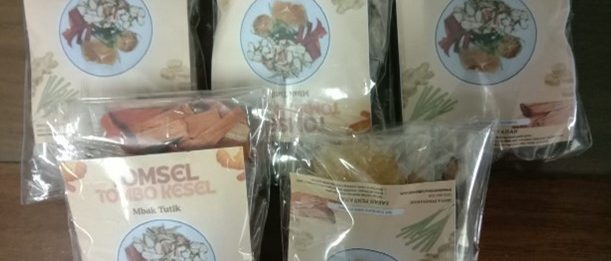
During the training, participants produced a health beverage based on “herbal plant concoctions with medicinal benefits,” branded as “TomSel”, an abbreviation of “tombo kesel” (Javanese for “cure for exhaustion”). The product will be showcased at the upcoming Research Day event hosted by the Faculty of Biology, UGM. Alongside the preparation of the health beverage, the session also covered techniques for creating attractive and sustainable packaging, as well as strategies for effective marketing.

The activity included a feedback session where community members, represented by Srikandi group members, shared their impressions with the Desa Mitra (Partner Village) service team as part of the evaluation. The event concluded with a visit to the demonstration garden.

This initiative exemplifies the Faculty of Biology UGM’s commitment to implementing and achieving the United Nations Sustainable Development Goals (SDGs), particularly: (SDG 3) Good Health and Well-Being, (SDG 8) Decent Work and Economic Growth, (SDG 11) Sustainable Cities and Communities, (SDG 12) Responsible Consumption and Production, (SDG 15) Life on Land, and (SDG 17) Partnerships for the Goals.

Through sustainable collaboration with Srikandi Women Farmers Group, the Faculty of Biology aims to foster healthy and prosperous living. The Desa Mitra team’s dedication and teamwork ensured the event’s vibrancy and success.

Partnering with Srikandi for a healthier life,
A prosperous dream free of strife.
The Desa Mitra team, committed and strong,
Making this event lively all along.

Sustainable greetings from the Faculty of Biology!


12345…10

Accreditation

Recent Posts

  • Faculty of Biology Researchers Collaborate in eDNA Workshop for Pathogen Detection in Wildlife Trade
  • UGM–ANU Double Degree Program: Pathways to Global Academic Excellence
  • Faculty of Biology UGM Engages Doctoral Students in Academic Progress Monitoring
  • UGM–UTS Strengthen Academic and Research Collaboration through “Study & Research in Australia” Sharing Session
  • Tunghai University Lecturers Share Butterfly Genetics Research in Guest Lecture at UGM Faculty of Biology
Universitas Gadjah Mada

UNIVERSITAS GADJAH MADA

FACULTY OF BIOLOGY
Teknika Selatan Street, Sekip Utara,
Yogyakarta 55281
biologi-ugm@ugm.ac.id
Phone/Fax: +62 (274) 580839

About us

  • History
  • Organization
  • Vision and Mission
  • Staff

Student Affairs

  • Student Service
  • Student Organization
  • Submission for Practical Field Work
  • Permission Field Research
  • Permission Thesis/Disertation

academic

  • Academic Regulations
  • Academic Anonncement

Accreditation

  • Image 1
  • Image 2
  • Image 3

© 2024 FACULTY OF BIOLOGY UNIVERSITAS GADJAH MADA

KEBIJAKAN PRIVASI/PRIVACY POLICY

[EN] We use cookies to help our viewer get the best experience on our website. -- [ID] Kami menggunakan cookie untuk membantu pengunjung kami mendapatkan pengalaman terbaik di situs web kami.I Agree / Saya Setuju