Headline
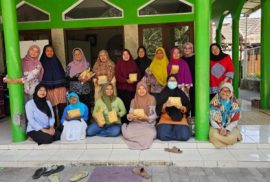
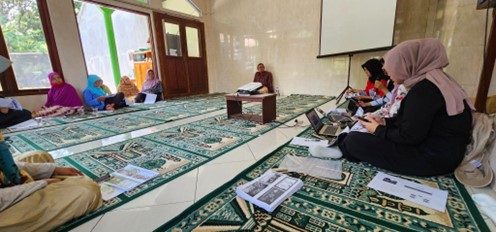
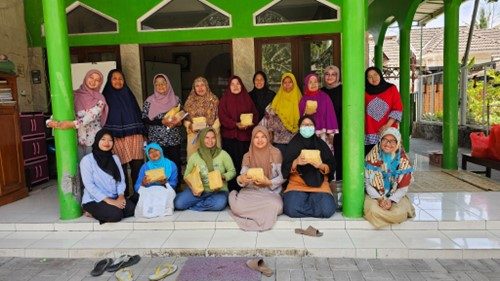
On Sunday, October 15th, 2023, the team of Merdeka Belajar Kampus Merdeka-Pengabdian kepada Masyarakat (MBKM-PkM) 2023 Faculty of Biology, Universitas Gadjah Mada, conducted another socialization activity for the residents in Pajangan, Wedomartani, Ngemplak, Sleman, Yogyakarta, regarding the production of liquid organic fertilizer (LOF) and eco-enzyme. This socialization was organized to encourage the community to manage organic waste into something beneficial, such as liquid organic fertilizer (LOF) and eco-enzyme. The speakers for this socialization were the MBKM-PkM 2023 team, consisting of five undergraduate students of Faculty of Biology, Unviersitas Gadjah Mada, class of 2020, they were Arba’ Ramadhani Artik, Arneta Yuvita, Ester Dewanti Yovita Wardani, Fadiah Sri Rahayu, and Zidni Meirizka Utami, under supervision Dr. Ardaning Nuriliani, S.Si., M.Kes. and the partner mentor Ms. Nurini Aru Sudarsi. The MBKM-PkM 2023 team conducted the socialization with the theme “Caring for the Earth Starts from Our Kitchen.” This theme included two main topics: liquid organic fertilizer and eco-enzyme. The first topic covered the importance of macro and micro nutrients for plants, the definition of organic and inorganic fertilizers, the differences between organic and inorganic fertilizers (chemical), the advantages and disadvantages of organic and inorganic fertilizers, the production process of liquid organic fertilizer, as well as its application. The second topic explained the concept of eco-enzyme, its advantages and disadvantages, its benefits, the production process of Eco-enzyme, as well as its application.
Effective management of organic waste is crucial at present, given the issues related to the limited space for waste disposal at the Piyungan Final Disposal Site in the Special Region of Yogyakarta. Producing liquid organic fertilizer (LOF) and eco-enzyme is one way to manage organic waste such as food scraps, vegetable waste, fruit waste, and leaves, turning them into something beneficial for the environment. Liquid organic fertilizer (LOF) can be used to nurture plants without worrying about chemical effects on them. Meanwhile, eco-enzyme can serve not only as a fertilizer component but also as a detergent or cleanser and pest control for plants. The production of LOF and Eco-enzyme doesn’t require significant costs; it mainly relies on organic waste from the kitchen, water, molasses solution (brown sugar, palm sugar, coconut sugar), and EM4 solution.
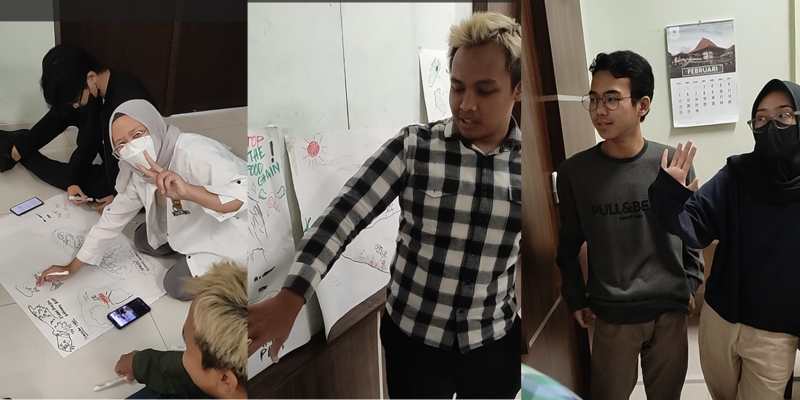
This socialization received a positive response and enthusiasm from the residents of Pajangan Hamlet who actively participated in the discussion sessions with the speakers. It is hoped that the socialization by the MBKM-PkM 2023 team will raise awareness and engagement, particularly among the residents of Pajangan Hamlet, in environmentally friendly practices by managing kitchen and organic waste and turning them into something useful for the environment. (SDGs 3).
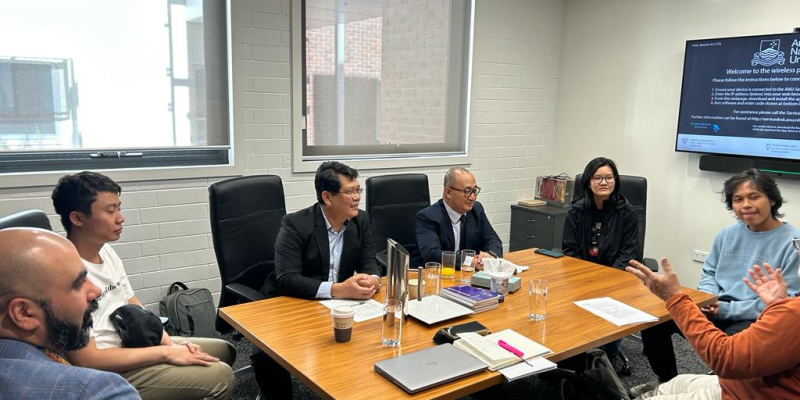
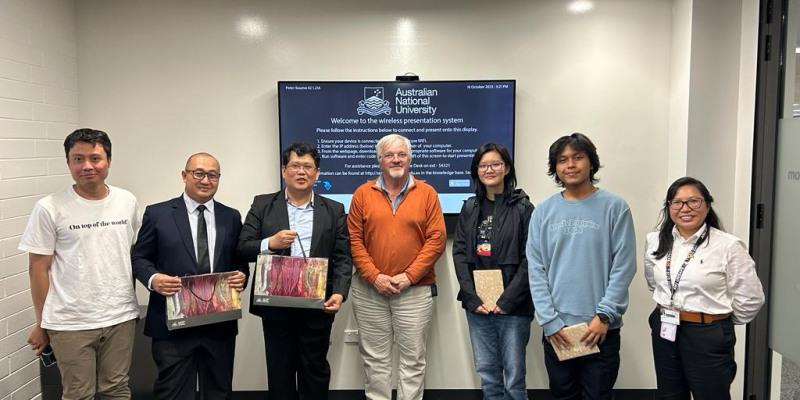
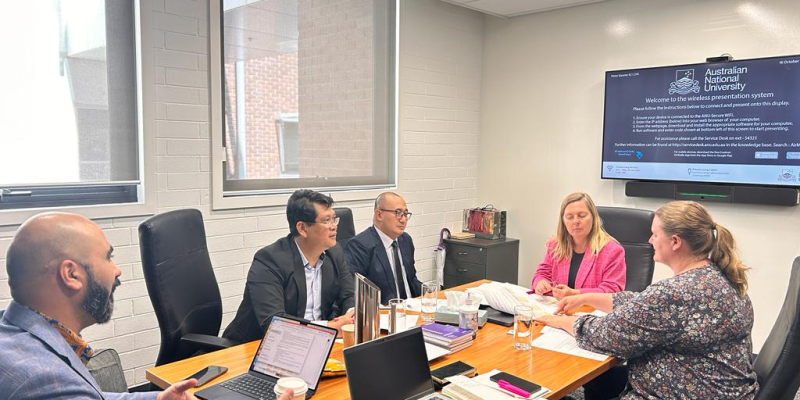
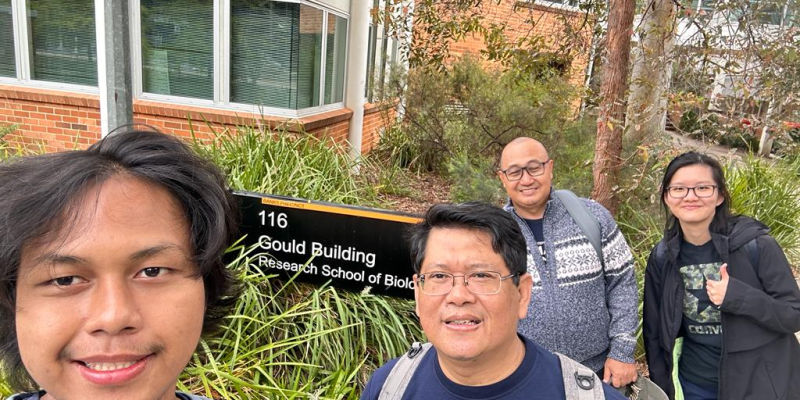
Canberra, 16 October 2023 –Faculty of Biology UGM continues to expand its network in the international stage in order to increase recognition and collaboration with various world institutions, one of which is the Australian National University (ANU). Ranked 34th in the world’s best universities according to the QS World Ranking, ANU is one of the universities with the highest number of Nobel award recipients in the world. One of them is Prof. Brian Schmidt from ANU’s College of Science won the Nobel Prize in Physics in 2011 for his discovery of the accelerated expansion of the universe. ANU offers learning programs on the best campus with leading facilities, and is located in the heart of the national capital, Canberra, which holds the title of the 5th healthiest city in the world.
Collaboration between the Faculty of Biology UGM and ANU, especially the College of Science, has been established since 2017 through the Double Degree Program collaboration for bachelor’s and master’s programs and the Faculty of Biology has succeeded in sending 2 undergraduate students, namely Vanessa Wijaya and Sabut Kharisona, to the Double Degree Program at the School of Biology, College of Science, ANU. As a follow-up to this collaboration, the Faculty of Biology Dean’s Team consisting of Prof. Dr. Budi Setiadi Daryono, M.Agr.Sc. as Dean and Dr. Eko Agus Suyono, M.App.Sc. as Vice Dean for Research, Community Service, Collaboration and Alumni Affairs, returned to visit ANU after their previous visit, last August 2017.
Collaborative discussions were held with the Dean of the ANU College of Science, Prof. Kiaran Kirk together with Prof. Vincent Craig from the Research School of Physics, Prof. Maja Adamska as Head of Biology Teaching and Learning Center and Dr. Sarah Kachovich as Program Manager of the Australian and New Zealand International Ocean Discovery Program Consortium of ANU. The scope of collaboration discussed includes continuing previous collaboration by improving its quality, one of which is by carrying out joint research and publication collaborations, developing and improving the quality of lecturers and students to study at ANU, implementing student and staff mobility including student exchanges both through the IISMA and independent programs as well as Visiting Professor and keynote/invited speakers for lectures, International Conferences (ICBS) in 2025 and International Summer Course (ISC) in 2024, as well as continuing the Double Degree Program for undergraduate (S1) and Postgraduate (S2 and S3) programs for the Double Degree Program in the School of Biology, College of Science ANU. The Double Degree Postgraduate Program collaboration between the Faculty of Biology UGM and ANU in 2023 is also supported by LPDP scholarships.
This visit is a great step by the Faculty of Biology to improve the quality of education by collaborating with partners at the international level as well as building good relationships, especially with the College of Science, Australian National University, which has been established since 2017. In addition, this collaboration is a commitment of the Faculty of Biology UGM in supports sustainable development and is in line with sustainable development targets (SDGs), namely good quality education (SDGs 4) and revitalization of global partnerships (SDGs 17).
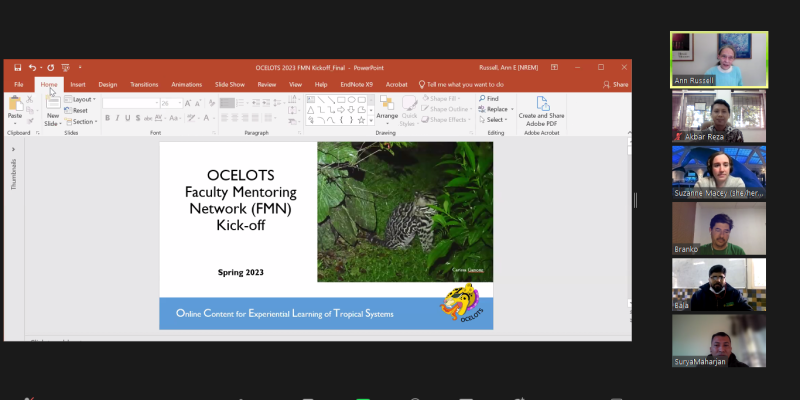
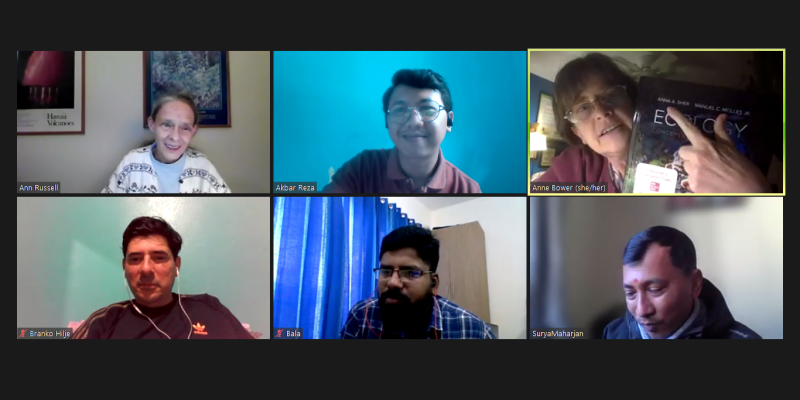
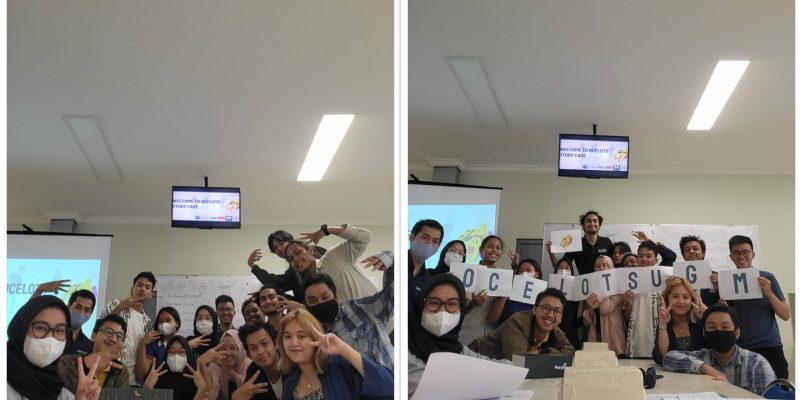
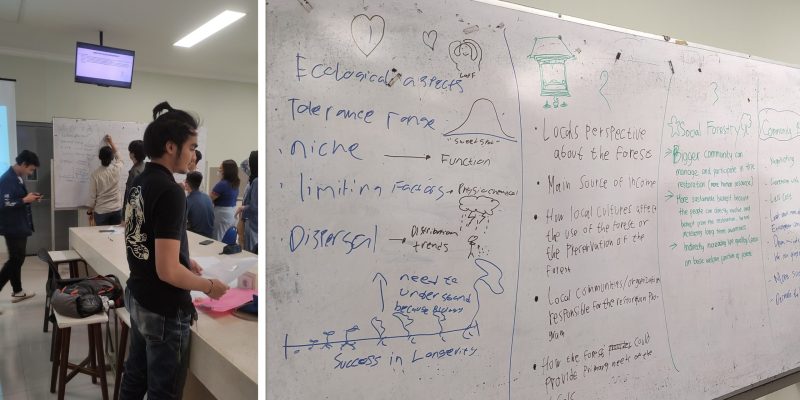
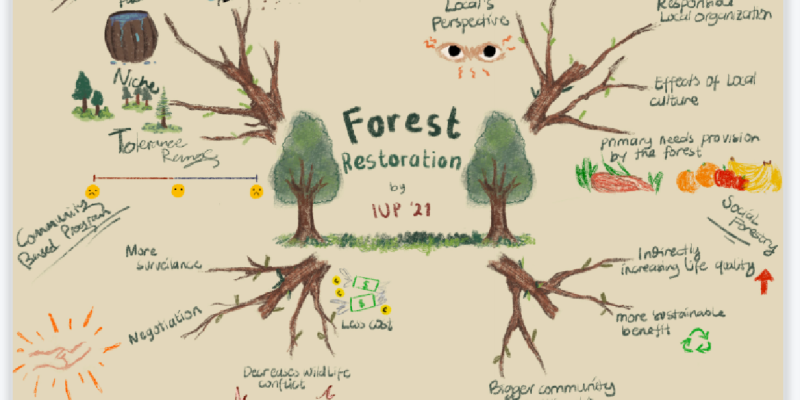
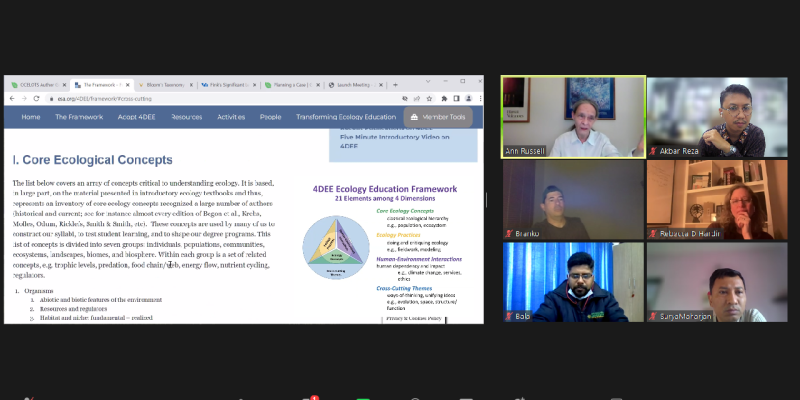
The publication of the mentoring activity can be accessed at the following link [https://qubeshub.org/community/groups/ocelots/publications?id=4402&v=1&tab_active=about](https://qubeshub.org/community/groups/ocelots/publications?id=4402&v=1&tab_active=about) and information regarding registration and selection for the mentoring program can be accessed at the following link [https://qubeshub.org/community/fmns#new](https://qubeshub.org/community/fmns#new).


![[Picture 1]](https://biologi.ugm.ac.id/wp-content/uploads/sites/11/2023/10/Picture-1-scaled-800x400.jpg)
![[Picture 2]](https://biologi.ugm.ac.id/wp-content/uploads/sites/11/2023/10/Picture-2-scaled-800x400.jpg)
![[Picture 3]](https://biologi.ugm.ac.id/wp-content/uploads/sites/11/2023/10/Picture-3-scaled-800x400.jpg)
![[Picture 4]](https://biologi.ugm.ac.id/wp-content/uploads/sites/11/2023/10/Picture-4-scaled-800x400.jpg)