Arsip:
News Release
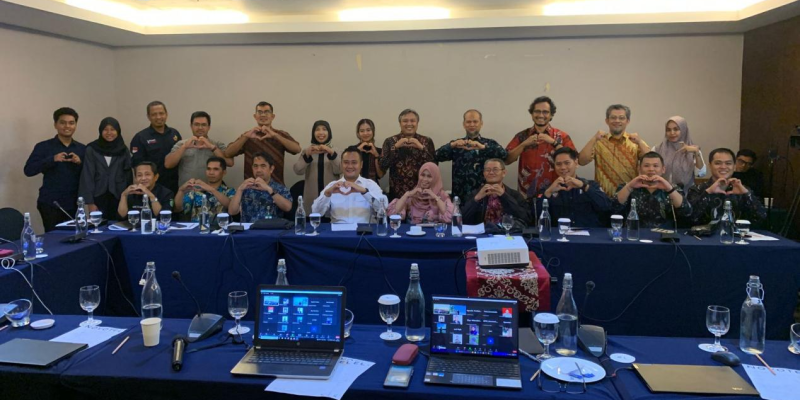
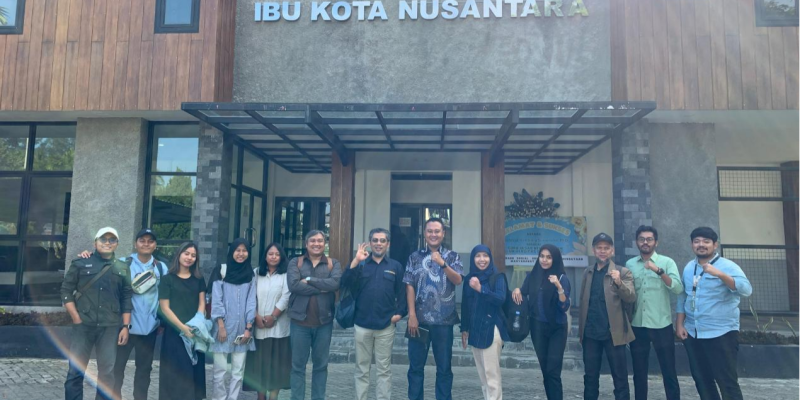
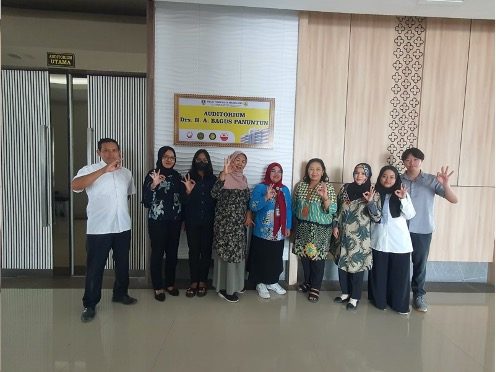
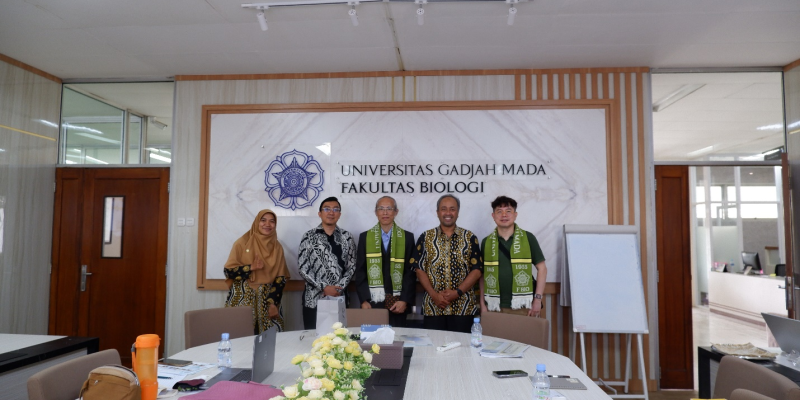
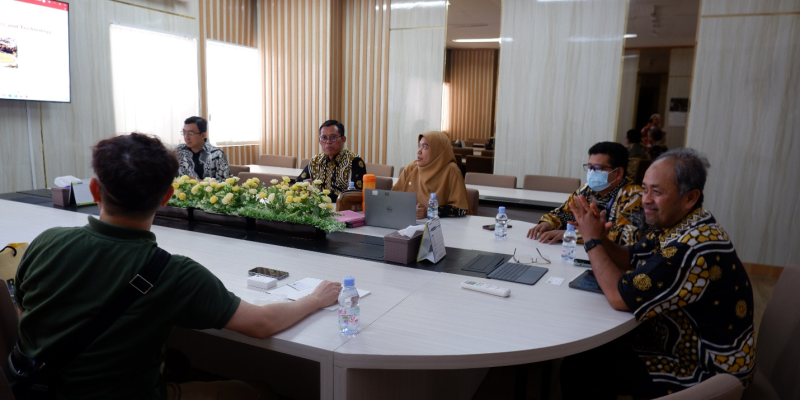
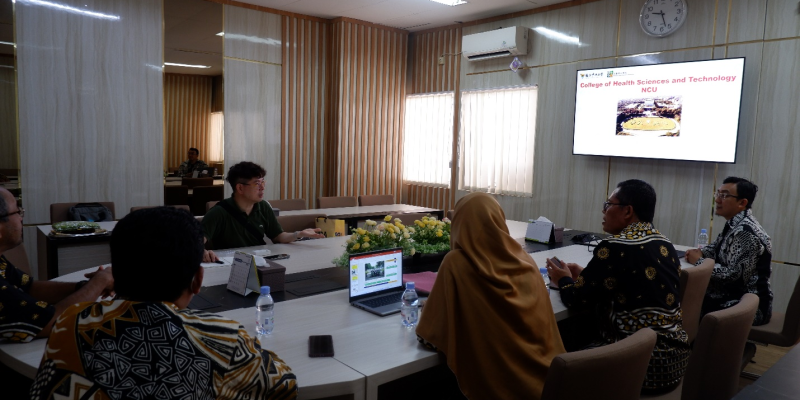
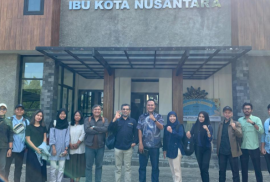
Yogyakarta, November 3, 2023 – The Faculty of Biology Universitas Gadjah Mada received a visit from the Master’s Program in Science Education, University of Jambi. The visit took place at the Tropical Biology Auditorium and was welcomed by Dr. rer. nat. Andhika Puspito Nugroho, S.Si., M.Si., the Head of the Master’s Program in Biology, Faculty of Biology UGM. The visit was attended by 22 postgraduate students from the Master’s Program in Science Education, University of Jambi, along with three accompanying professors.
Ir. Bambang Haryadi, M.Si., Ph.D., a lecturer from the Faculty of Education and Teacher Training (FKIP) at the University of Jambi, delivered a welcome address. He expressed the purpose of the visit, which was to provide insights to the students about global-level science education and an overview of the curriculum at the Faculty of Biology. Dr. Andhika then delivered a speech and discussed the Master’s program at the Faculty of Biology at UGM. He mentioned the differences in the curriculum, as the biology program is research-based rather than education-focused. Dr. Andhika also talked about the various admission pathways for the Master’s program, including regular and by-research routes, which allow students to continue working in their respective institutions. He also highlighted the numerous international collaboration opportunities offered by the Faculty of Biology.
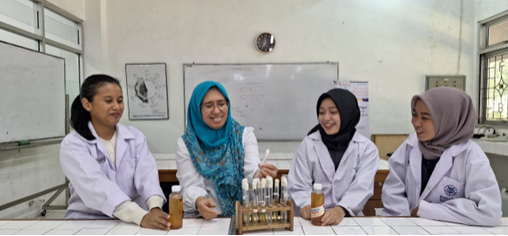
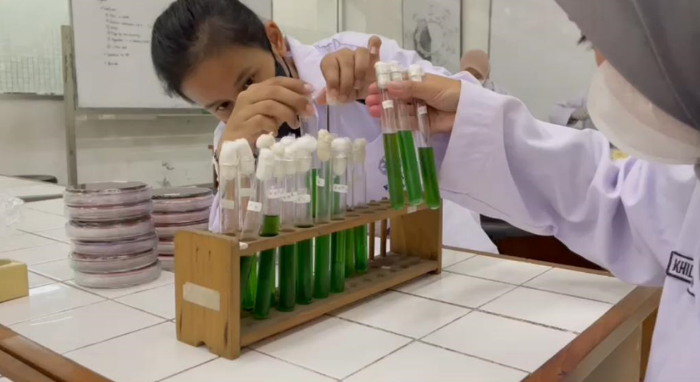
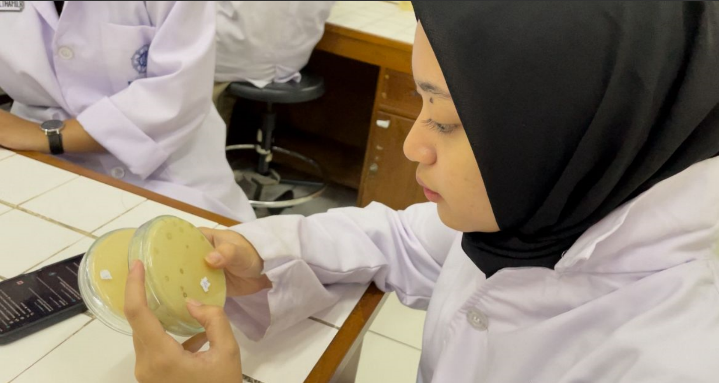
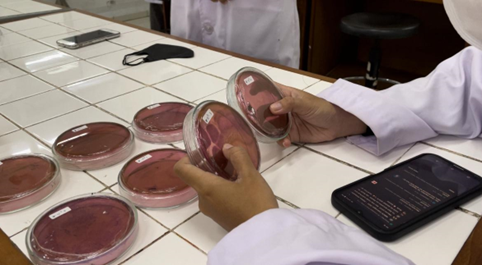
The students from the University of Jambi proceeded to visit the Biotechnology Laboratory of the Faculty of Biology. The visit was greeted by Prof. Dr. Endang Semiarti, M.S., M.Sc., the Head of the Biotechnology Laboratory, Wahyu Aristyaning Putri, S.Si., M.Sc., Ph.D., a lecturer affiliated with the Biotechnology Laboratory, and Eka Mega Sampurna, A.Md., the laboratory assistant. Dr. Endang presented the profile of the Biotechnology Laboratory and explained the ongoing research conducted there. The students were enthusiastic about learning, particularly about tissue culture, which is also a focus of research in the Biotechnology Laboratory. They expressed how staying updated with the latest technologies in the field of biology would be beneficial for their future teaching endeavors.
In learning about library management as part of the educational activities at the Faculty of Biology, UGM, the students from the University of Jambi then visited the Faculty of Biology Library located on the 3rd floor of Building B. The visit was welcomed by Rusna Nur Aini, A.Md., one of the staff members of the Faculty of Biology Library. She shared insights about library management, including book archiving, which is now digitized for easier access by students. The Faculty of Biology Library is also equipped with supporting facilities, including computer rooms, an Electronic Thesis and Dissertation (ETD) room for accessing various student final project documents, circulation space, and more. She also discussed the library’s programs, including community engagement supported by student volunteers through an annual system. This visit is hoped to serve as a bridge in the broader and more inclusive development of biological knowledge, in line with the Faculty of Biology’s support for the Sustainable Development Goals (SDGs) for inclusive education (SDG 4) improvement.
In response to recent cases of mental health issues among students, on Friday October 13, 2023, the Faculty of Biology UGM organized a training session for Buddy Counselors. Buddy Counselors are fellow students who serve as peer counselors for their peers in need of mental health support, officially inaugurated by the Dean of the Faculty of Biology at UGM on June 1, 2023.
The training, attended by 19 students, was conducted in-person in Lecture Room 3 of the Faculty of Biology UGM. It began with a shared lunch to foster a sense of camaraderie. The session was led by Psychologist Yudhistira Adi Perdana, M.Psi., from the Faculty of Biology UGM. The training covered the theme of mental health and the role of peer counselors, and it was received with enthusiasm by all participants. In his presentation, he conveyed that mental health is a state of well-being, where an individual is aware of their abilities, can cope with life’s pressures, engage in productive activities, and contribute to the community. “This doesn’t mean never experiencing illness, negative feelings, being free from problems, or pressure,” he added. Furthermore, Mr. Yudhis explained that the role of Buddy Counselors is to be a confidant who can provide motivation, additional information, and advice (if needed) to friends experiencing difficulties. At the end of the session, participants received practical counseling training. Each participant took on the role of a student facing mental health issues, while others played the role of counselors. To be an ideal counselor, one needs the ability to actively listen, control emotions, be open to new experiences without judgment, show empathy, identify problems, and provide advice (if necessary), communicate effectively, be honest and assertive, and maintain confidentiality.
The training was also attended by the Mental Health Team of the Faculty of Biology, consisting of faculty counselors: Dwi Umi Siswanti, S.Si., M.Sc. (Coordinator of Faculty Counselors), Dr. Dwi Sendi Priyono, S.Si., M.Si. (Faculty Counselor), and Dr.rer.nat. Abdul Rahman Siregar, M.Biotech., as well as the HPU Coordinator of the Faculty of Biology at UGM, Titin Fauziah, S.E., M.B.A. The training and information-sharing sessions on mental health for Buddy Counselors at the Faculty of Biology UGM will be held regularly, with the hope of further strengthening the team’s efforts to create a mentally healthy and prosperous campus environment, in support of the SDGs for Good Health and Well-being. “Because Every Action We Take Matters”.
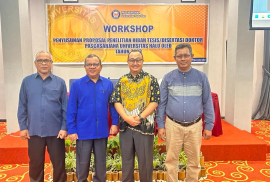
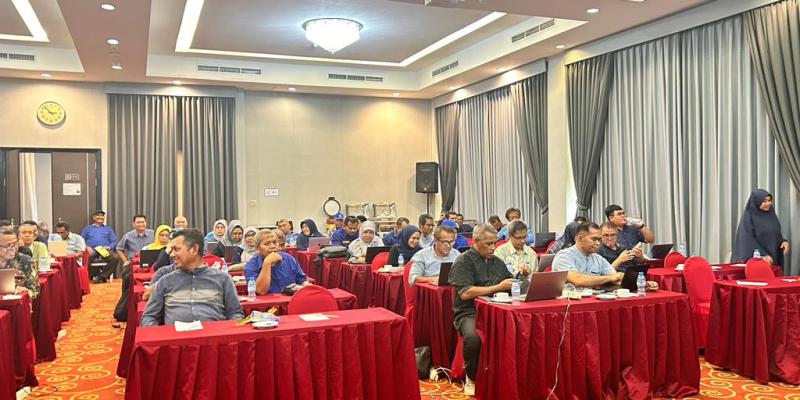
Prof. Dr. Budi Setiadi Daryono, S.Si., M.Agr.Sc., Ph.D., the Dean of the Faculty of Biology UGM, had the opportunity to be a speaker in a Workshop on Curriculum Review for the Master’s (S2) Biology Program organized by the Faculty of Mathematics and Natural Sciences at the University of Bengkulu. The event took place on Friday, November 3, 2023, starting at 08:00 AM in the Meeting Room of the Faculty of Mathematics and Natural Sciences at the University of Bengkulu.
Prof. Dr. Budi Setiadi Daryono, S.Si., M.Agr.Sc., Ph.D., the Dean of the Faculty of Biology UGM, had the opportunity to be a speaker in a Workshop on Curriculum Review for the Master’s (S2) Biology Program organized by the Faculty of Mathematics and Natural Sciences at the University of Bengkulu. The event took place on Friday, November 3, 2023, starting at 08:00 AM in the Meeting Room of the Faculty of Mathematics and Natural Sciences at the University ofThis event not only aimed to enhance academic knowledge but also provided an opportunity for Prof. Dr. Budi Setiadi Daryono, S.Si., M.Agr.Sc., Ph.D. to deliver a guest lecture on the theme “The Potential of Specific Endemic Biodiversity in Supporting Food Security and Conservation.” The guest lecture began with a welcome address from the Dean of the Faculty of Mathematics and Natural Sciences at the University of Bengkulu, Dr. Jarulis, S.Si., M.Si., and was moderated by Dr. Sipriyadi, M.Si., Head of the Biology Department at the Faculty of Mathematics and Natural Sciences at the University of Bengkulu. In addition to being a platform for learning and exchanging academic ideas, this event also demonstrated a strong commitment to establish and strengthen academic and research collaborations at the national level. With the advancement of knowledge and the demands of the times, updates in higher education curriculum are crucial to prepare a competent younger generation that is relevant to future needs. The Faculty of Biology at UGM has engaged in various forms of collaboration with domestic universities, including the Biology Department at the Faculty of Mathematics and Natural Sciences at the University of Bengkulu (UNIB). The collaborations explored in this meeting cover various aspects, ranging from guest lectures to the signing of Memorandums of Understanding (MoU) and Cooperation Agreements (PKS) related to the Tri Dharma of Higher Education (Education, Research, and Community Service). The evaluation and development of undergraduate (S1) and master’s (S2) program curricula are important considerations in delivering relevant and competitive curricula in an era of rapidly changing education. Bengkulu.
Furthermore, this collaboration also opens doors for lecturers from the Biology Department at the Faculty of Mathematics and Natural Sciences at UNIB to pursue doctoral studies (S3) at the Faculty of Biology at UGM. This is a crucial step in developing human resources capable of contributing to the advancement of science and technology in the country. It is hoped that the collaborative efforts between the Faculty of Biology at UGM and the Faculty of Mathematics and Natural Sciences at UNIB will further strengthen relationships and bring about meaningful institutional improvements for both parties.
The UGM-Indonesia team, consisting of students from various faculties at Universitas Gadjah Mada (UGM), has achieved remarkable succes feat by winning a gold medal, inclusivity award, and a nomination for the best diagnostic project at the Grand Jamboree – International Genetically Engineered Machine (iGEM) Competition 2023, held in Paris, France, from November 2 to November 5, 2023. Four out of the sixteen members of the UGM-Indonesia team are Biology students in the class of 2020 : Sofyan Maulana, Fathur Syahrian Ramadhani, Adelia Intan Sabhira, and Ulfah Nur Azizah. This moment marks the first time in the 20-year history of the iGEM competition that a team from Indonesia has successfully secured a special award and entered the nomination for the best project. Previously, in 2021, the UGM-Indonesia team led by Yustika Sari (Biology 2017) achieved a silver medal.
iGEM is a prestigious competition in the field of Synthetic Biology that originated from a summer school activity at the Massachusetts Institute of Technology (MIT) in 2003. In this competition, each team is provided with an iGEM Distribution Kit containing hundreds of “BioBrick Parts,” which are DNA components that can be assembled into genetic circuits to address various real-world problems. This competition has spurred the emergence of research innovations, companies, and leading biotechnology startups such as Ginkgo Bioworks, Asimov, and Benchling. In the two-decade celebration of iGEM, this year’s competition was participated in by 400 teams from 66 countries, involving over 3000 high school students, undergraduate, and graduate students from around the world.
Under the leadership of I Made Rhamandana Putra (Pharmacy 2019), the UGM-Indonesia team adopted the theme of diagnostic technology with a project entitled “Novel Biodevice for Colorectal Cancer Screening using Escherichia coli Nissle 1917 (ECN) with miRNAs as Biomarker”. The team successfully engineered the ECN bacteria to detect cancer cells and enhance the sensitivity of the Loop-Initiated RNA Activator (LIRA) through mathematical modeling and computer simulation. The hard work, innovation, and creativity of this team convinced five international judges to award a gold medal and a nomination for the best diagnostic project. In addition to conducting research in the laboratory, the iGEM team also had to approach social and inclusivity aspects within various community components. Out of the 400 competing teams, the UGM-Indonesia team was selected to win the special prize: the best Inclusive award.
This achievement would not have been possible without the dedication and guidance of various parties. Dr. Yekti Asih Purwestri from the Faculty of Biology UGM served as the main supervisor, supported by Widhi Dyah Sawitri, Ph.D (Faculty of Agriculture), M. Saifur Rohman, Ph.D (Faculty of Agriculture), and Setyowati Triastuti Utami, Ph.D (Faculty of Pharmacy). Additionally, the team was assisted by 15 mentors comprising of lecturers, alumni, and UGM students, including six lecturers from the Faculty of Biology: Dr. Yekti Asih Purwestri, S.Si., M.Si., Dr. Niken Satuti Nur Handayani, Aries Bagus Sasongko, M.Biotech, Lisna Hidayati, M.Biotech, Indra Lesmana, M.Sc., and Matin Nuhamunada, M.Sc. [Author: UGM iGEM Team]
Source:
1.https://jamboree.igem.org/2023/results?scroll=Diagnostics#village-awards
2.https://jamboree.igem.org/2023/results?scroll=Inclusivity%20Award#special-prizes
Biology students Universitas Gadjah Mada (S1) made another achievement at national level by win 2nd place in the National Essay Competition (E-Comp) “BIOCOMPACT (Biology Competition and Application) Season 14” held at the State University of Surabaya on October 29, 2023. This remarkable achievement was achieved by Muhammad Fityatul Haq and Ulfah Nur Azizah, Biology Student Class of 2020 under the guidance of Laksmindra Fitria, S.Si., M.Si.

The competition took the theme “The Role of the Younger Generation in Realizing the Millennial Generation (Potential, Critical Thinking, and Innovation)”, aimed to enhancing the knowledge and understanding of the younger generation in advancing the quality of SDGS 2040, particularly in the field of biology, which is closely related to issues concerning living organisms and the environment. The competition underwent a series of selection stages, including essay registration and submission, selection of the top 5 finalists, collection of essay posters, and concluded with the finalists’ presentations. This competition took place from July 3, 2023, to October 29, 2023.
Through this competition, the team highlighted the holistic implementation of Interdisciplinary Project-Based Learning (I-PjBL) amidst educational segmentation, emphasizing its urgency in the context of special needs education. For children with special needs, PjBL can serve as an alternative to enhance their real-life learning experiences, as it is constructivist in nature, particularly in developing critical thinking skills that can encourage them to be more independent and less reliant on others. Additionally, the team also spotlighted the implementation of I-PjBL in STEM-based learning.
The team hopes that the breakthroughs and issues raised through this competition will contribute to achieving the Sustainable Development Goal (SDG) 4, which pertains to inclusive quality education. Furthermore, they aspire that participation in this competition will provide encouragement and motivation for Indonesian students and the younger generation to make positive contributions towards advancing education in Indonesia. [Author: Ulfah Nur Azizah]
Ridho Nur Alam and Azra Belva Naprilian, Biology student class of 2022, have achieved a Gold Medal in the National Essay Competition FAPERTA 4 titled “Futuristics and Prestige Research, Technology and Art Fair,” under the guidance of Tyas Ikhsan Hikmawan, M.Sc., Ph.D. The competition, which involved a total of 243 entries, underwent several stages of selection before the Grand Final held at Dhyana Pura University, Bali on October 28-29, 2023. The competition comprised various stages, including the submission of full papers, creating video presentations, making PowerPoint presentations, and delivering poster presentations directly to the judging panel.
During this event, Ridho and Azra presented an essay titled “Smartwatch SART: Psychosocial Condition Detector Based on Galvanic Skin Response for Creating a Sustainable Mental Health Environment.” This innovation was sparked by the growing concern over mental health issues in society, particularly among students and young adults in Indonesia, which unfortunately is not proportionate to the available mental health professionals. The Smartwatch is equipped with a range of sensors based on Galvanic Skin Response (GSR). SART, an acronym for Smartwatch Stress and Anxiety Relief Tracker, will facilitate interaction between users and their families, close friends, and competent mental health professionals. Additionally, SART is also integrated with the Internet of Things (IoT), enhancing its effectiveness and efficiency in use.
This innovation is expected to provide a practical solution to address the psychological service issues in Indonesia. Furthermore, it is hoped that it will also help reduce suicide rates and address cases of mental health disorders in Indonesia, aligning with the government’s efforts to achieve Sustainable Development Goal (SDG) point 3, which aims to create a mentally healthy Indonesia. [Author: Ridho Nur Alam]
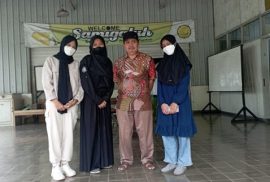
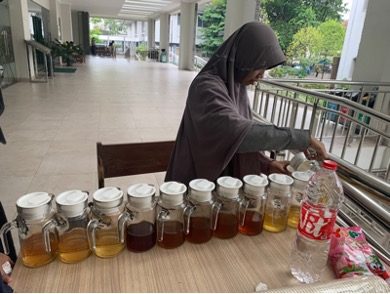
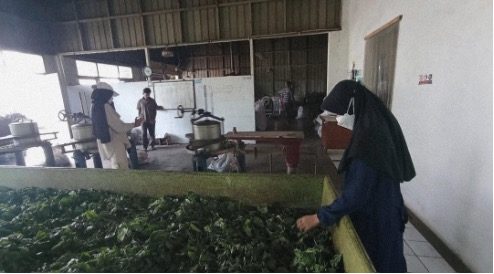
Ethnobotany is a discipline that studies the utilization and classification of plants. Indonesia’s diversity of ethnicities and cultures significantly contributes to the field of ethnobotany. Furthermore, the use of local plants as medicinal resources continues to be studied for alternative treatment. Three students from the Faculty of Biology UGM, namely Muhammad Hafid Dinata, Cinta Alivia Atha, and Erinda Putri, conducted a survey on the use of traditional Indonesian plants for skin or hair care. This activity was directly supervised by Woro Anindito Sri Tunjung, M.Sc., Ph.D., and Dr. Fajar Sofyantoro, S.Si., M.Sc., along with Khairul Anam, Ph.D., who served as the partner supervisor at BRIN. This activity is part of the Merdeka Belajar Kampus Merdeka (MBKM) in collaboration with the Applied Microbiology Research Center, BRIN, Bogor, Indonesia.
The survey was conducted from February to May 2023 through the Google Forms platform. Data analysis was performed using a qualitative descriptive method. The survey results show various types of traditional Indonesian plants commonly used for skin or hair care. Based on the results of this survey, it is hoped that the community will be able to enhance the utilization of plants in their surroundings and improve their understanding of the phytochemical content and benefits of these plants. This survey represents an initial step for researchers to make a positive contribution towards developing innovations in creating medicines from endemic Indonesian plant. Therefore, endemic Indonesian plants can be utilized as beneficial skin and hair care products for the community.
Tuesday, October 31, 2023 at Hotel Harper Malioboro Yogyakarta, The Museum of Biology receives appreciation for the preservation and conservation of Cultural Heritage and Cultural Heritage Sites (WBCB). The Museum of Biology is located at Jalan Sultan Agung No. 22, Yogyakarta, originally serving as a Dutch officer’s residence. The building was constructed in 1890 and was repurposed as a museum on September 20, 1969. It continues to be used as a museum, housing a collection of various biological specimens managed by the Faculty of Biology UGM Yogyakarta.
Sektiadi, S.S. M.Hum., from the TACB team, revealed that the building features the distinctive Dutch East Indies or colonial architectural style, characterized by a rectangular layout, front and rear terraces. Both terraces have round pillars with ornamental ornaments and ornate iron railings (balustrades). The roof of the building is shaped like a shield (hip roof) running north-south in line with the building’s length, covered with tiles. The walls, like other colonial buildings, are made of plastered brick with molding at the top. The doors and windows are square-shaped with wooden frames and have a transom window at the top forming an arrow-shaped lattice. This assessment was conducted with the presence of Mulyanto, ST, MM, Deputy Head of the Biology Museum, and the museum staff. The Museum of Biology is recognized for its preservation and maintenance as a Cultural Heritage and Cultural Heritage Site (WBCB) by the Department of Culture (Kundha Kabudayan) of Yogyakarta City, because the building is well-maintained and showcases the distinctive features of the Dutch East Indies architecture, said Soenarwan Hery Poerwanto, Head of the Museum of Biology at UGM.
Ida Suryani, the curator of the plant collection, further explained that the Museum of Biology, located in a designated heritage building, adds value not only to the museum’s collection but also to the museum building itself as one of the Cultural Heritage Sites (BCB) in Yogyakarta City. This appreciation was directly presented by the Deputy Mayor of Yogyakarta, Mr. Singgih Raharjo, to 20 conservators of WBCB and 20 artists and cultural figures as a form of recognition and gratitude to the community for their active role in preserving WBCB.
From June 7- 18, 2023, five biology students from UGM namely Rachmawati Dwi Hasanah, Vida Rahma Lathifah, Tiara Amelia Putri, Novia Noor Rachmawati, and Karso Suryo Putro – participated in the Merdeka Belajar Kampus Merdeka (MBKM) guided by Prof. Dr. Budi Setiadi Daryono, M.Agr.Sc., and Mr. Gede Sangu Gemi. The MBKM activities were conducted online to present various types of melons and hydroponic applications. The melon used as the subject of the MBKM research was the ‘Hikapel’ cultivar. ‘Hikapel’ is a melon resulting from the crossbreeding of the ♀ ‘Sun Lady’-3 and ♂ ‘Hikadi’ cultivars. It is one of the melon cultivars developed by the Faculty of Biology UGM. Hikapel has smooth, unribbed skin and tends to be round in shape. Its striking yellow color sets it apart from other melon varieties, making it popular among melon enthusiasts.
The melon planting took place in the hydroponic greenhouse of Dusun Jamusan, Bokoharjo Village, Prambanan Subdistrict, Sleman Regency, DIY (Special Region of Yogyakarta). The ‘Hikapel’ melon cultivar was planted using cocopeat as the growing medium, and the hydroponic technique with the drip irrigation system.
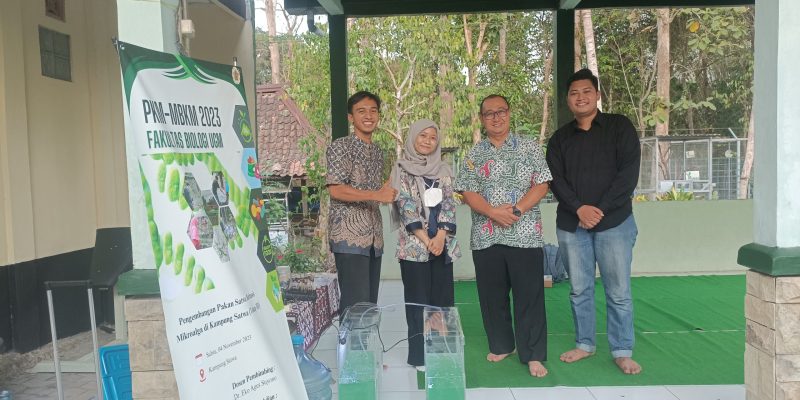
Throughout the MBKM activities, the students learned about various hydroponic techniques, various of mediums that can be used, and the application of IoT (Internet of Things) in hydroponics. The activities concluded with the collection of data on phenotypic characteristics and various deviations observed in ‘Hikapel’ during the planting process, such as observing segregation and plants affected by viruses. [Author: MBKM Team]
Biology students at Gadjah Mada University (S1) made another achievement at the national level by winning 1st place in the National Essay Competition. This achievement was achieved by Rima Arvisya Natania Putri, Reny Ras Ninta Br Tarigan, dan Gafra Favian Ratmoro, a student at the Faculty of Biology class of 2022 under guidance of Dr. Miftahul Ilmi . This national-level essay competition was organized by Department of Biology Universitas Islam Negeri Walisongo Student Executive Board with the Theme “Optimizing the Role of Smart, Proactive, and Innovative Young Generations in Facing the 5.0 Revolution as an Effort to Realize Indonesia Emas 2045”. The competition opened on 1 July 2023 and the winners were announced on October 24, 2023.
In this competition the team took the subtheme Ecotechnology with the title “ Integration of Activated Sludge Method in the WasteWater Treatment Facility (IPAL) at TPST Piyungan, Yogyakarta”. The team discusses water as a source of life for all living organisms on earth. Unfortunately, the water around Piyungan Wastewater Treatment Facility are contaminated by Leachate from suboptimal processing. Based on Research By Kartikasari et al. (2020), shown that after undergoing aeration treatment, the quality of leachate in the Piyungan Landfill still does not meet the established quality standards. The research results indicate the content of the leachate as follows: TSS 235 mg/L, BOD 241 mg/L, COD 3511 mg/L, TN 700 mg/L, Hg 0.1015 mg/L, Cd 0.035 mg/L, Cr 0.021 mg/L. The standard limits are TSS 100 mg/L, BOD 150 mg/L, COD 300 mg/L, TN 60 mg/L, Hg 0.005 mg/L, Cd 0.1 mg/L, Cr 0.1 mg/L. This comparison of data indicates the suboptimal performance of the Wastewater Treatment Plant (WWTP) applied in the Piyungan Landfill. These contents can be highly dangerous when in direct contact with living organisms.
Given this issue, there is a need for the development of the activated sludge method to treat leachate more efficiently and effectively, with the aim of removing organic contaminants and hazardous chemicals contained within it. The innovation brought by this team involves the development of the activated sludge method with the optimization of land use, utilization of flocs, provision of biomass storage tanks, and the use of PAC as a clarifying agent. Thus, it is hoped that this innovation will be able to create a Wastewater Treatment Facility that meets the standards, thereby restoring the quality of water to a better state and enhancing the self-sufficiency of the community in support of the realization of Indonesia Emas 2045. [Author: Reny Ras Ninta Br Tarigan]