• UGM
  • Simaster Portal
  • IT Center
  • Webmail
  • KOBI
  • English
    • Bahasa Indonesia
Universitas Gadjah Mada Universitas Gadjah Mada
Faculty of Biology
  • ABOUT US
    • History
    • Organization
    • Vision and Mission
    • Lectures and Staff
      • Lecturers
      • Adjunct Professor
      • Supporting Staff
    • Facility
      • Laboratories
      • Research
      • Library
      • Museum
      • Mental Health Consultation
      • Disability
  • EDUCATION
    • Undergraduate Program
      • Graduates Learning Outcome
      • Academic Callendar
      • Course
    • IUP
    • Profession Program
      • What is the Professional Study Program in Biodiversity Curator (PKKH)?
      • Admission for New Students of the Biodiversity Curator Profession Program Study
      • Information and FAQ Study Program of Biodiversity Curator Profession
    • Master Program
      • Master Program in Biology Description
      • Curriculum Structure Master Program
    • Doctoral Program
      • Vision, Mission, Objectives, Targets, Competencies, and Learning Outcomes
      • Admission Requirement for Program Doctor in Biological Sciences
      • Admission: What Documents to be prepared?
      • Curriculum
    • Regulations
    • Accreditation & Quality Assurance
  • RESEARCH
    • Journal of Tropical Biodiversity and Biotechnology
    • Berkala Ilmiah Biology
    • Research
    • Publication
  • Community Service
    • Waste Management
  • STUDENTS & ALUMNAE
    • Student Organizations
    • Prospective Career Opportunities
    • SUMMER COURSE
    • Alumnae
  • Home
  • and Infrastructure
  • and Infrastructure
  • page. 2
Arsip:

and Infrastructure

Biology for Environment and Humanity: Faculty of Biology UGM Celebrates 70 Years of Contribution Toward Global Sustainability

News Release Monday, 22 September 2025

Yogyakarta, 18 September 2025 – The Faculty of Biology, Universitas Gadjah Mada (UGM), held the peak ceremony of its 14th Lustrum and 70th Anniversary on Thursday (18/9) at the Tropical Biology Auditorium. Carrying the theme “Biology for Environment and Humanity”, the event reaffirmed the Faculty’s commitment to advancing environmental sustainability and improving the quality of human life, both nationally and globally. The ceremony was also broadcast live through the Faculty of Biology UGM’s YouTube channel, enabling wider public participation.

The Open Senate Meeting was attended virtually by the Minister of Higher Education, Science, and Technology of the Republic of Indonesia, Prof. Brian Yuliarto, S.T., M.Eng., Ph.D., who emphasized the importance of collaborative tropical biology research to address future challenges in food, energy, and the environment. The Rector of UGM, Prof. dr. Ova Emilia, M.Med.Ed., Sp.OG(K), Ph.D., expressed her appreciation for the Faculty’s achievements in generating impactful innovations in tropical biology. She further highlighted UGM’s position, through the Faculty of Biology, as a National and International Center of Excellence in Tropical Biology.

The keynote scientific lecture was delivered by Drs. Heri Susanto, S.Si., M.M., Managing Director of Rentokil Initial (Indonesia, Sri Lanka & Maldives), with a presentation entitled “The Role and Application of Biology in the Pest Management Industry in Indonesia and the World”. He emphasized the critical role of biology in integrated pest management to support food security, public health, and the sustainability of environmentally conscious industries.

Meanwhile, the Dean of the Faculty of Biology UGM, Prof. Dr. Budi S. Daryono, M.Agr.Sc., presented the Faculty’s accomplishments over the past five years, including the strengthening of tropical biotechnology research, the development of international curricula, and the contributions of alumni across various sectors. He also announced the soft launching of the Bio Medic Center building plan, envisioned as a new center of excellence for tropical biodiversity-based biomedical research and services.

The Open Senate Meeting served as the main agenda of a series of Lustrum XIV and 70th Anniversary activities that had been held since May 2025. These included a Fun Walk, Book Review and Blood Donation Drive, National Seminar on Tropical Biology, International Summer Course, Alumni Gathering, and the BioToprak Creative Stage. All activities were designed to strengthen the networks among academics, alumni, and partners, while reinforcing the Faculty’s role as a leading center for tropical biology at both the national and international levels.

The event also featured the signing of memorandums of understanding with PT. Biogen, the Marine and Fisheries Office of the Special Region of Yogyakarta, and St. Augustine Catholic University, focusing on collaboration in education, research, and community service.

“The theme Biology for Environment and Humanity serves as a reminder that innovations in biology must always be directed toward sustainable solutions for the planet and the welfare of humankind,” remarked Prof. Budi S. Daryono.

Fast-Track Master’s Student of Biology UGM Wins Favorite Poster Award at Indonesia Research and Innovation Fair (IRIFair) 2025

Achivements Friday, 12 September 2025

Indonesia Research and Innovation Fair (IRIFair) 2025 is a scientific competition for undergraduate and master’s students showcasing their thesis research. This event represents the commitment of the National Research and Innovation Agency (BRIN) to discover young research talents from higher education. The fair aims to improve both the quality and quantity of Indonesia’s research and innovation talents through scouting missions and comprehensive, sustainable, and innovative mentoring programs. This year, IRIFair 2025 was held on September 9–10 at the Polytechnic Institute of Nuclear Technology, coinciding with its 40th Dies Natalis celebration.

In this prestigious event, Tiara Putria Judith, a Fast-Track Master’s student at the Faculty of Biology, Universitas Gadjah Mada (class of 2024/2025), won the Favorite Poster Award in the Research Poster Competition (RPC). She also received a research grant to further develop her undergraduate thesis entitled “Genetic Variation and Phylogenetic Relationships of Sugarcane (Saccharum spp. hybrid) Based on the Chloroplast rbcL Gene”.

Tiara’s poster effectively optimized visual communication by combining impactful graphics with concise text, enabling her to present research findings clearly and attractively. Beyond serving as a medium of scientific communication, the poster also sparked engaging discussions with audiences, offering new insights into the advantages of DNA barcoding for overcoming the limitations of conventional identification methods in potential parental candidates for sugarcane hybridization in Indonesia.

This achievement underscores Tiara’s active role as a UGM Biology student in advancing innovations in life sciences and technology to address the challenges of sustainable agriculture. Her success is expected to become an early milestone for more innovative and impactful research explorations in the future.

Faculty of Biology UGM and Eijkman BRIN Strengthen Collaboration in Molecular Biology and Genomics Research

CooperationNews Release Wednesday, 27 August 2025

Yogyakarta, August 27, 2025 – The Faculty of Biology, Universitas Gadjah Mada (UGM), welcomed a visit from the Eijkman Molecular Biology Research Center, National Research and Innovation Agency (BRIN) on Wednesday (27/8) at the KPTU Meeting Room, Faculty of Biology. The delegation was led by Elisabeth Farah Novita Coutrier, S.Si., Ph.D., Head of Eijkman Molecular Biology Research, accompanied by Farida Dwi Handayani, S.Si., M.S.


From the Faculty of Biology UGM, the meeting was attended by Dean of the Faculty of Biology, Prof. Dr. Budi Setiadi Daryono, M.Agr.Sc.; Vice Dean for Research, Community Service, Collaboration, and Alumni, Dr. Eko Agus Suyono, S.Si., M.App.Sc.; Head of the Office of International Affairs (OIA) UGM, Tyas Ikhsan Hikmawan, S.Si., M.S., Ph.D.; Secretary of the Office of International Affairs, Dr. Matin Nuhamunada, S.Si., M.Sc.; as well as staff members of the Research, Community Service, Collaboration, and Alumni Unit: Dhimas Willy Saputro, S.I.P., Annisa Mawarni, S.Si., and Anysah Nur Fauziyah, S.Si.

During the meeting, the Eijkman Molecular Biology Research Center, which is currently under the Health Research Organization of BRIN, presented its flagship research programs, including:

Pathogen Molecular Biology

Malaria and Vector Resistance

Pathobiology of Emerging and Vector-borne Diseases

Human Genetic Diversity and Diseases

Structural Biology and Cell Signaling

The visit aimed to initiate a research collaboration between the Faculty of Biology UGM, the Integrated Genome Factory (IGF), and the Eijkman Molecular Biology Research Center. The collaboration will focus on multi-omics approaches in pathogen research, targeting infectious diseases such as hantavirus, leptospirosis, and plague (PES), as well as other pathogens with the potential to threaten public health.

Dean of the Faculty of Biology UGM, Prof. Dr. Budi Setiadi Daryono, warmly welcomed this collaboration, emphasizing that the flagship programs of the Eijkman Molecular Biology Research Center are highly aligned with the research currently being carried out by lecturers at the Faculty of Biology. This synergy, he noted, represents a significant opportunity to strengthen collaborative research and scientific publications in molecular biology, health, and genomics.

This initiative is also in line with the Sustainable Development Goals (SDGs), particularly:

SDG 3 (Good Health and Well-being): advancing infectious disease research and developing genomics-based health solutions.

SDG 9 (Industry, Innovation, and Infrastructure): enhancing multi-omics research infrastructure and scientific collaboration.

SDG 17 (Partnerships for the Goals): strengthening national research networks in molecular biology and health.

The meeting concluded with a productive discussion that generated several follow-up plans to reinforce joint research and to develop human resource capacity in molecular biology and genomics-based health research.

Faculty of Biology UGM Initiates Collaboration with Faculty of Science, Chulalongkorn University Thailand

CooperationNews Release Wednesday, 27 August 2025

Yogyakarta, 25 August 2025 – The Faculty of Biology, Universitas Gadjah Mada (UGM), welcomed a delegation from the Faculty of Science, Chulalongkorn University, Thailand. This visit marked the beginning of academic collaboration between the Faculty of Biology UGM and one of the leading universities in Thailand.


The Chulalongkorn University delegation was led by Professor Dr. Pranut Potiyaraj, Dean of the Faculty of Science, accompanied by Associate Professor Dr. Prasert Reubroycharoen, Dr. Inthawoot Suppavorasatit, Associate Professor Dr. Sehanat Prasongsuk, Assistant Professor Dr. Chompoonik Kanchanabanca, and Dr. Wuttichai Reainthippayasakul. The delegation was also joined by Dwi Kusuma Wahyuni, Ph.D., from the Faculty of Science and Technology, Universitas Airlangga.

The delegation was received by Dr. Eko Agus Suyono, M.App.Sc., Vice Dean for Research, Community Service, Collaboration, and Alumni Affairs, together with Dr. Nur Indah Septriani, Head of the Office of International Affairs of the Faculty of Biology UGM, and Dr. Matin Nuhamunada, Secretary of the Office of International Affairs of the Faculty of Biology UGM.

In his remarks, Dr. Eko expressed his appreciation for the visit, noting that the Faculty of Biology UGM had never previously established cooperation with Chulalongkorn University. He also introduced the faculty’s profile, highlighting its research strengths, international programs, and potential areas of collaboration.

Meanwhile, Prof. Pranut conveyed his enthusiasm for exploring opportunities with UGM. The discussion covered several potential collaborations, including student participation in the Graduate Student Conference alongside NUS and Mahidol University, joint research opportunities through invited researcher and adjunct professor schemes, the initiation of a double degree program with the Department of Biology, Faculty of Science, Chulalongkorn University, as well as scholarship opportunities for UGM postgraduate students.

Through this discussion, the Faculty of Biology UGM and Chulalongkorn University reaffirmed their commitment to supporting the achievement of the Sustainable Development Goals (SDGs), particularly SDG 4 (Quality Education) by enhancing access to higher education, SDG 9 (Industry, Innovation, and Infrastructure) through innovative research collaborations, and SDG 17 (Partnerships for the Goals) by strengthening international academic networks.

This visit is expected to serve as a gateway to closer academic collaboration between the Faculty of Biology UGM and Chulalongkorn University, particularly in advancing research, academic mobility, and capacity building for students and faculty members at the international level.

Journal Management Discussion between the Faculty of Biology UGM and Universitas Pattimura

News Release Friday, 22 August 2025

Yogyakarta, August 20, 2025 – The Faculty of Biology, Universitas Gadjah Mada, welcomed a visit from the Journal Division of Universitas Pattimura as part of efforts to strengthen networks and share experiences in managing scientific journals within higher education institutions. The meeting took place on Wednesday, August 20, 2025, at the KPTU Meeting Room, Faculty of Biology UGM.


From the Faculty of Biology UGM, the discussion was attended by the editorial team of the Journal of Tropical Biodiversity and Biotechnology (JTBB), namely Dr. Miftahul Ilmi as Editor-in-Chief, Dr. Ardaning Nuriliani as Managing Editor, and Salwa Shabria Wafi, S.Tr.Li as Administrator and Copyeditor.

Meanwhile, the delegation from the Journal Division of Universitas Pattimura was led by Dr. Pieter A. Riupassa, Head of the Rumah Jurnal Universitas Pattimura and Editor of Jurnal Rumphius. The delegation also included other editors, namely Mr. Yopi A. Lesnussa, M.Sc., Editor-in-Chief of Jurnal Barekeng; Mr. Taufan Talib, M.Sc., Editor-in-Chief of Jurnal Jupitek; and Mr. Berny Tomasouw, Editor of Jurnal Barekeng.

The program began with a brief presentation by Dr. Miftahul Ilmi, who explained the management strategies of the Journal of Tropical Biodiversity and Biotechnology (JTBB), including its achievements as well as ongoing challenges in maintaining publication quality and attaining international indexing. This was followed by a sharing session from representatives of the Journal Division of Universitas Pattimura, who discussed the dynamics and challenges of managing journals at Universitas Pattimura.

The discussion focused on improving publication quality and developing effective journal management strategies, both internally among editorial teams and externally in collaboration with faculties and universities. The meeting also served as a platform to exchange insights on the challenges and opportunities of scientific journal management at the institutional level.

In addition to strengthening collaboration between universities, this activity contributes to the achievement of quality education through the enhancement of scholarly publications as learning resources (SDG 4), while also supporting the advancement of scientific infrastructure and research innovation in Indonesia (SDG 9). The presence of both institutions in this forum also reflects the spirit of partnerships for sustainable development through inter-institutional collaboration (SDG 17).

Through this activity, it is expected that closer cooperation between Universitas Pattimura and Universitas Gadjah Mada will be fostered in advancing the quality of scientific publications in Indonesia, while also supporting the role of higher education institutions as centers of knowledge development with international reputation.

Contributor: Salwa

Focus Group Discussion: “Application of Food Irradiation to Support the Export of Indonesian Agricultural Products”, BRIN – Serpong

News Release Thursday, 31 July 2025

Nuclear Energy Research Organization – BRIN
Tuesday, July 29, 2025 | Auditorium Building 720, BJ Habibie Science and Technology Area, BRIN Serpong

The Nuclear Energy Research Organization of the National Research and Innovation Agency (BRIN) held a Focus Group Discussion (FGD) titled “Application of Food Irradiation to Support the Export of Indonesian Agricultural Products” on Tuesday, July 29, 2025, at the Auditorium of Building 720 in the BJ Habibie Science and Technology Area (KST), Serpong. The event, which ran from 08:30 to 15:30 WIB, aimed to promote the use of food irradiation technology as a strategy to enhance the competitiveness of Indonesian agricultural products in the global market, while also supporting the distribution of safe and nutritious food across the archipelago.


The discussion was opened by the Deputy for Research and Innovation Utilization at BRIN, who emphasized the importance of integrating research, policy, and industry to transform the national food system. A keynote address by Dr. Tri Mumpuni, a member of BRIN’s Steering Committee, underlined the critical role of irradiation technology in boosting food export and safety. She also addressed the issue of equitable access to research and technological infrastructure, advocating for the decentralization of irradiation facilities beyond the existing centers in Cibinong and Serpong to other regions, particularly in Eastern Indonesia where food production and export potential are significant.

The Head of the National Nutrition Agency, Dr. Ir. Dadan Hindayana, highlighted the potential of food irradiation to support national nutrition initiatives, particularly the free nutritious lunch program targeting vulnerable groups such as children from low-income families, pregnant women, and breastfeeding mothers. He emphasized the importance of high-quality food provision and sustainable organic waste processing as part of Indonesia’s upcoming national nutrition revolution and called for thorough research on the impact of food irradiation as a preservation method within this program.

The technical sessions featured distinguished speakers from both national and international institutions. Dr. Andrew Jessup, a horticultural entomologist and consultant from Australia, presented on the global market for irradiated fresh produce. He discussed how irradiation technology could be used to control fruit flies, a key challenge in horticultural exports. Since each insect species requires a specific radiation dose for sterilization, treatment protocols must be carefully tailored. He also highlighted the need to build public trust in the safety of irradiated food.

In the following session, Dra. Dwiana Andayani, Apt., from the Food and Drug Monitoring Agency (BPOM), stressed the importance of standardizing irradiation doses and complying with national and international food safety regulations. She explained that BPOM is responsible for monitoring processed irradiated food products, while the National Food Agency (BAPANAS) supervises fresh irradiated products. As of now, five processed food items have been registered as irradiated in Indonesia: cocoa powder, edible bird’s nest, frozen fish, tea, and powdered honey. All irradiated products must be labeled accordingly, following international standards.

Dr. Antarjo Dikin, a Principal Expert in Plant Quarantine at the Indonesian Quarantine Agency, provided insights into labeling procedures, the cleaning of packing facilities, and the steps involved in exporting irradiated fruits. The Nuclear Energy Regulatory Agency (BAPETEN) shared information on the licensing of irradiator facility construction and operation, radiation monitoring, and safety assurances for nuclear technology used in food applications.

From the industry perspective, Mr. Gustam, an exporter who uses food irradiation services, shared his experience in product validation, determining the effective minimum dosage, managing production costs, and fulfilling export requirements, including compliance with U.S. FDA standards for products such as tuna and salmon, which require a 3 kGy irradiation dose costing approximately IDR 800 per kilogram.

Yusra Egayanti, S.Si., Apt., M.P., Director of Food Safety and Quality Standards at BAPANAS, explained how irradiation helps extend the shelf life of fresh food by sterilizing products and eliminating pests and bacteria. Dr. Syaiful Bakri, Head of the Nuclear Energy Research Organization at BRIN, emphasized the role of research in the development of irradiation and accelerator technologies. He announced the upcoming launch of a new food irradiation facility next month, aimed at strengthening the applied research ecosystem in Indonesia. He also noted that the organization manages seven research centers focusing on both fundamental and applied research to support industrial and societal needs.

A speaker from Oneject Indonesia presented the application of electron beam technology for irradiating medical devices and food products. Su Bin, Chief Representative of China National Nuclear Corporation (CNNC) Indonesia, presented CNNC’s 70 years of nuclear experience and their strategies for integrating nuclear energy and irradiation technology into the food industry. He emphasized that different food types—such as vegetables, fruits (including mango, mangosteen, salak, and apples), bread, and ready-to-eat meals—require specific radiation doses. Proper optimization can make these foods more durable, bacteria-free, and pest-free. He also noted that irradiation is a non-invasive method that does not alter the structural or nutritional integrity of the food.

The panel discussion, moderated by Bimo Saputro, S.ST., M.Si. and Okky Agassy Firmansyah, S.T., M.Sc., was dynamic and explored diverse perspectives from technical, policy, social, and research collaboration angles. Regional government representation came from BRIDA East Kalimantan, who raised concerns about infrastructure development for irradiation facilities in their region due to limited budgets and the inefficiencies of centralized policies.

The FGD was attended by representatives from various sectors, including government institutions (BRIN, BPOM, BAPETEN, the Ministry of Agriculture, and the Ministry of Marine Affairs and Fisheries), national and multinational companies (PT Indofood, PT Unilever, PT Nestlé, PT Danone), industry associations (GAPMMI, KADIN), international organizations (IAEA, FAO, WHO, Codex Alimentarius), and leading universities such as UGM, UI, ITB, IPB, Universiras Padjajaran, Universitas Sultan Ageng Tirtayasa, Universitas Pamulang, Universitas Pertahanan, and Sekolah Tinggi Intelijen Negara (STIN). The Faculty of Biology at Universitas Gadjah Mada was represented by Novita Yustinadiar, S.Si., M.Si., a lecturer from the Laboratory of Plant Structure and Development. The involvement of academic institutions reinforced the commitment to synergize research bodies, universities, and the industrial sector to develop measurable and sustainable food irradiation technologies.

This cross-sectoral participation demonstrated strong enthusiasm for food irradiation as part of both national and global food system transformation. The event also encouraged collaborative studies by university researchers to explore irradiation impacts from various perspectives, including plant morphology, anatomy, physiology, microbiology, insect pests, biochemistry, genetic effects on food products, and implications for human health.

The discussions on food irradiation aligned with several Sustainable Development Goals (SDGs). The innovation contributes to SDG 2 (Zero Hunger) by ensuring access to safe and high-quality food, particularly in remote and disaster-affected areas. It supports SDG 3 (Good Health and Well-being) by minimizing risks from insects and pathogenic microorganisms. Through the development of irradiation infrastructure based on applied research, it advances SDG 9 (Industry, Innovation, and Infrastructure). Efficient and sustainable food processing techniques also support SDG 12 (Responsible Consumption and Production). Furthermore, the spirit of inter-agency and international collaboration embodied in the FGD reflects SDG 17 (Partnerships for the Goals), which is key to maximizing the societal benefits of nuclear technology.

Through this FGD, BRIN hopes to foster cross-sectoral consensus on the benefits of food irradiation and facilitate the development of comprehensive national standards. This initiative marks an important milestone toward establishing nuclear technology as a practical solution for enhancing Indonesian agricultural exports, reinforcing national food security, and improving public health outcomes.

Genomic Innovation for Health and Environmental Sustainability The 2025 National Seminar on Tropical Biology Collaborates with Jogja MultiOmics Update

News Release Sunday, 20 July 2025

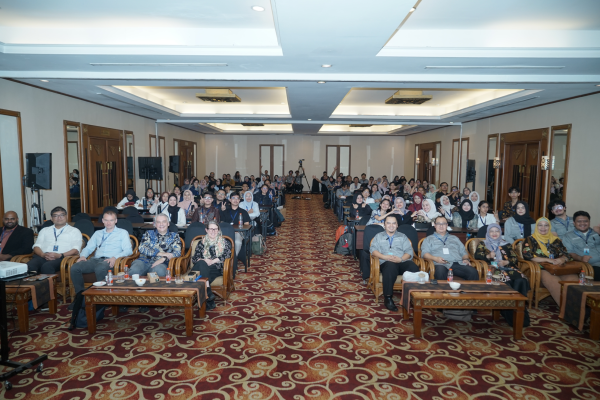
On Saturday, July 19, 2025, the Faculty of Biology at Universitas Gadjah Mada successfully held the 9th Seminar Nasional Biologi Tropika (SNBT), which this year was integrated with the Jogja MultiOmics Update (JMU), an initiative by the Integrated Genome Factory (IGF). Taking place at Gelanggang Inovasi dan Kreativitas (GIK) UGM, the seminar carried the theme: “Genomic Innovation for Health and Environmental Sustainability”.


This event became a strategic event to strengthen research collaboration across institutions and sectors, along with the rapid development of multi-omics technology and the urgency of its utilization in the tropical context.

In his speech, Dean of Faculty of Biology UGM, Prof. Dr. Budi Setiadi Daryono, M.Agr.Sc., emphasized that as a megabiodiversity country, Indonesia has a great responsibility in the development of genomic technology. “We hope this seminar can create strategic synergy, research network formation, as well as policies and curricula that support the advancement of Indonesian tropical science,” he said.

Dr. Danang Sri Hadmoko, M.Sc., UGM Vice Rector for Research, Business Development, and Cooperation, said that science-based transformation requires integrative and multidisciplinary approaches. “Genomics is the entrance to answer health, environment, and bioindustry issues scientifically and collaboratively. This forum is a realization of UGM’s spirit to develop solutions from local roots with global standards,” he said.

Director of Kemendikbudristek Resources, Prof. Dr. Ir. Sri Suning Kusumawardani, S.T., M.T., highlighted the importance of human resource capacity building in genomics and bioinformatics. “We must be the main actors, not just users of technology. Academic and industrial collaboration such as with the Integrated Genome Factory (IGF) is the right step towards sustainable innovation,” she emphasized.

SNBTxJMU 2025 presented 15 national speakers in Lightning Talk and Topic Island sessions, and was attended by more than 200 participants from various backgrounds of students, lecturers, researchers, practitioners, and students from various institutions in Indonesia.

The speakers came from various institutions, including: BB Biomedicine and Health Genomics (BGSi) of the Indonesian Ministry of Health, Faculty of Medicine UGM, SITH ITB, BRIN, IPB University, to biotechnology companies such as Nalagenetics and Nusantics. The three main topics discussed in the parallel sessions were Clinical Omics, Plant & Animal Omics, and Environmental & Microbial Omics.

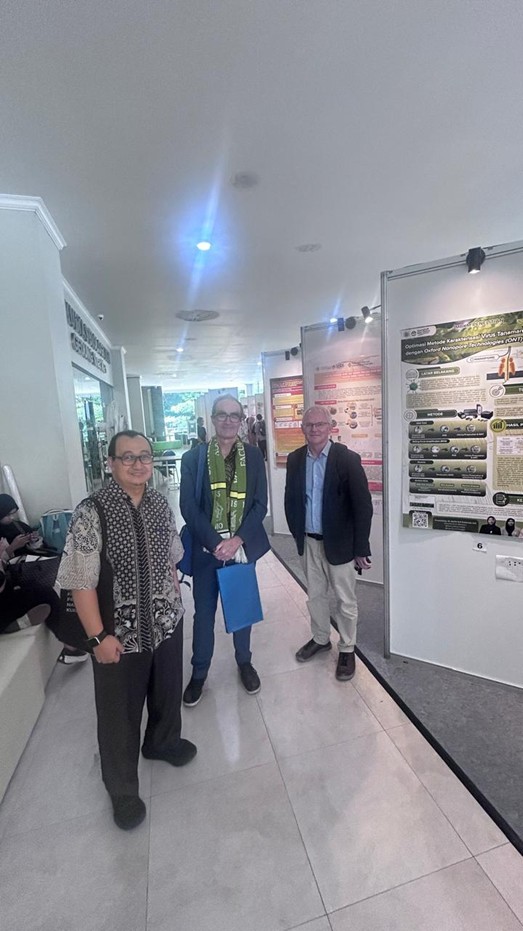
The event also featured a showcase of UGM’s multi-omics technology platform and industry partners, as well as introducing NGS services from IGF. Also supported by PacBio-DKSH Scientific Indonesia, Oxford Nanopore Technology- CV Dynata Creative Image, Shimadzu – PT Ditek Jaya, Sciex-Cytiva PT Laborindo Sarana, Panin Bank and Yayasan Satriabudi Dharma Setia (YSDS), as well as media partners such as Biou.id, Synbio.id, INBIO, Genbinesia, and Block71 Indonesia.

Institutions present included national and international universities such as UI, ITB, IPB, UIN, Khon Kaen University, as well as leading biotechnology institutions and companies in Indonesia such as PT Genetika Science Indonesia, PT Moosa Genetika Farmindo, PT Etana Biotechnologies Indonesia, PT Bio Farma (Persero), PT Widya Genomic Nusantara, and PT Widya Teknologi Hayati, PT Saraswanti Indonesia Genetech, PT. PathGen Diagnostik Teknologi, and also representative from Indonesian Genomic Association.

SNBTxJMU 2025 activities support the achievement of SDGs, especially SDGs 3 (healthy life) through Clinical Omics innovation, SDGs 4 (quality education) through strengthening academic capacity and curriculum, SDGs 9 (industry and innovation) through collaboration with the biotechnology sector, as well as SDGs 13 and SDGs 15 through Environmental & Microbial Omics sessions that focus on biodiversity conservation and environmental monitoring.

SNBTxJMU 2025 is expected to be an important supporting system in building a sustainable Indonesian genomics and also multiomics research and innovation ecosystem that has a real impact on society and the tropical environment.

Before the closing of the event, the best presenters were announced from the SNBT presenter participants, namely Kinasih Prayuni, M.Si. from Universitas YARSI, and Imam Bagus Nugroho, S.Si., M.Sc. from Faculty of Agricultural Technology UGM. In addition, the best pitching winner from the SNBTxJMU pre-event held by IGF was also announced, namely Assyfa Atha from IGEM UGM and Alim El Hakim from The Master of Medical Science program UGM. In order to enliven the event, appreciation was also given to participants who had participated in uploading stories through the Instagram platform.

The activity was closed by Dr. Eko Agus Suyono, S.Si., M.App.Sc., who also expressed his appreciation for the enthusiasm of the participants and the collaborative spirit that was built during the event. He also invited all participants to return to participate in the upcoming SNBTxJMU in 2026.

#GenomicInnovation #SDGsIndonesia #TropicalScience #UGMForTheNation #Bioinformatics #GenomicsForSustainability #UGMGlobalImpact #ScienceForLife #SDGs3 #SDGs4 #SDGs9 #SDGs13

Leipzig University and UGM Faculty of Biology Explore Research and Dual Degree Collaboration

CooperationNews Release Monday, 14 July 2025

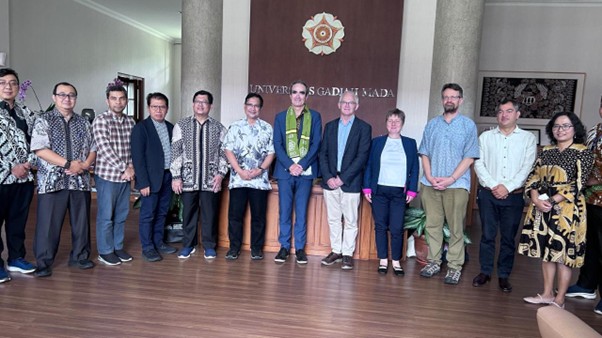
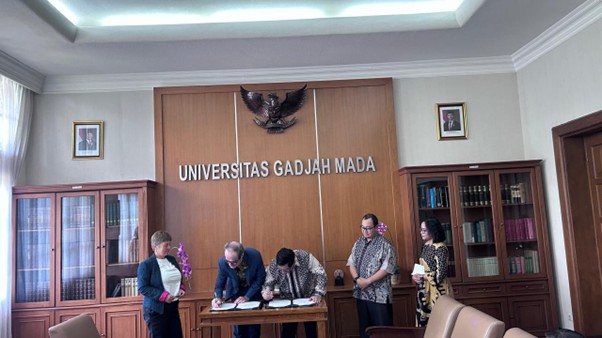
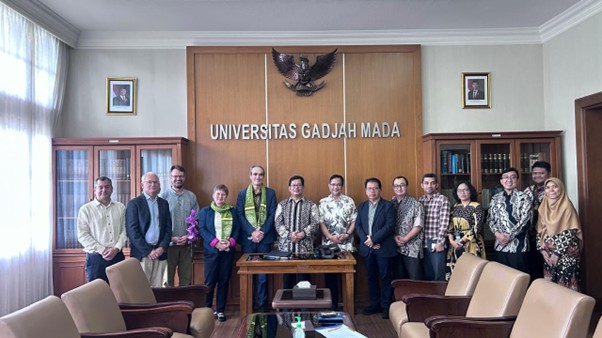
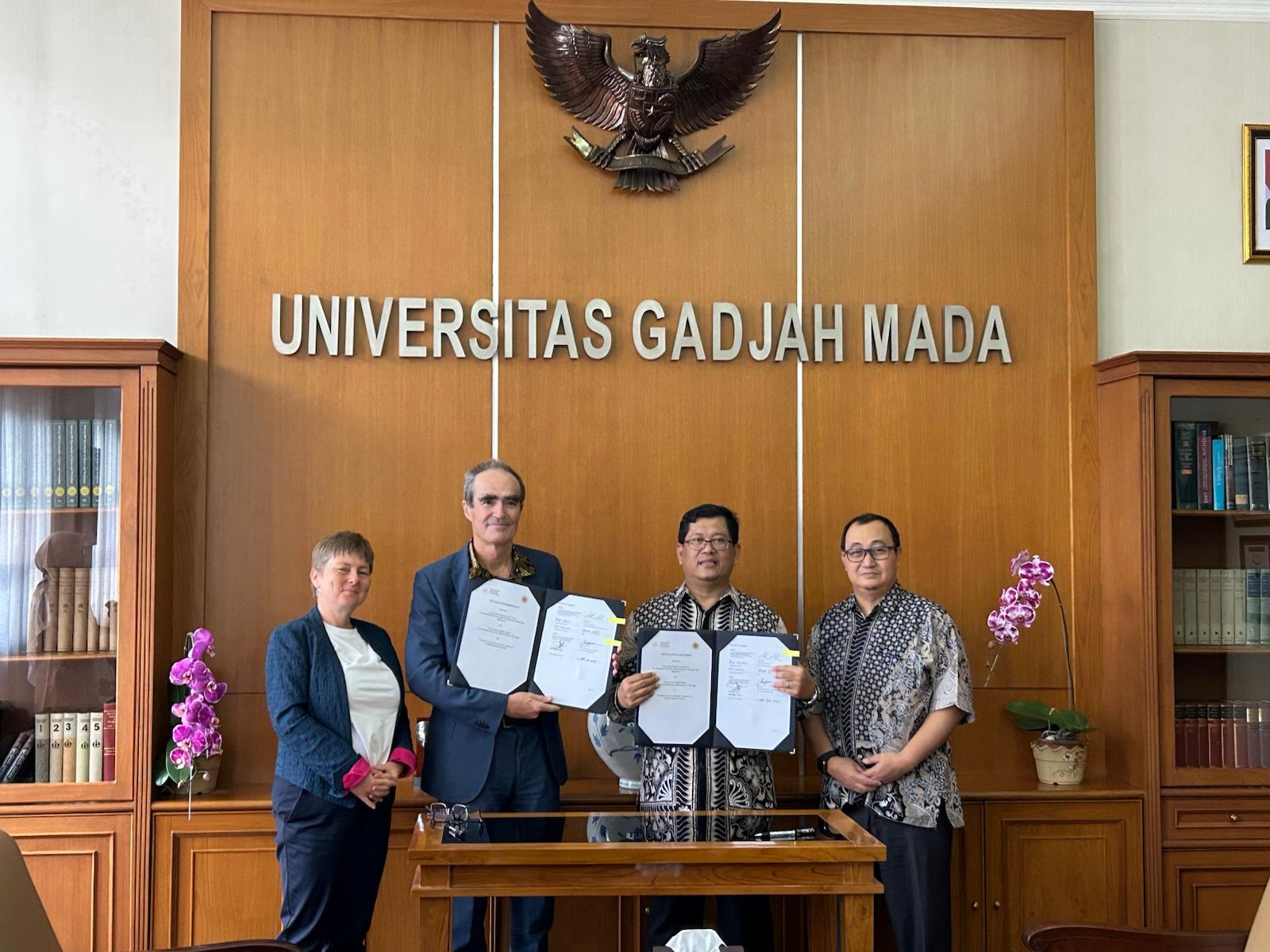
Yogyakarta, 10 July 2025 – The Faculty of Biology at Universitas Gadjah Mada (UGM) welcomed a visit from academics of the Institute of Animal Hygiene and Veterinary Public Health, University of Leipzig, Germany. The delegation, consisting of Dr. Ahmed Abd El Wahed and Prof. Uwe Truyen, was warmly received by the leadership of the Faculty of Biology UGM during a meeting held at a local restaurant in Yogyakarta.


The visit was officially hosted by Prof. Dr. Budi Setiadi Daryono, Dean of the Faculty of Biology, accompanied by Dr. Eko Agus Suyono, M.App.Sc. (Vice Dean for Research, Community Service, Cooperation, and Alumni), Dr. Matin Nuhamunada, M.Sc. (Secretary of the Office of International Affairs), and Dr.rer.nat. Abdul Rahman Siregar, M.Biotech. (Head of the Microbiology Laboratory).

In his remarks, Prof. Budi expressed appreciation for the strong relationship that has developed between the Faculty of Biology UGM and Leipzig University, especially through collaborations in research, training, and the organization of the International Summer Course. The visit also served as an opportunity to personally greet ten biology students from UGM who will participate in the International One Health Workshop at Leipzig University this August.

Prof. Uwe and Dr. Ahmed conveyed their enthusiasm for returning to Yogyakarta. During the meeting, both parties discussed opportunities for further collaboration, including an initiative to develop a dual degree program. They also explored plans for an international research collaboration involving Dr.rer.nat. Abdul Rahman Siregar, M.Biotech., from the Microbiology Laboratory, focusing on microbiome analysis in Komodo dragons and capacity building at the Komodo Island National Park Office, supported by a research grant from the European Union. This discussion was a follow-up to a previous field visit by the German delegation to Labuan Bajo.

Dr. Ahmed also highlighted the potential for collaborative research in bioinformatics to support the development of dry-lab-based research, aligning with the expertise of researchers at the Faculty of Biology UGM.

This meeting is expected to further strengthen sustainable international academic networks and contribute to the achievement of the Sustainable Development Goals (SDGs), particularly SDG 3 (Good Health and Well-being), SDG 4 (Quality Education), SDG 9 (Industry, Innovation and Infrastructure), and SDG 17 (Partnerships for the Goals).
Following in the Footsteps of L.B. Holthuis: Seven New Endemic Freshwater Lobster Species Discovered in Papua

News Release Monday, 16 June 2025

Hidden beneath the lush rainforests of Papua, Indonesia lies a biodiversity treasure trove still waiting to be explored. For crustacean researchers, the island’s rivers and lakes represent a scientific frontier rich with undiscovered species.


More than 50 years after legendary Dutch carcinologist Lipke Bijdeley Holthuis (1921 – 2008) mapped much of the world’s freshwater crayfish diversity, a new generation of scientists is continuing the quest.

In a recent study published in Arthropoda (MDPI), researchers Christian Lukhaup (Independent Researcher, Germany), Rury Eprilurahman (Universitas Gadjah Mada – Indonesia), and Thomas von Rintelen (Museum für Naturkunde, Berlin – Germany) successfully described seven new species of freshwater crayfish from the genus Cherax, all of which are endemic to the regions of West Papua.

“Papua holds the greatest diversity of freshwater crayfish in the world, yet many species remain scientifically undescribed,” said Rury Eprilurahman.

“Our goal is to help establish a valid taxonomic foundation while promoting the protection of these increasingly vulnerable species,” he added.

New Species from Papua’s Hidden Rivers

The seven newly described species originate from various remote regions of West Papua:

  1. Cherax veritas — Misool Island, Raja Ampat

  1. Cherax arguni and Cherax kaimana — northern Kaimana district

  1. Cherax nigli — southern Kaimana

  1. Cherax bomberai — Fakfak

  1. Cherax farhadii and Cherax doberai — Teluk Bintuni region
Each species exhibits distinctive morphological traits. The shape of the chelae (claws), the length and structure of the rostrum (snout), striking body coloration, and overall body proportions set each apart from its close relatives.

“These species can be clearly distinguished from each other, both morphologically and genetically,” the researchers wrote in their publication.

DNA Reveals Unique Lineages

To further validate their discoveries, the team performed mitochondrial DNA analyses using the 16S rRNA gene fragment.

Results revealed that the seven new species represent genetically distinct lineages, supporting their classification as separate species.

“This is crucial, as some species may look deceptively similar. Without molecular analysis, we risk misinterpreting their evolutionary relationships,” Eprilurahman explained.

By combining classical morphology with molecular systematics, the researchers ensured a scientifically sound and responsible approach to species identification.

Aquarium Trade as a Starting Point

Intriguingly, some of the initial specimens were obtained through the aquarium trade.

“Many of these species first appeared in the aquarium hobby market in Europe or Jakarta,” Rury noted.

“From there, we traced their origins and collaborated with local contacts in Papua to confirm the natural habitats.”

While not ideal, the aquarium trade occasionally provides an early clue to the existence of undescribed species.

Nevertheless, Rury emphasized that all field sampling and data collection were conducted ethically and following conservation permits.

Vital for Conservation Efforts

This discovery is significant not only for taxonomy but also for conservation.

West Papua is a global hotspot for freshwater biodiversity, yet its ecosystems face mounting threats from deforestation, mining activities, infrastructure development, and illegal wildlife trade.

By enhancing the region’s species inventory, the findings will contribute to more targeted and effective conservation planning.

“If we don’t even know which species are present, how can we protect them?” Rury asked.

“With this knowledge, we can push for more sustainable management of freshwater habitats.”

Much More Yet to Be Discovered

While seven new species have now been formally described, the researchers believe Papua’s Cherax diversity is still vastly underexplored.

“Papua is incredibly vast. There are countless rivers, lakes, and cave systems that remain unexplored,” Rury said.

“I’m confident we will continue to discover new species in the future.”

The same team has previously described other species, including:

  • Cherax warsamsonicus (2017)
  • Cherax alyciae and Cherax mosessalossa (2018)
  • Cherax wagenknechtae (2022)
  • Cherax rayko and Cherax phing (2024)

This highlights Papua’s status as a global hotspot for freshwater crayfish diversity.

Continuing the Legacy of Holthuis

Since Holthuis pioneered the study of the world’s freshwater crayfish in the mid-20th century, modern tools like Next Generation Sequencing (NGS) and advances in molecular systematics now offer unprecedented insights.

But fieldwork remains irreplaceable.

“There is no substitute for direct exploration in nature,” Rury emphasized.

“Papua still holds many mysteries, and we have only scratched the surface.”

Through a combination of field exploration, global collaboration, and rigorous science, today’s researchers — following in the footsteps of L.B. Holthuis — continue to unveil new chapters in our understanding of Indonesia’s extraordinary freshwater biodiversity.

The discovery of seven new endemic freshwater lobster species in Papua supports several United Nations Sustainable Development Goals (SDGs), particularly SDG 15 (Life on Land), by contributing to biodiversity conservation and highlighting the ecological value of freshwater habitats. It also aligns with SDG 14 (Life Below Water) through the protection and sustainable use of inland aquatic biodiversity, and SDG 13 (Climate Action) by providing baseline data essential for assessing ecosystem vulnerability to climate change. Furthermore, the research aligns with SDG 9 (Industry, Innovation, and Infrastructure) through the application of modern scientific methods in taxonomy, and with SDG 17 (Partnerships for the Goals) by showcasing collaborative efforts among international researchers and local institutions.

Reference:

Lukhaup C., Eprilurahman R., von Rintelen T. (2025). Seven New Species of Crayfish of the Genus Cherax (Crustacea, Decapoda, Parastacidae) from Western New Guinea, Indonesia Arthropoda 3(2):10. https://www.mdpi.com/2813-3323/3/2/10
Mid Year Evaluation of Formasigen 2025

Student Activities Tuesday, 10 June 2025

On Wednesday, 28th of May 2025, Mid Year Evaluation of Formasigen 2025 was held in the Laboratory of Genetics and Breeding, Faculty of Biology, UGM. This event was held for all Formasigen’s members. This event was attended by Mrs. Ganies Riza Aristya, S.Si., M.Sc., Ph.D., as Formasigen’s supervisor lecturer. Mid Year Evaluation of Formasigen 2025 is aimed to evaluate the cabinet’s ministry program for the first half of the year. This event had 2 main sessions that were presentations about evaluation of programs that have been done in the first half of the year and Q&A from the audience.


Kegiatan diawali dengan presentasi dan evaluasi program kerja ketua dan wakil ketua. Selanjutnya, presentasi dan evaluasi program kerja dilanjutkan oleh Sekretaris, Bendahara, Kepala Divisi PSDM, Kepala Divisi Keilmuan, Kepala Divisi Kerumahtanggaan, Kepala Divisi Media dan Informasi, dan Kepala Divisi Humas dan Jaringan. Seusai presentasi, dilakukan sesi tanya jawab dan kesempatan evaluasi dari anggota yang hadir. Setelah dilakukan presentasi, kegiatan dilanjutkan dokumentasi dan makan siang. Dengan dilaksanakannya Evaluasi Tengah Tahun ini, diharapkan semua program kerja Formasigen Kabinet HomeoGenesis di setengah periode berikutnya dapat berjalan dengan lancar dan evaluasi dari program yang sudah berjalan bisa diterapkan.

The event was started by a presentation and evaluation of programs done by the chairman and vice chairman of Formasigen 2025 cabinet HomeoGenesis. Presentation and evaluation of programs were carried on by programs of each division from each head of division. After each presentation, the audience was given room to discuss and having Q&A session. The next activity was documentation followed by lunch. With the realisation of this event, we hope that all assigned programs can be held without any significant challenge for the remaining half of the year and the evaluations noted can be applied for a better program realisation. This Mid Year Evaluation also helps support the Sustainable Development Goals number 4 and 17 that are quality education and partnerships for the goals.

[Author: Formasigen]

1234…12

Accreditation

Recent Posts

  • Faculty of Biology UGM Establishes Academic Collaboration with National Changhua University of Education (NCUE), Taiwan: Double Degree and Student Exchange Programs
  • Faculty of Biology UGM Expands International Network through Academic Collaboration with DaYeh University, Taiwan
  • Profile of International Genetically Engineered Machine (iGEM) UGM 2025 Team: Winners ofthe International Synthetic Biology Competition in Paris, France
  • Universitas Gadjah Mada Team Wins Gold Medal at iGEM 2025 Grand Jamboree
  • UGM Faculty of Biology Strengthens International Network through Visit to National Taiwan University
Universitas Gadjah Mada

UNIVERSITAS GADJAH MADA

FACULTY OF BIOLOGY
Teknika Selatan Street, Sekip Utara,
Yogyakarta 55281
biologi-ugm@ugm.ac.id
Phone/Fax: +62 (274) 580839

About us

  • History
  • Organization
  • Vision and Mission
  • Staff

Student Affairs

  • Student Service
  • Student Organization
  • Submission for Practical Field Work
  • Permission Field Research
  • Permission Thesis/Disertation

academic

  • Academic Regulations
  • Academic Anonncement

Accreditation

  • Image 1
  • Image 2
  • Image 3

© 2024 FACULTY OF BIOLOGY UNIVERSITAS GADJAH MADA

KEBIJAKAN PRIVASI/PRIVACY POLICY

[EN] We use cookies to help our viewer get the best experience on our website. -- [ID] Kami menggunakan cookie untuk membantu pengunjung kami mendapatkan pengalaman terbaik di situs web kami.I Agree / Saya Setuju