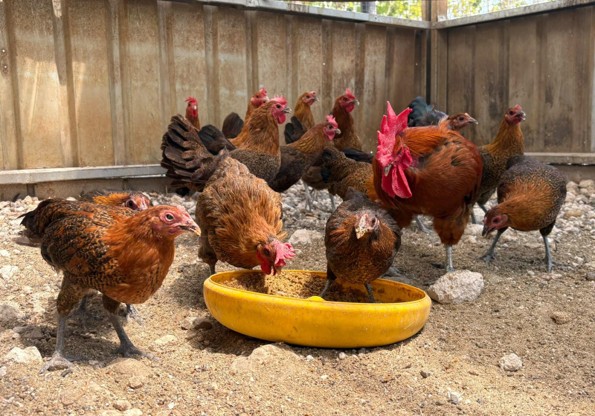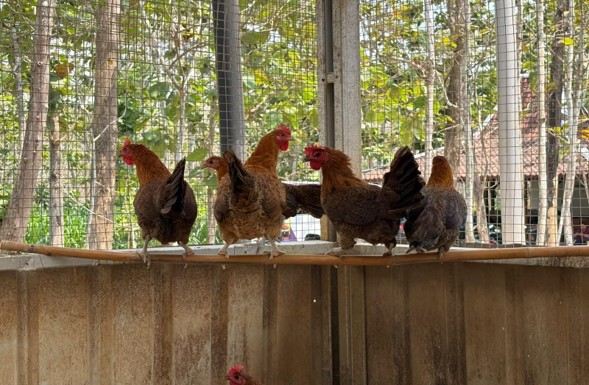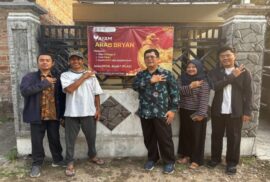
Yogyakarta, 2 October 2026 – Genetic renewal is a crucial factor supporting the sustainability of chicken farming and breeding. With rigorous selection methods, genetic resources introduced into a population can be utilized to improve the quality and productivity of chickens through hybridization. This is done to mitigate the impact of an increased inbreeding coefficient caused by mating within the population. Therefore, the Gama Ayam Grant Team of the Faculty of Biology, Universitas Gadjah Mada (UGM), through the Promoting Research and Innovation through Modern and Efficient Science and Technology Parks (PRIME STeP) UGM Innovation Development Grant, initiated the procurement of Arab chicken breeding stock at the Gama Ayam Research Team facility. A total of 1 male and 2 female Arab chickens were acquired from an Arab chicken breeder, Ayam Arab Bryan, in Wonosari, Klaten.
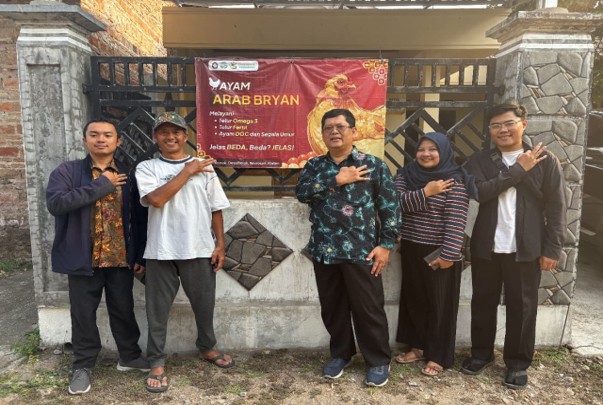
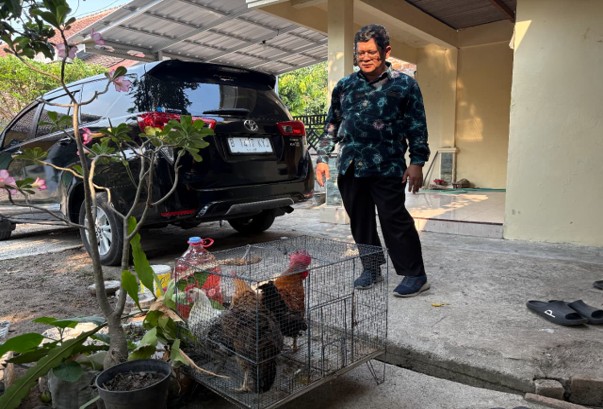
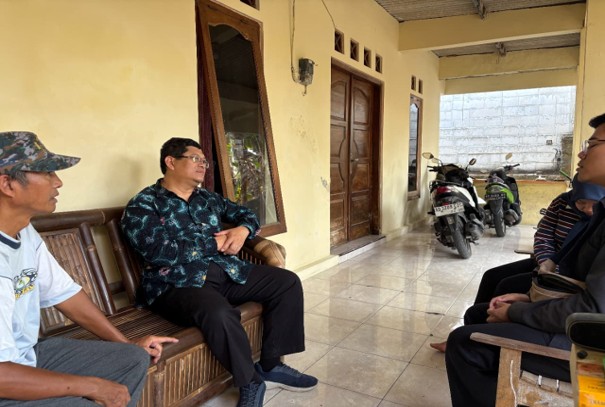
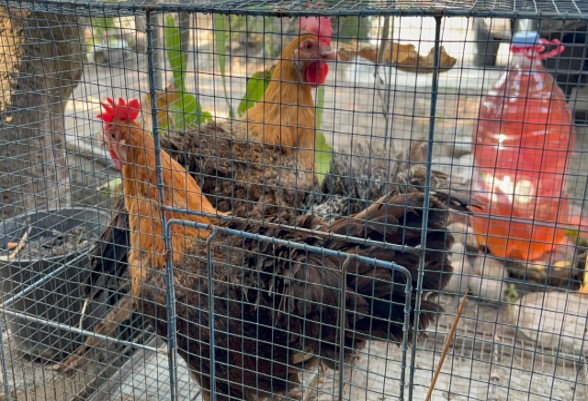
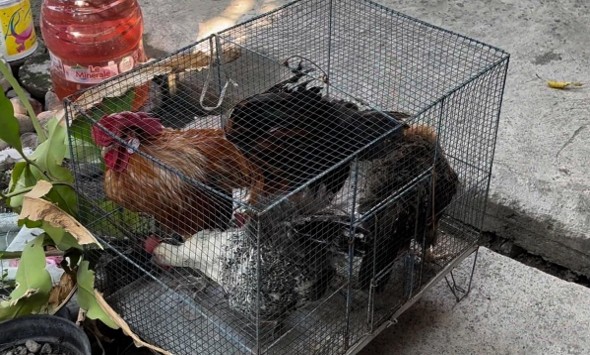
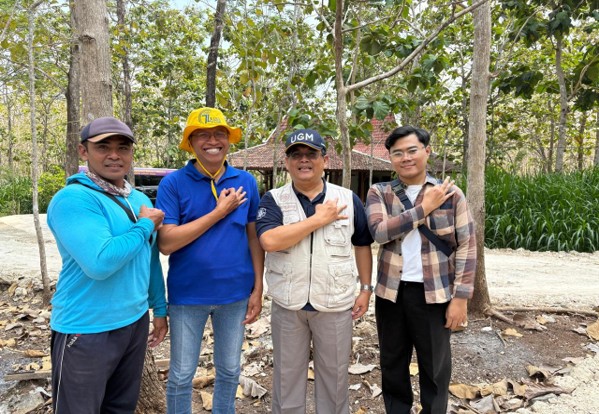
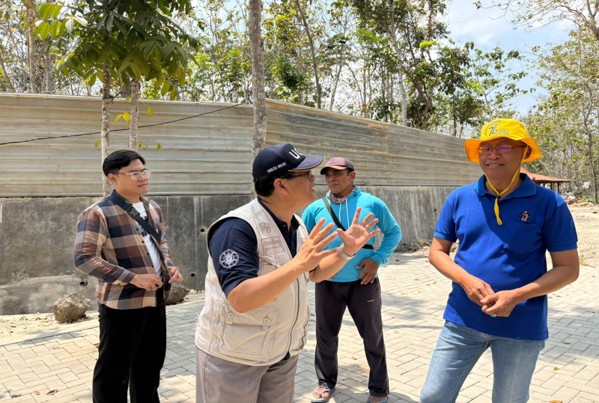
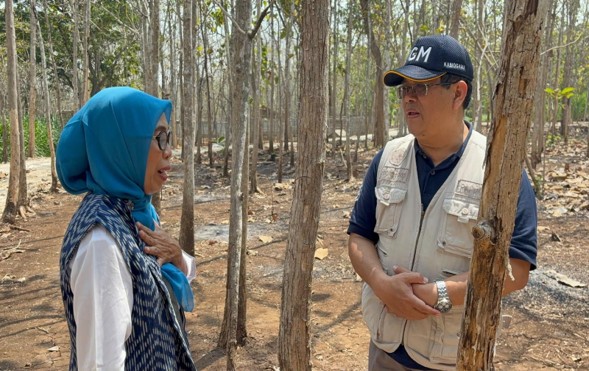
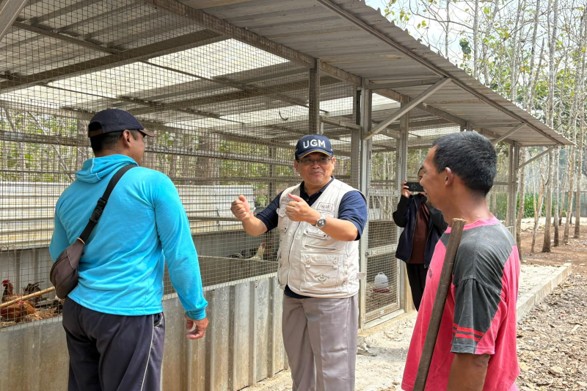
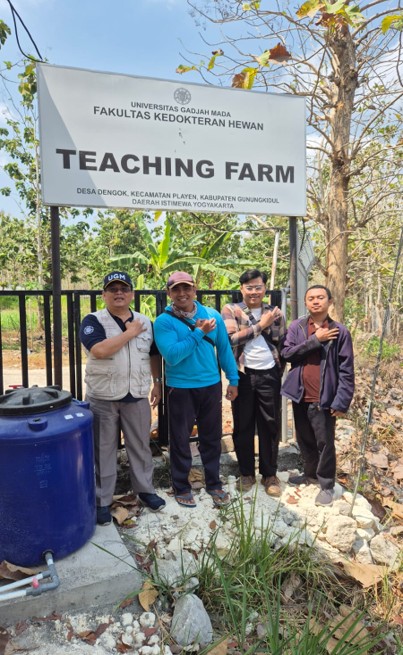
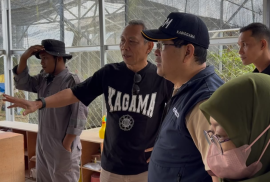
This Arab chicken procurement activity involved Prof. Dr. Budi Setiadi Daryono, M.Agr.Sc., Dian Sartika, M.Sc., Prananda Imammuddin Dzaki, and Yusuf Febrianta, following team coordination. The Gama Ayam Grant Team conducted surveys at several locations to select Arab chicken breeding stock that met the Gama Ayam Research Team’s standard criteria. After finding suitable breeding stock, the Gama Ayam Grant Team subsequently transferred them from Klaten to the quarantine facility in Tanjungtirto, Berbah, Sleman. Quarantine is an essential part of introducing external genetic resources into a population. It aims to prevent the transmission of diseases that may not be visibly apparent. This 6-hour activity successfully secured a supply of vital genetic resources for the continuation of chicken research and breeding activities.
The activities carried out by the Gama Ayam Grant Team align with the achievement of the Sustainable Development Goals (SDGs), which are the shared aspirations of the global community. This activity is an implementation of SDGs 1, 2, 9, and 12. Goal 1 (No Poverty) is implemented through the empowerment of local farmers for the procurement of breeding stock. Goal 2 (Zero Hunger) is implemented through the development of selectively bred local chickens to support food independence. Goal 9 (Industry, Innovation, and Infrastructure) is implemented by strengthening the production chain of local laying hen innovations. Goal 12 (Responsible Consumption and Production) is implemented through the procurement of chickens for breeding purposes by utilizing local genetic resources and enforcing quarantine to prevent the spread of diseases. The implementation of these SDG points is expected to support a better and more sustainable life.