Tegalrejo, 11 December 2025
SDG 12 : Influence Responsible Consumption and Production
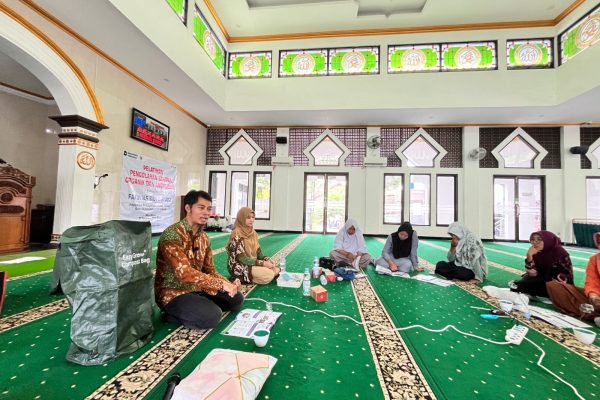
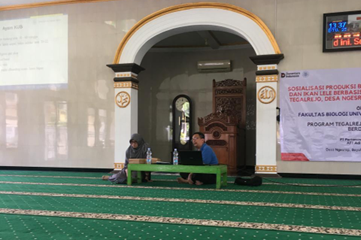
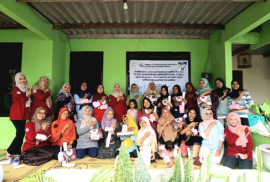
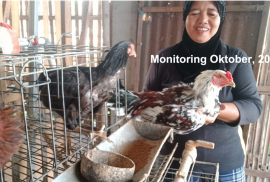
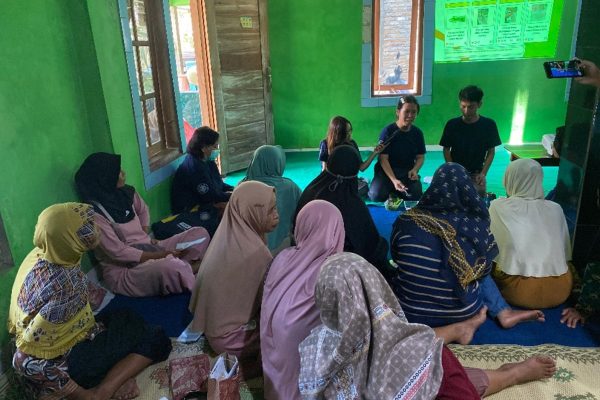
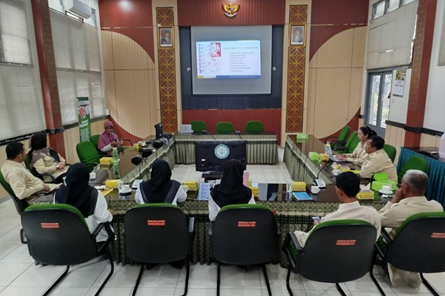
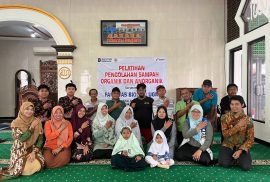
A community service program titled “Community-Based Production of Superior Local Chicken and Catfish Seedlings” was held on November 29, 2025, at the Baiturrahim Masjid in Tegalrejo Hamlet, Ngesrep Village, Boyolali Regency. The event was officially opened by Ms. Siti Fatonah, a representative of PT. Pertamina Patra Niaga. This program, which has been running for approximately four months, is a collaboration between the Faculty of Biology, Universitas Gadjah Mada (UGM) and PT. Pertamina Patra Niaga, emphasizing community empowerment in the livestock and aquaculture sectors. The activity supports several Sustainable Development Goals (SDGs), namely SDG 2 (Zero Hunger), SDG 8 (Decent Work and Economic Growth), SDG 12 (Responsible Consumption and Production), and SDG 17 (Partnerships for the Goals) through knowledge transfer, mentoring, and multi-sector collaboration.
During the event, Dr. med.vet.drh. Hendry Saragih, M.P. delivered a presentation on proper management practices for free-range chicken husbandry. He highlighted the importance of maintaining chicken health through effective feed management, sanitation, disease prevention, and proper coop construction. Participants also received guidance on selecting superior local chicken breeds to enhance productivity and strengthen the sustainability of community-based livestock enterprises. The program was facilitated by Dr. Ardaning Nuriliani, S.Si., M.Kes. In addition, Ms. Nur Indah Septriani, S.Si., M.Sc., Ph.D. distributed educational leaflets on proper catfish farming techniques, including pond preparation, selecting high-quality catfish fry, water quality management, and efficient maintenance practices—knowledge crucial for promoting responsible aquaculture in line with SDG 12.
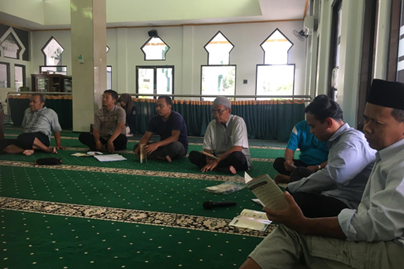
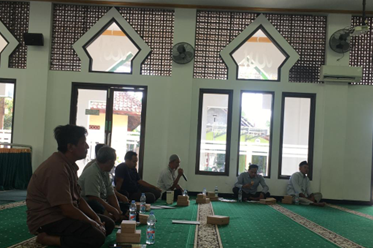
The activity was attended by eight residents representing the Tegalrejo Hamlet farmer group, who participated enthusiastically and actively discussed challenges and strategies related to effective chicken and fish farming. To conclude the event, participants and speakers conducted a field visit to the model chicken coop and catfish ponds constructed by the local community. Through this program, it is expected that residents will be able to implement productive and sustainable farming practices while strengthening local partnerships as a tangible contribution to SDG 17, ultimately supporting improved economic welfare and village-level food security.
Contributors: Ardaning Nuriliani, Hendry Saragih, Nur Indah Septriani
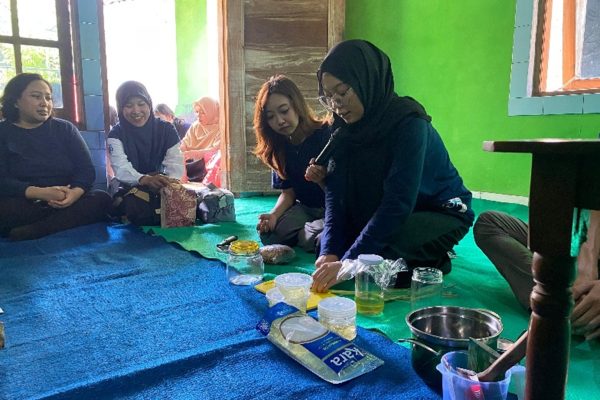
The production of natural TOGA soap from lemongrass by the Pengabdian kepada Masyarakat – Merdeka Belajar Kampus Merdeka (PkM-MBKM) team Faculty of Biology UGM 2025, chaired by Prof. Rina Sri Kasiamdari, S.Si., Ph.D. in the second phase of the PkM-MBKM program in Kepuh Kulon RT 001, Wirokerten, Banguntapan, Bantul through the production of soap using TOGA (Family Medicinal Plants) as raw material. This activity is a continuation of the PkM-MBKM program that was previously implemented from February to June 2025. The team involved five students, namely Swastikhansa Parahita Sulistyaningrum, Afrina Syah Putri, Isna Kuminingrum, Asitya Fitri Miadi, and Amyra Asa Nurhanifa, with the aim of increasing public awareness about the use of TOGA plants through the innovation of TOGA-based soap, especially lemongrass, which is easily available, as an effort to support skin health and can be used by various groups, including children. This event marked the fifth and final activity of the PkM-MBKM program in RT 001 Kepuh Kulon. It was held on Sunday, November 2, 2025, from 9:00 a.m. to 12:00 p.m. at the residence of the RT Head, Mr. Zamzuri. The event was enthusiastically attended and carried out by 20 society and Mr. Sunartono, the Head of Kepuh Kulon Hamlet, who opened the event by emphasizing the importance of utilizing TOGA for family health and encouraging residents’ independence in continuing the program of making natural soap from easily available TOGA. Prof. Rina also highlighted the benefits of the innovative soap made from lemongrass and olive oil, which is safe for children and healthy for the skin, while stressing the importance of community solidarity in enhancing creativity and the local economy.
The community service activities included socialization on making lemongrass soap and practicing making natural soap from lemongrass, as well as socialization on digital marketing. The socialization on making lemongrass soap was carried out by providing information on what medicinal plants are, their uses, their contents and benefits when used as ingredients for natural soap (lemongrass), the tools and materials needed, and how to make the soap. The digital marketing socialization was carried out by providing information about the objectives of digital marketing, creating an account on one of the online selling platforms, how to sell online, and tips on how to make products known to the wider community. After the workshop, there will be a quiz for residents and door prizes will be given out. At the end of the activity, participating village partners will be given souvenirs as a token of appreciation for their participation.
The PkM-MBKM team provided a set of soap-making tools that are expected to be used for practice and as souvenirs as a form of appreciation or proof of participation for village partners. The 2025 PkM-MBKM program is expected to provide information on processing TOGA into products that are beneficial to health and can improve the community’s economy. This activity supports SDG 3: Good Health and Well-being, SDG 6 Clean Water and Sanitation, SDG 8 Decent Work and Economic Growth, and SDG 12 Responsible Consumption and Production.
Contributors: Ardaning Nuriliani, Hendry Saragih, and R. Rohmad Gunawan Hardono.
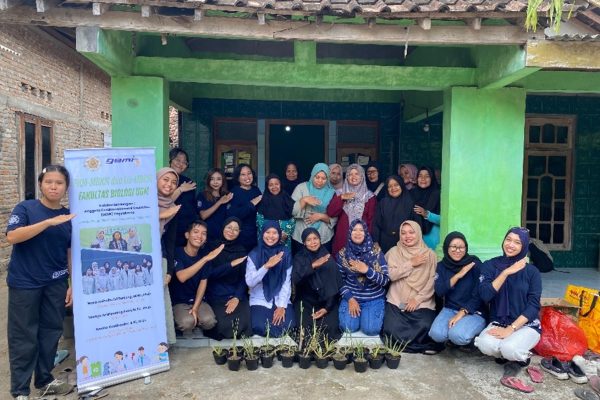
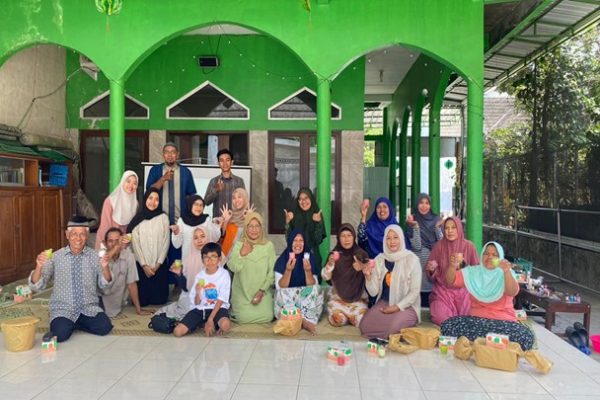
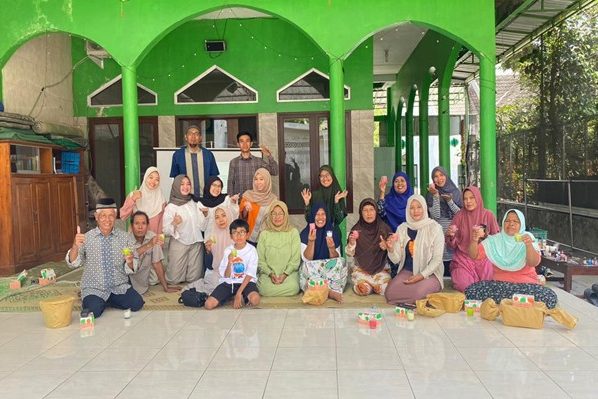
The 2025 Community Service – Merdeka Belajar Kampus Merdeka (PkM-MBKM) Team of the Faculty of Biology, Universitas Gadjah Mada (UGM), successfully conducted an educational program in Pajangan Hamlet, Wedomartani, Ngemplak, Sleman, under the title “Health Innovation through the Making of Aromatherapy Candles and Sharing Healthy Herbal Drink Recipes.” This program aimed to enhance community knowledge and skills in utilizing herbal ingredients for health and well-being—aligned with Sustainable Development Goals (SDGs) No. 3: Good Health and Well-Being and No. 12: Responsible Consumption and Production. The team consisted of five active Biology students from the class of 2022, supervised by Dr. Ardaning Nuriliani, S.Si., M.Kes and partner Mr. Gunardi, S.Si.
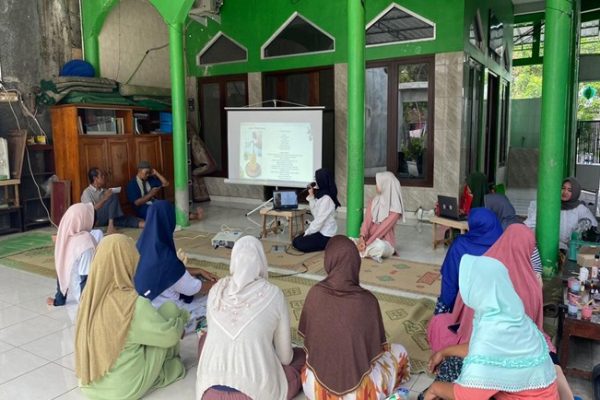
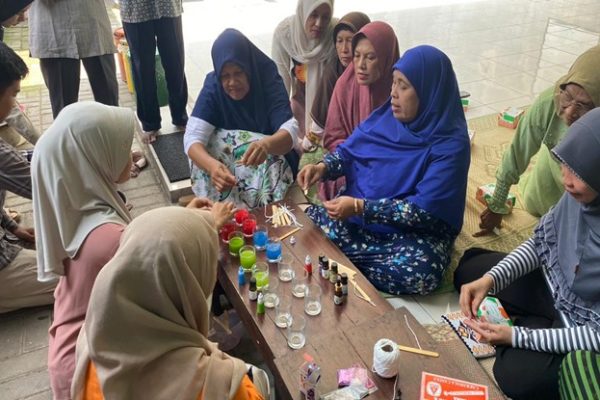
The event took place on Saturday, October 11, 2025, at Masjid Jami’ Darussalam, Pajangan Hamlet. The session began with educational talks delivered by Ghefira Nur Fatimah and Nimas Ayu Pramesthi, focusing on two main topics: techniques for making aromatherapy candles and healthy herbal drink recipes. During the hands-on session, participants practiced making aromatherapy candles using natural essential oils such as lavender, lemon, peppermint, and lemongrass. The participants enthusiastically created candles of their own preferences. Beyond serving as air fresheners, aromatherapy candles also help promote relaxation, enhance focus, improve sleep quality, and support meditation and emotional balance. In addition, participants were introduced to various easy-to-make herbal drink recipes designed for home preparation. Each recipe was selected based on its health benefits, such as boosting immunity, aiding detoxification, and maintaining metabolic balance. Thus, participants gained not only theoretical understanding but also practical skills that can be directly applied in daily life. Each participant brought home their own handmade aromatherapy candle as a symbol of the new knowledge and skills they had gained—supporting SDG No. 4: Quality Education.
This program is expected to bring direct benefits to the residents of Pajangan Hamlet while serving as an inspiration for sustainable collaboration between academia and local communities. Through such partnerships, the Faculty of Biology UGM reaffirms its commitment to promoting SDG No. 17: Partnerships for the Goals. With a spirit of sustainability and innovation, the PkM-MBKM Team of the Faculty of Biology UGM demonstrates how scientific knowledge can be applied in real life to improve community well-being.
Contributors: Ardaning Nuriliani, Chelsy Ammara Septiani, Meinawa Amaliah, Nimas Ayu Pramesthi, Syifa Aneira, and Muhammad Fathin Setya Daffa.
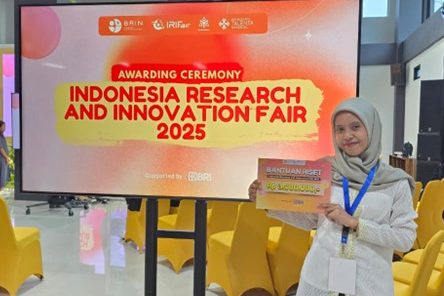
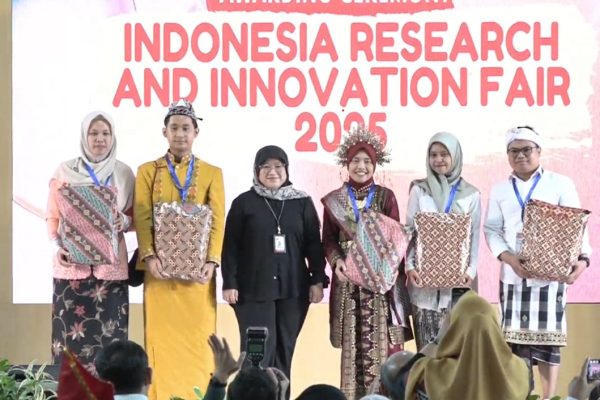
Indonesia Research and Innovation Fair (IRIFair) 2025 is a scientific competition for undergraduate and master’s students showcasing their thesis research. This event represents the commitment of the National Research and Innovation Agency (BRIN) to discover young research talents from higher education. The fair aims to improve both the quality and quantity of Indonesia’s research and innovation talents through scouting missions and comprehensive, sustainable, and innovative mentoring programs. This year, IRIFair 2025 was held on September 9–10 at the Polytechnic Institute of Nuclear Technology, coinciding with its 40th Dies Natalis celebration.
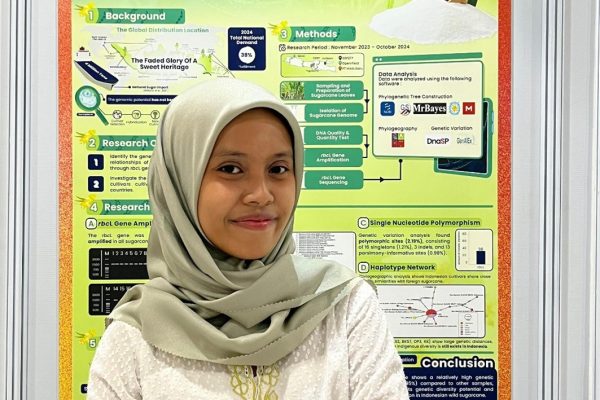
In this prestigious event, Tiara Putria Judith, a Fast-Track Master’s student at the Faculty of Biology, Universitas Gadjah Mada (class of 2024/2025), won the Favorite Poster Award in the Research Poster Competition (RPC). She also received a research grant to further develop her undergraduate thesis entitled “Genetic Variation and Phylogenetic Relationships of Sugarcane (Saccharum spp. hybrid) Based on the Chloroplast rbcL Gene”.
Tiara’s poster effectively optimized visual communication by combining impactful graphics with concise text, enabling her to present research findings clearly and attractively. Beyond serving as a medium of scientific communication, the poster also sparked engaging discussions with audiences, offering new insights into the advantages of DNA barcoding for overcoming the limitations of conventional identification methods in potential parental candidates for sugarcane hybridization in Indonesia.
This achievement underscores Tiara’s active role as a UGM Biology student in advancing innovations in life sciences and technology to address the challenges of sustainable agriculture. Her success is expected to become an early milestone for more innovative and impactful research explorations in the future.