SDG 15 : Advance Life On Land
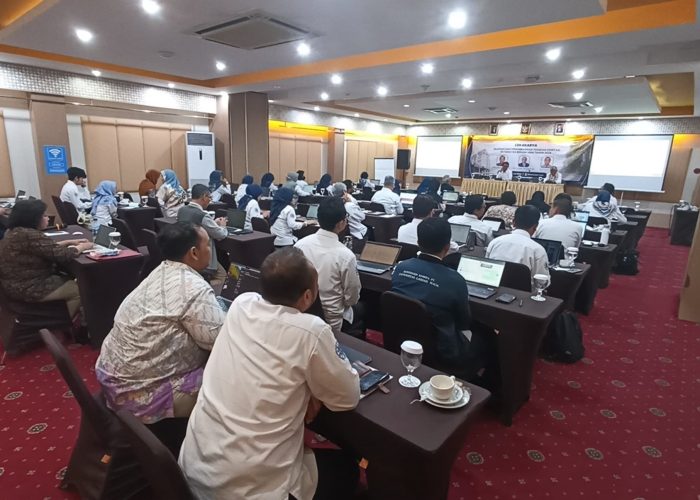
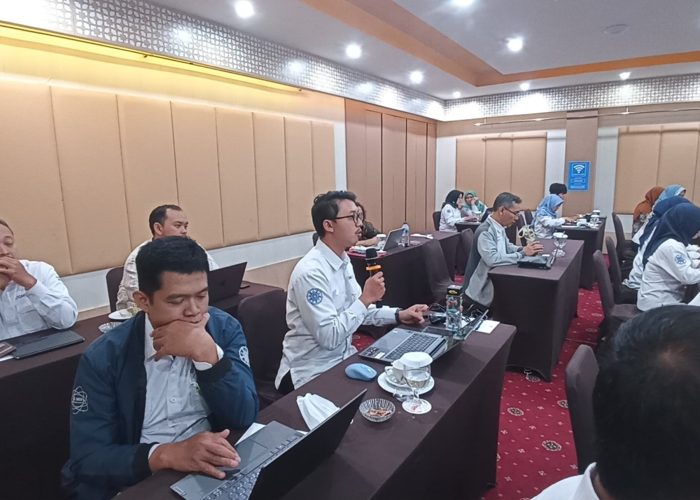
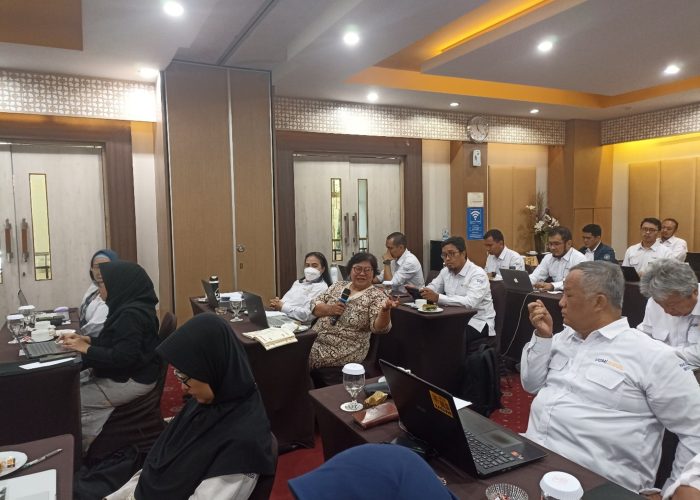
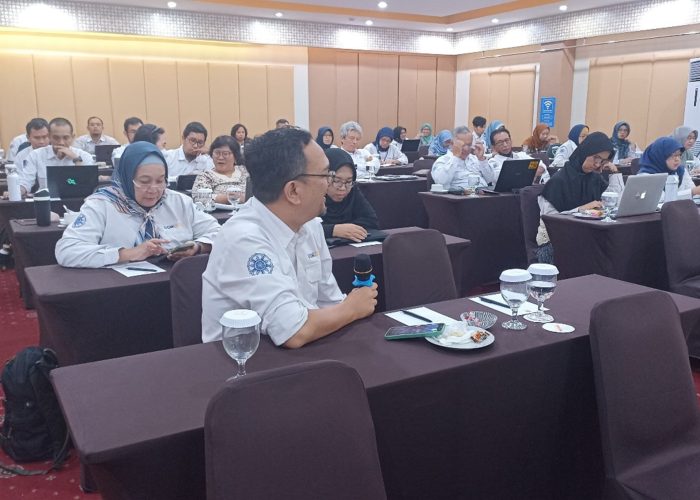
Day 1: Introduction to ONT Platform and Basic Bioinformatics
Day 2: Advanced ONT Features and Data Processing
Day 3: Metagenomic Analysis and Final Project
Importance of NGS Analysis in Supporting Biosecurity Topics to Achieve Food Security
The KSAT Pra-Acclimatization II 2024: Enhancing the Scientific Understanding of KSAT Sapling Members
Author: KSAT 2024*
The Nusantara Orchid Biodiversity Show (NOBiS), which is a series of orchid photography competitions and annual webinar, is being held again by the Biology Orchid Study Club (BiOSC), Faculty of Biology, UGM. This webinar is held online with the aim of educating and providing training to the younger generation through seminars and activities workshop. This year’s orchid photography competition has the theme “Orchid Odyssey: Revealing the Extraordinary Journey of Orchids Through The Past, Present, and Future”. A total of 56 participants took part in the orchid photography competition by submitting their work on 7 – 17 May 2024. The results of the participants’ photography work are then displayed in the form of a virtual exhibition via ArtSteps which can be accessed by all participants. The winners of the orchid photography competition at the NOBiS event were Dary Saka Fitrady as First Place, Imaduddin Akhyar Kusumaperdana as Second Place, Yosvaldo Gerry Setiono Putra as Third Place, and Muhammad Nadhif Al Sulthony as Favorite Champion, which was announced at the peak event of the 2024 NOBiS.
The orchid photography competition has a positive impact on sustainable development. Webinar and photography competitions can contribute to the appreciation of biodiversity, which is in line with Sustainable Development Goals (SDGs) 12: Responsible consumption and production, 15: Life on Land, and 17: Partnership to achieve goals. Orchid photography is an effort that can be used as a tool to visualize biodiversity and help remind us of the beauty of nature and the importance of protecting the environment.
NOBiS webinar event this year carries the theme “Orchid Odyssey: Revealing the Extraordinary Journey of Orchids Through The Past, Present, and Future” with the implementation time on 1st June 2024 at 09.30 online and attended by 144 participants. The NOBiS 2024 webinar aims to provide a means for the public to learn and understand the preservation of orchids in Indonesia through genome editing and tissue culture propagation techniques. Therefore, this year, BiOSC invited three speakers who have become experts in the field of orchids in Indonesia, namely Prof. Dr. Endang Semiarti, M.S., M.Sc., Prof. Dr. Dewi Kusuma, S.P., M.Si., and Dr. André Schuiteman.
Prof. Dr. Endang Semiarti, M.S., M.Sc. is a head of Laboratory of Biotechnology, Faculty of Biology Universitas Gadjah Mada and has research focus on plant tissue culture, plant molecular genetics, plant biotechnology, orchidology, cell and molecular biology. On this occasion, he shared insights regarding Indonesian Orchid Plant breeding with the application of Genome Editing. Current orchid populations in nature are decreasing due to natural disasters, illegal logging, and domestication for collection, decoration, and also for herbal medicine. So we need Ex situ and In situ conservation efforts such as genome editing using CRISPR/Cas9 system as the cheapest and easiest to apply technology, having a revolutionary impact on basic research to study gene function and plant breeding to produce new orchids with plenty of seedlings and early flowering.
Orchid production and conservation also can be supported by the method of plant tissue culture, its delivered by Prof. Dr. Dewi Sukma, S.P., M.Si. as a professor of Agronomy and Horticulture department of Agronomy and Horticulture Faculty of Agriculture IPB University and have research interest in plant genetic diversity, breeding and cultivar development and also in plant genetic engineering. Orchid need tissue culture because its lack of seed endosperm so it can provide a higher number of seedling and provide a sterile ad healthy propagules, tissue culture can be an independent breeding of time and season and also can facilitated the in vitro breeding to maintain the existence and availability of Indonesian orchid for future research and potential uses.
The last topic delivered by Dr. André the research leader in the Asia team of Royal Botanic Garden United Kingdom with the research focus on Taxonomy, Conservation and Evolution of Orchidaceae. The diversity of Indonesian orchid is about 26000 species in 800 genera, but not easy to tell because many species are poorly understood, especially the distribution of species in Borneo and New Guinea. The existence and availability of Indonesian orchid should be maintained because there is a lot of diversity and distribution of it such as Dimorphorchis lowii and Paraphalaenopsis laycockii from Borneo, Bulbophyllum muricatum and Dendrobium azureum from Tanah Papua.
It is hoped that the informative webinar material will broaden the knowledge of orchid lovers as well as introduce BiOSC to the outside as a study group that focuses on orchids with the jargon of “Tumbuh, Berkembang, Lestari”. Nusantara Orchid Biodiversity Show (NOBiS) National Photography Competition
2024: “Orchid Odyssey: Revealing the Extraordinary Journey of Orchids Through The Past, Present, and Future” expected to inspire and encourage deeper understanding of history, uniqueness, preservation, and future challenges faced by orchids. Through photography, Participants are expected to be able to express messages about the existence of orchids in the past, present and future. [Author: BiOSC]
Currently, tourism continues to grow and has become a mainstay for local communities. One of the significant potentials that is easy to develop is the utilization of natural landscapes with tourism potential. Gunungkidul Regency is an area dominated by karst landscapes with various tourism potentials such as beaches, caves, hills, waterfalls, mountains, historical sites, and cultural tourism. One of the potential natural tourism areas with a promising landscape topography is in Kathongan Village, Nglipar, particularly Punthuk Kepuh Area.
Punthuk Kepuh offers the best sunrise view surrounded by karst hills. Additionally, there are facilities like playgrounds, camping sites, glamping, joglos, prayer rooms, and parks. However, the soil conditions and characteristics at Punthuk Kepuh make it challenging to arrange shading plants and develop gardens. Therefore, the development and arrangement of gardens is necessary, which is the objective of the Community Service (PkM) activity based on the Merdeka Belajar Kampus Merdeka (MBKM) program.

To arrange the garden in the Punthuk Kepuh area, PkM-MBKM activity was conducted on Saturday and Sunday, June 1-2, 2024. The landscape architecture discussion and garden arrangement were led by Anggi Nada, Tsaabita Roona, and Purwi Anis under the guidance of Dr. Wiko Arif Wibowo S.Si., in collaboration with the Garden Management program from the Kelompok Studi Arsitektur Taman (KSAT). The target of this service program is the Kelompok Sadar Wisata Punthuk Kepuh (POKDARWIS) which was catalyzed together with the KSAT team.
The garden-making process took two days. On the first day, a land survey and design adjustments were carried out on three garden sites, followed by the land clearing and execution process. The garden design process was then presented to community and POKDARWIS to get feedback and suggestions from the community’s perspective. On the second day, the finalization of the garden construction and the closing of the activity were conducted.
The first phase of the garden arrangement activity went smoothly and was very well received by the community, especially POKDARWIS. Mujiyono, the chairman of POKDARWIS, welcomed the PkM-MBKM collaboration to enhance the aesthetic value and support efforts to advance tourism in Punthuk Kepuh. Furthermore, this activity is expected to provide hands-on practical experience while enhancing the social spirit of the students involved, contributing to community benefits. As the supervising lecturer and proposer of PkM-MBKM, Dr. Wiko Arif Wibowo S.Si. stated that this program is UGM’s effort to contribute to SDG 15 regarding sustainable land ecosystem management and benefit the community.

This activity is a form of community empowerment aimed at increasing interest in educational-themed tourism by improving infrastructure, facilities, and creating a more attractive and informative environment. With better environmental arrangements, visitors are expected to enjoy an educational, comfortable, and memorable tourism experience.
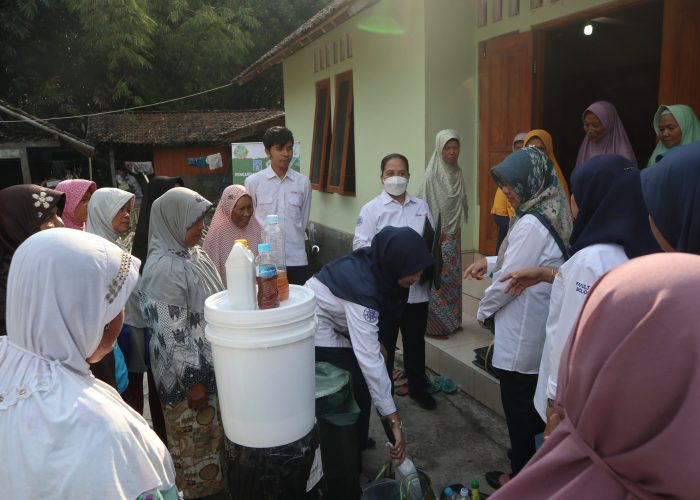
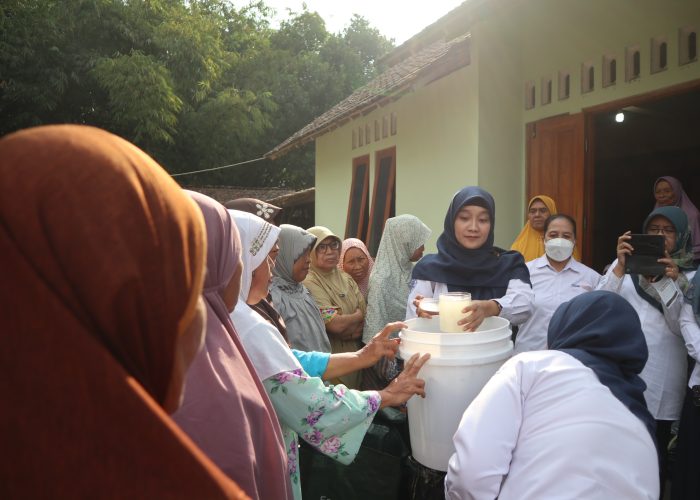
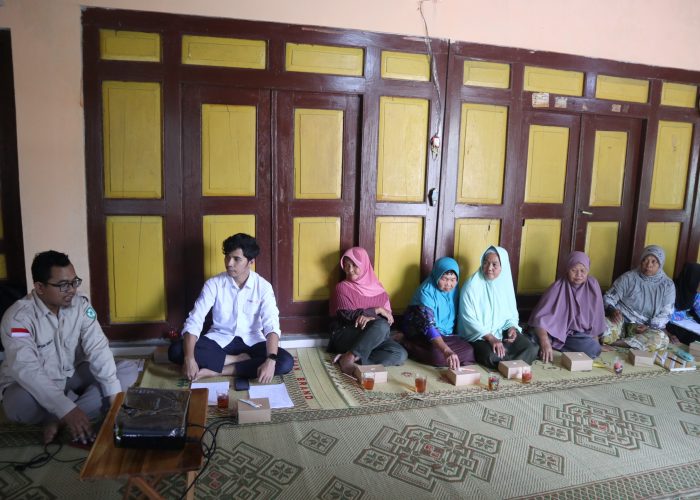
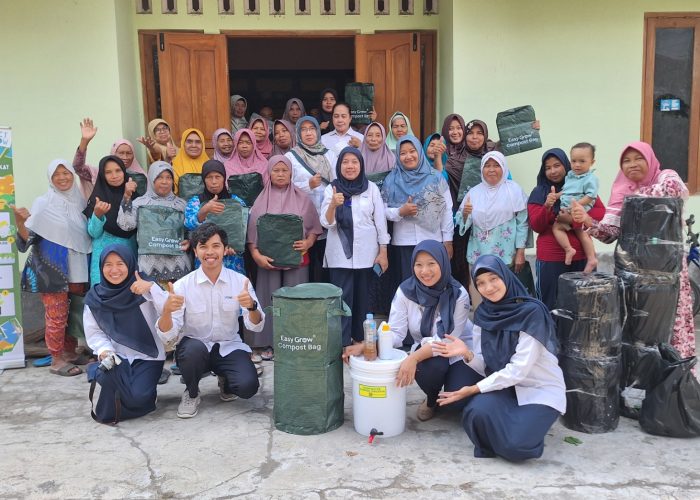
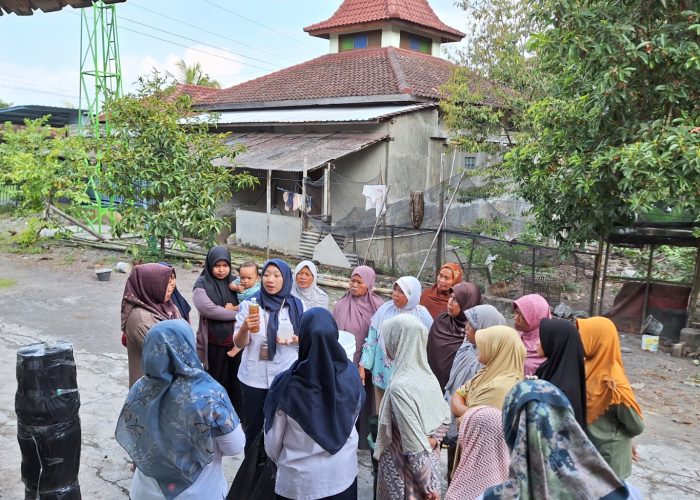
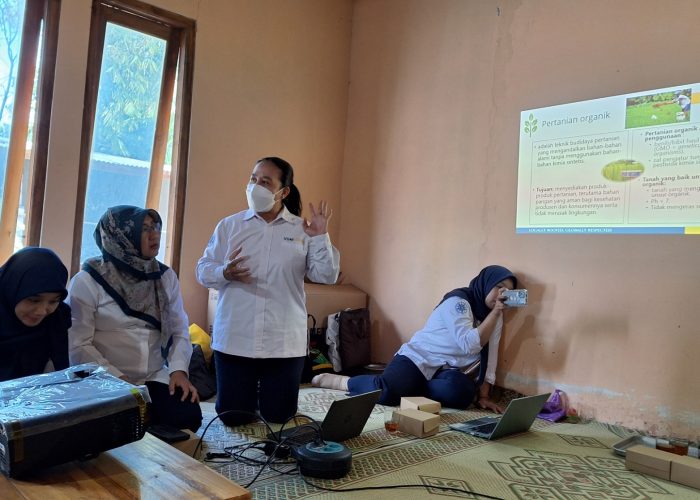
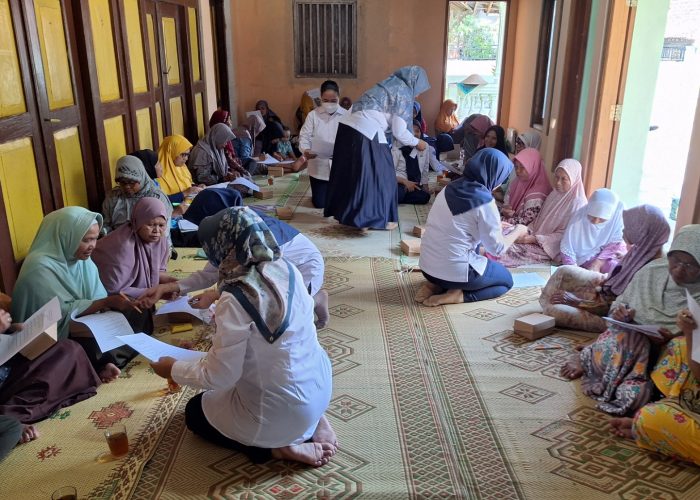
This program targets KWT women to address waste issues from tourism activities, including organic and inorganic waste. Through this activity, Kampung Satwa residents will learn effective and environmentally friendly waste management methods, helping maintain the cleanliness and sustainability of Kampung Satwa. Additionally, this program aims to educate visitors about environmental cleanliness, health, and personal hygiene.
This step ensures that animal data is up-to-date, well-organized, easily accessible, and sustainable. Structured and digital information will facilitate the management of animal collections and education for visitors and researchers. Besides being conducted by the IT and Creative Team of the Wagleri Foundation, this program involves children in Kampung Satwa in animal documentation.
The promotion and marketing of Kampung Satwa as a leading regional tourist destination will be conducted physically and digitally (audio-visual). This activity aims to attract a broader range of tourists, including students, researchers, and families, to promote environmental education from an early age.
This program targets KWT women skilled in cooking and crafting various handmade items. This activity has the potential to enhance Kampung Satwa’s reputation as a tourist destination while improving the welfare and economy of residents.