• UGM
  • Simaster Portal
  • IT Center
  • Webmail
  • KOBI
  • English
    • Bahasa Indonesia
Universitas Gadjah Mada Universitas Gadjah Mada
Faculty of Biology
  • ABOUT US
    • History
    • Organization
    • Vision and Mission
    • Lectures and Staff
      • Lecturers
      • Adjunct Professor
      • Supporting Staff
    • Facility
      • Laboratories
      • Research
      • Library
      • Museum
      • Mental Health Consultation
      • Disability
  • EDUCATION
    • Undergraduate Program
      • Graduates Learning Outcome
      • Academic Callendar
      • Course
    • IUP
    • Profession Program
      • What is the Professional Study Program in Biodiversity Curator (PKKH)?
      • Admission for New Students of the Biodiversity Curator Profession Program Study
      • Information and FAQ Study Program of Biodiversity Curator Profession
    • Master Program
      • Master Program in Biology Description
      • Curriculum Structure Master Program
    • Doctoral Program
      • Vision, Mission, Objectives, Targets, Competencies, and Learning Outcomes
      • Admission Requirement for Program Doctor in Biological Sciences
      • Admission: What Documents to be prepared?
      • Curriculum
    • Regulations
    • Accreditation & Quality Assurance
  • RESEARCH
    • Journal of Tropical Biodiversity and Biotechnology
    • Berkala Ilmiah Biology
    • Research
    • Publication
  • Community Service
    • Waste Management
  • STUDENTS & ALUMNAE
    • Student Organizations
    • Prospective Career Opportunities
    • SUMMER COURSE
    • Alumnae
  • Home
  • SDG 15 : Advance Life On Land
  • SDG 15 : Advance Life On Land
  • page. 13
Arsip:

SDG 15 : Advance Life On Land

The Faculty of Biology Held Training on Plant Embryology Microtechnique and Preparation Analysis for Researchers from PT. BISI International

CooperationNews Release Thursday, 1 August 2024

Plant embryology is a crucial parameter in botanical studies, including systematics, evolution, and biotechnology related to plant somatic embryogenesis. The natural or in vitro formation and development of embryos can analyzed through anatomical approaches. Analyzing plant anatomy requires special treatment and preparation of samples, necessitating a platform for discussion and training to update methods and share information.

The Plant Structure and Development Laboratory (SPT) at the Faculty of Biology, UGM, as part of its community service and to open collaborative opportunities, welcomed four researchers from PT. BISI International, Kediri, for a training and networking visit. These researchers, Esti Sri Lestari, S.Si., M.Sc., Ida Wilujeng Abidah Ubudiyah, S.Si., Lina Wahyu Hapsari, S.P., and Rahmawati Amaliah, S.Si., come from the Department of Biotechnology. The training took place over eight days, from August 22 to 31, 2024.


Dr. Maryani, M.Sc., head of the SPT Laboratory, welcomed the participants, and Dr. Eko Agus Suyono, M.App.Sc., Vice Dean for Research, Community Service, Collaboration, and Alumni Affairs, officially opened the event on Monday, August 22, 2024, at the SPT Laboratory, Building B. In his opening remarks, the vice dean emphasized the importance of research collaboration in the current era. The training included lectures/discussions on plant microtechnique and embryology, hands-on practice preparing embryology slides, analysis, and independent lab work. Lectures were given by Utaminingsih, S.Si., M.Sc., from the Plant Structure and Development Laboratory, with independent work supported for three days by lab assistant Ms. Prapti.

Dr. Slamet Widiyanto, M.Sc., officially closed the event on Wednesday, August 31, 2024. In his closing remarks, he reiterated that the goal of this training extends beyond the eight days and should serve as the beginning of future research collaborations. He encouraged participants to share the benefits of the training widely and provide feedback to the Faculty of Biology, especially the SPT Laboratory, for any improvements.

This training supports the Sustainable Development Goals (SDGs), particularly in fostering partnerships and cooperation (SDG 17), and aims to benefit the general welfare of Indonesian society (SDG 3). Additionally, it aligns with the government’s program to enhance the quality of education (SDG 4).

Hopefully, this training became a kickstart of collaboration and research partnership between the Faculty of Biology UGM and PT BISI International. The knowledge and technical skills gained during the training would be valuable for participants and related institutions.

Workshop on the History and Development of Stand Vegetation at the Faculty of Biology UGM

News Release Tuesday, 30 July 2024

The Faculty Senate of Biology UGM organized a Workshop on the History and Development of Stand Vegetation at the Faculty of Biology UGM on Monday, July 29, 2024, at Hotel Wisma MM UGM Yogyakarta. The event aimed to understand the history and development of the UGM biology forest and to identify the characteristics of stand vegetation at the Faculty of Biology UGM. Currently, there are various names for the west area of the Faculty of Biology, such as Biology Forest, Biology Garden, Botanical Garden, and Biological Park. Therefore, a workshop is needed to discuss the characteristics of the stand vegetation and their development. This aligns with the remarks of Dr. Abdul Razaq, Head of the Tropical Biology Department, representing the Faculty leadership, “The faculty hopes that there will be strategic steps that can operationalized, not just workshop documents, but also included in the Faculty’s Strategic Plan to guide the faculty’s operations.”


The workshop began with a presentation on “The History and Background of the Biological Forest” by Prof. Dr. Suwarno Hadisusanto, S.U., the Chair of the Faculty Senate, followed by presentations from Prof. Dr. Ir. Budiadi, S.Hut., M.Agr.Sc., IPU. a lecturer at the Department of Silviculture, Faculty of Forestry UGM on “Understanding, Characteristics, and Benefits of Forests,” moderated by Dr. Rr. Upiek Ngesti Wibawaning Astuti. Next, Prof. Dr. Purnomo, M.S., a lecturer at the Faculty of Biology UGM presented on “Gardens: Definition, Characteristics, and Functions,” moderated by Abdul Razaq Chasani, S.Si., M.Si., Ph.D. Following the presentations, there was a discussion and Q&A session to clarify any unclear points. The workshop is expected to result in an official legal framework for management and development of the Biology Forest.

SDGs Goal 4: Quality Education and Goal 15: Life on Land

Faculty of Biology UGM Hosts Courtesy Meeting to Welcome Speakers for The 7th International Summer Course on Tropical Biodiversity and Sustainable Development 2024

News Release Tuesday, 30 July 2024

Yogyakarta, July 29, 2024 – The Faculty of Biology, Universitas Gadjah Mada (UGM), held a courtesy meeting with renowned universities from ASEAN and Europe as part of the 7th International Summer Course (ISC) on Tropical Biodiversity and Sustainable Development: Sustainable Bioprospecting of Tropical Biodiversity 2024.


The meeting invited delegates from Universiti Tun Hussein Onn Malaysia, Ts. Dr. Siti Fatimah Binti Sabran; Universiti Tunku Abdul Rahman, Malaysia, Dr. Nor Ismaliza Binti Mohd Ismail; University of the Philippines Los Baños, the Philippines, Assoc. Prof. Dr. Alona Cuevas Linatoc; Leipzig University, Germany, Dr. Ahmed Abd El Wahed and Prof. Dr. Uwe Truyen; Kasetsart University, Thailand, Assoc. Prof. Dr. Kornsorn Srikulnath and Dr. Thitipong Panthum; and Cairo University, Egypt, Prof. Said Ali Eid Elsalamouny. The meeting was also attended by representatives from the Faculty of Biology, including the Dean, Prof. Dr. Budi Setiadi Daryono, M.Agr.Sc. Vice Dean for Research, Community Service, Collaboration, and Alumni Affairs, Dr. Eko Agus Suyono, M.App.Sc., Chairman of ISC 2024, Mukhlis Jamal Musa Holle, D.Phil., Dr. Sukirno, Dr.rer.nat. Abdul Rahman Siregar, S.Si., M.Biotech., and Dr. Tri Rini Nuringtyas, S.Si., M.Sc.

The courtesy meeting was held to welcome the guests who will participate as speakers at the ISC and to discuss opportunities for inter-university collaboration. The Dean of the Faculty of Biology, as the host, expressed his appreciation for the delegates’ participation and hoped that this meeting would pave the way for more inclusive educational and research collaborations in the future (SDG 4 and 17).

This year, the ISC is conducted in a hybrid format, with online sessions held on July 15, 17, 19, 22, and 24, and offline sessions taking place from July 29 to August 2. This year’s summer course is attended by participants from 14 countries: Indonesia, Malaysia, Japan, the Philippines, Thailand, Pakistan, the Netherlands, the United Kingdom, India, Egypt, Sri Lanka, Myanmar, Algeria, and Yemen. There are a total of 57 hybrid participants, consisting of 9 local and 48 international participants, with 33 attending the offline sessions.

This event is part of the Faculty of Biology UGM’s ongoing efforts to enhance its international network and contribute to the global advancement of biological sciences. The ISC features international panellists who present various topics related to biodiversity, resource conservation, land and water ecosystem preservation, contributions to climate change urgency, and resource utilization through sustainable bioprospecting topics (SDG 13, 14, 15).

The 7th International Summer Course in Sustainable Development Officially Opens, Presenting Expert Panelists from Various Countries

News Release Tuesday, 30 July 2024

Yogyakarta, 29 July 2024 – The 7th International Summer Course in Sustainable Development: Sustainable Bioprospecting of Tropical Biodiversity is officially opened. This annual event organized by the Faculty of Biology, Universitas Gadjah Mada, started its offline agenda after opening its online session Monday (15/7) which was followed by a series of guest lectures from various experts from around the world.

At least 33 offline participants took part in the opening of the International Summer Course (ISC), located in the Seminar Room, Library and Archives Building, Universitas Gadjah Mada. The participants consisted of 27 international students and 6 local students. Coupled with online participants, this year ISC succeeded in attracting 58 participants from 14 countries including Indonesia, Malaysia, Japan, the Philippines, Thailand, Pakistan, the Netherlands, the United Kingdom, India and Egypt.

“Let’s leverage our collective wisdom to foster biodiversity for a greener, more resilient world,” said Dr. Eko Agus Suyono, M.App.Sc., Vice Dean for Research, Community Service, Collaboration and Alumni Affairs, Faculty of Biology UGM in his speech, Monday (29/7).


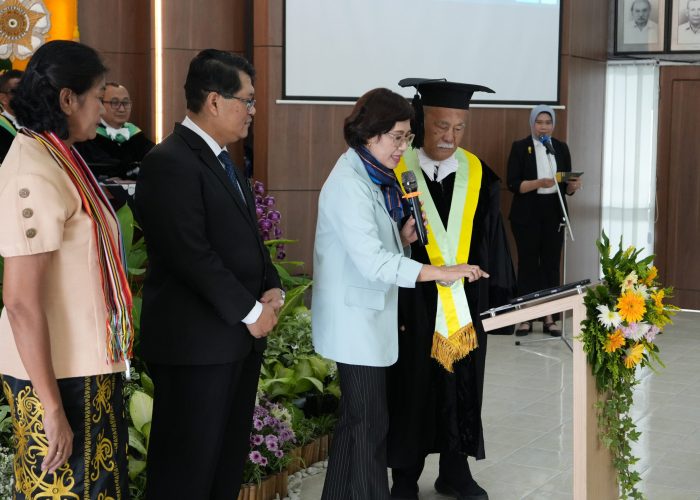
Ir. Wiratni, S.T., M.T., Ph.D. as Secretary of the Directorate of Global Partnerships and Relations at UGM then delivered her remarks. She expressed her welcome and appreciation for the arrival of participants from various countries to take part in the summer course this time. ISC was officially opened by awarding pins and hats to two participant representatives by Dr. Eko and Dr. Wiratni, followed by a Kalimantan traditional dance performance by postgraduate students from the Faculty of Biology UGM.

The next series of offline lectures was held after the opening of ISC on Monday morning, presenting speakers from various countries. The lecture series began with the first panel presentation by Dr. Siti Fatimah from Universiti Tun Hussein Onn Malaysia, and Dr. Alona Linatoc from the University of the Philippines Los Banos, moderated by Ludmilla Fitri Utari M.Si.. The two panelists delivered material on the topic of ethnobotany, highlighting the interaction and role of the ecosystem environment and humans in it. Ethnobotany emphasizes the various cultures of various regions and how the people in them use local plants and their ecosystems (SDG 15).

The second panel presented two panelists from the Institute of Animal Hygiene and Veterinary Public Health, University of Leipzig, Germany, Dr. Ahmed El Wahed and Prof. Uwe Truyen with moderator Dr. Abdul Rahman Siregar. Both delivered material related to maintaining biodiversity for sustainable health “One Health”. Both touched on The One Health Joint Plan of Action through collaboration involving various parties, researchers from various parts of the world to alleviate world health problems (SDG 3).

The next panel related to natural products and bioprospecting was presented by Dr. Tri Rini Nuringtyas from the Faculty of Biology UGM, and Dr. Nor Ismaliza from Tunku Abdul Rahman University, Malaysia, moderated by Woro Anindito Sri Tunjung, Ph.D. Dr. Nuning and Dr. Nor delivered an interactive presentation regarding the use of various natural materials into products with potential economic value (SDG 15 and 8).
The final panel, entitled Genetic Bioresource, was delivered by Konsorn Srikulnath, Ph.D. from Kasetsart University, Thailand, moderated by Dr. Aprilia Sufi Subiastuti. He explained about the research unit at his institution “Animal Genomic and Bioresource Research Unit” (AGB Research Unit) which focuses on studying animal genomics including bulls (genetic monitoring), chickens (increasing gene varieties), fish and crocodiles (SDG 14 and 15).
All participants were enthusiastic in attending the series of openings and lectures. The activities will be continued with cultural trips and field lectures with various interesting destinations related to the big theme of this year’s summer course, bioprospection. The 7th International Summer Course in Sustainable Development is expected to become a forum for collaboration between students, lecturers and researchers, and become a discussion forum for increasing the potential for sustainable education and research (SDG 4 and 17).
Workshop on Vertebrate Taxidermy by the Animal Systematics Laboratory, Faculty of Biology, UGM

News Release Monday, 29 July 2024

The Animal Systematics Laboratory Faculty of Biology, UGM, in collaboration with the Indonesian Biology Generation Foundation (Genbinesia), organized a Workshop on Vertebrate Taxidermy from July 26 to 28, 2024. The workshop featured Donan Satria Yudha, S.Si., M.Sc., Dr. Rury Eprilurahman, S.Si., M.Sc., and Dr. Dwi Sendi Priyono, S.Si., M.Si. as speakers. Donan Satria Yudha, S.Si., M.Sc. delivered the Basics of Taxidermy, Ethics of Taxidermy, and Types of Fauna for Taxidermy. The next speaker Dr. Rury Eprilurahman, S.Si., M.Sc. presented an Introduction to Fauna Photography Techniques, and Dr. Dwi Sendi Priyono, S.Si., M.Si discussed an Introduction to Fauna Biodiversity Monitoring Techniques Using the Latest Technology. These topics are closely related to taxidermy, especially in understanding the general poses of animals when they were alive and identifying fauna through molecular methods. The training was assisted by two postgraduate students from the Faculty of Biology UGM, Rashif Naufal Andhika, S.Si., and Ananto Puradi Nainggolan, S.Si., along with Rahma Izzati, S.Si., an alumna from The Faculty of Biology and FX Sugiyo Pranoto, S.Si., the UGM Biology Museum technician.


The workshop inaugurated by the Head of the Tropical Biology Department Faculty of Biology UGM, Abdul Razaq Chasani, S.Si., M.Si., Ph.D.. The event aimed to achieve three primary goals: (1) Expand the community service activities of the Faculty of Biology UGM and the Animal Systematics Laboratory in line with their areas of expertise; (2) Strengthen the role and reputation of the Faculty of Biology UGM in biodiversity-related fields, with a focus on vertebrate fauna; and (3) Act as a promotional platform for the Faculty of Biology, particularly highlighting the Biodiversity Curator Professional Study Program (PKKH). The training had 23 participants from various institutions, including lecturers, zoo staff, high school teachers, postgraduate students, laboratory technicians, veterinarians, and employees from PT Freeport Indonesia.

This training contributes to achieving the Sustainable Development Goals (SDGs), particularly in SDGs No.4 on Quality Education, SDGs No.15 on Life on Land, and SDGs No. 17 on Partnerships for the Goals. All participants received certificates for their participation. The training is expected to provide insights into taxidermy, particularly on becoming a biological curator and understanding the ethics and procedures of taxidermy.

Strengthening Cooperation and Collaboration on Biodegradable Plastics With PT Greenhope, Indonesia: A Lecturer of Faculty of Biology, UGM, Conducts Capstone Project Activities

News Release Sunday, 28 July 2024

The issue of waste is becoming increasingly critical, posing threats to environmental health on land, marrine, and air. Thus, there is a need for well-structured waste management mechanisms, supported by advanced technology, to tackle this challenge. One long-standing effort has been implementing the 3R+1R approach: Reuse, Recycle, and Reduce, with an addition of Return to Earth. This approach has been developed by PT Greenhope Indonesia. “Return to Earth” addresses a missing piece by offering biodegradable and biopolymer-based plastic solutions to combat plastic waste pollution and the climate crisis. This theme aligns with the research conducted by the Smart Genetics Research Group, led by Ganies Riza Aristya, S.Si., M.Sc., Ph.D., a lecturer in the Genetics and Breeding Laboratory, Faculty of Biology, Universitas Gadjah Mada (UGM).

From July 22-24, 2024, Ganies had the opportunity to collaborate with PT Greenhope Indonesia in the implementation of the Capstone Project Program from the University Quality Assurance and Reputation Unit. The Capstone Project allows faculty members to integrate and apply their expertise and competencies to solve industrial problems. The theme for this collaboration focused on a new breakthrough in biodegradable plastic products derived from Microbial Cell Factory, specifically recombinant yeast. Biodegradable plastics contribute significantly to environmental health and sustainability, especially in reducing the impact of plastic waste. They can replace conventional plastics in various applications, such as food packaging, product packaging, and laboratory equipment.

The activities began with discussions and presentations, conducted both online and offline at PT Greenhope’s office, laboratory, and factory. Additionally, direct observation of the production process for biodegradable products such as Oxium, Ecoplas, and Naturaloop from PT Greenhope was conducted. Ganies also explained the genetic transformation processes and methods developed to produce biodegradable plastics from recombinant yeast. Both parties agreed to pursue joint research activities, supported by an MoU and collaboration proposal. Ganies expressed hope that this collaboration will continue to grow, producing sustainable, environmentally friendly, and forward-looking products. Representing PT Greenhope, Dr. Hardaning Pranamuda, M.Sc., Director of R&D, along with two researchers, Muhammad Ardiyansyah, S.Si., and Ir. Daffa Dewa Saputra, S.T., welcomed the collaboration with enthusiasm and commitment to mutual contribution. Research and development of biodegradable plastics can significantly contribute to achieving several Sustainable Development Goals (SDGs), particularly in efforts to reduce the impact of plastic waste on the environment and human health, said Hardaning during the closing of the discussion session.

In addition to its significant contribution to solving waste problems, this activity aligns with the achievement and implementation of several SDGs: SDG 12: Responsible Consumption and Production. Biodegradable plastics help meet the SDG 12 target related to waste reduction and hazardous material management. SDG 14: Life Below Water. Biodegradable plastics can reduce the impact of plastic waste on marine ecosystems and promote environmental health. SDG 15: Life on Land. Biodegradable plastics can help reduce the impact of plastic waste on terrestrial ecosystems, such as reducing soil and air pollution and promoting environmental health. SDG 13: Climate Action. Biodegradable plastics can help reduce greenhouse gas emissions associated with the production and disposal of conventional plastics. SDG 9: Industry, Innovation, and Infrastructure. Research and development of biodegradable plastics can boost innovation and provide new opportunities for a more sustainable plastics processing industry.

Training and Competency Test for Orchid Planting Practitioners Successfully Held at UGM Biotechnology Competency Test Center

News Release Saturday, 27 July 2024

Yogyakarta, July 25, 2024 – The Faculty of Biology Universitas Gadjah Mada (UGM) successfully conducted training in Orchid Cultivation and a competency test for Orchid Planting Practitioners qualification. The Dean of the Faculty of Biology UGM, Prof. Dr. Budi Setiadi Daryono, M.Agr.Sc., officially opened the training on July 22, 2024. The training had 16 attendees, while the competency test saw participation from 22 individuals hailing from different regions across Indonesia, comprising academics, practitioners, alumni, and students. The event successfully enhanced the participants’ knowledge and skills in orchid cultivation.


The intensive three-day training, from July 22 to 24, 2024, focused on orchid planting techniques, from preparing planting media to caring for mature plants. The training materials were presented by orchid experts, including Prof. Dr. Endang Semiarti, M.S., M.Sc., and Aries Bagus Sasongko from the Faculty of Biology UGM, Dr. Ixora Sartika Mercuriani from Yogyakarta State University, and Eniek Sulistyanti, an experienced orchid practitioner. The training covers theoretical and practical sessions on planting bottled orchid seedlings, repotting, grading, sorting orchids, and post-harvest handling of orchids. The training was a collaboration between the Laboratory of Biotechnology Faculty of Biology UGM and Orchid Enthusiasts Association (PAI) DPD DIY.

“This training aims to enhance participants’ knowledge and skills in orchid cultivation, thus contributing to the development of the orchid industry in Indonesia,” said Prof. Dr. Budi during the opening ceremony.

After the training, participants took the competency test held at the Biotechnology Competency Test Center, Faculty of Biology UGM, on July 25, 2024, with assessors from the National Agriculture Professional Certification Agency (LSP) Malang, Drs. Surini Santosa, M.Si., Ari Setyowati, M.P, and Drs. Kaswan Badami, M.Si. The exam assesses participants’ competencies, consisting of 24 competency units required by orchid planting practitioners. Coordinator of the Biotechnology Competency Test Center, Prof. Dr. Endang Semiarti, M.S., M.Sc., welcomed the enthusiasm of the competency test participants, marking the first batch for Orchid Planting Practitioner competency at the Biotechnology Competency Test Center, Faculty of Biology UGM.

“Competency certification is important for orchid cultivation business actors, as it can enhance the competitiveness of their products in the market,” said Drs. Surini Santoso, M.Si., in his speech as Director of the LSP Agriculture Malang. The Vice Dean for Research, Community Service, Collaboration, and Alumni Affairs officially opened the Competency Test. He stated, “Besides the competency for Orchid Planting Practitioners, the Biotechnology Competency Test Center also holds Competency Tests for other competencies such as Plant Tissue Culture and invites participants to take the competency test scheduled for late 2024.”

The competency test results announced on Thursday afternoon showed that all participants were recommended as competent. Responding to the recommendations, all participants were happy and hoped to continue orchid cultivation activities in their respective places. (A.B. Sasongko)

Wukirsari Partner Village: Integrated Agriculture Development Based on Waste Management and Processing

News ReleaseWaste Management Thursday, 25 July 2024

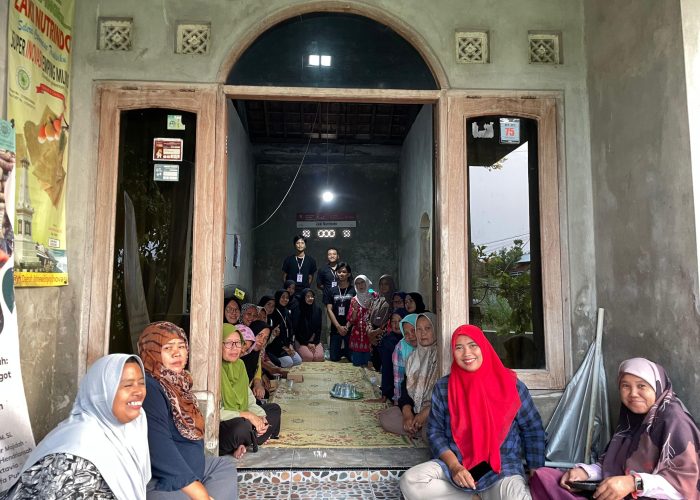
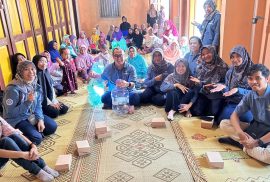
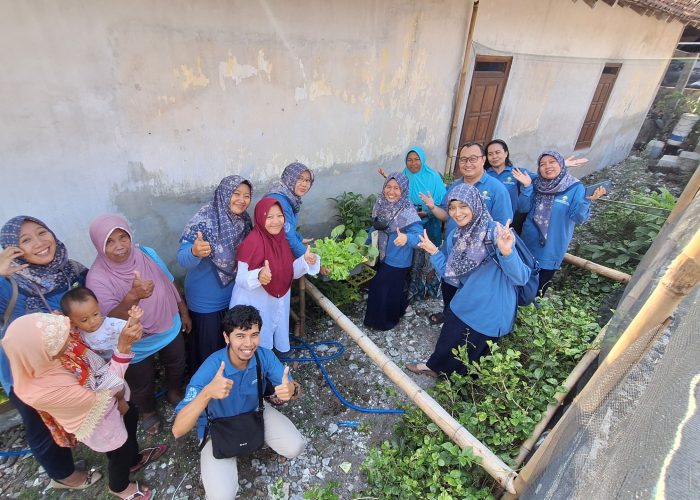
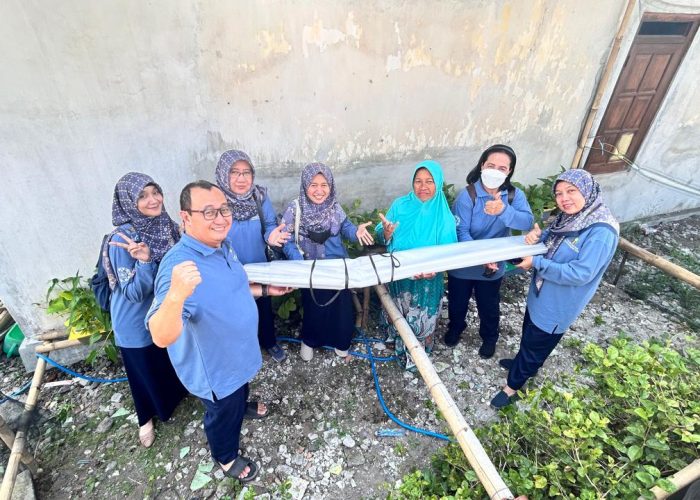
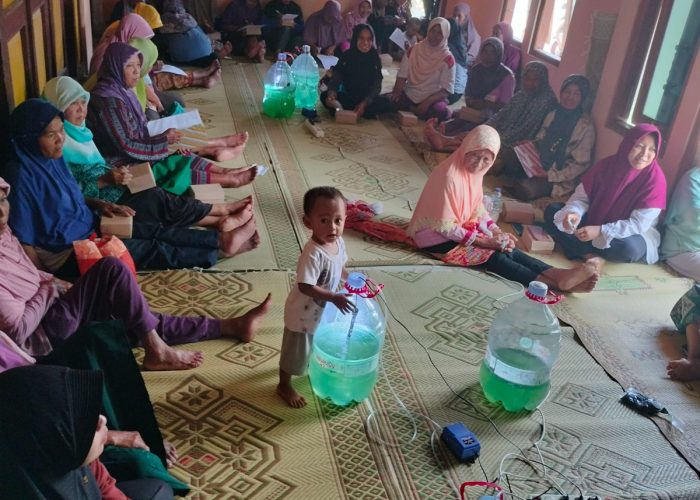
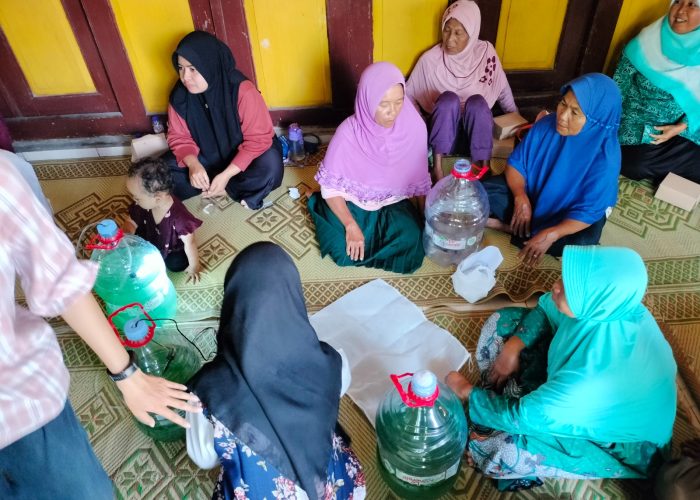
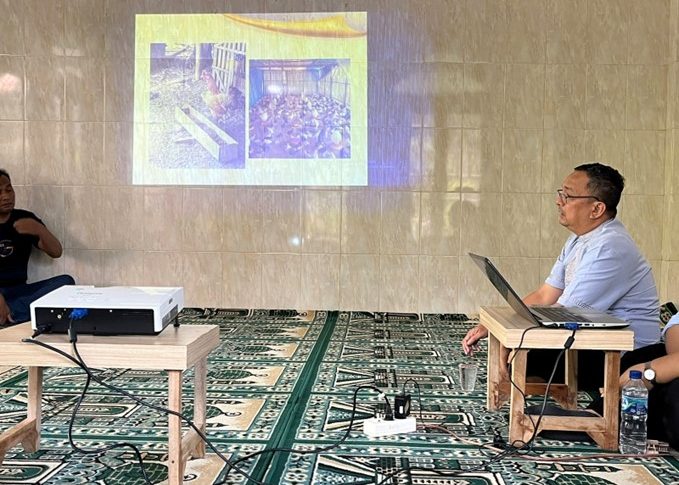
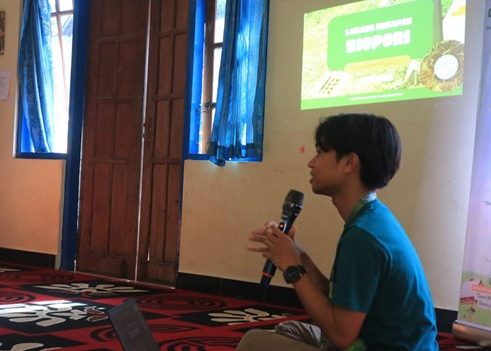
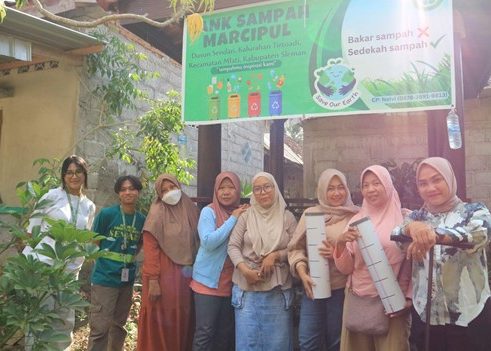
To carry out higher educationTri Dharma, The Faculty of Biology UGM initiated the Partner Village program at Wukirsari Village, Cangkringan District, Sleman Regency, Yogyakarta Province. A memorandum of understanding was signed between the Dean of the Faculty of Biology UGM, Prof. Dr. Budi Setiadi Daryono, M.Agr.Sc., and the Head of Wukirsari Village, Mr. Handung Tri Rahmawan, on June 5, 2024, for community service activities with a duration of 5 years. The 2024 activities focus on the Integrated Agriculture Development program incorporating waste management and processing. The proposing team from the Faculty of Biology UGM for the Wukirsari Partner Village program is chaired by Rina Sri Kasiamdari, S.Si., Ph.D., with members including Prof. Dr. Diah Rachmawati, S.Si., M.Si.; Dr. Maryani, M.Sc.; Dr. Eko Agus Suyono, M.App.Sc.; Utaminingsih, S.Si., M.Sc.; Dr. Aprilia Sufi Subiastuti, S.Si.; Dr. Siti Nurbaiti, S.Si.; Novita Yustinadiar, S.Si., M.Si.; and Dr. Wiko Arif Wibowo, S.Si.


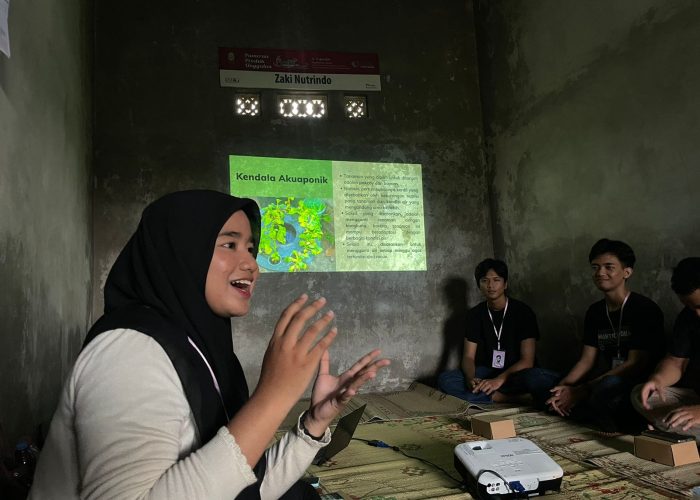
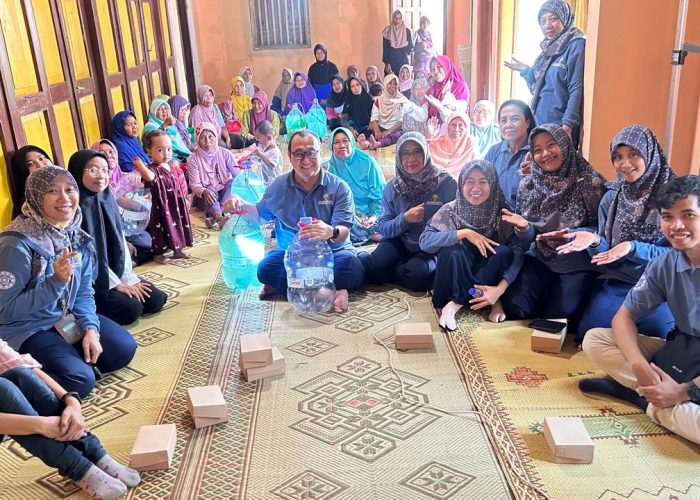
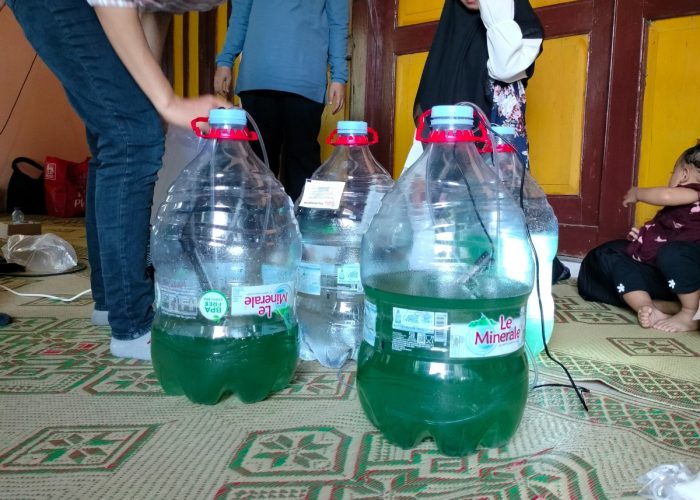
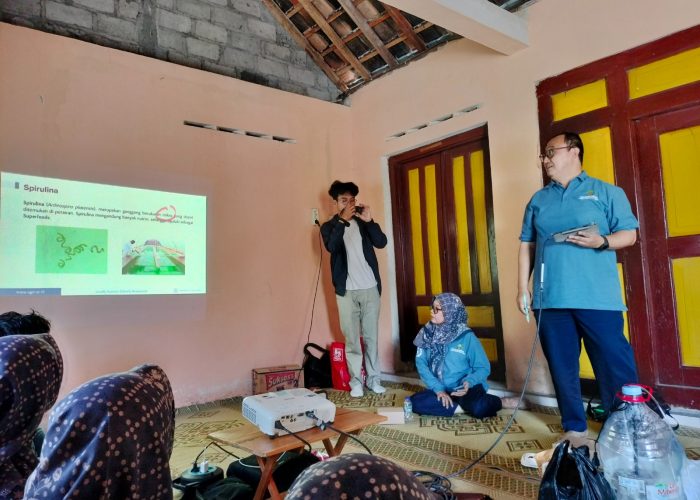
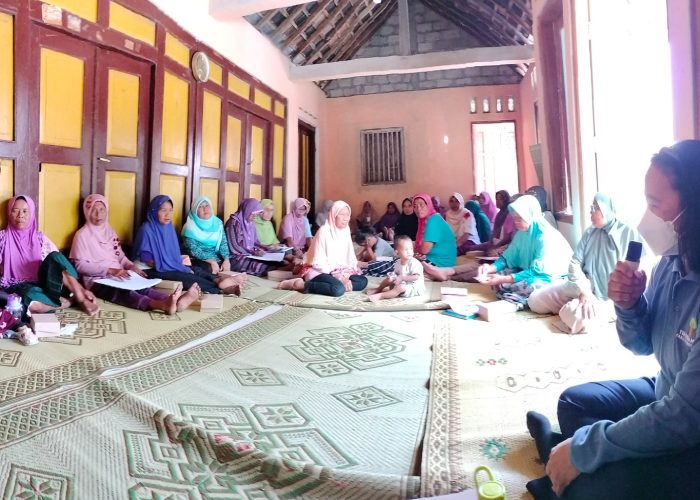
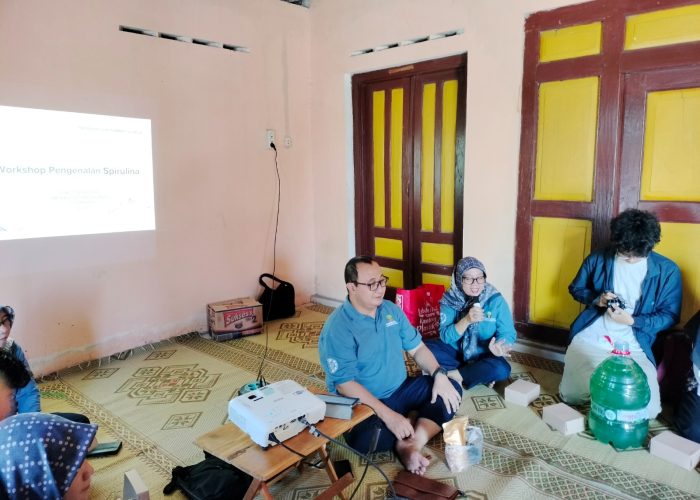
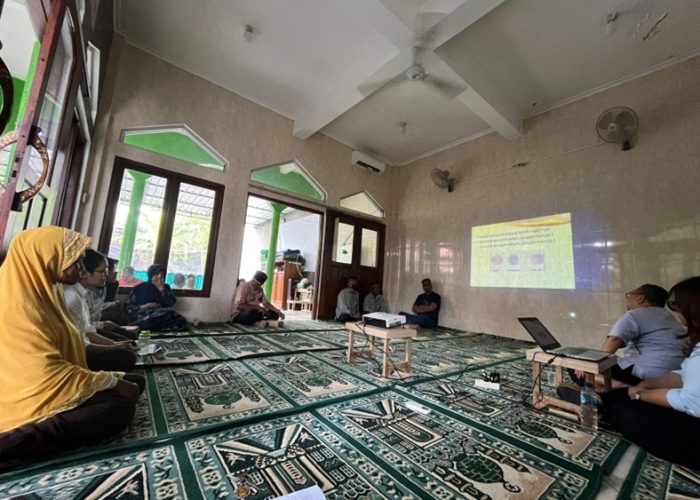
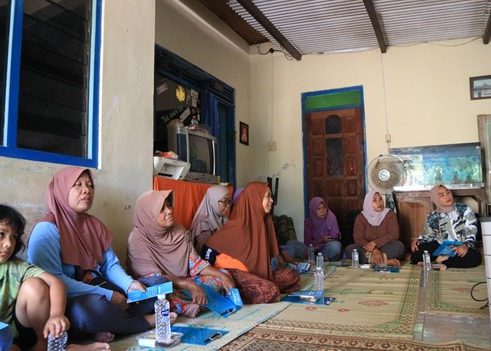
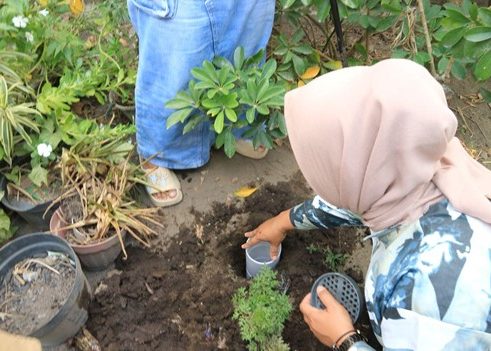
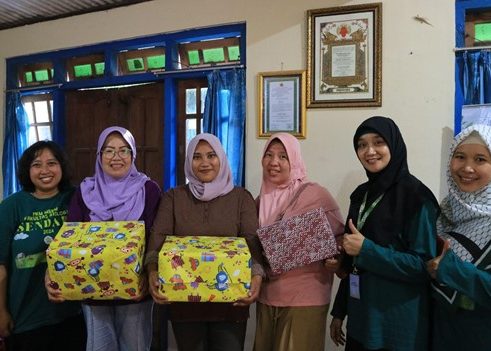
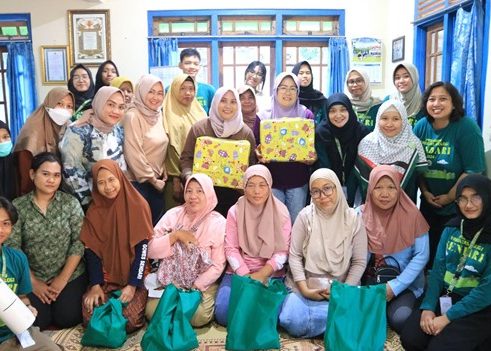
The first activity was held on Monday, July 22, 2024, in Sruni Hamlet, targeting the PKK (Family Welfare Empowerment) group. This activity focused on introducing waste, economically valuable waste management, and organic waste processing. Rina Sri Kasiamdari, the team leader, stated that this activity will be conducted continuously, starting with waste introduction and processing, hydroponics and microalgae introduction, and using organic fertilizers from waste processing for home gardening. “The issue of waste management needs special attention from all of us in the Special Region of Yogyakarta, including Sleman, especially since waste management has returned to the local government,” said Rina in her speech.

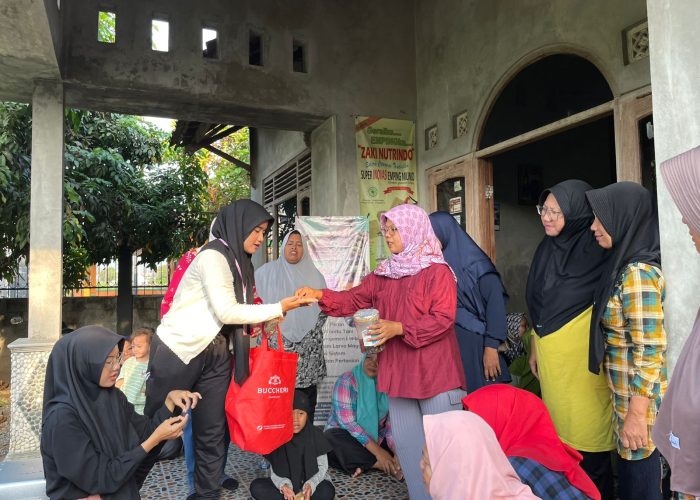
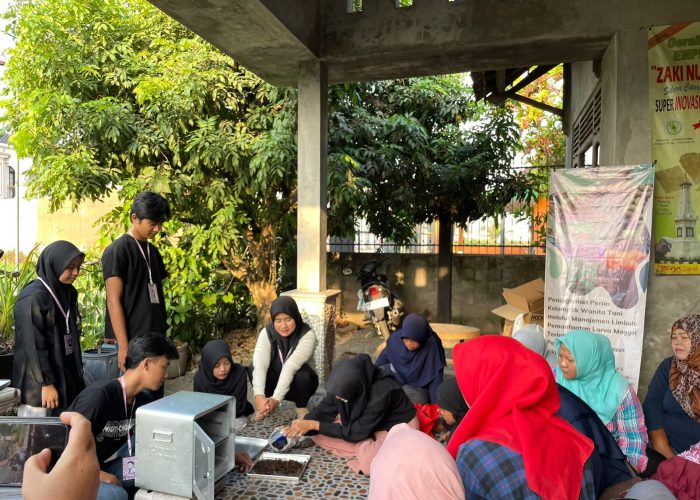
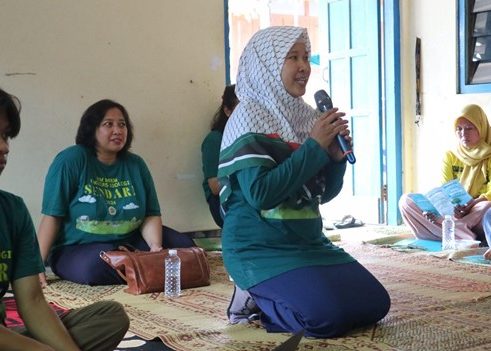
The presentations began with Ria Karyanto, S.Kom., discussing waste banks and continued with an introduction to organic fertilizers delivered by Dr. Maryani, M.Sc.. Next, Novita Yustinadiar, S.Si., M.Si., conducted training on making solid organic fertilizers, and Dr. Aprilia Sufi Subiastuti, S.Si., led a session on creating liquid organic fertilizers. This session was attended by 37 PKK members from Sruni Hamlet. Based on the questionnaires and testimonials from the PKK group, the community generally did not know about the types of waste, waste management, and waste processing into organic fertilizers. During the first activity of the Partner Village program, compost bags were distributed to each resident for home application, and compost buckets distributed to groups of residents, which were monitored monthly by the team.

This program is related to various aspects of the SDGs (Sustainable Development Goals), particularly SDG number 11 (Sustainable Cities and Communities) and 12 (Responsible Consumption and Production), but also related to SDG number 3 (Good Health and Well-Being), 6 (Clean Water and Sanitation), 13 (Climate Action), and 15 (Life on Land).

Contributing to Increasing Biosecurity Innovation and Biodiversity Conservation, Faculty of Biology UGM Holds the 8th National Seminar on Tropical Biology

CooperationHeadline Tuesday, 23 July 2024

Yogyakarta, 20 July 2024 — The Faculty of Biology, Universitas Gadjah Mada (UGM) held the 8th National Seminar on Tropical Biology (SNBT) on 20 July 2024. This year, the seminar was held in a hybrid with “Biosecurity Innovation and Tropical Biodiversity Conservation” theme. This event, which was held at the Auditorium of the Faculty of Biology, aims to provide a platform for academics, researchers, practitioners and students to discuss current issues and innovative solutions in biosecurity and biodiversity conservation in tropical regions. This seminar activity began with a report from Dr. Siti Nurbaiti as chair of the 2024 SNBT Committee, followed by remarks by Prof. Dr. Mirwan Ushada, Director of Research representing the Rector of UGM and opened by Prof. Dr. Budi Setiadi Daryono. M.Agr.Sc., as Dean of the Faculty of Biology UGM. This seminar was attended by around 100 participants from 21 institutions in Indonesia. On this occasion, an MoU was also signed between the Faculty of Biology UGM and PT. Rentokil Indonesia. It is hoped that this collaboration can be a form of synergy between academics and industry, especially regarding the issue of biosecurity and Indonesian biodiversity.


As the first keynote speaker, Ir. Medrilzam from BAPPENAS raised the topic “The Role of Government Policy for Biodiversity Conservation”. In his presentation, Ir. Medrilzam delivered the Indonesian Biodiversity Strategy and Action Plan (IBSAP), the Indonesian government’s strategy for preserving biodiversity, and how these policies are expected to shape people’s behavior towards a positive nature.

As the second speaker, Drs. Heri Susanto from PT. Rentokil Indonesia discussed “The Role of Biological Science and Digital Technology in Sustainable and Environmentally Friendly Pest Control”. In this session, Drs. Heri Susanto conveyed the exploration of the integration of biological science with digital technology to develop pest control methods that are more effective and environmentally friendly.

The third speaker, Mrs. Rina Sri Kasiamdari, Ph.D. delivered material on “The Role of Fungi in Biosecurity and Biodiversity Conservation”. The focus of this discussion is the role of fungi as biosecurity agents in maintaining biodiversity, as well as how fungi can be used in conservation efforts.

The plenary session of the three speakers was enlivened with questions from seminar participants ranging from biodiversity protection related to infrastructure developments to opportunities for food source options with high nutrition from the variety of diversity that Indonesia has to meet food needs and in terms of handling. pest. The seminar activities were continued with parallel sessions filled with presentations by the participant speakers on various research titles, which were carried out offline and online.

The 8th SNBT in 2024 was closed by Dr. Eko Agus Suyono, M.App.Sc., as Vice Dean for Research, Community Service, Collaboration and Alumni Affairs. In his closing remarks, he said that SNBT is a forum for increasing understanding of biosecurity and tropical biodiversity conservation through in-depth discussions with experts in the field, thereby inspiring innovation and collaboration between academics, researchers and practitioners in efforts to protect biodiversity, encourage policy development and new strategies that can be implemented to preserve the environment and support the sustainability of tropical ecosystems. It is also hoped that this national seminar will create synergistic cooperation between the participants who attend, which is expected to be a positive thing that can build and provide more impact regarding issues related to the topic of biosecurity and tropical biodiversity conservation in the future. Furthermore, this seminar plays a role in implementing several points of Sustainable Development Goals (SDG’s): 2. Zero hunger, 3. Good health and well-being, 4. Quality education, 6. Access to clean water and sanitation, 7. Affordable and clean and energy, 9. Industry, innovation and infrastructure, 11. Sustainable cities and communities, 13. Climate change action, 14. Maintaining marine ecosystems, 15. Maintaining land ecosystems and 17. Partnerships for the goals.

Lecture Series the 7th International Summer Course in Sustainable Development 2024: Professor from Yamagata University Japan Highlights the Urgency of Addressing Climate Change in Pollinator Insect Conservation Efforts

News Release Monday, 22 July 2024

Yogyakarta, 22 July 2024 – The 7th International Summer Course in Sustainable Development: Sustainable Bioprospecting of Tropical Biodiversity lecture series in 2024 continues by presenting various experts from all over the world. In this series, we present a professor in the field of Pollination Biology from Yamagata University, Prof. Jun Yokoyama who brought up the topic of disruption in pollinator insect diversity and how it affects world climate change.


This session was moderated by Atikah Fitria Muharromah, S.Si., M.Eng. from the Entomology Laboratory, Faculty of Biology, Universitas Gadjah Mada. Atikah introduced Prof. Jun is an expert in the fields of evolutionary biology, ecology and conservation. His research examines many pollinator insects, ecosystems and their effects on the environment.

Prof. Jun started his presentation by explaining pollinating insects, especially Hymenoptera, and emphasized the mutualistic relationship between insects and plants through the exchange of pollen and nectar. He highlighted how insect groups have preferences for certain flowers. Certain insects, especially bees and wasps, play a large role in global food production, Prof. Jun added. These insects bridge the process of flower pollination and influence the amount of food production.

Prof. Jun highlighted the current climate change conditions, especially in tropical areas, heavy logging of forests, and food production which has increased significantly to meet the needs of the ever-increasing human population. He emphasized that there had been a reduction in the number of pollinators by up to 40%. The urgency of dealing with increasingly extreme climate change is important in efforts to conserve resources and mitigate other larger disasters.

The professor from Yamagata University then introduced the “Hamanaru Maruhana Project”, an effort to conserve and collect data on the distribution of bees in Japan. The project aims to estimate past, present and future distributions to be used as reference data for analysis of conservation efforts.

Closing the online lecture session, Prof. Jun again emphasized the importance of the role of pollinators and how climate and environmental change affects them. It is hoped that through this lecture, ISC participants can contribute to sustainable conservation efforts in the future.
1…1112131415…19

Accreditation

Recent Posts

  • Faculty of Biology Researchers Collaborate in eDNA Workshop for Pathogen Detection in Wildlife Trade
  • UGM–ANU Double Degree Program: Pathways to Global Academic Excellence
  • Faculty of Biology UGM Engages Doctoral Students in Academic Progress Monitoring
  • UGM–UTS Strengthen Academic and Research Collaboration through “Study & Research in Australia” Sharing Session
  • Tunghai University Lecturers Share Butterfly Genetics Research in Guest Lecture at UGM Faculty of Biology
Universitas Gadjah Mada

UNIVERSITAS GADJAH MADA

FACULTY OF BIOLOGY
Teknika Selatan Street, Sekip Utara,
Yogyakarta 55281
biologi-ugm@ugm.ac.id
Phone/Fax: +62 (274) 580839

About us

  • History
  • Organization
  • Vision and Mission
  • Staff

Student Affairs

  • Student Service
  • Student Organization
  • Submission for Practical Field Work
  • Permission Field Research
  • Permission Thesis/Disertation

academic

  • Academic Regulations
  • Academic Anonncement

Accreditation

  • Image 1
  • Image 2
  • Image 3

© 2024 FACULTY OF BIOLOGY UNIVERSITAS GADJAH MADA

KEBIJAKAN PRIVASI/PRIVACY POLICY

[EN] We use cookies to help our viewer get the best experience on our website. -- [ID] Kami menggunakan cookie untuk membantu pengunjung kami mendapatkan pengalaman terbaik di situs web kami.I Agree / Saya Setuju