SDG 15 : Advance Life On Land
Biology students at Gadjah Mada University (S1) Zildan Basara made another achievement at the national level by winning 2nd place in the National Essay Competition in collaboration with student of Electronics and Instrumentation (S1), MIPA Faculty UGM Ferdian Arvin Nayandra.This national-level essay competition was organized by UKM MAPALA LOKA SAMGRAHA Universitas Pendidikan Ganesha, namely “Jaga Bumi Tetap Lestari”. The competition was opened on 1 May 2023, and the winners were announced on 10 June 2023.
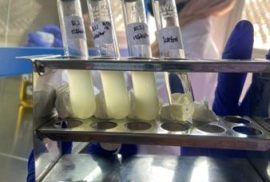
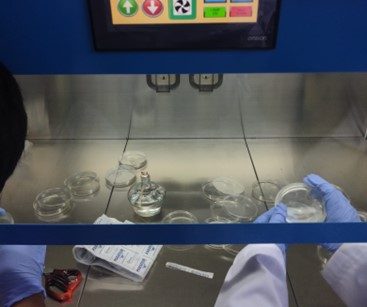
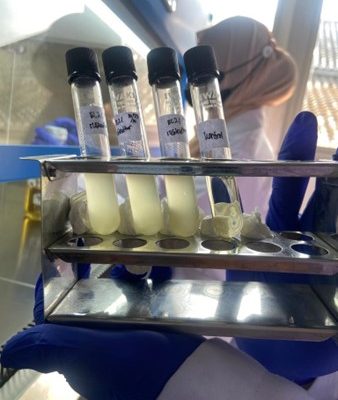
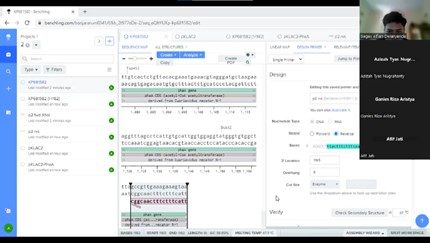
In this competition, the team took the sub-theme Technology and Environmental Innovation with the title “Integration of Microfluidics Technology and the Role of Microorganisms as Biosorption Agents in Detection and Mitigation of Heavy Metal Pollution on the River Code, Yogyakarta”. The team discusses that rivers in Indonesia are vital resources for human life, serving as a source of drinking water, agricultural irrigation, transportation, and also rich in biodiversity. Unfortunately, many rivers in Indonesia Suffer from serious pollution, including being contaminated by heavy metals. According to the data from Bureau of Statistic (BPS), throughout the year 2021, 10,683 villages in Indonesia suffered from river contamination. In addition, according to the same data, approximately 46 percent of Indonesian rivers have experienced severe contamination, 32 percent have moderate, 14 percent have moderately polluted, and 8 percent have mild contamination. (Ministry of Maritime Affairs and Fisheries, 2022). In the past few decades, the Code River has experienced significant pollution levels, including contamination by heavy metals such as lead (Pb) and cadmium (Cd), which enter the river through poorly managed industrial and domestic waste (Harian Jogja, 2021).
Therefore, it is essential to develop sensitive and effective detection methods to identify the level of heavy metal contamination in River water. In addition, bioremediation approaches are also needed to eliminate heavy metal contamination, where microorganisms capable of reducing or eliminating heavy metals can be utilized to naturally clean the river. The essay aims to integrate microfluidics technology as sensitive biological sensors in the detection of heavy metals, and utilizing microorganisms as bioremediation agents that can reduce the level of heavy metal contamination in the river Code water.
During the Festival of Ideas, The 21st Indonesian Scholars International Convention (ISIC), Indonesia achieved an honor for the success of Jimmy Al Fa’is and Elvian Indah Nilamsari,who secured first place in an international essay competition. They outperformed competitors from all around the world with their ideas on the topic of Sustainable Transition. These two students proposed opportunities for Indonesia to achieve energy independency by harnessing the potential we possess.
ISIC is a scientific forum that was organized annually by the United Kingdom Student Association of Indonesia. In 2023, one of its events was an essay and scientific poster competition open to all Indonesian students across the country. The competition was highly competitive,participated by Indonesian students from 10 different countries. This year, there were 3 essays with 2 nominations contested. (1st and 2nd Place). On this achievement, they were invited to attend an international conference at Nottingham University, UK.
Elvian and Jimmy proposed a comprehensive approach to the sustainable energy transition in Indonesia.They presented strategic steps for Indonesia to achieve energy self-sufficiency through the conversion of food waste. Using bioreactors, they showed how microorganisms can efficiently convert food waste into lipid-rich materials, which can be converted into biodiesel as a clean and renewable energy source. The scientific approach emphasized the importance of waste reduction, promoting environmental responsibility, and harnessing Indonesia’s potential in the renewable energy sector.
The idea originated from the challenges posed by an increasing population and the rising energy demand.consequently,the Indonesian government must meet energy needs, including fuel. However, fossil fuels, which have been the primary global energy source, are depleting rapidly and pose significant environmental threats. Based on these facts, Elvian and Jimmy proposed the innovation of a mini bioreactor that can be operated on both small and large scales. This innovation is expected to increase biodiesel production and lead Indonesia towards energy self-reliance.
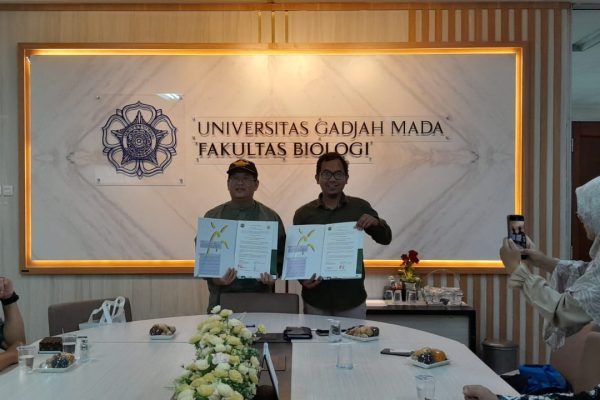
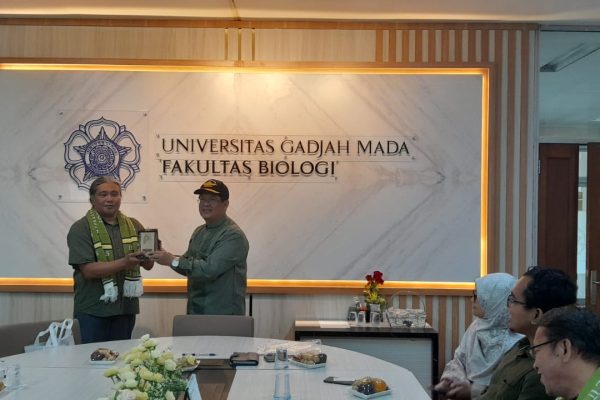
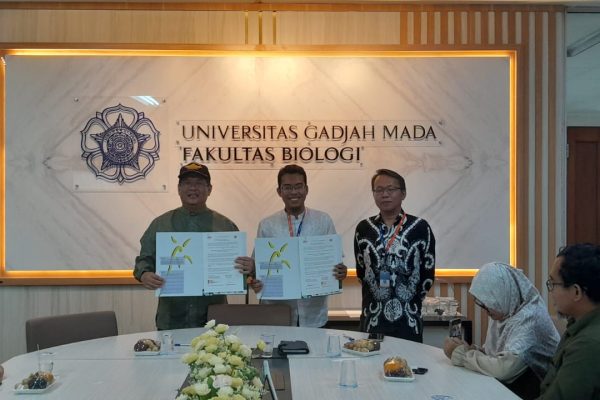
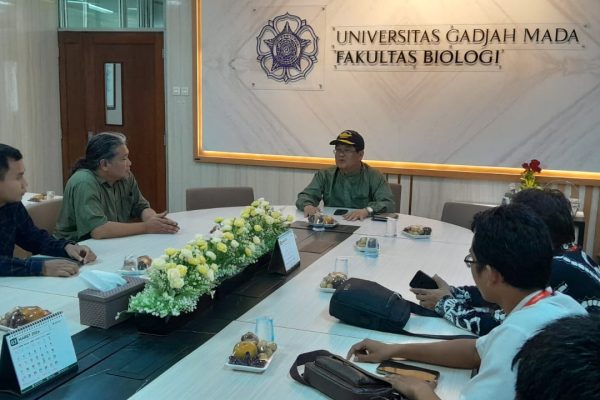
Tuesday, 8 August 2023, Faculty of Biology UGM received a visit from the Faculty of Science and Technology Universitas Terbuka (UT). The visit was received in the Senate Room of the Faculty of Biology and was attended by Dr. Elizabeth Novi Kusumaningrum, S.Si., M.Sc. as Head of Biology Study Program, Faculty of Science and Technology UT and Heny Kurniawati, S.ST., M.Kes. as a Lecturer in the Faculty of Science and Technology UT. From the Faculty of Biology attended by Sukirno, S.Si., M.Sc., Ph.D. as the Head of the Faculty of Biology’s Undergraduate Study Program.
The visit was aimed as a benchmarking for establishing a Laboratory Center at the Faculty of Science and Technology, Universitas Terbuka. Sukirno, S.Sc., M.Sc., Ph.D as the Head of the Faculty of Biology Undergraduate Study Program welcomed the visit and supported further collaborations. He also explained the profile, history, facilities, and focus of teaching education at the Faculty of Biology UGM. He conveyed collaboration and cooperation that could be initiated in the future with Universitas Terbuka.
Dr. Elizabeth conveyed the profile of the Open University, especially the Faculty of Science and Technology, especially the Biology Study Program, while also conveying her wish for a comparative study regarding plans to establish a Laboratory Center at Universitas Terbuka. Dr. Elizabeth expressed her hope for the potential for collaboration with the Faculty of Biology UGM.
The visit was followed by a tour around the facilities and laboratories at the Faculty of Biology including the Laboratory of Plant Development Structure, Plant Systematics, Plant Physiology, Biological Gardens also visiting organic waste management activities at the Faculty of Biology. During the tour, the delegations received presentation on the facilities and activities that took place in the Laboratory at Faculty of Biology and other supporting facilities for teaching and learning activities.
The meeting is a great opportunity to collaborate with the Faculty of Science and Technology at Universitas Terbuka with the Faculty of Biology UGM and especially in planning to develop an integrated laboratory at Universitas Terbuka.
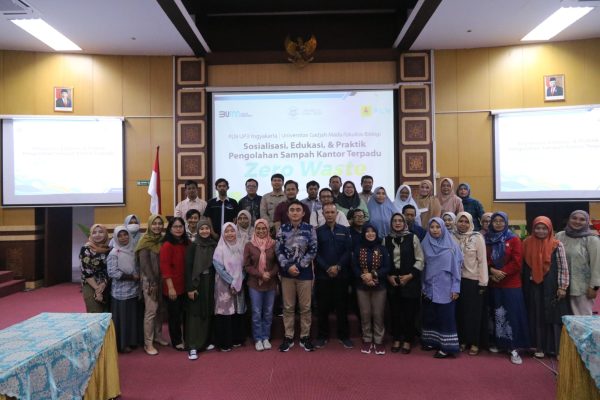
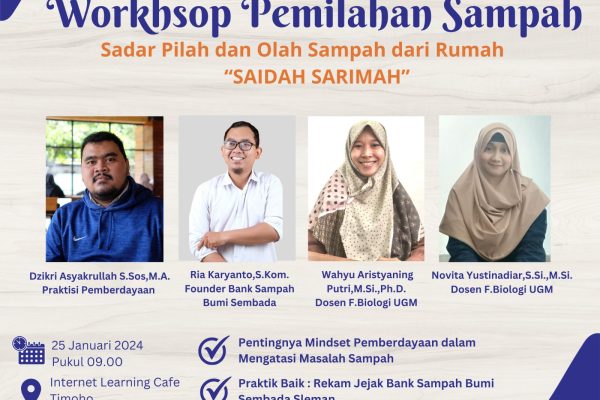
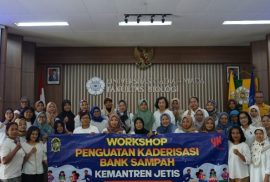
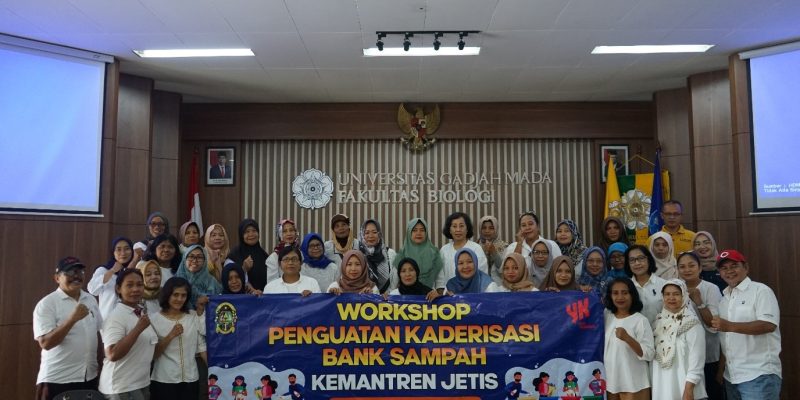
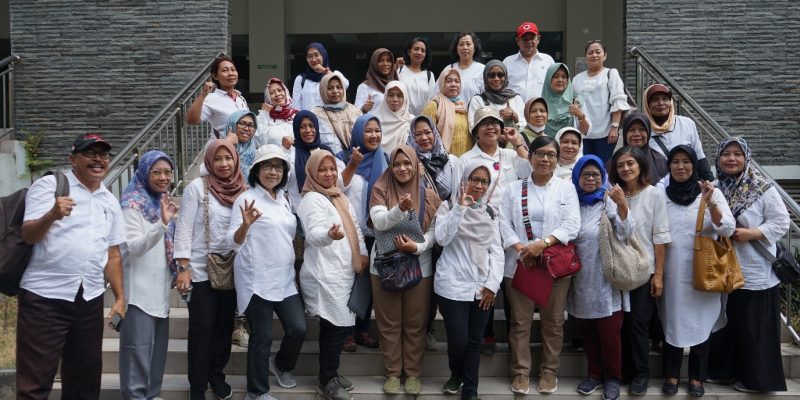
Faculty of Biology, Universitas Gadjah Mada, responded to the waste emergency situation in Yogyakarta following the closure of the Piyungan Final Disposal Site (TPA), which has been the main landfill for final disposal in the Yogyakarta Province (DIY) area. Based on a circular letter from the Regional Secretariat of the DIY Government, the Piyungan Regional TPA will no longer receive waste services as of July 23, 2023 to September 5, 2023 due to the fact that the amount of waste is full and exceeds capacity. Universitas Gadjah Mada through the Faculty of Biology and the Faculty of Dentistry responded by following up on waste management at UGM internally where the coordination of organic waste management is carried out by the Faculty of Biology while the coordination of inorganic waste management is carried out by the Faculty of Dentistry.
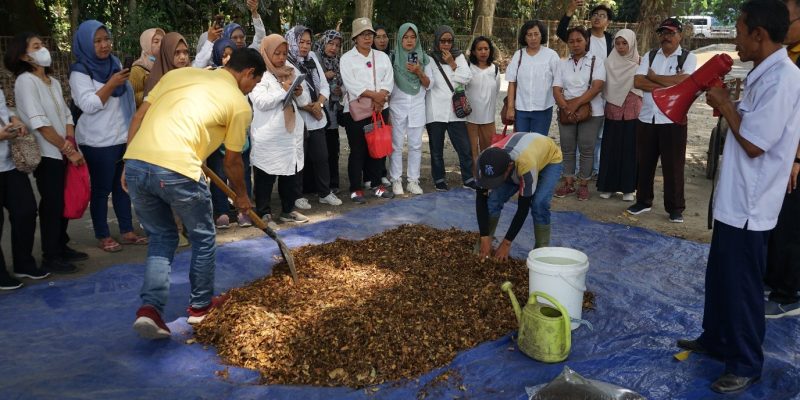
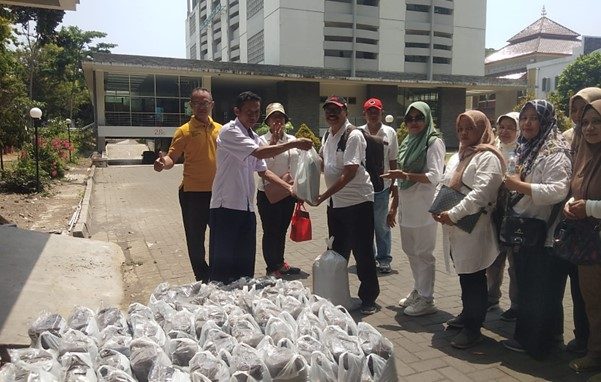
As of Thursday, 27 July 2023, Dean of the Faculty of Biology UGM, Prof. Dr. Budi Setiadi Daryono, M.Agr.Sc., has coordinated with the Chancellor of Universitas Gadjah Mada, Prof. dr. Ova Emilia, M.Med.Ed., Sp.OG(K)., Ph.D., and Director of DPKM (Directorate of Community Service) Universitas Gadjah Mada, Dr. dr. Rustamaji, M. Kes. It has been agreed that the Faculty of Biology will manage internal organic waste from Universitas Gadjah Mada in the form of leaf and twig litter. The collection of organic waste will be coordinated at each unit point in all UGM areas to be enumerated first and then sent and managed by the Faculty of Biology to become organic compost. Meanwhile, organic waste in the form of food scraps, fruit and vegetables will be managed by the UGM Argotechnology Innovation Center (PIAT).
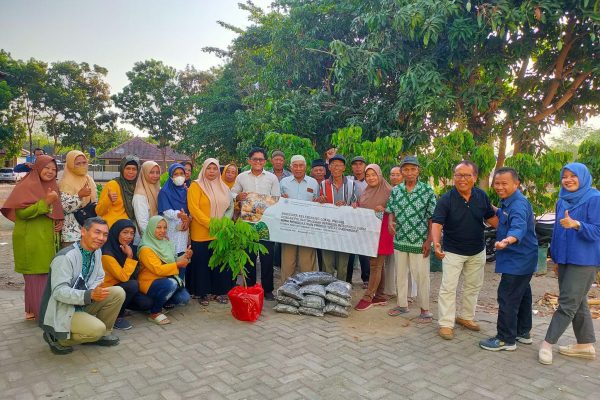
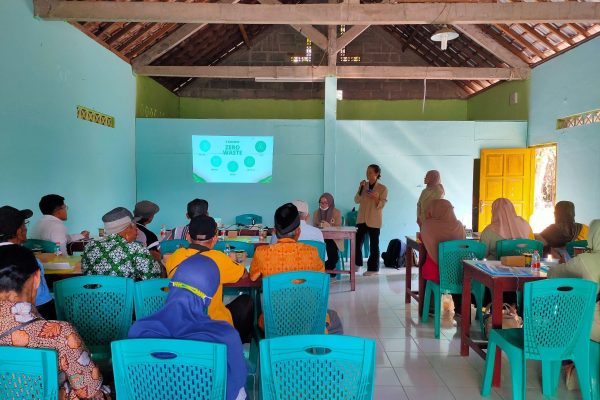
The management of leaf litter and twigs in the Faculty of Biology has been going on for a long time in the Biology Garden Area, Faculty of Biology. The chopped organic waste will be processed into compost and then supplied to consumers in collaboration with PT. Pagilaran. The establishment of the Waste Management Center as a response to the closure of the Piyungan TPA will then be coordinated with Soenarwan Heri Purwanto, S.Si., M.Kes. and the waste management team from the Faculty of Biology.
This waste management initiative is a form of commitment from the Faculty of Biology UGM to contribute to the sustainability environment, especially in UGM’s internal environment. It is hoped that this management program will be useful in the long-term settlement of internal waste at UGM in particular and in the Special Region of Yogyakarta (DIY) in general.
On 12-15 July 2022, Lecturer at the Faculty of Biology UGM Akbar Reza, M.Sc and Puji Lestari, S. Hut, M.Sc lecturers at the Department of Biology and Veterinary Technology at the UGM Vocational School carried out research and community service activities in Kotabaru, South Kalimantan, particularly Hilir Muara Village and Gedambaan Village. The activity which is a cross-sectoral collaboration between the Social Development Studies Center (SODEC) UGM, Faculty of Biology UGM, PT. Mubadala Energy, Kotabaru Polytechnic and the local government have been implementing this since 2020. Activities in Hilir Muara Village focus on empowering coastal communities with main assistance to Pokdarlis (Environmental Awareness Group), UMKM (Hilir Muara Cinta Bumi), and Waste Bank. Some of the programs initiated include greenhouses establishment for plants with economic value and native of Kalimantan, optimizing composters, including initiating collaboration with BUMDES and assisting BPOM’s licensing process for UMKM. These programs were initiated out of concern for the sustainability of coastal ecosystems which actually provide high ecosystem services, especially in the face of the climate crisis. Furthermore, the waste problem is also a problem for coastal areas which, apart from reducing aesthetics, also has the potential to cause long-term health problems.
Activities continued in Gedambaan Village which focused on studying coastal biodiversity. On this occasion, Akbar Reza, M.Sc with an expertise on ecology and conservation, and Puji Lestari, S.Hut, M.Sc with an expertise on Forestry were responsible for justifying techniques and locations for planting mangroves, determining permanent plots (PUP), and monitoring methods as an initiation for long-term monitoring. In its implementation, this activity was intensely assisted by Fitra Nofra, S.Si and Gema Starliantri, S.Hut as the Biodiversity Officer of PT. Mubadala Energy, in collaboration with the Kotabaru Polytechnic and the Gedambaan Village Government as the main actors. On the same occasion, planning was also carried out for a program for planting typical Kalimantan plants in collaboration with the Pulau Laut Sebuku in the Environmental Services Block in the Bukit Mamake area. Furthermore, in the long term these programs are expected to have economic value that can support the lives of local communities.
In general, these research activities and empowerment programs simultaneously support national programs such as PROKLIM Village, climate change adaptation, and local community-based blue carbon ecosystem preservation. It is hoped that the programs implemented will actually be able to help coastal communities as vulnerable to climate change. In addition, the programs are expected to be able to bring about change, both from an environmental and economic perspective
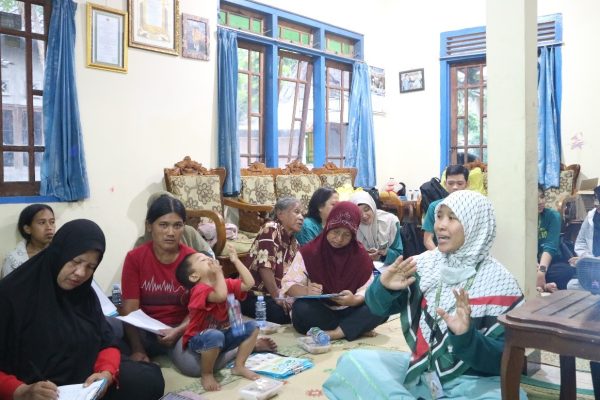
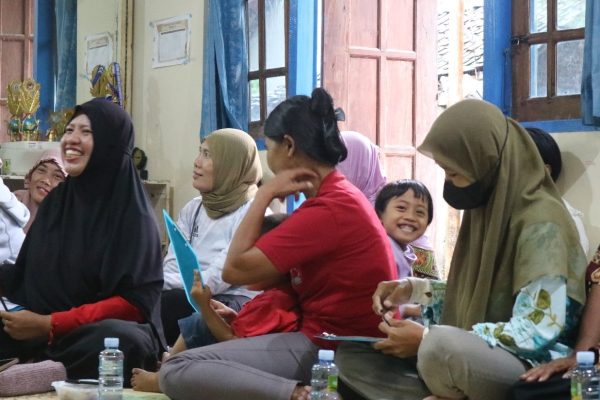
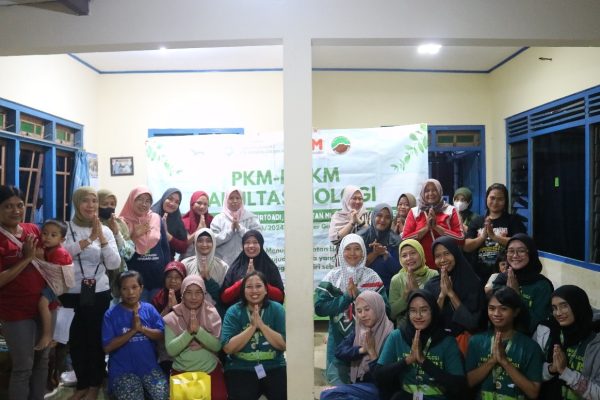
MBKM-PkM activities was started by distributing questionnaires on Saturday and Sunday of 20 and 21 May 2023 to the residents of Dusun Pajangan using the door-to-door method. The aim of the questionnaire was to find out the community’s understanding of degenerative diseases, the condition of vacant lands in Dusun Pajangan, as well as the potential of medicinal and vegetable plants to prevent degenerative diseases. Through distributing this questionnaire, 40 respondents were found with an age range of 15-69 years. Among them, 33 respondents had never heard of degenerative diseases. Based on these results, we found out that most residents of Pajangan think that an unhealthy lifestyle and stress are the main triggers of degenerative diseases. Then, based on the several examples of degenerative diseases mentioned, people are more familiar with high blood pressure (hypertension) and diabetes mellitus, while 7 of them did not know the examples of degenerative diseases. Furthermore, through distributing this questionnaire, it was revealed that there were several vacant lands in Dusun Pajangan, most of which had not been used optimally other than for gardening and for waste disposal. In addition, we also obtained data that 29 out of 40 respondents already knew about medicinal and vegetable plants, plant samples, and some of their uses. Most people in Dusun Pajangan also use medicinal plants as herbal medicine.
Then, to further increase public understanding of degenerative diseases, our team has also conducted socialization or outreach programs about degenerative diseases and the potential of several plants as preventative alternative treatment on June 4, 2023 at 10.00-12.00 WIB. This program aims to increase the understanding of the Dusun Pajangan community about degenerative disease, the factors that affect degenerative diseases, as well as the potential of some plants to prevent these diseases. The socialization which was attended by 17 residents of Dusun Pajangan received positive responses. Besides that, our team also made an inventory of several medicinal and vegetable plants in Dusun Pajangan which aimed to find out what medicinal plants are often used by the community. Based on the results of the inventory, there are several medicinal and functional plants that are widely grown by the people in Dusun Pajangan, including ginger, galangal, betel, aloe vera, Indian mulberry, papaya, banana, guava, butterfly pea, pandan leaves, taro leaves, and many more.
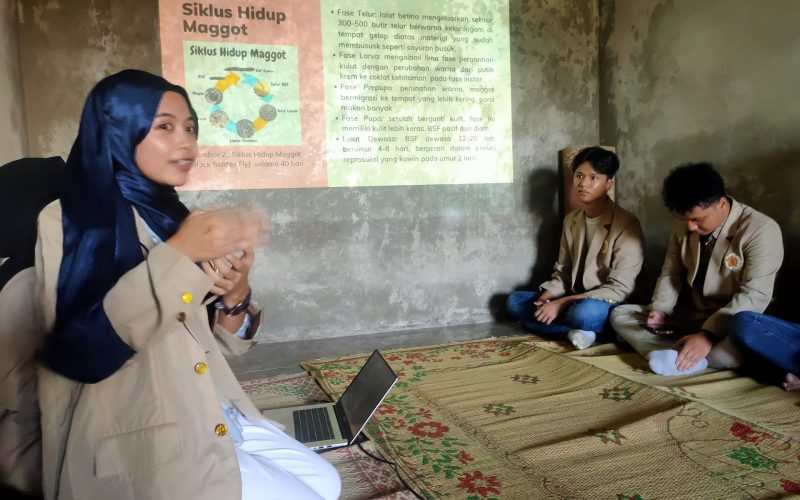
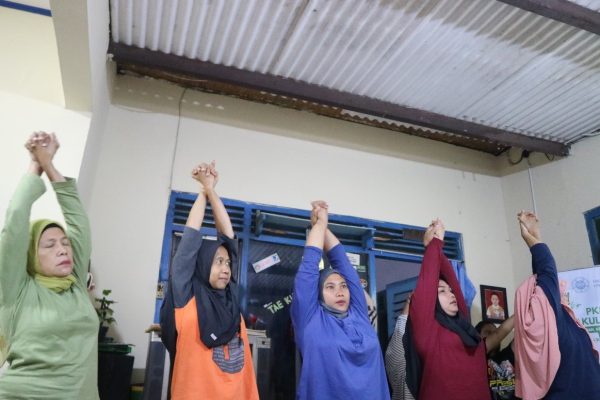
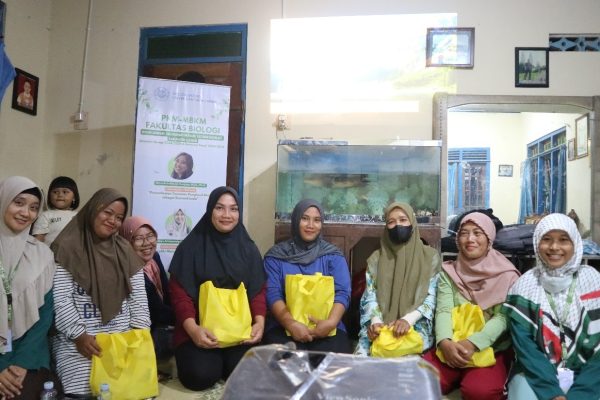
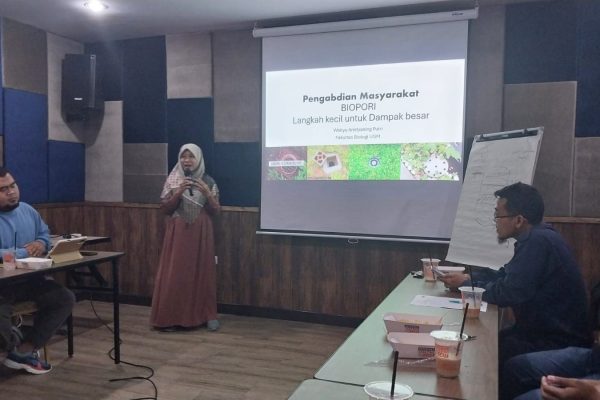
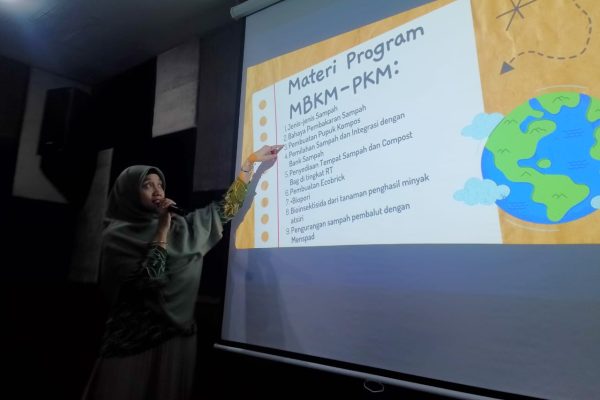
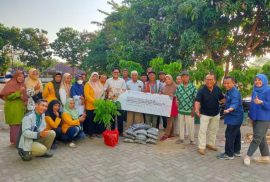
In order to introduce waste management techniques, the team of Pengabdian Kepada Masyarakat – Merdeka Belajar Kampus Merdeka (PkM MBKM) Faculty of Biology 2023 chaired by Rina Sri Kasiamdari, S.Si., Ph.D. and involved two students namely Galuh Kirana Mahadewi and Laila Uswatun Chasanah have carried out activities related to organic waste management in Dusun Kepuh Kulon RT 001, Wirokerten, Banguntapan, Bantul. This activity is planned to take place in 2 semesters, starting with a socialization event which have been held on Sunday 14 May 2023 from 09.00 to 10.30 WIB at the house of the neighborhood head of RT 001, Mr. Zamzuri. This socialization activity was attended by 15 participants of RT 001 and the head of Hamlet. In her greetings, Ms. Rina said that the MBKM PkM activity was the second year of the MBKM PkM Program at RT 001 Kepuh Kulon. The Waste Management theme is a program that is expected to be applied by people in their homes or in their environment. Head of the hamlet, Mr. Sunartana conveyed the importance of household-scale waste management. This is because a lot of garbage has accumulated in various places due to garbage dumps that can no longer accommodate waste. In this socialization activity, it was explained the meaning of waste, types of waste, examples, as well as how to process waste into more useful items.
After the socialization activities were carried out, then practical activities were carried out in managing household organic waste into compost and eco enzymes. This activity was held on Sunday, 21 May 2023 from 09.30 to 11.00 WIB at the house of the neighborhood head of RT 001, Mr. Zamzuri. This activity was attended by 23 participants consisting of women from Kepuh Kulon RT 001. Before doing the practice, Galuh and Laila demonstrated how to make compost and eco enzymes from household waste. In this activity, Rania Naura Anindhita, a student at the UGM Faculty of Biology, introduced her product to the participants who attended. Eco Lindi is a liquid that neutralizes the smell of garbage, the smell of garbage sprayed by Eco Lindi will disappear within 10 minutes. During the practice of making compost and eco enzymes, the community was divided into four groups, one group consisting of 5 to 6 people and each group carried out independent practices. The waste used comes from household waste collected a few days before. At the end of the activity, the MBKM PkM team distributed EM4, molasses, and Eco Lindi to the participants that attend, so they could re-practice making the compost and eco enzyme at their homes. Eco Lindi that is distributed can be sprayed to remove the smell of household waste, chicken coops, or cattle houses. This PkM MBKM activity will be continued from July to November with the utilization of household waste into more useful materials.
Two Biology students Class of 2019 who are members of the “Organic Sheet Mulch” team under the guidance of Dwi Umi Siswanti, S.Sc., M.Sc. won a bronze medal on March 21, 2023 in an international scientific work competition. The team chaired by Vykra Aulia Firdiana with one member, namely Fatika Soraya Taufik took part in the Agritech Research and Entrepreneurship Innovation (AGREETION) competition which was held in cooperation with several organizations at the Faculty of Agricultural Technology, University of Brawijaya, including the Agritech Research and Study Club (ARSC), Agritechno Business Center (ABC), Agricultural Industrial Technology Student Association (HIMATITAN), Agricultural Engineering Student Association (HIMATETA), and Agricultural Product Technology Student Association (HIMALOGISTA). This competition takes place from 1 February 2023 to. 21 March 2023 and was successfully attended by 243 teams from three countries (Indonesia, Malaysia and the Philippines).
The big theme that was carried out in this competition was “Development and Innovation on Sustainable Agro-Based Industry Technology to Achieve Human Welfare” with 4 sub-themes. In this competition, Vykra and Soraya compiled a scientific work on the sub-theme “Green Agroindustry and Bio-economy” entitled “Organic Mulch from Sewage Sludge and Banana Pseudostem Waste to Reduce the Impact of Drought Due to El Nino Phenomenon on Horticultural Crops to Improve Human Welfare”. The problem behind the preparation of this scientific work is the statement by the National Disaster Management Agency (BNPB) and the Meteorology, Climatology and Geophysics Agency (BMKG) regarding an increase in drought up to three times worse due to an increase in the El Nino index which is predicted to occur in mid-2023. This has the potential to further increase puso (parched) due to drought which has long been a problem for farmers despite the low El Nino index.
In this scientific work, sewage sludge and banana leaf waste are used as organic mulches which are able to maintain soil water content during the drought phase so that soil moisture is maintained. The organic materials contained in this mulch innovation also add to the role of mulch as a supplier of additional nutrients to the soil to support optimal plant growth. The use of these two materials is an effort to utilize biowaste and create a green agroindustry. The hope is that this innovation can be used as a reference in anticipating and reducing puso due to drought
On March 18, 2023, a presentation on the Business Plan ENVIROTECH 4.0 innovation by PT Pertamina Hulu Indonesia was held with the sub-theme of organic solid waste management, as well as commemorating World Waste Recycling Day. The STARGAZE team fronted by Eva Yunizar Reza Permana Putri, Fanny Najmi Faza, and Fika Zulfiani participated in the competition. The title raised was “MoldtoPlast” Product Innovation of Aspergillus niger Spore Suspension as a Biodegradation Agent for Plastic Packaging Waste” under the assistance of Dr. Miftahul Ilmi, S.Si., M.Sc.
The use of plastic, especially plastic packaging, is increasing. This of course has a bad impact on the environment because plastic waste has a long recycling period. The STARGAZE team looks at the potential for microorganisms that have the ability to degrade plastic, one of which is mold, which is an alternative in the biodegradation of plastic waste made from Low Density Polyethylene (LDPE). The innovative product in the form of Aspergillus niger Spore Suspension is packaged in powder form and environmentally friendly paper packaging. This product is targeted to a wide range of markets due to its effectiveness and environmental friendliness.