SDG 3 : Establish Good Health and Well-Being
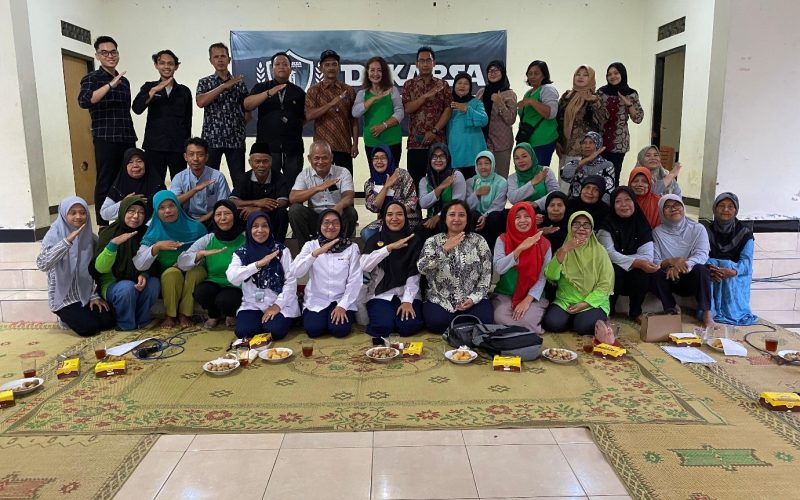
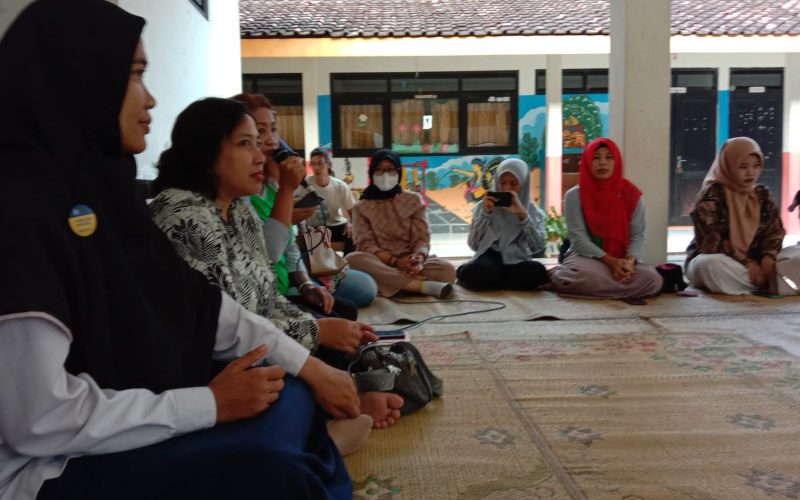
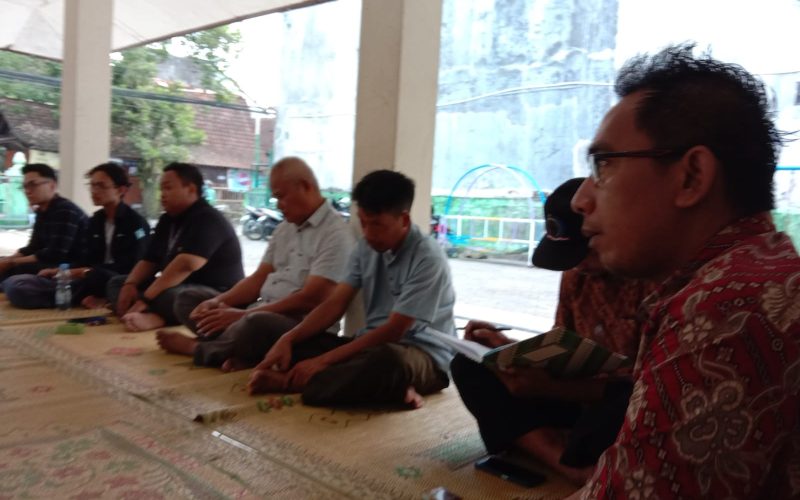
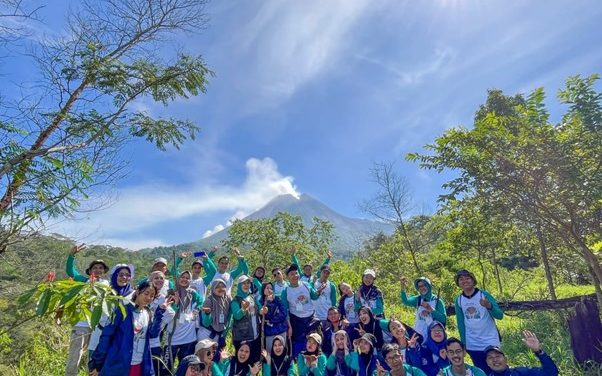
On Monday 7 August 2023, a group of waste management tour participants coordinated by SONJO, a humanitarian movement focused on aiding communities visited The Faculty Of Biology UGM. The group, consisting of 25 participants, arrived at the Faculty of Biology UGM around 9:30 AM and was promptly received by the Dean and the faculty members. This visit to the Faculty of Biology at UGM was part of a series of visits that had previously taken place at the Faculty of Dentistry at UGM.
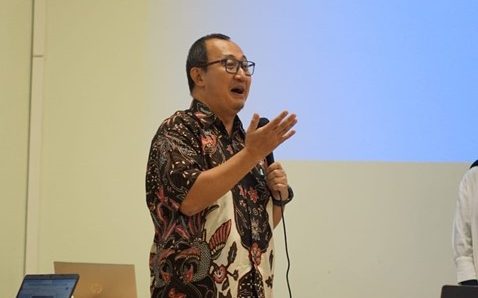
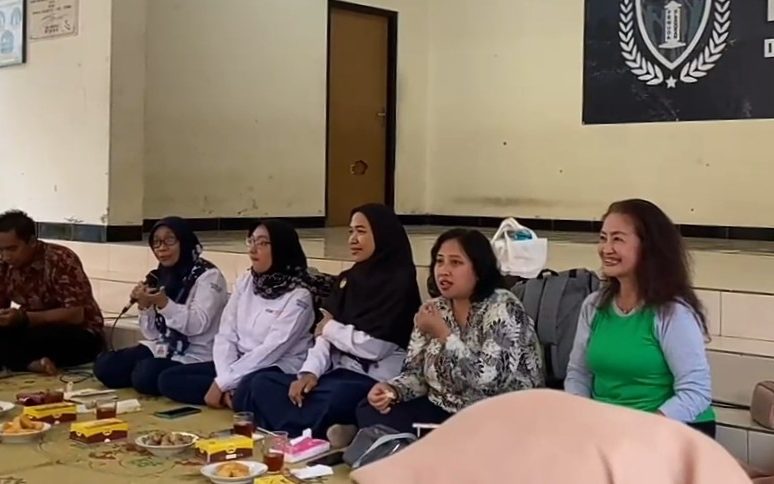
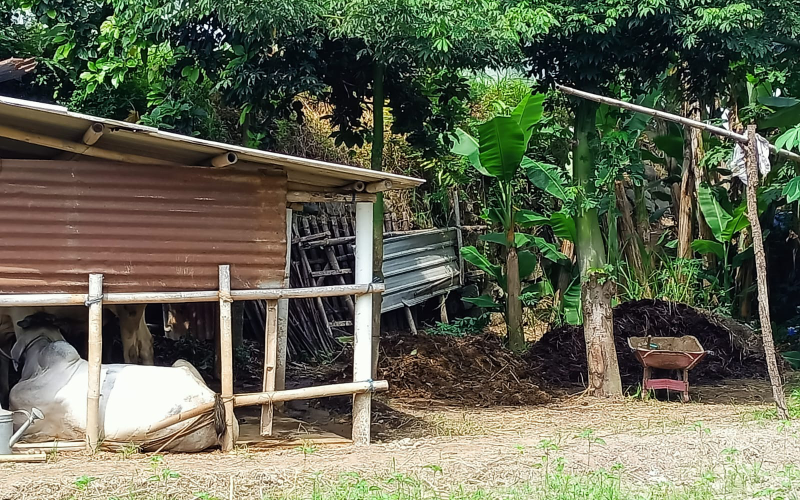
During his welcoming speech, the Dean of the Faculty of Biology UGM, Prof. Dr. Budi S. Daryono, M.Agr.Sc., expressed gratitude for the participants’ visit. “The issue of waste actually originates from humans themselves, so it’s up to humans to solve it,” Prof. Budi stated. Furthermore, Prof. Budi elaborated that the Faculty of Biology UGM engages in daily waste management across a substantial area, including organic waste from the Biology Forest. Over time, the Faculty of Biology has made discoveries in waste management, such as expediting compost production.Following this, a video demonstrating the waste management procedures carried out at the Faculty of Biology at UGM was played.
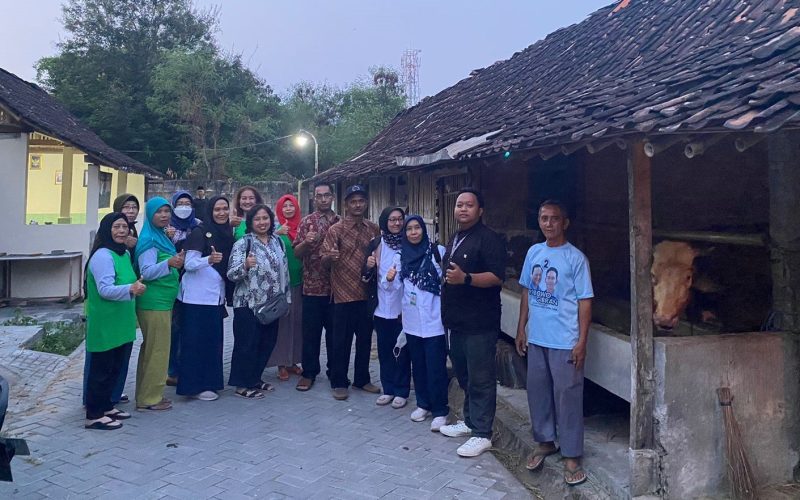
At the conclusion of the event, participants were taken to the field to witness the waste management processes firsthand, which included:
- Composting and maggot cultivation
- Production of POC/Biofertilizer and ECO enzymes
- Vermicomposting process
The waste management tour participants are scheduled to continue their visit for a period of 3 days until Wednesday (8/9/23), with participants from hospitals and religious boarding schools.
Yogyakarta, 25 August 2023 – The Organic Waste Management Training was again held by the Faculty of Biology. On this occasion, 50 participants consisted of groups from the Market Sector Department, Trade and Industry Agency (Disperindag), Special Region of Yogyakarta (DIY) as well as the Faculty of Pharmacy and Academic Hospital of Universitas Gadjah Mada. Disperindag’s participation in this training is related to waste management in 29 markets in DIY after the temporary closure of the Piyungan Final Disposal Site (TPA) months ago. At least 9 tons of waste are generated every day from the entire market which has not been managed properly.
“There needs to be an effort downstream with education and upstream by sorting and selecting the waste that is disposed of,” said the Dean of the Faculty of Biology, Prof. Dr. Budi Setiadi Daryono, M.Agr.Sc., in his speech to the training participants, Friday (25/8). Prof. Budi also said that if people at the household level were disciplined in sorting waste based on its category (organic-inorganic) it would be enough to reduce waste problems.
The Faculty of Biology has held Organic Waste Management Training activities which are attended by at least 25 Hospitals, 17 Islamic Boarding Schools, and 30 Waste Management Communities in DIY. On this occasion, as many as 40 participants from the Trade and Industry Agency, especially the Market Sector Department, attended training in the framework of solving waste problems in DIY markets, especially market organic waste in the form of fruit and vegetable waste. The training took place guided by Soenarwan Hery Poerwanto, S.Si., M.Kes. and Suharjita.
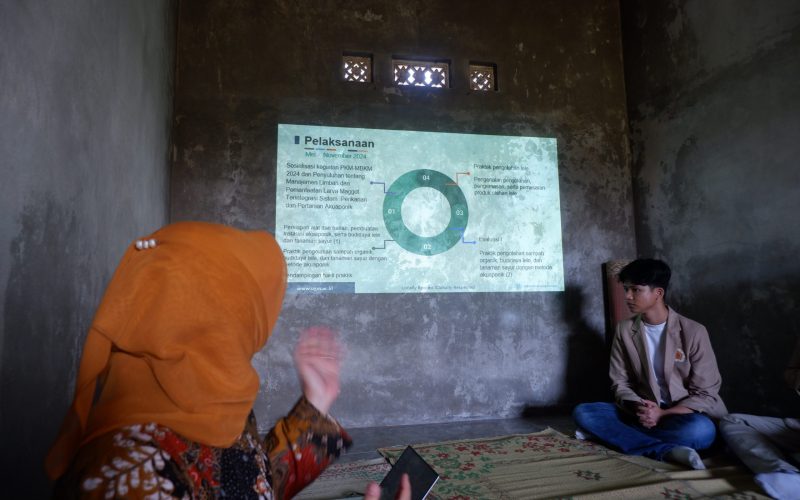
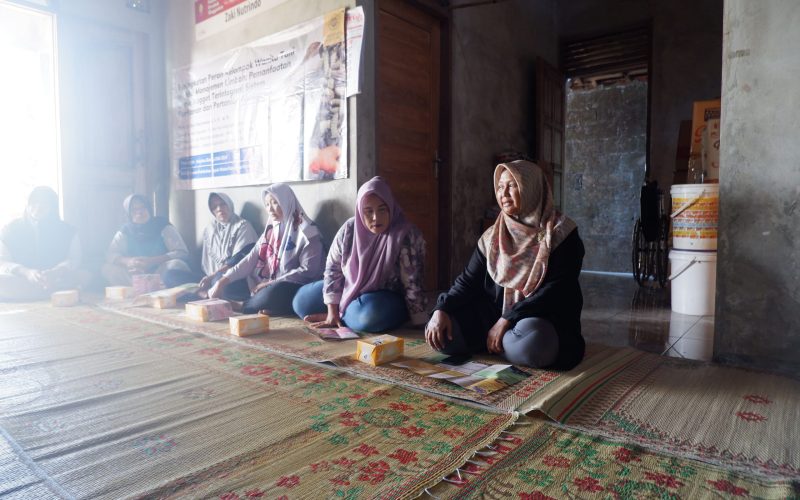
Susilo, Operational Service Manager for the DIY Disperindag People’s Market who also attended the training said that there were at least 29 markets involved and planned to work with the Faculty of Biology in waste management. He stated that the waste collected in each market usually does not only come from traders but also from the surrounding community with the largest amount of waste found in Giwangan Market and Beringharjo Market. Efforts that can be made by the Market Management since the closing of the TPA include limiting the amount of waste that the community disposes of at the market. Susilo also revealed the lack of public education regarding waste sorting and processing.
Faculty of Biology is committed to solving organic waste problems in DIY. In managing waste from DIY markets, Faculty of Biology can collect at least 3 tons of waste every day from these markets and process it. With the waste management technology applied at the Faculty of Biology including vermicomposting and Black Soldier Fly, Eco Enzyme, Bioferlilizer, Eco Lindi and others, the waste degradation process can last at least one week.
The commitment of the Faculty of Biology in waste management which also targets the people and communities in DIY emphasizes their commitment as an environmentally friendly campus and supporting Sustainable Development Goals (SDGs). Support for the SDGs includes increasing a healthier life (SDGs 3), having an impact on the availability of clean water in the environment (SDGs 6), and contributing to tackling climate change due to the impact of greenhouse gas emissions from organic waste piles (SDGs 13).
Yogyakarta, August 24, 2023 – The Faculty of Biology at Universitas Gadjah Mada (UGM) was enlivened by the visit of 15 alumni from the Class of 1969. The purpose of this visit was to celebrate nostalgia and strengthen the bonds of camaraderie.
The warm welcome of these alumni was led by Prof. Dr. Budi Setiadi Daryono, M.Agr.Sc., the Dean of the Faculty, Dr. Bambang Retnoaji, M.Sc., as the Vice Dean for Academic and Student Affairs, and Dr. Eko Agus Suyono, M.App.Sc., as the Vice Dean for Research, Community Service, Collaboration, and Alumni, in the Biologi Tropika Auditorium of the Faculty of Biology UGM. This visit became an extraordinary moment to build networks among the alumni and the academic community of the Faculty of Biology.
Dean Budi Setiadi Daryono expressed, “We are honored and delighted to welcome back the alumni of the Class of 1969 to our campus. Their visit is a tangible testament to the enduring spirit of the Faculty of Biology UGM within our alumni.”
Furthermore, the Vice Deans provided explanations about academic developments, research, and new facilities at the Faculty to the alumni. The visit also included a campus tour, visiting Room IV, one of the classroom spaces that is still active and used to reminisce about the beautiful moments during their studies and share interesting stories. A highlight of the visit was the tour to Biomart, where the alumni could observe innovative products derived from waste processing at the Faculty of Biology UGM.
The Faculty of Biology UGM has produced various sustainable and environmentally-friendly products, such as compost fertilizer from leaf litter, probiotic fertilizers, and Liquid Organic Fertilizer (LOF). The enthusiasm of the alumni was evident as they witnessed the tangible contributions of the Faculty of Biology UGM in addressing environmental challenges, which have recently garnered attention in the city of Yogyakarta.
The visit of the alumni from the Class of 1969 to the Faculty of Biology UGM today serves as evidence that the academic spirit and camaraderie remain deeply ingrained in every facet of the development of the Faculty of Biology UGM.
Sunday, 4 June 2023 Oceans Day 2023 was held by the Marine Studies Group of the Faculty of Biology UGM as part of their participation in World Ocean Day on June 8 and was attended by 56 members of Marine Study Group and 18 volunteers from Faculty of Biology UGM. Ocean Day 2023 has the theme “Stop Plastic Waste Polluting the Sea” and comprised two main activities: a seminar and beach cleanup.
The Seminar began at 08.30 to 11.00 at the auditorium of Biology Tropika and was guided by Renisha Windy Puspita Sari (DXXII) and Ahmad Aris B. R. (DXXIII). The seminar began with a welcoming speech from Filda Mega AYU as chairperson of the committee and A. Najib Dhiaurahman , the chairperson of Marine Study Group. Then the seminar continued with a presentation on plastic waste management to reduce water pollution and its solution through marine biology by Tyas Ikhsan Hikmawan, M.Sc., Ph.D. followed by discussion.
The next series of activities was beach clean-up at Baros Beach which took place 13.00 WIB to 16.00 WIB. This beach cleaning activity is a volunteer activity carried out directly on the shores of Baros Beach, collecting scattered waste in the area and educating about marine waste management.
May the knowledge and experience that has been given at Oceans Day 2023 not stop at this event alone, but be accepted and implemented continuously by all participants , and shared with anyone. Eternal and unlimited, invincible and powerful, such is the ocean. Together, let’s save the seas from all damage and pollution because this can be a real action to protect future generations. Happy World Sea Day! Cheers to Jay KSK!
During the Festival of Ideas, The 21st Indonesian Scholars International Convention (ISIC), Indonesia achieved an honor for the success of Jimmy Al Fa’is and Elvian Indah Nilamsari,who secured first place in an international essay competition. They outperformed competitors from all around the world with their ideas on the topic of Sustainable Transition. These two students proposed opportunities for Indonesia to achieve energy independency by harnessing the potential we possess.
ISIC is a scientific forum that was organized annually by the United Kingdom Student Association of Indonesia. In 2023, one of its events was an essay and scientific poster competition open to all Indonesian students across the country. The competition was highly competitive,participated by Indonesian students from 10 different countries. This year, there were 3 essays with 2 nominations contested. (1st and 2nd Place). On this achievement, they were invited to attend an international conference at Nottingham University, UK.
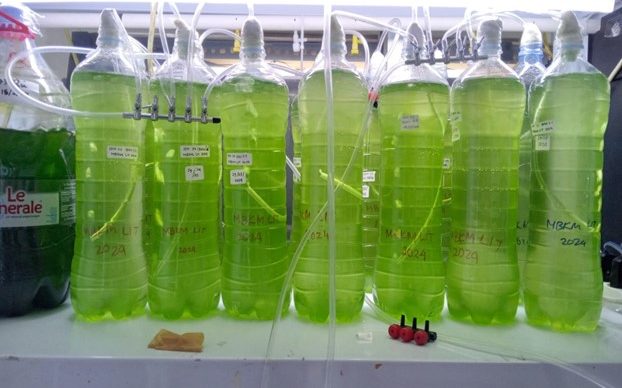
Elvian and Jimmy proposed a comprehensive approach to the sustainable energy transition in Indonesia.They presented strategic steps for Indonesia to achieve energy self-sufficiency through the conversion of food waste. Using bioreactors, they showed how microorganisms can efficiently convert food waste into lipid-rich materials, which can be converted into biodiesel as a clean and renewable energy source. The scientific approach emphasized the importance of waste reduction, promoting environmental responsibility, and harnessing Indonesia’s potential in the renewable energy sector.
The idea originated from the challenges posed by an increasing population and the rising energy demand.consequently,the Indonesian government must meet energy needs, including fuel. However, fossil fuels, which have been the primary global energy source, are depleting rapidly and pose significant environmental threats. Based on these facts, Elvian and Jimmy proposed the innovation of a mini bioreactor that can be operated on both small and large scales. This innovation is expected to increase biodiesel production and lead Indonesia towards energy self-reliance.
Faculty of Biology, Universitas Gadjah Mada, responded to the waste emergency situation in Yogyakarta following the closure of the Piyungan Final Disposal Site (TPA), which has been the main landfill for final disposal in the Yogyakarta Province (DIY) area. Based on a circular letter from the Regional Secretariat of the DIY Government, the Piyungan Regional TPA will no longer receive waste services as of July 23, 2023 to September 5, 2023 due to the fact that the amount of waste is full and exceeds capacity. Universitas Gadjah Mada through the Faculty of Biology and the Faculty of Dentistry responded by following up on waste management at UGM internally where the coordination of organic waste management is carried out by the Faculty of Biology while the coordination of inorganic waste management is carried out by the Faculty of Dentistry.
As of Thursday, 27 July 2023, Dean of the Faculty of Biology UGM, Prof. Dr. Budi Setiadi Daryono, M.Agr.Sc., has coordinated with the Chancellor of Universitas Gadjah Mada, Prof. dr. Ova Emilia, M.Med.Ed., Sp.OG(K)., Ph.D., and Director of DPKM (Directorate of Community Service) Universitas Gadjah Mada, Dr. dr. Rustamaji, M. Kes. It has been agreed that the Faculty of Biology will manage internal organic waste from Universitas Gadjah Mada in the form of leaf and twig litter. The collection of organic waste will be coordinated at each unit point in all UGM areas to be enumerated first and then sent and managed by the Faculty of Biology to become organic compost. Meanwhile, organic waste in the form of food scraps, fruit and vegetables will be managed by the UGM Argotechnology Innovation Center (PIAT).
The management of leaf litter and twigs in the Faculty of Biology has been going on for a long time in the Biology Garden Area, Faculty of Biology. The chopped organic waste will be processed into compost and then supplied to consumers in collaboration with PT. Pagilaran. The establishment of the Waste Management Center as a response to the closure of the Piyungan TPA will then be coordinated with Soenarwan Heri Purwanto, S.Si., M.Kes. and the waste management team from the Faculty of Biology.
This waste management initiative is a form of commitment from the Faculty of Biology UGM to contribute to the sustainability environment, especially in UGM’s internal environment. It is hoped that this management program will be useful in the long-term settlement of internal waste at UGM in particular and in the Special Region of Yogyakarta (DIY) in general.
Friday, July 21st 2023, Universitas Gadjah Mada held a Workshop on SDGs for Internal Capacity Development: UGM Towards a Sustainable Campus at the Lotus Ballroom, Artotel Suites Bianti, Yogyakarta. The event was attended by representatives from various UGM working units including from Faculty of Biology represented by Mukhlis Jamal Musa Holle, S.Sc., M.Env.Sc., D.Phil. The event began with remarks by the Vice Chancellor for Education and Teaching Universitas Gadjah Mada, Prof. Dr. Wening Udasmoro, S.S., M. Hum., DEA. Prof. Wening explained the importance of the contribution of universities and their academic community in realizing the SDGs (Sustainable Development Goals) which have been promoted by the United Nations since 2015. Anticipation needs to be done to ensure that life in the future will avoid crises including the food crisis, extreme climate change and so on. UGM in the management of the SDGs is also got 2nd ranked in Indonesia and will continue to be developed. Prof. Wening also explained the importance of active data collection and publication to media so that activities carried out at UGM can be exposed to the wider community.
Further remarks were given by the Head of Quality and Reputation Assurance of Universitas Gadjah Mada, Dr. L. Hartanto Nugroho. He explained that contributions for SDGs can be made in small ways and small changes can have a big impact. A simple example in terms of segregating waste in a university environment, it must be carried out systematically and massively and involve all components and the academic community at the university.
The workshop continued with a general presentation by Prof. Dr. Puji Astuti, S.Si., M.Sc., Apt. and Ir. Sentagi Sesotya Utami, St., M.Sc., Ph.D. They explained that the most important aspects of the 17 SDGs are the environment and human sustainability. University ranking in terms of SDGs is not the main thing to achieve, but the ranking is a form of measurement for achievements or activities that have been carried out. UGM also supports sustainability in university governance from the aspects of ecosystems and the environment as well as human sustainability. This can be seen in the policies and regulations issued by UGM. The principles of sustainability or campus sustainability applied at UGM include energy conservation, waste management, water conservation, and eco-friendly transportation. In addition, the achievements of the activities carried out need to be balanced with massive publications so that they can be heard outside the university.
The workshop continued with Forum Group Discussions (FGDs) where participants were divided into 4 categories: Medicines, Agro and Life Science, Social Science, and Art and Humanities. Discussions focused on implementing the SDGs in their respective work units, SWOT analysis, plans for follow-up activities and plans for publication of SDGs achievements. In the discussion, representatives of the Faculty of Biology who included in Agro and Life Science category explained what activities had taken place at the Faculty of Biology and presentation ideas regarding the implementation of SDG No. 2 (Zero Hunger) and SDG No. 12 (Responsible Consumption and Production). Some of the components of the discussion include how programs play a role in overcoming food insecurity for the academic community and the general public, interventions for dealing with food insecurity, publication of sustainability reports, waste management, to how each work unit can represent research or activities carried out at the work unit level as part of the SDGs.
The workshop ended with closing and a reminder of how important everyone’s role is in realizing the SDGs, especially at the university level. It is hoped that this activity can be a trigger for the implementation of the SDGs and better publications at Universitas Gadjah Mada.
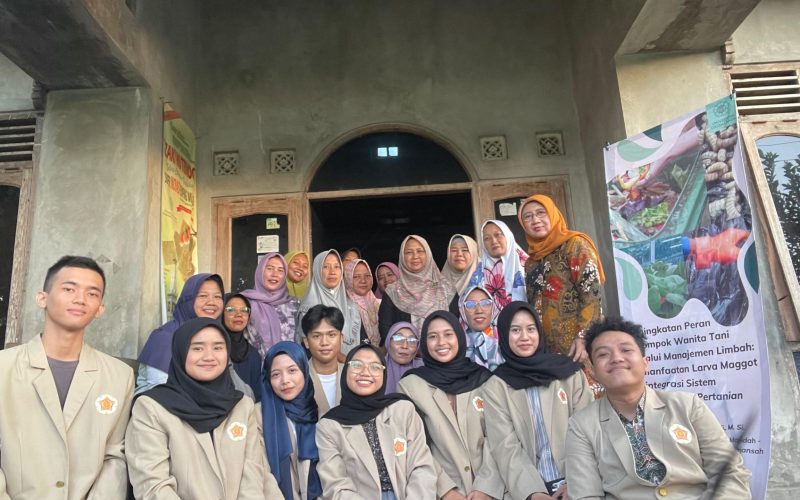
On 12-15 July 2022, Lecturer at the Faculty of Biology UGM Akbar Reza, M.Sc and Puji Lestari, S. Hut, M.Sc lecturers at the Department of Biology and Veterinary Technology at the UGM Vocational School carried out research and community service activities in Kotabaru, South Kalimantan, particularly Hilir Muara Village and Gedambaan Village. The activity which is a cross-sectoral collaboration between the Social Development Studies Center (SODEC) UGM, Faculty of Biology UGM, PT. Mubadala Energy, Kotabaru Polytechnic and the local government have been implementing this since 2020. Activities in Hilir Muara Village focus on empowering coastal communities with main assistance to Pokdarlis (Environmental Awareness Group), UMKM (Hilir Muara Cinta Bumi), and Waste Bank. Some of the programs initiated include greenhouses establishment for plants with economic value and native of Kalimantan, optimizing composters, including initiating collaboration with BUMDES and assisting BPOM’s licensing process for UMKM. These programs were initiated out of concern for the sustainability of coastal ecosystems which actually provide high ecosystem services, especially in the face of the climate crisis. Furthermore, the waste problem is also a problem for coastal areas which, apart from reducing aesthetics, also has the potential to cause long-term health problems.
Activities continued in Gedambaan Village which focused on studying coastal biodiversity. On this occasion, Akbar Reza, M.Sc with an expertise on ecology and conservation, and Puji Lestari, S.Hut, M.Sc with an expertise on Forestry were responsible for justifying techniques and locations for planting mangroves, determining permanent plots (PUP), and monitoring methods as an initiation for long-term monitoring. In its implementation, this activity was intensely assisted by Fitra Nofra, S.Si and Gema Starliantri, S.Hut as the Biodiversity Officer of PT. Mubadala Energy, in collaboration with the Kotabaru Polytechnic and the Gedambaan Village Government as the main actors. On the same occasion, planning was also carried out for a program for planting typical Kalimantan plants in collaboration with the Pulau Laut Sebuku in the Environmental Services Block in the Bukit Mamake area. Furthermore, in the long term these programs are expected to have economic value that can support the lives of local communities.
In general, these research activities and empowerment programs simultaneously support national programs such as PROKLIM Village, climate change adaptation, and local community-based blue carbon ecosystem preservation. It is hoped that the programs implemented will actually be able to help coastal communities as vulnerable to climate change. In addition, the programs are expected to be able to bring about change, both from an environmental and economic perspective