SDG 3 : Establish Good Health and Well-Being
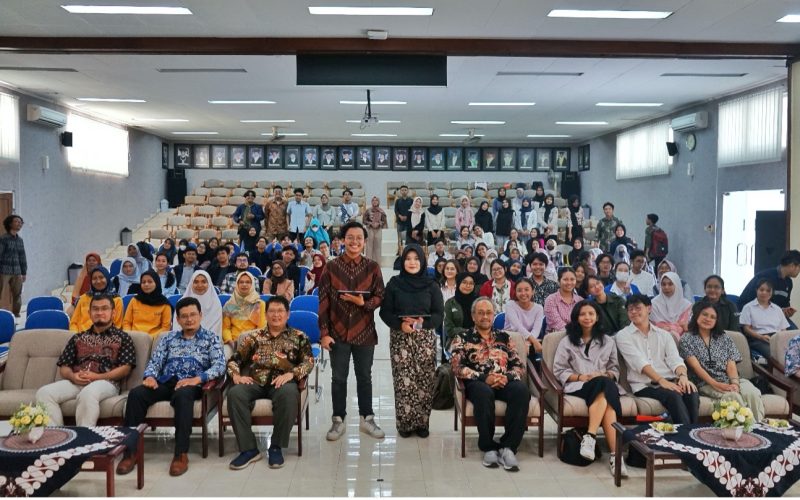
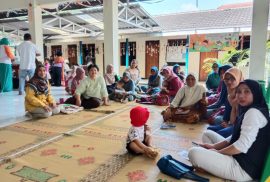
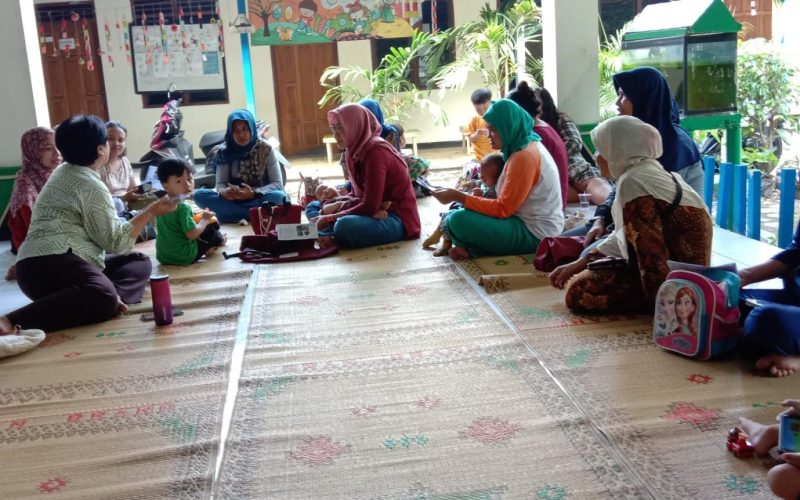
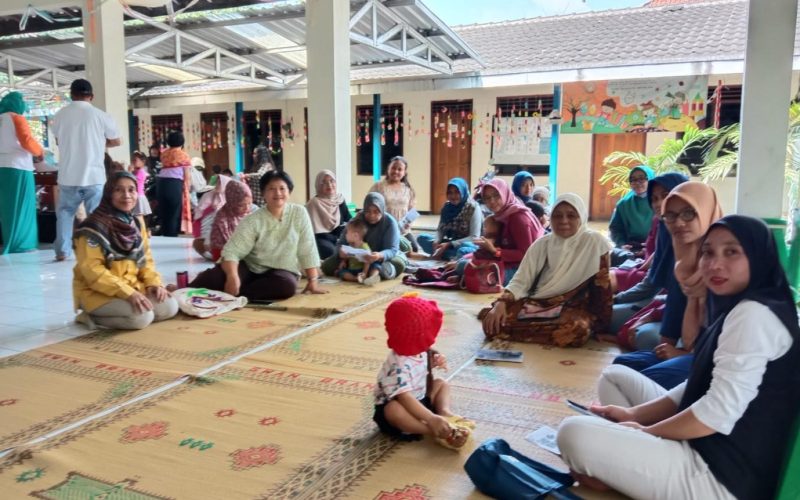
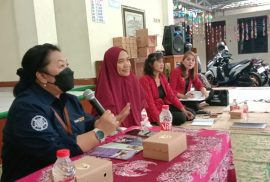
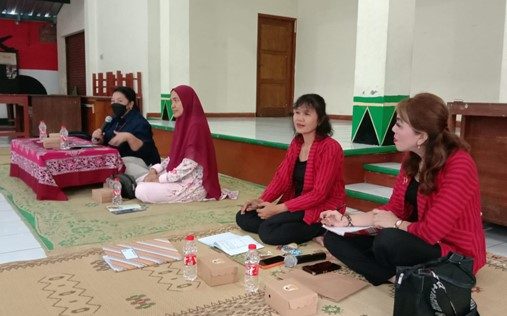
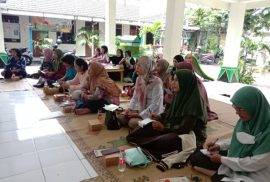
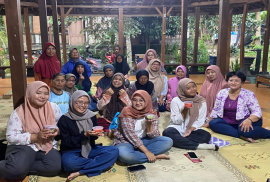
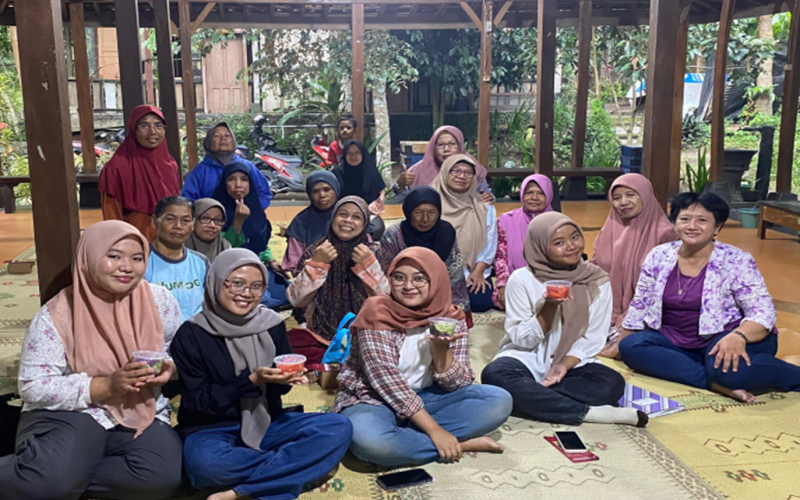
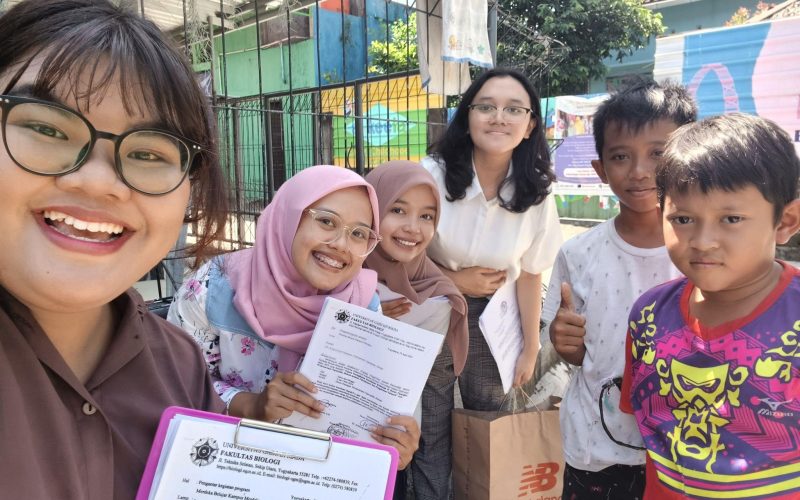
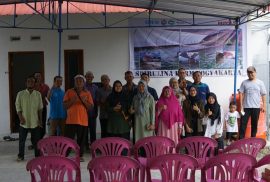
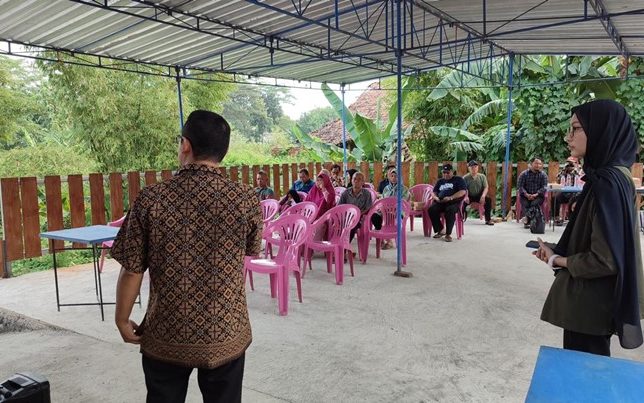
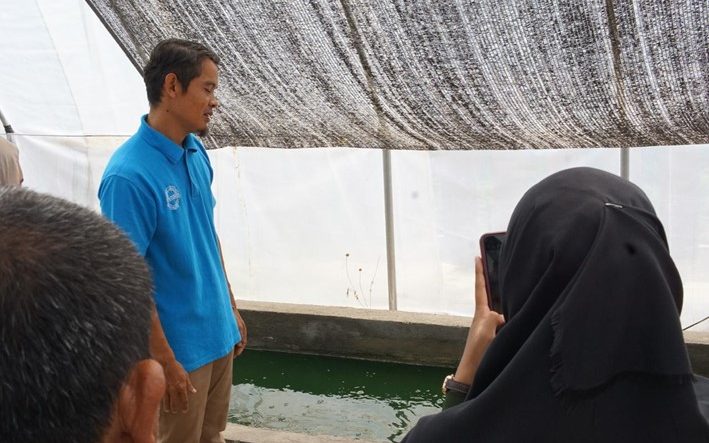
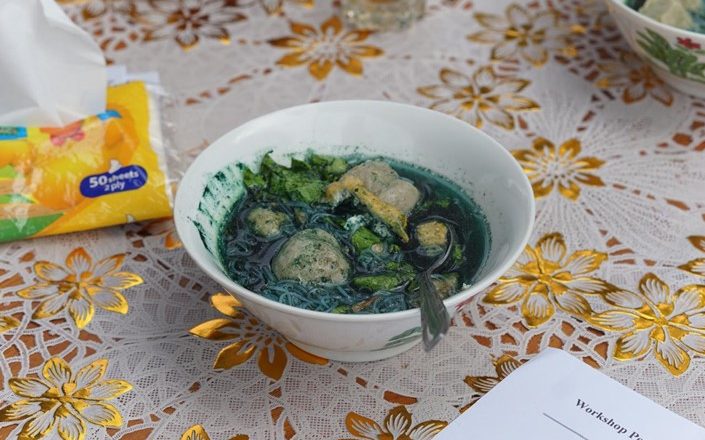
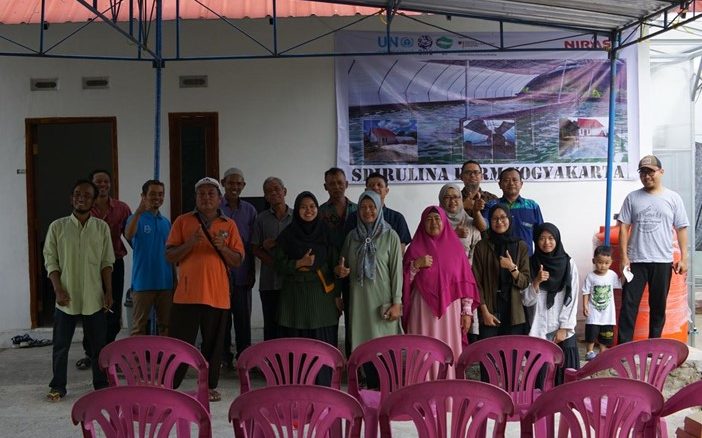
On Sunday, October 15th, 2023, the team of Merdeka Belajar Kampus Merdeka-Pengabdian kepada Masyarakat (MBKM-PkM) 2023 Faculty of Biology, Universitas Gadjah Mada, conducted another socialization activity for the residents in Pajangan, Wedomartani, Ngemplak, Sleman, Yogyakarta, regarding the production of liquid organic fertilizer (LOF) and eco-enzyme. This socialization was organized to encourage the community to manage organic waste into something beneficial, such as liquid organic fertilizer (LOF) and eco-enzyme. The speakers for this socialization were the MBKM-PkM 2023 team, consisting of five undergraduate students of Faculty of Biology, Unviersitas Gadjah Mada, class of 2020, they were Arba’ Ramadhani Artik, Arneta Yuvita, Ester Dewanti Yovita Wardani, Fadiah Sri Rahayu, and Zidni Meirizka Utami, under supervision Dr. Ardaning Nuriliani, S.Si., M.Kes. and the partner mentor Ms. Nurini Aru Sudarsi. The MBKM-PkM 2023 team conducted the socialization with the theme “Caring for the Earth Starts from Our Kitchen.” This theme included two main topics: liquid organic fertilizer and eco-enzyme. The first topic covered the importance of macro and micro nutrients for plants, the definition of organic and inorganic fertilizers, the differences between organic and inorganic fertilizers (chemical), the advantages and disadvantages of organic and inorganic fertilizers, the production process of liquid organic fertilizer, as well as its application. The second topic explained the concept of eco-enzyme, its advantages and disadvantages, its benefits, the production process of Eco-enzyme, as well as its application.
Effective management of organic waste is crucial at present, given the issues related to the limited space for waste disposal at the Piyungan Final Disposal Site in the Special Region of Yogyakarta. Producing liquid organic fertilizer (LOF) and eco-enzyme is one way to manage organic waste such as food scraps, vegetable waste, fruit waste, and leaves, turning them into something beneficial for the environment. Liquid organic fertilizer (LOF) can be used to nurture plants without worrying about chemical effects on them. Meanwhile, eco-enzyme can serve not only as a fertilizer component but also as a detergent or cleanser and pest control for plants. The production of LOF and Eco-enzyme doesn’t require significant costs; it mainly relies on organic waste from the kitchen, water, molasses solution (brown sugar, palm sugar, coconut sugar), and EM4 solution.
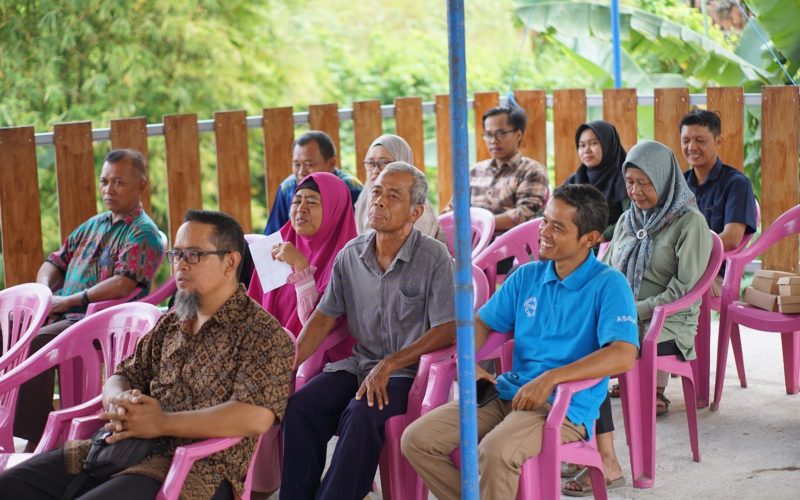
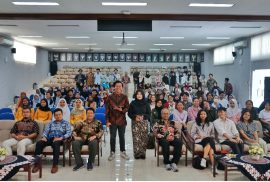
This socialization received a positive response and enthusiasm from the residents of Pajangan Hamlet who actively participated in the discussion sessions with the speakers. It is hoped that the socialization by the MBKM-PkM 2023 team will raise awareness and engagement, particularly among the residents of Pajangan Hamlet, in environmentally friendly practices by managing kitchen and organic waste and turning them into something useful for the environment. (SDGs 3).
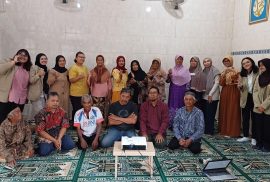
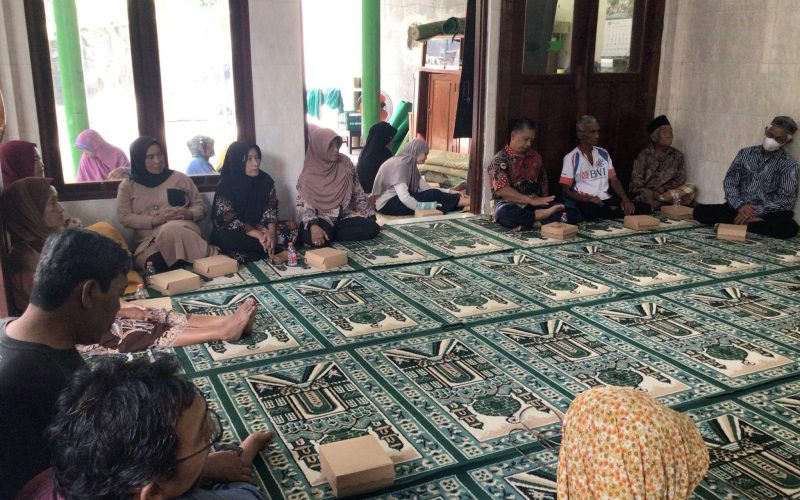
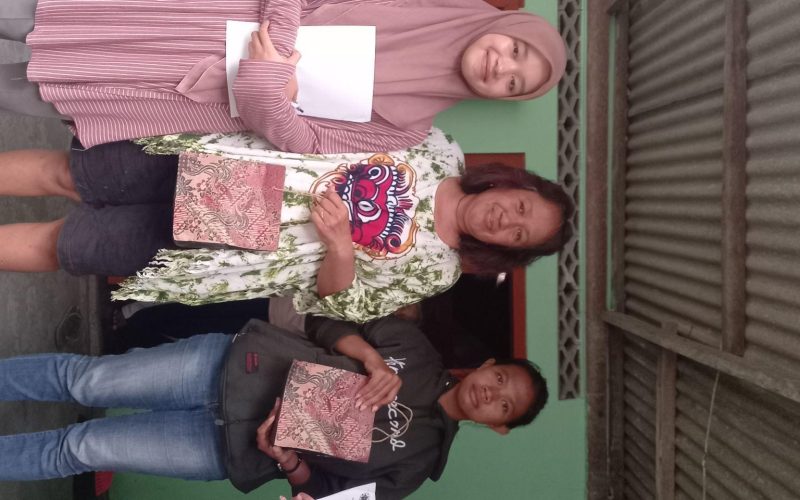
On Sunday, 8th October 2023, the Pengabdian kepada Masyarakat – Merdeka Belajar Kampus Merdeka (PkM-MBKM) Faculty of Biology, UGM 2023, 5 undergraduate students of Faculty of Biology, UGM class of 2020, namely Arba’ Ramadhani Artik, Arneta Yuvita, Ester Dewanti Yovita Wardani, Fadiah Sri Rahayu, and Zidni Meirizka Utami supervised by Dr. Ardaning Nuriliani, S.Si., M.Kes. and Ms. Nurini Aru Sudarsi as the partner mentor have carried out the socialization activities to the residents in Pajangan, Wedomartani Village, Ngemplak, Sleman, Yogyakarta. The theme of the socialization was “Improving the Community’s through Optimizing of Vacant Land”. This program aims to engage the community to improve the economic condition of the family by utilizing vacant land in the yard area of the house to plant vegetables, fruits, herbs, and several medicine and functional plants or also called “TOGA”. In this activity, we invited Mr. Panggih Dwi Atmojo, S.T. as a speaker. He is an alumnus of the Faculty of Engineering, UGM who is currently active as an agro economic practitioner as well as the founder and owner of Agro Edukasi Caping Merapi Yogyakarta which is located at Kenayan, Wedomartani, Ngemplak, Sleman Regency, Yogyakarta Special Region. The given presentation discussed topics about food gardening, including vegetable garden cultivation, as well as rising fish, chickens, and other small livestock to meet daily food needs. He also discussed about urban farming, which is the method of farming in the city or on limited land. In addition, the speaker also emphasized that the use of vacant land as a food garden can provide various other benefits, such as the community can provide traditional medicine independently, add decoration to the garden, provide refreshing activities through gardening, obtain healthier food that is free from chemical fertilizers, and produce biofertilizer which can be obtained through composting, eco lindi, and manure systems. This can also serve to overcome the problem of handling organic waste.
This socialization was attended by around 20 residents and received a very positive response, even some residents were very enthusiastic and directly involved in the discussion session together with the speakers.
A team of Biology students at Gadjah Mada University (S1) made another achievement at the national level by winning first place in the National Essay Competition, led by Ghefira Nur Fatimah along with Jauza Hanifah Azzahra, Meinawa Amaliah, Fadilla Nur Hidayat, and Nimas Ayu Pramesthi. This national-level essay competition was organized by Brawijaya University from June 1st to September 13th, 2023, with the theme “Collaborative Nation-Building through Applied Technology Innovation towards Self-Reliant Indonesia,” . This event encompassed various stages, including the submission of works, assessment, finalist announcement, video presentation submission, video presentation assessment, and winner announcement.
The team took the subtheme Food and Agriculture Processing Technology, with their work titled “Organic Capsule Fertilizer Made from Household Organic Waste as a Manifestation of Circular Economy and Environmental Conservation.” Their scientific work was motivated by the escalating issue of waste accumulation in Indonesia, a country that generates approximately 21.2 tons of waste per year, predominantly consisting of household waste such as food waste, dry leaves, wood, tree branches, and food industry waste. Among the household waste types employed by Ghefira and her team was the mangrove crab shell waste (Scylla serrata). The mangrove crab’s body is primarily composed of its shell, accounting for about 80% of its weight, with the remaining 20% being edible flesh. They selected the mangrove crab shell due to its biocompatible, biodegradable, low toxicity, easy synthesis, and safe application properties.
In their innovation, Ghefira and team implemented two technologies: vermicomposting and microwave technology. This combination transformed organic waste into an innovative product: water-soluble organic capsule fertilizer. The organic fertilizer was crafted from household organic waste, while the water-soluble capsule shell was created from mangrove crab shells. The vermicomposting technology was utilized in the production of organic fertilizer involving the use of earthworms, specifically Eisenia foetida and Eisenia Eugeniae, in composting organic matter. The end result of vermicomposting technology is vermicompost, a mixture of worm castings and compost.
The microwave technology was used in producing water-soluble capsule shells using mangrove crab shell material. Chitin compounds found in mangrove crab shells can be transformed into chitosan for capsule shell production. The chitosan from mangrove crab shells has a large molecular weight, necessitating the application of microwave technology to produce chitosan with high deacetylation degree and low molecular weight, ensuring high solubility in water. The process for making chitosan capsule shells involves several sequential steps, including sample preparation, chitin isolation (deproteinization, demineralization, and decolorization processes), chitosan synthesis (repeated deacetylation using microwave), production of Glucosamine Hydrochloride (GLcN HCl) (via hydrolysis and centrifugation processes), and finally, capsule shell formation using modified capsule molds.
Through these two technologies, they produced water-soluble organic capsule fertilizer with numerous advantages. The use of fertilizers that previously required mixing various components may now be simplified through the capsule form, making application on plants more convenient. Individuals need not worry about measuring fertilizer quantities, as the organic capsule fertilizer already contains all necessary elements for plants in a complete and precise manner. Additionally, the capsule form facilitates storage due to its relatively small size, saving storage space. The water solubility of the organic capsule fertilizer is relatively fast, preventing residual waste during use. Therefore, the organic capsule fertilizer implements a circular economy system and is anticipated to contribute to environmental conservation.
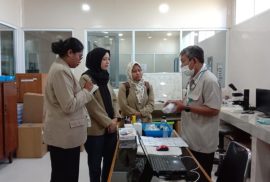
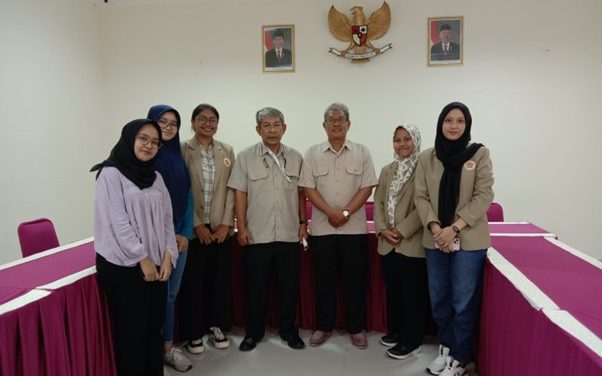
On Monday 7 August 2023, a group of waste management tour participants coordinated by SONJO, a humanitarian movement focused on aiding communities visited The Faculty Of Biology UGM. The group, consisting of 25 participants, arrived at the Faculty of Biology UGM around 9:30 AM and was promptly received by the Dean and the faculty members. This visit to the Faculty of Biology at UGM was part of a series of visits that had previously taken place at the Faculty of Dentistry at UGM.
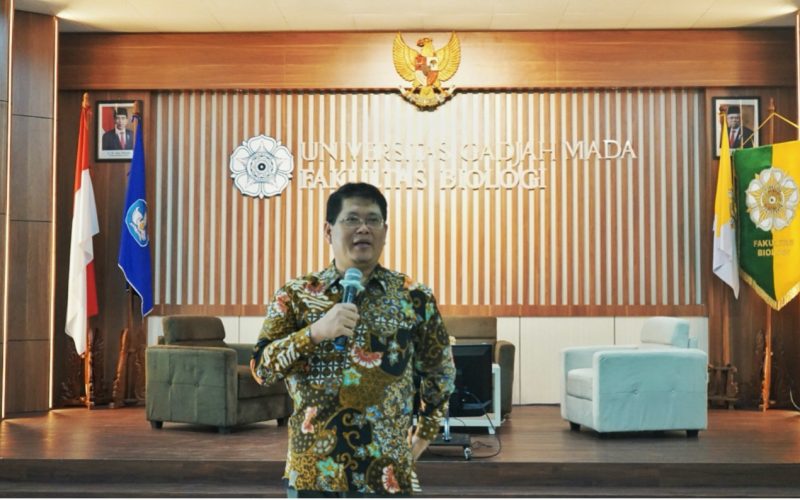
During his welcoming speech, the Dean of the Faculty of Biology UGM, Prof. Dr. Budi S. Daryono, M.Agr.Sc., expressed gratitude for the participants’ visit. “The issue of waste actually originates from humans themselves, so it’s up to humans to solve it,” Prof. Budi stated. Furthermore, Prof. Budi elaborated that the Faculty of Biology UGM engages in daily waste management across a substantial area, including organic waste from the Biology Forest. Over time, the Faculty of Biology has made discoveries in waste management, such as expediting compost production.Following this, a video demonstrating the waste management procedures carried out at the Faculty of Biology at UGM was played.
At the conclusion of the event, participants were taken to the field to witness the waste management processes firsthand, which included:
- Composting and maggot cultivation
- Production of POC/Biofertilizer and ECO enzymes
- Vermicomposting process
The waste management tour participants are scheduled to continue their visit for a period of 3 days until Wednesday (8/9/23), with participants from hospitals and religious boarding schools.