SDG 3 : Establish Good Health and Well-Being
#GenomicInnovation #SDGsIndonesia #TropicalScience #UGMForTheNation #Bioinformatics #GenomicsForSustainability #UGMGlobalImpact #ScienceForLife #SDGs3 #SDGs4 #SDGs9 #SDGs13
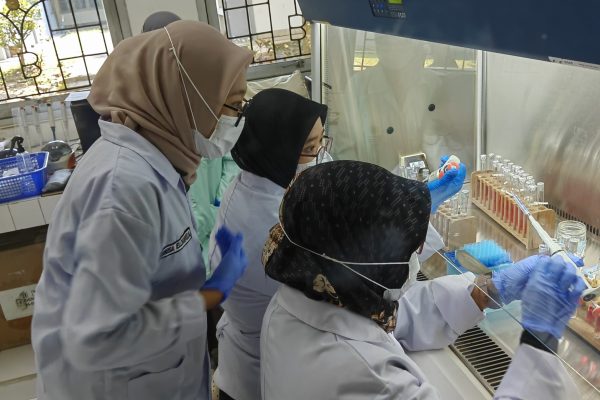
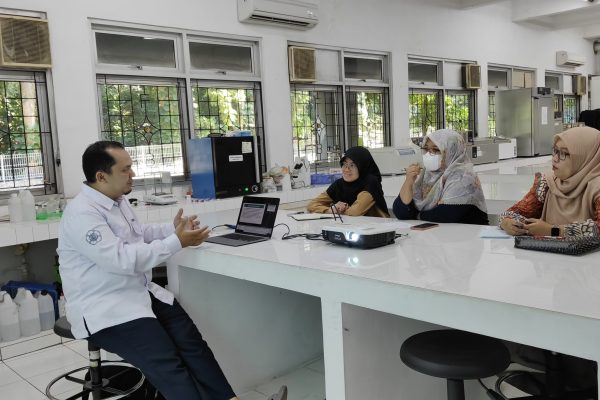
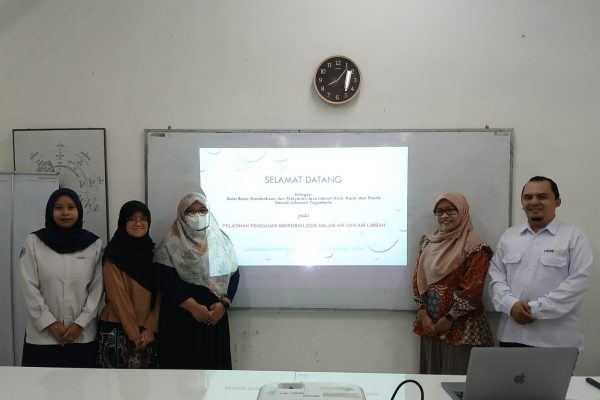
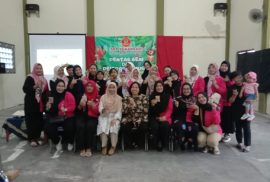
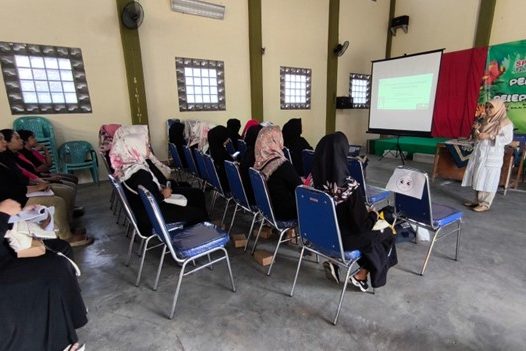
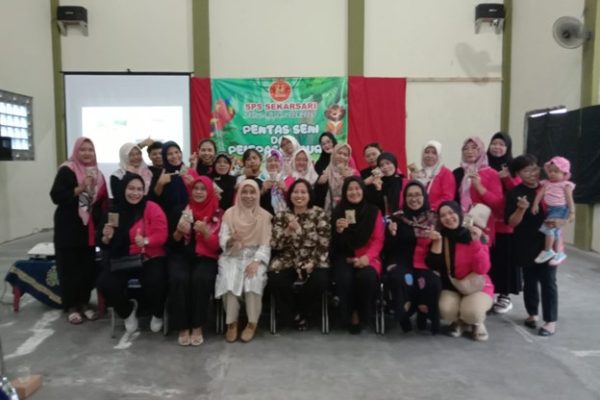
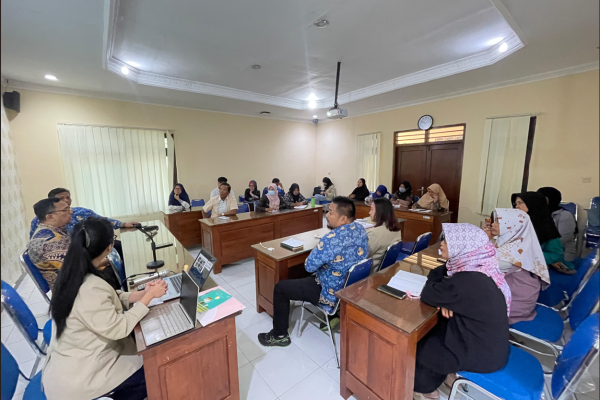
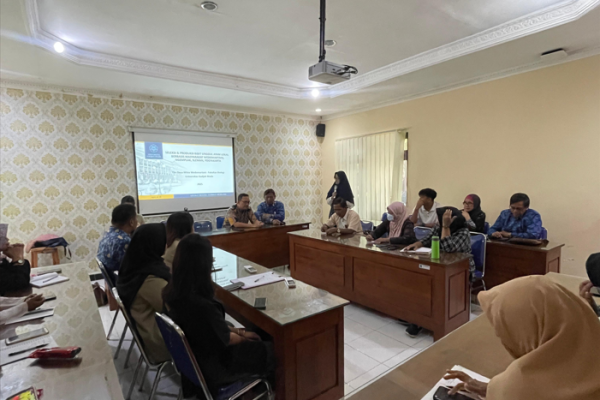
The Community Service program of the UGM Faculty of Biology was held again on Friday, July 18, 2025, at the Balai Dusun Belimbing Sari in Caturtunggal Village, Depok, Sleman. Under the banner “Mosquito Vector Control through Biological Approaches and the Use of Essential Oils,” the event welcomed 35 enthusiastic local PKK members to participate in a series of engaging lectures and hands‑on sessions.
The Desa Mitra Caturtunggal teaching team included Dr. Dra. Rr. Upiek Ngesti W.A., B.Sc., DAP&E, M.Biomed (Animal Systematics Laboratory); Woro Anindito Sri Tunjung, S.Si., M.Sc., Ph.D (Biochemistry Laboratory); Nur Indah Septiani, S.Si., M.Sc., Ph.D (Animal Structure & Development Laboratory); and Sari Darmasiwi, S.Si., M.Biotech., Ph.D (Microbiology Laboratory).
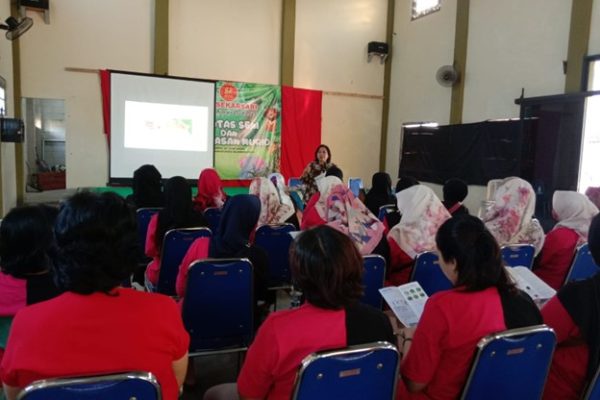
Dr. Dra. Rr. Upiek Ngesti W.A. opened the program with an in‑depth overview of mosquito species and the dangerous vector‑borne diseases they transmit—such as dengue fever and malaria—along with their habitat and life cycle. She detailed biological control strategies using fish and other predators, physical measures via the “3M” method (emptying, covering, burying), and preventive chemical fogging. Her comprehensive presentation gave participants a clear understanding of the need to integrate multiple control methods.
The second session, led by Woro Anindito Sri Tunjung, S.Si., M.Sc., Ph.D., dove into the use of essential oils as natural mosquito repellents. In a style both lighthearted and informative, Dr. Woro defined what essential oils are, introduced various plant sources—such as lemongrass, kaffir lime, and basil—and outlined two practical approaches: planting repellent species in home gardens and crafting natural room fresheners. Participants were keen to follow her simple distillation steps and discuss how to apply them at home.
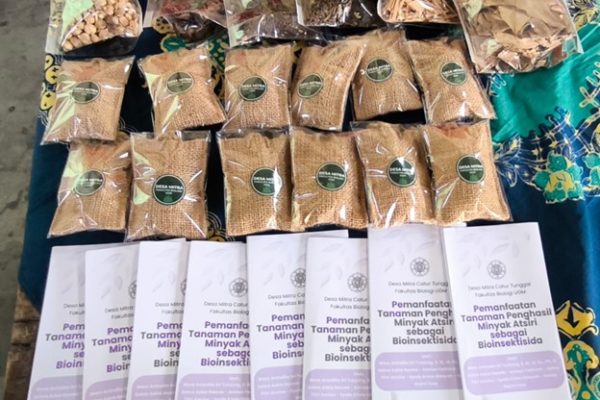
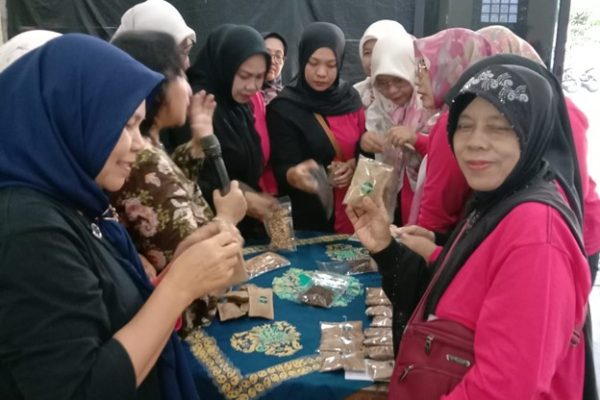
The highlight of the day was the hands‑on workshop, where attendees created aromatic sachets from dried ingredients—clove buds and stems, star anise, and lemongrass—packaged in rustic burlap bags. These sachets proved easy to make, cost‑effective, and both decorative and functional as mosquito deterrents. Light conversation and sharing of tips on preserving the scent for longer added warmth and camaraderie to the event.
Through this activity, the Faculty of Biology UGM puts into practice its Tri Dharma of Higher Education, particularly community service, while also supporting the Sustainable Development Goals: SDG 3 (Good Health and Well‑being), SDG 11 (Sustainable Cities and Communities), and SDG 17 (Partnerships for the Goals). It is hoped that the knowledge and skills gained will foster sustainable mosquito control efforts in Dusun Belimbing Sari and strengthen the community’s environmental health.
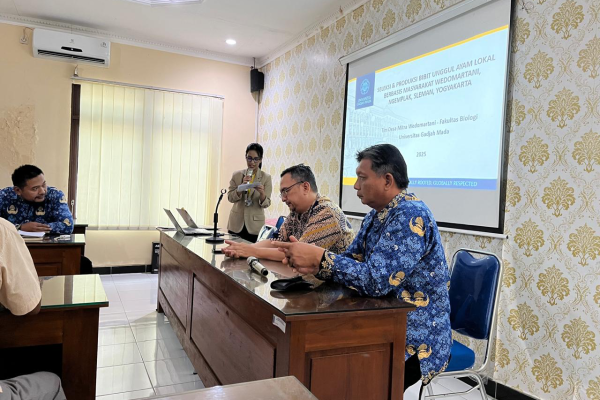
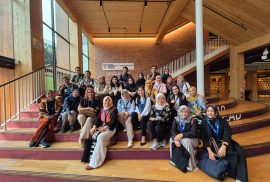
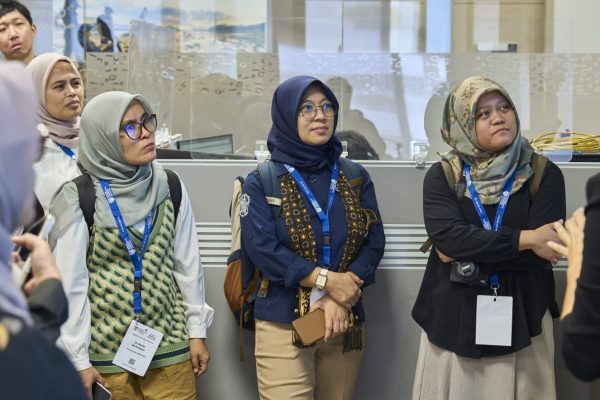
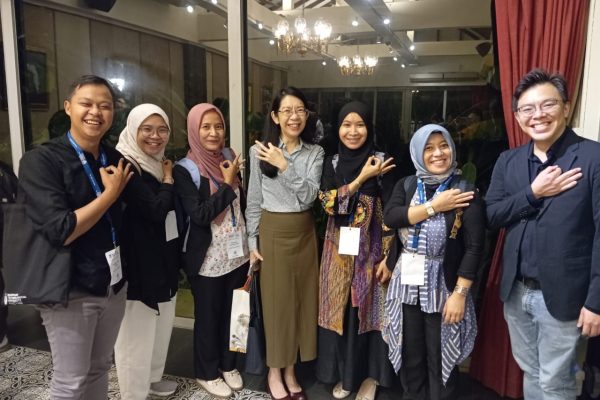
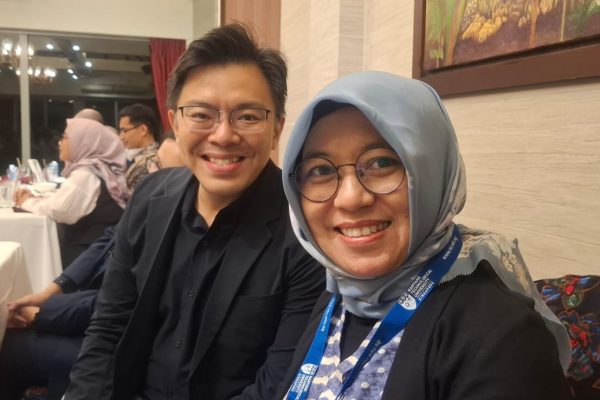
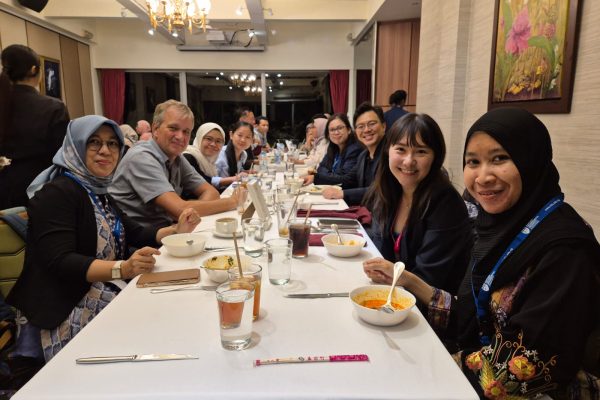
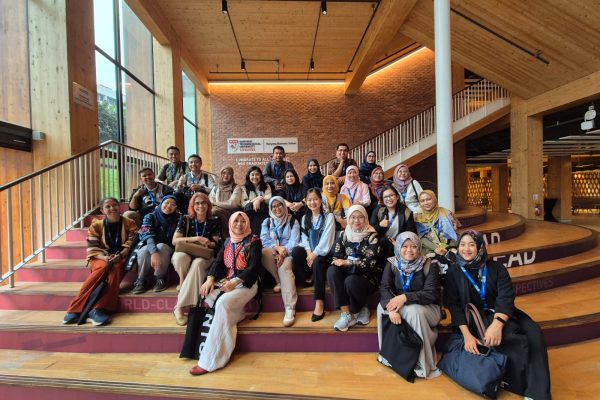
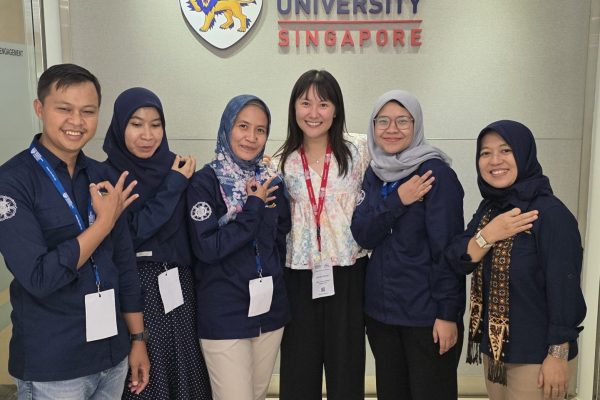
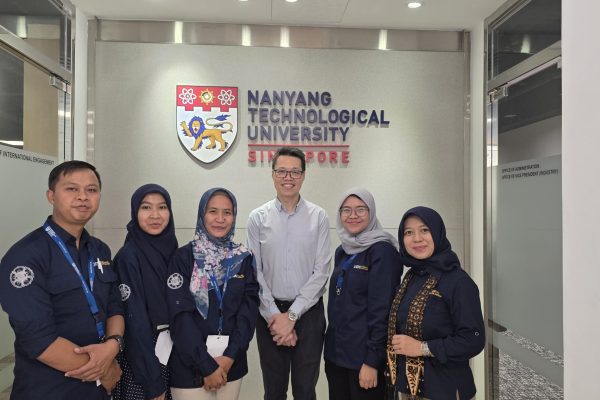
Singapore (July 16th), The RI-SING University Network Faculty Immersion Program is a collaboration between five leading universities in Indonesia (UGM, UI, ITB, IPB, and ITS) and five universities in Singapore: Nanyang Technological University (NTU), National University of Singapore (NUS), Singapore Management University (SMU), Singapore University of Social Sciences (SUSS), Singapore University of Technology and Design (SUTD), and Singapore Institute of Technology (SIT). This program aims to strengthen collaboration and build relationships between universities in Indonesia and Singapore. The Faculty Immersion Program held from July 14-16, 2025, at NTU Singapore, aimed to explore research and project collaborations between NTU and five leading Indonesian universities in the fields of food science, food security & agritech, and sustainability in the life and social sciences.
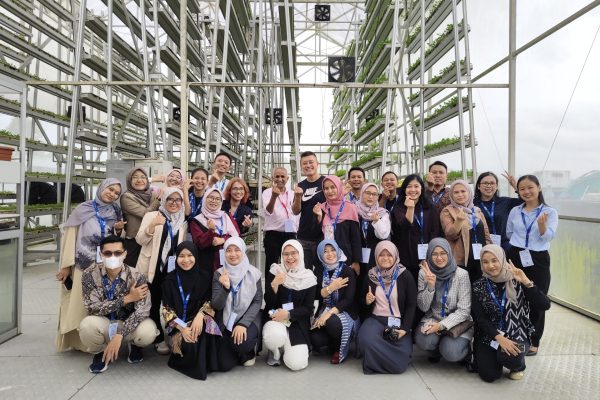
This program was well-planned and engaging, managed by NTU International Engagement, with a professional staff overseeing the program’s rundown. Twenty-five participants from five universities were invited to attend presentations and discussions with schools leaders at NTU. The first day was filled with introductions to the entire NTU International Engagement team, INSPIRASI (Associate Prof. Dalton Tay), and resource persons who would present research materials. The second and third days were filled by schools leaders, including: Prof. Md. Saidul Islam from the School of Social Sciences; Prof. Viswanathan S. from the Business School; Prof. Peter Preiser from the School of Biological Sciences; Prof. Yusuf Ali from Experimental Medicine; Associate Prof. Tan Lay Poh from the School of Materials Science and Engineering; Associate Prof. Janice Lee, Dr. Shawn Lum, Assistant Prof. Yi Wen Zeng, and Assistant Prof. Pierre Taillardat from the Asian School of Environmental Science. NTU also provided opportunities for program participants to visit the INSPIRASI Laboratory, the Vertical Farming Laboratory at Sky Green, the Botanical Garden of Singapore, the MSE Laboratory, and the Tropical Ecology Laboratory.
Universitas Gadjah Mada, as a member of the RI-Sing University Network Faculty Program consortium, sent five lecturers to this program, one of whom was Dr. Dwi Umi Siswanti, S.Si., M.Si. from the Faculty of Biology. Dwi, in addition to her expertise in sustainable agriculture, is also a member of the Faculty of Biology’s Organic Waste Management Task Force and a member of the Waste Management Team at PIAT UGM. Dwi took this opportunity to have an in-depth discussion with Prof. Dalton from INSPIRASI. INSPIRASI is a collaborative research and education program initiated by the Ministry of Education of Singapore (MOECRT) and the Indonesian Ministry of Research, Technology, and Higher Education for five raising universities: Universitas Gadjah Mada (UGM), University of Indonesia (UI), Bandung Institute of Technology (ITB), Institute of Technology Surabaya (ITS), and NTU. INSPIRASI focuses on smart and sustainable campuses, integrated sustainable waste management systems, and research into environmentally friendly campus technologies. The integrated sustainable waste management program overlaps with the organic waste management programs of the Faculty of Biology and PIAT UGM. Dwi explained that the waste management practices of the Faculty of Biology UGM and the utilisation of waste for organic farming are based on her research. INSPIRASI is interested in establishing a waste management collaboration at UGM.
The INSPIRASI program also offers undergraduate students from UGM to participate in an undergraduate immersion program, a program conducted at both universities. The first three years of study are conducted at UGM (the home university), followed by one year at NTU, resulting in a degree from UGM. This program can be continued with a Postgraduate Immersion program, which involves students adding a year at NTU and earning a Master’s degree from NTU. The NTU Doctoral Program (PhD) also accepts students from INSPIRASI members through two scholarship schemes: the LPDP-NTU PhD Scholarship, which awards 30 doctoral students per year, and the NTU PhD scholarship scheme.
Prof. Preiser from the School of Biological Sciences is offering research collaborations in the molecular mechanisms by which malaria parasites adapt to environmental change and research in food security. Meanwhile, Prof. Jennice Lee and her team are offering research collaborations in biodiversity, peatland restoration, and sustainable agriculture. Furthermore, Prof. Pooi See Lee, NTU’s Vice President of International Engagement, stated, “We sincerely hope this program will foster research collaborations between NTU and five leading universities in Indonesia.” Wanda Preiser, NTU’s Head of Office International Engagement, added, “If you contact one of our researchers, please let us know so we can assist you.” “We will report the results of this meeting to our Dean and hope for research and project collaboration with NTU, particularly regarding waste management at UGM,” Dwi concluded in response to Wanda’s request.
This faculty immersion program supports SDGs 3 (Good Healthy and Well Being), SDG 4 (Quality Education), SDG 7 (Affordable and Clean Energy), SDG 10 (Reduced Inequality), SDG 11 (Sustainable Cities and Communities), SDG 12 (Responsible Consumption and Production), and SDG 17 (Partnerships for The Goals). (DUS)
“Papua holds the greatest diversity of freshwater crayfish in the world, yet many species remain scientifically undescribed,” said Rury Eprilurahman.
“Our goal is to help establish a valid taxonomic foundation while promoting the protection of these increasingly vulnerable species,” he added.
New Species from Papua’s Hidden Rivers
The seven newly described species originate from various remote regions of West Papua:
- Cherax veritas — Misool Island, Raja Ampat
- Cherax arguni and Cherax kaimana — northern Kaimana district
- Cherax nigli — southern Kaimana
- Cherax bomberai — Fakfak
- Cherax farhadii and Cherax doberai — Teluk Bintuni region
“These species can be clearly distinguished from each other, both morphologically and genetically,” the researchers wrote in their publication.
DNA Reveals Unique Lineages
To further validate their discoveries, the team performed mitochondrial DNA analyses using the 16S rRNA gene fragment.
Results revealed that the seven new species represent genetically distinct lineages, supporting their classification as separate species.
“This is crucial, as some species may look deceptively similar. Without molecular analysis, we risk misinterpreting their evolutionary relationships,” Eprilurahman explained.
By combining classical morphology with molecular systematics, the researchers ensured a scientifically sound and responsible approach to species identification.
Aquarium Trade as a Starting Point
Intriguingly, some of the initial specimens were obtained through the aquarium trade.
“Many of these species first appeared in the aquarium hobby market in Europe or Jakarta,” Rury noted.
“From there, we traced their origins and collaborated with local contacts in Papua to confirm the natural habitats.”
While not ideal, the aquarium trade occasionally provides an early clue to the existence of undescribed species.
Nevertheless, Rury emphasized that all field sampling and data collection were conducted ethically and following conservation permits.
Vital for Conservation Efforts
This discovery is significant not only for taxonomy but also for conservation.
West Papua is a global hotspot for freshwater biodiversity, yet its ecosystems face mounting threats from deforestation, mining activities, infrastructure development, and illegal wildlife trade.
By enhancing the region’s species inventory, the findings will contribute to more targeted and effective conservation planning.
“If we don’t even know which species are present, how can we protect them?” Rury asked.
“With this knowledge, we can push for more sustainable management of freshwater habitats.”
Much More Yet to Be Discovered
While seven new species have now been formally described, the researchers believe Papua’s Cherax diversity is still vastly underexplored.
“Papua is incredibly vast. There are countless rivers, lakes, and cave systems that remain unexplored,” Rury said.
“I’m confident we will continue to discover new species in the future.”
The same team has previously described other species, including:
- Cherax warsamsonicus (2017)
- Cherax alyciae and Cherax mosessalossa (2018)
- Cherax wagenknechtae (2022)
- Cherax rayko and Cherax phing (2024)
This highlights Papua’s status as a global hotspot for freshwater crayfish diversity.
Continuing the Legacy of Holthuis
Since Holthuis pioneered the study of the world’s freshwater crayfish in the mid-20th century, modern tools like Next Generation Sequencing (NGS) and advances in molecular systematics now offer unprecedented insights.
But fieldwork remains irreplaceable.
“There is no substitute for direct exploration in nature,” Rury emphasized.
“Papua still holds many mysteries, and we have only scratched the surface.”
Through a combination of field exploration, global collaboration, and rigorous science, today’s researchers — following in the footsteps of L.B. Holthuis — continue to unveil new chapters in our understanding of Indonesia’s extraordinary freshwater biodiversity.
Reference:
Lukhaup C., Eprilurahman R., von Rintelen T. (2025). Seven New Species of Crayfish of the Genus Cherax (Crustacea, Decapoda, Parastacidae) from Western New Guinea, Indonesia Arthropoda 3(2):10. https://www.mdpi.com/2813-3323/3/2/10