• UGM
  • Simaster Portal
  • IT Center
  • Webmail
  • KOBI
  • English
    • Bahasa Indonesia
Universitas Gadjah Mada Universitas Gadjah Mada
Faculty of Biology
  • ABOUT US
    • History
    • Organization
    • Vision and Mission
    • Lectures and Staff
      • Lecturers
      • Adjunct Professor
      • Supporting Staff
    • Facility
      • Laboratories
      • Research
      • Library
      • Museum
      • Mental Health Consultation
      • Disability
  • EDUCATION
    • Undergraduate Program
      • Graduates Learning Outcome
      • Academic Callendar
      • Course
    • IUP
    • Profession Program
      • What is the Professional Study Program in Biodiversity Curator (PKKH)?
      • Admission for New Students of the Biodiversity Curator Profession Program Study
      • Information and FAQ Study Program of Biodiversity Curator Profession
    • Master Program
      • Master Program in Biology Description
      • Curriculum Structure Master Program
    • Doctoral Program
      • Vision, Mission, Objectives, Targets, Competencies, and Learning Outcomes
      • Admission Requirement for Program Doctor in Biological Sciences
      • Admission: What Documents to be prepared?
      • Curriculum
    • Regulations
    • Accreditation & Quality Assurance
  • RESEARCH
    • Journal of Tropical Biodiversity and Biotechnology
    • Berkala Ilmiah Biology
    • Research
    • Publication
  • Community Service
    • Waste Management
  • STUDENTS & ALUMNAE
    • Student Organizations
    • Prospective Career Opportunities
    • SUMMER COURSE
    • Alumnae
  • Home
  • SDG 4 : Provide Quality Education
  • SDG 4 : Provide Quality Education
  • page. 33
Arsip:

SDG 4 : Provide Quality Education

Senate Open Conference 2023 Faculty of Biology, Highlights the Importance of Innovation in the Central Role of Future Biology

HeadlineNews Release Thursday, 21 September 2023

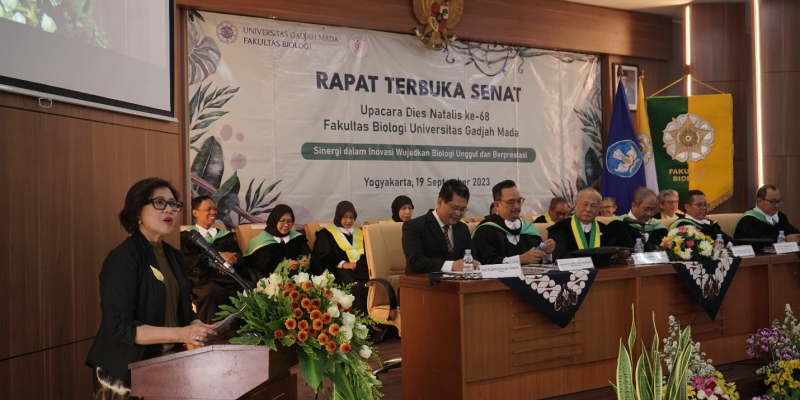
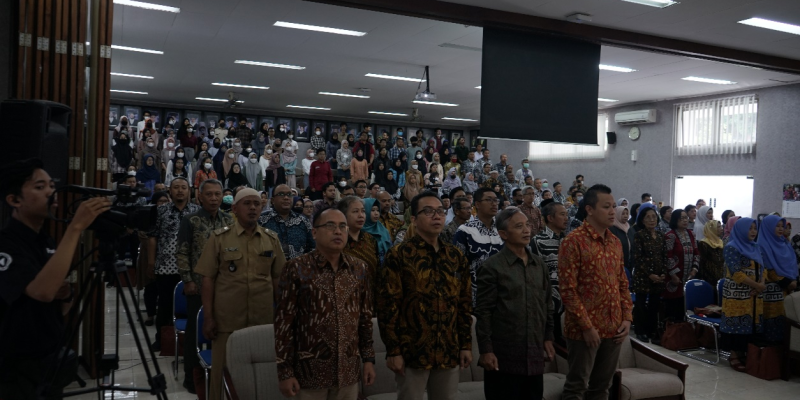
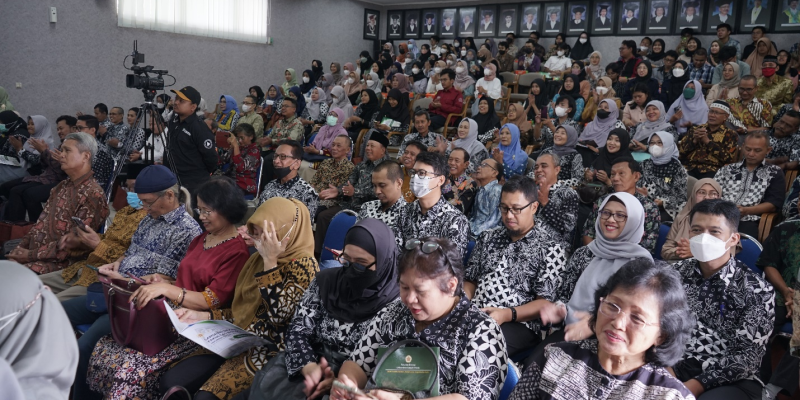
Yogyakarta, 19 September 2023 – Faculty of Biology UGM held the 2023 Senate Open Conference at the Tropical Biology Auditorium with the title “Synergy in Innovation to Create Superior and Achievement Biology”. The Senate Open Conference was also part of celebrations for the 68th Anniversary of the Faculty of Biology UGM. The Conference was attended by the entire academic community of the Faculty of Biology including senate, dean, lecturers, staffs and student representatives, as well as invited guests, alumni, partners and Dharma Wanita Faculty of Biology UGM.
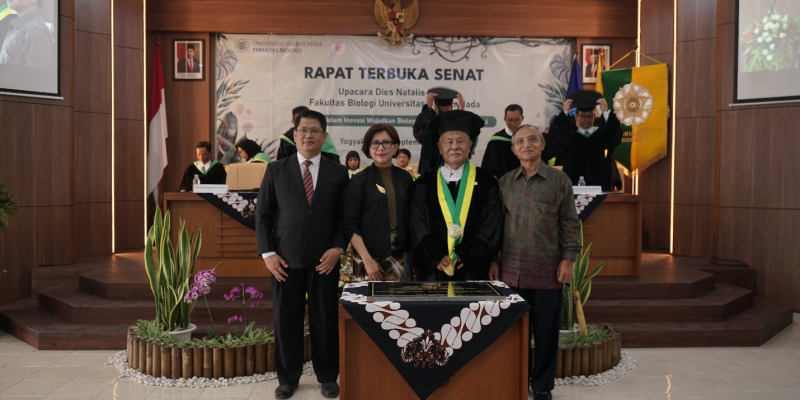
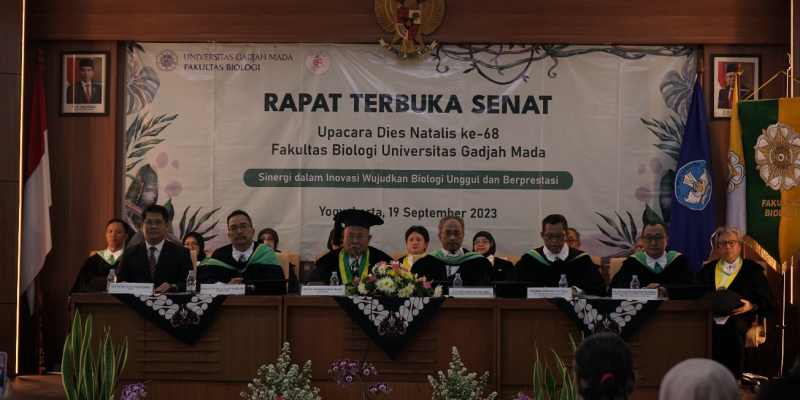
Prof. Dr. Suwarno Hadisusanto, S.U. as Chair of the Faculty of Biology UGM Senate opened the Senate Conference and continued with singing the national anthem “Indonesia Raya”, followed by “Hymne Gadjah Mada”, and “Biology March” as well as a joint prayer led by Tyas Ikhsan Hikmawan, Ph.D.

Prof. Dr. Ova Emilia, M.Med. Ed., Sp.OG (K), Ph.D., Chancellor of Universitas Gadjah Mada also attended the Senate Open Conference and delivered her opening remarks. “There is great potential for support from biological sciences to support various sectors such as health, agriculture, food and other advanced products. “The presence of technology that disrupts life also influences and encourages various innovations, including new biotechnology and biomolecular studies,” said Prof. Ova in her speech (20/9). The UGM Chancellor also said that the phenomenon of future technological development requires us to be open in scientific development so that collaboration across scientific disciplines is necessary for innovation leaps in the future.

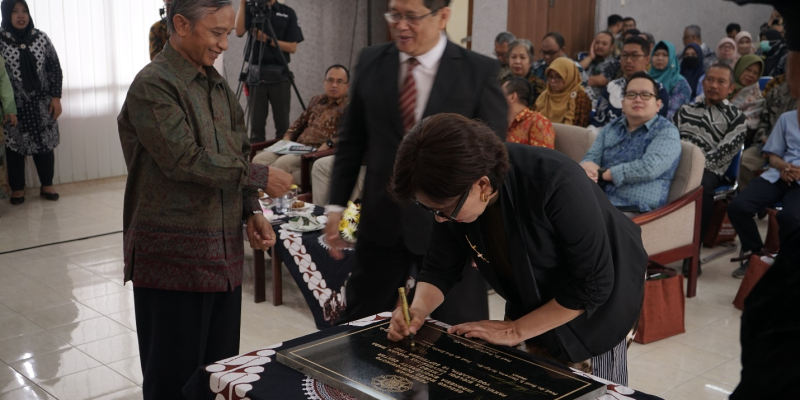
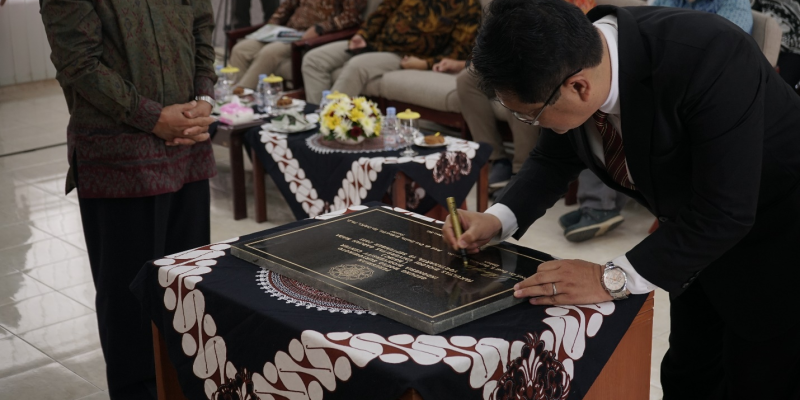
The signing of the inscription for the inauguration of the MSIBC (Moeso Suryowinoto Indonesia Biodiversity Center) Building was then carried out. The signing was carried out by the Chancellor of UGM, Prof. Dr. Ova Emilia, M.Med. Ed., Sp.OG (K), Ph.D. and Dean of the Faculty of Biology, Prof. Dr. Budi Setiadi Daryono, M.Agr.Sc., accompanied by Prof. Chairil Anwar from the Board of Trustees UGM and Prof. Dr. Suwarno Hadisusanto, S.U. as Chair of the Senate Faculty of Biology UGM.

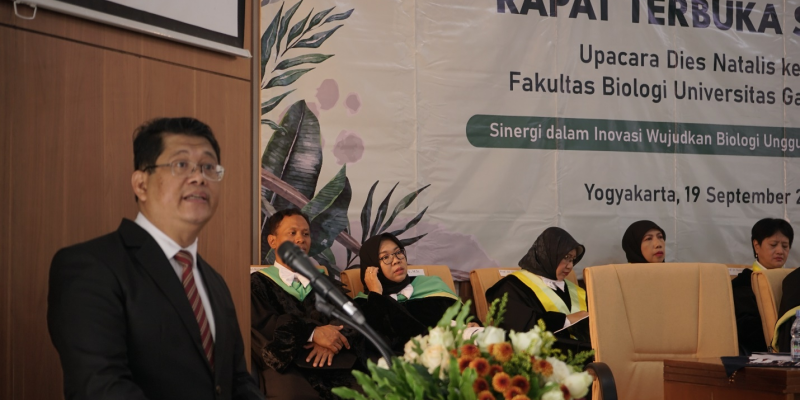
Prof. Dr. Budi Setiadi Daryono, M.Agr.Sc. as Dean of the Faculty of Biology then delivered his remarks as well as the Annual Report of the Faculty of Biology UGM. He explained that the Faculty of Biology has demonstrated its position on the international stage, demonstrated by obtaining ASIIN accreditation since 2018 and successfully maintaining its position at 501-550 in the world for Biological Science, as well as the best in Indonesia based on the QS World Ranking. The Faculty of Biology has also carried out visitations for ASIIN reaccreditation for Bachelor’s degrees and ASIIN accreditation for Master’s programs, and is being prepared for ASIIN accreditation of Doctoral programs in 2024. In 2023, the Biology Faculty has graduated 3 students from the International Undergraduate Program which has been accepting students since 2019.

“Biology as a branch of science continues to develop following the stages of the industrial revolution. One of the instruments is metaverse which relies on more complex system applications such as AI, virtual reality, augmented reality,” Prof. Budi added in his speech (20/9). He also highlighted the multi-dimensional crisis due to climate change and global political dynamics. The development of biology towards the metaverse will be a great opportunity in overcoming this problem. This is also in line with support for the achievements of the Sustainable Development Program (SDGs), especially in improving the quality of inclusive education (SDG 4), handling climate change (SDG 13), preserving ecosystems on land and water (SDG 14 and SDG 15).

In his annual report, the Dean of the Biology Faculty also highlighted international exposure which was greatly increased during this period as an effort for the Biology Faculty to become internationally known and improve student experience. This is demonstrated by exposure in the form of student exchange activities and double degrees for undergraduate, postgraduate and doctoral programs.

Improving the quality of education in accordance with SDG 4 is also demonstrated by the plan to open the Bachelor to Masters Fast Track Program and the Life Curator Professional Study Program (PKKH). Prof. Budi also conveyed student achievements including 50 national level achievements and 4 international level achievements in this period, as well as the Faculty of Biology which has the first Biotechnology Competency Test Center (TUK) in Indonesia in collaboration with LSPS and BNSP. Also presented were financial reports, improvements in infrastructure and facilities to support the tri dharma of higher education including the MSIBC Building which was launched on the same day as the Senate Open Conference, an organic waste management program which was participated in by various groups as an effort to create an environmentally friendly campus and support the implementation of SDGs, especially in improving the quality of healthy life (SDG 3).

Next, we presented the achievements of research studies, international publication achievements of Faculty of Biology lecturers, and the development of journals published by the faculty, including the Journal of Tropical Biotechnology and Biodiversity (JTBB) which is indexed by Scopus Q4 and the Berkala Ilmiah Biologi which already has an ISSN. Data on increasing community service and cooperation at both international and national levels, visiting professors and alumni activities were also presented. Prof. Budi also conveyed the implementation of the 7th National Tropical Biology Seminar and the 6th International Summer Course on Tropical Biodiversity and Sustainable Development which were attended by hundreds of participants from various institutions and countries.

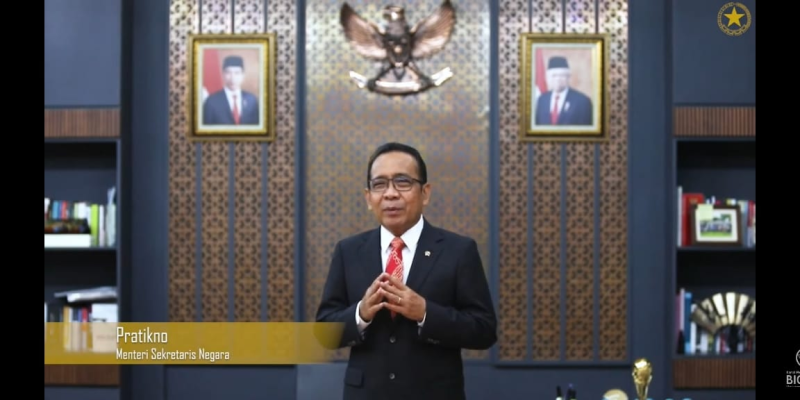
The next scientific speech was delivered by Prof. Dr. Pratikno, M.Soc.Sc., Minister of State Secretary of the Republic of Indonesia and Chair of the Board of Trustees Universitas Gadjah Mada. “Biology studies have great potential. Indonesia is rich in natural resources, vast areas, extraordinary biological riches” Prof. Pratikno started his scientific speech (20/9). Prof. Pratikno highlighted future challenges in the form of a food crisis and increasing food needs in line with the increase in population, especially in third world countries with population growth above one percent. Increasing food production capacity needs to be done to avoid hunger in the future, but this is faced with the challenges of decreasing the amount of agricultural land, climate change, long droughts, rising sea levels which can cause crop failure. He conveyed that the role of biology is very vital in the use of technology to overcome these challenges. The use of alternative energy, namely bio-energy such as bio avtur and bio diesel, is considered to be able to support a green economy to reduce emissions and environmentally friendly sustainable development.

Prof. Pratikno then said that the contribution of biology to human health stems from the closeness of the study of biology to medicine at the time of its founding. The development of health science towards precision medicine, which aims to increase the accuracy of diagnosis for each individual, places biological science as central along with medical science. Initiation of the development of biomedical science as an initial embryo involving various scientific disciplines within it and continuing to develop towards leading technology including involving the use of AI, VR and management of Big Data in the form of a bio-repository.

“Biology has a central role in developing research and knowledge in various fields, food, energy and biomedicine,” said Prof. Pratikno when ending his scientific speech. He stated that biology is a science that continues to develop and can become a vital science in Indonesia’s progress.

The Senate Open Conference ended with a closing remarks by the Senate Chair of the Faculty of Biology, Prof. Dr. Suwarno Hadisusanto, S.U. It is hoped that the Open Conference as part of the celebration of the 68th Anniversary of the Faculty of Biology can trigger the enthusiasm of the academic community so that the Faculty of Biology can continue to develop and provide benefits to the nation and state.
Faculty of Biology’s Commitment to Process Market Waste with the Trade and Industry Agency, Yogyakarta

CooperationHeadlineWaste Management Friday, 25 August 2023

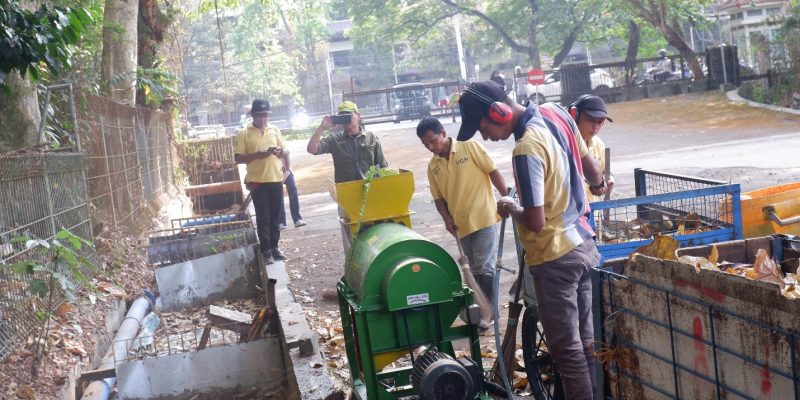
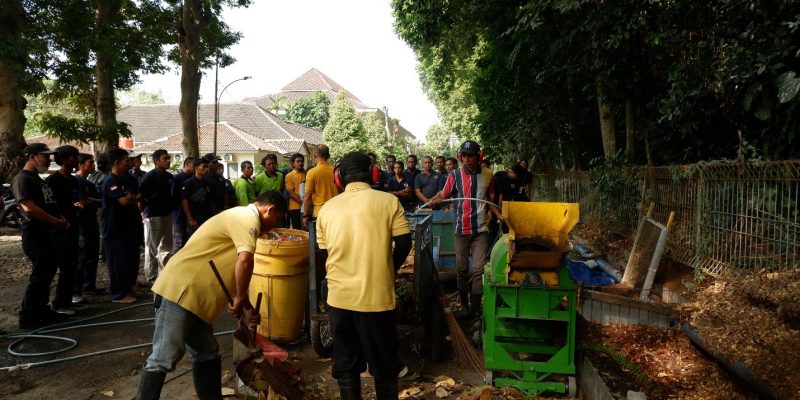
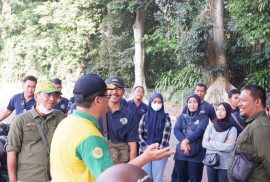
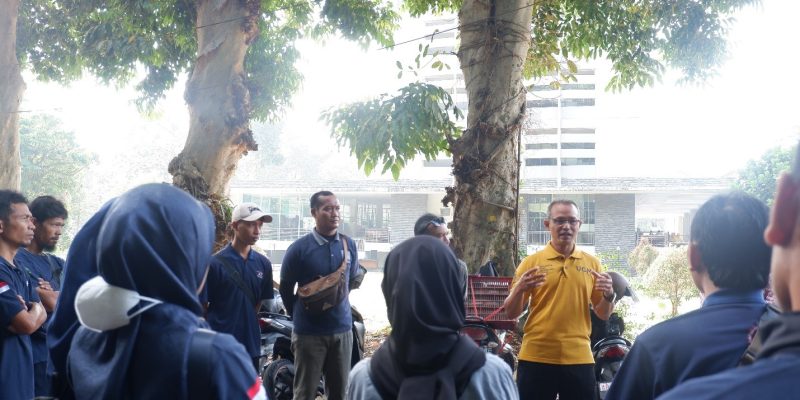
Yogyakarta, 25 August 2023 – The Organic Waste Management Training was again held by the Faculty of Biology. On this occasion, 50 participants consisted of groups from the Market Sector Department, Trade and Industry Agency (Disperindag), Special Region of Yogyakarta (DIY) as well as the Faculty of Pharmacy and Academic Hospital of Universitas Gadjah Mada. Disperindag’s participation in this training is related to waste management in 29 markets in DIY after the temporary closure of the Piyungan Final Disposal Site (TPA) months ago. At least 9 tons of waste are generated every day from the entire market which has not been managed properly.

“There needs to be an effort downstream with education and upstream by sorting and selecting the waste that is disposed of,” said the Dean of the Faculty of Biology, Prof. Dr. Budi Setiadi Daryono, M.Agr.Sc., in his speech to the training participants, Friday (25/8). Prof. Budi also said that if people at the household level were disciplined in sorting waste based on its category (organic-inorganic) it would be enough to reduce waste problems.

The Faculty of Biology has held Organic Waste Management Training activities which are attended by at least 25 Hospitals, 17 Islamic Boarding Schools, and 30 Waste Management Communities in DIY. On this occasion, as many as 40 participants from the Trade and Industry Agency, especially the Market Sector Department, attended training in the framework of solving waste problems in DIY markets, especially market organic waste in the form of fruit and vegetable waste. The training took place guided by Soenarwan Hery Poerwanto, S.Si., M.Kes. and Suharjita.
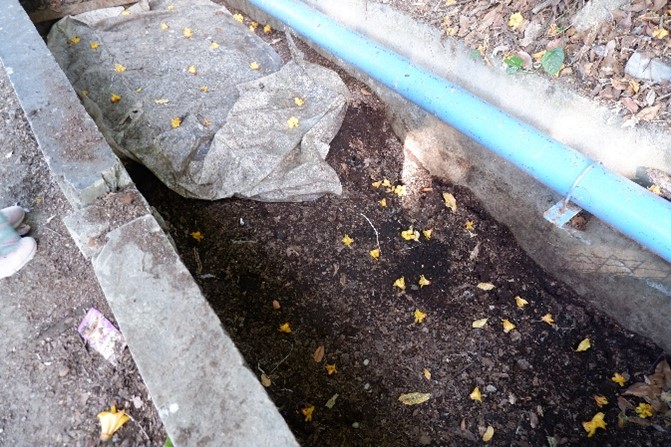
Susilo, Operational Service Manager for the DIY Disperindag People’s Market who also attended the training said that there were at least 29 markets involved and planned to work with the Faculty of Biology in waste management. He stated that the waste collected in each market usually does not only come from traders but also from the surrounding community with the largest amount of waste found in Giwangan Market and Beringharjo Market. Efforts that can be made by the Market Management since the closing of the TPA include limiting the amount of waste that the community disposes of at the market. Susilo also revealed the lack of public education regarding waste sorting and processing.

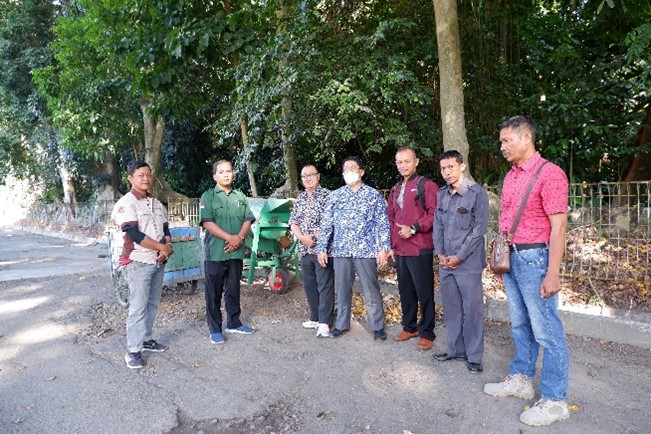
Faculty of Biology is committed to solving organic waste problems in DIY. In managing waste from DIY markets, Faculty of Biology can collect at least 3 tons of waste every day from these markets and process it. With the waste management technology applied at the Faculty of Biology including vermicomposting and Black Soldier Fly, Eco Enzyme, Bioferlilizer, Eco Lindi and others, the waste degradation process can last at least one week.

The commitment of the Faculty of Biology in waste management which also targets the people and communities in DIY emphasizes their commitment as an environmentally friendly campus and supporting Sustainable Development Goals (SDGs). Support for the SDGs includes increasing a healthier life (SDGs 3), having an impact on the availability of clean water in the environment (SDGs 6), and contributing to tackling climate change due to the impact of greenhouse gas emissions from organic waste piles (SDGs 13).

Warm Visit of Alumni from the Faculty of Biology, Universitas Gadjah Mada, Class of 1969

HeadlineNews ReleaseWaste Management Thursday, 24 August 2023

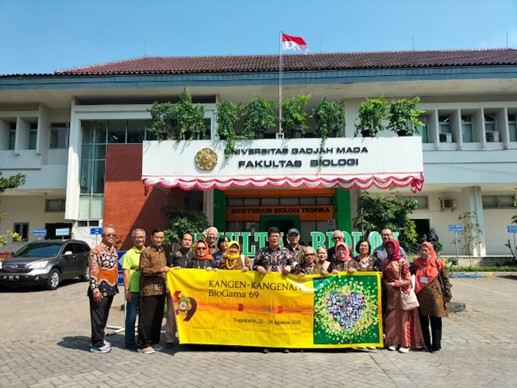
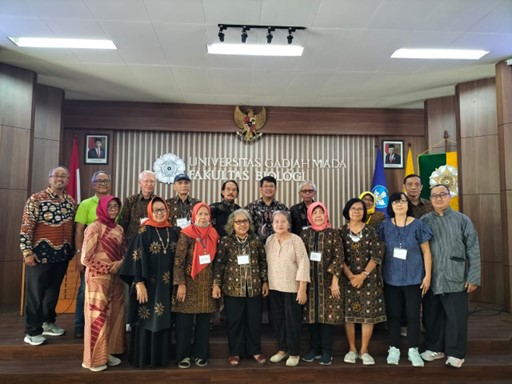
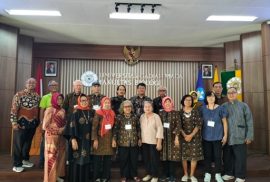
Yogyakarta, August 24, 2023 – The Faculty of Biology at Universitas Gadjah Mada (UGM) was enlivened by the visit of 15 alumni from the Class of 1969. The purpose of this visit was to celebrate nostalgia and strengthen the bonds of camaraderie.
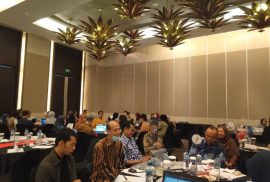
The warm welcome of these alumni was led by Prof. Dr. Budi Setiadi Daryono, M.Agr.Sc., the Dean of the Faculty, Dr. Bambang Retnoaji, M.Sc., as the Vice Dean for Academic and Student Affairs, and Dr. Eko Agus Suyono, M.App.Sc., as the Vice Dean for Research, Community Service, Collaboration, and Alumni, in the Biologi Tropika Auditorium of the Faculty of Biology UGM. This visit became an extraordinary moment to build networks among the alumni and the academic community of the Faculty of Biology.
Dean Budi Setiadi Daryono expressed, “We are honored and delighted to welcome back the alumni of the Class of 1969 to our campus. Their visit is a tangible testament to the enduring spirit of the Faculty of Biology UGM within our alumni.”

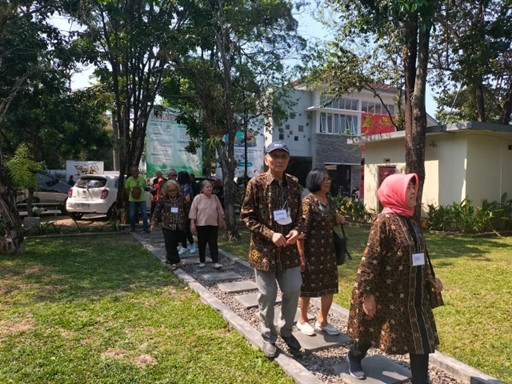
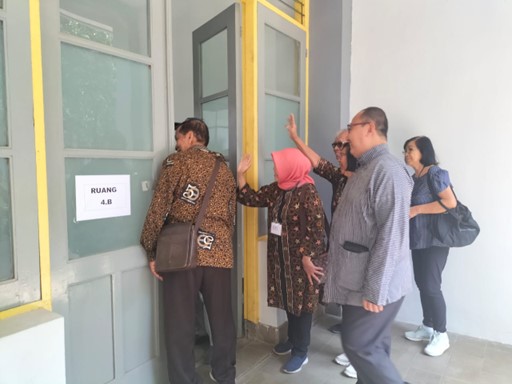
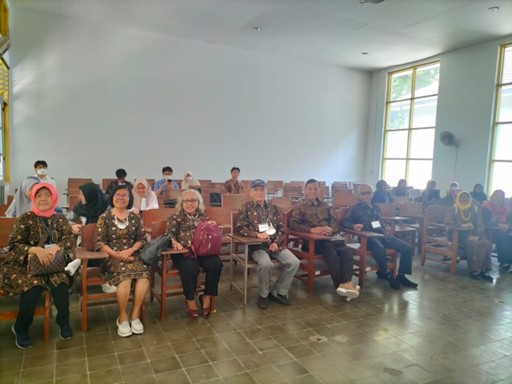
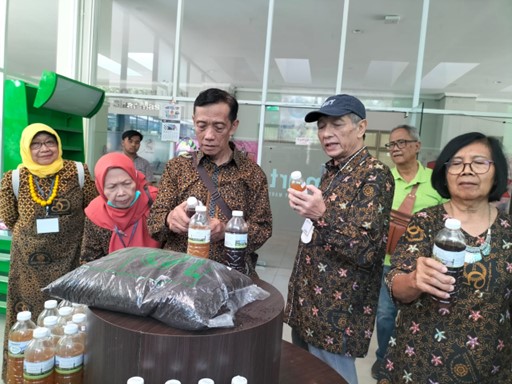
Furthermore, the Vice Deans provided explanations about academic developments, research, and new facilities at the Faculty to the alumni. The visit also included a campus tour, visiting Room IV, one of the classroom spaces that is still active and used to reminisce about the beautiful moments during their studies and share interesting stories. A highlight of the visit was the tour to Biomart, where the alumni could observe innovative products derived from waste processing at the Faculty of Biology UGM.

The Faculty of Biology UGM has produced various sustainable and environmentally-friendly products, such as compost fertilizer from leaf litter, probiotic fertilizers, and Liquid Organic Fertilizer (LOF). The enthusiasm of the alumni was evident as they witnessed the tangible contributions of the Faculty of Biology UGM in addressing environmental challenges, which have recently garnered attention in the city of Yogyakarta.

The visit of the alumni from the Class of 1969 to the Faculty of Biology UGM today serves as evidence that the academic spirit and camaraderie remain deeply ingrained in every facet of the development of the Faculty of Biology UGM.

Warm Visit of the 1969 Alumni of the Faculty of Biology, Universitas Gadjah Mada.

HeadlineNews ReleaseWaste Management Thursday, 24 August 2023

Yogyakarta, August 24, 2023 – The Faculty of Biology at Gadjah Mada University (UGM) was enlivened by a visit from 15 alumni from the 1969 cohort to celebrate nostalgia and strengthen the bonds of brotherhood.


This alumni visit was warmly welcomed by Prof. Dr. Budi Setiadi Daryono, M.Agr.Sc., the Dean, Dr. Bambang Retnoaji, M.Sc., the Vice Dean for Academic and Student Affairs, and Dr. Eko Agus Suyono, M.App.Sc., the Vice Dean for Research, Community Engagement, Cooperation, and Alumni, at the Tropical Biology Auditorium of the Faculty of Biology at UGM. The visit became an extraordinary moment to build a network between alumni and the community of the Faculty of Biology. Dean Budi Setiadi Daryono stated, “We are greatly honored and delighted to welcome back the alumni of the 1969 cohort to this campus. Their visit is tangible evidence that the spirit of the Faculty of Biology at UGM continues to burn within the hearts of the alumni.”

Subsequently, the Vice Deans explained the academic developments, research, and new facilities at the Faculty to the alumni. This visit also included a campus tour and a visit to Room IV, one of the classroom spaces that is still present and actively used, allowing for a recollection of the wonderful moments during studies and the sharing of interesting stories. One of the peak moments was the visit to Biomart, where the alumni could witness the innovative products resulting from waste processing by the Faculty of Biology at UGM.

The Faculty of Biology at UGM has produced various sustainable and environmentally-friendly products, such as compost fertilizer from leaf litter, probiotic fertilizer, and Liquid Organic Fertilizer (LOF). The enthusiasm of the alumni was evident as they observed the real contributions of the Faculty of Biology at UGM in addressing the recent environmental challenges that have been highlighted in the city of Yogyakarta.

The visit of the 1969 alumni to the Faculty of Biology at UGM today serves as proof that the academic spirit and brotherhood remain ingrained in every inch of the development of the Faculty of Biology at UGM.

Presenting Microfluidics Technology and Microorganisms as Heavy Metal Biosorption Agent, UGM Biology Students Win 2nd Place in National Essay Competition

AchivementsHeadlineNews ReleaseWaste Management Monday, 21 August 2023

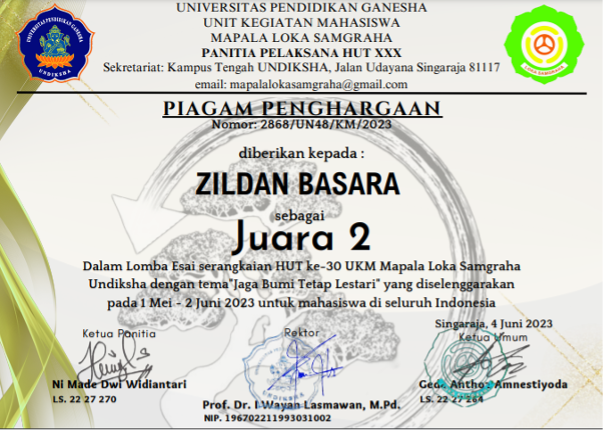
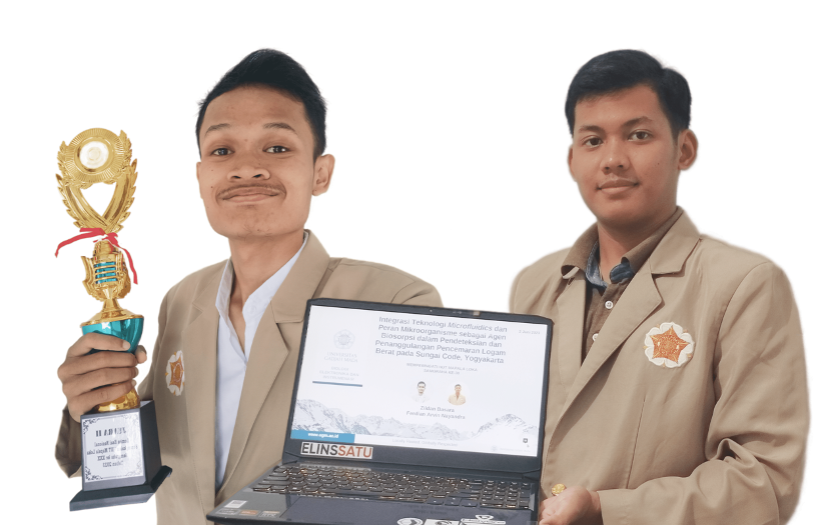
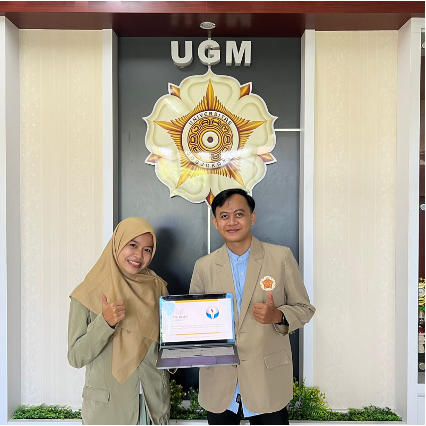
Biology students at Gadjah Mada University (S1) Zildan Basara made another achievement at the national level by winning 2nd place in the National Essay Competition in collaboration with student of Electronics and Instrumentation (S1), MIPA Faculty UGM Ferdian Arvin Nayandra.This national-level essay competition was organized by UKM MAPALA LOKA SAMGRAHA Universitas Pendidikan Ganesha, namely “Jaga Bumi Tetap Lestari”. The competition was opened on 1 May 2023, and the winners were announced on 10 June 2023.

In this competition, the team took the sub-theme Technology and Environmental Innovation with the title “Integration of Microfluidics Technology and the Role of Microorganisms as Biosorption Agents in Detection and Mitigation of Heavy Metal Pollution on the River Code, Yogyakarta”. The team discusses that rivers in Indonesia are vital resources for human life, serving as a source of drinking water, agricultural irrigation, transportation, and also rich in biodiversity. Unfortunately, many rivers in Indonesia Suffer from serious pollution, including being contaminated by heavy metals. According to the data from Bureau of Statistic (BPS), throughout the year 2021, 10,683 villages in Indonesia suffered from river contamination. In addition, according to the same data, approximately 46 percent of Indonesian rivers have experienced severe contamination, 32 percent have moderate, 14 percent have moderately polluted, and 8 percent have mild contamination. (Ministry of Maritime Affairs and Fisheries, 2022). In the past few decades, the Code River has experienced significant pollution levels, including contamination by heavy metals such as lead (Pb) and cadmium (Cd), which enter the river through poorly managed industrial and domestic waste (Harian Jogja, 2021).

Slide 1
Slide 2

Therefore, it is essential to develop sensitive and effective detection methods to identify the level of heavy metal contamination in River water. In addition, bioremediation approaches are also needed to eliminate heavy metal contamination, where microorganisms capable of reducing or eliminating heavy metals can be utilized to naturally clean the river. The essay aims to integrate microfluidics technology as sensitive biological sensors in the detection of heavy metals, and utilizing microorganisms as bioremediation agents that can reduce the level of heavy metal contamination in the river Code water.


OCEANS DAY 2023 : “Stop Plastic Waste Polluting The Sea!”

HeadlineNews ReleaseStudent ActivitiesWaste Management Monday, 21 August 2023

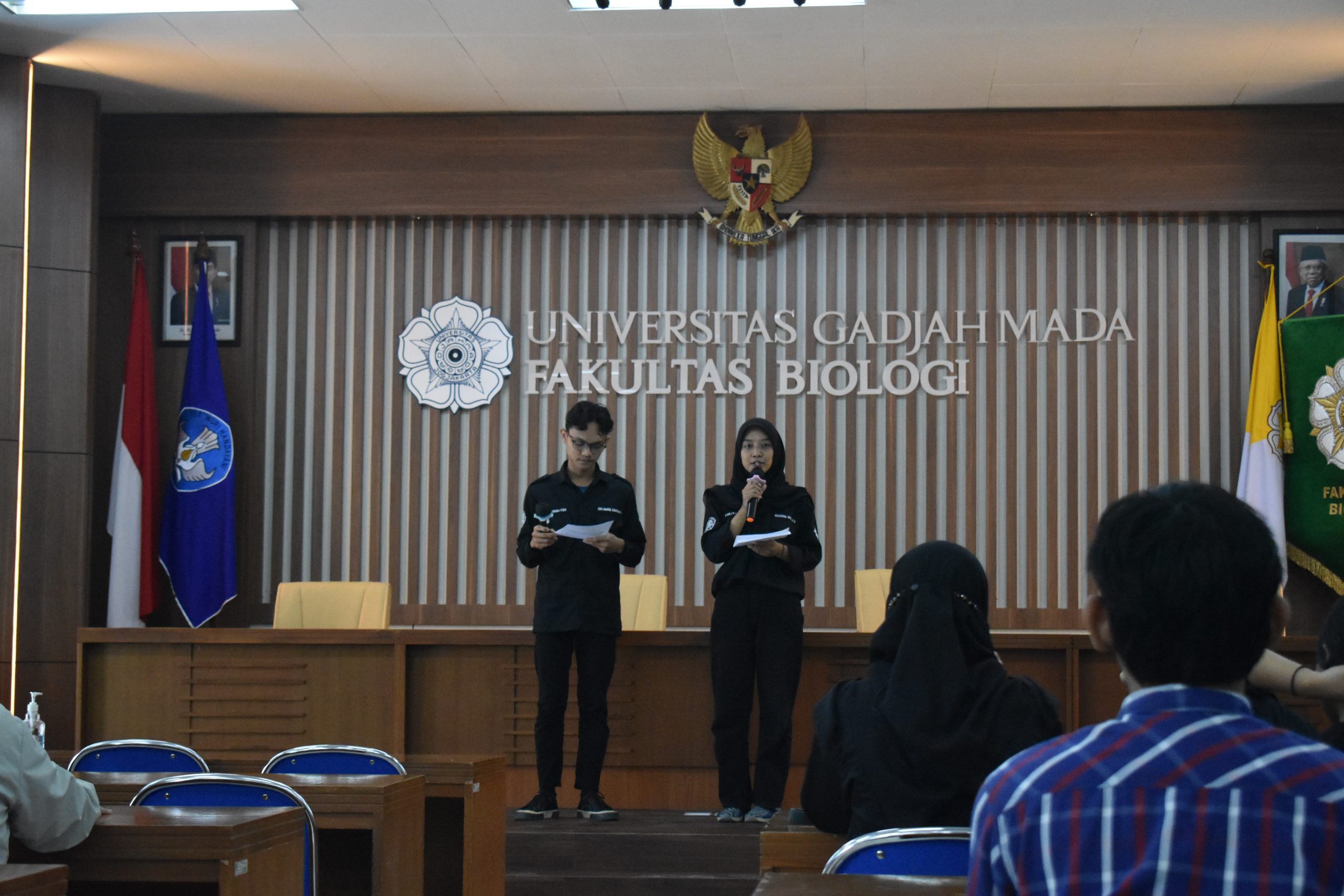
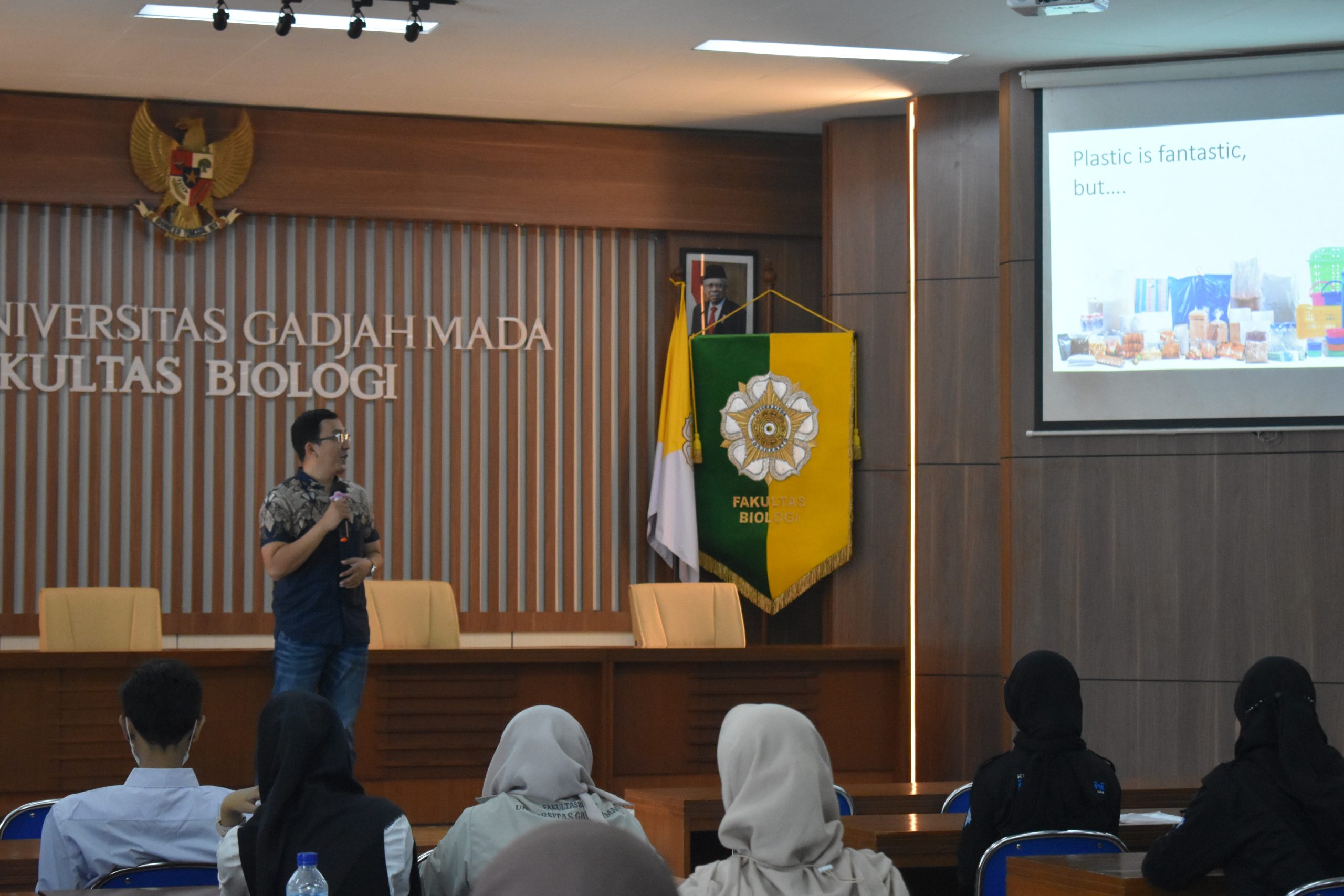
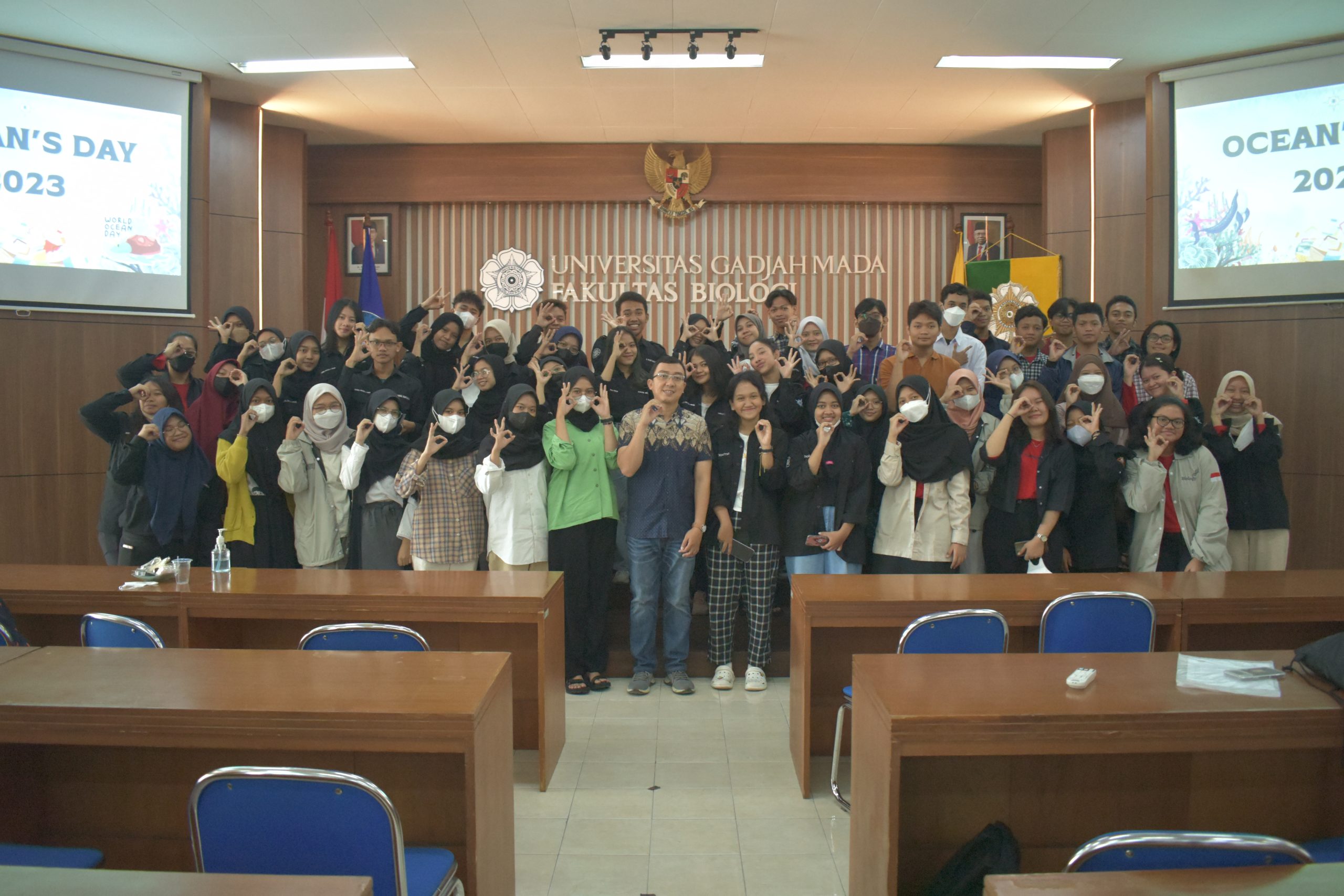
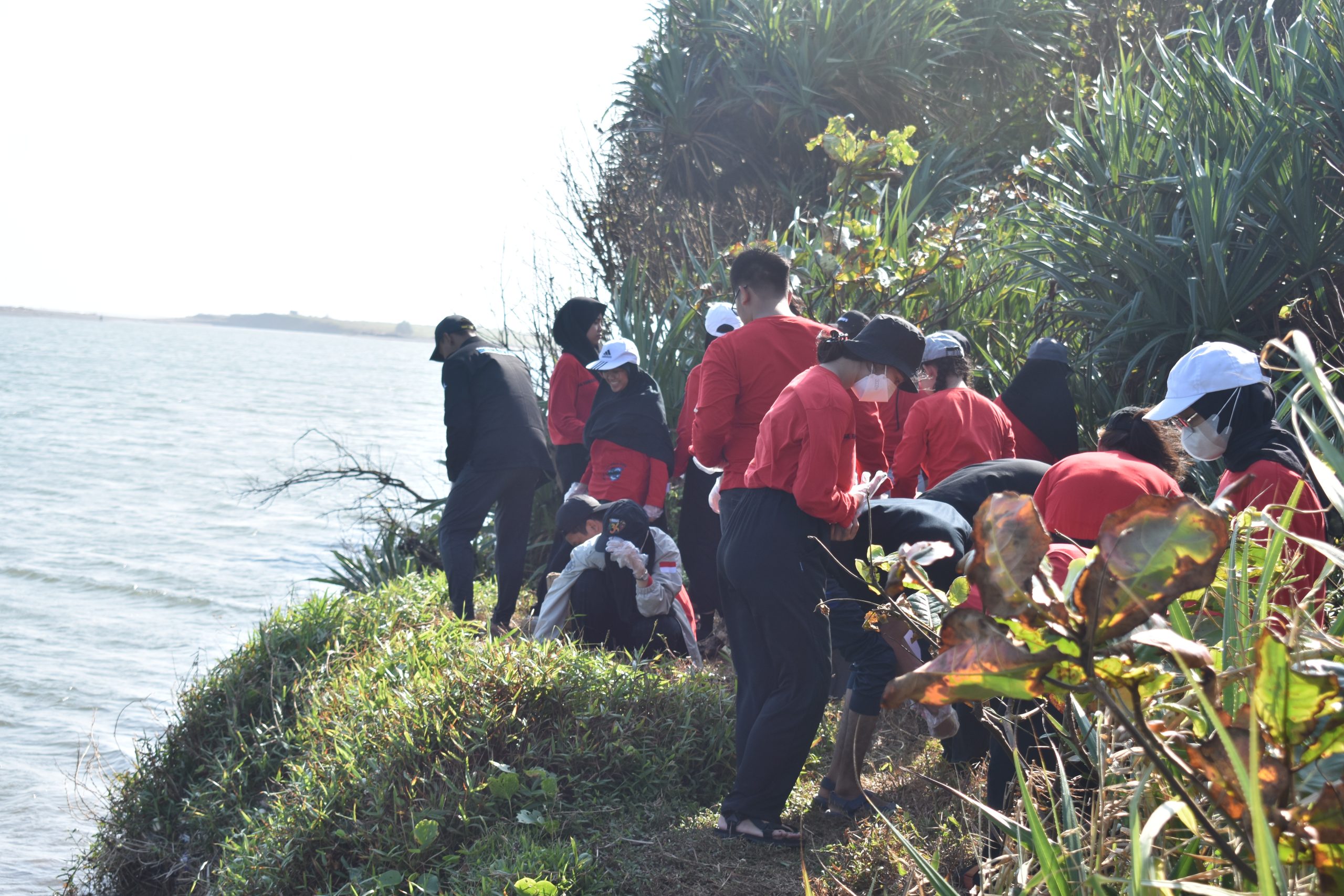
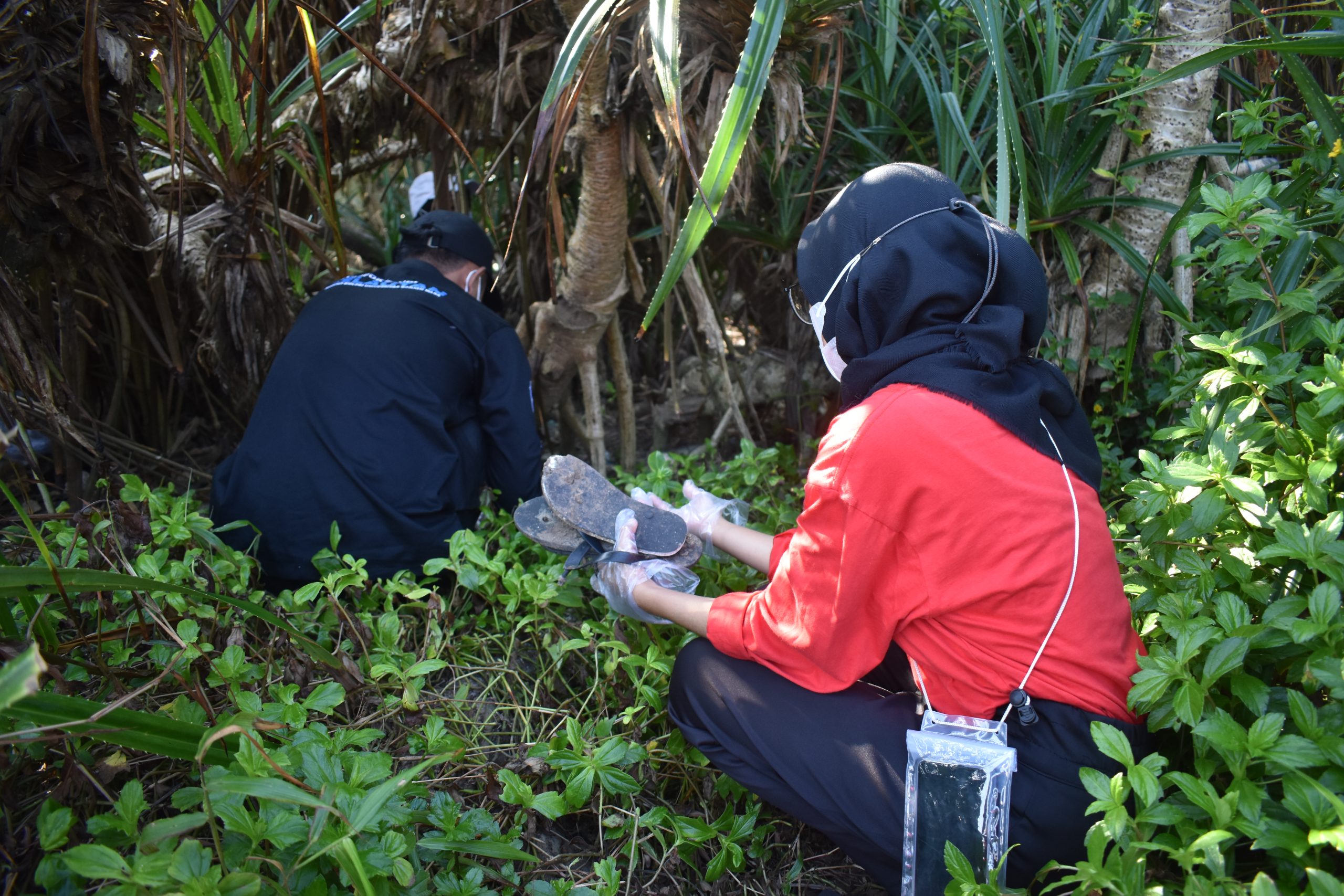
Sunday, 4 June 2023 Oceans Day 2023 was held by the Marine Studies Group of the Faculty of Biology UGM as part of their participation in World Ocean Day on June 8 and was attended by 56 members of Marine Study Group and 18 volunteers from Faculty of Biology UGM. Ocean Day 2023 has the theme “Stop Plastic Waste Polluting the Sea”  and comprised two main activities: a seminar and beach cleanup.

The Seminar began at 08.30 to 11.00 at the auditorium of Biology Tropika and was guided by Renisha Windy Puspita Sari (DXXII) and Ahmad Aris B. R. (DXXIII). The seminar began with a welcoming speech from Filda Mega AYU as chairperson of the committee and A. Najib Dhiaurahman , the chairperson of Marine Study Group. Then the seminar continued with a presentation on plastic waste management to reduce water pollution and its solution through marine biology by Tyas Ikhsan Hikmawan, M.Sc., Ph.D. followed by discussion.

The next series of activities was beach clean-up at Baros Beach which took place 13.00 WIB to 16.00 WIB. This beach cleaning activity is a volunteer activity carried out directly on the shores of Baros Beach, collecting scattered waste in the area and educating about marine waste management.

Slide 1
Slide 2
Slide 3
Slide 4
Slide 5

May the knowledge and experience that has been given at Oceans Day 2023 not stop at this event alone, but be accepted and implemented continuously by all participants , and shared with anyone. Eternal and unlimited, invincible and powerful, such is the ocean. Together, let’s save the seas from all damage and pollution because this can be a real action to protect future generations. Happy World Sea Day! Cheers to Jay KSK!


Promoting the Idea of National Energy Independence, UGM Biology Master’s Student Win 1st place in Festival of Ideas on the ISIC 21st 2023

AchivementsHeadlineNews ReleaseWaste Management Monday, 21 August 2023

During the Festival of Ideas, The 21st Indonesian Scholars International Convention (ISIC), Indonesia achieved an honor for the success of Jimmy Al Fa’is and Elvian Indah Nilamsari,who secured first place in an international essay competition. They outperformed competitors from all around the world with their ideas on the topic of  Sustainable Transition. These two students proposed opportunities for Indonesia to achieve energy independency by harnessing the potential we possess.

Slide 1
Slide 2

ISIC is a scientific forum that was organized annually by the United Kingdom Student Association of Indonesia. In 2023, one of its events was  an essay and scientific poster competition open to all Indonesian students across the country. The competition was highly competitive,participated by Indonesian students from 10 different countries. This year, there were 3 essays with 2 nominations contested. (1st and 2nd Place). On this achievement, they were invited to attend an international conference at Nottingham University, UK.

Elvian and Jimmy proposed a comprehensive approach to the sustainable energy transition in Indonesia.They presented strategic steps for Indonesia to achieve energy self-sufficiency through the conversion of food waste. Using bioreactors, they showed how microorganisms can efficiently convert food waste into lipid-rich materials, which can be converted into biodiesel as a clean and renewable energy source. The scientific approach emphasized the importance of waste reduction, promoting environmental responsibility, and harnessing Indonesia’s potential in the renewable energy sector.

The idea originated from the challenges posed by an increasing population and the rising energy demand.consequently,the Indonesian government must meet energy needs, including fuel. However, fossil fuels, which have been the primary global energy source, are depleting rapidly and pose significant environmental threats. Based on these facts, Elvian and Jimmy proposed the innovation of a mini bioreactor that can be operated on both small and large scales. This innovation is expected to increase biodiesel production and lead Indonesia towards energy self-reliance.


Visitation and Benchmarking of Faculty of Science and Technology Universitas Terbuka to the Faculty of Biology for Establishing an Integrated Laboratory

News ReleaseWaste Management Wednesday, 9 August 2023

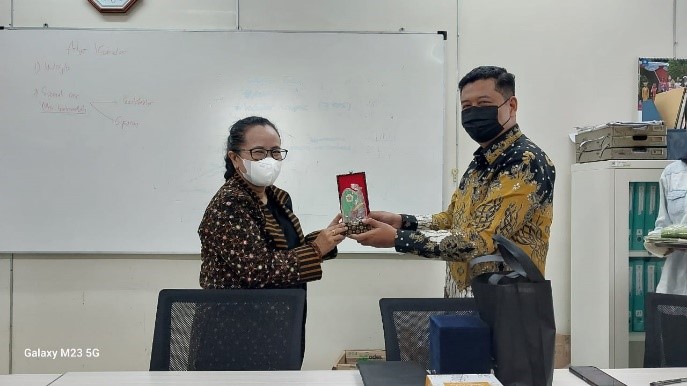
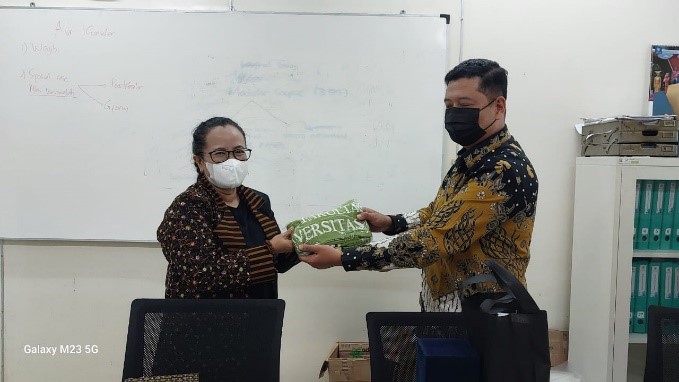
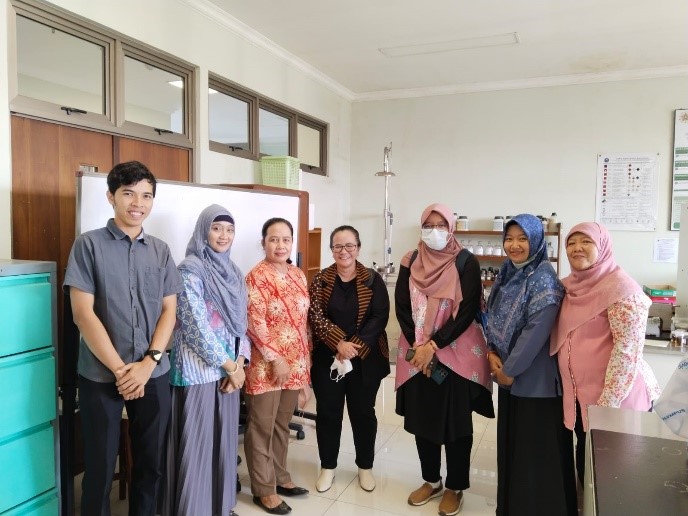
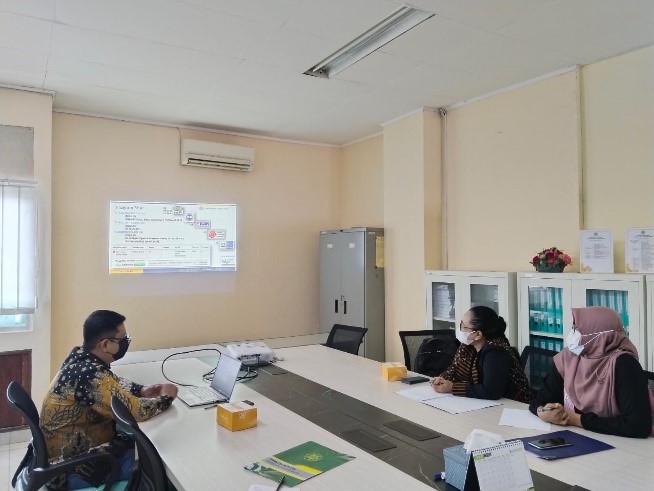
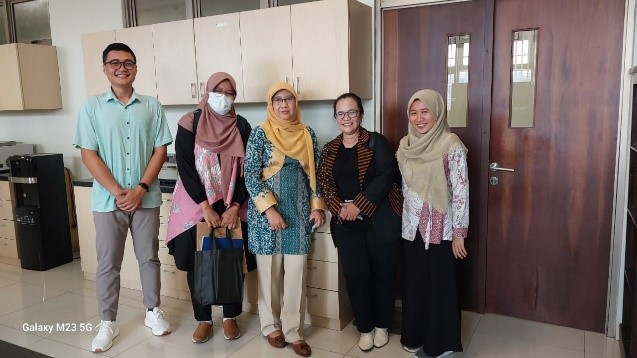
Tuesday, 8 August 2023, Faculty of Biology UGM received a visit from the Faculty of Science and Technology Universitas Terbuka (UT). The visit was received in the Senate Room of the Faculty of Biology and was attended by Dr. Elizabeth Novi Kusumaningrum, S.Si., M.Sc. as Head of Biology Study Program, Faculty of Science and Technology UT and Heny Kurniawati, S.ST., M.Kes. as a Lecturer in the Faculty of Science and Technology UT. From the Faculty of Biology attended by Sukirno, S.Si., M.Sc., Ph.D. as the Head of the Faculty of Biology’s Undergraduate Study Program.

The visit was aimed as a benchmarking for establishing a Laboratory Center at the Faculty of Science and Technology, Universitas Terbuka. Sukirno, S.Sc., M.Sc., Ph.D as the Head of the Faculty of Biology Undergraduate Study Program welcomed the visit and supported further collaborations. He also explained the profile, history, facilities, and focus of teaching education at the Faculty of Biology UGM. He conveyed collaboration and cooperation that could be initiated in the future with Universitas Terbuka.

Slide 1
Slide 5
Slide 2
Slide 3
Slide 4

Dr. Elizabeth conveyed the profile of the Open University, especially the Faculty of Science and Technology, especially the Biology Study Program, while also conveying her wish for a comparative study regarding plans to establish a Laboratory Center at Universitas Terbuka. Dr. Elizabeth expressed her hope for the potential for collaboration with the Faculty of Biology UGM.

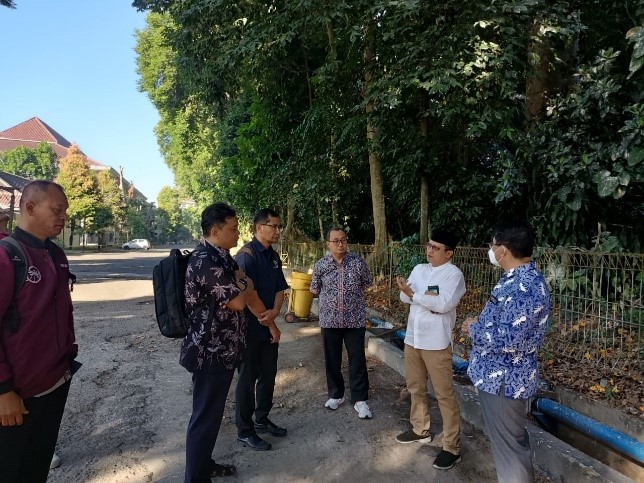
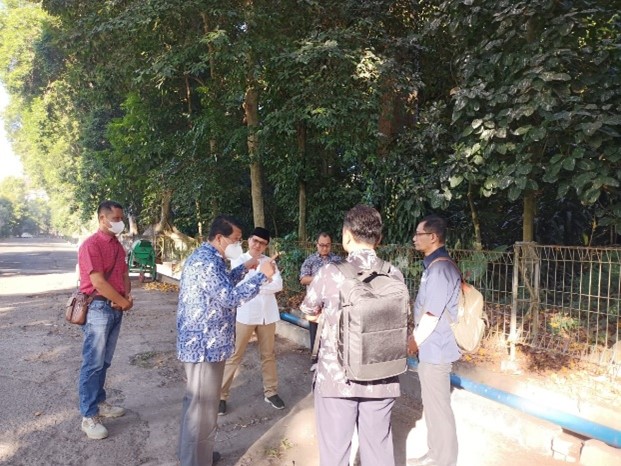
The visit was followed by a tour around the facilities and laboratories at the Faculty of Biology including the Laboratory of Plant Development Structure, Plant Systematics, Plant Physiology, Biological Gardens also visiting organic waste management activities at the Faculty of Biology. During the tour, the delegations received presentation on the facilities and activities that took place in the Laboratory at Faculty of Biology and other supporting facilities for teaching and learning activities.

The meeting is a great opportunity to collaborate with the Faculty of Science and Technology at Universitas Terbuka with the Faculty of Biology UGM and especially in planning to develop an integrated laboratory at Universitas Terbuka.

Faculty of Biology initiated the Establishment of the Center for Organic Waste Management UGM

News ReleaseWaste Management Friday, 28 July 2023

Faculty of Biology, Universitas Gadjah Mada, responded to the waste emergency situation in Yogyakarta following the closure of the Piyungan Final Disposal Site (TPA), which has been the main landfill for final disposal in the Yogyakarta Province (DIY) area. Based on a circular letter from the Regional Secretariat of the DIY Government, the Piyungan Regional TPA will no longer receive waste services as of July 23, 2023 to September 5, 2023 due to the fact that the amount of waste is full and exceeds capacity. Universitas Gadjah Mada through the Faculty of Biology and the Faculty of Dentistry responded by following up on waste management at UGM internally where the coordination of organic waste management is carried out by the Faculty of Biology while the coordination of inorganic waste management is carried out by the Faculty of Dentistry.

Slide 1
Slide 2
Slide 3
Slide 4
Slide 5

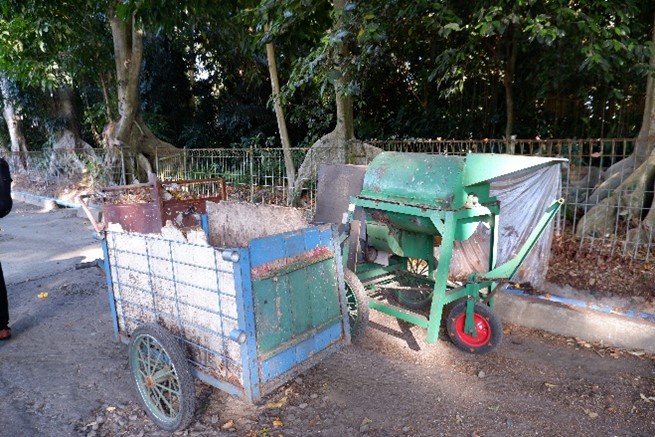
As of Thursday, 27 July 2023, Dean of the Faculty of Biology UGM, Prof. Dr. Budi Setiadi Daryono, M.Agr.Sc., has coordinated with the Chancellor of Universitas Gadjah Mada, Prof. dr. Ova Emilia, M.Med.Ed., Sp.OG(K)., Ph.D., and Director of DPKM (Directorate of Community Service) Universitas Gadjah Mada, Dr. dr. Rustamaji, M. Kes. It has been agreed that the Faculty of Biology will manage internal organic waste from Universitas Gadjah Mada in the form of leaf and twig litter. The collection of organic waste will be coordinated at each unit point in all UGM areas to be enumerated first and then sent and managed by the Faculty of Biology to become organic compost. Meanwhile, organic waste in the form of food scraps, fruit and vegetables will be managed by the UGM Argotechnology Innovation Center (PIAT).

The management of leaf litter and twigs in the Faculty of Biology has been going on for a long time in the Biology Garden Area, Faculty of Biology. The chopped organic waste will be processed into compost and then supplied to consumers in collaboration with PT. Pagilaran. The establishment of the Waste Management Center as a response to the closure of the Piyungan TPA will then be coordinated with Soenarwan Heri Purwanto, S.Si., M.Kes. and the waste management team from the Faculty of Biology.

This waste management initiative is a form of commitment from the Faculty of Biology UGM to contribute to the sustainability environment, especially in UGM’s internal environment. It is hoped that this management program will be useful in the long-term settlement of internal waste at UGM in particular and in the Special Region of Yogyakarta (DIY) in general.

Faculty of Biology Participates in UGM Workshop to Create a Sustainable Campus

HeadlineNews ReleaseWaste Management Saturday, 22 July 2023

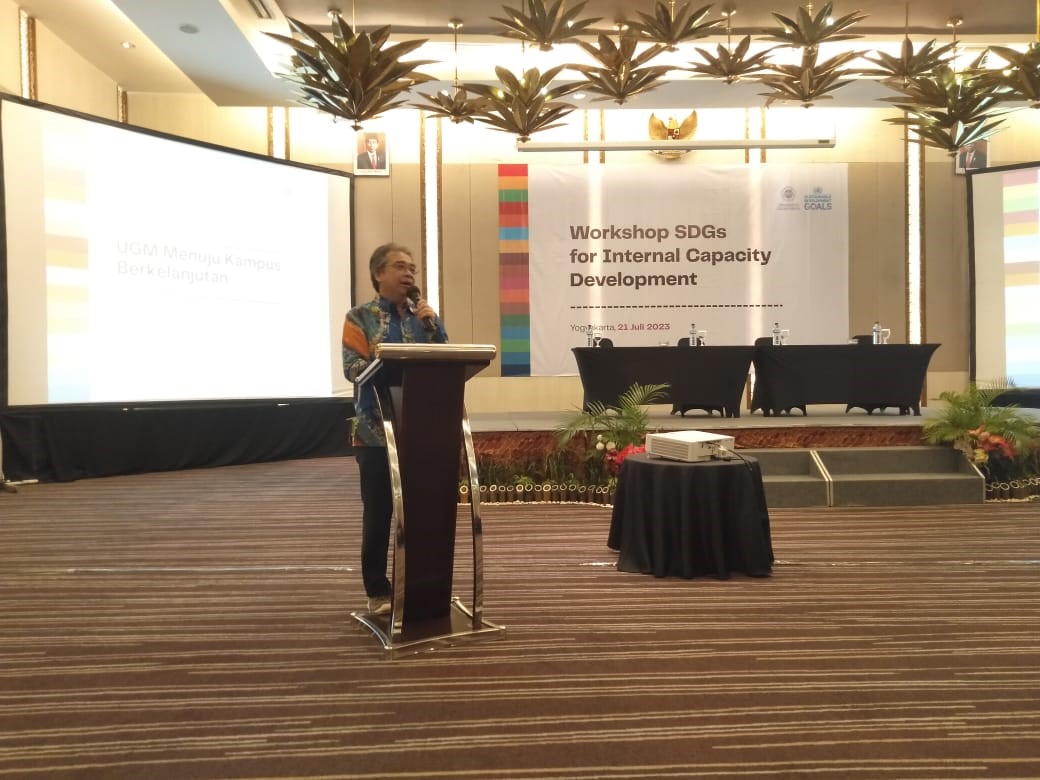
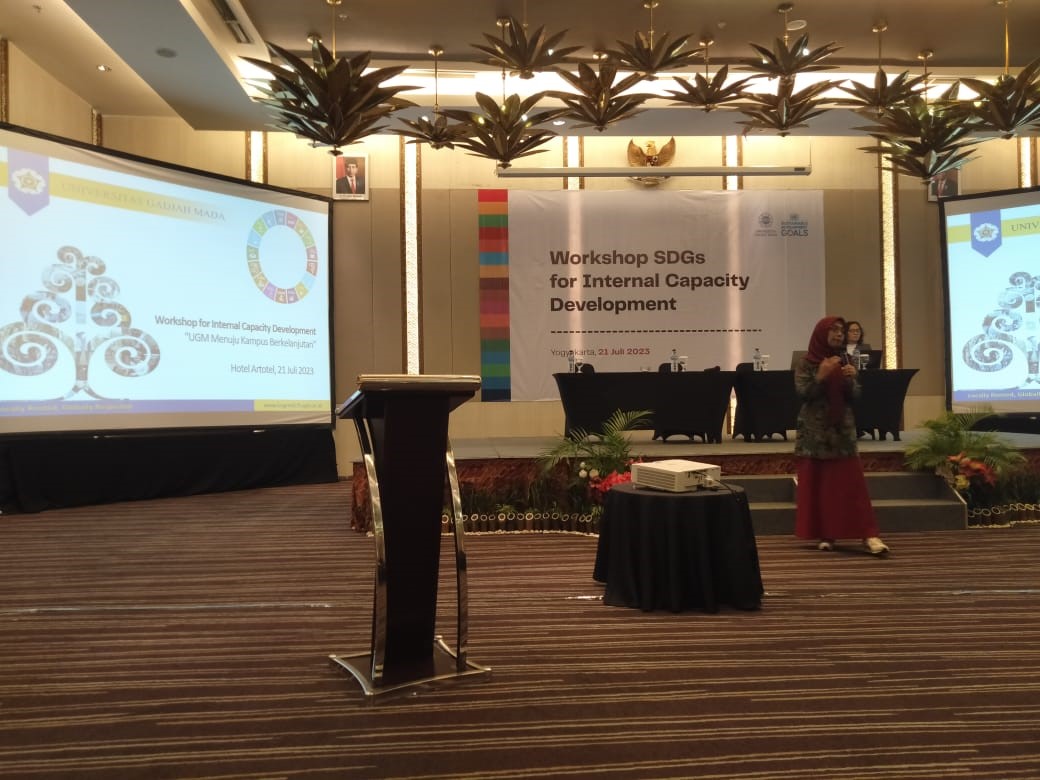
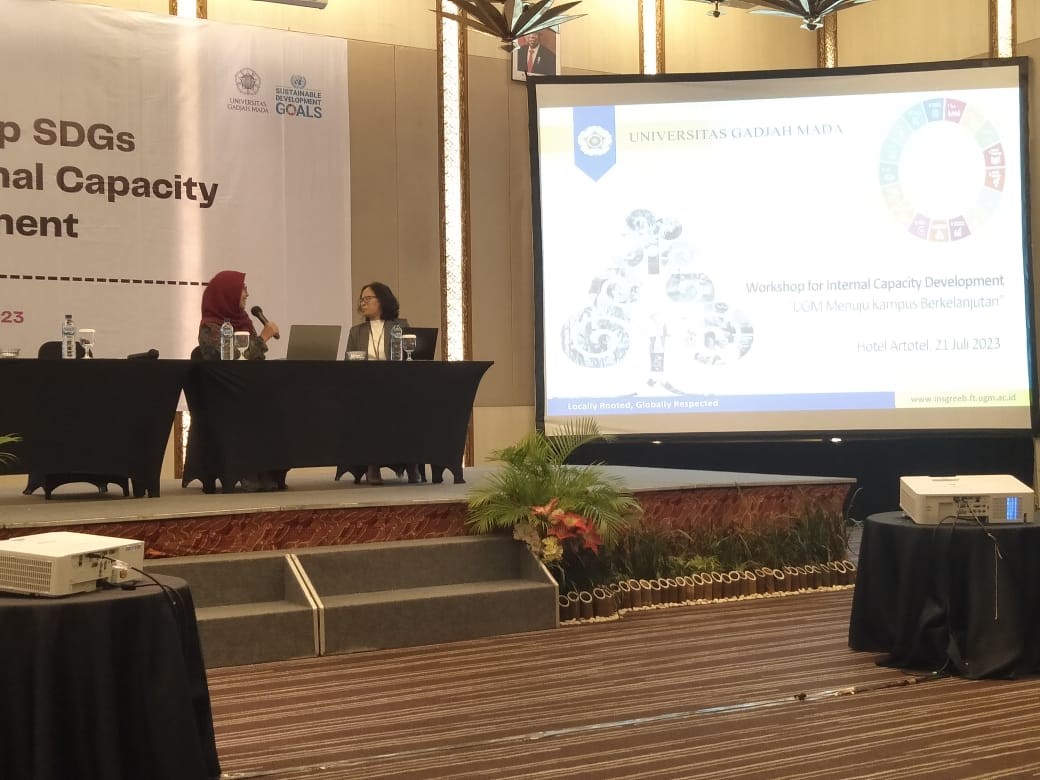
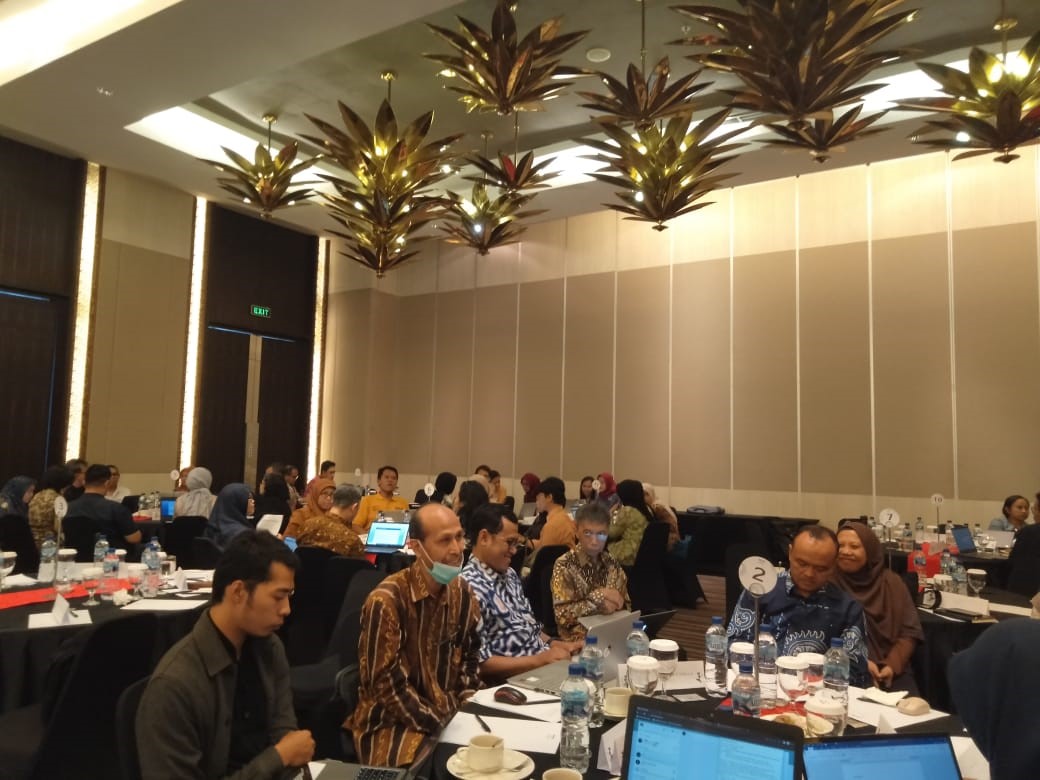
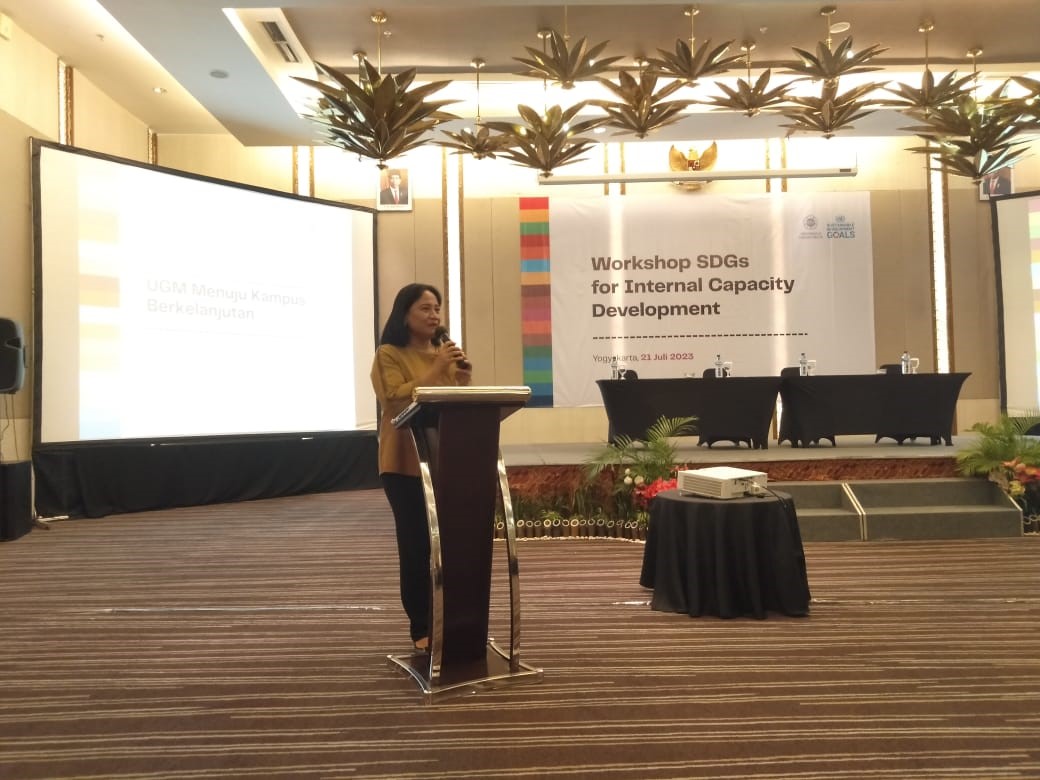
Friday, July 21st 2023, Universitas Gadjah Mada held a Workshop on SDGs for Internal Capacity Development: UGM Towards a Sustainable Campus at the Lotus Ballroom, Artotel Suites Bianti, Yogyakarta. The event was attended by representatives from various UGM working units including from Faculty of Biology represented by Mukhlis Jamal Musa Holle, S.Sc., M.Env.Sc., D.Phil. The event began with remarks by the Vice Chancellor for Education and Teaching Universitas Gadjah Mada, Prof. Dr. Wening Udasmoro, S.S., M. Hum., DEA. Prof. Wening explained the importance of the contribution of universities and their academic community in realizing the SDGs (Sustainable Development Goals) which have been promoted by the United Nations since 2015. Anticipation needs to be done to ensure that life in the future will avoid crises including the food crisis, extreme climate change and so on. UGM in the management of the SDGs is also got 2nd ranked in Indonesia and will continue to be developed. Prof. Wening also explained the importance of active data collection and publication to media so that activities carried out at UGM can be exposed to the wider community.

Slide 1
Slide 2
Slide 3
Slide 4
Slide 5

Further remarks were given by the Head of Quality and Reputation Assurance of Universitas Gadjah Mada, Dr. L. Hartanto Nugroho. He explained that contributions for SDGs can be made in small ways and small changes can have a big impact. A simple example in terms of segregating waste in a university environment, it must be carried out systematically and massively and involve all components and the academic community at the university.

The workshop continued with a general presentation by Prof. Dr. Puji Astuti, S.Si., M.Sc., Apt. and Ir. Sentagi Sesotya Utami, St., M.Sc., Ph.D. They explained that the most important aspects of the 17 SDGs are the environment and human sustainability. University ranking in terms of SDGs is not the main thing to achieve, but the ranking is a form of measurement for achievements or activities that have been carried out. UGM also supports sustainability in university governance from the aspects of ecosystems and the environment as well as human sustainability. This can be seen in the policies and regulations issued by UGM. The principles of sustainability or campus sustainability applied at UGM include energy conservation, waste management, water conservation, and eco-friendly transportation. In addition, the achievements of the activities carried out need to be balanced with massive publications so that they can be heard outside the university.

The workshop continued with Forum Group Discussions (FGDs) where participants were divided into 4 categories: Medicines, Agro and Life Science, Social Science, and Art and Humanities. Discussions focused on implementing the SDGs in their respective work units, SWOT analysis, plans for follow-up activities and plans for publication of SDGs achievements. In the discussion, representatives of the Faculty of Biology who included in Agro and Life Science category explained what activities had taken place at the Faculty of Biology and presentation ideas regarding the implementation of SDG No. 2 (Zero Hunger) and SDG No. 12 (Responsible Consumption and Production). Some of the components of the discussion include how programs play a role in overcoming food insecurity for the academic community and the general public, interventions for dealing with food insecurity, publication of sustainability reports, waste management, to how each work unit can represent research or activities carried out at the work unit level as part of the SDGs.

The workshop ended with closing and a reminder of how important everyone’s role is in realizing the SDGs, especially at the university level. It is hoped that this activity can be a trigger for the implementation of the SDGs and better publications at Universitas Gadjah Mada.

1…31323334

Accreditation

Recent Posts

  • UGM–ANU Double Degree Program: Pathways to Global Academic Excellence
  • Faculty of Biology UGM Engages Doctoral Students in Academic Progress Monitoring
  • UGM–UTS Strengthen Academic and Research Collaboration through “Study & Research in Australia” Sharing Session
  • Tunghai University Lecturers Share Butterfly Genetics Research in Guest Lecture at UGM Faculty of Biology
  • Faculty of Biology UGM Strengthens Quality Education through Academic and Student Affairs Workshop
Universitas Gadjah Mada

UNIVERSITAS GADJAH MADA

FACULTY OF BIOLOGY
Teknika Selatan Street, Sekip Utara,
Yogyakarta 55281
biologi-ugm@ugm.ac.id
Phone/Fax: +62 (274) 580839

About us

  • History
  • Organization
  • Vision and Mission
  • Staff

Student Affairs

  • Student Service
  • Student Organization
  • Submission for Practical Field Work
  • Permission Field Research
  • Permission Thesis/Disertation

academic

  • Academic Regulations
  • Academic Anonncement

Accreditation

  • Image 1
  • Image 2
  • Image 3

© 2024 FACULTY OF BIOLOGY UNIVERSITAS GADJAH MADA

KEBIJAKAN PRIVASI/PRIVACY POLICY

[EN] We use cookies to help our viewer get the best experience on our website. -- [ID] Kami menggunakan cookie untuk membantu pengunjung kami mendapatkan pengalaman terbaik di situs web kami.I Agree / Saya Setuju