Arsip:
SDG 4 : Provide Quality Education
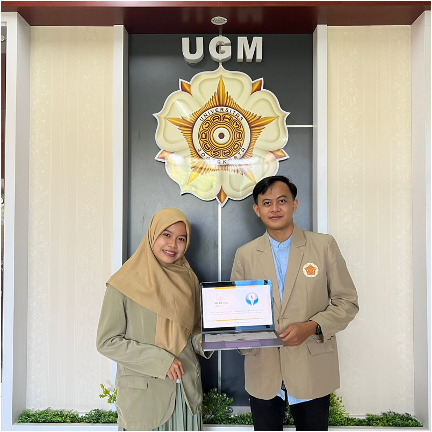
Yogyakarta, June 21, 2024, The MBKM Research, two biology students from Universitas Gadjah Mada, Syafa Erista Hidayah and Fanny Najmi Faza, have initiated a promising study on screening plants with bioinsecticide potential, supervised by Woro Anindito Sri Tunjung, S.Si., M.Sc., Ph.D. a lecturer from the Faculty of Biology UGM, and Didik Huswo Utomo, Ph.D., from INBIO. The study focuses on the utilization of 10 Citrus species, including Kaffir lime (Citrus hystrix), Key lime (Citrus auratifolia), Mandarin orange (Citrus reticulata), Siam orange (Citrus nobilis), Sweet orange (Citrus sinensis), Pomelo (Citrus maxima), Limon (Citrus limon), Grapefruit (Citrus paradisi), Citron (Citrus medica), and Calamondin (Citrus microcarpa). These species are recognized for having volatile compounds that can interfere with the olfactory system of mosquitoes and may even be lethal to them. These compounds can develop into bioinsecticide agents. Bioinsecticides, or natural insecticides, are substances derived from natural materials that are toxic to insects, including mosquitos. Bioinsecticides effectively reduce mosquito populations that serve as vectors for diseases such as dengue fever, are biodegradable, and do not leave residues or pollute the environment.
The research was conducted over two semesters: the even semester of 2023/2024 until the odd semester of 2024/2025. During the even semester of 2023/2024, various programs were used to screen the potential compounds, including visualization analysis of the integration between species based on the similarity of volatile compound content and interactions with odor receptors in Aedes aegypti mosquitoes. Subsequently, in the odd semester of 2024/2025, molecular docking involves visualizing the interactions between compounds and odor receptors in these mosquitoes. This research supported by weekly meetings, aimed to ensure intensive collaboration and discussion on the research progress. The study is expected to yield significant findings that can foster the development of environmentally friendly bioinsecticide products that can be applied by the community, thereby reducing the use of conventional insecticides that can cause pollution. Furthermore, this activity facilitated students to apply the theory learned in class to practical research, enhancing their competence in conducting technology-based scientific research and improving their writing skills to produce distinct, structured, and scientifically reliable research reports in the form of journals.
On Sunday, June 9, 2024, The KSAT Creative division held the Creative School activity in the east biodas room. This activity attended by KSAT active members, involved crafting bracelets and keychains from beads, aimed to enhance the skills of KSAT members, particularly their creative skills.
The event began with an opening and prayer by the MCs, Laras Ati and Maidira Marsa Rabbani (KSAT 2023), followed by a speech from the Creative School committee chair, Nabil Putra Fajriana (KSAT 2022). The main activity commenced with a general explanation session, followed by the practical crafting of bracelets and keychains led by Raissa Nanda Talitha and Farah Adina Ratri Sachariano (KSAT 2023). The Creative School concluded with member appreciation, a closing prayer, and documentation. Bead bracelets and keychains are popular, easy, and fun accessories to make. This activity also hoped to foster an entrepreneurial spirit among the participants, enabling them to share their skills with peers and others.
With the success of the KSAT Creative School, it hoped that KSAT members could develop their creative skills through enjoyable activities together. Additionally, it expected that KSAT would grow stronger and more deeply rooted, achieving the vision of “Rooted Strongly, Penetrating Civilization,” thereby becoming a study group that benefits the surrounding environment, academics, and the wider community.
Written by: KSAT 2024
The KSAT Pra-Acclimatization II 2024: Enhancing the Scientific Understanding of KSAT Sapling Members
On Saturday, June 8, 2024, the Garden Architecture Study Group (KSAT) held the Pra-Acclimatization II 2024 event as part of the KSAT scientific activities series to enhance members’ understanding and skills in garden architecture, plant diversity, and landscape ecology. The activity was designed for Sapling-level members and held in Room X Faculty of Biology UGM. During Pre-Acclimatization II 2024, Sapling members had the opportunity to apply the knowledge they had acquired by preparing papers and site plans tailored to the focus of each subdivision.
The event began with the preparation of papers and site plans by Sapling members. The Plant Diversity Subdivision worked on garden projects and their physiological stresses, the Landscape Architecture Subdivision developed city park site plans, and the Landscape Ecology Subdivision generated ideas for ecological-based gardens. The results of these assignments were then presented at the main event, providing a platform for members to share knowledge and receive feedback. This process will enhance their understanding and improve their ability in scientific writing and architectural planning.
The event opened with a welcome from the Master of Ceremony, Adelia Adriani (KSAT 2021), followed by opening remarks from Anggi Nada Khoirul Ummah, the Head of KSAT Cabinet Magnolia, and Laksita Chesarina, the Coordinator of the General Scientific Division. The main agenda was the presentation of assignments from each subdivision, where members detailed their projects. After the presentations, a discussion and Q&A session was led by panelists, providing members with feedback and allowing for deeper interaction and understanding.
Another goal of Pre-Acclimatization II 2024 is to provide an interactive and in-depth learning platform for Sapling members. Through this event, KSAT aims to facilitate the development of members’ skills in various aspects, including scientific writing, site plan preparation, and scientific presentations. Additionally, the event is expected to strengthen collaboration and communication among members, enrich the learning experience, and motivate them to continue developing their knowledge in garden architecture, plant diversity, and landscape ecology.
Author: KSAT 2024*
LPDP (Indonesian Endowment Fund for Education) once again presents prestigious educational opportunities for IUP Biology graduates. Julio Jonah Lengkong Worang and Aisyah Rahmah Tantri, two talented and dedicated IUP Biology alumni from the class of 2019, have successfully received LPDP scholarships to pursue their master program abroad. Julio will continue his studies at the National University of Singapore (NUS) in Singapore, while Aisyah will continue her studies at the University of Edinburgh in Scotland.
These two outstanding students have demonstrated their commitment to science and self-development since the beginning of their studies in the IUP Biology program. The LPDP scholarships that they received are as recognition of their academic achievements and leadership throughout their studies.
Julio Jonah Lengkong Worang has been accepted to the National University of Singapore (NUS) to pursue a Masters in Biodiversity Conservation and Sustainability, starting on 5 August 2024. The one-year program is renowned for its focus on global issues and nature-based climate change solutions. Julio said that the curriculum at NUS focuses on current world issues and practical nature-based climate solutions, facilitating students with necessary on-field skills, including technological-driven innovations to assist in the field of conservation. “I am very grateful to LPDP for their tremendous support. This is a great opportunity for me to continue to grow and contribute in the field of biology,” said Julio.
Meanwhile, Aisyah, who is known for her sensitivity to environmental and sustainability issues, will broaden her horizons at the University of Edinburgh in the Masters for Quantitative Genetics and Genome Analysis. “Receiving the LPDP scholarship is a great honor for me. The application process was challenging, required hard work, and a strong vision for my future. I am grateful to have received tremendous support from the faculty and fellow alumni, who guided me through it. With this scholarship, I am excited to pursue my aspirations and make a positive impact in Indonesia,” said Aisyah enthusiastically.
Head of Undergraduate Program, Faculty of Biology UGM, Sukirno, M.Sc., Phd and IUP Biology Manager, Nur Indah Septriani, M.Sc., Ph.D. expressed their acknowledge for Julio and Aisyah, and their belief that they will success. “We are very proud to see the achievements of these two IUP Biology alumni. This is an extraordinary example of their dedication and resilience in pursuing their dreams,” said Sukirno.
LPDP is committed to continuing to support higher education in Indonesia by providing scholarships to potential and dedicated students like Julio and Aisyah. This scholarship not only opens the door to quality education abroad, but also builds a broad professional network to support Indonesia’s progress in the future.
To Julio and Aisyah, we congratulate them on their incredible achievements, and we hope that they will continue to inspire future generations to pursue their dreams with the same passion and determination.[aulia]
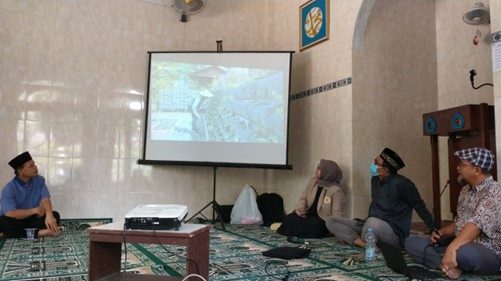
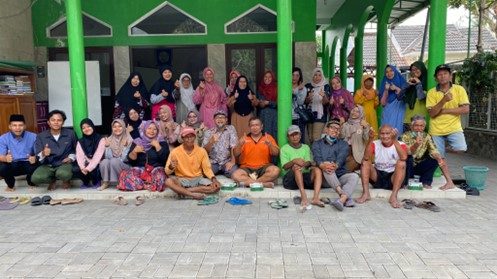
MBKM Community Service Team (PkM-MBKM) of Class 2024 Faculty of Biology, supervised by Dr. Eko Agus Suyono, M.App.Sc. with the title “Development of a Biorefinery based on Spirulina Microalgae in Sitimulyo Village, Piyungan District, Bantul” has carried out a series of PkM-MBKM activities in the Sitimulyo Village Community. The team consisting of four students; Seisha Salsabila Rosandi, Muhammad Farrel Zharif Zidane, Finka Aulia, and Salma Rohmaniah, has held a “Workshop on Introduction to Spirulina Cultivation and Production Tools”. This workshop is in collaboration with YAPEKA, a non-profit organization working in the field of conservation, nature conservation education and community empowerment. The PkM MBKM program supports SDG 3 Healthy and Prosperous Life and SDG 17 Partnership to Achieve Goals.
This activity aims to introduce Spirulina to the people of Sitimulyo Village. This activity was attended by village officials and Sitimulyo villagers. The series of activities consisted of socialization about Spirulina and its benefits, a Spirulina Farm tour, and trying Spirulina products directly. Socialization was also explained about the MBKM program that will be carried out in the future.
In the process of implementing the activities, the community was enthusiastic about taking part in the entire series, shown by active participation in conveying questions and opinions. In the future, the public can also learn about Spirulina cultivation on a household scale. It is hoped that the enthusiasm of residents in getting to know Spirulina can be a boost for the sustainability of this program. The hope is that people’s familiarity with Spirulina can make people more interested in cultivating and consuming Spirulina to improve the economic development and public health qualities.
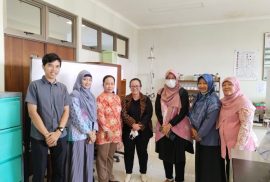
MBKM Research Team of Class 2024 as part of the Microalgae Research team in the Biotechnology Laboratory, Faculty of Biology, UGM, supervised by Dr. Eko Agus Suyono, S.Si., M.App.Sc. has carried out research on “Production of Local Strain Microalgae Euglena sp. as a source of antioxidants and immunostimulants at PT. Indoalgae Aquaculture, Pasuruan”. This team consists of five members; Indira Amani Kurniawan, Laila Mei Marwadani, Renisha Windy Puspita Sari, Sri Setyaningrum, and Tizania Putri Langithari.
The MBKM Research team focuses on development and innovation in the cultivation of Euglena sp., especially local strains isolated from the Dieng plateau, Indonesia. Antioxidants produced by Euglena sp. can help protect body cells from damage caused by free radicals, thereby reducing the risk of degenerative diseases and slowing the aging process. In addition, the immunostimulant properties of Euglena sp. can improve the immune system, help fight infections, and speed recovery from illness.
The research focused on variations in phosphate sources in Euglena sp. cultures, with the aim of optimizing growth conditions for Euglena sp. The treatment provided is expected to increase the antioxidant and immunostimulant content on a semi-mass scale. This research aims to find the most effective combination by varying phosphate sources to support the growth of Euglena sp. optimal and increase the production of antioxidant and immunostimulant content.
MBKM activities begin with equipment preparation, making growth media, and preliminary laboratory scale observations and collecting initial data information before being applied to semi-mass scale culture. Preliminary results show good growth data based on the parameters of cell number, cell density and biomass amount. Currently, research has reached the scale-up stage to a 50-liter capacity culture. Land planning is being prepared to continue increasing the scale of culture capacity up to 200 liters. Next, harvesting of Euglena sp. as well as various metabolites will be tested and characterized. Students also extracted samples to test antioxidant and immunostimulant properties. It is hoped that the experience gained from this MBKM activity can improve students’ skills and knowledge in carrying out their final assignments, as well as provide valuable knowledge to prepare them to become professional microalgae researchers in the future.
On Saturday – Sunday, June 1st – 2nd, 2024, The Garden Architecture Study Group (KSAT) conducted the Garden Management 1 in collaboration with the PkM-MBKM program along with Dr. Wiko Arif Wibowo, S.Si., the supervisor of KSAT. The activity aimed to enhance Seedling’s ability in gardening and took place in Punthuk Kepuh, Gunung Kidul. The main activities were garden design and creation in three designated areas. On the first day, June 1st, 2024, KSAT surveyed the garden areas and had discussions with Punthuk Kepuh management. The next event was a presentation on garden design and an introduction to the types of plants used and their maintenance methods with the community. The second day, June 2nd, was filled with garden creation, tours, and group photos. Each activity was led by Fika Zulfiana (KSAT 2021) and Dyah Ekawati (KSAT 2021) as the MCs.
The Garden Management KSAT 2024 activity ran successfully and on schedule. This activity was carried out as an implementation of knowledge from the material provided during small group discussions. Additionally, this activity also aims to fulfill KSAT’s vision of community service, thus KSAT can become a study group that is beneficial to the broader community.
The issue of pathogens in rice plants is a focus of agricultural empowerment efforts in Indonesia. These pathogens cause disease outbreaks that lead to a decrease in rice productivity. To address this obstacle, some farmers tend to rely on pesticides without noticing the condition of the rice plants. As a result, their efforts were ineffective and posed a threat to environmental health due to chemical pollution from excessive pesticides.
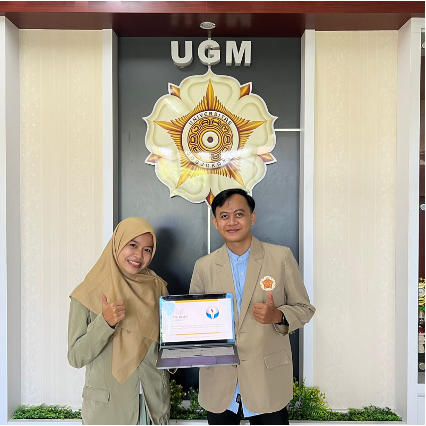
Addressing this issue, Adzkiya Aqmaliza Rahmattillah and Sheva Rimma Dhanty, biology students from the class of 2021, innovated a smartphone-integrated smart scanning application based on Artificial Intelligence called ORYSMART. This application can detect diseases in rice plants and provide treatment recommendations, under the guidance of Dr. Wiko Arif Wibowo, S.Si. ORYSMART was introduced at the FAPERTA FAIR (Futuristic and Prestige Research, Technology, and Art) 5 competition at Dhyana Pura University, Denpasar, Bali, on May 18-19, 2024. In its fifth batch, FAPERTA FAIR carried the theme “The Role of Young Innovators in Facing Global Competition to Welcome Golden Indonesia 2045.” At the event, Adzkiya and Sheva, with ORYSMART, won the Bronze Medal and the Favorite Poster Award in the Technology subtheme as a futuristic innovative solution that can help address diseases in rice plants. With its scanning and recognition capabilities, ORYSMART can detect the type, symptoms, causes, and handling solutions for rice plant diseases. The application offers advanced analysis that combines human and artificial intelligence, providing more accurate disease analysis and effective handling solutions. ORYSMART also facilitates access to consultations with experienced and reliable plant protection experts.
This application aimed to empower rice farmers in Indonesia to manage their fields better and more effectively. Therefore, ORYSMART is designed to be practical and easy to use, especially for users who are not yet familiar with the technology. This innovation is expected to be a significant step in agricultural empowerment in Indonesia, supporting national food security towards Golden Indonesia 2045. This innovation and idea also contribute to achieving SDG 2 (zero hunger) by improving rice productivity, the staple food for most Indonesians. [Author: Sheva Rimma Dhanty]
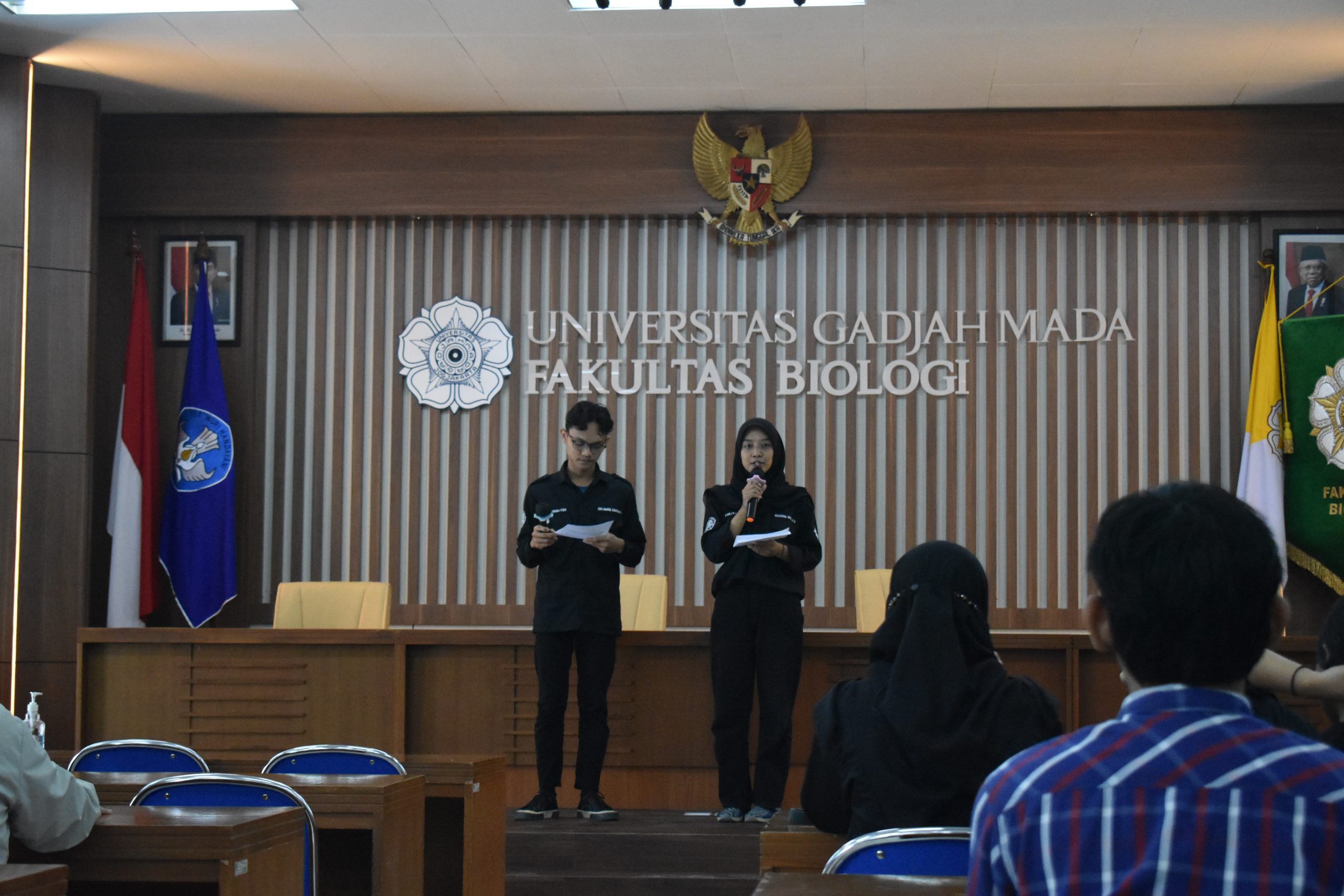
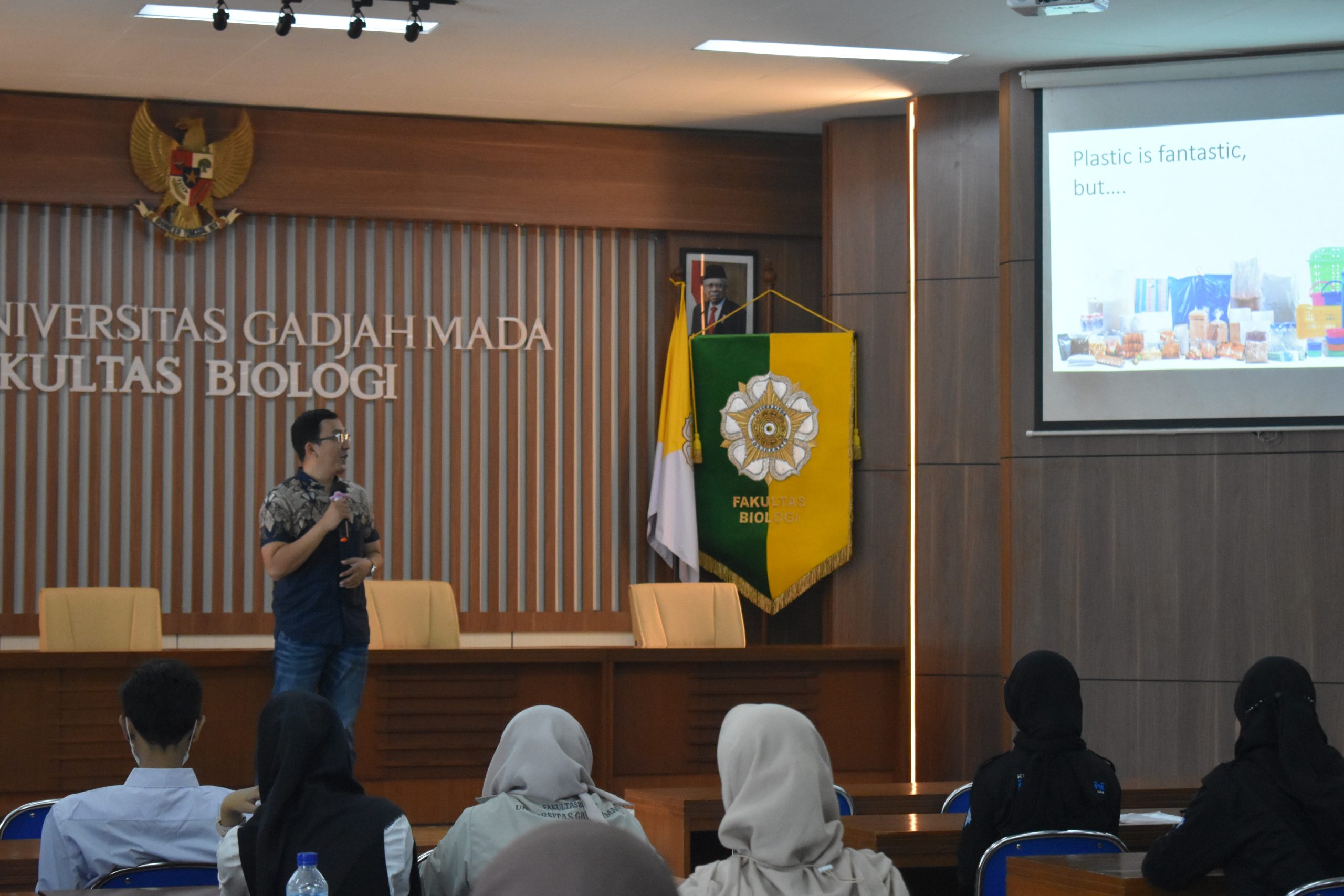
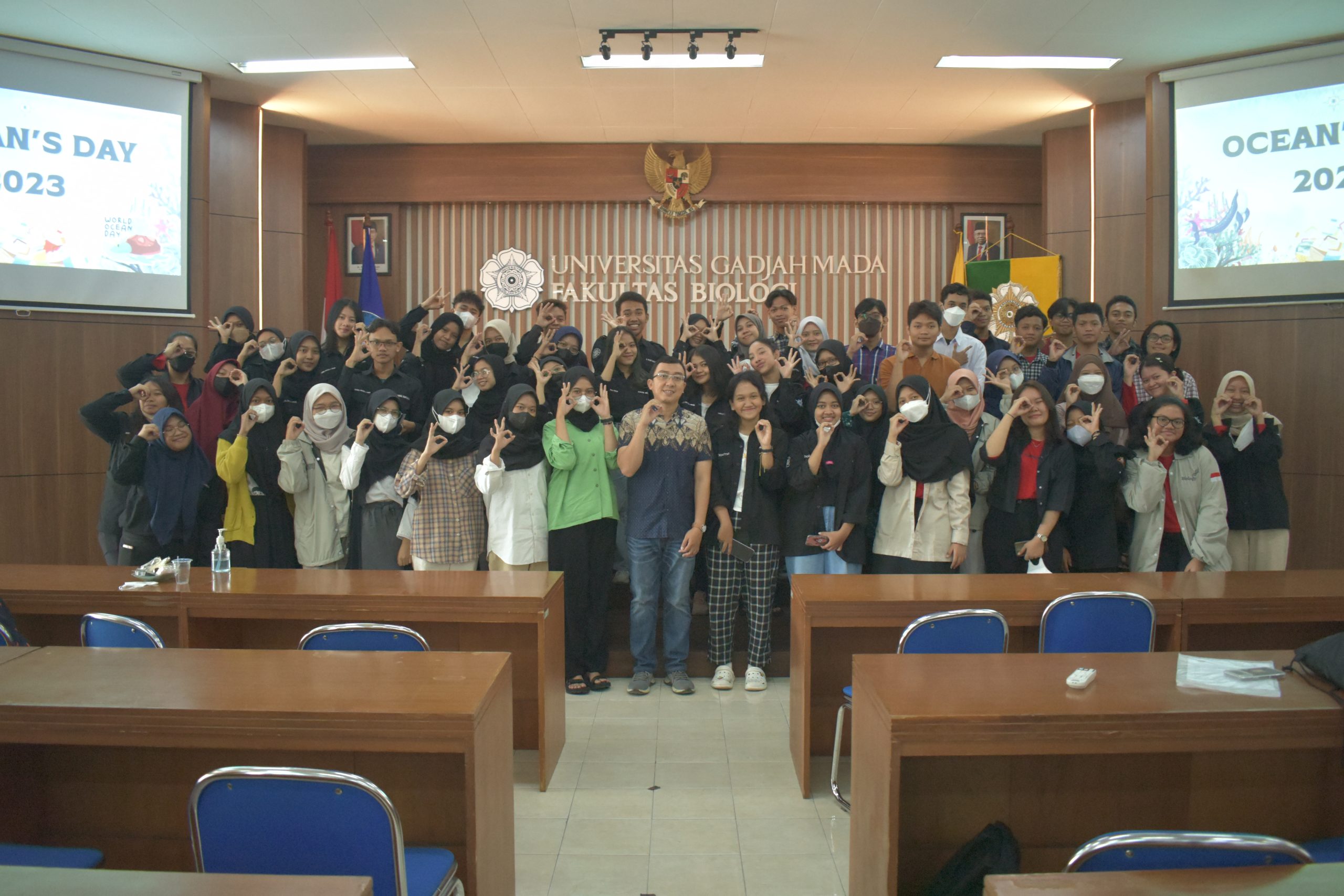
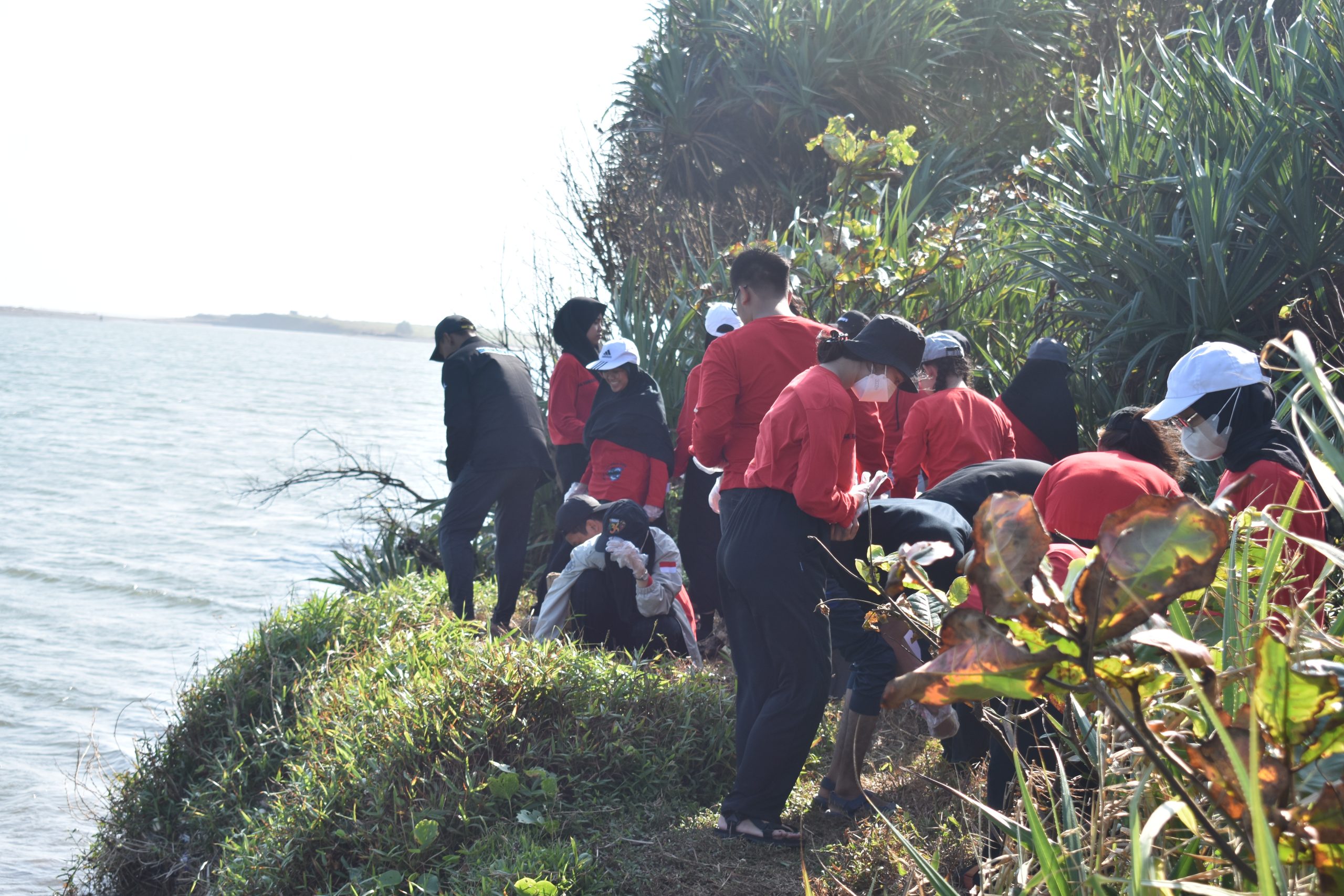
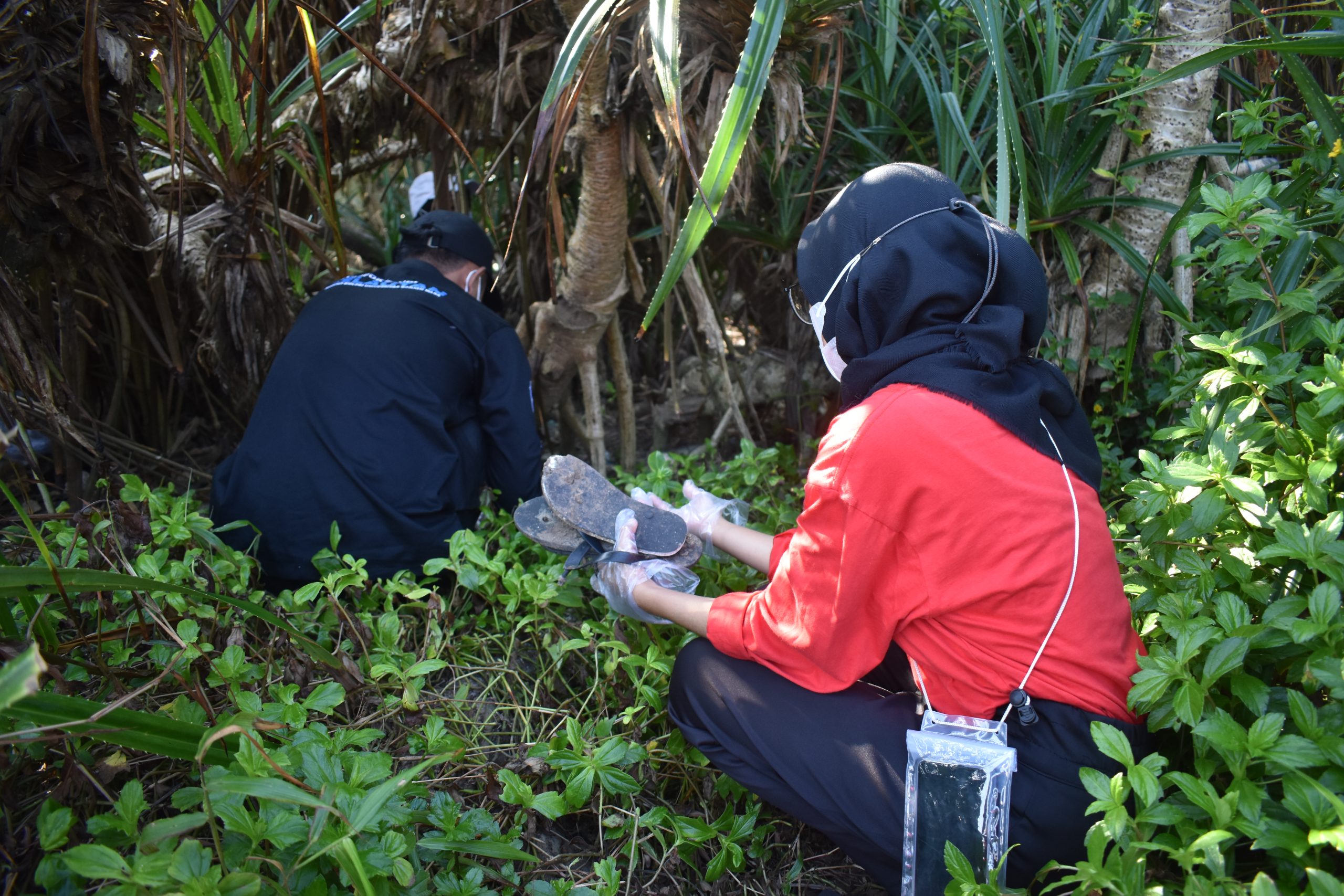
Oceans Day is an annual event organized by the Marine Study Group (KSK) Faculty of Biology UGM to commemorate World Oceans Day. This year, KSK Biogama had the opportunity to collaborate with Mr. Parvez Alam. Additionally, KSK Biogama invited children from the Al-Khusna Orphanage to join in a beach clean-up, learn about marine life, and recycle trash they collected. During the Oceans Day events, the UGM Marine Study Group held an open donation drive for the Al-Khusna Orphanage. A total of Rp2,015,116.00 was collected.
We are deeply grateful to everyone who participated and supported this cause. On May 18, 2024, following the Oceans Day event at Slili Beach, Gunungkidul, the donations were delivered to the Al-Khusna Orphanage in Gunung Kidul in the form of cash and basic necessities. We believe that this assistance will be very meaningful for the children at the orphanage and will help them in their daily lives. Every contribution, no matter how small, can make a significant difference in the lives of others. [Author: KSK]
On Saturday and Sunday, May 18-19, 2024, the Marine Study Group (KSK) organized a series of events for Oceans Day 2024: Caring for the Ocean, Caring for Each Other. On the first day, May 18, 2024, a beach cleanup activity was held at Slili Beach, Gunungkidul. The event started at 11:05 WIB, followed by remarks from Jagad Wenang Suryoaji (DXXIII), the Chairperson of Oceans Day 2024, and Mr. Parvez Alam, the partner and sponsor. The activities included games, participated by the KSK committee, volunteer participants, children from Al Khusna orphanage, and even Mr. Parvez Alam and his daughter, Lilja Alam. The beach cleanup was conducted following the grouping of participants and location assignments as directed by Slili Beach authorities, along with a briefing on waste separation. This activity continued until 12:05 WIB followed by a break.
After the break, there was a session on education and creation of artworks guided by Alisha Syavitri Ramadhani A (DXXIII) and Muhammad Haidar Ali (DXXIV). Participants were divided into groups and given one hour to create artwork from recycled plastic bottles, followed by a presentation session guided by organizers. Next, an enjoyable activity, capoeira was held at Slili Beach with Mr. Parvez and Lilja. After the games, representatives from Al-Khusna orphanage and volunteers shared their impressions of today’s event. The event concluded with a speech from Mr. Parvez and a group photo.
On Sunday, May 19, 2024, the Marine Study Group (KSK) of the Faculty of Biology, Gadjah Mada University, successfully held the Marine Studies Forum (FKK) titled “Blue Economy as a Response to the Massive Growth of Mass Tourism: Reality or Vision?” The event took place at the Tropical Biology Auditorium, Faculty of Biology, and online via Zoom meeting. This forum aimed to discuss marine issues from various perspectives through sharing and discussion methods, featuring Mr. Supriyanta, S.Sos., M.M. from the Gunungkidul Tourism Office and Dr. Imam Musthafa Zainuddin from the World Wildlife Fund (WWF) as speaker.
The Marine Studies Forum (FKK) hosted by Angga Firza Pratama and Grace River Theofilia Putri Subadi and attended by 65 participants from KSK members, volunteers, and external parties from the Faculty of Biology and beyond UGM. The forum began with opening remarks by the MC, followed by singing the Indonesian national anthem, the Gadjah Mada University hymn, and the KSK anthem. The event was preceded with speeches from Muhammad Ariq Alfito, Chairman of KSK Biogama, and Jagad Wenang Suryoaji, the event chairman. Next, an introductory video on the Blue Economy and Mass Tourism shown, followed by an initial discussion between the MC and the speakers.
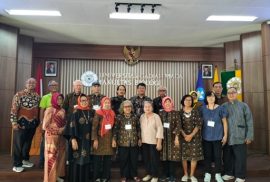
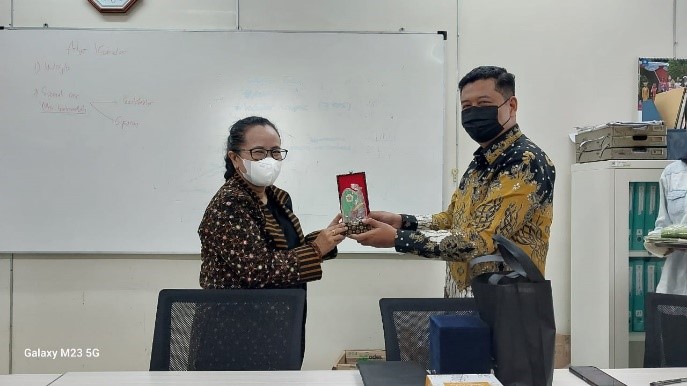
Proceeding to the main event, the first interview shown, focusing on tourism in Gunungkidul, followed by a discussion with the speakers and Koor KK. Next, a second interview video on marine biota was shown, leading to a discussion with the speakers, Koor KK, and external parties. Following the discussion, there was a presentation and Q&A session with Mr. Supriyanta, S.Sos., M.M. from the Gunungkidul Tourism Office, and a token of appreciation was given to the first speaker. The event continued with a presentation and Q&A session with Dr. Imam Musthafa Zainuddin from the World Wildlife Fund (WWF), and tokens of appreciation were given to the speakers at the end of the session. The Marine Study Forum concluded with a session for impressions and messages, followed by closing remarks and a summary. [Author: KSK]