In an effort to enhance the quality of human resources and strengthen the Tridharma of Universitas Gadjah Mada in 2024, one of the faculty members of the Faculty of Biology, Ganies Riza Aristya, S.Si., M.Sc., Ph.D., received funding to participate in a Professor Exchange Program between Universitas Gadjah Mada and the National Chengchi University (NCCU) College of Science, Taiwan. On this occasion, Dr. Ganies was accompanied by two Fast-track Master’s students, Lucia Arum Sekar Meysari, S.Si., and Azizah Tyas Nugrahanty, S.Si. This program is funded by the Directorate of Partnerships and Global Relations. The activity is supported by a proposal entitled “Increasing the Production of Polyhydroxybutyrate (PHB) as a Biodegradable Biopolymer Plastic through Recombinant Plasmid Transformation.”
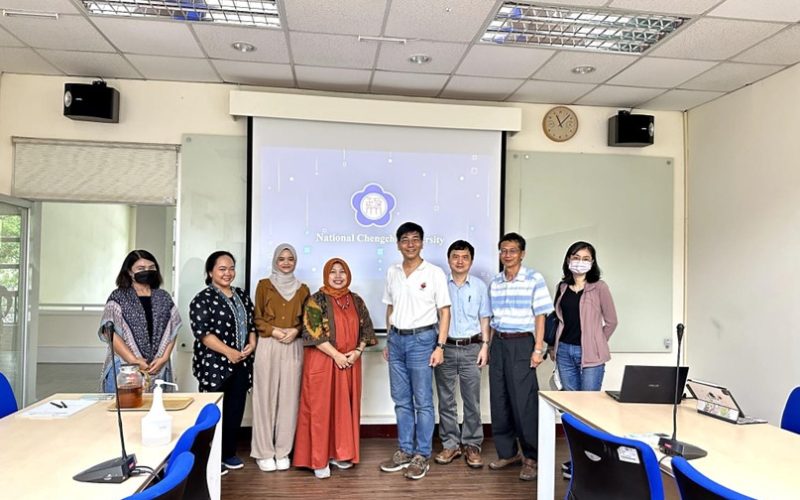
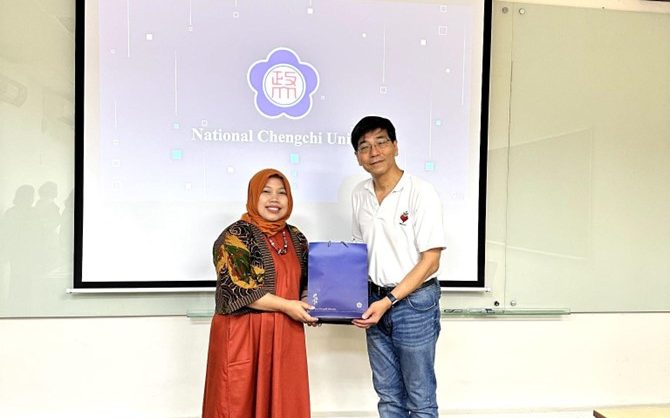

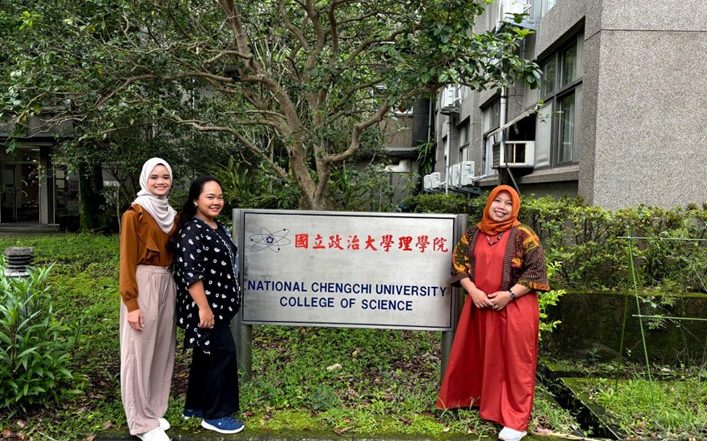
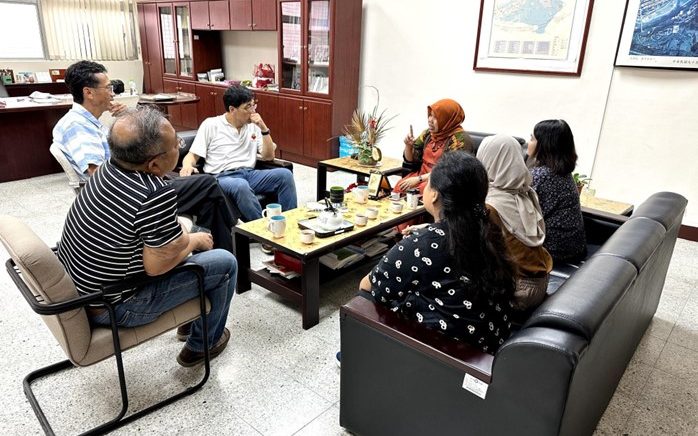

The Joint Supervisor visit to NCCU Taiwan took place from May 27th to June 1st, 2024. This program is one of the collaborations between Universitas Gadjah Mada and National Chengchi University in the form of professor exchanges. The activity began with an introduction session by the dean of the College of Science (Professor Hsing Luh) followed by introductions and research topic presentations by the representatives from UGM’s Biology department, Dr. Ganies. The results of this visit included the establishment of short-term and long-term collaboration agreements, including the signing of a memorandum of agreement, mentoring, research development collaboration and publication, also the creation of an international community.
With this program, it is evident that the Faculty of Biology is committed to supporting efforts to strengthen Universitas Gadjah Mada’s ranking in the field of outstanding sciences related to UGM’s contributions to knowledge and humanity. This goal is related to SDG number 8 on education. By providing easier international access, this program can also expand Universitas Gadjah Mada’s international cooperation and future orientation. Our gratitude goes to Professor Hsing Luh, Professor Chih-Kai Yang, Professor Ming-Huan Chan, Professor Shau-Kwaun Chen, and all the staff of the College of Science NCCU, who have provided us with the opportunity to collaborate in the 2024 Joint Supervisor activity.
#SDGs
#JointSupervisor2024
#DirectorateOfPartnershipsAndGlobalRelations
#TahirFoundationUGM
#FakultasBiologiJointSupervisor


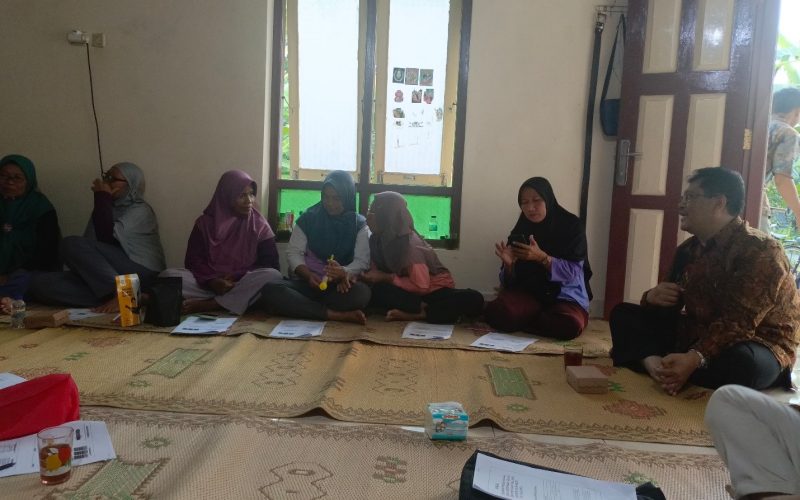
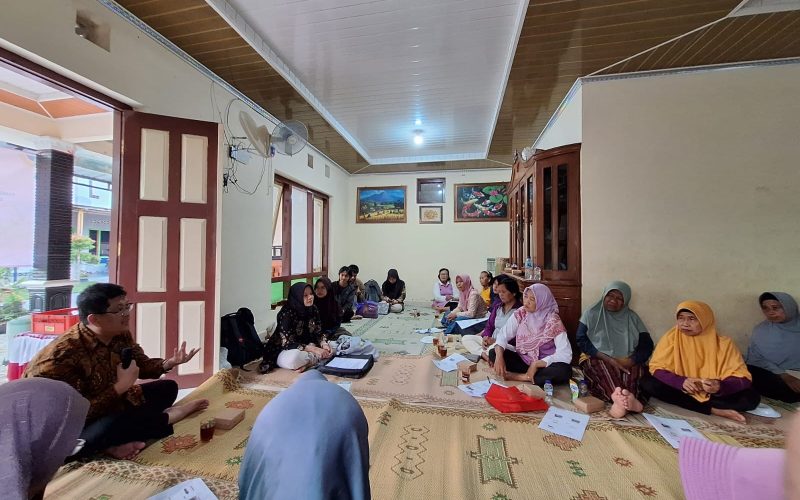
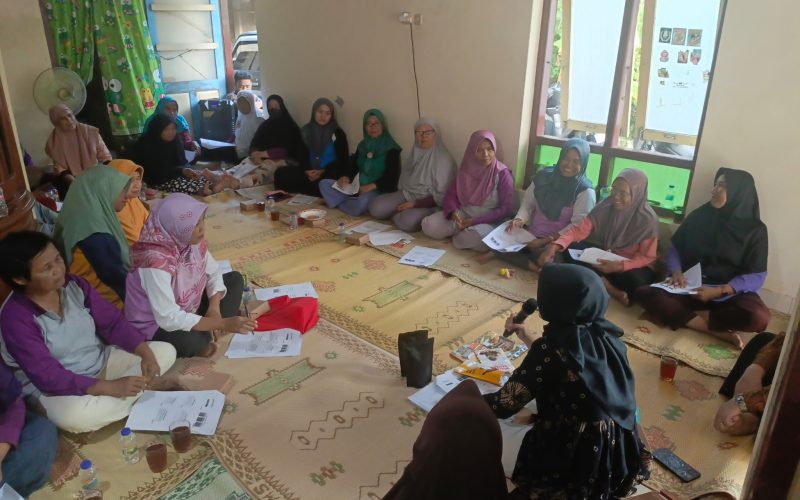

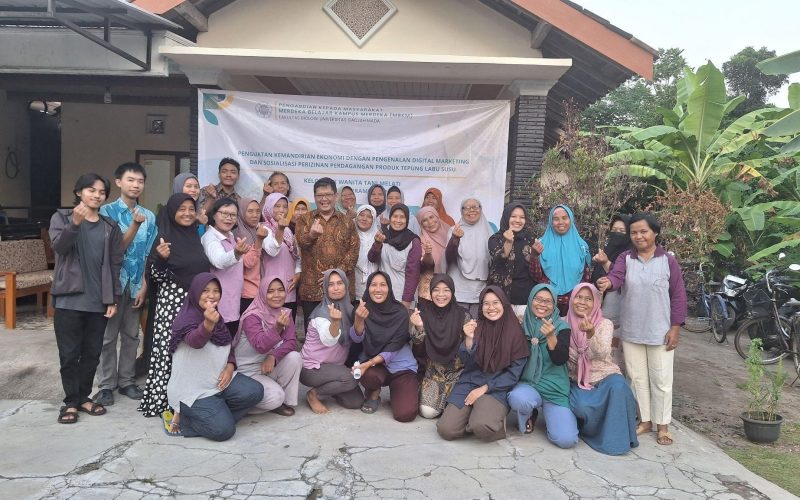


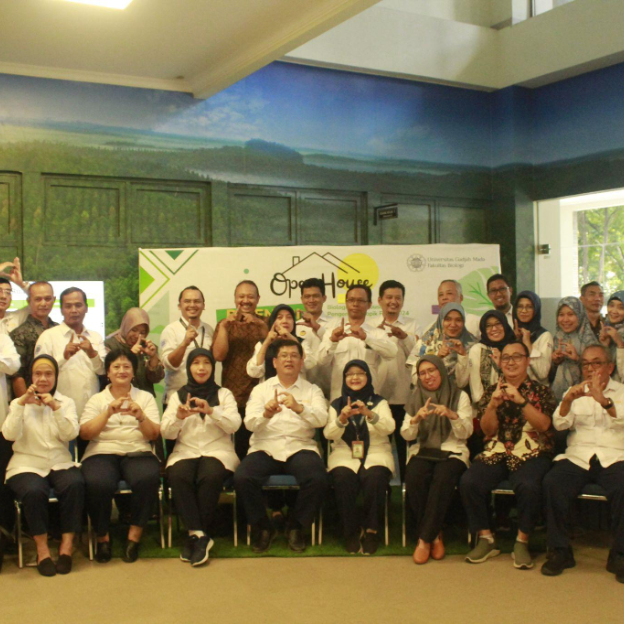
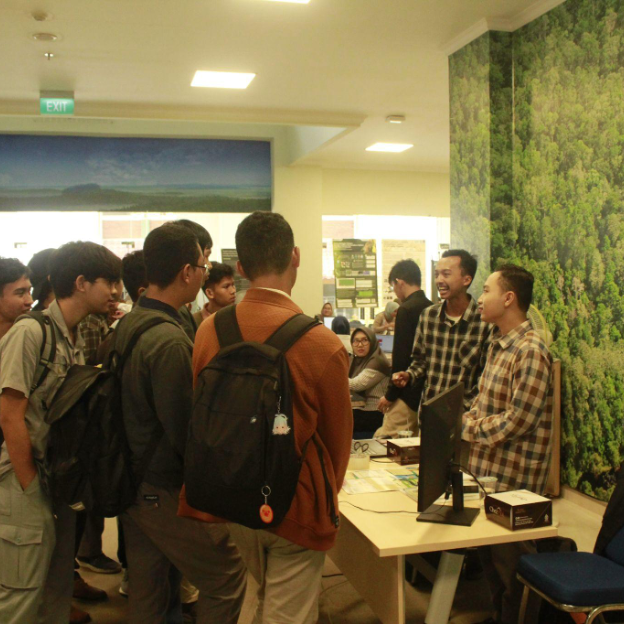
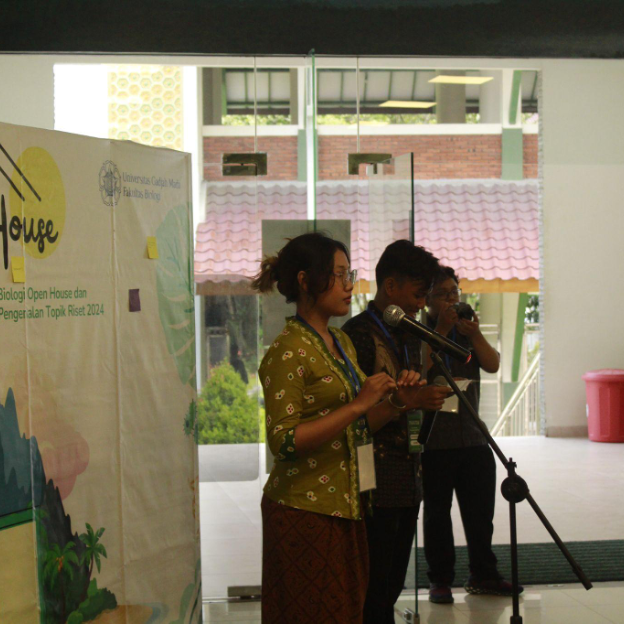
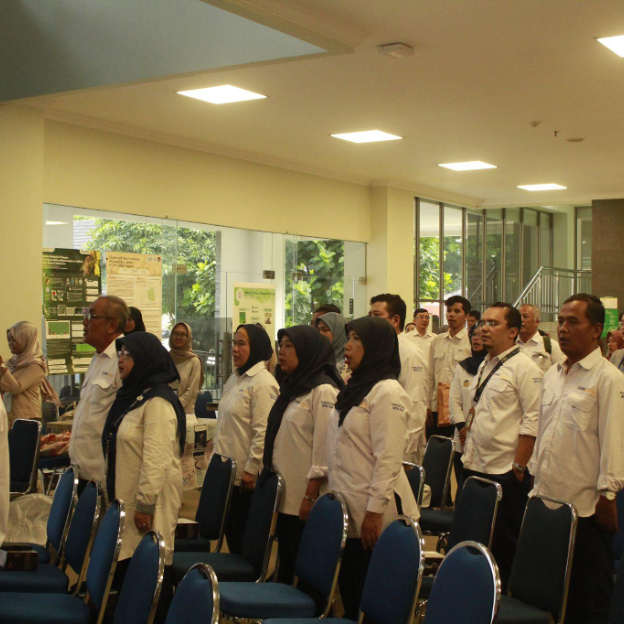
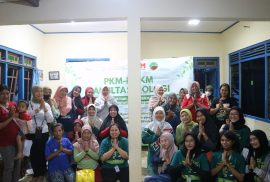
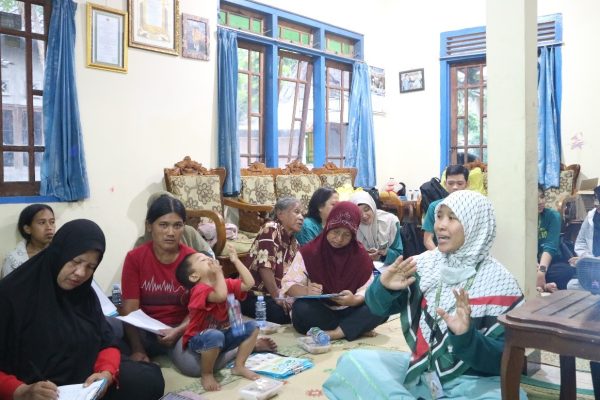
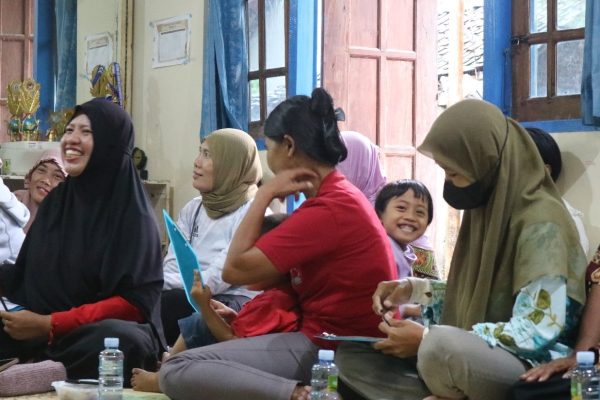
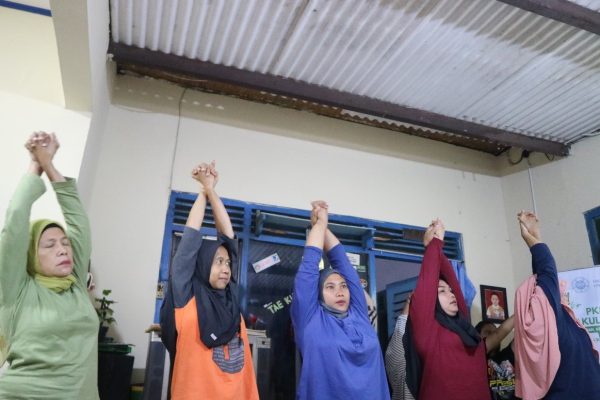
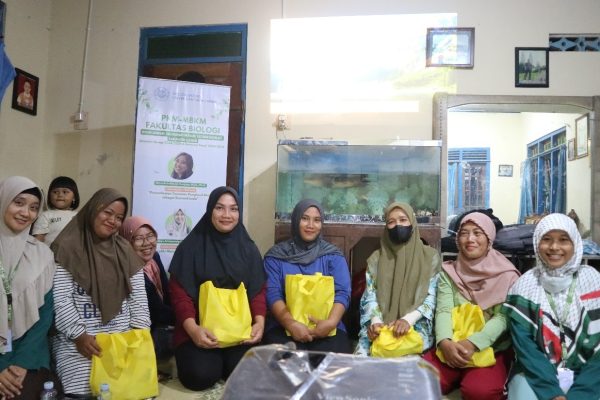
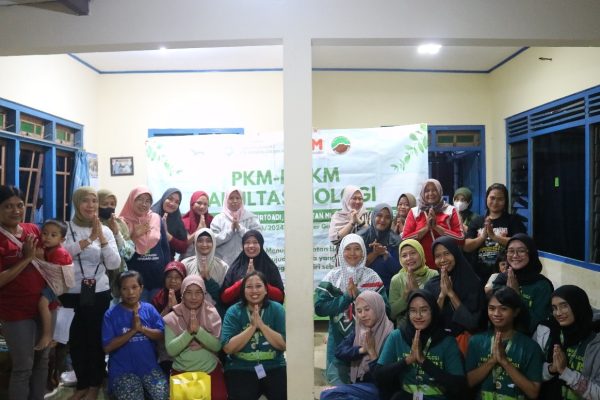
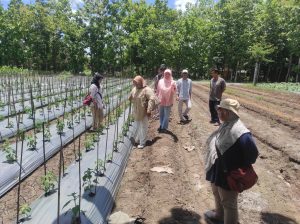
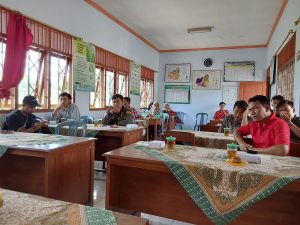 The discussions held during the FGD and field visits covered various topics, including the use of technology in agriculture, organic farming practices, natural resource management, and marketing strategies for agricultural products. The results of these discussions will form the basis for developing more relevant and responsive educational, research, and community service programs tailored to the needs of millennial farmers.
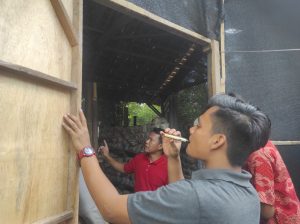 and millennial farmers, bringing tangible positive impacts to the advancement of the agricultural sector in Indonesia. This activity is closely related to several Sustainable Development Goals (SDGs) adopted by the United Nations. The dialogue and collaboration between the Faculty of Biology UGM and millennial farmers can increase farmers’ productivity and income (SDG 1: No Poverty) and support sustainable agriculture that enhances food security and nutrition (SDG 2: Zero Hunger). This initiative also develops more relevant educational programs for millennial farmers (SDG 4: Quality Education), supports economic growth and job creation in the agricultural sector (SDG 8: Decent Work and Economic Growth), and encourages innovation and modernization of agricultural practices (SDG 9: Industry, Innovation, and Infrastructure). The focus on organic farming practices and natural resource management supports sustainable production and consumption (SDG 12: Responsible Consumption and Production), and the sustainable agriculture discussed in the FGD contributes to climate change mitigation (SDG 13: Climate Action). Furthermore, the collaboration between the Faculty of Biology UGM and millennial farmers is a concrete example of partnerships that support the achievement of sustainable development goals (SDG 17: Partnerships for the Goals).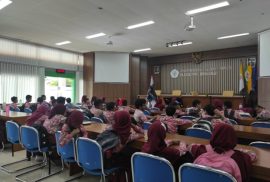
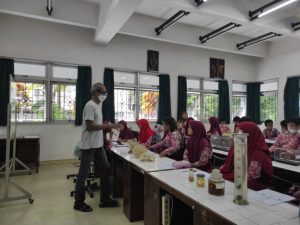
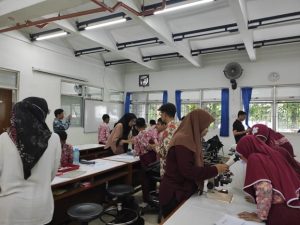 In the Histology & Embryology Section, students were introduced to microscopes and how to use them. They also observed the diffusion process and colorful microscopic preparations. Meanwhile, in the Animal Anatomy Section, students observed skeletal preparations, internal organs, and several anatomical specimens. The children showed remarkable enthusiasm and deep curiosity while learning in the laboratory. The visit also included a question-and-answer session, where the children were given the opportunity to ask questions about interesting science topics to the Master’s and Bachelor’s students conducting research in the laboratory. Intelligent and creative questions flowed, reflecting the growing interest in science among the young generation.