SDG 4 : Provide Quality Education
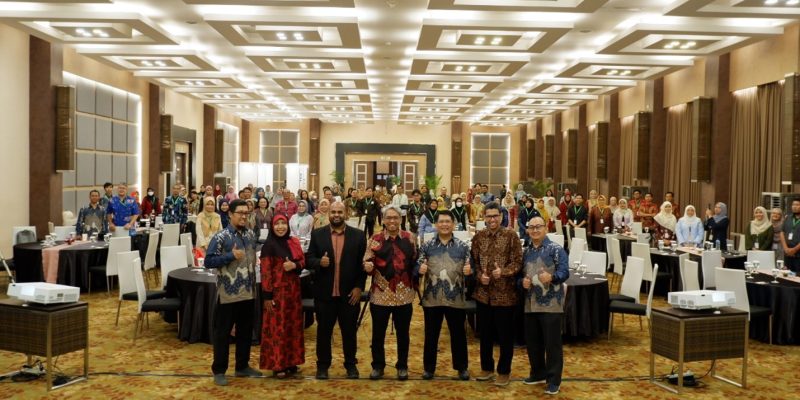
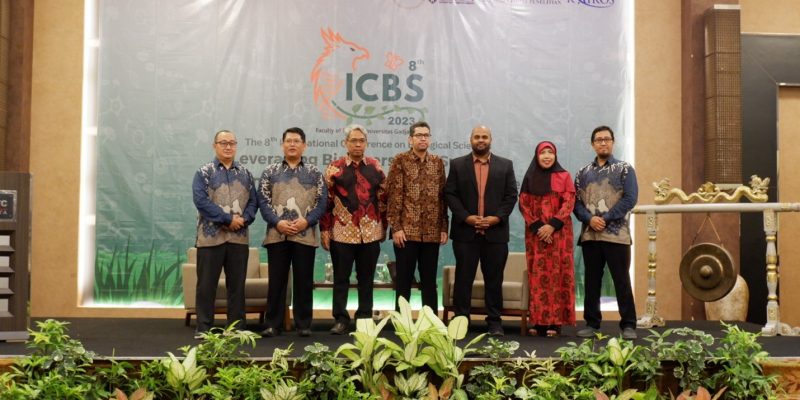
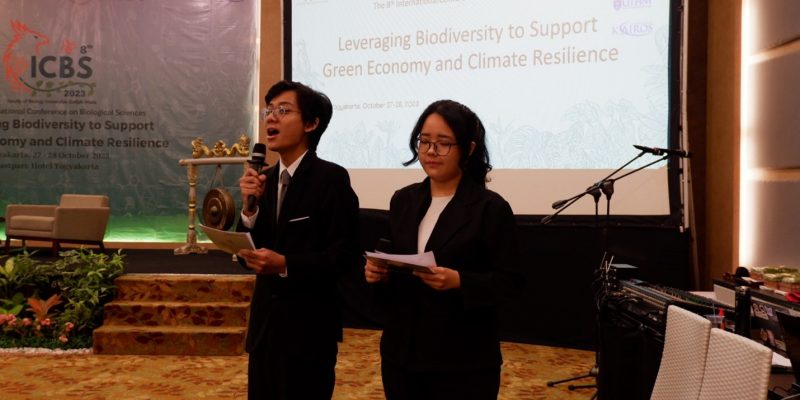
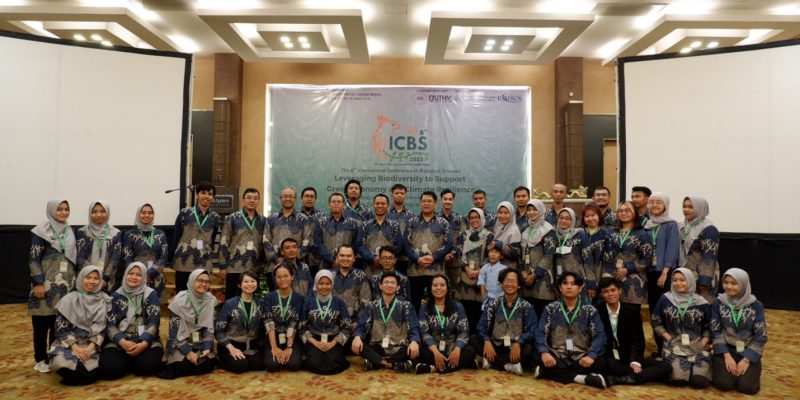
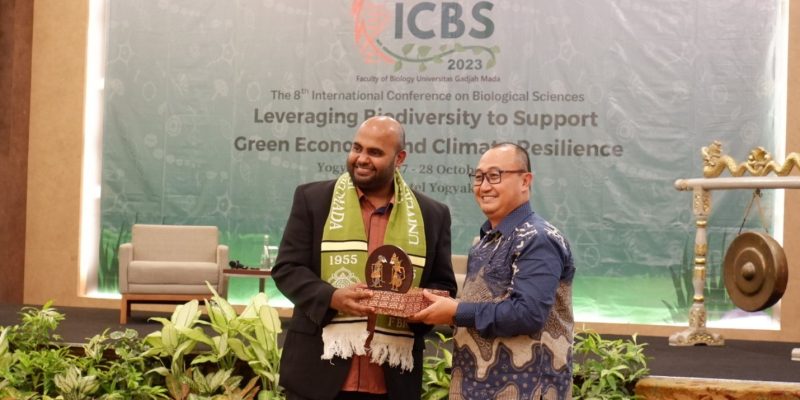
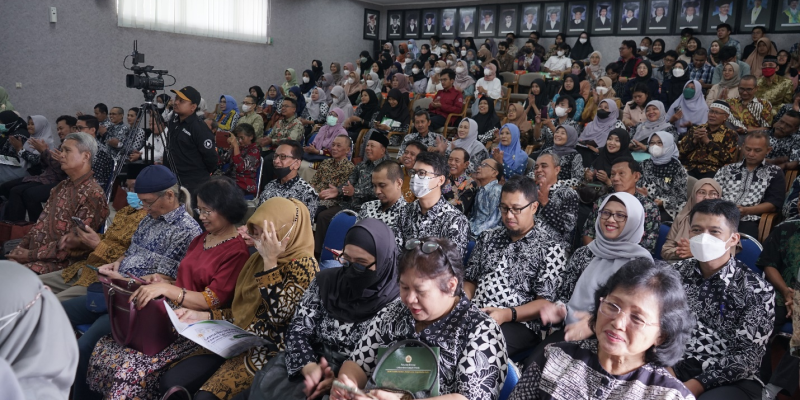
Yogyakarta, 27 October 2023 – The 8th International Conference of Biological Science (ICBS) Faculty of Biology, Universitas Gadjah Mada was held again via hybrid after the previous successful event in 2021. With the theme “Leveraging Biodiversity to Support Green Economy and Climate Resilience”, ICBS was held in collaboration with Tun Hussein Onn University Malaysia (UTHM) and the Indonesian Biology Consortium (KOBI) for two days, 27 and 28 October 2023, at the Grand Ballroom of the Eastparc Hotel Yogyakarta. This conference is part of the Faculty of Biology UGM commitment to its contribution to sustainable development goals (SDGs).
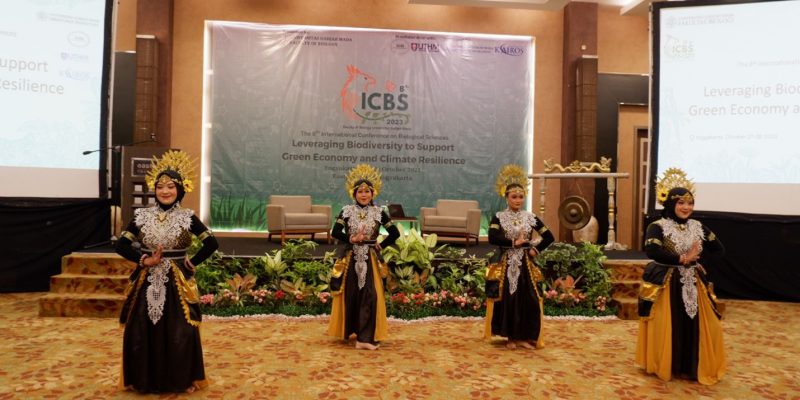
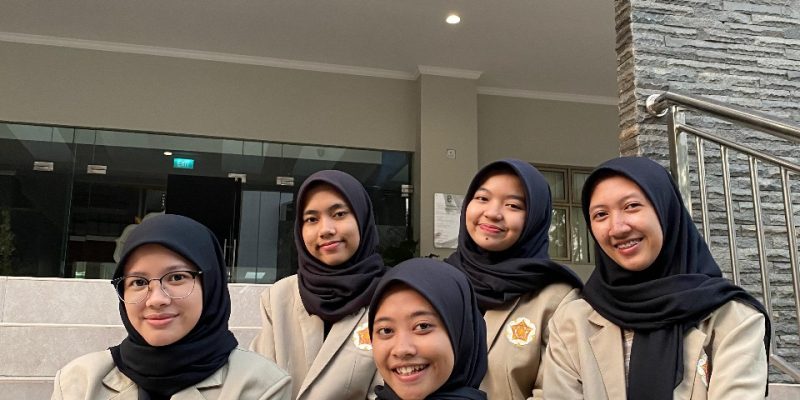
The biennial conference began with a traditional dance performance “Lintang Kemukus” performed by five female students from the Faculty of Biology UGM Executive Board of Postgraduate Student. The Lintang Kemukus Dance is a traditional dance from Banyuwangi, East Java which expresses the charm of women that radiates from the beauty of their souls and is not susceptible to being weathered and lost by changing times.
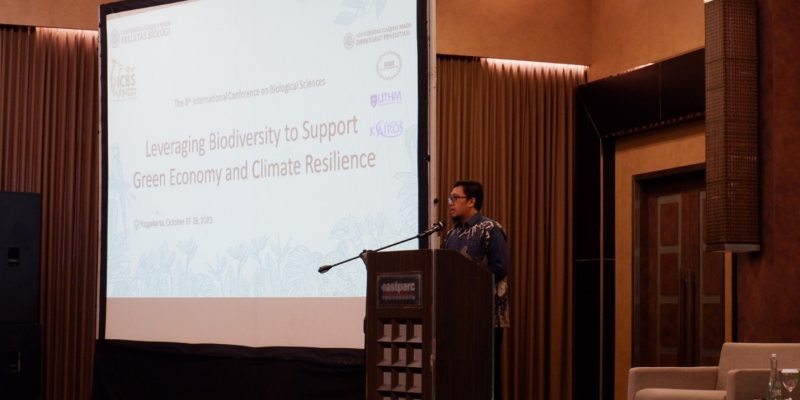
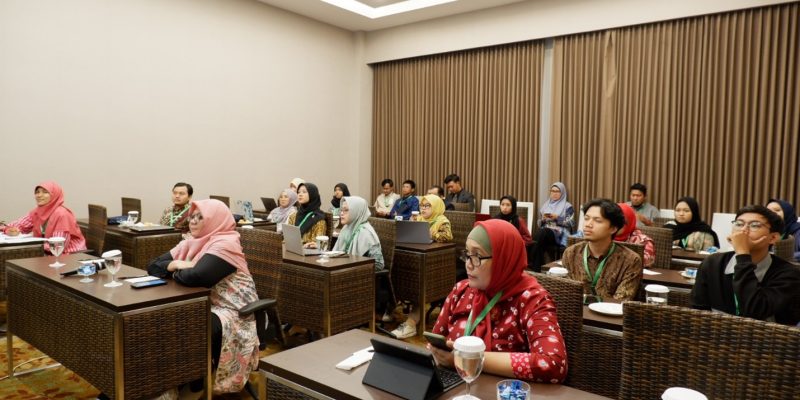
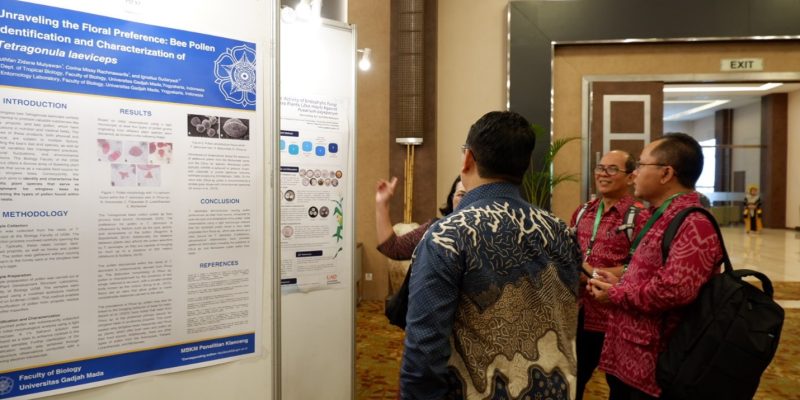
“This year’s ICBS accomodated 7 topics and received more than 150 articles from the USA, India, Australia, Mexico, Malaysia, and Indonesia which were presented offline and online,” said Dr. Miftahul Ilmi, M.Si., Chair of the Committee for the 8th International Conference of Biological Science in his speech Friday (27/10). The topics include biosystematics, functional biology, biomedical, bioinformatics, genetics, bio-nanotechnology and bioengineering. Dr. Ilmi also said that the selected articles will be published in proceedings and partner journals including BIO Web of Conferences, Journal of Tropical Biodiversity and Biotechnology (JTBB), and Indonesian Journal of Biotechnology (IJBioTech) which have been indexed by Scopus and the Directory of Open Access Journals (DOAJ).
Prof. Dr. Mirwan Ushada, STP., M.App.Life.Sc., Director of Research at UGM was also present at the opening of ICBS 2023. He conveyed the urgency of preserving biodiversity and how it is closely related to food security and the medical world. In his speech, Prof. Mirwan also revealed the contribution of technology in the development of science through Artificial Intelligence (AI). He hopes that this conference can become a forum for gathering and sharing knowledge and ideas to create a sustainable future.
“This conference aims to be a gathering place for scientists, policy makers and academics to share various information and experiences in the realization of sustainable science, especially understanding biodiversity conservation and resilience to current climate change,” Prof. Dr. Ir. Sri Suning Kusumawardani, S.T., M.T., Director of Learning and Student Affairs, Ministry of Education, Culture, Research and Technology, then gave his welcoming speech for ICBS 2023.
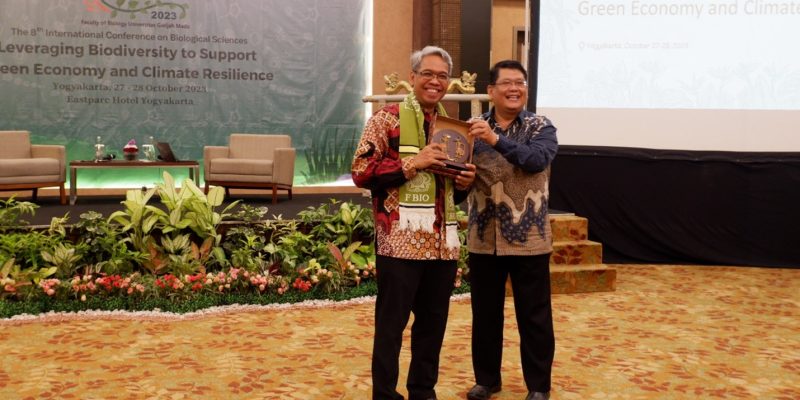
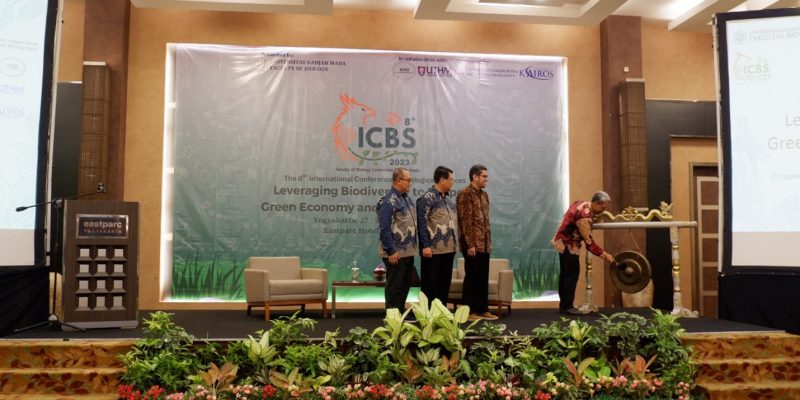
“Through this conference, we hope to be able to explore deeply how to use biodiversity to build a sustainable economy and build resilience to climate change. We also hope that all participants can contribute to discussions, collaboration and share insights in understanding related to biodiversity conservation and utilization,” said Prof. Dr. Budi Setiadi Daryono, M.Agr.Sc. in his speech. Together with Prof. Dr. Satyawan Pudyatmoko from the Ministry of Environment and Forestry of the Republic of Indonesia, Prof. Mirwan, and Dr. Eko as Vice Dean for Research, Community Service, Collaboration and Alumni Affairs, Prof. Budi opened the conference by striking the gong three times.
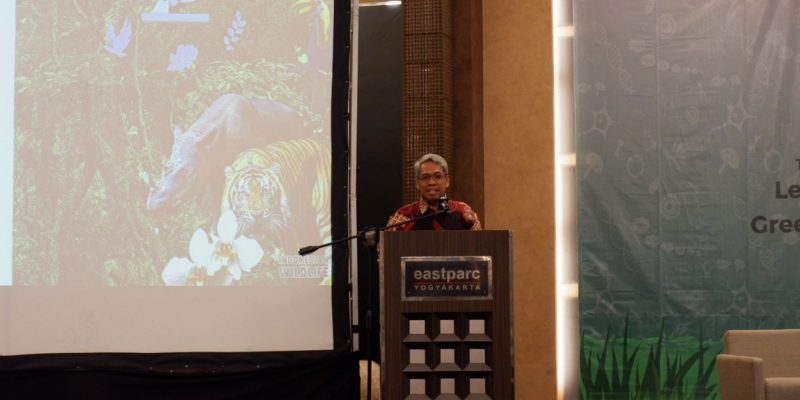
The keynote speaker at the 8th International Conference of Biological Science this time was delivered by Prof. Dr. Satyawan Pudyatmoko, Director General of Natural Resources and Ecosystem Conservation, Ministry of Environment and Forestry of the Republic of Indonesia. Prof. Satyawan conveyed how humans contribute significantly to the earth’s climate conditions and anthropogenic climate change also affects the structure and function of ecosystems which indirectly causes a decline in human welfare. He highlighted the importance of establishing conservation areas and land protection as well as biodiversity management as important steps to address climate change.
Assoc. Prof. Ts. Dr. Muhammad Abdul Latiff from Universiti Tun Hussein Onn Malaysia, was also invited to be a speaker at ICBS this time. He gave a presentation entitled “Primate-Based Tourism: Fostering Biodiversity Conservation and Empowering local Communities through Green Economy”. He highlighted the importance of synergy between primate-based tourism and community-based conservation (CBC), which is an effort to increase conservation as well as empower local communities for sustainable development.
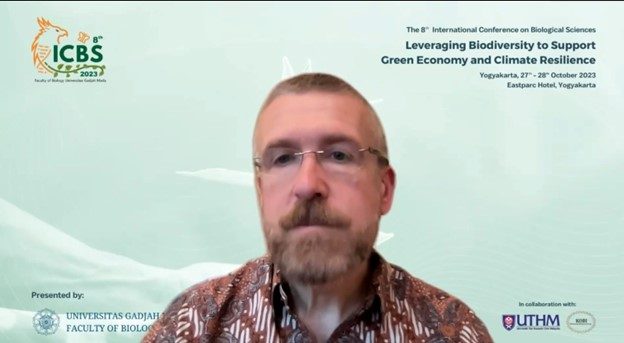
The next keynote speaker is Assoc. Prof. Dr. Michael Sauer, Head of Department of Biotechnology OMV AG from the University of Natural Resources and Life Science, BOKU, Austria. Dr. Michael presented on microbial culture for sustainable chemical production. Dr. Michael highlighted the limitations in fuel and chemical production due to limited resources and climate change. A microbial fermentation process that converts plant biomass and waste as a source of chemical production.
The 8th International Conference of Biological Science is expected to become a forum for communication and sharing for researchers to collaborate and innovate to develop biodiversity-based sustainable development. This is in line with contributions to increasing science and inclusive education (SDG 4), especially in developing biodiversity conservation (SDG 14 and 15) and handling climate change (SDG 13) through sustainable partnerships (SDG 17).
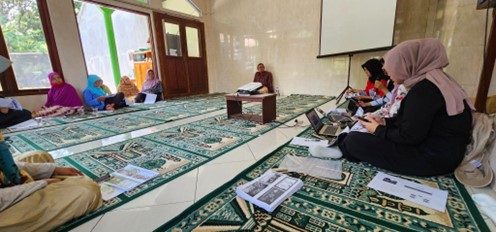
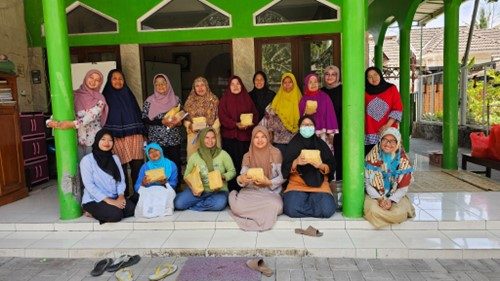
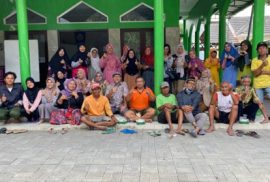
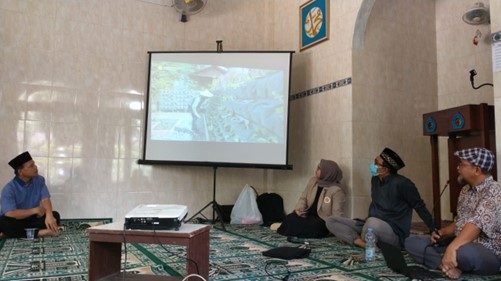
On Sunday, October 15th, 2023, the team of Merdeka Belajar Kampus Merdeka-Pengabdian kepada Masyarakat (MBKM-PkM) 2023 Faculty of Biology, Universitas Gadjah Mada, conducted another socialization activity for the residents in Pajangan, Wedomartani, Ngemplak, Sleman, Yogyakarta, regarding the production of liquid organic fertilizer (LOF) and eco-enzyme. This socialization was organized to encourage the community to manage organic waste into something beneficial, such as liquid organic fertilizer (LOF) and eco-enzyme. The speakers for this socialization were the MBKM-PkM 2023 team, consisting of five undergraduate students of Faculty of Biology, Unviersitas Gadjah Mada, class of 2020, they were Arba’ Ramadhani Artik, Arneta Yuvita, Ester Dewanti Yovita Wardani, Fadiah Sri Rahayu, and Zidni Meirizka Utami, under supervision Dr. Ardaning Nuriliani, S.Si., M.Kes. and the partner mentor Ms. Nurini Aru Sudarsi. The MBKM-PkM 2023 team conducted the socialization with the theme “Caring for the Earth Starts from Our Kitchen.” This theme included two main topics: liquid organic fertilizer and eco-enzyme. The first topic covered the importance of macro and micro nutrients for plants, the definition of organic and inorganic fertilizers, the differences between organic and inorganic fertilizers (chemical), the advantages and disadvantages of organic and inorganic fertilizers, the production process of liquid organic fertilizer, as well as its application. The second topic explained the concept of eco-enzyme, its advantages and disadvantages, its benefits, the production process of Eco-enzyme, as well as its application.
Effective management of organic waste is crucial at present, given the issues related to the limited space for waste disposal at the Piyungan Final Disposal Site in the Special Region of Yogyakarta. Producing liquid organic fertilizer (LOF) and eco-enzyme is one way to manage organic waste such as food scraps, vegetable waste, fruit waste, and leaves, turning them into something beneficial for the environment. Liquid organic fertilizer (LOF) can be used to nurture plants without worrying about chemical effects on them. Meanwhile, eco-enzyme can serve not only as a fertilizer component but also as a detergent or cleanser and pest control for plants. The production of LOF and Eco-enzyme doesn’t require significant costs; it mainly relies on organic waste from the kitchen, water, molasses solution (brown sugar, palm sugar, coconut sugar), and EM4 solution.
This socialization received a positive response and enthusiasm from the residents of Pajangan Hamlet who actively participated in the discussion sessions with the speakers. It is hoped that the socialization by the MBKM-PkM 2023 team will raise awareness and engagement, particularly among the residents of Pajangan Hamlet, in environmentally friendly practices by managing kitchen and organic waste and turning them into something useful for the environment. (SDGs 3).
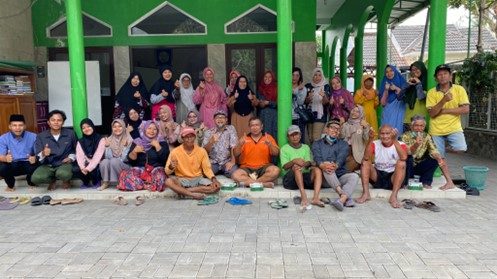
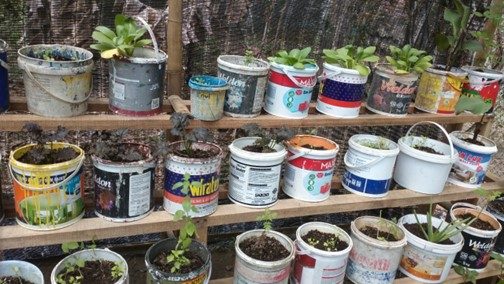
On Sunday, 8th October 2023, the Pengabdian kepada Masyarakat – Merdeka Belajar Kampus Merdeka (PkM-MBKM) Faculty of Biology, UGM 2023, 5 undergraduate students of Faculty of Biology, UGM class of 2020, namely Arba’ Ramadhani Artik, Arneta Yuvita, Ester Dewanti Yovita Wardani, Fadiah Sri Rahayu, and Zidni Meirizka Utami supervised by Dr. Ardaning Nuriliani, S.Si., M.Kes. and Ms. Nurini Aru Sudarsi as the partner mentor have carried out the socialization activities to the residents in Pajangan, Wedomartani Village, Ngemplak, Sleman, Yogyakarta. The theme of the socialization was “Improving the Community’s through Optimizing of Vacant Land”. This program aims to engage the community to improve the economic condition of the family by utilizing vacant land in the yard area of the house to plant vegetables, fruits, herbs, and several medicine and functional plants or also called “TOGA”. In this activity, we invited Mr. Panggih Dwi Atmojo, S.T. as a speaker. He is an alumnus of the Faculty of Engineering, UGM who is currently active as an agro economic practitioner as well as the founder and owner of Agro Edukasi Caping Merapi Yogyakarta which is located at Kenayan, Wedomartani, Ngemplak, Sleman Regency, Yogyakarta Special Region. The given presentation discussed topics about food gardening, including vegetable garden cultivation, as well as rising fish, chickens, and other small livestock to meet daily food needs. He also discussed about urban farming, which is the method of farming in the city or on limited land. In addition, the speaker also emphasized that the use of vacant land as a food garden can provide various other benefits, such as the community can provide traditional medicine independently, add decoration to the garden, provide refreshing activities through gardening, obtain healthier food that is free from chemical fertilizers, and produce biofertilizer which can be obtained through composting, eco lindi, and manure systems. This can also serve to overcome the problem of handling organic waste.
This socialization was attended by around 20 residents and received a very positive response, even some residents were very enthusiastic and directly involved in the discussion session together with the speakers.
A team of Biology students at Gadjah Mada University (S1) made another achievement at the national level by winning first place in the National Essay Competition, led by Ghefira Nur Fatimah along with Jauza Hanifah Azzahra, Meinawa Amaliah, Fadilla Nur Hidayat, and Nimas Ayu Pramesthi. This national-level essay competition was organized by Brawijaya University from June 1st to September 13th, 2023, with the theme “Collaborative Nation-Building through Applied Technology Innovation towards Self-Reliant Indonesia,” . This event encompassed various stages, including the submission of works, assessment, finalist announcement, video presentation submission, video presentation assessment, and winner announcement.
The team took the subtheme Food and Agriculture Processing Technology, with their work titled “Organic Capsule Fertilizer Made from Household Organic Waste as a Manifestation of Circular Economy and Environmental Conservation.” Their scientific work was motivated by the escalating issue of waste accumulation in Indonesia, a country that generates approximately 21.2 tons of waste per year, predominantly consisting of household waste such as food waste, dry leaves, wood, tree branches, and food industry waste. Among the household waste types employed by Ghefira and her team was the mangrove crab shell waste (Scylla serrata). The mangrove crab’s body is primarily composed of its shell, accounting for about 80% of its weight, with the remaining 20% being edible flesh. They selected the mangrove crab shell due to its biocompatible, biodegradable, low toxicity, easy synthesis, and safe application properties.
In their innovation, Ghefira and team implemented two technologies: vermicomposting and microwave technology. This combination transformed organic waste into an innovative product: water-soluble organic capsule fertilizer. The organic fertilizer was crafted from household organic waste, while the water-soluble capsule shell was created from mangrove crab shells. The vermicomposting technology was utilized in the production of organic fertilizer involving the use of earthworms, specifically Eisenia foetida and Eisenia Eugeniae, in composting organic matter. The end result of vermicomposting technology is vermicompost, a mixture of worm castings and compost.
The microwave technology was used in producing water-soluble capsule shells using mangrove crab shell material. Chitin compounds found in mangrove crab shells can be transformed into chitosan for capsule shell production. The chitosan from mangrove crab shells has a large molecular weight, necessitating the application of microwave technology to produce chitosan with high deacetylation degree and low molecular weight, ensuring high solubility in water. The process for making chitosan capsule shells involves several sequential steps, including sample preparation, chitin isolation (deproteinization, demineralization, and decolorization processes), chitosan synthesis (repeated deacetylation using microwave), production of Glucosamine Hydrochloride (GLcN HCl) (via hydrolysis and centrifugation processes), and finally, capsule shell formation using modified capsule molds.
Through these two technologies, they produced water-soluble organic capsule fertilizer with numerous advantages. The use of fertilizers that previously required mixing various components may now be simplified through the capsule form, making application on plants more convenient. Individuals need not worry about measuring fertilizer quantities, as the organic capsule fertilizer already contains all necessary elements for plants in a complete and precise manner. Additionally, the capsule form facilitates storage due to its relatively small size, saving storage space. The water solubility of the organic capsule fertilizer is relatively fast, preventing residual waste during use. Therefore, the organic capsule fertilizer implements a circular economy system and is anticipated to contribute to environmental conservation.
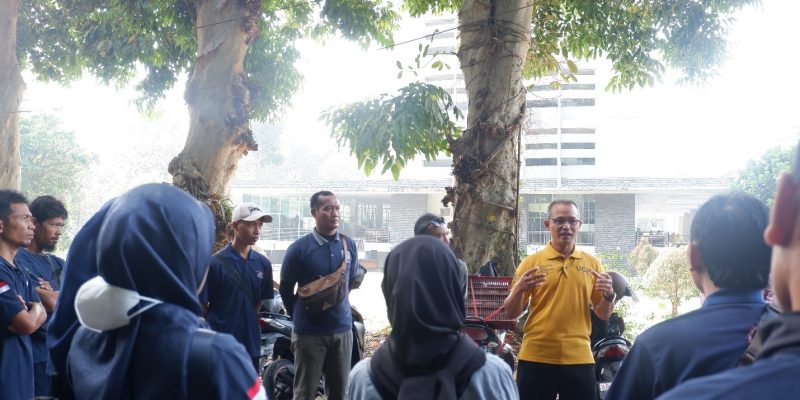
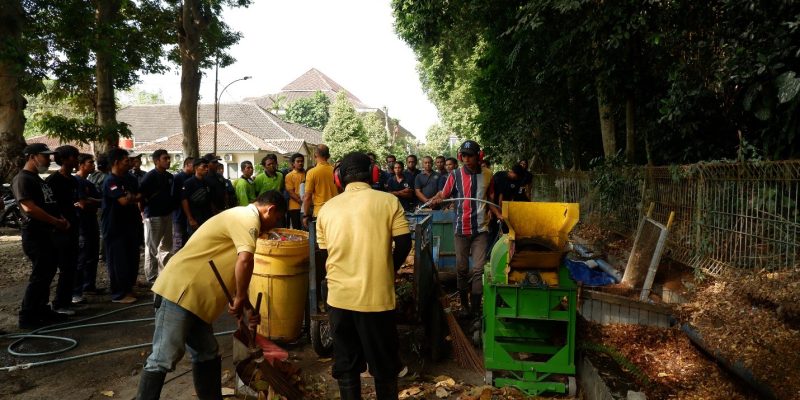
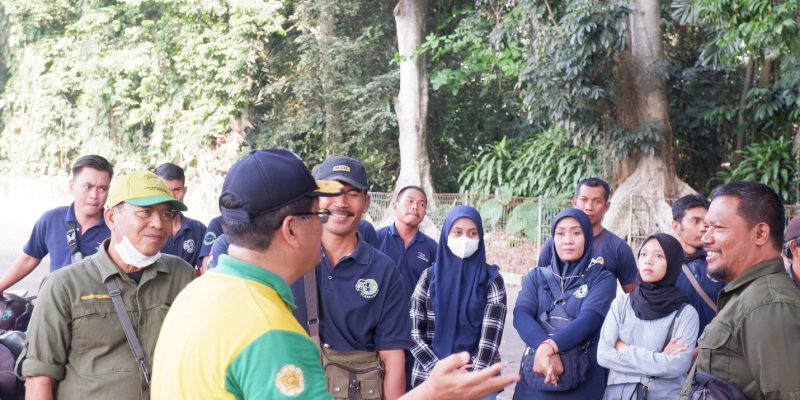
Yogyakarta, 25 August 2023 – The Organic Waste Management Training was again held by the Faculty of Biology. On this occasion, 50 participants consisted of groups from the Market Sector Department, Trade and Industry Agency (Disperindag), Special Region of Yogyakarta (DIY) as well as the Faculty of Pharmacy and Academic Hospital of Universitas Gadjah Mada. Disperindag’s participation in this training is related to waste management in 29 markets in DIY after the temporary closure of the Piyungan Final Disposal Site (TPA) months ago. At least 9 tons of waste are generated every day from the entire market which has not been managed properly.
“There needs to be an effort downstream with education and upstream by sorting and selecting the waste that is disposed of,” said the Dean of the Faculty of Biology, Prof. Dr. Budi Setiadi Daryono, M.Agr.Sc., in his speech to the training participants, Friday (25/8). Prof. Budi also said that if people at the household level were disciplined in sorting waste based on its category (organic-inorganic) it would be enough to reduce waste problems.
The Faculty of Biology has held Organic Waste Management Training activities which are attended by at least 25 Hospitals, 17 Islamic Boarding Schools, and 30 Waste Management Communities in DIY. On this occasion, as many as 40 participants from the Trade and Industry Agency, especially the Market Sector Department, attended training in the framework of solving waste problems in DIY markets, especially market organic waste in the form of fruit and vegetable waste. The training took place guided by Soenarwan Hery Poerwanto, S.Si., M.Kes. and Suharjita.
Susilo, Operational Service Manager for the DIY Disperindag People’s Market who also attended the training said that there were at least 29 markets involved and planned to work with the Faculty of Biology in waste management. He stated that the waste collected in each market usually does not only come from traders but also from the surrounding community with the largest amount of waste found in Giwangan Market and Beringharjo Market. Efforts that can be made by the Market Management since the closing of the TPA include limiting the amount of waste that the community disposes of at the market. Susilo also revealed the lack of public education regarding waste sorting and processing.
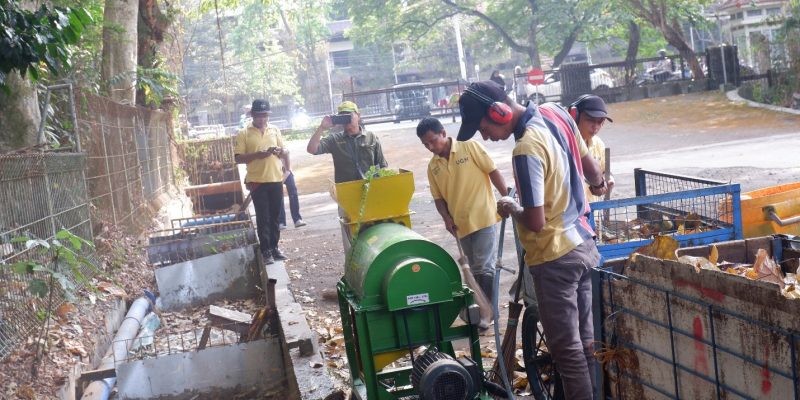
Faculty of Biology is committed to solving organic waste problems in DIY. In managing waste from DIY markets, Faculty of Biology can collect at least 3 tons of waste every day from these markets and process it. With the waste management technology applied at the Faculty of Biology including vermicomposting and Black Soldier Fly, Eco Enzyme, Bioferlilizer, Eco Lindi and others, the waste degradation process can last at least one week.
The commitment of the Faculty of Biology in waste management which also targets the people and communities in DIY emphasizes their commitment as an environmentally friendly campus and supporting Sustainable Development Goals (SDGs). Support for the SDGs includes increasing a healthier life (SDGs 3), having an impact on the availability of clean water in the environment (SDGs 6), and contributing to tackling climate change due to the impact of greenhouse gas emissions from organic waste piles (SDGs 13).
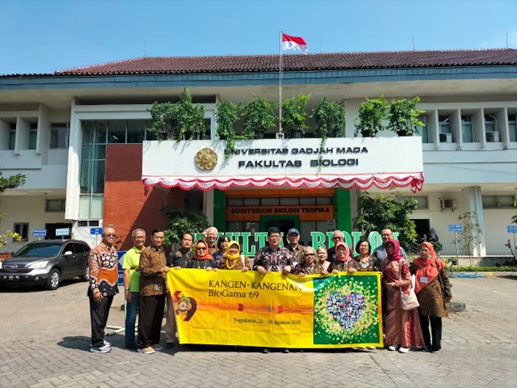
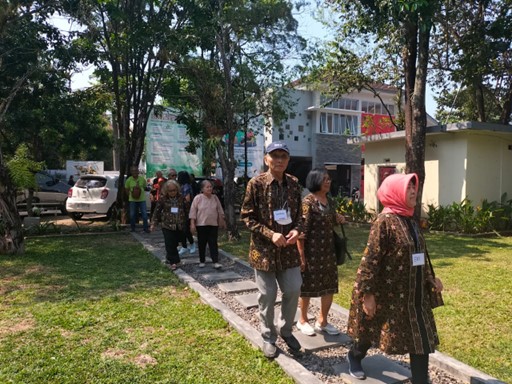
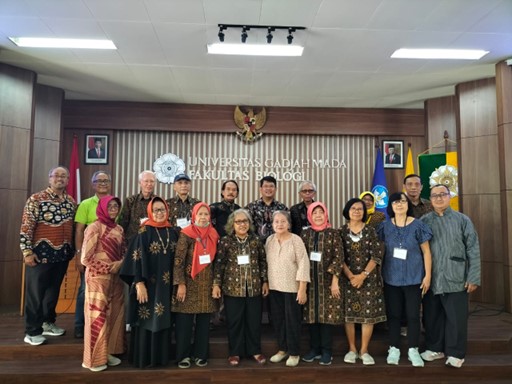
Yogyakarta, August 24, 2023 – The Faculty of Biology at Universitas Gadjah Mada (UGM) was enlivened by the visit of 15 alumni from the Class of 1969. The purpose of this visit was to celebrate nostalgia and strengthen the bonds of camaraderie.
The warm welcome of these alumni was led by Prof. Dr. Budi Setiadi Daryono, M.Agr.Sc., the Dean of the Faculty, Dr. Bambang Retnoaji, M.Sc., as the Vice Dean for Academic and Student Affairs, and Dr. Eko Agus Suyono, M.App.Sc., as the Vice Dean for Research, Community Service, Collaboration, and Alumni, in the Biologi Tropika Auditorium of the Faculty of Biology UGM. This visit became an extraordinary moment to build networks among the alumni and the academic community of the Faculty of Biology.
Dean Budi Setiadi Daryono expressed, “We are honored and delighted to welcome back the alumni of the Class of 1969 to our campus. Their visit is a tangible testament to the enduring spirit of the Faculty of Biology UGM within our alumni.”
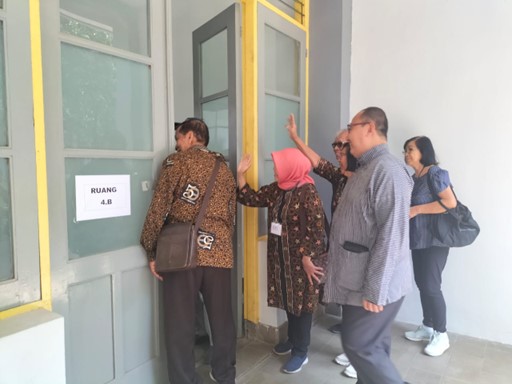
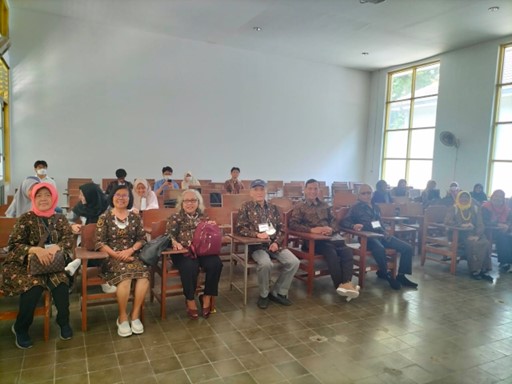
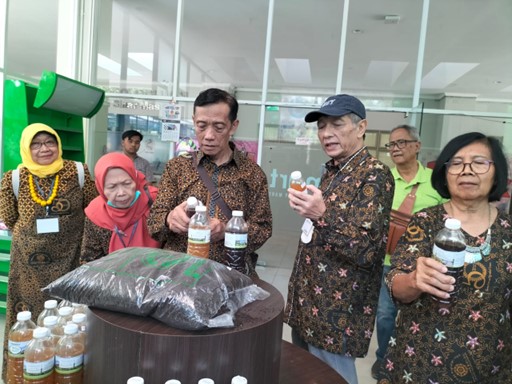
Furthermore, the Vice Deans provided explanations about academic developments, research, and new facilities at the Faculty to the alumni. The visit also included a campus tour, visiting Room IV, one of the classroom spaces that is still active and used to reminisce about the beautiful moments during their studies and share interesting stories. A highlight of the visit was the tour to Biomart, where the alumni could observe innovative products derived from waste processing at the Faculty of Biology UGM.
The Faculty of Biology UGM has produced various sustainable and environmentally-friendly products, such as compost fertilizer from leaf litter, probiotic fertilizers, and Liquid Organic Fertilizer (LOF). The enthusiasm of the alumni was evident as they witnessed the tangible contributions of the Faculty of Biology UGM in addressing environmental challenges, which have recently garnered attention in the city of Yogyakarta.
The visit of the alumni from the Class of 1969 to the Faculty of Biology UGM today serves as evidence that the academic spirit and camaraderie remain deeply ingrained in every facet of the development of the Faculty of Biology UGM.