• UGM
  • Simaster Portal
  • IT Center
  • Webmail
  • KOBI
  • English
    • Bahasa Indonesia
Universitas Gadjah Mada Universitas Gadjah Mada
Faculty of Biology
  • ABOUT US
    • History
    • Organization
    • Vision and Mission
    • Lectures and Staff
      • Lecturers
      • Adjunct Professor
      • Supporting Staff
    • Facility
      • Laboratories
      • Research
      • Library
      • Museum
      • Mental Health Consultation
      • Disability
  • EDUCATION
    • Undergraduate Program
      • Graduates Learning Outcome
      • Academic Callendar
      • Course
    • IUP
    • Profession Program
      • What is the Professional Study Program in Biodiversity Curator (PKKH)?
      • Admission for New Students of the Biodiversity Curator Profession Program Study
      • Information and FAQ Study Program of Biodiversity Curator Profession
    • Master Program
      • Master Program in Biology Description
      • Curriculum Structure Master Program
    • Doctoral Program
      • Vision, Mission, Objectives, Targets, Competencies, and Learning Outcomes
      • Admission Requirement for Program Doctor in Biological Sciences
      • Admission: What Documents to be prepared?
      • Curriculum
    • Regulations
    • Accreditation & Quality Assurance
  • RESEARCH
    • Journal of Tropical Biodiversity and Biotechnology
    • Berkala Ilmiah Biology
    • Research
    • Publication
  • Community Service
    • Waste Management
  • STUDENTS & ALUMNAE
    • Student Organizations
    • Prospective Career Opportunities
    • SUMMER COURSE
    • Alumnae
  • Home
  • SDG 8 : Create Decent Work and Economic Growth
  • SDG 8 : Create Decent Work and Economic Growth
  • page. 6
Arsip:

SDG 8 : Create Decent Work and Economic Growth

Development of Future PHB Plastic-Producing Organisms

HeadlineResearch and PublicationWaste Management Friday, 10 November 2023

[MBKM]- Plastic has become an inseparable part of modern human life, from clothing, food packaging, household tools, to building materials. Despite its various benefits, plastic poses a significant threat to the sustainability of life on Earth, with over 10 million tons of plastic waste released into the environment and oceans annually. Numerous efforts are ongoing to address this issue, one of which involves seeking alternatives to conventional plastic that are more eco-friendly and sustainable. One potential substitute is PHB or polyhydroxybutyrate, a biopolymer naturally found in various types of microorganisms. It’s believed to become the primary polymer for future plastic materials, replacing conventional petroleum-based plastic due to its biobased, biosynthesized, and biodegradable. Recognizing this challenge and opportunity, three students from the Faculty of Biology UGM, Azizah Tyas Nugrahanty, Bagas Alfian Dwiaryanda, and Lucia Arum Sekar Meysari, embarked on the Independent Learning- Independent Campus (MBKM), focusing on developing effective and efficient PHB-producing organisms by utilizing genetic transformation technology.


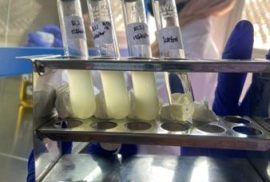
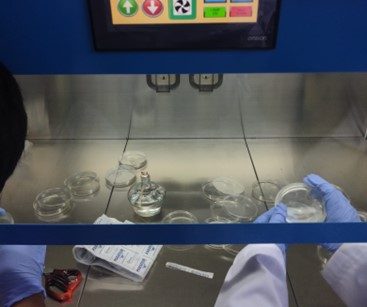
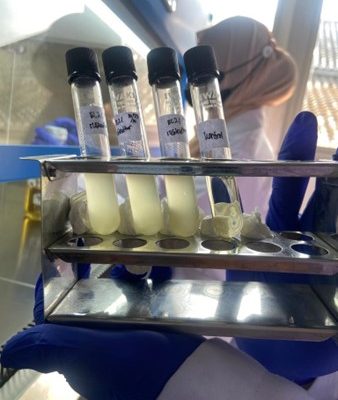
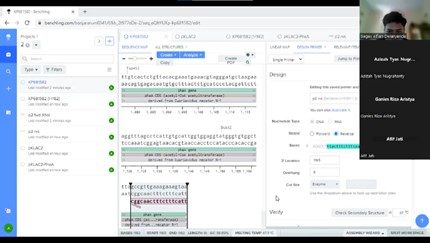
This MBKM program was conducted under the guidance of Ganies Riza Aristya, S.Si., M.Sc., Ph.D., from the Faculty of Biology, UGM, in collaboration with Raden Afif Pranaya Jati, S.P., M.Sc., from the Indonesian Bioinformatics Institute (INBIO-Indonesia). Throughout the research, the students engaged in various activities ranging from dry lab experiments to wet lab experiments. The study began with discussions regarding the selection of vectors and host microorganisms to be used. Subsequently, they designed plasmid vectors for genetic transformation and created primers to serve as markers for positive colony identification through colony PCR. The research then progressed to the wet lab phase at the Genetics and Breeding Laboratory at Faculty of Biology UGM, involving the preparation of competent cells, genetic transformation using the electroporation method, colony PCR followed by electrophoresis to confirm positive colonies carrying the target gene. As of now, the team has successfully incorporated synthetic genes constructed within the plasmid into bacterial cells as candidates for naturally producing PHB microorganisms.

PkM-MBKM Faculty of Biology UGM 2023: Community Empowerment of Kepuh Kulon RT 001, Wirokerten, Banguntapan, Bantul through Usefully Wide Waste Management (Phase II: Production of Processed Waste and Waste Utilisation)

Community ServiceHeadlineWaste Management Thursday, 9 November 2023

The team of Pengabdian Kepada Masyarakat – Merdeka Belajar Kampus Merdeka (PkM-MBKM) Faculty of Biology UGM 2023 that chaired by Rina Sri Kasiamdari, Ph.D. and involved two students, namely Galuh Kirana Mahadewi and Laila Uswatun Chasanah, carried out again a series of Community Service activities in Kepuh Kulon RT 001, Wirokerten, Banguntapan, Bantul. This activity is a continuity of the PkM-MBKM activities that have been carried out previously from February to June 2023.

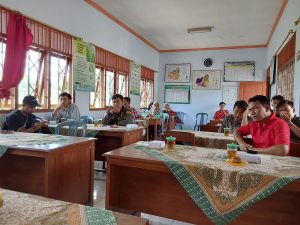
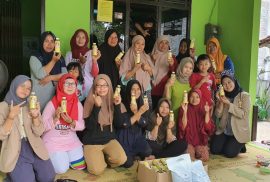
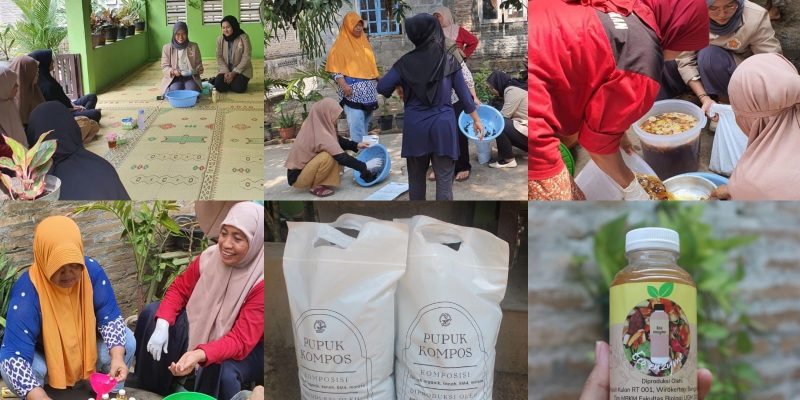
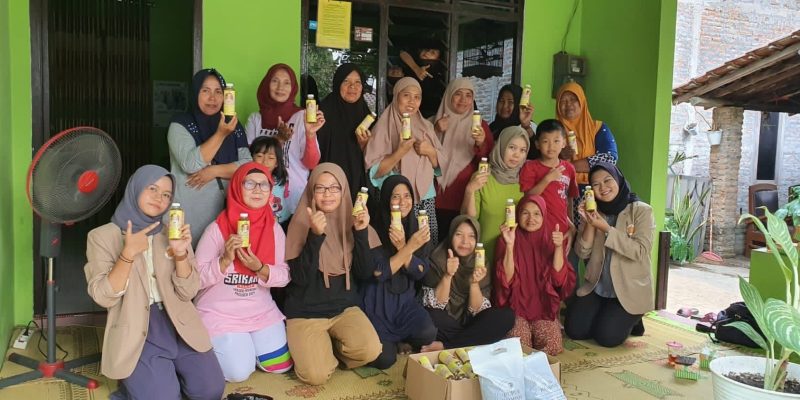
The first activity of this PkM MBKM phase II was held on Sunday, October 8th 2023 from 09.00 to 11.00 WIB at the house of the neighborhood head of Kepuh Kulon RT 001, Mr. Zamzuri, and attended by 18 people of Kepuh Kulon RT 001. The activity on that day was packaging the compost and eco enzymes that had been made previously. First of all, Galuh and Laila gave a short explanation and demonstration about how to harvest and package the compost and eco enzyme. The compost was harvested by dried it for a while. After that, the compost could be packaged in a customized plastic ziplock. Unlike the compost, eco enzymes must be filtered between the fruits that are used and the water and then packaged in 250 mL bottles as much as 60 bottles. The compost that have been made is used for plant fertilization, while the eco enzyme is used for washing dishes, cleaning floors, repelling pests, cleaning vegetables and fruit from pests, and cleaning glass or glass surfaces. The compost and eco enzymes that are already packed and labeled are given to the Head of Wirokerten village and the Head of Hamlet. Hopefully, the skills of the women residents of Kepuh Kulon RT 001 in making compost and eco enzymes can become a reference in managing daily household waste, so that they can reduce the accumulation of waste and can make household waste more useful.

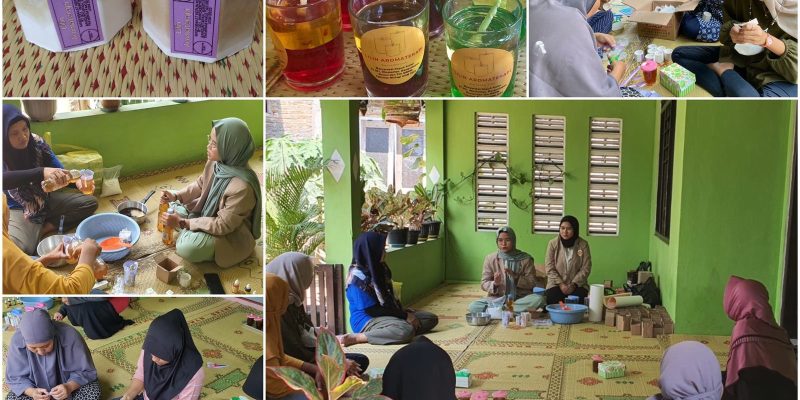
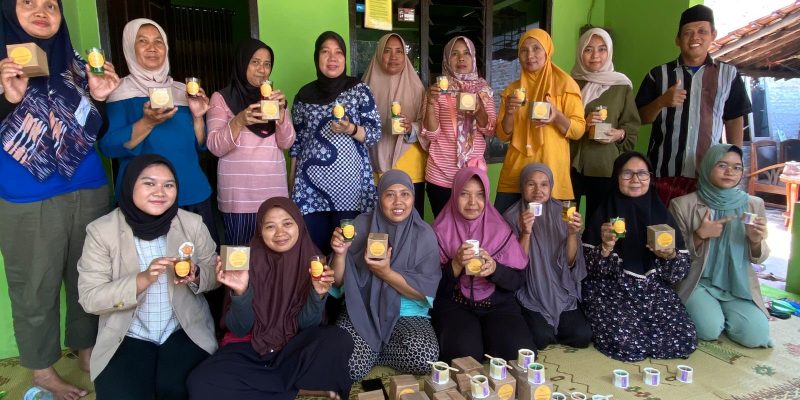
The second activity was about utilising used cooking oil (UCO) that become household waste into aromatherapy candles. It was held on Sunday, October 29th 2023 from 09.00 to 12.30 WIB at the house of the neighborhood head of RT 001 Kepuh Kulon, Mr. Zamzuri, and attended by 18 people of Kepuh Kulon RT 001. In this activity, the used cooking oil was made into solid aromatherapy candles and liquid aromatherapy candles. Tools and materials that used for making solid aromatherapy candles were used candle wick, wood holder, tea filter, plastic basin, pan, measuring cup, stove, cement pot, saucepan, cutting board, knife, spoon, used cooking oil, stearic acid, crayon, and essential oil, whereas the tools and materials that used for making liquid aromatherapy candles were glass cup, tissue paper, the cover of pudding cup, five different food colouring, water, used cooking oil, and essential oil. During the practice of making aromatherapy candles, we produced 100 solid aromatherapy candles and 25 liquid aromatherapy candles. All of them were distributed and could be used by the residents of Kepuh Kulon RT 001. Hopefully, the utilisation of UCO into aromatherapy candle could be one of the solution for reducing oil waste that can cause an environmental pollution and also could be a micro/small/medium enterprises (MSMEs) business idea for Kepuh Kulon RT 001 residents. The aromatherapy candles also distributed to the Head of the Hamlet, and the Head of Wirokerten Village. It is hoped that this PkM-MBKM program can provide new knowledge for Kepuh Kulon RT 001 residents in processing and utilizing household waste into more useful products.

Students and Lecturers from the Faculty of Biology Share Knowledge about Natural Dyes and Organic Waste Processing with the Members of PKK RT01 Blotan Hamlet, Wedomartani, Sleman

HeadlineNews ReleaseWaste Management Tuesday, 7 November 2023

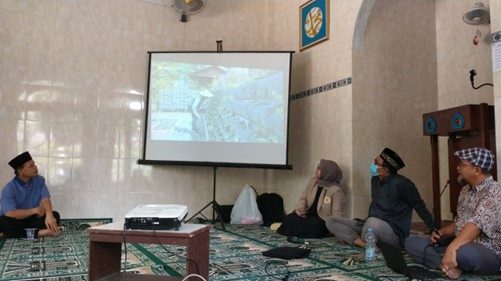
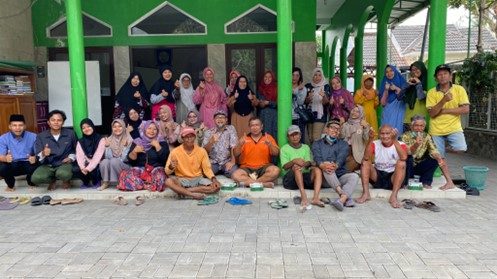
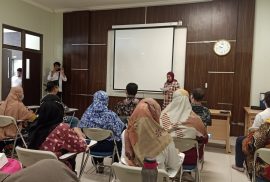
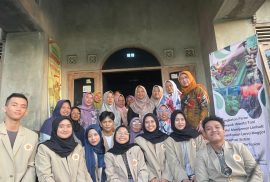
In connection with the continuation of the Community Service Program – the Independent Learning Independent Campus (MBKM) 2023, the Faculty of Biology Universitas Gadjah Mada in Blotan hamlet, led by Prof. Dr. Kumala Dewi MSc.St along with students, Alfina Damayanti ( and Estherina Claudya Manurung, conducted an extension activity on natural food and Fabric Dyes as well as Organic waste processing using stacked bucket at The Blotan village hall on Thursday, October 2023 from 3.30 PM to 5.00 PM. The activity was attended by the head of PKK RT 01 along with 12 members.


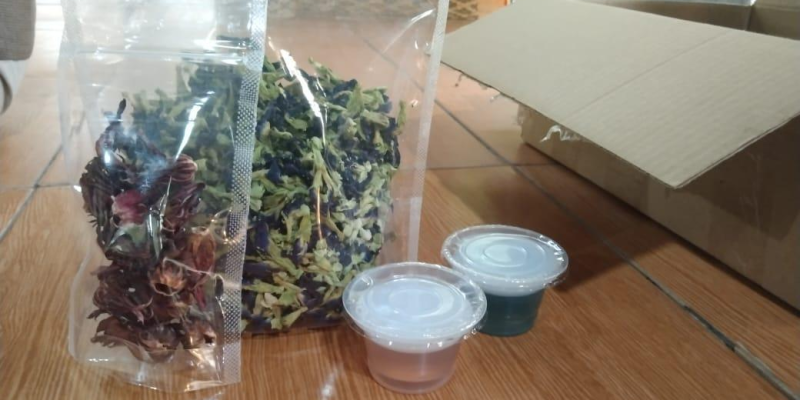
The material was delivered by Prof. Dr. Kumala Dewi MSc.St. She explained the advantages and disadvantages of using synthetic dyes compared to natural dyes. The use of natural dyes, whether for food and beverages or for batik fabric coloring, supports the Sustainable Development Goals (SDGs), especially goal number 2, which aims to end hunger, achieve food security, improve nutrition, and promote sustainable agriculture. Natural dyes introduced in this session included butterfly pea flowers (Clitorea ternatea L) for blue color and roselle (Hibiscus sabdariffa L) which provides red color for food and beverages. Additionally, there are other types of plants that can be used for food coloring, such as turmeric, pandan leaves, and black rice. In addition to providing natural color, the use of infusions from butterfly pea flowers, roselle petals, and black rice can also support health as they contain beneficial compounds like anthocyanins and vitamin C, which act as antioxidants. By planting butterfly pea flowers, roselle, or other beneficial plants, the environment can also be enhanced. Regarding fabric dyeing, Prof. Kumala Dewi MSc.St explained that the leaves of the indigo plant (Indigofera tinctoria L), which belongs to the legume family, can be processed to produce Indican dye, which imparts a blue color to fabric. The use of natural dyes for fabric can also reduce water pollution, which often occurs around batik industries that use synthetic dyes. Planting Indigofera is easy, and this plant can be beneficial in improving soil fertility.

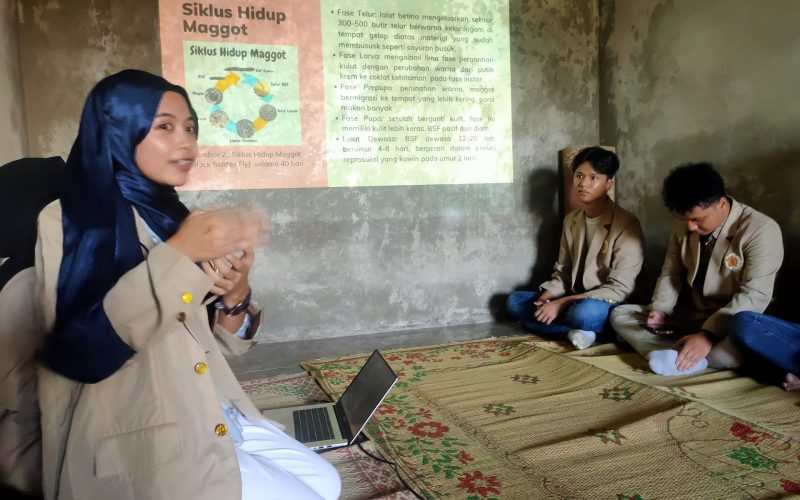
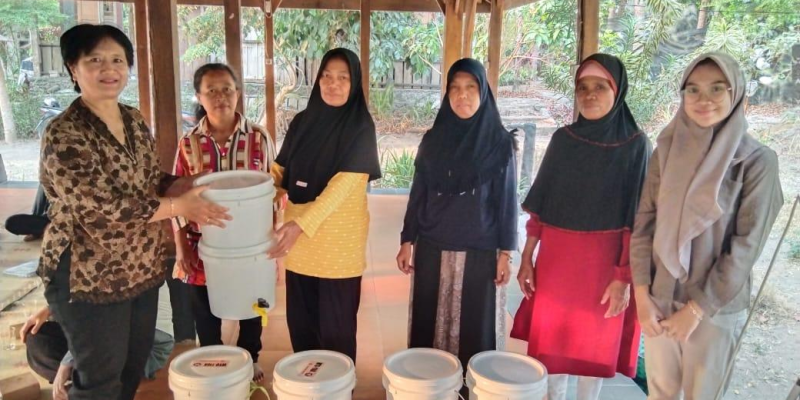
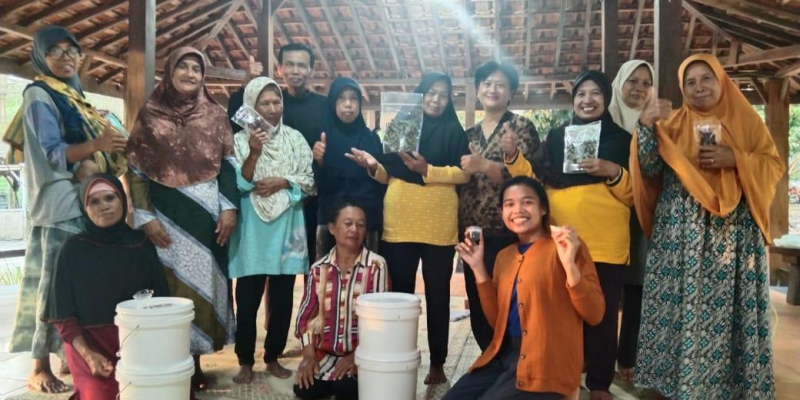
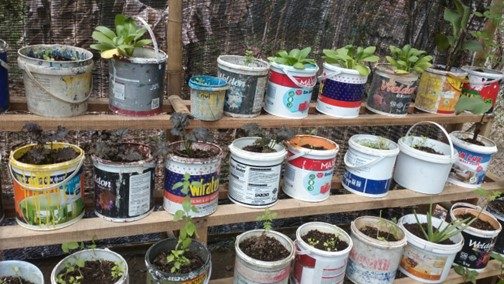
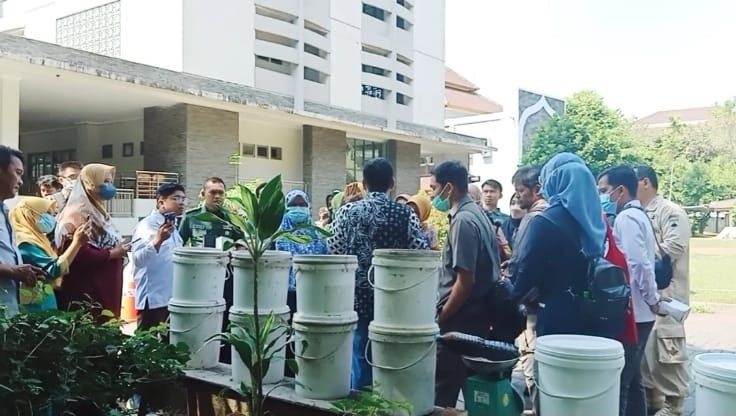
In addition to the explanation about natural dyes, the process of household organic waste processing to create liquid fertilizer using stacked buckets was also presented. This was done in an effort to support the resolution of the waste problem, which has been a trending issue recently due to household waste disposal sites being full. Proper separation of household waste needs to be carried out diligently by every household member. Organic waste can be collected in stacked buckets, and with the help of Hermetia illucens flies that lay eggs in the waste, maggots can consume the waste and produce liquid fertilizer as well as residual solid waste. Both can be used for vegetable fertilizer, whether planted in polybags or in the field. From previous analyses, liquid fertilizer from organic waste processing with stacked buckets and the assistance of black soldier fly maggots contains hormones and amino acids that are beneficial for promoting plant growth. In this counseling event, small agar-agar snacks were also served, colored with natural blue dye (from butterfly pea flowers) and red dye (from roselle). Additionally, five sets of stacked buckets were provided for practical use in household organic waste processing. The participants were very enthusiastic in responding to the counseling session, with several questions discussed. Those who received the stacked buckets will report on their usage through videos, as well as the liquid fertilizer products produced. From this counseling activity for the PKK mothers in Blotan hamlet, it is hoped that the role of women in supporting food security for families and environmental sustainability can be established and sustained.

Community Empowerment in Pajangan, Wedomartani Village, Ngemplak, Sleman, Yogyakarta through Yard Optimization

HeadlineWaste Management Monday, 16 October 2023

On Sunday, 8th October 2023, the Pengabdian kepada Masyarakat – Merdeka Belajar Kampus Merdeka (PkM-MBKM) Faculty of Biology, UGM 2023, 5 undergraduate students of Faculty of Biology, UGM class of 2020, namely Arba’ Ramadhani Artik, Arneta Yuvita, Ester Dewanti Yovita Wardani, Fadiah Sri Rahayu, and Zidni Meirizka Utami supervised by Dr. Ardaning Nuriliani, S.Si., M.Kes. and Ms. Nurini Aru Sudarsi as the partner mentor have carried out the socialization activities to the residents in Pajangan, Wedomartani Village, Ngemplak, Sleman, Yogyakarta. The theme of the socialization was “Improving the Community’s through Optimizing of Vacant Land”. This program aims to engage the community to improve the economic condition of the family by utilizing vacant land in the yard area of the house to plant vegetables, fruits, herbs, and several medicine and functional plants or also called “TOGA”. In this activity, we invited Mr. Panggih Dwi Atmojo, S.T. as a speaker. He is an alumnus of the Faculty of Engineering, UGM who is currently active as an agro economic practitioner as well as the founder and owner of Agro Edukasi Caping Merapi Yogyakarta which is located at Kenayan, Wedomartani, Ngemplak, Sleman Regency, Yogyakarta Special Region. The given presentation discussed topics about food gardening, including vegetable garden cultivation, as well as rising fish, chickens, and other small livestock to meet daily food needs. He also discussed about urban farming, which is the method of farming in the city or on limited land. In addition, the speaker also emphasized that the use of vacant land as a food garden can provide various other benefits, such as the community can provide traditional medicine independently, add decoration to the garden, provide refreshing activities through gardening, obtain healthier food that is free from chemical fertilizers, and produce biofertilizer which can be obtained through composting, eco lindi, and manure systems. This can also serve to overcome the problem of handling organic waste.

This socialization was attended by around 20 residents and received a very positive response, even some residents were very enthusiastic and directly involved in the discussion session together with the speakers.

The Faculty of Biology at UGM Takes an Active Role in Waste Management

News ReleaseWaste Management Monday, 28 August 2023

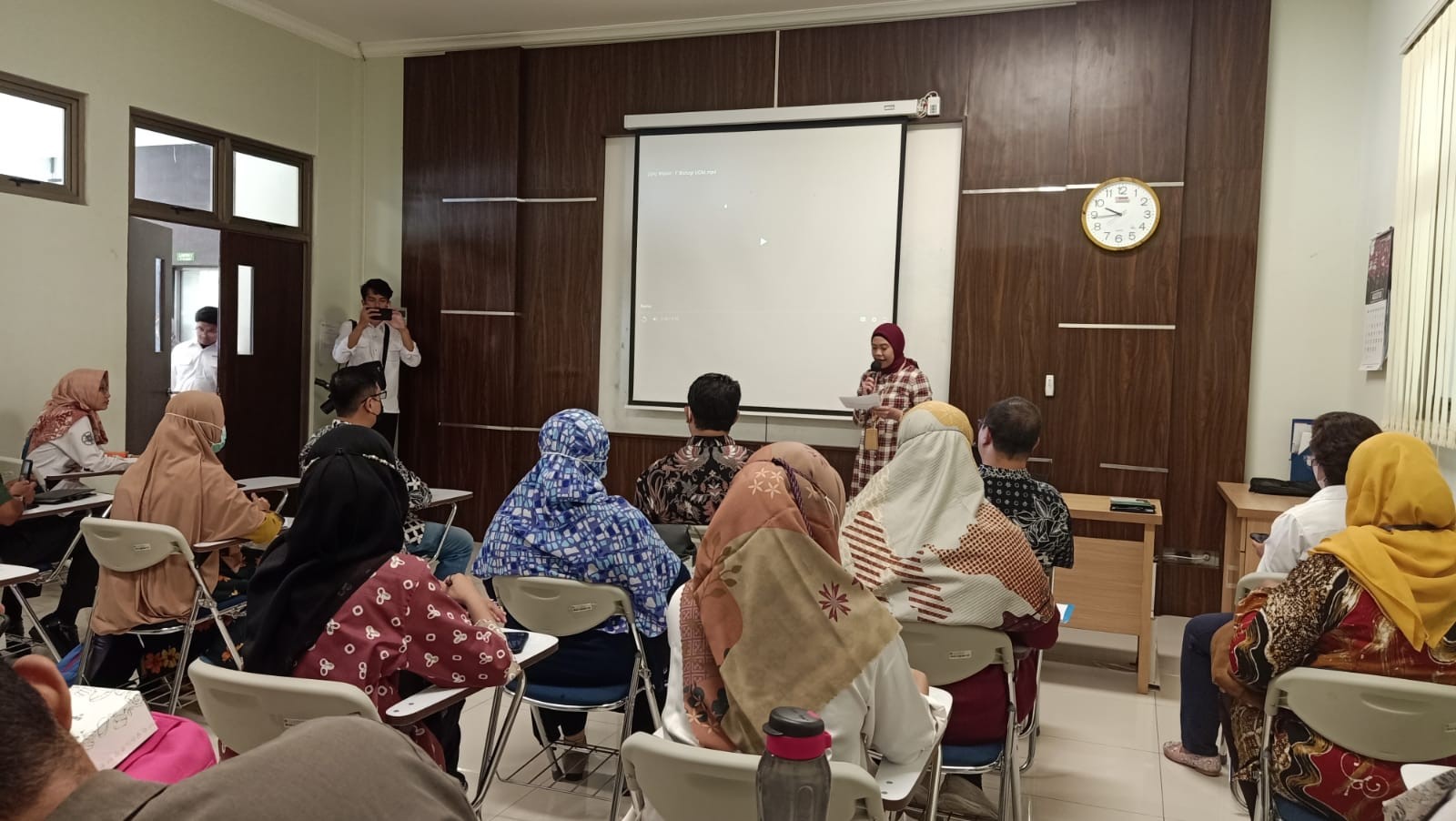
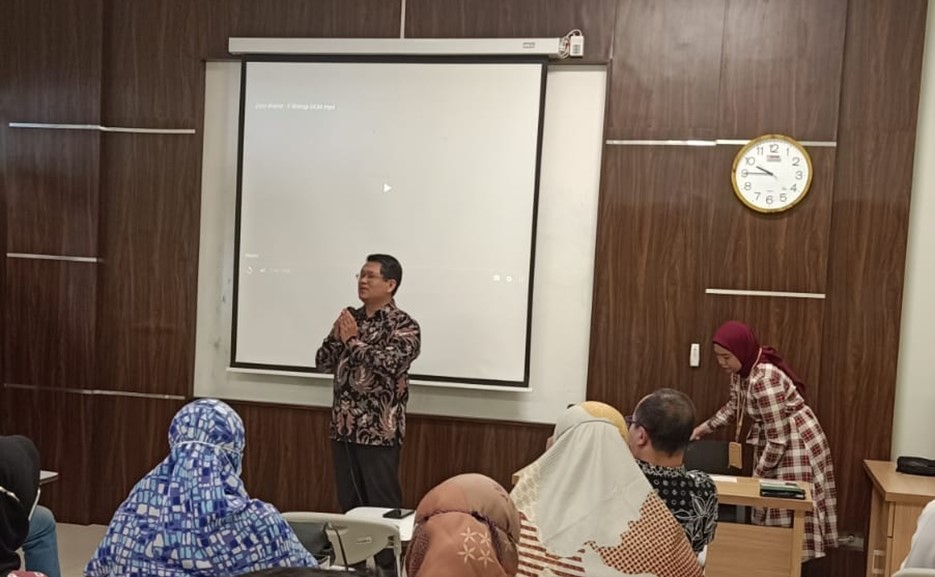
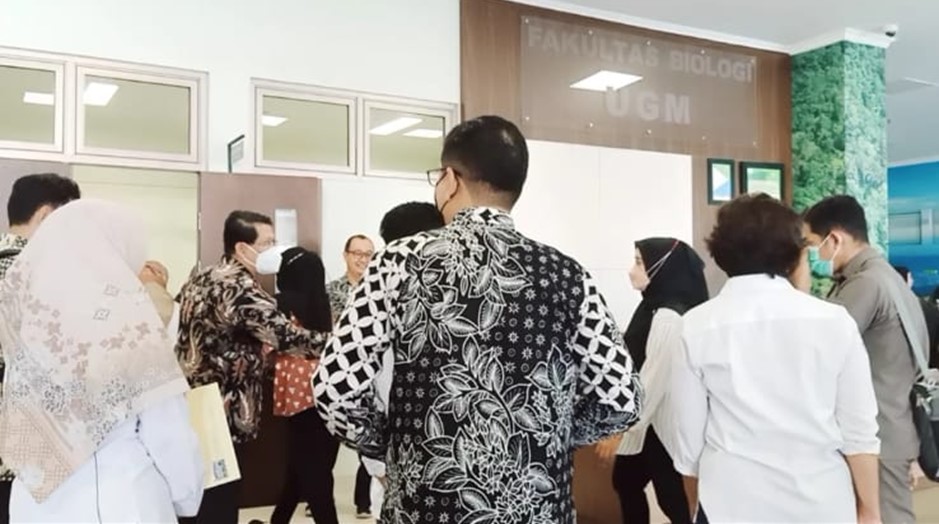
On Monday 7 August 2023, a group of waste management tour participants coordinated by SONJO, a humanitarian movement focused on aiding communities visited The Faculty Of Biology UGM. The group, consisting of 25 participants, arrived at the Faculty of Biology UGM around 9:30 AM and was promptly received by the Dean and the faculty members. This visit to the Faculty of Biology at UGM was part of a series of visits that had previously taken place at the Faculty of Dentistry at UGM.

Slide 1
Slide 2
Slide 3
Slide 4
Slide 5

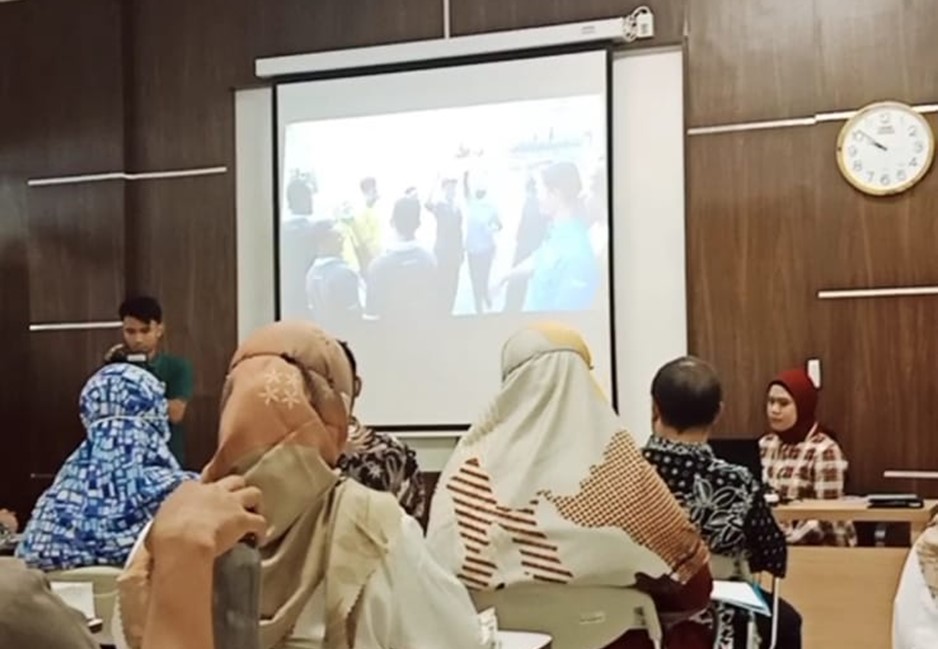
During his welcoming speech, the Dean of the Faculty of Biology UGM, Prof. Dr. Budi S. Daryono, M.Agr.Sc., expressed gratitude for the participants’ visit. “The issue of waste actually originates from humans themselves, so it’s up to humans to solve it,” Prof. Budi stated. Furthermore, Prof. Budi elaborated that the Faculty of Biology UGM engages in daily waste management across a substantial area, including organic waste from the Biology Forest. Over time, the Faculty of Biology has made discoveries in waste management, such as expediting compost production.Following this, a video demonstrating the waste management procedures carried out at the Faculty of Biology at UGM was played.


At the conclusion of the event, participants were taken to the field to witness the waste management processes firsthand, which included:


  1. Composting and maggot cultivation
  2. Production of POC/Biofertilizer and ECO enzymes
  3. Vermicomposting process


The waste management tour participants are scheduled to continue their visit for a period of 3 days until Wednesday (8/9/23), with participants from hospitals and religious boarding schools.


Warm Visit of Alumni from the Faculty of Biology, Universitas Gadjah Mada, Class of 1969

HeadlineNews ReleaseWaste Management Thursday, 24 August 2023

Yogyakarta, August 24, 2023 – The Faculty of Biology at Universitas Gadjah Mada (UGM) was enlivened by the visit of 15 alumni from the Class of 1969. The purpose of this visit was to celebrate nostalgia and strengthen the bonds of camaraderie.

The warm welcome of these alumni was led by Prof. Dr. Budi Setiadi Daryono, M.Agr.Sc., the Dean of the Faculty, Dr. Bambang Retnoaji, M.Sc., as the Vice Dean for Academic and Student Affairs, and Dr. Eko Agus Suyono, M.App.Sc., as the Vice Dean for Research, Community Service, Collaboration, and Alumni, in the Biologi Tropika Auditorium of the Faculty of Biology UGM. This visit became an extraordinary moment to build networks among the alumni and the academic community of the Faculty of Biology.

Dean Budi Setiadi Daryono expressed, “We are honored and delighted to welcome back the alumni of the Class of 1969 to our campus. Their visit is a tangible testament to the enduring spirit of the Faculty of Biology UGM within our alumni.”

Furthermore, the Vice Deans provided explanations about academic developments, research, and new facilities at the Faculty to the alumni. The visit also included a campus tour, visiting Room IV, one of the classroom spaces that is still active and used to reminisce about the beautiful moments during their studies and share interesting stories. A highlight of the visit was the tour to Biomart, where the alumni could observe innovative products derived from waste processing at the Faculty of Biology UGM.

The Faculty of Biology UGM has produced various sustainable and environmentally-friendly products, such as compost fertilizer from leaf litter, probiotic fertilizers, and Liquid Organic Fertilizer (LOF). The enthusiasm of the alumni was evident as they witnessed the tangible contributions of the Faculty of Biology UGM in addressing environmental challenges, which have recently garnered attention in the city of Yogyakarta.

The visit of the alumni from the Class of 1969 to the Faculty of Biology UGM today serves as evidence that the academic spirit and camaraderie remain deeply ingrained in every facet of the development of the Faculty of Biology UGM.

Warm Visit of the 1969 Alumni of the Faculty of Biology, Universitas Gadjah Mada.

HeadlineNews ReleaseWaste Management Thursday, 24 August 2023

Yogyakarta, August 24, 2023 – The Faculty of Biology at Gadjah Mada University (UGM) was enlivened by a visit from 15 alumni from the 1969 cohort to celebrate nostalgia and strengthen the bonds of brotherhood.


This alumni visit was warmly welcomed by Prof. Dr. Budi Setiadi Daryono, M.Agr.Sc., the Dean, Dr. Bambang Retnoaji, M.Sc., the Vice Dean for Academic and Student Affairs, and Dr. Eko Agus Suyono, M.App.Sc., the Vice Dean for Research, Community Engagement, Cooperation, and Alumni, at the Tropical Biology Auditorium of the Faculty of Biology at UGM. The visit became an extraordinary moment to build a network between alumni and the community of the Faculty of Biology. Dean Budi Setiadi Daryono stated, “We are greatly honored and delighted to welcome back the alumni of the 1969 cohort to this campus. Their visit is tangible evidence that the spirit of the Faculty of Biology at UGM continues to burn within the hearts of the alumni.”

Subsequently, the Vice Deans explained the academic developments, research, and new facilities at the Faculty to the alumni. This visit also included a campus tour and a visit to Room IV, one of the classroom spaces that is still present and actively used, allowing for a recollection of the wonderful moments during studies and the sharing of interesting stories. One of the peak moments was the visit to Biomart, where the alumni could witness the innovative products resulting from waste processing by the Faculty of Biology at UGM.

The Faculty of Biology at UGM has produced various sustainable and environmentally-friendly products, such as compost fertilizer from leaf litter, probiotic fertilizer, and Liquid Organic Fertilizer (LOF). The enthusiasm of the alumni was evident as they observed the real contributions of the Faculty of Biology at UGM in addressing the recent environmental challenges that have been highlighted in the city of Yogyakarta.

The visit of the 1969 alumni to the Faculty of Biology at UGM today serves as proof that the academic spirit and brotherhood remain ingrained in every inch of the development of the Faculty of Biology at UGM.

Faculty of Biology initiated the Establishment of the Center for Organic Waste Management UGM

News ReleaseWaste Management Friday, 28 July 2023

Faculty of Biology, Universitas Gadjah Mada, responded to the waste emergency situation in Yogyakarta following the closure of the Piyungan Final Disposal Site (TPA), which has been the main landfill for final disposal in the Yogyakarta Province (DIY) area. Based on a circular letter from the Regional Secretariat of the DIY Government, the Piyungan Regional TPA will no longer receive waste services as of July 23, 2023 to September 5, 2023 due to the fact that the amount of waste is full and exceeds capacity. Universitas Gadjah Mada through the Faculty of Biology and the Faculty of Dentistry responded by following up on waste management at UGM internally where the coordination of organic waste management is carried out by the Faculty of Biology while the coordination of inorganic waste management is carried out by the Faculty of Dentistry.

Slide 1
Slide 2
Slide 3
Slide 4
Slide 5

As of Thursday, 27 July 2023, Dean of the Faculty of Biology UGM, Prof. Dr. Budi Setiadi Daryono, M.Agr.Sc., has coordinated with the Chancellor of Universitas Gadjah Mada, Prof. dr. Ova Emilia, M.Med.Ed., Sp.OG(K)., Ph.D., and Director of DPKM (Directorate of Community Service) Universitas Gadjah Mada, Dr. dr. Rustamaji, M. Kes. It has been agreed that the Faculty of Biology will manage internal organic waste from Universitas Gadjah Mada in the form of leaf and twig litter. The collection of organic waste will be coordinated at each unit point in all UGM areas to be enumerated first and then sent and managed by the Faculty of Biology to become organic compost. Meanwhile, organic waste in the form of food scraps, fruit and vegetables will be managed by the UGM Argotechnology Innovation Center (PIAT).

The management of leaf litter and twigs in the Faculty of Biology has been going on for a long time in the Biology Garden Area, Faculty of Biology. The chopped organic waste will be processed into compost and then supplied to consumers in collaboration with PT. Pagilaran. The establishment of the Waste Management Center as a response to the closure of the Piyungan TPA will then be coordinated with Soenarwan Heri Purwanto, S.Si., M.Kes. and the waste management team from the Faculty of Biology.

This waste management initiative is a form of commitment from the Faculty of Biology UGM to contribute to the sustainability environment, especially in UGM’s internal environment. It is hoped that this management program will be useful in the long-term settlement of internal waste at UGM in particular and in the Special Region of Yogyakarta (DIY) in general.

1…456

Accreditation

Recent Posts

  • Researchers from Kangwon National University Explore Flavivirus Monitoring Strategies and Malaria Parasite Adaptation in Guest Lecture at the Faculty of Biology UGM
  • Faculty of Biology Researchers Collaborate in eDNA Workshop for Pathogen Detection in Wildlife Trade
  • UGM–ANU Double Degree Program: Pathways to Global Academic Excellence
  • Faculty of Biology UGM Engages Doctoral Students in Academic Progress Monitoring
  • UGM–UTS Strengthen Academic and Research Collaboration through “Study & Research in Australia” Sharing Session
Universitas Gadjah Mada

UNIVERSITAS GADJAH MADA

FACULTY OF BIOLOGY
Teknika Selatan Street, Sekip Utara,
Yogyakarta 55281
biologi-ugm@ugm.ac.id
Phone/Fax: +62 (274) 580839

About us

  • History
  • Organization
  • Vision and Mission
  • Staff

Student Affairs

  • Student Service
  • Student Organization
  • Submission for Practical Field Work
  • Permission Field Research
  • Permission Thesis/Disertation

academic

  • Academic Regulations
  • Academic Anonncement

Accreditation

  • Image 1
  • Image 2
  • Image 3

© 2024 FACULTY OF BIOLOGY UNIVERSITAS GADJAH MADA

KEBIJAKAN PRIVASI/PRIVACY POLICY

[EN] We use cookies to help our viewer get the best experience on our website. -- [ID] Kami menggunakan cookie untuk membantu pengunjung kami mendapatkan pengalaman terbaik di situs web kami.I Agree / Saya Setuju