• UGM
  • Simaster Portal
  • IT Center
  • Webmail
  • KOBI
  • English
    • Bahasa Indonesia
Universitas Gadjah Mada Universitas Gadjah Mada
Faculty of Biology
  • ABOUT US
    • History
    • Organization
    • Vision and Mission
    • Lectures and Staff
      • Lecturers
      • Adjunct Professor
      • Supporting Staff
    • Facility
      • Laboratories
      • Research
      • Library
      • Museum
      • Mental Health Consultation
      • Disability
  • EDUCATION
    • Undergraduate Program
      • Graduates Learning Outcome
      • Academic Callendar
      • Course
    • IUP
    • Profession Program
      • What is the Professional Study Program in Biodiversity Curator (PKKH)?
      • Admission for New Students of the Biodiversity Curator Profession Program Study
      • Information and FAQ Study Program of Biodiversity Curator Profession
    • Master Program
      • Master Program in Biology Description
      • Curriculum Structure Master Program
    • Doctoral Program
      • Vision, Mission, Objectives, Targets, Competencies, and Learning Outcomes
      • Admission Requirement for Program Doctor in Biological Sciences
      • Admission: What Documents to be prepared?
      • Curriculum
    • Regulations
    • Accreditation & Quality Assurance
  • RESEARCH
    • Journal of Tropical Biodiversity and Biotechnology
    • Berkala Ilmiah Biology
    • Research
    • Publication
  • Community Service
    • Waste Management
  • STUDENTS & ALUMNAE
    • Student Organizations
    • Prospective Career Opportunities
    • SUMMER COURSE
    • Alumnae
  • Home
  • SDG 9 : Increase Industry, Innovation, and Infrastructure
  • SDG 9 : Increase Industry, Innovation, and Infrastructure
  • page. 7
Arsip:

SDG 9 : Increase Industry, Innovation, and Infrastructure

Scientific Discussion at the Faculty of Biology UGM: Alternative Mosquito Control Measures for Reducing Malaria Infections

CooperationNews Release Tuesday, 26 November 2024

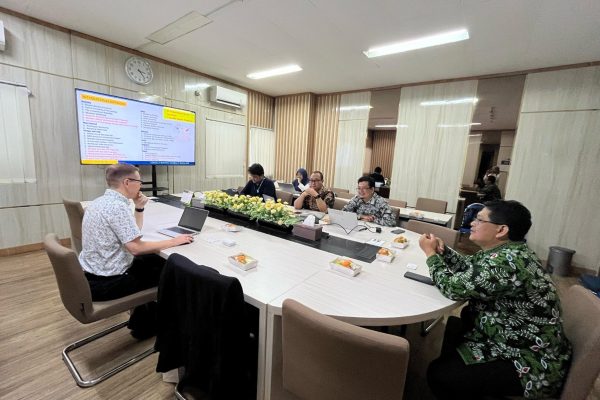
On Tuesday, November 26, 2024, the Faculty of Biology, Universitas Gadjah Mada (UGM), hosted a discussion titled “Alternative Mosquito Control Measures for Reducing Malaria Infections” at the Faculty’s Upper Meeting Room. The event, held from 9:00 to 11:00 AM, was attended by more than 30 participants, including lecturers and undergraduate, master’s, and doctoral students. The session featured Micanaldo E. Francisco, a PhD student at Ehime University, Japan, and a lecturer at Lurio University, Mozambique, as the keynote speaker. The discussion was moderated by Atikah Fitria Muharromah, S.Si., M.Eng., a lecturer from the Entomology Laboratory, with Dr. Raden Roro Upiek Ngesti Wibawaning Astuti, DAP&E, B.Sc., M.Biomed., from the Animal Systematics Laboratory as the supervisor.


Micanaldo presented innovative approaches to mosquito control, emphasizing the role of a clean environment and advanced technology. One of his main experiments involved designing houses in Nampula District, Mozambique, with structural modifications such as doors, ventilation, windows, and roof eaves to prevent the entry of Anopheles mosquitoes, the primary malaria vector.

Additionally, Micanaldo elaborated on a drone and AI-based mosquito habitat and breeding site mapping method. This process involved:
  1. Take aerial images with drone.
  2. Identifying potential water bodies where mosquitoes breed.
  3. Validating habitat maps.
  4. Treating water bodies with larvicides.
This approach offers an efficient solution by reducing the time and cost associated with planning and implementing vector mosquito management programs. The method positively impacts public health by significantly lowering mosquito populations and the risk of malaria infections.

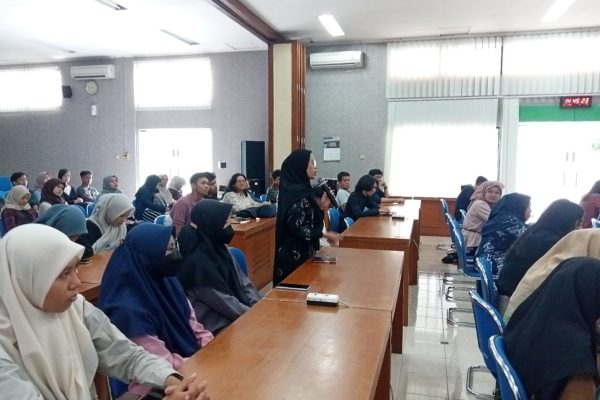
The discussion was interactive, with participants actively engaging through questions, reflecting high enthusiasm for these new technology-based methods. The Faculty of Biology UGM demonstrated its continued commitment to supporting global research relevant to public health and environmental sustainability.

The event concluded with remarks by Dr. Eko Agus Suyono, M.App.Sc., Vice Dean for Research, Community Service, Collaboration, and Alumni of the Faculty of Biology UGM, who emphasized the importance of such discussions in fostering innovative solutions for pressing global challenges.

The approaches presented during this discussion contribute directly to the achievement of several Sustainable Development Goals (SDGs), including SDG 3: Good Health and Well-Being: Strategies to control mosquitoes align with SDG 3.4 (reducing communicable diseases) and SDG 3.8 (ensuring access to essential healthcare services). SDG 6: Clean Water and Sanitation: Mapping mosquito habitats and identifying water bodies support better water resource management, aligning with SDG 6.6 (protecting and restoring water-related ecosystems). SDG 9: Industry, Innovation, and Infrastructure: The use of drones and AI reflects technological innovations supporting public health, corresponding to SDG 9.5 (enhancing scientific research and innovation) and SDG 17: Partnerships for the Goals: Collaboration between UGM, Ehime University, and Lurio University exemplifies global partnerships for sustainable development.

This discussion represents a tangible step forward in addressing global health challenges through innovative and sustainable solutions.

Tissue Culture Competency Test: Contribution of the Faculty of Biology to Improve Skills of Modern Agricultur

News Release Friday, 22 November 2024

Yogyakarta, 21 November 2024 – The Faculty of Biology, Universitas Gadjah Mada successfully held the Level II Tissue Culture Qualification Scheme Competency Test, located in the Upper Conference Room and Biotechnology Laboratory, Faculty of Biology UGM. This activity followed the implementation of Level II Tissue Culture Qualification Scheme Training last Monday (18/11) and Tuesday (19/11), which was managed by the Biotechnology Competency Test Center (TUK) of the Faculty of Biology UGM.


A total of 18 participants were registered for the Competency Test. Prof. Dr. Endang Semiarti, Chief Executive of TUK, said in his speech that the participants came from various backgrounds, students, lecturers and researchers including from the Indonesian Education University (UPI), Gadjah Mada University (UGM), Riau University (UnRi), Medan State University, PPKS Bogor Unit, and PUIPT Microalgae Biorefinery UGM.

Chairman of LSP Agriculture, Drs. Surini Santoso, M.Si., was also present at the opening of the Level II Network Culture Competency Test Thursday (22/11). He expressed his appreciation for holding the Competency Test which was facilitated by TUK Biotechnology UGM. He added that this competency test can not only be used to support Main Performance Indicators (IKU) for lecturers or student competencies, but also to support university accreditation.

Dr. Slamet Widiyanto, M.Sc. as Deputy Dean for Finance, Assets and Human Resources, Faculty of Biology UGM, was present to open the Level II Tissue Culture Qualification Scheme Competency Test. Representing the Dean and other leaders, he expressed his support for the continuation of the Biotechnology Competency Test at the Faculty of Biology which is supported by the Agricultural Professional Certification Institute (LSP) under the National Professional Certification Agency (BNSP).

The Level II Network Culture Qualification Scheme Competency Test consists of three series of exams: written exams, practical exams and oral exams. The three exams are divided into two categories: regular and portfolio. The competency test is supported by assessors from LSP Agriculture, Woro Anondito S T., Ph.D. and Diah Purnamasari, S.TP.

The competency test closed with the announcement of the graduation of the 18 participants who took the competency test and were declared competent. Abdul Razaq Chasani as Chair of the TUK Faculty of Biology UGM expressed his appreciation as well as closing the implementation of the Level II Tissue Culture Qualification Scheme Competency Test.

The implementation of this competency test is part of the UGM Faculty of Biology’s support for sustainable development goals (SDGs), especially in educational inclusiveness and contribution to ecosystem conservation. This competency test is expected to contribute to the competency of the participants and society in general.

Faculty of Biology Successfully Held Level II Tissue Culture Training

News Release Wednesday, 20 November 2024

Yogyakarta, 18 and 19 November 2024 – The Faculty of Biology, Universitas Gadjah Mada successfully held Level II Tissue Culture Qualification Scheme Training, located in the Upper Conference Room and Biotechnology Laboratory, Faculty of Biology UGM. This activity is part of a series of Competency Tests for the Level II Tissue Culture Qualification Scheme which will be held on Thursday (21/11), which is managed by the Biotechnology Competency Test Center (TUK) of the Faculty of Biology UGM.


Prof. Dr. Endang Semiarti, Chief Executive of TUK, said in his speech that the activity was attended by 12 participants from student, lecturer and researcher backgrounds including from the Indonesian Education University (UPI), Universitas Gadjah Mada (UGM), Universitas Riau (UnRi), State University Medan, PPKS Bogor Unit, and PUIPT Microalgae Biorefinery UGM.

Dean of the Faculty of Biology UGM, Prof. Dr. Budi Setiadi Daryono, M.Agr.Sc., attended and opened the Level II Tissue Culture Qualification Scheme Training, Monday (19/11). He expressed his support for the continuation of the Biotechnology Competency Test at the Faculty of Biology which is supported by the Agricultural Professional Certification Institute (LSP) under the National Professional Certification Agency (BNSP). The presence of the Dean of the Faculty of Biology was accompanied by Dr. Slamet Widiyanto, M.Sc. as Vice Dean for Finance, Assets and Human Resources Affairs, and Abdul Razaq Chasani, Ph.D. as Head of TUK Biotechnology, Faculty of Biology, UGM.

The first day of training was filled with lectures and discussions with Prof. Dr. Endang Semiarti, M.S., M.Sc. entitled “Introduction and Basics of Tissue Culture Techniques”, and Aries Bagus Sasongko entitled “Competencies in Tissue Culture Techniques”.

The second day was a practical agenda held at the Biotechnology Laboratory and Karanggayam Research Station, Faculty of Biology UGM. The practicum consists of preparing mother plants and explants, introducing the tools used, medium, and basic techniques used in tissue culture, as well as practicum at the research station.

This training is part of the UGM Faculty of Biology’s commitment for sustainable development goals (SDGs), especially in educational inclusiveness and contribution to ecosystem conservation. It is hoped that this training will provide insight, especially to the participants, and society in general.

The Faculty of Biology UGM Graduate Students Win Awards at the Asian Ornithological Conference in Beijing, China

Achivements Monday, 18 November 2024

On November 14–17, 2024, the Asian Ornithological Conference (AOC) was held in Beijing, China, bringing together 528 delegates from 39 countries (505 from Asia and 23 from outside Asia). Attendees represented 76 universities, 37 research institutions, and 28 exhibitors, sponsors, and event supporters. This quadrennial conference, previously held virtually in Zhuhai, China, due to the COVID-19 pandemic, aims to foster academic exchange across Asia, promote ornithological research and conservation, and enhance the international status and influence of Asian ornithological organizations.


The vibrant conference was supported by the International Ornithology Union (IOU) and organized by the Institute of Zoology, Chinese Academy of Sciences, in collaboration with the International Zoological Society, China Ornithological Society, and the journal Avian Research. Over four days, the event facilitated knowledge-sharing on bird-related research across participating countries through plenary talks, symposia, and poster presentations.
Key conference highlights included:

  • Plenary Talks: Eight speakers, including Indonesia’s Prof. Dr. Dewi M. Prawiradilaga from the National Research and Innovation Agency (BRIN).
  • Keynote Talks: Four speakers, with Indonesia represented by Mohammad Irham, M.Sc. (BRIN).
  • Youth Talks: Three speakers from various countries.
  • Symposia: 26 sessions with 190 delegates, including Indonesia’s Dr. Anik Budhi Dharmayanthi and Yohanna Dalimunthe, M.Si. (BRIN), Prof. Pramana Yuda (Universitas Atmajaya Yogyakarta), and Dwi Agustina (UGM graduate student and Program Coordinator at the Indonesian Cockatoo Conservation Association, KKI).
  • Poster Presentations: Over 70 participants, including Dudi Nandika, M.Si., a doctoral student from UGM and KKI Chairperson.
  • The conference also featured a bazaar of research tools and equipment, showcasing products from leading companies in China and beyond.

    For UGM’s graduate students, Dudi Nandika and Dwi Agustina, attending the AOC provided invaluable opportunities to expand their networks, showcase their expertise, and gain broader insights into the global ornithological community. Both have extensive experience in bird conservation, particularly with parrot species, through their work at KKI.

    Their participation was marked by exceptional achievements:
    • Dudi Nandika received the First Prize Poster Award for his poster, “Recent Data Analysis on Feeding Guilds of Bird Communities as Bioindicators for the Management of Manusela National Park, Maluku.”
    • Dwi Agustina earned the First Prize Presentation Award for her oral presentation, “Aligning Cockatoo Conservation Efforts with Local Huaulu Customary Wisdom on Seram Island, Maluku, Indonesia.”

    Prof. Dr. Budi Setiadi Daryono, M.Agr.Sc., Dean of the Faculty of Biology at UGM and Dudi’s academic advisor, expressed his pride: “Alhamdulillah, congratulations on winning the awards for the best oral presentation and poster at the Asian Ornithological Conference. May this bring blessings and continued success.” Dr. Dwi Sendi Priyono, M.Si., their supervising lecturer, conveyed his congratulations and admiration for their achievements.

    Dudi extended heartfelt gratitude, saying: “We are deeply thankful to Allah SWT, and to our mentors—Prof. Dr. Budi Setiadi Daryono, M.Agr.Sc.; Prof. Dewi Malia Prawiradilaga; Dr. Dwi Sendi Priyono, M.Si.; and George Olah, Ph.D.—for their invaluable guidance. Special thanks to the KKI team, colleagues Dr. La Eddy and Dr. Paulus from Universitas Pattimura, Dr. Herlina Agustin from Universitas Padjajaran, as well as friends and family who have always supported us.”

    The achievements of Dudi and Dwi serve as a source of inspiration and a catalyst for further ornithological research and bird conservation efforts in Indonesia.

    Celebrating 41 Years of Dedication: Retirement Seminar for Prof. Dr. Suwarno Hadisusanto

    Tak Berkategori Monday, 18 November 2024

    Yogyakarta, November 16, 2024 – The Faculty of Biology, Universitas Gadjah Mada (UGM), hosted a Retirement Seminar titled “Revealing the Transformative Power of Indonesia’s Inland Waters” at the Faculty of Biology  Auditorium. This event marked the retirement of Prof. Dr. Suwarno Hadisusanto, S.U., after 41 years of dedicated service as a lecturer. The seminar also coincided with Prof. Suwarno’s 70th birthday, making it a truly special occasion.


    The seminar featured 13 distinguished speakers, all former students of Prof. Suwarno, representing various universities and research institutions. More than 170 participants from diverse backgrounds attended the event.

    The opening remarks were delivered by the Chair of the Organizing Committee, Prof. Dr. rer. nat. Andhika Puspito Nugroho, S.Si., M.Si., who expressed deep gratitude for Prof. Suwarno’s dedication. “Prof. Suwarno has given us so much. We extend our heartfelt thanks and profound appreciation for his remarkable contributions,” he said.

    The Dean of the Faculty of Biology, Prof. Dr. Budi S. Daryono, M.Agr.Sc., officially opened the event, stating, “The essence of this event is to honor Prof. Suwarno and convey our deepest gratitude, particularly from the Faculty of Biology UGM, for his dedication, commitment, and passion for his alma mater and the advancement of science.”

    Following the remarks, attendees participated in a group photo session and were introduced to the new Biodiversity Curator Program—an innovative initiative supporting biodiversity conservation in Indonesia.

    The seminar was divided into four sessions, each highlighting various aspects of Indonesia’s inland water potential and management challenges:

    Session 1

    Moderator: Siti Nurleily Marliana, Ph.D.

    1. Prof. Dr. Suwarno Hadisusanto, S.U. – The Variations and Multifunctions of Inland Waters
    2. Prof. Dr. Tri Retnaningsih Soeprobowati, M.App.Sc. (Universitas Diponegoro) – Paleolimnology for Sustainable Lake Management
    3. Prof. Dr. Agatha Sih Piranti, M.Sc. (Universitas Jenderal Soedirma) – Cultural Eutrophication of Lakes/Reservoirs and Mitigation Efforts
    4. Prof. Dr. Suhestri Suryaningsih, M.Si. (Universitas Jenderal Soedirman) – The Role of Watersheds in Supporting River and Lake/Reservoir Fish Populations

    Session 2

    Moderator: Prof. Dr. rer. nat. Andhika Puspito Nugroho, S.Si., M.Si.

    1. Dr. Ir. Sri Puji Saraswati, DIC., M.Sc. (UGM) – Eco-Hydrology of Aquatic Communities Amid Infrastructure Development
    2. Dr. Puguh Sujarta, S.Si., M.Si. (Universitas Cenderawasih) – Shallow Marine Conservation Culture
    3. Dr. Ervina Indrayani, S.Si., M.Si. (Universitas Cenderawasih) – Lake Sentani: Uniqueness and Richness of Its Biological Resources

    Session 3

    Moderator: Mukhlish Jamal Musa Holle, S.Si., M.Env.Sc., D.Phil.

    1. Dr. Ike Nurjuwita Nayasilana, S.Si., M.Si. (Universitas Sebelas Mare) – Water Conservation and Wildlife
    2. Dr. Susintowati, S.Si., M.Si. (Universitas 17 August 1945) – Serious Threats to Coastal Communities
    3. Dr. Tatag Bagus Putra Prakarsa, S.Si., M.Sc. (Universitas Negeri Yogyakarta) – Underground Waters: Supporting Life for Cave-Dwelling Bats

    Session 4

    Moderator: Dr. Rury Eprilurahman, M.Sc.

    1. Dwinda Mariska Putri, S.Si., M.Sc. (National Research and Innovation Agency) – Vertical Distribution of Zooplankton in Lake Laut Tawar
    2. Heni Wahyu Sartika, S.Si., M.Sc. (UGM) – Belik River as a Flowing Water Management Model During the COVID-19 Pandemic
    3. Maria Eva Kristiyani, S.Si., M.Sc. (De Britto College High School) – Coastal Waters for Aquaculture
    4. Carolina A. Inlandia, S.Si., M.Sc. (Environmental Consultant) – Water Pollution Potential and Management of Tambakboyo Reservoir, Sleman
    To conclude the event, Prof. Suwarno generously distributed 70 copies of his book, “Kantong Terakhir Anak Adalah Amanah Tuhan” to participants.

    The attendees extended their prayers and best wishes to Prof. Dr. Suwarno Hadisusanto, S.U., for his extraordinary dedication over the past 41 years. They wished him health, happiness, and blessings in his retirement. His legacy of knowledge and inspiration is expected to drive progress for future generations.

    Thank you, Prof. Suwarno, for being a role model for us all.

    Advancing Chromosome Analysis Skills among Indonesian Lecturers and Researchers: Genetics and Breeding Laboratory of UGM Faculty of Biology Conducts Integrated Training with Flow Cytometry, Fluorescence, and Squash Approaches

    News Release Friday, 15 November 2024

    On Thursday-Friday, November 14-15 2024, a training on Cytogenetics, Molecular Genetics, and Bioinformatics titled “Chromosome Analysis: Flow Cytometry Method, Fluorescence Technique & Squash Method” was held. The event is located at the Genetics and Breeding Laboratory Faculty of Biology UGM, and Teaching Lab Faculty of Biology UGM. This event was attended by 11 participants from various professional backgrounds, such as researchers and lecturers from various institutions in Indonesia. These events became a training forum for the participants to increase their knowledge and skills in the molecular field.

    On the first day, Wednesday, November 14, 2024, the activity began with registration of participants and opening by the Dean of Faculty of Biology UGM, Prof. Dr. Budi Setiadi Daryono, M.Agr.Sc., at the Auditorium of Tropical Biology, Faculty of Biology UGM. On this first day, participants fully participated in activities in the Faculty of Biology UGM Research Day series, which was about Fluorescence and Flow Cytometry at the Teaching Lab. The activity began with an explanation of the advanced microscope and continued with sample preparation for analysis using Flow Cytometry. The activity ended with closing at the Auditorium of the Faculty of Biology UGM for an explanation of the next day.

    On the second day, Friday, 15 November 2024, the activity began with re-registration of participants at the Genetics and Breeding Laboratory, Faculty of Biology UGM. On this second day, participants were given a lecture on Genetic Variation based on Chromosomal Characters by Mrs Ganies Riza Aristya, S.Si., M.Sc., Ph.D. Afterwards, participants practised  on Slide Preparation including the process of fixation, maceration, staining, and squashing on Allium ascalonicum root samples and some samples that the participants brought. The activity was followed by data analysis practices regarding karyotyping and idiogram making. Afterwards, the event was closed by handing over certificates to participants at the Genetics and Breeding Laboratory, Faculty of Biology UGM.

    This event also supports the Sustainable Development Goals (SDGs) programme, especially the 4th point on Quality Education, by increasing knowledge and skills in modern genetic techniques, such as Chromosome Analysis: Flow Cytometry Method , Fluorescence Technique, and Squash Method. In addition, this event is also in line with point 9 regarding Industry, Innovation, and Infrastructure because it encourages the advancement of research and innovation in the field of molecular genetics and bioinformatics in Indonesia. This event also aims to strengthen collaboration between participants from various institutions in Indonesia and the Faculty of Biology UGM, which also supports the achievement of the 17th point of SDGs on Partnerships to Achieve Goals.

    Faculty of Biology Research Day 2024: From Molecule to Biosphere

    News ReleaseStudent Activities Thursday, 14 November 2024

    Yogyakarta, November 13, 2024 – The Faculty of Biology at Universitas Gadjah Mada (UGM) proudly presents Research Day 2024, an event aimed at disseminating research and community service outcomes while showcasing the latest advancements in biology to the public. With the theme From Molecule to Biosphere, the event highlighted the vital role of biological sciences in human life, encompassing studies from the molecular scale to ecosystem dynamics.


    The first day of Research Day 2024 began with the opening ceremony. Dr. Ririn Tri Nurhayati, S.IP., M.Si., M.A., Head of the Research Program Sub-Directorate at UGM’s Directorate of Research, attended the event and praised Research Day 2024 as an effective platform for technology transfer to society, supported by mini workshops featuring advanced scientific instruments. The event was officially opened by the Dean of the Faculty of Biology, Prof. Dr. Budi Setiadi Daryono, M.Agr.Sc., who expressed his hopes that Research Day 2024 would deepen scientific knowledge, strengthen interdisciplinary collaborations, and introduce biological innovations to academics and practitioners alike. As part of the Faculty’s Dies Natalis (anniversary) celebrations, Research Day 2024 was supported by partners including CV Dynata Image Creative, IGF Faculty of Biology, PT Ditek Jaya, PT Indolab Utama, PT Nutrilab Pratama, PT Wadya Prima Mulia, and Elo Karsa Utama.

    On the first day, the theme of Molecular Biology took center stage in two focused workshop sessions. The first session introduced participants to the Promega Maxwell Automated DNA/RNA Extraction system and DNA quality control using the Agilent TapeStation. These tools are critical for ensuring the accuracy of molecular-level research.

    The second session delved into Oxford Nanopore Technologies (ONT) Sequencing and Metabarcoding Data Analysis, exploring cutting-edge methods for sequencing and metabarcoding to analyze microbiome compositions and identify organisms at the molecular level.

    Mastery of molecular biology technologies is essential for addressing challenges in health, environmental science, and agriculture. These techniques enable researchers to identify pathogenic microorganisms rapidly, gain insights into the genetics of specific species, and precisely map ecosystems. Such applications support solutions across scales, from cellular processes to ecosystem dynamics.

    Participants had the opportunity to engage directly with experts and practitioners from UGM’s partners. Additionally, several leading laboratories within the Faculty of Biology, such as the Microbiology Laboratory and the Genetics and Breeding Laboratory, provided hands-on experiences, enriching the practical knowledge of attendees.

    With its overarching theme From Molecule to Biosphere, the first day of Research Day 2024 underscored the critical role of biology in building a comprehensive understanding of life—from cellular metabolism to ecosystem interactions. The Faculty of Biology at UGM hopes this event will continue to drive scientific progress and promote technological applications across various sectors of life.

    [Written by the Research Day Committee]

    Enhancing Researcher Competency in Indonesia: Genetics and Breeding Laboratory of UGM’s Faculty of Biology Holds Cytogenetics, Molecular Genetics, and Bioinformatics Training (Sanger Sequencing & Next Generation Sequencing)

    News Release Thursday, 14 November 2024

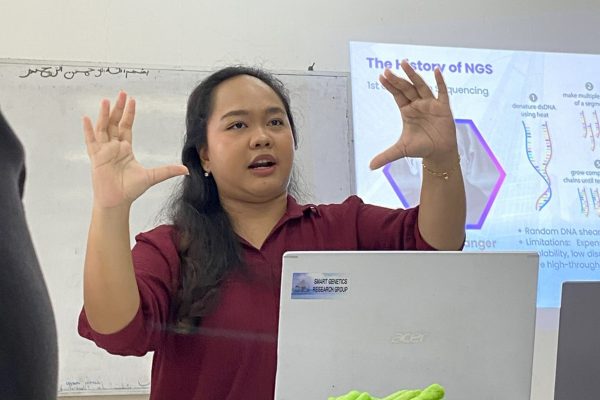
    On Tuesday and Wednesday, November 12-13, 2024, a training on Cytogenetics, Molecular Genetics, and Bioinformatics titled “Sanger Sequencing & Next Generation Sequencing” was held. The event is located at the Tropical Biology Auditorium, the Genetics and Breeding Laboratory, and Teaching Laboratory Faculty of Biology UGM. This event was attended by 10 participants from various professional backgrounds, including students, researchers, doctors, and lecturers from various institutions across Indonesia. It served as a platform for participants to enhance participant’s knowledge and skills in the field of molecular biology.

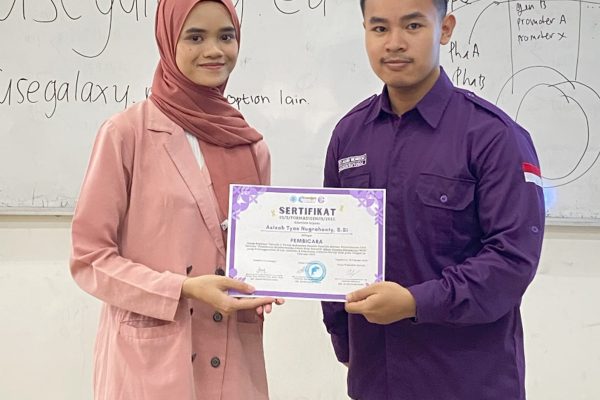
    On the first day, Tuesday, November 12, 2024, the activities began with registration and an opening address by the Dean of the Faculty of Biology UGM, Prof. Dr. Budi Setiadi Daryono, M.Agr.Sc., at the Tropical Biology Auditorium Faculty of Biology UGM. This was followed by lecture on Molecular Genetics concerning Genetic Variation at the Species and Cultivar Levels by Prof. Dr. Budi Setiadi Daryono, M.Agr.Sc. Participants then took part in a practical session on DNA extraction and nanodrop, as well as PCR and electrophoresis in the Genetics and Breeding Laboratory Faculty of Biology UGM. The event then concluded with a lecture on the Analysis of Sanger Sequencing Data Results, Blasting and Alignment, GeneStudio, MEGA, GenAlex, Network, and DnaSP by Dra. Tuty Arisuryanti, M.Sc., Ph.D., followed by a closing session at the Tropical Biology Auditorium Faculty of Biology UGM.

    On the second day, Wednesday, November 13, 2024, the activities began with participant re-registration at the Genetics and Breeding Laboratory Faculty of Biology UGM. Participants guided on Next Generation Sequencing (NGS) data analysis and conducted phylogenetic tree practice using the Maximum Likelihood (IQTree) and Bayesian Inference (MrBayes) approaches. Later, participants joined activities within the Faculty of Biology UGM’s Research Day, including a lecture and introduction to Next Generation Sequencing (NGS) at Teaching Laboratory Faculty of Biology UGM. The workshop concluded with a certificate ceremony at the Tropical Biology Auditorium Faculty of Biology UGM. 

    This training aligns with Sustainable Development Goals (SDGs) by supporting Goal 4 (Quality Education), particularly in Genetics, by expanding knowledge and skills in modern genetic techniques such as Sanger Sequencing and NGS analysis. It also contributes to Goal 9 (Industry, Innovation, and Infrastructure) by fostering advancements in molecular genetics and bioinformatics research and innovation in Indonesia. Furthermore, it promotes SDG Goal 17 (Partnerships for the Goals) by encouraging stronger collaboration between participants from various institutions in Indonesia and the Faculty of Biology UGM.

    PkM-MBKM Faculty of Biology UGM 2024: Empowering the Sendari Hamlet Community, Tirtoadi Village, Mlati District, Sleman, through Education on Organic Waste Management and Air Pollution Mitigation Using Plants

    Community ServiceWaste Management Thursday, 31 October 2024

    Yogyakarta, October 26, 2024 – The Community Service Team of the Merdeka Belajar Kampus Merdeka (PkM-MBKM) Program from the 2024 Biology Study Program conducted a community service activity titled “Processing Inorganic Waste and Combating Air Pollution Using Plants” on Saturday, October 26, 2024. Guided by supervising lecturer Mrs. Novita Yustinadiar, S.Si., M.Si., this event aimed to raise community awareness of sustainable inorganic waste management and the utilization of plants to reduce air pollution caused by waste incineration and motor vehicle emissions.


    The event began at 2:00 PM WIB with an opening address from Mrs. Novita Yustinadiar, S.Si., M.Si., followed by the main presentation delivered by Aisyah Balqis Febriana. In her session, Aisyah explained that inorganic waste such as plastic, bottles, paper, and cardboard can be sorted and sent to waste banks for recycling, thereby enhancing their utility. Additionally, the concept of waste-to-energy was introduced, specifically the use of waste combustion heat as an environmentally friendly source of electricity, similar to Japan’s use of incineration technology. However, this technology is not yet feasible in Indonesia due to technological limitations. Currently, many people resort to burning waste to eliminate it, which has negative consequences for the environment, health, and society. One example discussed in the session was the production of microplastics from waste burning, which can contaminate soil, water, and air, posing risks to human, animal, and plant health. Thus, raising awareness about the dangers of waste burning and exploring alternative solutions for inorganic waste management is essential. In addition to recycling through waste banks, other potential solutions for managing inorganic waste include creating crafts and upcycling waste into valuable and marketable items. The session also covered air pollution mitigation using plants, including types of plants that absorb air pollution and the mechanisms by which plants reduce pollutants.
    Following the presentation, Wisnu Prabowo conducted a hands-on demonstration, showing participants how to make sofa cushions filled with clean, recycled plastic, followed by the distribution of cushion covers and plastic zip covers to all attendees. Then, Ardiah Pramesti Cahyani presented a tutorial video along with a display of creative items made by the student team, such as lanterns from plastic spoons, flowers from plastic bags, flowers from used plastic bottles, frames from bottle caps, flower pots from bottles, and glass bottle vases for water propagation. These creations served as daily-life inspirations for repurposing inorganic waste.

    Participants engaged in a Q&A session and took a post-test to assess their understanding of the material. Attractive door prizes, including air-purifying houseplants and other gifts, were awarded to participants who actively engaged in the discussion. The event concluded with a recap video of the PkM-MBKM 2024 program, highlighting the series of environmental education activities.

    The program closed with a farewell from Mrs. Novita, a group photo session with all participants and the team, and the distribution of souvenirs as tokens of appreciation. This community service program, which concluded at 4:00 PM WIB, is hoped to provide the community with new insights on environmental preservation through waste management and plant use as a solution for air pollution mitigation. We extend our gratitude to the Faculty of Biology for funding this event through the 2024 PKM-MBKM Grant, hoping it will continue to benefit the broader community.

    Processing And Marketing Strategy: Enhancing Farmer Group Entrepreneurship Through Innovative Aquaponic-Based Products

    Community Service Wednesday, 30 October 2024

    The PkM-MBKM Program of the Faculty of Biology UGM, led by Prof. Diah Rachmawati, S.Si., M.Si., in collaboration with the Kelompok Wanita Tani (KWT) Amanda in Kepuh Wetan, Wirokerten, Banguntapan District, Bantul Regency, Special Region of Yogyakarta, held a circular waste management training event based on aquaponic technology and catfish farming on Sunday, October 27, 2024, from 08.30 to 11.30 AM. The PkM-MBKM team, comprising members Hanif Fauzan Saputra, Salma Nur Majidah, Maharani Pratiwi S.A., M. Reza Hendriansah, Rima Vegi Santika, Eka Nur Oktavia, Adzkiya Aqmaliza R., and Agra Daffa Putra, presented strategies for product processing and marketing, followed by a demonstration of processing techniques for products made from catfish and water spinach to maximize the added value of aquaponics.


    The activity began with an introduction to the business potential of catfish and water spinach, both rich in nutrients and protein. With innovations turning these ingredients into various products, such as catfish nuggets, catfish sausages, and crispy water spinach, it is hoped that these could serve as new business opportunities for KWT Amanda. Product innovation aims to expand the market by offering a variety of healthy and nutritious local food options. In addition to product innovation, choosing of safe, efficient, and attractive packaging design is also crucial. With engaging and informative packaging, these products are expected to attract consumer interest. To support sales, the PkM-MBKM team also provided an introduction to branding and digital marketing strategies by explaining how to use social media to educate participants on effective digital marketing techniques, from understanding target consumers to utilizing social media platforms for promotion. Marketing via social media is seen as a vital factor in increasing sales and building brand awareness.

    The next activity involved a product processing demonstration using aquaponics product, namely catfish and water spinach. The PkM-MBKM team provided hands-on training for KWT Amanda members on how to process catfish and water spinach into three high-value products: catfish nuggets with water spinach, crispy water spinach, and catfish sausage. During the demonstration, the KWT Amanda participants showed great enthusiasm in following each stage of product preparation, from ingredient preparation to cooking, resulting in quality products ready for the market. They paid close attention to the cooking process and actively asked questions to ensure optimal quality. After the cooking session, participants enjoyed the processed products, such as catfish nuggets with water spinach, crispy water spinach, and catfish sausages, which were delicious and had a desirable texture. KWT Amanda members also felt inspired after seeing the variations of catfish processed into different forms, such as catfish nuggets with water spinach and catfish sausage, which are more appealing to children. These processed products provide a solution for supplying high-quality protein and fiber to families, especially for children needing balanced nutrition during growth, thus fulfilling nutritional needs and ensuring a healthy life (SDG 3).

    The socialization and training activities for processing aquaponics product can provide new ideas for processing to increase family income from aquaponics (SDG 4 and 8). The successful collaboration also strengthens sustainable relations between the PkM-MBKM Faculty of Biology UGM and its partners (SDG 17).
    1…56789…13

    Accreditation

    Recent Posts

    • Tunghai University Lecturers Share Butterfly Genetics Research in Guest Lecture at UGM Faculty of Biology
    • Faculty of Biology UGM Strengthens Quality Education through Academic and Student Affairs Workshop
    • Faculty of Biology UGM Explores Collaboration Opportunities with the Indonesian Quarantine Agency
    • Keeping Research on Track, UGM Biology PhD Candidates Present their Research Progress
    • Learning, Understanding, Real: Alex Wood’s Eye-Opening Exchange at UGM Biology
    Universitas Gadjah Mada

    UNIVERSITAS GADJAH MADA

    FACULTY OF BIOLOGY
    Teknika Selatan Street, Sekip Utara,
    Yogyakarta 55281
    biologi-ugm@ugm.ac.id
    Phone/Fax: +62 (274) 580839

    About us

    • History
    • Organization
    • Vision and Mission
    • Staff

    Student Affairs

    • Student Service
    • Student Organization
    • Submission for Practical Field Work
    • Permission Field Research
    • Permission Thesis/Disertation

    academic

    • Academic Regulations
    • Academic Anonncement

    Accreditation

    • Image 1
    • Image 2
    • Image 3

    © 2024 FACULTY OF BIOLOGY UNIVERSITAS GADJAH MADA

    KEBIJAKAN PRIVASI/PRIVACY POLICY

    [EN] We use cookies to help our viewer get the best experience on our website. -- [ID] Kami menggunakan cookie untuk membantu pengunjung kami mendapatkan pengalaman terbaik di situs web kami.I Agree / Saya Setuju