• UGM
  • Simaster Portal
  • IT Center
  • Webmail
  • KOBI
  • English
    • Bahasa Indonesia
Universitas Gadjah Mada Universitas Gadjah Mada
Faculty of Biology
  • ABOUT US
    • History
    • Organization
    • Vision and Mission
    • Lectures and Staff
      • Lecturers
      • Adjunct Professor
      • Supporting Staff
    • Facility
      • Laboratories
      • Research
      • Library
      • Museum
      • Mental Health Consultation
      • Disability
  • EDUCATION
    • Undergraduate Program
      • Graduates Learning Outcome
      • Academic Callendar
      • Course
    • IUP
    • Profession Program
      • What is the Professional Study Program in Biodiversity Curator (PKKH)?
      • Admission for New Students of the Biodiversity Curator Profession Program Study
      • Information and FAQ Study Program of Biodiversity Curator Profession
    • Master Program
      • Master Program in Biology Description
      • Curriculum Structure Master Program
    • Doctoral Program
      • Vision, Mission, Objectives, Targets, Competencies, and Learning Outcomes
      • Admission Requirement for Program Doctor in Biological Sciences
      • Admission: What Documents to be prepared?
      • Curriculum
    • Regulations
    • Accreditation & Quality Assurance
  • RESEARCH
    • Journal of Tropical Biodiversity and Biotechnology
    • Berkala Ilmiah Biology
    • Research
    • Publication
  • Community Service
    • Waste Management
  • STUDENTS & ALUMNAE
    • Student Organizations
    • Prospective Career Opportunities
    • SUMMER COURSE
    • Alumnae
  • Home
  • SDG 9 : Increase Industry, Innovation, and Infrastructure
  • SDG 9 : Increase Industry, Innovation, and Infrastructure
  • page. 8
Arsip:

SDG 9 : Increase Industry, Innovation, and Infrastructure

PkM-MBKM Faculty of Biology UGM 2024: Empowering the Sendari Hamlet Community, Tirtoadi Village, Mlati District, Sleman, through Education on Organic Waste Management and Air Pollution Mitigation Using Plants

Community ServiceWaste Management Thursday, 31 October 2024

Yogyakarta, October 26, 2024 – The Community Service Team of the Merdeka Belajar Kampus Merdeka (PkM-MBKM) Program from the 2024 Biology Study Program conducted a community service activity titled “Processing Inorganic Waste and Combating Air Pollution Using Plants” on Saturday, October 26, 2024. Guided by supervising lecturer Mrs. Novita Yustinadiar, S.Si., M.Si., this event aimed to raise community awareness of sustainable inorganic waste management and the utilization of plants to reduce air pollution caused by waste incineration and motor vehicle emissions.


The event began at 2:00 PM WIB with an opening address from Mrs. Novita Yustinadiar, S.Si., M.Si., followed by the main presentation delivered by Aisyah Balqis Febriana. In her session, Aisyah explained that inorganic waste such as plastic, bottles, paper, and cardboard can be sorted and sent to waste banks for recycling, thereby enhancing their utility. Additionally, the concept of waste-to-energy was introduced, specifically the use of waste combustion heat as an environmentally friendly source of electricity, similar to Japan’s use of incineration technology. However, this technology is not yet feasible in Indonesia due to technological limitations. Currently, many people resort to burning waste to eliminate it, which has negative consequences for the environment, health, and society. One example discussed in the session was the production of microplastics from waste burning, which can contaminate soil, water, and air, posing risks to human, animal, and plant health. Thus, raising awareness about the dangers of waste burning and exploring alternative solutions for inorganic waste management is essential. In addition to recycling through waste banks, other potential solutions for managing inorganic waste include creating crafts and upcycling waste into valuable and marketable items. The session also covered air pollution mitigation using plants, including types of plants that absorb air pollution and the mechanisms by which plants reduce pollutants.

Following the presentation, Wisnu Prabowo conducted a hands-on demonstration, showing participants how to make sofa cushions filled with clean, recycled plastic, followed by the distribution of cushion covers and plastic zip covers to all attendees. Then, Ardiah Pramesti Cahyani presented a tutorial video along with a display of creative items made by the student team, such as lanterns from plastic spoons, flowers from plastic bags, flowers from used plastic bottles, frames from bottle caps, flower pots from bottles, and glass bottle vases for water propagation. These creations served as daily-life inspirations for repurposing inorganic waste.

Participants engaged in a Q&A session and took a post-test to assess their understanding of the material. Attractive door prizes, including air-purifying houseplants and other gifts, were awarded to participants who actively engaged in the discussion. The event concluded with a recap video of the PkM-MBKM 2024 program, highlighting the series of environmental education activities.

The program closed with a farewell from Mrs. Novita, a group photo session with all participants and the team, and the distribution of souvenirs as tokens of appreciation. This community service program, which concluded at 4:00 PM WIB, is hoped to provide the community with new insights on environmental preservation through waste management and plant use as a solution for air pollution mitigation. We extend our gratitude to the Faculty of Biology for funding this event through the 2024 PKM-MBKM Grant, hoping it will continue to benefit the broader community.

Processing And Marketing Strategy: Enhancing Farmer Group Entrepreneurship Through Innovative Aquaponic-Based Products

Community Service Wednesday, 30 October 2024

The PkM-MBKM Program of the Faculty of Biology UGM, led by Prof. Diah Rachmawati, S.Si., M.Si., in collaboration with the Kelompok Wanita Tani (KWT) Amanda in Kepuh Wetan, Wirokerten, Banguntapan District, Bantul Regency, Special Region of Yogyakarta, held a circular waste management training event based on aquaponic technology and catfish farming on Sunday, October 27, 2024, from 08.30 to 11.30 AM. The PkM-MBKM team, comprising members Hanif Fauzan Saputra, Salma Nur Majidah, Maharani Pratiwi S.A., M. Reza Hendriansah, Rima Vegi Santika, Eka Nur Oktavia, Adzkiya Aqmaliza R., and Agra Daffa Putra, presented strategies for product processing and marketing, followed by a demonstration of processing techniques for products made from catfish and water spinach to maximize the added value of aquaponics.


The activity began with an introduction to the business potential of catfish and water spinach, both rich in nutrients and protein. With innovations turning these ingredients into various products, such as catfish nuggets, catfish sausages, and crispy water spinach, it is hoped that these could serve as new business opportunities for KWT Amanda. Product innovation aims to expand the market by offering a variety of healthy and nutritious local food options. In addition to product innovation, choosing of safe, efficient, and attractive packaging design is also crucial. With engaging and informative packaging, these products are expected to attract consumer interest. To support sales, the PkM-MBKM team also provided an introduction to branding and digital marketing strategies by explaining how to use social media to educate participants on effective digital marketing techniques, from understanding target consumers to utilizing social media platforms for promotion. Marketing via social media is seen as a vital factor in increasing sales and building brand awareness.

The next activity involved a product processing demonstration using aquaponics product, namely catfish and water spinach. The PkM-MBKM team provided hands-on training for KWT Amanda members on how to process catfish and water spinach into three high-value products: catfish nuggets with water spinach, crispy water spinach, and catfish sausage. During the demonstration, the KWT Amanda participants showed great enthusiasm in following each stage of product preparation, from ingredient preparation to cooking, resulting in quality products ready for the market. They paid close attention to the cooking process and actively asked questions to ensure optimal quality. After the cooking session, participants enjoyed the processed products, such as catfish nuggets with water spinach, crispy water spinach, and catfish sausages, which were delicious and had a desirable texture. KWT Amanda members also felt inspired after seeing the variations of catfish processed into different forms, such as catfish nuggets with water spinach and catfish sausage, which are more appealing to children. These processed products provide a solution for supplying high-quality protein and fiber to families, especially for children needing balanced nutrition during growth, thus fulfilling nutritional needs and ensuring a healthy life (SDG 3).
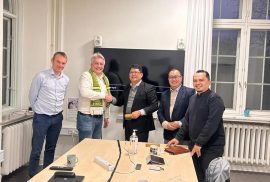
The socialization and training activities for processing aquaponics product can provide new ideas for processing to increase family income from aquaponics (SDG 4 and 8). The successful collaboration also strengthens sustainable relations between the PkM-MBKM Faculty of Biology UGM and its partners (SDG 17).
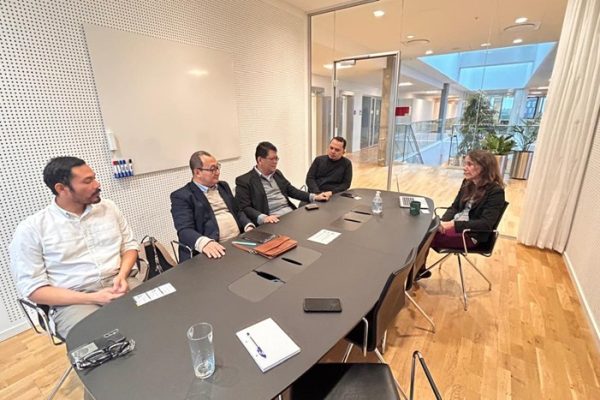
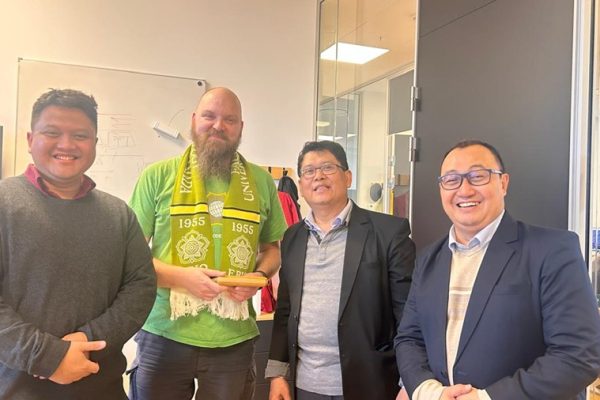
The Biology Student Research Team Wins Silver Medal at the 3rd International Conference of Biological Science (ICoBioS) 2024

AchivementsStudent Activities Tuesday, 29 October 2024

Biology students at Universitas Gadjah Mada made another achievement by winning a silver medal at the 3rd International Conference of Biological Sciences (ICoBioS) 2024. The conference, held by Universitas Brawijaya on September 27-28, 2024, had the theme “Recent Update in Bioinformatics, Synthetic Biology, and Nanobio Science for Better Future.” This success strengthens UGM’s standing in the international scientific community, particularly in driving innovation and progress in modern biological sciences. This achievement was achieved by Thoriq Abdul Halim, Tiara Putria Judith, and Salfa Athallah Agtari Nabillah students from the 2021 cohort, under the guidance of Dr. Ganies Riza Aristya, S.Si., M.Sc., Ph.D., presented research titled “Comparative Analysis of DNA Barcodes Based on Nuclear and Chloroplast Genes for Phylogenetic Reconstruction of Sugarcane (Saccharum officinarum L.) in Java Island.”


In their presentation, the team discussed the importance of sugarcane (S. officinarum L.) production, which contributes to 80% of global sugar production. Despite Java Island supplying 61% of the national output, Indonesia only produced 2.23 million tons of sugar in 2019, while imports reached 5.46 million tons in 2021, mainly from Thailand. The low sugarcane yield is due to the narrowing of genetic diversity caused by domestication. Given the complexity of the genome and the difficulty in distinguishing morphological characteristics, the team utilized DNA barcoding techniques to analyze genetic variation in nuclear DNA and chloroplast DNA of sugarcane. This research aims to identify intra- and interspecific genetic variation among sugarcane cultivars as part of efforts to improve varietal identification, agricultural productivity, and food security in Indonesia.

The theme and goals of this research align with UGM’s commitment to supporting the Sustainable Development Goals (SDGs), particularly SDGs No.2 on ending hunger and enhancing food security, and SDGs No.12, which focuses on sustainable production and consumption through efforts to increase sugarcane productivity and reduce dependence on sugar imports in Indonesia.

BiOSC Stadium Genarale 2.0: Orchid Identification through Flower Dissection to Support Orchid Conservation in Indonesia

Student Activities Monday, 28 October 2024

The Biology Orchid Study Club (BiOSC) of the Faculty of Biology, Universitas Gadjah Mada (UGM), held its second Studium Generale event titled “Orchid Identification through Flower Dissection to Support Orchid Conservation in Indonesia” on Saturday, October 19, 2024, in Room 2, Building B, Faculty of Biology as part of scientific coordinators work programs, Akmal Bunyamin. The event was attended by 37 participants and aimed to enhance participants’ knowledge and skills, and motivate members in orchid identification using flower dissection to support orchid conservation efforts in Indonesia.


The session featured a presentation by Ms. Aninda Retno Utami Wibowo, S.Si., M.Sc., a researcher at the National Research and Innovation Agency (BRIN) specializing in biosystematics, who led participants through a detailed, step-by-step guide to identifying new orchid species. Following the theoretical presentation, participants engaged in hands-on dissection practice, where each member received an orchid flower to examine. They were tasked with identifying, measuring, and meticulously documenting various flower parts, highlighting distinguishing characteristics among different orchid species.

The event proceeded smoothly with enthusiastic participation, including an interactive discussion session between attendees and the speaker. The Studium Generale aims to deepen participants’ understanding of orchid identification processes and flower dissection techniques, fostering the scientific knowledge and commitment necessary to contribute to orchid conservation efforts in Indonesia.
Written by: BiOSC

Professor from Okayama University, Japan Gives Guest Lecture on Rice Immunity Research

CooperationNews Release Monday, 28 October 2024

Yogyakarta, 28 October 2025 – Faculty of Biology UGM held a guest lecture featuring a plant engineering expert from Okayama University Japan, Prof. Yoji Kawano. The lecture took place in the Tropical Biology Auditorium, Faculty of Biology, UGM and was attended by students and lecturers from the Faculty of Biology, UGM.


Dr. Bambang Retnoaji, M.Sc. as Vice Dean for Academic and Student Affairs, Faculty of Biology, gave his speech at the guest lecture Monday (28/10) morning. He said that the Faculty of Biology welcomed Prof. Yoji and opened various research and academic collaboration potential with Okayama University, especially the Institute of Plant Science and Resources. Dr. Bambang also told students to gain as much knowledge as possible from the lecture.

Prof. Yoji Kawano is a Professor from the Plant Immune Design Group, Institute of Plant Science and Resources, Okayama University, Japan. His research focuses on plant pathology, immunobiology, inflammation, and phytopathology.

In this lecture, Prof. Yoji gave a presentation entitled “Deciphering Rice Immunity”. The lecture was guided by a lecturer from the Faculty of Biology from the Biochemistry Laboratory, Dr. Yekti Asih Purwestri, whose research also focuses on the development of rice plants.

Prof. Yoji explained about diseases in plants, especially rice, which are caused by fungi and how this condition is a concern in the agricultural world because of minimal information on interactions between plants and microbes. The professor, who is also an expert in plant engineering, conveyed his research which developed plant breeding using the R (NLR) gene. It is hoped that his various research efforts can contribute to applied agricultural science to obtain superior varieties that are resistant to various pest and disease threats.

The participants were enthusiastic about attending the lecture and were critical in the subsequent question and answer session. Through this public lecture, it is hoped that it can encourage innovation, especially for the academic community, in contributing to research on sustainable ecosystem preservation (SDG 4 and 15) through collaboration between the Faculty of Biology UGM and Okayama University (SDG 17).

Highlighting the Threat of Parrot Illegal Trade, Conservation Expert from ANU Australia Guest a Public Lecture at the Faculty of Biology UGM

CooperationNews Release Friday, 25 October 2024

Yogyakarta, 25 October 2025 – Faculty of Biology UGM held a guest lecture featuring a wildlife conservation expert from the Australian National University (ANU), Australia, Dr. George Olah. The lecture took place in the Tropical Biology Auditorium, Faculty of Biology, UGM and was attended by students and lecturers from the Faculty of Biology, UGM.


“This is a good opportunity for ongoing collaboration between the Faculty of Biology UGM and the Australian National University, Australia” Dr. Bambang Retnoaji as Vice Dean for Academic and Student Affairs in his speech Friday (25/10). Dr. Bambang also did not forget to tell students to actively seek knowledge during the lecture.

Dr. George is a wildlife conservation expert from ANU’s Fenner School of Environment and Society. His research focuses on tropical ecology, genetic conservation, and conservation management, especially bird conservation. Dr. George is also involved in various conservation projects in Indonesia, one of which is the Indonesian Parrot Foundation.

Dr. George explained his lecture presentation with the title “The role of conservation genetics in the study of parrot conservation”. Ecologists and conservation experts convey the phylogeny of the parrot tree, to the status that some species are on the verge of extinction. The threat of extinction is caused by agricultural activities, hunting, deforestation, climate change, the presence of invasive species, and human activities that affect the existence of parrot. Another big threat is the rampant illegal trade in exotic birds. ASEAN and Indonesia itself are one of the locations where this illegal trade is rampant. Dr. George invited students to be aware and participate in efforts to overcome the illegal trade in wild animals through various conservation efforts and increasing public awareness.

The participants were enthusiastic about attending the lecture and were critical in the subsequent question and answer session. Through this public lecture, it is hoped that it can encourage innovation, especially for the academic community, in contributing to research on sustainable ecosystem preservation (SDG 4 and 15) through collaboration between the UGM Faculty of Biology and the Australian National University (SDG 17).

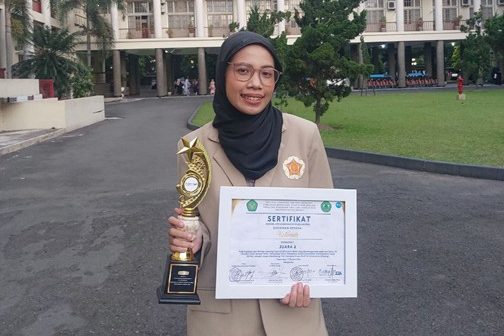
Biology Student Wins First Place in the National Scientific Writing Competition at the Biology Learning Festival by Universitas Siliwangi

Achivements Tuesday, 22 October 2024

Biology students at Universitas Gadjah Mada (S1) made another achievement by winning first place at the national-level Biology Learning Festival Essay Competition organized by Universitas Siliwangi on October 17, 2024. This achievement was achieved by a team chaired by ASyafira Nurul Aisya (Biology 2021) and its member Fadlilah Rahma Julianty (Biology 2021) under the guidance of Prof. Dr. rer. nat. Andhika Puspito Nugroho, S.Si., M.Si.

The team presented ”Study on the Potential of Pseudomonas, Agrobacterium, Sulfolobus, and Alteromonas as Biodegradation Agents for Chlorpyrifos Contamination through a Molecular Docking Approach,” competing against 11 teams from various universities across Indonesia. The research was motivated by the issue of increased pest incidence due to climate change, which increased chlorpyrifos insecticide usage, resulting in environmental contamination. Chlorpyrifos contamination in agricultural and plantation settings poses risks to ecosystems and human health, necessitating its degradation into environmentally safe products through bioremediation processes.

“We explored microorganisms capable of degrading chlorpyrifos insecticides and evaluated them in silico to identify potential candidates that could serve as bioremediation agents,” said Syafira.

Through this research, Syafira and Fadlilah hope to lay the groundwork for further studies on developing microorganism-based biodegradation methods, particularly in addressing chlorpyrifos insecticide pollution, which remains a challenge in various agricultural and plantation sectors in Indonesia. The further development of this study is anticipated to provide eco-friendly solutions to address the challenges of hazardous chemical contamination. They also hope this work can be patented as a commercial biodegradation technology applicable across various industrial and agricultural sectors.

This achievement not only brings pride to the team but also motivates other students to continue developing innovative solutions to environmental issues. Additionally, it encourages the UGM Faculty of Biology to persist in supporting sustainable, relevant, and practical research.

Authors: Fadlilah Rahma Julianty and Syafira Nurul Aisya

The Faculty of Biology UGM’s Professor Serves as Keynote Speaker at the 31st International Symposium of Physiology for Health.

News Release Wednesday, 16 October 2024

Prof. Dr. Kumala Dewi, M.Sc.St., a professor from the Faculty of Biology at Universitas Gadjah Mada, served as a keynote speaker at the 31st International Symposium of Physiology for Health, held at Swiss-Belhotel, Bandar Lampung, on Thursday and Friday, October 10–11, 2024. The symposium, organized by the Faculty of Medicine, Universitas Lampung (Unila), convened experts and delegates from national and international spheres to engage in discussions on the theme of “Integrated Physiology for Global Health Resilience.”


The symposium was opened by the Rector of Unila, Prof. Dr. Ir. Lusmeilia Afriani, D.E.A., IPM., ASEAN Eng., who expressed her appreciation to all participants and distinguished speakers. She underscored the imperative of interdisciplinary collaboration in addressing global health challenges. In her remarks, Prof. Lusmeilia articulated that the symposium’s theme resonates strongly with recent developments in global health. She accentuated the necessity for heightened awareness and collaboration among diverse stakeholders, including academics, healthcare practitioners, and the broader community, to build an integrated framework for health resilience. The Rector further highlighted the pivotal role of physiology in the comprehension and management of various pathologies, including autoimmune disorders, as well as the indispensable support provided by families and communities in the recovery of patients.

The opening ceremony was graced by several notable figures, including the Director and Deputy Director of RSUDAM (Regional General Hospital), the Vice Dean for Academic Affairs and Partnerships of FK Unila, the President of the Indonesian Association of Physiology Experts (IAIFI), Dr. Ermita I. Ibrahim Ilyas, M.S., AIFO, the chair of the organizing committee, and other faculty members.

The symposium featured keynote speakers from various backgrounds. Prof. Cheng Hwee Ming delivered on Autonomous Integrated Resilient Muscle Physiology; Prof. Dr. Ifrannudin, Sp.KO., M.Pd.Ked., delivered on The Role of Research and Innovation in the Future Development of Physiology; Prof. Dr. Kumala Dewi, M.Sc., St., delivered a speech on Plant Physiology for Global Health Resilience. In her discourse, Prof. Kumala emphasized the importance of understanding and applying plant physiology to enhance agricultural productivity, specifically to cultivate crops, particularly vegetables, that are rich in essential vitamins, minerals, and other phytochemicals conducive to health. She further explained that an in-depth knowledge of plant physiology is crucial in mitigating the adverse effects of global climate change, as research in this domain facilitates the development of crops capable of enduring both biotic and abiotic stressors. Moreover, she elucidated the role of plants in promoting environmental health through the absorption of CO2, thereby indirectly contributing to a healthier ecosystem for humanity.

Day two of the symposium featured Dr. Fabian Chin Leong Lim and Prof. Shizue Masuki, Ph.D., who addressed salient issues related to geriatric health and the synergistic benefits of exercise and nutrition. Through this symposium, it is anticipated that the participants’ comprehension of physiology will be substantially deepened, fostering enhanced collaboration between scientists and healthcare professionals, thereby strengthening the foundation for global health resilience. This symposium aligns with the Sustainable Development Goals (SDGs), particularly Goal No. 3: Good Health and Well-being, and Goal No. 13: Climate Action.

Training and Brainstorming: Conservation of Rare Insects as a Potential Tourism Village Based on Entomology Edventures Indonesia in Kulon Progo

Community Service Tuesday, 15 October 2024

Kulon Progo, October 10, 2024—The Community Service Program (PkM) Team under DRTM Scheme Partnership of the Ministry of Education, Culture, Research and Technology, Faculty of Biology UGM led by Sukirno, S.Si., M.Sc., Ph.D. together with the student team members consisting of R. Hanindyo Adi, S.Si., M.Sc., Aryo Setyo Pandu Wiranto, S.Si., M.Sc., Puji Lestari S.Pd., Syefrina Rosyada, S.Si., and Kaifa Salwa Arrahma together with Omah JAMTRA partners, namely Mr. Yunianto Hargo Nugroho, S.Hut, Mrs. Nurdiana Setianingsih, Mrs. Suparti, and Mr. Sunu held insect knowledge training and brainstorming activities with the community of Crangah Hamlet, Hargotirto Village, Kokap Sub-district, Kulon Progo Regency to explore the potential as an entomology-based tourist village.


In this activity, the team together with Omah JAMTRA partners visited the house of Mr. Tukino as the Head of RT 47 Crangah Hamlet as a gathering place for the community. This activity was attended by residents of Crangah Hamlet totaling around 35 people, as well as community leaders including the Head of RT, Head of Hamlet, and representatives of the Hargotirto Village.

This activity was guided by Puji Lestari S.Pd as the host and continued with remarks by community leaders. Furthermore, in the core session, material was delivered entitled “Endangered Insect Conservation: Potential of Entomology Eduventure-Based Tourism Village” by Sukirno, S.Si., M.Sc., Ph.D.

The activity was continued with a discussion and brainstorming session related to the potential of Padukuhan Crangah as a tourism village. In addition, this session also held a sharing session with the manager of Omah JAMTRA, namely Mr. Yunianto Hargo Nugroho, S.Hut who provided his knowledge and insight regarding the cultivation of Samia silkworms which he has been doing for years. The series of activities were closed with lunch with residents and joint documentation.

This introduction and potential exploration activity went smoothly and the team was received with great enthusiasm by the residents. Through the presentation of this material and brainstorming, it is hoped that good cooperation will be established between Padukuhan Crangah as a place for the conservation of rare insects as well as a tourism village based on entomology eduventures.

This community service activity is expected to contribute to the Sustainable Development Goals, namely No Poverty; Industry, Innovation, and Infrastructure; and Partnership for the Goal.

UGM Biology Students Win Bronze Medal at The 3rd International Conference of Biological Science x Open Bioproject Competition 2024 for HIV Vaccine Development Using Bioinformatics

News Release Thursday, 10 October 2024

Malang, September 29, 2024 – A team of students from the Faculty of Biology, Universitas Gadjah Mada (UGM), has successfully earned a nomination at the 3rd International Conference of Biological Science x Open Bioproject Competition, held at Universitas Brawijaya from September 28-29, 2024.


The team, consisting of Angela Puspa Larasati (Biology, 2021), Abisha Yoofi Yudhatama (Biology, 2021), and Abigail Yemima (Biology, 2021), under the supervision of Yustinus Maladan, S.Si., M.Si., presented their research titled, “Design of an HIV-1 Epitope-based Vaccine from Glycoprotein-41 (Gp41) through a Bioinformatics Approach.” Their research earned them the Bronze Medal in the Research Competition for College Students category.

The study focused on developing an HIV-1 epitope-based vaccine using an in silico approach. Through bioinformatics, the team conducted epitope prediction targeting T lymphocytes and B lymphocytes, molecular dynamics simulations, molecular docking, and immune system simulations. This process resulted in a stable HIV-1 vaccine design with promising potential for further development.

Written by: Abisha Yoofi Yudhatama

1…678910…13

Accreditation

Recent Posts

  • Faculty of Biology Researchers Collaborate in eDNA Workshop for Pathogen Detection in Wildlife Trade
  • UGM–ANU Double Degree Program: Pathways to Global Academic Excellence
  • Faculty of Biology UGM Engages Doctoral Students in Academic Progress Monitoring
  • UGM–UTS Strengthen Academic and Research Collaboration through “Study & Research in Australia” Sharing Session
  • Tunghai University Lecturers Share Butterfly Genetics Research in Guest Lecture at UGM Faculty of Biology
Universitas Gadjah Mada

UNIVERSITAS GADJAH MADA

FACULTY OF BIOLOGY
Teknika Selatan Street, Sekip Utara,
Yogyakarta 55281
biologi-ugm@ugm.ac.id
Phone/Fax: +62 (274) 580839

About us

  • History
  • Organization
  • Vision and Mission
  • Staff

Student Affairs

  • Student Service
  • Student Organization
  • Submission for Practical Field Work
  • Permission Field Research
  • Permission Thesis/Disertation

academic

  • Academic Regulations
  • Academic Anonncement

Accreditation

  • Image 1
  • Image 2
  • Image 3

© 2024 FACULTY OF BIOLOGY UNIVERSITAS GADJAH MADA

KEBIJAKAN PRIVASI/PRIVACY POLICY

[EN] We use cookies to help our viewer get the best experience on our website. -- [ID] Kami menggunakan cookie untuk membantu pengunjung kami mendapatkan pengalaman terbaik di situs web kami.I Agree / Saya Setuju