Arsip:
SDGs
Yogyakarta, 1 August 2024 – The 7th International Summer Course in Sustainable Development: Sustainable Bioprospecting of Tropical Biodiversity this year consists of various online and offline lecture series, workshops and cultural trips, as well as field studies. The ISC field study was held at Kukup Beach and Porok Beach, Gunung Kidul, DIY on Tuesday (1/7).
Kukup Beach is one of the famous beach destinations in the Gunung Kidul area, alongside several other beaches in the same area including Panjang Beach, Nglolang Beach and so on. Kukup Beach is a source of livelihood for the surrounding community who depend on marine products and tourism. Some of the products sold include processed shrimp, squid, fish, and antlion.
The participants enthusiastically explored the beach area. Divided into several groups, they went around to study marine bioprospecting products in the Kukup Beach area. Some of them conducted short interviews with the sellers there, and tasted processed products including fried antlion which some people are not too familiar with consuming.
The ISC agenda continued with exploring Porok Beach, which is one of the marine research stations managed by the UGM Faculty of Biology. Porok Beach is often used as a place for research and data collection for students to study marine ecosystems.
In the evening and into the evening, the participants enthusiastically took part in various simple games. Apart from familiarizing the participants, this also helped refresh their minds after the series of lectures and training on the previous ISC agenda. The evening closed by grilling sausages around the fire while sharing the fun experiences of the participants during this summer course.
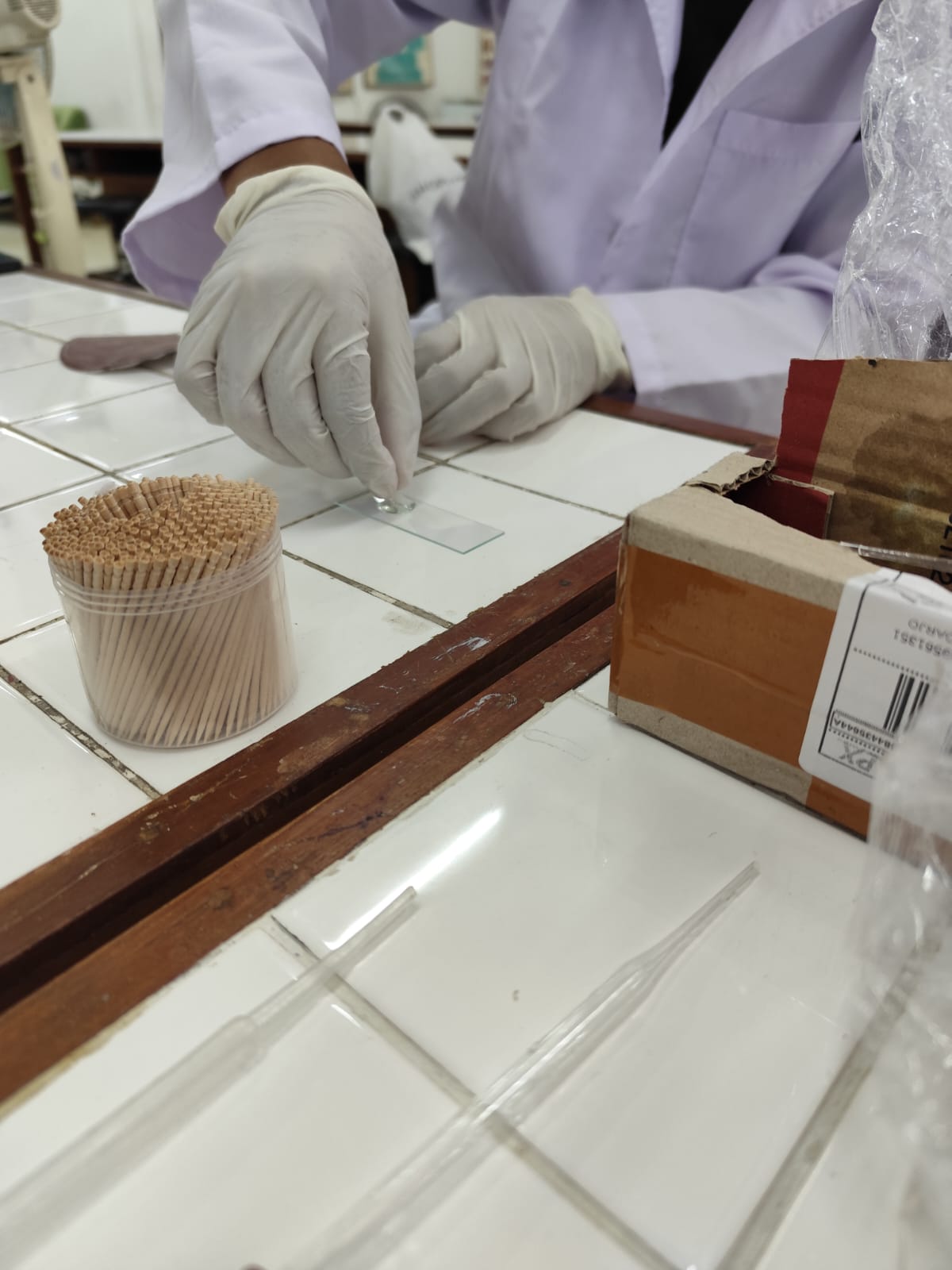
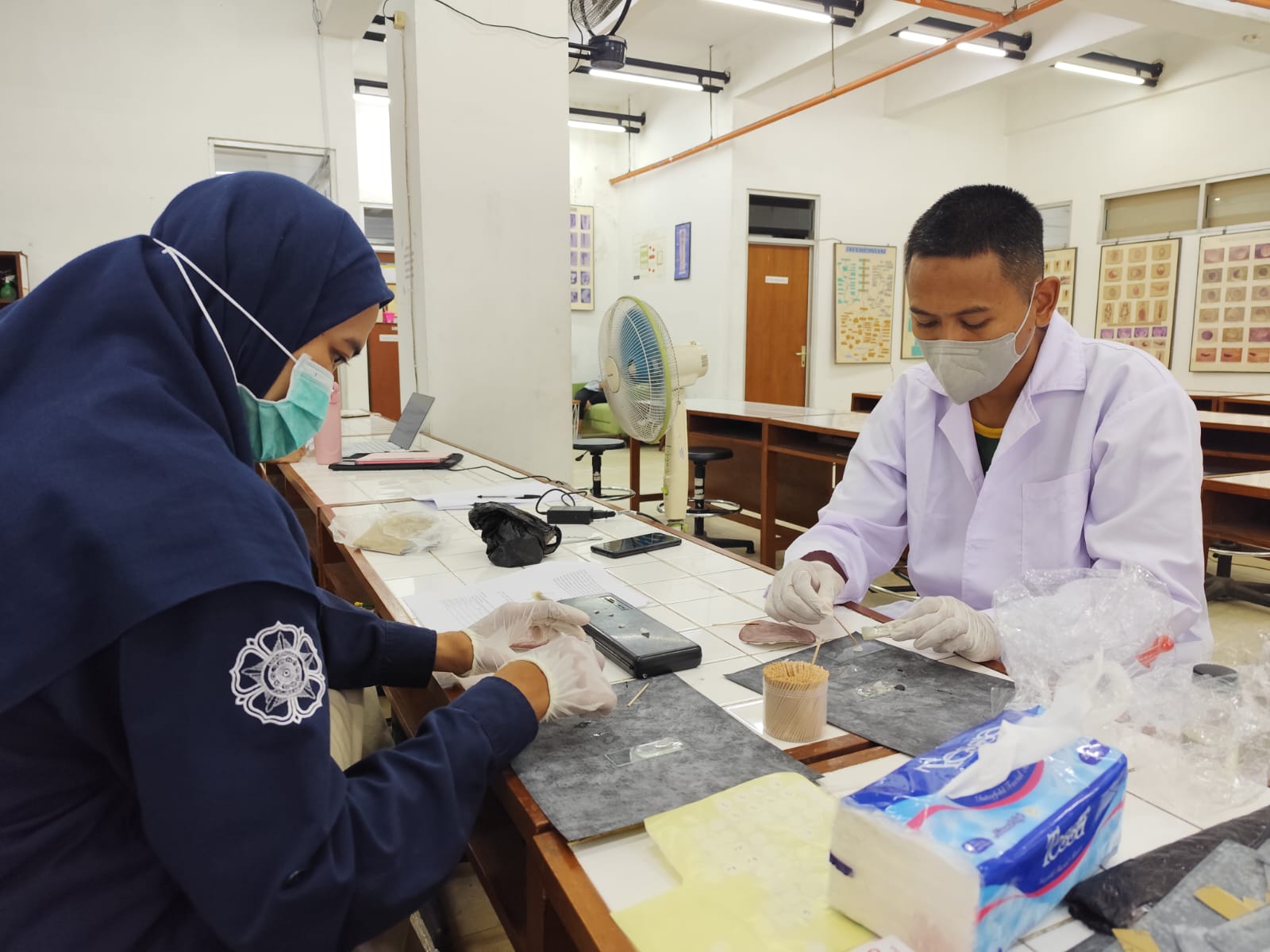
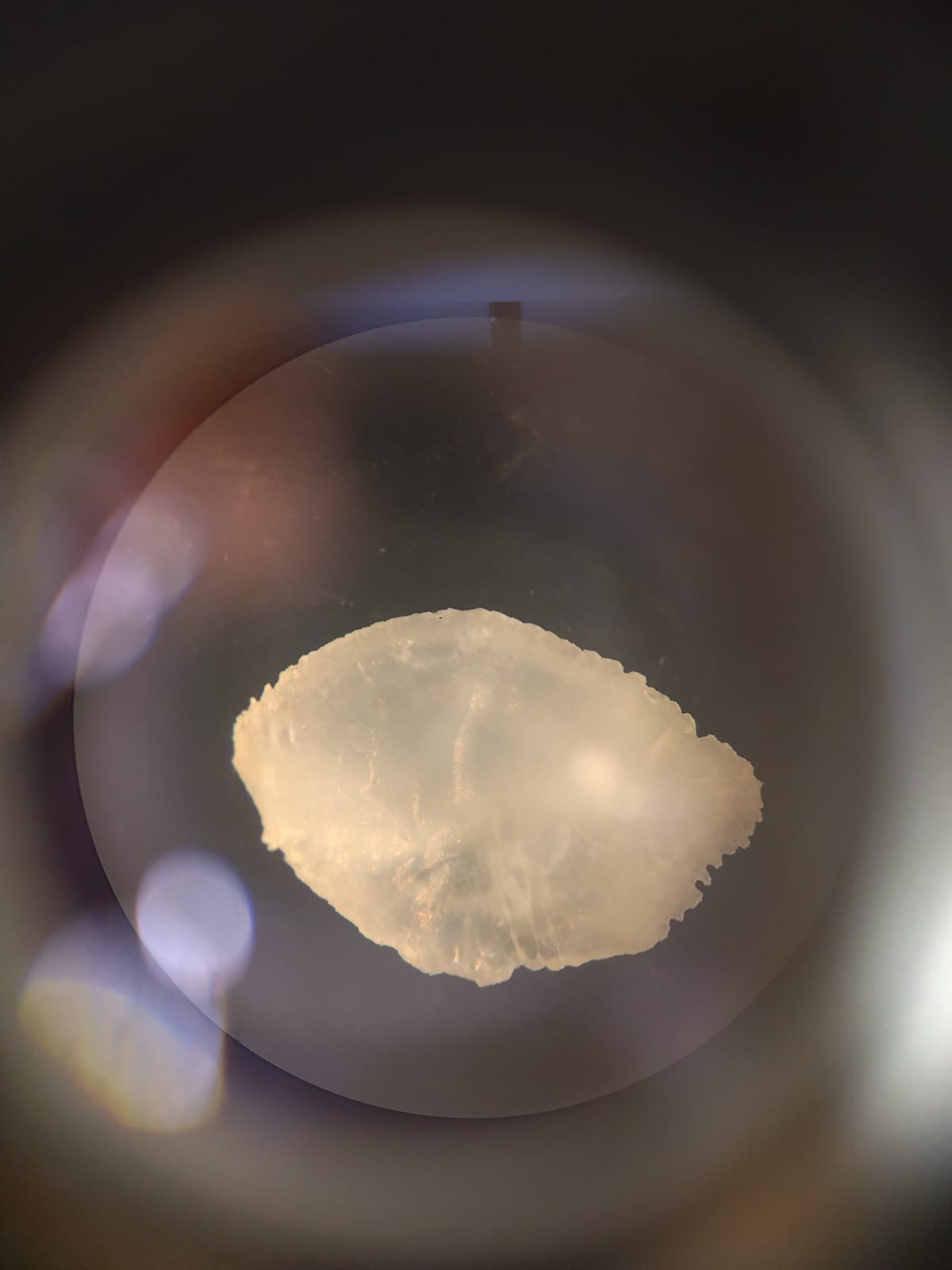
Plant embryology is a crucial parameter in botanical studies, including systematics, evolution, and biotechnology related to plant somatic embryogenesis. The natural or in vitro formation and development of embryos can analyzed through anatomical approaches. Analyzing plant anatomy requires special treatment and preparation of samples, necessitating a platform for discussion and training to update methods and share information.
The Plant Structure and Development Laboratory (SPT) at the Faculty of Biology, UGM, as part of its community service and to open collaborative opportunities, welcomed four researchers from PT. BISI International, Kediri, for a training and networking visit. These researchers, Esti Sri Lestari, S.Si., M.Sc., Ida Wilujeng Abidah Ubudiyah, S.Si., Lina Wahyu Hapsari, S.P., and Rahmawati Amaliah, S.Si., come from the Department of Biotechnology. The training took place over eight days, from August 22 to 31, 2024.

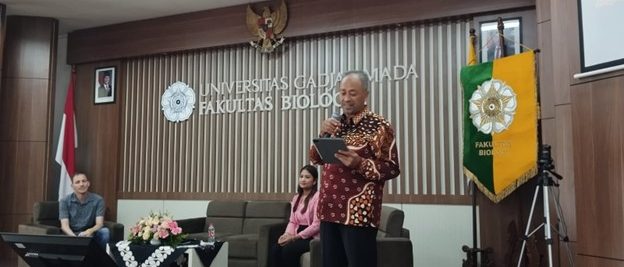
Dr. Maryani, M.Sc., head of the SPT Laboratory, welcomed the participants, and Dr. Eko Agus Suyono, M.App.Sc., Vice Dean for Research, Community Service, Collaboration, and Alumni Affairs, officially opened the event on Monday, August 22, 2024, at the SPT Laboratory, Building B. In his opening remarks, the vice dean emphasized the importance of research collaboration in the current era. The training included lectures/discussions on plant microtechnique and embryology, hands-on practice preparing embryology slides, analysis, and independent lab work. Lectures were given by Utaminingsih, S.Si., M.Sc., from the Plant Structure and Development Laboratory, with independent work supported for three days by lab assistant Ms. Prapti.
Dr. Slamet Widiyanto, M.Sc., officially closed the event on Wednesday, August 31, 2024. In his closing remarks, he reiterated that the goal of this training extends beyond the eight days and should serve as the beginning of future research collaborations. He encouraged participants to share the benefits of the training widely and provide feedback to the Faculty of Biology, especially the SPT Laboratory, for any improvements.
This training supports the Sustainable Development Goals (SDGs), particularly in fostering partnerships and cooperation (SDG 17), and aims to benefit the general welfare of Indonesian society (SDG 3). Additionally, it aligns with the government’s program to enhance the quality of education (SDG 4).
Hopefully, this training became a kickstart of collaboration and research partnership between the Faculty of Biology UGM and PT BISI International. The knowledge and technical skills gained during the training would be valuable for participants and related institutions.
The prevalence of adverse drug reactions in Indonesia ranges from 0.9% to 99%, depending on the type of drug, duration, and therapeutic dose. Each individual can respond differently to the same medication due to varying genomic reactions. This concept is known as pharmacogenomics. However, the medical devices used in pharmacogenomics, such as sensors, often cannot reach certain areas within the body. Additionally, a significant challenge in genomic data classification is the vast number of individual genes, which can number in the tens of thousands. Meanwhile, medical devices are limited and often inadequate.
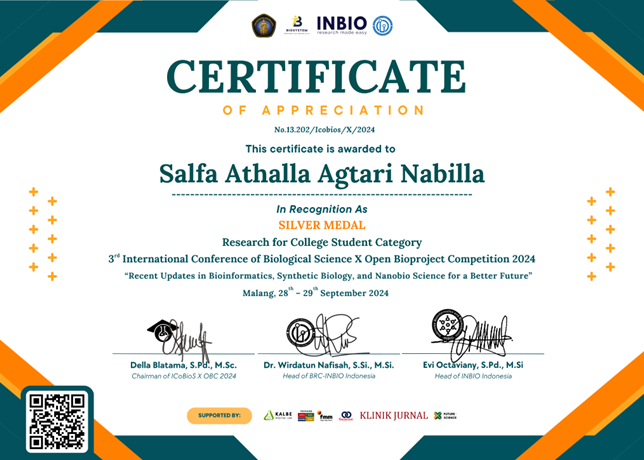
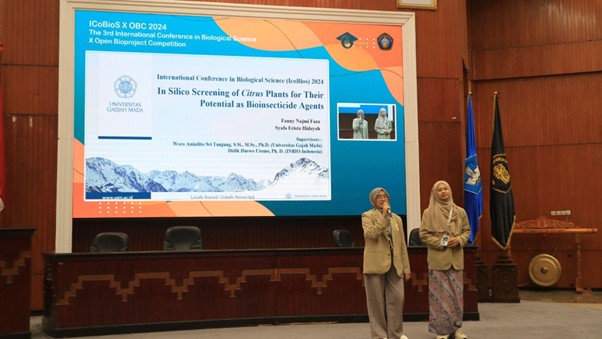
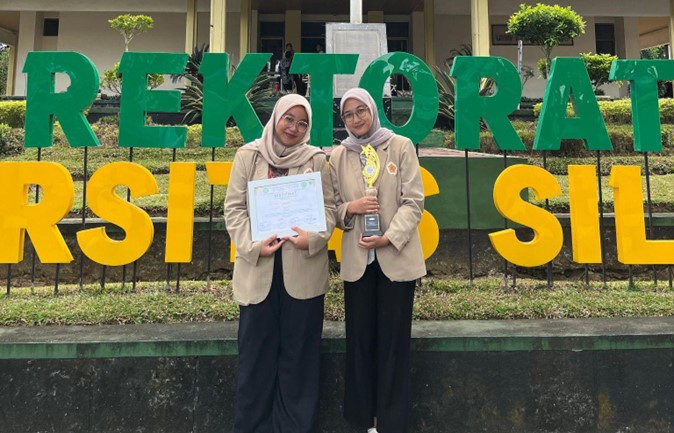
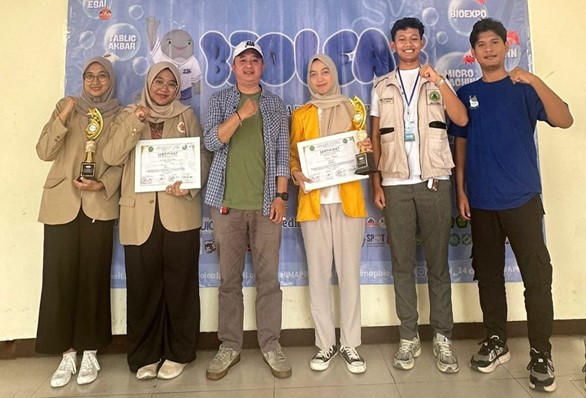
In response to these challenges, Feny, a biology student at UGM, proposed the development of an Integrated Machine Learning-Based Biosensor Pharmacogenomics System as an advanced treatment method for Indonesia under the guidance of Lecturer Tyas Ikhsan Hikmawan, M.Sc., Ph.D.. Her idea was presented at the National Student and School Essay Festival (Genesis) and won the Silver Medal. The competition held by the Fatepa English Community at the University of Mataram on July 6-7, 2024, featured 315 entries. The competition included several stages: submission of a full paper, creation of a presentation video, preparation of a PowerPoint presentation, and a live poster presentation before the judges.
Her innovation involves using biosensors to monitor molecular interactions in patient treatments real-time. These ingestible biosensors provide information about organs’ physiological parameters, allowing them to monitor the genetic profiles related to internal conditions and diseases. The approach employs a random tree classification model that predicts personalized drug responses, side effects, and the patient’s pharmacogenomic variants.
The combination of pharmacogenomic treatment systems with integrated machine-learning biosensors will enhance drug safety. Implementing this system in Indonesia will reduce adverse drug reactions and side effects. Healthcare professionals can quickly monitor patients’ drug intervention responses, enabling them to make the best treatment decisions promptly.
[Author: Feny Nur Nucifera]
[Author: Feny Nur Nucifera]
Yogyakarta, 31 July 2024 – The lecture series on the agenda of The 7th International Summer Course in Sustainable Development: Sustainable Bioprospecting of Tropical Biodiversity continues. The next lecture raised topics related to insect bioprospecting with speakers Sukirno, Ph.D., lecturer at the Entomology Laboratory, Faculty of Biology UGM, and Prof Said Ali El Salamouny, a professor in the field of entomology, especially insect viruses at Cairo University, Egypt. The lecture panel was moderated by a lecturer from the Animal Systematics Laboratory in the Parasitology section of the Faculty of Biology UGM, Dila Hening Windyaraini, S.Sc., M.Sc.
Mr. Kirno delivered his presentation regarding insect bioprospecting. On that occasion, he also brought processed insect products in the form of fried grasshoppers and fried cocoons. Both foods, which were less commonly heard of, were tried by the participants. Some of them admitted that the taste was similar to shrimp, saying that insects could be a source of protein, like marine crustaceans such as shrimp.
Continuing the presentation regarding insect bioprospection by Pak Kirno, Prof. Said then delivered his presentation on entomology, especially related to agriculture and plant protection in the Middle East, especially Egypt. He provided new understanding, especially the differences in agriculture in Egypt compared to tropical countries like Indonesia.
The Summer Course agenda continues with a mushroom cultivation workshop at JeJamuran, a restaurant in Jogja which is famous for its culinary delights from various types of mushrooms. The workshop location is in the JeJamuran agrotourism area, not far from the main restaurant. Participants were introduced to various types of mushrooms, how to cultivate them and learned about the right environmental conditions for mushroom growth. As souvenirs, workshop participants can also take-home mushroom planting media that they can grow themselves at home.
Through this series of summer course agendas, it is hoped that it can broaden the participants’ insight, especially regarding the potential for bioprospecting resources which are not limited to certain plants, but also things that are not commonly developed in bioprospecting studies such as insects and fungi.
On Wednesday, July 31, 2024, the Faculty of Biology UGM opened the series of the PIONIR Metamorphoself 2024, an annual event organized by the Faculty of Biology to welcome young biologists, as an introduction to the faculty and prepare them for their academic journey at UGM. The PIONIR Metamorphoself 2024 carried the theme ‘’Bioadaptability: Realizing a Generation of Pioneer Innovators for the Nation’’. Through this theme, it hoped that young biologists can excel and create in various fields of study, adapting to the transition from school to university.
The first day of PIONIR Metamorphoself began with the opening ceremony at 7:30 AM. The ceremony was opened with a welcome speech from the General Coordinator of PIONIR Metamorphoself 2024, Muhammad Syahrul Firdaus, followed by a speech from the Cluster Coordinator, Tyas Ikhsan Hikmawan, S.Si, M.Si, Ph.D.. Next, there was a speech from the Dean of the Faculty of Biology UGM, Prof. Dr. Budi Setiadi Daryono, M.Agr.Sc and officially opening the PIONIR Metamorphoself 2024, symbolized by the installation of a deer replica at Terra Nova. After the opening ceremony, young biologists attended several sessions.
The first session was a talk with the faculty leadership, Prof. Dr. Budi Setiadi Daryono, M.Agr.Sc., the Dean of the Faculty of Biology, Dr. Bambang Retnoaji, M.Sc, Vice Dean for Academic and Student Affairs, Dr. Slamet Widiyanto, M.Sc., Vice Dean for Finance, Assets, and Human Resources, and Dr. Eko Agus Suyono, M.App.Sc., Vice Dean for Research, Community Service, Cooperation, and Alumni Affairs. This session was moderated by Dr.rer.nat. Abdul Rahman Siregar, S.Si., M.Biotech, aimed to introduce young biologists to the organizational structure, facilities, and assets of the Faculty of Biology. The Vice Deans also explained academic and non-academic activities at the Faculty of Biology, collaborations with national and international institutions, and highlighted successful graduates in various fields.
Next was a session featuring Emi Dwi Suryanti, S.Si, M.Sc, Coordinator for Academic and Student Affairs, and Sukirno, S.Si., M.Sc., Ph.D., Head of the Bachelor in Biology Study Program, provided an overview of administrative systems, lectures, permissions, length of study, and exam requirements. Tips for young biologists to adapt to the Faculty of Biology at UGM were also shared, followed by a Q&A session.
After these sessions, young biologists participated in a quiz based on the materials presented during the leadership and academic coordinator talks. The next session was an introduction to the faculty lecturers, guided by MCs Angga Firza Pratama and Birrul Qisty Mutmainnah Nazara. The faculty lecturers were introduced in sequence according to their laboratories. Following the faculty lecturers introductions, young biologists participated in a bonding session with their Academic Supervisors (DPA). They directed to their DPA’s location based on a faculty map, guided by instructors. During this session, they received information about plagiarism and shared experiences about university life with their DPAs.
From July 25 to July 27, 2024, a total of 15 librarians and 20 administrative library staff from Universitas Gadjah Mada conducted a three-day benchmarking visit to the National Library of Indonesia (PERPUSNAS RI) and Bina Nusantara University (BINUS) in Jakarta. The Biology Faculty Library represented by Mr. Harsono. This annual event by the UGM library aimed to enhance basic literacy skills among library staff and improve library services in line with UGM’s mission to support Sustainable Development Goals (SDGs), including library services to support educational sustainability.
The visit began on Thursday, July 25, 2024, at Bina Nusantara University. The delegation was welcomed by the head of the library, Mrs. Hanny Juwitasary, SE., S.Kom., M.MSI., CDMP. As the Manager of the Central Library and Knowledge Center (LKC), she provided an overview of the library’s operations and its commitment to promoting literacy and knowledge sharing among students and the community. The participants discuss the importance of basic literacy skills in the digital era. Mrs. Hanny emphasized that libraries play a role in bridging literacy gaps and providing access to information. Librarians from Universitas Gadjah Mada shared their experiences and challenges in promoting literacy at their respective institutions.
On the second day, the delegation visited the National Library of Indonesia. The delegation was received by Mrs. Anes Nasrullah, S.Ant., MA., Head of the Working Group for Monograph and Rare Periodical Collections Services. She explained the library’s efforts in preserving Indonesia’s literary heritage and promoting literacy through various programs and initiatives. Mrs. Anes highlighted that the National Library serves not only as a repository of knowledge but also as a center for community engagement and education. The librarians were particularly interested in the library’s strategies for enhancing literacy skills.
The benchmarking visit also included discussions on the role of technology in promoting literacy. The librarians learned about innovative tools and platforms that can improve access to information and enhance user engagement. This knowledge is expected to empower them to develop more effective literacy programs. As the visit concluded on July 27, the participants expressed gratitude for the warm welcome and the wealth of knowledge shared during the study tour. They returned to Yogyakarta with renewed motivation to apply the insights gained. This visit is expected to significantly benefit the library in providing services to users by promoting basic literacy skills.
In conclusion, the collaboration between Universitas Gadjah Mada, Bina Nusantara University, and the National Library of Indonesia marks a significant step towards enhancing literacy and information access in Indonesia. The commitment of these institutions to fostering a culture of learning and knowledge sharing is crucial to achieving sustainable development in the country.
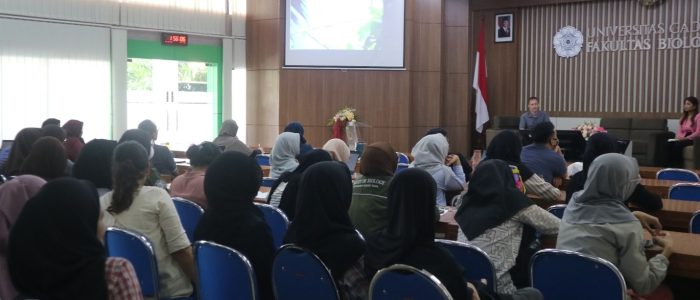
The Faculty Senate of Biology UGM organized a Workshop on the History and Development of Stand Vegetation at the Faculty of Biology UGM on Monday, July 29, 2024, at Hotel Wisma MM UGM Yogyakarta. The event aimed to understand the history and development of the UGM biology forest and to identify the characteristics of stand vegetation at the Faculty of Biology UGM. Currently, there are various names for the west area of the Faculty of Biology, such as Biology Forest, Biology Garden, Botanical Garden, and Biological Park. Therefore, a workshop is needed to discuss the characteristics of the stand vegetation and their development. This aligns with the remarks of Dr. Abdul Razaq, Head of the Tropical Biology Department, representing the Faculty leadership, “The faculty hopes that there will be strategic steps that can operationalized, not just workshop documents, but also included in the Faculty’s Strategic Plan to guide the faculty’s operations.”
The workshop began with a presentation on “The History and Background of the Biological Forest” by Prof. Dr. Suwarno Hadisusanto, S.U., the Chair of the Faculty Senate, followed by presentations from Prof. Dr. Ir. Budiadi, S.Hut., M.Agr.Sc., IPU. a lecturer at the Department of Silviculture, Faculty of Forestry UGM on “Understanding, Characteristics, and Benefits of Forests,” moderated by Dr. Rr. Upiek Ngesti Wibawaning Astuti. Next, Prof. Dr. Purnomo, M.S., a lecturer at the Faculty of Biology UGM presented on “Gardens: Definition, Characteristics, and Functions,” moderated by Abdul Razaq Chasani, S.Si., M.Si., Ph.D. Following the presentations, there was a discussion and Q&A session to clarify any unclear points. The workshop is expected to result in an official legal framework for management and development of the Biology Forest.
SDGs Goal 4: Quality Education and Goal 15: Life on Land
The Animal Systematics Laboratory Faculty of Biology, UGM, in collaboration with the Indonesian Biology Generation Foundation (Genbinesia), organized a Workshop on Vertebrate Taxidermy from July 26 to 28, 2024. The workshop featured Donan Satria Yudha, S.Si., M.Sc., Dr. Rury Eprilurahman, S.Si., M.Sc., and Dr. Dwi Sendi Priyono, S.Si., M.Si. as speakers. Donan Satria Yudha, S.Si., M.Sc. delivered the Basics of Taxidermy, Ethics of Taxidermy, and Types of Fauna for Taxidermy. The next speaker Dr. Rury Eprilurahman, S.Si., M.Sc. presented an Introduction to Fauna Photography Techniques, and Dr. Dwi Sendi Priyono, S.Si., M.Si discussed an Introduction to Fauna Biodiversity Monitoring Techniques Using the Latest Technology. These topics are closely related to taxidermy, especially in understanding the general poses of animals when they were alive and identifying fauna through molecular methods. The training was assisted by two postgraduate students from the Faculty of Biology UGM, Rashif Naufal Andhika, S.Si., and Ananto Puradi Nainggolan, S.Si., along with Rahma Izzati, S.Si., an alumna from The Faculty of Biology and FX Sugiyo Pranoto, S.Si., the UGM Biology Museum technician.
The workshop inaugurated by the Head of the Tropical Biology Department Faculty of Biology UGM, Abdul Razaq Chasani, S.Si., M.Si., Ph.D.. The event aimed to achieve three primary goals: (1) Expand the community service activities of the Faculty of Biology UGM and the Animal Systematics Laboratory in line with their areas of expertise; (2) Strengthen the role and reputation of the Faculty of Biology UGM in biodiversity-related fields, with a focus on vertebrate fauna; and (3) Act as a promotional platform for the Faculty of Biology, particularly highlighting the Biodiversity Curator Professional Study Program (PKKH). The training had 23 participants from various institutions, including lecturers, zoo staff, high school teachers, postgraduate students, laboratory technicians, veterinarians, and employees from PT Freeport Indonesia.
This training contributes to achieving the Sustainable Development Goals (SDGs), particularly in SDGs No.4 on Quality Education, SDGs No.15 on Life on Land, and SDGs No. 17 on Partnerships for the Goals. All participants received certificates for their participation. The training is expected to provide insights into taxidermy, particularly on becoming a biological curator and understanding the ethics and procedures of taxidermy.
The Averin team (Antivenom use Tamarind) from UGM discovered the potential of tamarind seeds (Tamarindus indica) as an alternative treatment for ground snake (Calloselasma rhodostoma) bites. This research was conducted by Oktaviani Nisa Hanafiah (Veterinary Medicine), Fauzela Azira Ainaya (Biology), Fani Nur Maftukhah (Pharmacy), Rahmadina Nur Azizah (Pharmacy), and Khansa Fortuna Putri (Veterinary Medicine). The research was funded by the Ministry of Education, Culture, Research, and Technology (Kemendikbudristek) and Universitas Gadjah Mada. It hoped that this support will help address the issues of access and cost of snake bite treatment.
“This research aims to provide a theoretical foundation and preclinical data on the effectiveness of T. indica seed extract against C. rhodostoma snake bites. The results of this study could contribute to alternative treatments, reducing mortality rates from C. rhodostoma bites in Indonesia,” said Oktaviani.
Oktaviani emphasized the importance and urgency of this research. “According to WHO data, Indonesia experiences around 135,000 snake bite cases annually, with a mortality rate of 5-10%. The C. rhodostoma snake is a significant cause of death in Java. However, the Antivenom Serum (SABU) for these snake bites is not widely available and remains expensive,” Oktaviani added.
The tamarind seed extract was tested in vivo against C. rhodostoma venom, showing that in the group treated with tamarind seed extract, the hemorrhagic area was significantly smaller compared to the group treated with snake venom alone. Therefore, T. indica shows promise as a new treatment for snake bites, especially for C. rhodostoma. Our dedication to this research drives us to continue exploring nature’s potential to enhance human life, Oktaviani stated. These findings were presented at the National Seminar on Tropical Biology (SNBT) on July 20, 2024. [Author: Fauzela Azira Ainaya]
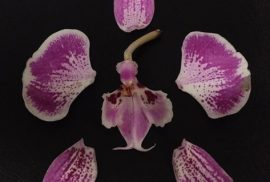
Yogyakarta, July 25, 2024 – The Faculty of Biology Universitas Gadjah Mada (UGM) successfully conducted training in Orchid Cultivation and a competency test for Orchid Planting Practitioners qualification. The Dean of the Faculty of Biology UGM, Prof. Dr. Budi Setiadi Daryono, M.Agr.Sc., officially opened the training on July 22, 2024. The training had 16 attendees, while the competency test saw participation from 22 individuals hailing from different regions across Indonesia, comprising academics, practitioners, alumni, and students. The event successfully enhanced the participants’ knowledge and skills in orchid cultivation.
The intensive three-day training, from July 22 to 24, 2024, focused on orchid planting techniques, from preparing planting media to caring for mature plants. The training materials were presented by orchid experts, including Prof. Dr. Endang Semiarti, M.S., M.Sc., and Aries Bagus Sasongko from the Faculty of Biology UGM, Dr. Ixora Sartika Mercuriani from Yogyakarta State University, and Eniek Sulistyanti, an experienced orchid practitioner. The training covers theoretical and practical sessions on planting bottled orchid seedlings, repotting, grading, sorting orchids, and post-harvest handling of orchids. The training was a collaboration between the Laboratory of Biotechnology Faculty of Biology UGM and Orchid Enthusiasts Association (PAI) DPD DIY.
“This training aims to enhance participants’ knowledge and skills in orchid cultivation, thus contributing to the development of the orchid industry in Indonesia,” said Prof. Dr. Budi during the opening ceremony.
After the training, participants took the competency test held at the Biotechnology Competency Test Center, Faculty of Biology UGM, on July 25, 2024, with assessors from the National Agriculture Professional Certification Agency (LSP) Malang, Drs. Surini Santosa, M.Si., Ari Setyowati, M.P, and Drs. Kaswan Badami, M.Si. The exam assesses participants’ competencies, consisting of 24 competency units required by orchid planting practitioners. Coordinator of the Biotechnology Competency Test Center, Prof. Dr. Endang Semiarti, M.S., M.Sc., welcomed the enthusiasm of the competency test participants, marking the first batch for Orchid Planting Practitioner competency at the Biotechnology Competency Test Center, Faculty of Biology UGM.
“Competency certification is important for orchid cultivation business actors, as it can enhance the competitiveness of their products in the market,” said Drs. Surini Santoso, M.Si., in his speech as Director of the LSP Agriculture Malang. The Vice Dean for Research, Community Service, Collaboration, and Alumni Affairs officially opened the Competency Test. He stated, “Besides the competency for Orchid Planting Practitioners, the Biotechnology Competency Test Center also holds Competency Tests for other competencies such as Plant Tissue Culture and invites participants to take the competency test scheduled for late 2024.”
The competency test results announced on Thursday afternoon showed that all participants were recommended as competent. Responding to the recommendations, all participants were happy and hoped to continue orchid cultivation activities in their respective places. (A.B. Sasongko)