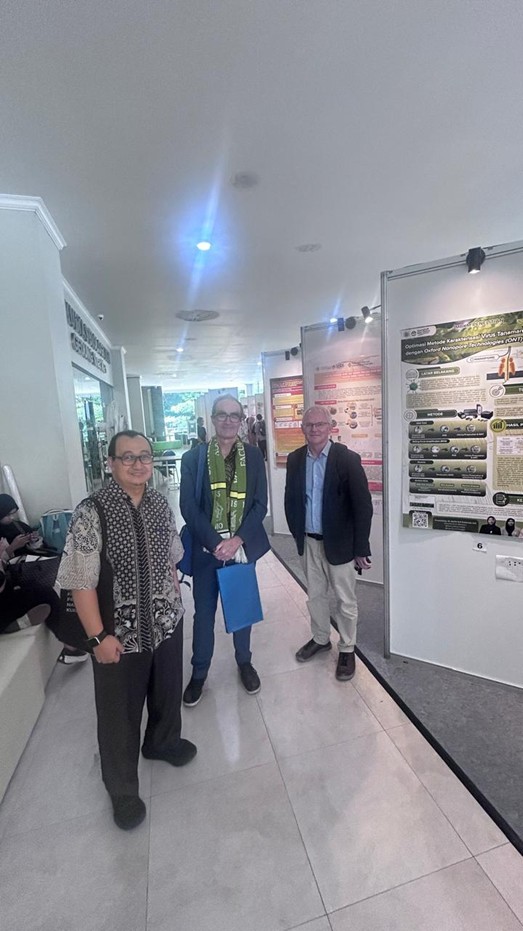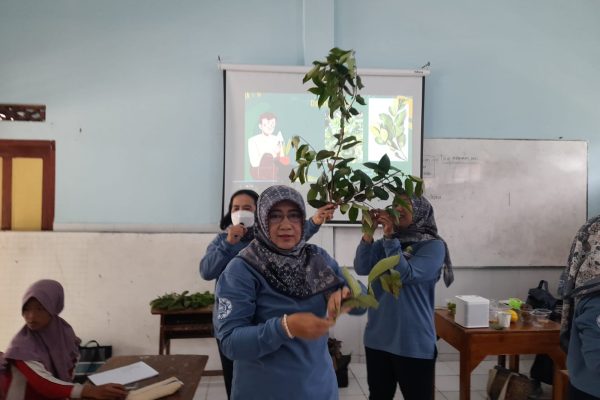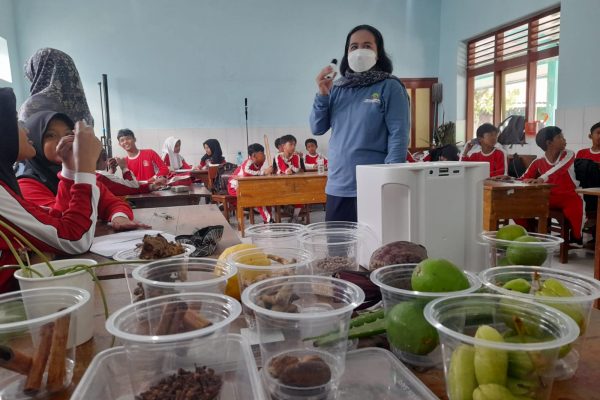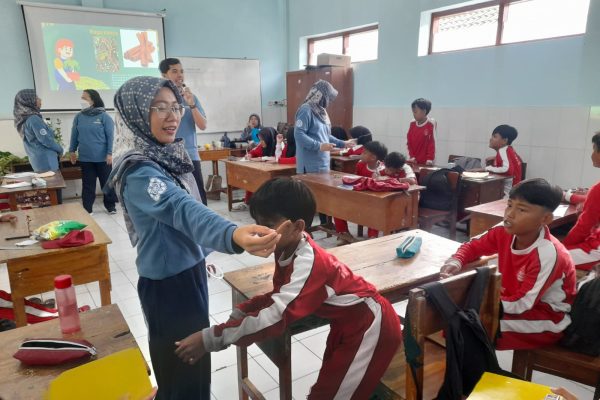
Herbal and Aromatherapy Education: UGM Faculty of Biology PkM-MBKM Team Promotes Health Innovation in Pajangan Hamlet, Wedomartani, Ngemplak, Sleman, Yogyakarta

The 2025 Community Service – Merdeka Belajar Kampus Merdeka (PkM-MBKM) Team of the Faculty of Biology, Universitas Gadjah Mada (UGM), successfully conducted an educational program in Pajangan Hamlet, Wedomartani, Ngemplak, Sleman, under the title “Health Innovation through the Making of Aromatherapy Candles and Sharing Healthy Herbal Drink Recipes.” This program aimed to enhance community knowledge and skills in utilizing herbal ingredients for health and well-being—aligned with Sustainable Development Goals (SDGs) No. 3: Good Health and Well-Being and No. 12: Responsible Consumption and Production. The team consisted of five active Biology students from the class of 2022, supervised by Dr. Ardaning Nuriliani, S.Si., M.Kes and partner Mr. Gunardi, S.Si.


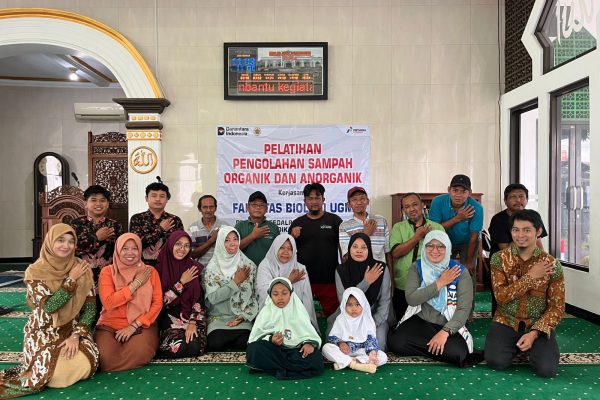
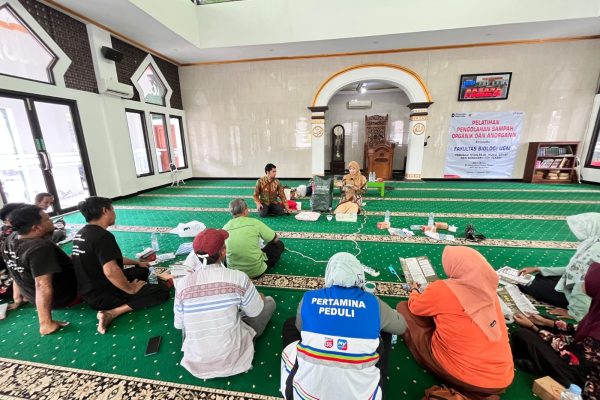
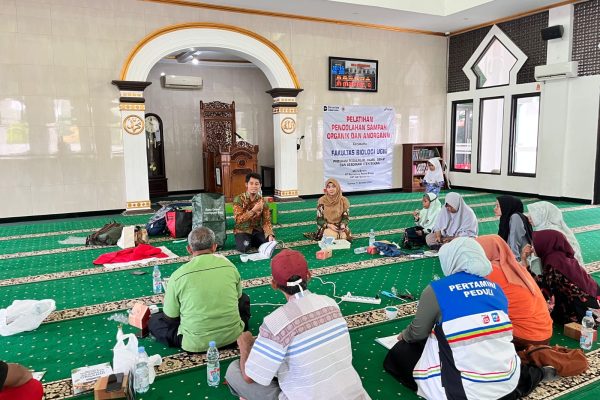
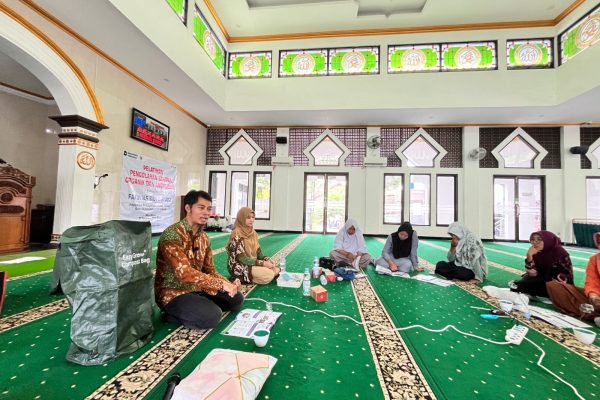
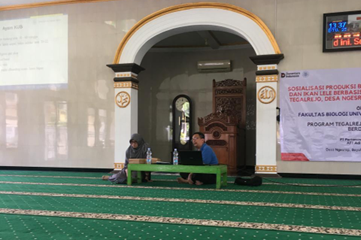
The event took place on Saturday, October 11, 2025, at Masjid Jami’ Darussalam, Pajangan Hamlet. The session began with educational talks delivered by Ghefira Nur Fatimah and Nimas Ayu Pramesthi, focusing on two main topics: techniques for making aromatherapy candles and healthy herbal drink recipes. During the hands-on session, participants practiced making aromatherapy candles using natural essential oils such as lavender, lemon, peppermint, and lemongrass. The participants enthusiastically created candles of their own preferences. Beyond serving as air fresheners, aromatherapy candles also help promote relaxation, enhance focus, improve sleep quality, and support meditation and emotional balance. In addition, participants were introduced to various easy-to-make herbal drink recipes designed for home preparation. Each recipe was selected based on its health benefits, such as boosting immunity, aiding detoxification, and maintaining metabolic balance. Thus, participants gained not only theoretical understanding but also practical skills that can be directly applied in daily life. Each participant brought home their own handmade aromatherapy candle as a symbol of the new knowledge and skills they had gained—supporting SDG No. 4: Quality Education.

This program is expected to bring direct benefits to the residents of Pajangan Hamlet while serving as an inspiration for sustainable collaboration between academia and local communities. Through such partnerships, the Faculty of Biology UGM reaffirms its commitment to promoting SDG No. 17: Partnerships for the Goals. With a spirit of sustainability and innovation, the PkM-MBKM Team of the Faculty of Biology UGM demonstrates how scientific knowledge can be applied in real life to improve community well-being.

Contributors: Ardaning Nuriliani, Chelsy Ammara Septiani, Meinawa Amaliah, Nimas Ayu Pramesthi, Syifa Aneira, and Muhammad Fathin Setya Daffa.

Community Service Program (PkM) Desa Mitra 2025: Introducing Microalgae and Fish Diversity to Strengthen Science Literacy among Students of SDN Pusmalang, Wukirsari Village, Cangkringan Sub-district, Sleman Regency #3

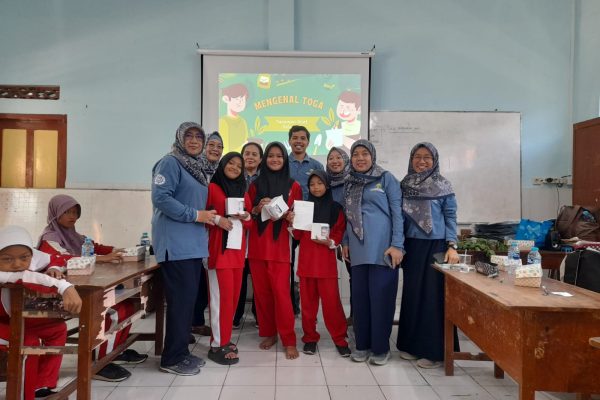
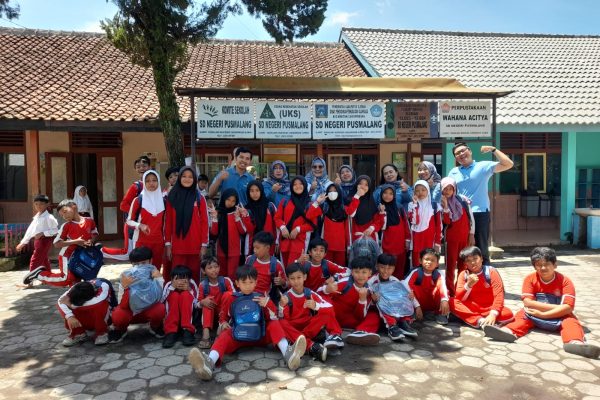
Sleman, 7 October 2025 — The Faculty of Biology, Universitas Gadjah Mada (UGM), through the 2025 Desa Mitra Program, carried out a community service activity at SDN Pusmalang, Wukirsari Village, Cangkringan Sub-district, Sleman Regency, Yogyakarta Special Region. The event was held on Tuesday, 7 October 2025, from 08.00 to 10.30 AM, with the theme of introducing microalgae and fish diversity to elementary school students.


The program is part of the Desa Mitra initiative in Wukirsari, coordinated by Prof. Rina Sri Kasiamdari, S.Si., Ph.D. The academic team from the Faculty of Biology UGM attending the event included Prof. Dr. Diah Rachmawati, M.Si.; Prof. Dra. Tuty Arisuryanti, M.Sc. Ph.D.; Dr. Utaminingsih, S.Si., M.Sc.; Dr. Eng. Thoriq Teja Samudra, S.Si., Bio.Cur., M.Sc.; Dr. Aprilia Sufi Subiastuti, S.Si.; and Dr. Wiko Arif Wibowo, S.Si. In addition, the event was also attended by doctoral student representative Sidiq Permana Putra, M.Sc. as well as master’s program student representatives Ulil Albab and Putri Syah Astari.

The first session was delivered by Dr. Eng. Thoriq Teja Samudra, S.Si., Bio.Cur., M.Sc., who introduced microalgae as microscopic organisms that require a microscope for observation. Several types of microalgae were presented, along with their ecological roles, such as producing oxygen through photosynthesis and serving as a natural food source for fish.

This topic was followed by a session on fish diversity, presented by Prof. Dra. Tuty Arisuryanti, M.Sc., Ph.D. She introduced common ornamental and aquaculture fish species and showed live examples, including catfish (Clarias), tilapia (Oreochromis), and goldfish (Carassius auratus).

At the end of the program, students were asked to draw fish based on their imagination. Three selected drawings were awarded with the opportunity to bring home the fish specimens used in the demonstration.

The event received positive enthusiasm from SDN Pusmalang students and is part of the ongoing community service agenda of the Faculty of Biology UGM in Wukirsari. The program aims to strengthen scientific literacy among young students and foster collaboration between academia and the community. This program contributes to SDG 4 (Quality Education) and SDG 14 (Life Below Water).

Ethnobiology Lecture at the Yogyakarta Palace: Exploring Cultural Wisdom in Preserving Biodiversity

On Saturday, September 27, 2025, students of the Master’s Program in Biology, Faculty of Biology, Universitas Gadjah Mada, who are enrolled in the Ethnobiology course, participated in a unique field lecture held at the Yogyakarta Palace (Keraton Yogyakarta). The session, which began at 11.00 a.m., took the form of an open discussion on cultural wisdom within the Palace environment and its relationship to biodiversity. The students, accompanied by the course lecturer, Dr.Eng. Zuliyati Rohmah, S.Si., M.Si., engaged in an interactive discussion with two speakers representing the Palace: R.A. Siti Amirul Nur Sundari (Carik Kawedanan Radyo Kartiyoso) and Mas Jajar Praba Hanendra (Mas Irmawan).


The activity began with introductions between the students and the speakers, followed by a brief explanation of the genealogy of the Yogyakarta Palace, the meaning of candrasengkala (symbolic inscriptions) on palace buildings, and the etiquette of dressing within the royal grounds. The main discussion then focused on cultural wisdom and its connection to biodiversity. The speakers explained that many plants growing within the Palace grounds hold specific symbolic meanings and ecological functions. Some of these—such as beringin (banyan), sawo kecik, gayem, and kepel trees—are cultivated and maintained with special care by the Palace. There are also naturally growing plants, such as various ferns that attach themselves to large trees.

Through this activity, students not only learned about the close interrelation between culture and the environment but also came to understand that biodiversity conservation has long been an integral part of the cultural heritage of the Yogyakarta Palace.

The vegetation within the Palace grounds serves not merely as landscape decoration but carries deep philosophical and ecological significance in Javanese life, particularly within the royal setting. These plants are arranged meaningfully to serve various purposes—as shade providers, pollutant absorbers, water retainers, and windbreaks. According to R.A. Siti Amirul Nur Sundari, each plant in the Palace embodies both symbolic and ecological roles that complement one another. She explained the meanings and functions of several important plants, including the beringin, gayam, jambu dersana, sawo kecik, and kepel.

Banyan Tree (Beringin): A Symbol of Sacredness and Life Sustenance

The banyan tree is regarded as sacred within the Palace grounds. Ecologically, it plays an essential role as a source of oxygen, a groundwater reservoir, and a habitat for various small animals and epiphytic plants. Due to its importance, only the Sultan has the authority to plant a banyan tree. The Sultan also prohibits excessive planting of banyans to maintain biodiversity and prevent a monoculture environment that could threaten other plant species. Additionally, the tree’s large, spreading roots can damage building foundations and drainage systems if planted too close to infrastructure.

Jambu Dersana: A Symbol of Serenity and Inner Peace

The jambu dersana symbolizes tranquility and calmness. The word durs refers to rain that brings coolness and peace. This philosophy teaches that anyone entering the Palace area should carry an aura of peace and composure, both outwardly and inwardly. It reflects the importance of emotional intelligence, calmness, and courtesy within the Palace setting.


Gayam Tree: Strength and Balance

The gayam tree represents resilience and stability. It thrives even under harsh conditions, symbolizing steadfastness, purity, and balance in life. This value teaches that individuals entering the Palace should maintain harmony between nature and spirituality.


Sawo Kecik: Patience and Virtue

The sawo kecik tree symbolizes patience and perseverance. Its sweet fruit takes a long time to ripen, representing that goodness and wisdom are achieved through time and effort. In Javanese philosophy, the word sawo is associated with refinement and gentleness. Though modest in appearance, the fruit’s sweetness and nutritional value reflect the idea that a person’s true worth lies in their words and actions, not in outward appearance—echoing the Javanese proverb, “Ajining diri saka lathi, ajining raga saka busana” (One’s dignity comes from their speech, one’s honor from their attire).


Kepel: A Symbol of Purity, Grace, and the Soul of a Warrior

The kepel tree holds profound meaning in Javanese royal culture. It symbolizes purity and inner fragrance—traits of a person who is virtuous, gentle, and pure-hearted. The kepel also embodies the noble qualities of a Javanese warrior, summarized in four philosophical principles: nyawiji (unity and harmony), greget (enthusiasm), sengguh (self-confidence), and ora mingkuh (responsibility and perseverance).

Philosophically, these four values represent stages of a warrior’s inner journey—beginning with unity and dedication to one’s duty (nyawiji), fostering passion and commitment (greget), building confidence (sengguh), and culminating in integrity (ora mingkuh), which signifies resilience in the face of challenges. Within the Palace, kepel trees are typically planted in sacred areas or near the keputren (the royal women’s residence). Being a rare species, its conservation is carried out by the Palace in collaboration with supporting institutions to ensure its preservation.

Beyond their symbolic and ecological meanings, many plants are also used in traditional ceremonies and daily activities within the Palace, reflecting a balance of local wisdom, cultural symbolism, and environmental sustainability.

A notable example is the Yasa Peksi Burak ceremony, held to commemorate the Prophet Muhammad’s Isra Mi’raj. In this ritual, the Palace creates a bird replica symbolizing Buraq, the Prophet’s mythical mount, crafted from pomelo peel. The base of the figure is decorated with a nest made of pacar leaves and layers of fruits, representing beauty and prosperity.

Other traditional practices, such as thanksgiving ceremonies, feature polo-poloan, a classification of foods derived from plants with distinct growth characteristics:

  • Polo Kesimpar: fruits growing along the ground, such as watermelon, melon, and cantaloupe.
  • Polo Pendem: underground crops like yam, cassava, potato, taro, and peanut.
  • Polo Gantung: fruits growing above ground, hanging from trees such as mango, guava, pomelo, and grape.
In addition to ceremonial use, plants also play practical roles in daily palace life. For instance, tamarind is used for cleaning royal carriages to enhance their durability, while lime and young coconut water are employed to cleanse royal heirlooms (keris) during the sacred month of Suro. These practices reflect how the Yogyakarta Palace preserves harmony between nature, spirituality, and tradition—continuing the legacy of ecological and cultural wisdom passed down through generations.

The meeting with Ibu Amirul and Bapak Irmawan left a profound impression on the students. They gained valuable insights into the use of plants and animals within the Palace and their connection to Javanese culture. The students came to appreciate the deep philosophy embedded in these traditions and their relevance to both ecological balance and cultural identity.

Ethnobiological knowledge passed down through generations represents a vital form of local wisdom that must be sustained. Through this study visit, students learned from the Palace’s conservation initiatives aimed at preserving rare and culturally significant plants. As Biology students of UGM, they felt a moral responsibility to contribute to the preservation of Indonesia’s native biodiversity.

Interactive and contextual learning experiences such as this not only enrich academic understanding but also foster a deeper appreciation for nature and culture. The activity left a lasting impression and inspired students to continue engaging in meaningful field-based learning.

This activity also aligns with several Sustainable Development Goals (SDGs), notably Goal 4 (Quality Education) through contextual learning based on local wisdom, Goal 11 (Sustainable Cities and Communities) through the preservation of cultural values and traditions, and Goal 15 (Life on Land) through the conservation of biodiversity and rare plant species within the Palace grounds. Thus, this activity not only strengthens students’ academic insight but also supports tangible contributions to sustainable development in Indonesia (GAL/ZR).

The activity was attended by graduate students from the Master’s Program in Biology, Faculty of Biology, Universitas Gadjah Mada, namely Mahyono Hassanudin, Ogilvy Galang Rizki, Arbiatun Nurlaili Assyifa, Syarafina Azzahra, Naufal Rafif Zain, Inez Maylida, and Ani Saputri.

The 2025 UGM Biology Community Service Program (PKM-MBKM) Team Holds Outreach on the Relationship Between Mental and Physical Health and Free Health Checks in Pajangan Hamlet, Wedomartani, Ngemplak, Sleman, Yogyakarta

The Community Service Team – Merdeka Belajar Kampus Merdeka (PkM-MBKM) of the Faculty of Biology, UGM 2025, carried out a series of educational activities in Pajangan Hamlet, Wedomartani, Ngemplak, Sleman, themed “The Relationship Between Mental and Physical Health”. These activities aimed to increase public understanding of the importance of mental health as an integral part of overall health, in line with the implementation of sustainable development towards a healthy and prosperous life (SDGs No. 3). The team involved five active students from the Faculty of Biology, Gadjah Mada University (UGM), Class of 2022 supervised by Dr. Ardaning Nuriliani, S.Si., M.Kes.


The activity began with the distribution of questionnaires and direct interviews with 50 residents on September 5th – 7th, 2025 to determine their perceptions and practices regarding mental and physical health. The results indicated that most residents recognize the importance of mental health, but many still lack understanding of how to maintain and improve their mental health. These findings served as the basis for the team to continue with a more in-depth educational program on ways to maintain a balance between mental and physical health. The enthusiasm of the residents further confirmed the effectiveness of a community-based approach in optimizing local potential for health.

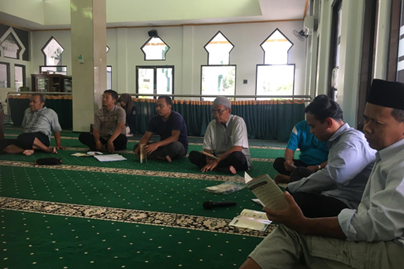
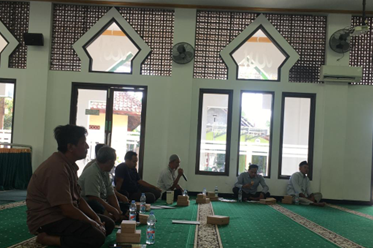
A follow-up activity included an interactive outreach and discussion held at the Jami’ Darussalam Mosque in Pajangan Hamlet on Sunday, September 28th, 2025. The outreach material was delivered by Namaskara Tawang Kusuma, S.Psi. (alumnus of Faculty of Psychology UGM), who discussed the concept of mental health, its impact on physical health, and strategies for maintaining a balance between the two. The Q & A session was lively and interactive, marked by active participation from residents, who asked various questions related to their personal experiences and conditions they had experienced. The speaker emphasized that mental health involves stress, which can be both positive and negative, depending on how a person handles it. He also emphasized the importance of parents’ role in sharing experiences and knowledge, thus providing them with the necessary tools to face life’s challenges.

The event concluded with a free health check-up led by Andika Jatra Pratama, an active student at the Faculty of Medicine, Public Health, and Nursing at Gadjah Mada University (UGM). The health check-up included blood pressure and blood sugar levels, giving residents the opportunity to directly assess and evaluate their health. Residents also received direct guidance on the test results, including suggestions and simple steps they can take to maintain and improve their health. In the future, this activity is also expected to further strengthen the partnership between Dusun Pajangan, Wedomartani, Ngemplak, Sleman and the Faculty of Biology, Universitas Gadjah Mada (SDGs No.17).

Contributors: Ardaning Nuriliani, Chelsy Ammara Septiani, Syifa Aneira, Meinawa Amaliah, Nimas Ayu Pramesthi, Muhammad Fathin Setya Daffa

UGM Double Degree Doctoral Student from Faculty of Biology Wins Poster Prize at the 77th Annual Conference of the German Society for Hygiene and Microbiology (DGHM) 2025

Yogyakarta/Jena – September 2025

Tiara Putri, a double-degree doctoral student from the Faculty of Biology, Universitas Gadjah Mada, in collaboration with the University of Greifswald, Germany, has been awarded one of the Poster Prizes at the 77th Annual Conference of the German Society for Hygiene and Microbiology (Deutsche Gesellschaft für Hygiene und Mikrobiologie, DGHM), held this year in Jena, Germany.


The DGHM conference is one of the most renowned microbiology meetings in Europe, attracting hundreds of researchers and clinicians working in the fields of infectious diseases, microbiology, and immunology. Winning this prize underscores the high quality of UGM’s international research collaborations and the contributions of its students to global scientific advancement.

Out of 188 poster presenters from various countries, including Germany, South Africa, Bulgaria, and Algeria, only five participants were selected for the award — with Tiara being among this distinguished group of winners.

The awarded poster, titled “Impact of pneumolysin, hydrogen peroxide, and Streptococcus pneumoniae strains on blood–CSF barrier integrity in a human choroid plexus co-culture model,” presents novel insights into the mechanisms by which Streptococcus pneumoniae, a major human pathogen, compromises the integrity of the blood–cerebrospinal fluid barrier. The study contributes to a better understanding of bacterial meningitis pathogenesis, with potential implications for future therapeutic strategies.

“This recognition is not only a personal honor but also a reflection of the strong academic collaboration between UGM and the University of Greifswald,” Tiara said.

Tiara also shared that the conference was especially meaningful for her because the organizers provided a free childcare facility throughout the three-day conference. Children of participants were cared for by a professional Tagesmutter (childminder), allowing parents to attend the scientific sessions with peace of mind. “I truly appreciated this family-friendly facility that understands the needs of researchers who are also parents. It was very helpful for me, especially since I live in Germany alone with my children and could not leave them at home,” she added.

This achievement shows how strong academic support, combined with a family-friendly conference environment, can truly help researchers (especially those who are also parents of young children) to thrive and gain recognition internationally.