• UGM
  • Simaster Portal
  • IT Center
  • Webmail
  • KOBI
  • English
    • Bahasa Indonesia
Universitas Gadjah Mada Universitas Gadjah Mada
Faculty of Biology
  • ABOUT US
    • History
    • Organization
    • Vision and Mission
    • Lectures and Staff
      • Lecturers
      • Adjunct Professor
      • Supporting Staff
    • Facility
      • Laboratories
      • Research
      • Library
      • Museum
      • Mental Health Consultation
      • Disability
  • EDUCATION
    • Undergraduate Program
      • Graduates Learning Outcome
      • Academic Callendar
      • Course
    • IUP
    • Profession Program
      • What is the Professional Study Program in Biodiversity Curator (PKKH)?
      • Admission for New Students of the Biodiversity Curator Profession Program Study
      • Information and FAQ Study Program of Biodiversity Curator Profession
    • Master Program
      • Master Program in Biology Description
      • Curriculum Structure Master Program
    • Doctoral Program
      • Vision, Mission, Objectives, Targets, Competencies, and Learning Outcomes
      • Admission Requirement for Program Doctor in Biological Sciences
      • Admission: What Documents to be prepared?
      • Curriculum
    • Regulations
    • Accreditation & Quality Assurance
  • RESEARCH
    • Journal of Tropical Biodiversity and Biotechnology
    • Berkala Ilmiah Biology
    • Research
    • Publication
  • Community Service
    • Waste Management
  • STUDENTS & ALUMNAE
    • Student Organizations
    • Prospective Career Opportunities
    • SUMMER COURSE
    • Alumnae
  • Home
  • SDG 10 : Reduce Inequality
  • SDG 10 : Reduce Inequality
  • page. 3
Arsip:

SDG 10 : Reduce Inequality

Welcoming Event for Student Exchange Participants (Odd Semester 2024/2025) at the Faculty of Biology, Universitas Gadjah Mada (UGM)

News Release Monday, 12 August 2024

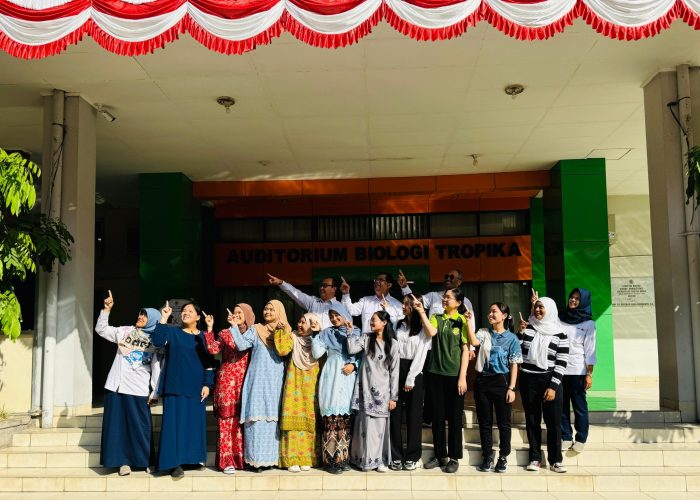
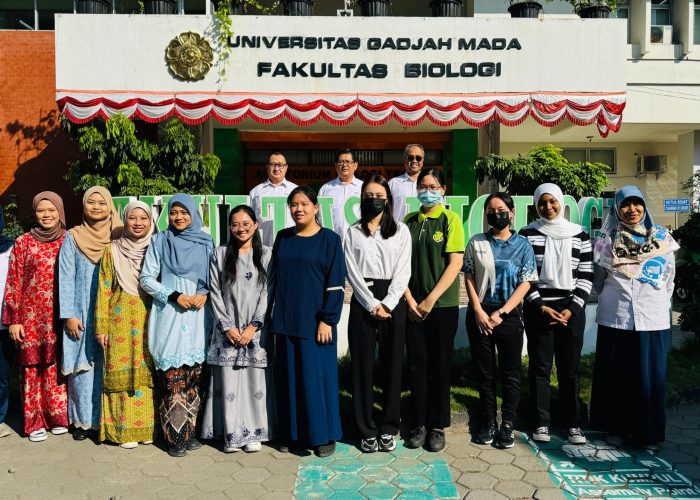
Yogyakarta, August 12, 2024 – The Faculty of Biology at Universitas Gadjah Mada (UGM) warmly welcomed student exchange participants for the 2024 odd semester in a ceremony held today. This year, the Faculty is hosting 6 students from Universiti Tun Hussein Onn Malaysia (UTHM), 1 student Universitas Brunei Darussalam, and 1 student Toyo University, Japan. The event underscores UGM’s commitment to fostering international academic collaboration and cultural exchange.


The event was attended by esteemed faculty members, including the Dean, Prof. Dr. Budi Setiadi Daryono, M.Agr., Sc., Vice Dean for Academic and Student Affairs, Dr. Bambang Retnoaji, M.Sc., and Vice Dean for Cooperation, Research, Community Service, and Alumni, Dr. Eko Agus Suyono, M.App., Sc. The presence of these key figures highlighted the significance of the student exchange program in enhancing academic excellence and promoting cross-cultural understanding.

In his opening remarks, Dean Prof. Dr. Budi Setiadi Daryono expressed his enthusiasm for the program, emphasizing that these exchanges are vital for broadening students’ horizons and equipping them with the global competencies necessary for their future careers. He also stressed the importance of such programs in contributing to the achievement of the Sustainable Development Goals (SDGs), particularly in the areas of Quality Education (SDG 4), Reduced Inequalities (SDG 10), and Partnerships for the Goals (SDG 17).

Vice Dean Dr. Bambang Retnoaji highlighted the academic benefits of the exchange program, which allows students to gain unique insights into tropical biodiversity, conservation efforts, and sustainable development practices in Indonesia. Meanwhile, Dr. Eko Agus Suyono emphasized the Faculty’s commitment to strengthening international cooperation through research and community service, in line with UGM’s vision of becoming a world-class university.

The student exchange participants will engage in various academic and extracurricular activities during their stay, including lectures, field studies, and cultural immersion experiences. These activities are designed to provide a comprehensive understanding of Indonesia’s rich biological diversity and the challenges and opportunities in sustainable development.

Faculty of Biology UGM Supports the Establishment of Center for Research and Development of Maritime for 3T Region in Indonesia

CooperationNews Release Saturday, 27 July 2024

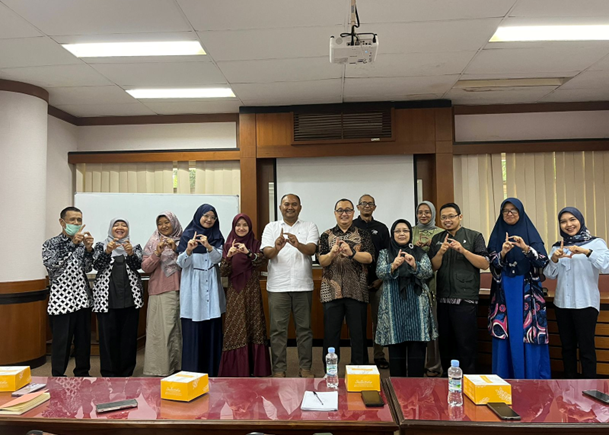
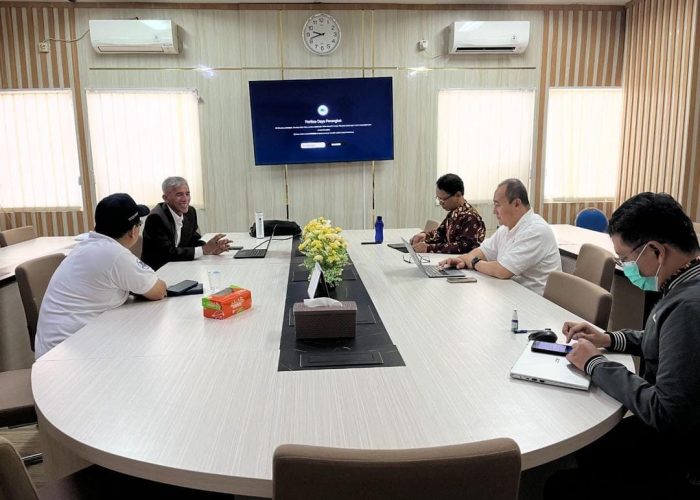
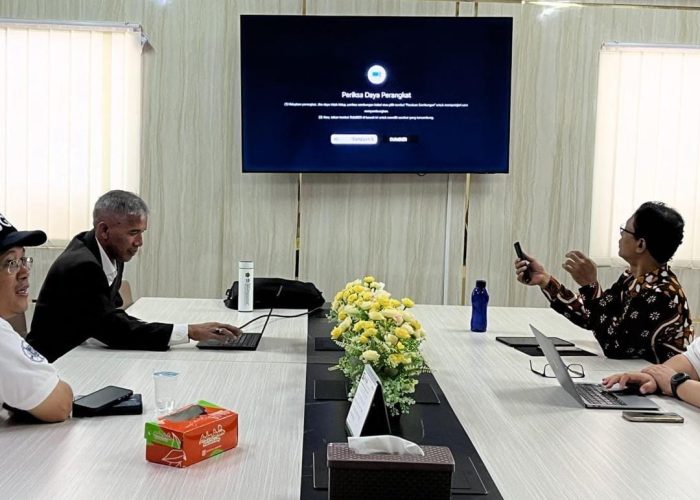
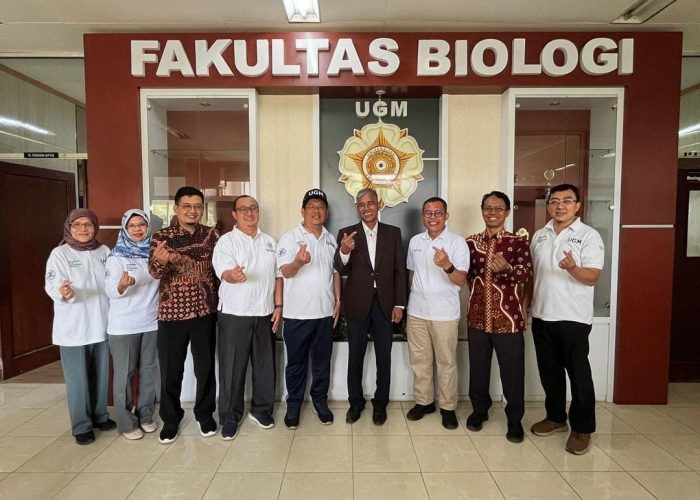
Yogyakarta, 26 July 2024 – The Faculty of Biology, Universitas Gadjah Mada received a visit from Dr. Agus Salim, S.Ag., M.Sc. from the State Islamic University (UIN) Jakarta regarding consultations and hearings at the Center for Research and Development of Bio Maritime Border Territory and 3T Region of RI (CRDB2T3). Taking place in the KPTU Meeting Room, Faculty of Biology UGM, the visit was received by Prof. Dr. Budi Setiadi Daryono, M.Agr.Sc. as Dean of the Faculty of Biology, Dr. Eko Agus Suyono, M.App.Sc. as Vice Dean for Research, Community Service, Collaboration and Alumni Affairs, Abdul Razaq Chasani, Ph.D. as Head of the Department of Tropical Biology, Sukirno, M.Sc., Ph.D. as Head of the Undergraduate Study Program, Emi Dwi Suryanti, S.Si., M.Sc. as Coordinator of Academic and Student Affairs, as well as lecturers at the Faculty of Biology including Tyas Ikhsan Hikmawan, M.S., Ph.D. and Dra. Mulyati, M.Sc.


Dr. Agus said the visit was for consultations and hearings on the establishment of the Center for Research and Development of Bio Maritime Border Territory and 3T Region of RI (CRDB2T3). The study center which focuses on maritime management research will involve the collaboration of researchers from various higher education institutions, research bodies, Non-Governmental Organizations (NGOs), and so on, including lecturers at the Faculty of Biology UGM, Abdul Razaq Chasani, Ph.D. which has a research focus related to macroalgae.

Dr. Agus said that the establishment of the research center had taken place through hearings and sending collaboration proposals to various institutions and institutions. He revealed that his current focus is related to the supporting facilities that will stand as the main office of the research center. Dr. Agus also added plans to establish this facility in the Laboi area, Bintan Island, as well as collaboration with Raja Ali Haji Maritime University, Riau Islands.

Prof. Budi warmly welcomed the plan to establish the research center. The Dean of the UGM Faculty of Biology also conveyed the urgency of studies related to maritime and marine affairs, especially since the Indonesian Biology Consortium (KOBI) itself has so far focused on collecting data on terrestrial species.

Prof. Budi together with colleagues from the Faculty of Biology UGM supported the inauguration of the maritime study center institution first, including improving academic articulation, preparing AD ART and registering legal status, especially as the research center is planned to be independent and not managed under an institution directly. It is hoped that this will support the acceleration of the establishment of research centers.

CRDB2T3 will focus on the maritime domain which includes humans, ecosystems and marine resources in Indonesia. It is possible for the reseach center to include educational support in Indonesia, especially its focus on developing underdeveloped, outermost and frontier areas (3T) in addition to support for other higher education tri dharma, namely research and community service. It is hoped that this study center will catalyze marine research development programs in Indonesia while supporting sustainable development.

UGM LECTURERS PARTICIPATE IN FGD ON GENDER ROLES IN PUBLIC SERVICE AT BBPSIK YOGYAKARTA

News Release Wednesday, 10 July 2024

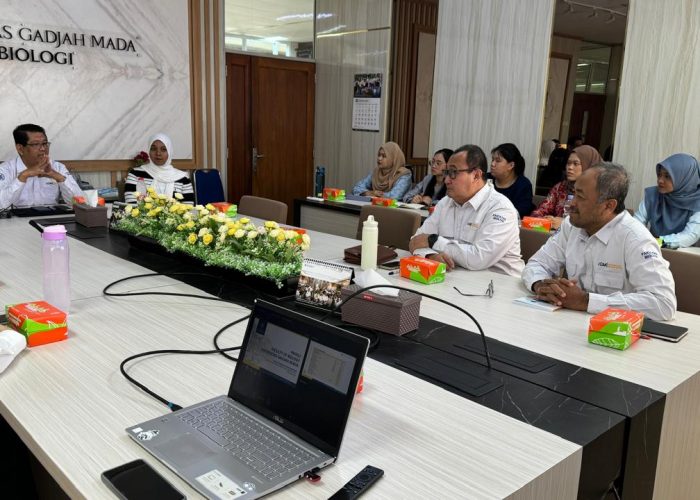
Tuesday (9/7), the Center for Standard Testing of Forestry Instruments (BBPSIK) held a Forum Discussion Group (FGD) on Gender Roles in Public Services at the BBPSIK Cendana Room Jl. Student Army Hall Km. 15, Sleman, Yogyakarta. Lecturer at the Faculty of Biology, Dwi Umi Siswanti, S.Sc., M.Sc. invited as special representatives from Gadjah Mada University together with a student, Delia Sawanda Syarifatullah to provide input regarding public services at BBPSIK. Dwi and several lecturers at UGM have routinely sent students to carry out Practical Work (KP) at BBPSIK in recent years so that they know BBPSIK’s service standards so far.

This FGD presented speakers Aan Eddy Antana, ST, M. Eng. from The Handicraft and Batik Center and Indiah Ratna Dewi, S.Si. from The Center for Standardization and Services for the Leather, Rubber and Plastic Industry (BBSPJI). Henri Supriyanto, S.Hut.T, MAP. present as an internal speaker. A total of 120 offline and online participants attended this FGD. In his speech, the Head of BBPSIK, Dwi Prabowo Yuga Suseno, S.Sc., M.Sc., Ph.D, expressed his hope, “This FGD was held as a basis for implementing public services, to gain understanding between organizers and facility users regarding gender mainstreaming at BBPSIK”.

Aan conveyed the public service standards at The Handicrafts and Batik Center which have taken into account the excellence of men and women in public services. Women excel in the areas of good interaction and empathic value while men excel in problem-solving and systemization and competitive value. In this arena, efforts are made to balance the ratio between men and women in this hall. Similar to Aan’s presentation, Indiah said that there were efforts to achieve a balanced male-to-female ratio in her agency as well as efforts to internalize gender mainstreaming in her center. “Currently we should be proud, the Gender Development Index in Yogyakarta has reached 96.9%,” said Indiah. Henri as a resource person from BBPSIK conveyed BBPSIK’s vision to internalize public services based on gender equality. “We learn from these two agencies and want to hear input from the invitees who are stakeholders, partners, and users of our services,” said Hendri in his presentation.

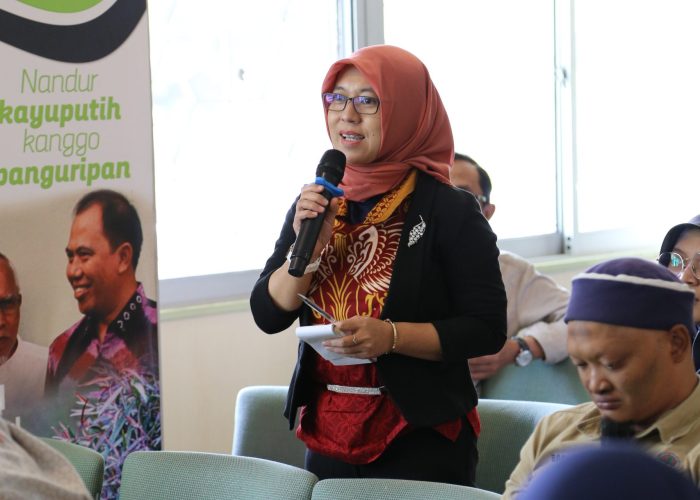
The speaker’s presentation was followed by an interactive discussion from the audience. Dwi conveyed his experience of sending KP students to BBPSIK and asked about the possibility of sending KP students to the Crafts and Batik Center and BBSPJI. “In 2024, the KP agenda at our faculty will be held between July and August, how will BBPSIK and these two centers anticipate the large number of KP enthusiasts in this institution,” asked Dwi in the forum. Henri, Aan, and Indiah answered in the same way that these three bodies would accept practical work students in their institutions with open arms. Still they needed to consider the registration time, which should be six months before inplementing of the KP. “It will be straightforward  for us to allocate students to each lab if you are willing to send us a letter six months before the implementation of the KP,” Henri expressed his hope. “We will add student supervisors in each of our labs so that the quota can increase every year for KP,” said Aan, providing a solution.

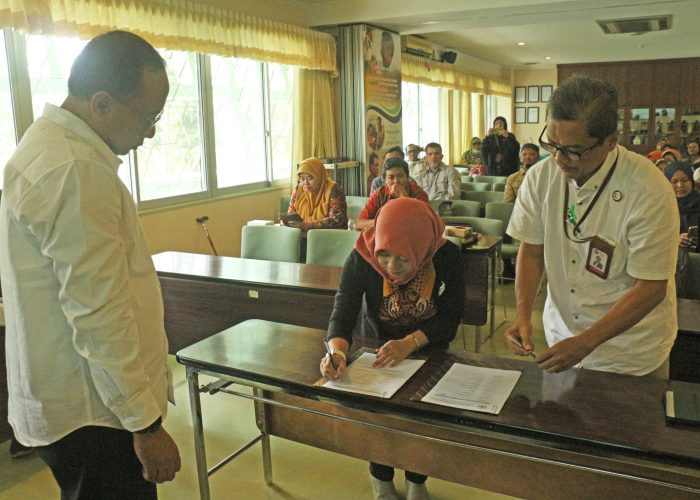
This FGD ended with the signing of the FGD Minutes. Dwi, representing UGM and BBPSIK service user, had the honor of signing the A Post Event Report and was also responsible for overseeing the implementation of gender equality-based public services at BBPSIK.

This activity is a manifestation of the SDGs Healthy and Prosperous Life (SDGs 3), Gender Equality (SDGs 5), Reducing Inequalities (SDGs 10), and Partnerships to Achieve Goals (SDGs 17). (DUS)


UGM Biology Lecturer Judges at National Science Olympiad for Elementary and Middle School Levels

News Release Monday, 8 July 2024

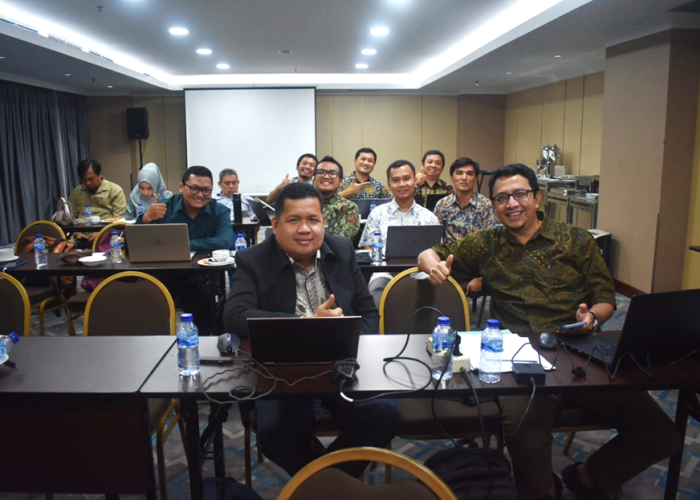
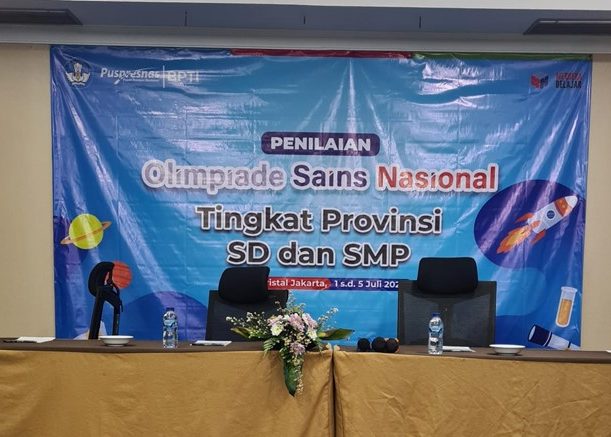
**Jakarta, July 1-5, 2024** – Dr. Dwi Sendi Priyono, a lecturer from the Biology Department of Gadjah Mada University (UGM), has been invited to serve as a judge at the National Science Olympiad for Elementary and Middle School Levels (OSN-P). The event, organized by the Indonesian Talent Development Center, National Achievement Center, Secretariat General, Ministry of Education, Culture, Research, and Technology, took place from July 1 to July 5, 2024.


The National Science Olympiad at the provincial level (OSN-P) for elementary (SD/MI) and middle school (SMP/MTs) students was conducted using the Computer-Based National Assessment (ANBK) application. This innovative approach ensures a fair and efficient evaluation process, aligning with the Sustainable Development Goals (SDGs) of promoting quality basic education and fostering development.

Dr. Dwi Sendi Priyono was among the 50 judges from various universities and institutions across Indonesia. His expertise in biology and commitment to educational development made him a valuable addition to the judging panel. The judges were tasked with evaluating the performances of 2,061 participants, a challenging yet rewarding responsibility.

The OSN-P aims to identify and nurture young talents in science, providing them with opportunities to excel and contribute to the nation’s development. By involving experts like Dr. Priyono, the event ensures that the assessment process is rigorous and credible, promoting a culture of excellence in basic education.

Throughout the five-day event, participants demonstrated their knowledge and skills in various scientific disciplines. The use of the ANBK application facilitated a smooth and transparent evaluation process, allowing judges to focus on the participants’ performance without technical hindrances.

Dr. Priyono expressed his enthusiasm for being part of the OSN-P, highlighting the importance of such events in inspiring young minds. “It’s an honor to contribute to the development of our future scientists. These young talents are the backbone of our nation’s progress,” he said.

The involvement of university lecturers and professionals in the judging process underscores the commitment to maintaining high standards in educational assessments. This collaboration between educational institutions and the government is crucial for achieving the SDGs related to quality education and sustainable development.

The OSN-P not only provides a platform for students to showcase their abilities but also encourages them to pursue careers in science and technology. This aligns with the broader goal of fostering innovation and development in Indonesia.

As the event concluded, the organizers expressed their gratitude to all judges, participants, and supporting institutions. The success of the OSN-P is a testament to the collective effort in promoting quality education and nurturing the next generation of scientists.

The Community Service – Partner Village Team at Lumbung Mataraman, Kedungpoh Gunungkidul Holds Program Plotting

Community Service Friday, 31 May 2024

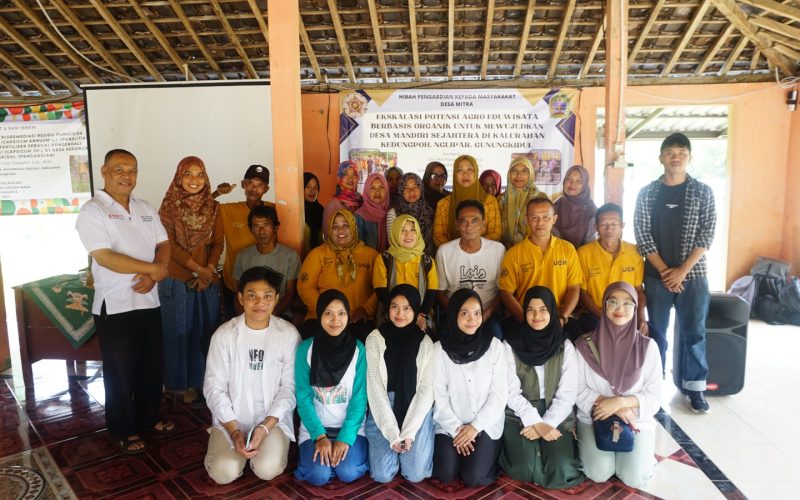
[PkM – Partner Village] On Thursday, 23 May 2024, The PkM – Partner Village Team for Lumbung Mataraman, Kedungpoh Gunungkidul, visited Lumbung Mataraman. The visit was welcomed by the village head of Kedungpoh (Dwiyono) and Director of Lumbung Mataraman (Didik Purnomo) along with their team. The PkM – Partner Village team consists of Drs. Hari Purwanto, MP., Ph.D.; Soenarwan Hery Poerwanto, S.Si., M.Kes.; Ludmilla Fitri Untari, S.Si., M.Si.; Dwi Umi Siswanti, S.Si., M.Sc., and Dr. Bambang Retnoaji, M.Sc. who was represented by his students.


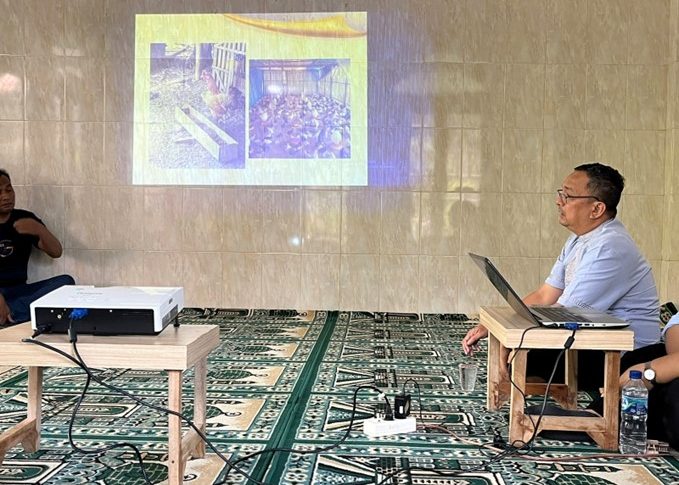
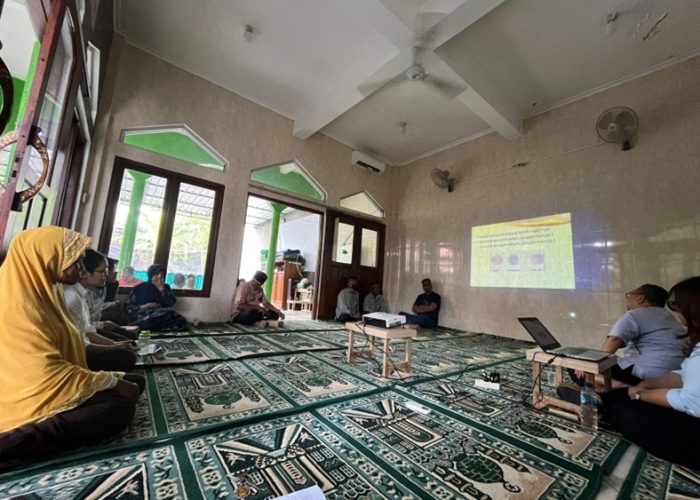
The event began with a presentation on each member’s program plans. Drs. Hari Purwanto started with plans for beekeeping and training on klanceng bees cultivation; Soenarwan Hery Poerwanto, S.Si., M.Kes presented plans for vermicompost and enhanced animal feed with the addition of POC-2023; Dwi Umi Siswanti, S.Si., M.Sc. planned training on production biofertilizers and their application to handle anthracnose in chili plants; Ludmilla Fitri Untari, S.Si., M.Si. outlined plans to plant rare plants in Lumbung Mataraman and document the ethnobotany data of the Kedungpoh community; and Dr. Bambang Retnoaji, M.Sc. would provide training on wader fish cultivation.

The partners consist of ten Kedungpoh Women Farmers Group and the managers of Lumbung Mataraman. The partners were enthusiastic about the programs presented by the PkM – Partner Village Team Faculty of Biology UGM for Lumbung Mataraman. “We have been eagerly awaiting programs from the Faculty of Biology,” said the Kedungpoh village head on behalf of the farmer partners. Didik Purnomo, as Director of Lumbung Mataraman, responded optimistically, believing that the program would further legitimize Lumbung Mataraman as a notable Edu-Agrotourism destination in Gunungkidul. Kedungpoh has been bustling with many study visits from various farming groups from Central and East Java. In April, one of Kedungpoh’s agricultural activists, Tri Wahyuni, was awarded the 2024 Women’s Agriculture Initiator by the Gunungkidul Regent. “Hopefully, with the program from the Faculty of Biology UGM, we will progress further and have a wider impact,” said Didik.

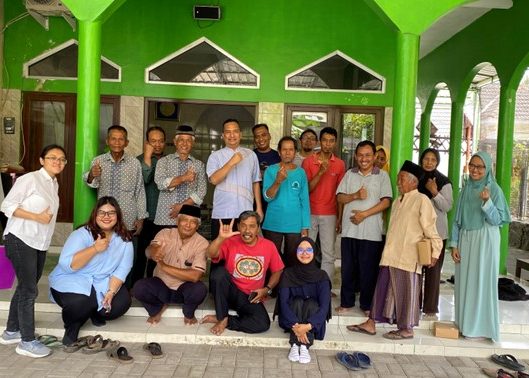
Next, the program proposers meet and discuss the agenda with their respective program PIC. This discussion resulted in an agreement on the timeline and the preparation of the necessary infrastructure. The event concluded with snacks (godhokan) and a group photo. This activity embodies SDGs number 1 (No Poverty), 2 (Zero Hunger), 5 (Gender Equality), 10 (Reduced Inequalities), and 17 (Partnerships for the Goals). (TIM-LM)

[PkM-MBKM]: Program Socialization & Introduction to PIRT, Hygiene Standards, Halal Products, and the Importance of Attractive Packaging

Community Service Monday, 27 May 2024

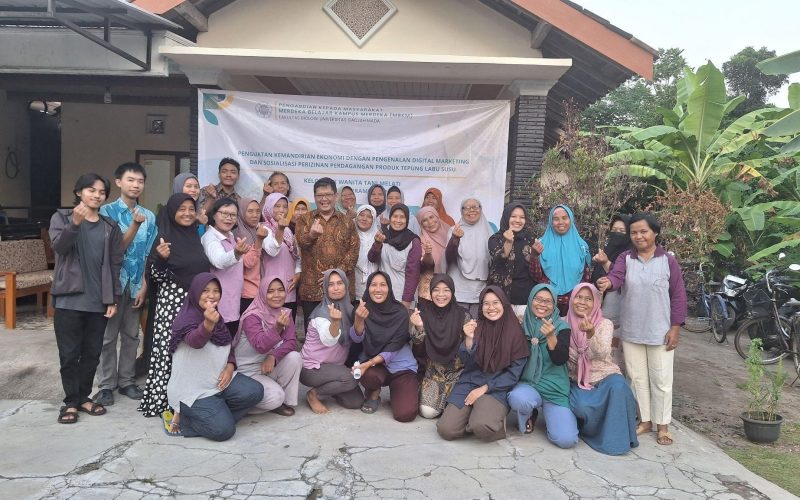
Yogyakarta, May 26, 2024 – The Community Service Team of the Independent Learning – Independent Campus (PkM MBKM) Faculty of Biology 2024, has implemented the first program in a series of PkM-MBKM activities at the Melati Women’s Farming Group in Madurejo Village.


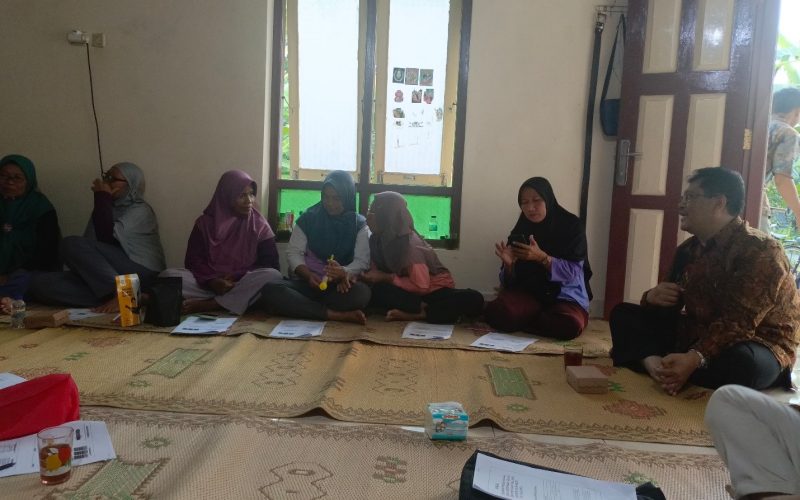
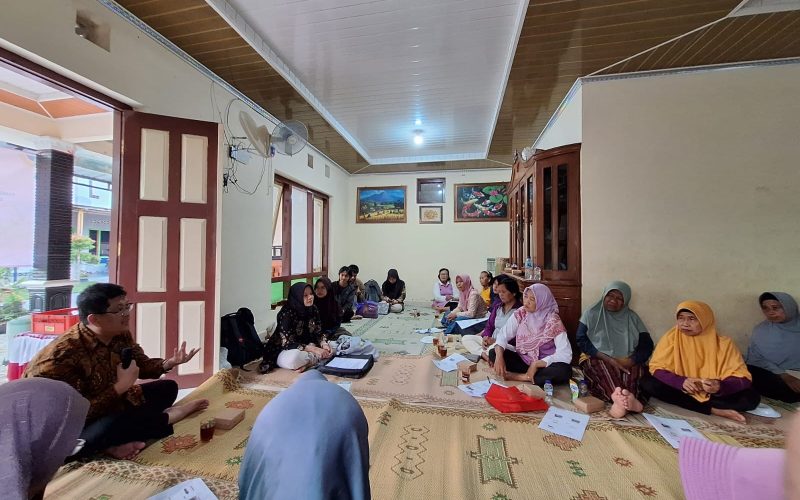
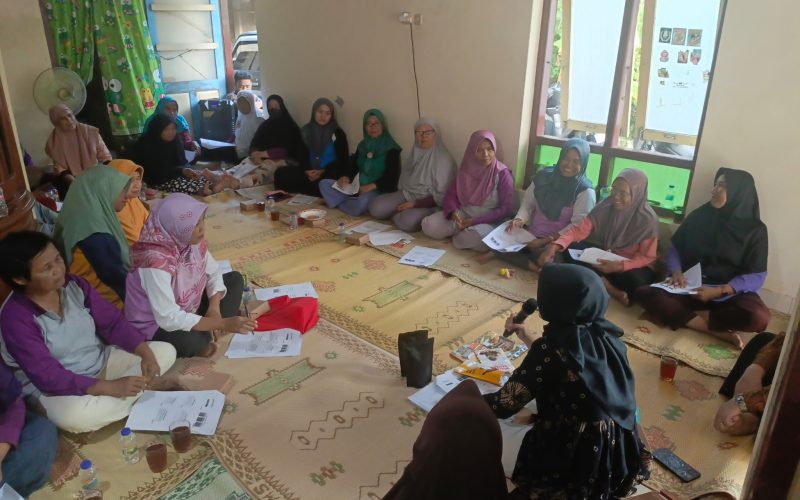
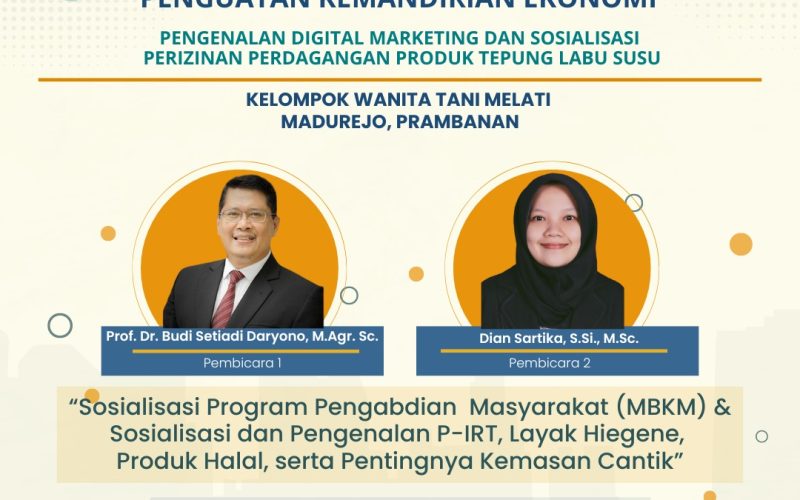
The program was led by Prof. Dr. Budi Setiadi Daryono, M.Agr. Sc., with the title “Strengthening Economic Independence by Introducing Digital Marketing and Socializing Trade Licensing for Pumpkin Flour Products of the Melati Women’s Farming Group (KWT) in Madurejo, Prambanan,” which included five students from the Faculty of Biology, namely Haris Dwi Nugroho, Laksita Chesarina, and Ihsanti Dwi Nugroho. This first program focused on Socialization of the program activities and Introduction to PIRT, Hygiene Standards, Halal Products, and the Importance of Attractive Packaging. The program took place on Sunday, May 26, 2024, from 3:30 PM to 5:30 PM at the house of Mrs. Romli, a member of the Melati Women’s Farming Group in Madurejo Village, Prambanan, Sleman, DI Yogyakarta. The event began with games and door prizes to boost participants’ happiness and enable them to focus on socialization. Next, participants completed a pretest.

The first presentation was given by Dian Sartika, S.Si., M.Sc. She explained the importance of strategies for creating products on a micro-enterprise scale, including utilizing resources through processes of processing, production, packaging, and good product marketing. This presentation also covered the significance of PIRT (Home Industry Products), hygiene standards, halal products, and the differences in regulations and processes involved. She hopes that the difficulties faced by the community can be resolved through this program. This opportunity is expected to promote self-sustaining economic growth within the community for the future.

The second presentation was given by Prof. Budi Setiadi Daryono, M.Agr. Sc. He expressed his happiness and appreciation for the enthusiasm of the KWT Melati towards this community service program. He explained that this program is a continuation of a previous program related to the development of pumpkin cultivation, from planting to harvesting, processing the harvested pumpkins into flour, and pre-marketing. This is done to ensure that the products produced are of good quality in terms of aesthetics, safety, and durability, with the hope that these products can be introduced to the community starting with small-scale marketing at Jasmine Corner in the Faculty of Biology UGM. Prof. Budi emphasized that the process is not instant and may not always go as planned, but the persistence and determination of KWT Melati will lead to economic independence. The event concluded with a group photo.

This program is also expected to contribute to achieving the Sustainable Development Goals (SDGs) specially point 1 (no poverty), point 2 (zero hunger), point 4 (gender equality), point 8 (decent work and economic growth), point 10 (reduced inequalities), and point 12 (responsible consumption and production). Additionally, this activity contributes to achieving IKU 2 (MBKM off-campus) and IKU 3 (lecturers off-campus) for the Faculty of Biology UGM.

It is hoped that this socialization will provide insight to KWT Melati members through discussions, enhance cooperation, and contribute to sustainable economic development that benefits everyone.

Introducing Research from an Early Age: Animal Structure and Development Laboratory of the Faculty of Biology UGM Welcomes a Visit from Grade IV Students of SD Negeri Deresan

HeadlineNews Release Tuesday, 20 February 2024

On Thursday, February 15, 2024, Class IV from SD Negeri Deresan Yogyakarta had a special opportunity to

explore the world of science through an inspiring visit to the Animal Structure and Development Laboratory of the Faculty of Biology at UGM. This visit aimed to provide a deeper understanding of the scientifi

c concepts they learn in class and to inspire their interest in science. A total of 58 fourth-grade students from SDN Deresan, accompanied by 2 homeroom teachers and 4 accompanying teachers, were welcomed at the Faculty of Biology UGM by the Faculty’s Guest Reception Team and greeted by the Head of the Animal Structure and Development Laboratory, Dr. Ardaning Nuruliani, M. Kes. The children were then divided according to their classes and invited to the Histology & Embryology Section and the Animal Anatomy Section of the Animal Structure and Development Laboratory. All the lecturers of the Animal Structure and Development Laboratory, along with Master’s and Bachelor’s students conducting research there, also welcomed the students.

In the Histology & Embryology Section, students were introduced to microscopes and how to use them. They also observed the diffusion process and colorful microscopic preparations. Meanwhile, in the Animal Anatomy Section, students observed skeletal preparations, internal organs, and several anatomical specimens. The children showed remarkable enthusiasm and deep curiosity while learning in the laboratory. The visit also included a question-and-answer session, where the children were given the opportunity to ask questions about interesting science topics to the Master’s and Bachelor’s students conducting research in the laboratory. Intelligent and creative questions flowed, reflecting the growing interest in science among the young generation.
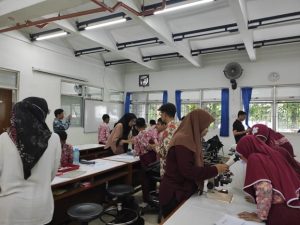
According to Mr. Paino, A. Ma (IVA Class Teacher) and Mr. Danang Nor Wicaksana, S.Pd. (IVB Class Teacher), this visit is part of the school’s efforts to provide diverse and in-depth learning experiences for their students. The students ended their visit with bright smiles on their faces and a deep sense of inspiration. “I want to be a scientist one day!” ; “I want to study here” and “I want to go to UGM” exclaimed the fourth graders with sparkling eyes. Such hopes may seem distant, but with visits like this, those possibilities feel much closer.

This activity of welcoming elementary school students is part of the Faculty of Biology’s commitment to supporting Sustainable Development Goals (SDGs) goal no. 4 Quality Education, goal no. 5 Gender Equality, and goal no. 17 Partnership for the Goals. Additionally, this initiative aligns with SDG goal no. 9 Industry, Innovation, and Infrastructure by fostering early interest in science and technology, and goal no. 10 Reduced Inequalities by providing equal learning opportunities regardless of background.

Faculty of Biology Participates in UGM Workshop to Create a Sustainable Campus

HeadlineNews ReleaseWaste Management Saturday, 22 July 2023

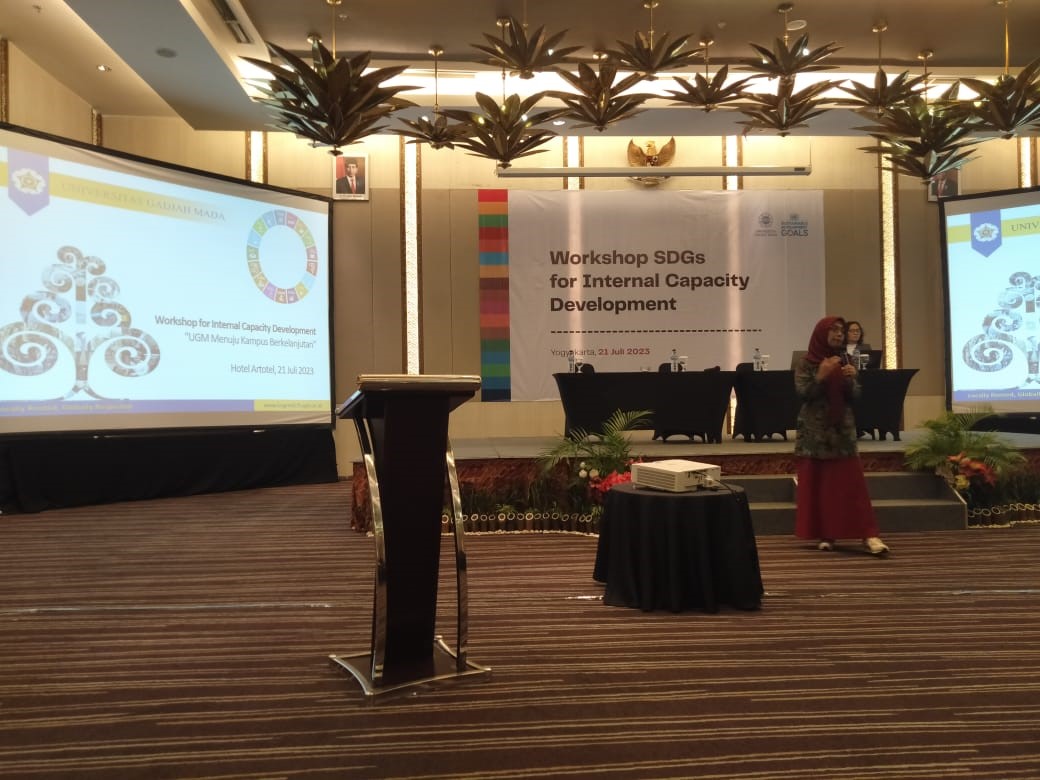
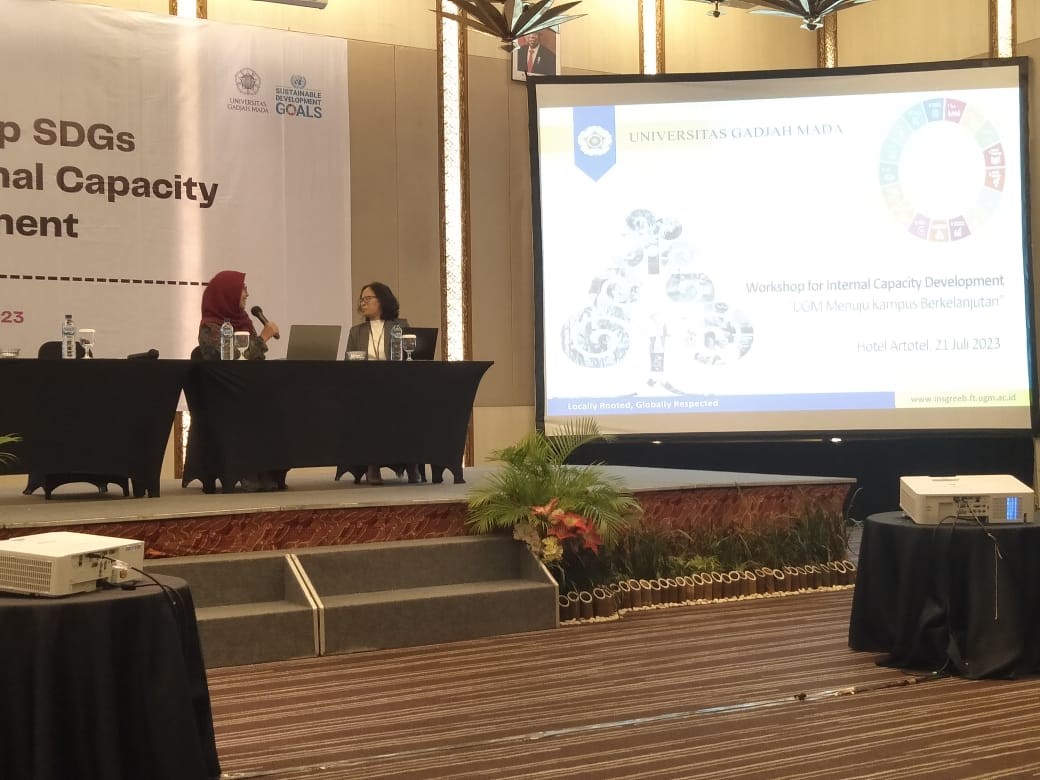
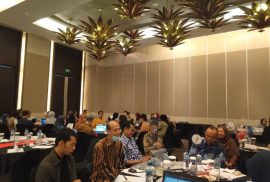
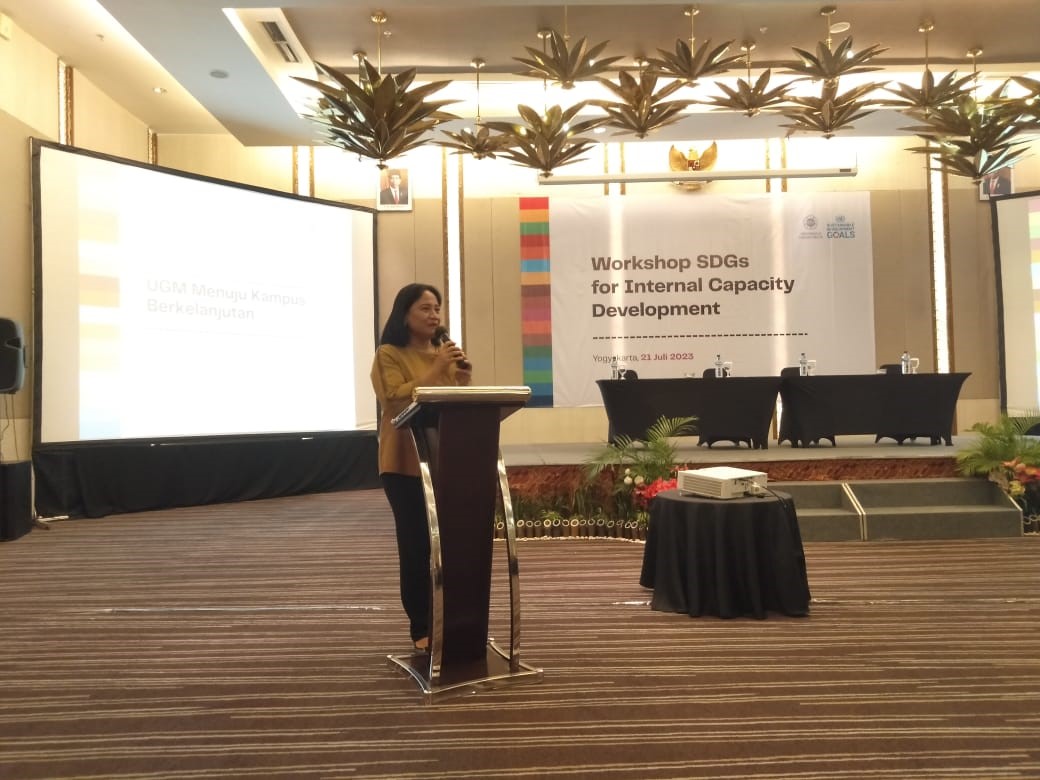
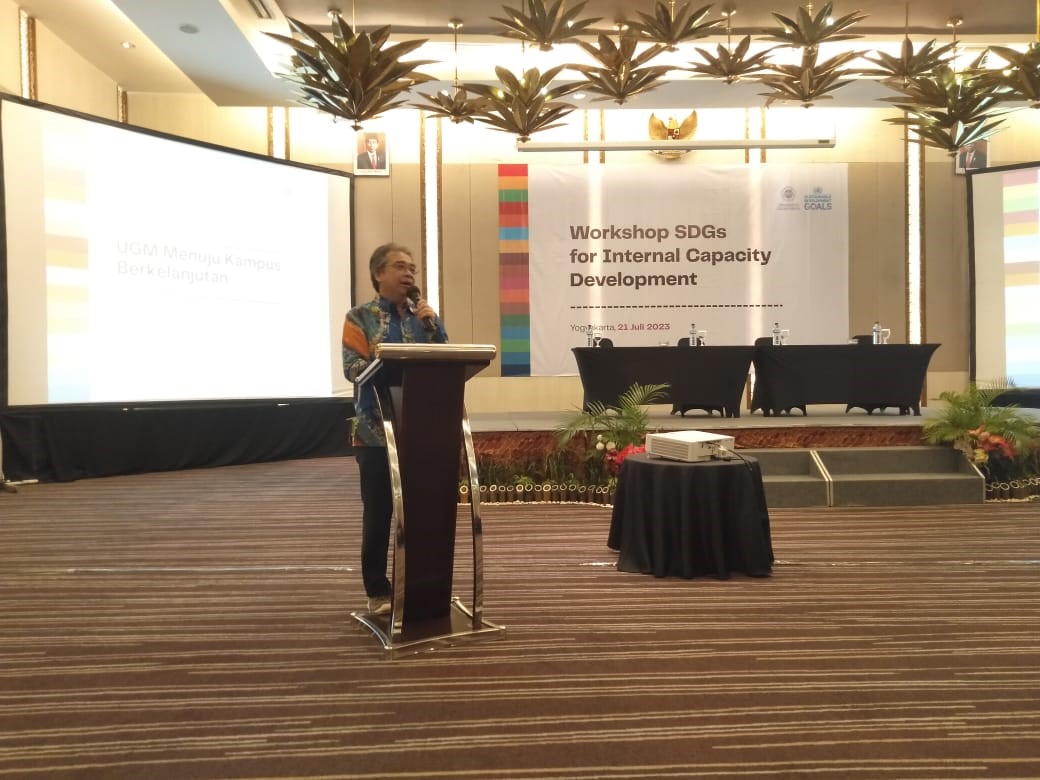
Friday, July 21st 2023, Universitas Gadjah Mada held a Workshop on SDGs for Internal Capacity Development: UGM Towards a Sustainable Campus at the Lotus Ballroom, Artotel Suites Bianti, Yogyakarta. The event was attended by representatives from various UGM working units including from Faculty of Biology represented by Mukhlis Jamal Musa Holle, S.Sc., M.Env.Sc., D.Phil. The event began with remarks by the Vice Chancellor for Education and Teaching Universitas Gadjah Mada, Prof. Dr. Wening Udasmoro, S.S., M. Hum., DEA. Prof. Wening explained the importance of the contribution of universities and their academic community in realizing the SDGs (Sustainable Development Goals) which have been promoted by the United Nations since 2015. Anticipation needs to be done to ensure that life in the future will avoid crises including the food crisis, extreme climate change and so on. UGM in the management of the SDGs is also got 2nd ranked in Indonesia and will continue to be developed. Prof. Wening also explained the importance of active data collection and publication to media so that activities carried out at UGM can be exposed to the wider community.

Slide 1
Slide 2
Slide 3
Slide 4
Slide 5

Further remarks were given by the Head of Quality and Reputation Assurance of Universitas Gadjah Mada, Dr. L. Hartanto Nugroho. He explained that contributions for SDGs can be made in small ways and small changes can have a big impact. A simple example in terms of segregating waste in a university environment, it must be carried out systematically and massively and involve all components and the academic community at the university.

The workshop continued with a general presentation by Prof. Dr. Puji Astuti, S.Si., M.Sc., Apt. and Ir. Sentagi Sesotya Utami, St., M.Sc., Ph.D. They explained that the most important aspects of the 17 SDGs are the environment and human sustainability. University ranking in terms of SDGs is not the main thing to achieve, but the ranking is a form of measurement for achievements or activities that have been carried out. UGM also supports sustainability in university governance from the aspects of ecosystems and the environment as well as human sustainability. This can be seen in the policies and regulations issued by UGM. The principles of sustainability or campus sustainability applied at UGM include energy conservation, waste management, water conservation, and eco-friendly transportation. In addition, the achievements of the activities carried out need to be balanced with massive publications so that they can be heard outside the university.

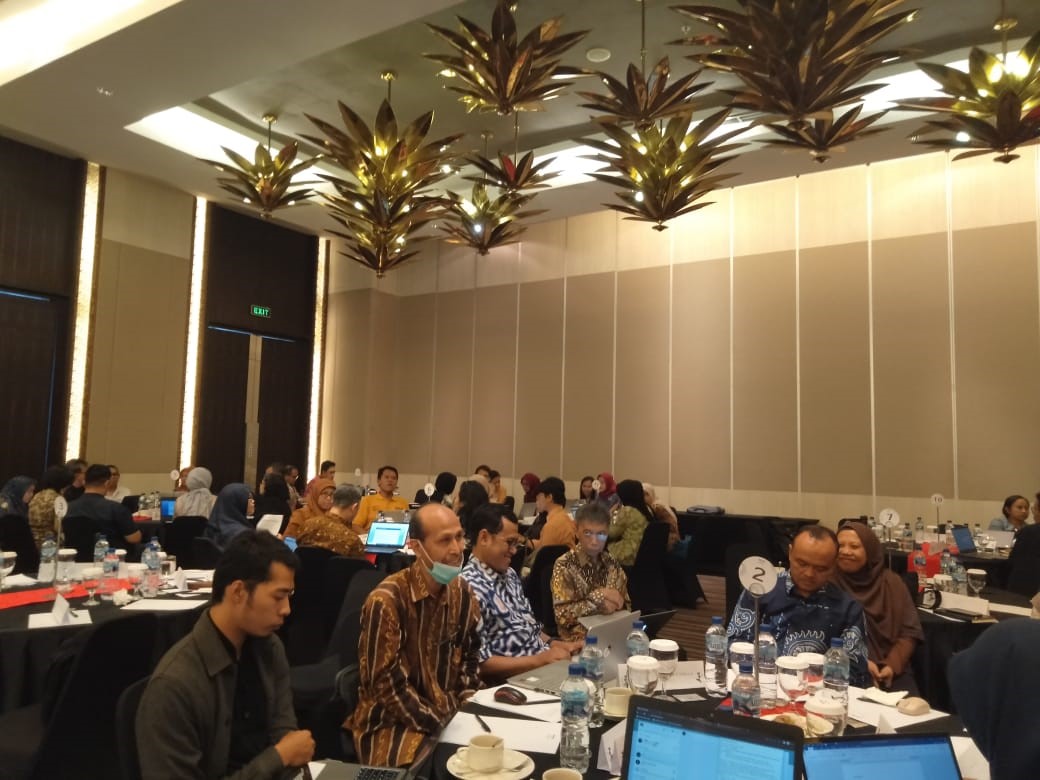
The workshop continued with Forum Group Discussions (FGDs) where participants were divided into 4 categories: Medicines, Agro and Life Science, Social Science, and Art and Humanities. Discussions focused on implementing the SDGs in their respective work units, SWOT analysis, plans for follow-up activities and plans for publication of SDGs achievements. In the discussion, representatives of the Faculty of Biology who included in Agro and Life Science category explained what activities had taken place at the Faculty of Biology and presentation ideas regarding the implementation of SDG No. 2 (Zero Hunger) and SDG No. 12 (Responsible Consumption and Production). Some of the components of the discussion include how programs play a role in overcoming food insecurity for the academic community and the general public, interventions for dealing with food insecurity, publication of sustainability reports, waste management, to how each work unit can represent research or activities carried out at the work unit level as part of the SDGs.

The workshop ended with closing and a reminder of how important everyone’s role is in realizing the SDGs, especially at the university level. It is hoped that this activity can be a trigger for the implementation of the SDGs and better publications at Universitas Gadjah Mada.

123

Accreditation

Recent Posts

  • Faculty of Biology Researchers Collaborate in eDNA Workshop for Pathogen Detection in Wildlife Trade
  • UGM–ANU Double Degree Program: Pathways to Global Academic Excellence
  • Faculty of Biology UGM Engages Doctoral Students in Academic Progress Monitoring
  • UGM–UTS Strengthen Academic and Research Collaboration through “Study & Research in Australia” Sharing Session
  • Tunghai University Lecturers Share Butterfly Genetics Research in Guest Lecture at UGM Faculty of Biology
Universitas Gadjah Mada

UNIVERSITAS GADJAH MADA

FACULTY OF BIOLOGY
Teknika Selatan Street, Sekip Utara,
Yogyakarta 55281
biologi-ugm@ugm.ac.id
Phone/Fax: +62 (274) 580839

About us

  • History
  • Organization
  • Vision and Mission
  • Staff

Student Affairs

  • Student Service
  • Student Organization
  • Submission for Practical Field Work
  • Permission Field Research
  • Permission Thesis/Disertation

academic

  • Academic Regulations
  • Academic Anonncement

Accreditation

  • Image 1
  • Image 2
  • Image 3

© 2024 FACULTY OF BIOLOGY UNIVERSITAS GADJAH MADA

KEBIJAKAN PRIVASI/PRIVACY POLICY

[EN] We use cookies to help our viewer get the best experience on our website. -- [ID] Kami menggunakan cookie untuk membantu pengunjung kami mendapatkan pengalaman terbaik di situs web kami.I Agree / Saya Setuju