• UGM
  • Simaster Portal
  • IT Center
  • Webmail
  • KOBI
  • English
    • Bahasa Indonesia
Universitas Gadjah Mada Universitas Gadjah Mada
Faculty of Biology
  • ABOUT US
    • History
    • Organization
    • Vision and Mission
    • Lectures and Staff
      • Lecturers
      • Adjunct Professor
      • Supporting Staff
    • Facility
      • Laboratories
      • Research
      • Library
      • Museum
      • Mental Health Consultation
      • Disability
  • EDUCATION
    • Undergraduate Program
      • Graduates Learning Outcome
      • Academic Callendar
      • Course
    • IUP
    • Profession Program
      • What is the Professional Study Program in Biodiversity Curator (PKKH)?
      • Admission for New Students of the Biodiversity Curator Profession Program Study
      • Information and FAQ Study Program of Biodiversity Curator Profession
    • Master Program
      • Master Program in Biology Description
      • Curriculum Structure Master Program
    • Doctoral Program
      • Vision, Mission, Objectives, Targets, Competencies, and Learning Outcomes
      • Admission Requirement for Program Doctor in Biological Sciences
      • Admission: What Documents to be prepared?
      • Curriculum
    • Regulations
    • Accreditation & Quality Assurance
  • RESEARCH
    • Journal of Tropical Biodiversity and Biotechnology
    • Berkala Ilmiah Biology
    • Research
    • Publication
  • Community Service
    • Waste Management
  • STUDENTS & ALUMNAE
    • Student Organizations
    • Prospective Career Opportunities
    • SUMMER COURSE
    • Alumnae
  • Home
  • SDG 3 : Establish Good Health and Well-Being
  • SDG 3 : Establish Good Health and Well-Being
  • page. 18
Arsip:

SDG 3 : Establish Good Health and Well-Being

UGM Biology and Pharmacy Students Create Topical Patch Combining Fish Oil and Sugarcane Bagasse Biosilica for Diabetic Wound Healing

AchivementsNews ReleaseStudent Activities Thursday, 18 July 2024

Diabetes mellitus (DM) is a global public health issue that can lead to macrovascular and microvascular complications. In Indonesia, the prevalence of DM among adults reaches 10.6%. Ineffective DM management can result in long-term metabolic, neurological, or vascular complications, making DM patients more susceptible to foot infections, which can increase the incidence of amputations. According to data from the Ministry of Health 2023, over one million DM patients in Indonesia have undergone foot amputations, with approximately 80% of these amputations beginning with foot ulcers. The prolonged infection of diabetic wounds is caused by high blood glucose levels, which increase bacterial proliferation. This issue exacerbated by immune system deficiencies, leading to restricted mobility and decreased daily productivity.


Based on this issue, Biology and Pharmacy UGM students Zahwa Khoirun Nisa (Biology 2022), Zatun Nithoghani Hafni (Biology 2021), Muhammad Nur Ikhsan (Biology 2021), Sekar Ayu Kusumawardani (Pharmacy 2022) and Alvian Chesyar Burhanudin (Pharmacy 2022) was developed a topical patch using two local Indonesian natural products: catfish oil and sugarcane bagasse biosilica, as an alternative treatment for diabetic wounds under guidance Dr. Adhyatmika, M.Biotech. This research, funded by the Ministry of Education and Culture, is part of the Student Creativity Program in Exact Research (PKM-RE).

The regular treatment for diabetic wounds is antibiotic therapy. However, excessive use of antibiotics can lead to antibiotic resistance, making treatment less effective. “We chose the patch formulation in this study to prevent excessive use of antibiotics while ensuring drug delivery to the wound with a more measured and controlled dosage,” said Zahwa. Hafni added that the patch formulation is also suitable for patients who cannot tolerate oral medications and avoids the first-pass effect, maintaining the bioavailability of the drug.

Catfish oil contains essential omega-3 fatty acids known to aid in wound healing. An innovation in this study involves adding sugarcane bagasse biosilica to the patch formulation. This biosilica has shown to possess antibacterial activity that supports wound healing.

The bagasse used obtained from the sugarcane milling residues at PT. Madubaru. “We collected the accumulated sugarcane bagasse, then subjected it to furnace treatment at 600°C for 1 hour. The resulting bagasse ash was then dissolved in NaOH and acidified with HCl to form a gel. This gel was then oven-dried to produce silica powder,” explained Ikhsan. The resulting biosilica was combined with catfish oil to create three formulations with different active ingredient concentrations (catfish oil: biosilica), namely F1 = 25:75, F2 = 50:50 and F3 = 75:25. “We made nanoemulsions with these three formulations, measured their particle sizes, then added gel bases to form nanoemulgel, which processed into patch preparations,” Alvian elaborated.

The patches were then tested on diabetic mellitus model rats. “We inflicted wounds on diabetic model rats and applied different treatments, including the three patch formulations. Wound diameter observed from day 1 to day 7,” Sekar said. The data showed the significant effects of the patch treatments on diabetic wound healing. Based on these conclusions, further analysis identified Formulation 1 (25:75) as the best for aiding diabetic wound healing. This research is expected to provide a theoretical foundation for developing comprehensive therapies to accelerate diabetic wound healing. With this advancement, we hope to contribute to improving the quality of life for diabetes patients and help them achieve better health and well-being. [Author: Zahwa Khoirun Nisa]

Yellow Onion Peel: A Promising Ingredient for Burn Treatment

AchivementsNews Release Monday, 15 July 2024

Burns are injuries involving tissue damage due to contact with heat, radiation, chemicals, or electricity. Burns are challenging to heal and require patient stabilization, infection prevention, and optimal functional recovery. Burn victims are at risk of infection and systemic complications, depending on the burn’s extent and depth, the patient’s age and overall condition, and any pre-existing conditions. In Indonesia, burns have a relatively high prevalence, affecting 1.3% of the entire population.


Recognizing the significance of developing burn treatments, UGM students have developed a new approach to address this issue. They utilized yellow onion skin waste in the form of bilayer nanofiber. This research was conducted by Acenofer team consisting of Naufal Ahmad Fauzy (Pharmacy 2021) as the leader, along with four colleagues: Zulfa Nailil Muna (Physics 2022), Puspita Nur Rahmawati (Biology 2022), Tika Nur Amini (Biology 2022), and Erwinda Dwi Chofifah (Biology 2022), under the guidance of Dr. Retno Murwanti, MP, Ph.D.

“In this research, we used yellow onion skins due to their high levels of quercetin and to preserve the environment. We modified the preparation into bilayer nanofibers to enhance extract penetration into the wound and prevent infection,” Naufal explained.
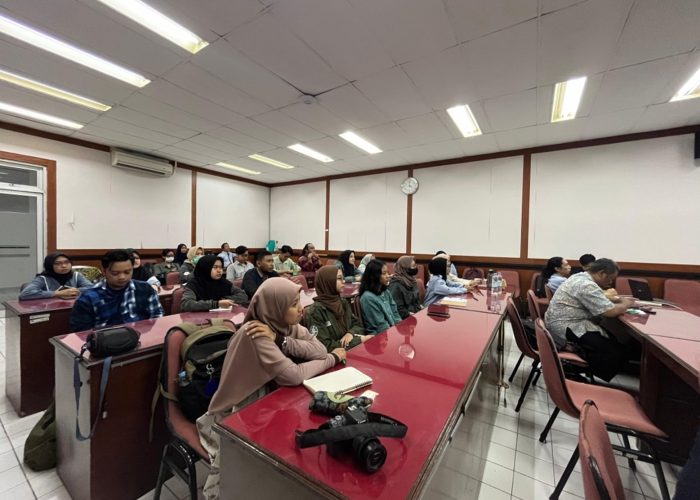
The research process involved various stages, including extraction, preparation, characterization, in vivo testing, and data analysis. Characterization performed using multiple parameters, including SEM analysis, FTIR, tensile strength test, and contact angle tests. In vivo testing followed by histopathological analysis to observe the healing process within the skin layers.

“Our research showed promising results. The nanofibers were successfully produced with good quality, were not easily damaged, had appropriately sized structures, and in vivo testing showed wound closure by the preparation,” Zulfa said.

This research is expected to become an alternative treatment by leveraging Indonesia’s natural resources, with further research advancing to clinical trials and commercialization for public use. [Writer: Erwinda Dwi Chofifah]

Faculty of Biology, Universitas Gadjah Mada Participates in Asian Science Deans Forum 2024 (ASDF 2024)

News Release Saturday, 13 July 2024

Manila, Philippines – The Faculty of Biology at Universitas Gadjah Mada (UGM) participated in the Asian Science Deans Forum 2024 (ASDF 2024), held from July 8 to 12, 2024, at the Crimson Hotel, Filinvest City Manila, Philippines. The UGM delegation, led by Prof. Dr. Budi Setiadi Daryono, Dean, and Dr. Bambang Retnoaji, Vice Dean for Academic and Student Affairs, joined esteemed faculty members from science and technology universities, schools, colleges, and academic departments across Asia. This initiative aimed to foster partnerships among Asian universities, create research projects, and contribute solutions to societal problems, focusing on environmental sustainability and socio-economic development.
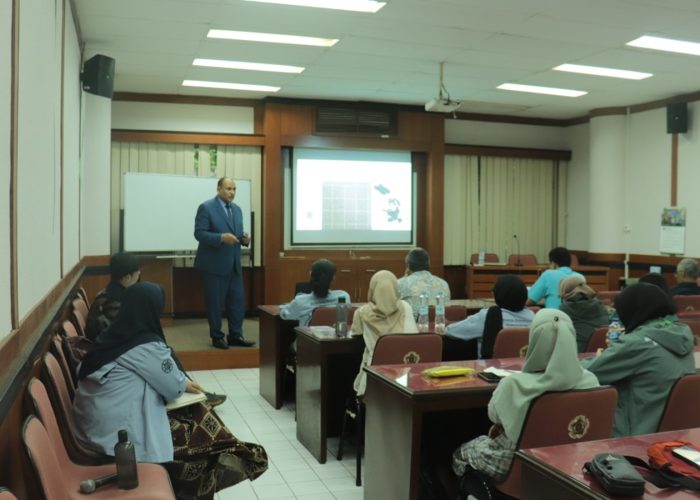

One of the key topics at ASDF 2024 was the environment, particularly ecosystem protection and the efficient use of resources. The Faculty of Biology at UGM is particularly interested in these areas, as they align with their ongoing research and educational initiatives aimed at promoting sustainability.

The UGM delegation shared their experiences and strategies in integrating sustainability into their curriculum, which aligns with the global Sustainable Development Goals (SDGs) and emphasizes the importance of preparing future generations to tackle environmental challenges.

The forum also opened up networking opportunities, fostering the mobility of researchers, professors, and students, creating new cooperation across Asia, and enhancing the academic and research capabilities of the participating institutions. Consequently, the UGM delegation was able to expand their international collaborations.

ASDF 2024 featured a series of workshops, panel discussions, and keynote speeches from leading experts in various fields, providing valuable insights and practical knowledge that can be applied to address pressing environmental and socio-economi.

The event also highlighted the importance of global partnerships in achieving sustainable development. By working together, universities across Asia can pool their resources and expertise to make a significant impact on the environment and society.
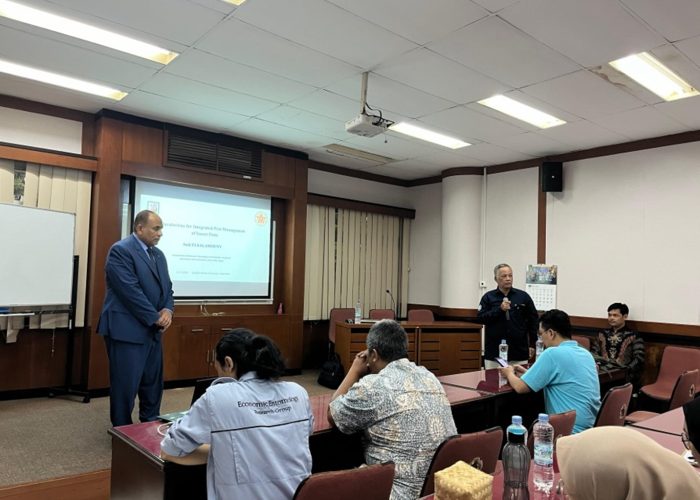
The participation of the Faculty of Biology at UGM in ASDF 2024 underscores their commitment to advancing environmental sustainability and education for sustainability. By engaging with peers from across Asia, they hope to gain new perspectives and insights that will enhance their efforts in these areas.

The Faculty of Biology was also initiating a collaboration with Sultan Qaboos University, Oman, during ASDF 2024. This significant partnership aims to foster scientific research and academic excellence for both parties. Dr. Talal Khalifa Al Hosni, Dean of Sultan Qaboos University, Oman, plays a pivotal role in this collaboration.

Joint Scholarship Initiation Between Faculty of Biology Universitas Gadjah Mada (UGM) and SEARCA

News Release Saturday, 13 July 2024

Manila, Philippines – On Thursday, July 11, 2024, a significant meeting took place at The Manila Hotel, marking a new chapter in educational and research collaboration between the Faculty of Biology, Universitas Gadjah Mada (UGM), and the Southeast Asian Regional Center for Graduate Study and Research in Agriculture (SEARCA). The UGM delegation, led by Prof. Dr. Budi Setiadi Daryono, Dean, and Dr. Bambang Retnoaji, Vice Dean for Academic and Student Affairs, officially met with SEARCA’s delegation, headed by Center Director Dr. Glenn Gregorio.


The primary agenda of the meeting was to discuss the possibility of a partnership aimed at advancing educational and research opportunities, contributing to the development of sustainable biodiversity management and agricultural practices in the region. This collaboration is expected to play a crucial role in addressing key Sustainable Development Goals (SDGs) such as ending poverty (#endpoverty), ensuring food security (#foodsecurity), and providing access to quality education (#accesstoeducation).

One of the key outcomes of the meeting was the initiation of a joint scholarship program. This program will include academic exchanges, double degree programs, and joint research projects, particularly targeting students from ASEAN countries. The scholarship aims to provide students with the opportunity to gain international experience and knowledge, thereby enhancing their academic and professional capabilities.

Prof. Dr. Budi Setiadi Daryono emphasized the importance of this collaboration in fostering a new generation of scientists and researchers who are well-equipped to tackle regional and global challenges. “This partnership with SEARCA is a significant step towards achieving our shared goals of sustainable development and educational excellence,” he stated.

Dr. Glenn Gregorio, on behalf of SEARCA, expressed his enthusiasm for the collaboration. “We are excited to work with UGM in creating opportunities for students and researchers. This partnership will not only benefit the academic community but also contribute to the broader goals of sustainable agriculture and biodiversity management in Southeast Asia,” he said.

In addition to the scholarship discussions, Prof. Dr. Daryono extended an invitation to SEARCA to participate in UGM’s prestigious annual International Conference on Biological Sciences and the Summer Course on Sustainable Tropical Agriculture. These events provide platforms for scholars, researchers, and practitioners to share knowledge and advancements in their respective fields.

The meeting concluded with both parties expressing their commitment to formalizing the partnership and exploring further avenues for collaboration. The joint scholarship program is expected to be launched in the upcoming academic year, with detailed guidelines and application processes to be announced soon.

This initiative is seen as a significant milestone in the efforts to enhance educational and research capacities in the region. By providing students with access to quality education and research opportunities, UGM and SEARCA are contributing to the broader goals of sustainable development and regional cooperation.

The collaboration between UGM and SEARCA is a testament to the power of partnerships in achieving common goals. As both institutions move forward with this initiative, they are setting a precedent for other universities and research centers in the region to follow.

The joint scholarship program and the associated academic events are expected to attract a diverse group of participants, fostering a rich exchange of ideas and innovations. This, in turn, will contribute to the development of sustainable solutions for some of the most pressing challenges facing the region today.

The SilkWorm MBKM Research Team from the Faculty of Biology UGM visits Omah JAMTRA, Wates, Kulon Progo, DIY.

HeadlineStudent Activities Friday, 12 July 2024

Yogyakarta, June 1, 2024- The Independent Learning Independent Campus (MBKM) 2024 Research Team from the Faculty of Biology, under the supervision of Sukirno, S.Si., M.Sc., Ph.D., with the project titled “DNA Barcoding of the Wild SilkWorm Samia sp. Boisduval, in Yogyakarta,” made their first visit to their research partner, Jantra Mas Sejahtera, also known as Omah JAMTRA in Wates, Kulon Progo, DI Yogyakarta. This visit was attended by two members of the research team, Saifa Salwa Arrahma and Irenna Sheva Zahrani, along with their mentor, Siti Shofa Assyifa’ul Qulbi Barid, S.Si., M.Sc. The visit aimed to introduce the partner organization and to enhance the team knowledge regarding the Samia cultivation and species in Yogyakarta, identify superior Samia strains, and strengthen cooperation with JAMTRA.


The event began with an introduction by Mr. Yunianto Hargo Nugroho, S.Hut., the head of Omah JAMTRA. He explained the cultivation of Samia and the history of Omah JAMTRA. He shared his expertise and experience in Samia silkworm cultivation, emphasizing the importance of understanding the morphology of silkworms to avoid errors in morphological data collection. Pak Anto showcased the first instar larvae of Samia currently being cultivated and explained the metamorphosis process of the silkworms, as well as the environmental factors that need to be controlled for successful cultivation. He underlined the key factors in Samia silkworm cultivation, including jatropha leaves as feed, maintaining appropriate temperatures, and ensuring the cleanliness of the rearing cages.

The visit also included a discussion regarding silkworm cultivation at Omah JAMTRA and the research conducted by the team. The MBKM Research collaboration with JAMTRA is expected to contribute to the Sustainable Development Goals (SDGs) specifically: No Poverty, Quality Education, Industry, Innovation, and Infrastructure, and Partnerships for the Goals.

UGM Students Empower Sompok Village Women to Process Fruit Peel Waste into Eco Enzymes.

News ReleaseWaste Management Thursday, 11 July 2024

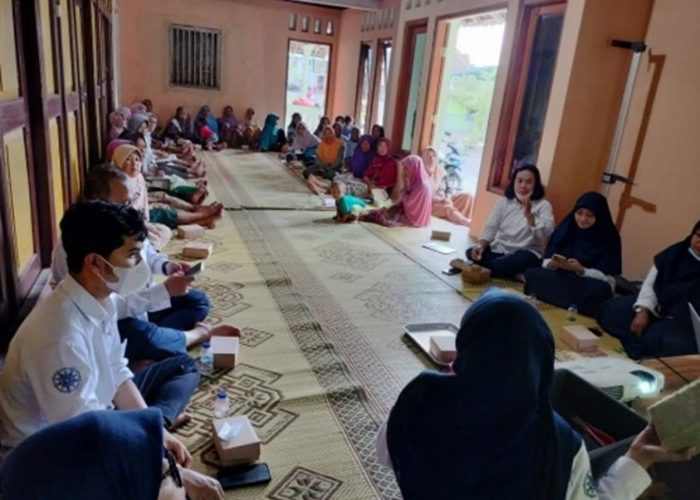
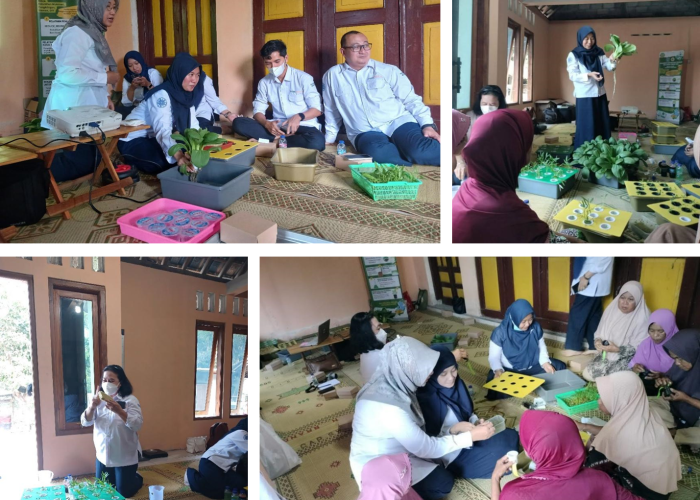
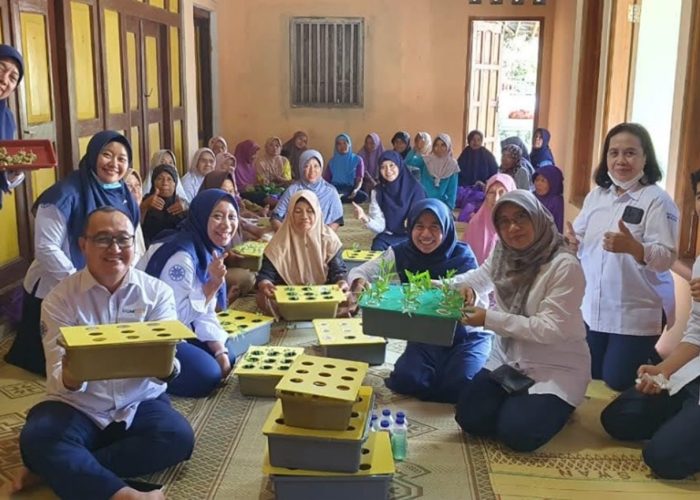
Wednesday, July 10, 2024, The Faculty of Biology Universitas Gadjah Mada (UGM) proudly announces an event titled “Workshop on Eco Enzymes Production from Fruit Peel Waste.” This activity is part of the Community Service Program (KKN) coordinated by Nur Indah Septriani, S.Si., M.Sc., Ph.D., a lecturer at the Faculty of Biology, UGM, and led by Rizquita Brillianti, a student from the Faculty of Biology, UGM. The workshop took place at the SSB Pavilion in Dusun Sompok, Sriharjo. The workshop was attended by 20 participants from the Sompok Women Farmers Group (KWT) and the village head, Mrs. Nur Latifah.


The workshop is designed to teach the Women Farmers Group to transform fruit peel waste into eco enzymes. Eco enzymes could reduce the reliance on chemical products in daily activities, promoting eco-friendly products to decrease environmental pollution. This objective aligns with the Sustainable Development Goals (SDGs), particularly SDGs No.3 on Good Health and Well-being, SDGs No.6 on Clean Water and Sanitation, SDGs No.7 on Affordable and Clean Energy, and SDGs No.12 on Responsible Consumption and Production. It is hoped that the Women Farmers Group will obtain new knowledge and support the efforts to preserve the environment sustainably.

UGM Students Empower Sompok Village Women to Process Fruit Peel Waste into Eco Enzymes.

Community Service Thursday, 11 July 2024

Wednesday, July 10, 2024, The Faculty of Biology Universitas Gadjah Mada (UGM) proudly announces an event titled “Workshop on Eco Enzymes Production from Fruit Peel Waste.” This activity is part of the Community Service Program (KKN) coordinated by Nur Indah Septriani, S.Si., M.Sc., Ph.D., a lecturer at the Faculty of Biology, UGM, and led by Rizquita Brillianti, a student from the Faculty of Biology, UGM. The workshop took place at the SSB Pavilion in Dusun Sompok, Sriharjo. The workshop was attended by 20 participants from the Sompok Women Farmers Group (KWT) and the village head, Mrs. Nur Latifah.


The workshop is designed to teach the Women Farmers Group to transform fruit peel waste into eco enzymes. Eco enzymes could reduce the reliance on chemical products in daily activities, promoting eco-friendly products to decrease environmental pollution. This objective aligns with the Sustainable Development Goals (SDGs), particularly SDGs No.3 on Good Health and Well-being, SDGs No.6 on Clean Water and Sanitation, SDGs No.7 on Affordable and Clean Energy, and SDGs No.12 on Responsible Consumption and Production. It is hoped that the Women Farmers Group will obtain new knowledge and support the efforts to preserve the environment sustainably.

The Faculty of Biology Library Participates in the 2024 UGM Library and Archives Innovation Competition

Headline Wednesday, 10 July 2024

Yogyakarta, July 10, 2024 – The Faculty of Biology Library participated in the 2024 UGM Library and Archives Innovation Competition. The competition was held online, with participants from various faculty libraries at UGM including a library of Faculties of Cultural Sciences, Faculty of Geography, Faculty of Biology, The Graduate School, Faculty of Medicine, Public Health and Nursing, and Faculty of Economics and Business, presented their ideas and innovations aimed at enhancing the library services. The Faculty of Biology Library prepared a comprehensive presentation video highlighting their latest innovations designed to support the library services and contribute to the Sustainable Development Goals (SDGs).


The main innovation presented by the Faculty of Biology Library was the implementation of a digital repository system. This system allows students and researchers to access various academic resources online, promoting education for sustainability by reducing the need for physical materials and encouraging the use of digital resources. In addition to the digital repository, the Faculty of Biology Library has introduced a series of workshops and training sessions focused on sustainable practices in services and promotions. The Faculty of Biology Library has also developed a mobile application for easier access to the Faculty of Biology Library. This app features book reservations, access to digital resources, and notifications about upcoming events and workshops. Another noteworthy innovation is the creation of reading/public spaces within the library. These spaces are designed to provide a fresh, comfortable, and friendly environment for students to study and complete their assignments.

The participation of the Faculty of Biology Library in this Competition is a testament to our commitment to continuous improvement and innovation related to the tri-dharma of higher education. By showcasing the Innovation Video, the Faculty of Biology Library hopes to inspire other libraries to adopt similar good practices and contribute to achieving the Faculty and University’s Vision and Mission. As the competition progresses, the Faculty of Biology Library looks forward to receiving feedback and suggestions from the judges and other participants. This feedback will be invaluable in refining the ongoing innovations.

UGM LECTURERS PARTICIPATE IN FGD ON GENDER ROLES IN PUBLIC SERVICE AT BBPSIK YOGYAKARTA

News Release Wednesday, 10 July 2024

Tuesday (9/7), the Center for Standard Testing of Forestry Instruments (BBPSIK) held a Forum Discussion Group (FGD) on Gender Roles in Public Services at the BBPSIK Cendana Room Jl. Student Army Hall Km. 15, Sleman, Yogyakarta. Lecturer at the Faculty of Biology, Dwi Umi Siswanti, S.Sc., M.Sc. invited as special representatives from Gadjah Mada University together with a student, Delia Sawanda Syarifatullah to provide input regarding public services at BBPSIK. Dwi and several lecturers at UGM have routinely sent students to carry out Practical Work (KP) at BBPSIK in recent years so that they know BBPSIK’s service standards so far.

This FGD presented speakers Aan Eddy Antana, ST, M. Eng. from The Handicraft and Batik Center and Indiah Ratna Dewi, S.Si. from The Center for Standardization and Services for the Leather, Rubber and Plastic Industry (BBSPJI). Henri Supriyanto, S.Hut.T, MAP. present as an internal speaker. A total of 120 offline and online participants attended this FGD. In his speech, the Head of BBPSIK, Dwi Prabowo Yuga Suseno, S.Sc., M.Sc., Ph.D, expressed his hope, “This FGD was held as a basis for implementing public services, to gain understanding between organizers and facility users regarding gender mainstreaming at BBPSIK”.

Aan conveyed the public service standards at The Handicrafts and Batik Center which have taken into account the excellence of men and women in public services. Women excel in the areas of good interaction and empathic value while men excel in problem-solving and systemization and competitive value. In this arena, efforts are made to balance the ratio between men and women in this hall. Similar to Aan’s presentation, Indiah said that there were efforts to achieve a balanced male-to-female ratio in her agency as well as efforts to internalize gender mainstreaming in her center. “Currently we should be proud, the Gender Development Index in Yogyakarta has reached 96.9%,” said Indiah. Henri as a resource person from BBPSIK conveyed BBPSIK’s vision to internalize public services based on gender equality. “We learn from these two agencies and want to hear input from the invitees who are stakeholders, partners, and users of our services,” said Hendri in his presentation.

The speaker’s presentation was followed by an interactive discussion from the audience. Dwi conveyed his experience of sending KP students to BBPSIK and asked about the possibility of sending KP students to the Crafts and Batik Center and BBSPJI. “In 2024, the KP agenda at our faculty will be held between July and August, how will BBPSIK and these two centers anticipate the large number of KP enthusiasts in this institution,” asked Dwi in the forum. Henri, Aan, and Indiah answered in the same way that these three bodies would accept practical work students in their institutions with open arms. Still they needed to consider the registration time, which should be six months before inplementing of the KP. “It will be straightforward  for us to allocate students to each lab if you are willing to send us a letter six months before the implementation of the KP,” Henri expressed his hope. “We will add student supervisors in each of our labs so that the quota can increase every year for KP,” said Aan, providing a solution.

This FGD ended with the signing of the FGD Minutes. Dwi, representing UGM and BBPSIK service user, had the honor of signing the A Post Event Report and was also responsible for overseeing the implementation of gender equality-based public services at BBPSIK.

This activity is a manifestation of the SDGs Healthy and Prosperous Life (SDGs 3), Gender Equality (SDGs 5), Reducing Inequalities (SDGs 10), and Partnerships to Achieve Goals (SDGs 17). (DUS)


Innovative Solution for Environmental Impact Post-Tin Mining in Bangka Belitung, Biology Students Win 1st Runner-Up at AGRIXPLOSION UNS 2024 Essay Competition

AchivementsNews Release Tuesday, 9 July 2024

A team of undergraduate students from the Faculty of Biology, Universitas Gadjah Mada, class of 2022, led by Azra Belva Naprilian, along with Kotimah and Ridho Nur Alam, won 1st Runner-Up in the essay competition AGRIXPLOSION organized by the Faculty of Agriculture, Universitas Sebelas Maret Surakarta (UNS). The competition, sponsored by Pertamina, revolved around the theme “Implementing Innovation to Reach Net Zero Emission for a Sustainable Future” featured participants from various universities across Indonesia. The competition included several stages: administration and essay submission, followed by an online presentation on Sunday, June 30, 2024.


In this competition, the biology team presented an essay titled “Utilization of Biofertilizer and Spirulina sp. as Micro-remediators in the Conservation Efforts of Acacia mangium Forests in Post-Tin Mining Ecosystems in Bangka Belitung,” under the guidance of Tyas Ikhsan Hikmawan, M.Sc., Ph.D. This innovation addresses the environmental damage caused in Bangka Belitung, the largest tin-producing region, where natural resource exploitation without maintenance efforts has led to ecosystem pollution. The essay proposed a biofertilizer formula combining various microbes capable of micro-remediation of post-mining land. Additionally, the innovation included using a combination of biofertilizer and Spirulina sp. to enhance biofertilizer as a supplementary nutrient provider for microorganisms within it.

Reclamation of post-tin mining land in Bangka Belitung is a crucial step in addressing ecosystem damage caused by mining activities. The combination of micro-remediators and the utilization of microalgae Spirulina sp. can effectively remediate heavy metals. Moreover, biofertilizers can restore essential nutrients and improve soil structure. The planting of Acacia mangium as a phytoremediator has also proven effective in restoring the balance of ecosystems in former mining lands, given its adaptability to heavy metal-contaminated soils. This innovation is expected to minimize the negative impacts of mining and support forest conservation and environmental sustainability in the region. This strategy aligns with The Sustainable Development Goals (SDGs) point 15, related to sustainable management of post-mining land, ensuring ecological recovery, and soil productivity for the future.

[Authors: Azra Belva Naprilian and Kotimah]

1…1617181920…25

Accreditation

Recent Posts

  • Sakura Science Program 2026: Strengthening Molecular Biology Skills through Intensive Laboratory Training at Yamagata University
  • BIOENTRI 2026: Open House dan Pengenalan Topik Riset Fakultas Biologi UGM Sparks Strong Academic Interest
  • Sakura Science Program 2026: 18 Members of UGM Faculty of Biology Participate in Academic Program at Yamagata University, Japan
  • An Educational Field Trip on Histology and Animal Anatomy for SMPIT Muhammadiyah An Najah Klaten Students at the Faculty of Biology, UGM
  • Faculty of Biology UGM Strengthens International Collaboration through Strategic Visit to Bard University, Egypt
Universitas Gadjah Mada

UNIVERSITAS GADJAH MADA

FACULTY OF BIOLOGY
Teknika Selatan Street, Sekip Utara,
Yogyakarta 55281
biologi-ugm@ugm.ac.id
Phone/Fax: +62 (274) 580839

About us

  • History
  • Organization
  • Vision and Mission
  • Staff

Student Affairs

  • Student Service
  • Student Organization
  • Submission for Practical Field Work
  • Permission Field Research
  • Permission Thesis/Disertation

academic

  • Academic Regulations
  • Academic Anonncement

Accreditation

  • Image 1
  • Image 2
  • Image 3

© 2024 FACULTY OF BIOLOGY UNIVERSITAS GADJAH MADA

KEBIJAKAN PRIVASI/PRIVACY POLICY

[EN] We use cookies to help our viewer get the best experience on our website. -- [ID] Kami menggunakan cookie untuk membantu pengunjung kami mendapatkan pengalaman terbaik di situs web kami.I Agree / Saya Setuju