• UGM
  • Simaster Portal
  • IT Center
  • Webmail
  • KOBI
  • English
    • Bahasa Indonesia
Universitas Gadjah Mada Universitas Gadjah Mada
Faculty of Biology
  • ABOUT US
    • History
    • Organization
    • Vision and Mission
    • Lectures and Staff
      • Lecturers
      • Adjunct Professor
      • Supporting Staff
    • Facility
      • Laboratories
      • Research
      • Library
      • Museum
      • Mental Health Consultation
      • Disability
  • EDUCATION
    • Undergraduate Program
      • Graduates Learning Outcome
      • Academic Callendar
      • Course
    • IUP
    • Profession Program
      • What is the Professional Study Program in Biodiversity Curator (PKKH)?
      • Admission for New Students of the Biodiversity Curator Profession Program Study
      • Information and FAQ Study Program of Biodiversity Curator Profession
    • Master Program
      • Master Program in Biology Description
      • Curriculum Structure Master Program
    • Doctoral Program
      • Vision, Mission, Objectives, Targets, Competencies, and Learning Outcomes
      • Admission Requirement for Program Doctor in Biological Sciences
      • Admission: What Documents to be prepared?
      • Curriculum
    • Regulations
    • Accreditation & Quality Assurance
  • RESEARCH
    • Journal of Tropical Biodiversity and Biotechnology
    • Berkala Ilmiah Biology
    • Research
    • Publication
  • Community Service
    • Waste Management
  • STUDENTS & ALUMNAE
    • Student Organizations
    • Prospective Career Opportunities
    • SUMMER COURSE
    • Alumnae
  • Home
  • SDG 3 : Establish Good Health and Well-Being
  • SDG 3 : Establish Good Health and Well-Being
  • page. 17
Arsip:

SDG 3 : Establish Good Health and Well-Being

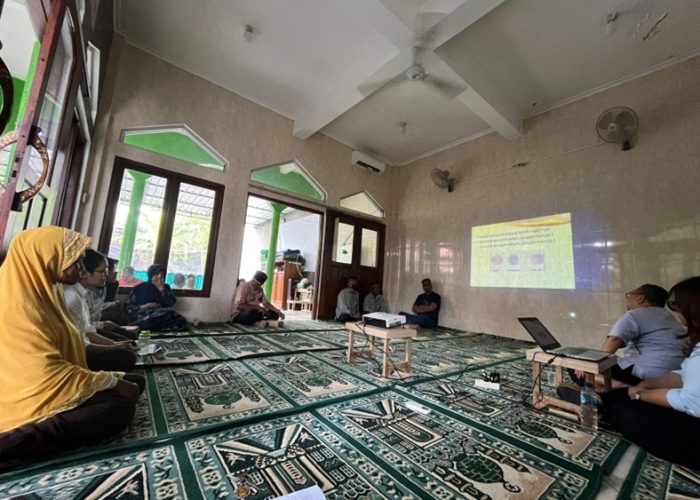
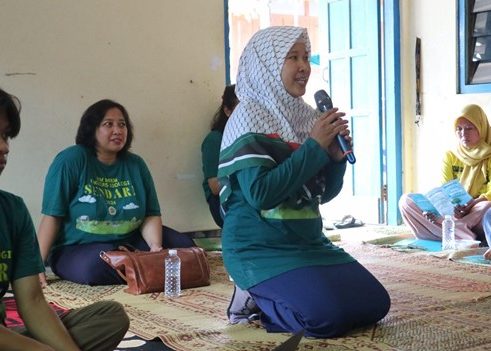
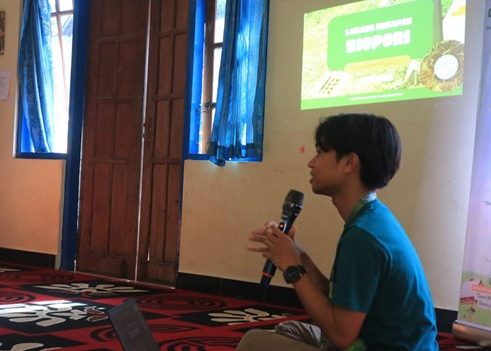
Snake and Ladder: Fun and Attractive Method for Sexual Education by UGM Student at Kampung Terban

AchivementsNews ReleaseStudent Activities Tuesday, 23 July 2024

The rapid advancement of technology has caused significant concern among the residents of Kampung Terban, particularly in RW 5, due to the rise in juvenile delinquency. Addressing technological advancement requires anticipation and preparation to mitigate its negative impacts. One such negative impact is sexual violence, proven by easy access to pornography on the internet, cases of cybersex, and promiscuity among children and teenagers. Even though Kampung Terban RW 5 is close to Universitas Gadjah Mada (UGM), sexual education has not yet reached the residents of Kampung Terban RW 5. The societal taboo on sex education is a reason sexual education is rarely taught by parents or teachers in schools. However, sexual education is a crucial foundation for reducing cases of sexual violence.


Based on the issue the team from UGM consists of Hafifah Nur Ainiyah (Biology 2022), Aulia Robiatul Adawiyah (Biology 2022), Diyan Ulsa (Psychology 2022), Danila Nur Rahmawati (Environmental Geography 2022), and Alma Puska Falasyifa (Biology 2022), under the guidance of Dr. Dwi Sendi Priyono, S.Si., M.Si conducted community service program titled “SCASE: School of Sexuality Education through Smart Snakes and Ladders Game as a Character-Building Medium for Kampung Terban Residents,” focuses on delivering age-appropriate sexual education, as recommended by WHO, through an interactive Snakes and Ladders game. This method ensures that the material is both well-understood and engaging.

Through the SCASE program, Hafifah and her team aim to enhance the welfare of the local community by empowering Desa Mitra. They use socialization, education, and training with the youth organization Karang Taruna Kampung Terban RW 5 (R05TER). Adina, a member of R05TER, stated, “There is a desire among the community to learn about sexual education, but they are still confused about where to start because it is considered a taboo topic, and there has never been a sexual education outreach program in this village.”

Supriyanto, the head of RW 5 Kampung Terban, said, “This program greatly assists the community, especially parents, who are unsure how to start discussions on sexual education with their children. It has had a very positive impact, particularly on children, who now understand which parts of their bodies should not be touched by others and know how to protect themselves to prevent sexual violence.”

The program expected to provide proper sexual education for residents Kampung Terban RW 5, and the community will be better prepared to face potential cases of sexual violence. It also hoped that the program would inspire other initiatives focused on sexual education, whether by the government or other community empowerment organizations. Author: Hafifah Nur Ainiyah.

Contributing to Increasing Biosecurity Innovation and Biodiversity Conservation, Faculty of Biology UGM Holds the 8th National Seminar on Tropical Biology

CooperationHeadline Tuesday, 23 July 2024

Yogyakarta, 20 July 2024 — The Faculty of Biology, Universitas Gadjah Mada (UGM) held the 8th National Seminar on Tropical Biology (SNBT) on 20 July 2024. This year, the seminar was held in a hybrid with “Biosecurity Innovation and Tropical Biodiversity Conservation” theme. This event, which was held at the Auditorium of the Faculty of Biology, aims to provide a platform for academics, researchers, practitioners and students to discuss current issues and innovative solutions in biosecurity and biodiversity conservation in tropical regions. This seminar activity began with a report from Dr. Siti Nurbaiti as chair of the 2024 SNBT Committee, followed by remarks by Prof. Dr. Mirwan Ushada, Director of Research representing the Rector of UGM and opened by Prof. Dr. Budi Setiadi Daryono. M.Agr.Sc., as Dean of the Faculty of Biology UGM. This seminar was attended by around 100 participants from 21 institutions in Indonesia. On this occasion, an MoU was also signed between the Faculty of Biology UGM and PT. Rentokil Indonesia. It is hoped that this collaboration can be a form of synergy between academics and industry, especially regarding the issue of biosecurity and Indonesian biodiversity.


As the first keynote speaker, Ir. Medrilzam from BAPPENAS raised the topic “The Role of Government Policy for Biodiversity Conservation”. In his presentation, Ir. Medrilzam delivered the Indonesian Biodiversity Strategy and Action Plan (IBSAP), the Indonesian government’s strategy for preserving biodiversity, and how these policies are expected to shape people’s behavior towards a positive nature.

As the second speaker, Drs. Heri Susanto from PT. Rentokil Indonesia discussed “The Role of Biological Science and Digital Technology in Sustainable and Environmentally Friendly Pest Control”. In this session, Drs. Heri Susanto conveyed the exploration of the integration of biological science with digital technology to develop pest control methods that are more effective and environmentally friendly.

The third speaker, Mrs. Rina Sri Kasiamdari, Ph.D. delivered material on “The Role of Fungi in Biosecurity and Biodiversity Conservation”. The focus of this discussion is the role of fungi as biosecurity agents in maintaining biodiversity, as well as how fungi can be used in conservation efforts.

The plenary session of the three speakers was enlivened with questions from seminar participants ranging from biodiversity protection related to infrastructure developments to opportunities for food source options with high nutrition from the variety of diversity that Indonesia has to meet food needs and in terms of handling. pest. The seminar activities were continued with parallel sessions filled with presentations by the participant speakers on various research titles, which were carried out offline and online.

The 8th SNBT in 2024 was closed by Dr. Eko Agus Suyono, M.App.Sc., as Vice Dean for Research, Community Service, Collaboration and Alumni Affairs. In his closing remarks, he said that SNBT is a forum for increasing understanding of biosecurity and tropical biodiversity conservation through in-depth discussions with experts in the field, thereby inspiring innovation and collaboration between academics, researchers and practitioners in efforts to protect biodiversity, encourage policy development and new strategies that can be implemented to preserve the environment and support the sustainability of tropical ecosystems. It is also hoped that this national seminar will create synergistic cooperation between the participants who attend, which is expected to be a positive thing that can build and provide more impact regarding issues related to the topic of biosecurity and tropical biodiversity conservation in the future. Furthermore, this seminar plays a role in implementing several points of Sustainable Development Goals (SDG’s): 2. Zero hunger, 3. Good health and well-being, 4. Quality education, 6. Access to clean water and sanitation, 7. Affordable and clean and energy, 9. Industry, innovation and infrastructure, 11. Sustainable cities and communities, 13. Climate change action, 14. Maintaining marine ecosystems, 15. Maintaining land ecosystems and 17. Partnerships for the goals.

Highlighting the Potential for Developing Eco-Friendly Sunscreen from Seaweed, UGM Biology Students Win Bronze Medal at International Essay Competition

AchivementsNews Release Monday, 22 July 2024

The UGM Biology team, consisting of Irfan Agus Nugroho (Biology 2021), Laila Nurul Ilma (Biology 2021), and Fika Zulfiani (Biology 2021), successfully earned a Bronze Medal Quartile nomination in the Scientific Paper competition at the Agritech Research and Entrepreneurship Innovation (AGREETION) 2024. The subtheme of their entry was “Environmental Sustainability Innovation.” AGREETION 2024 is an international scientific paper and business plan competition organized by the Agritech Research and Study Club (ARSC) of the Faculty of Agricultural Technology, Universitas Brawijaya. This year’s theme was “Accelerating Agriculture and Agro-Industry Towards Sustainable Welfare with Eco-Friendly and Clean Production Principles.” Forty-two universities from 3 countries participated in this competition that was held online from April 20 to June 1, 2024.


The team presented an essay titled “Algae Screens: Eco-friendly Sunscreen Based on Red Algae (Palmaria palmata) as an Effort to Prevent Damaged Coral Reef Ecosystems.” The paper was inspired by Indonesia’s abundant coral reefs, which are threatened by degradation, partly due to sunscreen chemicals dissolving in the water. Chemicals in conventional sunscreens, oxybenzone and octinoxate can lead to coral bleaching. As a result, research conducted to develop eco-friendly sunscreen from natural ingredients. The natural compounds focused in this research were Mycosporine-Like Amino Acids (MAAs), abundant in red algae like Palmaria palmata. The research employed a literature study and molecular docking methods between MAA compounds (mycosporine glycine, porphyra-334, and shinorine) as ligands and the target protein Procollagen C-endopeptidase 1 (PCOLCE1). PCOLCE1 is a protein involved in regulating skin aging due to UV exposure, while the three MAA compounds used are known to possess the best antioxidant properties among MAA compounds. The research found that all three MAA compounds could bind to the target protein PCOLCE1, with porphyra-334 being the most effective. Therefore, the Algae-Screen product has the potential to be an effective natural sunscreen alternative to prevent photoaging while being safe for coral reef ecosystems. However, further research is needed to develop and refine the Algae-Screen formulation.


Author: Irfan Agus Nugroho

Highlighting the Potential for Developing Eco-Friendly Sunscreen from Seaweed, UGM Biology Students Win Bronze Medal at International Essay Competition

AchivementsNews ReleaseStudent Activities Monday, 22 July 2024

The UGM Biology team, consisting of Irfan Agus Nugroho (Biology 2021), Laila Nurul Ilma (Biology 2021), and Fika Zulfiani (Biology 2021), successfully earned a Bronze Medal Quartile nomination in the Scientific Paper competition at the Agritech Research and Entrepreneurship Innovation (AGREETION) 2024. The subtheme of their entry was “Environmental Sustainability Innovation.” AGREETION 2024 is an international scientific paper and business plan competition organized by the Agritech Research and Study Club (ARSC) of the Faculty of Agricultural Technology, Universitas Brawijaya. This year’s theme was “Accelerating Agriculture and Agro-Industry Towards Sustainable Welfare with Eco-Friendly and Clean Production Principles.” Forty-two universities from 3 countries participated in this competition that was held online from April 20 to June 1, 2024.


The team presented an essay titled “Algae Screens: Eco-friendly Sunscreen Based on Red Algae (Palmaria palmata) as an Effort to Prevent Damaged Coral Reef Ecosystems.” The paper was inspired by Indonesia’s abundant coral reefs, which are threatened by degradation, partly due to sunscreen chemicals dissolving in the water. Chemicals in conventional sunscreens, oxybenzone and octinoxate can lead to coral bleaching. As a result, research conducted to develop eco-friendly sunscreen from natural ingredients. The natural compounds focused in this research were Mycosporine-Like Amino Acids (MAAs), abundant in red algae like Palmaria palmata. The research employed a literature study and molecular docking methods between MAA compounds (mycosporine glycine, porphyra-334, and shinorine) as ligands and the target protein Procollagen C-endopeptidase 1 (PCOLCE1). PCOLCE1 is a protein involved in regulating skin aging due to UV exposure, while the three MAA compounds used are known to possess the best antioxidant properties among MAA compounds. The research found that all three MAA compounds could bind to the target protein PCOLCE1, with porphyra-334 being the most effective. Therefore, the Algae-Screen product has the potential to be an effective natural sunscreen alternative to prevent photoaging while being safe for coral reef ecosystems. However, further research is needed to develop and refine the Algae-Screen formulation.


Author: Irfan Agus Nugroho

Highlighting on High Incidence of Stunting in Indonesia UGM Biology Students Win Silver Medals in International Essay Competition

AchivementsNews ReleaseStudent Activities Monday, 22 July 2024

The CEREALGAE team from The Faculty of Biology UGM, led by Hana Salwa (Biology 2022) along with Irfan Agus Nugroho (Biology 2021), successfully won a Silver Medal Quartile at the Agritech Research and Entrepreneurship Innovation (AGREETION) 2024 competition. The AGREETION 2024 is an international scientific paper and business plan competition organized by the Agritech Research and Study Club (ARSC) of the Faculty of Agricultural Technology, Universitas Brawijaya, with the theme ‘’Accelerating Agriculture and Agro-Industry Towards Sustainable Welfare with Eco-Friendly and Clean Production Principles.’’ Forty two universities from 3 countries participated in this competition that was held online from April 20 to June 1, 2024.


The team presented an essay titled “CEREALGAE: Cereal Formulation Based on Brown Algae (Sargassum sp.) Fortified with Moringa Leaves as a Food Diversification Strategy to Prevent Stunting.” The essay was motivated by the high stunting incidence in Indonesia. Aligned with the government’s efforts to achieve Sustainable Development Goals (SDGs) No 2, which aims to end hunger, achieve food security, and improve nutrition, along with the “Gerakan Nasional (GerNas)” program, food diversification can be a preventive measure to ensure that toddlers receive proper nutrition. One approach to achieving this goal is to optimize the utilization of natural ingredients, such as Sargassum sp. and moringa leaves, as functional food ingredients.

Sargassum sp. is a type of brown algae with high abundance and contains macronutrients like carbohydrates, proteins, lipids, and several micronutrients. The protein in Sargassum sp. can aid in cell regeneration during growth and repair, making it recommended for children’s growth phases. Fortifying food with moringa leaf powder can increase the protein, zinc, iron, calcium, and magnesium content. Moringa leaf powder contains about 27.1 g of protein, making it an excellent alternative to animal protein. A study indicates that moringa leaf fortification can significantly increase toddler weight and reduce acute nutrient deficiencies two months after consumption. The Indonesian society’s tendency to consume instant or fast food prompted the biology student team to create a functional food innovation in the form of cereal made from Sargassum sp. and moringa leaves. This innovation is expected to be one solution to reduce the prevalence of stunting in Indonesia through functional food diversification utilizing natural ingredients. Author: Kamilia Hana Salwa.

The 7th International Summer Course in Sustainable Development Lecture Series Raises the Potential of Microalgae Bioprospecting

News Release Friday, 19 July 2024

Yogyakarta, 19 July 2024 – As part of the 2024 7th International Summer Course in Sustainable Development lecture series, the online lecture session continues after the previous lecture series on Wednesday (17/7) with researchers from Nottingham University. In this series, we present a microalgae expert from the Faculty of Biology, Universitas Gadjah Mada, Dr. Eko Agus Suyono, M.App.Sc. which carries the topic of microalgae biorefinery, in accordance with the theme promoted by ISC this year “Sustainable Bioprospecting of Tropical Biodiversity”.


Dr. Eng. Thoriq Teja Samudra, one of the lecturers at the Biotechnology Laboratory, Faculty of Biology, UGM, acted as moderator this time. He introduced Dr. Eko is one of the researchers in the same laboratory and also the inventor of various innovations related to microalgae. His research collaborates with various sectors and researchers from other fields such as chemical engineering.

Dr. Eko explained his presentation entitled “Microalgae Biorefinery: Integration Biorefinery and Biofuel”. The scarcity of fuel from petroleum over time has become one of the backgrounds for the development of microalgae biofuel. In addition, commonly used fossil fuels cause an increase in CO2 concentrations in the atmosphere, which is one of the triggers for climate change. Microalgae have great potential as biofuel, which is able to supply energy to produce biofuel while reducing CO2 levels in the atmosphere which is used in the photosynthesis process.

Apart from its potential as an alternative fuel, microalgae provide other bio prospective potential including cosmetics, potential food, and so on. Dr. Eko added that the extracted and purified algae biomass will produce various potential sustainable products: food, biodiesel, fertilizer, animal feed, chemicals and so on. This makes a major contribution to various sectors ranging from food security, health, energy, to tackling climate change.

The summer course participants were enthusiastic in attending all the lectures, it is hoped that through these activities students can contribute to innovation in the development of sustainable research products while maintaining the balance of the ecosystem and biodiversity within it.

Collaboration on Bioprospecting Survey of Medicinal Plants in Mount Merbabu National Park

CooperationHeadline Thursday, 18 July 2024

On July 16 and 17, 2024, a research team from the Faculty of Biology at Gadjah Mada University (UGM), led by Prof. Dr. Ratna Susandarini, M.Sc., conducted an ethnobotanical survey as part of a collaborative effort on the Bioprospecting of Medicinal Plants with the Mount Merbabu National Park Authority. The survey took place in the Ampel and Kopeng Resorts within the Mount Merbabu National Park.

The primary objective of this collaboration is to gather data on the use of medicinal plants by the local communities living around the national park. This initiative is crucial for the conservation of biodiversity and the sustainable use of natural resources. The research team collected information through interviews with local residents, who shared their traditional knowledge on the medicinal properties of various plants.


Following the data collection from the community, the team conducted a field survey to collect samples of the medicinal plants mentioned. This fieldwork is essential for the bioprospecting process, which aims to identify plants with potential biomedical applications. The collected samples will be analyzed in the laboratory to determine their chemical composition and potential health benefits.

Prof. Dr. Ratna Susandarini emphasized the importance of this research in contributing to the Sustainable Development Goals (SDGs), particularly in the areas of health, biodiversity conservation, and sustainable use of ecosystems. “Our work here not only aims to discover new medicinal compounds but also to promote the conservation of plant biodiversity in Mount Merbabu National Park,” she stated.

The collaboration between UGM and the Mount Merbabu National Park Authority is a significant step towards integrating traditional knowledge with modern scientific research. This approach not only respects and preserves the cultural heritage of the local communities but also enhances the scientific understanding of medicinal plants.

The Mount Merbabu National Park, known for its rich biodiversity, provides an ideal setting for this type of research. The park is home to numerous plant species, many of which have been used traditionally for medicinal purposes. By documenting and studying these plants, the research team hopes to contribute to the global knowledge of medicinal biodiversity.

The local communities play a vital role in this research. Their traditional knowledge and practices are invaluable resources for identifying plants with medicinal properties. The involvement of the community also ensures that the benefits of the research are shared with those who have preserved this knowledge for generations.

The field survey in the Ampel and Kopeng Resorts was conducted with the support of the Mount Merbabu National Park Authority, which provided logistical assistance and access to the research sites. This collaboration highlights the importance of partnerships in achieving conservation and sustainable development goals.

The findings from this research will be published in scientific journals and shared with the local communities and relevant stakeholders. This dissemination of knowledge is crucial for promoting the conservation of medicinal plants and their sustainable use.

In conclusion, the bioprospecting survey of medicinal plants in Mount Merbabu National Park is a significant initiative that combines traditional knowledge with modern science. It aims to contribute to the conservation of biodiversity, the discovery of new biomedical compounds, and the sustainable use of natural resources, aligning with the broader goals of the SDGs.

UGM Students Offer Dayak Onion as an Effective Treatment for Tongue Cancer

AchivementsNews ReleaseStudent Activities Thursday, 18 July 2024

Universitas Gadjah Mada students Ribka Wijayanti and Dwina Aulia (Dentistry 2022), Anisah Qurrotu Aini (Biology 2022), and Naila Nurfadhilah (Pharmacy 2022) conducted research on the potential of Dayak onion as an antiproliferative and apoptosis-inducing agent for human tongue cancer cells – under the guidance of Prof. drg. Supriatno, M.Kes., MD.Sc., Ph.D..


Dayak onion (Eleutherine bulbosa (Mill.) Urb.) is a medicinal herb commonly used by the indigenous Dayak people and can be cultivated in various regions. Besides health benefits, this research also positively impacts the local economy. This research focuses on developing a natural therapy for tongue cancer by addressing the shortcomings of existing therapy. Plant-derived exosome-like nanoparticles, or PDENs, from Dayak onion, serve as a drug delivery method derived from Dayak onion exosomes.

“Cancer occurs due to the activity of proto-oncogenes, leading to excessive cell proliferation and the inhibition of tumor suppressor genes. We used PDENs because they have proven to inhibit proliferation and induce apoptosis in various types of cancer. Based on this, we wanted to explore its potential for tongue cancer treatment, ‘’ explained Ribka.

Ribka noted that using PDENs from Dayak onion induced apoptosis (programmed cell death) in cancer cells and reduced the number of proliferating cells.

“Dayak onions have a powerful IC50 equivalent to 38.97 ppm. This value is superior to other medicinal plants, such as soursop leaves and bajakah roots. The various therapeutic compounds in Dayak onion cannot be utilized as therapeutic agents using common extraction methods. However, with PDENs, all therapeutic compounds can be delivered to the target organ,” Anisah elaborated.

This research project was submitted as part of the Student Creativity Program in Exact Research (PKM-RE) with research funding support from the Ministry of Education, Culture, Research, and Technology (Kemendikbudristek) to conduct in-depth research and analysis on the potential of PDENs extract from Dayak onion. It hoped that this interdisciplinary collaborative research can inspire further exploration of natural potentials to improve human quality of life. [Writer: AQA]
UGM Students Offer Dayak Onion as an Effective Treatment for Tongue Cancer

AchivementsNews ReleaseStudent Activities Thursday, 18 July 2024

Universitas Gadjah Mada students Ribka Wijayanti and Dwina Aulia (Dentistry 2022), Anisah Qurrotu Aini (Biology 2022), and Naila Nurfadhilah (Pharmacy 2022) conducted research on the potential of Dayak onion as an antiproliferative and apoptosis-inducing agent for human tongue cancer cells – under the guidance of Prof. drg. Supriatno, M.Kes., MD.Sc., Ph.D..


Dayak onion (Eleutherine bulbosa (Mill.) Urb.) is a medicinal herb commonly used by the indigenous Dayak people and can be cultivated in various regions. Besides health benefits, this research also positively impacts the local economy. This research focuses on developing a natural therapy for tongue cancer by addressing the shortcomings of existing therapy. Plant-derived exosome-like nanoparticles, or PDENs, from Dayak onion, serve as a drug delivery method derived from Dayak onion exosomes.

“Cancer occurs due to the activity of proto-oncogenes, leading to excessive cell proliferation and the inhibition of tumor suppressor genes. We used PDENs because they have proven to inhibit proliferation and induce apoptosis in various types of cancer. Based on this, we wanted to explore its potential for tongue cancer treatment, ‘’ explained Ribka.

Ribka noted that using PDENs from Dayak onion induced apoptosis (programmed cell death) in cancer cells and reduced the number of proliferating cells.

“Dayak onions have a powerful IC50 equivalent to 38.97 ppm. This value is superior to other medicinal plants, such as soursop leaves and bajakah roots. The various therapeutic compounds in Dayak onion cannot be utilized as therapeutic agents using common extraction methods. However, with PDENs, all therapeutic compounds can be delivered to the target organ,” Anisah elaborated.

This research project was submitted as part of the Student Creativity Program in Exact Research (PKM-RE) with research funding support from the Ministry of Education, Culture, Research, and Technology (Kemendikbudristek) to conduct in-depth research and analysis on the potential of PDENs extract from Dayak onion. It hoped that this interdisciplinary collaborative research can inspire further exploration of natural potentials to improve human quality of life. [Writer: AQA]

UGM Biology and Pharmacy Students Create Topical Patch Combining Fish Oil and Sugarcane Bagasse Biosilica for Diabetic Wound Healing

AchivementsNews Release Thursday, 18 July 2024

Diabetes mellitus (DM) is a global public health issue that can lead to macrovascular and microvascular complications. In Indonesia, the prevalence of DM among adults reaches 10.6%. Ineffective DM management can result in long-term metabolic, neurological, or vascular complications, making DM patients more susceptible to foot infections, which can increase the incidence of amputations. According to data from the Ministry of Health 2023, over one million DM patients in Indonesia have undergone foot amputations, with approximately 80% of these amputations beginning with foot ulcers. The prolonged infection of diabetic wounds is caused by high blood glucose levels, which increase bacterial proliferation. This issue exacerbated by immune system deficiencies, leading to restricted mobility and decreased daily productivity.


Based on this issue, Biology and Pharmacy UGM students Zahwa Khoirun Nisa (Biology 2022), Zatun Nithoghani Hafni (Biology 2021), Muhammad Nur Ikhsan (Biology 2021), Sekar Ayu Kusumawardani (Pharmacy 2022) and Alvian Chesyar Burhanudin (Pharmacy 2022) was developed a topical patch using two local Indonesian natural products: catfish oil and sugarcane bagasse biosilica, as an alternative treatment for diabetic wounds under guidance Dr. Adhyatmika, M.Biotech. This research, funded by the Ministry of Education and Culture, is part of the Student Creativity Program in Exact Research (PKM-RE).

The regular treatment for diabetic wounds is antibiotic therapy. However, excessive use of antibiotics can lead to antibiotic resistance, making treatment less effective. “We chose the patch formulation in this study to prevent excessive use of antibiotics while ensuring drug delivery to the wound with a more measured and controlled dosage,” said Zahwa. Hafni added that the patch formulation is also suitable for patients who cannot tolerate oral medications and avoids the first-pass effect, maintaining the bioavailability of the drug.

Catfish oil contains essential omega-3 fatty acids known to aid in wound healing. An innovation in this study involves adding sugarcane bagasse biosilica to the patch formulation. This biosilica has shown to possess antibacterial activity that supports wound healing.

The bagasse used obtained from the sugarcane milling residues at PT. Madubaru. “We collected the accumulated sugarcane bagasse, then subjected it to furnace treatment at 600°C for 1 hour. The resulting bagasse ash was then dissolved in NaOH and acidified with HCl to form a gel. This gel was then oven-dried to produce silica powder,” explained Ikhsan. The resulting biosilica was combined with catfish oil to create three formulations with different active ingredient concentrations (catfish oil: biosilica), namely F1 = 25:75, F2 = 50:50 and F3 = 75:25. “We made nanoemulsions with these three formulations, measured their particle sizes, then added gel bases to form nanoemulgel, which processed into patch preparations,” Alvian elaborated.

The patches were then tested on diabetic mellitus model rats. “We inflicted wounds on diabetic model rats and applied different treatments, including the three patch formulations. Wound diameter observed from day 1 to day 7,” Sekar said. The data showed the significant effects of the patch treatments on diabetic wound healing. Based on these conclusions, further analysis identified Formulation 1 (25:75) as the best for aiding diabetic wound healing. This research is expected to provide a theoretical foundation for developing comprehensive therapies to accelerate diabetic wound healing. With this advancement, we hope to contribute to improving the quality of life for diabetes patients and help them achieve better health and well-being. [Author: Zahwa Khoirun Nisa]
1…1516171819…25

Accreditation

Recent Posts

  • Sakura Science Program 2026: Strengthening Molecular Biology Skills through Intensive Laboratory Training at Yamagata University
  • BIOENTRI 2026: Open House dan Pengenalan Topik Riset Fakultas Biologi UGM Sparks Strong Academic Interest
  • Sakura Science Program 2026: 18 Members of UGM Faculty of Biology Participate in Academic Program at Yamagata University, Japan
  • An Educational Field Trip on Histology and Animal Anatomy for SMPIT Muhammadiyah An Najah Klaten Students at the Faculty of Biology, UGM
  • Faculty of Biology UGM Strengthens International Collaboration through Strategic Visit to Bard University, Egypt
Universitas Gadjah Mada

UNIVERSITAS GADJAH MADA

FACULTY OF BIOLOGY
Teknika Selatan Street, Sekip Utara,
Yogyakarta 55281
biologi-ugm@ugm.ac.id
Phone/Fax: +62 (274) 580839

About us

  • History
  • Organization
  • Vision and Mission
  • Staff

Student Affairs

  • Student Service
  • Student Organization
  • Submission for Practical Field Work
  • Permission Field Research
  • Permission Thesis/Disertation

academic

  • Academic Regulations
  • Academic Anonncement

Accreditation

  • Image 1
  • Image 2
  • Image 3

© 2024 FACULTY OF BIOLOGY UNIVERSITAS GADJAH MADA

KEBIJAKAN PRIVASI/PRIVACY POLICY

[EN] We use cookies to help our viewer get the best experience on our website. -- [ID] Kami menggunakan cookie untuk membantu pengunjung kami mendapatkan pengalaman terbaik di situs web kami.I Agree / Saya Setuju