Arsip:
SDG 3 : Establish Good Health and Well-Being
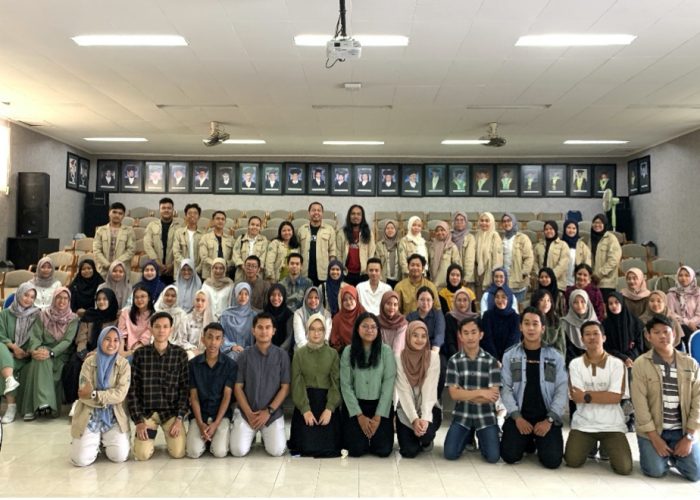
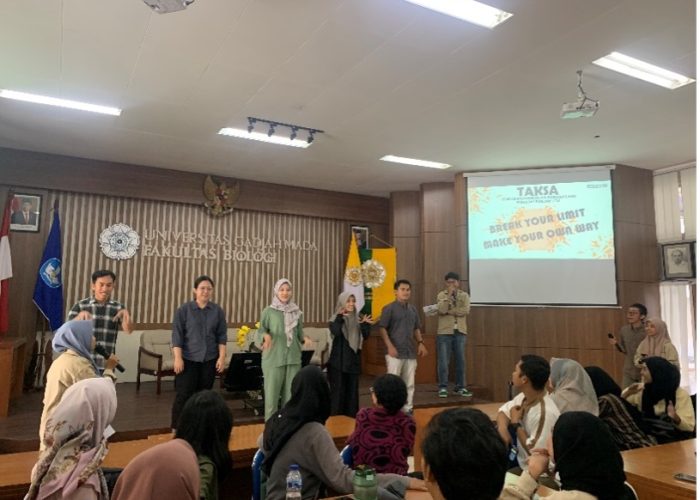
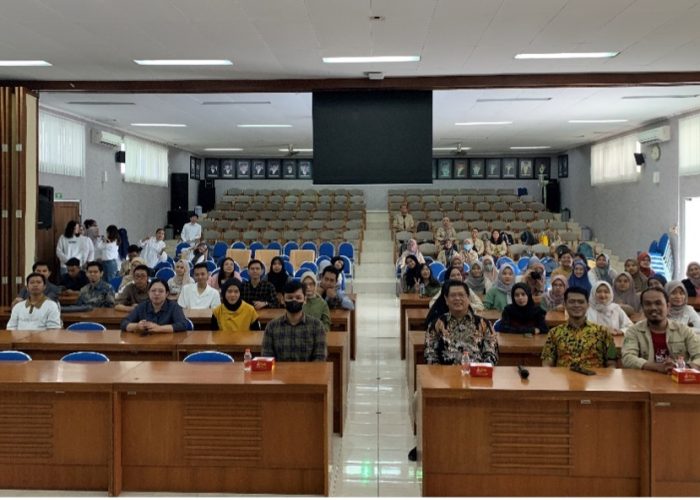
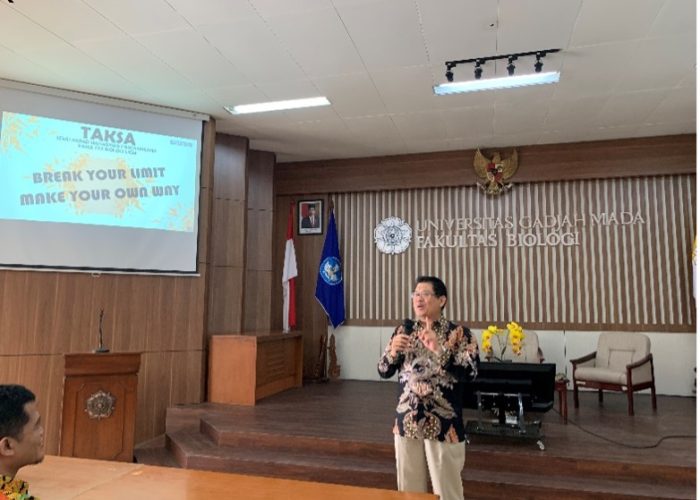
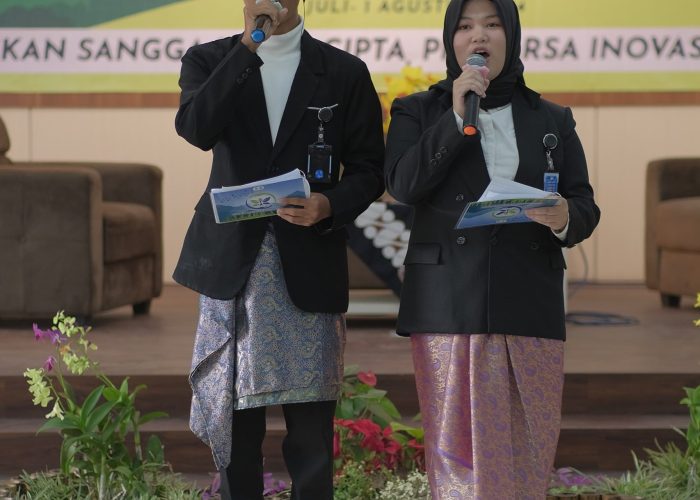
On Saturday, August 24, 2024, the Graduate Student Association (KMP) of the Faculty of Biology UGM held a Graduate Student Gathering (TAKSA) at the Tropical Biology Auditorium, Faculty of Biology UGM with the theme “Break Your Limit, Make Your Own Way” aimed to foster relationship among graduate students. The event commenced at 7:45 AM WIB with opening remarks from the MCs, Aryan Mustamin, S.Si., and Umu Intan Kinasih, S.Si., followed by the singing of the Indonesian National Anthem, the Gadjah Mada Hymn, and the Faculty of Biology March. Subsequently, opening speeches were delivered by Wahyul Fatwatulumam, S.Si., Chair of the KMP Faculty of Biology UGM; Dr. rer. Nat. Andhika Puspito Nugroho, S.Si., M.Si., Advisor of the KMP Faculty of Biology UGM; and Prof. Dr. Budi Setiadi Daryono, M.Agr.Sc., Dean of the Faculty of Biology UGM.
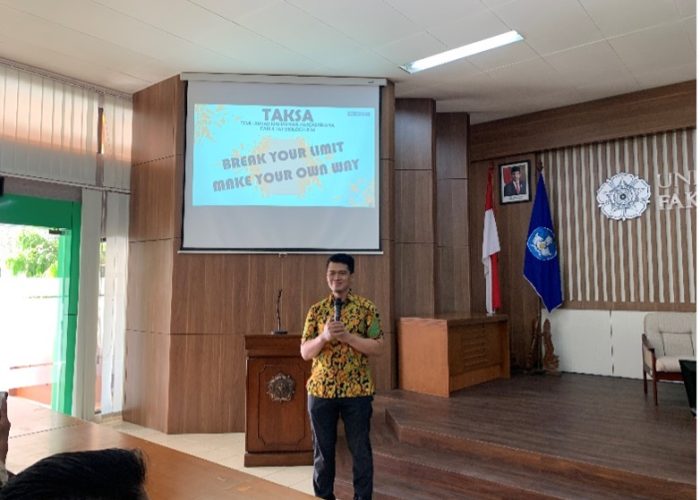
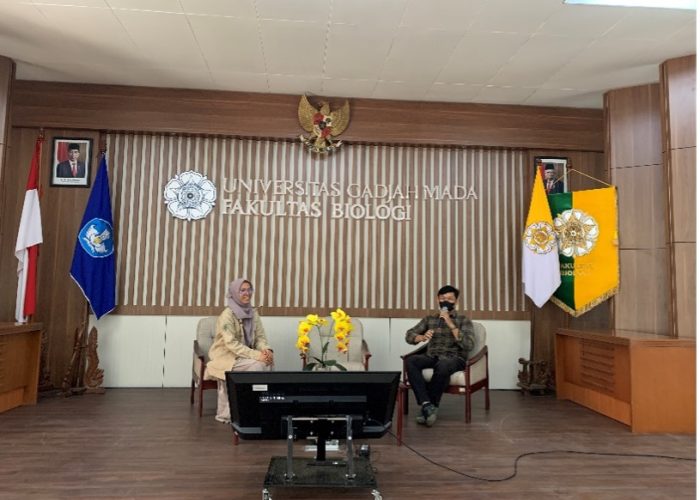
The TAKSA event was preceded with a talk show led by Dini Iman Sari, S.Si., featuring Aryo Seto Pandu Wiranto, S.Si., M.Sc. as the speaker. He highlighted the importance of stepping outside one’s comfort zone to create new opportunities. He also stressed the value of recognizing one’s strengths, staying connected with close ones, and avoiding overthinking and unnecessary fear. Additionally, he urged the audience to embrace new experiences and take courageous actions, reminding them that achieving dreams requires hard work. The talk show concluded with a Q&A session.
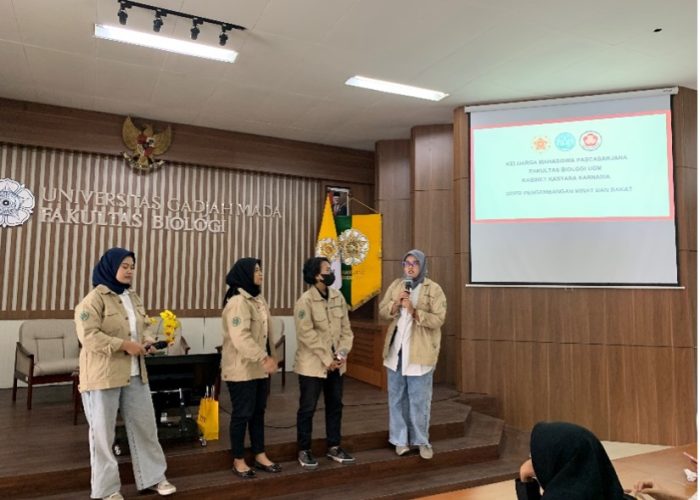
The event then moved on to a sharing session and the presentation of the work programs and activities of each KMP division. Afterward, participants engaged in a game using the Quizziz app to determine the top three winners. That continued with a National Insight Test (TWK) game that involved three teams. The winner of the entire game round ends with the awarding of prizes. The closing of TAKSA ended with a prayer by Emi Suhaemi, S.Si., and photo documentation.[Author: KMP]
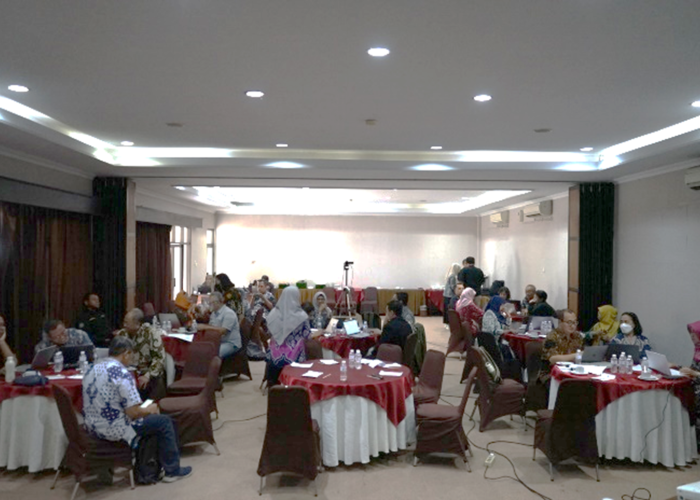
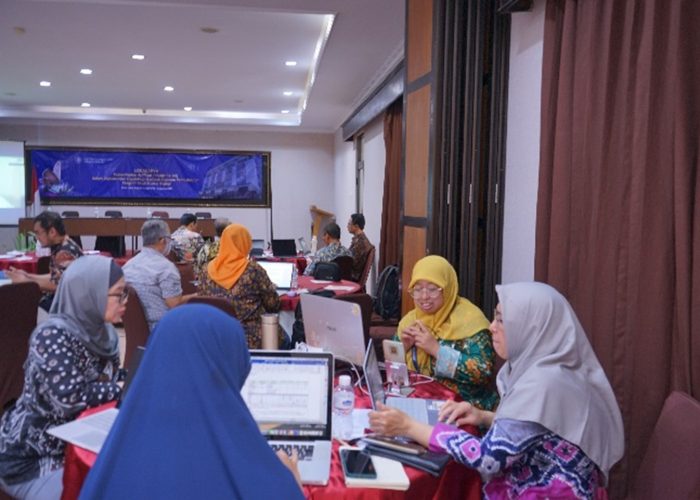
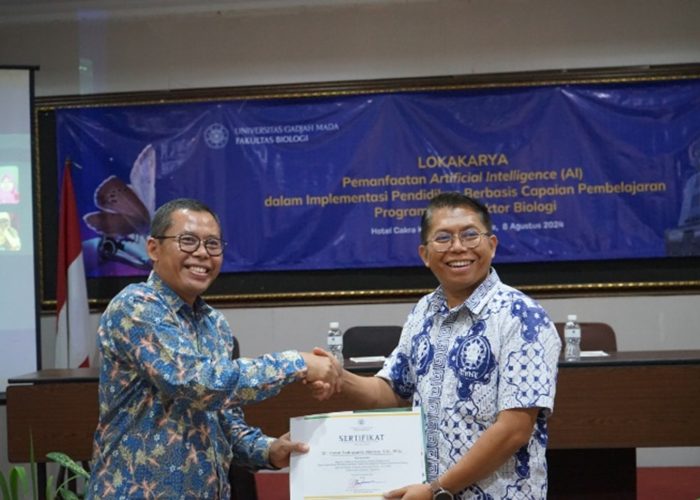
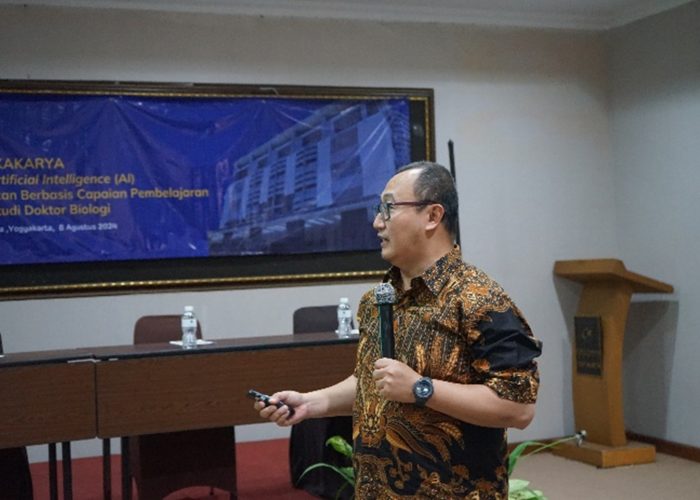
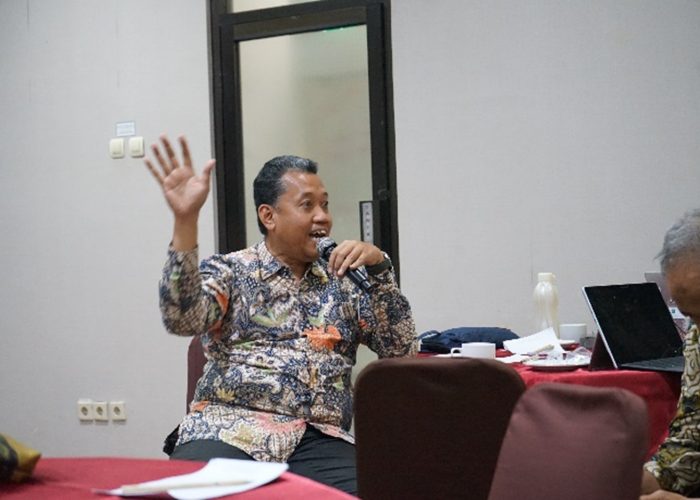
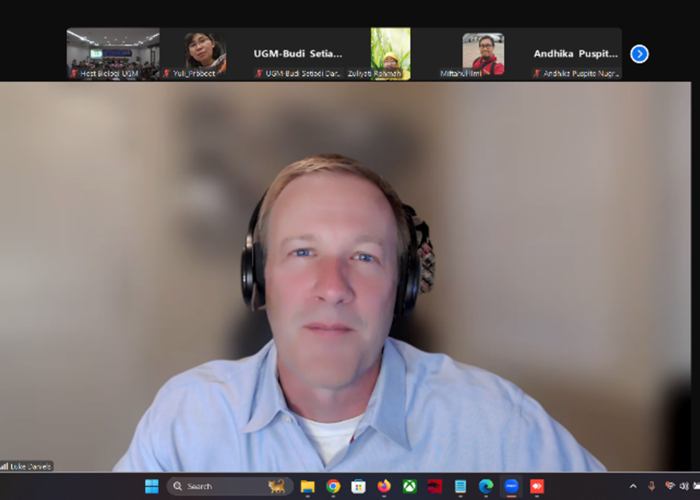
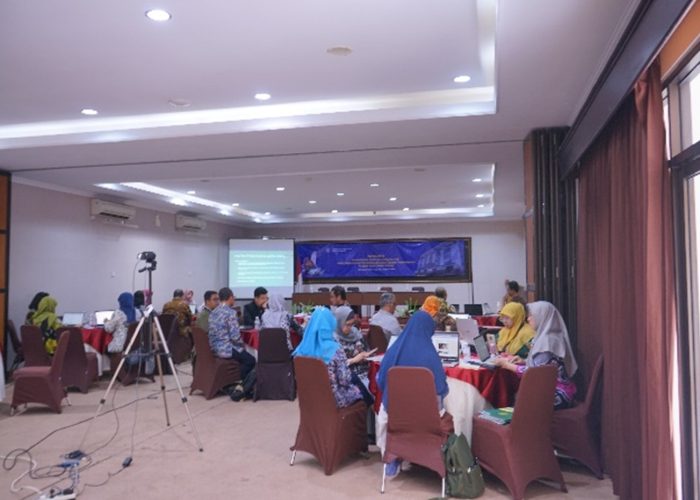
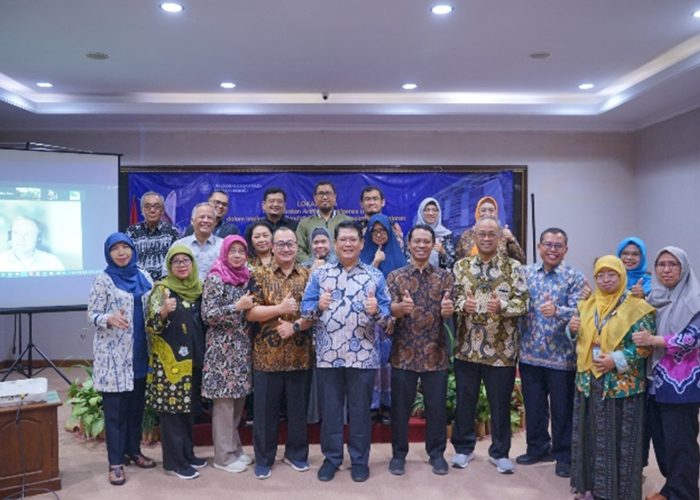
Thursday, August 8, 2024 – The Faculty of Biology Universitas Gadjah Mada held a workshop on Artificial Intelligence (AI) in the implementation of outcome-based education for Doctor in Biology Study Program. This event held in hybrid manner, at the Cakra Kusuma Hotel and via zoom meeting. Attended by all lecturers for the doctoral program, the workshop aimed to enhance the quality of education within the Faculty of Biology UGM.
In his opening remarks, the Dean of the Faculty of Biology UGM, Prof. Dr. Budi Setiadi Daryono, M.Agr.Sc., emphasized the importance of understanding Artificial Intelligence (AI) to support the teaching and learning process. The event continued with a presentation delivered by Prof. Luke Daniels, Ph.D., from The College of Idaho, on Development of Doctoral Program to Address Global Challenges. Prof. Daniels highlighted the need for doctoral graduates to be innovative in their fields. Therefore, curriculum development must consider the strengths that already possessed by the university while also keeping pace with developments such as the use of Artificial Intelligence (AI) to enhance the quality of learning and research.
The 2nd session was delivered by the Director of Directorate of Academic Studies and Innovation (DKIA) UGM, Dr.Agr.Sc. Ir. Hatma Suryatmojo, S.Hut., M.Si., IPU. ASEAN Eng. The presented topic was “Utilizing Artificial Intelligence in Learning and Research”. Dr. Hatma commended the quick response of the Faculty of Biology to the advancements of the AI era in supporting educational and research, as well as community services.
In his presentation, Dr. Hatma highlighted the increasingly indispensable role of AI in teaching and learning activities. He explained AI can be effectively integrated to enhance efficiency and effectiveness. A point he emphasized was the role of lecturers in overseeing the use of AI to ensure its relevance. Lecturers obliged to stimulate and encourage students to understand and deepen their knowledge through further discussion. The Vice Dean, Dr. Eko Agus Suyono, M.App.Sc., added that the Faculty of Biology UGM has already implemented the latest technology in drafting the Strategic Plan (Renstra) 2023.
The next session was conducted by the Head of the Sub-Directorate of Academic Studies DKIA UGM, Dr. Irwan Endrayanto, S.Si., M.Sc., on Simaster for Course Plan (RPKPS) and Portfolios. As an introduction, Dr. Irwan explained the standards of the learning process at Universitas Gadjah Mada, emphasizing the importance of assessment in the learning process.
Effective and efficient assessment requires well-structured RPKPS. Technology, such as the Simaster plays a role in facilitating the creation and management of the document. During this session, Dr. Irwan was assisted by Andri Andreas Priyanto and Muhammad Lathif Febriyanto, S.Pd., who guided lecturers through the practical process of filling out and preparing RPKPS and portfolios using the Simaster.
This workshop demonstrates the Faculty of Biology UGM’s commitment to enhancing the quality of education and the competence of lecturers in implementing the Tri Dharma of higher education particularly in the Doctoral Program, align with the Sustainable Development Goals (SDGs) on providing quality and inclusive education (SDGs No. 4).
Effective and efficient assessment requires well-structured RPKPS. Technology, such as the Simaster plays a role in facilitating the creation and management of the document. During this session, Dr. Irwan was assisted by Andri Andreas Priyanto and Muhammad Lathif Febriyanto, S.Pd., who guided lecturers through the practical process of filling out and preparing RPKPS and portfolios using the Simaster.
This workshop demonstrates the Faculty of Biology UGM’s commitment to enhancing the quality of education and the competence of lecturers in implementing the Tri Dharma of higher education particularly in the Doctoral Program, align with the Sustainable Development Goals (SDGs) on providing quality and inclusive education (SDGs No. 4).
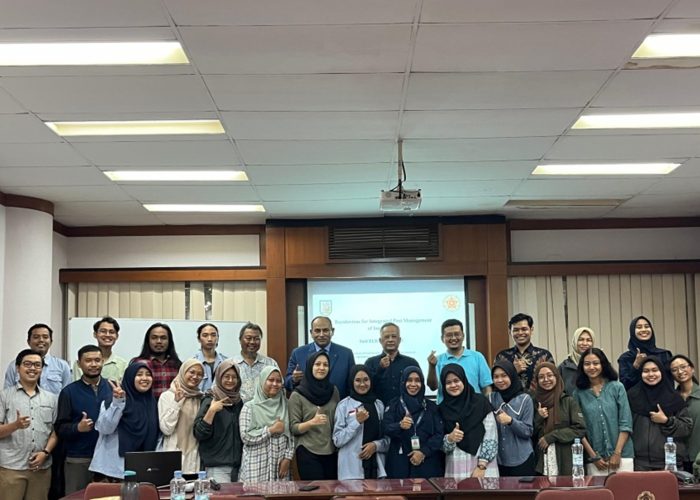
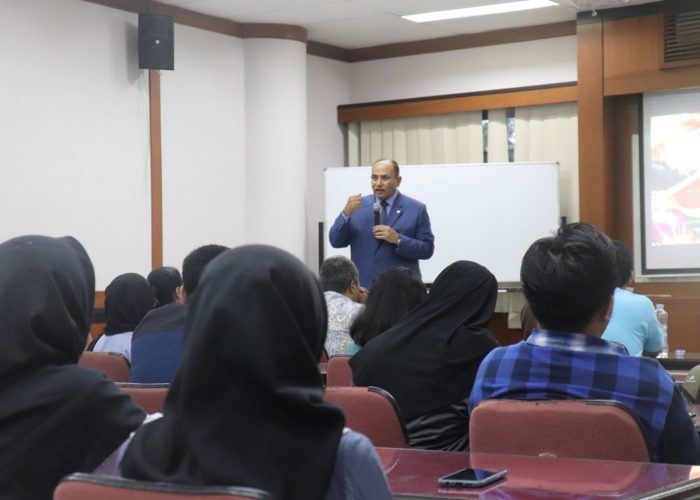
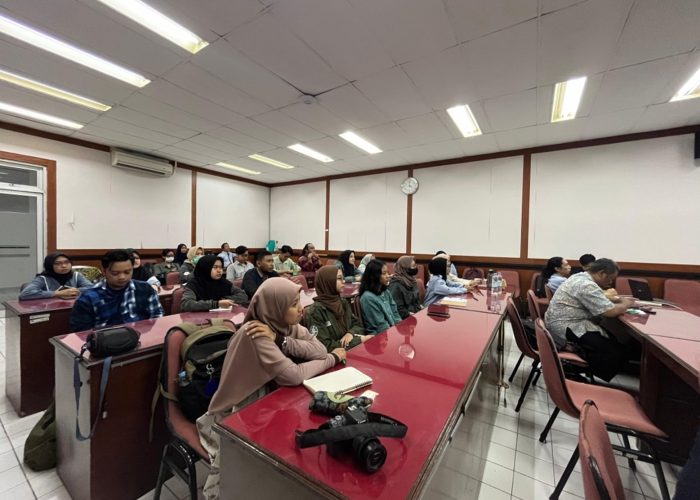
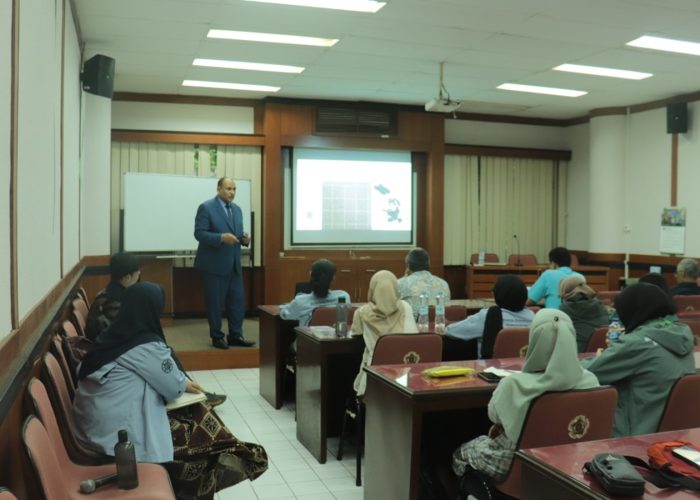
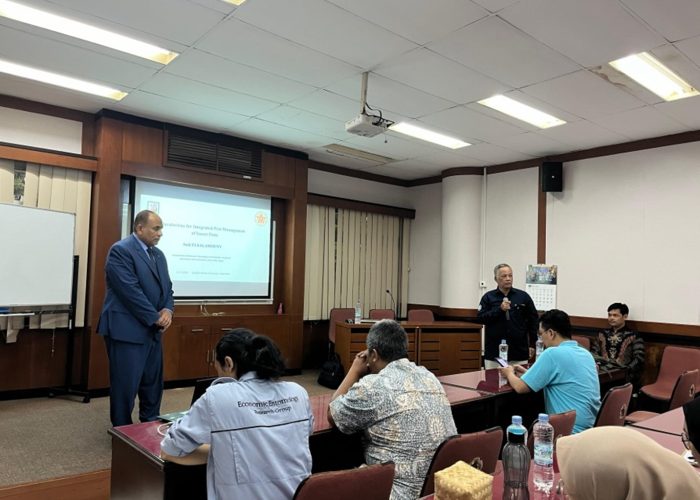
The Entomology Laboratory of the Faculty of Biology, Gadjah Mada University held a guest lecture entitled “Baculovirus for Integrated Pest Management.” The event took place in the Upper Meeting Room of Building A and was moderated by Aryo Seto Pandu Wiranto, S.Si., M.Sc. The event was held on Wednesday, July 31, 2024, starting with remarks from Drs. Hari Purwanto, M.P., Ph.D., as the Head of the Entomology Laboratory of the Faculty of Biology. He emphasized the importance of innovative pest control strategies in increasing agricultural productivity and ensuring food security.
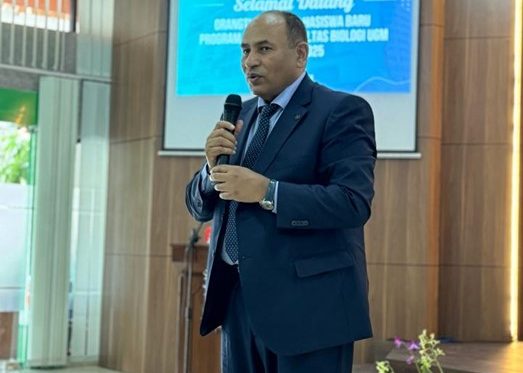
The event continued with the presentation of material by Prof. Said Ali Eid Elsalamouny from Cairo University, Egypt. Prof. Said delivered an in-depth presentation on the importance of using microbes, especially entomopathogenic viruses, as pest control agents in agriculture. He explained that several genera of viruses, such as Alphabaculovirus and Betabaculovirus, can effectively target pests from the order Lepidoptera, which includes many agricultural pests. Prof. Said also explained the use of Gammabaculovirus to control pests from the order Hymenoptera and Deltabaculovirus to control pests from the order Diptera. His presentation emphasized the potential of these viruses in the integrated pest management (IPM) system, which is very important for sustainable agriculture.
One of the highlights of the lecture was Prof. Said’s discussion on the mechanism of virus isolation from Olive Leaf Moth larvae, Palpita vitrealis. He explained the identification process consisting of direct observation of symptoms, observation using light and electron microscopes, and molecular techniques. This research resulted in the identification of a new type of Nucleopolyhedrovirus. To increase the effectiveness of Baculovirus as a biocontrol agent, Prof. Said explained several important factors that need to be considered, namely observation of insect behavior, timeliness in Baculovirus application, use of feeding stimulants, UV protectants, ensuring the right concentration, use of surfactants and adhesives. These factors are very important to maximize the impact of Baculovirus in pest control.
The material delivery session ended with a Q&A session, where participants actively interacted with Prof. Said, seeking further insights into the practical application of Baculovirus in agriculture. The guest lecture was closed with a group photo and participants left the event with renewed enthusiasm, understanding the important role of innovative pest control strategies in achieving food security and environmental sustainability. This event not only demonstrated progress in the field of Entomology but also strengthened the commitment of the Faculty of Biology, Universitas Gadjah Mada to contribute to the global goals of sustainable development, especially in the field of agriculture to prevent hunger (SDG 2) and a healthy and prosperous life (SDG 3) and safe for the environment (SDG 15).
On July 29, 2024, the Faculty of Biology at Universitas Gadjah Mada (UGM) held a significant hybrid meeting for the parents of new students from the 2024 cohort. This event was attended by all parents, providing a platform for them to engage with the faculty and gain insights into their children’s academic journey. The meeting was led by the Dean of the Faculty of Biology, Prof. Dr. Budi Setiyadi Daryono, M.Agr.Sc. who emphasized the importance of access to education and cultural diversity in shaping the students’ experiences.
During the meeting, various topics were discussed, including the academic processes that students will undergo throughout their studies. Prof. Budi highlighted the faculty’s commitment to providing a world-class education, which is supported by international collaborations. These partnerships not only enhance the learning experience but also open doors for students to participate in double degree programs, fast-track options, and student mobility and exchange programs.
The discussion also touched upon the importance of cultural diversity within the academic environment. Prof. Budi noted that exposure to different cultures enriches the educational experience and prepares students for a globalized workforce. This aligns with the Sustainable Development Goals (SDGs), particularly in promoting inclusive and equitable quality education.
In addition to academic matters, the meeting featured a crucial segment on the dangers of drug abuse. Brigjen. Pol. Drs. Sumirat Dwiyanto, M.Si., the Head of the National Narcotics Agency of West Kalimantan and an alumnus of the Faculty of Biology, provided valuable insights on this pressing issue. He urged parents to remain vigilant and supportive in guiding their children through the challenges they may face during their university years.
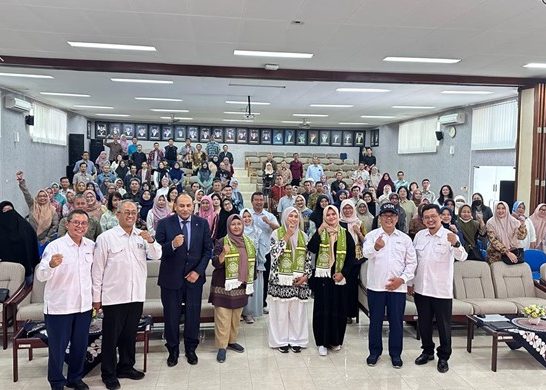
Furthermore, the meeting included a presentation on the career prospects for graduates of the Faculty of Biology. Drs. Heri Susanto, M.M., Managing Director at Rentokil Initial for Indonesia, Sri Lanka, and the Maldives, shared his experiences and the skills that employers seek in graduates. He emphasized the importance of practical experience and how the faculty’s programs are designed to equip students with the necessary skills for employment in various sectors. Prof. Said El Salamouny from the Department of Entomology, College of Agriculture, Cairo University, explained the importance of Biology and its future prospects.
The hybrid format of the meeting allowed for a broader participation, ensuring that parents who could not attend in person were still able to engage in the discussions. This approach reflects the faculty’s commitment to accessibility and inclusivity, aligning with the SDGs’ goal of ensuring inclusive and equitable quality education for all.
As the meeting progressed, parents were encouraged to ask questions and share their concerns. This open dialogue fostered a sense of community and collaboration between the faculty and families, reinforcing the idea that education is a shared journey. The discussions highlighted the importance of parental involvement in supporting students’ academic and personal growth.
The event concluded with a lively discussion session, where parents expressed their gratitude for the information shared and the opportunity to connect with faculty members. The faculty’s dedication to providing a supportive environment for students was evident, and parents left the meeting feeling more informed and empowered to support their children in their academic endeavours.
In summary, the meeting of parents of new students at the Faculty of Biology UGM was a successful event that underscored the importance of access to education, cultural diversity, and collaboration in fostering a rich learning environment. The insights shared by faculty members and guest speakers provided valuable guidance for parents as they navigate this new chapter in their children’s lives.
Plant embryology is a crucial parameter in botanical studies, including systematics, evolution, and biotechnology related to plant somatic embryogenesis. The natural or in vitro formation and development of embryos can analyzed through anatomical approaches. Analyzing plant anatomy requires special treatment and preparation of samples, necessitating a platform for discussion and training to update methods and share information.
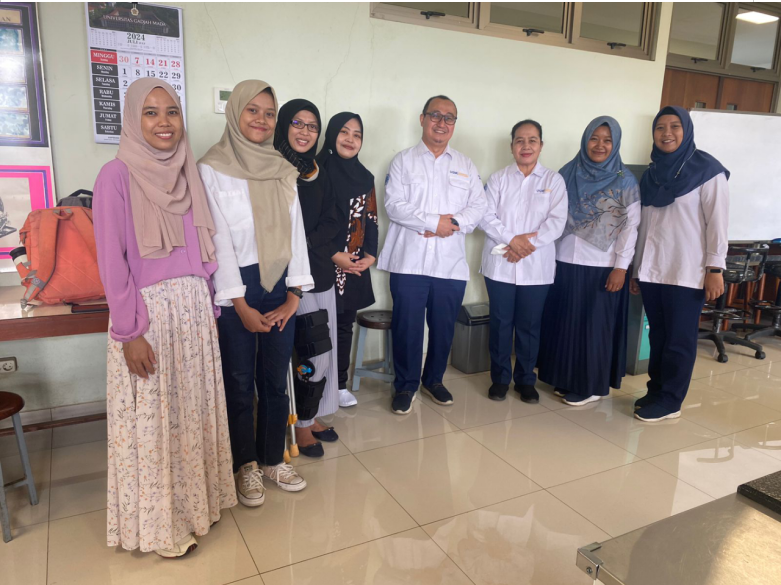
The Plant Structure and Development Laboratory (SPT) at the Faculty of Biology, UGM, as part of its community service and to open collaborative opportunities, welcomed four researchers from PT. BISI International, Kediri, for a training and networking visit. These researchers, Esti Sri Lestari, S.Si., M.Sc., Ida Wilujeng Abidah Ubudiyah, S.Si., Lina Wahyu Hapsari, S.P., and Rahmawati Amaliah, S.Si., come from the Department of Biotechnology. The training took place over eight days, from August 22 to 31, 2024.

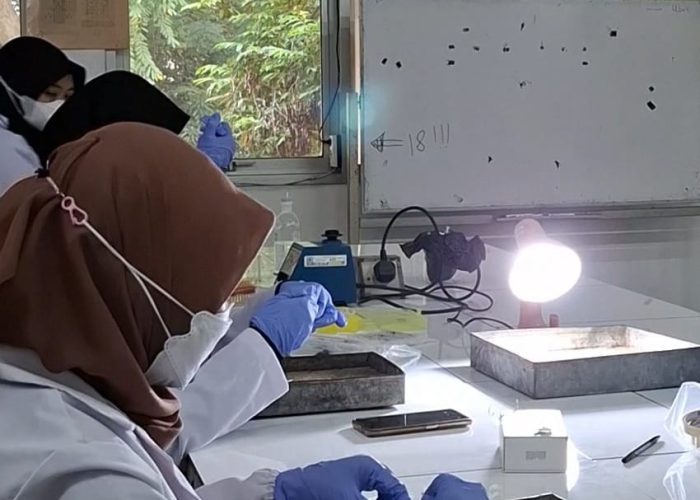
Dr. Maryani, M.Sc., head of the SPT Laboratory, welcomed the participants, and Dr. Eko Agus Suyono, M.App.Sc., Vice Dean for Research, Community Service, Collaboration, and Alumni Affairs, officially opened the event on Monday, August 22, 2024, at the SPT Laboratory, Building B. In his opening remarks, the vice dean emphasized the importance of research collaboration in the current era. The training included lectures/discussions on plant microtechnique and embryology, hands-on practice preparing embryology slides, analysis, and independent lab work. Lectures were given by Utaminingsih, S.Si., M.Sc., from the Plant Structure and Development Laboratory, with independent work supported for three days by lab assistant Ms. Prapti.
Dr. Slamet Widiyanto, M.Sc., officially closed the event on Wednesday, August 31, 2024. In his closing remarks, he reiterated that the goal of this training extends beyond the eight days and should serve as the beginning of future research collaborations. He encouraged participants to share the benefits of the training widely and provide feedback to the Faculty of Biology, especially the SPT Laboratory, for any improvements.
This training supports the Sustainable Development Goals (SDGs), particularly in fostering partnerships and cooperation (SDG 17), and aims to benefit the general welfare of Indonesian society (SDG 3). Additionally, it aligns with the government’s program to enhance the quality of education (SDG 4).
Hopefully, this training became a kickstart of collaboration and research partnership between the Faculty of Biology UGM and PT BISI International. The knowledge and technical skills gained during the training would be valuable for participants and related institutions.
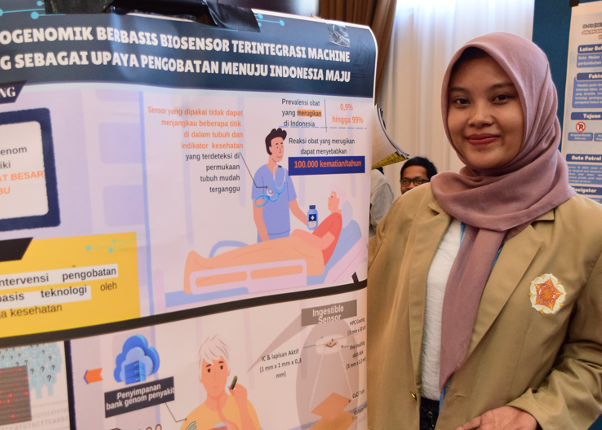
The prevalence of adverse drug reactions in Indonesia ranges from 0.9% to 99%, depending on the type of drug, duration, and therapeutic dose. Each individual can respond differently to the same medication due to varying genomic reactions. This concept is known as pharmacogenomics. However, the medical devices used in pharmacogenomics, such as sensors, often cannot reach certain areas within the body. Additionally, a significant challenge in genomic data classification is the vast number of individual genes, which can number in the tens of thousands. Meanwhile, medical devices are limited and often inadequate.
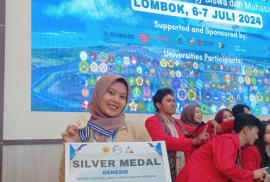
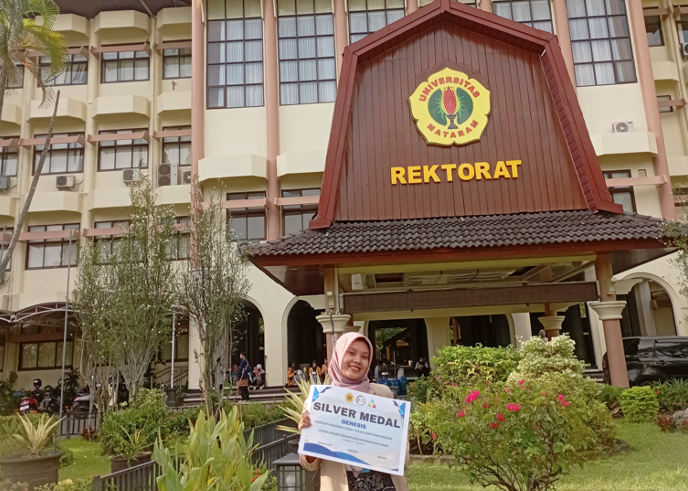
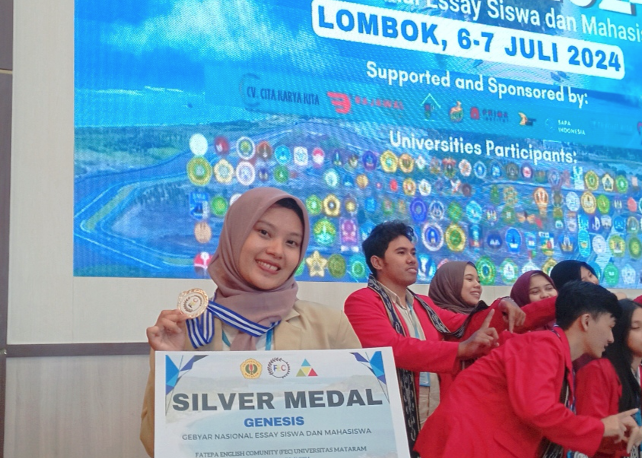
In response to these challenges, Feny, a biology student at UGM, proposed the development of an Integrated Machine Learning-Based Biosensor Pharmacogenomics System as an advanced treatment method for Indonesia under the guidance of Lecturer Tyas Ikhsan Hikmawan, M.Sc., Ph.D.. Her idea was presented at the National Student and School Essay Festival (Genesis) and won the Silver Medal. The competition held by the Fatepa English Community at the University of Mataram on July 6-7, 2024, featured 315 entries. The competition included several stages: submission of a full paper, creation of a presentation video, preparation of a PowerPoint presentation, and a live poster presentation before the judges.
Her innovation involves using biosensors to monitor molecular interactions in patient treatments real-time. These ingestible biosensors provide information about organs’ physiological parameters, allowing them to monitor the genetic profiles related to internal conditions and diseases. The approach employs a random tree classification model that predicts personalized drug responses, side effects, and the patient’s pharmacogenomic variants.
The combination of pharmacogenomic treatment systems with integrated machine-learning biosensors will enhance drug safety. Implementing this system in Indonesia will reduce adverse drug reactions and side effects. Healthcare professionals can quickly monitor patients’ drug intervention responses, enabling them to make the best treatment decisions promptly.
[Author: Feny Nur Nucifera]
[Author: Feny Nur Nucifera]
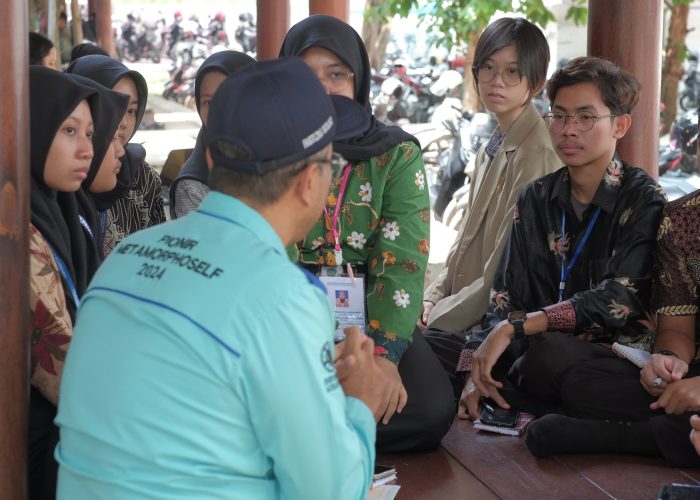
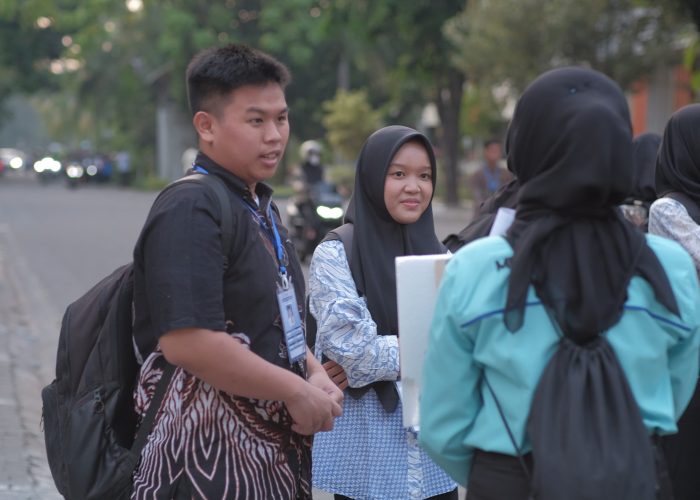
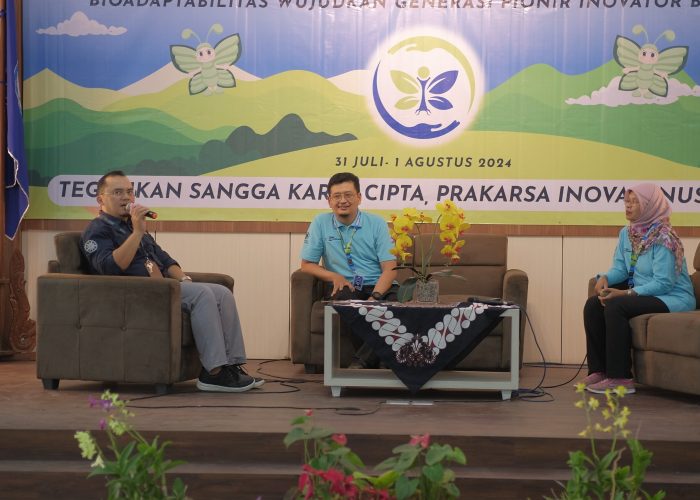
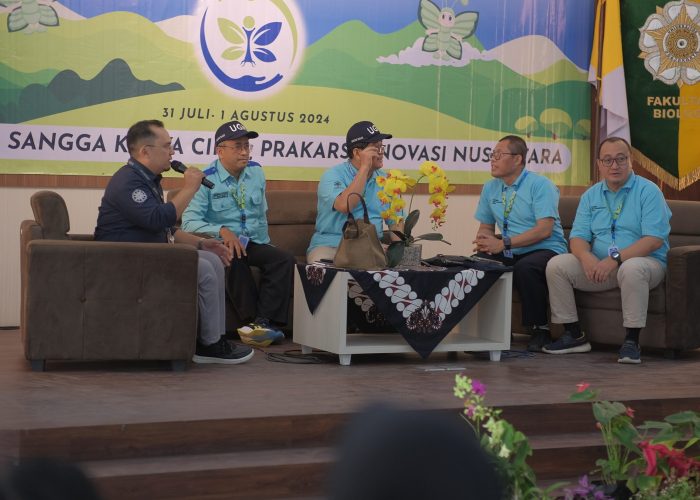
On Wednesday, July 31, 2024, the Faculty of Biology UGM opened the series of the PIONIR Metamorphoself 2024, an annual event organized by the Faculty of Biology to welcome young biologists, as an introduction to the faculty and prepare them for their academic journey at UGM. The PIONIR Metamorphoself 2024 carried the theme ‘’Bioadaptability: Realizing a Generation of Pioneer Innovators for the Nation’’. Through this theme, it hoped that young biologists can excel and create in various fields of study, adapting to the transition from school to university.
The first day of PIONIR Metamorphoself began with the opening ceremony at 7:30 AM. The ceremony was opened with a welcome speech from the General Coordinator of PIONIR Metamorphoself 2024, Muhammad Syahrul Firdaus, followed by a speech from the Cluster Coordinator, Tyas Ikhsan Hikmawan, S.Si, M.Si, Ph.D.. Next, there was a speech from the Dean of the Faculty of Biology UGM, Prof. Dr. Budi Setiadi Daryono, M.Agr.Sc and officially opening the PIONIR Metamorphoself 2024, symbolized by the installation of a deer replica at Terra Nova. After the opening ceremony, young biologists attended several sessions.
The first session was a talk with the faculty leadership, Prof. Dr. Budi Setiadi Daryono, M.Agr.Sc., the Dean of the Faculty of Biology, Dr. Bambang Retnoaji, M.Sc, Vice Dean for Academic and Student Affairs, Dr. Slamet Widiyanto, M.Sc., Vice Dean for Finance, Assets, and Human Resources, and Dr. Eko Agus Suyono, M.App.Sc., Vice Dean for Research, Community Service, Cooperation, and Alumni Affairs. This session was moderated by Dr.rer.nat. Abdul Rahman Siregar, S.Si., M.Biotech, aimed to introduce young biologists to the organizational structure, facilities, and assets of the Faculty of Biology. The Vice Deans also explained academic and non-academic activities at the Faculty of Biology, collaborations with national and international institutions, and highlighted successful graduates in various fields.
Next was a session featuring Emi Dwi Suryanti, S.Si, M.Sc, Coordinator for Academic and Student Affairs, and Sukirno, S.Si., M.Sc., Ph.D., Head of the Bachelor in Biology Study Program, provided an overview of administrative systems, lectures, permissions, length of study, and exam requirements. Tips for young biologists to adapt to the Faculty of Biology at UGM were also shared, followed by a Q&A session.
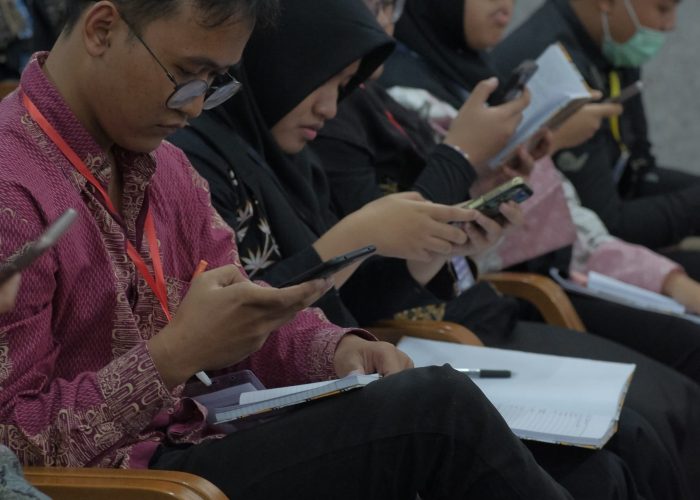
After these sessions, young biologists participated in a quiz based on the materials presented during the leadership and academic coordinator talks. The next session was an introduction to the faculty lecturers, guided by MCs Angga Firza Pratama and Birrul Qisty Mutmainnah Nazara. The faculty lecturers were introduced in sequence according to their laboratories. Following the faculty lecturers introductions, young biologists participated in a bonding session with their Academic Supervisors (DPA). They directed to their DPA’s location based on a faculty map, guided by instructors. During this session, they received information about plagiarism and shared experiences about university life with their DPAs.
Yogyakarta, 29 July 2024 – The 7th International Summer Course in Sustainable Development: Sustainable Bioprospecting of Tropical Biodiversity is officially opened. This annual event organized by the Faculty of Biology, Universitas Gadjah Mada, started its offline agenda after opening its online session Monday (15/7) which was followed by a series of guest lectures from various experts from around the world.
At least 33 offline participants took part in the opening of the International Summer Course (ISC), located in the Seminar Room, Library and Archives Building, Universitas Gadjah Mada. The participants consisted of 27 international students and 6 local students. Coupled with online participants, this year ISC succeeded in attracting 58 participants from 14 countries including Indonesia, Malaysia, Japan, the Philippines, Thailand, Pakistan, the Netherlands, the United Kingdom, India and Egypt.
“Let’s leverage our collective wisdom to foster biodiversity for a greener, more resilient world,” said Dr. Eko Agus Suyono, M.App.Sc., Vice Dean for Research, Community Service, Collaboration and Alumni Affairs, Faculty of Biology UGM in his speech, Monday (29/7).
Ir. Wiratni, S.T., M.T., Ph.D. as Secretary of the Directorate of Global Partnerships and Relations at UGM then delivered her remarks. She expressed her welcome and appreciation for the arrival of participants from various countries to take part in the summer course this time. ISC was officially opened by awarding pins and hats to two participant representatives by Dr. Eko and Dr. Wiratni, followed by a Kalimantan traditional dance performance by postgraduate students from the Faculty of Biology UGM.
The next series of offline lectures was held after the opening of ISC on Monday morning, presenting speakers from various countries. The lecture series began with the first panel presentation by Dr. Siti Fatimah from Universiti Tun Hussein Onn Malaysia, and Dr. Alona Linatoc from the University of the Philippines Los Banos, moderated by Ludmilla Fitri Utari M.Si.. The two panelists delivered material on the topic of ethnobotany, highlighting the interaction and role of the ecosystem environment and humans in it. Ethnobotany emphasizes the various cultures of various regions and how the people in them use local plants and their ecosystems (SDG 15).
The second panel presented two panelists from the Institute of Animal Hygiene and Veterinary Public Health, University of Leipzig, Germany, Dr. Ahmed El Wahed and Prof. Uwe Truyen with moderator Dr. Abdul Rahman Siregar. Both delivered material related to maintaining biodiversity for sustainable health “One Health”. Both touched on The One Health Joint Plan of Action through collaboration involving various parties, researchers from various parts of the world to alleviate world health problems (SDG 3).
The next panel related to natural products and bioprospecting was presented by Dr. Tri Rini Nuringtyas from the Faculty of Biology UGM, and Dr. Nor Ismaliza from Tunku Abdul Rahman University, Malaysia, moderated by Woro Anindito Sri Tunjung, Ph.D. Dr. Nuning and Dr. Nor delivered an interactive presentation regarding the use of various natural materials into products with potential economic value (SDG 15 and 8).
The final panel, entitled Genetic Bioresource, was delivered by Konsorn Srikulnath, Ph.D. from Kasetsart University, Thailand, moderated by Dr. Aprilia Sufi Subiastuti. He explained about the research unit at his institution “Animal Genomic and Bioresource Research Unit” (AGB Research Unit) which focuses on studying animal genomics including bulls (genetic monitoring), chickens (increasing gene varieties), fish and crocodiles (SDG 14 and 15).
All participants were enthusiastic in attending the series of openings and lectures. The activities will be continued with cultural trips and field lectures with various interesting destinations related to the big theme of this year’s summer course, bioprospection. The 7th International Summer Course in Sustainable Development is expected to become a forum for collaboration between students, lecturers and researchers, and become a discussion forum for increasing the potential for sustainable education and research (SDG 4 and 17).
The Averin team (Antivenom use Tamarind) from UGM discovered the potential of tamarind seeds (Tamarindus indica) as an alternative treatment for ground snake (Calloselasma rhodostoma) bites. This research was conducted by Oktaviani Nisa Hanafiah (Veterinary Medicine), Fauzela Azira Ainaya (Biology), Fani Nur Maftukhah (Pharmacy), Rahmadina Nur Azizah (Pharmacy), and Khansa Fortuna Putri (Veterinary Medicine). The research was funded by the Ministry of Education, Culture, Research, and Technology (Kemendikbudristek) and Universitas Gadjah Mada. It hoped that this support will help address the issues of access and cost of snake bite treatment.
“This research aims to provide a theoretical foundation and preclinical data on the effectiveness of T. indica seed extract against C. rhodostoma snake bites. The results of this study could contribute to alternative treatments, reducing mortality rates from C. rhodostoma bites in Indonesia,” said Oktaviani.
Oktaviani emphasized the importance and urgency of this research. “According to WHO data, Indonesia experiences around 135,000 snake bite cases annually, with a mortality rate of 5-10%. The C. rhodostoma snake is a significant cause of death in Java. However, the Antivenom Serum (SABU) for these snake bites is not widely available and remains expensive,” Oktaviani added.
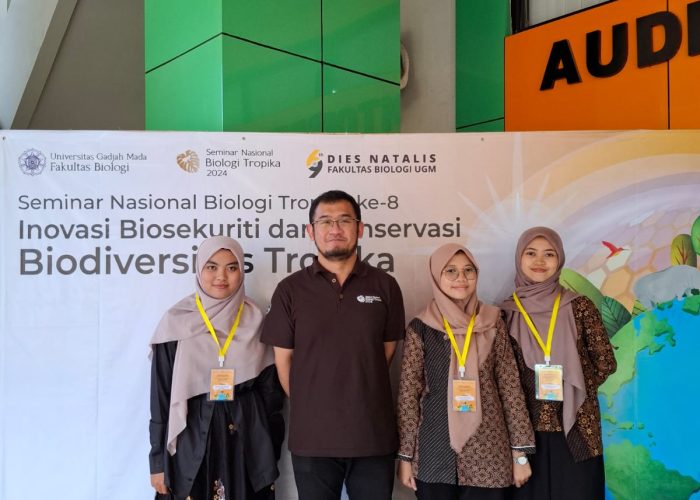
The tamarind seed extract was tested in vivo against C. rhodostoma venom, showing that in the group treated with tamarind seed extract, the hemorrhagic area was significantly smaller compared to the group treated with snake venom alone. Therefore, T. indica shows promise as a new treatment for snake bites, especially for C. rhodostoma. Our dedication to this research drives us to continue exploring nature’s potential to enhance human life, Oktaviani stated. These findings were presented at the National Seminar on Tropical Biology (SNBT) on July 20, 2024. [Author: Fauzela Azira Ainaya]
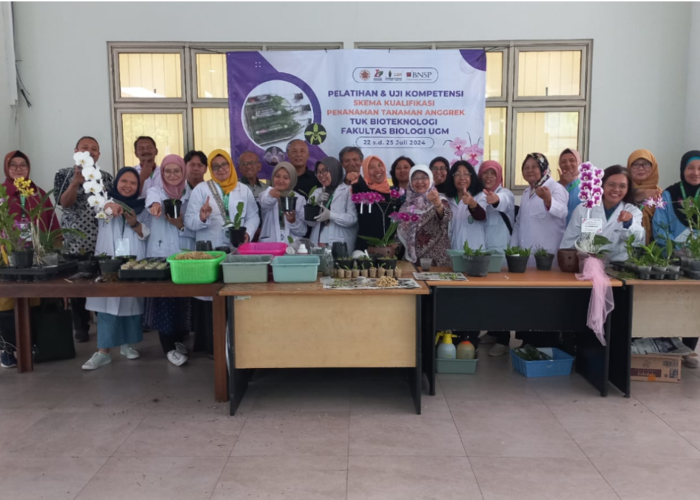
Yogyakarta, July 25, 2024 – The Faculty of Biology Universitas Gadjah Mada (UGM) successfully conducted training in Orchid Cultivation and a competency test for Orchid Planting Practitioners qualification. The Dean of the Faculty of Biology UGM, Prof. Dr. Budi Setiadi Daryono, M.Agr.Sc., officially opened the training on July 22, 2024. The training had 16 attendees, while the competency test saw participation from 22 individuals hailing from different regions across Indonesia, comprising academics, practitioners, alumni, and students. The event successfully enhanced the participants’ knowledge and skills in orchid cultivation.
The intensive three-day training, from July 22 to 24, 2024, focused on orchid planting techniques, from preparing planting media to caring for mature plants. The training materials were presented by orchid experts, including Prof. Dr. Endang Semiarti, M.S., M.Sc., and Aries Bagus Sasongko from the Faculty of Biology UGM, Dr. Ixora Sartika Mercuriani from Yogyakarta State University, and Eniek Sulistyanti, an experienced orchid practitioner. The training covers theoretical and practical sessions on planting bottled orchid seedlings, repotting, grading, sorting orchids, and post-harvest handling of orchids. The training was a collaboration between the Laboratory of Biotechnology Faculty of Biology UGM and Orchid Enthusiasts Association (PAI) DPD DIY.
“This training aims to enhance participants’ knowledge and skills in orchid cultivation, thus contributing to the development of the orchid industry in Indonesia,” said Prof. Dr. Budi during the opening ceremony.
After the training, participants took the competency test held at the Biotechnology Competency Test Center, Faculty of Biology UGM, on July 25, 2024, with assessors from the National Agriculture Professional Certification Agency (LSP) Malang, Drs. Surini Santosa, M.Si., Ari Setyowati, M.P, and Drs. Kaswan Badami, M.Si. The exam assesses participants’ competencies, consisting of 24 competency units required by orchid planting practitioners. Coordinator of the Biotechnology Competency Test Center, Prof. Dr. Endang Semiarti, M.S., M.Sc., welcomed the enthusiasm of the competency test participants, marking the first batch for Orchid Planting Practitioner competency at the Biotechnology Competency Test Center, Faculty of Biology UGM.
“Competency certification is important for orchid cultivation business actors, as it can enhance the competitiveness of their products in the market,” said Drs. Surini Santoso, M.Si., in his speech as Director of the LSP Agriculture Malang. The Vice Dean for Research, Community Service, Collaboration, and Alumni Affairs officially opened the Competency Test. He stated, “Besides the competency for Orchid Planting Practitioners, the Biotechnology Competency Test Center also holds Competency Tests for other competencies such as Plant Tissue Culture and invites participants to take the competency test scheduled for late 2024.”
The competency test results announced on Thursday afternoon showed that all participants were recommended as competent. Responding to the recommendations, all participants were happy and hoped to continue orchid cultivation activities in their respective places. (A.B. Sasongko)