• UGM
  • Simaster Portal
  • IT Center
  • Webmail
  • KOBI
  • English
    • Bahasa Indonesia
Universitas Gadjah Mada Universitas Gadjah Mada
Faculty of Biology
  • ABOUT US
    • History
    • Organization
    • Vision and Mission
    • Lectures and Staff
      • Lecturers
      • Adjunct Professor
      • Supporting Staff
    • Facility
      • Laboratories
      • Research
      • Library
      • Museum
      • Mental Health Consultation
      • Disability
  • EDUCATION
    • Undergraduate Program
      • Graduates Learning Outcome
      • Academic Callendar
      • Course
    • IUP
    • Profession Program
      • What is the Professional Study Program in Biodiversity Curator (PKKH)?
      • Admission for New Students of the Biodiversity Curator Profession Program Study
      • Information and FAQ Study Program of Biodiversity Curator Profession
    • Master Program
      • Master Program in Biology Description
      • Curriculum Structure Master Program
    • Doctoral Program
      • Vision, Mission, Objectives, Targets, Competencies, and Learning Outcomes
      • Admission Requirement for Program Doctor in Biological Sciences
      • Admission: What Documents to be prepared?
      • Curriculum
    • Regulations
    • Accreditation & Quality Assurance
  • RESEARCH
    • Journal of Tropical Biodiversity and Biotechnology
    • Berkala Ilmiah Biology
    • Research
    • Publication
  • Community Service
    • Waste Management
  • STUDENTS & ALUMNAE
    • Student Organizations
    • Prospective Career Opportunities
    • SUMMER COURSE
    • Alumnae
  • Home
  • SDG 3 : Establish Good Health and Well-Being
  • SDG 3 : Establish Good Health and Well-Being
  • page. 20
Arsip:

SDG 3 : Establish Good Health and Well-Being

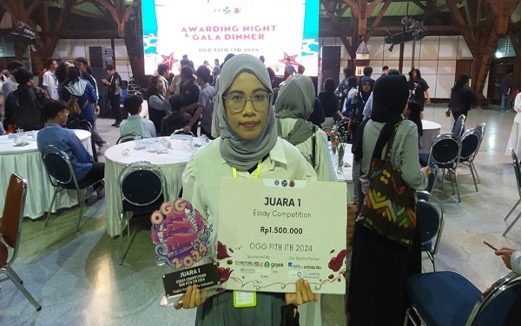
Biology Students Win 1st Place at OGG FITB ITB 2024 Essay Competition with Innovative Self-Pigmented Biotextile for Green Industrial Revolution

AchivementsNews Release Wednesday, 26 June 2024

Over the past decade, the Textile and Textile Products (TPT) industry in Indonesia has risen sharply alongside the increasing demand for clothing and lifestyle needs. However, the textile industry still relies on conventional methods that produce hazardous waste, especially from the dyeing process, which is the most significant contributor to environmental waste. Moreover, the current management of Wastewater Treatment Plants (IPAL) has not effectively handled the waste produced.
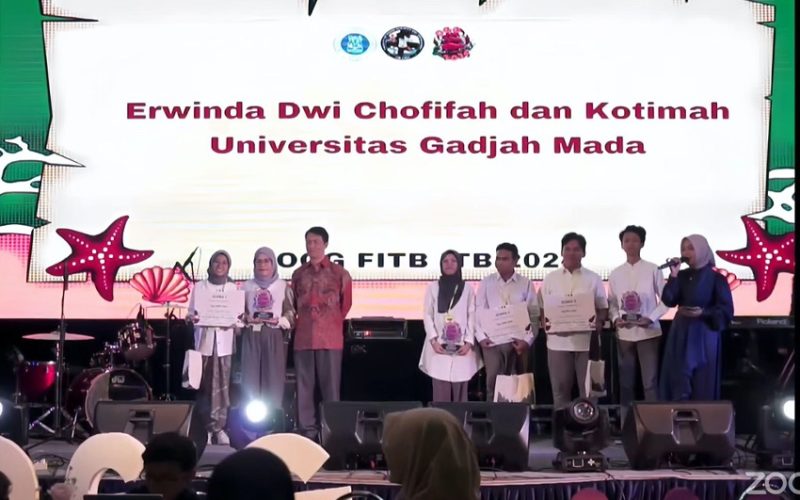

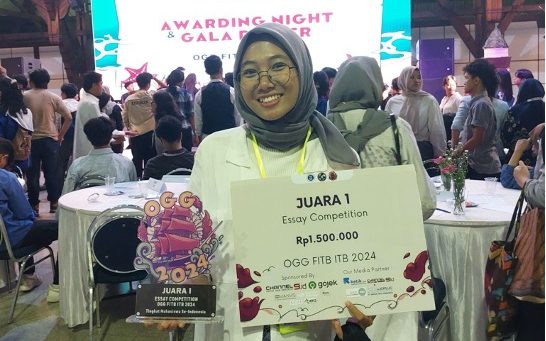
Driven by these concerns, Erwinda Dwi Chofifah and Kotimah, students from the Faculty of Biology, class of 2022, initiated a solution focusing on the upstream production process of textiles by creating an eco-friendly biomaterial based on bacterial cellulose with the ability to produce color pigments (self-pigmented biotextile). Under the guidance of Tyas Ikhsan Hikmawan, S.Si., M.S., Ph.D., this innovation, named I-CHERA, was introduced at the essay competition of the Geography and Geoscience Olympiad (OGG) organized by the Faculty of Earth Sciences and Technology (FITB) at the Bandung Institute of Technology (ITB).

After passing a series of administrative and document selections, I-CHERA made it into the top 10 best works and had the opportunity to be presented in person on June 21-23, 2024, at ITB. Targeting the sub-theme “Green Industrial Revolution through Sustainable Industrialization Practices,” I-CHERA outperformed other projects proposed by hundreds of student teams from various universities across Indonesia and won 1st place. Erwinda and Kotimah hope this innovation will help Indonesia realize a green industrial revolution in the future.
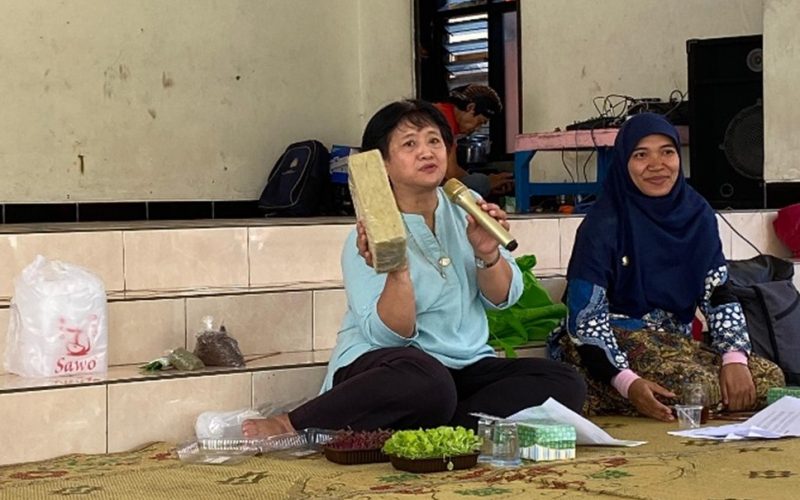
The Faculty of Biology UGM Organized a Workshop on the Cultivation of Microgreens and Fish in Buckets (Budikdamber) in Collaboration with the Women Farmers Group of Kledokan Hamlet, Caturtunggal, Sleman, DI. Yogyakarta

Cooperation Monday, 24 June 2024

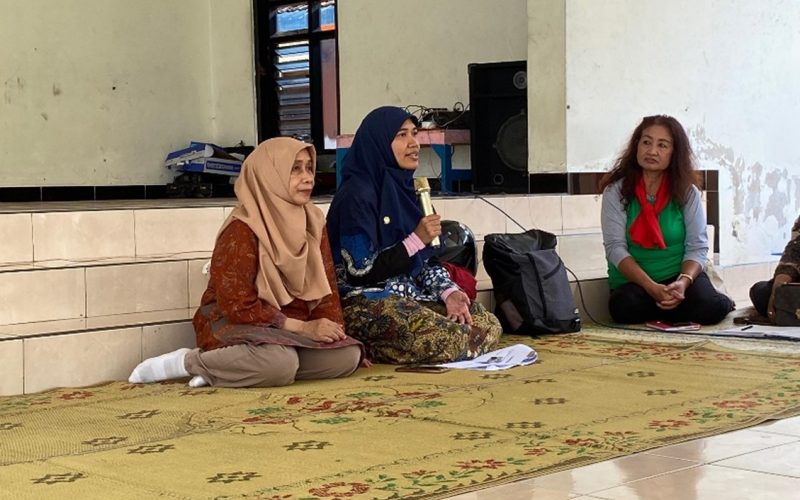
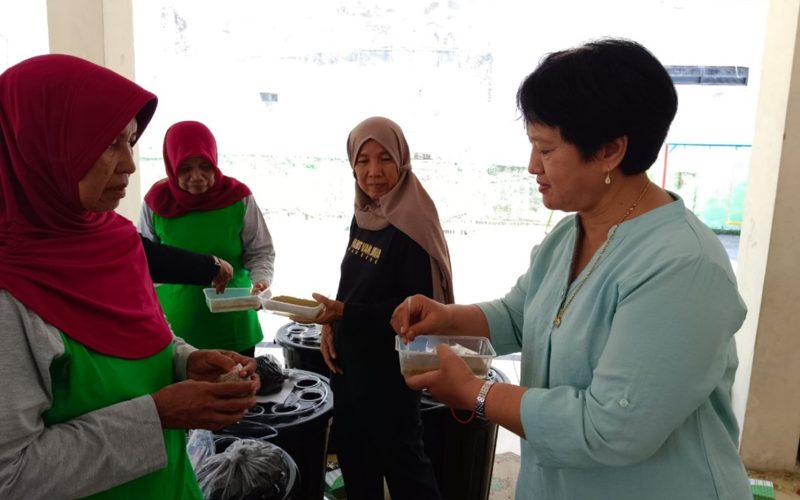
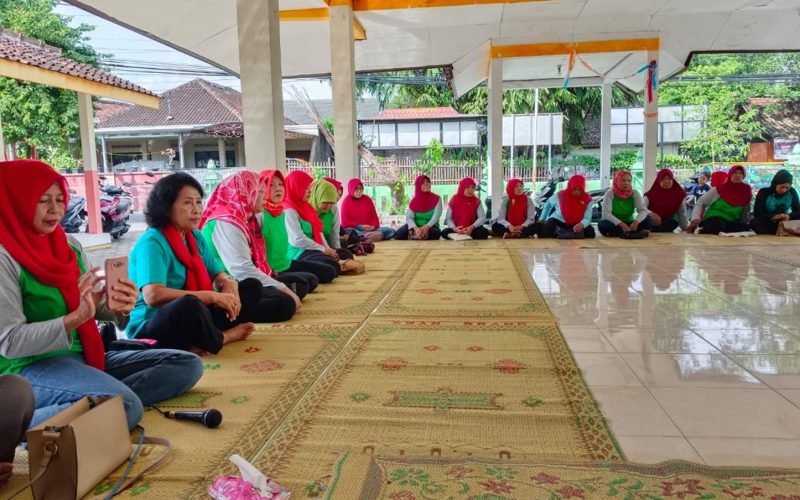
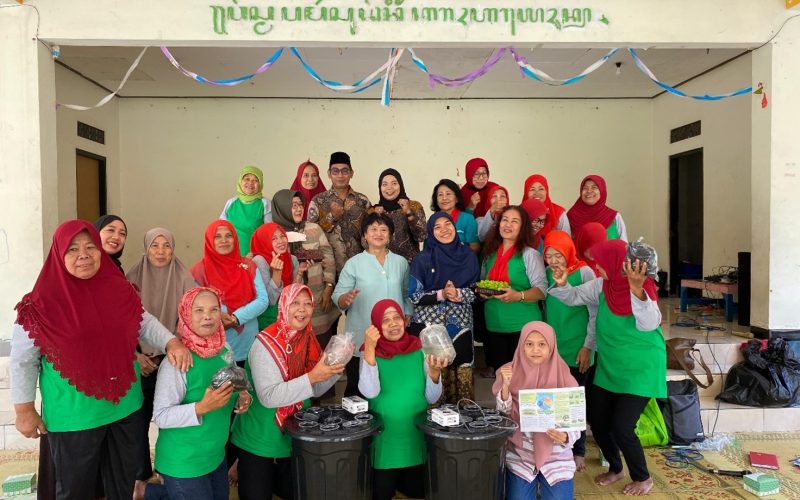
On Saturday, June 22, 2024, the Faculty of Biology at UGM, in collaboration with the Women Farmers Group (KWT) and the Water Farming Group of Kledokan Hamlet, organized a workshop aimed at strengthening food security and enhancing family economies through the “cultivation of microgreens and fish in buckets (Budikdamber)” activity. The event held at the Kledokan Hamlet Hall and was attended by 24 KWT members, the village head Punjul Santosa, Sumino the head of the water farming group, the head of PKK, Mrs.Galina, Mrs. Marthin Sumarahayu as the head of KWT, and the Partner Village Team Dr. Dra.Rr. Upiek Ngesti WA, DAP&E, M.Biomed, Nur Farah Susilowati, Ahmad Aris Budi R, and Aprilia Nur Safitri.


Themed “Successful Tips for Cultivating Microgreens and Budikdamber,” the workshop featured Nur Indah Septriani, S.Si., M.Sc., Ph.D. and Prof. Dr. Kumala Dewi, M.Sc.St. as speakers. Nur Indah Septriani, S.Si., M.Sc., Ph.D. explained the concept and benefits of Budikdamber, a local innovation that combines catfish cultivation with hydroponic farming. Meanwhile, Prof. Dr. Kumala Dewi, M.Sc.St., shared knowledge about cultivating microgreens, an easy-to-grow nutrient-rich green plant.

This workshop supports Sustainable Development Goals (SDGs) No.3 for a prosperous and healthy life, and SDGs No.12 for sustainable consumption and production. The workshop ran smoothly, with participants enthusiastically engaging in the socialization, discussions, and practical sessions. The event concluded with distribution of Budikdamber and microgreen cultivation equipment for KWT members.

BioSYNC: Sharing Alumni IISMA 2024

News ReleaseStudent Activities Monday, 24 June 2024

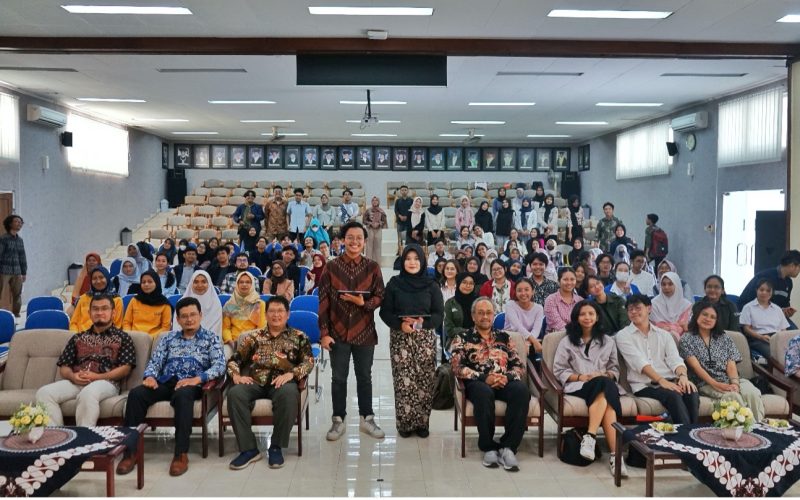
On Friday, June 21, 2024, the BioSYNC: Sharing Alumni IISMA 2024 event was successfully held by the Faculty of Biology, Universitas Gadjah Mada, in collaboration with the Biology Student Executive Board (BEM) UGM Cabinet Padma Birawa, and was attended by students from the Faculty of Biology, UGM. The objective of this event was to provide information about the Indonesian International Student Mobility Awards (IISMA) scholarship program and share experiences of IISMA Alumni.


The event began with an opening and prayer led by Muhammad Haidar Ali and Birrul Qisty Mutmainnah Nazara as the Masters of Ceremony (MC), followed by speeches from the Dean of the Faculty of Biology, Prof. Dr. Budi Setiadi Daryono, S.Si, M.Agr.Sc., Ph.D., and a documentation session. Next, an opening speech on the importance of study exchange delivered by Mutia Asri Khairunnisa. The event proceeded to the main agenda, a talk show session moderated by Firchamy Vuqi Aulia. In this session, three speakers shared their experiences and essential tips in preparing for the IISMA scholarship program: Mutia Asri Khairunisa, IISMA Awardee 2023 at Pennsylvania State University; Raden Rara Lilliane Gemma Amanda, IISMA Awardee 2023 at Sapienza University of Rome; and Felix Luman Shanahan, IISMA Awardee 2024 at the University of Groningen. The final session provided information about the IISMA 2025 by the Head of the Bachelor in Biology Study Program, Faculty of Biology, UGM, Sukirno, S.Si., M.Sc., Ph.D. It hoped this event will inspire students from the Faculty of Biology UGM to pursue overseas studies, including through the IISMA program. [Author: Hafizh Wahyu Sukmawan]

The MBKM Research: Screening of Plants with Bioinsecticide Potential by Biology Students of Universitas Gadjah Mada

Community Service Saturday, 22 June 2024

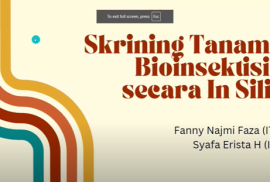
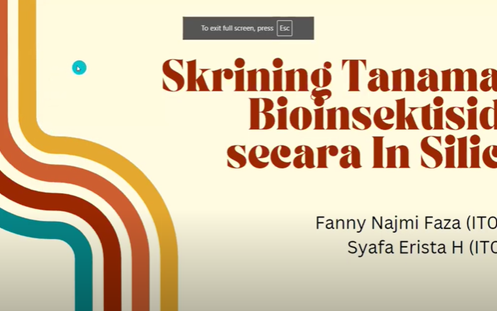
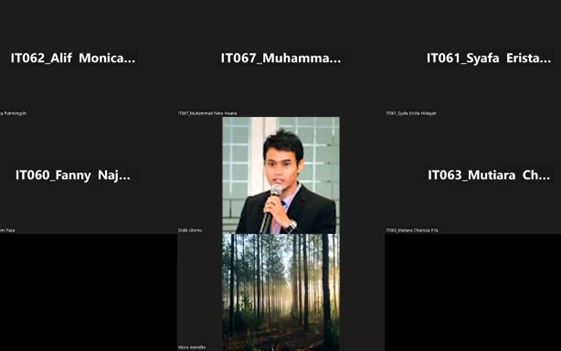
Yogyakarta, June 21, 2024, The MBKM Research, two biology students from Universitas Gadjah Mada, Syafa Erista Hidayah and Fanny Najmi Faza, have initiated a promising study on screening plants with bioinsecticide potential, supervised by Woro Anindito Sri Tunjung, S.Si., M.Sc., Ph.D. a lecturer from the Faculty of Biology UGM, and Didik Huswo Utomo, Ph.D., from INBIO. The study focuses on the utilization of 10 Citrus species, including Kaffir lime (Citrus hystrix), Key lime (Citrus auratifolia), Mandarin orange (Citrus reticulata), Siam orange (Citrus nobilis), Sweet orange (Citrus sinensis), Pomelo (Citrus maxima), Limon (Citrus limon), Grapefruit (Citrus paradisi), Citron (Citrus medica), and Calamondin (Citrus microcarpa). These species are recognized for having volatile compounds that can interfere with the olfactory system of mosquitoes and may even be lethal to them. These compounds can develop into bioinsecticide agents. Bioinsecticides, or natural insecticides, are substances derived from natural materials that are toxic to insects, including mosquitos. Bioinsecticides effectively reduce mosquito populations that serve as vectors for diseases such as dengue fever, are biodegradable, and do not leave residues or pollute the environment.


The research was conducted over two semesters: the even semester of 2023/2024 until the odd semester of 2024/2025. During the even semester of 2023/2024, various programs were used to screen the potential compounds, including visualization analysis of the integration between species based on the similarity of volatile compound content and interactions with odor receptors in Aedes aegypti mosquitoes. Subsequently, in the odd semester of 2024/2025, molecular docking involves visualizing the interactions between compounds and odor receptors in these mosquitoes. This research supported by weekly meetings, aimed to ensure intensive collaboration and discussion on the research progress. The study is expected to yield significant findings that can foster the development of environmentally friendly bioinsecticide products that can be applied by the community, thereby reducing the use of conventional insecticides that can cause pollution. Furthermore, this activity facilitated students to apply the theory learned in class to practical research, enhancing their competence in conducting technology-based scientific research and improving their writing skills to produce distinct, structured, and scientifically reliable research reports in the form of journals.

The Faculty of Biology UGM Organized Health Education on Healthy Foods to Address Stunting in Mrican Hamlet, Caturtunggal Village, Depok Sub-district, Sleman

Community Service Thursday, 20 June 2024

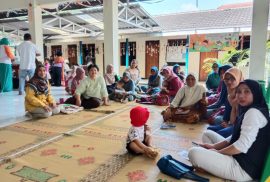
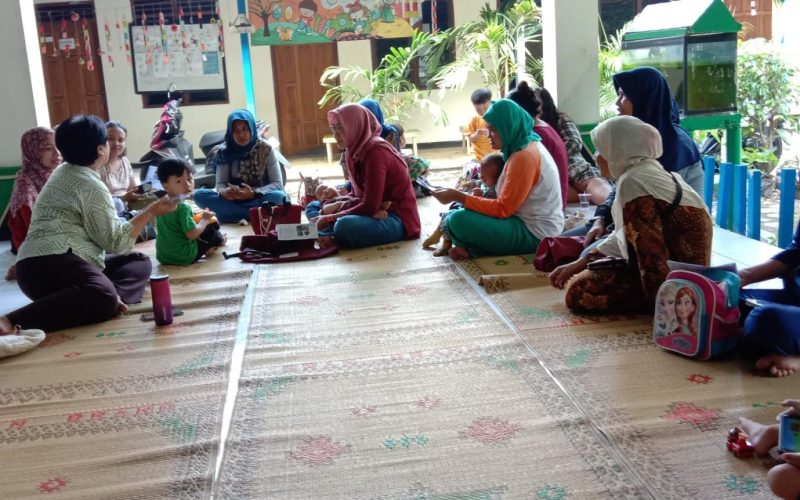
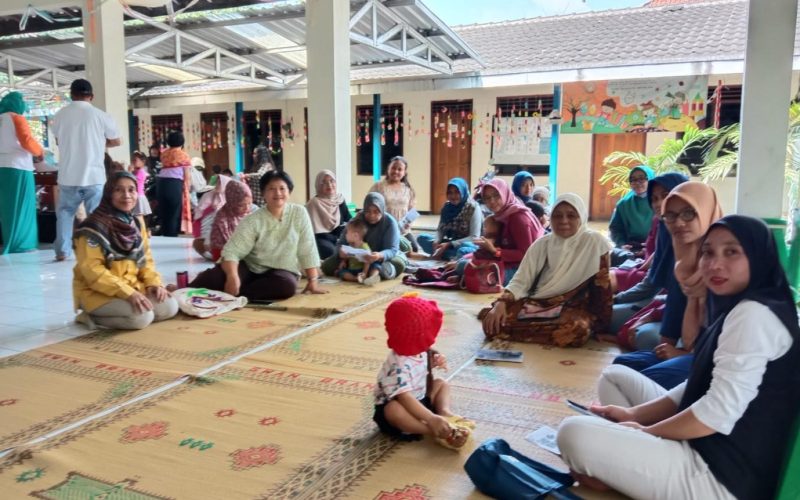
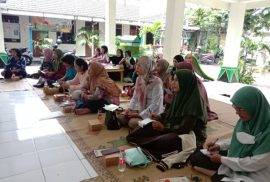
On Friday, June 14, 2024, The Faculty of Biology UGM Organized a community service activity themed Healthy Foods to Address Stunting at the Mrican Hamlet Hall, along with the POSYANDU (Integrated Health Post) activities. The event was attended by the Chairwoman of the Mrican Hamlet PKK (Family Welfare Movement), Mrs. Nur Handayani, POSYANDU cadres, and around 30 toddlers with their parents. The health education was delivered by Prof. Dr. Kumala Dewi, M.Sc.St., accompanied by the Coordinator of Community Service Activities from Caturtunggal Village, Dr. Dra. Rr. Upiek Ngesti WA., DAP&E, M.Biomed.


The event aimed to provide an understanding of stunting and its characteristics, especially in children under three years old. Efforts to prevent and address stunting were also discussed, including:
  1. Meeting nutritional needs during pregnancy.
  2. Providing exclusive breastfeeding.
  3. Providing MPASI (complementary Feeding).
  4. Monitoring the child’s growth and development.

To meet the nutritional needs, food diversification and a balanced diet are essential, especially with local food sources such as purple sweet potatoes, yellow sweet potatoes, legumes, red spinach, broccoli, and fruits. It also explained for reproductive couples, good nutrition supports preparedness for a healthy pregnancy, particularly during the first trimester, they should avoid consuming unhealthy foods or drinks (such as alcoholic beverages) that could affect the baby. This community service activity concluded with a group photo session.

This health education initiative is a part of the Faculty of Biology UGM commitment to implementing and realizing the Sustainable Development Goals (SDGs), particularly Goal 3, Good Health and Well-being.

The Faculty of Biology UGM Organized Health Education on Know Your Status for Thalassemia and Inspect Your Environment for Mosquito Larvae in Mrican Hamlet, Caturtunggal Village, Depok District, Sleman

Community Service Thursday, 20 June 2024

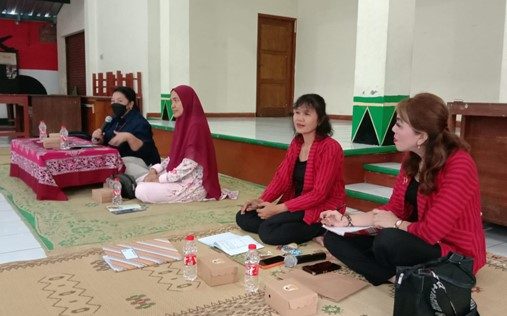
On June 12, 2024, the Faculty of Biology UGM organized a community service activity on Know Your Status for Thalassemia and Inspect Your Environment for Mosquito Larvae at the Mrican Hamlet Hall. The event was attended by the Head of the PKK of Mrican Hamlet, Mrs. Nur Handayani, along with 35 members. The education was delivered by Dr. Niken Satuti Nur Handayani, M.Sc., Dr. Dra. Rr. Upiek Ngesti WA., DAP&E, M.Biomed, and Nur Indah Septiani, S.Si., Ph.D, accompanied by students Nur Farah Susilowati, Ahmad Aris Budi R., Kotimah, and Irfan Putra Ramadhan.


The education session on Know Your Status for Thalassemia aimed to provide an understanding of thalassemia, a hereditary blood disorder that often shows no symptoms. Dr. Niken explained the likelihood of thalassemia appearing in a family if either one or both parents are carriers of the trait. Therefore, screening for thalassemia in productive couples, prospective brides and grooms, and teenagers is essential. The Faculty of Biology Universitas Gadjah Mada (UGM), in collaboration with the Department of Clinical Pathology at the Faculty of Medicine, Public Health, and Nursing (FKKMK-UGM), will facilitate screening for productive couples and prospective brides and grooms at no cost.

Additionally, due to unpredictable weather changes and the rising cases of Dengue Fever (DBD), vigilance against this disease is necessary. The education session on “Inspect Your Environment for Mosquito Larvae” is a preventive measure to stop the mosquito vectors that cause Dengue Fever from breeding. Dengue Fever caused by the Dengue virus and transmitted through the bites of Aedes aegypti and Aedes albopictus mosquitoes, both of which bite indoors and outdoors. Therefore, controlling mosquito breeding sites (PSN) in residential environments is crucial to prevent the mosquitoes from multiplying.

This health education initiative reflects the Faculty of Biology UGM commitment to supporting the implementation of the Sustainable Development Goals (SDGs), particularly Goal 3: Good Health and Well-being.

The MBKM Research Team of The Faculty of Biology UGM Holds Consultation and Coordination Meetings on Utilizing Local Plants as Biolarvicides Against Aedes aegypti with LABKESMAS Yogyakarta.

Cooperation Wednesday, 19 June 2024

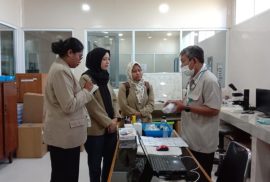
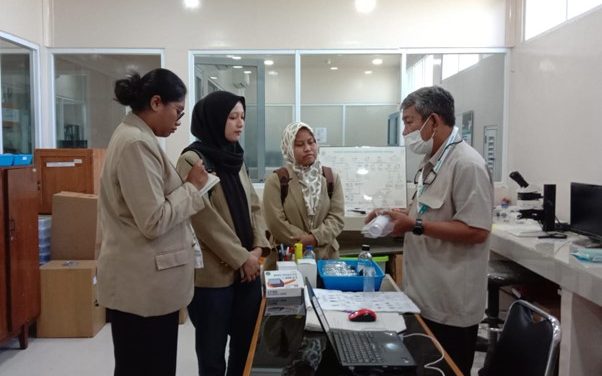
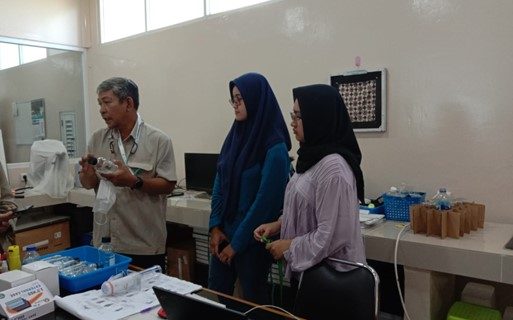
On Monday, June 10, 2024, The MBKM Research Team of The Faculty of Biology UGM held a Consultation and Coordination Meetings on Utilizing Local Plants as Biolarvicides Against Aedes aegypti with LABKESMAS Yogyakarta. The meeting held at the Entomology Laboratory of LABKESMAS Yogyakarta aimed to discuss the testing of local plant extracts such as nutmeg pulp, duku peel, cat’s whiskers leaves, and others as biolarvicides against Aedes aegypti, the primary vector of dengue fever. This initiative was warmly welcomed by Mr. Yohanes Didik S, the head of the Entomology Laboratory, and Mr. Sutopo, the head of the Training Division. The activity involved three postgraduate students and two undergraduate students participating in the 2024 Faculty-Student Collaboration Grant and MBKM-research project from the Faculty of Biology, UGM, supervised by Dr. Dra. Rr. Upiek Ngesti Wibawaning Astuti, B.Sc, DAP&E, M.Biomed.


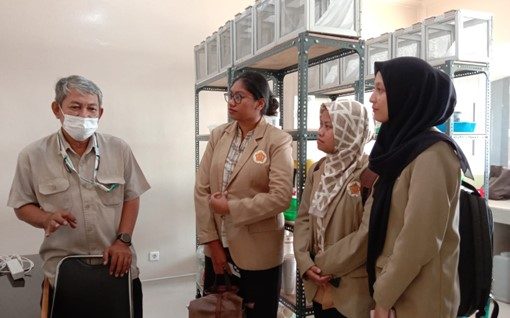
In addition to inspecting the laboratory facilities, the students were briefed on resistance testing on adult mosquitoes using the CDC bottle assay, surveillance, and the necessary data collection. Mr. Didik explained in detail the readiness and testing procedures for both larval and adult stages of Aedes aegypti, which greatly interested and motivated the students to commence their research.

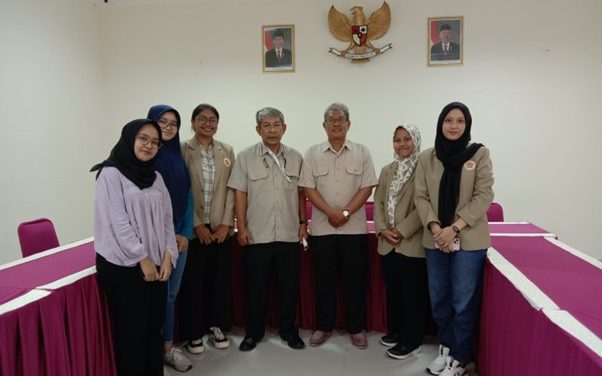
During the meeting, Mr. Sutopo also explained the rules and regulations for research at LABKESMAS. The follow-up to this meeting will be a workshop on techniques for collecting, rearing, testing, and analyzing results, which will be held at the end of June or early July. The event concluded with a group photo, marking the Faculty of Biology UGM’s commitment to achieving the Sustainable Development Goals (SDGs), especially Goal 3: “Good Health and Well-being.”

The Faculty of Biology UGM Organized Health Education on Know Your Status for Thalassemia and Inspect Your Environment for Mosquito Larvae in Mrican Hamlet, Caturtunggal Village, Depok District, Sleman

Community Service Wednesday, 19 June 2024

On June 12, 2024, the Faculty of Biology UGM organized a community service activity on Know Your Status for Thalassemia and Inspect Your Environment for Mosquito Larvae at the Mrican Hamlet Hall. The event was attended by the Head of the PKK of Mrican Hamlet, Mrs. Nur Handayani, along with 35 members. The education was delivered by Dr. Niken Satuti Nur Handayani, M.Sc., Dr. Dra. Rr. Upiek Ngesti WA., DAP&E, M.Biomed, and Nur Indah Septiani, S.Si., Ph.D, accompanied by students Nur Farah Susilowati, Ahmad Aris Budi R., Kotimah, and Irfan Putra Ramadhan.


The education session on Know Your Status for Thalassemia aimed to provide an understanding of thalassemia, a hereditary blood disorder that often shows no symptoms. Dr. Niken explained the likelihood of thalassemia appearing in a family if either one or both parents are carriers of the trait. Therefore, screening for thalassemia in productive couples, prospective brides and grooms, and teenagers is essential. The Faculty of Biology Universitas Gadjah Mada (UGM), in collaboration with the Department of Clinical Pathology at the Faculty of Medicine, Public Health, and Nursing (FKKMK-UGM), will facilitate screening for productive couples and prospective brides and grooms at no cost.

Additionally, due to unpredictable weather changes and the rising cases of Dengue Fever (DBD), vigilance against this disease is necessary. The education session on “Inspect Your Environment for Mosquito Larvae” is a preventive measure to stop the mosquito vectors that cause Dengue Fever from breeding. Dengue Fever caused by the Dengue virus and transmitted through the bites of Aedes aegypti and Aedes albopictus mosquitoes, both of which bite indoors and outdoors. Therefore, controlling mosquito breeding sites (PSN) in residential environments is crucial to prevent the mosquitoes from multiplying.

This health education initiative reflects the Faculty of Biology UGM commitment to supporting the implementation of the Sustainable Development Goals (SDGs), particularly Goal 3: Good Health and Well-being.

Education on Antioxidant-Rich Food Crops for the Women of the Family Welfare Movement (PKK) in Blotan Village, Wedomartani, Sleman

Community Service Monday, 17 June 2024

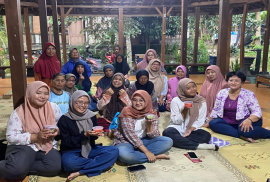
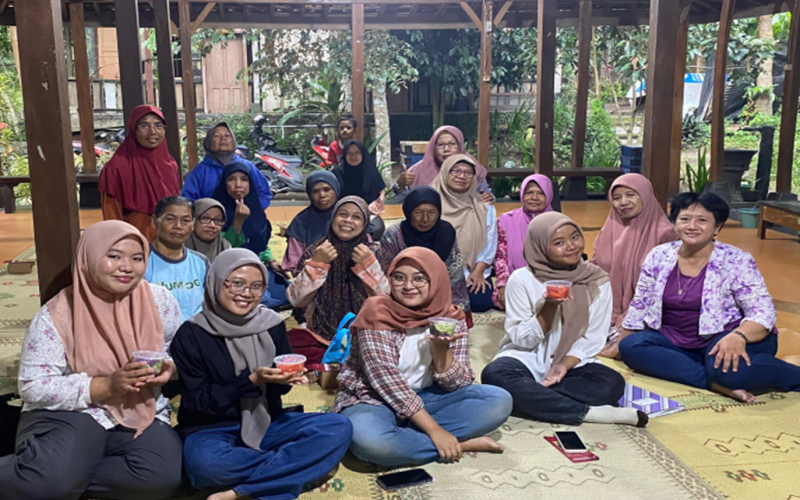
[PkM – MBKM] On Saturday, May 18, 2024, The Community Service Independent Learning Independent Campus (PkM-MBKM) team, guided by Prof. Dr. Kumala Dewi, M.Sc.St., conducted an educational event on Antioxidant-Rich Food Crops in Blotan Village, Wedomartani, Sleman. The event was attended by 15 representatives from the PKK group and participated by four students from the Faculty of Biology, namely Cika Aprilia Hendriana, Wafiq Nur Azzizah, Nayla Rasya Nareswari, and Della Thasya L.S.. The event aimed to increase public knowledge about the importance of antioxidant-rich food crops for health.


The event was led by Prof. Dr. Kumala Dewi, M.Sc.St., a plant physiology expert from the Faculty of Biology UGM. She explained in detail about antioxidants and their ability to protect body cells from free radicals, which can cause various diseases such as heart disease, Alzheimer, and Parkinson. In her presentation, Prof. Dr. Kumala Dewi, M.Sc.St., discussed several antioxidant-rich food crops, including colorful fruits and vegetables like purple sweet potatoes, strawberries, purple cabbage, and kale leaves. Many of the participants were unaware that kale is known as a superfood due to its rich nutritional content. It reported that 70 grams of raw kale leaves contain about 33 calories and various essential nutrients, including carbohydrates, fiber, protein, vitamins K, A, and C, and minerals such as calcium, potassium, magnesium, zinc, iron, and phosphorus. Kale also contains omega-3 fatty acids, manganese, thiamin (vitamin B1), riboflavin (vitamin B2), niacin (vitamin B3), and various antioxidants, such as beta carotene, flavonoids, and polyphenols. Notably, kale contains high levels of the unique flavonoids quercetin and kaempferol. These nutrients help maintain overall health, including heart health, eye health, diabetes prevention, and cancer management. In the following program, there will be a demonstration of kale cultivation in Blotan Village.

At the end of the presentation, a discussion session was held on the importance of nutritious food to prevent stunting in children. The event also included a hands-on practice of making fruit and vegetable salads rich in antioxidants. This session aimed to allow participants to experience antioxidant-rich fruits and vegetables and to understand how to make simple antioxidant-rich salads quickly and easily.
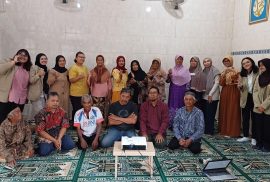
This activity is part of the 2024 PkM-MBKM Program of the Faculty of Biology UGM, titled “Education and Sustainable Cultivation Practices of Food Crops and Fisheries through Urban Agriculture in Blotan Village, Wedomartani, Sleman, Yogyakarta.” This community service activity supports the Sustainable Development Goals (SDGs), particularly Pillar 2 (zero hunger) and Pillar 12 (responsible consumption and production). It hoped that this activity will continue to improve the quality of life for the community and support SDG pillar 3 (good health and well-being) for all.

Students Of The Faculty Of Biology, UGM Conduct Socialization On Healthy Living Patterns And Nutritional Food Consumption Patterns In Pajangan Hamlet, Wedomartani, Ngemplak, Sleman

Community Service Thursday, 13 June 2024

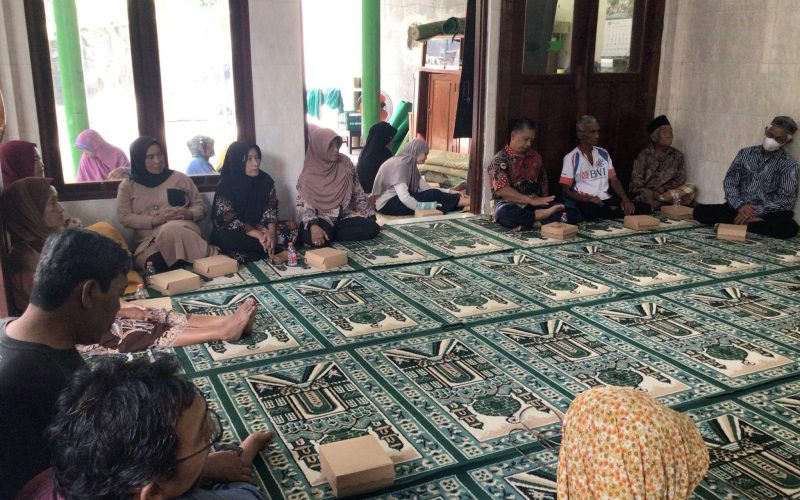
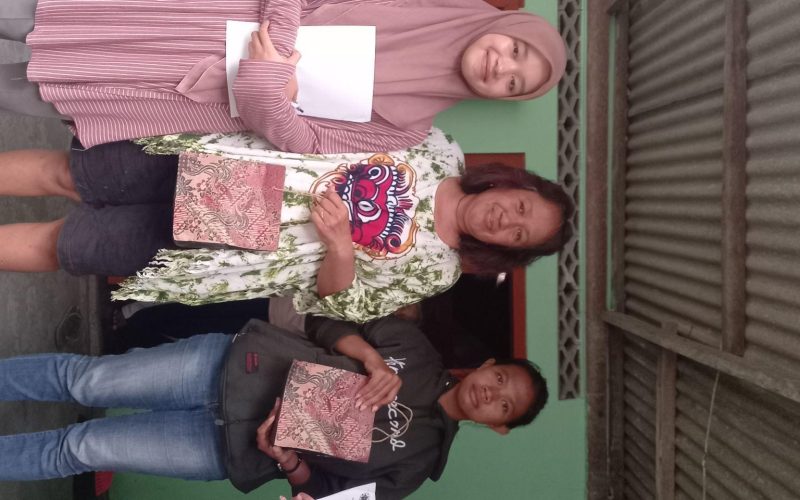
The Merdeka Belajar Kampus Merdeka (MBKM) – Community Service Team from Faculty of Biology, Universitas Gadjah Mada, led by Dr. Ardaning Nuriliani S.Si., M.Kes. with team members Anida Safriyani, Nailah Aufa Khansa, Rizquita Brillianti, and Safia Putri Sakanti (Undergraduate student of Faculty of Biology, 2021) carried out activities to improve family health in Pajangan Hamlet, Wedomartani, Ngemplak, Sleman. This program was implemented under collaboration with a partner from the Takmir of the Jami’ Darussalam Mosque, Mr. Gunardi S.Si. The program was started with a quetionnaire of the healthy lifestyle of Pajangan Hamlet residents and socialization of healthy livestyles. Completing the questionnaire was carried out on 4 – 8 May 2024 by around 57 residents of Pajangan Hamlet from 8 years to 72 years old.

Furthermore, on June 9 2024, our MBKM team conducted socialization entitled “Healthy Lifestyles and Nutritious Food Consumption Patterns”. This activity took place at the Jami’ Darussalam Mosque and was attended by around 17 residents of Pajangan Hamlet. In this activity, our team explained about the healthy lifestyles and the importance of nutrient balance for the body. We also explained the impacts of inbalance nutrient intake and how to prevent it. When conducting socialization, we displayed the results of the healthy lifestyle questionnaire that has been carried out previously. The residents were very enthusiastic in asking various questions and discussions related to the material presented. At the end of the activity, our team gave appreciation to residents who actively participated in the discussion.

Our MBKM team hopes that this activity can increase the knowledge of the residents of Pajangan Hamlet, Wedomartani, Ngemplak, Sleman, so that they can adopt a healthy lifestyle and consume balanced nutritious food in their daily lives and that they can encourage prosperity aas well as improve their standard of living and health.

1…1819202122…25

Accreditation

Recent Posts

  • Sakura Science Program 2026: Strengthening Molecular Biology Skills through Intensive Laboratory Training at Yamagata University
  • BIOENTRI 2026: Open House dan Pengenalan Topik Riset Fakultas Biologi UGM Sparks Strong Academic Interest
  • Sakura Science Program 2026: 18 Members of UGM Faculty of Biology Participate in Academic Program at Yamagata University, Japan
  • An Educational Field Trip on Histology and Animal Anatomy for SMPIT Muhammadiyah An Najah Klaten Students at the Faculty of Biology, UGM
  • Faculty of Biology UGM Strengthens International Collaboration through Strategic Visit to Bard University, Egypt
Universitas Gadjah Mada

UNIVERSITAS GADJAH MADA

FACULTY OF BIOLOGY
Teknika Selatan Street, Sekip Utara,
Yogyakarta 55281
biologi-ugm@ugm.ac.id
Phone/Fax: +62 (274) 580839

About us

  • History
  • Organization
  • Vision and Mission
  • Staff

Student Affairs

  • Student Service
  • Student Organization
  • Submission for Practical Field Work
  • Permission Field Research
  • Permission Thesis/Disertation

academic

  • Academic Regulations
  • Academic Anonncement

Accreditation

  • Image 1
  • Image 2
  • Image 3

© 2024 FACULTY OF BIOLOGY UNIVERSITAS GADJAH MADA

KEBIJAKAN PRIVASI/PRIVACY POLICY

[EN] We use cookies to help our viewer get the best experience on our website. -- [ID] Kami menggunakan cookie untuk membantu pengunjung kami mendapatkan pengalaman terbaik di situs web kami.I Agree / Saya Setuju