• UGM
  • Simaster Portal
  • IT Center
  • Webmail
  • KOBI
  • English
    • Bahasa Indonesia
Universitas Gadjah Mada Universitas Gadjah Mada
Faculty of Biology
  • ABOUT US
    • History
    • Organization
    • Vision and Mission
    • Lectures and Staff
      • Lecturers
      • Adjunct Professor
      • Supporting Staff
    • Facility
      • Laboratories
      • Research
      • Library
      • Museum
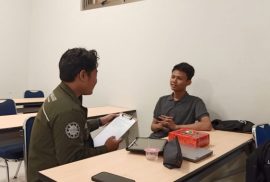
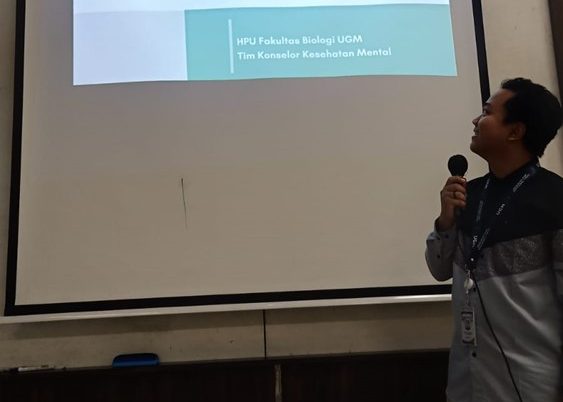
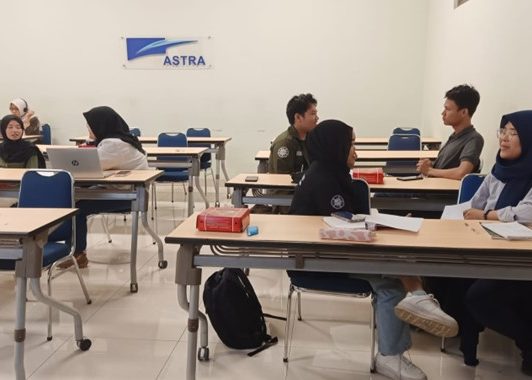
      • Mental Health Consultation
      • Disability
  • EDUCATION
    • Undergraduate Program
      • Graduates Learning Outcome
      • Academic Callendar
      • Course
    • IUP
    • Profession Program
      • What is the Professional Study Program in Biodiversity Curator (PKKH)?
      • Admission for New Students of the Biodiversity Curator Profession Program Study
      • Information and FAQ Study Program of Biodiversity Curator Profession
    • Master Program
      • Master Program in Biology Description
      • Curriculum Structure Master Program
    • Doctoral Program
      • Vision, Mission, Objectives, Targets, Competencies, and Learning Outcomes
      • Admission Requirement for Program Doctor in Biological Sciences
      • Admission: What Documents to be prepared?
      • Curriculum
    • Regulations
    • Accreditation & Quality Assurance
  • RESEARCH
    • Journal of Tropical Biodiversity and Biotechnology
    • Berkala Ilmiah Biology
    • Research
    • Publication
  • Community Service
    • Waste Management
  • STUDENTS & ALUMNAE
    • Student Organizations
    • Prospective Career Opportunities
    • SUMMER COURSE
    • Alumnae
  • Home
  • SDG 3 : Establish Good Health and Well-Being
  • SDG 3 : Establish Good Health and Well-Being
  • page. 21
Arsip:

SDG 3 : Establish Good Health and Well-Being

Nusantara Orchid Biodiversity Show (NOBiS) 2024: Orchid Odyssey, Revealing the Extraordinary Journey of Orchids Through the Past, Present, and Future

HeadlineNews ReleaseStudent Activities Monday, 10 June 2024

The Nusantara Orchid Biodiversity Show (NOBiS), which is a series of orchid photography competitions and annual webinar, is being held again by the Biology Orchid Study Club (BiOSC), Faculty of Biology, UGM. This webinar is held online with the aim of educating and providing training to the younger generation through seminars and activities workshop. This year’s orchid photography competition has the theme “Orchid Odyssey: Revealing the Extraordinary Journey of Orchids Through The Past, Present, and Future”. A total of 56 participants took part in the orchid photography competition by submitting their work on 7 – 17 May 2024. The results of the participants’ photography work are then displayed in the form of a virtual exhibition via ArtSteps which can be accessed by all participants. The winners of the orchid photography competition at the NOBiS event were Dary Saka Fitrady as First Place, Imaduddin Akhyar Kusumaperdana as Second Place, Yosvaldo Gerry Setiono Putra as Third Place, and Muhammad Nadhif Al Sulthony as Favorite Champion, which was announced at the peak event of the 2024 NOBiS.

The orchid photography competition has a positive impact on sustainable development. Webinar and photography competitions can contribute to the appreciation of biodiversity, which is in line with Sustainable Development Goals (SDGs) 12: Responsible consumption and production, 15: Life on Land, and 17: Partnership to achieve goals. Orchid photography is an effort that can be used as a tool to visualize biodiversity and help remind us of the beauty of nature and the importance of protecting the environment.

NOBiS webinar event this year carries the theme “Orchid Odyssey: Revealing the Extraordinary Journey of Orchids Through The Past, Present, and Future” with the implementation time on 1st June 2024 at 09.30 online and attended by 144 participants. The NOBiS 2024 webinar aims to provide a means for the public to learn and understand the preservation of orchids in Indonesia through genome editing and tissue culture propagation techniques. Therefore, this year, BiOSC invited three speakers who have become experts in the field of orchids in Indonesia, namely Prof. Dr. Endang Semiarti, M.S., M.Sc., Prof. Dr. Dewi Kusuma, S.P., M.Si., and Dr. André Schuiteman.
Prof. Dr. Endang Semiarti, M.S., M.Sc. is a head of Laboratory of Biotechnology, Faculty of Biology Universitas Gadjah Mada and has research focus on plant tissue culture, plant molecular genetics, plant biotechnology, orchidology, cell and molecular biology. On this occasion, he shared insights regarding Indonesian Orchid Plant breeding with the application of Genome Editing. Current orchid populations in nature are decreasing due to natural disasters, illegal logging, and domestication for collection, decoration, and also for herbal medicine. So we need Ex situ and In situ conservation efforts such as genome editing using CRISPR/Cas9 system as the cheapest and easiest to apply technology, having a revolutionary impact on basic research to study gene function and plant breeding to produce new orchids with plenty of seedlings and early flowering.
Orchid production and conservation also can be supported by the method of plant tissue culture, its delivered by Prof. Dr. Dewi Sukma, S.P., M.Si. as a professor of Agronomy and Horticulture department of Agronomy and Horticulture Faculty of Agriculture IPB University and have research interest in plant genetic diversity, breeding and cultivar development and also in plant genetic engineering. Orchid need tissue culture because its lack of seed endosperm so it can provide a higher number of seedling and provide a sterile ad healthy propagules, tissue culture can be an independent breeding of time and season and also can facilitated the in vitro breeding to maintain the existence and availability of Indonesian orchid for future research and potential uses.

The last topic delivered by Dr. André the research leader in the Asia team of Royal Botanic Garden United Kingdom with the research focus on Taxonomy, Conservation and Evolution of Orchidaceae. The diversity of Indonesian orchid is about 26000 species in 800 genera, but not easy to tell because many species are poorly understood, especially the distribution of species in Borneo and New Guinea. The existence and availability of Indonesian orchid should be maintained because there is a lot of diversity and distribution of it such as Dimorphorchis lowii and Paraphalaenopsis laycockii from Borneo, Bulbophyllum muricatum and Dendrobium azureum from Tanah Papua.

It is hoped that the informative webinar material will broaden the knowledge of orchid lovers as well as introduce BiOSC to the outside as a study group that focuses on orchids with the jargon of “Tumbuh, Berkembang, Lestari”. Nusantara Orchid Biodiversity Show (NOBiS) National Photography Competition

2024: “Orchid Odyssey: Revealing the Extraordinary Journey of Orchids Through The Past, Present, and Future” expected to inspire and encourage deeper understanding of history, uniqueness, preservation, and future challenges faced by orchids. Through photography, Participants are expected to be able to express messages about the existence of orchids in the past, present and future. [Author: BiOSC]

PkM-MBKM MICROALGA TEAM Faculty of Biology Carried Out Socialization and Introduction of Spirulina to the Community of Sitimulyo Village, Piyungan, Bantul, D.I. Yogyakarta

Community Service Thursday, 6 June 2024

MBKM Community Service Team (PkM-MBKM) of Class 2024 Faculty of Biology, supervised by Dr. Eko Agus Suyono, M.App.Sc. with the title “Development of a Biorefinery based on Spirulina Microalgae in Sitimulyo Village, Piyungan District, Bantul” has carried out a series of PkM-MBKM activities in the Sitimulyo Village Community. The team consisting of four students; Seisha Salsabila Rosandi, Muhammad Farrel Zharif Zidane, Finka Aulia, and Salma Rohmaniah, has held a “Workshop on Introduction to Spirulina Cultivation and Production Tools”. This workshop is in collaboration with YAPEKA, a non-profit organization working in the field of conservation, nature conservation education and community empowerment. The PkM MBKM program supports SDG 3 Healthy and Prosperous Life and SDG 17 Partnership to Achieve Goals.


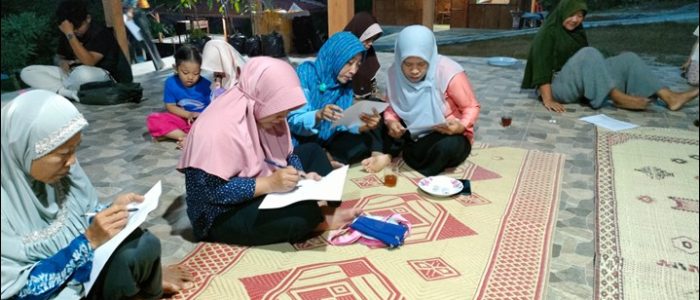
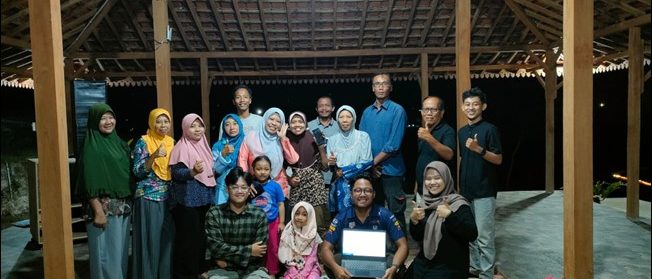
This activity aims to introduce Spirulina to the people of Sitimulyo Village. This activity was attended by village officials and Sitimulyo villagers. The series of activities consisted of socialization about Spirulina and its benefits, a Spirulina Farm tour, and trying Spirulina products directly. Socialization was also explained about the MBKM program that will be carried out in the future.

In the process of implementing the activities, the community was enthusiastic about taking part in the entire series, shown by active participation in conveying questions and opinions. In the future, the public can also learn about Spirulina cultivation on a household scale. It is hoped that the enthusiasm of residents in getting to know Spirulina can be a boost for the sustainability of this program. The hope is that people’s familiarity with Spirulina can make people more interested in cultivating and consuming Spirulina to improve the economic development and public health qualities.

MBKM Research Team, Faculty of Biology UGM Develops Microalgae Euglena sp. Local Strains as a Source of Antioxidants and Immunostimulants

Community Service Thursday, 6 June 2024

MBKM Research Team of Class 2024 as part of the Microalgae Research team in the Biotechnology Laboratory, Faculty of Biology, UGM, supervised by Dr. Eko Agus Suyono, S.Si., M.App.Sc. has carried out research on “Production of Local Strain Microalgae Euglena sp. as a source of antioxidants and immunostimulants at PT. Indoalgae Aquaculture, Pasuruan”. This team consists of five members; Indira Amani Kurniawan, Laila Mei Marwadani, Renisha Windy Puspita Sari, Sri Setyaningrum, and Tizania Putri Langithari.


The MBKM Research team focuses on development and innovation in the cultivation of Euglena sp., especially local strains isolated from the Dieng plateau, Indonesia. Antioxidants produced by Euglena sp. can help protect body cells from damage caused by free radicals, thereby reducing the risk of degenerative diseases and slowing the aging process. In addition, the immunostimulant properties of Euglena sp. can improve the immune system, help fight infections, and speed recovery from illness.

The research focused on variations in phosphate sources in Euglena sp. cultures, with the aim of optimizing growth conditions for Euglena sp. The treatment provided is expected to increase the antioxidant and immunostimulant content on a semi-mass scale. This research aims to find the most effective combination by varying phosphate sources to support the growth of Euglena sp. optimal and increase the production of antioxidant and immunostimulant content.

MBKM activities begin with equipment preparation, making growth media, and preliminary laboratory scale observations and collecting initial data information before being applied to semi-mass scale culture. Preliminary results show good growth data based on the parameters of cell number, cell density and biomass amount. Currently, research has reached the scale-up stage to a 50-liter capacity culture. Land planning is being prepared to continue increasing the scale of culture capacity up to 200 liters. Next, harvesting of Euglena sp. as well as various metabolites will be tested and characterized. Students also extracted samples to test antioxidant and immunostimulant properties. It is hoped that the experience gained from this MBKM activity can improve students’ skills and knowledge in carrying out their final assignments, as well as provide valuable knowledge to prepare them to become professional microalgae researchers in the future.

Biology Students Win Bronze Medal and Favorite Poster at National FAPERTA FAIR 5 with Futuristic Innovation for Disease Detection in Rice Plants (Oryza sativa L.)

AchivementsNews Release Wednesday, 5 June 2024

The issue of pathogens in rice plants is a focus of agricultural empowerment efforts in Indonesia. These pathogens cause disease outbreaks that lead to a decrease in rice productivity. To address this obstacle, some farmers tend to rely on pesticides without noticing the condition of the rice plants. As a result, their efforts were ineffective and posed a threat to environmental health due to chemical pollution from excessive pesticides.


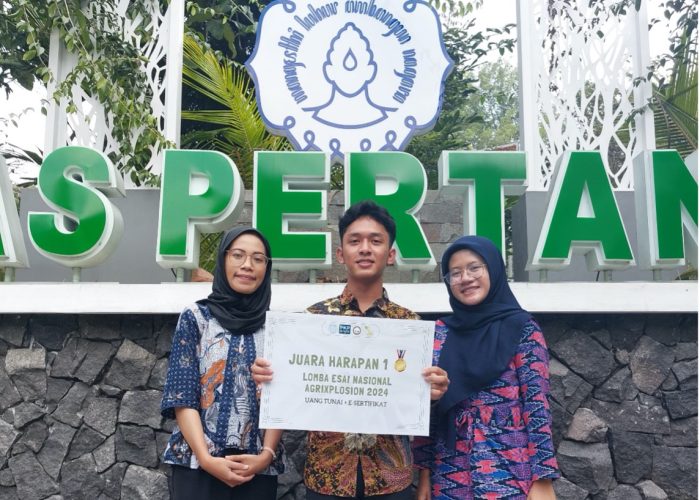
Addressing this issue, Adzkiya Aqmaliza Rahmattillah and Sheva Rimma Dhanty, biology students from the class of 2021, innovated a smartphone-integrated smart scanning application based on Artificial Intelligence called ORYSMART. This application can detect diseases in rice plants and provide treatment recommendations, under the guidance of Dr. Wiko Arif Wibowo, S.Si. ORYSMART was introduced at the FAPERTA FAIR (Futuristic and Prestige Research, Technology, and Art) 5 competition at Dhyana Pura University, Denpasar, Bali, on May 18-19, 2024. In its fifth batch, FAPERTA FAIR carried the theme “The Role of Young Innovators in Facing Global Competition to Welcome Golden Indonesia 2045.” At the event, Adzkiya and Sheva, with ORYSMART, won the Bronze Medal and the Favorite Poster Award in the Technology subtheme as a futuristic innovative solution that can help address diseases in rice plants. With its scanning and recognition capabilities, ORYSMART can detect the type, symptoms, causes, and handling solutions for rice plant diseases. The application offers advanced analysis that combines human and artificial intelligence, providing more accurate disease analysis and effective handling solutions. ORYSMART also facilitates access to consultations with experienced and reliable plant protection experts.

This application aimed to empower rice farmers in Indonesia to manage their fields better and more effectively. Therefore, ORYSMART is designed to be practical and easy to use, especially for users who are not yet familiar with the technology. This innovation is expected to be a significant step in agricultural empowerment in Indonesia, supporting national food security towards Golden Indonesia 2045. This innovation and idea also contribute to achieving SDG 2 (zero hunger) by improving rice productivity, the staple food for most Indonesians. [Author: Sheva Rimma Dhanty]

The Marine Study Group (KSK) Successfully Raises Donations for Al Khusna Orphanage in Gunung Kidul in Celebration of Oceans Day 2024

News ReleaseStudent Activities Tuesday, 4 June 2024

Oceans Day is an annual event organized by the Marine Study Group (KSK) Faculty of Biology UGM to commemorate World Oceans Day. This year, KSK Biogama had the opportunity to collaborate with Mr. Parvez Alam. Additionally, KSK Biogama invited children from the Al-Khusna Orphanage to join in a beach clean-up, learn about marine life, and recycle trash they collected. During the Oceans Day events, the UGM Marine Study Group held an open donation drive for the Al-Khusna Orphanage. A total of Rp2,015,116.00 was collected.


We are deeply grateful to everyone who participated and supported this cause. On May 18, 2024, following the Oceans Day event at Slili Beach, Gunungkidul, the donations were delivered to the Al-Khusna Orphanage in Gunung Kidul in the form of cash and basic necessities. We believe that this assistance will be very meaningful for the children at the orphanage and will help them in their daily lives. Every contribution, no matter how small, can make a significant difference in the lives of others. [Author: KSK]

Efforts to Improve Health and Family Economy Based on Local Resources and Wisdom in Kledokan Hamlet, Caturtunggal Village, Depok Sub-district, Sleman

Community Service Saturday, 1 June 2024

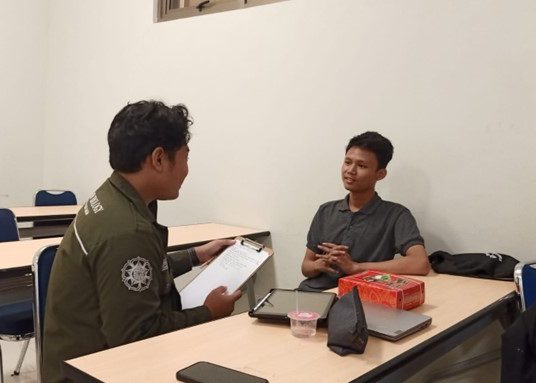
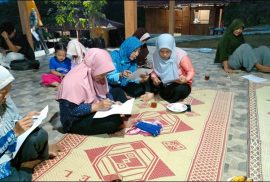
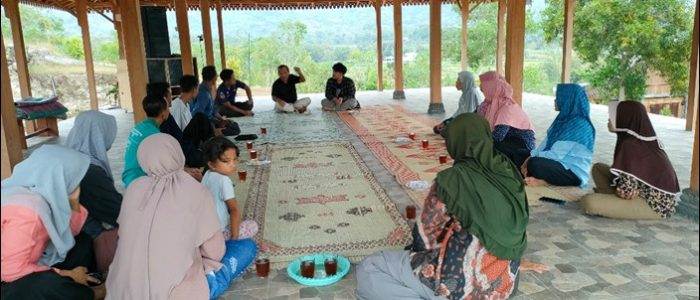
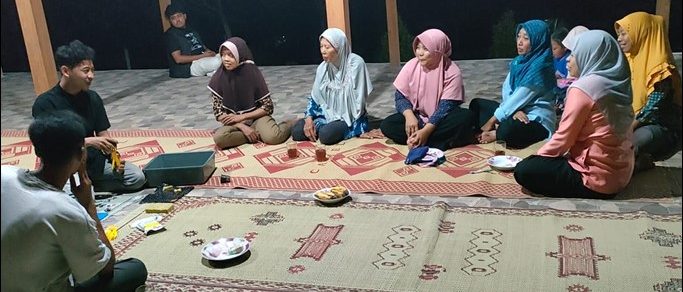
On May 20, 2024, the community service-partner village team of the Faculty of Biology UGM, led by Dr. Dra. RR. Upiek Ngesti WA., DAP&E, M.Biomed conducted a meeting at Kledokan Hamlet Hall. The meeting was attended by about 50 people, including the head of Kledokan Hamlet, Mr. Punjul Santoso, members of the Rejosari Women’s Farming Group (KWT), the Rejosari Livestock Group (KP), the Karang Taruna youth group, the head of the Kledokan Family Welfare Development (PKK) group, and Mr. Herman Purwadi from the LPM Catur Tunggal.


The speakers at the event were Sari Dharmasiwi, S.Si., M.Biotech., Ph.D; Nur Indah Septriani, S.Si., Ph.D; and Woro Anindito Sritunjung, S.Si., M.Sc., Ph.D. The speakers gave brief educational sessions on food storage hygiene, dairy-based products, increasing protein intake through catfish farming in buckets (“budikdamber”), and essential oils for aromatherapy. Practical demonstrations will follow according to the meeting schedules of the PKK, Women’s Farming Group, Livestock Group, and Karang Taruna. The activity involved students from the Faculty of Biology, Nur Farah Susilowati and Ahmad Aris Budi R., and students from the Faculty of Agriculture, Irfan Putra Ramadhan and Aprilia Nur Safitri.

In Kledokan Hamlet, around 36 cows, including four dairy cows are independently raised. The availability of livestock feed is well-maintained due to the presence of fields planted for this purpose. The main issues farmers face are barn cleanliness and the suboptimal processing of manure. Although the livestock group has equipment for manure processing, it has not been used effectively. Therefore, education on barn management and assistance in manure processing is needed.

The meeting concluded with a visit to the livestock barns and demonstration plots of various vegetable plants. This activity supports the commitment of the Faculty of Biology, UGM, to achieving the Sustainable Development Goals (SDGs), especially Goal 3: “Good Health and Well-being” and Goal 17: “Partnerships for the Goals.”

Education on Homemade Fever Remedies for Toddlers as Part of the Partner Village Program Collaboration between the Faculty of Biology and Kledokan Hamlet, Caturtunggal Village, Depok District, Sleman

Community Service Monday, 20 May 2024

On Wednesday, May 15, 2024, the Faculty of Biology UGM Partner Village team conducted an educational session on homemade fever remedies for toddlers. This event took place at the Kledokan Hamlet Hall in Caturtunggal Village, alongside the POSYANDU (Integrated Health Post) activities. The session was attended by around 50 toddlers and their parents, as well as Mrs. Galina Tri Yohani, Head of the Family Welfare Movement (PKK) and Coordinator of POSYANDU activities; Mrs. Marthin Sumarahayu, Head of the Rejosari Women Farmers Group (KWT), and other committee members.


The session featured Dra. Mulyati, M.Si as speaker, supported by the Faculty of Biology UGM Partner Village team, Dr. Dra. Rr. Upiek Ngesti W. Astuti, Nur Indah Septriani, M.Sc., Ph.D., and students from the Faculty of Biology: Nur Farah Susilowati, Kotimah, Ahmad Aris Budi Rohman, along with Irfan Putra Ramadhan from the Faculty of Agriculture. Dra. Mulyati discussed the benefits of nutmeg and shallots as first aid remedies for calming fussy toddlers and treating fever. She also explained how to prepare, mix, and apply these remedies to toddlers. The participants were enthusiastic about learning these new, simple, and practical techniques. The ingredients are easily accessible, relatively inexpensive, and usually available in the kitchen. The discussion was interactive, with numerous questions from participants.

This activity supports Sustainable Development Goals (SDGs), to improve community well-being sustainably, specifically supporting goal number 3, “Good Health and Well-being.”

Inauguration and Training for Buddy Counselors 2024

News ReleaseStudent Activities Monday, 20 May 2024

On Saturday and Sunday, May 18-19, 2024, the Faculty of Biology Universitas Gadjah Mada conducted training for the 2024 Buddy Counselors. These Buddy Counselors are students selected through a screening process by the Faculty of Biology’s Mental Health Team during the recruitment, held from February 12-16, 2024. They are tasked with providing emotional support and adequate counseling to fellow students in need. The Buddy Counselor program aims to help UGM become a Health Promoting University (HPU) with a focus on Mental Health and a Zero Tolerance for Violence, Bullying, and Harassment, which are the priorities of the UGM HPU activities. For 2024, Buddy Counselors are also assigned to mentor ten new students each during the PPSMB (Student Orientation).


This two-day training took place at the Faculty of Biology UGM and Kaliurang. The first session, held in the Faculty of Biology UGM Auditorium, began with a welcome speech from the Dean of the Faculty of Biology UGM, Prof. Dr. Budi S. Daryono, M.Agr.Sc. In his speech, Prof. Budi stated that this training activity is a commendable initiative. Being a Buddy is a noble task, and those selected should be grateful as not everyone gets this opportunity. The Buddies are responsible for helping to achieve a balance in mental and physical health. According to the training theme, “Be a Listener, Understand Better,” Buddies must be good listeners. Just like waiting, being a listener requires patience. Those who can wait will achieve success. At the end of his speech, Prof. Budi announced that there would be an award for the best Buddy Counselor during the Dies Natalis ceremony. “There will be an award for the best Buddy, the best of the bestie,” concluded the Dean. Following his speech, the Dean inaugurated the 2024 Buddy Counselors of the Faculty of Biology UGM by presenting jackets to one of the Buddy Counselors.

The first session on Zero Tolerance for Violence, Bullying, and Harassment delivered by Sri Wiyanti Eddyono, S.H., LL.M.(HR), Ph.D., known as Bu Iyik, a lecturer at the Faculty of Law UGM and serves as the Chair of the POKJA Zero-Tolerance Bullying, Violence, and Harassment HPU UGM, as well as the Head of the Task Force for the Prevention and Handling of Sexual Violence (PPKS) at UGM. Her presentation covered:

– Introduction to the three major issues in higher education
– The country’s response to these major issues
– UGM’s response to Bullying and Violence, especially Sexual Violence
– Procedures for handling Sexual Violence and Bullying

Besides delivering the material, participants also learn to resolve violence cases that occur at UGM, which is followed with great enthusiasm by all participants.

The second session on Mental Health was conducted in the meeting room of Wisma Pesanggrahan PU, Kaliurang. This session was delivered by Yudhistira Adi Perdana, M.Psi., Psychologist from the Faculty of Biology UGM. Mas Yudhis provided insights on how Buddy Counselors should handle counselees, from listening, questioning, to giving advice.

After a break, the evening featured a discussion on the work program to be implemented over a year. Participants were divided into two groups, and each group must present their discussion results, which then summarized by the Mental Health Team consisting of Psychologist Yudhistira Adi Perdana, M.Psi., and Faculty Counselor Lecturers, Dwi Umi Siswanti, S.Si., M.Sc., Dr. Dwi Sendi Priyono, S.Si., M.Si., and Dr.rer.nat. Abdul Rahman Siregar, M.Biotech., as well as PIC HPU Faculty of Biology UGM, Titin Fauziah, S.E., M.B.A. To conclude the training, there was a bonding activity involving a bonfire and gift exchange among participants. The next morning, on Sunday, May 19, 2024, all participants went trekking around Kaliurang.

This training is an effort by the Faculty of Biology UGM to support the Sustainable Development Goals (SDGs): Good Health and Well-being, Peace, Justice, and Strong Institutions.

“A rose blooms since yesterday, Growing beside the moringa tree. Welcome, dear guests, to the Inauguration and Training of Buddy Counselors.”

Highlighting on High Salinity in Unproductive Coastal Areas, Biology Students Win Gold Medal, 2nd Place in Poster, and 2nd Place Overall at Universitas Jenderal Soedirman

Achivements Wednesday, 15 May 2024

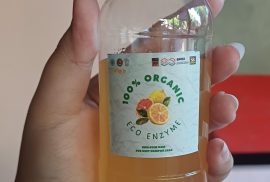
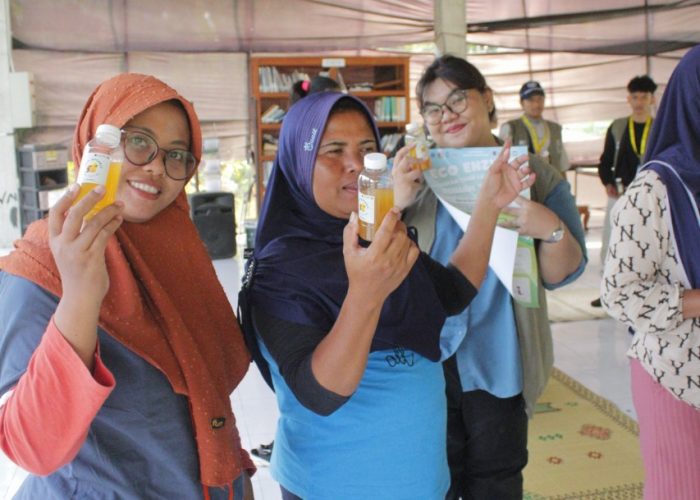
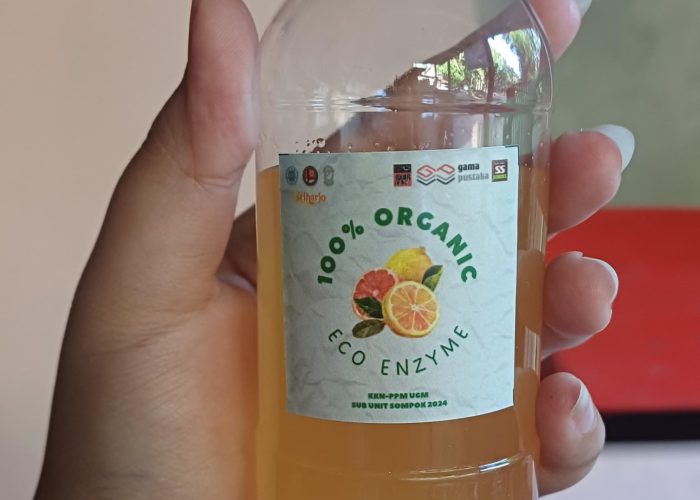
Genoveva Ristining Tyas and Ridho Nur Alam, undergraduate students from the Faculty of Biology, Universitas Gadjah Mada, class of 2022, succeeded in achieving Gold Medal, 2nd Place in Poster, and 2nd Place Overall in an National Essay Competition held by Universitas Jenderal Soedirman under the guidance of Prof. Dr. Endang Semiarti, M.S., M.Sc. Their essay, submitted with the subtheme “Agriculture,” titled “Innovation of Biofertilizer with Halotolerant Bacteria and Eco Enzyme for Bioremediation of Unproductive Coastal Areas”.The innovation of biofertilizer with halotolerant bacteria combined with eco enzymes derived from the utilization of organic household waste and bagasse presents a sustainable solution in managing household organic waste and industrial waste.


By integrating biofertilizer, utilizing coastal land for shallot cultivation, and optimizing eco enzyme products, innovative, sustainable, productive, and environmentally friendly agriculture can be realized. This innovation plays a significant role in optimizing land productivity and increasing shallot commodity yields in Indonesia. It can impact the fulfillment of shallot consumption for the Indonesian population and potentially increase the national per capita income. This aligns with the Sustainable Development Goals (SDGs) in No Poverty (SDGs 1), Zero Hunger (SDGs 2),Good Health and Well-being (SDGs 3) Affordable and Clean Energy (SDGs 7), and Responsible Consumption and Production (SDGs 12), thereby supporting Indonesia’s vision for Golden Indonesia 2045. [Author: Genoveva Ristining Tyas]

The Faculty of Biology UGM Initiates the Community Service Activity with the Wedomartani Tourism Awareness Group in Utilizing Animal Waste as Organic Fertilizer

Community ServiceHeadlineNews ReleaseWaste Management Tuesday, 7 May 2024

the Gebang Hamlet, Jetis, Wedomartani, Ngemplak, Sleman, is the inadequate management of animal waste (kohe) from cattle and goats. Faculty of Biology UGM through the Community Service – Independent Learning Independent Campus (PkM-MBKM) 2024 activity, led by Prof. Rarastoeti Pratiwi, with members Angela Puspa Larasati, Hanifa Nazaila F, and Nindya Dayita Hapsari held the meeting with the Wedomartani Tourism Awareness Group (Pokdarwis) team, represented by Joni Martono, Rujito, and Gatot Satriya, at Warung Goeboeg Pentjeng, Gebang. The meeting was to initiate the implementation of activities in managing and utilizing animal waste to produce organic fertilizer. Prior to the meeting, a discussion was held to align the perceptions between the head of Pokdarwis Wedomartani, Langgoso Aswin Poetra, and the head of the PkM MBKM team, especially regarding the implementation of activities. This activity supports the Sustainable Development Goals (SDGs), especially goals 13 and 17, Land Ecosystems and Partnerships to Achieve Goals.


The dominant livestock in the Gebang Hamlet are cattle and goats. Currently, animal waste is only collected near the pens, left to dry, and not optimally utilized. Additionally, there is an abundance of bamboo plants in the Gebang hamlet, which produce bamboo leaf litter. Bamboo leaf litter also serves as a medium for the growth of Trichoderma fungus, which has benefits as a biological fertilizer and biofungicide. The meeting discussed strategies for processing and producing organic fertilizer that can be utilized by farmers. It was agreed to process kohe, consisting of cattle and goat waste, along with bamboo leaf litter. This activity will begin with the production of prototype fertilizer products consisting of 6 variants. These prototype variants will be tested on chili plant seedlings to observe their growth. Subsequently, the selected variant of kohe fertilizer products, based on the best growth test results on chili plants, will be produced on a larger scale. To optimize the production of fertilizer on a larger scale, appropriate technology is needed using simple machinery equipment. The nutrient content and potential of these kohe fertilizer variants in supporting chili plant growth will also be tested.

To support the success of these activities, the head of the PkM MBKM team stated, “These activities will run smoothly if there is synergy between the PkM MBKM team and the team from Pokdarwis Wedomartani. To facilitate the activities, it can start by scheduling the implementation time at each stage, by writing down the activities in detail. Additionally, joint commitment is needed to achieve the goal of producing organic fertilizer from kohe waste in the Gebang Hamlet.” In the discussion, many suggestions and ideas were presented by Pokdarwis team members, which were well received by the MBKM students, including efforts to find references to support these ideas. The initiation meeting for these activities proceeded smoothly and optimistically.
1…1920212223…25

Accreditation

Recent Posts

  • Sakura Science Program 2026: Strengthening Molecular Biology Skills through Intensive Laboratory Training at Yamagata University
  • BIOENTRI 2026: Open House dan Pengenalan Topik Riset Fakultas Biologi UGM Sparks Strong Academic Interest
  • Sakura Science Program 2026: 18 Members of UGM Faculty of Biology Participate in Academic Program at Yamagata University, Japan
  • An Educational Field Trip on Histology and Animal Anatomy for SMPIT Muhammadiyah An Najah Klaten Students at the Faculty of Biology, UGM
  • Faculty of Biology UGM Strengthens International Collaboration through Strategic Visit to Bard University, Egypt
Universitas Gadjah Mada

UNIVERSITAS GADJAH MADA

FACULTY OF BIOLOGY
Teknika Selatan Street, Sekip Utara,
Yogyakarta 55281
biologi-ugm@ugm.ac.id
Phone/Fax: +62 (274) 580839

About us

  • History
  • Organization
  • Vision and Mission
  • Staff

Student Affairs

  • Student Service
  • Student Organization
  • Submission for Practical Field Work
  • Permission Field Research
  • Permission Thesis/Disertation

academic

  • Academic Regulations
  • Academic Anonncement

Accreditation

  • Image 1
  • Image 2
  • Image 3

© 2024 FACULTY OF BIOLOGY UNIVERSITAS GADJAH MADA

KEBIJAKAN PRIVASI/PRIVACY POLICY

[EN] We use cookies to help our viewer get the best experience on our website. -- [ID] Kami menggunakan cookie untuk membantu pengunjung kami mendapatkan pengalaman terbaik di situs web kami.I Agree / Saya Setuju