• UGM
  • Simaster Portal
  • IT Center
  • Webmail
  • KOBI
  • English
    • Bahasa Indonesia
Universitas Gadjah Mada Universitas Gadjah Mada
Faculty of Biology
  • ABOUT US
    • History
    • Organization
    • Vision and Mission
    • Lectures and Staff
      • Lecturers
      • Adjunct Professor
      • Supporting Staff
    • Facility
      • Laboratories
      • Research
      • Library
      • Museum
      • Mental Health Consultation
      • Disability
  • EDUCATION
    • Undergraduate Program
      • Graduates Learning Outcome
      • Academic Callendar
      • Course
    • IUP
    • Profession Program
      • What is the Professional Study Program in Biodiversity Curator (PKKH)?
      • Admission for New Students of the Biodiversity Curator Profession Program Study
      • Information and FAQ Study Program of Biodiversity Curator Profession
    • Master Program
      • Master Program in Biology Description
      • Curriculum Structure Master Program
    • Doctoral Program
      • Vision, Mission, Objectives, Targets, Competencies, and Learning Outcomes
      • Admission Requirement for Program Doctor in Biological Sciences
      • Admission: What Documents to be prepared?
      • Curriculum
    • Regulations
    • Accreditation & Quality Assurance
  • RESEARCH
    • Journal of Tropical Biodiversity and Biotechnology
    • Berkala Ilmiah Biology
    • Research
    • Publication
  • Community Service
    • Waste Management
  • STUDENTS & ALUMNAE
    • Student Organizations
    • Prospective Career Opportunities
    • SUMMER COURSE
    • Alumnae
  • Home
  • SDG 4 : Provide Quality Education
  • SDG 4 : Provide Quality Education
  • page. 2
Arsip:

SDG 4 : Provide Quality Education

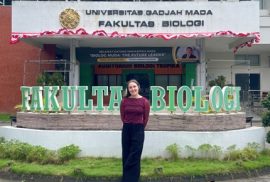
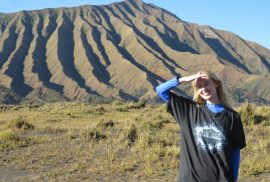
Passion, Relax, and Enjoyment: Zuzanna Kliwicka’s Biodiversity Adventure at UGM Biology

News ReleaseStudent Activities Thursday, 18 December 2025

For Zuzanna, a third-year Biomedical Sciences student from Vrije Universiteit Amsterdam, there was no better classroom than the Indonesian archipelago. Driven by a deep love for nature, she chose UGM not only for its prestige as Indonesia’s top university but also for its rich research environment and the country’s status as a global biodiversity hotspot.

Hands-On Learning in Nature’s Backyard

Zuzanna’s academic experience at the Faculty of Biology was defined by inspiration and direct interaction. She was particularly impressed by the professors’ knowledge and their ability to inspire students through their research. Unlike the large-scale lectures in the Netherlands, she found the smaller classes at UGM allowed for a much more individual and personal approach.

Her favorite memories, however, were made outside the classroom during field trips.

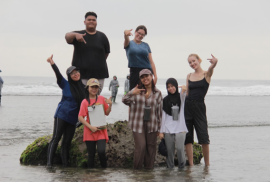
“I loved the Marine Ecology field trips to the mangrove forest and the beach. It provided us with hands-on experience in ecological research and we could see directly Indonesian biodiversity hotspots so close to Jogja!”

These trips weren’t just about data; they helped her understand the urgent need for conservation and the practical ways to preserve the environment.

Discovering the “Only in Indonesia” Magic

Though her first impression of Yogyakarta was “chaotic”—especially while learning to navigate the crazy traffic on a scooter—she quickly found beauty in the local culture. She grew to love the vibrant atmosphere of the campus canteen, the beautiful batik worn by her professors, and the kindness of strangers who were always ready to help.

One of her most cherished cultural memories happened in Kalimantan. While searching for dinner, she and her friends were invited to a traditional wedding pre-celebration. They witnessed the couple being bathed in water with flower petals as a blessing from their family—a rare and intimate glimpse into local traditions. For Zuzanna, seeing endemic species like orangutans, proboscis monkeys, and sun bears in the wild was a dream come true that she describes as “quite literally—only in Indonesia!”

A Heartfelt Advice: “Just Do It!”

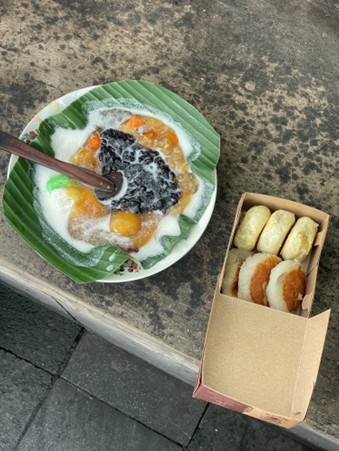
Zuzanna will deeply miss her daily life in Yogyakarta: the 7 AM bike rides to class with Mount Merapi looming in the distance, the taste of fantastic gado-gado for lunch, and the bustle of local markets.

Her advice to future international students is simple and bold: “Just do it! It will be the most incredible adventure of your life.”

Zuzanna describes her UGM journey through three words: Passion, Relax, and Enjoyment. It was a semester that fueled her scientific curiosity while allowing her to enjoy the beautiful pace of Indonesian life.
Chaotic, Transforming, Unforgettable: Adéla Straková’s Student Exchange Activity at UGM

News ReleaseStudent Activities Thursday, 18 December 2025

The Faculty of Biology at Gadjah Mada University (UGM) recently hosted Adéla Straková, an undergraduate student in Biomedical Sciences from Vrije Universiteit in Amsterdam, Netherlands. Adéla chose UGM as her first choice for an exchange, driven by the desire for a completely different cultural experience on the other side of the world, coupled with UGM’s good reputation and the promise of Indonesia’s amazing nature and people.
Navigating a New Academic Structure

Adéla described her overall academic experience at the Faculty of Biology as “very positive,” though she noted that some differences required adjustment. She cited the mandatory attendance in lectures and the initial challenges in scheduling subjects as practices new to her, accustomed to the standards of her home university.
She also mentioned that classes were often rescheduled or cancelled at the last minute, making the semester feel “a little bit rocky” at first. However, she emphasized that the faculty did their best to accommodate the exchange students’ needs.

Despite these adjustments, Adéla found significant value in her coursework, particularly enjoying classes that allowed for debate and sharing perspectives.

“I think I most enjoyed the classes where we were able to debate with others and share our points of view. I learned the most about Indonesian economical, political and ecological background through that and am very grateful for classes like Environmental Pollution and Toxicology and the students and teachers in that class!”

A Personal Approach to Learning

Adéla noticed distinct differences in the teaching style. The biggest difference was the personal approach and the close relationships formed with lecturers, contrasting sharply with the large lectures (often over a hundred students) at her home university. The significantly smaller class sizes at UGM allowed for closer relationships, debates, and listening to diverse cultural perspectives.

She noted: “Generally, I would say the focus of education here is not much on memorizing material but more debating and gaining knowledge by interactions with others.”

Another unique aspect was communicating with lecturers via WhatsApp, which, though initially strange, helped “break down some barriers” and made communication more natural and comfortable, sparking future conversations.

Embracing the “Slow Life” of Yogyakarta

Adéla’s first impression of Yogyakarta was a mix of confusion and fear, but the city quickly “grew on me like no other.” She discovered that while it might not be a typical tourist destination, living there was “one of the best experiences of my life.” Her initial impression of UGM was the sheer size of the campus, though she rarely ventured outside the Faculty of Biology area.

What left a strong cultural impression was the Indonesian ability “to just sit back and enjoy life without rushing off anywhere”—a slower pace she is still trying to embrace. She also loved the food and how much of the food culture aligns with nature.

A Powerful Lesson in Kindness

When asked about an “only in Indonesia” moment, Adéla shared a memorable incident when her scooter broke down in the middle of the street. Before she could even process what happened, “there were suddenly at least three people helping me out.”

“They quickly helped me fix the scooter and only smiled when I was thanking them. I think this kindness and helping others without expecting anything in return is what makes Indonesia so special, and more people and cultures could learn a thing or two.”

Outside the classroom, Adéla was fortunate to travel extensively, noting that every corner of Indonesia is beautiful and that the diversity—of nature, religion, and cultures—never stops amazing her.

Advice for Future Students

Adéla’s advice for future international students joining the UGM exchange program is centered on patience and interaction:

  • Take things slow, focus on the positives, and embrace the slow life culture.
  • Understand that while not everything is 100% efficient, “that doesn’t mean it is worse.”
  • Learn as much Bahasa Indonesia as you can and don’t be afraid to interact with local people, who are “the nicest and friendliest people.”
  • Always be respectful, recognizing the opportunity to witness the actual day-to-day life of the people here.

Adéla Straková summarizes her time at UGM with three words: “Chaotic, transforming, unforgettable.”

Layla McKenzie: “Epic, Educational, and Memorable” – A Deakin University Student’s Exchange Story at UGM Biology Faculty

News ReleaseStudent Activities Wednesday, 17 December 2025

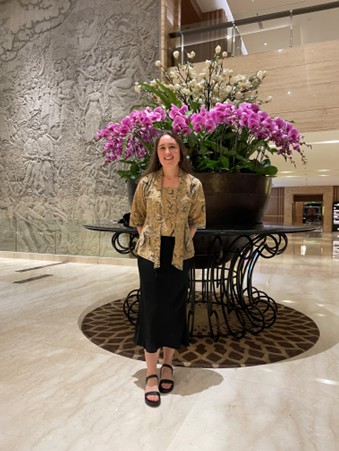
The Faculty of Biology at Gadjah Mada University (UGM) was proud to host Layla McKenzie, a Bachelor of Science (Environmental Science) student from Deakin University, Melbourne, Australia, who recently completed the Biology International Undergraduate Program (IUP) exchange. Inspired by basic Indonesian language lessons in primary school and geographical proximity, Layla chose UGM based on recommendations for its strong international program and the rich culture of Yogyakarta—a city she confirms is excellent for students.


Relevant Learning and Warm Interaction

Layla described her academic experience at the UGM Faculty of Biology as “great.” She enjoyed attending classes and learning from UGM lecturers, finding the campus lovely and the classrooms comfortable. Her favorite course was Environmental Science due to its high relevance to her degree in Australia. She praised the engaging topics, the assigned tasks, and the lecturer, calling the class discussions enjoyable.

Uniquely, Layla highlighted a difference in teaching style: “I find the lecturers here are more approachable compared to my home university, and there was more engagement with the students attending the lectures.”

Falling in Love with the Culture and Warm Welcome of Yogyakarta

Layla’s first impression of Yogyakarta and UGM was one of instant adoration. She praised the beauty of the UGM campus, with its many trees and cafes perfect for studying, as well as the warmth and welcoming nature of everyone she met. The UGM Biology team was also noted for being quick to answer questions and ensuring the students had everything needed to settle in. She described Yogyakarta as a city rich in culture and history.

The local cultural experiences left a strong impression, particularly the culinary scene. Layla loved eating at local warungs and getting to know the Ibu’s (mothers) at each one, who were quick to look after her and her friends. She even has favorite dishes she called “enak banget!” (very delicious!): lotek at Jasmine Corner and nasi pecel at Warung Santai. Beyond food, she enjoyed watching dance performances and visiting the beautiful temples in the surrounding areas.

Unforgettable Moments Beyond the Classroom

When asked about an “only in Indonesia” or “only in Yogyakarta” moment, Layla mentioned the surreal feeling of sitting on the back of a Gojek at night, zooming through the streets, and reflecting on the fact that she was living in Indonesia. Another spectacular moment she recalls is seeing the lava erupt at Mount Merapi, alongside many wholesome experiences of sharing meals with local people.

Outside of academics, Layla took the opportunity to travel extensively across Indonesia. Her trips included visiting Banda Aceh in Sumatra, seeing orangutans in Kalimantan, snorkeling at Karimunjawa, hiking at Salatiga, and witnessing the blue fire at Ijen. She also engaged in cultural activities, such as learning how to make batik and its history at Kota Gede.

Advice for Future Exchange Students

For future international students interested in the UGM exchange program, Layla offered some encouraging advice:

“Attend any social events organised by the university, and try to join some form of club. Try as much local food as you can and don’t be nervous about getting sick, it’s very aman (safe)! Make sure you say yes to any opportunity to experience or learn something new!”

Layla McKenzie summed up her entire UGM experience in three words: “Educational, memorable, and epic!”

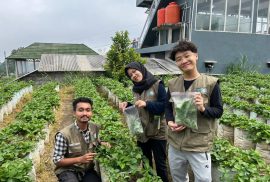
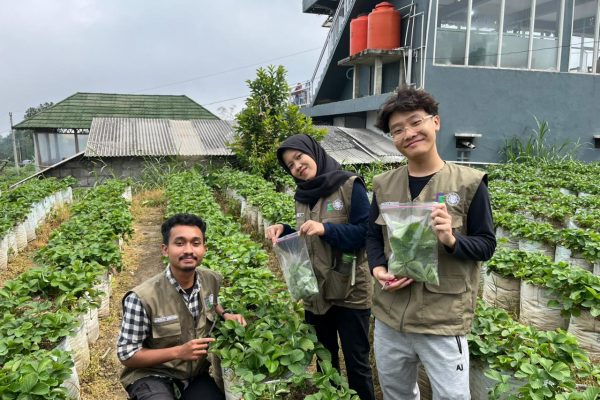
Unveiling the Chloroplast Genome of ‘Mencir’ Strawberry to Support Breeding of Superior Indonesian Strawberries

Community Service Sunday, 14 December 2025

A research team from the Faculty of Biology at Universitas Gadjah Mada (UGM), led by Ganies Riza Aristya, Ph.D., has achieved a significant milestone in Indonesian strawberry genomic research by successfully uncovering and characterizing the complete chloroplast genome of the superior local strawberry cultivar, ‘Mencir’. This research, funded by a Fundamental Basic Research Grant from the Ministry of Education, Culture, Research, and Technology, successfully optimized a high-quality DNA extraction method using a modified CTAB buffer, yielding DNA with optimal purity and concentration for next-generation sequencing. Nanopore sequencing technology using the ONT PromethION platform successfully generated comprehensive chloroplast genomic data, with a total length of 155,568 base pairs, which was then assembled and annotated comprehensively.

In-depth analysis of the genome revealed the structure and organization of critical genes involved in photosynthesis and chloroplast gene regulation, namely the ndh, pet, and rpo gene groups. The mapping of exon-intron structures, analysis of conserved motifs, and 3D protein structure predictions successfully provided detailed insights into the complexity and uniqueness of each gene group. Furthermore, the research team, which includes three Faculty of Biology students—Tika Nur Amini, Andreas Wibisono, and Tan Rendy—also conducted a robust phylogenetic analysis, confirming strong kinship relationships among species within the Rosaceae family and strengthening the understanding of the evolutionary history and chloroplast inheritance patterns in the commercial hybrid strawberry (Fragaria × ananassa).

This research activity has not only produced highly valuable foundational data but has also yielded several tangible outputs, including two research publications in reputable international journals, as well as dissemination videos and posters. Synergistic collaboration with local partners—such as Inggit Strawberry Agritourism in Magelang and Sleman—and the genomics industry partner Integrated Genome Factory (IGF), has enriched the research process and ensured the applied relevance of the achieved results.

Strategically, this research achievement provides a solid scientific foundation for strawberry breeding programs based on molecular markers and gene editing technologies such as CRISPR/Cas9. In the second year, the research will focus on the functional validation of candidate genes and the identification of quantitative trait loci (QTL) for important agronomic traits, such as disease resistance and photosynthetic efficiency, which can be directly utilized by plant breeders.

Finally, this research activity directly contributes to the achievement of the Sustainable Development Goals (SDGs), particularly SDG 2: Zero Hunger, Achieving Food Security and Improved Nutrition, and Promoting Sustainable Agriculture. By developing superior strawberry varieties that are more productive, stress-tolerant, and adaptive to local conditions, this research promotes a more resilient and sustainable agricultural system. Additionally, through enhancing the capacity of local human resources and transferring knowledge to farmers (SDG 4: Quality Education), as well as inclusive multi-stakeholder collaboration (SDG 17: Partnerships for the Goals), this research serves as a tangible example of how genomic science can be directed to support food sovereignty, community empowerment, and sustainable and equitable agricultural development in Indonesia.

Expanding International Networks, the Faculty of Biology UGM Promotes the IUP at Sangkhom Islam Wittaya School, Thailand

News Release Friday, 12 December 2025

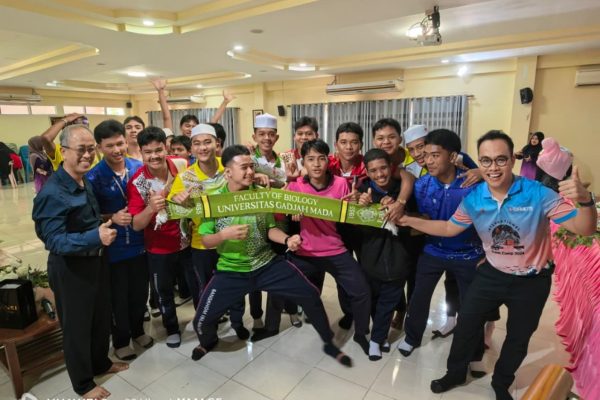
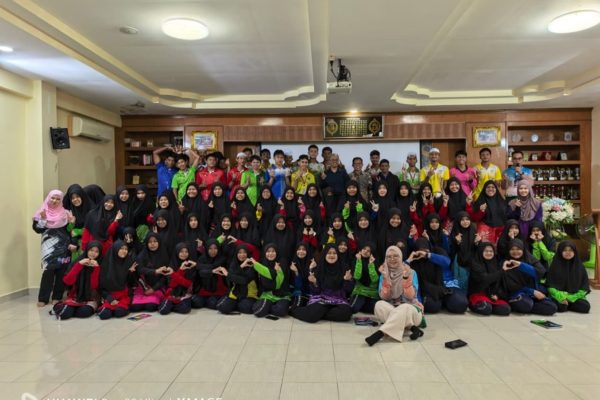
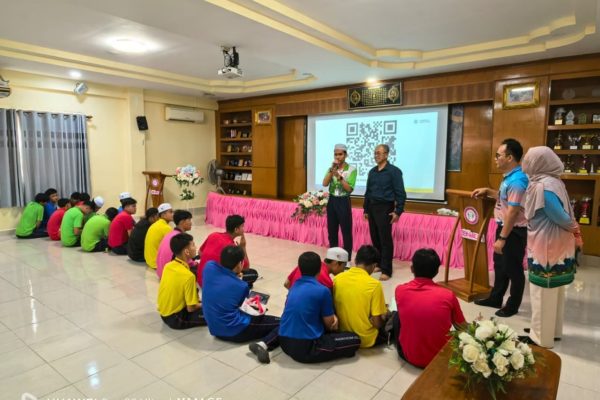
The Faculty of Biology, Universitas Gadjah Mada (UGM), conducted a collaborative activity and introduced its International Undergraduate Program (IUP) at Sangkhom Islam Wittaya School, Songkhla, Thailand, on Wednesday, 11 December 2025. This activity was part of the Faculty’s ongoing efforts to internationalize education and expand its global academic collaboration networks.


The program was held at Sangkhom Islam Wittaya School, located at 93/2 Moo 1 Samnuktaew Sub-district, Sadao District, Songkhla, Thailand 90120. On this occasion, the Faculty of Biology UGM was represented by two delegates: Prof. Dr. Bambang Retnoaji, S.Si., M.Sc., Vice Dean for Academic and Student Affairs, and Dr. Slamet Widiyanto, S.Si., M.Sc., Vice Dean for Finance, Assets, and Human Resources.

The main agenda of the activity consisted of a presentation and an interactive dialogue on the International Undergraduate Program (IUP) of the Faculty of Biology UGM. During the session, the delegates introduced UGM’s education system, highlighted the advantages of the IUP, explained its internationally oriented curriculum, and outlined research opportunities as well as academic and career prospects for graduates. The discussion was highly interactive, covering admission pathways, academic requirements, and the experience of international students at UGM.

The event was attended by 50 Grade 12 students of Sangkhom Islam Wittaya School, along with six school representatives: Okta Mahendra, M.Pd.; Riesta Chania Sandy, S.Pd.; Aswina Waeiso; Nadia Sue-ri; Angkana Lae Lahman; and Wasilah Madeng. The participants showed great enthusiasm, actively asking questions about opportunities to pursue higher education at the Faculty of Biology UGM through its international programs.

Through this activity, the Faculty of Biology UGM aims to increase international students’ interest in pursuing higher education at UGM while strengthening institutional relations with partner schools in Thailand. In the future, this collaboration is expected to develop into broader forms of educational cooperation, including student exchanges and joint academic activities.

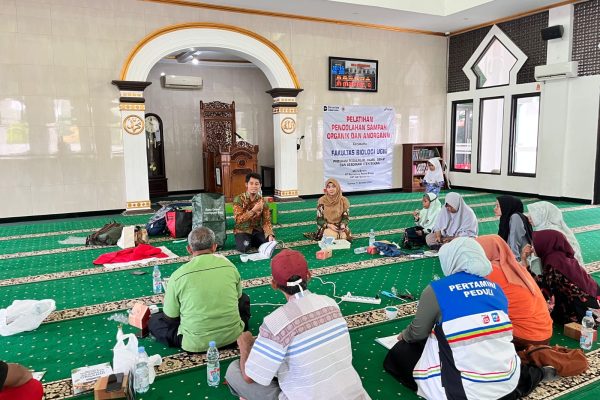
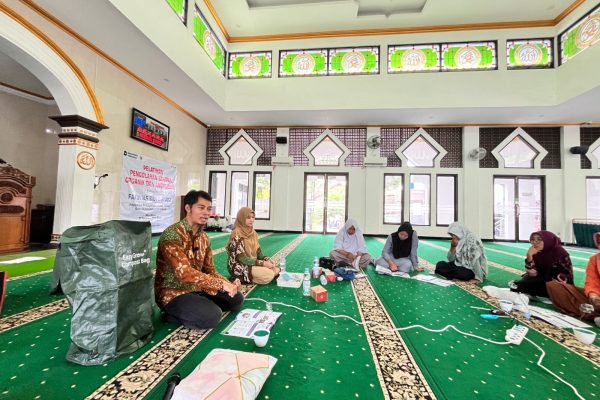
Training on Organic and Inorganic Waste Processing in Tegalrejo: A Collaboration between the Faculty of Biology UGM and Pertamina Patra Niaga AFT Adi Sumarmo under the TEH SEKAR Program

Community ServiceNews Release Friday, 12 December 2025

Tegalrejo, 11 December 2025


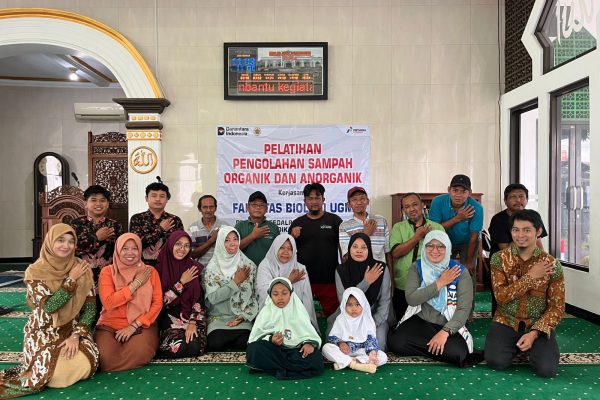
The Faculty of Biology, Universitas Gadjah Mada, in collaboration with PT Pertamina Patra Niaga AFT Adi Sumarmo through its assisted program Tegalrejo Hijau, Sehat, dan Berdikari (Teh Sekar), held a community service activity titled “Training on Organic and Inorganic Waste Processing” on 11 December 2025 in Tegalrejo. The training was attended by 14 participants who are members of the Miguno Waste Bank.

he training aimed to enhance the community’s capacity in proper waste sorting and processing, as well as to support environmental self-sufficiency in the Tegalrejo area. Two speakers from the Faculty of Biology UGM delivered the materials: Mrs. Novita Yustinadiar, S.Si., M.Si., who presented the topic of inorganic waste processing, and Mr. Jamal Musa Holle, S.Si., M.Env.Sc., D.Phil., who explained organic waste processing techniques.

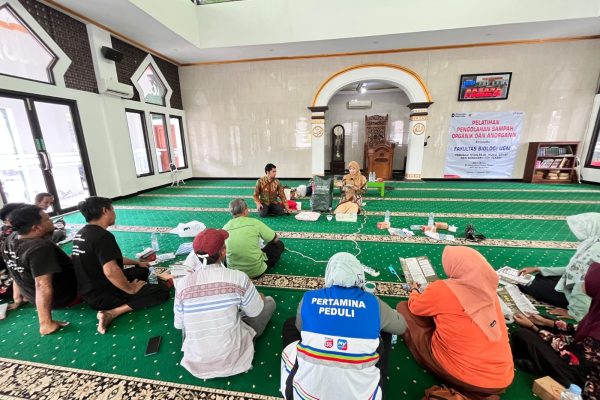
The event began with a pre-test to assess participants’ baseline knowledge regarding waste management. During the training sessions, participants received theoretical explanations and practical demonstrations on household waste processing techniques applicable to daily activities. The training concluded with a post-test to evaluate participants’ improvement and the effectiveness of the program.

Throughout the training, participants practiced creating various recycled products, such as crafts made from plastic bottles and the making of sofa cushions and bean bags using shredded plastic fillers. This activity aimed to utilize low-value plastic waste by transforming it into economically valuable products while also reducing harmful practices such as burning plastic waste. In the organic waste processing session, participants learned compost-making using the Berkeley method (layering technique in compost bags) and organic waste processing using maggots in a maggot box.

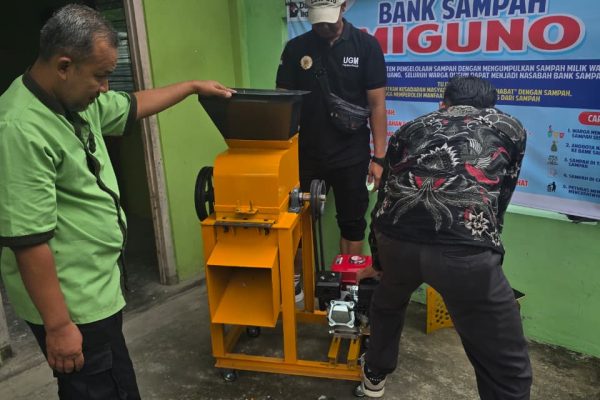
As part of the support for empowering the Miguno Waste Bank, one unit of a plastic waste shredding machine was donated to assist in processing plastic materials used as filler for sofa cushions and bean bags. Participants also received brochures and practical guides on organic and inorganic waste processing that are easy to follow and implement independently.

This training directly supports several indicators within the Sustainable Development Goals (SDGs). Contributions to SDG 3 (Good Health and Well-Being) are reflected in efforts to improve environmental quality and reduce health risks associated with improper waste management. Educational materials delivered by the speakers, along with the pre-test and post-test mechanisms, reinforce SDG 4 (Quality Education). From an environmental perspective, the activity supports SDG 6 (Clean Water and Sanitation) by reducing pollution potential, and strengthens SDG 11 (Sustainable Cities and Communities) by fostering environmentally conscious communities. Additionally, the training promotes SDG 12 (Responsible Consumption and Production) by improving practices of waste sorting, reuse, and recycling. The implementation of composting techniques aligns with SDG 13 (Climate Action) by helping reduce greenhouse gas emissions from organic waste. Overall, this activity exemplifies the implementation of SDG 17 (Partnerships for the Goals) through strong collaboration between the Faculty of Biology UGM, the Teh Sekar Program, and PT Pertamina Patra Niaga AFT Adi Sumarmo in advancing sustainable community empowerment.

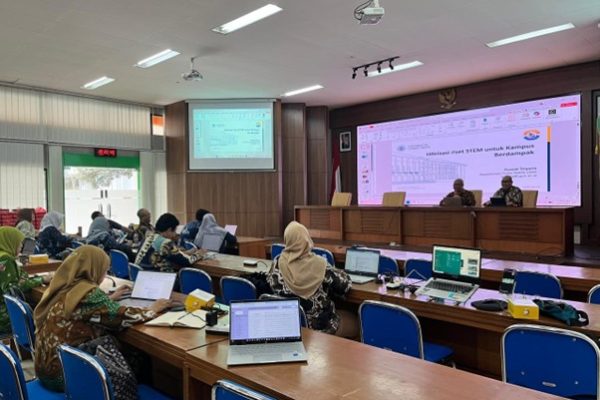
Academic Workshop 2025: Strengthening Academic Governance, Learning Innovation, and Research Commercialization

News Release Thursday, 11 December 2025

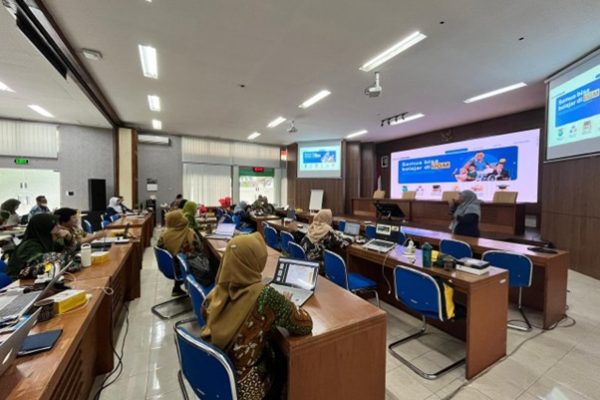
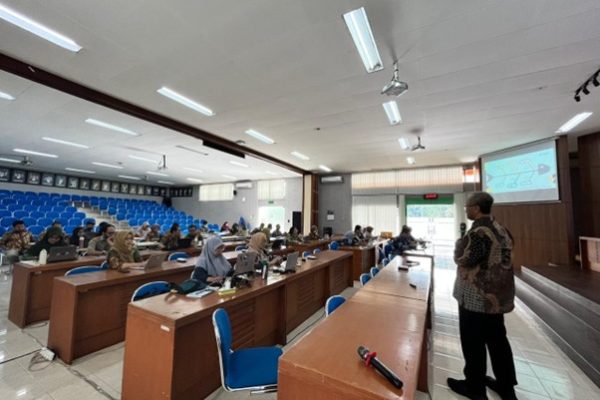
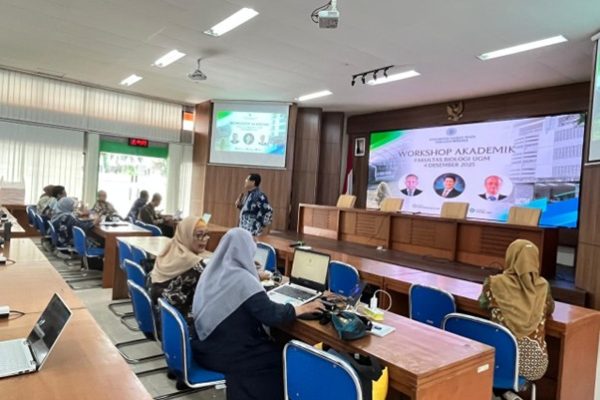
Yogyakarta, 4 December 2025 , The Faculty of Biology, Universitas Gadjah Mada (UGM), organized the Academic Workshop 2025, at the Tropical Biology Auditorium, Faculty of Biology UGM. The workshop served as a strategic platform to strengthen academic governance, enhance the quality of teaching and learning, and promote research commercialization in line with societal needs and the Sustainable Development Goals (SDGs)


The workshop was officially opened by the Dean of the Faculty of Biology UGM, Prof. Dr. Budi Setiadi Daryono, M.Agr.Sc., who highlighted the importance of a shared institutional commitment to maintaining high-quality academic services and fostering learning innovations that address both national and global challenges

The agenda continued with a presentation by the Vice Dean for Academic Affairs and Student Affairs, Prof. Dr. Bambang Retnoaji, M.Sc., who presented updates on academic regulations covering curriculum development, learning evaluation mechanisms, and academic service standards. These updates aim to strengthen a transparent, inclusive, and quality-oriented academic culture

The next session was delivered by Zuliyati Rohmah, S.Si., M.Si., Ph.D.Eng., who presented the implementation of Massive Open Online Courses (MOOCs) and Outcome-Based Education (OBE). The session also addressed the systematic revision and standardization of course modules, course syllabi (RPS), and course portfolios for the Study Programme of Bachelor in Biology, Study Programme of Master in Biology, Professional Study Program in Biodiversity Curation, and Study Program of Doctor in Biological Sciences. These efforts aim to ensure alignment between learning outcomes, teaching and learning activities, and assessment methods, while supporting equitable access to quality education (SDG 4)

The workshop concluded with a sharing session by Prof. Dr. Eng. Kuwat Triyana, M.Si., Dean of the Faculty of Mathematics and Natural Sciences (FMIPA) UGM. He emphasized the strategic importance of research commercialization in STEM disciplines and the role of interdisciplinary collaboration in generating innovations with sustainable economic, social, and environmental impact (SDG 9 and SDG 17)

Overall, the Academic Workshop 2025 provided valuable insights into the academic development priorities of the Faculty of Biology UGM, strengthened the institution’s contribution to the SDGs, and reaffirmed a collective commitment to delivering biological education that is excellent, innovative, and globally competitive

Faculty of Biology UGM Strengthens International Collaboration with University of Brunei Darussalam, Supported by the Indonesian Embassy in Brunei Darussalam

CooperationNews Release Thursday, 11 December 2025

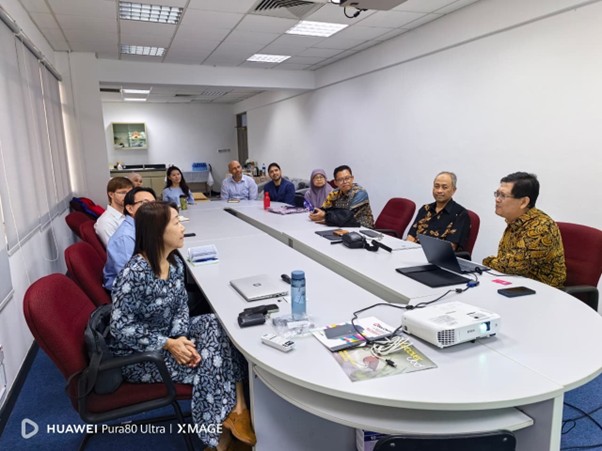
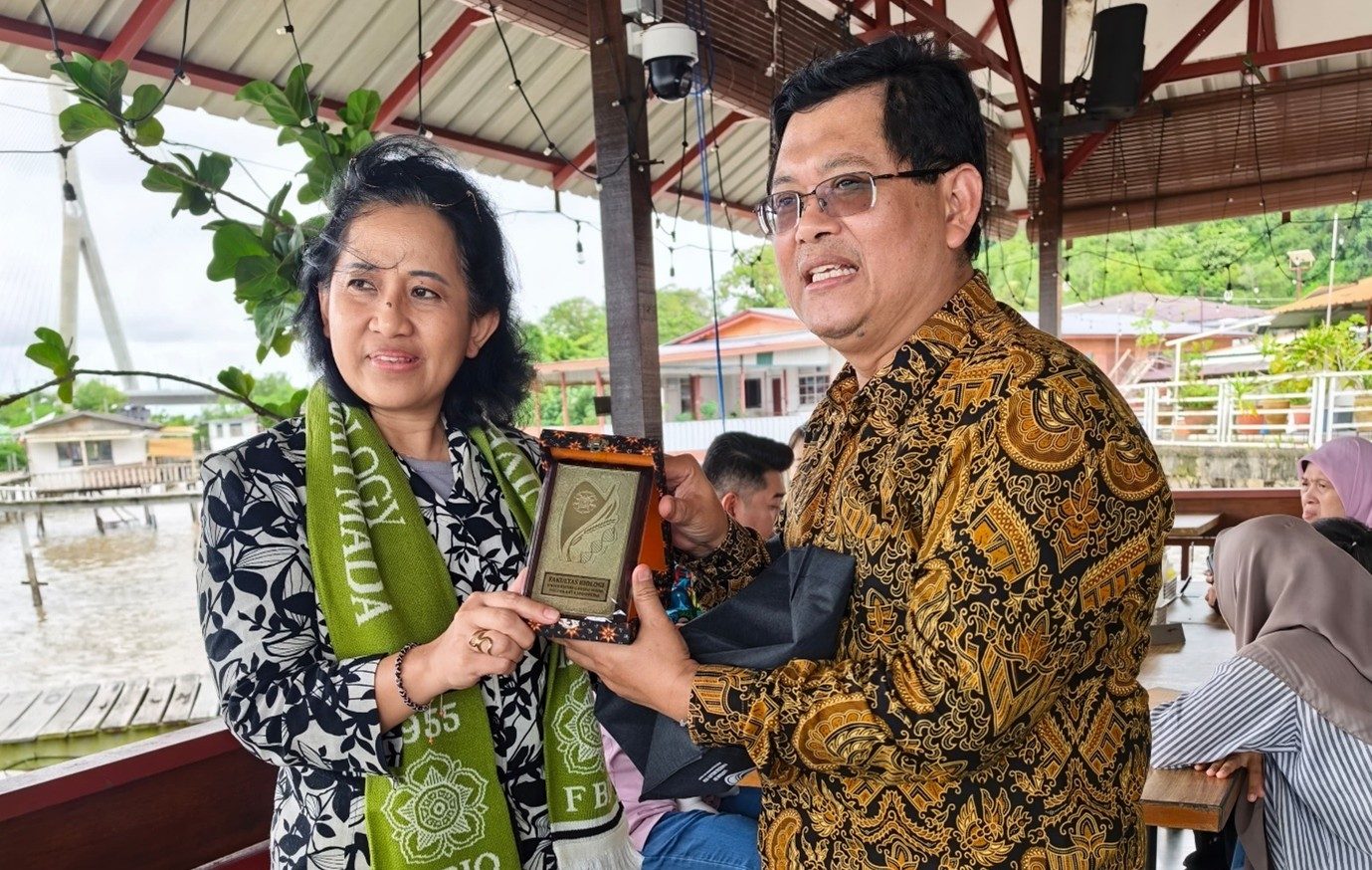
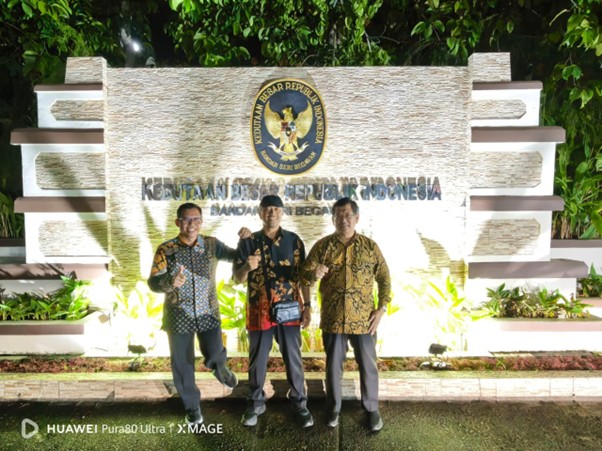
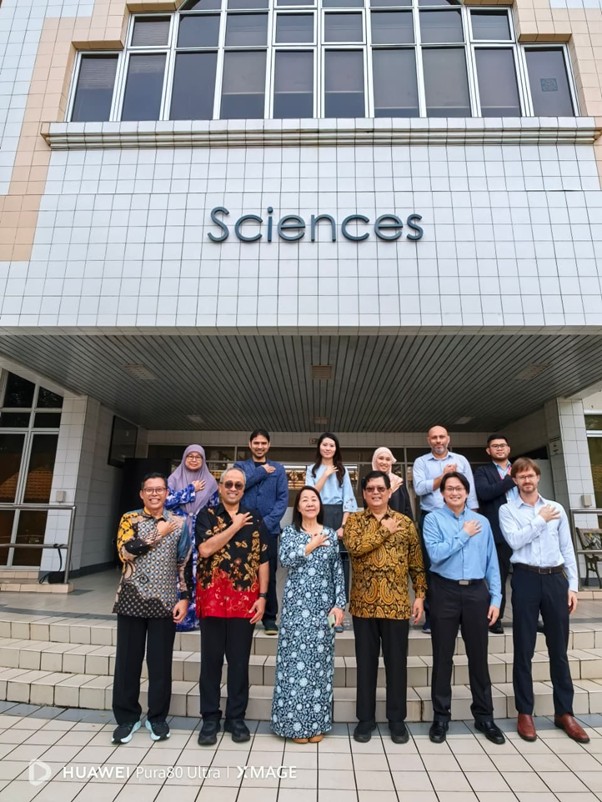
Brunei Darussalam, 9 December 2025 — The Faculty of Biology at Universitas Gadjah Mada (UGM) continues to expand its international collaboration network through a strategic partnership with the University of Brunei Darussalam (UBD), carried out with full support from the Embassy of the Republic of Indonesia (KBRI) in Brunei Darussalam. The meeting was attended by a delegation from the Faculty of Biology UGM led by the Dean, Prof. Dr. Budi Setiadi Daryono, M.Agr.Sc., accompanied by Dr. Bambang Retnoaji, M.Sc., Vice Dean for Academic and Student Affairs, and Dr. Slamet Widiyanto, M.Sc., Vice Dean for Finance, Assets, and Human Resources. The UGM delegation was warmly welcomed by the Indonesian Deputy Ambassador to Brunei Darussalam, Roos Diana Iskandar, as well as Agus Buana, Coordinator for Social and Cultural Affairs at KBRI. Meanwhile, the meeting with UBD was received by the Dean of the Faculty of Science, Lim Lee Hoon, Ph.D.; Faizah Metali, Ph.D., Programme Leader for Environmental & Life Sciences; and Dr. Ulmar Grafe from the Department of Environmental Life Sciences.


This collaboration initiative builds on the success of the 2024 student exchange program, through which the Faculty of Biology UGM hosted a student from UBD’s Faculty of Science, Nurjanah Amalia Munaf, for academic activities at UGM. During the recent meeting, both institutions agreed to strengthen cooperation in three key areas: first, the development of a two-way student exchange program between the Department of Environmental Life Sciences, Faculty of Science UBD, and the Faculty of Biology UGM; second, the implementation of joint supervision for undergraduate and master’s students from both universities; and third, the preparation of joint publications resulting from collaborative research conducted under the joint supervision scheme.

Both UGM and UBD share a strong commitment to ensuring that this collaboration opens wider opportunities for knowledge exchange, enhances research quality, and strengthens academic capacity in the life sciences. The partnership also represents a concrete contribution by both institutions toward advancing the Sustainable Development Goals (SDGs), particularly SDG 4 (Quality Education), SDG 15 (Life on Land), and SDG 17 (Partnerships for the Goals), through high-quality education, biodiversity conservation efforts, and sustainable global collaboration. With increasingly close synergy, this partnership is expected to become an important step toward more inclusive and impactful biological research and education across the Southeast Asian region.

Preserving Indonesia’s Spice Heritage: INUCoST Team of the Faculty of Biology UGM Holds Herbarium-Making Workshop with Leiden Experts and Industry Practitioners

CooperationNews Release Thursday, 4 December 2025

Yogyakarta, 3 December 2025 — The INUCoST (Indonesian-Netherlands Universities Consortium for Sustainable Futures) Team of the Faculty of Biology, Universitas Gadjah Mada (UGM), successfully held a training program titled “Hands-on Workshop: How to Make Herbarium and Identification of Nusantara Spices” on Saturday (29/11). Taking place at the Tropical Biology Auditorium, the event served as a strategic platform to promote biodiversity conservation while exploring the immense potential of Indonesia’s rich spice heritage.


The workshop was officially opened by the Dean of the Faculty of Biology UGM, Prof. Dr. Budi Setiadi Daryono, M.Agr.Sc., who also serves as the Coordinator of Work Package 2 of the INUCoST Team. In his remarks, Prof. Budi emphasized the importance of synergy between botanical sciences and industry needs to ensure the sustainability of Indonesia’s natural resources.

A key highlight of this event was the unique collaboration between international academic expertise and local industry practitioners. Serving as speakers were Prof. Dr. rer.nat. P.J.A. Kessler from Hortus Botanicus, IBL Plant Science – Institute of Biology Leiden, the Netherlands, and Asri Saraswati Iskandar, Founder of Agradaya, a social enterprise focused on the sustainable development of spices in Yogyakarta.

In the first session, Asri Saraswati Iskandar shared insights on spices from an industry perspective. She discussed the economic value and vast market potential of Indonesian spices in today’s global landscape, providing a clear picture of how biological commodities can be managed professionally while generating social impact.

The next session focused on more scientific and technical aspects with Prof. Kessler. Participants were introduced not only to plant identification theory but also engaged in hands-on herbarium preparation techniques using Nusantara spice specimens. Prof. Kessler underscored that standardized herbarium preparation is essential as a foundational taxonomic database and a valid reference for future botanical research.

This activity also aligns with several Sustainable Development Goals (SDGs), specifically SDG 4 (Quality Education), SDG 15 (Life on Land), and SDG 17 (Partnerships for the Goals). Through knowledge transfer from international experts and collaboration with industry partners, the Faculty of Biology UGM aims to strengthen human resource capacity in biodiversity conservation while fostering inclusive and sustainable global partnerships.

The enthusiasm of participants was evident from the highly interactive discussions throughout the event. By combining technical herbarium-making skills with industry perspectives, the workshop is expected to equip participants with comprehensive knowledge, empowering them to contribute to the preservation and innovative utilization of Indonesia’s spice biodiversity.

Faculty of Biology UGM and Australian National University Extend Double Degree Collaboration and Explore New Strategic Partnership Opportunities

CooperationNews Release Tuesday, 2 December 2025

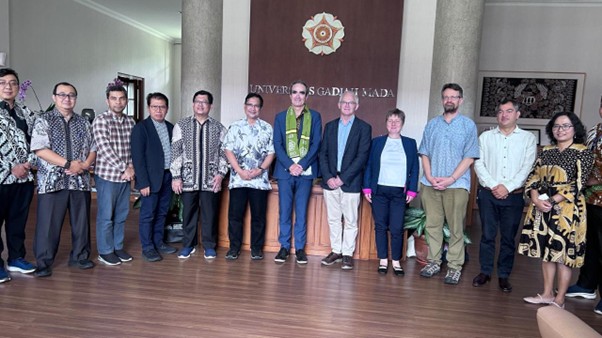
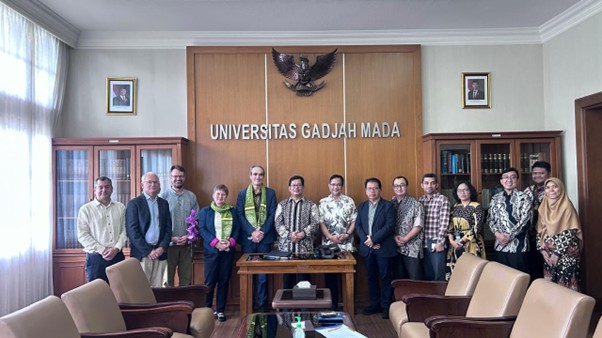
Yogyakarta, 28 November 2025 — Universitas Gadjah Mada (UGM) welcomed a delegation from the Australian National University (ANU), Australia, to discuss the extension of the undergraduate Double Degree program with the Faculty of Biology and explore broader prospects for strategic collaboration with the university. The meeting took place in the Meeting Room of the Rector’s Office at UGM. The ANU delegation was led by Professor Kiaran Kirk, Dean of the College of Science and Medicine, accompanied by Professor Stephen Eggins, Dean of the College of Systems and Society; Professor Maja Adamska, Associate Director of Education at the College of Science and Medicine, Research School of Biology; Associate Professor Jeremy Smith from the College of Systems & Society, School of Engineering; and Leonardo Alfonzo, Regional Manager for International Relations and Partnerships – STEMM.


From UGM, the meeting was attended by Prof. Dr. Puji Astuti, S.Si., M.Sc., Apt., Director of Partnerships, Alumni, and International Affairs of UGM, accompanied by Tyas Iksan Hikmawan, Ph.D., Head of the Office of International Affairs (KUI) UGM. Also present were Prof. Dr. Budi Setiadi Daryono, M.Agr.Sc., Dean of the Faculty of Biology; Dr. Eko Agus Suyono, M.App.Sc., Vice Dean for Research, Community Service, Collaboration, and Alumni; Nur Indah Septriani, Ph.D., Head of the International Affairs Office of the Faculty of Biology; and Matin Nuhamunada, Ph.D., Secretary of the Biology International Affairs Office. In addition, the meeting was attended by Prof. dr. Yodi Mahendradhata, M.Sc., Ph.D., FRSPH, Dean of the Faculty of Medicine, Public Health, and Nursing; Prof. Dr.-Ing. Ir. Agus Maryono, IPM, ASEAN Eng., Dean of the Vocational College; and Prof. Ir. Ali Awaludin, S.T., M.Eng., Ph.D., IPU, ACPE, Vice Dean for Research, Community Service, and Collaboration of the Faculty of Engineering.

Opening the discussion, Prof. Puji Astuti expressed her warm welcome and appreciation for the longstanding partnership between UGM and ANU, highlighting the strong foundation of collaboration that has been built over the years. The meeting continued with discussions on strengthening and expanding the partnership through initiatives such as the Enhancing Quality Education for International University Impacts and Recognition (EQUITY WCU) program, the New Colombo Plan, and academic collaboration schemes with potential support from the Indonesia Endowment Fund for Education (LPDP).

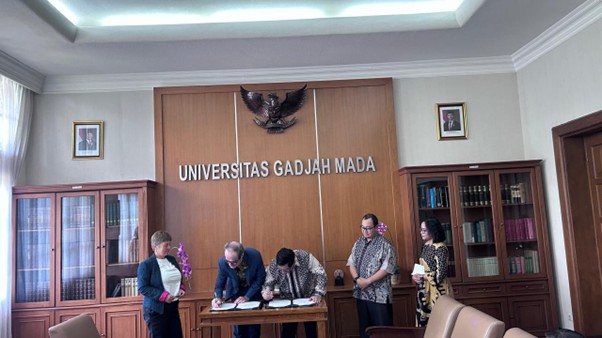
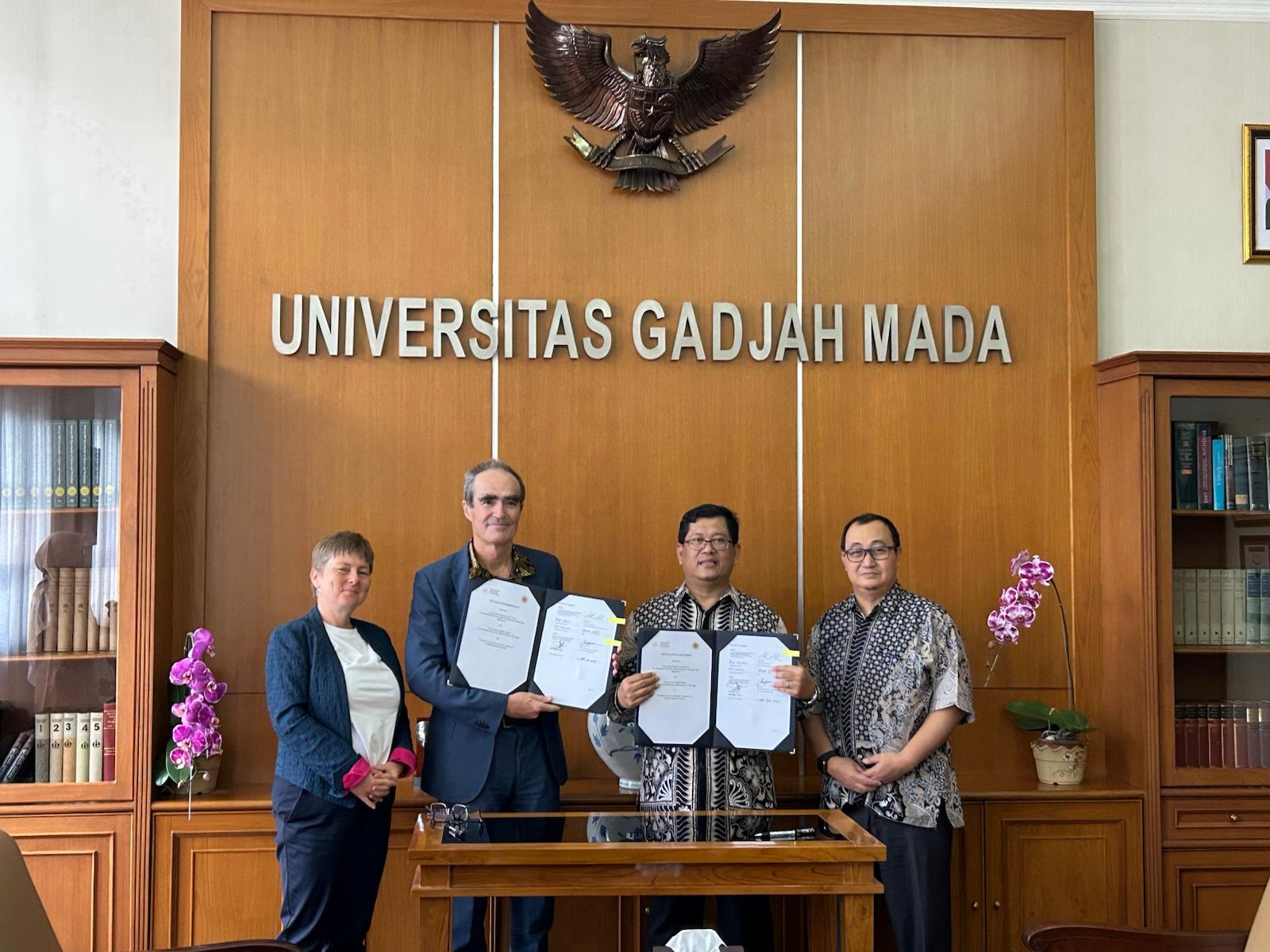
A major highlight of the meeting was the signing of the extension of the Double Degree Undergraduate Program between the Faculty of Biology UGM and the College of Science and Medicine ANU. The collaboration, which has been running since 2018, has been reaffirmed following the graduation of the program’s first two participants, Vanessa and Sabut, who successfully completed their studies at both UGM and ANU in 2025. On this occasion, Prof. Budi emphasized that the continuation of this program represents a strategic opportunity for UGM to broaden global academic exposure for students while enhancing their competencies through high-quality international learning experiences.

Beyond the undergraduate collaboration, discussions also explored the potential for multidisciplinary research partnerships involving the Faculty of Biology, the Faculty of Medicine, Public Health, and Nursing, the Faculty of Engineering, and the Vocational College. Both institutions exchanged ideas on potential research topics that could be developed collaboratively, including biology, public health, systems engineering, and technological innovations supporting sustainable development.

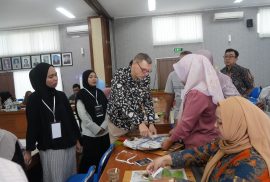
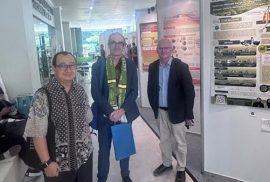
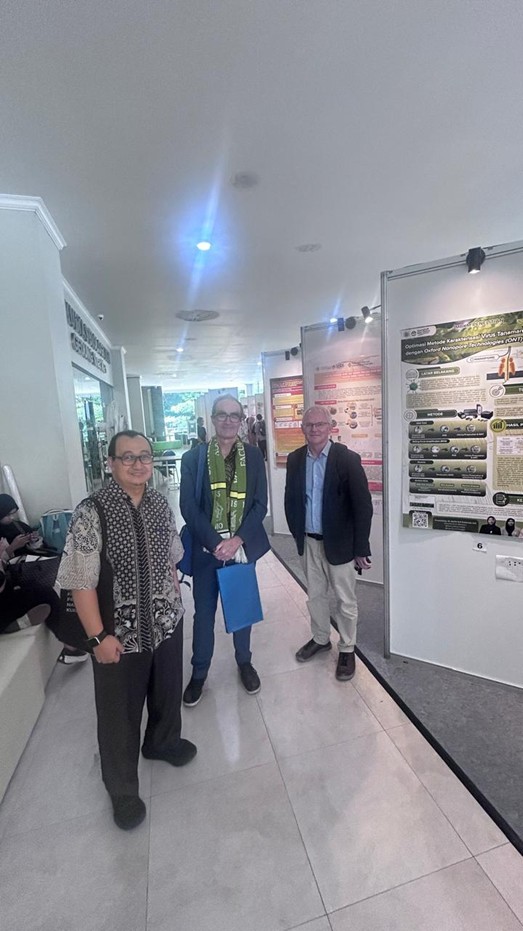
The agenda proceeded with a Faculty Tour to the Faculty of Biology UGM, specifically to the ongoing Research Day activities. The ANU delegation was introduced to various research initiatives, academic activities, and established collaborations within the faculty.

Concluding the visit, UGM and ANU expressed their shared hope that the strengthened partnership will not only advance academic excellence but also generate real contributions to society through alignment with the Sustainable Development Goals (SDGs). The collaboration supports SDG 4 on quality education through international mobility and capacity building, SDG 9 on innovation and impactful research, and SDG 17 on strengthening global partnerships. Moving forward, both institutions expect this cooperation to evolve into a model of international academic partnership that drives innovation, enhances human resource capacity, and reinforces the essential role of higher education institutions in addressing global challenges.
1234…34

Accreditation

Recent Posts

  • UGM–ANU Double Degree Program: Pathways to Global Academic Excellence
  • Faculty of Biology UGM Engages Doctoral Students in Academic Progress Monitoring
  • UGM–UTS Strengthen Academic and Research Collaboration through “Study & Research in Australia” Sharing Session
  • Tunghai University Lecturers Share Butterfly Genetics Research in Guest Lecture at UGM Faculty of Biology
  • Faculty of Biology UGM Strengthens Quality Education through Academic and Student Affairs Workshop
Universitas Gadjah Mada

UNIVERSITAS GADJAH MADA

FACULTY OF BIOLOGY
Teknika Selatan Street, Sekip Utara,
Yogyakarta 55281
biologi-ugm@ugm.ac.id
Phone/Fax: +62 (274) 580839

About us

  • History
  • Organization
  • Vision and Mission
  • Staff

Student Affairs

  • Student Service
  • Student Organization
  • Submission for Practical Field Work
  • Permission Field Research
  • Permission Thesis/Disertation

academic

  • Academic Regulations
  • Academic Anonncement

Accreditation

  • Image 1
  • Image 2
  • Image 3

© 2024 FACULTY OF BIOLOGY UNIVERSITAS GADJAH MADA

KEBIJAKAN PRIVASI/PRIVACY POLICY

[EN] We use cookies to help our viewer get the best experience on our website. -- [ID] Kami menggunakan cookie untuk membantu pengunjung kami mendapatkan pengalaman terbaik di situs web kami.I Agree / Saya Setuju