Arsip:
SDGs
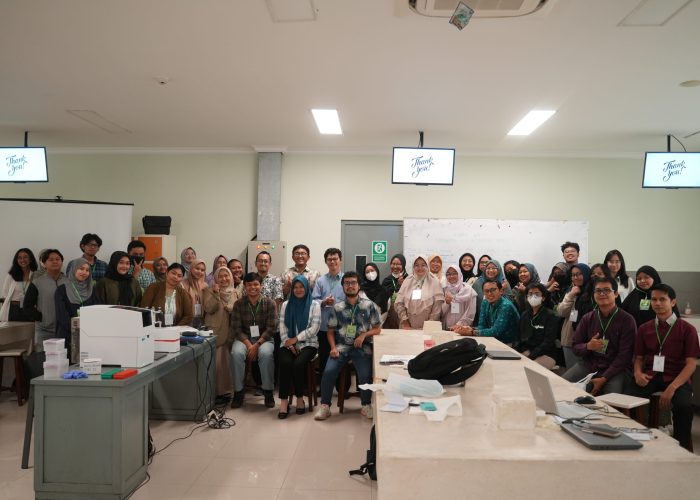
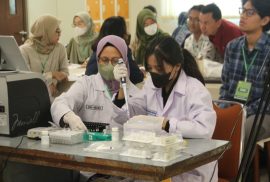
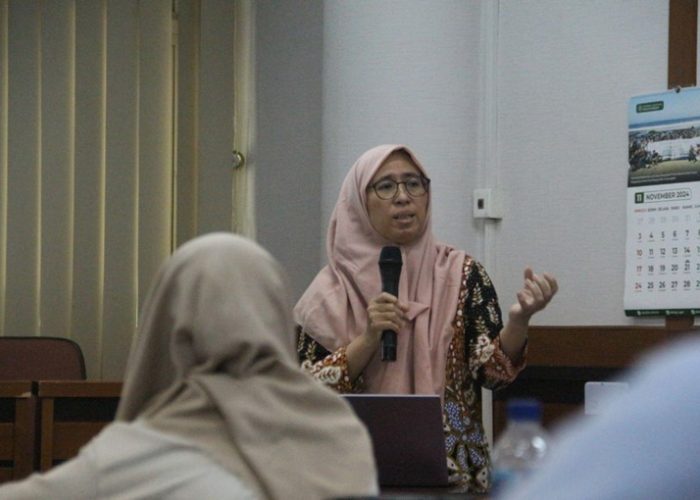
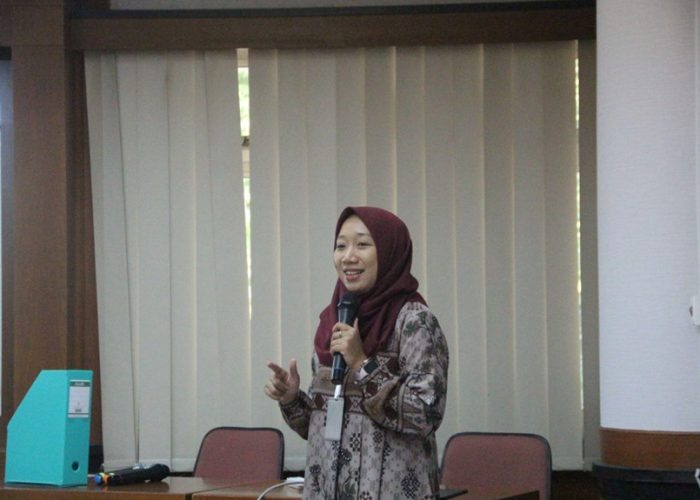
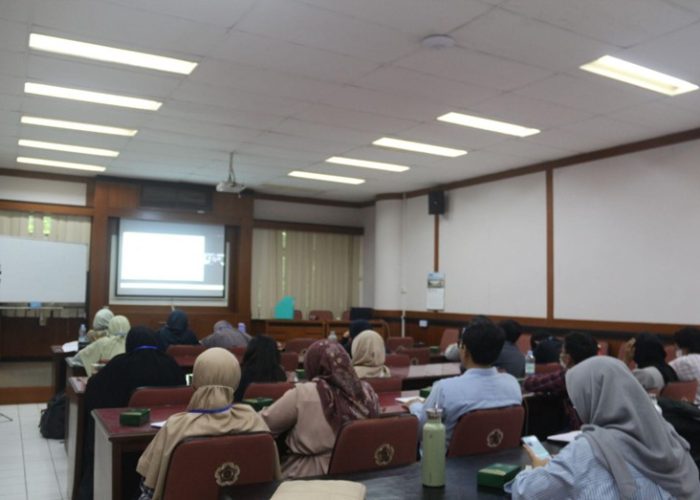
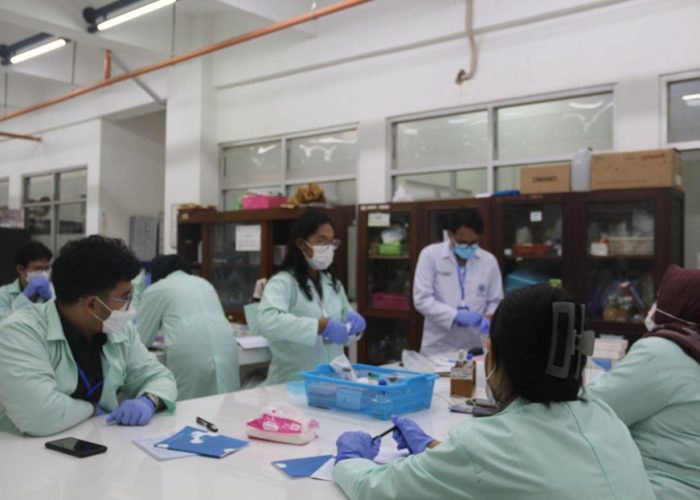
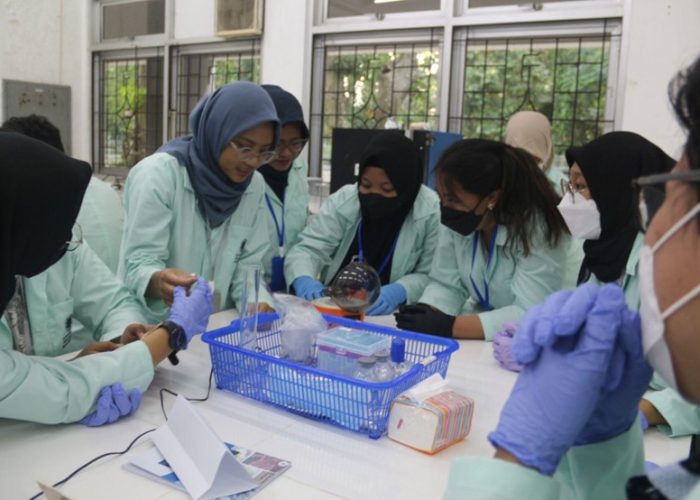
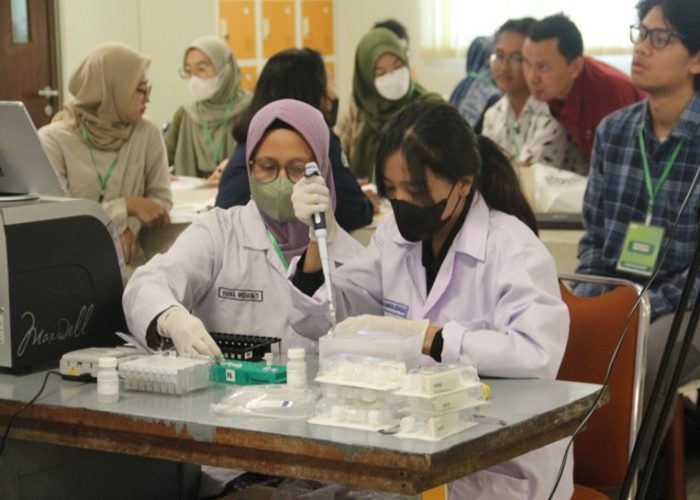
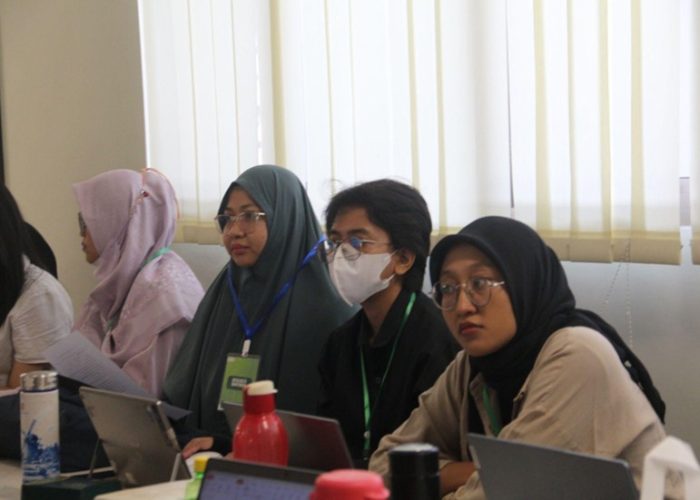
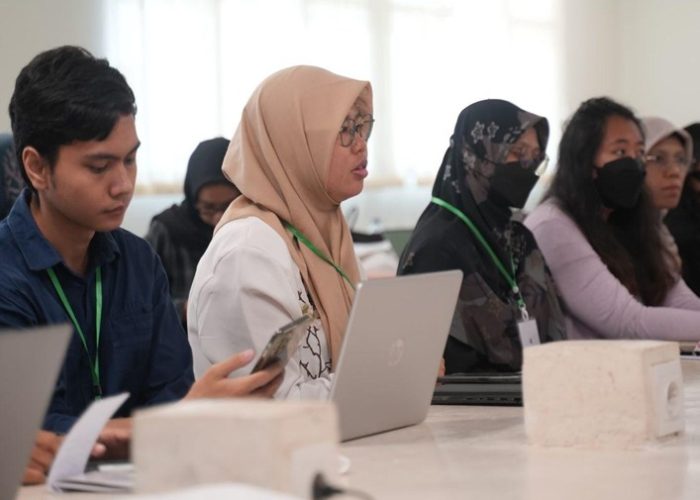
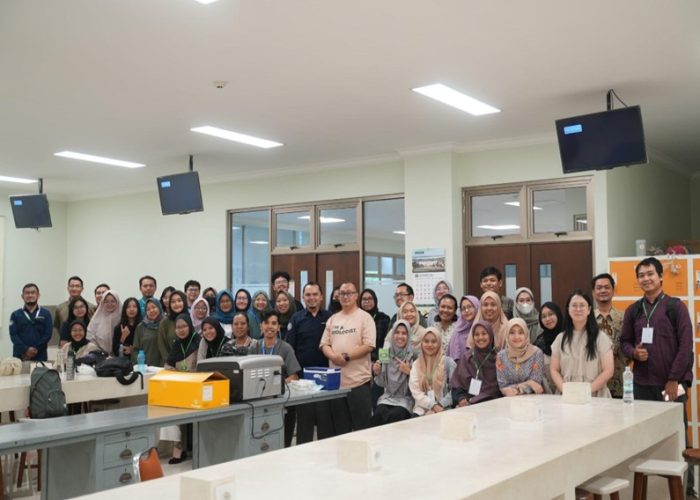
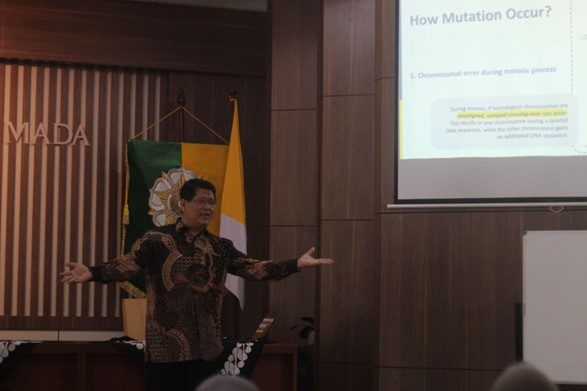
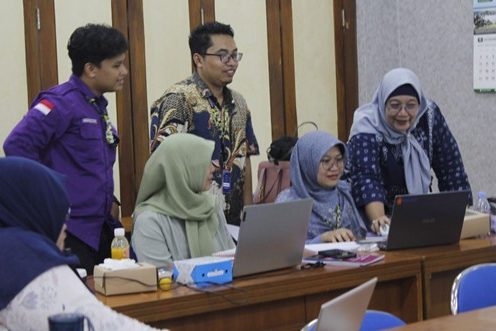
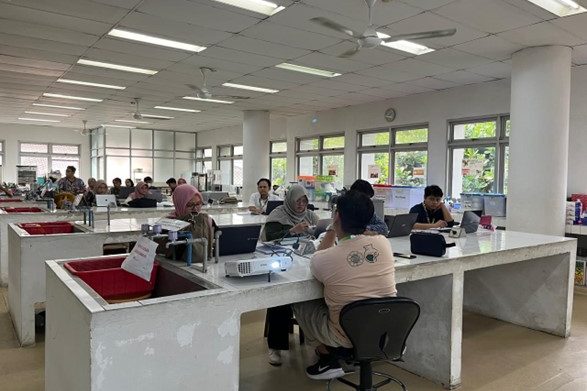
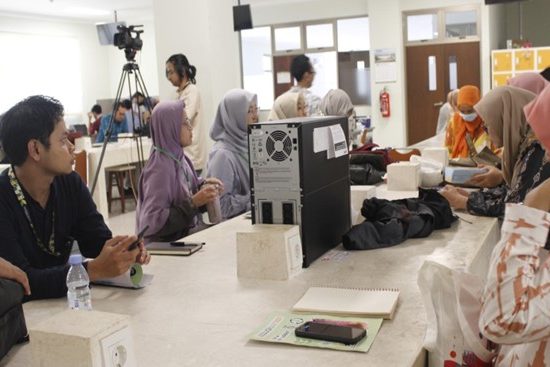
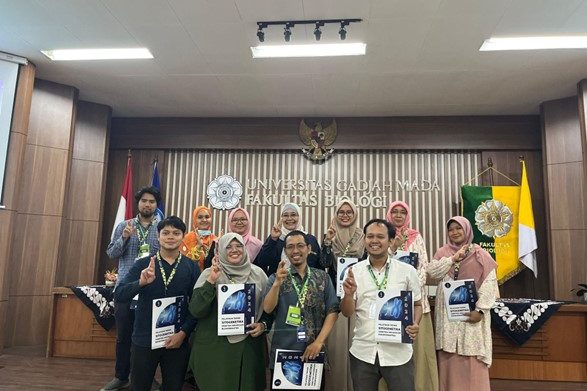
On Saturday, August 31, 2024, the Parasitology Division of the Animal Systematics Laboratory, Faculty of Biology, UGM, held a training session titled “Morphometric-Geometry and Comparison Techniques.” The event took place in the Upper Conference Room of the Faculty of Biology UGM. The training was attended by 29 participants, including PhD and master’s students, as well as students from the Lecturer-Student Collaboration (KDM) and MBKM programs.
The main speaker was Mr. Sidiq Setyo Nugroho, S.Si., M.Sc., M.P.H., from the Biosystematics and Evolution Research Center, BRIN, and an alumnus of the Faculty of Biology, UGM. In her opening remarks, the Chair of the Organizing Committee, Dr. Dra. RR. Upiek Ngesti W. Astuti noted that the event aimed to equip students with additional skills for conducting in-depth research and supporting scientific publications.The event was inaugurated by the Vice Dean for Research, Community Service, Collaboration, and Alumni Affairs, Dr. Eko Agus Suyono, M.App.Sc., who emphasized the importance of lifelong learning and fostering collaborative networks among participants.
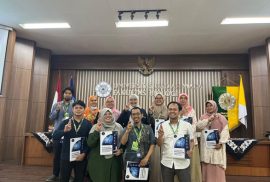
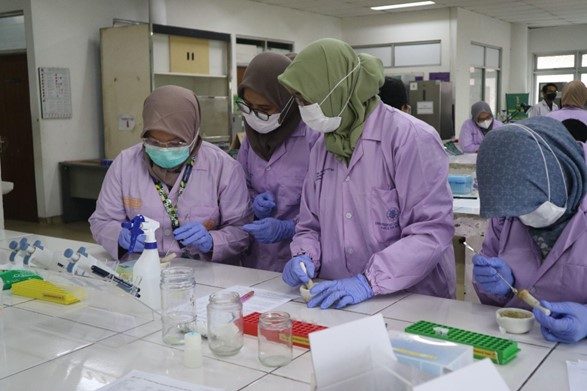
The training covered the theoretical and practical Morphometric-Geometry and Comparison Techniques including wing geometry, Landmark-based, Ooutline-based, semi landmark, and the advantages and limitations of these techniques. Participants were introduced to software tools such as tpsUtil, tpsDig2, and MorphoJ and engaged in hands-on practice, including wing preparation and photo digitization of mosquito wings from the genera Anopheles, Aedes, and Culex. This training supports the SDGs’ goals especially SDGs No.3 on good health and well-being, SDGs No.4 on quality education, and SDGs No.17 on partnership for the goals.
On Saturday, August 24, 2024, the Herpetology Study Group (Kelompok Studi Herpetologi, KSH) from the Faculty of Biology at UGM held a General Herping activity, an open herpetofauna sampling event for UGM Biology students at Wisdom Park UGM, as part of the welcoming process for prospective new members of KSH. The event was attended by 24 members of KSH and 13 participants from the faculty of Biology. Before starting the Herping activity, a specimen maintenance task was carried out, which involved cleaning the cages and basking the herpetofauna owned by KSH.
The Herping activity began at 6:50 PM until 8:00 PM. Participants walked from the Faculty of Biology to Wisdom Park. Upon arrival, the participants were divided into groups to determine their sampling routes and given a brief explanation. The herpetofauna sampling was conducted using the Visual Encounter Survey (VES) method. Afterward, a joint identification session was held at the Faculty of Biology.
Various species of herpetofauna were found, including reptiles such as Ahaetulla sp., Bronchocela jubata, Gekko gecko, and Hemidactylus frenatus, as well as amphibians like Duttaphrynus melanostictus and Fejervarya limnocharis. The event concluded with a group photo session and the herpetofauna release back into their natural habitats.
This Herping activity aimed to provide participants an insight into herpetofauna sampling methods in the wild and identification.
On Friday, August 16, 2024, the BEM Biology Cabinet Padma Birawa organized the BEM Skill Sharing Moment (MOBIL) #1. The event took place at 4:00 PM in Room 1, Building B, Faculty of Biology, guided by Aditya Latiful Azis and Rima Arvisya Natania Putri. A total of 40 young BEM Biology staff members attended the event. The theme for MOBIL #1 was “Synergy in Action: Achieving More Together,” covering two main topics. The event began with a prayer and opening remarks from Field Coordinator, Achmad Nadhmi Arfa, followed by seminars.
The first seminar session featured speaker Lara Ayu Oktaviani, who presented on effective communication, time management, work professionalism, and conflict management. The session was engaging, incorporating Mentimeter to enhance participant involvement and employing the “written memory” technique to aid participants in concentrating on the material. The next session was led by Aghniya Faza Kencana and Firchamy Vuqi Aulia, who discussed the importance of SWOT analysis and its role in organizations.
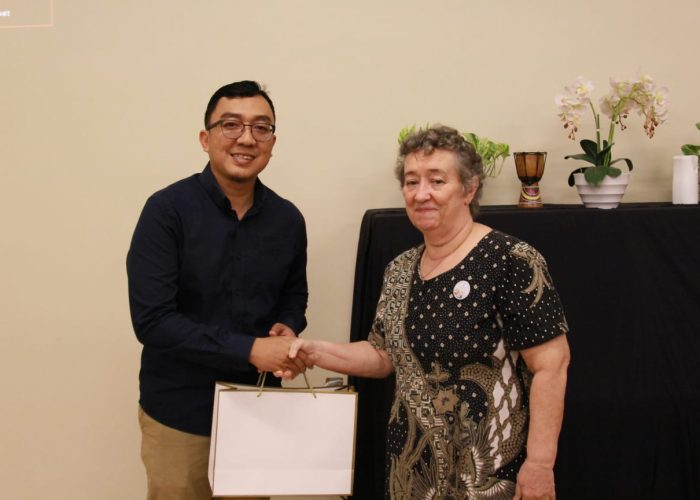
The event concluded with the presentation of souvenirs to the speakers and a group photo session. It is hoped that this event could provide the young members of BEM Biology with new insights and skills.
On Saturday, August 24, 2024, the Entomology Study Group (Kelompok Studi Entomologi, KSE) from the Faculty of Biology at UGM held Exploration (Eksber) and Entotalk. These activities aimed to enhance KSE members’ knowledge of insects, both theoretically and practically.
Exploration is an insect sampling activity carried out by active KSE members. This year, the event occurred at Mina Sejati Fish Pond in Sleman, Yogyakarta. The participants were enthusiastic, working across three sampling areas: the citrus orchard, the cornfield, and the fish pond. The collected insects were then preserved through a mounting process by each group. The event concluded with presentations of the sampling and mounting results by the groups.
In the afternoon, the event continued with Entotalk, led by Rahma Amalia and Inaya Dwiandra from KSE’s 25th batch. Themed “Dragonfly Diversity: Exploring the Structure and Function of Dragonflies in Ecosystems,” the session featured speaker Puji Lestari, S.Pd. She presented material on dragonflies, one of the Odonata Order widely found in Indonesia, highlighting their vital role in ecosystems, followed by an interactive Q&A session. The event concluded with a certificate awarded to the speaker and a group photo, marking the end of the Joint Exploration and Entotalk activities.
On Monday, August 26, 2024, a community service event was held in Wukirsari Village, Cangkringan District, Sleman Regency. Wukirsari Village Partner was one of the nine villages mentored by the UGM Faculty of Biology in 2024. The event was opened and moderated by Dr. Maryani, M.Sc., with remarks from Dr. Eko Agus Suyono, S.Si., M.App.Sc., a representative from the Mitra Wukirsari Village Team. The main training material was presented by Prof. Dr. Diah Rachmawati, S.Si., M.Si., on the topic of the Potential & Prospects of Hydroponic Vegetable Cultivation. Hydroponics is a plant cultivation technique that uses water as a medium instead of soil, and is distinct from pot cultivation and vertical farming techniques, offering numerous advantages and ease of setup.
During this event, the village women of Sruni were introduced to the Wick System, a simple hydroponic method that does not use a pump and therefore incurs no electricity costs, making it cheaper and easier to set up. The plants used for hydroponic demonstration included lettuce, mustard greens, bok choy, and water spinach, though other plants such as chili peppers, tomatoes, bell peppers, beans, spinach, cucumbers, and fruit plants like strawberries and melons can also be grown hydroponically.
The advantages of hydroponic techniques include no need for large land areas, efficient water use, high productivity, no soil media, optimal nutrient conditions, reusable nutrient media, and freedom from pests and weeds. Therefore, it was hoped that the Sruni villagers would implement hydroponic techniques at home to enhance food self-sufficiency. Key factors to consider in hydroponic cultivation include the health of seedlings (healthy, green, and disease-free), media, oxygen availability, aeration, pH levels, light intensity, and temperature.
Dr. Siti Nurbaiti, S.Si. explained the steps for hydroponic plant cultivation. The first step involved preparing tools and materials, seeding, making nutrient media, and transferring seedlings into the hydroponic nutrient media. Seeding was done in rock wool for about 4-5 days. Nutrient solution preparation involved mixing solutions A and B in a 5 ml/liter ratio. Participants practiced setting up wicks in hydroponic containers, preparing nutrient media, and transferring prepared seedlings into the Wick System hydroponic media. Harvest-ready bok choy from hydroponic cultivation was displayed as a success example, inspiring participants to apply hydroponic techniques at home.
The event was attended by 27 participants from the Sruni Village PKK, divided into five groups, each guided by a faculty member. Faculty members involved included Rina Sri Kasiamdari, S.Si., Ph.D., Utaminingsih, S.Si., M.Sc., Dr. Aprilia Sufi Subiastuti, S.Si., Dr. Wiko Arif Wibowo, S.Si., and Novita Yustinadiar, S.Si., M.Si. The community was enthusiastic about practicing hydroponics, finding it easy to apply at home and capable of meeting daily food needs, thus supporting self-sufficiency in food. The event aimed to contribute to Indonesia’s SDGs: (1) No Poverty; (2) Zero Hunger; (3) Good Health and Well-being; and (12) Responsible Consumption and Production.
At the end of the event, a discussion was held on the material covered, and a quiz with door prizes was conducted, increasing participants’ enthusiasm for answering questions about hydroponic techniques. Monitoring was also carried out on the compost and liquid fertilizer production from a previous event to evaluate and ensure the community’s consistency in reducing waste burned or disposed of in landfills by converting organic waste into fertilizer.
SDGs:
#SDG 1: No poverty
#SDG 2: Zero Hunger
#SDG 3: Good Health and Well-being
#SDG 12: Responsible Consumption and Production
Wednesday, 28 August 2024 The Faculty of Biology, Universitas Gadjah Mada, held a Graduation Ceremony for the Undergraduate Program 2023/2024 period IV at the Tropical Biology Auditorium, Faculty of Biology. This ceremony was attended by 146 graduates, a new record for the highest number of graduates in the history of the Faculty of Biology graduation ceremony. The ceremony was opened at 01.15 p.m. by the Dean of the Faculty of Biology Prof. Dr. Budi Setyadi Daryono, M.Agr.Sc. and continued singing Indonesia Raya, Hymne Gadjah Mada, and Mars Faculty of Biology.
Then, there is a report of graduates by the Head of Undergraduate Study Program by Mr. Sukirno, S.Si., M.Sc., Ph.D. In his report he said that there were 146 graduates in this period with the academic title Sarjana sains or Bachelor of Science with Honours. Then, the highest GPA was obtained by Nindi Putri Dwi Wardani, S.Si. with a value 3,94. The shortest length of study was obtained by Fadhillah Fikriyanti Putri, S.Si. with 3 years 4 months 5 days.
Next, there is a reading of the graduates graduation results. Furthermore, there was a speech by representatives of the graduates Nindi Putri Dwi Wardani, S.Si.. In her speech, she congratulated her fellow graduates and encouraged them not to be afraid to dream big. Following her speech, there was a speech from the parent representative, the father of the graduate Nindi Putri Dwi Wardani, S.Si.. He expressed his gratitude to the faculty members and the entire academic community for their support throughout the learning process.
The continued with pin awarding as a sign of membership in the Faculty of Biology Family by the Vice Dean for Research, Community Service, Collaboration and Alumni Affairs, Dr. Eko Agus Suyono, M.App.Sc., represented by graduates Wildan Hilmi Azharul Hakim, S.Si. and Rania Nura Anindhita, B.Sc.(Hons) followed by other graduates. Following that was a speech by the Dean, Prof. Dr. Budi Setiadi Daryono, M.Agr.Sc. In his address, he mentioned that graduates of UGM’s Biology program have the opportunity to apply for civil servant positions in various ministries. He concluded his speech by thanking the committee and wished the graduates continued success in their future endeavors.
Towards the end of the event, there was the presentation of a memento from the graduates, represented by Fathur Syahrian Ramadhani, S.Si, to the Dean. The event concluded with a prayer and photo session. After the graduation ceremony, the Biology Student Association (KMFB) organized a celebratory parade in front of the Tropical Biology Auditorium, accompanied by Double Helix, and enlivened by various study groups and student organizations.
Yogyakarta, 27 August 2024 – Faculty of Biology Universitas, Gadjah Mada, in collaboration with the National Research and Innovation Agency (BRIN), held a Public Lecture with a conservation ecologist from the School of Life and Environmental Sciences, Deakin University, Australia, namely Prof. Raylene Cooke, and Prof. John White. The lecture was held in Classroom 2, Building B, Faculty of Biology UGM, and was attended by undergraduate and doctoral students from the Faculty of Biology UGM.
“This is a good opportunity for collaboration between the Faculty of Biology UGM and Deakin University, Australia,” said Prof. Budi as Dean of the Faculty of Biology UGM in his speech on Tuesday (27/8). Prof. Budi also told the students to take advantage of this opportunity to gain as much knowledge and information as possible.
Tyas Ikhsan Hikmawan, Ph.D. as a lecturer at the Faculty of Biology UGM who acted as moderator on this occasion then introduced the two panelists in a guest lecture. Prof. Raylene Cooke is an ecologist and conservation biologist whose studies focus on predators and their responses to the dynamics of environmental change such as urbanization. Prof. John himself is an ecologist who focuses on species’ responses to disturbances in ecosystems, both natural and human-caused.
The two ecologists from Deakin University Australia presented a presentation entitled “Silent Killers! The impact of rodenticides on native wildlife and human health across the Asia-Pacific. Are rodenticides the modern DDT?”. On this occasion, both of them highlighted the use of pesticides which has increased significantly along with the increase in the world’s human population. This impacts not only the agricultural sector but also species ecosystems such as wildlife and human health.
Quoting the work of Rachel Carson (1962) in her book “Silent Spring”, Prof. John mentioned DDT or dichloro-diphenyl-trichloroethane, a synthetic insecticide which is known as a “wonder chemical” but has major effects on ecology and human health and is currently prohibited for use in most countries in the world. Prof. John highlighted the effects of DDT accumulating up to higher levels of the food chain such as predators showing how DDT does not break down quickly and is concentrated in the fatty tissue of animals. This is considered to be the cause of the decline in the number of predatory birds in the world.
Rodenticide, Prof. John said, it is the next potential silent killer where its use is quite massive, generally in households and the agricultural industry, considering that rats are a pest that threatens food significantly. Unfortunately, rodenticides not only kill mice but also poison the food chain above them, the predators who make mice one of their prey targets. Some of them are the focus of Prof. John and Prof. Raylene is an Eagle to Powerful Owl.
Prof. Raylene in her presentation showed that second-generation anticoagulant rodenticide (SGAR) is often found in various species in the wild. This resulted in the death of many species which showed high SGAR accumulation which poisoned their livers. Through this issue, the two ecologists also invited ARMS or Anticoagulant Rodenticide Monitoring System research collaboration with researchers in the Asia Pacific region. It is hoped that this research will contribute to handling wild animal deaths due to rodenticides and related policy making.
The participants were enthusiastic about attending the lecture and were critical in the subsequent question and answer session. Through this public lecture, it is hoped that it can encourage innovation, especially for the academic community, in contributing to research on sustainable ecosystem preservation (SDG 4 and 15) through collaboration between the UGM Faculty of Biology and Deakin University, especially the School of Life and Environmental Sciences (SDG 17).
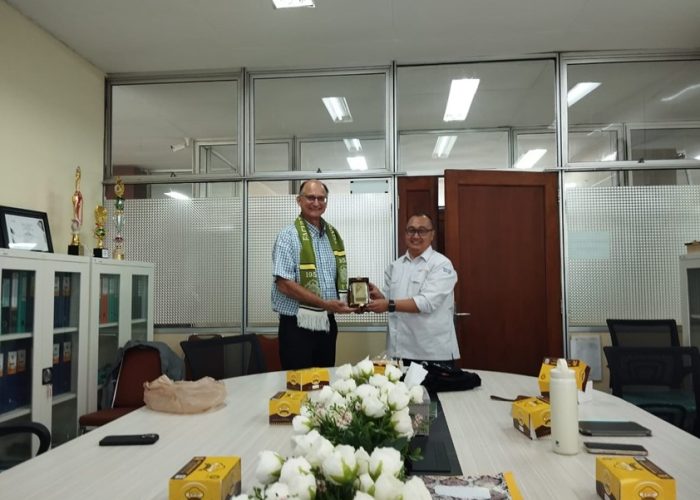
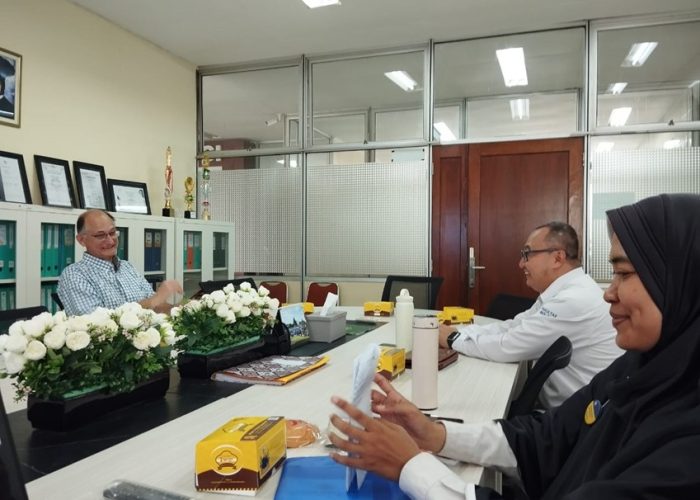
Yogyakarta, 27 August 2024 – The Faculty of Biology, Universitas Gadjah Mada received a visit from a conservation ecologist from the School of Life and Environmental Sciences, Deakin University, Australia, namely Prof. Raylene Cooke, and Prof. John White. Also present were colleagues from the National Research and Innovation Agency (BRIN), Dr. Ristiyanto, Dr. Arlyna Budi Pustika, and Dr. Farida Handayani. The visit was warmly welcomed by the Faculty of Biology, attended by Dr. Eko Agus Suyono, M.App.Sc. as Vice Dean for Research, Community Service, Collaboration and Alumni Affairs, Dr. Bambang Retnoaji, M.Sc. as Vice Dean for Academic and Student Affairs, Dr. Slamet Widiyanto, M.Sc. as Vice Dean for Finance, Assets and Human Resources Affairs, Dr.rer.nat Andhika Puspito Nugroho as Head of the Masters Study Program, Rina Sri Kasiamdari, Ph.D. as Head of the Biodiversity Curator Professional Study Program, Nur Indah Sepriani, Ph.D., and Tyas Iksan Hikawan, Ph.D. as Chair and Secretary of the Office of International Affairs, Faculty of Biology, as well as several lecturers at the Faculty of Biology who have studied in Australia; Dr. Maryani, and Dra. Tuty Arisuryanti, M.Sc., Ph.D.
Dr. Eko warmly welcomed the meeting. He said that the visit could be a great moment to initiate academic and research collaboration between the two institutions. The Deputy Dean for Research, Community Service, Cooperation and Alumni then explained the profile of the Faculty of Biology UGM, introducing each study program and collaborations that could be initiated together.
Prof. Raylene and Prof. John appreciated the meeting agenda. The two ecologists from Deakin University are enthusiastic about the Biodiversity Curator Professional Program at the Faculty of Biology, as well as the initiation of double degrees at bachelor, master and doctoral levels which can be collaborated with the School of Life and Environmental Sciences, Deakin University, especially as UGM itself has established memorandum of understanding with Deakin since 2020.
The discussion also discussed plans for research collaboration between Deakin University, Faculty of Biology, and the National Research and Innovation Agency (BRIN) which focuses on mapping rodenticides in the Asia Pacific, one of which is Indonesia. This was also conveyed by Prof. John and Prof. Raylene gave a public lecture on Tuesday (27/8) afternoon which focused on ARMS or Anticoagulant Rodenticide Monitoring System research with researchers in the Asia Pacific region. The collaboration scheme is planned to involve researchers and students from Deakin University, Faculty of Biology UGM, and BRIN through KONEKSI or Knowledge Partnership Platform Australia-Indonesia, a collaborative research funding program between Indonesia and the Australian Government. Apart from that, collaboration through double degrees with LPDP support was also initiated.
It is hoped that this meeting will be the initiation of collaboration between the School of Life and Environmental Sciences, Deakin University and the Faculty of Biology UGM, National Research and Innovation Agency (BRIN) as well as through academic collaboration and sustainable research (SDG 4 and 17), especially in ecological and conservation research for ecosystem sustainability (SDG 15).
Yogyakarta, August 27, 2024 – The Faculty of Biology at Universitas Gadjah Mada (UGM) hosted a special gathering to commemorate the 50th anniversary of the Class of 1974 on Tuesday, August 27, 2024. The event, held from 11:00 AM to 12:00 PM, took place in the Tropical Biology Auditorium at the Faculty of Biology UGM, with approximately 25 alumni in attendance.
This event became a moment filled with warmth and nostalgia for the attending alumni. They were warmly welcomed by the Dean, Prof. Dr. Budi Setiadi Daryono, M.Agr.Sc., as well as Dr. Eko Agus Suyono, M.App.Sc., the Vice Dean for Research, Community Service, Cooperation, and Alumni at the Faculty of Biology UGM, who in their remarks shared the progress of the Faculty of Biology UGM to date and expressed appreciation for the dedication and contributions of the alumni in advancing the field of biology.
The event was marked by stories and memories of the past, as alumni shared their experiences and developments over the last 50 years. This gathering also served as a platform to strengthen the bonds between alumni and the faculty, with hopes of continued collaboration in supporting the future growth of the Faculty of Biology UGM (SDGs 8, SDGs 17).
The reunion concluded with the exchange of mementos and a group photo, symbolizing their unity and unwavering support for their beloved alma mater. This 50th-anniversary celebration is expected to be the beginning of many more alumni activities that will further strengthen the network of UGM Faculty of Biology alumni in the years to come (SDGs 16).
Yogyakarta, August 27, 2024 – The Faculty of Biology at Universitas Gadjah Mada (UGM) held a discussion with the Indonesian Farmers Association (Himpunan Kerukunan Tani Indonesia, HKTI) to explore research collaboration on the development of downstream porang products. The meeting took place on Tuesday, August 27, 2024, from 3:30 PM to 5:30 PM in the KPTU Meeting Room at the UGM Faculty of Biology, with the participation of HKTI representative Mr. Pahotan Sitonang.
The discussion focused on the significant potential of porang (Amorphophallus muelleri) as a strategic commodity for enhancing farmer welfare and national food security. Porang, a type of tuber widely grown in tropical regions, including Indonesia, is well-known for its high glucomannan content, which has various applications, particularly in the food, pharmaceutical, and cosmetic industries. Glucomannan from porang is often used as a base ingredient for products such as flour and as a thickening and binding agent in various products. Mr. Sitonang emphasized the importance of optimizing porang development and highlighted how UGM’s Faculty of Biology could be a strategic partner in achieving these goals, aligning with Sustainable Development Goal 17 (Partnerships for the Goals).
From UGM’s Faculty of Biology, the discussion was attended by lecturers Prof. Dr. Purnomo; Aries Bagus Sasongko, S.Si., M.Biotech.; and Dr. Eng. Thoriq Teja Samudra, S.Si., M.Sc., along with educational staff members Eka Mega Sampurna, A.Md., and Annisa Mawarni, S.Si. During the meeting, UGM expressed its commitment to supporting porang development through research in tissue culture and the preservation of superior in-vitro cultured seeds. The research aims to produce high-quality porang varieties and ensure the sustainable availability of seeds for farmers, aligning with Sustainable Development Goals 8 (Decent Work and Economic Growth) and 9 (Industry, Innovation, and Infrastructure).
This collaboration aims not only to increase the productivity and quality of porang but also to strengthen Indonesia’s position in the global market as a leading producer of high-quality porang. UGM’s Faculty of Biology and HKTI are committed to accelerating the downstream application of research findings, so that the benefits can be quickly realized by farmers and the broader community.