The Plant Structure and Development Laboratory (SPT), Faculty of Biology, Gadjah Mada University (UGM), held a Plant Microtechnics Training for lecturers and staff at the Faculty of Biology, Jenderal Soedirman University. The eight-day training (July 6-15, 2026) was part of an inter-institutional academic collaboration to improve human resource competency in plant anatomy, particularly microscopic slide preparation techniques.
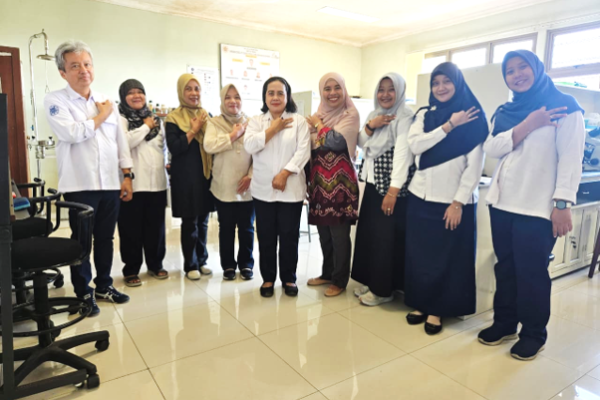
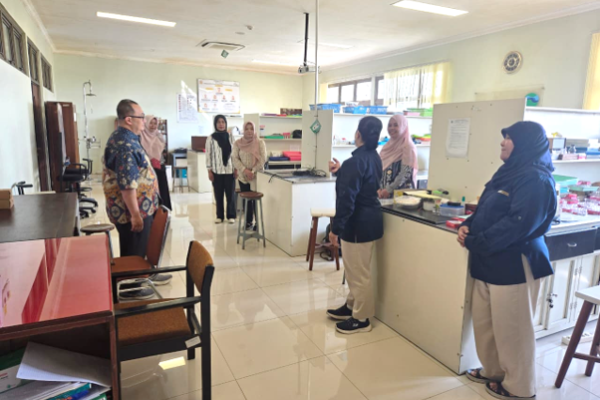
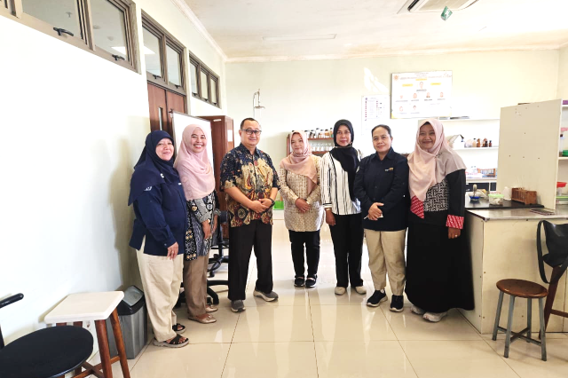
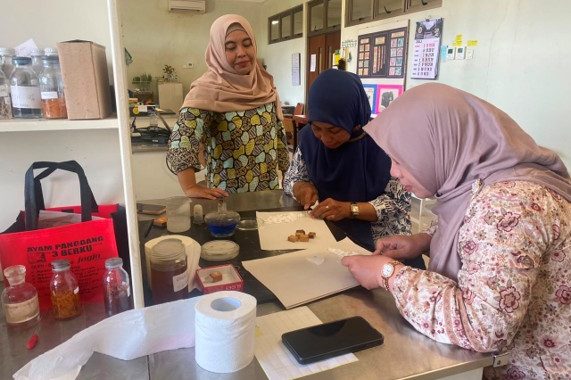
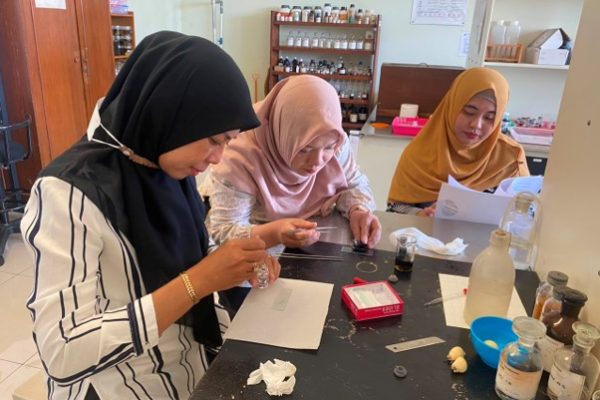
Three participants from the Faculty of Biology, Jenderal Soedirman University, participated in the training: Dian Palupi, S.Si., M.Sc., Riska Desi Aryani, S.Si., M.Sc., and Indrariningrum, A.Md. During the training, participants attended a series of lessons that combined theory with intensive laboratory experiments, providing hands-on experience applying various plant microtechnics commonly used in educational and research activities.
The training was officially opened by Dr. Maryani, M.Sc., Head of the Plant Structure and Development Laboratory at the Faculty of Biology, Gadjah Mada University. In her remarks, she stated that mastery of plant microtechniques is a crucial basic competency for lecturers, researchers, and laboratory assistants in supporting learning and research activities in plant biology. Good preparation techniques will produce high-quality microscopic slides capable of providing accurate, scientifically reliable data on plant anatomy and development. She also hoped that this training would serve as a platform for sharing experiences, strengthening academic networks, and strengthening collaboration between the Faculty of Biology, Gadjah Mada University (UGM), and the Faculty of Biology, Jenderal Soedirman University (UNS).
The training material was delivered through lectures and practical sessions by the teaching team from the Plant Structure and Development Laboratory, Faculty of Biology, Gadjah Mada University (UGM), consisting of Dr. Maryani, M.Sc., Prof. Dr. L. Hartanto Nugroho, M.Agr., Dr. Utaminingsih, S.Si., M.Sc., Dr. Wiko Arif Wibowo, S.Si., and Novita Yustinadiar, M.Si. During the practicum, in addition to the presenters, the participants were also accompanied by PLP Mrs. Prapti. Drawing on their respective experiences and expertise, the speakers guided them from understanding basic concepts to directly applying preparation techniques in the laboratory.
During the training, participants learned various plant microtechnique methods widely used in teaching and research activities, including whole-mount techniques, squash techniques, pollen preparation, non-embedding and embedding techniques, maceration techniques, micrometric techniques, and the use of Optilab for documenting and analyzing microscopic slides. In addition to understanding the principles and procedures of each method, participants also gained skills in selecting preparation techniques appropriate to sample characteristics and research objectives, thus producing optimal microscopic slides.
The training series was concluded by the Vice Dean for Research, Community Service, Cooperation, and Alumni of the Faculty of Biology, UGM, Prof. Dr. Eko Agus Suyono, M.Sc., in his remarks, expressed his appreciation to all speakers, participants, and the committee for the successful implementation of the training. He emphasized that developing human resource competencies through laboratory training is a crucial strategy for improving the quality of higher education and research. It is hoped that activities like this will serve as the initial step towards broader collaboration between the Faculty of Biology, Gadjah Mada University (UGM), and the Faculty of Biology, Jenderal Soedirman University (UNS).
Through this training, participants are expected to implement various plant microtechniques at their respective institutions to support practicums, research, and laboratory development. In addition to enhancing technical competency, this activity also strengthens academic networks and encourages sustainable research collaboration between the two universities.
The implementation of this Plant Microtechniques Training also supports the achievement of the Sustainable Development Goals (SDGs), especially SDG 4 (Quality Education) through improving the quality of higher education and strengthening the competency of lecturers and education staff, SDG 9 (Industry, Innovation and Infrastructure) through strengthening research capacity and mastery of laboratory technology, and SDG 17 (Partnerships for the Goals) through strengthening partnerships between universities in improving the quality of human resources, encouraging innovation, and developing research that benefits society.