Arsip:
SDG 3 : Establish Good Health and Well-Being
The Faculty of Biology at Universitas Gadjah Mada (UGM) is committed to providing high-quality education. It has been successfully accredited by ASIIN (Akkreditierungsagentur für Studiengänge der Ingenieurwissenschaften, der Informatik, der Naturwissenschaften und der Mathematik) for its undergraduate and master programs, as well as Excellent (Unggul) accreditation from LAMSAMA (Lembaga Akreditasi Mandiri Sains Alam dan Ilmu Formal). The faculty is preparing to achieve ASIIN accreditation for its doctoral program and LAMSAMA accreditation for its master and doctoral programs.
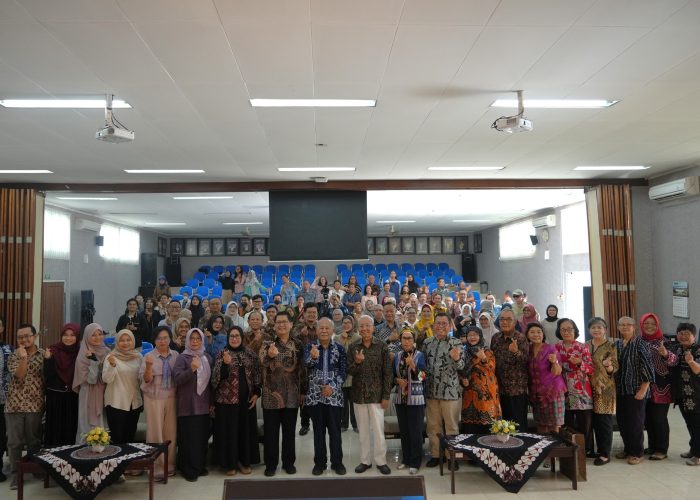
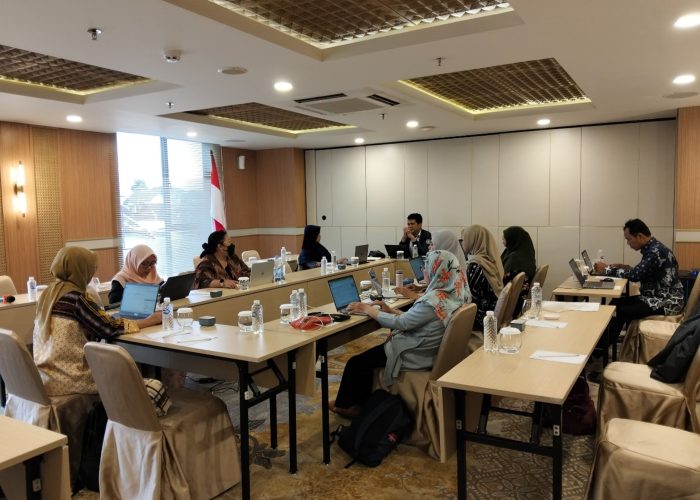
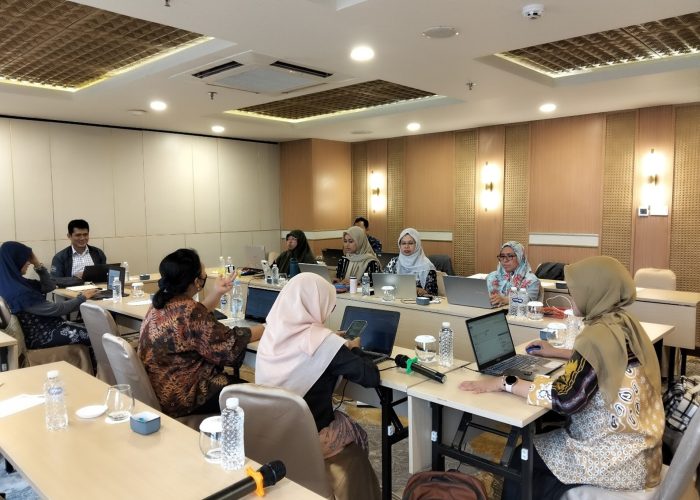
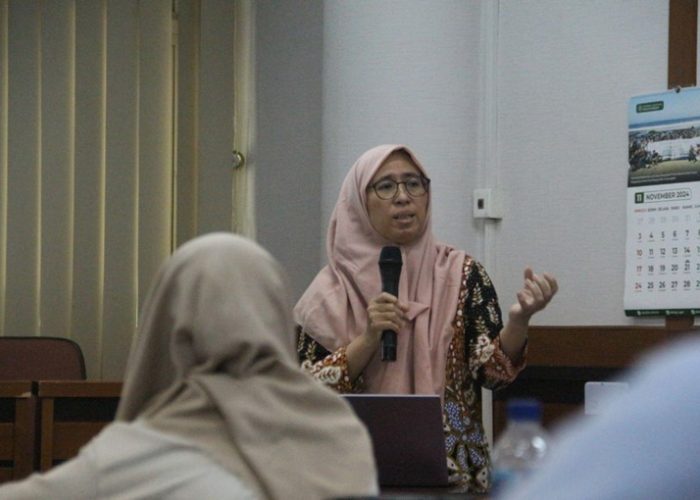
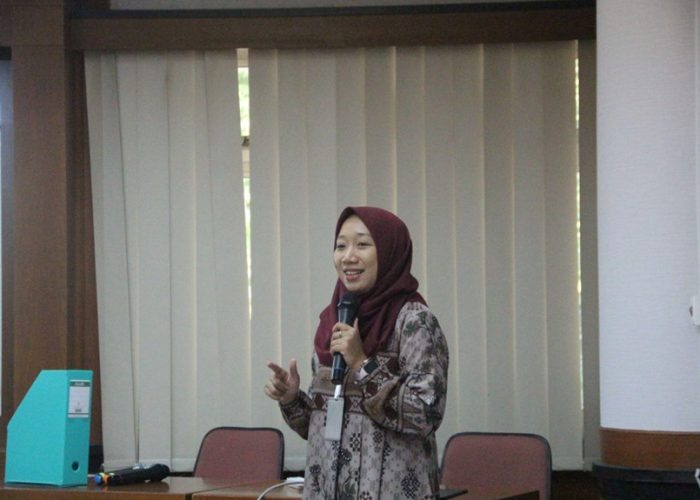
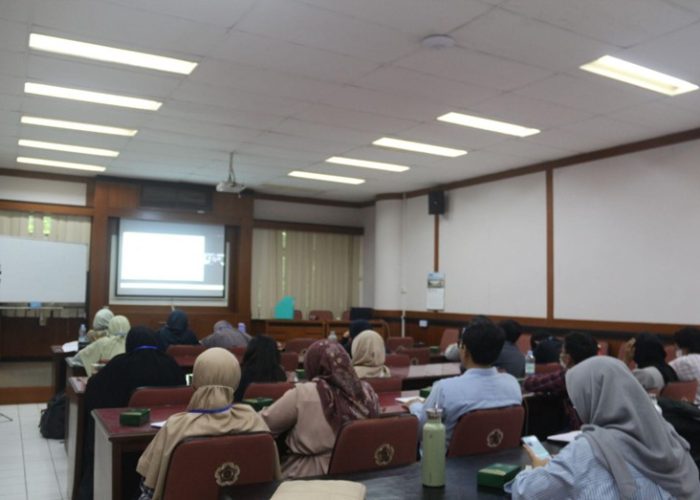
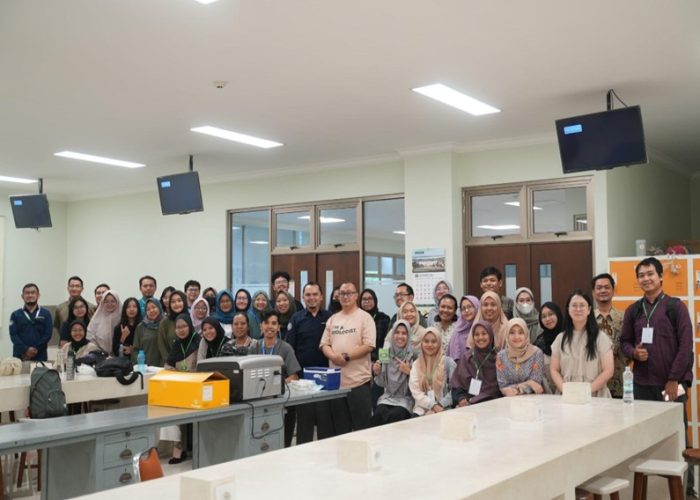
In efforts to enhance the quality of education and in preparation for ASIIN international accreditation and LAMSAMA national accreditation, the Faculty of Biology UGM conducted an integrated Internal Quality Audit (AMI) on October 9, 2024. The audit involved a team of external auditors, including Muhlisin, S.Pt., M.Agri., Ph.D., IPP (Faculty of Animal Science, UGM), Yunika Mayangsari, S.Si., M.Biotech., Ph.D. (Faculty of Agricultural Technology, UGM), Dr. Nurfitri Ekantari, S.Pi., M.P. (Faculty of Agriculture, UGM), and Dr. Widya Wasityastuti, M.Sc., M.Med.Ed., Ph.D. (Faculty of Medicine, Public Health, and Nursing, UGM). The internal audit team included Dr. Ardaning Nuriliani, S.Si., M.Kes., Dra. Tuty Arisuryanti, M.Sc., Ph.D., Prof. Dr. Diah Rachmawati, S.Si., M.Si., and Drs. Ign. Sudaryadi, M.Kes. The audit encompassed evaluations at various levels, including the faculty level, the Undergraduate Program (S1), the Professional Program for Biodiversity Curators, and the Master Program (S2) and Doctoral Program (S3).
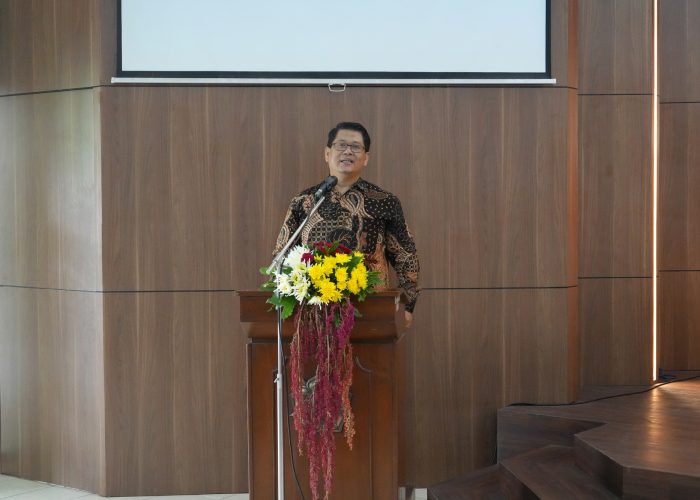
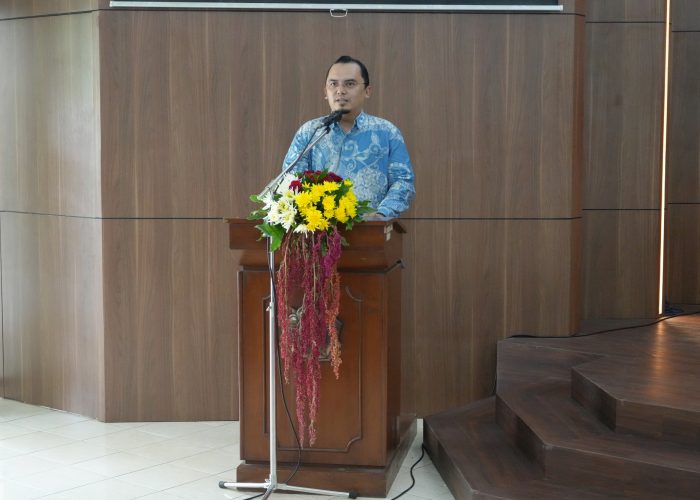
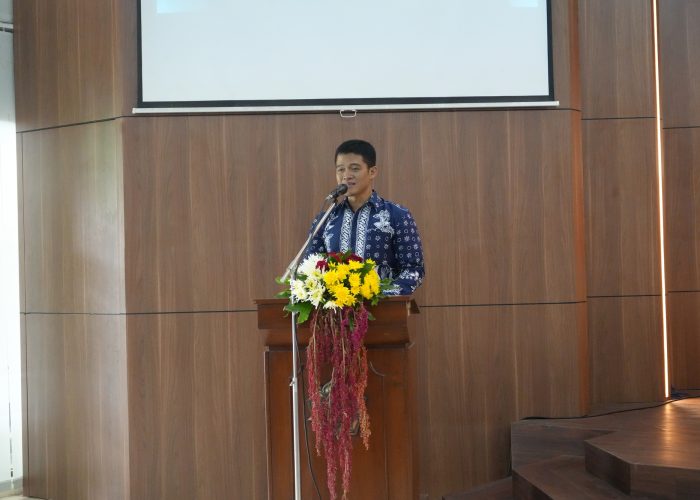
During the AMI opening ceremony, the Dean of the Faculty of Biology UGM, Prof. Dr. Budi Setiadi Daryono, M.Agr.Sc., emphasized that the internal quality audit is a regular agenda aimed at ensuring the continuous improvement of educational quality in alignment with UGM’s vision, “Ginong Prati Dino.”
The faculty-level audit was attended by the faculty leadership, including the dean, vice deans, head of department, and academic staff representatives. Meanwhile, the program audits were attended by the head of study program, lecturer representatives, and student representatives. Upon the completion of the audit process, the findings and observations from the auditors will be further discussed in a Management Review Meeting (RTM) as a step toward enhancing the quality assurance system. This process aligns with UGM’s commitment to achieving Sustainable Development Goal No. 4, which focuses on providing quality education.
The waste problem in Sleman Regency, Special Region of Yogyakarta, has become a major challenge in recent years. This issue directly impacts the quality of life of residents, ranging from environmental pollution to health problems. In response to this urgency, the Merdeka Belajar Kampus Merdeka (MBKM) Team from the Faculty of Biology, Universitas Gadjah Mada (UGM) 2024, supervised by Dr. Ardaning Nuriliani, S.Si., M.Kes., along with team members Anida Safriyani, Nailah Aufa Khansa Darin Azhar, Rizquita Brillianti, and Safia Putri Sakanti, students of the 2021 class of the Faculty of Biology, UGM, felt the need to provide assistance related to waste management and the initiation of a Waste Bank in Dusun Pajangan, Wedomartani, Ngemplak, Sleman.
This program was carried out in collaboration with the Takmir of Masjid Jami’ Darussalam, represented by Mr. Gunardi S.Si. The program’s approach was implemented in stages, beginning with a survey to map the waste management habits of Pajangan Hamlet’s residents. The survey was conducted on September 28, 2024, involving around 40 residents, aged between 14 to 70 years. The program continued with a socialization event titled “Waste Management and Waste Bank Initiation in Pajangan Hamlet, Wedomartani, Ngemplak, Sleman” on October 5, 2024. During this event, the MBKM team explained the types of organic and inorganic waste, as well as management techniques using the 4R principles (Reduce, Reuse, Recycle, Replace). The team also presented the concept of the waste bank and the steps to initiate it. This program supports the achievement of several sustainable development goals, namely no. 3 (Good Health and Well-being), no. 6 (Clean Water and Sanitation), and no. 17 (Partnerships for the Goals).
During the socialization, the residents were very enthusiastic and showed a high interest in understanding proper waste management practices. The discussions were also filled with active participation from the residents. As an initial step for the establishment of the waste bank, the MBKM team provided several bins for separating organic and inorganic waste. The main goal was to foster awareness and initiative among Dusun Pajangan residents in sorting their waste, while also serving as the first step towards establishing a waste bank in the village. This activity is expected to increase the knowledge and awareness of the residents of Dusun Pajangan, Wedomartani, Ngemplak, Sleman regarding the importance of proper waste management in their surroundings. By applying waste management practices in daily life, residents are expected to improve their well-being, standard of living, health, and add economic value through household waste management.
On Wednesday, October 9, 2024, the Faculty of Biology at Gadjah Mada University (UGM) held the first day of Biocapture (Biology Career Preparation for the Future) in the Tropical Biology Auditorium. The event commenced at 1:30 PM, hosted by Alifa Tafrinijiyah and Muhammad Haidar Ali, followed by the singing of Indonesia Raya, the Gadjah Mada Hymn, and the Biology March. The opening remarks were delivered by Dr. Eko Agus Suyono, M.App.Sc., Vice Dean for Research, Community Service, Collaboration, and Alumni Affairs.
The event was divided into two sessions, moderated by Raja Steve Sudjatmiko Panggabean. The first session, titled “Profiles of Alumni of the Faculty of Biology UGM and Career Planning Strategies,” featured Dr. Eko Agus Suyono, M.App.Sc., as the speaker. In this session, Dr. Eko emphasized that today was the biology era, highlighting the global demand for biologists. He also discussed various career strategies for biology graduates, providing examples from UGM Faculty of Biology alumni.
The second session was delivered by Chandra Gupyta, titled CV Lab: Tailoring Your Profile for Every Opportunity. This session focused on strategies for developing and customizing a curriculum vitae to effectively align with diverse career opportunities.
On Sunday, October 6, 2024, the Community Service Team of the Merdeka Belajar Kampus Merdeka Program (PkM MBKM) from the Faculty of Biology, Universitas Gadjah Mada, conducted a workshop in Dusun Sendari, Sleman, Yogyakarta. The workshop was led by three lecturers, Dr. Woro Anindito Sri Tunjung, M.Si. Novita Yustinadiar, and Dr. Wahyu Aristyaning Putri, along with 12 students. This program supports the Sendari Mandiri initiative, which aims to empower the community to manage their resources independently.
With the theme “Utilizing Recycled Materials and Essential Oils to Create Eco-Friendly Aromatherapy Candles,” the program introduced creative ways to recycle materials, such as unused candles and cooking oil waste, into aromatherapy candles. These candles not only help with relaxation but also serve as natural mosquito repellents. The essential oils used in the candles contain bio-insecticidal properties that can effectively repel mosquitoes while providing a soothing scent that helps reduce stress and create a calming atmosphere at home.
The workshop took place at RT03, RW19 Dusun Sendari, at the residence of Mr. Djijana (RT head) and was attended by 27 members of the local PKK women’s organization. The event began with a pre-test and a group prayer. Annisa Fadhilah, a student member of the PkM MBKM team, explained the process of creating eco-friendly aromatherapy candles using recycled materials such as paraffin wax, used cooking oil, and leftover crayons. The team also explained how to improve the quality of used cooking oil by using activated charcoal to absorb harmful compounds, making it safe for reuse.
During the practical session, Zahra Azkia Razzak and Zahra Fitri Annisa guided participants through the candle-making process from start to finish. Participants were provided with brochures to help them replicate the process at home.
The event concluded with a post-test, the distribution of door prizes in the form of umbrellas to 10 lucky participants, and aromatherapy candles as souvenirs for all attendees. This activity supports the Sustainable Development Goals (SDGs), particularly SDG 3 (Good Health and Well-Being) and SDG 4 (Quality Education).
The 2024 PkM MBKM Biology Faculty program aims to continue raising environmental awareness and empowering communities through sustainable and beneficial activities. With the skills provided, the community of Dusun Sendari is expected to make better use of waste materials, turning them into valuable products while promoting healthier and more environmentally friendly lifestyles.
To enhance the active role of the Women Farmers Group in supporting Circular Waste Management, the 2024 PkM-MBKM team, led by Dr. Diah Rachmawati, S.Si., M.Si., conducted an evaluation of integrated organic waste processing using the aquaponics system. This event took place on Saturday, October 5, 2024, from 3:30 PM to 5:30 PM at the Kelompok Wanita Tani (KWT) Amanda in Pedukuhan Kepuh Wetan, Wirokerten Village, Banguntapan District, Bantul Regency, Special Region of Yogyakarta. During the event, the PkM-MBKM team members—Hanif Fauzan Saputra, Salma Nur Majidah, Maharani Pratiwi S.A., M. Reza Hendriansah, Rima Vegi Santika, Eka Nur Oktavia, Adzkiya Aqmaliza R., and Agra Daffa Putra—presented a progress report and evaluation of the integrated organic waste processing using the aquaponics system previously implemented. The evaluation included identifying challenges encountered during the monitoring process, along with effective solutions for issues in maggot cultivation, plant cultivation via aquaponics, and catfish farming. Some obstacles included several catfish dying and plant growth being slightly slower, likely due to high ammonia levels. These issues could be resolved by more frequent water changes to prevent murkiness and reduce ammonia concentration. Additionally, selecting the appropriate plant species is crucial in an aquaponic system.
Maggots hold significant potential as feed for livestock and fish. The PkM-MBKM team also provided materials and practical training on processing maggots into livestock and fish feed using several methods, including: direct feeding of maggots for livestock or fish, drying the maggots via oven, sun drying, or roasting to produce feed with a longer shelf life, and creating powdered feed through fermentation for a finer product with even greater longevity. The next activity involved a practical session on innovating maggot-based livestock and fish feed, specifically by drying maggots in an oven. This process can be done in two ways: at a lower temperature of 60°C for 10 minutes, or at a higher temperature of around 80°C for 3 to 5 minutes. The dried maggots can be used directly as feed, offering the advantage of a longer shelf life without spoilage at room temperature.
This activity provided benefits for students by developing research and social empowerment skills, while partners gained from the optimization of waste management and increased productivity. The innovation of processing maggots into fish feed will be implemented to boost income. This collaboration strengthens the sustainable relationship between the PkM-MBKM team from the Faculty of Biology UGM and its partners (SDG 17), increases environmental awareness, and develops entrepreneurial opportunities, particularly for the KWT Amanda, contributes to the development of the community’s economy in line with Sustainable Development Goals (SDG 4 and 8).
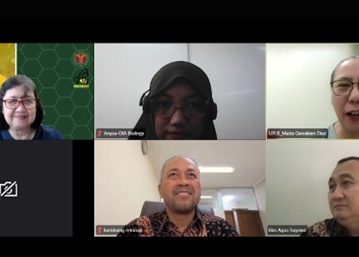
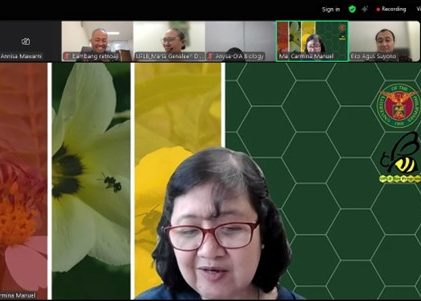
The Faculty of Biology Universitas Gadjah Mada is committed to aligning its academic programs with internationally recognized standards. Following the successful accreditation of its undergraduate and master programs by ASIIN (Akkreditierungsagentur für Studiengänge der Ingenieurwissenschaften, der Informatik, der Naturwissenschaften und der Mathematik), the Faculty is now preparing to achieve the same accreditation for its doctoral program.
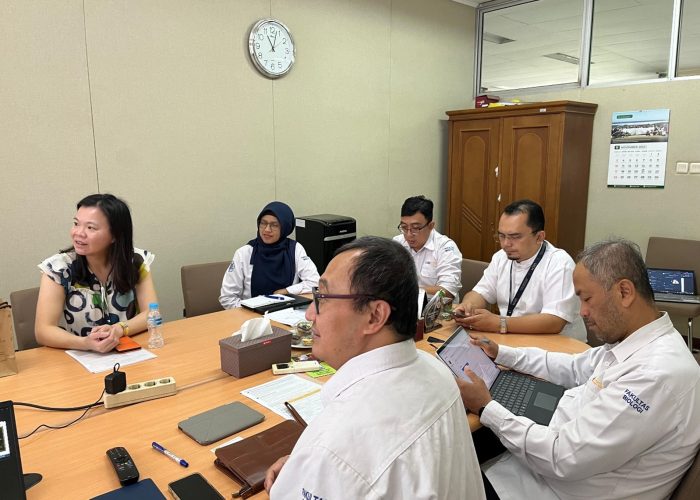
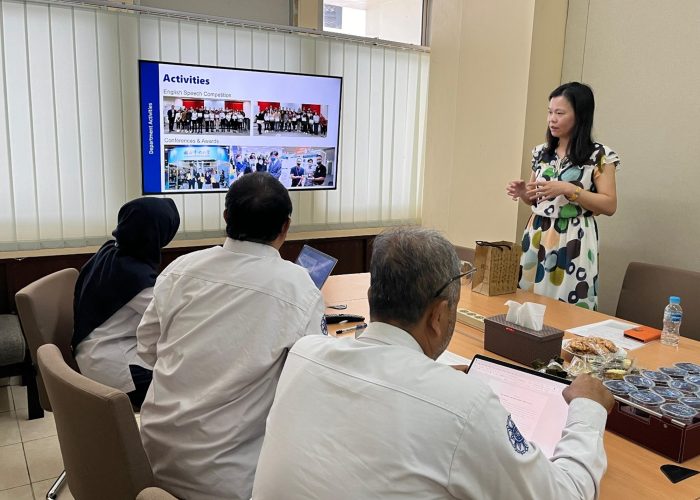
On Thursday, October 3, 2024, the Faculty of Biology held a strategic meeting to organize the necessary steps for ASIIN accreditation. This effort aligns with the Sustainable Development Goal (SDG) No.4 on quality education.
The meeting was attended by the ASIIN preparation team and opened by Abdul Razaq Chasani, S.Si., M.Si., Ph.D., Head of the Department of Tropical Biology, who highlighted the significance of this initiative, “This meeting marks an important step in our continuous efforts to elevate the quality of education at the Faculty of Biology. It demonstrates our commitment to meeting ASIIN’s international standards.”
During the meeting, the participants discussed the accreditation process, including curriculum development, learning outcomes, and strengthening graduate competencies to meet global standards. Achieving ASIIN accreditation for the doctoral program is expected to enhance the quality of education and research at the Faculty of Biology, preparing graduates with the skills and knowledge to address global challenges in biology, and reinforce the Faculty of Biology’s international reputation.
Monday, September 30 2024, the Community Service team of Wukirsari Village Partner, held its third activity in Wukirsari Village, Kapanewon Cangkringan, Sleman Regency. The activity was opened and guided by Dr. Maryani, M.Sc. which was continued with remarks from the team leader, Mrs. Rina Sri Kasiamdari, S.Si., Ph.D. At this third meeting, Dr. Eko Agus Suyono, S.Sc., M.App.Sc. explained about microalgae with the theme “Introduction to Spirulina: Cultivation and Benefits”. The 35 participants of Sruni village PKK, were told that Spirulina is algae that is very small in size, green in color, spiral-shaped, and can be found in any water body, whether in rivers, seas or ponds. This algae is very rich in nutrients and healthy. Spirulina contains high protein, up to 70%, the same as protein from eggs. Apart from increasing endurance, reducing the risk of diabetes and cholesterol, it can also support children’s growth to avoid stunting. “The harvested products are in the form of powder, such as flour, which can then be made into capsules or various products, and sold at relatively high prices,” said Dr. Eko while showing gallons containing Spirulina culture and samples of Spirulina powder which had been neatly packaged to the participants who were enthusiastic about listening to the presentation. “This powder product can be added directly to various foods: mixed with warm rice, added to soupy foods, or mixed into drinks,” he added.
Dr. Eko also explained how to cultivate Spirulina, namely by mixing the Spirulina starter into clean water and adding fertilizer. Apart from that, by adjusting the pH, providing an aerator connected to a hose, and a lamp, the Spirulina culture can be harvested in around 7-21 days or when the color is bluish green. Harvesting is done by filtering the culture using a nylon filter, then squeezing it until a paste is obtained. Next, the paste is exposed to the sun to dry.
In this activity, a method for cultivating Spirulina was also demonstrated by using unused gallons of mineral water. This session was assisted by students, namely Renata Adaranyssa Egistha Putri, Muhammad Farrel Zharif Zidane, and Finka Aulia. Spirulina starter is mixed with clean water in a 1:1 ratio. Fertilizer, in which the composition is the result of research by the microalgae team under the supervision of Dr. Eko, then added to the culture mixture as a source of nutrients that support the growth of Spirulina. The aerator and light are then installed into the gallon. This culture is grown until it is ready to be harvested when the color is bluish green. Aerators and lights can be periodically turned on and off alternately day or night. This session was then continued with a discussion regarding the material and a quiz with door prizes which increased participants’ enthusiasm in answering questions.
In this third activity, the entire Wukirsari partner village team was involved, namely Prof. Dr. Diah Rachmawati, S.Si., M.Sc., Mrs. Utaminingsih, S.Si., M.Sc., Dr. Aprilia Sufi Subiastuti, S.Si., Dr. Wiko Arif Wibowo, S.Sc., Novita Yustinadiar, S.Si., M.Sc., and Dr. Siti Nurbaiti, S.Si. It is hoped that today’s activity will broaden the knowledge of people who may not know much about microalgae, especially Spirulina. This activity is expected to support the achievement of Indonesia’s Sustainable Development Goals (SDGs), namely Healthy and Prosperous Lives (3); No Hunger (2); No Poverty (1).
After the presentation of the Spirulina theme was finished, the lecturer team and participants went together to the hydroponic planting site, which was the theme that had been presented at the previous meeting. Various plants grown hydroponically, such as kale, lettuce and mustard greens, grow very well and are ready to be harvested. The team from the Faculty of Biology UGM also provided UV plastic for a semi-greenhouse which was initiated by PKK of Sruni Village.
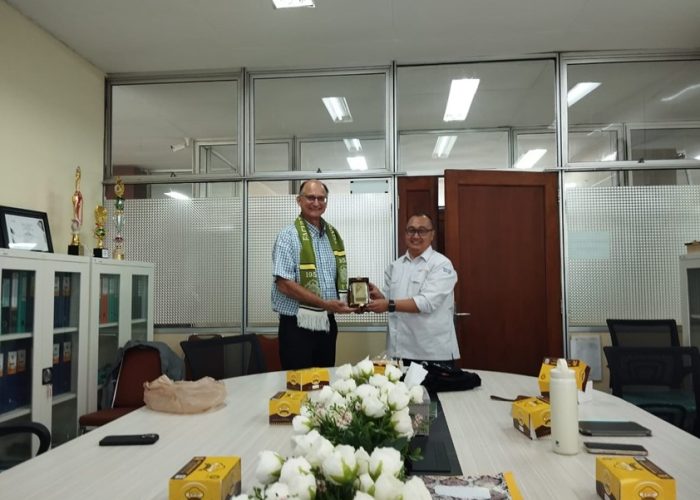
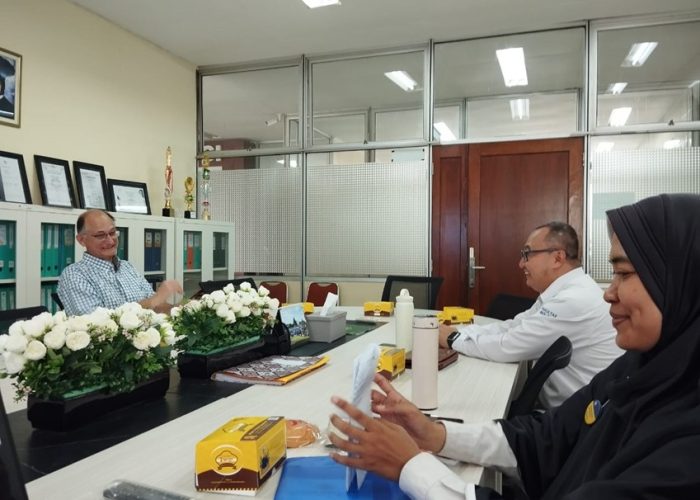
Wildan Fadhilah Kurnia, a 2021 cohort student in the International Undergraduate Program (IUP) of the Faculty of Biology at Universitas Gadjah Mada (UGM), has been participating in a prestigious six-month student mobility program at James Cook University (JCU), Australia. This program is designed to offer students invaluable international experience and the opportunity to study at one of the world’s leading universities in Marine Biology.
Wildan has found his experience at JCU to be exceptional. “The research conducted here is renowned globally in various fields, particularly marine biology, aquaculture, and paleontology,” he remarked. Enrolled in courses from the faculties of Marine Biology, Aquaculture, and Earth and Environmental Sciences, he is impressed by JCU’s state-of-the-art research facilities and highly interactive classes that foster critical thinking.
Wildan’s curriculum has provided him with direct fieldwork opportunities, allowing him to engage closely with the subject matter. He spent time at the Flinders River, searching for fossils and studying the stratigraphy of geological formations. Additionally, he visited several aquaculture facilities, gaining firsthand insights into the diverse species cultivated within the industry.
A highlight of his program was a visit to JCU’s Orpheus Island Research Station, where he participated in hands-on analysis of coral reefs surrounding the island. “Each course presents its own challenges, but I have thoroughly enjoyed my studies here and have learned so much,” Wildan said.
In addition to his coursework, Wildan is collaborating with Dr. Espen Knutsen, Senior Scientist and Curator of Paleontology at the Queensland Museum in Townsville, to further his ongoing research on fossils found in underwater caves. Wildan hopes to apply the knowledge and insights he has gained in his future endeavors. [Aulia]
Wildan Fadhilah Kurnia Embarks on Transformative Semester Abroad at James Cook University, Australia
Wildan Fadhilah Kurnia, a dedicated student from IUP batch 2021, Faculty of Biology, Universitas Gadjah Mada (UGM), has joined a prestigious six-month student mobility program at James Cook University (JCU) in Australia. This program is designed to provide students with invaluable international experience and the opportunity to study at one of the world’s leading universities in Marine Biology.
So far, Wildan has found his experience at JCU to be nothing short of exceptional. “The research conducted here is renowned globally across various fields, particularly marine biology, aquaculture, and paleontology,” he shared. Enrolled in courses from the Marine Biology, Aquaculture, and Earth and Environmental Sciences faculties, he has been impressed by JCU’s top-of-the-line research facilities and highly interactive classes that encourage critical thinking.
Wildan’s curriculum has provided him with hands-on fieldwork opportunities, allowing him to engage directly with the subject matter. He spent time at the Flinders River Formation, searching for fossils and studying the stratigraphy of geological formations. Additionally, he visited various aquaculture facilities, gaining firsthand insight into the day-to-day operations and the diverse species cultivated within the industry.
A highlight of his program has been a visit to JCU’s Orpheus Island Research Station, where he participated in real-time analysis of the coral reefs surrounding the island. “Each subject has its challenges, but I’ve thoroughly enjoyed my studies here and have learned a tremendous amount,” Wildan noted.
In addition to his coursework, Wildan is collaborating with Dr. Espen Knutsen, Senior Scientist and Curator of Paleontology at the Queensland Museum in Townsville, to further his ongoing thesis on fossils discovered in underwater caves.
Wildan’s journey exemplifies the transformative power of international education and research collaboration. He looks forward to applying his experiences and insights to his future endeavors. [Aulia]
On September 21, 2024, the Conservation Division of the Biology Orchid Study Club (BiOSC) Universitas Gadjah Mada conducted an exploration activity at Curug Siluwok. This regular activity acted as a foundational step in the conservation of native orchid species.
Curug Siluwok was selected as the exploration site due to its status as a prominent ecotourism destination in the Special Region of Yogyakarta. The prevalence of orchid species in this area is particularly susceptible to disturbances from tourist activities. The exploration involved ten active members of BiOSC and aimed to document the native orchid species in Curug Siluwok, thereby augmenting the biodiversity database of orchids in the Special Region of Yogyakarta, particularly within the Menoreh Highland.
The exploration commenced with a comprehensive briefing session in the morning to prepare participants for field activities and assign specific responsibilities. Subsequently, the team embarked on a journey to the exploration site, which took approximately one hour. Upon arrival at Curug Siluwok at 09:00, participants collected data on orchids in Curug Siluwok, including morphological characteristics, the enumeration of individual orchids encountered, geographic coordinates of each orchid’s location, and environmental parameters. The investigation resulted in the identification of 11 orchid species at the Curug Siluwok site, including Vanilla planifolia Andrews, Dendrobium crumenatum Sw., Bryobrium retusum (Blume) Ng & Cribb, Acriopsis lilifolia (Koenig) Ormerod, Rhynchostylis retusa (L.) Blume, Aerides odorata Lour., Liparis condylobulbon Rchb.f., Zeuxine clandestina Blume, Spathoglottis plicata Blume, Malaxis sp., and Thrixspermum sp. The data will contribute to the conservation records of native orchids and enhance our understanding of orchid biodiversity within the Special Region of Yogyakarta, particularly in the Menoreh Highland.
It is hoped that the regular exploratory activities will enrich the existing knowledge base concerning the distribution of various orchid species in the Menoreh Highland, specifically at Curug Siluwok, thus supporting the conservation of orchid species within the Special Region of Yogyakarta. Following this exploration, the Conservation Division will implement ongoing monitoring in the Curug Siluwok area to ensure the continued growth and sustainability of the native orchid populations.