Arsip:
SDG 4 : Provide Quality Education
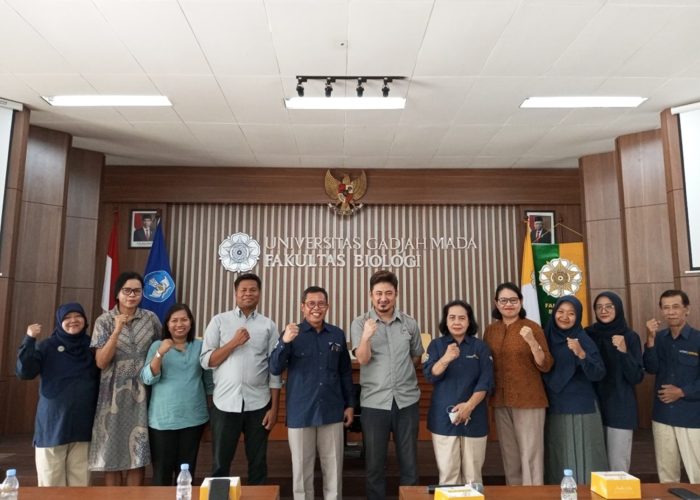
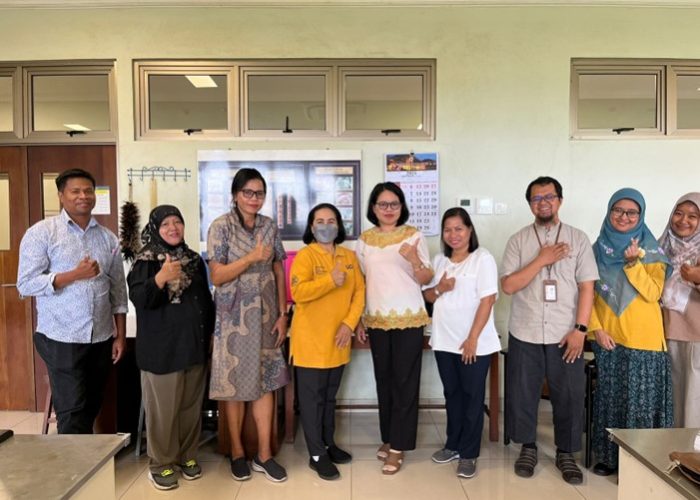
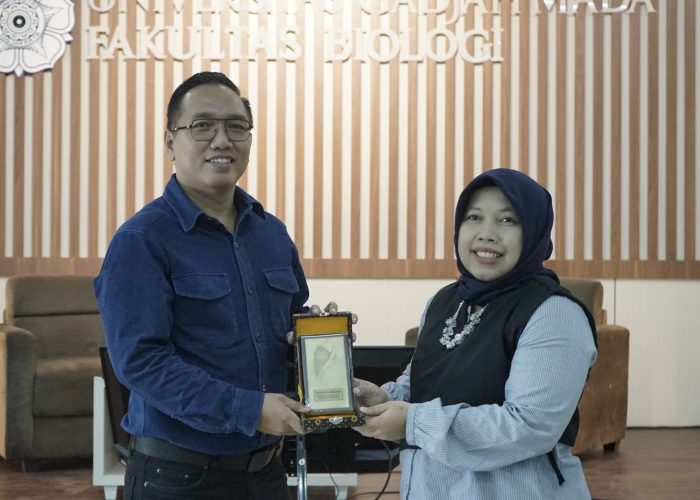
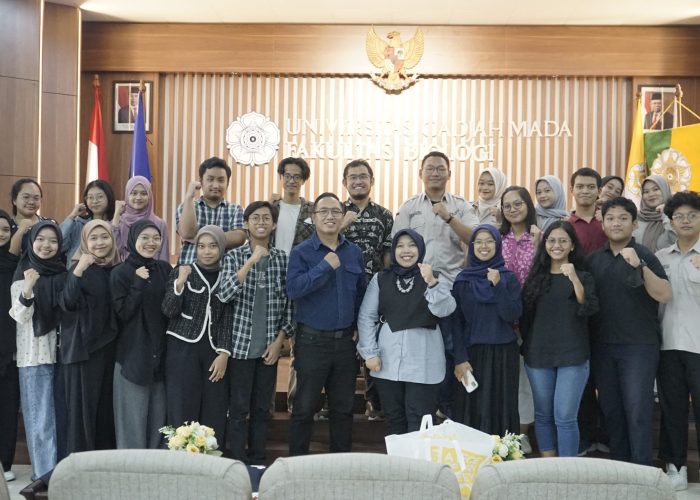
Yogyakarta, 4 November 2024 – Faculty of Biology UGM received a visit from Medical Bioinformatics Expert from National Central University (NCU), Taiwan, Dr. Hui-Yin Chang. The visit took place at the Faculty of Biology UGM, attended by Dr. Bambang Retnoaji, M.Sc. as Vice Dean for Academic and Student Affairs, Dr. Eko Agus Suyono, M.App.Sc. as Vice Dean for Research, Community Service, Collaboration and Alumni Affairs. Also present were several lecturers with a focus on biomedical research, including Dr.biol.hom. Nastiti Wijayanti from the Animal Physiology Laboratory, Dr.rer.nat. Abdul Rahman Siregar, M.Biotech from the Microbiology Laboratory, and Tyas Iksan Hikmawan, Ph.D. from the Biochemistry Laboratory, as well as an NCU alumni and researcher at the Integrated Genome Factory (IGF) Faculty of Biology, Raden Aditya Aryandi, M.Sc.
Dr. Eko as Vice Dean for Research, Community Service, Collaboration and Alumni Affairs welcomed the visit. He said that the Faculty of Biology had established good communication and initiated cooperation since Prof. Chien-Chia Wang, Dean for College of Health Sciences & Technology, NCU Taiwan some time ago. Dr. Eko also conveyed the profile of the Faculty of Biology, from study program profiles, facilities to international collaborations that are ongoing to date.
Dr. Hui-Yin Chang appreciated the opportunity for discussion and explained information about the Department of Biomedical Science and Engineering. She conveyed the potential for collaboration with experts and professors in the fields of bio-engineering, bio-materials, bio-medicine and bio-informatics. This matter was also discussed with lecturers at the Faculty of Biology who have research related to biomedicine. Dr. Chang expressed her enthusiasm for collaborative projects that could be initiated either with her in the field of bioinformatics, or with other NCU professors.
In this discussion, student exchange collaboration with the potential for double degrees with the College of Health Science and Technology NCU was also initiated. Experts from both institutions can also work together in guiding students through joint supervision, as well as collaborative research and publications through joint publications and joint authorship.
The collaboration between the Faculty of Biology UGM and NCU is expected to be part of the Faculty of Biology’s commitment to its role in sustainable development in accordance with the Sustainable Development Goals (SDGs), namely healthy living (SDG 3), inclusive quality education for all groups (SDG 4), as well as partnerships in achieving sustainable goals (SDG 17).
As a mega biodiversity country, Indonesia possesses extensive biological resources that hold significant potential not only for bioprospecting but also for biodiversity monitoring research. Distribution and biodiversity have become key indicators of environmental quality. With the advent of next-generation sequencing (NGS) technologies, biodiversity monitoring can now leverage environmental DNA (eDNA), facilitating rapid and comprehensive community assessments. This approach enables the detection of a wide range of taxa, including not only conventionally sampled flora and fauna but also microbial communities that remain unculturable through traditional methods.
As part of its commitment to advancing research capacity, the Integrated Genome Factory (IGF) recently hosted the IGF MasterClass, a specialized training in eDNA metabarcoding for researchers from Universitas Sriwijaya. Held from October 28 to 30, 2024, at the Faculty of Biology, Universitas Gadjah Mada (UGM), Yogyakarta, the event commenced with an opening address by Dr. Slamet Widiyanto, S.Si., M.Sc., Vice Dean for Finance, Assets, and Human Resources at UGM’s Faculty of Biology. Dr. Dwi Sendi Priyono, S.Si., M.Si., the Master Trainer, initiated the training with an in-depth introduction to eDNA theoretical foundations. The first day included field-based eDNA sampling techniques, led by Assistant Andryan, followed by DNA extraction and PCR sample preparation conducted by Adhisa F. P., S.Si., and Ashfiya Hanif, S.Si.
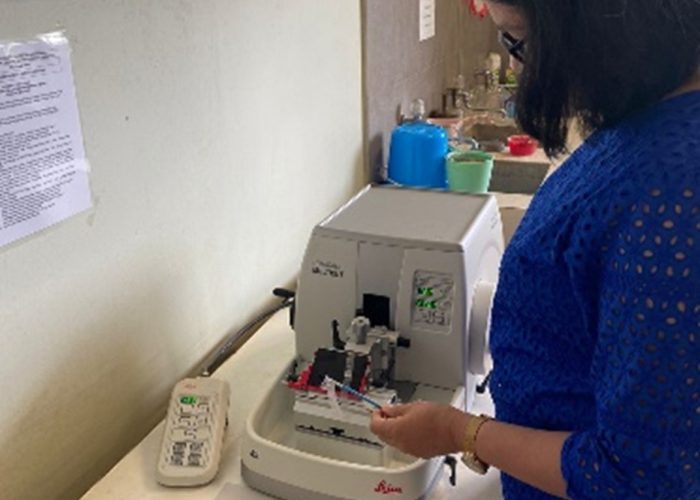
Once participants mastered rigorous sampling methodologies and acquired high-quality samples, IGF personnel guided them through hands-on library preparation workflows on the second day. This session was designed to prepare participants for metabarcoding sequencing using the Nanopore platform. The participants engaged enthusiastically, actively participating in each step of the training process.
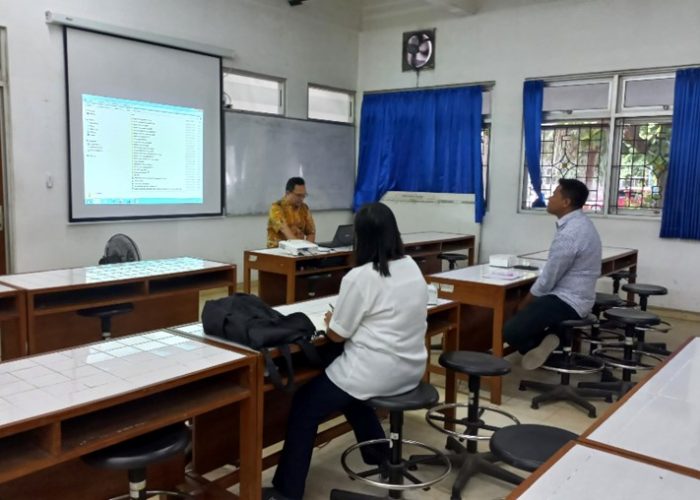
On the third day, the focus shifted to the data interpretation necessary for accurate metabarcoding analysis. Dr. Dwi Sendi Priyono, S.Si., M.Si., led sessions on Nanopore software operation, data refinement, processing, and best practices for achieving publication-standard representation of sequencing data. Dr. Eko Agus Suyono, M.App.Sc., Vice Dean for Research, Community Engagement, Cooperation, and Alumni at UGM’s Faculty of Biology, concluded the event, expressing hope that the training outcomes would be directly applied by the researchers in their respective institutions and foster future collaborations with IGF and the Faculty of Biology at UGM.
“This training was exceptional. The materials were presented effectively by the young, experienced trainers, making complex concepts accessible,” commented Dr. Melki, S.Si., M.Si., at the session’s close.
IGF and the Faculty of Biology UGM are committed to enhancing research capacity and collective action to conserve Indonesia’s biological diversity by advancing genomics technology through the Nanopore sequencing platform. The IGF, equipped with ONT PromethION 24 and a Data Acquisition Unit (DAU) capable of processing up to 720 Gb of DNA sequencing daily, is well-positioned to offer high-throughput sequencing services and collaborative opportunities with institutions across Indonesia.
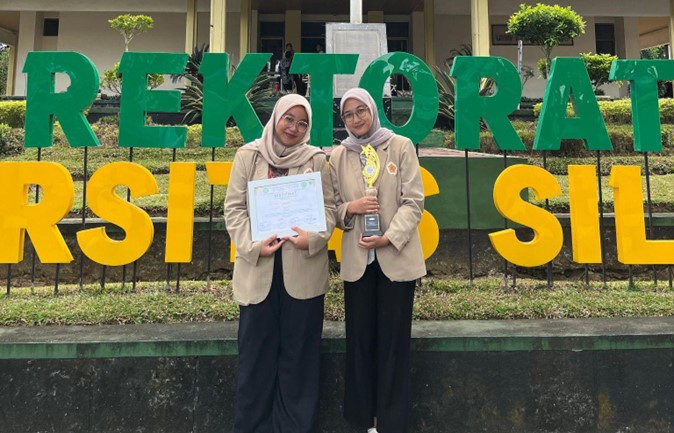
Students from the Faculty of Biology, Universitas Gadjah Mada (UGM), achieved a remarkable achievement by winning third place in the UBIQUINON 2024 Scientific Writing Competition. This prestigious event, themed “The INCREDIBLE of Biochemistry: INtelligent, CREative, and DIstant Beyond the Limit of Biochemistry,” was organized by the Community of Research and Education in Biochemistry (CREBs) at Institut Pertanian Bogor (IPB) on September 21–22, 2024.
The UGM team, consisting of Nisa Abidah and Almas Lathifatul Ula, class of 2021, presented their scientific work titled “Future Therapeutic Development Based on Mutation Trend Analysis and Design of Antibiotic Resistance Detection to Prevent the Superbug Gonorrhea Phenomenon.” The research, supervised by Tyas Ikhsan Hikmawan, S.Si., M.S., Ph.D., addresses the critical challenge of antibiotic resistance, focused on gonorrhea, one of the most dangerous superbugs. The study proposes innovative future solutions through the development of diagnostic tools for detecting antibiotic resistance.
UBIQUINON 2024 aimed to enhance understanding of biochemistry’s pivotal role as a foundational science for numerous applied disciplines. The event consisted of two main segments: Competitions in three categories—Scientific Writing, Essay, and Infographics and UBITALK, a seminar discussing cutting-edge issues in applied biochemistry.
The competition attracted dozens of submissions, with only 15 finalists selected from leading universities across Indonesia, including Universitas Indonesia (UI), Institut Teknologi Bandung (ITB), Universitas Sebelas Maret (UNS), Institut Pertanian Bogor (IPB), Universitas Hang Tuah, and Universitas Diponegoro (UNDIP).
The overarching theme of UBIQUINON 2024 explored sub themes such as Renewable Energy Applications, Biotechnology, and Medicine. The UGM team’s work fell under the medical subtheme, showcasing a groundbreaking approach to combating antibiotic resistance.
This achievement highlights not only the innovative capacity of UGM’s Faculty of Biology students but also their commitment to advancing impactful scientific knowledge, particularly in addressing global health challenges. The success reinforces UGM’s dedication to supporting the realization of the Sustainable Development Goals (SDGs), particularly in promoting health and fostering sustainable scientific advancements.
[Author: Nisa Abidah]
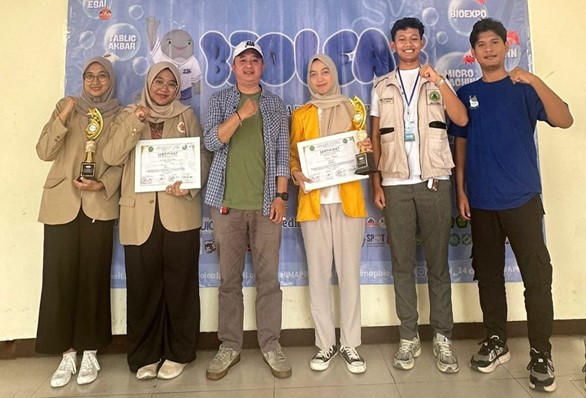
A student team from the Faculty of Biology, Universitas Gadjah Mada (UGM), class of 2022, under the guidance of Prof. Dr. rer. nat. Andhika Puspito Nugroho, S.Si., M.Si., achieved a remarkable achievement at the 2024 Science Event (SCEVENT) Essay Competition organized by the Scientific Reasoning Student Unit (UKM Penalaran) of Institut Teknologi Sepuluh Nopember.
During the final presentation on Sunday, October 27, 2024, The OTW team, led by Avriena Lintang Aulia Riefa’i and team members Fatiha Esti Murwani and Nova Nana Nadiya, presented “The Potential of Acinetobacter sp. and Sphingomonas sp. Biofilms for Reducing Metal Contaminants in Optimizing Potable Water Quality.” The essay addressed the poor quality of drinking water due to metal contaminants such as iron (Fe) and manganese (Mn), that lead to metallic tastes and odors in drinking water. Beyond discomfort, these contaminants pose health risks if present in concentrations exceeding safe limits. The team proposed an innovative solution by utilizing biofilms formed by metal-oxidizing bacteria, Acinetobacter sp. and Sphingomonas sp., as bioremediation agents by modifying water filtration systems in wastewater treatment plants (WWTP) to optimize the filtration process.
With this concept, the OTW team developed a biofilm-mediated bioremediation system for domestic applications. Their innovative approach earned them first place, triumphing over 47 competing teams.This outstanding achievement inspires other students to continually develop creative ideas and practical solutions to address diverse challenges, thereby contributing to support the 17 Sustainable Development Goals (SDGs). The OTW team aspires for their innovation to lay the groundwork for future advancements in potable water filtration methods, specifically through microbial biofilm utilization. Aligned with SDG Goal 6, “Clean Water and Sanitation for All,” this initiative underscores the importance of ensuring the availability and sustainable management of clean water for everyone.
[Author: Fatiha Esti Murwani]
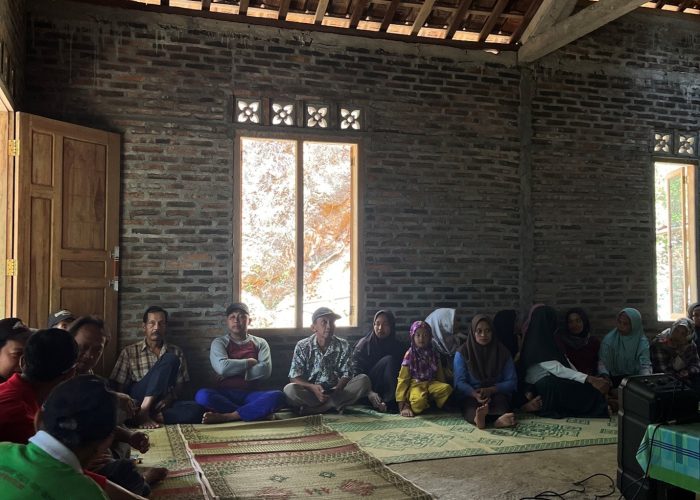
Yogyakarta, October 26, 2024 – The Community Service Team of the Merdeka Belajar Kampus Merdeka (PkM-MBKM) Program from the 2024 Biology Study Program conducted a community service activity titled “Processing Inorganic Waste and Combating Air Pollution Using Plants” on Saturday, October 26, 2024. Guided by supervising lecturer Mrs. Novita Yustinadiar, S.Si., M.Si., this event aimed to raise community awareness of sustainable inorganic waste management and the utilization of plants to reduce air pollution caused by waste incineration and motor vehicle emissions.
The event began at 2:00 PM WIB with an opening address from Mrs. Novita Yustinadiar, S.Si., M.Si., followed by the main presentation delivered by Aisyah Balqis Febriana. In her session, Aisyah explained that inorganic waste such as plastic, bottles, paper, and cardboard can be sorted and sent to waste banks for recycling, thereby enhancing their utility. Additionally, the concept of waste-to-energy was introduced, specifically the use of waste combustion heat as an environmentally friendly source of electricity, similar to Japan’s use of incineration technology. However, this technology is not yet feasible in Indonesia due to technological limitations. Currently, many people resort to burning waste to eliminate it, which has negative consequences for the environment, health, and society. One example discussed in the session was the production of microplastics from waste burning, which can contaminate soil, water, and air, posing risks to human, animal, and plant health. Thus, raising awareness about the dangers of waste burning and exploring alternative solutions for inorganic waste management is essential. In addition to recycling through waste banks, other potential solutions for managing inorganic waste include creating crafts and upcycling waste into valuable and marketable items. The session also covered air pollution mitigation using plants, including types of plants that absorb air pollution and the mechanisms by which plants reduce pollutants.
Following the presentation, Wisnu Prabowo conducted a hands-on demonstration, showing participants how to make sofa cushions filled with clean, recycled plastic, followed by the distribution of cushion covers and plastic zip covers to all attendees. Then, Ardiah Pramesti Cahyani presented a tutorial video along with a display of creative items made by the student team, such as lanterns from plastic spoons, flowers from plastic bags, flowers from used plastic bottles, frames from bottle caps, flower pots from bottles, and glass bottle vases for water propagation. These creations served as daily-life inspirations for repurposing inorganic waste.
Participants engaged in a Q&A session and took a post-test to assess their understanding of the material. Attractive door prizes, including air-purifying houseplants and other gifts, were awarded to participants who actively engaged in the discussion. The event concluded with a recap video of the PkM-MBKM 2024 program, highlighting the series of environmental education activities.
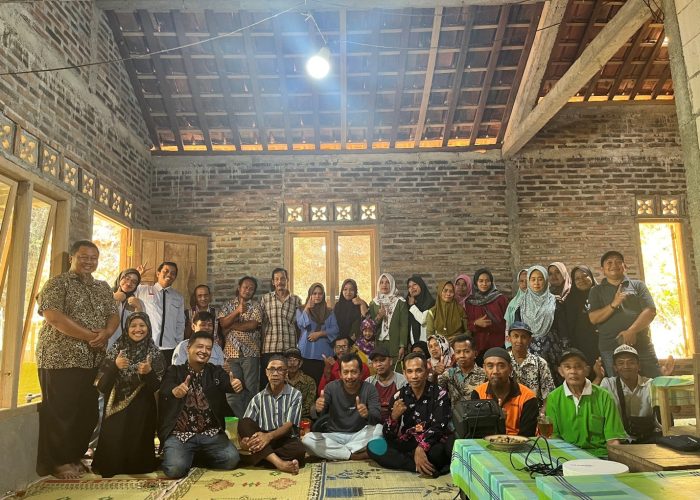
The program closed with a farewell from Mrs. Novita, a group photo session with all participants and the team, and the distribution of souvenirs as tokens of appreciation. This community service program, which concluded at 4:00 PM WIB, is hoped to provide the community with new insights on environmental preservation through waste management and plant use as a solution for air pollution mitigation. We extend our gratitude to the Faculty of Biology for funding this event through the 2024 PKM-MBKM Grant, hoping it will continue to benefit the broader community.
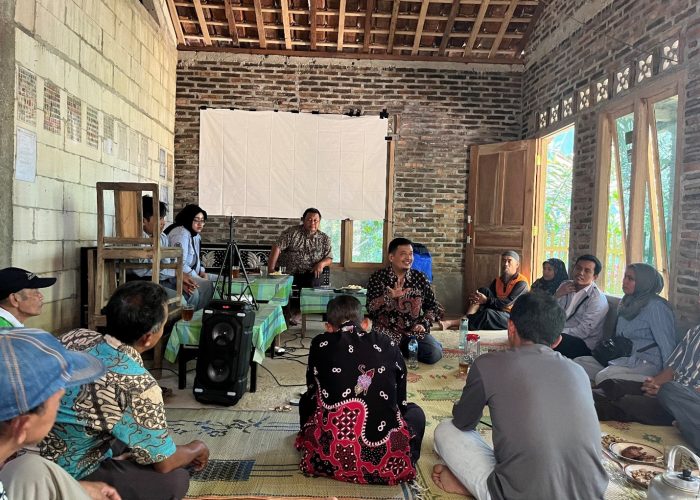
The PkM-MBKM Program of the Faculty of Biology UGM, led by Prof. Diah Rachmawati, S.Si., M.Si., in collaboration with the Kelompok Wanita Tani (KWT) Amanda in Kepuh Wetan, Wirokerten, Banguntapan District, Bantul Regency, Special Region of Yogyakarta, held a circular waste management training event based on aquaponic technology and catfish farming on Sunday, October 27, 2024, from 08.30 to 11.30 AM. The PkM-MBKM team, comprising members Hanif Fauzan Saputra, Salma Nur Majidah, Maharani Pratiwi S.A., M. Reza Hendriansah, Rima Vegi Santika, Eka Nur Oktavia, Adzkiya Aqmaliza R., and Agra Daffa Putra, presented strategies for product processing and marketing, followed by a demonstration of processing techniques for products made from catfish and water spinach to maximize the added value of aquaponics.
The activity began with an introduction to the business potential of catfish and water spinach, both rich in nutrients and protein. With innovations turning these ingredients into various products, such as catfish nuggets, catfish sausages, and crispy water spinach, it is hoped that these could serve as new business opportunities for KWT Amanda. Product innovation aims to expand the market by offering a variety of healthy and nutritious local food options. In addition to product innovation, choosing of safe, efficient, and attractive packaging design is also crucial. With engaging and informative packaging, these products are expected to attract consumer interest. To support sales, the PkM-MBKM team also provided an introduction to branding and digital marketing strategies by explaining how to use social media to educate participants on effective digital marketing techniques, from understanding target consumers to utilizing social media platforms for promotion. Marketing via social media is seen as a vital factor in increasing sales and building brand awareness.
The next activity involved a product processing demonstration using aquaponics product, namely catfish and water spinach. The PkM-MBKM team provided hands-on training for KWT Amanda members on how to process catfish and water spinach into three high-value products: catfish nuggets with water spinach, crispy water spinach, and catfish sausage. During the demonstration, the KWT Amanda participants showed great enthusiasm in following each stage of product preparation, from ingredient preparation to cooking, resulting in quality products ready for the market. They paid close attention to the cooking process and actively asked questions to ensure optimal quality. After the cooking session, participants enjoyed the processed products, such as catfish nuggets with water spinach, crispy water spinach, and catfish sausages, which were delicious and had a desirable texture. KWT Amanda members also felt inspired after seeing the variations of catfish processed into different forms, such as catfish nuggets with water spinach and catfish sausage, which are more appealing to children. These processed products provide a solution for supplying high-quality protein and fiber to families, especially for children needing balanced nutrition during growth, thus fulfilling nutritional needs and ensuring a healthy life (SDG 3).
The socialization and training activities for processing aquaponics product can provide new ideas for processing to increase family income from aquaponics (SDG 4 and 8). The successful collaboration also strengthens sustainable relations between the PkM-MBKM Faculty of Biology UGM and its partners (SDG 17).
On Saturday, September 28, 2024, the Marine Study Group (KSK) of the Faculty of Biology Universitas Gadjah Mada organized the Kopdar Alumni 2024, themed “Developing Career and Further Study Plans.” This event took place at the Auditorium of the Faculty of Biology, UGM, attended by KSK Biogama members from various cohorts.
The speakers featured in this event were Basith Kuncoro Adji, S.Si., M.Sc. from the University of Birmingham, and Muhammad Arief Budhiman, S.Si. from Pertamina Foundation. They shared insights regarding their experiences after graduation, discussing topics related to further studies and career paths in environmentally focused industries. Their presentations included information on study pathways, career opportunities, and essential skills for Biology students.
The event involved guided group discussions organized by the committee. Participants were divided into small groups to create mind maps regarding their career or further study plans. These mind maps were required to encompass information on the skills needed, career objectives, and strategies to achieve them. This group discussion lasted for 30 minutes, during which participants actively exchanged ideas and visualized their thoughts through mind mapping.
Following the group discussions, each group presented their mind maps to the speakers and the audience. The speakers provided feedback and suggestions regarding the steps that could be taken to achieve their planned career or further study goals.
The event concluded with the presentation of mementos to the speakers in appreciation of their participation and the knowledge they shared, followed by a group photo session with all participants, both in-person and online.
[Author: KSK]
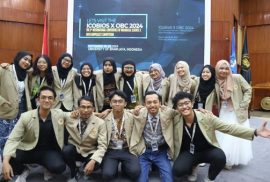
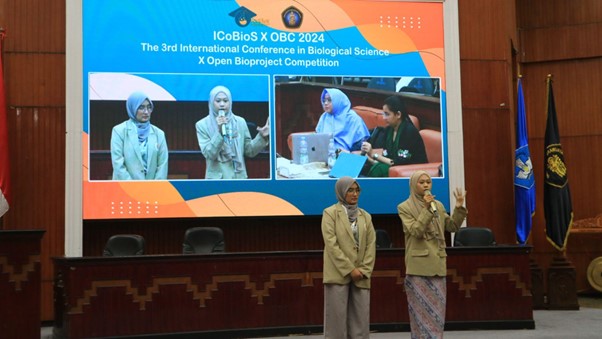
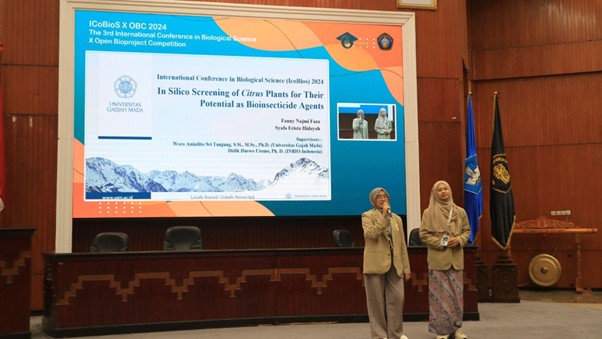
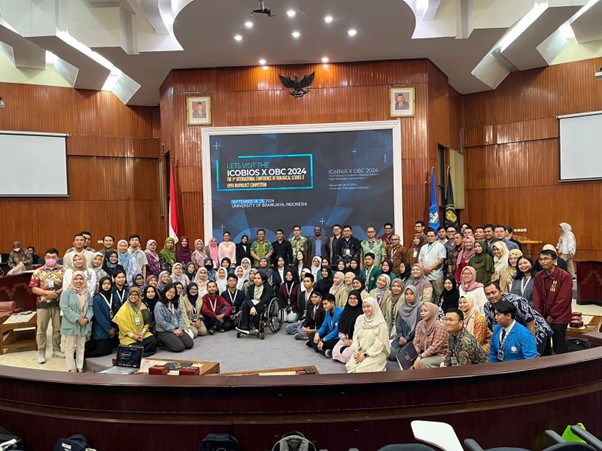
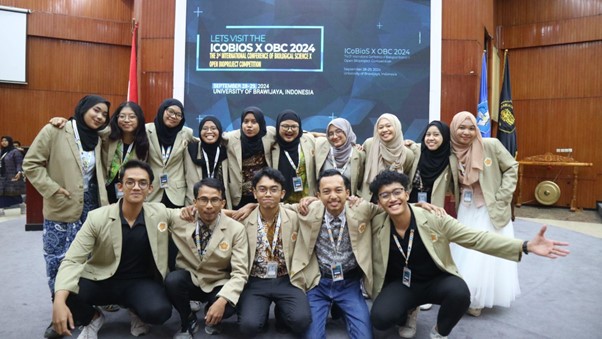
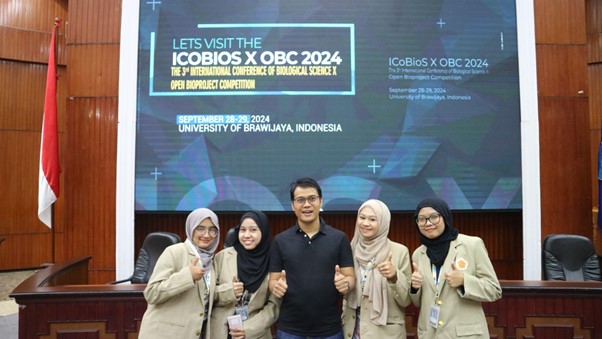
Biology students at Universitas Gadjah Mada made another achievement by winning a silver medal at the 3rd International Conference of Biological Sciences (ICoBioS) 2024. The conference, held by Universitas Brawijaya on September 27-28, 2024, had the theme “Recent Update in Bioinformatics, Synthetic Biology, and Nanobio Science for Better Future.” This success strengthens UGM’s standing in the international scientific community, particularly in driving innovation and progress in modern biological sciences. This achievement was achieved by Thoriq Abdul Halim, Tiara Putria Judith, and Salfa Athallah Agtari Nabillah students from the 2021 cohort, under the guidance of Dr. Ganies Riza Aristya, S.Si., M.Sc., Ph.D., presented research titled “Comparative Analysis of DNA Barcodes Based on Nuclear and Chloroplast Genes for Phylogenetic Reconstruction of Sugarcane (Saccharum officinarum L.) in Java Island.”
In their presentation, the team discussed the importance of sugarcane (S. officinarum L.) production, which contributes to 80% of global sugar production. Despite Java Island supplying 61% of the national output, Indonesia only produced 2.23 million tons of sugar in 2019, while imports reached 5.46 million tons in 2021, mainly from Thailand. The low sugarcane yield is due to the narrowing of genetic diversity caused by domestication. Given the complexity of the genome and the difficulty in distinguishing morphological characteristics, the team utilized DNA barcoding techniques to analyze genetic variation in nuclear DNA and chloroplast DNA of sugarcane. This research aims to identify intra- and interspecific genetic variation among sugarcane cultivars as part of efforts to improve varietal identification, agricultural productivity, and food security in Indonesia.
The theme and goals of this research align with UGM’s commitment to supporting the Sustainable Development Goals (SDGs), particularly SDGs No.2 on ending hunger and enhancing food security, and SDGs No.12, which focuses on sustainable production and consumption through efforts to increase sugarcane productivity and reduce dependence on sugar imports in Indonesia.
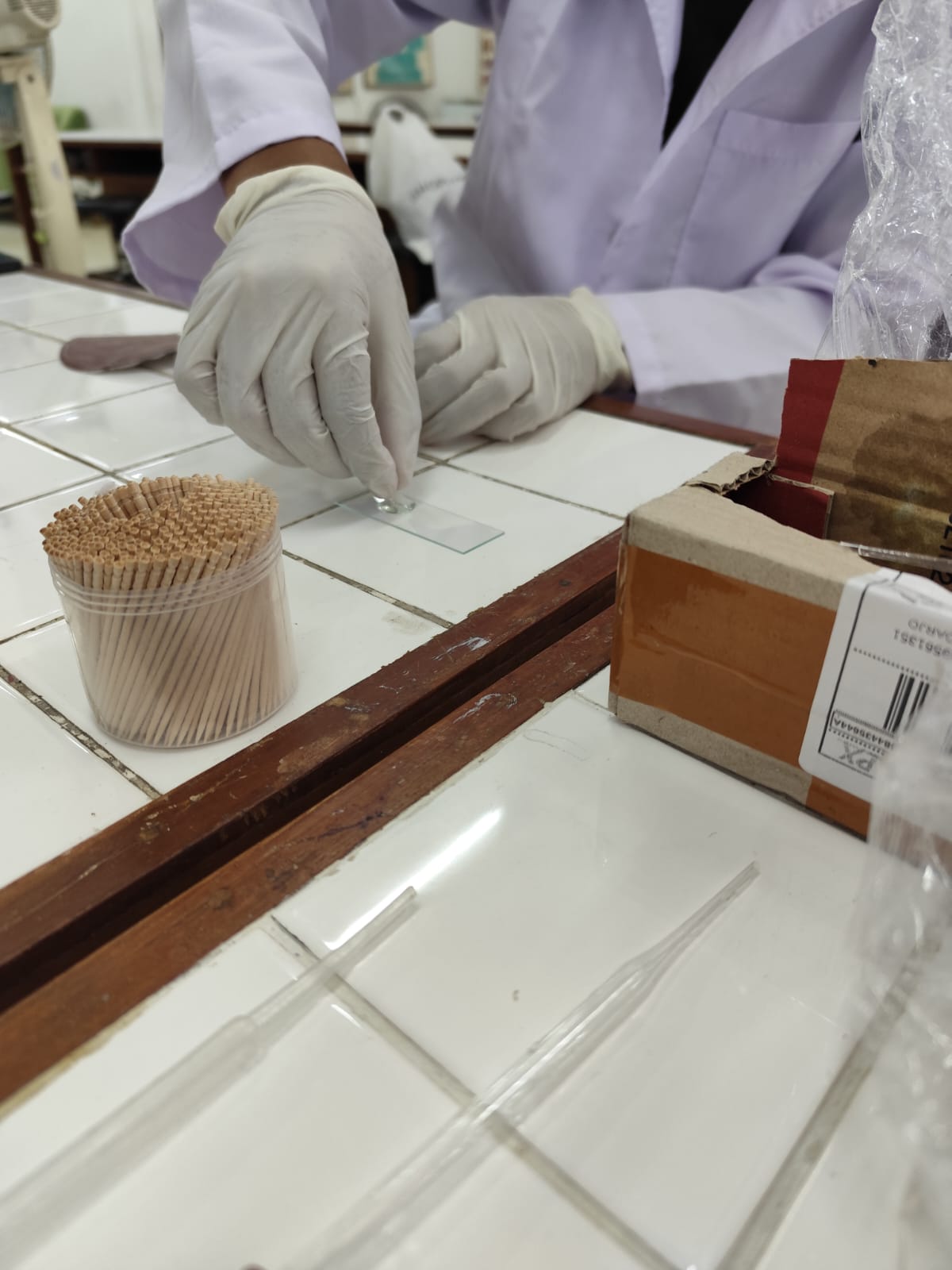
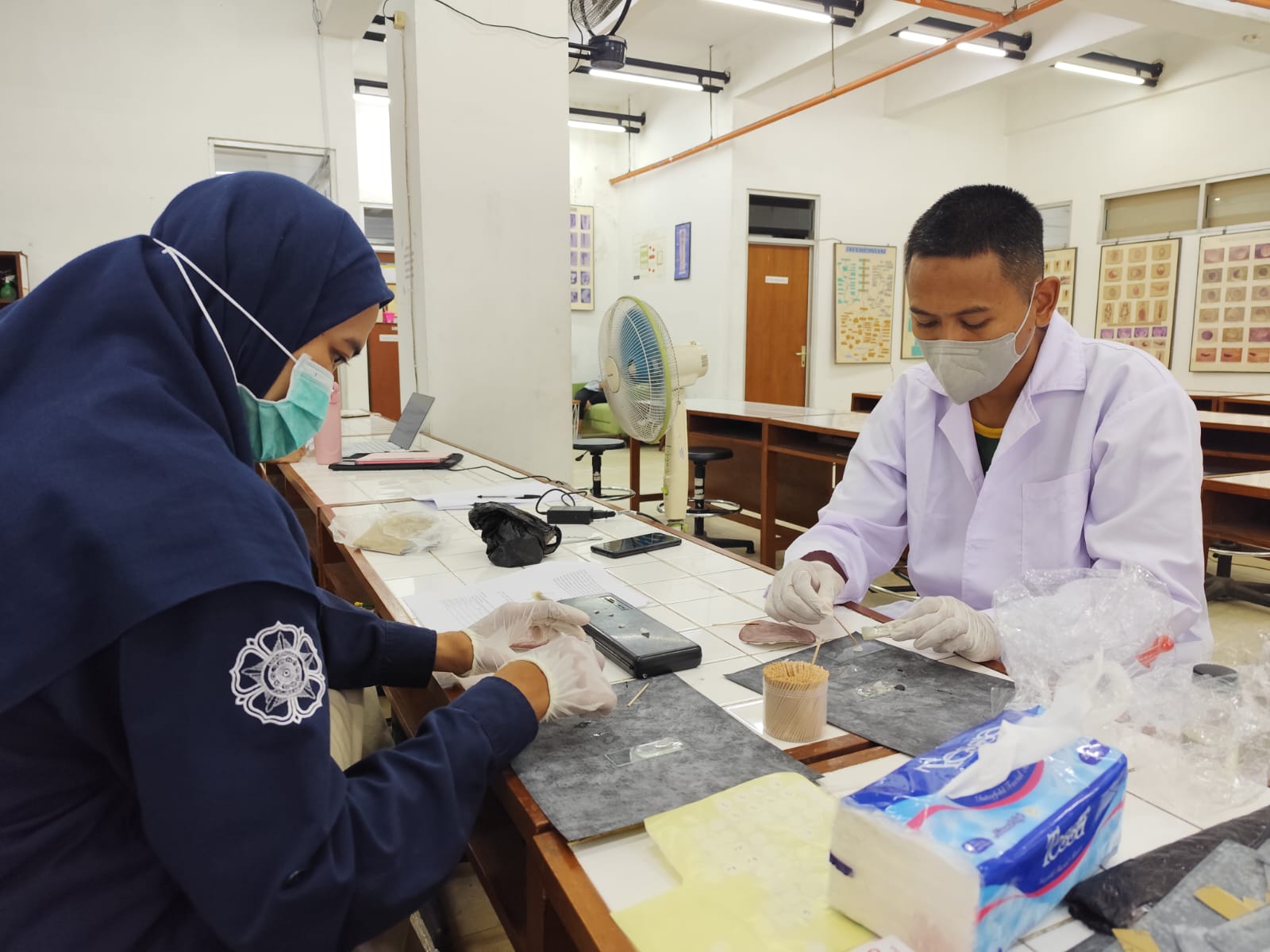
The Biology Orchid Study Club (BiOSC) of the Faculty of Biology, Universitas Gadjah Mada (UGM), held its second Studium Generale event titled “Orchid Identification through Flower Dissection to Support Orchid Conservation in Indonesia” on Saturday, October 19, 2024, in Room 2, Building B, Faculty of Biology as part of scientific coordinators work programs, Akmal Bunyamin. The event was attended by 37 participants and aimed to enhance participants’ knowledge and skills, and motivate members in orchid identification using flower dissection to support orchid conservation efforts in Indonesia.
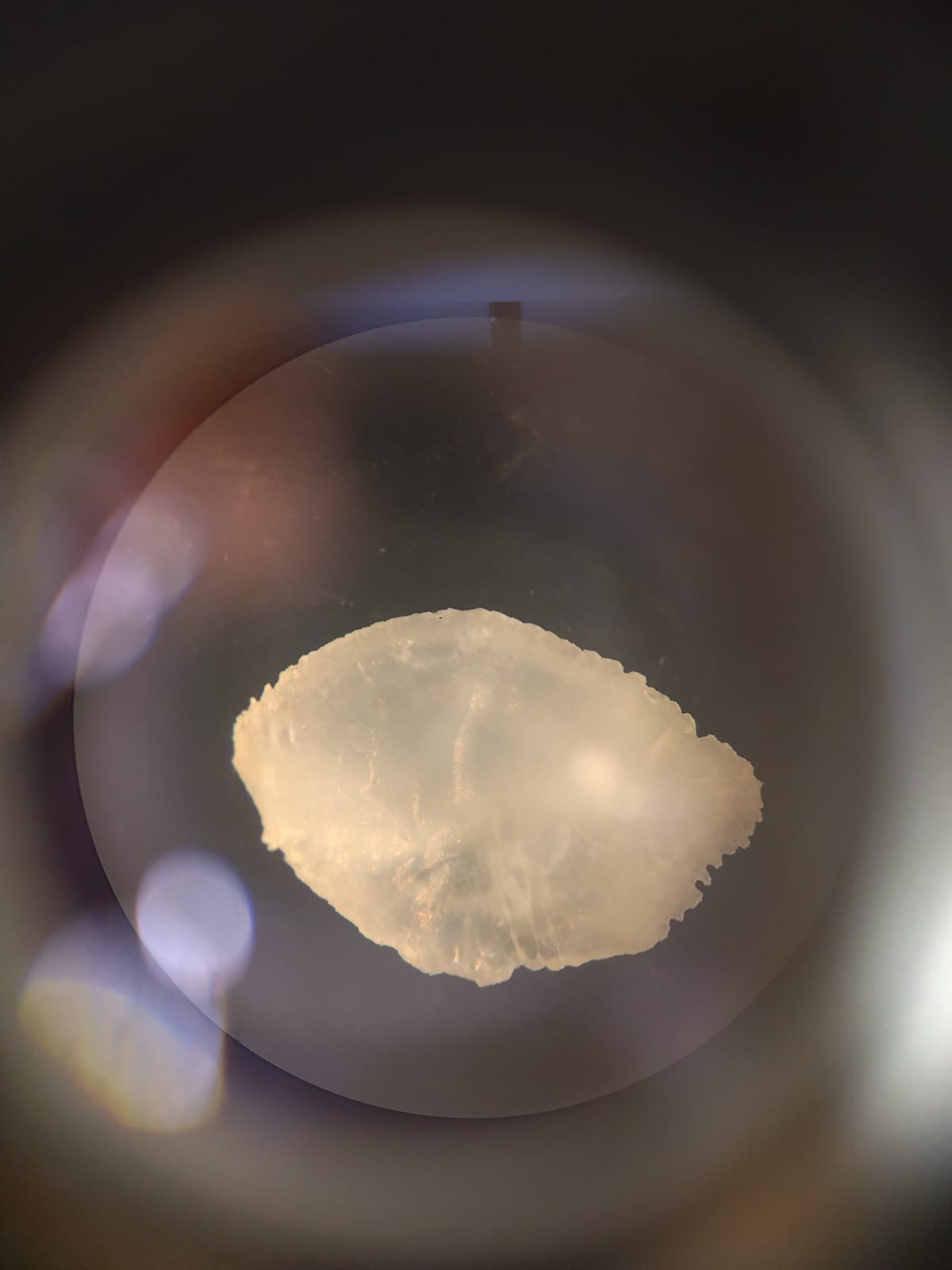
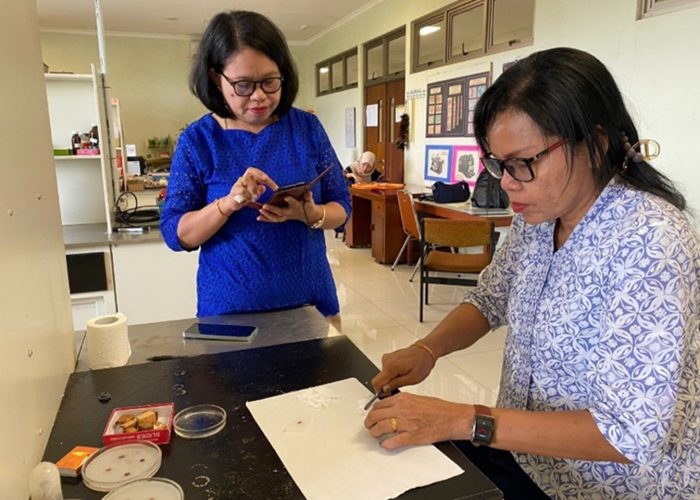
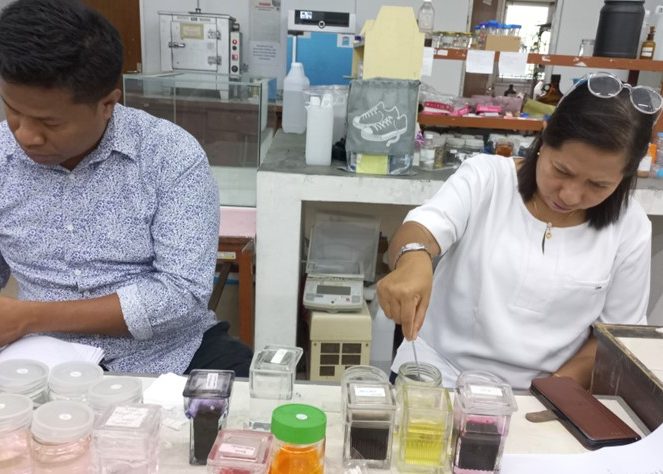
The session featured a presentation by Ms. Aninda Retno Utami Wibowo, S.Si., M.Sc., a researcher at the National Research and Innovation Agency (BRIN) specializing in biosystematics, who led participants through a detailed, step-by-step guide to identifying new orchid species. Following the theoretical presentation, participants engaged in hands-on dissection practice, where each member received an orchid flower to examine. They were tasked with identifying, measuring, and meticulously documenting various flower parts, highlighting distinguishing characteristics among different orchid species.
The event proceeded smoothly with enthusiastic participation, including an interactive discussion session between attendees and the speaker. The Studium Generale aims to deepen participants’ understanding of orchid identification processes and flower dissection techniques, fostering the scientific knowledge and commitment necessary to contribute to orchid conservation efforts in Indonesia.
Written by: BiOSC
Written by: BiOSC
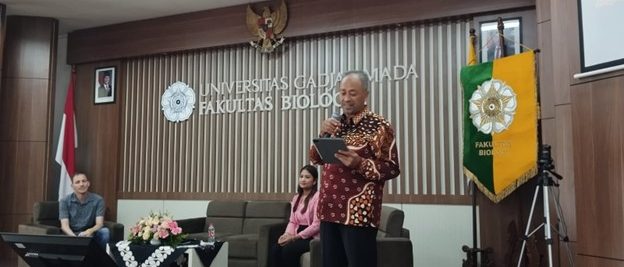
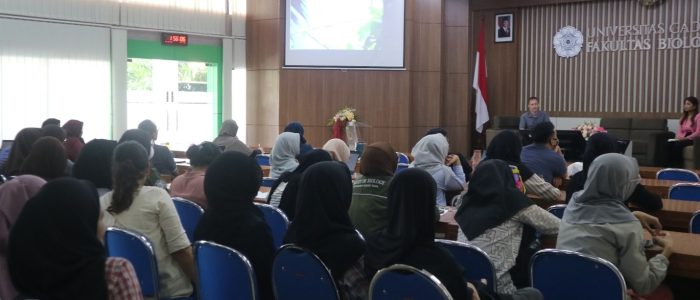
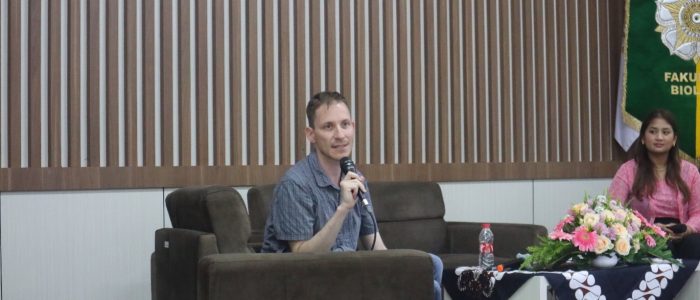
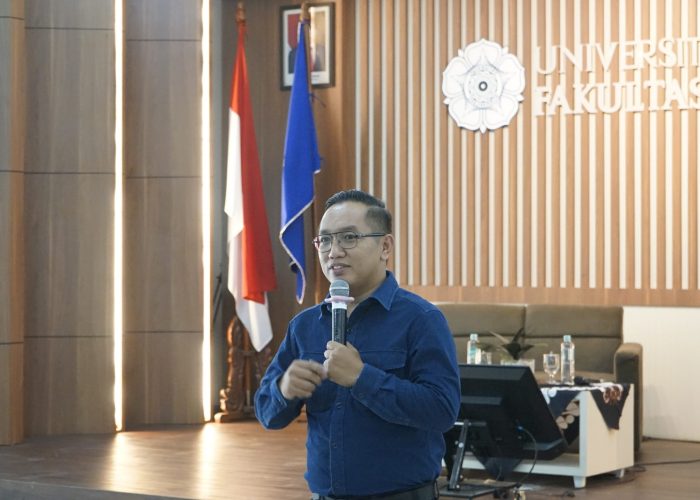
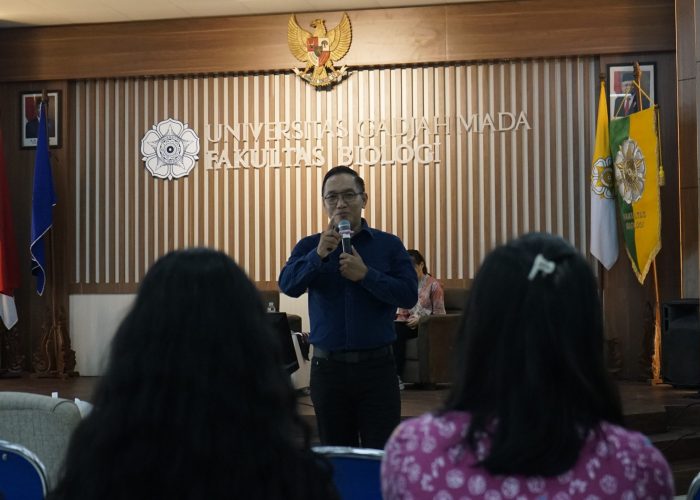
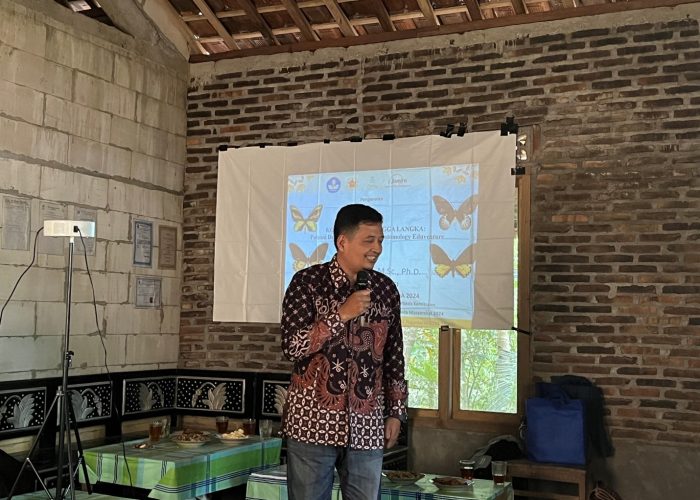
Yogyakarta, 28 October 2025 – Faculty of Biology UGM held a guest lecture featuring a plant engineering expert from Okayama University Japan, Prof. Yoji Kawano. The lecture took place in the Tropical Biology Auditorium, Faculty of Biology, UGM and was attended by students and lecturers from the Faculty of Biology, UGM.
Dr. Bambang Retnoaji, M.Sc. as Vice Dean for Academic and Student Affairs, Faculty of Biology, gave his speech at the guest lecture Monday (28/10) morning. He said that the Faculty of Biology welcomed Prof. Yoji and opened various research and academic collaboration potential with Okayama University, especially the Institute of Plant Science and Resources. Dr. Bambang also told students to gain as much knowledge as possible from the lecture.
Prof. Yoji Kawano is a Professor from the Plant Immune Design Group, Institute of Plant Science and Resources, Okayama University, Japan. His research focuses on plant pathology, immunobiology, inflammation, and phytopathology.
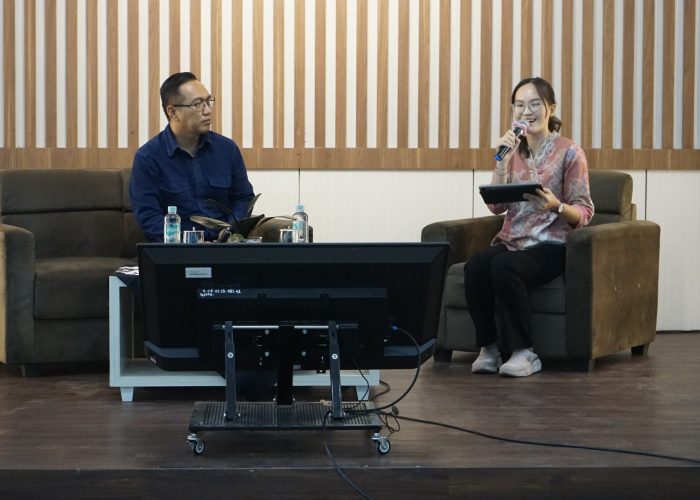
In this lecture, Prof. Yoji gave a presentation entitled “Deciphering Rice Immunity”. The lecture was guided by a lecturer from the Faculty of Biology from the Biochemistry Laboratory, Dr. Yekti Asih Purwestri, whose research also focuses on the development of rice plants.
Prof. Yoji explained about diseases in plants, especially rice, which are caused by fungi and how this condition is a concern in the agricultural world because of minimal information on interactions between plants and microbes. The professor, who is also an expert in plant engineering, conveyed his research which developed plant breeding using the R (NLR) gene. It is hoped that his various research efforts can contribute to applied agricultural science to obtain superior varieties that are resistant to various pest and disease threats.
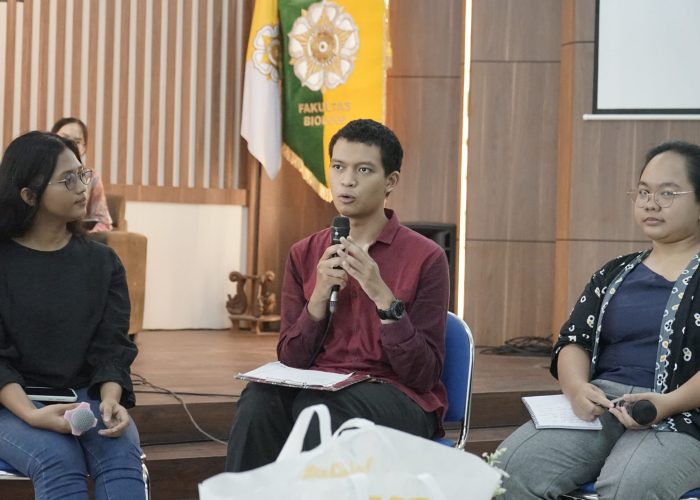
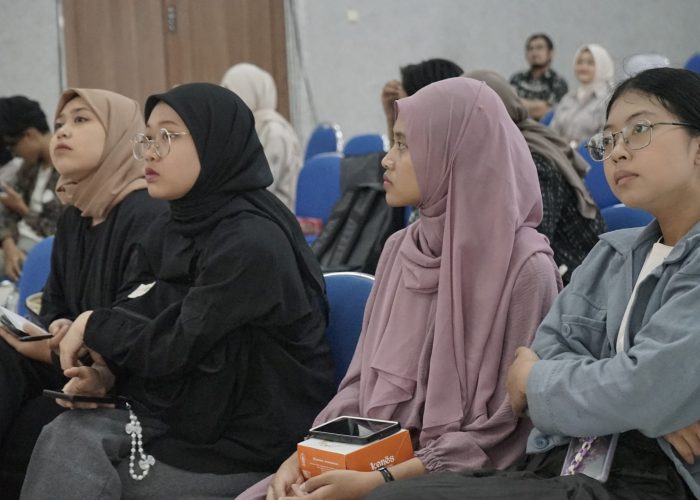
The participants were enthusiastic about attending the lecture and were critical in the subsequent question and answer session. Through this public lecture, it is hoped that it can encourage innovation, especially for the academic community, in contributing to research on sustainable ecosystem preservation (SDG 4 and 15) through collaboration between the Faculty of Biology UGM and Okayama University (SDG 17).