Arsip:
News Release
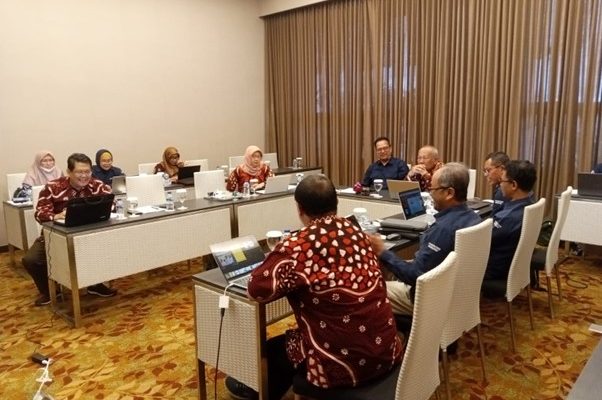
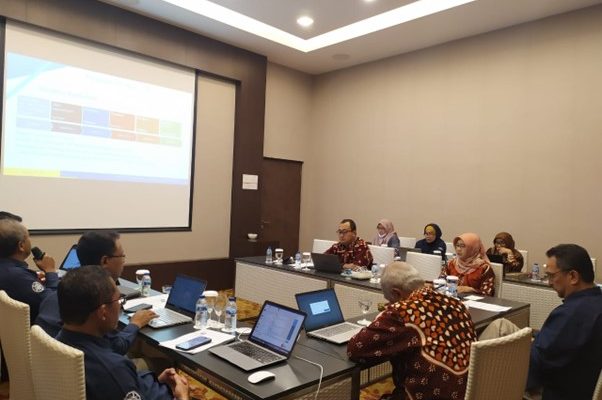
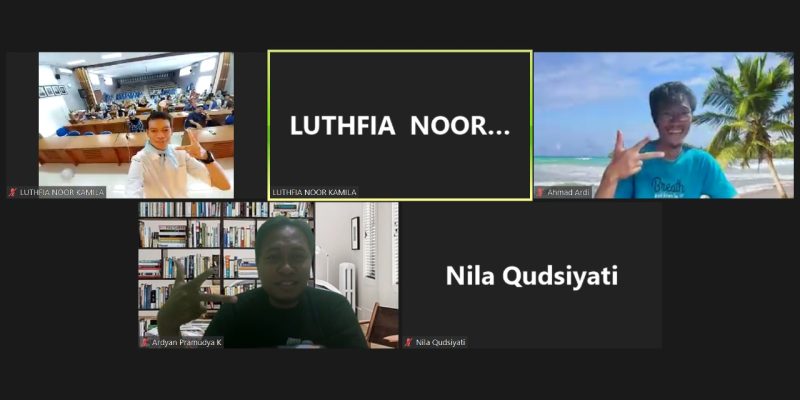
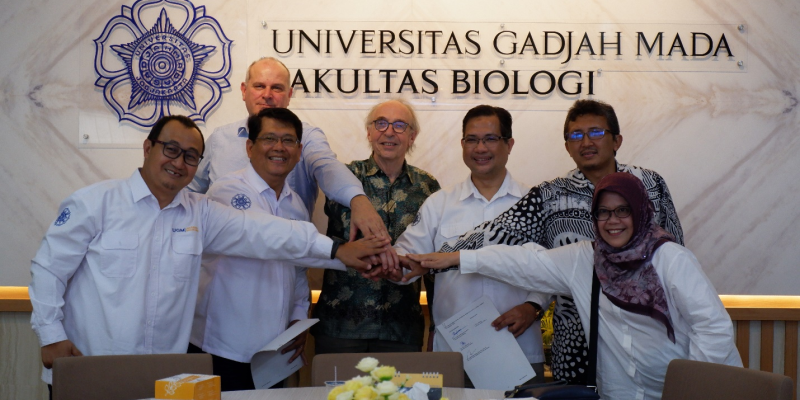
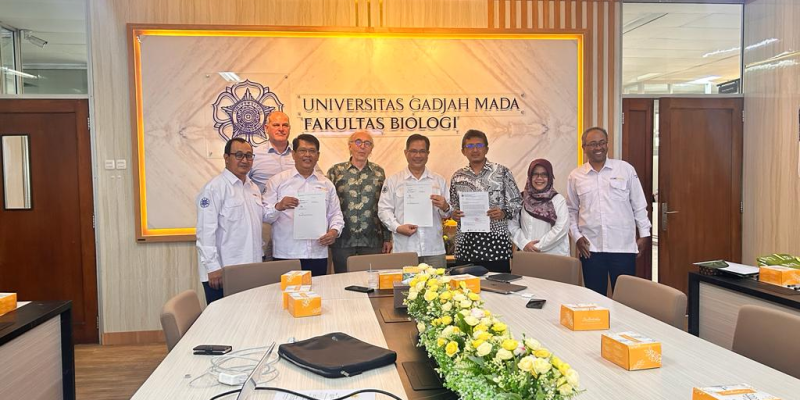
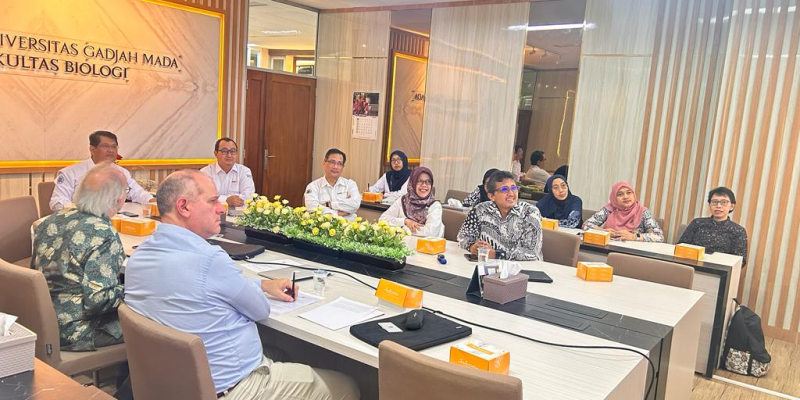
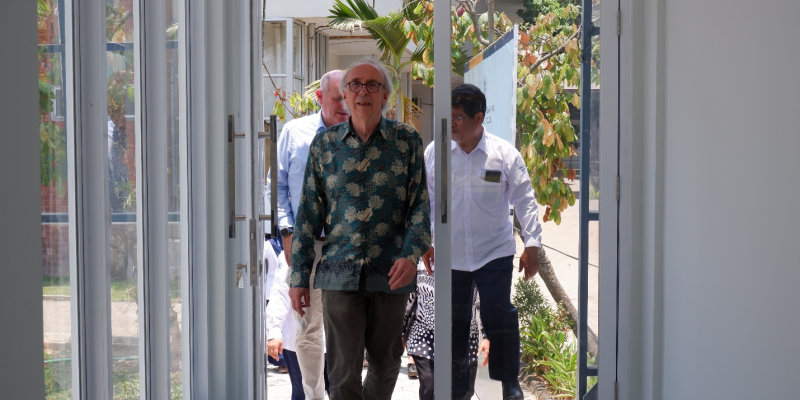
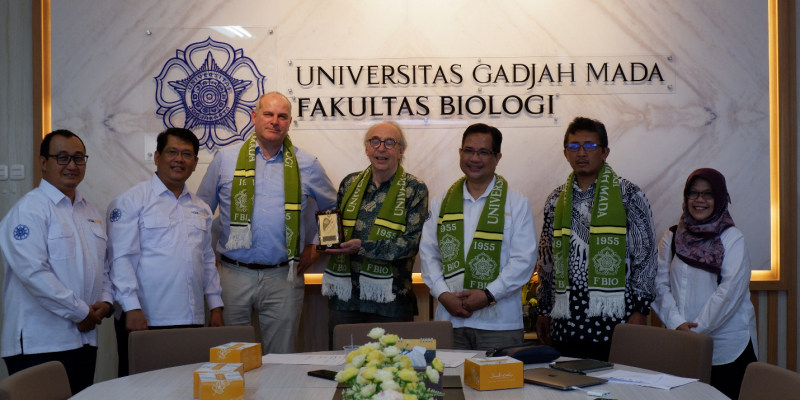
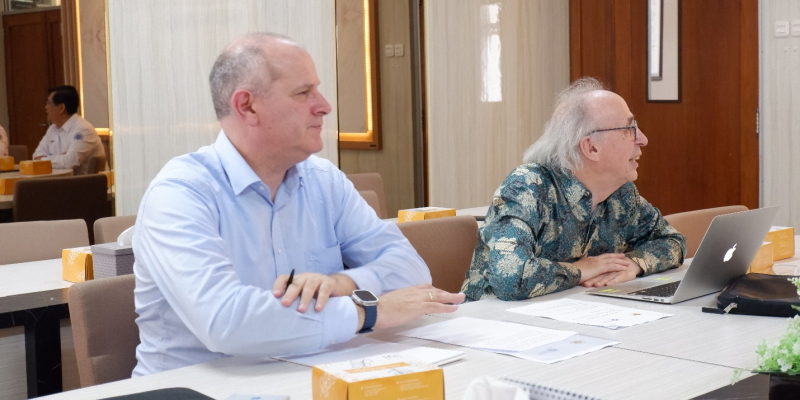
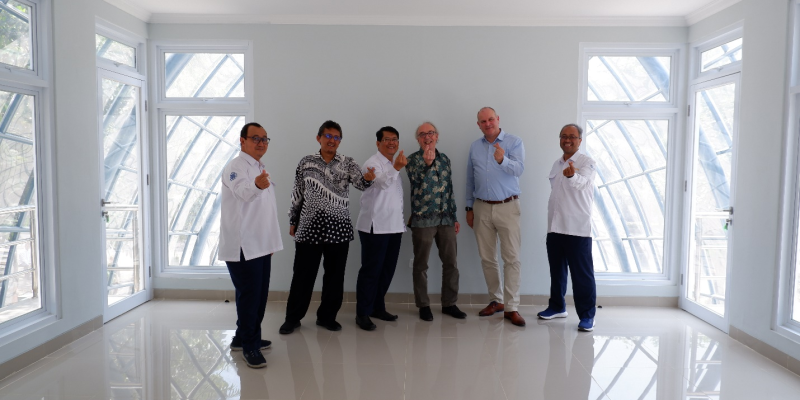
Yogyakarta, October 5, 2023 – The Faculty of Biology UGM has initiated a collaboration with the University of Technology Sydney (UTS) in Australia. This collaboration is part of the Faculty of Biology’s commitment to expanding connections and partnerships with various stakeholders to improve the quality of education, in line with their support for Sustainable Development Goals for education enhancement and extended cooperation (SDG 4 and 17). The meeting was conducted online and attended by representatives from the University of Technology Sydney, including Julia Shelley, the International Development Manager, Faculty of Science; Ian Menz, the Head of the School of Life Sciences; Steven Langford, the Head of the School of Mathematical and Physical Sciences; Alexander Solntsev, the Associate Head Research of the School of Mathematical and Physical Sciences; Valery Combes, an Associate Professor in the School of Life Sciences; Prof. Hui Chen; and Scott Chadwick, the Associate Head of the School of Mathematical and Physical Sciences. From the Faculty of Biology, there were Dr. Eko Agus Suyono, M.App.Sc., the Vice Dean for Research, Community Service, Collaboration and Alumni Affairs; Sukirno, S.Si., M.Sc., Ph.D., the Head of the Undergraduate Program; and Tyas Iksan Hikmawan, M.Sc., Ph.D., the Secretary of the Office of International Affairs at the Faculty of Biology, UGM.
During the meeting, various aspects of collaboration were discussed, including student exchange, double degree programs, joint supervision, joint research, and more. Student exchange schemes and scholarships were also highlighted, both those supported by the government through the LPDP scheme and those offered by the university. Another noteworthy collaboration is the double degree program, along with a fast-track option, allowing students to complete both their undergraduate and master’s studies in a shorter period, specifically 7 years. The discussion on Wednesday (10/4) also addressed the need for curriculum mapping and further discussions regarding collaboration, especially in student exchange and double degree programs, which require discussions on accommodation and scholarship support. Follow-up discussions on curriculum alignment were conducted with Sukirno, S.Si., M.Sc., Ph.D., the Head of the Undergraduate Program at the Faculty of Biology, UGM, to finalize the entire collaboration plan.
This discussion serves as a significant step towards strengthening the collaboration network between Universitas Gadjah Mada, particularly the Faculty of Biology, and the University of Technology Sydney. It is hoped that through this collaboration, it will support the enhancement of education and research at the Faculty of Biology, UGM, and provide students with international learning opportunities.
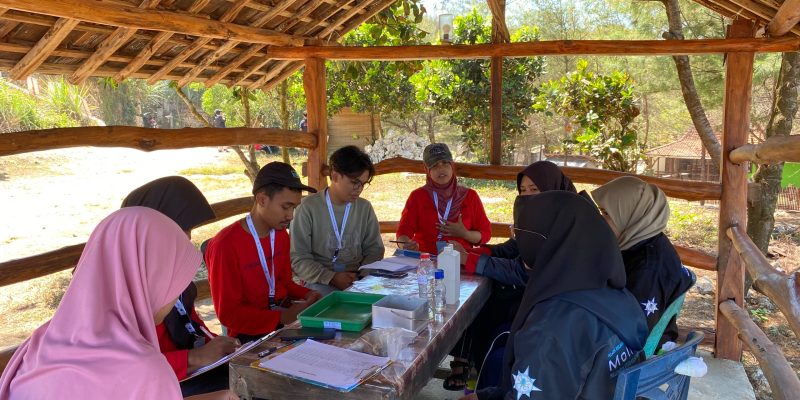
The Faculty of Biology at UGM has conducted a survey on the diversity of flora in the coastal area of Bantul Regency, Special Region of Yogyakarta. This flora diversity survey was a collaborative effort between the Faculty of Biology at UGM and the Environmental Agency of Bantul Regency, as part of a series of surveys on biodiversity of flora and fauna in Bantul.
The survey activities took place from May to June 2023. The Faculty of Biology assembled a team led by Dr. Abdul Razaq Chasani, a lecturer from the Plant Systematics Laboratory, which included undergraduate and postgraduate students: Aji Sukma, Bima Kurniawan, Reza Raihandhany, Annisa Mawarni, Ima Laidiya, Lisna Nur Aini, Puspita Kusuma Astuti, Zenith Caitra, and Zildan Basara. This three-month flora survey covered the southern region of Bantul Regency, including coastal areas, river estuaries, and sand dunes. The surveyed coastal areas encompassed nearly the entire shoreline of Bantul, falling within the administrative regions of Kapanewon Kretek, Kapanewon Sanden, and Kapanewon Srandakan. Gumuk Pasir Parangkusumo, the estuary of the Opak River, and the estuary of the Progo River were the three non-coastal locations selected for the survey. The chosen coastal areas were relatively secluded, avoiding touristy locations to obtain more natural results and reduce potential anthropogenic influence. The survey was conducted by exploring along the shoreline and accessible pathways leading to the beach. Flowering plants (Angiospermae) encountered along the route were recorded and documented using cameras. Samples that could not be identified on the spot were brought back to the Plant Systematics Laboratory for further examination.
Remarkably, the survey team recorded a total of 141 species of flowering plants from 47 families. Several species composing the coastal vegetation formations were consistently found in nearly all survey locations, such as Ipomoea pes-caprae (beach morning glory), Spinifex littoreus (beach spinifex), Canavalia rosea (beach bean), Calotropis gigantea (giant milkweed), Casuarina equisetifolia (ironwood), and Pandanus tectorius (screw pine). The timing of the survey allowed for comprehensive observation of the entire plant anatomy, as nearly all observed species were in bloom.
These outstanding results underscore the importance of cooperation and collaboration between government agencies and educational institutions. The quantity and quality of research conducted in this manner can be used by agencies to formulate policies that involve educational institutions and local communities. Aligned with the Sustainable Development Goals (SDGs), including elements like terrestrial life, sustainable communities, and quality education, it is hoped that agencies will design regulations that support the preservation of local native plants and their interactions with the surrounding community. This is especially crucial in realizing the vision of the Governor of Yogyakarta for 2022-2027, which aims to empower the southern region through a comprehensive approach from various aspects.
Yogyakarta, October 3, 2023 – The Community Service Grant Team based on Education for Sustainable Development of the Faculty of Biology, UGM, led by Abdul Razaq Chasani, S.Si., M.Si., Ph.D. along with members Prof. Dr. Ratna Susandarini, M.Sc., Donan Satria Yudha, S.Si., M.Sc., and Siti Aisah, S.Si., M.Si. from the Biology Program at UIN Sunan Kalijaga Yogyakarta collaborated with the Ecology School of Kampung Satwa held a Workshop on “Improving the Ecology School of Tourism Village through Curriculum Development and Learning Modules based on Education for Sustainable Development” at Wisma MM UGM Hotel. This activity is part of the capacity-building series for the Ecology School, which was successfully initiated and built through the same grant implementation in the previous year. The Ecology School is a program established as a commitment of cooperation between the Faculty of Biology, UGM, and Kampung Satwa. This activity is also in line with the support of the Faculty of Biology for Sustainable Development Goals (SDGs), especially in enhancing inclusive education for all (SDG 4) and land environmental management through conservation and nature preservation (SDG 15), as well as collaboration with Kampung Satwa and various relevant parties in its implementation (SDG 17).
The workshop was also attended by Hanif Kurniawan, S.H., the founder of Kampung Satwa, Fery Ghozali, the Manager of the Yogyakarta Nature School, Muhari and Junaidi Suharsa from the Tourism Office of Sleman Regency, and Dian Banjar Agung, S.Hut., M.Sc., the Head of Conservation Section Region I, Natural Resources Conservation Agency (BKSDA) Yogyakarta.
The Tourism Office of Sleman Regency shows support for the implementation of the Ecology School and hopes to assist conservation programs in approximately 80 tourist villages in Sleman. The Ecology School is also expected to provide training or certification for tourist village managers to support eco-tourism-based village management while preserving the environment. Dian Banjar Agung, S.Hut., M.Sc. from BKSA Yogyakarta stated its related program in preparing conservation-aware future leaders through delivering materials to high schools, especially conservation education for specific national park management. The Ecology School is expected to support broader competencies, especially targeting tourist villages to enhance the tourism value offered, along with economic aspects. Fery Ghozali, as the Manager of the Yogyakarta Nature School, then explained the curriculum and implementation of nature schools in Yogyakarta. In addition to supporting student education through environment-related curriculum, nature schools also encourage parental involvement in child education.
The discussion continued regarding the management of nature schools, including the development of curriculum and modules as program outputs. The results of the discussion are expected to serve as a reference for the implementation of the ecology school program and to be carried out in accordance with the target achievements of the community service activities.
Yogyakarta, October 4, 2023 – The Faculty of Biology at Universitas Gadjah Mada (UGM) received a visit from RSUD Ajibarang for the ” Milk Pumpkin Farming Workshop for Stunting Prevention” event . The visit took place at the Tropical Biology Auditorium of the Faculty of Biology and was attended by Ir. Wahyu Budi Saptono, M.Si, the Secretary of the Banyumas Regency, along with various officials from the Banyumas Regency Government, including representatives from the Department of Health and District Chiefs from all districts in Banyumas. Also present were the entire management team of RSUD Ajibarang, Heads of Community Health Centers, and Healthcare Professionals from RSUD Ajibarang.
Prof. Budi, the Dean of the Faculty of Biology, warmly welcomed the visit from RSUD Ajibarang Banyumas. This visit marks a return after the Faculty of Biology’s previous visit and collaborative discussions with RSUD Ajibarang last February, in commemoration of the anniversary of one of the hospitals in Banyumas. Ir. Wahyu Budi, the Secretary of Banyumas Regency, then delivered his remarks. He revealed that Banyumas Regency has been addressing stunting through various intervention programs, which have thus far successfully reduced the prevalence of stunting in the regency to below the national target of 14%. He also expressed his interest in pumpkin farming as an effective means to combat stunting. Dr. Eko, the Vice Dean for Research, Community Service, Collaboration and Alumni Affairs, then gave a speech along with a presentation about the profile of the Faculty of Biology UGM. Dr. Eko discussed the history of the Faculty of Biology’s connections with the medical field and highlighted various collaborations that the Faculty of Biology has undertaken both within and outside the country.
The event continued with a workshop featuring three speakers, including Prof. Dr. Budi Setiadi Daryono, M.Agr. Sc., Nurpuji Mumpuni, S.Si., M.Kes, and Prof. Dr. Purnomo, MS. The workshop’s content focused on milk pumpkin farming efforts in stunting prevention, aligning with the commitment to support Sustainable Development Goals (SDGs), particularly in reducing early childhood hunger (SDG 2) and improving the quality of life for a healthier and more prosperous community (SDG 3). Prof. Budi presented on ‘Citra LaGa’ milk Pumpkin. He outlined the history and diversity of pumpkins and then provided specific details about ‘Citra LaGa’ milk Pumpkin, which is the result of the collaboration between Prof. Budi and Prof. Purnomo since 2017, cultivated by a group of supported farmers located in Prambanan, Yogyakarta. One of the unique features of ‘Citra LaGa’ milk Pumpkin is its various shapes, including guitar-shaped, dumbbell/pepper-shaped, and snake/duck neck-shaped. The harvested milk pumpkins are diversified through processing for consumption and resale, including products like pumpkin porridge, cupcake, dessert soup, pudding, and sponge cake.
Nurpuji Mumpuni, S.Si., M.Kes, followed with a presentation about using milk Pumpkin for stunting prevention. NurPuji discussed the prevalence of stunting and the need for efforts to address and prevent its increase. One effective way is through pumpkin farming, which provides high nutrition and is beneficial for improving nutrition in young children.
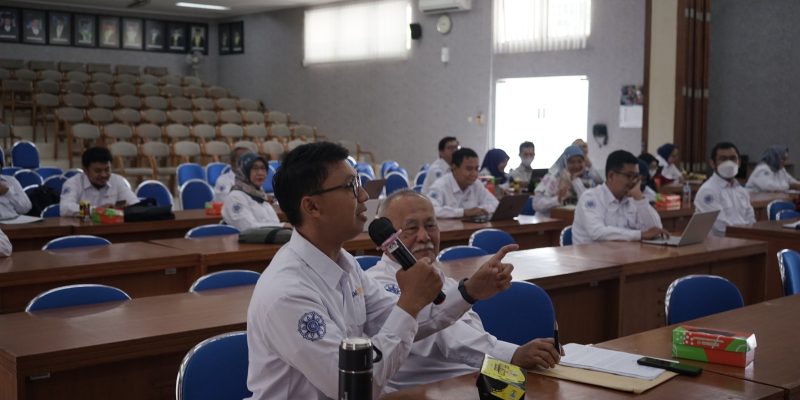
Prof. Purnomo then delivered a presentation on “Optimizing Milk Pumpkin Flour Production and Online Marketing Strategies as Efforts to Enhance Food Security, Economy, and Anti-Stunting in Madurejo Village, DIY.” He explained the role of appropriate technology and the downstreaming of research results as a solution to address pumpkin marketing issues and stunting intervention in Madurejo Village. The hope is that these efforts will not only combat stunting but also support the economic growth of the village (SDG 8).
The workshop is part of the Faculty of Biology’s commitment to enhancing societal welfare through innovation and research applicable to the community. It is anticipated that this workshop will also contribute to strengthening the ties between the Faculty of Biology UGM and RSUD Ajibarang in future collaborative endeavors through innovative and sustainable activities.
Yogyakarta, October 4, 2023 – The Faculty of Biology at UGM initiated collaboration with James Cook University (JCU), one of the universities in Australia. This meeting was a follow-up discussion after the previous discussion with James Cook University in Singapore on Thursday, August 31. The meeting was held virtually and attended by partners from James Cook University, including Cassandra Lee as the Director of Recruitment and Partnerships, Ben Ng as the Assistant Manager in International Management, Shelly Wang as the Senior Regional Manager (Europe, Central Asia & Others), and Carlie Sage as the Communications Manager, International Marketing at James Cook University Australia. From the Faculty of Biology, there were Dr. Eko Agus Suyono, M.App.Sc., the Vice Dean for Research, Community Service, Collaboration and Alumni Affairs; Dr. Bambang Retnoaji, M.Sc., the Vice Dean for Academic and Student Affairs; Sukirno, S.Si., M.Sc., Ph.D., the Head of the Undergraduate Study Program; and Tyas Iksan Hikmawan, M.Sc., Ph.D., the Secretary of the Office of International Affairs at the Faculty of Biology, UGM.
This discussion was a continuation of the discussion with James Cook University Australia after the Faculty of Biology at UGM had a discussion with James Cook University in Singapore. It is also a flexible follow-up to the collaboration so that students can choose programs at either the Australian or Singaporean campuses. Previously, the initiation of collaboration for student exchange, double degree, and joint supervision had been discussed, supported by the potential of Indonesian government scholarships (LPDP) for master’s and doctoral programs, as well as curriculum matching. The Faculty of Biology, in particular, aims to establish collaboration in the field of marine biology.
This discussion serves as a great opportunity to enhance the collaborative network between Universitas Gadjah Mada, especially the Faculty of Biology, and James Cook University Australia. It is hoped that through this collaboration, it will support the improvement of education and research at the Faculty of Biology, UGM, and provide students with increased opportunities for international learning. This collaboration is part of the Faculty of Biology’s commitment to expanding connections and partnerships with various collaborators to enhance the quality of education, in line with its support for Sustainable Development Goals for the improvement of education and the expansion of cooperation (SDG 4 and 17).
Prof. Dr. Budi Setiadi Daryono, S.Si., M.Agr.Sc., Ph.D. the Dean of the Faculty of Biology at UGM, represented UGM as the Recipient of Research and Development Funding Support from the Palm Oil Fund Management Agency (Badan Pengelola Dana Perkebunan Kelapa Sawit – BPDPKS) for the year 2023. The official collaboration was marked by a Cooperation Agreement Signing Ceremony held on Monday, September 25, 2023, from 12:00 PM to 5:30 PM WIB at Hotel JHL Soltaire, Gading Serpong, Tangerang.
The event commenced with welcoming remarks from the CEO of BPDPKS, Eddy Abdurrachman, and a speech from a representative of BPDPKS’s Research and Development Committee. This was followed by the signing of the cooperation agreement for the Palm Oil Research and Development Grant Program 2023. Heads of Research and Development Institutions and Researchers who received Research and Development Funding Support from BPDPKS for 2023 were present at the event, including the team from UGM. UGM successfully secured the BPDPKS grant for an intriguing research project titled “Development of Molecular Markers for Efficient Phosphate Nutrient Uptake in Oil Palm.” This research is led by Prof. Dr. Budi Setiadi Daryono, S.Si., M.Agr.Sc., and involves several other researchers, namely Sigit Dwi Maryanto, M.Sc., Eka Tarwaca Susila Putra, S.P., M.Sc., Ph.D., Prof. Dr. Diah Rachmawati, M.Sc., and Prof. Dr. Purnomo, MS. This research project stands as the sole project to receive the BPDPKS grant and represents UGM in this prestigious event for the year 2023.
The Palm Oil Fund Management Agency (BPDPKS) has long been committed to supporting research and development in the palm oil industry. The research funding they provide originates from the palm oil plantation sector and is used to support various research and development initiatives in the palm oil industry, while also strengthening national research institutions.
The BPDPKS Grant research demonstrates support for the implementation of the Sustainable Development Goals (SDGs) through collaborative efforts to enhance research by researchers and lecturers at the Faculty of Biology, UGM, as well as to advance education (SDG 4 and SDG 17). Additionally, this collaboration supports BPDPKS’s mission in contributing to a better economic growth (SDG 8).
The sustainability of the national palm oil industry is the primary focus of BPDPKS in supporting these research endeavors. It is hoped that the research results funded by BPDPKS will provide concrete solutions, act as problem-solving tools, and contribute to increased productivity and sustainability in the palm oil industry. The aspiration is that research funded by BPDPKS will be utilized by the palm oil industry, government, and the wider community, ultimately advancing the industry while ensuring its sustainability.
A team of undergraduate students of the Faculty of Biology at UGM, led by Firchamy Vuqi Aulia along with Annisa Nur Baety, Azra Belva Naprilian, Muhammad Syahrul Firdaus, and Ridho Nur Alam under guidance Dr. Wiko Arif Wibowo, S.Si. achieved 2nd place in the National Scientific Paper Competition. The event was organized by Brawijaya University from June 1 to September 13, 2023 with the theme “Synergizing Nation Building with Applied Technological Innovation towards Independent Indonesia,”. The competition consisted of two stages: the submission of full papers and the creation of a PowerPoint presentation, followed by a presentation by the selected finalist.
The team took the sub-theme of agro complexes, with the title “Application of Precision Farming Concept with Digital Twins Technology in Vertical Farming in the Era of Industry 5.0 to Support Sustainable Development.” The writing of this scientific paper was motivated by the declining state of Indonesia’s agricultural sector over time. This is attributed to the increasing limitation of agricultural land availability due to its conversion into residential areas caused by the growing population. Additionally, the agricultural sector in Indonesia is still managed conventionally with limited technological involvement. This is a significant factor in frequent crop failures. These events lead to an increase in import activities as the food supply from the agricultural sector in Indonesia is insufficient to meet the consumption needs of the continuously growing population. Based on these issues, The team proposed an innovation aimed at addressing these challenges. This innovation involves the implementation of vertical farming coupled with the precision farming concept supported by Digital Twins technology. Vertical farming will serve as a solution for farmers with limited land, particularly those in urban areas. However, vertical farming alone will not yield optimal results without additional innovations. Therefore, we propose an innovation to manage vertical farming using the precision farming concept. Precision farming will be implemented using geographic information systems (GIS), remote monitoring, and soil sensors as primary tools. Furthermore, this precision farming concept will be further enhanced by the integration of Digital Twins technology, which utilizes real-time virtual modeling of objects with the assistance of AI (Artificial Intelligence) and IoT (Internet of Things).
The idea put forth by this team is anticipated to be an effective and constructive solution for the agricultural sector in Indonesia. If implemented, it will have a positive impact on Indonesia’s agricultural sector, making it more advanced and capable of meeting the food needs of the Indonesian population, while also competing on a global scale in the current Industry 5.0 era. Additionally, with the innovation stemming from this idea, it is hoped that the agricultural sector in Indonesia will develop sustainably, thereby eliminating issues of land scarcity and leading to an improvement in the quality and quantity of agricultural produce.
A team of undergraduate Biology students led by Nur Farah Susilowati along with Kotimah, won first place in the National Scientific Writing Competition organized by the Biology Education Student Association of Tidar University namely “Optimizing the Ability to Conserve a Paradise of Biodiversity”. This event was conducted online with the final presentation held on August 18, 2023, and the announcement of winners on August 22, 2023. In this competition, the team were guided by Dr. Siti Nurbaiti, S.Si., addressing the sub-theme “Efforts to Address Biodiversity Degradation.” Their scientific paper was titled “Microalgae Biodiversity as a Potential Indicator of Ecosystem Quality at the Elephant Conservation Center.”
The writing of this scientific paper was motivated by the potential of microalgae to be implemented in addressing biodiversity issues in the elephant ecosystem. The aim of this scientific paper was to analyze the role of microalgae as a bioindicator, with diversity index as a parameter for the stability of a community within an ecosystem, or disturbances that occur due to environmental and biotic factors. This scientific paper was compiled using a scientific journal literacy approach, referring to the identification and calculation of the diversity of microalgae species from water and sediment samples at the elephant ecosystem. The diversity of microalgae species was used as an index of ecosystem quality, with a correlation to the characteristics of microalgae that have specific tolerance limits to physical and chemical factors, serving as bioremediation materials, food sources, bioactive substances, and containing long-chain hydrocarbons that can be utilized as an energy source. The results of this research showed varying levels of microalgae diversity as an identification of water quality at the Elephant Conservation Center, indicating the stability of its ecosystem.
The continuation of the Community Engagement Merdeka Learning Campus Merdeka (PKM-MBKM) program in 2023, titled “Empowering the Independence of the Women Farmers Group in Kepuh Wetan Village, Wirokerten, through Oyster Mushroom Cultivation and Processing (Pleurotus ostreatus),” was conducted on Sunday, October 1, 2023. In line with the Sustainable Development Goals (SDGs), particularly in enhancing the role of women across various sectors (SDG 5), the meeting was attended by the women members of the Women Farmers Group (KWT) Amanda, with Chairwoman Mrs. Marwati present.
The session involved a presentation of the progress and evaluation of oyster mushroom cultivation that has been undertaken. The team, consisting of Ika Izma Putri, Kusnadianta Yudha Pratama, Dana Abruri, Airlangga Wibisono, and led by Prof. Dr. Diah Rachmawati, S.Si., M.Si., identified several challenges in oyster mushroom cultivation including overheated mushroom houses, low humidity, dried oyster mushrooms, baglog positioning, uneven and suboptimal mushroom growth, as well as termite infestations. To address these challenges, The Team suggested intensive watering to lower the temperature and increase humidity around the oyster mushrooms, targeted tearing of the baglogs on specific sides to promote optimal mushroom growth, darkening the mushroom house to maintain humidity, and the creation of yellow traps as termite deterrents using yellow-colored plastic bottles wrapped in adhesive-coated plastic.
Following the presentation of the evaluation results, the team and members of the Women Farmers Group Amanda collaborated in arranging oyster mushroom baglogs on shelving units within the mushroom house. A total of 265 baglogs were arranged on two tiers of shelving. These baglogs exhibited approximately 25% mycelium coverage. It is hoped that after this activity, there will be a continuation in the processing of oyster mushrooms into various products, including mushroom crisps, nuggets, and siomay, aiming to develop independent entrepreneurship within KWT Amanda and contribute to the economic growth of their community (SDG 8).
On Thursday, September 28, 2023, the Graduate Student Family (Keluarga Mahasiswa Pascasarjana – KMP) of the Faculty of Biology UGM organized the Circle II Discussion Session 1. The activity revolved around the theme “Boost Your Writing Skill,” with the aim of enhancing the writing abilities of graduate students to produce high-quality manuscripts eligible for publication in reputable journals. The event took place in Room 2 on the 1st Floor of the Sinar Mas Building at the Faculty of Biology, UGM, and was attended by 63 participants, consisting of undergraduate, master’s, and doctoral students from the Faculty of Biology, UGM.
The first day’s activities commenced at 07:45 AM WIB, guided by Faradilla, S.Si. as the MC, and began with a collective prayer to bestow blessings and extensive benefits upon the event, continued with the singing of the Indonesian National Anthem, “Indonesia Raya,” the Gadjah Mada Hymn, and the Biology UGM March. Following this, the Circle II Discussion was officially opened with a welcome speech by Dr.rer.nat. Andhika Puspito Nugroho, S.Si., M.Si., representing Prof. Dr. Budi Setiadi Daryono, M.Agr.Sc., the Dean of the Faculty of Biology, UGM, who was unable to attend. During his address, he expressed his appreciation for the Circle II Discussion event as a valuable activity that supports research publication.Dr. Andika emphasized that writing is a complex task, as it requires guidance and direction. In the graduate program, students must take the initiative to write independently. He also emphasized the importance of publishing research data in scientific journals, rather than solely considering it as a final assignment. Furthermore, he encouraged students to participate in various seminars and conferences to add to their Certificate of Academic Achievement (SKPI) issued by the faculty.
The event continued with a presentation by Dr. Miftahul Ilmi, S.Si., M.Si., on “Writing Effectively.” He emphasized that good writing should have a logical structure and flow that is easy to read. He stated that there is no magic formula for a manuscript to be accepted by reputable journals, but there are four essential criteria: an interesting and relevant theme in the field of study, well-designed research that addresses the hypothesis, valid and significant data, and clear publication writing. He also stressed the important principles of being concise, clear, and logical in writing, while cautioning against common mistakes like using convoluted and ambiguous sentences.The second part of the presentation covered the crucial steps in writing a scientific article. The speaker emphasized that authors must be aware of their target audience and the focus of the article. This includes defining the research problem, research objectives, and research conclusions. The steps in writing a manuscript start with the framework, methodology, results, discussion, introduction, title, and abstract. Additionally, meeting deadlines and seeking revisions from mentors or colleagues were highlighted.
After a short break, the discussion continued with topics on “Citation” and “Publication Ethics” by the guest speaker. They explained the importance of citations in providing context to research, presenting ideas, and acknowledging sources of information. Various sources, such as articles, proceedings, thesis books, newspapers, print media, online sources, and personal communication, can be used for citations. The speakers also discussed the significance of key articles at the beginning of the research and updating the list of references during the research process. They pointed out citation practices that need to be scrutinized, including spurious citations, biased citations, self-citing, and excluding contradictory results citations. Additionally, they highlighted publication ethics related to authorship, data falsification, plagiarism, and predatory journals.
The final session provided tips on “Submission Strategies” for articles, such as selecting a potential journal and adhering to the format specified by the target journal. Each presentation by the speakers was followed by enthusiastic questions from the audience. Questions covered topics like valid methodology selection, avoiding citation loops, authorship determination, and tips for writing cover letters to journal editors.
The activities of the first day concluded at 03:30 PM WIB with the presentation of mementos by the KMP Faculty of Biology, UGM. Finally, the event concluded with a group photo of the speakers, participants, and organizers. The Circle Discussion event is expected to become a regularly held activity to meet the needs of graduate students in Biology at UGM in terms of writing, research, and publishing scientific articles.
Translate »